Best Time Visit Yosemite National Park 2026
Yosemite’s dramatic seasonal variations create distinct experiences across the year, with optimal timing depending on your priorities. The park’s elevation range from 2,000 to 13,114 feet generates diverse microclimates and seasonal transitions occurring at different times throughout the park. Understanding these patterns helps target specific conditions matching your interests, whether pursuing peak waterfall spectacles, avoiding crowds, experiencing snow-covered landscapes, or photographing autumn colors. Each season offers unique advantages and trade-offs requiring evaluation based on individual preferences.
Key Takeaways:
- Late May through early June delivers peak conditions combining maximum waterfall flows, comfortable 60-75°F temperatures, and moderate pre-summer crowds
- September-October provides exceptional experiences with 50-60% fewer visitors than summer, pleasant 55-75°F weather, and dramatic fall colors despite reduced waterfall flows
- Summer (June-August) brings warmest weather and full accessibility but largest crowds, with valley parking filling by 9:00-10:00 AM weekends
- Winter (November-March) transforms the park with snow-covered beauty, 75-85% fewer visitors, and 40-50% lower accommodation costs but limited high-country access
- Spring wildflower blooms peak late April-May at lower elevations, while high country wildflowers flourish July-August after snowmelt
- Tioga Road accessing Tuolumne Meadows opens late May-early June and closes late October-November, defining high-country access windows
Introduction to Yosemite’s Seasonal Patterns
The concept of “best time” varies significantly among visitor types. Photographers prioritize dramatic lighting, waterfall flows, and fall colors. Hikers seek comfortable temperatures, trail accessibility, and manageable crowds. Families value school vacation schedules, moderate weather, and comprehensive facility operations. Budget-conscious travelers target shoulder seasons or winter periods with lower accommodation costs. Climbers pursue optimal rock conditions during dry summer months. Recognizing your primary interests helps identify seasons aligning with specific goals rather than chasing a universal “perfect” time that doesn’t exist for all visitor types.
This comprehensive seasonal guide analyzes monthly conditions including weather patterns, waterfall flows, crowd levels, facility operations, activity options, and costs. The analysis combines decades of climate data, visitation statistics, and seasonal patterns to provide accurate expectations for 2026 planning. Understanding these seasonal characteristics enables informed decisions maximizing satisfaction while avoiding potential disappointments from mismatched timing and expectations.
People Also Ask About Visiting Yosemite 2026
What is the best month to visit Yosemite?
May delivers exceptional conditions combining peak waterfall flows, comfortable temperatures, blooming wildflowers, and moderate crowds before summer surge. Yosemite Falls reaches maximum volume as Sierra Nevada snowpack melts from warming temperatures. The valley floor experiences pleasant 60-75°F temperatures ideal for hiking without summer heat. Wildflowers bloom across meadows and lower-elevation forests. Crowds remain manageable compared to summer peaks, though Memorial Day weekend brings increased visitation. Most facilities operate on spring schedules with adequate services. May balances outstanding natural conditions with practical considerations for comfortable visits.
September provides equally compelling but different advantages. Visitation drops 50-60% from summer levels, dramatically improving parking availability, trail solitude, and overall experiences. Temperatures range 65-80°F with warm days and cool evenings perfect for outdoor activities. Aspen trees turn golden against granite walls and evergreen forests, creating spectacular photographic opportunities. Although waterfalls flow minimally, the reduced crowds and beautiful weather offset this limitation for many visitors. September combines excellent conditions with fewer people, appealing to visitors prioritizing peaceful experiences over peak waterfall displays.
When are Yosemite waterfalls at their peak?
Yosemite’s waterfalls reach peak flows during May and early June as warming temperatures melt Sierra Nevada snowpack accumulated during winter months. Yosemite Falls, North America’s tallest waterfall, thunders down its 2,425-foot drop with maximum volume creating spray visible throughout the valley. Bridalveil Fall creates dramatic rainbows in afternoon light. Nevada and Vernal Falls pour heavy flows down their granite staircases. The exact peak timing varies annually based on winter snowpack depth and spring temperature patterns. Heavy snow winters push peak flows into June, while light snow years cause earlier peaks in late April.
By mid-July, most waterfalls significantly diminish as snowpack depletes. Yosemite Falls often stops flowing completely by late July-August in normal years, with the cliffs showing dry rock faces instead of cascading water. Bridalveil Fall reduces to light trickles. Nevada and Vernal Falls continue flowing year-round from Merced River sources but drop well below spring volumes. Visitors prioritizing waterfall spectacles should target April-June visits, accepting that this period brings cooler temperatures and potentially lingering high-elevation snow limiting some trail access. The trade-off between waterfall drama and complete accessibility defines spring timing decisions.
What is the least crowded time to visit Yosemite?
January and February represent the least crowded period, with visitation dropping 80-85% from summer peaks. Weekday winter visits offer nearly solitary valley experiences with easy parking, minimal shuttle wait times, and peaceful trail conditions. Snow transforms the landscape into serene winter wonderland scenery. Cold temperatures (30-55°F) and occasional storms deter casual visitors but create opportunities for those embracing winter conditions. Accommodation availability proves excellent with significantly discounted rates. The trade-offs include Tioga Road and Glacier Point Road closures limiting access to valley areas, and reduced facility operations with some services unavailable.
Late November and early December provide shoulder season alternatives combining reduced crowds with milder weather than mid-winter. Visitation decreases 60-70% from summer levels while temperatures remain moderate (40-60°F). Thanksgiving week sees temporary visitation increases but quickly returns to quiet conditions afterward. Fall colors may persist at lower elevations. Snow arrives sporadically rather than continuously, allowing periods of dry valley conditions. Accommodation costs drop 40-50% from summer pricing. This period works well for visitors seeking uncrowded conditions without committing to full winter weather.
When does Tioga Road open in 2026?
Tioga Road typically opens late May to early June after National Park Service crews clear winter snow accumulation. The exact date varies annually based on snowpack depth and spring weather patterns, with heavy snow winters delaying openings into mid-June. The 39-mile road crosses Tioga Pass at 9,945 feet elevation, requiring substantial snow removal before safe vehicle passage. Opening announcements appear on nps.gov/yose and park social media approximately one week before crews complete clearing operations. Visitors planning Tuolumne Meadows visits for late May should have contingency plans if snow delays opening.
The road closes in late October or November with first significant snowstorms, ending high-country access until the following spring. The National Park Service monitors weather forecasts and typically announces impending closures 24-48 hours ahead, allowing visitors to exit high elevations. Once closed, Tioga Road remains impassable until spring snow removal. The 5-6 month window of Tioga Road access defines high-country visitation opportunities. Visitors targeting Tuolumne Meadows and eastern Sierra access should plan June-October trips, with July-September providing most reliable access avoiding potential late-spring or early-fall closures.
Extended multi-day tours – 5+ days
Featured Park Yosemite National Park Multi-Day Tour Packages
6 days
Hiking in Yosemite National Park
- ✓ Comprehensive Park Yosemite National Park tour
- ✓ Expert local guides included
- ✓ All accommodation arranged
- ✓ Transportation provided
8 days
Hiking Sequoia, Kings Canyon, and Yosemite
- ✓ Comprehensive Park Yosemite National Park tour
- ✓ Expert local guides included
- ✓ All accommodation arranged
- ✓ Transportation provided

8 days
California's Great National Parks
- ✓ Comprehensive Park Yosemite National Park tour
- ✓ Expert local guides included
- ✓ All accommodation arranged
- ✓ Transportation provided

8 days
California Dreamin': Monterey, Yosemite & Napa (Monterey, CA to San Francisco, CA, 2026)
- ✓ Comprehensive Park Yosemite National Park tour
- ✓ Expert local guides included
- ✓ All accommodation arranged
- ✓ Transportation provided
Multi-day tour packages powered by TourRadar. Prices and availability subject to change.
Spring Season Analysis (April-May)
Early Spring (April)
April marks Yosemite’s transition from winter to spring, with conditions varying considerably between early and late month. The valley experiences warming temperatures ranging 50-70°F, while high elevations remain snow-covered. Tioga Road and Glacier Point Road stay closed, limiting access to Yosemite Valley and areas accessible via Highway 140, Highway 120 west, and Highway 41. Waterfall flows begin increasing as temperatures warm and snowmelt accelerates. Yosemite Falls and Bridalveil Fall show strengthening cascades by late April. Lower-elevation wildflowers emerge including California poppies, lupines, and various blooming trees.
Visitation remains moderate in April with spring break crowds during mid-month but otherwise manageable levels. Weekdays offer particularly uncrowded conditions. Accommodation costs run 20-30% below summer peaks with good availability requiring only 2-4 weeks advance booking for most properties. Some campgrounds remain on first-come, first-served basis without reservations until later spring. Weather variability characterizes April, with warm sunny days alternating with cool periods and occasional rain showers. Pack layers and rain gear for changing conditions. The month appeals to visitors seeking emerging spring conditions, moderate crowds, and reasonable costs while accepting high-country access limitations.
Late Spring (May)
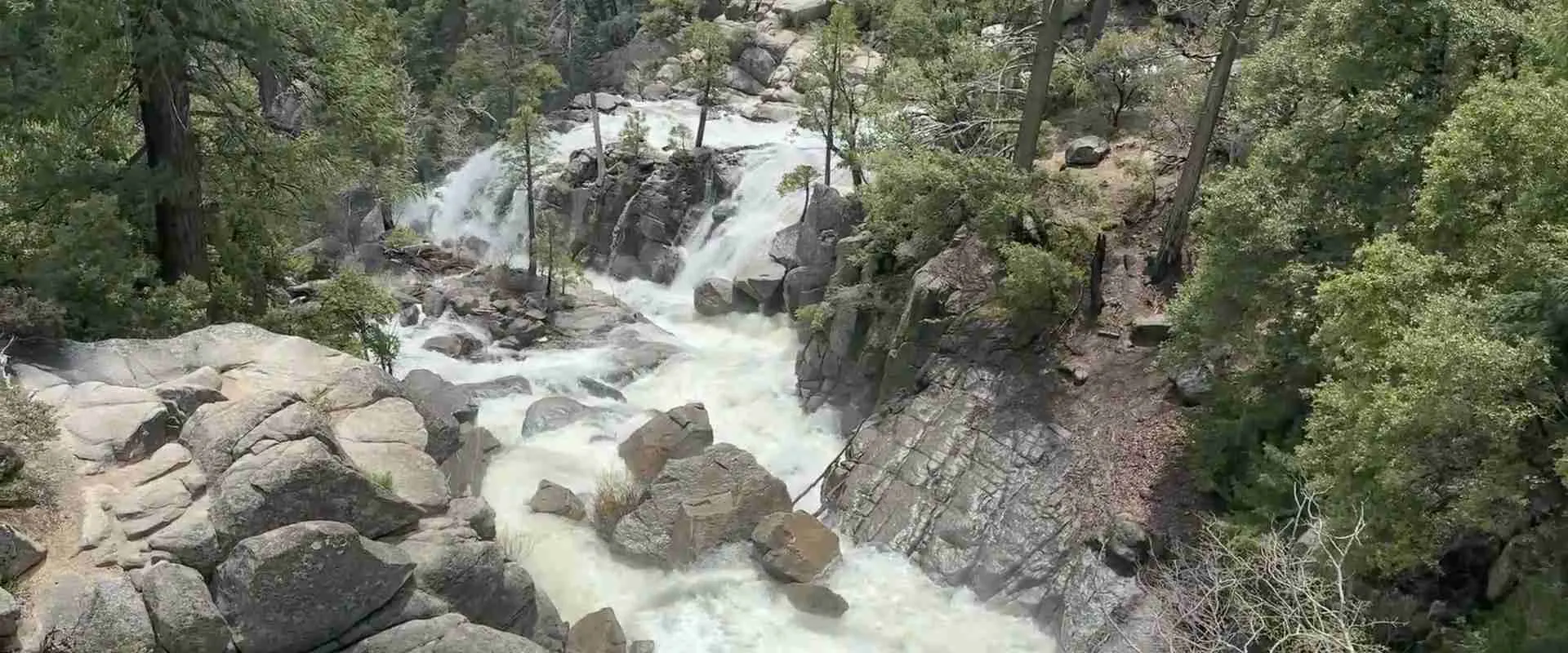
May delivers Yosemite’s most spectacular waterfall displays as Sierra Nevada snowmelt reaches peak rates. Yosemite Falls thunders at maximum volume, creating roars audible throughout the valley and spray visible from distant viewpoints. Nevada and Vernal Falls pour dramatic flows down their granite drops. Bridalveil Fall creates afternoon rainbows. The combination of powerful cascades with increasing foliage creates lush valley conditions contrasting with the drier summer landscape. Temperatures range 60-75°F—comfortable for all activities without summer heat. Valley wildflowers peak in meadows and forests. Dogwood trees bloom with white flowers against granite cliffs.
Glacier Point Road typically opens by mid-May, restoring access to valley overlooks. Tioga Road opening late May (varying by year) extends access to Tuolumne Meadows and high country, though some high-elevation trails may retain snow into June. Crowds increase through May, particularly Memorial Day weekend, but remain below summer peak levels. Weekday visits still offer manageable conditions. Accommodation requires 6-8 weeks advance booking, with popular properties selling out for Memorial Day. Campground reservations prove competitive. May’s combination of peak natural conditions with reasonable crowd levels explains its popularity among visitors prioritizing waterfall spectacles and spring beauty.
Summer Season Analysis (June-August)
Early Summer (June)
June bridges spring and summer characteristics, offering excellent waterfall flows early in the month before declining later. The first two weeks feature substantial cascades from remaining snowmelt, though less dramatic than May peaks. By late June, flows diminish noticeably as snowpack depletes. Temperatures warm from 65-80°F early month to 75-90°F late June. Tioga Road typically opens early June if not already accessible from late May, providing full park access including Tuolumne Meadows. High-country wildflowers begin blooming as snowmelt exposes meadows. Days lengthen to maximum (sunrise 5:30 AM, sunset 8:30 PM), allowing extended hiking and photography time.
Visitation increases significantly through June as school vacations begin and summer travel season starts. Weekends see heavy crowds with valley parking filling by 10:00-11:00 AM. Weekday conditions remain somewhat better. Reservation requirements for day-use entry begin enforcing (typically early-mid June), requiring advance planning for valley access. All facilities operate on full summer schedules with complete services. Accommodation prices reach summer peak rates, requiring 8-12 months advance booking for popular properties. June works well for visitors seeking nearly complete access, long daylight hours, and some waterfall flows while accepting increasing crowds and summer pricing.
Peak Summer (July-August)
July and August bring warmest temperatures (80-95°F in valley, 65-75°F at high elevations) with predominantly sunny, dry conditions. Waterfall flows drop dramatically—Yosemite Falls stops flowing in most years by late July, showing dry cliffs instead of cascades. Bridalveil Fall reduces to light trickles. Only Nevada and Vernal Falls maintain substantial flows from Merced River sources. Despite reduced waterfalls, high-country access reaches peak conditions with snow-free trails, accessible alpine lakes, and high-elevation wildflower displays. Tuolumne Meadows shows spectacular wildflower carpets in July. Extended daylight (sunrise 6:00 AM, sunset 8:00-8:30 PM) supports ambitious hiking days.
Peak summer visitation creates challenging conditions in Yosemite Valley. Parking lots fill by 9:00-10:00 AM weekends and 11:00 AM-12:00 PM weekdays. Shuttle buses run frequent service but experience crowding during peak hours. Popular trails show heavy use throughout the day. The valley’s free shuttle system and reservation requirements for day-use entry prevent conditions from exceeding capacity but don’t eliminate crowds. Higher elevations (Tuolumne Meadows, Glacier Point) experience lighter crowds than the valley. Accommodation remains fully booked throughout summer, requiring booking 12-14 months ahead. July-August suits visitors prioritizing high-country access, warm weather, and long days while accepting reduced waterfalls and maximum crowds.
Fall Season Analysis (September-October)
Early Fall (September)
September delivers exceptional Yosemite experiences combining pleasant weather, significantly reduced crowds, and dramatic lighting for photography. Visitation drops 50-60% from August levels as school resumes and summer vacation season ends. Parking becomes readily available, shuttle buses run uncrowded, and trails offer peaceful hiking. Temperatures range 65-80°F with warm days and increasingly cool evenings (45-55°F). Clear skies dominate with minimal precipitation. Afternoon light takes on autumn’s characteristic warm tones, enhancing granite cliff colors for photography. Early fall colors emerge in aspens at higher elevations and some valley oaks.
Waterfall flows remain minimal—Yosemite Falls stays dry, Bridalveil shows light trickles, and only Nevada and Vernal Falls maintain moderate flows. The absence of waterfall spectacles matters less given other exceptional conditions. Tioga Road remains open through September barring unusual early storms, maintaining full park access. High-country hiking continues without snow concerns. Accommodation availability improves with reservations possible 2-6 weeks ahead for most properties. Prices drop 15-25% from peak summer rates. September suits visitors prioritizing uncrowded conditions, photography opportunities, and comfortable weather while accepting dry waterfalls. Many experienced visitors consider September Yosemite’s best month.
Late Fall (October)
October showcases autumn’s full color display as aspens, oaks, and cottonwoods turn golden and rust red against gray granite and evergreen forests. Yosemite Valley’s deciduous trees create spectacular contrasts particularly in morning and late afternoon light. Temperatures cool to 55-70°F daytime and 35-45°F nighttime, requiring warm layers for evening activities. Weather remains predominantly clear and dry early month, with increasing chances of rain or high-elevation snow later. The first significant snowfall of the season typically closes Tioga Road late October, ending high-country access until following spring.
Crowds decrease further through October, reaching 60-70% below summer peaks. Weekday visits offer nearly solitary valley experiences. Weekend visitation remains light compared to summer. Reservation requirements for day-use entry typically end in September, allowing spontaneous October visits without advance booking. Accommodation prices drop another 10-15% from September, reaching 30-40% below summer peaks. Some seasonal facilities reduce operations or close—Curry Village closes for the season, reducing valley lodging options. October attracts photographers seeking fall colors and visitors valuing solitude over peak natural conditions. The month provides excellent value combining pleasant weather, light crowds, and reduced costs.
Winter Season Analysis (November-March)
Early Winter (November-December)
November and December transform Yosemite into quiet winter retreat with minimal visitation and emerging snow coverage. Temperatures range 40-60°F early season, dropping to 30-50°F by December. Valley receives 2-4 inches of snow during typical winter storms, creating temporary white landscapes that melt within days. Higher elevations accumulate substantial snowpack. Tioga Road closes for winter (typically late October-November), as does Glacier Point Road, limiting access to Yosemite Valley. Cold nights freeze Yosemite Falls into dramatic ice curtains during extended cold spells—a spectacular phenomenon attracting winter photographers.
Visitation drops 70-75% from summer peaks, with Thanksgiving week providing the only significant crowds before quiet December conditions. Parking proves easily available throughout winter. Shuttle service continues but runs reduced frequency reflecting lower demand. Accommodation costs plummet 40-50% from summer rates. Curry Village closes seasonally, but Yosemite Valley Lodge and the Ahwahnee remain open with winter pricing of $180-250 and $350-450 respectively. Campgrounds stay open but see minimal use. Winter storms require tire chains on park roads—keep chains accessible in vehicles. November-December suits visitors seeking solitude, dramatic winter scenery, and significant cost savings while accepting cold weather and limited area access.
Deep Winter (January-February)
January and February represent Yosemite’s quietest months with 80-85% less visitation than summer. Weekday winter visits offer nearly private park experiences with empty parking lots, minimal shuttle passengers, and solitary trails. Snow coverage increases with 2-6 inches accumulating during storms before melting during sunny intervals. High elevations remain deeply snowbound. Temperatures range 30-55°F with freezing nights and mild afternoons. Yosemite Falls freezes into impressive ice columns during cold spells—one of winter’s most spectacular features. Valley waterfalls show dramatic icicle formations contrasting with flowing water.
Badger Pass Ski Area operates December-March (snow dependent), offering downhill skiing and snowboarding on California’s oldest ski resort. Cross-country skiing and snowshoeing access snow-covered meadows and forests. Ranger-led snowshoe walks provide guided winter experiences. Winter activities expand recreation beyond summer’s hiking focus. Accommodation availability proves excellent with last-minute bookings possible. Rock climbing continues during dry periods between storms—winter’s solitude attracts climbers valuing uncrowded conditions. January-February appeal to visitors embracing winter experiences, outdoor winter activities, and extreme solitude while accepting cold temperatures and valley-focused access.
Late Winter (March)
March bridges winter and spring with transitional conditions. Early March maintains winter characteristics—snow coverage, cold temperatures (35-60°F), and light crowds. Late March shows emerging spring with warming temperatures, melting snow, and increasing waterfall flows as snowmelt begins. Afternoon temperatures reach 60-70°F on warm days while mornings remain chilly (35-50°F). Rain becomes more common than snow at valley elevations. Visitation increases through March as spring break brings families, though crowds remain 50-60% below summer levels.
Glacier Point Road may open by late March in light snow years, though typically remains closed until April-May. Tioga Road stays closed through March. Badger Pass continues winter operations early month, closing mid-late March as season ends. Wildflowers begin emerging at lower elevations late March. Waterfalls strengthen noticeably by month’s end. Accommodation transitions from winter to spring pricing, increasing 15-25% from winter lows but remaining 25-35% below summer peaks. March works well for visitors seeking transition season conditions with winter solitude early month and emerging spring late month, accepting weather variability and partial area access.
Waterfall Flow Seasonal Calendar
Understanding waterfall flow patterns helps set realistic expectations and optimize timing for visitors prioritizing cascade spectacles. Yosemite’s waterfalls flow from snowmelt, rain, and perennial streams, with seasonal variations dramatically affecting their appearance. The most spectacular displays occur during peak snowmelt (May-early June), while summer and fall bring minimal or absent flows to many cascades. Planning around these patterns prevents disappointment from visiting when major waterfalls run dry.
Peak Flow Period (April-June): Yosemite Falls thunders at maximum volume, Bridalveil Fall creates dramatic displays with afternoon rainbows, Nevada and Vernal Falls pour heavy flows, and numerous seasonal cascades appear throughout the valley. This period delivers the waterfall experiences depicted in classic Yosemite photography and promotional materials. Flows vary annually based on winter snowpack—heavy snow years produce stronger, longer-lasting flows extending into July, while light snow years cause earlier peaks and shorter flow periods.
Moderate Flow Period (July-early August, March): Waterfalls diminish but maintain visible flows. Yosemite Falls reduces significantly from peak volumes but continues flowing. Bridalveil Fall shows lighter cascades. Nevada and Vernal Falls drop from peak flows but remain substantial. Early summer (July) shows declining flows as snowpack depletes, while early spring (March) shows increasing flows as snowmelt begins. Photography opportunities decrease compared to peak flow but waterfalls remain visible and photogenic.
Minimal/Dry Period (August-February): Yosemite Falls typically stops flowing late July-February in most years, showing dry rock faces instead of cascades. Brief flows may occur during winter storms or warm spells causing temporary snowmelt. Bridalveil Fall reduces to light trickles or mist. Only Nevada and Vernal Falls maintain year-round flows from Merced River sources, though volumes drop significantly from peak levels. Visitors during this period should expect limited waterfall viewing, appreciating other park features like granite formations, fall colors (September-October), or winter scenery (November-March).
Crowd Patterns and Visitation Levels
Yosemite’s visitation follows predictable seasonal patterns enabling strategic timing to avoid peak crowds. Understanding these patterns helps visitors choose dates matching their tolerance for crowded conditions versus their scheduling constraints and seasonal preferences. The park receives approximately 4 million annual visitors, with 75% concentrating in the 8-square-mile Yosemite Valley despite the park’s 747,956 total acres. This concentration creates intensive use pressures during peak periods.
Peak Crowd Periods: Summer weekends (June-August), Memorial Day weekend, Independence Day (July 4), Labor Day weekend, and Thanksgiving week bring maximum visitation. Valley parking fills by 9:00-10:00 AM weekends during these periods. Shuttle buses run at capacity. Popular trails show heavy use throughout the day. Dining facilities experience long wait times. These periods require maximum advance planning including early arrival times (before 8:00 AM), shuttle system use, and flexible dining timing. Despite crowds, the reservation system prevents overcrowding worse than historical levels by limiting daily entries.
Moderate Crowd Periods: Summer weekdays (Tuesday-Thursday), shoulder seasons (late April-May, September-October), and spring break (March) bring noticeable but manageable crowds. Parking fills by 11:00 AM-1:00 PM. Shuttle buses run regular schedules with reasonable wait times. Trails show moderate use allowing peaceful hiking with occasional encounters. These periods balance reasonable crowd levels with good weather and facility operations. Weekday visits during these windows provide excellent experiences without extreme crowding or complete solitude.
Light Crowd Periods: Winter weekdays (January-February), late November-early December, and early spring (early April) offer minimal visitation with 60-80% fewer visitors than summer peaks. Parking proves easily available. Shuttles run uncrowded. Trails provide solitary experiences. These periods appeal to visitors prioritizing peaceful conditions over optimal weather or complete facility operations. The trade-offs include cold temperatures, limited high-country access, and seasonal facility closures. Visitors accepting these limitations discover remarkably different Yosemite experiences from crowded summer visits.
Weather and Temperature Patterns
Yosemite’s Mediterranean mountain climate creates distinct seasonal weather patterns with dry summers and wet winters. Understanding these patterns helps appropriate clothing choices, activity planning, and realistic expectation-setting. Temperature variations depend significantly on elevation—valley areas (4,000 feet) run 15-20°F warmer than high country (8,000-10,000 feet), requiring different clothing and preparation strategies.
Spring Weather (April-May)
Spring brings variable conditions with warm sunny days alternating with cool periods and rain showers. Valley temperatures range 50-75°F with increasing warmth through the season. High elevations remain cold (30-50°F) with persistent snow at higher altitudes. Precipitation occurs 6-8 days per month on average, usually as light-to-moderate rain in the valley and snow above 6,000 feet. April sees more precipitation than May as the wet season transitions to summer’s dry period. Pack layered clothing including rain gear, fleece or down jackets for cool mornings and evenings, and lighter layers for warm afternoons. Waterproof boots prove valuable for wet trail conditions and potential snow at higher elevations.
Summer Weather (June-August)
Summer delivers predominantly sunny, dry conditions with minimal precipitation. Valley temperatures range 75-95°F during afternoons, cooling to 50-65°F overnight. High elevations run 65-75°F days and 35-50°F nights. Afternoon thunderstorms occasionally develop over high peaks, bringing brief showers and lightning. These storms typically last 30-60 minutes before clearing. Precipitation averages only 1-2 days per month. Morning dew and afternoon heat characterize typical summer days. Pack sun protection including hats, sunglasses, and SPF 30+ sunscreen. Bring layers for temperature swings between hot afternoons and cool evenings. Light, breathable clothing works well for daytime activities. Carry light rain shells for potential afternoon thunderstorms in high country.
Fall Weather (September-October)
Fall provides some of Yosemite’s most pleasant weather with warm days, cool nights, and predominantly clear skies. September temperatures range 65-80°F days and 45-55°F nights in the valley, with high elevations 10-15°F cooler. October cools to 55-70°F days and 35-45°F nights. Precipitation remains minimal in September (1-2 days), increasing slightly in October (3-4 days) as fall storm patterns develop. Clear skies and low humidity create excellent visibility for photography. Pack layers for temperature swings between warm afternoons and chilly mornings/evenings. Bring warm fleece or down jackets for evening activities. Light rain shells cover occasional showers but see limited use during predominantly dry conditions.
Winter Weather (November-March)
Winter brings cold temperatures, variable precipitation, and periodic snow coverage. Valley temperatures range 30-55°F with freezing nights and mild afternoons. High elevations remain deeply frozen with temperatures often below freezing. Storms occur 6-10 days per month, bringing rain to the valley (2-6 inches accumulation typical during storms) and substantial snow to higher elevations. Between storms, clear, cold days provide excellent conditions for winter activities. Pack insulated jackets, hats, gloves, and waterproof boots. Layer with base layers, insulating mid-layers, and waterproof outer shells. Tire chains become required during snow conditions—keep chains accessible in vehicles and know how to install them. Winter weather requires more substantial preparation than other seasons but rewards visitors with dramatic snow-covered scenery and solitary conditions.
Activity-Specific Timing Recommendations
Photography Timing
Photographers targeting waterfall cascades should visit April-June during peak flow periods. May delivers optimal combinations of maximum waterfall volumes with blooming wildflowers and emerging foliage. Morning light illuminates valley features from the east, while afternoon light creates dramatic effects on western cliffs and Bridalveil Fall rainbows. Spring’s variable weather brings cloud patterns adding interest to otherwise clear skies. Pack wide-angle lenses for waterfall compositions, telephoto lenses for distant details, and tripods for longer exposures in shadowed areas.
Fall color photography peaks late September-October as aspens, oaks, and cottonwoods turn golden. October delivers most vibrant colors, particularly following first frost. Morning and late afternoon light creates warm tones emphasizing autumn colors against granite walls. The Merced River reflects fall foliage creating mirror images. Reduced waterfall flows allow focusing on color contrasts without competing cascade features. Clear fall weather provides consistent lighting conditions. Winter photography (December-February) captures snow-covered valley features and frozen waterfall formations—dramatic subjects requiring cold-weather preparation but offering unique compositions unavailable in other seasons.
Hiking and Backpacking Timing
Hikers prioritizing comfortable temperatures and trail accessibility should target September-October. The combination of warm days (60-75°F), reduced crowds, and mostly dry trail conditions creates ideal hiking circumstances. All major trails remain fully accessible without snow concerns. High country remains open through September before Tioga Road closes, allowing alpine area access. May-June provides alternative excellent hiking with cooler temperatures (55-70°F) and peak waterfall rewards, though some high-elevation trails may retain snow into June requiring assessment before starting.
Backpackers seeking wilderness solitude find optimal conditions in September-October when backcountry permit competition decreases significantly from summer peaks. Water sources remain available despite reduced flows. Weather stays predominantly stable without summer thunderstorm concerns or spring precipitation variability. Mosquito populations, problematic in high meadows during June-July, largely disappear by September. Temperatures prove comfortable for backpacking with cool rather than freezing nights. July-August works for backpackers prioritizing snow-free high country access and longer days despite increased permit competition and potential mosquito encounters.
Rock Climbing Timing
Rock climbers favor spring (April-June) and fall (September-October) for optimal conditions. Spring brings cool temperatures preventing granite from heating excessively during afternoon climbing. Rock remains clean after winter precipitation. Spring’s longer days (compared to winter) allow ambitious multi-pitch objectives. Fall delivers similar advantages with particularly stable weather patterns in September-October. Summer climbing (July-August) proves viable but requires early starts avoiding afternoon heat—granite absorbs solar radiation creating uncomfortable surface temperatures by midday. Winter climbing (December-February) appeals to experienced climbers seeking solitary conditions and cool rock, accepting short days and potential weather interruptions.
Budget Considerations by Season
High Season Pricing (June-August)
Summer brings peak accommodation costs with in-park lodging reaching annual highs. Yosemite Valley Lodge charges $300-380 per night, the Ahwahnee runs $550-650, and Curry Village canvas tents cost $154-170. Gateway community hotels similarly peak at $150-250 per night for mid-range properties. Campgrounds maintain consistent $26 nightly rates year-round, providing exceptional summer value for visitors comfortable with tent camping. Higher season pricing extends to tours, dining, and activities. Budget $200-250 daily per person for mid-range accommodation and meals, or $75-100 for budget camping with meal preparation. Summer’s higher costs reflect maximum demand and full facility operations.
Shoulder Season Pricing (April-May, September-October)
Shoulder seasons provide 20-30% savings compared to summer peaks while maintaining good weather and experiences. Yosemite Valley Lodge costs $230-280 per night, the Ahwahnee runs $400-500, and Curry Village (operating April-October only) charges $140-160 for canvas tents. Gateway communities drop to $100-180 for mid-range properties. These reduced rates, combined with easier reservation availability (2-6 weeks ahead rather than 12-14 months), make shoulder seasons attractive for budget-conscious visitors. Daily per-person costs decrease to $150-200 for mid-range trips or $60-80 for budget camping approaches. The combination of lower prices, fewer crowds, and good conditions explains shoulder season popularity among experienced visitors.
Winter Pricing (November-March)
Winter delivers dramatic savings with accommodation costs dropping 40-50% from summer peaks. Yosemite Valley Lodge charges $180-250 per night (versus $300-380 summer), while the Ahwahnee runs $350-450 (versus $550-650 summer). Gateway communities price mid-range properties at $80-150. Curry Village closes seasonally, reducing valley lodging options but leaving Yosemite Valley Lodge and the Ahwahnee available. Campgrounds maintain $26 rates providing consistent budget options. Winter’s significantly lower costs, combined with minimal crowds and unique snow-covered scenery, reward visitors accepting cold weather and limited high-country access. Budget $100-150 daily per person for winter mid-range visits or $40-60 for camping approaches—substantial savings funding longer stays or higher-quality accommodation within similar budgets.
Planning Your Optimal Visit
Balancing Competing Priorities
Most visitors face trade-offs between conflicting priorities requiring careful evaluation. Peak waterfall flows (May-June) coincide with increasing crowds and higher costs. Minimal crowds (January-February) come with cold weather and limited access. Fall colors (October) mean dry waterfalls. Optimal timing requires identifying your top priorities and accepting trade-offs on secondary factors. Families with school-age children face scheduling constraints limiting flexibility. Budget-conscious travelers may prioritize cost savings over optimal conditions. Photographers targeting specific features need precise seasonal targeting despite other considerations.
Creating a priority ranking helps decision-making. List factors in importance order: waterfall flows, crowd levels, weather, costs, high-country access, photography opportunities, activity options. Identify seasons meeting your top 2-3 priorities while assessing acceptable compromises on lower priorities. This systematic approach clarifies optimal timing matching your specific situation rather than chasing universal “best time” that varies among visitor types. Be honest about what matters most—family-friendly timing, budget constraints, or specific natural features—then select seasons delivering those priorities.
Month-by-Month Quick Reference
January-February: Pros—Minimal crowds, lowest costs, winter scenery, solitude. Cons—Cold weather, limited access, some facilities closed. Best for: Winter enthusiasts, budget travelers, solitude seekers.
March: Pros—Transitional season, emerging spring, increasing waterfall flows, moderate crowds. Cons—Variable weather, limited high-country access, some facilities closed. Best for: Flexible travelers seeking uncrowded spring conditions.
April: Pros—Increasing waterfall flows, wildflowers emerging, moderate crowds, reasonable costs. Cons—High country inaccessible, variable weather, cool temperatures. Best for: Waterfall viewers accepting limited access.
May: Pros—Peak waterfall flows, comfortable weather, blooming wildflowers, moderate crowds. Cons—Increasing costs, Memorial Day crowds, possible high-country snow. Best for: Waterfall enthusiasts, photographers, general visitors wanting peak conditions.
June: Pros—Good waterfall flows early month, full access as Tioga Road opens, long days. Cons—Declining waterfalls late month, increasing crowds, summer pricing begins. Best for: Visitors wanting complete access with remaining waterfall flows.
July-August: Pros—Full access, warmest weather, long days, high-country wildflowers. Cons—Maximum crowds, minimal waterfalls, peak pricing. Best for: High-country hikers, families with school constraints, warm-weather preference.
September: Pros—Significantly fewer crowds, excellent weather, fall colors emerging. Cons—Minimal waterfalls, slightly higher costs than October. Best for: Experienced visitors prioritizing uncrowded conditions over waterfalls.
October: Pros—Peak fall colors, minimal crowds, pleasant weather, reduced costs. Cons—Dry waterfalls, Tioga Road closes late month. Best for: Photographers, solitude seekers, budget travelers.
November-December: Pros—Very light crowds, low costs, winter scenery, peaceful conditions. Cons—Cold weather, limited access, reduced facilities. Best for: Winter scenery appreciation, extreme budget consciousness, solitude priority.
FAQ: Best Time to Visit Yosemite
What month has the most waterfalls in Yosemite?
May delivers the most dramatic waterfall displays as Sierra Nevada snowmelt peaks from warming temperatures. Yosemite Falls reaches maximum volume, Bridalveil Fall creates spectacular cascades with afternoon rainbows, and Nevada and Vernal Falls pour heavy flows. The exact timing varies annually based on winter snowpack depth—heavy snow years extend peak flows into early June, while light snow years cause earlier peaks in late April. Visitors prioritizing waterfall viewing should target late April through early June, accepting that high-elevation areas may retain snow limiting some trail access during this period.
Is Yosemite better in spring or fall?
Spring (May) and fall (September) offer different advantages requiring evaluation based on priorities. Spring delivers peak waterfall flows, blooming wildflowers, and lush green landscapes but brings increasing crowds and higher costs. Fall provides dramatically fewer crowds (50-60% reduction), excellent weather, and stunning autumn colors but minimal waterfall flows. Photographers often prefer spring for cascades or fall for colors. Visitors prioritizing solitude favor fall, while those wanting iconic waterfall scenes choose spring. Both seasons provide comfortable temperatures and excellent overall conditions—the choice depends on whether waterfall spectacles or uncrowded experiences rank higher in your priorities.
Can you visit Yosemite year-round?
Yosemite National Park remains open year-round with Yosemite Valley and surrounding areas accessible in all seasons. However, seasonal road closures limit high-country access during winter. Tioga Road closes late October-November through late May-early June, preventing travel to Tuolumne Meadows and eastern Sierra. Glacier Point Road similarly closes November-May. Winter visitors access valley areas via Highway 140, Highway 120 west, and Highway 41. All major valley features including Yosemite Falls, El Capitan, Half Dome viewpoints, and valley floor trails remain accessible year-round. Winter offers unique experiences including snow-covered landscapes, frozen waterfall formations, minimal crowds, and significantly lower costs.
What is the snowiest month in Yosemite?
January and February receive the most snowfall in Yosemite Valley, with typical storms bringing 2-6 inches of valley accumulation and substantial higher-elevation snow. December and March see moderate snowfall. The valley’s relatively low elevation (4,000 feet) means precipitation often falls as rain rather than snow, with accumulation melting within days of storms. Higher elevations accumulate deep snowpack throughout winter, reaching maximum depths in March-April before spring melting begins. Visitors seeking snow-covered valley scenery should target January-February, being prepared with tire chains and cold-weather gear. Winter storms create dramatic photography opportunities but require careful driving and weather monitoring.
When does Yosemite Falls dry up?
Yosemite Falls typically stops flowing in late July-August as Sierra Nevada snowpack depletes, remaining dry through fall and early winter until winter storms bring temporary flows or spring snowmelt restarts consistent cascading. The exact timing varies annually based on winter snowpack depth and spring weather patterns. Heavy snow winters produce flows lasting into August or even early September, while light snow years cause falls to dry by late June-July. Brief winter flows occur during warm spells causing snowmelt or following major rain storms, but consistent flows don’t resume until spring snowmelt (March-April). The falls flow strongest May-early June during peak snowmelt.
Are there mosquitoes in Yosemite?
Mosquitoes emerge in high-country meadows during June-July as snowmelt creates breeding pools and standing water. Tuolumne Meadows and other subalpine areas experience significant mosquito populations during this period, requiring insect repellent and protective clothing. Mosquito activity subsides by August as meadows dry and temperatures warm. Yosemite Valley sees minimal mosquito issues due to lower elevation, drier conditions, and less standing water. Backpackers visiting high country during June-July should pack DEET-based repellent (30% or higher concentration) or picaridin alternatives. Mosquito head nets prove valuable for particularly buggy areas. Planning high-country visits for August-September largely avoids mosquito concerns while maintaining excellent hiking conditions.
Can you swim in Yosemite in summer?
Summer swimming is popular and safe at designated Merced River beaches in Yosemite Valley, including Sentinel Beach, Cathedral Beach, and Swinging Bridge. Water temperatures reach 50-60°F in July-August—cold but refreshing on hot days. Avoid swimming during spring high flows (April-June) when swift currents and cold water create dangerous conditions. Multiple drownings occur annually from people entering swift water or venturing near waterfalls. Never swim near waterfalls or in rapids. Choose slow-moving river sections at designated beaches. Supervise children closely. Summer afternoon swimming provides excellent relief from valley heat, particularly during 85-95°F days. Bring water shoes for rocky river bottoms.
How busy is Yosemite on weekdays?
Weekday visitation (Tuesday-Thursday) proves significantly lighter than weekends throughout peak season, with parking filling 2-3 hours later and trails showing 30-40% less use. Summer weekdays see valley parking fill by 11:00 AM-12:00 PM versus 9:00-10:00 AM weekends. Shoulder season weekdays offer particularly uncrowded conditions with easy parking and peaceful trail experiences. Winter weekdays provide nearly solitary visits. Visitors with schedule flexibility should strongly favor weekdays for better conditions. The difference between Tuesday and Saturday experiences during summer proves dramatic despite similar weather—weekday visits deliver substantially more enjoyable conditions with less crowding, shorter wait times, and more available services.
What should I wear to Yosemite in different seasons?
Spring (April-May): Layering system with base layer, fleece or down jacket, and waterproof shell. Comfortable hiking boots for potentially wet trails. Sun hat and sunglasses. Pack rain gear. Summer (June-August): Light, breathable clothing for hot afternoons. Sun protection including hat and SPF 30+ sunscreen. Light layers for cool mornings and evenings. Swimsuit for river beaches. Fall (September-October): Mid-weight layers including fleece or light down jacket for cool evenings. Comfortable hiking shoes or boots. Sun protection for clear, intense sunlight. Winter (November-March): Insulated jacket, warm base layers, waterproof outer shell, hat, gloves, waterproof boots. Dress for 30-55°F temperatures. All seasons benefit from versatile layering allowing adjustment for temperature swings and activity levels.
When is Yosemite least expensive to visit?
January-February offer lowest accommodation costs with in-park lodging running 40-50% below summer peaks and gateway community hotels similarly discounted. Late November-early December and March provide shoulder pricing with 30-40% savings. Campground costs remain consistent year-round at $26 per night, making camping the most budget-friendly option regardless of season. Visiting weekdays versus weekends sometimes yields 10-15% accommodation discounts. Advance booking (6-12 months ahead) occasionally provides early-bird discounts. The America the Beautiful annual pass ($80) saves money versus multiple per-visit entry fees for visitors planning multiple national park trips. Winter visits deliver best value combining low accommodation costs with minimal crowds and unique snow-covered scenery.