
Yosemite National Park Budget Guide 2026: Complete Cost Breakdown
Understanding the complete cost structure—from park entrance fees and accommodation options to transportation choices and dining expenses—enables you to craft a Yosemite experience that matches both your dreams and your budget.
- Park entrance costs $35 per vehicle for seven days in 2026, while individual entry fees are $20 per person (check nps.gov/yose for current official rates as pricing may vary)
- Budget-conscious visitors can experience Yosemite for $150-250 per day including camping, while mid-range travelers spend $300-450 daily with lodge accommodations
- Summer months (June-August) command premium pricing for lodging and require 12-18 months advance booking, while spring and fall offer 30-40% cost savings
- Free shuttle buses throughout Yosemite Valley eliminate parking hassles and vehicle costs, while the $2 Merced County Transit from gateway towns provides budget-friendly access
- Annual America the Beautiful Pass at $80 provides unlimited Yosemite access and covers all U.S. national parks, paying for itself after three visits
- Booking accommodations and permits 12+ months ahead secures availability and locks in rates before seasonal increases
Planning Your Yosemite Budget for 2026
Yosemite National Park stands as one of America’s crown jewels, attracting four million visitors annually to its granite cliffs, thundering waterfalls, and ancient sequoia groves. This UNESCO World Heritage Site offers experiences ranging from budget camping adventures to luxury lodge stays, making careful financial planning essential for maximizing your 2026 visit.
The 2026 travel season brings distinct pricing patterns across Yosemite’s diverse accommodation options, activity offerings, and seasonal variations. Peak summer months command premium rates and require advance planning up to 18 months ahead, while shoulder seasons deliver exceptional value with 30-40% cost reductions and significantly smaller crowds. This comprehensive budget guide breaks down every expense category, reveals strategic money-saving opportunities, and provides realistic daily cost scenarios for budget travelers, mid-range visitors, and luxury seekers. Whether you’re planning a weekend camping trip or an extended wilderness adventure, understanding Yosemite’s cost landscape ensures you allocate resources effectively and avoid financial surprises during your 2026 UNESCO World Heritage experience.
People Also Ask About Yosemite Budget Planning 2026
How much does it cost to visit Yosemite National Park in 2026?
A complete Yosemite visit in 2026 ranges from $150-250 daily per person for budget travelers to $500-800 for luxury experiences. The park entrance fee costs $35 per vehicle for seven consecutive days in 2026, covering all passengers (check nps.gov/yose for current official rates as pricing may vary). Budget visitors camping at developed campgrounds spend $26-36 per night for campsites, $40-60 daily for groceries and simple meals, and minimal costs for free valley shuttle transportation. Mid-range travelers staying in park lodges pay $200-350 per night for rooms, $80-120 daily for restaurant meals, and occasional guided tour fees of $50-100 per activity.
Transportation adds $150-250 for round-trip gas from San Francisco or Los Angeles, or $24-48 for YARTS public bus service from gateway communities. Luxury visitors booking Ahwahnee Hotel accommodations at $500-800 nightly, dining in upscale restaurants at $150-200 daily per person, and booking private guided experiences at $300-500 per day reach total costs of $800-1,200 daily. Annual America the Beautiful Pass holders who purchased the $80 pass eliminate the per-visit entrance fee, making multiple Yosemite trips more economical. Wilderness permit holders pay $5 per person plus $15 reservation fee for backcountry camping, significantly reducing accommodation costs for experienced backpackers planning multi-day treks through Yosemite’s 750,000 acres of designated wilderness.
What’s the cheapest way to visit Yosemite in 2026?
The most economical Yosemite experience combines camping accommodations, off-season timing, and self-guided exploration to keep daily costs under $200 for two people. Reserve developed campgrounds like Upper Pines or Wawona at $26-36 per night through Recreation.gov exactly five months before your arrival date, when sites become available at 7 AM Pacific Time. Visit during shoulder seasons (April-May or September-October) to secure camping spots more easily, enjoy mild weather, and experience the park with 50-60% fewer visitors than peak summer months. Pack all food supplies from home or shop at gateway town supermarkets in Mariposa or Oakhurst, where prices run 40-50% lower than Yosemite Village stores.
Use the free Yosemite Valley shuttle bus system for all transportation within the valley, eliminating parking challenges and additional vehicle costs. Access the park via YARTS public bus from Merced, Fresno, or Mammoth Lakes at $24-48 round-trip instead of driving personal vehicles requiring $35 entrance fees and gas expenses. Explore Yosemite’s world-class attractions through self-guided hiking rather than paying $50-100 for organized tours—all major viewpoints, waterfalls, and landmarks feature excellent trail systems and interpretive signage. Download free NPS apps for trail maps, ranger talk schedules, and interpretive information before arrival to avoid purchasing guidebooks. Consider wilderness backpacking permits at $5 per person plus $15 reservation fee for multi-day adventures that eliminate accommodation costs entirely while providing immersive wilderness experiences. Budget-conscious visitors consistently enjoy memorable Yosemite experiences for $150-250 daily by prioritizing free natural attractions over commercial activities and embracing camping culture.
When are Yosemite accommodations cheapest in 2026?
Yosemite accommodations reach their lowest prices during winter months (November-March, excluding holidays) when in-park lodges drop rates 30-40% below summer peaks. Curry Village canvas tent cabins cost $100-130 nightly in winter versus $160-200 during July-August, while Yosemite Valley Lodge rooms fall from $280-350 in summer to $180-240 in winter. January and February offer the deepest discounts combined with spectacular snow-covered landscapes, frozen waterfalls, and opportunities for winter sports like snowshoeing and cross-country skiing. Gateway communities like Mariposa, El Portal, and Oakhurst show even steeper seasonal variations, with motel rates dropping from $180-250 in summer to $80-120 in winter months.
Spring shoulder season (April-May) and fall (September-October) present the optimal balance of value and weather, with accommodation costs running 20-30% below summer rates while maintaining accessible roads and open facilities. Campground reservations become significantly easier to secure during these periods, with many sites available for same-week booking rather than requiring the five-month advance reservations necessary for summer dates. Midweek visits (Monday-Thursday) consistently cost 15-25% less than weekend stays across all accommodation types throughout the year. Holiday periods including Thanksgiving, Christmas-New Year, and Presidents Day weekend maintain premium pricing despite winter timing due to high demand from California residents. Budget travelers maximize savings by targeting the two-week periods immediately following Labor Day and preceding Memorial Day, when crowds thin dramatically but weather remains favorable and all park roads stay open for full access to Yosemite’s attractions.
Do I need to pay extra for activities in Yosemite?
The vast majority of Yosemite’s world-class attractions require no additional fees beyond park entrance, making it exceptional value for outdoor enthusiasts. Your $35 vehicle entrance fee (or $20 individual entry) provides unlimited access to 800+ miles of hiking trails, dozens of waterfalls, granite climbing areas, scenic viewpoints, visitor centers, ranger programs, and the free valley shuttle system. Self-guided exploration of Half Dome, El Capitan, Yosemite Falls, Glacier Point, Maripas Grove, and Tuolumne Meadows requires only time and energy. Free ranger-led programs run daily throughout the valley, covering topics from geology and wildlife to photography and history.
Additional costs apply for specific enhanced experiences and services. Half Dome cable permit lottery costs $10 per application plus $10 per person if selected, essential for summit access during the cable season (late May-early October). Guided activities through Yosemite Mountaineering School and Guide Service range from $180 for half-day rock climbing introductions to $800+ for full-day technical climbing courses. Valley horseback rides cost $70-140 depending on duration, while guided bus tours to Glacier Point or Tuolumne Meadows run $50-95 per person. Photography workshops and nature walks led by Yosemite Conservancy range from free volunteer-led options to $150-300 for professional instruction. Wilderness permits for overnight backpacking cost $5 per person plus $15 reservation fee. Equipment rentals including bikes ($12-15 per hour), ice skates at Curry Village ($10-12 hourly), and camping gear ($15-40 daily) provide options for visitors without specialized equipment. Budget-conscious visitors easily enjoy comprehensive Yosemite experiences without spending beyond park entrance, while those seeking guided expertise or equipment convenience find reasonably priced options.
Extended multi-day tours – 5+ days
Featured Park Yosemite National Park Multi-Day Tour Packages
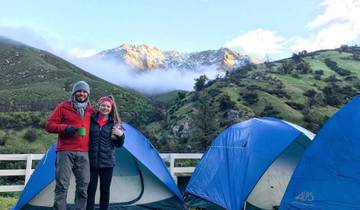
3 days
Yosemite Escape Camping – 3 Days
- ✓ Comprehensive Park Yosemite National Park tour
- ✓ Expert local guides included
- ✓ All accommodation arranged
- ✓ Transportation provided
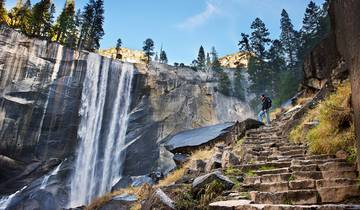
6 days
Hiking in Yosemite National Park
- ✓ Comprehensive Park Yosemite National Park tour
- ✓ Expert local guides included
- ✓ All accommodation arranged
- ✓ Transportation provided
3 days
Yosemite Escape Lodging – 3 Days
- ✓ Comprehensive Park Yosemite National Park tour
- ✓ Expert local guides included
- ✓ All accommodation arranged
- ✓ Transportation provided
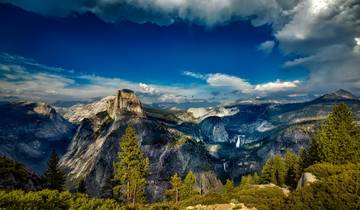
8 days
Hiking Sequoia, Kings Canyon, and Yosemite
- ✓ Comprehensive Park Yosemite National Park tour
- ✓ Expert local guides included
- ✓ All accommodation arranged
- ✓ Transportation provided
Multi-day tour packages powered by TourRadar. Prices and availability subject to change.
Essential Planning Information 2026
Current Costs and Pricing Breakdown
Park entrance fees for Yosemite in 2026 operate on a simple three-tier structure providing seven consecutive days of access. Private vehicle entry costs $35 in 2026, covering all passengers regardless of vehicle size (check nps.gov/yose for current official rates as pricing may vary). Motorcycle entry runs $30 for the same seven-day period, while individual entry for those arriving by bicycle, on foot, or via public transportation costs $20 per person aged 16 and older. Children under 16 enter free when accompanied by paying adults. The America the Beautiful Annual Pass provides the best value for multiple national park visits at $80, granting one year of unlimited access to Yosemite and all U.S. national parks and federal recreation sites—paying for itself after just three Yosemite visits or any combination of national park trips totaling three visits annually.
In-park accommodation pricing spans a dramatic range reflecting diverse options from rustic camping to historic luxury. Developed campgrounds charge $26 for standard sites without hookups and $36 for sites with full RV utilities. Curry Village canvas tent cabins with shared bathhouse facilities cost $100-130 in winter, $130-160 in spring/fall, and $160-200 during summer peak. Housekeeping Camp units providing concrete walls, canvas roofs, and camp beds run $120-140 off-season and $180-220 in summer. Yosemite Valley Lodge standard rooms cost $180-240 in winter, $240-300 in shoulder seasons, and $280-350 during July-August. Historic Ahwahnee Hotel commands premium rates of $500-800 nightly depending on room type and season, offering unparalleled luxury within park boundaries.
Gateway community accommodations offer more budget-friendly alternatives. Mariposa motels range $80-120 in winter, $120-180 in shoulder seasons, and $180-250 during summer peaks. El Portal properties run slightly higher at $100-140 off-season and $200-280 in summer due to closer proximity (just outside Arch Rock entrance). Oakhurst accommodations span $90-150 in winter and $160-240 in summer, with the 40-mile distance from Yosemite Valley providing better availability and value. Vacation rental homes in gateway communities accommodate groups at $200-400 nightly, offering full kitchens that enable significant meal cost savings.
Dining costs vary dramatically based on choices. Yosemite Village Degnan’s Deli sandwiches and salads cost $12-18, while Village Grill burgers and fries run $14-20. Base Camp Eatery at Curry Village serves breakfast items at $10-16 and dinner entrees at $16-24. Mountain Room Restaurant at Yosemite Valley Lodge offers upscale dinner options at $28-45 per entree. The Ahwahnee Dining Room delivers fine dining experiences at $40-70 per entree, with Sunday brunch at $65 per person. Grocery supplies from Yosemite Village Store run 50-80% above outside supermarket prices—a box of cereal costing $4 outside sells for $7-8 inside the park. Smart visitors stock supplies at Mariposa, Oakhurst, or Merced supermarkets before arrival, potentially saving $30-50 daily on food costs for families.
Transportation Options and Access Costs
Driving personal vehicles to Yosemite remains the most flexible option for most visitors, with costs varying by origin point. San Francisco Bay Area travelers cover 170-190 miles consuming $30-40 in fuel each direction at 2026 gas prices, making round-trip driving costs $60-80. Los Angeles visitors drive 300-320 miles requiring $55-70 in fuel each direction, totaling $110-140 for round-trip access. Add the $35 seven-day vehicle entrance fee to calculate total driving costs. Parking in Yosemite Valley becomes extremely challenging from late morning through evening in peak season (May-September), but the free valley shuttle system eliminates the need to move vehicles once parked.
Public transportation via YARTS (Yosemite Area Regional Transportation System) provides economical park access from multiple gateway communities. Merced to Yosemite Valley costs $24 round-trip, with buses running multiple daily departures and the fare including park entrance. Fresno routes cost $30 round-trip including entrance fee. Mammoth Lakes summer service (June-September) runs $48 round-trip with spectacular high country access via Tioga Pass. YARTS buses accommodate large backpacks and camping gear, making them practical for camping visitors. Once in Yosemite Valley, the free shuttle system operates year-round with 10-20 minute frequencies during peak season, connecting all lodges, campgrounds, trailheads, and services.
Amtrak train service to Merced from San Francisco ($35-55) or Los Angeles ($45-75) connects with YARTS buses for seamless public transit access to Yosemite. This combination eliminates driving stress, parking challenges, and vehicle wear while providing scenic travel time for reading, planning, or relaxing. For Bay Area residents, organized bus tours from San Francisco offer day trips at $180-220 including transportation, park entrance, and guide services—competitive with individual driving costs when accounting for gas, parking, and time value. Rental cars from Fresno or Merced airports run $45-75 daily plus gas, making sense for groups of 3-4 people planning multi-day stays who value mobility for exploring beyond Yosemite Valley into areas like Wawona, Hetch Hetchy, or Tuolumne Meadows not served by shuttle routes.
Daily Budget Scenarios 2026
Budget Travel: $150-250 Daily for Two People
Budget-conscious couples and friends enjoy memorable Yosemite experiences for $150-250 daily by prioritizing camping, self-catered meals, and free attractions. Campground costs of $26-36 per night divide to $13-18 per person. Grocery supplies for breakfast (oatmeal, fruit, coffee), packed lunch (sandwiches, trail mix, fruit), and campfire dinner (pasta, vegetables, hot dogs) total $40-60 daily for two people when purchased outside the park. The $35 vehicle entrance fee divided across a seven-day visit adds $5 daily per person, though America the Beautiful Annual Pass holders eliminate this cost entirely.
Budget travelers explore Yosemite through self-guided hiking to Yosemite Falls, Mirror Lake, Vernal Fall, and valley viewpoints—all accessible via free shuttle buses and requiring no additional fees. Free ranger programs provide expert interpretation of geology, wildlife, and history without cost. Evening campfire relaxation, stargazing from campground locations, and wildlife watching in meadows create memorable experiences without spending. Optional budget enhancements include one restaurant meal ($40-60 for two), bike rentals for valley exploration ($25-30 for two people for three hours), or an introductory ranger-led nature walk. This budget category enables multi-day Yosemite vacations for couples spending $1,000-1,500 for a week, or families of four managing $250-350 daily when sharing campground costs and food preparation.
Mid-Range Comfort: $300-450 Daily for Two People
Mid-range visitors balancing comfort with value spend $300-450 daily on in-park lodging, restaurant meals, and selective guided activities. Curry Village canvas tent cabins or Yosemite Valley Lodge rooms cost $180-280 nightly depending on season, averaging $90-140 per person. Two restaurant meals daily (breakfast at $15-20 per person, dinner at $30-40 per person) plus packed lunch from deli ($12-16 per person) total $110-140 daily for food. The $5 per person daily park entrance allocation (from seven-day pass) rounds out baseline costs of $205-285 per person before activities.
Mid-range travelers typically add 1-2 paid activities during a 3-4 day visit—perhaps a photography workshop ($100-150 per person), horseback ride ($70-140), or guided bus tour to Glacier Point ($50-80). They purchase occasional snacks and drinks at park stores, rent bikes for convenient valley exploration, and buy souvenir books or gifts totaling $50-100 per trip. This budget level enables comfortable lodging, varied dining experiences including signature restaurants like Mountain Room, sufficient rest between hiking adventures, and selective enhanced experiences while managing costs carefully. A three-day Yosemite trip for two people runs $900-1,350 in this category, providing excellent memories without financial strain for middle-income travelers.
Luxury Experience: $500-800 Daily Per Person
Luxury Yosemite visitors seeking premium accommodations, fine dining, and guided experiences invest $500-800 daily per person for unforgettable national park adventures. Ahwahnee Hotel rooms at $500-800 nightly ($250-400 per person for couples) provide historic elegance, stunning architecture, and unparalleled service. Fine dining at The Ahwahnee Dining Room for breakfast ($25-35), lunch ($30-45), and dinner ($70-100) totals $125-180 daily per person for exceptional culinary experiences featuring locally sourced ingredients and award-winning wine lists.
Luxury travelers book private guided experiences including full-day technical climbing instruction ($400-600 per person), photography workshops with professional instructors ($300-400), or customized wildlife viewing expeditions ($500-800 per day for small groups). They arrange in-room spa services, private yoga sessions overlooking Yosemite Valley, or exclusive sunset tours to Glacier Point. Luxury visitors typically spend 4-5 days exploring Yosemite thoroughly, enjoying both signature attractions and lesser-known locations accessible through expert guides. Total trip costs reach $8,000-12,000 for couples enjoying five days of premium Yosemite experiences, creating lifetime memories with exceptional comfort, service, and access to the park’s most exclusive offerings.
Money-Saving Strategies for 2026
Advance Booking Benefits
Securing Yosemite reservations 12-18 months ahead delivers multiple financial advantages beyond simple availability. In-park accommodations lock rates at booking time, protecting against potential 2026 price increases for reservations made in 2024-2025. Campground reservations made exactly five months before arrival (the opening of reservation windows) ensure access to preferred sites at standard $26-36 rates rather than forcing last-minute gateway community hotels at $180-280 nightly—a savings of $150-250 per night. Early camping reservations also enable optimal site selection near restrooms, shuttle stops, or preferred locations within campgrounds.
Wilderness permit reservations submitted during the 24-week advance window (opening 24 weeks before trip start) provide access to popular trailheads like Half Dome, Cathedral Lakes, and Clouds Rest at standard $5 per person plus $15 reservation fee. Walk-up permits cost the same but offer extremely limited availability for sought-after routes during summer months. Early bookers secure complete itineraries enabling multi-day backpacking trips through Yosemite’s wilderness while maximizing flexibility for activity planning around guaranteed backcountry dates. Gateway community accommodations typically offer 10-15% early booking discounts for reservations made 6+ months ahead through direct hotel bookings—a $20-40 nightly savings on rooms costing $180-250 in summer. Package deals combining multiple nights generate additional savings of 15-20% compared to single-night rates.
Seasonal Timing Optimization
Strategic seasonal selection delivers the most dramatic budget impacts for Yosemite visits. Late September and early October provide the optimal value combination—campground availability improves dramatically, accommodation rates drop 25-35% from summer peaks, waterfalls still flow from summer snowmelt, weather remains warm and stable, and fall colors illuminate oak woodlands and meadows. This two-week window before first snow closures offers exceptional experiences at mid-range prices. Spring shoulder season (late April through May) similarly balances value and experience, with waterfalls at peak flow, wildflower displays throughout the valley, and accommodation costs 20-30% below summer while roads remain fully open and accessible.
Midweek visits (Monday-Thursday arrivals) consistently cost 15-25% less than Friday-Sunday stays across all accommodation categories throughout the year. A Tuesday-Thursday three-day trip saves $60-100 on lodging compared to Friday-Sunday weekend rates while providing better campground availability and less crowded trails. Winter weekdays (excluding holidays) offer the deepest discounts with Curry Village tent cabins at $100-130 versus $160-200 in summer—a 40% savings enabling longer stays within the same budget. January-February visits combine maximum savings with unique winter beauty including frozen Yosemite Falls, opportunities for snowshoeing and cross-country skiing, and access to the magical Firefall phenomenon in late February when sunset illuminates Horsetail Fall creating the appearance of flowing lava.
Cost-Effective Accommodation Strategies
Gateway community lodging provides significant savings for visitors comfortable with 20-45 minute drives to park entrances. Mariposa hotels at $120-180 in shoulder season or $80-120 in winter cost 40-50% less than in-park Yosemite Valley Lodge rooms while offering private bathrooms, comfortable beds, and amenities like pools and continental breakfasts. El Portal properties just outside Arch Rock entrance provide closer access at $140-200 (still below in-park rates) with similar savings. Groups of 4-6 people maximize value through vacation rentals at $200-400 nightly—dividing to $50-100 per person compared to $180-280 per person for individual lodge rooms. Rentals with full kitchens enable grocery shopping and meal preparation, saving $40-80 daily on restaurant expenses.
Camping strategies extend beyond developed campgrounds for additional savings. Wilderness backpacking permits at $5 per person plus $15 reservation fee provide multi-night accommodation for experienced outdoors enthusiasts, with a three-night backcountry trip costing $30 total for two people versus $78-108 for developed camping or $540-840 for lodge rooms. First-come, first-served campgrounds including Camp 4 (popular with climbers) offer walk-up access without reservation fees, though securing sites requires arriving by 8-9 AM during peak season. National Forest campgrounds surrounding Yosemite provide alternatives at $20-28 nightly when park campgrounds fill, requiring 10-20 mile drives to Yosemite entrances but offering savings and availability. Dispersed camping on National Forest lands (free with Adventure Pass at $5 daily or $30 annually) serves budget adventurers comfortable with primitive camping, vault toilets, and no amenities.
Food and Dining Cost Control
Pre-trip grocery shopping delivers the single largest controllable expense reduction for Yosemite visitors. Purchasing breakfast supplies (oatmeal, granola, fruit, bagels, coffee), lunch components (bread, deli meat, cheese, vegetables, trail mix), and dinner ingredients (pasta, rice, canned goods, fresh produce) at Mariposa, Oakhurst, or home-city supermarkets before park entry saves 50-80% compared to Yosemite Village Store prices. A family of four spends $40-60 on groceries for three days of campground meals versus $180-240 for restaurant dining—a savings of $120-180. Coolers with ice ($3-5 per bag at gateway stores) preserve perishables for 3-4 day camping trips when properly managed.
Strategic restaurant selection balances experience and cost. Degnan’s Deli sandwiches at $12-18 provide good value compared to full-service dining, while picnic lunches from morning deli purchases eaten at scenic viewpoints cost less and enhance the outdoor experience. Cooking breakfast and dinner at campground sites while enjoying one midday restaurant meal provides variety without excessive costs. Happy hour specials at Mountain Room Bar (3-6 PM) offer appetizers and drink discounts creating budget-friendly dining opportunities. Purchasing alcohol and beverages outside the park reduces costs 40-60%—a six-pack costing $8-10 in Mariposa runs $14-18 at Yosemite Village Store. Refillable water bottles eliminate bottled water expenses while supporting environmental sustainability, with safe drinking water available throughout the park at no cost from fountains and restroom facilities.
Complete Trip Budget Examples 2026
Three-Day Weekend Budget Trip: $800-1,000 for Two People
A Friday-Sunday camping adventure demonstrates accessible Yosemite experiences for budget-conscious travelers. Campground costs total $78-108 for three nights at developed sites like Upper Pines, Lower Pines, or Wawona. Grocery shopping in Mariposa before park entry provides breakfast, lunch, and dinner supplies for $90-120 covering six person-days of meals. Round-trip gas from San Francisco runs $60-80, while the $35 seven-day vehicle entrance fee covers the entire trip. Optional expenses include one restaurant dinner at Village Grill or Base Camp Eatery ($40-60 for two), bike rental for valley exploration ($30 for three hours), and ice for cooler ($10). Total costs reach $800-1,000 enabling memorable three-day Yosemite adventures with camping under the stars, hiking to Yosemite Falls and Mirror Lake, wildlife viewing in meadows, and ranger program participation.
Five-Day Mid-Range Experience: $2,500-3,200 for Two People
A Monday-Friday stay balancing comfort and value showcases Yosemite’s diversity. Curry Village tent cabins for four nights cost $600-800 depending on season, providing beds, electricity, and convenient valley location. Restaurant breakfasts ($60-80), packed deli lunches ($50-70), and dinner restaurant meals ($200-280) total $310-430 for food across five days. The $35 entrance fee remains constant for seven-day passes. Activities include one guided photography workshop ($200-300 for two), horseback riding ($140-280 for two), and bike rentals ($40 for multiple sessions). Souvenir purchases, coffee breaks, and incidental expenses add $100-150. Gas costs from Los Angeles total $110-140 round-trip. This $2,500-3,200 budget enables thorough Yosemite exploration with comfortable lodging, varied dining, selective guided experiences, and excellent work-life balance during five days of national park immersion.
Week-Long Luxury Journey: $10,000-14,000 for Two People
A seven-day Ahwahnee Hotel stay with premium dining and guided experiences exemplifies luxury Yosemite adventures. Accommodations total $3,500-5,600 for seven nights in the historic hotel. Fine dining for all meals reaches $1,750-2,520 for two people over seven days, featuring breakfast, lunch, and dinner at The Ahwahnee Dining Room with wine pairings and chef’s tasting menus. Private guided experiences include full-day technical climbing ($1,200), photography workshop series ($1,400), and customized wildlife viewing ($1,600)—totaling $4,200 for three premium activities. Round-trip flights to Fresno ($600-900 for two), luxury rental car ($700 for week), and incidentals ($250-350) complete the budget. This $10,000-14,000 investment delivers ultimate Yosemite experiences with impeccable service, exceptional culinary adventures, expert instruction, and unmatched comfort in one of America’s most iconic national parks.
America the Beautiful Pass: When It Makes Sense
Pass Cost-Benefit Analysis
The $80 America the Beautiful Annual Pass provides one year of unlimited access to all U.S. national parks, national forests, and federal recreation sites, representing exceptional value for frequent park visitors. The pass covers the vehicle and all passengers at per-vehicle fee areas like Yosemite ($35 entrance) and covers the pass holder plus three additional adults at per-person fee areas. Simple mathematics shows the pass pays for itself after three Yosemite visits ($35 × 3 = $105 > $80 pass cost), or any combination of national park visits totaling three separate entries during the annual validity period from purchase month to same month following year.
California residents planning multiple 2026 visits to Yosemite plus other regional parks like Sequoia-Kings Canyon ($35), Death Valley ($30), Joshua Tree ($30), or Lassen Volcanic ($30) immediately recognize pass value. A single Sierra Nevada road trip visiting Yosemite, Sequoia-Kings Canyon, and Devils Postpile National Monument ($8-15) costs $78-85 in entrance fees—nearly matching the annual pass price while limiting access to single trip. The pass also covers popular recreation areas like Lake Tahoe Basin ($5-10 daily), San Bernardino National Forest Adventure Pass areas ($5 daily), and hundreds of other federal sites across the country. Senior citizens aged 62+ qualify for lifetime passes at $80, while military members, fourth graders, and volunteers earn free annual passes through specific programs.
Strategic Pass Purchase Timing
Annual pass validity runs from purchase month through the same month the following year, making purchase timing strategic for maximizing value. Visitors planning spring 2026 Yosemite trips plus summer California national parks exploration should purchase passes in March-April 2026 for coverage through March-April 2027, enabling potential additional winter 2026-2027 visits. Conversely, purchasing passes in October-November extends validity through fall 2027, covering peak summer 2026 travel season plus entire shoulder seasons. Gift passes purchased during holiday season (December 2025) provide year-round 2026 coverage plus December 2026 for potential New Year’s visits.
Groups traveling together maximize pass value by purchasing one pass per vehicle, with four adults covered under single pass at per-vehicle entrance areas. Families with children under 16 (who enter free) need only one adult pass for unlimited vehicle access. Motorcycle riders save $5 per Yosemite entry ($30 motorcycle rate versus $35 vehicle) but still benefit from pass coverage at $80 annual cost versus three motorcycle visits at $90 total. Individual hikers, cyclists, and public transportation users evaluate pass value based on per-person entry fees ($20 at Yosemite) requiring four park visits for break-even—still easily achieved through weekend trips spread across the year. The pass remains America’s best outdoor recreation value for active park visitors committed to exploring natural treasures throughout California and beyond.
Group Travel and Family Savings Strategies
Economies of Scale for Larger Groups
Groups of 4-8 people unlock substantial per-person cost reductions through shared accommodations and transportation. Vacation rental homes in Mariposa, El Portal, or Oakhurst at $250-450 nightly divide to $60-110 per couple or $30-55 per person for four-person groups—compared to $180-280 per couple for individual hotel rooms. Larger homes sleeping 8-10 at $400-600 nightly reduce per-person costs to $40-75, half the expense of separate accommodations while providing communal spaces for group meals, socializing, and trip planning. Full kitchens enable grocery shopping and meal preparation serving groups at $15-25 per person daily versus $60-100 for restaurant dining, saving $45-75 per person across multi-day trips.
Transportation costs scale favorably for groups. One vehicle entrance fee of $35 covers all passengers regardless of number, making carpooling from San Francisco or Los Angeles essentially free for additional passengers beyond driver gas contribution. Groups of six splitting gas costs ($60-80 from Bay Area, $110-140 from LA) pay just $10-24 per person for round-trip transportation versus individual driving at full fuel cost plus separate entrance fees. Rental van options ($80-120 daily) accommodate seven passengers comfortably, dividing to $11-17 per person daily plus shared gas expenses—economical for groups flying to California and exploring multiple destinations. YARTS bus groups of four or more can sometimes negotiate group discounts (contact agency directly), though standard $24 per person Merced-Yosemite round-trip already includes park entrance providing good value.
Family-Specific Money-Saving Approaches
Families with children benefit from free park entrance for youth under 16, immediately reducing costs compared to adult groups. A family of four (two adults, two children aged 14 and 12) pays only $35 vehicle entrance covering all members, while four adults would pay $20 each ($80 total) using individual pedestrian entrance. Campground sites at $26-36 accommodate up to six people and two vehicles regardless of age, enabling families to share single sites rather than booking multiple accommodations. Housekeeping Camp units sleeping four at $180-220 nightly provide budget-friendly family lodging alternative to two separate lodge rooms at $360-560 combined.
Family activity costs scale efficiently through ranger programs (free for all ages), junior ranger programs engaging children 5-13 (free activity booklets earning badges), and family-friendly hiking requiring no fees. Curry Village pizza ($18-26 for large pizza) and Base Camp Eatery family meals ($60-90 for four people) offer better value than separate restaurant entrees at $16-24 per person. Renting one two-person bicycle trailer ($15 hourly) enables parents to tow young children around Yosemite Valley at half the cost of four separate bike rentals. National Park Service passport books ($10) and stamp collecting encourage children’s engagement with educational aspects while providing lasting memories at minimal cost. Families camping multiple nights amortize equipment investment across participants, with four people sharing $600 camping gear cost equivalent to $150 per person—far below hotel accommodation expenses while creating unique bonding experiences and outdoor skills development for children.
Booking and Reservation Timeline 2026
12-18 Months Before: Secure Essential Reservations
Begin Yosemite planning 12-18 months ahead for summer 2026 visits to secure optimal accommodations and permits. In-park lodges accept reservations up to 366 days in advance, with reservations for July 1, 2026 opening on June 30, 2025. Popular summer dates (July-August weekends, holiday periods) book within hours of availability, making immediate action essential. Set calendar reminders for exactly 366 days before target arrival dates, prepare backup date alternatives, and complete reservations the moment windows open at 7 AM Pacific Time. Ahwahnee Hotel rooms for peak summer weekends require this aggressive timeline, while mid-week summer dates and shoulder season stays offer more flexible booking windows at 6-9 months ahead.
Wilderness permit reservations for popular trailheads open 24 weeks (168 days) before trip start date, with applications for peak summer Half Dome permits extremely competitive. Submit permit applications the first day windows open with multiple date and trailhead alternatives to maximize approval chances. Gateway community hotel reservations become available 12-18 months ahead at major chains and independent properties—early booking sometimes qualifies for 10-15% advance purchase discounts while guaranteeing availability and rate locks protecting against later increases. Vacation rental properties in Mariposa and Oakhurst accepting reservations a year ahead provide optimal selection for groups seeking specific amenities, locations, or property characteristics during competitive summer periods.
Five Months Before: Campground Reservations
Developed campground reservations open exactly five months before arrival date at 7 AM Pacific Time through Recreation.gov, with popular summer sites booking within minutes. For July 15, 2026 campground reservation, the booking window opens at 7 AM Pacific on February 15, 2026. Create Recreation.gov account weeks in advance with saved payment information enabling immediate transaction completion when coveted sites become available. Research preferred campgrounds (Upper Pines for proximity to valley facilities, Lower Pines for river access, Camp 4 for climber culture, Wawona for peaceful southern setting) and prepare multiple date alternatives since specific site selection often involves quick competition during high-demand periods.
Campground strategy benefits from flexibility—seeking Tuesday-Thursday availability instead of Friday-Sunday often reveals open sites during periods when weekend dates book immediately. Consider less popular campgrounds like Bridalveil Creek (requiring drive from valley but offering cooler temperatures and meadow setting) or Hodgdon Meadow (near Big Oak Flat entrance with easy Tuolumne Meadows access via Tioga Road). First-come, first-served campground alternatives like Camp 4 require arriving 8-9 AM to secure walk-up sites during summer peaks, representing fallback options when reservation campgrounds show no availability. Winter campgrounds accept reservations two weeks before arrival (less competitive) while others operate first-come, first-served during November-April providing spontaneous options for winter visitors seeking snow experiences.
2-6 Months Before: Tours and Special Activities
Book specialty experiences 2-6 months ahead including photography workshops, guided climbing courses, horseback rides, and ranger-led programs with limited capacity. Yosemite Mountaineering School climbing classes for summer 2026 accept reservations starting early winter 2025-2026, with popular weekend courses filling 3-4 months before activity dates. Photography workshops through Yosemite Conservancy and private instructors open registration 4-6 months ahead, rewarding early bookers with optimal dates and guaranteed space in small-group instruction settings limited to 8-12 participants for quality learning experiences.
Horseback riding reservations through Yosemite Valley Stables and Wawona Stables become available several months ahead for summer season (May-September operations), with weekend morning rides most competitive. Evening programs at Yosemite Theater including documentary screenings and ranger presentations accept advance reservations when capacity limits apply, though many programs operate walk-up basis with first-come, first-served seating. Tour bus services to Glacier Point and Tuolumne Meadows accept online bookings 3-4 months ahead during peak season, with same-week availability typical during shoulder seasons. YARTS bus reservations open several months before travel dates during peak summer season (June-September), though walk-on space usually remains available except holiday weekends when advance booking prevents disappointment.
Seasonal Cost Variations Throughout 2026
Winter Season (January-March): Lowest Costs
Winter represents Yosemite’s most economical season with accommodation rates 35-45% below summer peaks and minimal competition for campground sites. Curry Village canvas tent cabins drop to $100-130 nightly versus $160-200 in July-August, while Yosemite Valley Lodge rooms cost $180-240 compared to $280-350 summer rates—savings of $60-110 per night enabling extended stays within fixed budgets. Campgrounds charge standard $26 rates but operate first-come, first-served basis (no reservation fees or competition) with sites usually available even during weekends. Many campgrounds close for winter, but Upper Pines remains open year-round providing budget accommodation for cold-weather camping enthusiasts with proper equipment.
Gateway community hotels show even steeper discounts with Mariposa properties at $80-120 versus $180-250 summer rates—a 50-55% reduction. Winter activities focus on snowshoeing (rental $20-30 daily), cross-country skiing, and unique winter photography including frozen Yosemite Falls and potential Firefall viewing (late February when weather cooperates). Ice skating at Curry Village costs $10-12 per session including skate rental, providing affordable family entertainment. Winter visit challenges include shorter daylight hours (9 AM-5 PM), potential Tioga Road closure limiting high country access, and cold temperatures requiring proper gear—but dramatic cost savings, solitude, and unique winter beauty reward prepared visitors with magical national park experiences unavailable during other seasons.
Spring Season (April-May): Moderate Costs, Peak Waterfalls
Spring delivers optimal balance of value and experience with accommodation rates 20-30% below summer while waterfalls flow at maximum volume from snowmelt. Curry Village tent cabins cost $130-160 compared to summer $160-200, saving $30-40 nightly. Yosemite Valley Lodge rooms run $240-300 versus summer $280-350, providing $40-50 daily savings. April-May campground reservations face moderate competition—significantly easier than summer months but requiring the standard five-month advance booking through Recreation.gov. Many campsites remain available 2-4 weeks before arrival during April, while May weekends approaching summer season show tighter availability patterns.
Spring advantages include spectacular waterfall displays (Yosemite Falls, Bridalveil Fall, Vernal Fall all roaring), wildflower blooms throughout valley meadows, and pleasant daytime temperatures (60-75°F) ideal for hiking. Tioga Road typically opens late May to early June depending on snowpack, with opening date announcements published on park website as conditions allow. Gateway accommodations show spring rates 25-35% below summer peaks while maintaining better availability than summer months. May Memorial Day weekend shifts toward summer pricing and competition, making late April through mid-May the sweet spot for spring value. Visitors accept potential rainy days (April averages 3-4 rainy days, May 2-3) and cooler nights (40-50°F) as reasonable tradeoffs for cost savings and exceptional waterfall viewing opportunities.
Summer Season (June-August): Peak Costs, Maximum Activity
Summer months command premium pricing across all categories with maximum competition for accommodations and reservations. Curry Village tent cabins reach $160-200 nightly, Yosemite Valley Lodge rooms peak at $280-350, and Ahwahnee Hotel commands $500-800 depending on room category. Campground reservations for summer dates require booking exactly five months ahead at 7 AM reservation window opening, with popular sites booking within minutes. July-August represent absolute peak season with highest prices, largest crowds, and most competitive reservations—particularly weekend dates requiring 12-18 month advance planning for in-park lodges.
Summer justifications include guaranteed road access (all park roads including Tioga Pass open), warmest temperatures (80-95°F valley daytime), longest daylight hours (5:30 AM-8:30 PM enabling extended activity days), and complete facility operations including all visitor centers, stores, restaurants, and shuttle routes running maximum frequencies. Families with school-age children accept summer premium pricing as necessary for vacation timing constraints. Budget-conscious summer visitors minimize costs through camping, grocery shopping outside the park, midweek arrival patterns, and free shuttle-based exploration rather than paid tours. Gateway community accommodations provide alternatives at $180-280 nightly (still elevated but below in-park options) with better last-minute availability when summer plans finalize late or original reservations cancel.
Fall Season (September-October): Best Value Balance
Fall shoulder season delivers Yosemite’s optimal value proposition combining moderate costs, excellent weather, and significantly reduced crowds after Labor Day. Late September through mid-October rates fall 25-35% below summer peaks with Curry Village tent cabins at $130-160, Yosemite Valley Lodge at $240-300, and campgrounds showing good reservation availability 2-4 weeks before arrival dates. Weekend October dates during peak fall color (mid-October) maintain moderate competition, but weekday availability remains excellent throughout the season with same-week campground reservations frequently possible.
Fall advantages include warm, stable weather (65-80°F days, 40-50°F nights), spectacular oak woodland fall color throughout valley and canyon areas, excellent wildlife viewing as animals prepare for winter, and comfortable hiking conditions without summer heat. Waterfalls flow at reduced volume compared to spring but maintain consistent displays, while Tioga Road remains open through October (usually closing after first major snow, often in early November). Gateway communities show fall rates 30-40% below summer with minimal booking competition and frequent last-minute availability. Fall photography captures unique lighting and seasonal color unavailable during other periods. October represents nearly ideal Yosemite timing for visitors prioritizing value, weather, and solitude over maximum waterfall volume or guaranteed high country access—making it the season experienced Yosemite visitors often prefer above all others.
Frequently Asked Questions
Can I visit Yosemite without spending money on accommodation?
Yes, several free or minimal-cost accommodation strategies exist for budget-conscious visitors. Dispersed camping on surrounding National Forest lands (Stanislaus and Sierra National Forests) costs nothing beyond Adventure Pass ($5 daily or $30 annually) providing access to thousands of acres where camping is permitted outside developed campgrounds. These primitive sites require self-sufficiency with no facilities, water, or services but deliver authentic wilderness experiences. Some visitors sleep in vehicles at roadside pullouts outside park boundaries, though overnight parking prohibitions apply in many areas requiring research of legal locations. Day visitors from nearby gateway communities avoid accommodation costs entirely by driving to Yosemite for single-day visits—feasible from Mariposa (45 minutes), Oakhurst (60 minutes), or even Fresno (90 minutes) for early starts enabling full-day park exploration.
What credit cards or payment methods does Yosemite accept?
Yosemite accepts all major credit cards (Visa, Mastercard, American Express, Discover) at park facilities including entrance gates, lodges, restaurants, stores, and visitor centers. Cash remains accepted but unnecessary for most transactions, with ATMs located at Yosemite Valley Lodge, Curry Village, and Yosemite Village providing cash access for visitors preferring currency. Campground fees, wilderness permits, and tour reservations process through Recreation.gov or specific vendor websites accepting standard online payment methods. Some visitors use credit cards offering travel rewards, cash back, or national park bonus categories to offset costs—cards like Chase Sapphire Preferred or Capital One Venture provide 2-3x points on travel purchases including park accommodations and dining. Payment plans don’t exist for park visits, requiring full payment at time of reservation for lodging and campgrounds or at time of entry for park access fees.
Are there any Yosemite discount days or free entrance periods?
National Park Service designates 5-6 fee-free entrance days annually when park entrance fees are waived at all national parks including Yosemite. The 2026 fee-free days typically include Martin Luther King Jr. Day (third Monday in January), first day of National Park Week (mid-April), National Park Service birthday (August 25), National Public Lands Day (fourth Saturday in September), and Veterans Day (November 11). These dates see increased visitation due to free entrance but eliminate the $35 vehicle fee or $20 per-person fee for those single-day visits. However, accommodation costs, food expenses, and activity fees remain unchanged—the savings apply only to park entrance. Annual Pass holders already enjoy year-round free entrance making fee-free days irrelevant for their planning. Specific dates for 2026 fee-free days publish on National Park Service website by late 2025 enabling precise planning for those targeting these limited opportunities.
How much should I budget for souvenirs and gifts?
Souvenir spending varies dramatically by personal preferences and shopping priorities. Basic Yosemite mementos including postcards ($1-2 each), magnets ($5-8), stickers ($3-6), and keychains ($6-12) total $15-30 for minimal gift purchases. Mid-range shoppers purchasing t-shirts ($20-35), sweatshirts ($40-60), caps ($25-35), and coffee mugs ($12-18) spend $100-150 on wearables and functional items. Serious collectors investing in quality photography books ($40-75), art prints ($30-100), Native American crafts ($50-200), and outdoor equipment branded with Yosemite logos (water bottles, backpacks, hiking accessories at $20-80 each) reach souvenir budgets of $200-400. Children’s items including stuffed animals ($15-30), junior ranger badges and patches ($5-15), and educational books ($10-20) add family gift costs. Budget-conscious visitors limit purchases to postcards and small mementos, while enthusiasts view quality books and artwork as worthwhile trip investments creating lasting memories beyond photographs.
What happens if I need to cancel my Yosemite reservations?
Cancellation policies vary by accommodation type and booking timeline. In-park lodge reservations through Yosemite Hospitality allow cancellation up to 48 hours before arrival for full refund, while cancellations within 48 hours forfeit first night charges. Campground reservations through Recreation.gov assess $10 cancellation fee per reservation if canceled more than three days before arrival, with no refunds for cancellations within three-day window. Wilderness permit cancellations forfeit the $10 per person fee plus $15 reservation fee regardless of cancellation timing. Tour and activity reservations maintain varying policies typically allowing cancellation 48-72 hours ahead for refund minus small processing fees. Gateway community hotels and vacation rentals enforce individual policies ranging from flexible (free cancellation 24-48 hours ahead) to strict (no refunds, or penalties equaling 50-100% of reservation cost). Travel insurance purchased at $40-100 per person protects against financial loss from cancellations due to illness, injury, or unforeseen circumstances—valuable protection for expensive multi-night lodge reservations or complete vacation packages totaling thousands of dollars.
Can I split costs with friends on Yosemite reservations?
Yes, cost-splitting works well for group travel with several practical approaches. Campground sites accommodate six people and two vehicles under single reservation, enabling friends to share $26-36 nightly cost dividing to $4-6 per person. One person books and pays for campground, with others reimbursing their share via Venmo, Zelle, or cash. Vacation rental homes booked under one person’s name allow multiple couples or friends to split nightly rates proportionally—$300 rental divided among three couples costs $100 per couple. Lodge room costs split between two people sharing double-bed accommodations, though booking requires one primary guest with payment responsibility. Vehicle entrance fees of $35 cover all passengers making carpooling cost-effective with driver collecting $7-10 per passenger for gas and entry fee contribution. YARTS bus tickets purchased individually allow each traveler to pay their own $24 round-trip fare. Food costs divide naturally with group grocery shopping and shared meal preparation. Digital payment apps simplify expense tracking and reimbursement, with some groups designating one “treasurer” handling reservations and collecting proportional shares from all participants before trip departure.
What are typical costs for Yosemite photography equipment rental?
Photography equipment rental serves visitors wanting quality images without purchasing expensive gear. Local Fresno and San Francisco camera shops rent DSLR camera bodies at $40-80 daily, lens options at $30-100 daily depending on focal length and quality, and tripods at $15-30 daily—complete photography kit rental reaching $100-200 daily or $300-600 weekly. Some photographers rent specific lenses (wide-angle for landscapes, telephoto for wildlife) while using personal camera bodies, reducing costs to $30-100 daily. National rental companies like BorrowLenses and LensRentals ship equipment to hotels or vacation rentals, offering multi-day rates with insurance coverage at $150-400 for 4-6 day Yosemite trips. Memory cards, extra batteries, and cleaning supplies require separate purchase at $30-80. Many serious hobbyists consider Yosemite trips catalyst for purchasing rather than renting gear, with quality camera bodies and lenses costing $1,500-4,000 but serving for years across multiple photography adventures. Smartphone photographers avoid rental costs entirely while achieving excellent results using modern phone cameras with editing apps, though they miss benefits of interchangeable lenses, manual controls, and superior low-light performance available through DSLR systems.
How much does cell phone service and data usage cost in Yosemite?
Cell service in Yosemite remains limited with coverage concentrated in Yosemite Valley and near park entrances, while wilderness areas lack service entirely. Most visitors use existing cell plans without additional charges, though data-heavy usage (streaming video, uploading photos, navigation apps) consumes monthly data allowances quickly. Downloading offline maps and trail information before arrival prevents data overages and ensures navigation capability without service. Public WiFi operates at Yosemite Valley Lodge, Degnan’s Kitchen, and Majestic Yosemite Hotel providing free connectivity for checking email, uploading photos, and trip planning. Visitors requiring guaranteed wilderness communication rent satellite devices like Garmin InReach at $40-60 weekly, enabling emergency SOS capability and basic text messaging from any location. International visitors should verify roaming charges with carriers—U.S. data roaming for Canadian visitors often includes reasonable rates ($5-10 daily), while European and Asian travelers face expensive roaming ($15-25 daily) making local SIM card purchases at $30-50 for month-long U.S. service more economical for extended trips. Most budget-conscious visitors embrace limited connectivity as feature rather than bug, using Yosemite time for digital detox and full presence in natural surroundings.
What costs should I expect for Yosemite in bad weather?
Weather contingencies rarely generate significant additional expenses but require flexibility and backup plans. Rainy days limit outdoor photography and hiking somewhat but don’t close major attractions—visitors simply need proper rain gear (jackets $60-150, pants $40-100 if purchasing new) and accept modified itineraries focusing on short walks, museum visits, and covered viewpoints. Valley shuttle buses continue operating in rain allowing mobility without wet exposure. Some visitors extend lodge stays during multi-day storm systems (adding $180-350 per extra night) rather than camping in sustained rain, or move to gateway community hotels for weather breaks. Winter storm closures of Tioga Road don’t affect valley access but eliminate high country excursions, potentially disappointing visitors expecting comprehensive park exploration. Tire chains become mandatory during winter snow conditions for vehicles lacking 4WD and snow tires—chain purchases at $50-120 or rentals at $30-50 represent necessary weather-related expenses. Serious winter storms delay travel by 1-2 days requiring lodging extensions, though such events remain rare. Most weather variations require patience and attitude adjustment rather than substantial additional spending, with flexible visitors finding beauty in storm clouds, dramatic lighting, and unique conditions unavailable during perfect weather days that most travelers seek.
Are there payment plans available for expensive Yosemite trips?
Direct payment plans through Yosemite Hospitality or Recreation.gov don’t exist, requiring full payment at booking time for lodges and campgrounds. However, several strategies enable spreading costs over time. Book accommodations 12-18 months ahead and budget monthly toward total trip cost—a $2,400 four-night Ahwahnee stay booked 15 months early allows $160 monthly savings accumulation. Credit cards offering 0% APR promotional periods (12-18 months typical for travel cards) enable charging entire trip costs followed by interest-free monthly payments before promotion expires. Buy-now-pay-later services like Affirm, Klarna, or PayPal Credit increasingly partner with travel booking platforms, potentially offering installment options for larger vacation packages though direct Yosemite reservations currently lack this integration. Some visitors use vacation savings accounts with automatic payroll deductions building dedicated travel funds throughout the year—a $200 monthly deposit creates $2,400 annual budget supporting comfortable Yosemite adventures. Travel rewards credit cards earning 2-3x points on dining and travel purchases accelerate point accumulation toward free hotel nights through programs like Marriott Bonvoy (covering Yosemite Valley Lodge) reducing out-of-pocket costs. Careful planning and disciplined saving enable most travelers to afford desired Yosemite experiences without payment financing, though those facing unexpected opportunities or limited planning time benefit from credit card flexibility assuming responsible repayment capability.
Planning Your 2026 Yosemite Budget
Successful Yosemite budget planning balances realistic cost assessment with strategic savings opportunities, enabling memorable national park experiences matching your financial parameters. This comprehensive guide demonstrates that Yosemite welcomes all budget levels—from $150-250 daily for camping adventurers to $500-800 for luxury seekers—with exceptional value available through informed decision-making. The key cost drivers of accommodation choice, seasonal timing, and advance reservation strategy provide controllable variables where your planning directly impacts total expenses.
Start your 2026 Yosemite planning by defining your budget category, then work backward selecting accommodation types, travel dates, and activity levels supporting your financial framework. Remember that timing flexibility delivers the most dramatic savings potential—shoulder season visits in late September or May cost 25-40% less than peak July-August while offering arguably superior experiences with smaller crowds and comfortable weather. Advance booking 12-18 months ahead for summer visits or 2-6 months for shoulder seasons locks rates and guarantees availability while providing months for budget accumulation. Whether you’re planning modest camping weekends, comfortable mid-range getaways, or luxury multi-day expeditions, understanding Yosemite’s complete cost structure empowers confident financial planning supporting your 2026 UNESCO World Heritage adventure in one of Earth’s most magnificent natural landscapes.