
Best Time Visit Turin 2026: Seasonal Planning Guide
Turin transforms dramatically across four distinct seasons in 2026, with each period offering unique advantages from spring’s blooming baroque palaces and literary festivals to autumn’s truffle harvests and contemporary art fairs, winter’s festive Christmas markets and Luci d’Artista light installations, and summer’s outdoor concerts tempered by intense heat and local exodus during August. Strategic 2026 visit planning enables travelers to access Turin’s extraordinary museums, royal palaces, and cafe culture during optimal weather conditions while navigating crowd patterns, pricing fluctuations, and the rich festival calendar that defines this Piedmontese capital.
Key Takeaways
- Spring 2026 (late April through early June) and autumn 2026 (September through mid-October) represent optimal visiting windows combining comfortable temperatures (15-25°C/59-77°F), manageable tourist numbers, moderate hotel pricing, and peak cultural programming including the Salone del Libro book fair and contemporary art events
- Summer 2026 (July-August) delivers warmest weather ideal for outdoor exploration but brings highest tourist concentrations, elevated accommodation costs (40-50% above shoulder season), and the mid-August Ferragosto period when local businesses close as Italians vacation, creating a paradoxically crowded yet less authentic atmosphere
- Winter 2026 (December-February) offers lowest visitor numbers enabling solitary museum experiences, reduced hotel rates, and magical festive atmosphere through Christmas markets and Luci d’Artista installations, though requiring cold-weather preparedness for temperatures frequently near freezing
- Turin’s continental climate creates significant seasonal temperature variation from January lows averaging -1°C/30°F to July peaks around 29°C/84°F, with May recording highest rainfall (145mm) making late spring visits potentially wet despite pleasant temperatures
- Major 2026 events anchor seasonal planning: Kappa FuturFestival electronic music event (July 3-5), Torino Film Festival (late November), Salone del Libro (May), and biennial Terra Madre food festival (even-numbered years) draw concentrated crowds requiring advance accommodation booking
- Turin’s location at the Alps’ base creates fog periods during winter months and afternoon thunderstorms throughout summer, with the föhn wind occasionally bringing unexpected warm, clear conditions even during cold seasons, adding weather unpredictability to planning considerations
People Also Ask About Turin 2026
What Is the Best Month to Visit Turin in 2026?
May and September represent the optimal months for visiting Turin in 2026, balancing ideal weather conditions, manageable crowd levels, moderate pricing, and rich cultural programming that defines these shoulder season periods. May 2026 temperatures range 14-22°C (57-72°F) creating comfortable conditions for extended walking through Turin’s arcaded streets and outdoor cafe sitting, while the Salone del Libro book fair (Europe’s largest) typically occurs during this month, transforming the city into a literary celebration drawing international authors and publishers. The spring blooms frame baroque palaces in photogenic color, and hotel rates remain 30-40% below summer peaks despite excellent weather. However, May records Turin’s highest monthly rainfall at 145mm, meaning visitors should pack rain gear and maintain flexible indoor museum plans for wet days.
September 2026 offers comparable advantages with slightly drier conditions (95mm monthly rainfall) and temperatures initially warm (20-24°C/68-75°F early month) before gradually cooling through month’s end. The MITO Settembre Musica classical music festival fills venues across Turin with concerts, while the approaching truffle season in nearby Langhe hills enables food-focused excursions combining Turin urban culture with Piedmont culinary traditions. Tourist numbers begin declining from August peaks, creating more breathable museum conditions and restaurant availability without advance reservations. The autumn light quality appeals to photography enthusiasts, with golden afternoon tones enhancing Turin’s ochre-colored facades and the Alps providing dramatic distant backdrops when weather permits visibility. Both months enable day trips to Alpine foothills for hiking or wine touring in comfortable temperatures, extending Turin visits beyond purely urban experiences into Piedmont’s broader landscape offerings.
Should I Visit Turin in Summer 2026?
Summer 2026 visits to Turin prove worthwhile for travelers prioritizing outdoor activities, evening cultural programming, and proximity to Alpine escapes, though requiring realistic expectations about heat intensity, crowd congestion, and the peculiar August dynamics affecting Italian cities. June 2026 represents summer’s best balance, with temperatures reaching comfortable 26°C/79°F highs, extended daylight hours enabling sightseeing until 9 PM, and tourist levels building but not yet overwhelming. The month offers access to summer festivals without August’s extreme heat, while Po River parks and outdoor venues host concerts and events capitalizing on warm evenings. The Kappa FuturFestival electronic music event (July 3-5, 2026) at Parco Dora draws 30,000 attendees and international DJs, creating peak summer cultural programming for music enthusiasts despite coinciding with intensifying heat.
July and August 2026 bring serious heat consideration, with temperatures frequently exceeding 30°C/86°F and occasional heatwaves pushing above 35°C/95°F in the Po Valley’s humid conditions. The famous Museo Egizio (Egyptian Museum) becomes claustrophobic as visitor numbers double, while iconic attractions like the Mole Antonelliana see elevator queue times extending to 90 minutes during peak afternoon hours. More problematically, the Ferragosto public holiday (August 15) triggers mass Italian exodus as locals vacation at beaches and mountains, leaving Turin paradoxically crowded with tourists but devoid of authentic local life—many family-run restaurants, artisan shops, and neighborhood businesses close for 1-2 weeks surrounding this date. Hotels raise rates 40-50% above shoulder season despite reduced local atmosphere, creating questionable value propositions. However, summer enables easy Alpine day trips for hiking or lake swimming, with cable cars and mountain refuges operating full schedules, while Turin’s evening temperatures drop to pleasant levels enabling alfresco dining and nighttime wandering through illuminated piazzas.
Is Turin Crowded in 2026?
Turin experiences moderate to high tourist concentrations during 2026’s peak season (May-September) and major event periods, though remaining significantly less overwhelmed than Venice, Florence, or Rome, with crowd management requiring strategic timing rather than complete avoidance of popular periods. The heaviest tourist pressure occurs during May (Salone del Libro book fair), July-August summer peaks, September-October autumn cultural season, and December Christmas market period, when major museums like the Egyptian Museum, Royal Palace, and Cinema Museum see extended entry queues and reduced viewing quality from human congestion. The Mole Antonelliana panoramic elevator—Turin’s most popular single attraction—experiences 60-90 minute wait times during summer afternoons, while restaurants in central Piazza San Carlo and Via Po require dinner reservations during peak months versus walk-in availability during winter.
However, Turin’s crowd dynamics differ fundamentally from overtourism-plagued Italian cities, retaining functional urban character where local life continues rather than tourism completely dominating. The city’s substantial size (870,000 residents) and geographical spread means neighborhoods like Quadrilatero Romano and San Salvario maintain authentic atmosphere even during high season, with local markets, neighborhood cafes, and residential streets experiencing minimal tourist interference. Strategic timing within peak months dramatically improves experiences—visiting major museums at 8:30 AM opening or final admission hours, booking advance tickets for Egyptian Museum and Royal Palace to bypass general queues, dining at 7:00 PM before main dinner crowds, and exploring weekdays versus weekends reduces congestion by 40-50%. The November-February 2026 low season sees tourist numbers drop to minimal levels, enabling solitary museum wandering and intimate cafe experiences, though at the cost of colder weather and reduced daylight hours for exploration.
What Events Happen in Turin During 2026?
Turin’s 2026 cultural calendar features major events concentrated in distinct seasonal periods, with the Salone Internazionale del Libro (Turin International Book Fair) typically occurring in May drawing over 150,000 attendees for Europe’s largest book publishing event showcasing international authors, publisher exhibitions, and literary discussions. The Kappa FuturFestival (July 3-5, 2026) represents Italy’s premier electronic music gathering, with 30,000 daily attendees experiencing techno and house performances across six stages in the industrial Parco Dora setting—tickets often sell out months ahead, requiring early booking for this three-day daytime festival featuring artists like Charlotte de Witte, Amelie Lens, and Sven Väth. The CioccolaTò chocolate festival typically occurs in late winter/early spring (dates vary by year), transforming Piazza Vittorio Veneto and surrounding areas into chocolate paradise with artisan producers, tastings, demonstrations, and workshops celebrating Turin’s historical significance as Italian chocolate capital.
The autumn 2026 period concentrates high-caliber cultural programming: MITO Settembre Musica (September) presents classical and contemporary concerts across 20+ venues including Lingotto and Teatro Regio, while Artissima (November) brings Italy’s leading contemporary art fair showcasing 200+ galleries and cutting-edge installations. The Torino Film Festival (typically late November, exact 2026 dates pending confirmation) presents independent and auteur cinema across multiple venues with director appearances, retrospectives, and premieres establishing Turin’s cinematic culture significance. The festival typically runs November 24-December 2 based on historical patterns. December transforms Turin through Luci d’Artista (Artist Lights) installations illuminating the city with artistic light displays from early November through January, while Christmas markets in Piazza Castello and surrounding areas create festive atmosphere. The Terra Madre-Salone del Gusto international food festival occurs biennially in even-numbered years including 2026 (typical dates late September/early October), celebrating sustainable food production through tastings, farmer conferences, and Slow Food movement programming.
Extended multi-day tours – 5+ days
Featured Turin Multi-Day Tour Packages
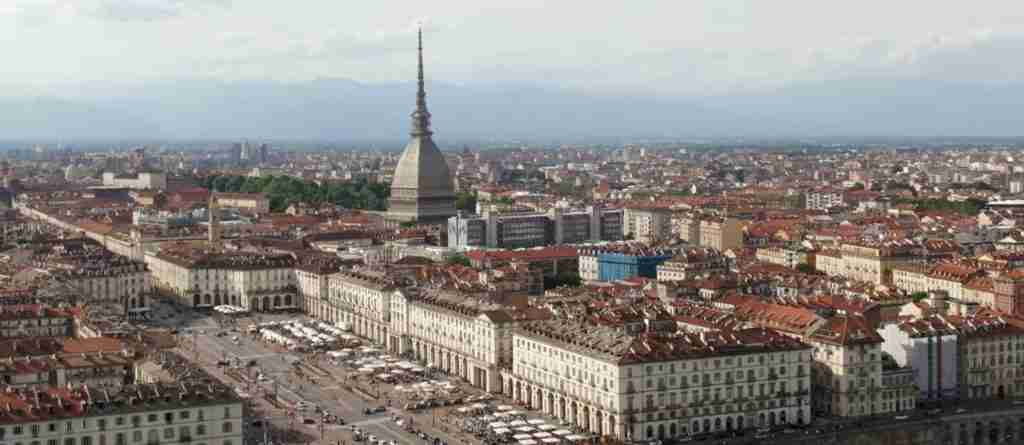
3 days
Turin 3-Day Discovery Tour
- ✓ Comprehensive Turin experience
- ✓ Expert local guides included
- ✓ All accommodation included
- ✓ Transportation provided
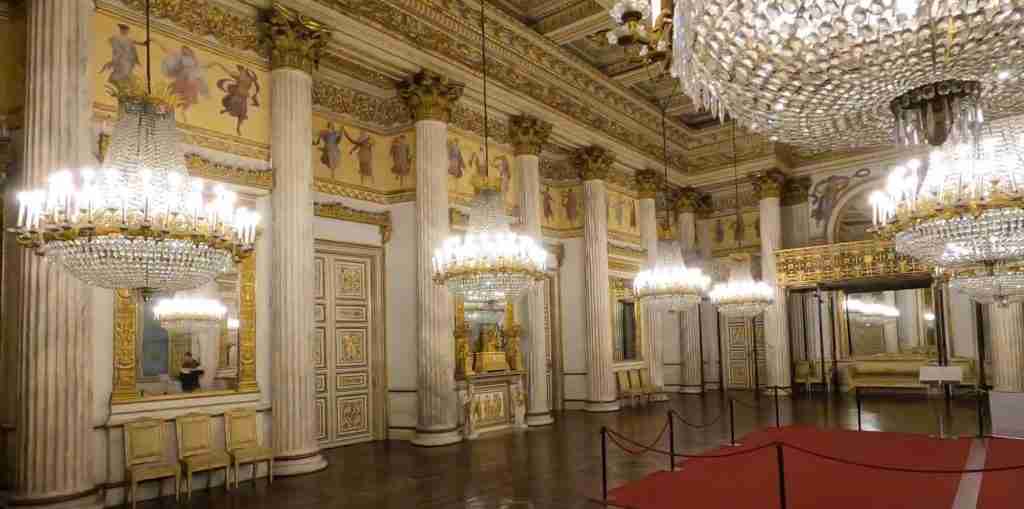
5 days
Turin 5-Day Highlights Experience
- ✓ Comprehensive Turin experience
- ✓ Expert local guides included
- ✓ All accommodation included
- ✓ Transportation provided

7 days
Turin 7-Day Cultural Journey
- ✓ Comprehensive Turin experience
- ✓ Expert local guides included
- ✓ All accommodation included
- ✓ Transportation provided
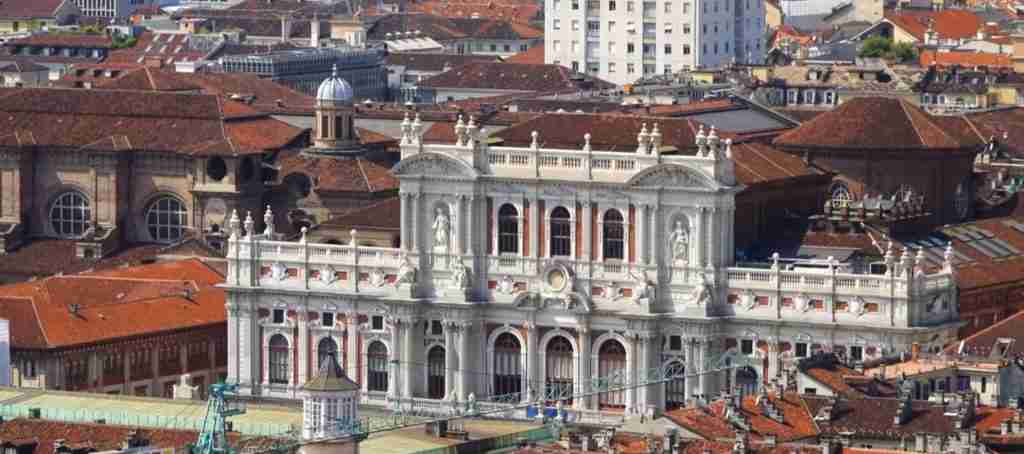
10 days
Turin 10-Day Complete Adventure
- ✓ Comprehensive Turin experience
- ✓ Expert local guides included
- ✓ All accommodation included
- ✓ Transportation provided
Multi-day tour packages powered by TourRadar. Prices and availability subject to change.
Introduction: Strategic 2026 Planning for Turin Visits
Turin’s seasonal variation creates dramatically different visiting experiences across 2026, requiring intentional planning to align personal preferences regarding weather tolerance, crowd acceptance, budget constraints, and cultural interests with the periods delivering optimal conditions for each priority. Unlike Mediterranean Italian destinations where climate patterns create obvious summer-centric tourism, Turin’s continental position at the Alps’ base generates four genuinely distinct seasons—each offering legitimate advantages and significant disadvantages that smart travelers match to their specific circumstances rather than following generic “best time” recommendations. The city’s transformation across the calendar year means that photography enthusiasts seeking dramatic Alpine backdrops, food travelers targeting white truffle season, winter sports enthusiasts wanting ski access, and museum-focused cultural tourists all logically visit during completely different months based on when their priority interests peak.
The 2026 planning landscape incorporates both recurring annual patterns and specific year-relevant factors requiring attention. The fixed elements include weather cycles following historical norms (though climate change creates increasing unpredictability), major festivals operating on consistent calendars, and institutional schedules governing museum hours and royal palace accessibility. The 2026-specific considerations include the Terra Madre food festival occurring this even-numbered year (absent in odd years), confirmed dates for major events like Kappa FuturFestival (July 3-5) enabling precise visit coordination, and evolving accommodation pricing reflecting Turin’s gradually increasing international tourism recognition. The ongoing tension between Turin’s desire for greater tourist revenue and local quality-of-life concerns creates policies affecting 2026 visitors—including potential crowd management measures at peak attractions, accommodation taxation supporting tourism infrastructure, and transportation improvements linking the city to surrounding Piedmont wine regions and Alpine destinations.
Turin’s tourism profile differs markedly from Venice’s overwhelming crowds, Florence’s Renaissance art magnetism, and Rome’s ancient monument concentration, creating a more balanced visiting dynamic where authentic urban life persists rather than tourism dominating all aspects. The city maintains genuine working economy beyond tourism—as Piedmont’s capital and Italy’s automobile manufacturing center, Turin functions as a living city where residents outnumber and outlast seasonal visitors. This character means even peak season maintains local authenticity absent from smaller art cities completely transformed by tourism, while shoulder and off-season periods offer extraordinarily intimate cultural experiences as visitor numbers plummet below what museums and restaurants require for economic viability. The strategic 2026 traveler recognizes this dynamic, using seasonal selection to access either the vibrant energy of cultural events and warm-weather street life or the contemplative solitude of winter museum wandering and cafe culture immersion.
Understanding Turin’s Continental Climate Patterns in 2026
Turin’s continental climate creates pronounced seasonal temperature variation significantly greater than Mediterranean Italian cities, with annual temperature range spanning from January lows averaging -1°C/30°F to July peaks around 29°C/84°F—a 30-degree Celsius variation exceeding Rome or Florence’s more moderated maritime influences. The city’s position at 240 meters elevation at the Po Valley’s western edge, with Alps rising immediately to the north and west, generates specific microclimatic effects including cold air pooling during winter creating frequent fog, afternoon thunderstorms during summer as warm valley air rises against cooler mountain masses, and the föhn wind phenomenon bringing occasional unexpected warm, dry conditions even during winter months when this Alpine downslope wind raises temperatures 10-15 degrees within hours while creating exceptional visibility and blue skies.
Precipitation patterns across 2026 follow historical distributions averaging 950mm annually, though concentrated unevenly across seasons creating significant wet versus dry periods. May records the wettest month with 145mm rainfall primarily falling during afternoon and evening thunderstorms when warm, humid air generates convective precipitation—visitors during this otherwise pleasant spring month should anticipate frequent rain requiring flexible indoor planning despite generally comfortable 14-22°C temperatures. November follows as second-wettest month (127mm) as Atlantic weather systems bring prolonged periods of steady rain rather than brief thunderstorms, creating gray, damp conditions that significantly impact outdoor sightseeing enjoyment. Conversely, January and February represent the driest months (31-45mm) though this low precipitation often manifests as persistent fog and occasional snow rather than sunny clear conditions, while July records surprisingly low rainfall (52mm) despite afternoon thunderstorm frequency—the intense convective storms drop significant water in brief periods, creating the paradox of a relatively dry month by total precipitation but frequent disruptive weather events.
Temperature progression through 2026 creates distinct visiting windows with different experiential qualities. Winter months (December-February) rarely experience extreme cold by northern European standards, with average daily highs ranging 5-8°C/41-46°F and nighttime lows frequently dipping below freezing but rarely reaching extreme cold below -10°C/14°F except during occasional Arctic air outbreaks. The humid continental air and frequent fog create a penetrating chill exceeding temperature readings alone, while occasional snow (averaging 25cm annually) transforms the city into atmospheric winter wonderland though typically melting within days rather than persisting. Spring (March-May) demonstrates high variability as cold and warm air masses battle for dominance, creating sequences of cold rainy days followed by warm sunny periods in unpredictable patterns—travelers should pack layered clothing enabling adaptation to rapid temperature swings within single days. Summer (June-August) delivers consistently warm to hot conditions with July and August averaging 27-29°C highs, though the Po Valley’s humidity creates heat index values exceeding actual temperatures and making midday outdoor exploration uncomfortable during heatwaves. Autumn (September-November) provides the year’s most stable pleasant conditions with September warmth (24°C average high) gradually transitioning through October’s crisp fall conditions (18°C) to November’s cool, often foggy pre-winter atmosphere (11°C).
Spring 2026 in Turin: Blooming Palaces and Literary Festivals
Spring 2026 in Turin divides into distinct early spring (March-early April) and late spring (mid-April through May) periods offering dramatically different visiting conditions despite the season’s overall appeal. Early spring presents unpredictable weather as winter patterns yield reluctantly to warming trends—March 2026 temperatures average 9-14°C/48-57°F but fluctuate widely with cold snaps bringing near-freezing mornings and occasional warm days reaching 18°C/64°F. The period sees approximately 6 rainy days monthly as Atlantic depressions bring precipitation, while fog persists into early March as winter cold air remains pooled in the Po Valley. The tourism advantages during early spring include minimal crowds (February-March represents the year’s lowest visitation period), reduced hotel pricing (30-40% below summer peaks), and access to major museums without queues—the Egyptian Museum and Royal Palace offer contemplative viewing impossible during peak summer when tour groups dominate galleries.
Late spring (mid-April through May 2026) transforms into Turin’s premier visiting window for travelers prioritizing optimal weather-culture-crowd balance. Temperatures climb to comfortable 16-22°C/61-72°F ranges enabling extended outdoor walking without excessive heat, while the famous arcaded streets provide shelter during the frequent rain showers characteristic of May (145mm monthly rainfall, the year’s wettest). Cherry blossoms frame baroque palaces in photogenic compositions during late April, while parks along the Po River burst with spring colors creating atmospheric settings for afternoon strolls or bicycle rides. The Salone Internazionale del Libro typically occurs in mid-May 2026, drawing over 150,000 book lovers for Europe’s largest publishing fair—the event occupies Lingotto exhibition center (the transformed Fiat factory featuring Renzo Piano’s iconic rooftop test track) and related venues, filling hotels across Turin and creating vibrant literary atmosphere with author readings, publisher exhibitions, and book-focused cultural programming throughout the city.
The late spring visiting experience requires balancing May’s exceptional cultural programming and pleasant temperatures against significant rainfall likelihood and building tourist numbers. Travelers should pack quality rain gear including waterproof jackets and comfortable walking shoes handling wet conditions, while building schedule flexibility enabling indoor museum pivots during rainy mornings and afternoons. The rainfall typically arrives as afternoon or evening thunderstorms rather than all-day steady precipitation, meaning strategic morning planning (museums and indoor attractions during typical 2-4 PM storm windows, outdoor sightseeing during morning and late afternoon clearer periods) mitigates weather disruption. Accommodation booking becomes critical during Salone del Libro week when hotel availability tightens significantly and rates spike—travelers planning May 2026 visits should book 2-3 months ahead if coinciding with the book fair, or intentionally schedule around the event if seeking quieter conditions and better pricing. The spring restaurant scene shows excellent vitality as seasonal ingredients (artichokes, asparagus, fresh peas) appear on menus and outdoor terrace seating begins operating, creating enhanced dining experiences compared to winter’s indoor-only options.
Summer 2026 Turin: Heat, Festivals, and the August Paradox
Summer 2026 in Turin presents a season of contrasts balancing warmest weather enabling outdoor exploration against intense heat, highest tourist numbers, and the peculiar August dynamics when local exodus creates simultaneously crowded and culturally diminished atmosphere. June 2026 represents summer’s optimal window, with temperatures reaching pleasant 24-26°C/75-79°F highs while humidity remains lower than later summer months. The extended daylight (15.6 hours at summer solstice) enables sightseeing well into evening hours, with sunset around 9:15 PM allowing outdoor dinner followed by illuminated piazza strolling. Tourist numbers build through June but remain manageable compared to July-August peaks, while hotel rates increase from spring levels without reaching July-August premium pricing. The cultural calendar includes MITO SettembreMusica’s June preview concerts and various outdoor performances capitalizing on warm evenings in venues like Piazza Castello and along the Po River.
July 2026 intensifies summer’s advantages and challenges simultaneously, with the Kappa FuturFestival (July 3-5) representing the month’s cultural pinnacle. This electronic music event transforms Parco Dora into Southern Europe’s premier techno gathering, with 30,000 daily attendees experiencing artists like Charlotte de Witte, Amelie Lens, Michael Bibi, and Sven Väth across six stages in the dramatic industrial setting of the former Fiat Lingotto factory complex. The daytime festival (noon-midnight operations) creates unique urban festival atmosphere allowing evening Turin exploration, though tickets typically sell out months ahead requiring early booking. Beyond Kappa FuturFestival, July brings warmest temperatures averaging 27-29°C/81-84°F with frequent days exceeding 30°C/86°F as the Po Valley’s continental position creates intense summer heat. The humidity compounds temperature effects, making midday outdoor sightseeing uncomfortable during heatwaves when the heat index reaches 35°C/95°F or higher. Strategic summer visitors plan museum and palace touring during morning hours (8:30-11:00 AM), afternoon breaks in air-conditioned cafes or hotel pools, and outdoor exploration resuming during cooler evening hours after 6 PM.
August 2026 requires particularly careful planning given the Ferragosto public holiday (August 15) triggering mass Italian vacation departures. The two weeks surrounding Ferragosto see many family-run restaurants, artisan shops, neighborhood bakeries, and local businesses close completely as owners vacation at beach or mountain destinations, creating a paradoxical atmosphere where Turin fills with international tourists but loses much authentic local character. Major museums and attractions remain open following summer schedules, and tourist-oriented restaurants in central zones continue operations, but the neighborhood trattorias and authentic establishments defining Turin’s gastronomic culture largely shutter temporarily. Hotel rates remain elevated despite reduced local vitality, creating questionable value propositions compared to shoulder seasons offering similar weather but superior cultural authenticity. The counterargument for August visits emphasizes that summer enables optimal Alpine day-trip accessibility—cable cars and mountain refuges operate full schedules, hiking trails reach peak conditions with wildflowers and clear weather, and lakeside destinations like Lago Maggiore or Val d’Aosta alpine resorts provide escape from urban heat while maintaining Turin as a convenient base for Piedmont regional exploration.
Autumn 2026 Planning: Truffle Season and Contemporary Art
Autumn 2026 in Turin represents many experienced travelers’ preferred visiting window, combining September’s lingering summer warmth with diminishing tourist crowds, October’s ideal temperatures and fall foliage, and November’s cultural intensity through major festivals despite cooling weather and increasing fog. September 2026 begins with temperatures still summery (22-24°C/72-75°F early month) before gradually cooling through month’s end, creating comfortable conditions for extended outdoor exploration without summer’s intense heat. The MITO Settembre Musica classical music festival fills concert halls and unconventional venues (including Lingotto’s former factory spaces and historic churches) with performances ranging from traditional symphonic repertoire to contemporary compositions, creating musical atmosphere permeating the city. Tourist numbers decline significantly from August peaks as European school years resume and family tourism diminishes, yet weather remains excellent for sightseeing—early September arguably provides the year’s best weather-crowd-culture balance for visitors without specific festival attendance requirements.
October 2026 introduces autumn’s signature experiences as the nearby Langhe and Monferrato wine regions enter grape harvest (vendemmia) season and the legendary white truffle (tartufo bianco) season begins. These Alba truffles command astronomical prices (often exceeding €3,000 per kilogram) reflecting their rarity, intense flavor, and cultural cachet—Turin restaurants celebrate truffle season with special menus featuring these pungent delicacies shaved over traditional Piedmontese dishes like tajarin pasta, risotto, and beef carpaccio. The truffle hunting tradition enables specialized day trips from Turin to Langhe villages where truffle hunters (trifolau) and their trained dogs (traditionally female dogs called “tabui”) demonstrate the ancient practice of locating these underground fungi growing in symbiosis with oak and hazelnut tree roots. October temperatures averaging 13-18°C/55-64°F create ideal wine touring conditions, with vineyard landscapes displaying autumn colors and harvest activity adding visual and experiential richness to visits to Barolo, Barbaresco, and Langhe wine villages. The moderate rainfall (102mm monthly) typically arrives as brief showers rather than prolonged wet periods, requiring rain preparedness without significantly disrupting outdoor plans.
November 2026 concentrates Turin’s contemporary art and film culture programming despite weather deteriorating toward winter conditions. The Artissima contemporary art fair (typically second weekend of November) brings 200+ international galleries to Oval Lingotto exhibition center, establishing Turin as Italy’s leading contemporary art market and drawing collectors, curators, and art enthusiasts for four days of gallery booths, artist talks, and special exhibitions throughout the city. The adjacent November programming includes contemporary art openings and events capitalizing on Artissima’s audience. The Torino Film Festival (typically late November, running November 24-December 2 in 2026 based on historical patterns) presents nine days of independent cinema, retrospectives, and director appearances across multiple venues including the National Cinema Museum in the iconic Mole Antonelliana. The festival attracts cinephiles and industry professionals, creating vibrant cultural atmosphere despite November’s challenging weather—temperatures averaging 6-11°C/43-52°F, persistent fog limiting visibility, and 127mm rainfall making this the year’s second-wettest month after May. The compensation for November’s weather disadvantages includes minimal tourist crowds, reduced hotel pricing returning toward winter low-season rates, and the initiation of Luci d’Artista light installations transforming the city into artistic illumination showcase continuing through January.
Winter 2026 in Turin: Christmas Magic and Museum Solitude
Winter 2026 in Turin offers dramatically reduced tourist presence enabling intimate museum experiences and authentic local culture immersion, though requiring cold-weather preparation and acceptance of short daylight hours limiting outdoor exploration windows. December 2026 balances holiday festivity against genuine winter cold, with temperatures averaging 3-8°C/37-46°F but frequently dipping below freezing at night. The Luci d’Artista (Artist Lights) installations transform central Turin streets and piazzas into outdoor art gallery, with contemporary artists creating site-specific light works displayed from early November through January—installations typically include pieces in Piazza Castello, Via Po, Piazza CLN, and other key locations creating evening walking circuits through illuminated spaces. The Christmas markets in Piazza Castello and surrounding areas offer traditional crafts, seasonal food specialties, and mulled wine (vin brulé) creating festive atmosphere despite cold temperatures. The Feast of the Immaculate Conception (December 8) brings special celebrations including traditional fireworks over the Po River.
The December tourist dynamic shows interesting patterns—early December through mid-month sees minimal crowds as winter conditions and pre-holiday timing discourage casual tourism, while the week before Christmas through New Year brings elevated visitation from Italian domestic tourists and European visitors seeking holiday atmosphere. Hotel pricing fluctuates accordingly, with early December offering shoulder-season rates before Christmas week premiums approaching summer levels. The cultural programming focuses on classical music concerts in historic churches, holiday-themed events at major museums, and the continuation of Torino Film Festival screenings into early December. The practical challenges include short daylight hours (8 hours 48 minutes at winter solstice) compressing sightseeing into 9 AM-5 PM windows, persistent fog reducing visibility and creating damp chill, and the need for substantial cold-weather clothing including insulated jackets, scarves, gloves, and waterproof boots given frequent light rain or occasional snow.
January and February 2026 represent Turin’s absolute low season, with minimal tourist numbers creating opportunities for solitary exploration of world-class museums and royal palaces that become crowded during peak months. The Egyptian Museum (Museo Egizio), housing the world’s second-largest Egyptian antiquities collection after Cairo, transforms from summer’s congested galleries into contemplative space enabling extended viewing of masterpieces including the statue collections, papyrus documents, and the reconstructed Temple of Ellesiya. The Royal Palace (Palazzo Reale) and its Sabuda Gallery containing exceptional Piedmontese baroque and rococo paintings receive so few visitors during winter weekdays that personal guided tours become effectively private experiences. The compensation for cold, fog, and short days includes dramatic hotel pricing reductions (50-60% below summer peaks at equivalent properties), restaurant availability without reservations enabling spontaneous dining decisions, and the authentic local atmosphere as Turin functions purely as working city rather than tourist destination.
The winter visiting strategy emphasizes indoor cultural experiences, baroque cafe culture, and embracing the contemplative character of the season. Turin’s famous historic cafes—Al Bicerin (serving the namesake layered coffee-chocolate-cream drink since 1763), Caffè San Carlo, Caffè Mulassano, and others—provide warm refuges for extended breaks between museum visits, with their ornate mirrors, marble tables, and period furnishings creating atmospheric settings for hot chocolate or aperitifs. The winter season enables focusing on Turin’s extraordinary museum density without outdoor sightseeing pressure—the National Cinema Museum, Museum of Oriental Art, GAM (Gallery of Modern Art), Automobile Museum, and numerous smaller collections provide weeks of potential indoor exploration. The nearby Alps offer winter sports access within an hour’s drive, with ski resorts in Valle d’Aosta and Sestriere enabling day trips combining urban culture with Alpine skiing. Serious winter visitors recognize this season’s paradox—objectively the most challenging weather and practical conditions, yet potentially the most rewarding for travelers seeking contemplative cultural immersion and authentic local experience rather than merely checking tourist boxes under optimal conditions.
Crowd Patterns and Tourism Dynamics in 2026
Turin’s tourism patterns across 2026 follow predictable seasonal concentration with peak visitation during May-June and September-October shoulder seasons, intense summer tourism in July-August, elevated December visitors for Christmas markets, and dramatically reduced January-March crowds creating distinct visiting experiences. The May 2026 tourist surge corresponds to the Salone del Libro book fair drawing over 150,000 attendees who fill hotels, restaurants, and museums beyond the fair venue itself, while pleasant spring weather attracts general tourists creating combined pressure on accommodation and dining infrastructure. September and October similarly concentrate visitors as autumn weather, truffle season, and major cultural events (MITO music festival, approaching Artissima art fair) draw sophisticated travelers seeking cultural experiences beyond summer beach holidays. These shoulder season periods see hotel occupancy rates exceeding 80% on weekends, with prices elevated 25-35% above winter baselines while remaining below July-August peaks.
The summer 2026 tourist concentration follows different patterns, with July and August bringing highest absolute visitor numbers but somewhat different demographic composition—more families and package tourists compared to spring and autumn’s higher proportion of independent cultural travelers. The Kappa FuturFestival weekend (July 3-5) creates acute accommodation shortage as 30,000 festival attendees seek beds beyond regular tourist volumes, with hotel pricing spiking and alternative options like Airbnb reaching full capacity across the city. The Egyptian Museum experiences its highest annual attendance during summer months, with entry queues extending 30-60 minutes during midday peak hours and gallery congestion reducing viewing quality significantly compared to off-season’s spacious conditions. The Mole Antonelliana panoramic elevator (Turin’s most popular single attraction) sees wait times reaching 90 minutes during summer afternoons as visitors seek panoramic city and Alps views, while pre-booking for Royal Palace guided tours becomes essential as same-day availability disappears during July-August.
The strategic crowd avoidance during peak 2026 periods requires tactical approaches beyond simply selecting off-season dates, as many travelers cannot adjust timing to avoid popular months. The timing-within-the-day dramatically affects experience quality—major museums opening at 8:30 AM see minimal crowds for the first 90 minutes as most tourists begin sightseeing after 10 AM, while last admission slots (typically one hour before closing) similarly offer reduced congestion as afternoon visitors complete their tours. Advance ticket booking for Egyptian Museum, Royal Palace, and Cinema Museum eliminates general admission queues entirely, with timed-entry tickets enabling walking past queued visitors directly to security checks. Weekday visits rather than weekends reduce tourist pressure by 30-40% even during peak summer, as weekend arrivals from nearby cities (Milan, Genoa) combine with overnight tourists to create maximum Saturday-Sunday congestion. Neighborhood restaurant selection versus central tourist zones (Via Po, Piazza San Carlo, Piazza Castello areas) provides authentic dining experiences without waits—the Quadrilatero Romano, San Salvario, and Vanchiglia districts maintain local clientele and walk-in availability even during summer peaks.
The winter 2026 low season (January-March) creates opposite dynamics where Turin’s substantial museum infrastructure and restaurant capacity vastly exceeds minimal tourist demand, enabling extraordinary access but potentially hollow atmosphere in venues designed for crowds. The Egyptian Museum galleries that feel energized and alive during summer’s packed conditions become almost eerily quiet during winter weekdays, with visitors sometimes finding themselves alone in rooms containing priceless antiquities—an experience either wonderfully contemplative or slightly unsettling depending on personal preferences. Restaurants in tourist zones sometimes close entirely during slow January-February periods or operate reduced hours and limited menus, while neighborhood establishments catering to local residents maintain full operations offering authentic dining without tourist overlay. The practical challenge involves distinguishing permanent closures from seasonal closures when popular restaurants show “closed” signs—online research and calling ahead prevents disappointment from arriving at shuttered establishments. The winter low-season paradox creates situations where travelers seeking solitude and contemplative museum experiences find ideal conditions, while those desiring vibrant street life and bustling tourist energy may find the quietness disappointing rather than appealing.
Hotel and Accommodation Strategies for 2026
Turin’s accommodation landscape across 2026 shows dramatic seasonal pricing variation, with summer peaks (July-August) commanding rates 40-60% above winter baseline pricing at equivalent properties, while major event periods (Salone del Libro in May, Kappa FuturFestival in early July, Artissima and Film Festival in November, Christmas markets in December) create temporary premium periods even within otherwise moderate seasons. A four-star hotel near Piazza Castello charging €80-100 per night during January-February low season typically increases to €120-140 during spring shoulder season (April-May excluding Salone week), €150-180 during summer (June-August), €110-130 during autumn (September-October excluding Artissima week), and €90-110 during November-March excluding holiday periods. Five-star luxury properties show proportionally larger swings, with properties like NH Collection Piazza Carlina or Turin Palace Hotel doubling winter rates during peak summer or major events.
The booking timeline significantly affects availability and pricing across 2026, with earlier reservations generally securing better rates and ensuring availability during constrained periods. Major event accommodation requires 2-3 months advance booking minimum—the Salone del Libro week (typically mid-May) fills centrally-located hotels by February-March as publishers and attendees book early, while the Kappa FuturFestival weekend sees accommodation scarcity as 30,000 festival attendees compete for limited city beds with many resorting to nearby towns like Ivrea or even Milan given Turin’s relatively modest hotel inventory compared to larger Italian cities. The Film Festival week (late November-early December) similarly requires advance booking despite November’s otherwise quiet season. For non-event peak summer periods, 3-6 weeks ahead generally ensures good selection and moderate pricing, while shoulder seasons (spring and autumn) allow successful booking just 1-2 weeks ahead though earlier reservations capture promotional rates.
The neighborhood selection balances proximity to major attractions against local atmosphere and value propositions. The centro storico (historic center) bounded by Porta Nuova station, Royal Palace, Po River, and Piazza Vittorio provides walkable access to Egyptian Museum, Mole Antonelliana, royal palaces, and primary dining zones, commanding premium pricing reflecting convenience. The area immediately south of Porta Nuova station (San Salvario, Vanchiglia districts) offers better value with authentic neighborhood character, immigrant community diversity creating interesting restaurants, and easy tram connections to central attractions—these areas require navigating edgier urban character and occasional late-night noise but reward travelers seeking local immersion over tourist-bubble insulation. The upscale residential zones west of the center (Crocetta district) and along the Po River provide quiet, elegant settings with excellent restaurants and parks, though requiring tram or walking for museum access. Budget travelers find best value in outlying neighborhoods with metro or tram connections, accepting 15-20 minute commutes to major sites in exchange for halving accommodation costs versus central locations.
Alternative accommodation types beyond traditional hotels expand options across budget ranges and desired experiences. Apartment rentals through platforms like Airbnb or VRBO enable self-catering with kitchen facilities, often providing better space and value for small groups or families willing to sacrifice hotel services. The apartment option proves particularly economical for 4+ night stays, with weekly rates sometimes approaching daily hotel costs for comparable central locations. Boutique B&Bs in converted palazzo apartments offer intimate character and personalized service, with breakfast included and hosts providing local recommendations impossible from chain hotel staff. The hostel options (limited compared to larger Italian cities) serve budget solo travelers and younger demographics, with properties like Open 011 Social Hub combining hostel pricing with design-conscious common areas and social programming. The key 2026 consideration involves balancing direct booking versus platform reservations—while aggregators enable price comparisons and provide booking security through customer service systems, direct hotel booking sometimes yields lower rates through eliminating platform commissions, while enabling direct communication for special requests like early check-in or specific room types.
Transportation Access and Getting to Turin in 2026
Turin’s transportation access in 2026 centers on Turin Airport (Caselle, code TRN) serving domestic and European destinations, with excellent rail connections complementing air access for travelers originating from other Italian cities or European locations with convenient train service. Turin Airport sits 16 kilometers northwest of the city center, handling approximately 4 million passengers annually with service from airlines including Ryanair, Wizz Air, easyJet, and traditional carriers offering connections to London, Paris, Barcelona, major German cities, and other European destinations. The airport lacks direct long-haul intercontinental flights, meaning North American or Asian visitors typically connect through Rome, Milan, or major European hubs (Frankfurt, Paris, Amsterdam) before the final Turin leg. The SADEM bus service connects airport to city center (Porta Nuova and Porta Susa stations) with 40-minute journey times and €7.50 tickets, running every 15-30 minutes depending on time of day, while taxis charge fixed €30-35 fares for city center destinations.
Rail connections position Turin advantageously within Italy’s high-speed network, with frequent Frecciarossa and Italo trains linking Turin Porta Nuova station to Milan (one hour), Genoa (two hours), Florence (three hours), and Rome (four hours) at competitive pricing versus flying when accounting for total travel time including airport procedures. The Turin-Milan service operates every 20-30 minutes during peak periods, with fares ranging €10-30 depending on booking timing and service class, making day trips to Milan’s additional cultural sites or fashion shopping feasible from Turin base. The international TGV service connects Turin to French destinations including Lyon (three hours) and Paris (5.5 hours), while Thello night trains serve Nice and Mediterranean coastal destinations. The rail option proves particularly attractive for travelers visiting multiple Northern Italian cities in a single trip, with Turin-Venice routing through Milan enabling efficient three-city circuits without backtracking.
Driving to Turin and operating rental cars within the city presents mixed considerations—the mountain scenery and wine region access favor having cars for day trips to Langhe vineyards or Alpine valleys, while Turin’s historic center operates Limited Traffic Zones (ZTL) restricting vehicle access and creating parking challenges that often outweigh convenience benefits. Travelers planning extensive Piedmont wine touring or multi-day Alpine exploration should consider splitting stays between car-free Turin city time and rental car periods for regional trips, picking up vehicles at Porta Nuova station or airport only when departing for countryside excursions. The Turin-area autostrada network provides excellent connections to Milan (90 minutes via A4), Genoa (90 minutes via A26/A21), Valle d’Aosta (70 minutes via A5), and French border crossings, while mountain passes including Colle del Moncenisio and Colle del Monginevro access high-altitude scenery when snow-free (typically June-October).
Within-city transportation for 2026 visitors relies primarily on GTT (Gruppo Torinese Trasporti) operating integrated bus, tram, and metro services with single tickets (€1.70 for 100 minutes) purchased from tobacco shops, ticket machines, or via mobile app. The metro’s single line connects Lingotto (south) to Fermi (northwest), serving limited touristic purposes though useful for accessing Lingotto cultural venues and conference facilities. The tram network’s nine lines prove more valuable for tourist navigation, with routes 13 and 15 serving the Po River parks and Gran Madre di Dio church area, while various lines connect Porta Nuova station to central attractions. However, Turin’s relatively compact historic center measuring approximately 2 kilometers by 2 kilometers enables comfortable walking for most tourist itineraries, with the famous arcades (portici) providing 18 kilometers of covered passages sheltering pedestrians from rain and sun while connecting major piazzas and attractions. The walk from Porta Nuova station to the Mole Antonelliana via Via Roma and Po River covers about 25 minutes, encompassing the Egyptian Museum, Royal Palace, and primary shopping streets, while demonstrating why most visitors rarely need public transport for central sightseeing beyond the initial airport transfer.
Budget Considerations and Pricing Patterns Across 2026
Daily budget requirements for Turin visits fluctuate significantly across 2026 seasons and accommodation standards, with budget-conscious travelers managing €60-80 daily during off-season periods (January-March, November) through hostel accommodation (€20-30 bed), economical restaurant meals emphasizing fixed-price lunch menus (€12-15) and pizzeria or trattoria dinners (€15-20), self-catering breakfast from supermarkets (€5), public transport day passes (€5), and selective museum entry (€10-15 average). Mid-range travelers typically budget €120-180 daily during shoulder seasons (April-June, September-October) covering three-star hotels (€80-120), table-service lunch and dinner (€20-25 lunch, €30-40 dinner), sit-down cafe breakfasts (€8-10), museums and attractions (€15-20 daily average), and occasional taxis or wine tours (€20-30). Luxury travelers comfortable spending €300+ daily access four/five-star hotels (€150-250+), Michelin-starred or high-end traditional restaurants (€60-100+ per person dinner), private guides and tours (€100-200 half-day), and premium wine experiences in Langhe region (€80-150).
The seasonal multipliers substantially affect these baseline budgets, with summer (July-August) increasing accommodation costs 40-60% above shoulder season levels, major events adding temporary premiums (Salone del Libro week, Kappa FuturFestival weekend, Artissima weekend, Christmas week) raising hotel rates another 25-50% during those specific days, and winter (January-March excluding Christmas) reducing accommodation 30-50% below baseline enabling travelers to access better properties at budget prices. Restaurant pricing shows less seasonal variation than accommodation, though tourist-zone establishments near Piazza San Carlo and Via Po charge 15-25% premiums versus neighborhood trattorias in San Salvario or Quadrilatero Romano serving identical cuisine quality to local clientele. The coperto (cover charge) of €2-3 per person appears on most restaurant bills representing legitimate historical practice rather than tourist gouging, while service charges (servizio) typically remain discretionary despite occasional confusion from visitors accustomed to mandatory American tipping.
Museum and attraction costs remain stable year-round following set admission fees—the Egyptian Museum charges €15 adult admission (€12 advance online booking), Royal Palace €15 (including Sabuda Gallery), Cinema Museum €11, Automobile Museum €12, with various combination tickets providing modest multi-attraction discounts. The Torino + Piemonte Card tourist pass offers unlimited museum entry and public transport for 2 days (€39), 3 days (€45), or 5 days (€55), proving economical for visitors planning intensive museum touring (break-even typically occurs at 3-4 paid museums) though requiring consecutive-day usage that may not suit leisurely itineraries. Free admission opportunities include the first Sunday of each month at civic museums (though creating crowded conditions offsetting the economic benefit), while EU citizens under 18 enter state museums free and 18-25 receive reduced admission. The practical budget consideration involves recognizing that Turin’s primary appeal—the museum collections, baroque architecture, and cafe culture—requires moderate spending to access properly, while the shoulder season timing dramatically improves value propositions by reducing accommodation costs without significantly affecting cultural access or experience quality compared to expensive summer peaks.
Frequently Asked Questions About Visiting Turin in 2026
What Should I Pack for Turin in 2026 Based on Season?
Packing for Turin in 2026 requires seasonal adaptation reflecting the city’s continental climate variation. Spring visits (April-May) demand layered clothing enabling adjustment to variable conditions—light jacket or sweater for cool mornings and evenings (temperatures 10-15°C/50-59°F), short sleeves for afternoon warmth (18-22°C/64-72°F), waterproof jacket or compact umbrella essential for May’s frequent thunderstorms, and comfortable walking shoes with water-resistant treatment given wet pavement conditions. Summer 2026 (June-August) requires heat-appropriate clothing including lightweight breathable fabrics, sun protection (hat, sunglasses, sunscreen), and layers for air-conditioned museums and restaurants maintaining cool interiors contrasting with 28-32°C/82-90°F outdoor heat. Autumn travel (September-October) benefits from transitional wardrobe combining late summer items for warm early September with medium-weight jacket for cooling October, rain gear for October’s 102mm monthly precipitation, and closed-toe walking shoes as open sandals become less practical. Winter visitors (December-February) need substantial cold-weather protection including insulated jacket, warm layers, scarf and gloves for frequent below-freezing mornings, waterproof boots handling occasional snow and persistent damp conditions, and indoor clothing recognizing that Italian heating standards may differ from northern European or North American norms.
How Many Days Should I Spend in Turin in 2026?
Turin merits 3-4 full days for comprehensive exploration accessing major museums, royal palaces, baroque architecture, and cafe culture without rushed pacing, while enabling day trip to Langhe wine region or Alpine valleys. A focused 2-day visit manages the Egyptian Museum, Royal Palace, Cinema Museum in Mole Antonelliana, and essential baroque squares while sacrificing depth and regional excursions. The 3-4 day itinerary enables morning Egyptian Museum exploration (2-3 hours), afternoon Royal Palace and Sabuda Gallery (2 hours), separate day for Cinema Museum plus panoramic Mole views and Po River strolling, Automobile Museum for enthusiasts (2 hours), day trip to Barolo or Barbaresco wine villages (full day), and adequate time for baroque cafe culture, covered arcade shopping, and neighborhood exploration discovering San Salvario’s immigrant community diversity or Quadrilatero Romano’s food markets. Visitors planning 2026 stays longer than 4 days find value in adding Valle d’Aosta Alpine excursions, deeper wine touring including multiple Langhe villages, GAM contemporary art museum, Oriental Art Museum, Stupinigi hunting lodge, Sacra di San Michele mountaintop abbey, and embracing the slower-paced immersion in Piedmontese urban life that distinguishes Turin from Italy’s overwhelming tourist destinations.
Can I Do Day Trips from Turin in 2026?
Turin’s strategic position enables exceptional 2026 day trips accessing Piedmont wine regions, Alpine valleys, Mediterranean coast, and nearby cities within 60-120 minute journeys. The Langhe wine district (Barolo, Barbaresco, Alba) sits 60-90 minutes south via car or organized tours, with autumn 2026 truffle season (October-December) and September-October grape harvest creating particularly rich visiting experiences combining wine tastings at renowned estates, white truffle hunting demonstrations, and hilltop medieval villages offering panoramic vineyard views. Valle d’Aosta Alpine excursions reach dramatic mountain scenery within 90 minutes north via A5 autostrada, with summer enabling hiking in Gran Paradiso National Park, cable car rides to mountain refuges, and visits to castles dotting the valley floor, while winter transforms the region into ski destination with Courmayeur and Cervinia resorts accessible for day skiing. The Cinque Terre coastal villages require longer journeys (2.5 hours via Genoa) making them challenging for day trips though feasible for determined travelers willing to commit 5-6 hours round-trip transportation for 4-5 hours coastal exploring. Milan sits one hour east via frequent trains, enabling morning Milan departures, afternoon Duomo and Last Supper visiting (requiring far-advance booking), fashion district shopping, and evening Turin returns without overnight stays though sacrificing the leisurely appreciation both cities merit.
Is Turin Safe for Tourists in 2026?
Turin maintains generally safe conditions for 2026 tourism with crime rates lower than Rome or Naples, though requiring standard urban awareness regarding pickpocketing in crowded areas and caution in certain neighborhoods during evening hours. The tourist zones (historic center, Egyptian Museum area, shopping districts along Via Roma and Via Po) experience minimal safety concerns beyond opportunistic pickpocketing on crowded trams and at major attractions during peak tourist season—standard precautions including securing valuables in front pockets or bags worn across body, maintaining awareness in crowds, and avoiding distraction scams suffice for incident prevention. The Porta Nuova station area and adjacent San Salvario district show higher immigrant community concentration creating more diverse atmosphere with occasional evening street activity that may feel uncomfortable to cautious travelers though rarely translating to actual safety threats. The nighttime awareness principle emphasizes staying in populated well-lit areas, using official taxis or ride-sharing apps versus unmarked vehicles, and exercising particular caution as solo female travelers in deserted areas after midnight, though these remain general urban travel principles rather than Turin-specific concerns.
What Language Do I Need in Turin During 2026?
Italian remains Turin’s dominant language in 2026 with English proficiency varying significantly across contexts—tourist-facing businesses (hotels, major museums, restaurants in tourist zones) generally offer English-speaking staff, while neighborhood establishments, local markets, and authentic trattorias may require Italian communication or resourceful gesture-based interaction. The practical approach combines learning basic Italian courtesy phrases (buongiorno/buonasera greetings, grazie/prego thanks/welcome, scusi/permesso excuse me, quanto costa how much, il conto the bill) demonstrating respect and goodwill, using translation apps (Google Translate’s camera function translates menu text in real-time) for detailed communication needs, and accepting that imperfect communication becomes part of authentic cultural experience rather than frustrating limitation. The Piedmontese dialect still appears among older residents and in traditional contexts, though standard Italian comprehension succeeds for visitor purposes. The 2026 museum landscape shows increasing audio guide and signage availability in English at major institutions (Egyptian Museum, Royal Palace, Cinema Museum), while smaller specialized museums may offer Italian-only explanations requiring greater interpretive effort or advance research to maximize educational value from collection viewing.
What Are Turin’s Best Restaurants in 2026?
Turin’s 2026 restaurant landscape balances traditional Piedmontese cuisine showcasing regional ingredients with contemporary interpretations and the city’s famous cafe culture, with recommendations spanning budget through luxury categories. Traditional options emphasizing authentic local preparations include Consorzio in San Salvario serving classic agnolotti pasta, brasato beef braised in Barolo wine, and vitello tonnato, with fixed-price lunch menus (€15-18) providing excellent value and evening a la carte dinners (€30-40). Porto di Savona near Porta Palazzo market specializes in bagna cauda (warm anchovy-garlic dip for vegetables), bollito misto (mixed boiled meats with sauces), and seasonal preparations featuring market-fresh ingredients. Scannabue in Quadrilatero Romano maintains traditional recipes including finanziera (offal stew) for adventurous diners alongside more accessible dishes, occupying atmospheric historic premises with vaulted brick ceilings and local clientele alongside knowledgeable tourists. The contemporary category includes Michelin-starred Magorabin emphasizing Piedmont ingredients through modern techniques, with tasting menus (€80-120) showcasing seasonal creativity, while Ristorante Del Cambio (Turin’s oldest restaurant, 1757) maintains both historical prestige and exceptional cuisine through contemporary chef Matteo Baronetto’s interpretations.
When Do Turin Museums Close in 2026?
Turin’s major museums follow varying closure schedules requiring advance checking before visit planning in 2026. The Egyptian Museum (Museo Egizio) opens Monday 9 AM-2 PM and Tuesday-Sunday 9 AM-6:30 PM, closing only Christmas Day and New Year’s Day while maintaining these hours year-round. The Royal Palace (Palazzo Reale) and Sabuda Gallery close Mondays, opening Tuesday-Sunday 9 AM-7 PM (last entry 6 PM) with extended Thursday hours until 10 PM during summer months. The National Cinema Museum in Mole Antonelliana closes Tuesdays, operating Wednesday-Monday 9 AM-7 PM (Saturdays until 11 PM) with panoramic lift operating same hours though occasionally closing for weather or maintenance. The GAM (Gallery of Modern Art) maintains Tuesday-Sunday 10 AM-6 PM schedule closing Mondays. The standard Monday closure pattern reflects Italian museum tradition, with major institutions staggering closure days to ensure tourist access despite weekly maintenance requirements. Many smaller museums and royal residences follow seasonal hour variations, extending hours during summer (June-September) and reducing during winter (November-March), while some suburban palaces (Stupinigi hunting lodge, Venaria Reale) close entirely during January-February for heating cost savings during minimal visitor periods.
Is 2026 a Good Year to Visit Turin?
2026 represents an excellent year for Turin visits incorporating the biennial Terra Madre-Salone del Gusto international food festival that occurs only in even-numbered years, typically scheduling late September or early October dates drawing Slow Food movement members, artisan food producers, and culinary enthusiasts for four days of tastings, conferences, and cultural programming celebrating sustainable food production. Beyond this unique 2026 event, the year benefits from ongoing infrastructure improvements including the continuing Porta Susa station area redevelopment, expansion of pedestrianized zones in historic center, and museum renovations enhancing visitor experiences. The 2026 context also includes potential post-Olympic legacy impacts from the 2026 Winter Olympics occurring in Milan-Cortina (February 2026), though Turin itself does not host events—the nearby mountain infrastructure improvements and increased international awareness of Northern Italy potentially benefit Turin through overflow tourism and improved Alpine access facilitating day trips from the city. The calendar year considerations involve no unusual closures or disruptions scheduled for 2026, with all major museums, palaces, and cultural institutions maintaining normal operations beyond standard annual closure dates, creating reliable conditions for visit planning without the uncertainty affecting destinations undergoing major renovations or hosting disruptive mega-events.
What Should I Eat in Turin During 2026?
Turin’s 2026 culinary experiences center on traditional Piedmontese specialties showcasing the region’s agricultural wealth and historical influences from French-Italian border culture. Essential dishes include agnolotti del plin (small stuffed pasta typically filled with meat or vegetables, served with butter and sage or meat sauce), tajarin (thin egg pasta ribbon similar to tagliatelle, often served with white truffle shavings during autumn season or meat ragù), vitello tonnato (thinly sliced cold veal with tuna-caper-anchovy sauce, served as antipasto), brasato al Barolo (beef slowly braised in Barolo wine creating tender, wine-infused meat), and bagna cauda (warm anchovy-garlic-oil dip for raw vegetables, traditional winter social dish). The finanziera (offal stew containing sweetbreads, cockscombs, and other organ meats) represents adventurous traditional preparation appealing to nose-to-tail enthusiasts. The chocolate tradition manifests through gianduiotti (hazelnut-chocolate confections invented in Turin), bicerin (layered espresso-chocolate-cream drink served hot in small glasses), and various artisan chocolate shops maintaining historic recipes. The aperitivo culture encourages early evening drinks (typically 6-8 PM) accompanied by free buffet spreads ranging from simple snacks to substantial offerings enabling light dinners from drinks purchase alone, with Piazza Vittorio Veneto and Murazzi Po riverside areas concentrating aperitivo venues. The seasonal considerations include spring’s artichokes and asparagus, autumn’s porcini mushrooms and white truffles (October-December commanding premium prices), and winter’s braised meats and hearty preparations reflecting Piedmont’s agricultural calendar.
How Do I Get Turin Museum Tickets in Advance for 2026?
Advance museum ticket booking for 2026 Turin visits proceeds through official museum websites or authorized ticketing partners, with the Egyptian Museum reservation system (museoegizio.it) enabling online purchase 2-3 months ahead selecting specific entry times, while Royal Palace booking (residenzereali.it or coopculture.it) similarly provides timed-entry tickets eliminating general admission queues. The advance booking advantages include guaranteed entry on preferred dates during peak summer season when same-day tickets may sell out, avoiding 30-60 minute ticket office queues during busy periods, and accessing promotional pricing occasionally available online versus walk-up rates. The booking process typically requires selecting visit date and time slot (usually hourly intervals), completing payment via credit card, and receiving confirmation email with QR code or ticket number presented at museum entry. The practical considerations include most museums offering refund or modification options until 24-48 hours before scheduled entry (check specific policies per institution), while advance booking becoming essential during major events (Salone del Libro week in May, August peak season, Artissima weekend in November) when museum capacity reaches limits. The Royal Palace’s guided tour component requires particular advance attention as English-language tours operate on limited schedules with capacity restrictions making same-day availability unlikely during peak periods, while Cinema Museum in Mole Antonelliana generally permits same-day visits even during summer though online booking saves ticket office waiting time.