
Joseon Royal Palaces Complete Guide 2026: Ultimate UNESCO World Heritage Experience
The five magnificent Joseon Royal Palaces of Seoul represent Korea’s most treasured cultural heritage, with Changdeokgung Palace earning UNESCO World Heritage status for its exceptional preservation and harmony with nature. As we approach 2026, these 600-year-old architectural marvels offer unprecedented opportunities for cultural immersion, combining traditional Korean aesthetics with modern visitor experiences.
Key Takeaways for 2026 Visitors
- Best value timing: Spring 2026 (April-May) offers optimal weather, cherry blossoms, and moderate crowds before peak summer season
- Budget advantage: Integrated ticket remains 10,000 KRW for all five palaces, representing exceptional value for 2026 travelers
- New 2026 features: Enhanced digital experiences and expanded night tour programs throughout the year
- Free entry hack: Wearing hanbok (traditional Korean dress) guarantees free admission to all royal palaces year-round
- Advance planning benefits: Special seasonal events and night tours require early booking, with 2026 reservations opening months ahead
- Transportation updates: New metro connections and tourist passes streamline palace hopping for 2026 visitors
Why 2026 is the Perfect Year to Experience Joseon Royal Palaces
Planning your Seoul royal palaces tour 2026 requires understanding both the historical significance and practical considerations that make each palace unique. From Gyeongbokgung’s grand ceremonies to Changdeokgung’s secret garden, each site offers distinct experiences that transport visitors back to the golden age of the Joseon Dynasty (1392-1910).
The strategic timing of your 2026 visit can dramatically enhance your experience, with seasonal variations affecting everything from crowd levels to photographic opportunities and special cultural events.
Complete Overview of the Five Joseon Royal Palaces
Gyeongbokgung Palace: The Crown Jewel
Gyeongbokgung Palace, constructed in 1395, stands as the largest and most significant of Seoul’s royal palaces. This primary palace of the Joseon Dynasty spans an impressive 432,703 square meters and originally featured over 7,700 rooms across 330 buildings during its height in the 19th century.
The palace’s strategic location at the heart of Seoul (formerly Hanyang) symbolized the sovereignty of the Joseon Dynasty. Today’s restoration project, ongoing since the 1990s, has rebuilt nearly 90 buildings with plans extending through the 2040s, making each 2026 visit a unique glimpse into Korea’s evolving cultural preservation efforts.
Must-see highlights include:
- Changing of the Guard Ceremony (10:00 AM, 2:00 PM, 3:30 PM daily except Tuesdays)
- Geunjeongjeon Hall (Imperial Throne Hall) – one of only three original buildings surviving Japanese occupation
- Gyeonghoeru Pavilion – stunning reflection pond perfect for photography
- National Palace Museum and National Folk Museum on-site
Changdeokgung Palace: UNESCO World Heritage Masterpiece
Changdeokgung Palace, built in 1405, earned its UNESCO World Heritage designation in 1997 for exemplifying traditional Korean architecture’s harmony with natural landscape. As the de facto primary palace for over 270 years, it hosted more Joseon kings than any other palace.
The palace’s crown jewel, the Huwon Secret Garden, remained closed to the public until recent decades, preserving its pristine condition. This 78-acre garden showcases traditional Korean landscape design principles, featuring over 26,000 trees of 166 species.
Special features for 2026 visitors:
- Secret Garden guided tours (advance reservation required)
- Traditional lantern tours during spring and autumn seasons
- Architectural photography workshops highlighting UNESCO preservation techniques
- Seasonal cultural performances in traditional pavilions
Changgyeonggung Palace: The Eastern Palace Experience
Changgyeonggung Palace, constructed in 1418, distinguishes itself as the only palace among Seoul’s royal complexes facing east, symbolizing independence and new beginnings. King Sejong built this palace to honor former King Taejong, creating a unique residential complex for royal family members.
The palace features Korea’s first western-style greenhouse (Daewonsi), introduced during the Japanese colonial period but now serving as a fascinating example of cultural fusion. The extensive gardens and pond areas make it particularly popular among photographers and nature enthusiasts.
Deoksugung Palace: Tradition Meets Modernity
Deoksugung Palace presents a unique blend of traditional Korean and Western architectural styles, reflecting Korea’s transition period during the late Joseon Dynasty and Korean Empire era. Originally named Gyeongungung, it became Emperor Gojong’s primary residence until his death in 1919.
The palace’s Seokjojeon Hall stands as Korea’s oldest neoclassical stone structure, housing important historical exhibits and offering guided tours that illuminate Korea’s modernization period. The adjacent National Museum of Modern and Contemporary Art adds cultural depth to any visit.
Gyeonghuigung Palace: The Hidden Gem
Gyeonghuigung Palace, known as the “Western Palace,” offers the most tranquil experience among Seoul’s royal sites. Built in 1617, it served as a secondary palace and governmental center, earning its name meaning “Palace of Serene Harmony.”
With free admission and fewer crowds, Gyeonghuigung provides an intimate setting for understanding Joseon palace architecture without the bustle of major tourist sites. The adjacent Seoul Museum of History enhances the cultural experience with exhibits on Seoul’s urban development.
Extended multi-day tours – 5+ days
Featured Seoul Multi-Day Tour Packages
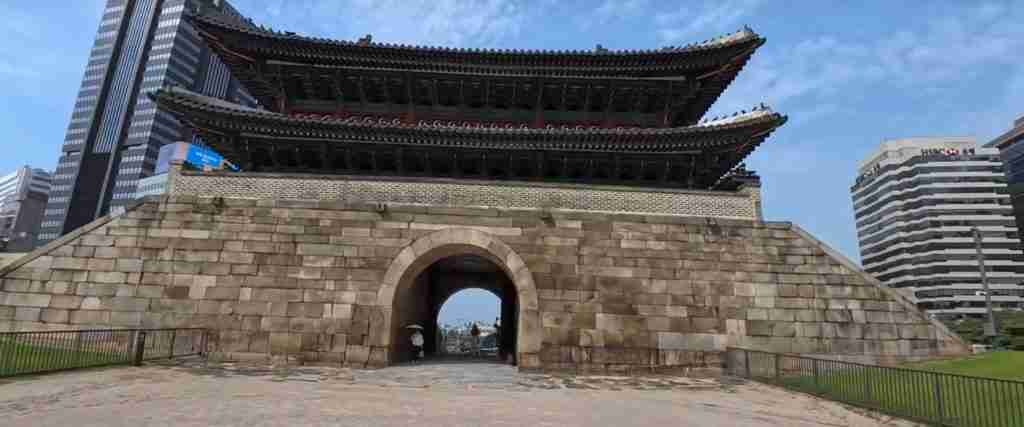
3 days
Seoul 3-Day Discovery Tour
- ✓ Comprehensive Seoul experience
- ✓ Expert local guides included
- ✓ All accommodation included
- ✓ Transportation provided
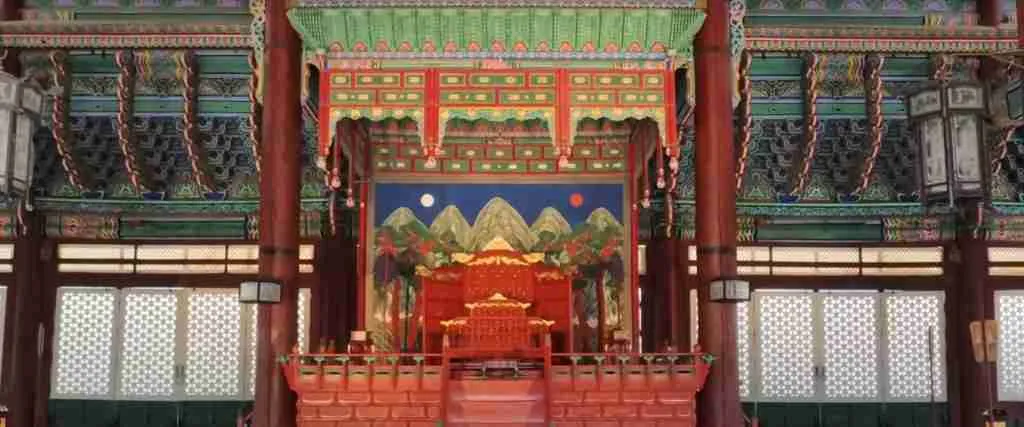
5 days
Seoul 5-Day Highlights Experience
- ✓ Comprehensive Seoul experience
- ✓ Expert local guides included
- ✓ All accommodation included
- ✓ Transportation provided
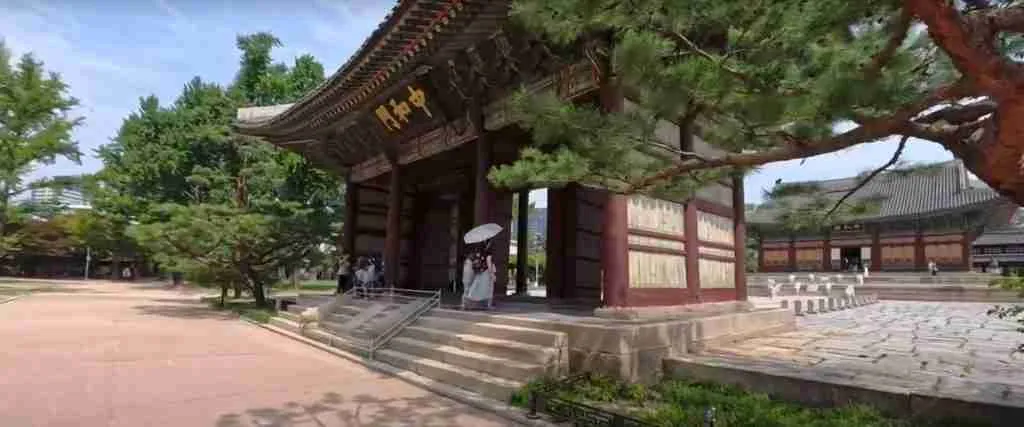
7 days
Seoul 7-Day Cultural Journey
- ✓ Comprehensive Seoul experience
- ✓ Expert local guides included
- ✓ All accommodation included
- ✓ Transportation provided
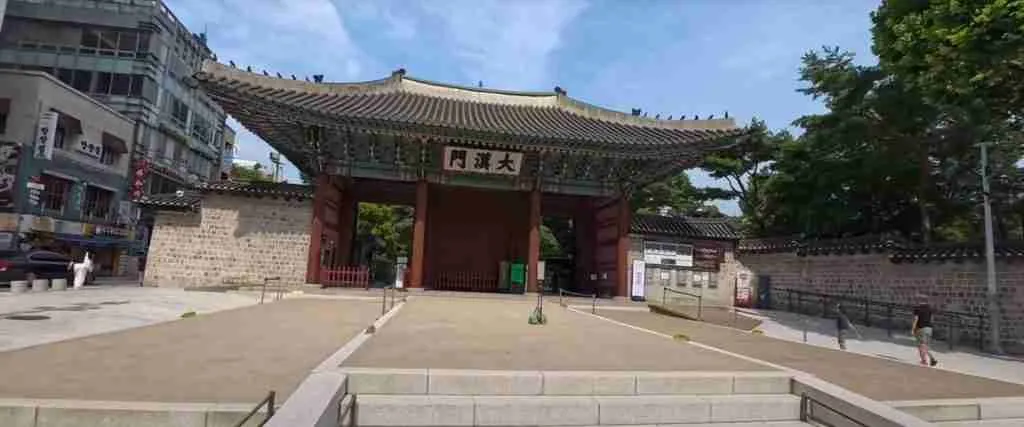
10 days
Seoul 10-Day Complete Adventure
- ✓ Comprehensive Seoul experience
- ✓ Expert local guides included
- ✓ All accommodation included
- ✓ Transportation provided
Multi-day tour packages powered by TourRadar. Prices and availability subject to change.
Best Time to Visit Joseon Royal Palaces in 2026: Seasonal Guide
Spring 2026 (March-May): Cherry Blossom Magic
Spring represents the optimal season for visiting Seoul’s royal palaces in 2026, offering the perfect combination of comfortable weather, spectacular cherry blossoms, and manageable crowd levels before summer tourism peaks.
Weather advantages: Average temperatures range from 5-20°C (41-68°F), providing comfortable conditions for extensive palace exploration. April typically sees the most stable weather patterns with minimal rainfall.
Cherry blossom timing 2026:
- Late March: Early blooms begin in southern palace gardens
- Early April: Peak cherry blossom season across all five palaces
- Mid-April: Extended blooming period with optimal photography conditions
- Late April-May: Spring flowers transition with azaleas and magnolias
Spring 2026 festival highlights: The K-Royal Culture Festival typically occurs in late April/early May, offering special performances, traditional craft demonstrations, and enhanced cultural programming across all palace sites.
Summer 2026 (June-August): Night Tours and Cultural Events
While summer brings hot, humid conditions with temperatures reaching 25-30°C (77-86°F), it also offers unique advantages for palace visitors, particularly through expanded night tour programs and summer cultural festivals.
Summer advantages for 2026:
- Extended operating hours at most palaces
- Special moonlight tours at Gyeongbokgung and Changdeokgung
- Traditional Korean performances in palace courtyards
- Free hanbok experience events during summer festivals
Monsoon season considerations: June-July brings Korea’s rainy season (jangma), with increased humidity and occasional heavy rainfall. Indoor palace areas and covered walkways provide shelter during sudden downpours.
Autumn 2026 (September-November): Fall Foliage Spectacular
Autumn rivals spring as the premier season for royal palace visits, offering cooler temperatures, stunning fall colors, and excellent photographic conditions as deciduous trees transform palace gardens into vibrant tapestries.
Fall foliage timeline 2026:
- Early September: Temperature relief from summer heat begins
- Mid-October: Peak fall colors in palace maple and ginkgo trees
- Late October-November: Extended autumn colors with crisp, clear days
Autumn cultural events: Chuseok (Korean Thanksgiving) typically falls in September or October, bringing traditional celebrations and special palace programming that showcase Joseon-era harvest festivals and royal customs.
Winter 2026 (December-February): Serene Snow Scenes
Winter transforms Seoul’s palaces into contemplative spaces perfect for understanding traditional Korean architecture’s relationship with seasonal change. While temperatures drop to -5 to 5°C (23-41°F), winter offers unique advantages for thoughtful cultural exploration.
Winter 2026 benefits:
- Significantly reduced crowd levels
- Lower accommodation and flight costs
- Dramatic snow-covered palace scenes
- Intimate atmosphere for architectural appreciation
- Special winter cultural programs and indoor exhibitions
2026 Pricing and Ticket Strategy
Individual Palace Admission (2026 Rates)
- Gyeongbokgung Palace: 3,000 KRW (Adults), 2,400 KRW (Groups 10+)
- Changdeokgung Palace: 3,000 KRW (Adults), includes regular palace areas
- Changdeokgung Secret Garden: 8,000 KRW (Adults) – separate admission required
- Changgyeonggung Palace: 1,000 KRW (Adults), 800 KRW (Groups 10+)
- Deoksugung Palace: 1,000 KRW (Adults)
- Gyeonghuigung Palace: Free admission
Integrated Palace Pass: Maximum Value for 2026
The Integrated Palace Pass at 10,000 KRW represents exceptional value for comprehensive palace exploration. This pass includes admission to four major palaces plus Jongmyo Shrine, valid for one month from first use.
Pass coverage includes:
- Gyeongbokgung Palace
- Changdeokgung Palace (excluding Secret Garden)
- Changgyeonggung Palace
- Deoksugung Palace
- Jongmyo Shrine
Cost comparison: Individual tickets total 14,000 KRW, making the integrated pass a 4,000 KRW savings plus added convenience and flexibility.
Free Admission Opportunities
Hanbok advantage: Visitors wearing complete traditional Korean hanbok receive free admission to all paying palace sites year-round. Hanbok rental shops near palaces typically charge 15,000-25,000 KRW for 4-hour rentals, often including professional hairstyling and photography services.
Free admission days 2026:
- Last Wednesday of each month (Culture Day)
- Korean public holidays including Seollal (Lunar New Year) and Chuseok
- Special cultural event days announced annually
Special Event Ticketing for 2026
Night tour reservations: Gyeongbokgung and Changdeokgung moonlight tours require advance booking through official channels. Tickets typically open 3-6 months before tour dates, with spring and autumn sessions selling out within hours of release.
2026 night tour pricing:
- Gyeongbokgung Moonlight Tour: 3,000 KRW (Adults), 1,500 KRW (Children 7-17)
- Changdeokgung Lantern Tour: Similar pricing structure
- Limited capacity: 2,700 visitors per night maximum
Planning Your 2026 Palace Route
One-Day Palace Marathon Route
For visitors with limited time, experiencing all five palaces in a single day requires strategic planning and early starts. This intensive route covers approximately 8-10 hours including travel time between sites.
Optimized one-day itinerary:
- 9:00 AM – Changdeokgung Palace: Start with UNESCO site and Secret Garden tour (2.5 hours)
- 11:45 AM – Changgyeonggung Palace: Adjacent location allows easy transition (1.5 hours)
- 1:30 PM – Gyeongbokgung Palace: Lunch break, then arrive for 2:00 PM Changing of Guard (2.5 hours)
- 4:30 PM – Gyeonghuigung Palace: Quick visit to free palace (1 hour)
- 6:00 PM – Deoksugung Palace: End with latest closing hours (1.5 hours)
Multi-Day Cultural Immersion
Three-day palace exploration allows deeper cultural understanding and photography opportunities. This approach provides time for guided tours, museum visits, and appreciation of architectural details often missed in rushed visits.
Day 1: Gyeongbokgung and Cultural Context
- Morning: Gyeongbokgung Palace with guided tour
- Afternoon: National Palace Museum and National Folk Museum
- Evening: Traditional Korean dinner in nearby Insadong district
Day 2: UNESCO Heritage Focus
- Morning: Changdeokgung Palace with Secret Garden tour
- Afternoon: Changgyeonggung Palace and greenhouse exploration
- Evening: Traditional tea ceremony experience
Day 3: Modern History and Reflection
- Morning: Deoksugung Palace and contemporary art museum
- Afternoon: Gyeonghuigung Palace and Seoul Museum of History
- Evening: Han River sunset viewing and reflection
Transportation Between Palaces 2026
Seoul’s efficient subway system provides convenient palace connections:
- Gyeongbokgung: Line 3 Gyeongbokgung Station (Exit 5) or Line 5 Gwanghwamun Station (Exit 2)
- Changdeokgung/Changgyeonggung: Line 3 Anguk Station (Exit 3) – 6-minute walk
- Deoksugung: Line 1 or 2 City Hall Station (Exit 2) – 3-minute walk
- Gyeonghuigung: Line 5 Seodaemun Station (Exit 4) – 5-minute walk
2026 transportation enhancements: New tourist-friendly signage in multiple languages and expanded T-money card integration with palace admission systems streamline the visitor experience.
2026 Updates and Changes
Digital Experience Enhancements
2026 brings significant technological upgrades to palace visitor experiences, including augmented reality features, enhanced audio guides, and interactive historical timeline displays throughout major palace complexes.
New digital features include:
- AR-enabled smartphone apps showing historical palace layouts
- QR code information systems with multilingual content
- Virtual reality experiences of destroyed palace sections
- Interactive exhibits in palace visitor centers
Expanded Cultural Programming
The Korean Heritage Service continues expanding educational and cultural programs throughout 2026, with enhanced English-language offerings and specialized workshops for international visitors.
New 2026 programs:
- Traditional craft workshops in palace courtyards
- Korean language classes focused on historical terms
- Photography masterclasses highlighting architectural details
- Seasonal festival celebrations with authentic Joseon-era demonstrations
Sustainability Initiatives
Environmental consciousness drives 2026 palace management policies, including visitor capacity management, eco-friendly transportation options, and traditional Korean gardening technique demonstrations.
Green tourism features:
- Timed entry systems reducing overcrowding
- Electric shuttle services between distant palace sections
- Traditional Korean sustainable practices exhibitions
- Native plant restoration projects using historical garden records
Photography and Social Media Guide
Instagram-Worthy Spots and Timing
Each palace offers unique photographic opportunities that change dramatically with seasons and lighting conditions. Understanding optimal timing and positioning creates memorable images while respecting cultural heritage preservation rules.
Gyeongbokgung photographic highlights:
- Gwanghwamun Gate: Best lighting 9-11 AM and 4-6 PM
- Gyeonghoeru Pavilion: Reflection shots during calm weather
- Geunjeongjeon Hall: Wide-angle architecture shots from designated viewing areas
- Guard ceremony: Position early for unobstructed ceremony views
Changdeokgung composition tips:
- Secret Garden: Forest pathways and traditional pavilions
- Injeongjeon Hall: Traditional roof detail photography
- Seasonal flowers: Cherry blossoms (April), fall colors (October)
- Architectural harmony: Buildings integrated with natural landscape
Hanbok Photography Experience
Traditional Korean hanbok creates authentic historical atmosphere for palace photography while providing free admission benefits. Professional hanbok rental shops near each palace offer styling services and photography guidance.
Hanbok rental considerations for 2026:
- Advance reservations recommended during peak seasons
- Professional styling includes traditional hairstyles and accessories
- Photography packages often include professional palace shoots
- Weather-appropriate hanbok options for all seasons
Cultural Sensitivity and Photography Ethics
Respectful photography enhances personal memories while preserving palace sanctity for future visitors. Understanding cultural context and following established guidelines ensures positive experiences for all palace guests.
Photography guidelines:
- Flash photography prohibited in museum areas and certain historical halls
- Tripod restrictions in high-traffic areas during peak times
- Respectful positioning during ceremonies and cultural performances
- Social media sharing encouraged with appropriate cultural context
Cultural Context and Historical Significance
Understanding Joseon Dynasty Legacy
The Joseon Dynasty (1392-1910) represents Korea’s longest-ruling royal dynasty, establishing cultural, political, and architectural traditions that define Korean identity today. These five palaces embody different aspects of royal life, governance, and cultural development across more than 500 years of history.
Each palace reflects specific historical periods and functions within the complex royal ecosystem of traditional Korea. Understanding these relationships enhances appreciation for architectural choices, garden designs, and ceremonial spaces that continue influencing Korean culture.
Architectural Philosophy and Design Principles
Korean palace architecture emphasizes harmony between human creation and natural environment, a principle most perfectly expressed at UNESCO-designated Changdeokgung Palace. Traditional Korean design philosophy incorporates feng shui principles, seasonal considerations, and hierarchical social structures.
Key architectural elements:
- Dancheong: Traditional multicolored paintwork protecting wood and representing Korean aesthetic principles
- Ondol: Underground heating systems demonstrating Korean engineering innovation
- Hanok construction: Traditional Korean building techniques using natural materials
- Garden integration: Landscape design principles creating harmony between architecture and nature
Royal Court Culture and Daily Life
Palace visits provide insights into Joseon royal court protocols, daily routines, and seasonal celebrations that structured royal life for centuries. Understanding these cultural contexts transforms architectural spaces into living historical environments.
Cultural elements to observe:
- Hierarchical spatial organization reflecting Confucian social principles
- Seasonal ceremony locations for different royal functions
- Gender-separated palace areas and their respective functions
- Integration of administrative and residential palace functions
Practical 2026 Visitor Information
Operating Hours and Closures
Palace operating schedules vary by season and individual site policies, with extended summer hours and reduced winter schedules reflecting both visitor demand and preservation requirements.
2026 Operating Hours:
- Gyeongbokgung: 9:00-18:30 (June-August), 9:00-18:00 (March-May, September-October), 9:00-17:00 (November-February). Closed Tuesdays.
- Changdeokgung: 9:00-18:30 (June-August), 9:00-18:00 (February-May, September-October), 9:00-17:30 (November-January). Closed Mondays.
- Changgyeonggung: 9:00-21:00 year-round. Closed Mondays.
- Deoksugung: 9:00-21:00 year-round. Closed Mondays.
- Gyeonghuigung: 9:00-18:00 year-round. Open daily.
Language Support and Guided Tours
Enhanced multilingual support in 2026 includes expanded English-language programming and professional guide services trained in cultural interpretation for international visitors.
Available language services:
- Free English guided tours at major palaces (advance registration recommended)
- Audio guide rentals in 8+ languages including English, Chinese, Japanese, and Spanish
- Multilingual informational signage throughout palace complexes
- Cultural context workshops with English interpretation
Accessibility and Visitor Facilities
Modern accessibility improvements balance historical preservation with inclusive visitor access, providing wheelchair-accessible routes, visual aid services, and comprehensive visitor support facilities.
Accessibility features:
- Wheelchair-accessible pathways at all major palace sites
- Audio descriptions for visually impaired visitors
- Rest areas and accessible restroom facilities
- Priority access programs for visitors with mobility challenges
Nearby Attractions and Cultural Sites
Palace visits integrate seamlessly with broader Seoul cultural exploration, as royal sites anchor traditional districts rich with complementary cultural experiences, traditional markets, and historical neighborhoods.
Complementary nearby attractions:
- Bukchon Hanok Village: Traditional Korean architecture and cultural workshops
- Insadong Cultural District: Traditional crafts, tea houses, and art galleries
- Jongmyo Shrine: UNESCO World Heritage Confucian ancestral shrine
- Gwangjang Market: Traditional Korean food and textile markets
Food and Dining Near the Palaces
Traditional Korean Cuisine Experiences
Palace districts offer exceptional opportunities to experience traditional Korean royal cuisine (gungkuk) and regional specialties that connect culinary traditions with historical royal court culture.
Recommended dining experiences:
- Korea House: Traditional royal court cuisine in historical setting
- Insadong tea houses: Traditional Korean teas and desserts in cultural atmosphere
- Gwangjang Market: Street food and traditional market dining experience
- Bukchon area restaurants: Modern interpretations of traditional Korean cuisine
Seasonal Food Festivals and Events
Korean culinary calendar aligns with traditional seasonal celebrations, offering palace visitors opportunities to experience authentic seasonal foods and royal court dining traditions during cultural festivals.
2026 seasonal food highlights:
- Spring: Traditional cherry blossom viewing foods (hwajeon) and seasonal temple cuisine
- Summer: Royal court cold noodle dishes and traditional cooling foods
- Autumn: Harvest festival foods and traditional Korean thanksgiving dishes
- Winter: Royal court warming dishes and traditional New Year foods
Shopping and Souvenirs
Traditional Crafts and Cultural Items
Palace gift shops and nearby cultural districts offer authentic Korean traditional crafts that reflect royal court artistic traditions and contemporary Korean craftsmanship inspired by palace designs.
Recommended souvenir categories:
- Traditional ceramics: Reproductions of royal court pottery and modern interpretations
- Hanbok accessories: Traditional Korean clothing elements and jewelry
- Calligraphy items: Traditional Korean writing implements and artistic pieces
- Cultural books: English-language guides to Korean royal history and culture
Museum Shop Collections
Palace museum shops curate educational and artistic items that support cultural preservation while providing meaningful connections to Korean royal heritage for international visitors.
Special museum collections:
- Reproduction royal court artifacts and jewelry
- Traditional Korean art prints and postcards
- Cultural education materials for children and adults
- Support items for Korean cultural appreciation and study
Planning Your Perfect 2026 Royal Palace Experience
The Joseon Royal Palaces of Seoul represent more than architectural marvels—they embody Korea’s cultural soul and provide windows into 500+ years of royal traditions that continue shaping modern Korean identity. Whether you’re drawn by UNESCO World Heritage significance, architectural photography opportunities, or deep cultural immersion, 2026 offers unprecedented access to enhanced visitor experiences and cultural programming.
Your 2026 palace journey benefits from strategic seasonal timing, advance planning for special experiences, and cultural preparation that transforms architectural tourism into meaningful cross-cultural understanding. From cherry blossom photography sessions to traditional craft workshops, these royal sites offer experiences that create lasting connections with Korean heritage and artistic traditions.
Begin planning your 2026 Joseon Royal Palace adventure today, as early reservations ensure access to Seoul’s most treasured cultural experiences during optimal seasons and special events that define Korean cultural tourism at its finest.
Frequently Asked Questions: Joseon Royal Palaces 2026
How many days should I allocate for visiting all five palaces in 2026?
For comprehensive cultural appreciation, plan 2-3 days minimum. One day allows rushed coverage of all five sites, but 2-3 days enables guided tours, museum visits, cultural workshops, and proper photography time. Extended visits allow deeper cultural understanding and participation in seasonal cultural programs.
Which palace should I prioritize if I can only visit one in 2026?
Changdeokgung Palace offers the most comprehensive cultural experience as the UNESCO World Heritage Site with Secret Garden access. However, Gyeongbokgung provides the most iconic Korean palace experience with Changing of the Guard ceremonies and largest architectural complex representing Joseon royal grandeur.
Are the palaces suitable for children and families in 2026?
All palaces welcome families with children, offering educational programs, interactive exhibits, and child-friendly guided tours. Traditional costume experiences particularly appeal to young visitors, while palace grounds provide safe exploration spaces. Cultural workshops and seasonal festivals create engaging family experiences.
How far in advance should I book special tours and experiences for 2026?
Night tours and Secret Garden visits require 3-6 months advance booking during peak seasons (spring cherry blossom and autumn foliage periods). Regular admission requires no advance booking, but cultural workshops and seasonal festivals benefit from early registration through official Korean Heritage Service channels.
What should I wear when visiting the palaces in different seasons of 2026?
Comfortable walking shoes and weather-appropriate clothing are essential. Spring and autumn require layered clothing for temperature variations. Summer necessitates sun protection, light fabrics, and umbrella for sudden rain. Winter demands warm clothing, waterproof footwear, and hand warmers for extended outdoor exploration.
Can I visit the palaces independently, or do I need guided tours?
Independent visits are encouraged and well-supported with multilingual signage, audio guides, and self-guided tour materials. However, guided tours provide cultural context and historical interpretation that significantly enhance understanding of Korean royal traditions and architectural significance.
Are there any cultural customs or etiquette I should observe while visiting?
Respectful behavior includes removing hats in ceremonial halls, maintaining quiet voices in sacred spaces, and following photography guidelines. Traditional Korean etiquette appreciates modest dress, respectful observation of ceremonies, and cultural curiosity expressed through appropriate questions to guides and staff.
What are the best photography opportunities across the five palaces?
Each palace offers unique photographic opportunities: Gyeongbokgung for grand architecture and ceremonies, Changdeokgung for natural harmony and garden scenes, Changgyeonggung for intimate cultural details, Deoksugung for architectural fusion, and Gyeonghuigung for peaceful traditional scenes without crowds.
How do seasonal festivals and events enhance palace visits in 2026?
Seasonal festivals provide immersive cultural experiences with traditional performances, royal court ceremony reenactments, traditional craft demonstrations, and authentic Korean cultural food experiences. Spring and autumn festivals offer optimal weather and cultural programming for international visitors.
What transportation options connect the five palaces efficiently?
Seoul’s subway system provides convenient palace connections with walking distances under 10 minutes from stations to palace entrances. T-money transportation cards integrate with some palace admission systems, while walking routes between nearby palaces (Changdeokgung-Changgyeonggung) offer cultural district exploration opportunities.