
Porto Free Activities 2026: 10 Budget-Friendly Experiences
This guide details ten exceptional free activities that showcase Porto’s essence, from UNESCO World Heritage architecture to contemporary street art. Each activity includes practical planning information for 2026, including best times to visit, transportation access, and how to maximize the experience. Combined with Porto’s affordable public transport and budget dining options, these free activities enable comprehensive city exploration for under €20 daily when paired with strategic meal planning.
Key Takeaways: Free Porto Experiences 2026
- Porto’s historic Ribeira district and São Bento Railway Station offer free access to UNESCO World Heritage architecture and stunning azulejo tilework
- Multiple free viewpoints (miradouros) provide panoramic city and river views, including Jardim do Morro and Vitória viewpoint
- The Douro riverfront promenade extends several kilometers with free public access, perfect for sunset walks and photography
- Churches like Igreja de São Francisco exterior and Santa Clara Church gardens provide free cultural experiences when Mass schedules permit
- Strategic planning allows experiencing Porto’s UNESCO heritage and cultural landmarks on minimal budget in 2026
- Combining free activities with affordable public transport (€2 metro tickets) creates comprehensive Porto exploration under €10 daily
Introduction: Exploring Porto Without Spending in 2026
Porto proves that budget travel doesn’t require sacrificing cultural depth or memorable experiences. This UNESCO World Heritage city offers extraordinary free activities throughout 2026, from wandering azulejo-adorned railway stations to watching Atlantic sunsets over the Douro River. The city’s compact historic center, combined with Portugal’s generous public access policies, means travelers can experience authentic Porto culture, architecture, and atmosphere without admission fees.
Understanding which Porto attractions offer free access transforms budget planning for 2026 visits. Many churches welcome visitors outside Mass times, historic neighborhoods provide open exploration, and viewpoints deliver postcard-perfect panoramas without charging entry. Strategic timing enhances these experiences further—visiting São Bento Station during morning light showcases the famous azulejo panels at their most photogenic, while evening walks along the Ribeira capture the golden hour glow on colorful buildings.
Porto’s free offerings span diverse interests—history enthusiasts explore medieval streets and Romanesque churches, architecture lovers study azulejo artistry and Baroque facades, photographers capture river reflections and urban landscapes, and culture seekers discover authentic Portuguese neighborhoods beyond tourist zones. The city’s pedestrian-friendly layout means most free activities connect through pleasant walks, creating natural itineraries that flow from riverside promenades to hilltop viewpoints to historic plazas.
People Also Ask About Porto Free Activities 2026
Can you explore Porto’s UNESCO World Heritage area for free in 2026?
The entire Porto historic center, designated UNESCO World Heritage in 1996, offers free access throughout 2026. Walk freely through Ribeira district’s medieval streets, admire Baroque churches from exterior, explore Clérigos Tower neighborhood (viewing from outside), and wander Aliados Avenue without admission fees. The UNESCO zone encompasses approximately 1 square kilometer of historic architecture, traditional commerce, and cultural landmarks accessible to all visitors. Public spaces, streets, plazas, and building exteriors throughout the UNESCO area never charge entry, though specific monument interiors require tickets.
What’s the best free viewpoint in Porto for 2026 visits?
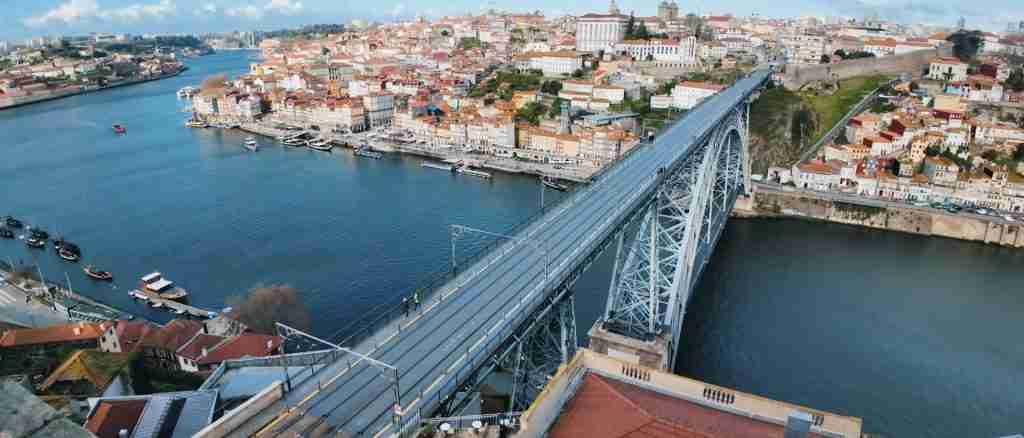
Jardim do Morro in Vila Nova de Gaia provides Porto’s most spectacular free viewpoint for 2026. This riverside park across from Ribeira offers sweeping panoramas of the historic city rising above the Douro River, with Dom Luís I Bridge framing the composition. The viewpoint remains accessible 24 hours daily, though sunset visits (April-September: 7-9 PM, October-March: 5-7 PM) deliver optimal photography conditions. Access via metro to Jardim do Morro station places visitors directly at this premier free attraction. Alternative free viewpoints include Miradouro da Vitória overlooking downtown and Miradouro da Serra do Pilar near the monastery.
How much money do you need daily for free Porto activities in 2026?
Experiencing Porto’s free activities in 2026 requires €8-15 daily for transportation and minimal refreshments. Metro day pass costs €7 providing unlimited travel to free attractions throughout the city. Budget €3-5 for coffee or pastéis de nata during walking breaks, and €3 for water or snacks. With strategic planning, a full day exploring ten free activities—including São Bento Station, Ribeira walks, viewpoints, churches, and neighborhoods—totals under €15 per person. Adding one budget meal (€8-12 lunch menu) brings daily costs to €20-25, demonstrating Porto’s exceptional value for budget travelers prioritizing free cultural experiences.
Are Porto churches free to visit in 2026?
Porto churches offer selective free access in 2026 depending on timing and specific venues. Churches primarily serving active congregations (like Santo Ildefonso, São Bento da Vitória) welcome respectful visitors outside Mass times without admission fees, though visiting during services requires appropriate behavior. Major tourist churches with maintained interiors (Igreja de São Francisco, Sé Cathedral) charge €4-5 admission to fund preservation work. Free church experiences in 2026 include exterior architecture appreciation (all churches), attending public Mass services (free at all venues), and exploring church-adjacent gardens or cloister exteriors. Santo Ildefonso’s stunning azulejo facade provides one of Porto’s finest free architectural experiences visible 24 hours daily.
Extended multi-day tours – 5+ days
Featured Porto Multi-Day Tour Packages
3 days
Porto 3-Day Discovery Tour
- ✓ Comprehensive Porto experience
- ✓ Expert local guides included
- ✓ All accommodation included
- ✓ Transportation provided

5 days
Porto 5-Day Highlights Experience
- ✓ Comprehensive Porto experience
- ✓ Expert local guides included
- ✓ All accommodation included
- ✓ Transportation provided

7 days
Porto 7-Day Cultural Journey
- ✓ Comprehensive Porto experience
- ✓ Expert local guides included
- ✓ All accommodation included
- ✓ Transportation provided
10 days
Porto 10-Day Complete Adventure
- ✓ Comprehensive Porto experience
- ✓ Expert local guides included
- ✓ All accommodation included
- ✓ Transportation provided
Multi-day tour packages powered by TourRadar. Prices and availability subject to change.
Essential Planning Information for 2026 Free Activities
Understanding Porto’s Free Access Philosophy in 2026
Porto maintains generous public space access policies that benefit budget travelers throughout 2026. The Portuguese cultural tradition of shared public spaces means historic neighborhoods, riverfront promenades, city viewpoints, and architectural exteriors remain freely accessible without restrictions. This philosophy extends to major landmarks—while interior visits may require tickets, appreciating architecture, urban design, and cultural atmosphere costs nothing.
The UNESCO World Heritage designation protects Porto’s historic center while ensuring public access continues. Unlike some European heritage cities that restrict street access or charge area entry fees, Porto’s medieval Ribeira, Baroque churches, and azulejo-adorned buildings welcome free exploration. Public transportation reaches all major free attractions, with metro stations strategically located near viewpoints, historic neighborhoods, and riverside areas.
Strategic timing maximizes free experiences in 2026. Visiting popular areas like São Bento Station early morning (7-9 AM) avoids crowds while showcasing architecture in soft natural light. Afternoon hours (2-5 PM) work well for neighborhood exploration when commercial activity peaks and streets feel most authentic. Evening visits to Ribeira and viewpoints (6-9 PM) capture sunset colors and relaxed atmosphere as locals gather for socializing.
Transportation for Free Porto Activities in 2026
Porto’s efficient metro system connects major free attractions at minimal cost throughout 2026. Single metro tickets cost €2, while Andante Tour 1-day passes cost €7 providing unlimited travel on metro, bus, and funicular services. Purchase Andante cards at metro stations using ticket machines (English language available) or staffed counters. The metro opens 6 AM-1 AM daily with frequent service every 10-15 minutes during daytime hours.
Key metro lines for free activities include Line D (yellow) connecting São Bento Station, Aliados, and Jardim do Morro viewpoint, and Line A (blue) serving riverside areas and Matosinhos beach. Walking between downtown attractions proves practical—Ribeira to São Bento Station covers 800 meters (10-minute walk), while São Bento to Aliados Avenue spans 400 meters (5 minutes). The compact historic center enables walking-focused itineraries that minimize transport costs while maximizing cultural immersion.
Consider Porto’s topography when planning free activity routes in 2026. The city rises steeply from the Douro River through historic neighborhoods to upper viewpoints, creating elevation gains of 50-80 meters between riverside and hilltop areas. Utilize funicular services (included in Andante passes) or plan downhill walking routes to manage physical demands. The scenic Guindais Funicular connects Ribeira to Batalha neighborhood, offering both transportation and viewpoint experience for standard metro fare.
Top 10 Free Porto Activities for 2026
1. São Bento Railway Station: Azulejo Masterpiece Experience
São Bento Railway Station ranks among Europe’s most beautiful train stations and Porto’s premier free cultural attraction for 2026. The main entrance hall showcases approximately 20,000 tin-glazed ceramic tiles (azulejos) created by artist Jorge Colaço between 1905-1916, depicting Portuguese historical scenes from royal courts to rural harvests. The blue and white panels cover the walls in a continuous narrative that requires 30-45 minutes to properly appreciate, documenting Portugal’s cultural evolution through ceramic artistry.
The station welcomes free access to all visitors throughout its operating hours (6 AM-midnight daily) in 2026. Morning visits (7-9 AM) showcase the azulejos in natural light streaming through the eastern windows, while avoiding midday tourist crowds that peak 11 AM-2 PM. Photography remains permitted throughout the main hall, though tripods require special permission. The working station continues serving regional and long-distance trains, adding authentic atmosphere as travelers move through the historic space.
Access São Bento Station via metro to São Bento stop (Lines D and A converge here), or walk from Ribeira district (800 meters uphill, 12-15 minutes). The station’s central location makes it an ideal starting point for free Porto exploration, with Aliados Avenue extending 200 meters north and historic shopping streets radiating in all directions. Combine station visits with nearby free activities including Clérigos Tower exterior viewing, traditional commerce streets, and Lello Bookshop exterior architecture (the bookshop interior requires €5 ticket with book purchase credit).
2. Ribeira District: UNESCO Heritage Riverside Walks
The Ribeira district provides Porto’s most iconic free experience—wandering medieval riverside streets where colorful buildings cascade down to the Douro River waterfront. This UNESCO World Heritage neighborhood preserves Porto’s historic commercial heart, where riverside warehouses once stored port wine and merchants conducted trade through narrow cobblestone lanes. The entire district offers free exploration throughout 2026, from the Cais da Ribeira waterfront promenade to steep interior streets revealing hidden plazas and traditional shops.
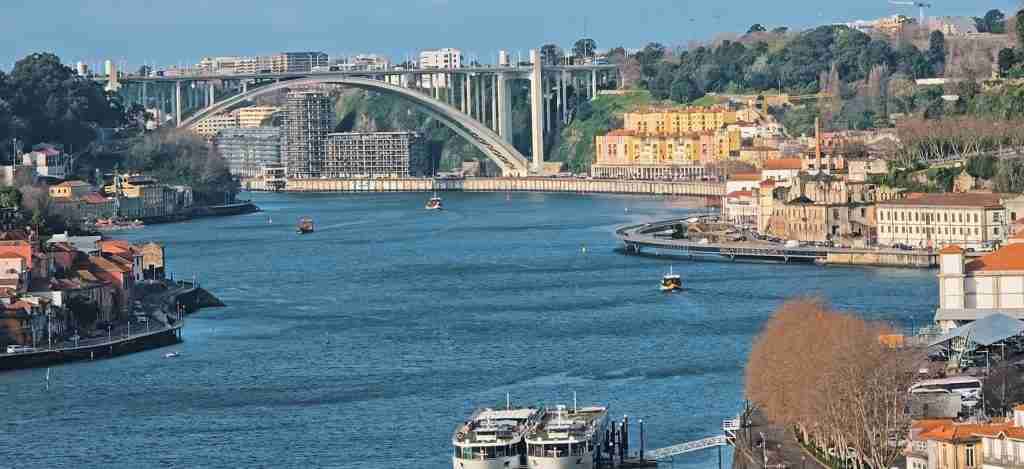
Walking the Ribeira waterfront extends approximately 1 kilometer from Ponte da Arrábida to Dom Luís I Bridge, taking 20-30 minutes at leisurely pace. The riverside promenade features traditional rabelo boats (historic port wine vessels now used for tours), azulejo-decorated building facades, and continuous views across to Vila Nova de Gaia’s wine cellars. Free public benches line the waterfront, perfect for sunset watching or photographing the iconic Porto skyline reflected in river waters.
Interior Ribeira streets reveal architectural details and authentic neighborhood life beyond the tourist-focused waterfront. Climb steep lanes like Rua dos Mercadores and Rua de São João to discover traditional grocery shops, neighborhood cafes, and residential buildings preserving medieval layouts. These streets showcase daily Portuguese life—laundry hanging from Juliet balconies, elderly residents conversing from windows, small commerce serving local customers. The entire exploration costs nothing while delivering deep cultural immersion.
Optimal Ribeira visiting times for 2026 include morning (8-10 AM) when soft light illuminates building facades and locals shop at neighborhood markets, or evening (6-9 PM) when sunset colors transform the waterfront and restaurants fill with diners creating vibrant atmosphere. Avoid midday heat in summer months (June-August) when temperatures reach 28-32°C and crowds peak. Access Ribeira via metro to São Bento followed by 10-minute downhill walk, or take bus routes 900, 901, 906 directly to riverside areas.
3. Jardim do Morro: Premier Free Viewpoint Experience
Jardim do Morro in Vila Nova de Gaia delivers Porto’s most spectacular free panoramic viewpoint throughout 2026. This riverside park sits directly across from Porto’s historic center, providing sweeping views of the UNESCO Heritage area rising above the Douro River with the iconic Dom Luís I Bridge dominating the composition. The elevated park position (approximately 60 meters above river level) frames Porto’s layered architecture—from riverside Ribeira buildings to the vertical Clérigos Tower landmark.
The viewpoint remains accessible 24 hours daily without restrictions or admission fees in 2026. Sunset visits (April-September: 7-9 PM, October-March: 5-7 PM) deliver optimal photography conditions as golden light illuminates Porto’s building facades while the Douro River reflects sky colors. Evening visits coincide with bridge lighting activation (sunset +30 minutes) when LED illumination highlights the Dom Luís I Bridge’s architectural structure. Morning visits (8-10 AM) offer clear atmospheric conditions and fewer tourists, ideal for peaceful contemplation or detailed photography.
Access Jardim do Morro via metro Line D (yellow) to Jardim do Morro station—the metro exit places visitors directly at the viewpoint entrance. The park features multiple viewing platforms at different elevations, allowing photography from various perspectives. Grassed areas provide comfortable spots for extended stays, and the park’s size (approximately 1 hectare) means finding uncrowded viewing positions remains possible even during peak tourist season. No facilities require fees, though nearby cafes and restaurants operate along the waterfront below.
Combine Jardim do Morro visits with other free Gaia activities in 2026. Walk the upper level of Dom Luís I Bridge (free pedestrian access, 10-minute crossing) connecting the viewpoint to Porto’s Batalha neighborhood. Explore Vila Nova de Gaia’s waterfront promenade extending east from the bridge, passing historic wine cellars whose exteriors showcase traditional Portuguese commercial architecture. The monastery of Serra do Pilar sits adjacent to Jardim do Morro, offering additional viewpoint opportunities from its exterior terrace (monastery interior requires €4 admission, but viewpoint access remains free).
4. Miradouro da Vitória: Downtown Panoramic Views
Miradouro da Vitória provides Porto’s premier downtown viewpoint for 2026, offering 180-degree panoramas across the historic center from an elevated position in the Vitória neighborhood. This public viewpoint sits at approximately 90 meters elevation, delivering expansive views over clustered terracotta rooftops, church towers, and the Douro River valley. The viewpoint features a paved terrace with protective railings, making it accessible for visitors of all mobility levels while providing unobstructed photography angles.
The miradouro welcomes free access throughout 2026 with 24-hour availability. Late afternoon visits (4-6 PM) showcase Porto’s architecture in warm directional light that emphasizes building textures and urban topography. Evening visits capture city lights activation across the historic center, transforming the view into a constellation of illuminated monuments and street lighting. The viewpoint’s north-facing orientation means avoiding direct sun in photography, resulting in evenly-lit compositions regardless of visiting time.
Access Miradouro da Vitória via 15-minute uphill walk from São Bento Station, following Rua 31 de Janeiro to Rua da Vitória. The walk passes through authentic residential neighborhoods showcasing traditional Porto life beyond tourist zones. Metro access requires stopping at São Bento or Bolhão stations followed by similar walking distance. The viewpoint’s location in a working neighborhood means fewer tourists compared to Jardim do Morro, offering peaceful contemplation opportunities.
The surrounding Vitória neighborhood rewards extended exploration beyond the viewpoint itself in 2026. Traditional grocery stores, neighborhood cafes, and residential streets preserve authentic Porto atmosphere. Small plazas like Largo da Vitória feature community gathering spaces where locals socialize. Walking downhill from the viewpoint toward Ribeira district reveals architectural transitions from 19th-century residential buildings to medieval commercial structures, creating visual narratives of Porto’s urban evolution.
5. Dom Luís I Bridge Crossing: Iconic River Perspective
Walking Dom Luís I Bridge ranks among Porto’s most memorable free activities for 2026. This double-deck metal arch bridge connects Porto’s Ribeira district to Vila Nova de Gaia’s Jardim do Morro, spanning 395 meters across the Douro River at heights reaching 45 meters above water. The upper pedestrian deck provides unobstructed views in both directions—looking back toward Porto’s historic center and forward to Gaia’s wine cellars and Atlantic horizon.
The bridge’s upper level operates exclusively for pedestrians and metro trains (Line D) throughout 2026, ensuring safe crossing free from vehicle traffic. Walking the complete span takes 10-15 minutes at moderate pace, though most visitors pause multiple times for photography and view appreciation. The bridge remains accessible 24 hours daily without restrictions or admission fees. Wind exposure at 45-meter height requires secure grip on cameras and personal items, particularly during Porto’s windier months (November-March).
Optimal crossing times in 2026 include morning (8-10 AM) when eastward views capture backlit Porto architecture, or late afternoon (5-7 PM) when westward views showcase sunset colors over the Atlantic Ocean. Midday crossings work well for overhead sun eliminating shadows in photography, though summer heat (June-August, 28-32°C) makes timing considerations important for comfort. Evening crossings after sunset feature bridge lighting (LED system activated sunset +30 minutes) creating dramatic architectural photography opportunities.
Combine bridge crossings with other free Douro River activities in 2026. The lower bridge level (restricted to vehicles but viewable from above) provides perspective on Porto’s vertical river valley geography. Riverside paths extend from both bridge approaches—the Porto side connects to Ribeira waterfront walks, while the Gaia side leads to wine cellar neighborhood exploration and additional waterfront promenades extending toward the Atlantic.
6. Aliados Avenue: Grand Boulevard Architecture
Avenida dos Aliados serves as Porto’s ceremonial boulevard and showcases Beaux-Arts urban planning on monumental scale throughout 2026. This 150-meter pedestrianized avenue extends from São Bento Station to Porto City Hall, flanked by early 20th-century buildings displaying elaborate facades combining French, Italian, and Portuguese architectural influences. The avenue offers completely free exploration, from appreciating architectural details to photographing the symmetrical urban composition.
The boulevard’s design follows Baron Haussmann’s Parisian model—wide pedestrian spaces, aligned building facades creating uniform streetscape, monumental public buildings anchoring sight lines. Walking the avenue from south to north reveals progressive architectural elaboration, culminating in Porto City Hall’s 70-meter bell tower dominating the northern terminus. Bronze statues, decorative paving patterns, and ornamental street furniture add layers of design detail that reward careful observation.
Free activities along Aliados Avenue in 2026 include architecture photography (optimal morning light 8-11 AM illuminates eastern building facades), street performance observation (musicians and artists gather weekends and holidays), public event participation (cultural celebrations, markets, seasonal decorations occur regularly), and cafe culture watching from exterior seating areas. The avenue functions as Porto’s primary public gathering space, hosting New Year celebrations, political demonstrations, and community festivals throughout the year.
Access Aliados Avenue via metro to São Bento or Bolhão stations (both within 200 meters), or walk from Ribeira district (15 minutes uphill). The avenue’s central location makes it a natural connector between free Porto activities—São Bento Station sits immediately south, Clérigos Tower area lies 300 meters west, and Bolhão Market neighborhood extends east. Evening visits (after 7 PM) showcase building illumination and relaxed promenade atmosphere as locals and visitors mingle along the pedestrian way.
7. Foz do Douro: Atlantic Coastline Exploration
Foz do Douro neighborhood provides Porto’s free Atlantic coastline experience for 2026, where the Douro River meets the ocean. This affluent residential area features a continuous waterfront promenade extending approximately 2 kilometers from the river mouth lighthouse to Matosinhos beach, passing rocky coastline, sandy beaches, and historic fortifications. The entire area offers free exploration, combining natural landscape, maritime heritage, and contemporary Porto life.
The Foz boardwalk delivers varied coastal scenery throughout 2026. The southern section near Felgueiras Lighthouse showcases dramatic Atlantic wave action against rocky outcrops, popular with photographers capturing dynamic seascapes. Central sections pass small beaches (Praia do Molhe, Praia da Luz) where locals swim and sunbathe during summer months (June-September when water temperatures reach 18-20°C). Northern sections transition to broader sandy beaches approaching Matosinhos, favored by surfers and beach sports enthusiasts.
Free Foz activities in 2026 include sunset watching (optimal April-September: 8-9:30 PM, October-March: 6-7:30 PM) from various viewpoints along the promenade, tide pool exploration during low tide exposing marine life, coastal photography capturing Atlantic Ocean moods from calm to stormy, and people-watching as affluent Porto residents exercise, socialize, and recreate along the waterfront. The area’s relaxed atmosphere contrasts with downtown tourist zones, offering insights into contemporary Portuguese lifestyle.
Access Foz do Douro via bus route 500 from downtown Porto (30-40 minute journey, €2 single ticket or included in Andante day pass), or vintage Tram 1 from downtown (€3.50 single ride, 30 minutes, operates tourist route). Walking from central Porto covers approximately 5 kilometers (unsuitable as primary access method). The neighborhood features free beach access, public restrooms, and waterfront benches. Combine coastal visits with Parque da Cidade exploration (Porto’s largest park, 2 kilometers inland, free access) for comprehensive western Porto discovery.
8. Santo Ildefonso Church: Azulejo Facade Artistry
Igreja de Santo Ildefonso displays Porto’s most spectacular azulejo facade, covering the entire front and side exterior walls with approximately 11,000 blue and white ceramic tiles depicting religious scenes and decorative patterns. This 18th-century Baroque church sits prominently in Batalha neighborhood, visible from multiple downtown angles and accessible without admission fees for exterior appreciation throughout 2026. The tilework represents Portuguese ceramic artistry at its finest, executed by Jorge Colaço in 1932 using traditional techniques.
The azulejo panels narrate the life of Santo Ildefonso (Saint Ildefonsus) through detailed figurative compositions showing miracles, divine visions, and religious ceremonies. The facade’s architectural framework—Baroque pilasters, ornamental pediments, twin bell towers—provides structural rhythm for the ceramic decoration. Natural light conditions change the facade’s appearance throughout the day, with morning sun (8-11 AM) illuminating the tiles most dramatically and afternoon overcast (common October-April) providing even lighting ideal for detailed photography.
Free facade appreciation in 2026 requires only positioning in the adjacent plaza (Praça da Batalha) which offers unobstructed views and photography angles. Church interior access operates selectively—attending public Mass services (check posted schedules, typical times include Sunday 11 AM and weekday 6 PM) provides free interior viewing during worship, though visitors must observe appropriate religious protocol. The church’s elevated position at approximately 80 meters above the Douro River means combining visits with other hilltop free activities like nearby viewpoints and the Clérigos Tower neighborhood (exterior viewing).
Access Santo Ildefonso via metro to Bolhão station (200 meters east), or walk from São Bento Station (600 meters, 8 minutes uphill). The church anchors Batalha neighborhood exploration, which includes traditional commerce streets, neighborhood cafes, and authentic Porto residential areas beyond tourist concentration zones. Evening visits (after 6 PM) capture the facade in warm directional light during summer months, while church illumination activates after sunset year-round enhancing architectural features through strategic lighting.
9. Crystal Palace Gardens: Hilltop Park Sanctuary
Jardins do Palácio de Cristal provides Porto’s most extensive free park experience for 2026, covering 8 hectares of landscaped gardens, forest paths, and panoramic viewpoints overlooking the Douro River. Despite the name, no crystal palace exists (demolished 1951, replaced by Rosa Mota Pavilion)—but the romantic 19th-century gardens remain meticulously maintained, offering peaceful escape from downtown urban intensity with diverse botanical collections and recreational spaces.
The gardens feature multiple distinct zones in 2026: formal French-style gardens with geometric hedges and seasonal flower displays, forest sections with mature trees creating shaded walking paths, ornamental fountains and water features, and multiple terrace viewpoints providing Douro River panoramas from elevated positions. The park’s western edge includes children’s playground equipment, peacock enclosures (the resident peacocks roam freely), and open lawns perfect for picnicking or reading.
Free park activities throughout 2026 include botanical exploration (labeled specimen trees representing Portuguese and exotic species), birdwatching (resident and migratory species utilize the mature forest habitat), sunset viewing from terrace overlooks (optimal April-September: 7:30-9 PM), and peaceful walking on maintained paths totaling approximately 3 kilometers. The gardens provide atmospheric variety—from bright floral displays in spring to golden autumn foliage colors to moody winter tree silhouettes.
Access Crystal Palace Gardens via bus routes 200, 201, 207, 903 to Campo Alegre stops (5-minute walk to main entrance), or walk from downtown Porto (1.5 kilometers uphill, 25-30 minutes, physically demanding due to elevation gain). The park opens 7 AM-9 PM daily October-March, extended to 7 AM-10 PM April-September. Combine garden visits with nearby free activities including Palácio de Cristal viewpoint terrace (outside garden area but adjacent), riverfront path descending to Massarelos neighborhood, and contemporary art gallery exteriors in surrounding residential areas.
10. Porto Cathedral District: Medieval Architecture Walking
The Porto Cathedral (Sé) district offers free exploration of medieval and Baroque architecture throughout 2026, centered on the hilltop cathedral complex and extending through surrounding historic streets. While cathedral interior admission requires €3, extensive free experiences include appreciating the fortress-like Romanesque exterior architecture, exploring the cathedral forecourt and adjacent streets with panoramic city views, and discovering medieval residential neighborhoods preserving authentic Portuguese urban fabric.
The cathedral forecourt provides one of Porto’s finest free viewpoints, with terrace overlooks facing north across downtown rooftops toward the Douro River. The fortress-style cathedral exterior—thick walls, crenellated towers, minimal ornamentation—reflects its 12th-century Romanesque origins when defensive capability mattered as much as religious function. Walking around the cathedral perimeter reveals architectural evolution through centuries, from Romanesque core to Gothic cloister to Baroque chapel additions.
Free medieval neighborhood exploration extends downhill from the cathedral through streets like Rua de Santana and Rua de D. Hugo, preserving pre-15th century urban patterns—narrow cobblestone lanes, traditional granite buildings, small plazas created by building setbacks. These areas showcase authentic Porto residential life with neighborhood groceries, small workshops, and elderly residents maintaining community traditions. The walks require managing steep descents and climbs on often-irregular paving, but reward with unfiltered cultural immersion.
Access Porto Cathedral via metro to São Bento followed by 800-meter uphill walk (15 minutes, physically demanding), or utilize bus routes (900, 901 serve cathedral area). The cathedral’s hilltop position at approximately 90 meters elevation makes downhill routes toward Ribeira more physically manageable than reverse itineraries. Combine cathedral district visits with other free hilltop activities including Miradouro da Vitória (400 meters east) and descent routes through historic neighborhoods toward riverside areas. Morning visits (8-11 AM) provide soft light for exterior photography and fewer tourists in surrounding streets.
Planning Your 2026 Free Porto Itinerary
One-Day Free Porto Experience 2026
Experiencing Porto’s best free activities in a single day requires strategic routing and timing throughout 2026. Begin at São Bento Railway Station (metro access, 30-45 minutes exploring azulejo panels), then walk to Aliados Avenue (10 minutes, 15-minute architecture appreciation) before descending to Ribeira district (15-minute downhill walk, 45-60 minutes riverside exploration including photography and people-watching). Cross Dom Luís I Bridge upper level on foot (15 minutes with photography stops) to Jardim do Morro viewpoint (30 minutes for panorama appreciation and rest). Return via metro to Porto downtown, visiting Santo Ildefonso Church exterior (20 minutes), Miradouro da Vitória (10-minute walk, 20-minute viewpoint visit), and concluding at Cathedral district (15-minute walk, 30 minutes exploring forecourt and surrounding medieval streets).
This itinerary covers Porto’s essential free attractions while managing physical demands through strategic downhill routing and rest stops. Total walking distance spans approximately 5 kilometers with significant elevation changes (river level to 90-meter hilltops). The routing flows naturally through connected neighborhoods, avoiding backtracking or inefficient transport use. Budget for metro day pass (€7) covering initial São Bento access and Jardim do Morro crossing, plus minimal spending on water/refreshments (€3-5). Total day cost: €10-12 per person experiencing eight major free attractions.
Two-Day Comprehensive Free Porto Experience 2026
Expanding to two days allows deeper free Porto exploration without physical strain throughout 2026. Day 1 focuses on downtown UNESCO Heritage areas: São Bento Station, Aliados Avenue, Clérigos neighborhood (exterior), Santo Ildefonso facade, Miradouro da Vitória, medieval streets, Cathedral district, descent to Ribeira, Dom Luís Bridge crossing, Jardim do Morro sunset. Day 2 explores peripheral areas: morning at Crystal Palace Gardens (botanical walking, viewpoints, peaceful contemplation), afternoon bus to Foz do Douro (coastal promenade, Atlantic Ocean, beach atmosphere), return via vintage tram or bus, evening in Batalha neighborhood discovering authentic residential Porto beyond tourist zones.
This pacing allows extended time at each location, opportunity for rest and contemplation, flexibility for spontaneous discoveries, and comprehensive geographic coverage from historic center to Atlantic coast. Each day involves 4-6 hours active exploration with walking distances of 4-5 kilometers. Budget €14-20 daily covering metro/bus passes (€7), refreshments (€4-8), and optional vintage tram experience (€3.50). Two-day total costs €28-40 per person while experiencing fifteen major free attractions plus neighborhood immersion.
Special Interest Free Porto Itineraries 2026
Photography-focused free Porto in 2026: Prioritize golden hour timing at Jardim do Morro (sunset), São Bento Station (morning), Santo Ildefonso facade (morning or late afternoon), Ribeira waterfront (evening), Crystal Palace Gardens (afternoon for tree canopy light), and various viewpoints for cityscape compositions. Allow extended time at each location for composition work, lighting changes, and perspective variations. Budget for metro day pass (€7) plus minimal refreshments.
Architecture enthusiast free Porto in 2026: Deep dive into São Bento azulejos (90 minutes studying tile details and historical narratives), Aliados Avenue building facades (analyze Beaux-Arts architectural elements), Santo Ildefonso exterior (appreciate tile artistry and Baroque structure), Cathedral exterior (trace architectural evolution from Romanesque to Baroque additions), Dom Luís Bridge (understand iron engineering and urban infrastructure), and medieval neighborhood streets (observe traditional Portuguese urban typology). Carry architecture guidebook or use smartphone research to maximize educational value.
Cultural immersion free Porto in 2026: Emphasize neighborhood exploration beyond major landmarks—spend extended time in Vitória residential streets, medieval cathedral area, Batalha neighborhood, and western Foz affluent area. Observe daily Portuguese life through market shopping, cafe culture, street socializing, and community rhythms. Attend free public events (check city event calendars for festivals, performances, markets) and observe religious services at various churches for authentic cultural participation. This approach values depth over breadth, trading quantity of sights for quality of cultural understanding.
Combining Free Activities with Budget Spending in 2026
Strategic Budget Additions to Free Porto Days
Enhancing free Porto activities with minimal spending creates balanced experiences throughout 2026. Adding one museum visit (€5-8) provides climate-controlled cultural depth complementing outdoor free activities. Choosing Museu Nacional Soares dos Reis (€5, showcasing Portuguese decorative arts) or Museu do Vinho do Porto (€6, explaining port wine history) enriches Porto understanding without major budget impact. Single paid attraction daily allows seven free activities plus one museum for comprehensive cultural coverage under €15 total.
Budget dining integrates naturally with free activity days in 2026. Portuguese lunch menus (menu do dia) cost €8-12 including soup, main course, dessert, and drink at neighborhood tascas (traditional restaurants) frequenting by local workers. These meals provide authentic Portuguese cuisine at fraction of tourist restaurant prices while supporting traditional establishments. Alternatively, purchasing supplies at municipal markets (Mercado do Bolhão) for picnics in free spaces like Crystal Palace Gardens or riverside benches combines budget control with flexibility. Typical picnic costs €5-8 per person for bread, cheese, cured meats, fruit, and water.
Transportation Optimization for Free Activity Access
Strategic transport planning maximizes free Porto activity access throughout 2026. Metro day passes (€7) covering unlimited travel prove cost-effective when visiting three or more locations requiring public transport. Key free activities accessible by metro include São Bento Station, Jardim do Morro viewpoint (both Line D), and coastal areas via Line A extensions. Walking-intensive itineraries focusing on downtown concentration zones (Ribeira, Aliados, Cathedral district, viewpoints) can eliminate transport costs entirely—the 2-kilometer radius from São Bento encompasses eight major free attractions within walking distance.
Bus route knowledge expands free activity reach in 2026. Route 500 to Foz do Douro (€2 single, 30-40 minutes) enables Atlantic coast exploration on minimal budget. Routes 200, 201 to Crystal Palace Gardens (€2 single, 15-20 minutes) provide hilltop park access without strenuous uphill walking. Understanding bus system basics—purchasing Andante cards at metro stations, validating upon boarding, recognizing major transfer points—unlocks comprehensive Porto exploration on controlled transportation budgets under €10 daily.
Seasonal Considerations for Free Porto Activities 2026
Spring Free Porto Planning (March-May 2026)
Spring provides ideal conditions for free Porto activities throughout 2026. Temperatures range 15-22°C with increasing sunshine hours, perfect for extended outdoor exploration without extreme heat or cold. Crystal Palace Gardens showcase peak spring flowering (late March-April) when ornamental displays reach maximum color. Rainfall decreases compared to winter months but remains possible—carry lightweight rain jacket for occasional spring showers. Sunset timing shifts later as spring progresses (6:30 PM in March extending to 8:30 PM by May), allowing evening viewpoint visits without early darkness concerns.
Tourist crowds remain moderate in spring 2026, particularly March and early April before European school holidays begin. Popular free attractions like São Bento Station and Ribeira experience manageable visitor numbers, enabling quality photography and peaceful appreciation. Late May sees increasing visitors as summer season approaches—plan early morning visits (before 10 AM) to major attractions for optimal conditions. Spring’s combination of pleasant weather, flowering landscapes, moderate crowds, and long daylight hours makes it excellent timing for free Porto activity focus.
Summer Free Porto Planning (June-August 2026)
Summer intensifies Porto tourism throughout 2026, affecting free activity experiences despite unlimited availability. Peak tourist season (July-August) brings crowds to major attractions like São Bento Station, Ribeira waterfront, and Dom Luís Bridge—visiting before 9 AM or after 6 PM provides better conditions. High temperatures (28-32°C typical) during midday hours (noon-4 PM) make shaded or indoor free activities preferable—São Bento Station’s interior stays relatively cool, while Crystal Palace Gardens offers forest shade.
Summer advantages include extended sunset timing (9-9:30 PM) allowing evening viewpoint visits in comfortable temperatures and atmospheric golden hour light. Atlantic coastal areas at Foz do Douro become appealing destinations with warm weather enabling beach time and ocean swimming following cultural exploration. Plan water carrying (purchase large bottles at supermarkets for €0.50-1) and sun protection for extended outdoor free activities. The combination of excellent weather and long daylight hours enables comprehensive daily itineraries covering 8-10 free attractions despite requiring strategic timing around midday heat.
Autumn Free Porto Planning (September-November 2026)
Autumn delivers Porto’s most comfortable exploration conditions throughout 2026. September maintains summer warmth (22-26°C) with significantly reduced tourist crowds following school year resumption across Europe. October brings ideal photography light—softer angles and dramatic cloud formations create atmospheric conditions for cityscape and architectural photography. November transitions toward cooler temperatures (15-18°C) and increasing rainfall, requiring weather monitoring and flexible scheduling around precipitation.
Autumn foliage at Crystal Palace Gardens peaks late October through early November when deciduous trees display golden and amber colors. Early sunset timing (6 PM by November) requires afternoon planning for viewpoint visits—sunset photography at Jardim do Morro or Ribeira waterfront must occur by 5:30 PM for optimal light. Autumn shoulder season combines excellent weather, minimal crowds, and atmospheric photography conditions, making it highly recommended for free Porto activity concentration.
Winter Free Porto Planning (December-February 2026)
Winter presents Porto’s most challenging conditions for free outdoor activities throughout 2026, though opportunities remain abundant. Temperatures average 8-15°C with frequent rainfall (December wettest month) requiring waterproof clothing and flexibility in scheduling. Early darkness (sunset 5:30 PM December-January) limits afternoon activity timing—plan major viewpoint visits and outdoor photography for midday hours (noon-3 PM) when available daylight maximizes opportunities.
Winter advantages include minimal tourist presence at free attractions, atmospheric moody weather creating dramatic photography conditions, comfortable temperatures for extended walking without heat concerns, and authentic Porto cultural observation as locals dominate public spaces. Christmas season (mid-December through early January) brings decorative lighting to Aliados Avenue and central plazas, creating festive free experiences. Indoor free activities like São Bento Station become increasingly valuable during rainfall, offering cultural experiences without weather exposure. Budget travelers benefit from winter’s low-season atmosphere and uncrowded conditions at major free attractions, though accepting weather-related scheduling constraints and shorter daylight hours.
Practical Tips for Maximizing Free Porto Activities 2026
Photography Optimization at Free Locations
Maximizing photography at Porto’s free locations throughout 2026 requires understanding light conditions and timing. São Bento Station’s eastern-facing entrance receives optimal morning light (7-10 AM) illuminating the azulejo panels, while interior space provides consistent indirect lighting suitable for any daytime visit. Ribeira waterfront benefits from evening light (6-8 PM summer, 4-6 PM winter) when westward sun casts warm tones on colorful building facades and eliminates harsh shadows. Viewpoints like Jardim do Morro and Miradouro da Vitória deliver best results during golden hour (60 minutes before sunset) when directional light emphasizes architectural texture and urban topography.
Santo Ildefonso’s azulejo facade requires overcast conditions or morning light (8-11 AM) for even illumination without harsh contrast—direct midday sun creates problematic reflections on glazed tiles. Dom Luís Bridge photography benefits from multiple perspectives: shooting from Ribeira level emphasizes the bridge’s dramatic height and engineering, while upper deck crossing provides compositional opportunities framing Porto’s skyline. Cathedral district exteriors photograph well in afternoon light (2-5 PM) highlighting Romanesque architectural features. Understanding these lighting variables allows planning daily itineraries that position photographers at each location during optimal conditions.
Cultural Etiquette at Free Religious Sites
Respectful behavior at Porto’s churches and religious sites ensures continued free access throughout 2026. When visiting during Mass services (common free access opportunity), enter quietly, remain near entrance or designated visitor areas, avoid photography during worship, dress modestly (shoulders and knees covered), silence mobile devices completely, and exit discretely without disrupting ceremonies. Outside service times, maintain respectful behavior—speak quietly, ask permission before photographing if people present, observe any posted restrictions.
Understanding Portuguese religious culture enriches free church experiences in 2026. Many churches function as active parish centers serving neighborhood congregations—elderly residents may attend daily Mass, maintain flower arrangements, or pray privately. Tourist presence is tolerated with appropriate respect. Some churches post specific visiting hours outside liturgical times (typically 9 AM-noon, 3-6 PM)—respect these boundaries. Church exteriors and adjacent public spaces remain freely photographable 24 hours, but interior access requires cultural sensitivity and appropriate timing.
Safety and Comfort for Free Outdoor Activities
Porto’s safe environment and excellent public infrastructure support comfortable free activity exploration throughout 2026. Stay hydrated during walking-intensive itineraries—purchase water at supermarkets (€0.50-1 per liter) rather than tourist area kiosks (€2-3). Wear comfortable walking shoes with good grip for cobblestone streets and steep climbs characterizing Porto’s topography. Carry minimal valuables when exploring—pickpocketing remains low in Porto compared to other European cities, but basic precautions (closed bags, secure pockets) prove sensible for crowded tourist areas like São Bento Station and Ribeira waterfront.
Public restrooms availability affects extended free Porto exploration in 2026. São Bento Station provides free WC facilities (well-maintained, multiple stalls). Ribeira waterfront features public restrooms near Praça da Ribeira (€0.50 fee). Crystal Palace Gardens includes free facilities near main entrance. Museums charging admission typically allow non-visitors to use restrooms—politely ask at entrance if desperate. Cafes expect beverage purchase for restroom access (€1-2 espresso provides legitimate access). Planning daily routes considering restroom locations prevents uncomfortable situations during extensive free activity itineraries.
Weather-Dependent Free Porto Alternatives 2026
Rainy Day Free Porto Activities
Porto’s rainy days throughout 2026 require shifting focus toward covered or weather-protected free activities. São Bento Railway Station provides extensive indoor exploration with the azulejo-covered entrance hall offering 30-45 minutes of protected cultural experience. The station’s active rail operations mean covered waiting areas remain accessible, and nearby covered shopping arcades (Galerias de Paris, Galeria de Paris) offer architectural exploration under historic glass roofs during rainfall.
Church interiors attending Mass services (check posted schedules) provide legitimate free access during inclement weather. While photography restrictions apply during services, participating in or respectfully observing Portuguese Catholic worship offers cultural insight beyond architectural appreciation. Services typically last 30-60 minutes, providing meaningful weather protection combined with authentic cultural engagement. Major churches like Sé Cathedral, Igreja do Carmo, and Igreja de São Francisco hold multiple daily Masses.
Covered walkways and arcaded streets throughout Porto’s historic center enable continued exploration during light to moderate rain. Rua de Santa Catarina features continuous building overhangs protecting sidewalks along the 1.5-kilometer commercial street. Shopping gallery interiors—even without purchasing—provide legitimate public access to architectural spaces. Public libraries (Biblioteca Municipal do Porto) welcome visitors to reading rooms and exhibition spaces during operating hours (Monday-Saturday 10 AM-7 PM), offering climate-controlled cultural respite.
Extreme Weather Alternative Planning
Extreme summer heat (30°C+) requires modifying typical free Porto itineraries throughout July-August 2026. Prioritize morning activities (before 10 AM) when temperatures remain comfortable—São Bento Station, viewpoint visits, and neighborhood walking all benefit from cooler morning conditions. Midday hours (11 AM-4 PM) suit Crystal Palace Gardens forest paths where mature tree canopy provides natural shade, or coastal Foz areas where Atlantic breezes moderate urban heat island effects.
Strong wind days (common Atlantic systems October-March) affect bridge crossing experiences and exposed viewpoint comfort. Dom Luís Bridge upper level becomes unpleasant in winds exceeding 30 km/h—consider lower level observation from Ribeira or postponing crossing for calmer conditions. Exposed hilltop viewpoints like Miradouro da Vitória provide less enjoyable experiences during strong winds—shift focus to protected valley locations like Ribeira streets or Cathedral district’s sheltered medieval lanes. Weather apps tracking real-time wind speeds enable day-of adjustments to planned free activity routes.
Frequently Asked Questions: Porto Free Activities 2026
Can you experience Porto’s highlights without spending money?
Porto’s UNESCO World Heritage architecture, river landscapes, and cultural neighborhoods provide substantial experiences without admission fees throughout 2026. Walking Ribeira district, appreciating São Bento Station azulejos, crossing Dom Luís Bridge, visiting viewpoints, and exploring historic neighborhoods costs nothing. Budget €7-10 daily for public transport enabling access to coastal areas and hilltop parks. While major museum interiors and monument climbing require tickets, free alternatives deliver authentic Porto cultural immersion. A full week of free activities combined with budget accommodation (€30-50 nightly) and strategic dining creates comprehensive Porto experiences for under €50 daily per person.
What’s the minimum daily budget for Porto in 2026?
Extreme budget Porto in 2026 requires approximately €40-50 daily per person combining free activities with minimal spending. Accommodation in hostels (€25-30 dorm beds), metro day pass (€7), two budget meals—lunch menu at traditional restaurant (€10-12) plus supermarket dinner supplies (€6-8)—and minimal refreshments (€3-5) total €48-58 daily. This budget enables experiencing all major free attractions, one daily museum visit (€5-8 if desired), comfortable transportation, and adequate food. Cutting transport costs through walking-intensive itineraries or sharing accommodation costs as couples/groups reduces daily spending to €35-40 per person while maintaining quality experiences.
Are Porto beaches free to access?
All Portuguese beaches including Porto’s coastal areas maintain free public access throughout 2026. Foz do Douro beaches, Matosinhos beach, and smaller coves along the Atlantic coast charge no entrance fees. Public beaches provide free amenities including open access to sand and water, public restrooms (minimal €0.50 fee at some locations), outdoor showers for sand removal, and promenade walking paths. Commercial beach facilities—sun lounger rental (€8-15 daily), umbrellas (€5-8), beachside cafes and restaurants—operate as optional services. Swimming remains free with no lifeguard fees or beach permits required. Atlantic water temperatures reach 18-20°C June-September, suitable for swimming though cooler than Mediterranean counterparts.
Can you attend free events in Porto in 2026?
Porto hosts numerous free public events throughout 2026, though specific schedules require advance research. São João Festival (June 23-24, Porto’s major annual celebration) provides free street parties, public concerts, and cultural activities across multiple neighborhoods. Summer concert series in various city parks offer free musical performances. Religious processions and feast days occur regularly at Porto churches with free public participation welcome. Check Visit Porto official website, municipal cultural calendars, and social media event listings 2-4 weeks before visiting to identify coinciding free events. Public squares like Aliados Avenue and Ribeira waterfront host spontaneous street performances, artists, and musicians daily requiring no admission.
Do you need reservations for free Porto attractions?
Porto’s free attractions require no reservations or advance planning throughout 2026. Public spaces—streets, plazas, viewpoints, parks, bridges, building exteriors—welcome spontaneous visits without capacity limits. São Bento Railway Station, Ribeira district, viewpoints, and gardens remain accessible on walk-up basis. This flexibility allows weather-responsive planning and schedule adjustments. The only “reservation” consideration involves timing free church interior visits around Mass schedules (check posted times at church entrances or parish websites) if desiring to combine attendance at services with free access. All other free Porto activities operate continuously without booking requirements or time restrictions beyond standard park hours.
Can families with children enjoy free Porto activities?
Porto’s free activities suit families throughout 2026, though considerations apply for very young children. São Bento Station provides indoor, stroller-accessible cultural experience appealing to all ages. Ribeira waterfront walking on paved promenades accommodates strollers with river views interesting to children. Crystal Palace Gardens includes dedicated children’s playground equipment, open lawns for running, peacocks fascinating to kids, and shaded paths suitable for family walking. Dom Luís Bridge crossing excites older children (age 8+) but requires close supervision given 45-meter height and open railings.
Families should assess physical capabilities regarding Porto’s steep topography. Many free activities involve significant climbing—hilltop viewpoints, cathedral district, neighborhood exploration all include elevation gains challenging for young children or stroller navigation. Alternative routing (utilize metro/buses for uphill segments, walk downhill sections) or focusing on flatter areas (Ribeira waterfront, Aliados Avenue, Foz coastal areas) creates manageable family itineraries. Budget family days in Porto 2026: metro day pass for family (€7 adults, children under 13 ride free with adult), picnic supplies (€12-15 family-sized), minimal refreshments (€5-8) total €24-30 experiencing multiple free attractions suitable for children.
What free activities work for limited mobility visitors?
Several Porto free attractions accommodate limited mobility throughout 2026, though the city’s historic topography presents challenges. São Bento Railway Station provides level access from metro platform to azulejo hall with elevator service available. Aliados Avenue features completely flat, smooth paving suitable for wheelchairs and walkers throughout its 150-meter length. Ribeira waterfront includes extended paved sections with minimal gradient, though cobblestone areas and crowd density create obstacles. Jardim do Morro viewpoint offers metro station elevator service placing visitors directly at terrace level with accessible viewing areas.
Porto’s steep topography limits wheelchair-accessible free activities—many viewpoints, medieval neighborhoods, and cathedral area require climbing stairs or navigating steep cobblestone streets unsuitable for mobility devices. Alternative strategies include utilizing accessible metro transport to reach flat-zone attractions, taxi services (€5-8 short trips) providing door-to-door access to specific viewpoints or areas, and prioritizing lower-city attractions concentrated in relatively flat zones. Check Porto municipal accessibility information (available through tourism office or online) detailing specific accommodation at major free sites for comprehensive limited-mobility planning.
Can you experience Porto culture through only free activities?
Free Porto activities provide substantial authentic cultural immersion throughout 2026. Neighborhood exploration reveals daily Portuguese life—observing market shopping, cafe culture, residential rhythms, community interactions. Attending church services offers genuine participation in Portuguese Catholic tradition. Street life observation in areas like Ribeira, Vitória neighborhood, and Batalha district showcases authentic social patterns beyond staged tourist performances. Architecture appreciation from exteriors and public spaces delivers material culture understanding without museum admission.
However, complete cultural understanding benefits from selective paid additions in 2026. Museum visits (€5-8) provide historical context, artifact collections, and interpretive information deepening comprehension beyond visual appreciation. Port wine cellar tours (€10-15) explain Porto’s defining industry through tastings and production education. Fado performances (€15-25) introduce Portugal’s UNESCO-recognized musical tradition. Balancing free activities (70-80% of time) with strategic paid cultural experiences (20-30%) creates optimal Porto cultural education. A week-long visit spending €30-50 on selective admissions while prioritizing free activities generates comprehensive cultural understanding on moderate budget.
Conclusion: Maximizing Free Porto Experiences in 2026
Porto demonstrates that meaningful travel experiences transcend admission ticket costs. The city’s ten premier free activities—from São Bento’s azulejo masterpieces to Jardim do Morro panoramas, Ribeira’s riverside charm to Crystal Palace’s botanical tranquility—provide comprehensive introduction to Portuguese culture, UNESCO heritage, and authentic urban life throughout 2026. Strategic planning combining these free attractions with minimal transport spending (€7 metro pass) and budget dining options enables exploring Porto for €40-50 daily while experiencing the city’s essential character.
Success with free Porto activities requires understanding the city’s rhythms and geography. Early morning visits to major attractions avoid crowds and showcase architecture in optimal light. Leveraging Porto’s compact downtown enables walking-focused itineraries connecting multiple free sites without transport costs. Accepting the city’s steep topography and planning routes managing elevation gain—downhill walks, strategic metro use for uphill segments—creates physically manageable days even when visiting 8-10 free locations.
Seasonal considerations affect free Porto activity quality throughout 2026. Spring and autumn deliver ideal weather combining comfortable temperatures, moderate crowds, and extended daylight suitable for ambitious itineraries. Summer requires managing heat and tourist volume through timing adjustments and early/late activity scheduling. Winter presents weather challenges but rewards with authentic atmosphere and uncrowded experiences for resilient travelers accepting rainfall and early darkness.
The philosophical approach matters as much as itinerary planning. Free Porto activities emphasize observation, contemplation, and cultural immersion over consumerist tourism models. Walking historic neighborhoods reveals Portuguese daily life. Appreciating azulejo artistry from São Bento panels or Santo Ildefonso facades develops aesthetic understanding. Sunset watching from Douro viewpoints creates memorable experiences without commercial mediation. This travel style values depth over breadth, quality over quantity, cultural understanding over checklist completion.
Porto’s generous public space access and UNESCO World Heritage preservation ensure that 2026 visitors can experience the city’s historic significance, architectural beauty, and cultural vitality regardless of budget constraints. The ten free activities detailed in this guide—combined with thoughtful planning, respectful engagement, and openness to spontaneous discoveries—enable transformative Porto experiences proving that travel’s most valuable rewards often cost nothing at all.