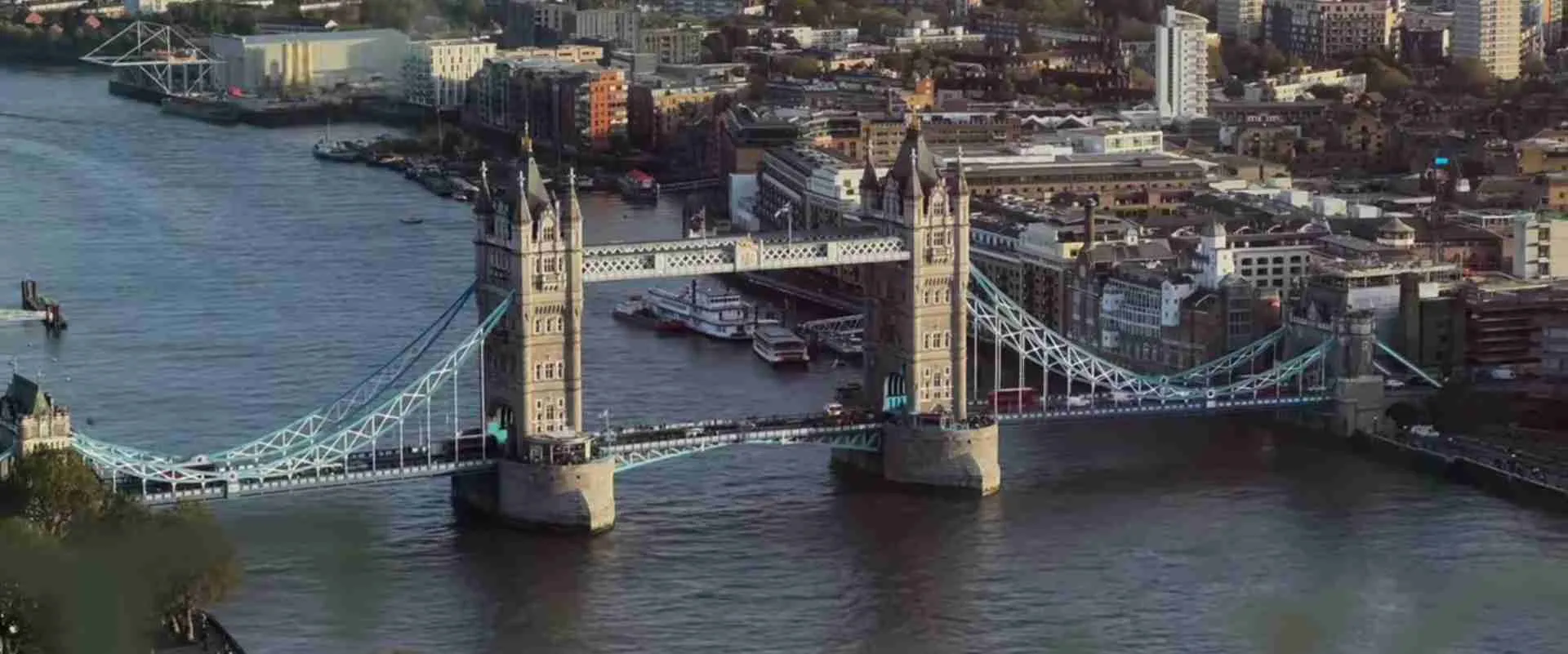
Best Time Visit London 2026: Seasonal Planning Guide
Key Takeaways
- Spring (April-May) offers moderate weather, blooming parks, and manageable crowds for optimal sightseeing in 2026
- Summer (June-August) brings peak tourist season with longest daylight hours but highest prices and largest crowds
- Autumn (September-October) delivers excellent weather, cultural events, and better value than summer months
- Winter (November-March) provides lowest prices and festive atmosphere, ideal for budget travelers and indoor attractions
- Book major attractions 2-3 months ahead for spring and autumn visits, 3-4 months for summer peak season
- Shoulder seasons (April-May, September-October) balance weather, crowds, and costs for the best overall London experience in 2026
Planning Your London Visit Timing in 2026
London welcomes visitors year-round, with each season offering distinct advantages for experiencing this world-class UNESCO heritage destination. The city’s temperate maritime climate creates four seasons with varying weather patterns, tourist volumes, and pricing structures. Understanding these seasonal dynamics helps optimize your 2026 London experience based on your priorities, whether seeking perfect weather, minimal crowds, budget-friendly rates, or specific cultural events.
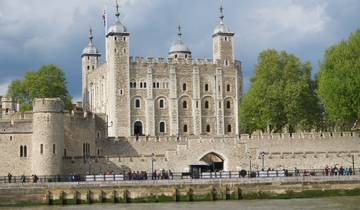
The Tower of London, Westminster Abbey, Palace of Westminster, and Maritime Greenwich UNESCO World Heritage sites remain accessible throughout the year, though visiting conditions change dramatically with seasons. Spring and autumn emerge as the most balanced periods, combining favorable weather with moderate crowds and reasonable pricing. Summer delivers maximum daylight and vibrant energy but brings peak tourist volumes and premium rates. Winter offers excellent value and festive charm despite shorter days and cooler temperatures.
Your ideal timing depends on personal preferences and travel style. Photography enthusiasts favor spring’s blooming gardens and autumn’s golden light. Budget travelers target winter’s discounted rates and fewer crowds. Cultural event seekers plan around specific festivals, exhibitions, and performances. Weather-focused visitors prioritize late spring through early autumn for optimal outdoor conditions. This comprehensive seasonal analysis provides the insights needed to select your perfect 2026 London timing.
People Also Ask About London Timing 2026
What is the best month to visit London in 2026?
May and September stand out as the optimal months for visiting London in 2026. May brings spring blooms, comfortable temperatures averaging 15-18°C (59-64°F), and manageable tourist volumes before summer peak season begins. The city’s parks display spectacular flower displays, outdoor dining becomes pleasant, and cultural venues maintain regular hours without overwhelming crowds. Major attractions like the Tower of London and Westminster Abbey see moderate visitor numbers, allowing enjoyable experiences without excessive wait times.
September offers similar advantages with autumn’s arrival. Temperatures remain comfortable at 14-19°C (57-66°F), summer crowds depart after school holidays end, and cultural institutions launch new exhibitions and performances. The city transitions from peak tourist season to more relaxed autumn rhythm, creating ideal conditions for sightseeing. Both months avoid the extreme weather of winter and summer while delivering excellent value compared to peak July-August pricing. Hotel rates typically run 20-30% lower than summer peaks, and attractions become more accessible.
How is the weather in London during 2026?
London’s weather in 2026 follows established temperate maritime patterns with moderate temperatures and regular precipitation throughout the year. Summer months (June-August) deliver the warmest conditions, with average highs of 20-23°C (68-73°F) and occasional peaks reaching 28-30°C (82-86°F). These months provide the longest daylight hours, with sunset occurring after 9 PM in midsummer, maximizing sightseeing time and outdoor activities.
Spring (March-May) and autumn (September-November) bring transitional weather with temperatures ranging 10-18°C (50-64°F). These shoulder seasons experience variable conditions, with sunny periods alternating with cloudy days and occasional rain showers. Winter months (December-February) see the coolest temperatures at 5-10°C (41-50°F), with shorter daylight hours but typically mild conditions compared to continental Europe. Snow occurs occasionally but rarely disrupts city operations.
Rain falls throughout the year rather than concentrating in specific wet seasons. London averages 15-20 rainy days per month across all seasons, though precipitation usually arrives as light showers rather than prolonged downpours. Layered clothing and rain protection prove essential regardless of season. The city’s weather can change quickly, making preparation for varying conditions important for comfortable exploration.
When are the crowds smallest at London attractions in 2026?
January through early March and November experience the smallest crowds at London’s major attractions in 2026. These winter months see significantly reduced tourist volumes as international visitors decline and domestic UK travelers stay home during cold weather. The Tower of London, Westminster Abbey, and popular museums operate with minimal wait times, often allowing immediate entry during weekday visits. This period offers the most relaxed sightseeing experience available in London.
Mid-September through October provides another excellent period for avoiding crowds while maintaining better weather than winter months. University students return to classes, families complete summer holidays, and international tourism decreases substantially after peak season ends. Major attractions see 30-40% fewer visitors compared to July-August, creating comfortable viewing conditions and shorter queues for security screenings and ticket purchases.
Conversely, avoid July-August, Easter week, and Christmas-New Year periods for crowd-averse travel. These peak periods bring maximum tourist volumes, extended wait times at popular attractions, and crowded conditions on public transportation. Westminster area, Tower Bridge, and Buckingham Palace surroundings become particularly congested during these times. Booking timed entry tickets becomes essential for avoiding 90+ minute waits at major sites during peak season.
What are the cheapest months to visit London in 2026?
January and February deliver the lowest costs for visiting London in 2026, with hotel rates dropping 40-50% below summer peak prices. Accommodation that costs £200-300 per night in July-August falls to £100-150 during these winter months. Airlines offer discounted transatlantic fares, with flights from New York to London running £400-600 return compared to £800-1200 in summer. The combination of reduced accommodation and transportation costs creates significant savings for budget-conscious travelers.
November through mid-December (excluding Christmas week) provides another budget-friendly window with rates 30-40% below summer peaks. Hotels offer promotional rates to fill rooms during this shoulder season, and advance booking yields additional discounts. Restaurants participate in special dining promotions, attraction tickets include seasonal offers, and theater shows provide discounted seats for weekday performances.
Avoid July-August, Easter week (March 28 – April 4, 2026), and Christmas-New Year (December 20 – January 4) for budget travel. These peak periods command premium pricing across all categories. Summer accommodation rates reach annual maximums, attraction tickets include no discounts, and restaurants operate at standard pricing without promotions. Planning travel for shoulder or off-peak seasons delivers substantial savings while maintaining excellent London experiences.
Extended multi-day tours – 5+ days
Featured London Multi-Day Tour Packages
2 days
Windsor, Stonehenge, Bath & Oxford from London – 2 Days
- ✓ Comprehensive London tour
- ✓ Expert local guides included
- ✓ All accommodation arranged
- ✓ Transportation provided
5 days
Classic England – 5 Days
- ✓ Comprehensive London tour
- ✓ Expert local guides included
- ✓ All accommodation arranged
- ✓ Transportation provided
5 days
Royal Indulgence | London, England
- ✓ Booking needs min. 2 travelers
7 days
Spotlight on London (2026)
- ✓ Comprehensive London tour
- ✓ Expert local guides included
- ✓ All accommodation arranged
- ✓ Transportation provided
Multi-day tour packages powered by TourRadar. Prices and availability subject to change.
London Weather Patterns Throughout 2026
Winter Season 2026 (January-March)
Winter in London brings the year’s coolest temperatures and shortest daylight hours but remains relatively mild compared to continental European destinations. January and February see average temperatures of 5-8°C (41-46°F), with occasional cold snaps dropping temperatures near freezing. Snow occurs infrequently, typically 2-3 times per winter, and rarely accumulates significantly or disrupts city operations. The Thames rarely freezes, and outdoor activities continue throughout winter months.
Daylight hours reach their minimum in January with sunrise around 8 AM and sunset by 4:30 PM, providing approximately 8 hours of daylight. This limited daylight affects sightseeing schedules, making efficient planning essential for maximizing daylight hours. Most major attractions adapt their hours for winter, with some closing earlier than summer schedules. However, London’s extensive indoor offerings including world-class museums, theaters, restaurants, and shopping destinations thrive during winter months.
March begins the transition toward spring, with temperatures rising to 8-12°C (46-54°F) and daylight extending to 12 hours by month’s end. This late winter/early spring period sees variable weather, with cold, wet periods alternating with pleasant sunny days. Parks begin showing early spring signs, and outdoor dining returns to some establishments. March offers improving conditions while maintaining winter’s lower prices and smaller crowds at major attractions.
Spring Season 2026 (April-May)
Spring emerges as one of London’s most attractive seasons, combining pleasant weather, blooming nature, and increasing daylight without summer’s peak crowds. April temperatures range 10-15°C (50-59°F), with conditions improving throughout the month. Rain continues regularly but alternates with sunny periods that bring London’s parks and gardens to spectacular life. Hyde Park, Kensington Gardens, and Regent’s Park display magnificent flower displays including tulips, daffodils, and early roses.
May delivers optimal spring conditions with average temperatures of 14-18°C (57-64°F) and daylight extending to 16 hours by month’s end. The city experiences a vibrant energy as outdoor cafes fully open, Thames riverboat services expand schedules, and cultural venues increase programming. Chelsea Flower Show occurs in late May, attracting garden enthusiasts worldwide. This premier horticultural event showcases exceptional garden designs and plant specimens.
Spring tourism increases gradually through April and May, with crowds building toward summer peaks but remaining manageable throughout this shoulder season. Major attractions experience moderate visitor volumes, typically allowing 30-45 minute wait times at popular sites without advance booking. The season combines excellent weather with reasonable pricing and accessible attractions, making it highly recommended for first-time visitors seeking balanced conditions.
Summer Season 2026 (June-August)
Summer brings London’s warmest weather, longest days, and peak tourist season. June through August see average temperatures of 18-23°C (64-73°F), with occasional heat waves pushing temperatures to 28-30°C (82-86°F). These warm periods prove comfortable for most visitors, though London’s buildings typically lack air conditioning, making extremely hot days challenging indoors. Most establishments rely on natural ventilation and fans.
Daylight reaches maximum duration in June with sunset occurring after 9:15 PM, providing extensive time for sightseeing and outdoor activities. This extended daylight allows full-day itineraries with evening strolls along the Thames, outdoor dining experiences, and twilight photography opportunities. Parks fill with locals and visitors enjoying picnics, outdoor concerts, and recreational activities. Open-air theaters present Shakespeare and contemporary productions in atmospheric settings.
Summer’s major drawback involves overwhelming tourist crowds and premium pricing across all categories. The Tower of London, Westminster Abbey, and British Museum experience peak visitor volumes with 60-90 minute wait times common without advance timed entry tickets. Public transportation becomes crowded, popular restaurants require advance reservations, and accommodation costs reach annual maximums. Despite these challenges, summer’s vibrant atmosphere and optimal weather attract maximum visitors who accept the tradeoffs for ideal conditions.
Autumn Season 2026 (September-November)
Autumn rivals spring as London’s most favorable season, delivering excellent weather, rich cultural programming, and diminishing crowds as peak season ends. September maintains summer-like temperatures of 15-19°C (59-66°F) with reduced tourist volumes after school holidays conclude. The transition from peak to shoulder season creates ideal conditions for sightseeing, with major attractions becoming more accessible while weather remains pleasant for outdoor exploration.
October brings classic autumn conditions with temperatures of 11-15°C (52-59°F) and parks displaying spectacular fall colors. London’s abundant trees transform into golden and amber displays, creating photogenic settings throughout the city. Cultural venues launch new exhibitions and performances as the fall season begins, offering fresh programming compared to summer’s tourist-focused offerings. Theater districts present new productions, museums unveil major exhibitions, and concert halls begin autumn performance schedules.
November transitions toward winter with temperatures dropping to 7-11°C (45-52°F) and daylight decreasing significantly. Despite cooling conditions, this month offers excellent value with hotel rates 30-40% below summer peaks and attraction crowds minimal outside holiday weekends. The pre-Christmas period provides relaxed sightseeing before festive season tourists arrive. November combines accessibility, value, and adequate weather for visitors prioritizing uncrowded experiences.
Seasonal Tourism Patterns for 2026
Peak Season Dynamics 2026
London’s peak tourist season spans late June through August, with secondary peaks occurring during Easter week (March 28 – April 4) and Christmas-New Year period (December 20 – January 4). Summer peak season brings maximum international visitors, with North American travelers dominating July-August and European visitors spread throughout summer months. Major attractions experience their highest volumes, requiring advance timed entry reservations for manageable wait times.
Westminster Abbey receives 20,000+ visitors on peak summer days compared to 8,000-10,000 during winter months. The Tower of London sees similar patterns with summer crowds creating 90-minute security queues without advance tickets. British Museum and National Gallery fill rapidly, with popular exhibitions requiring timed entry slots booked weeks ahead. Public transportation operates at capacity during morning and evening rush hours plus midday tourist peaks.
Peak season pricing reflects high demand across all categories. Hotels charge premium rates with rooms in central London locations costing £250-450 per night for mid-range properties. Advance booking becomes essential, with popular hotels fully booked 2-3 months before peak dates. Restaurants near major attractions require reservations, walk-in dining proves difficult at quality establishments, and tourist-area eateries maintain standard pricing without promotional offers.
Shoulder Season Advantages 2026
Spring shoulder season (April-May) and autumn shoulder season (September-October) deliver optimal balance between weather, crowds, and costs. These periods offer 20-30% savings on accommodation compared to summer peaks while maintaining pleasant temperatures and adequate daylight for full-day sightseeing. Major attractions remain fully operational with summer hours but experience 30-40% fewer visitors, creating comfortable viewing conditions.
Cultural programming reaches high points during shoulder seasons as theaters, concert halls, and museums target serious cultural tourists rather than peak season general audiences. New exhibitions launch in autumn, prestigious performances begin fall seasons, and special events avoid summer competition. The quality of available cultural experiences often exceeds summer offerings despite lower tourist volumes.
Shoulder season visitors benefit from easier logistics with more available accommodation options, flexible restaurant dining without advance reservations, and responsive customer service as establishments operate below capacity. Local Londoners re-emerge after avoiding summer tourist crowds, creating more authentic neighborhood atmosphere. Markets, pubs, and local establishments return to normal operations serving residents alongside visitors.
Off-Peak Season Benefits 2026
Winter off-peak season (January-March, November) provides maximum savings and minimal crowds for visitors prioritizing value and accessibility over optimal weather. Hotel rates drop 40-50% below summer peaks, with mid-range central London properties available for £100-150 per night compared to £250-350 in summer. Airlines offer significantly discounted transatlantic fares, and package deals combining flights and accommodation deliver exceptional value.
Major attractions operate with minimal wait times, often allowing immediate entry during weekday visits. The Tower of London, Westminster Abbey, and popular museums welcome visitors without the security queues and crowded galleries characteristic of peak season. Photography enthusiasts appreciate uncrowded conditions for capturing architectural details and interior spaces without people overwhelming frames. The relaxed pace allows thorough exploration rather than rushed visits necessitated by summer crowds.
London’s indoor offerings shine during off-peak months, with world-class museums, theaters, restaurants, and shopping districts providing endless activities unaffected by weather. The city’s extensive covered markets including Borough Market and Covent Garden operate fully regardless of conditions. West End theaters present full seasons of productions, museums mount major exhibitions, and cultural venues maintain robust programming throughout winter months.
Event Calendar Highlights for 2026
Spring Events 2026
London’s spring event calendar launches with the London Marathon in late April, attracting 40,000+ runners and hundreds of thousands of spectators lining the 26.2-mile course through the city. This major sporting event creates festive atmosphere across central London but causes significant road closures and transportation disruptions on race day. Advance planning proves essential for navigating the city during marathon weekend.
Chelsea Flower Show occurs in late May (May 19-23, 2026), showcasing exceptional garden designs, rare plants, and horticultural innovation at Royal Hospital Chelsea. This prestigious event draws garden enthusiasts, designers, and plant collectors worldwide. Tickets sell out months in advance for this premier gardening event. The show represents the highlight of Britain’s gardening calendar and influences global garden design trends.
Museums and galleries launch major spring exhibitions, with the British Museum, National Gallery, Tate Modern, and Victoria & Albert Museum typically unveiling significant shows in April-May. These exhibitions often feature international loans and scholarly research, attracting serious cultural tourists. Spring also brings increased theater activity as new productions premiere before summer tourist season begins.
Summer Events 2026
Trooping the Colour celebrates the King’s official birthday in mid-June with spectacular military parade featuring Household Division troops, horses, and ceremonial pageantry. This centuries-old tradition draws massive crowds to the Mall and Buckingham Palace, with tickets for parade viewing stands allocated by ballot months in advance. The event showcases British ceremonial excellence and provides memorable cultural experience.
Wimbledon Tennis Championships (June 29 – July 12, 2026) represent one of sport’s most prestigious events, combining world-class tennis with quintessentially British traditions. Tickets prove extremely difficult to obtain, with many distributed through public ballot requiring advance application. The tournament attracts tennis enthusiasts and cultural tourists seeking iconic British sporting experience. Wimbledon week significantly impacts accommodation availability and pricing across London.
BBC Proms classical music festival runs July through September at Royal Albert Hall, presenting 70+ concerts of orchestral, chamber, and contemporary classical music. This beloved summer tradition offers accessible classical music experiences with standing room tickets available for £8 on concert nights. The Proms represent one of world’s greatest classical music festivals and provide exceptional value for music lovers visiting London.
Autumn Events 2026
London Fashion Week occurs twice annually, with autumn edition in September showcasing spring/summer collections from British and international designers. The fashion industry converges on London for shows, presentations, and industry events. While many presentations remain invitation-only, associated retail events, pop-up shops, and public exhibitions provide fashion enthusiasts opportunities to engage with London’s fashion scene.
The Lord Mayor’s Show in November (November 14, 2026) features colorful procession through the City of London celebrating the installation of the new Lord Mayor. This centuries-old tradition includes elaborate floats, military bands, and ceremonial coaches traveling from Guildhall to Royal Courts of Justice. The free event attracts families and provides glimpse into London’s civic traditions and pageantry.
Museums and cultural venues launch autumn exhibition seasons in September-October, often presenting their most significant shows of the year. Major loan exhibitions, retrospectives, and scholarly presentations debut as institutions target serious cultural tourists during shoulder season. Theater districts premiere new productions as autumn seasons begin, offering fresh programming compared to summer tourist-oriented shows.
Winter Events 2026
Christmas season transforms London from mid-November through early January, with elaborate decorations, festive markets, ice skating rinks, and holiday programming across the city. Covent Garden, Oxford Street, and Regent Street display spectacular light installations, while Winter Wonderland in Hyde Park creates massive festive fair with rides, shows, and seasonal attractions. This period delivers magical atmosphere but brings peak-season crowds and pricing.
New Year’s Eve fireworks display along the Thames attracts 100,000+ viewers for the spectacular 10-minute pyrotechnic show at midnight. Ticketed viewing areas require advance purchase through ballot system, while free viewing spots along the river fill hours before the display. The celebration creates extraordinary atmosphere but overwhelming crowds, making advance planning essential for comfortable experience.
January sales begin December 26 (Boxing Day) and continue through January, with retailers offering significant discounts on merchandise. This period attracts serious shoppers seeking bargains at department stores, boutiques, and outlets across London. Oxford Street, Regent Street, and Knightsbridge shopping districts become extremely busy during early sale period, though crowds diminish as January progresses.
Weather Preparation Strategies for 2026
Essential Weather Gear for London Visits
London’s changeable weather requires layered clothing and rain protection regardless of season. Pack a quality waterproof jacket with hood, as rain occurs throughout the year without seasonal concentration. Light, packable rain jackets prove most practical for tourists, easily stored in daypacks when weather improves. Umbrellas provide additional protection though can prove cumbersome during sightseeing activities and navigating crowded sidewalks.
Layering principles maximize adaptability to London’s variable temperatures. Base layers, mid-layers, and outer layers allow adjustment as conditions change throughout the day. Temperature differences between morning and afternoon can reach 5-8°C (9-14°F), making single-weight clothing insufficient. Merino wool and synthetic performance fabrics dry quickly if caught in rain and regulate temperature effectively across varying conditions.
Comfortable walking shoes with water resistance prove essential for extensive urban exploration on London’s sidewalks. Most visitors walk 8-12 kilometers daily visiting attractions, using public transportation, and exploring neighborhoods. Footwear combining support, comfort, and weather resistance prevents discomfort during long sightseeing days. Break in new shoes before the trip to avoid blisters during intensive walking.
Adapting Itineraries to Weather Conditions
Flexible planning accommodates London’s weather variability while maximizing sightseeing effectiveness. Schedule outdoor activities (parks, walking tours, Thames river cruises) for forecasted pleasant weather days while reserving rainy days for indoor attractions including museums, galleries, palaces, and covered markets. This adaptable approach prevents weather from diminishing experiences or forcing unpleasant outdoor activities during poor conditions.
London’s exceptional indoor offerings provide endless rainy-day options. The British Museum, National Gallery, Tate Modern, Victoria & Albert Museum, Natural History Museum, and Science Museum offer world-class collections requiring 2-4 hours minimum for meaningful exploration. Combined with covered markets (Borough Market, Covent Garden, Old Spitalfields), shopping arcades (Burlington Arcade, Royal Opera Arcade), and extensive restaurant scene, rainy days become opportunities for cultural immersion rather than disappointments.
Morning weather checks allow day-of adjustments to optimize conditions. London weather forecasts prove reasonably reliable 12-24 hours ahead, enabling strategic planning. Many attractions accept walk-in visitors or offer same-day online booking, providing flexibility for weather-dependent scheduling. This responsive approach maximizes time in favorable conditions while maintaining full itineraries regardless of weather.
Pricing Patterns Throughout 2026
Accommodation Pricing by Season 2026
London accommodation pricing varies dramatically by season, with summer peak commanding premium rates and winter off-peak offering substantial savings. Mid-range hotels in central London locations (Westminster, Bloomsbury, South Bank) cost £250-350 per night during July-August peak season. These same properties drop to £150-200 in shoulder seasons (April-May, September-October) and £100-150 during winter off-peak (January-February, November).
Easter week (March 28 – April 4) and Christmas-New Year period (December 20 – January 4) bring secondary pricing peaks, with rates approaching summer levels despite off-season timing. Hotels capitalize on holiday demand, particularly from domestic UK travelers and European visitors. Book these periods 3-4 months in advance for best availability and rates, as popular properties sell out during festive seasons.
Budget travelers find excellent value during January-February and November, when hostels offer beds for £25-40, budget hotels provide rooms for £80-120, and even mid-range properties discount rates substantially. These savings make luxury accommodation accessible at mid-range prices, allowing accommodation upgrades without budget increases. Combining off-peak accommodation savings with discounted flights delivers 40-50% cost reduction compared to summer travel.
Transportation Cost Variations 2026
Flight prices to London fluctuate significantly by season and booking timing. Transatlantic flights from New York to London cost £400-600 return during winter off-peak months, £600-800 during shoulder seasons, and £800-1200 during summer peak season. European flights show similar seasonal patterns though at lower absolute prices. Book flights 2-3 months ahead for shoulder and off-peak travel, 3-4 months ahead for summer peak season.
Public transportation costs remain constant year-round, with Transport for London operating zone-based fare structure unaffected by seasons. Oyster card or contactless payment provides discounted rates compared to paper tickets. Daily caps limit spending at £8.50 for zones 1-2 covering central London attractions, £13.50 for zones 1-4 reaching outer areas. Weekly caps offer additional savings for multi-day visits at £42.70 for zones 1-2.
Taxi and rideshare services maintain standard pricing throughout the year, though peak season demand can increase wait times and surge pricing occurrence. Budget £15-25 for cross-central London taxi rides, £25-40 for trips from Heathrow to central locations. Public transportation provides excellent value compared to taxis, with comprehensive coverage of major attractions and convenient connections throughout the city.
Attraction and Activity Pricing Across 2026
Major attraction tickets maintain consistent pricing year-round, with the Tower of London charging £34.80 for adults, Westminster Abbey £29, and St. Paul’s Cathedral £23 regardless of season. However, advance online booking provides discounts at some sites, and combination tickets offer savings for visiting multiple attractions. Many visitors purchase London Pass or similar multi-attraction passes for convenience and value when planning extensive sightseeing.
Theater tickets vary by show popularity and performance timing rather than season. West End productions charge £25-150 depending on seats and show demand. Matinee performances typically cost less than evening shows, and advance booking often provides better pricing than day-of-purchase. TKTS booth in Leicester Square offers same-day discounted tickets for many productions, though selection varies by availability.
Dining costs remain relatively stable across seasons, with restaurants maintaining standard menu pricing year-round. However, promotional dining events occur more frequently during shoulder and off-peak seasons, with Restaurant Week, special tasting menus, and fixed-price offers encouraging visits during slower periods. Budget £15-25 for casual meals, £30-50 for mid-range dining, £75+ for fine dining experiences.
Crowd Management Strategies for 2026
Advance Booking Requirements by Season
Summer peak season (June-August) requires 2-3 months advance booking for major attractions, popular tours, and quality accommodation. The Tower of London Crown Jewels viewing requires timed entry tickets to manage overwhelming demand. Westminster Abbey fills daily capacity by early afternoon during peak season, making morning visits or advance tickets essential. British Museum special exhibitions require advance timed entry slots booked 2-4 weeks ahead during summer.
Shoulder seasons (April-May, September-October) need 3-4 weeks advance booking for major attractions and tours, though walk-in access remains possible for many sites during weekday visits. Accommodation books solidly but options remain available 4-6 weeks before travel dates. Theater shows require 1-2 weeks advance booking for popular productions, with same-week tickets often available for less-demanded shows.
Winter off-peak months (January-March, November) allow more flexible booking with 1-2 weeks advance planning sufficient for most activities. Walk-in access works well for major attractions during weekdays, though weekends see increased domestic tourist visits. Accommodation becomes widely available even with short booking windows, and last-minute deals appear frequently as hotels seek to fill rooms during slow season.
Timing Your Visits to Major Attractions
Early morning visits (9-10 AM opening times) provide optimal conditions at major attractions regardless of season. The Tower of London, Westminster Abbey, and British Museum experience lightest crowds during first operating hours before tour groups arrive mid-morning. This strategy proves particularly effective during peak season when midday crowds become overwhelming. Morning visits also align with better natural light for photography and indoor viewing.
Late afternoon and early evening visits offer another crowd-avoidance strategy, particularly at attractions with extended hours. Many major sites keep later hours during summer months, allowing evening visits when tour groups depart and day-trippers leave. The British Museum stays open until 5:30 PM daily, Tate Modern until 6 PM (10 PM Fridays-Saturdays), and special exhibitions often extend evening hours during peak season.
Weekday visits significantly reduce crowds compared to weekends year-round. Saturday-Sunday sees maximum domestic UK tourist visits plus international visitors, creating peak weekly crowds. Tuesday-Thursday proves optimal for major attractions, avoiding weekend crowds while Monday (traditional museum late opening) and Friday (early weekend surge) see elevated visitors. This weekday strategy proves especially effective during shoulder and off-peak seasons.
Specialized Timing Recommendations for 2026
Best Time for Photography Enthusiasts
May and October deliver optimal conditions for photography with spring blooms and autumn colors respectively providing natural beauty, comfortable temperatures for extended outdoor shooting, and moderate crowds allowing unobstructed compositions. The golden hour lighting in these shoulder season months occurs at convenient times, with May sunset around 8:30 PM allowing evening photography sessions and October sunset at 6 PM creating manageable schedules.
Overcast conditions common throughout London’s year provide excellent even lighting for architectural photography, eliminating harsh shadows and blown highlights characteristic of bright sunny days. Professional photographers often prefer London’s soft natural light for capturing building details, street scenes, and portrait photography. Winter’s low-angle sun creates dramatic lighting effects despite shorter daylight hours.
Blue hour photography benefits from London’s long twilight periods during spring and autumn, with 30-45 minutes of optimal sky color after sunset. This extended twilight allows multiple location photography sessions during single evenings. Tower Bridge, Westminster Palace, and St. Paul’s Cathedral showcase spectacular illumination during blue hour, creating iconic imagery. Summer’s extremely late sunset (after 9 PM) pushes blue hour past 10 PM, potentially challenging for some photographers’ schedules.
Best Time for Budget Travelers
January through February offers maximum value for budget-conscious visitors willing to accept winter conditions. Flight and accommodation savings of 40-50% compared to summer peaks, combined with minimal crowds and accessible attractions, create optimal budget travel conditions. The city’s extensive indoor offerings mitigate weather concerns, and festive post-holiday atmosphere provides unique cultural experiences unavailable during other seasons.
November delivers excellent shoulder season value, with accommodation discounts of 30-40%, moderate weather, and minimal crowds outside Thanksgiving week (US visitors) and late November (Christmas shopping beginning). This underutilized month combines better conditions than deep winter while maintaining off-peak pricing. Cultural offerings reach high levels as autumn programming continues, and Christmas preparations create festive atmosphere without peak-season crowds.
Budget strategies include booking accommodation in outer zones (3-4) with excellent public transport connections, taking advantage of free museums, utilizing market food for economical dining, and walking between attractions rather than constant transportation use. These approaches work year-round but prove especially effective during off-peak months when accommodation savings fund other experiences.
Best Time for Cultural Event Enthusiasts
September through October provides the richest cultural programming as theaters premiere autumn productions, museums unveil major exhibitions, and concert seasons begin. The Royal Opera House, English National Opera, and major concert halls launch new seasons with gala performances and premieres. Museums time major exhibitions for autumn shoulder season to attract serious cultural tourists after summer general audience season ends.
May brings spring cultural programming as venues prepare for summer tourists, with new exhibitions opening and performance seasons continuing before summer break. The combination of excellent weather and rich cultural offerings makes May particularly attractive for culture-focused visitors. Advance research and booking proves essential, as popular exhibitions and performances require timed entry or sell out early.
January-February features quieter cultural programming but allows unhurried museum and gallery visits without summer crowds. Winter exhibitions often remain from autumn launches, providing opportunities to experience major shows in uncrowded conditions. Theater and performance venues operate full seasons, with winter audiences composed primarily of locals and serious cultural tourists rather than summer vacation visitors.
Making Your Final 2026 Timing Decision
Personal Priority Assessment
Identify your primary travel priorities before selecting London timing, as no single season optimizes all factors simultaneously. Weather-focused travelers prioritize late spring (May) or early autumn (September) for optimal conditions. Budget-conscious visitors target winter off-peak (January-February, November) for maximum savings. Culture enthusiasts select spring or autumn for richest programming. Photography specialists choose shoulder seasons for ideal lighting and park displays. Crowd-averse travelers prefer winter minimums or shoulder season moderation.
Consider your tolerance for trade-offs inherent in each season. Summer’s optimal weather and longest days come with overwhelming crowds and premium pricing. Winter’s exceptional value and minimal crowds require accepting cool temperatures and limited daylight. Shoulder seasons balance factors but lack summer’s guaranteed warmth or winter’s maximum savings. Understanding personal preferences guides selection toward season aligning with priorities.
Plan activities matching selected season’s strengths. Summer enables extensive outdoor exploration, Thames river activities, park enjoyment, and evening strolls. Winter suits museum immersion, theater attendance, covered market exploration, and indoor dining experiences. Shoulder seasons balance indoor and outdoor activities with flexible planning based on daily weather. Season selection shapes optimal itinerary focus and activity balance.
Booking Timeline for Chosen Season
Summer peak season (June-August) requires earliest booking at 3-4 months ahead for accommodation and major attraction tickets. Popular hotels sell out early, and best rates disappear as availability decreases. Flight prices rise as departure dates approach, making early booking essential for value. Book theater tickets 4-6 weeks ahead for desired productions and seating. Reserve special dining experiences and popular tours 1-2 months before travel.
Shoulder seasons (April-May, September-October) allow 6-8 weeks booking timeline while maintaining good availability and rates. Accommodation remains broadly available but popular properties fill 2-3 months ahead. Flight prices become less favorable 4-6 weeks before departure, making advance purchase beneficial. Major attractions accept booking 2-4 weeks ahead, though walk-in access remains possible during weekdays.
Winter off-peak (January-March, November) provides maximum booking flexibility with 2-4 weeks advance planning sufficient for excellent options. Last-minute deals appear frequently as hotels and airlines seek to fill capacity during slow season. However, avoid assuming universal availability, as popular properties maintain loyal clientele year-round. Christmas-New Year period requires 3-4 months advance booking despite off-season timing due to holiday demand.
Sample 2026 London Seasonal Itineraries
Optimal Spring Visit (5 Days in May)
Day 1 – Royal London: Tower of London morning visit (opens 9 AM), Crown Jewels viewing, Tower Bridge walk, Thames river cruise to Westminster Pier, Westminster Abbey afternoon tour, Parliament Square photography. Evening walk through St. James’s Park viewing spring blooms, dinner in Covent Garden district. Tower of London £34.80, Westminster Abbey £29, Thames cruise £14, lunch £15-20, dinner £35-45, transportation included in Oyster daily cap £8.50. Total day cost: £136.30-151.30 per person (excluding accommodation £180-220).
Day 2 – Museum and Culture Day: British Museum morning exploration (free admission, 3-4 hours), lunch in Bloomsbury area, National Gallery afternoon visit (free admission), Trafalgar Square area, Leicester Square, Covent Garden evening exploration. West End theater show evening performance £45-85. Lunch £15-20, dinner £30-40, theater £45-85, transportation £8.50. Total day cost: £98.50-153.50 per person (excluding accommodation).
Day 3 – Royal Parks and Shopping: Kensington Palace and Gardens morning visit £19.50, Hyde Park walk viewing spring displays, lunch near Knightsbridge, Harrods and luxury shopping area exploration, Natural History Museum afternoon visit (free), South Kensington area, evening dining in Chelsea or South Kensington £40-55. Kensington Palace £19.50, lunch £20-25, dinner £40-55, transportation £8.50. Total day cost: £88-108 per person (excluding accommodation).
Day 4 – East London Discovery: Borough Market breakfast and food exploration £15-20, walking tour across Tower Bridge to Shoreditch area, street art viewing, lunch in Brick Lane £12-18, Tate Modern afternoon visit (free), South Bank walk to London Eye area, evening in South Bank restaurants and bars £35-45. Meals £62-83, transportation £8.50. Total day cost: £70.50-91.50 per person (excluding accommodation).
Day 5 – Greenwich and Thames: Thames Clipper boat to Greenwich £9.50, Cutty Sark visit £18, Royal Observatory and Prime Meridian £18, Maritime Museum (free), Greenwich Park, Greenwich Market lunch £15-20, return via boat, afternoon in Covent Garden or final shopping, farewell dinner £40-50. Attractions £45.50, meals £55-70, transportation £18. Total day cost: £118.50-133.50 per person (excluding accommodation).
5-Day Spring Total: Accommodation £900-1100 (5 nights), activities and meals £511.80-638.80, transportation included in daily caps £42.50. Total trip cost: £1454.30-1781.30 per person for comprehensive 5-day London experience in optimal May conditions.
Budget-Focused Winter Visit (4 Days in January)
Day 1 – Historic Core: Westminster Abbey opening time visit £29, Parliament Square and Big Ben photography (free), walk through St. James’s Park to Buckingham Palace (free exterior), lunch at pub £12-15, Churchill War Rooms £33.50, evening at budget-friendly Chinatown restaurant £15-20. Attractions £62.50, meals £27-35, transportation £8.50. Total day cost: £98-106 per person (excluding accommodation £100-130).
Day 2 – Free Museums: British Museum morning (free, full morning exploration), affordable Bloomsbury lunch £10-12, National Gallery afternoon (free), Trafalgar Square, free evening walking tour of illuminated monuments and Westminster area (tip guide £10-15), dinner at market food stalls £12-15. Meals £22-27, walking tour tip £10-15, transportation £8.50. Total day cost: £40.50-50.50 per person (excluding accommodation).
Day 3 – Tower and East London: Tower of London opening visit £34.80, Tower Bridge walk and photographs (free), Borough Market lunch £12-18, afternoon walk along Thames to Tate Modern (free), South Bank exploration, affordable pizza dinner £15-20. Tower admission £34.80, meals £27-38, transportation £8.50. Total day cost: £70.30-81.30 per person (excluding accommodation).
Day 4 – Parks and Markets: Hyde Park and Kensington Gardens walk (free), visiting various monuments and Italian Gardens, affordable lunch near Notting Hill £10-15, Portobello Road Market exploration (free), Natural History Museum visit (free), South Kensington area, farewell dinner at pub £18-22. Meals £28-37, transportation £8.50. Total day cost: £36.50-45.50 per person (excluding accommodation).
4-Day Winter Budget Total: Accommodation £400-520 (4 nights), activities and meals £245.30-283.30, transportation £34. Total trip cost: £679.30-837.30 per person, demonstrating London’s accessibility for budget-conscious travelers during off-peak season.
Essential Planning Resources for 2026
Visit London (visitlondon.com) provides official tourism information including attractions, events, accommodation options, and practical planning advice. The comprehensive website offers detailed guides, maps, and booking resources for independent travelers. Sign up for newsletters to receive updates on new exhibitions, special events, and promotional offers throughout the year.
Transport for London (tfl.gov.uk) supplies complete public transportation information including route planning, service updates, fare information, and accessibility details. Download the TfL Go app for real-time journey planning and service alerts. The website explains Oyster cards, contactless payment, and daily cap systems for optimizing transportation costs.
TimeOut London (timeout.com/london) delivers current information on restaurants, bars, events, exhibitions, and cultural happenings across the city. This comprehensive local resource provides insider perspectives on London’s dining and entertainment scene. Restaurant reviews, event listings, and neighborhood guides help visitors discover both tourist attractions and local favorites.
Frequently Asked Questions About London Timing 2026
Is London expensive to visit in summer 2026?
Yes, summer (June-August) brings London’s highest costs across accommodation, flights, and some activities. Mid-range hotels charge £250-350 per night compared to £100-150 in winter. Transatlantic flights cost £800-1200 return versus £400-600 during off-peak months. However, attraction tickets maintain consistent pricing year-round, and free museums, parks, and churches provide budget-friendly options. Consider shoulder seasons (April-May, September-October) for 20-30% savings while maintaining good weather.
Does London rain more in certain months of 2026?
London’s rainfall distributes relatively evenly throughout the year rather than concentrating in specific wet seasons. The city averages 15-20 rainy days monthly across all seasons. However, autumn (October-November) and winter (December-February) typically see slightly more rainy days than spring and summer. Precipitation usually arrives as light showers rather than prolonged downpours. Pack rain protection regardless of travel timing, as brief showers occur in every season.
When can I avoid tourist crowds in London 2026?
January through early March and November experience the smallest tourist crowds at London attractions. These off-peak months see 50-60% fewer visitors than July-August peak season. Mid-September through October provides another lower-crowd period while maintaining better weather than winter. Avoid July-August, Easter week (March 28 – April 4), and Christmas-New Year (December 20 – January 4) for minimal crowds. Book weekday visits rather than weekends for additional crowd reduction regardless of season.
What is the warmest month to visit London in 2026?
July and August deliver London’s warmest weather with average high temperatures of 22-23°C (72-73°F) and occasional heat waves reaching 28-30°C (82-86°F). June sees slightly cooler temperatures averaging 20°C (68°F) but offers nearly as much warmth with fewer crowds as peak season begins. These summer months provide longest daylight hours with sunset after 9 PM in June-July, maximizing time for outdoor activities and sightseeing.
Should I book London attractions in advance for 2026?
Yes, advance booking proves essential during peak season (June-August) and beneficial during shoulder seasons (April-May, September-October). The Tower of London, Westminster Abbey, and special museum exhibitions require timed entry during busy periods. Book 2-3 months ahead for summer travel, 3-4 weeks for shoulder seasons. Winter months (January-March, November) allow more flexibility with walk-in access often available during weekdays. Regardless of season, advance booking guarantees entry at preferred times and often provides online discounts.
What months have the longest days in London 2026?
June features the longest days with summer solstice around June 21 providing approximately 16 hours 38 minutes of daylight. Sunset occurs after 9:15 PM in mid-June, allowing extensive evening sightseeing and photography. May through July all offer 15+ hours of daylight, maximizing time for outdoor activities. Conversely, December has shortest days with just 7 hours 49 minutes of daylight and 4 PM sunset, requiring efficient planning for outdoor sightseeing.
When is shoulder season in London 2026?
London’s shoulder seasons span April-May in spring and September-October in autumn. These periods bridge peak summer season and off-peak winter months, offering balanced conditions with moderate weather, manageable crowds, and reasonable pricing. Accommodation costs 20-30% less than summer peaks while temperatures remain comfortable for full-day outdoor exploration. Shoulder seasons provide optimal timing for first-time visitors seeking the best overall London experience without peak season challenges.
What should I pack for London weather in 2026?
Pack layered clothing and waterproof jacket regardless of season, as London’s changeable weather requires adaptability. Bring base layers, mid-layers, and outer layers allowing adjustment to varying temperatures. Rain protection proves essential year-round, as showers occur in all seasons. Comfortable waterproof walking shoes support extensive urban exploration across varying conditions. Spring and autumn require moderate clothing for 10-18°C (50-64°F) temperatures. Summer needs lighter clothing for 18-23°C (64-73°F) warmth. Winter demands warm layers for 5-10°C (41-50°F) conditions.
Are London museums free year-round in 2026?
Yes, major London museums including British Museum, National Gallery, Tate Modern, Tate Britain, Natural History Museum, Science Museum, Victoria & Albert Museum, and National Portrait Gallery offer free admission to permanent collections year-round. This policy remains unchanged regardless of season. However, special exhibitions at these museums require paid tickets ranging £12-25. Free museums provide exceptional value for budget travelers and cultural enthusiasts, enabling comprehensive exploration without admission costs.
When does Christmas season begin in London 2026?
London’s Christmas festivities launch mid-November with holiday lights illumination ceremonies on Oxford Street, Regent Street, and Covent Garden. Winter Wonderland in Hyde Park opens mid-November and operates through early January. Christmas markets appear throughout the city from late November. The period from December 1 through January 6 features full festive programming with decorations, markets, ice skating, special exhibitions, and holiday performances. Book accommodation well in advance for Christmas-New Year period (December 20 – January 4) as this secondary peak season sees high demand and premium pricing.