
Where to Stay Near London 2026: Complete Accommodation Guide
Key Takeaways
- Central London hotels range £180-350 per night in summer 2026, £120-220 in winter, with advance booking essential for heritage sites access
- Westminster and South Bank locations provide walking distance to Tower of London, Westminster Abbey, and Maritime Greenwich transport links
- Budget accommodations in Zones 2-3 cost £60-110 per night with excellent Tube connections to UNESCO sites in 20-30 minutes
- Book 4-6 months ahead for summer 2026 to secure best rates and preferred neighborhoods near UNESCO World Heritage locations
- Strategic neighborhood selection reduces daily transport costs by £8-15 per person when positioned near multiple heritage sites
- Family apartments in Bloomsbury and Kensington offer €150-280 per night with kitchen facilities saving £40-60 daily on dining
Planning Your London Accommodation Strategy for 2026
London’s accommodation landscape positions visitors strategically for UNESCO World Heritage site access across the city’s four designated locations: the Tower of London, Westminster Palace and Abbey, Maritime Greenwich, and Royal Botanic Gardens at Kew. The 2026 market shows hotels ranging £60-450 per night depending on location, season, and amenity level (check booking platforms for current rates as pricing fluctuates). Your neighborhood choice directly impacts daily heritage site access, with central zones providing walking distance to Westminster and Tower locations while requiring Tube connections to Greenwich and Kew.
The London accommodation market operates on clear seasonal patterns with summer peak season (June-August) commanding premium rates, shoulder seasons (April-May, September-October) offering moderate pricing, and winter months (November-March) providing significant savings. Summer 2026 rooms book 4-6 months ahead for optimal neighborhood selection, particularly properties within Zone 1 offering heritage site proximity. The strategic accommodation decision balances nightly costs against daily transport savings, with central locations adding £60-100 per night but eliminating £15-25 daily Tube expenses for heritage-focused itineraries.
Londoners categorize accommodation by Transport for London zones, with Zone 1 encompassing central heritage sites, Zone 2 providing suburban value with quick access, and outer zones offering budget options requiring longer commutes. The accommodation strategy for UNESCO heritage visitors prioritizes Zone 1-2 locations along Tube lines serving Tower Hill, Westminster, Greenwich (via DLR), and Kew Gardens stations. Properties near these transport hubs provide 10-30 minute access to heritage sites while maintaining competitive nightly rates compared to immediate vicinity hotels commanding location premiums.
People Also Ask About London Accommodation 2026
Where should I stay in London for UNESCO sites in 2026?
Westminster and South Bank neighborhoods position visitors optimally for UNESCO heritage access in 2026. Westminster hotels provide walking distance to Westminster Abbey and Palace while offering 15-minute Tube access to Tower of London. South Bank properties deliver Thames-side locations with direct access to Westminster via bridge walks and convenient Jubilee line connections to Tower Hill station. These neighborhoods range £180-280 per night for mid-range hotels in summer 2026, with excellent restaurant and cultural amenities complementing heritage site visits.
Bloomsbury and King’s Cross present strong alternatives combining heritage accessibility with moderate pricing, offering hotels at £140-220 per night in peak season. These neighborhoods provide 15-20 minute Tube rides to UNESCO sites while positioning visitors near British Museum and excellent dining options. Families and longer-stay visitors benefit from apartment rentals in these areas at £150-280 per night, with kitchen facilities reducing dining costs while maintaining quick heritage site access via Piccadilly and Northern lines.
How much does London accommodation cost in 2026?
London hotel rates in 2026 span £60-450 per night across budget to luxury categories. Budget options in Zones 2-3 range £60-110 per night for basic hotels and hostels, mid-range Zone 1-2 hotels cost £140-250 per night, and luxury central properties command £280-450 per night. Apartment rentals provide family value at £150-320 per night depending on location and size, with Zones 2-3 apartments offering significant savings while maintaining heritage site accessibility via Tube networks.
Seasonal pricing shows 40-60% variation between summer peak and winter low periods. Summer 2026 (June-August) hotels in Westminster average £220-350 per night, spring/fall shoulder seasons reduce rates to £160-260 per night, and winter months (November-February) offer £120-200 per night. Advance booking 4-6 months ahead secures best available rates, with early bird discounts potentially saving 15-25% compared to last-minute bookings during peak heritage tourism season.
Should I book London hotels in advance for 2026?
Book London accommodation 4-6 months ahead for summer 2026 visits to secure preferred neighborhoods and competitive rates. Central London hotels near UNESCO heritage sites fill early during peak season, with Westminster and Tower Bridge area properties reaching capacity 3-4 months before arrival dates. Early booking provides neighborhood choice, better rates through advance purchase discounts, and refundable options from major chains offering flexible cancellation policies protecting against itinerary changes.
Last-minute bookings in summer 2026 limit options to outer zones or premium-priced remaining inventory, typically costing 20-35% more than advance rates. Winter and shoulder season visits allow 4-8 weeks booking windows with adequate selection, though popular heritage-focused neighborhoods maintain steady demand. Strategic booking during promotional periods (January-February for summer stays) captures additional discounts, with major hotel chains offering 10-20% early bird rates for 2026 summer season reservations made in winter months.
What’s the best neighborhood for families visiting London’s UNESCO sites in 2026?
Bloomsbury and South Kensington deliver optimal family-friendly accommodation for UNESCO heritage access in 2026. Bloomsbury apartments range £180-300 per night for two-bedroom units, providing kitchen facilities, residential atmosphere, and direct Tube access to all heritage sites via Piccadilly and Northern lines. The neighborhood offers British Museum proximity, garden squares for children, and excellent café culture supporting family dining needs while positioning visitors 15-20 minutes from Westminster and Tower locations.
South Kensington positions families near Natural History and Science Museums while providing quick District line access to Westminster and Tower Hill stations. Family hotels in this neighborhood cost £200-320 per night for connecting rooms or suites, with residential street character reducing traffic concerns for children. The area combines cultural amenities, safe walking environments, and strategic Tube connections serving all four UNESCO heritage sites within 20-30 minute journeys from accommodation base.
Extended multi-day tours – 5+ days
Featured London Multi-Day Tour Packages

2 days
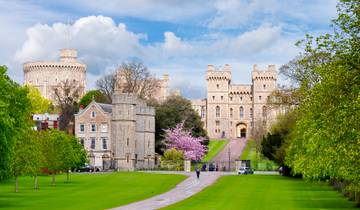
Windsor, Stonehenge, Bath & Oxford from London – 2 Days
- ✓ Comprehensive London tour
- ✓ Expert local guides included
- ✓ All accommodation arranged
- ✓ Transportation provided
5 days
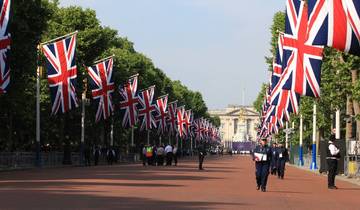
Classic England – 5 Days
- ✓ Comprehensive London tour
- ✓ Expert local guides included
- ✓ All accommodation arranged
- ✓ Transportation provided
5 days
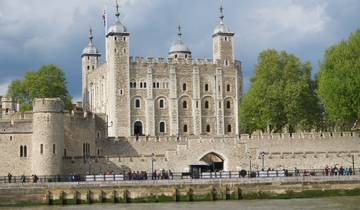
Royal Indulgence | London, England
- ✓ Booking needs min. 2 travelers
7 days
Spotlight on London (2026)
- ✓ Comprehensive London tour
- ✓ Expert local guides included
- ✓ All accommodation arranged
- ✓ Transportation provided
Multi-day tour packages powered by TourRadar. Prices and availability subject to change.
Essential Accommodation Planning Information 2026
Understanding London’s Accommodation Zones for Heritage Visitors
Transport for London’s zone system determines accommodation strategy and daily heritage site access patterns. Zone 1 encompasses central London including Westminster, Tower Bridge, Bloomsbury, and Covent Garden, positioning visitors walking distance to Westminster Abbey/Palace and Tower of London while requiring 30-45 minute journeys to Greenwich and Kew. Hotels in Zone 1 range £180-450 per night with heritage site accessibility offsetting higher nightly costs through reduced daily transport expenses.
Zone 2 neighborhoods include Greenwich, Notting Hill, Camden, and Stratford, offering accommodation at £110-220 per night with 15-25 minute Tube rides to central UNESCO sites. Greenwich properties provide direct access to Maritime Greenwich heritage site while requiring 25-35 minute journeys to Westminster and Tower locations via DLR and Jubilee line connections. Zone 2 strategy suits visitors planning Greenwich-focused itineraries or seeking value accommodation with acceptable commute times to central heritage sites.
Zone 3 and outer areas deliver budget accommodation £60-120 per night but require 35-55 minute commutes to UNESCO heritage sites, adding £8-12 daily Tube costs and 2-3 hours total travel time. These locations suit long-stay visitors prioritizing accommodation savings over heritage site proximity, with proper planning mitigating transport time through early morning departures and batched site visits reducing daily trip frequency.
2026 Seasonal Pricing Patterns and Booking Strategy
London’s 2026 accommodation market follows predictable seasonal cycles with summer peak, shoulder seasons, and winter low periods showing 50-70% rate variations. June-August summer season commands highest rates at £180-450 per night for Zone 1 hotels, driven by international tourism demand, UNESCO heritage site peak visiting season, and major cultural events. Book summer accommodations 4-6 months ahead to secure inventory in preferred neighborhoods, with Westminster and South Bank properties filling earliest due to heritage site walking distance advantages.
Spring (April-May) and autumn (September-October) shoulder seasons offer sweet spot timing combining favorable weather, moderate crowds at heritage sites, and 20-30% reduced hotel rates compared to summer peaks. Shoulder season Zone 1 hotels range £140-280 per night with improved availability allowing 8-12 week booking windows. These periods deliver optimal heritage visiting conditions with comfortable temperatures for outdoor sites like Greenwich maritime precinct and Kew Gardens while maintaining full heritage site operating hours and special exhibition access.
Winter months (November-March) provide significant accommodation savings with Zone 1 hotels at £120-220 per night, though shorter daylight hours and cold weather impact heritage site touring comfort. December holidays show brief rate increases during Christmas markets and New Year period, with January-February offering lowest annual pricing. Winter accommodation strategy prioritizes indoor heritage experiences at Westminster Abbey and Tower of London while scheduling Greenwich and Kew visits during midday daylight hours maximizing outdoor touring comfort in shortened winter days.
Best Neighborhoods for UNESCO Heritage Access in 2026
Westminster: Premium Central Location for Heritage Sites
Westminster positions visitors at London’s UNESCO heritage epicenter, providing walking distance to Westminster Palace, Westminster Abbey, and quick Tube access to Tower of London via District and Circle lines. Hotels in Westminster range £220-400 per night for summer 2026, reflecting premium positioning in the city’s most heritage-dense neighborhood (check booking platforms for current rates). The location eliminates morning commutes to Westminster sites, allowing early entry to avoid crowds while providing Thames-side walks connecting to South Bank attractions and London Eye panoramas.
Mid-range Westminster hotels near Victoria Station offer £180-280 per night with excellent District line connections to Tower Hill (15 minutes) and combination of Underground and rail access to Greenwich (35 minutes via Victoria to London Bridge transfer). Budget-conscious visitors find limited options in immediate Westminster vicinity, with nearby Pimlico and Vauxhall neighborhoods providing alternatives at £140-200 per night while maintaining 10-15 minute walks to Westminster Abbey. The Westminster strategy maximizes heritage site touring efficiency for short-stay visitors prioritizing UNESCO locations over broader London exploration.
Westminster accommodation delivers evening advantages with illuminated Parliament views, riverside dining along Thames paths, and access to West End theaters within 20-minute walks. The neighborhood combines governmental formality with tourist infrastructure, offering diverse dining from traditional British gastropubs to international cuisine serving heritage site visitors. Strategic Westminster positioning allows afternoon returns for hotel breaks between morning Westminster Abbey visits and evening Tower of London illumination, optimizing multi-site daily itineraries while minimizing transport time and costs.
South Bank: Thames-Side Heritage Gateway
South Bank hotels provide Thames riverside positions with direct Westminster views and bridge walks connecting to Westminster Abbey in 10-15 minutes. Summer 2026 South Bank accommodation ranges £180-320 per night for mid-range hotels, with location premium reflecting cultural amenities including Tate Modern, Shakespeare’s Globe, and Borough Market proximity complementing UNESCO heritage access. The neighborhood delivers Jubilee line connections to Tower of London (10 minutes to London Bridge, transfer to Tower Hill) and Westminster Underground links serving Greenwich via DLR transfers.
South Bank positioning suits visitors balancing UNESCO heritage sites with broader cultural exploration, offering theater access, contemporary art venues, and riverside dining alongside strategic heritage site connections. Hotels near Waterloo Station provide rail links to Greenwich (20 minutes direct) alongside Underground access to Tower Hill and Westminster stations. The neighborhood combines tourist amenities with residential character in behind-Thames streets, offering apartment rentals at £160-280 per night for families seeking kitchen facilities while maintaining central heritage access.
Evening South Bank atmosphere transforms the riverside into dining and entertainment destination, with summer outdoor dining, weekend food markets, and Thames path walks providing leisure alternatives to heritage touring. The location allows morning Westminster Abbey visits via bridge walks, afternoon Tower of London exploration via Jubilee line, and evening neighborhood returns for dinner and cultural events. South Bank hotels typically include breakfast options, with competitive rates reflecting slightly removed position from immediate Westminster center while maintaining 10-20 minute heritage site accessibility.
Bloomsbury: Intellectual Heritage Hub with Museum Access
Bloomsbury delivers cultural neighborhood atmosphere combining British Museum proximity with strategic Tube access to all UNESCO heritage sites. Summer 2026 Bloomsbury hotels range £140-240 per night, offering 20-30% savings compared to Westminster while providing Piccadilly line direct access to Tower Hill (20 minutes) and Northern line connections to Westminster (15 minutes via Leicester Square transfer). The neighborhood attracts visitors seeking intellectual atmosphere, garden squares, and residential London character alongside heritage site touring.
Bloomsbury apartment rentals provide exceptional family value at £150-280 per night for two-bedroom units with full kitchens, allowing meal preparation saving £40-60 daily compared to constant restaurant dining. These apartments position families near British Museum free admission, Russell Square gardens for children’s breaks, and diverse dining from café culture to international restaurants. The neighborhood combines Georgian architecture, bookshops, and university atmosphere creating distinctive London experience alongside UNESCO heritage site access via efficient Tube connections.
Strategic Bloomsbury positioning allows morning departures to Westminster or Tower sites returning to neighborhood for afternoon British Museum visits or garden square relaxation. Hotels near King’s Cross station add Eurostar and national rail connectivity for visitors combining London UNESCO sites with broader UK heritage touring to Bath, Stonehenge, or Edinburgh. Bloomsbury accommodation suits 4-7 day London stays mixing UNESCO heritage priorities with cultural depth, residential London experience, and moderate pricing supporting extended visit budgets.
Greenwich: Maritime Heritage Immersion
Greenwich hotels position visitors directly within Maritime Greenwich UNESCO World Heritage Site, offering immediate access to Royal Observatory, Cutty Sark, National Maritime Museum, and Queen’s House. Summer 2026 Greenwich accommodation ranges £110-200 per night, delivering 30-40% savings compared to central London while providing heritage site immersion in historic maritime neighborhood. The location suits visitors prioritizing Greenwich heritage depth over brief site visits, allowing multiple days exploring maritime collections, park walks, and Thames riverside atmosphere.
Greenwich positioning requires 25-35 minute DLR and Underground journeys to Westminster and Tower sites, adding daily commute time but reducing accommodation costs supporting extended London stays. The neighborhood delivers authentic London residential character, Greenwich Market shopping, independent restaurants, and Thames riverside walks creating distinctive experience beyond typical tourist zones. Budget-conscious visitors find excellent value in Greenwich hotels and guesthouses at £90-140 per night, with heritage site walking distance eliminating local transport costs while providing bases for daily central London excursions.
Greenwich accommodation strategy works optimally for 5-7 day London visits allowing dedicated Greenwich exploration days alongside Westminster and Tower site visits from neighborhood base. The area provides evening alternatives to central London with riverside pubs, live music venues, and relaxed dining atmosphere. Families appreciate Greenwich Park space, free heritage museums, and residential neighborhood safety. Greenwich hotels typically offer parking facilities valuable for visitors arriving by car or planning southern England heritage touring including Dover, Canterbury, and Brighton coastal heritage sites.
Kensington: Residential Elegance Near Cultural Museums
Kensington neighborhoods (South Kensington, Earl’s Court) combine residential elegance with strategic positioning near Natural History Museum, Victoria and Albert Museum, and efficient Tube access to UNESCO heritage sites. Summer 2026 Kensington hotels range £160-300 per night with Victorian architecture, tree-lined streets, and upscale neighborhood character appealing to visitors seeking refined London atmosphere. District and Piccadilly line connections provide 15-25 minute access to Westminster and Tower sites while positioning visitors near Kew Gardens (30 minutes via District line direct).
South Kensington specifically delivers museum triangle positioning with Natural History Museum, Science Museum, and V&A within walking distance alongside UNESCO heritage site Tube access. Family hotels in this area offer £200-320 per night for connecting rooms with residential street atmosphere, nearby Hyde Park access, and diverse international dining reflecting neighborhood’s diplomatic and expatriate character. The location balances heritage touring with London’s broader cultural offerings, allowing UNESCO site mornings and museum afternoon alternatives when heritage touring intensity needs breaks.
Kensington accommodation delivers upscale neighborhood advantages including excellent restaurants, boutique shopping, and safe evening walking environments. Hotels typically feature traditional English breakfast service, concierge assistance with heritage site bookings, and well-appointed rooms reflecting premium positioning. The neighborhood suits visitors seeking authentic residential London experience while maintaining UNESCO heritage site accessibility, with particular appeal to couples and mature travelers appreciating refined atmosphere over central tourist zone energy.
Accommodation Types and Budget Categories for 2026
Budget Accommodations: Hostels and Economy Hotels (£60-110 per night)
London’s budget accommodation sector delivers heritage site access through strategic Zone 2-3 positioning with excellent Tube connections. Hostels in King’s Cross, Earl’s Court, and Stratford range £60-95 per night for private double rooms, with shared dormitory options at £25-45 per bed reducing costs for solo travelers and backpackers. These properties provide basic amenities, shared kitchen facilities allowing meal preparation savings, and social atmospheres connecting international heritage tourists sharing UNESCO site experiences and travel strategies.
Budget hotels chains including Premier Inn, Travelodge, and Ibis Budget offer £80-120 per night in Zone 2-3 locations with private rooms, en-suite bathrooms, and consistent quality standards. Properties near East London Tube stations (Stratford, Mile End) provide 20-30 minute access to Westminster and Tower sites while delivering modern facilities at economy pricing. These hotels suit pragmatic visitors prioritizing heritage site spending over accommodation luxury, with comfortable rooms supporting quality rest after full-day UNESCO touring while maintaining budget discipline for extended London stays.
Budget accommodation strategy maximizes heritage site and dining spending through economical lodging in well-connected locations. Zone 2 budget hotels reduce nightly costs by £80-150 compared to central alternatives while adding 30-45 minutes daily commute time via Tube networks. Calculate total trip costs factoring accommodation savings against increased transport expenses (£8-12 daily Tube) and time value, with break-even analysis typically favoring Zone 2 budget options for stays exceeding 4-5 nights when accommodation savings compound while transport costs remain consistent.
Mid-Range Hotels: Comfort and Heritage Accessibility (£140-250 per night)
Mid-range London hotels deliver optimal balance between nightly costs, heritage site proximity, and accommodation comfort for mainstream travelers. Chain properties from Hilton, Marriott, Holiday Inn, and independent boutique hotels range £140-220 per night in Zone 1-2 locations with standard amenities including breakfast options, comfortable rooms, and professional service. These hotels position visitors 15-25 minutes from UNESCO sites via Tube while providing accommodation quality supporting multi-day heritage touring without budget accommodation compromises.
Boutique hotels in Bloomsbury, Covent Garden, and Southwark offer £160-240 per night with distinctive character, smaller room counts, and personalized service appealing to visitors seeking individual hotel personality over chain consistency. These properties typically occupy converted Georgian townhouses with period features, creating atmospheric London stays complementing UNESCO heritage site historical immersion. Mid-range boutique hotels often include breakfast, concierge assistance with heritage site bookings and tour arrangements, and recommendations reflecting local neighborhood expertise beyond generic tourist information.
Mid-range accommodation category suits couples, mature travelers, and families seeking quality lodging without luxury premiums. These hotels provide reliable comfort, strategic locations, and professional amenities supporting heritage-focused itineraries. Advance booking secures competitive rates with 10-20% discounts available through hotel loyalty programs, online travel agency promotions, and early bird offers. Mid-range positioning delivers best overall value for 4-7 day London heritage visits, balancing accommodation costs at 25-35% of total trip budgets while maintaining quality and convenience standards enhancing overall travel experience.
Luxury Hotels: Premium Heritage Experience (£280-450+ per night)
London’s luxury hotel sector positions heritage visitors in five-star properties offering supreme comfort, prime locations, and exceptional service. Premium hotels in Westminster, Covent Garden, and Mayfair range £280-450 per night with designer interiors, Michelin-starred dining, spa facilities, and concierge services arranging private heritage site tours, exclusive after-hours access, and specialized cultural experiences. These properties deliver total London luxury experience beyond simple accommodation, creating memorable stays complementing UNESCO heritage site exploration.
Historic luxury hotels including The Savoy, Claridge’s, and The Ritz combine heritage hotel status with modern amenities, offering distinctive London atmosphere in properties representing century-plus hospitality traditions. Rooms feature premium furnishings, marble bathrooms, and attentive service with turndown service, in-room dining, and 24-hour concierge attention. Luxury hotel positioning provides Westminster walking distance or immediate Tube access to heritage sites while delivering resort-level amenities including restaurants, bars, and spa facilities supporting relaxation between intensive heritage touring days.
Luxury accommodation strategy suits celebration trips, anniversary travel, and visitors seeking ultimate London experience where accommodation itself becomes destination beyond functional heritage site base. These hotels typically bundle breakfast, evening cocktails, and enhanced amenities in package rates ranging £350-600 per night. Premium positioning delivers access to exclusive experiences including private Westminster Abbey tours, Tower of London ceremony access, and cultural event reservations beyond standard tourist options, creating distinctive heritage exploration unavailable through conventional touring approaches.
Serviced Apartments: Family Value and Extended Stays (£150-320 per night)
Serviced apartments deliver optimal family accommodation combining multiple bedrooms, full kitchens, and living areas in Zone 1-2 locations at £150-320 per night depending on size and neighborhood. Two-bedroom apartments in Bloomsbury, South Bank, and Greenwich accommodate families of 4-5 at competitive per-person rates compared to multiple hotel rooms, with kitchen facilities enabling breakfast and lunch preparation saving £40-60 daily on restaurant meals. These apartments provide residential London living experience with neighborhood groceries, local parks, and authentic cultural immersion beyond hotel tourist corridors.
Apartment rentals through Airbnb, Booking.com, and specialized providers offer flexible configurations from studio efficiency units at £100-180 per night to three-bedroom family apartments at £250-400 per night. Properties include full kitchens, washing machines, and living spaces allowing evening family time without hotel room constraints. Strategic apartment selection near Tube stations maintains heritage site accessibility while providing residential atmosphere, neighborhood restaurants and cafés, and local shopping experiences creating authentic London stays alongside UNESCO heritage touring.
Extended stay visitors (7+ nights) achieve significant savings through apartment accommodation reducing dining costs, providing laundry facilities, and offering better space value than equivalent hotel rooms. Apartments suit families with children needing flexible meal schedules, dietary requirements, or budget consciousness benefiting from meal preparation capabilities. Location strategy prioritizes Tube line proximity over immediate heritage site walking distance, with Greenwich, Bloomsbury, and Kensington apartments offering neighborhood character, competitive pricing, and efficient public transport connections to all UNESCO heritage sites within 20-35 minute journeys.
Strategic Booking and Reservation Strategies for 2026
Optimal Booking Timelines and Advance Planning
Secure London accommodation 4-6 months ahead for summer 2026 visits ensuring neighborhood choice and competitive rates during peak heritage tourism season. Major hotel chains and apartment platforms release 2026 inventory 8-12 months in advance, with early bookers accessing best available rates before demand pricing increases. Westminster and South Bank properties in particular benefit from advance reservation, with prime heritage-adjacent hotels reaching 80-90% capacity 3-4 months before summer arrival dates leaving remaining inventory at premium pricing.
Shoulder season visits (April-May, September-October) allow more flexible 8-12 week booking windows while maintaining good neighborhood selection and moderate pricing. Winter accommodation books 4-8 weeks ahead with adequate availability, though Christmas and New Year periods require 3-4 month advance planning matching summer demand patterns. Strategic booking during January-February winter months for summer 2026 stays captures promotional early bird rates offering 15-25% discounts compared to closer-in booking periods when demand pricing takes effect.
Monitor hotel rates through price tracking tools and booking platform apps sending alerts when target properties reduce prices or offer limited-time promotions. Major chains frequently offer flash sales, loyalty program member rates, and package deals bundling accommodation with dining or attraction tickets creating additional value beyond standard room rates. Flexible date searching reveals pricing variations between weekdays and weekends, with Wednesday-Thursday arrivals sometimes offering 10-15% savings compared to Friday-Saturday bookings during peak season.
Flexible Cancellation and Refund Policies
Prioritize accommodations offering free cancellation within 24-48 hours of arrival date, protecting against itinerary changes while securing preferred properties during early booking periods. Major hotel chains typically provide flexible rates with cancellation up to 24-72 hours before arrival alongside cheaper non-refundable rates offering 10-20% discounts for confident bookings. Balance savings against flexibility needs, with heritage-focused trips involving pre-booked attraction tickets and tours justifying flexible accommodation policies supporting overall itinerary modifications if needed.
Credit card travel protections and travel insurance policies supplement accommodation cancellation coverage, potentially reimbursing non-refundable bookings when cancellations result from covered reasons including illness, family emergencies, or travel disruptions. Review policy terms carefully understanding coverage limits and documentation requirements. Premium credit cards offering travel delay and trip interruption coverage add additional protection layers, with some cards covering hotel costs when flight cancellations force unplanned overnight stays.
Apartment rentals through platforms like Airbnb offer varied cancellation policies from flexible (full refund 24 hours before) to strict (50% refund up to one week before), with pricing typically reflecting cancellation terms. Read policy details carefully before booking, understanding refund terms and host-specific rules. Some apartment platforms offer travel insurance add-ons at 5-7% of booking cost providing cancellation protection regardless of underlying host policies, creating flexibility for uncertain itineraries at modest cost increases.
Package Deals and Bundled Accommodation Options
Explore package deals bundling accommodation with attraction tickets, transportation passes, or dining credits creating overall savings compared to separate bookings. Some hotel partners with UNESCO heritage sites offer packages including Westminster Abbey tickets, Tower of London admission, or Thames river cruise tickets alongside room rates, delivering convenience and modest 5-10% savings versus individual purchases. Package deals often include breakfast and streamline booking processes, though compare total costs against separate bookings ensuring actual savings versus marketing packaging.
Online travel agencies including Expedia, Booking.com, and Hotels.com offer bundle discounts combining flights, hotels, and sometimes car rentals with savings potential reaching 10-15% on accommodation components. These packages work well for international visitors arranging complete London trips, though examine cancellation policies carefully as bundled bookings may have more restrictive refund terms than separate hotel reservations. Read fine print understanding cancellation rules, refund processes, and modification procedures before committing to bundled packages.
Hotel loyalty programs provide members-only rates, free night certificates, and room upgrades creating significant value for frequent travelers or visitors willing to concentrate bookings within specific chains. Major programs like Marriott Bonvoy, Hilton Honors, and IHG Rewards offer free enrollment with immediate rate discounts and points earning toward future free nights. Strategic loyalty program selection based on London property concentrations maximizes benefits, with some programs offering 10-15% member discounts plus points potentially covering future accommodation costs through redemption certificates.
Neighborhood Accommodation Comparison for 2026 Heritage Visitors
Location Strategy Matrix: Proximity vs. Value Analysis
Strategic accommodation selection balances nightly costs, daily transport expenses, and heritage site touring efficiency through location analysis considering total trip costs rather than single-factor optimization. Westminster hotels at £220-350 per night eliminate £8-15 daily Tube costs and save 1-2 hours daily commute time, with cumulative savings potentially offsetting higher nightly rates for 5-7 day stays focused heavily on UNESCO heritage sites. Calculate total accommodation costs plus transport expenses comparing central versus peripheral options, with break-even typically occurring around 5-night stays when accommodation premiums balance against cumulative transport savings.
Zone 2 neighborhoods including Greenwich, Bloomsbury, and Kensington deliver optimal value positioning for heritage visitors prioritizing balanced budgets with acceptable commute times. Hotels at £140-220 per night with 20-30 minute heritage site access via Tube create moderate total costs combining accommodation and transport expenses. These locations suit mainstream travelers seeking quality lodging without luxury premiums while maintaining reasonable UNESCO site accessibility, with neighborhood character and dining options providing authentic London atmosphere beyond central tourist zones.
Budget Zone 3 accommodation at £80-120 per night requires careful analysis weighing accommodation savings against transport time costs and daily commute fatigue. Calculate time value considering 45-60 minute heritage site access consuming 2-3 hours daily in transport time reducing actual touring hours and potentially requiring additional trip days completing planned heritage site visits. Budget peripheral accommodation works optimally for long stays (7+ nights) where accommodation savings compound significantly while transport time becomes routine rather than daily frustration, or for visitors with flexible schedules accommodating leisurely morning starts and early afternoon returns.
Family Accommodation Considerations for Heritage Touring
Families visiting London’s UNESCO heritage sites prioritize accommodation space, kitchen facilities, and neighborhood safety alongside standard location and pricing factors. Two-bedroom apartments in Bloomsbury, Greenwich, or Kensington range £180-300 per night providing superior value versus two hotel rooms at £280-500 combined costs. Apartment kitchens enable breakfast and lunch preparation saving £40-60 daily for four-person families, with cumulative meal savings partially offsetting higher accommodation costs compared to single hotel rooms while providing vastly superior space and flexibility.
Family-friendly neighborhoods combine accommodation value with child-appropriate amenities including parks, free museums, and safe walking environments. Greenwich delivers excellent family positioning with maritime heritage immersion, Greenwich Park playground spaces, and residential neighborhood character. Bloomsbury offers British Museum proximity, garden squares, and intellectual neighborhood atmosphere. South Kensington provides Natural History Museum access, Hyde Park proximity, and upscale residential streets. These neighborhoods support family heritage touring through strategic positioning, appropriate dining options, and accommodation configurations meeting family needs.
Hotel family rooms or connecting rooms provide alternatives to apartments when kitchen facilities aren’t priorities or hotel amenities including breakfast service, housekeeping, and concierge assistance add value. Family hotels in optimal locations cost £200-350 per night for appropriate room configurations, with chains including Hilton, Marriott, and Premier Inn offering consistent family-friendly standards. Some hotels provide children’s amenities including high chairs, cribs, and kids’ breakfast options, reducing family travel logistics. Compare total costs including hotel breakfast value versus apartment meal preparation savings determining optimal accommodation type for specific family situations and priorities.
Solo Traveler Accommodation Strategies for Heritage Exploration
Solo travelers visiting London’s UNESCO heritage sites optimize accommodation budgets through hostels, economy hotels, or strategic single room bookings in mid-range properties. Private rooms in quality hostels range £60-90 per night in Zone 2 locations including King’s Cross and Shoreditch, providing social atmospheres, shared kitchens, and fellow traveler connections. These accommodations suit budget-conscious solo visitors prioritizing heritage site spending over accommodation luxury while maintaining safe, clean, well-located lodging supporting intensive daily UNESCO touring schedules.
Single room premiums at traditional hotels typically add 60-75% of double room rates, making solo hotel accommodation expensive compared to apartment or hostel alternatives. Some hotel chains offer actual single rooms (rather than double rooms at single occupancy) at 70-80% of double rates, providing better value for solo travelers seeking hotel comfort over hostel social environments. Boutique hotels occasionally offer compact single rooms at competitive pricing, with Bloomsbury and King’s Cross properties providing good options for solo heritage tourists prioritizing character accommodations while managing solo traveler budget constraints.
Solo female travelers prioritize accommodation safety alongside budget considerations, with hotel reception desk presence, secure entry systems, and well-lit neighborhoods adding security value justifying higher nightly costs. Research accommodation reviews focusing on solo traveler feedback regarding neighborhood safety, evening walking comfort, and property security. Westminster and South Bank hotels provide heavy foot traffic and well-lit streets supporting evening safety, while Zone 2 residential neighborhoods offer quiet atmosphere with less guaranteed street activity after dark requiring more careful accommodation selection and taxi usage for late returns.
Essential 2026 Accommodation Booking Resources and Tools
Official Booking Platforms and Comparison Sites
Major booking platforms including Booking.com, Hotels.com, and Expedia provide comprehensive London accommodation inventories with user reviews, detailed property information, and competitive pricing through rate comparison algorithms. These platforms offer flexible search filters for location, price range, amenities, and cancellation policies enabling efficient accommodation research matching specific heritage visitor needs. User review systems provide guest feedback on neighborhood safety, noise levels, heritage site accessibility, and service quality informing booking decisions beyond marketing descriptions and professional photography.
Hotel direct booking websites sometimes offer best available rates matching or beating online travel agency pricing while providing loyalty program benefits and more flexible modification policies. Check hotel direct rates after identifying preferred properties through comparison platforms, with price match guarantees often providing online travel agency rates plus additional perks like breakfast inclusion or room upgrades. Direct booking strengthens guest-hotel relationships potentially yielding service advantages including room assignment preferences, early check-in accommodation, and concierge assistance with heritage site planning.
Apartment platforms including Airbnb, Vrbo, and Plum Guide specialize in residential rentals offering diverse options from studio apartments to multi-bedroom family units. These platforms provide detailed property descriptions, neighborhood guides, and host communication channels enabling questions about heritage site accessibility, local dining, and area characteristics before booking. Review systems and Superhost/Premier designations indicate reliable properties with consistent guest satisfaction, reducing booking risks inherent in decentralized accommodation marketplaces.
Price Tracking and Deal Alert Services
Hotel Tonight app specializes in last-minute bookings offering day-of and next-day accommodation deals potentially providing 20-40% discounts on unsold inventory. This strategy suits flexible travelers with loose itineraries willing to book accommodation shortly before arrival, though summer 2026 peak season limits last-minute availability in preferred neighborhoods. The app works optimally for shoulder season visits when hotels have excess inventory and offer deep discounts filling rooms through mobile-exclusive deals.
Google Hotels aggregates accommodation options with powerful search filters and integrated map displays showing properties relative to UNESCO heritage sites and transport connections. The platform enables direct comparison across multiple booking sites revealing best available rates for identical properties while providing transparent total cost displays including taxes and fees. Price tracking features send alerts when target hotels reduce rates, with calendar views showing pricing variations across different arrival dates enabling flexible date selection optimizing accommodation budgets.
Credit card travel portals through Chase, American Express, and Capital One often provide enhanced redemption value when booking hotels through points-earning platforms, with some cards offering 1.25-1.5x points value for travel redemptions compared to standard reward uses. Premium cards may provide additional benefits including elite status recognition, room upgrades, and enhanced cancellation protection. Compare portal pricing against booking sites and hotel direct rates ensuring point redemption value exceeds alternative booking methods.
UNESCO Heritage Site Official Resources for Accommodation
Tower of London official website provides accommodation recommendations and hotel partnerships offering ticket packages and location guidance for heritage-focused visits. Westminster Abbey and Maritime Greenwich websites similarly feature visitor planning resources including nearby hotel listings, though independent research across booking platforms typically reveals broader options and competitive pricing. Official resources provide reliable starting points for accommodation research with verified proximity to heritage sites ensuring accurate access information beyond general neighborhood descriptions.
Transport for London journey planner enables accommodation location analysis by testing commute times from specific properties to heritage sites like Tower Hill, Westminster, Greenwich DLR, and Kew Gardens stations. Input accommodation addresses determining exact transport routes, connection requirements, and journey durations informing location value assessment. Strategic accommodation selection prioritizes properties near Tube stations serving multiple heritage sites through single line access or simple one-transfer connections minimizing daily transport complexity and maximizing touring time.
Sample 2026 Accommodation Budgets for Heritage-Focused Visits
Budget Heritage Itinerary: £60-110 Per Night Strategy
Budget accommodation in Zone 2-3 positions heritage visitors in hostels or economy hotels at £60-110 per night while maintaining UNESCO site accessibility through excellent Tube connections. Three-night budget stay includes hostel private room £75 per night (£225 total), daily Tube day passes £8 (£24 total), with combined accommodation and transport totaling £249 for three nights. Add Westminster Abbey ticket £29, Tower of London ticket £34.80, Greenwich free museums, and Kew Gardens £20 for total heritage admission £83.80, with budget itinerary supporting UNESCO site touring at approximately £110 per day including accommodation, transport, and entry fees.
Budget strategy extends London stays through accommodation savings enabling 5-7 night trips capturing all UNESCO heritage sites plus broader London attractions within moderate total budgets. Five-night hostel stay £375, transport passes £40, heritage site admissions £110 total £525 base costs before dining and miscellaneous expenses. Daily dining budget £30-45 adds £150-225 for five days, with total five-night budget heritage visit ranging £675-750 demonstrating accessible London UNESCO touring through strategic accommodation and transport choices prioritizing heritage spending over accommodation luxury.
Budget accommodation works optimally when combined with free heritage experiences including Greenwich museums (National Maritime Museum, Queen’s House free admission), British Museum, and London walking tours connecting heritage sites via Thames paths and historic streets. Maximize free experiences and budget food options (supermarket sandwiches, café lunches) directing savings toward must-pay heritage admissions at Westminster Abbey, Tower of London, and Kew Gardens where admission fees unavoidable but provide comprehensive UNESCO heritage access justifying expenditure.
Mid-Range Comfort Heritage Visit: £140-220 Per Night Balance
Mid-range accommodation in Zone 1-2 delivers balanced comfort and heritage accessibility at £140-220 per night supporting quality four-night London visits. Four nights Bloomsbury hotel £180 per night (£720 total), minimal additional transport beyond walking and occasional Tube £20, heritage site comprehensive access £110, totals £850 base before dining and activities. Mid-range positioning enables quality rest supporting intensive heritage touring while maintaining UNESCO site priorities within reasonable total budgets of £1,200-1,400 including dining and miscellaneous expenses.
Mid-range strategy prioritizes accommodation comfort, breakfast inclusions, and professional service supporting heritage-focused itineraries without budget constraints requiring constant cost monitoring. Four-night stays enable comprehensive UNESCO site coverage including Westminster Abbey full visit, Tower of London with Crown Jewels, full-day Greenwich maritime exploration, and Kew Gardens botanical immersion. Mid-range hotels provide evening comfort and morning breakfast supporting early heritage site arrivals before crowd peaks while delivering sufficient quality maintaining travel satisfaction throughout multi-day intensive touring schedules.
Couples and mature travelers find mid-range accommodation optimal for 4-5 night heritage-focused visits combining UNESCO sites with West End theater, fine dining, and quality accommodation. Budget approximately £180-220 nightly accommodation, £50-70 daily dining, £30-40 daily activities and transport, totaling £260-330 daily comprehensive London experience. Four-night mid-range heritage trip costs £1,040-1,320 base plus flights, supporting quality travel experience balancing UNESCO priorities with overall London cultural exploration within mainstream travel budgets.
Luxury Heritage Experience: £280-400 Per Night Premium Journey
Luxury accommodation in Westminster or Covent Garden at £280-400 per night creates premium heritage experience combining supreme comfort with UNESCO site walking distance. Three-night luxury stay £350 per night (£1,050 total), private heritage tours and exclusive access experiences £300, premium dining £250, totals £1,600 base for three-night luxury heritage immersion. Luxury strategy emphasizes quality over quantity with fewer but deeper heritage experiences including private Westminster Abbey tours, exclusive Tower of London Ceremony of the Keys access, and expert-guided Greenwich architectural analysis.
Premium accommodation delivers total experience beyond functional heritage site access, with luxury hotels offering Michelin dining, spa facilities, and concierge services arranging bespoke cultural experiences unavailable through standard touring. Luxury visitors prioritize memorable heritage exploration through expert guides, exclusive access, and premium comfort rather than maximizing site quantity. Three-night luxury stays enable focused UNESCO heritage depth exploring Westminster and Tower locations thoroughly with private expertise while maintaining supreme accommodation comfort supporting refined travel expectations.
Luxury heritage travelers combine UNESCO site priorities with broader premium London experiences including private gallery viewings, chef’s table dining, and luxury shopping alongside heritage exploration. Budget approximately £350-450 nightly accommodation, £100-150 daily dining including fine restaurants, £80-120 daily exclusive experiences and premium transport, totaling £530-720 daily. Three-night luxury heritage visit costs £1,590-2,160 plus flights, creating distinctive London experience where accommodation, dining, and exclusive access combine delivering exceptional heritage journey beyond standard tourist experiences.
London Accommodation Final Recommendations for 2026
London accommodation strategy for UNESCO heritage visitors balances nightly costs, heritage site proximity, and travel style preferences through systematic neighborhood analysis and booking timing optimization. Westminster and South Bank deliver premium positioning for intensive heritage touring within short stays, Bloomsbury and Kensington provide balanced comfort and accessibility for mainstream visitors, while Greenwich and Zone 2 options offer budget-conscious alternatives maintaining heritage site access through excellent public transport. Book summer 2026 accommodation 4-6 months ahead securing preferred neighborhoods and competitive rates, with flexible cancellation policies protecting against itinerary modifications while enabling early reservation advantages.
Accommodation decisions significantly impact overall heritage visit experience through daily logistical efficiency, rest quality supporting intensive touring, and total trip cost optimization. Calculate comprehensive budgets including accommodation nightly rates, daily transport expenses, and time value assessing true location costs beyond simple rate comparisons. Strategic accommodation selection positions visitors optimally for UNESCO heritage priorities while maintaining budget discipline, comfort requirements, and neighborhood authenticity creating memorable London stays complementing exceptional heritage site exploration across the city’s four World Heritage locations.
Frequently Asked Questions About London Accommodation 2026
What’s the best area to stay in London for first-time visitors focusing on UNESCO sites in 2026?
Westminster and Bloomsbury provide optimal first-time visitor positioning combining UNESCO heritage access with broader London attractions. Westminster delivers walking distance to Westminster Abbey and Palace with quick Tube access to Tower of London, while Bloomsbury offers balanced pricing, excellent Tube connections to all heritage sites, and British Museum proximity. Both neighborhoods feature abundant dining options, tourist infrastructure, and safe environments supporting first-visit comfort while maintaining heritage site touring priorities.
How far in advance should I book London hotels for summer 2026?
Book 4-6 months ahead for summer 2026 London accommodation ensuring neighborhood choice and competitive pricing during peak heritage tourism season. Westminster and South Bank hotels near UNESCO sites fill earliest, with preferred properties reaching 80-90% capacity 3-4 months before arrival dates. Early booking captures best rates before demand pricing increases while providing refundable cancellation options protecting against itinerary changes. January-February bookings for summer stays sometimes offer additional early bird promotional rates.
Are apartments better value than hotels for families visiting London’s heritage sites in 2026?
Apartments provide superior family value for 3+ night stays combining space, kitchen facilities, and competitive per-person costs compared to multiple hotel rooms. Two-bedroom Bloomsbury or Greenwich apartments at £180-300 per night cost less than two hotel rooms at £280-500 combined while providing kitchen savings of £40-60 daily on meals. Apartments work optimally for families prioritizing space, meal flexibility, and budget optimization, while hotels suit families valuing breakfast service, housekeeping, and concierge assistance for heritage site bookings.
What’s the average hotel price in London for mid-range accommodation near UNESCO sites in 2026?
Mid-range London hotels in Zone 1-2 range £140-250 per night in summer 2026 depending on specific location and booking timing. Westminster and South Bank hotels average £180-280 per night reflecting premium heritage site proximity, while Bloomsbury and Kensington mid-range properties cost £140-220 per night with excellent Tube connections to UNESCO sites. Advance booking and flexible date selection optimize mid-range pricing, with shoulder season visits reducing rates 20-30% compared to peak summer periods.
Is it worth staying in Greenwich to be near the Maritime heritage site in 2026?
Greenwich accommodation delivers excellent value for visitors prioritizing Maritime Greenwich UNESCO site depth with multi-day exploration plans. Hotels at £110-200 per night provide heritage site immersion, 30-40% savings versus central London, and authentic residential neighborhood character. Greenwich works optimally for 5+ night stays allowing dedicated Greenwich days alongside Westminster and Tower excursions from neighborhood base, though visitors prioritizing brief Greenwich visits alongside central heritage sites benefit more from Westminster or South Bank positioning with day trip Greenwich access.
What accommodation amenities matter most for UNESCO heritage visitors in 2026?
Heritage-focused visitors prioritize location near Tube stations serving UNESCO sites, comfortable beds supporting intensive daily touring, and breakfast options enabling early heritage site arrivals. Proximity to Westminster, Tower Hill, Greenwich DLR, or Kew Gardens stations reduces daily transport time while providing efficient heritage access. Other valuable amenities include luggage storage for early arrivals or late departures, concierge services assisting with heritage site bookings, and quiet rooms ensuring quality rest between full-day UNESCO touring schedules.
How much should I budget for accommodation in a week-long London UNESCO heritage trip in 2026?
Budget £800-1,500 for seven-night London accommodation depending on lodging category and neighborhood selection. Budget Zone 2-3 accommodation costs £420-770 for seven nights (£60-110 per night), mid-range Zone 1-2 hotels total £980-1,540 (£140-220 per night), and luxury properties require £1,960-3,150 (£280-450 per night). Add transport passes £50-60, heritage site admissions £120-150, and dining £210-490 for total seven-night heritage-focused trip budgets ranging £1,600-2,200 budget category, £2,350-3,700 mid-range, and £4,300-5,800 luxury.
Can I walk between London’s UNESCO sites from central accommodation in 2026?
Westminster Palace/Abbey and Tower of London separate by 3.5 km (2.2 miles) allowing Thames Path walks in 40-50 minutes connecting these central heritage sites without Tube transport. Greenwich and Kew Gardens require 8-12 km journeys from central London necessitating DLR/Tube rather than walking. Strategic Westminster or South Bank accommodation enables walking access to Westminster sites with brief Tube journeys to Tower location, though Greenwich and Kew always require public transport regardless of central London lodging choices.
What neighborhoods should solo female travelers prioritize for safe London accommodation in 2026?
Solo female travelers prioritize well-lit neighborhoods with consistent evening foot traffic including Westminster, South Bank, Bloomsbury, and South Kensington. These areas combine hotel security (reception desks, secure entry systems) with busy streets providing comfort for evening walks to dining and entertainment. Westminster and South Bank maintain heavy pedestrian activity late evening due to tourist concentration and riverside dining, while Bloomsbury and South Kensington offer quieter residential character with well-established safety reputations and excellent Tube access reducing street walking needs after dark.
Do London hotels near UNESCO sites offer attraction ticket packages in 2026?
Some London hotels partner with UNESCO heritage sites offering packages bundling accommodation with Westminster Abbey, Tower of London, or Thames cruise tickets providing modest 5-10% savings versus separate purchases. Hotel packages add convenience streamlining booking processes though require careful total cost comparison against independent reservations. Official heritage site websites and major booking platforms advertise partnership packages, with hotel concierges also arranging ticketing though typically without discount pricing. Compare package total costs against separate bookings determining actual savings beyond marketing convenience benefits.