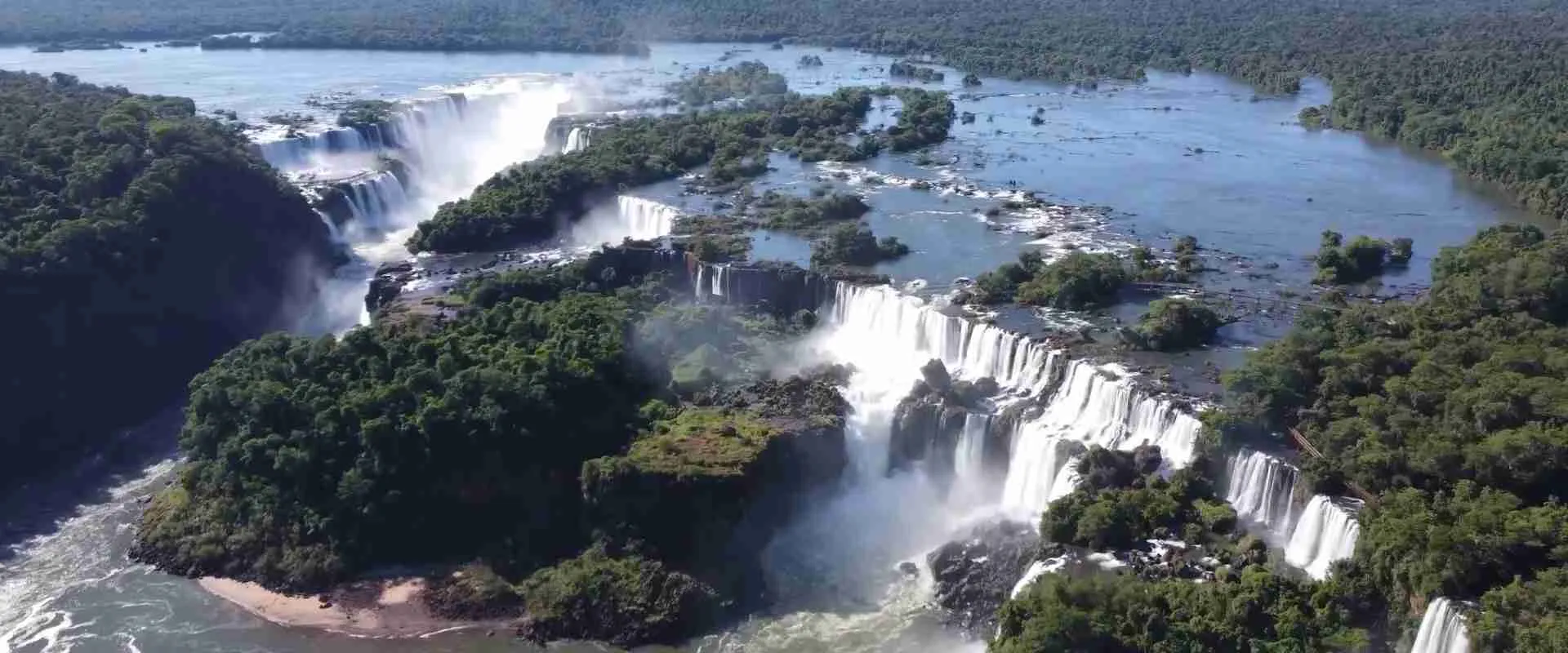
Best Time Visit Iguazu Falls 2026: Seasonal Planning Guide
This comprehensive seasonal planning guide analyzes month-by-month conditions throughout 2026, examines how different times of day affect your experience, provides specific recommendations for various traveler types, and reveals insider timing strategies that enhance your visit. Whether you prioritize photography opportunities, wildlife viewing, crowd avoidance, budget optimization, or maximum water spectacle, understanding seasonal patterns enables informed timing decisions that dramatically improve your Iguazu Falls experience.
Key Takeaways
- April-May delivers the optimal combination of moderate temperatures (18-25°C), lower crowds, substantial water flow, and reduced accommodation rates
- August-September offers excellent shoulder season conditions with pleasant weather, good water levels, and 30-40% lower prices than summer peaks
- December-February brings maximum crowds, highest temperatures (30-35°C), and peak water volume but also afternoon thunderstorms and premium pricing
- June-July provides winter conditions with cool temperatures (12-20°C), minimal crowds, and lowest rates but reduced water flow that can diminish the spectacle
- Weekdays (Tuesday-Thursday) see 40-60% fewer visitors than weekends when Argentine domestic tourism peaks
- Early morning visits (8 AM-10 AM) offer the best conditions before crowds build and afternoon heat or storms develop
Introduction: Timing Your Perfect Iguazu Falls Visit
Selecting the optimal time to visit Iguazu Falls fundamentally shapes your experience through its influence on weather conditions, water volume, crowd levels, accommodation costs, and overall visit quality. The subtropical climate creates distinct seasonal patterns that affect temperature, rainfall, and humidity, while Argentine and Brazilian school holiday schedules drive dramatic crowd fluctuations. Understanding these temporal variations enables strategic timing decisions that maximize waterfall spectacle, minimize discomfort from heat or crowds, and optimize your budget through seasonal pricing variations.
Unlike destinations with single optimal visiting windows, Iguazu Falls offers multiple viable periods depending on your priorities. Spring and autumn shoulder seasons deliver the most balanced conditions across all factors, making them ideal for most visitors. Summer provides maximum water volume and lush greenness but brings intense heat, afternoon storms, and overwhelming crowds. Winter offers peaceful, economical experiences with pleasant daytime temperatures but reduced water spectacle. Your personal preferences regarding crowds, weather tolerance, budget flexibility, and waterfall volume priorities determine which season suits you best.
People Also Ask About Best Time to Visit Iguazu Falls
What is the best month to visit Iguazu Falls in 2026?
May stands out as the single best month for most visitors, combining excellent weather (temperatures 18-24°C, moderate rainfall), substantial water flow from autumn rains (60-75% of peak capacity), significantly reduced crowds compared to summer, and 30-40% lower accommodation rates than December-February peaks. May weather remains comfortable for all-day exploration without intense heat, afternoon thunderstorms occur less frequently than summer months, and water levels stay impressive without the excessive mist that can obscure views during peak flow. April runs a close second with similar conditions. September and October provide comparable value during spring shoulder season with temperatures warming from winter and water levels rebuilding. These four months (April, May, September, October) represent the optimal visiting window for balancing all factors. If forced to choose a single best month, May edges ahead for its ideal combination of conditions, though individual preferences about temperature, crowds, and water volume may shift personal optimal timing slightly earlier or later.
When is the worst time to visit Iguazu Falls?
January and July represent the most challenging months for different reasons. January brings peak summer conditions with maximum crowds (3-4x higher than shoulder seasons), oppressive heat and humidity (temperatures 30-35°C, humidity 80-90%), frequent afternoon thunderstorms disrupting visits, and premium accommodation pricing. The combination of overwhelming crowds at major viewpoints, exhausting heat requiring frequent breaks, and afternoon storms shortening effective visiting windows creates frustrating conditions despite maximum water volume. July experiences opposite problems: minimum water flow from winter dry season (can drop to 40-50% of peak capacity), reducing the falls’ visual impact, cool temperatures requiring layers, and coinciding with Argentine winter school holidays that increase domestic tourism. While July avoids intense heat and brings lowest accommodation rates, the diminished water spectacle disappoints many visitors who traveled specifically to witness the falls’ power. March and November represent better alternatives if summer or shoulder season timing is necessary, offering transition conditions that avoid the extremes while maintaining reasonable water levels and manageable crowds.
How does water flow vary throughout the year?
Water flow through Iguazu Falls fluctuates dramatically throughout the year, ranging from as low as 200-400 cubic meters per second during severe winter droughts to 1,500-1,700 cubic meters per second during normal conditions to over 12,000 cubic meters per second during major floods. December-February summer months deliver maximum sustained flow (1,800-3,000 cubic meters per second) from heavy subtropical rainfall. March-May autumn maintains strong flow (1,400-2,200 cubic meters per second) as water volume gradually decreases but remains impressive. June-August winter experiences minimum flow (600-1,200 cubic meters per second, occasionally dropping to 300-500 during dry winters) as rainfall decreases substantially. September-November spring rebuilds flow (900-1,800 cubic meters per second) as rainy season approaches. These variations create essentially different waterfall experiences—summer’s massive volume creates nearly continuous water curtain across the full escarpment with towering spray clouds, while winter’s reduced flow fragments into discrete falls with extensive bare rock visible and clearer gorge bottom views. Shoulder seasons provide balanced flow that maintains impressive cascades without excessive mist obscuring photography. The falls remain spectacular across all flow levels, though summer provides maximum power and winter emphasizes geological structure over water volume.
Are there specific days of the week that are less crowded?
Tuesday, Wednesday, and Thursday see 40-60% fewer visitors than weekends (Saturday-Sunday) when Argentine domestic tourism peaks heavily. Monday experiences moderate crowds as weekend visitors extend stays, while Friday begins weekend crowd buildups as locals begin arrivals. The midweek window (Tuesday-Thursday) offers the most peaceful experiences with shorter lines at boat tour departures, less crowded viewing platforms enabling better photography, easier parking access, and more relaxed park atmospheres. This pattern holds year-round but intensifies during peak seasons when weekend crowds can reach overwhelming levels while midweek remains manageable. School holiday periods (July, December-February) see elevated daily crowds but midweek still proves quieter than weekends. Plan park visits for Tuesday-Thursday whenever possible, using Monday or Friday for border crossing to the other park side, travel days, or visiting regional attractions like Itaipu Dam. The Devil’s Throat viewing platform experiences the most dramatic weekday-weekend differences, with weekend waits for platform access extending 30-45 minutes during peak seasons versus 5-10 minutes midweek.
Extended multi-day tours – 5+ days
Featured Iguazu Falls Multi-Day Tour Packages
4 days
4-Day Iguazu Falls with LUXURY Resort & Airfare from Buenos Aires
- ✓ Comprehensive Iguazu Falls tour
- ✓ Expert local guides included
- ✓ All accommodation arranged
- ✓ Transportation provided
3 days
3-Day Iguazu Falls Tour – Argentine & Brazilian Sides with Transfers
- ✓ Comprehensive Iguazu Falls tour
- ✓ Expert local guides included
- ✓ All accommodation arranged
- ✓ Transportation provided
9 days
Tango & Samba (incl. domestic flights)
- ✓ Booking needs min. 2 travelers

10 days
Buenos Aires, Iguassu Falls & Rio 4 Star Incl. Internal flights
- ✓ Comprehensive Iguazu Falls tour
- ✓ Expert local guides included
- ✓ All accommodation arranged
- ✓ Transportation provided
Multi-day tour packages powered by TourRadar. Prices and availability subject to change.
Month-by-Month Analysis 2026
January 2026
January represents peak summer with maximum crowds, intense heat, and highest accommodation rates but also spectacular water volume. Temperatures reach 28-35°C with high humidity creating oppressive conditions during midday hours. Afternoon thunderstorms arrive regularly between 2-5 PM, bringing heavy rainfall for 1-3 hours before clearing. Water flow peaks at 1,800-3,000+ cubic meters per second, creating an almost continuous cascade across the full 2.7-kilometer width with towering spray clouds. The massive flow reduces visibility through mist and can obscure photography, though rainbows appear constantly in the spray.
Crowds reach annual maximums as Argentine summer holidays, Brazilian vacation season, and international tourism converge. Popular viewpoints experience congestion that limits photography opportunities and diminishes peaceful nature experiences. Accommodation prices peak 50-100% above shoulder season rates, with advance booking 5-6 months ahead essential for securing preferred properties. The Devil’s Throat platform requires 30-60 minute waits for access during midday peak hours.
January suits visitors who prioritize maximum water spectacle over all other factors, don’t mind heat and crowds, have flexible budgets, and can tolerate afternoon storm disruptions. Photography proves challenging due to crowds and mist, though the dramatic water volume creates impressive images. Wildlife viewing suffers from human disturbance. Early morning visits (8-10 AM) before peak heat and crowds offer the best conditions, with evening visits after storms less crowded as tour groups depart.
February 2026
February continues summer conditions similar to January with slight improvement as school holidays end in late month. Temperatures remain hot (27-33°C) with persistent humidity. Afternoon thunderstorms continue though frequency decreases slightly. Water flow maintains high levels (1,600-2,800 cubic meters per second) providing spectacular cascades. Crowds remain elevated through mid-February before declining in the final week as Brazilian carnival shifts tourism focus elsewhere. Accommodation rates stay high through carnival period then begin dropping.
The late February window (after carnival, roughly February 20-28) represents the year’s best opportunity to experience summer water volumes with decreasing crowds and transitioning prices. This brief period delivers high water flow without peak season congestion, making it optimal for visitors specifically wanting maximum falls spectacle with slightly more manageable conditions. Weather remains hot but becomes more tolerable as humidity begins declining toward autumn. Book accommodation for late February well ahead as many travelers target this transition period.
March 2026
March marks the transition to autumn with improving conditions across multiple factors. Temperatures moderate to 24-30°C, remaining warm but less oppressive than summer. Rainfall continues at moderate-to-high levels maintaining strong water flow (1,400-2,200 cubic meters per second). The subtropical forest displays peak lushness and greenness from summer rains. Afternoon thunderstorms decrease in frequency and intensity. Humidity drops from summer peaks though remains substantial.
Crowds decline substantially as Argentine and Brazilian school years resume, with 40-50% fewer visitors than peak summer. Weekdays become quite peaceful while weekends still see elevated domestic tourism. Accommodation rates drop 30-40% from summer peaks, offering much better value. March delivers excellent balanced conditions maintaining impressive water volume while avoiding summer extremes. The month suits travelers wanting strong waterfall flow without peak season hassles.
Photography conditions improve as crowds decrease and mist generation moderates slightly with reduced flow compared to summer peaks. Wildlife becomes more visible as disturbance decreases. March represents one of the year’s best value periods, combining good conditions across all factors at reasonable prices. Book 2-3 months ahead for best accommodation selection.
April 2026
April ranks among the three best months to visit, delivering optimal conditions for most visitors. Temperatures reach comfortable 18-26°C ranges, perfect for all-day hiking without overheating. Rainfall decreases significantly from summer levels, with afternoon storms becoming occasional rather than daily. Water flow remains substantial (1,200-1,800 cubic meters per second), well above winter minimums while avoiding summer excess. The falls display impressive power without overwhelming mist that obscures views.
Crowds drop to low levels except Easter week (dates vary annually—check 2026 calendar). Outside Easter, parks feel peaceful with easy access to all viewpoints and minimal congestion. Accommodation rates continue declining, running 30-40% below summer peaks. The autumn weather creates ideal outdoor conditions with pleasant temperatures, lower humidity, and predictable weather patterns. Morning temperatures start cool (14-18°C) and warm to comfortable afternoon conditions (22-26°C).
April excels for photography with clear air, good lighting, manageable mist levels, and uncrowded viewpoints. Wildlife viewing peaks as reduced disturbance increases animal activity and visibility. The month delivers the best overall value combining excellent conditions with reasonable pricing. April suits nearly all visitor types from budget backpackers to luxury travelers, families to photographers. Book 3-4 months ahead for optimal accommodation selection and pricing.
May 2026
May stands as the single best month for most visitors, combining optimal weather, good water flow, minimal crowds, and excellent value. Temperatures range 16-24°C with cool mornings and pleasant afternoons. Rainfall continues declining from autumn peaks, creating stable weather with few storms disrupting visits. Water flow maintains 1,000-1,600 cubic meters per second—substantially impressive while avoiding excessive mist. The falls display their magnificent scale with clear views to the gorge bottom.
Crowds reach annual lows outside holiday periods, creating peaceful park experiences. Midweek visits feel nearly private at some viewpoints. Accommodation rates drop to shoulder season levels, 35-45% below summer peaks. The combination of excellent weather, impressive falls, minimal crowds, and good pricing makes May nearly perfect timing for Iguazu visits. Morning temperatures start cool (12-16°C) requiring light jacket, warming to comfortable conditions (20-24°C) by midday.
Photography conditions are ideal with clear air, beautiful autumn light, manageable mist, and empty viewpoints. Wildlife viewing peaks as cooler weather increases animal activity during daytime hours. May suits all visitor types but particularly benefits photographers, wildlife enthusiasts, and travelers seeking peaceful nature experiences. The month represents the year’s premium timing window without premium prices. Book 3-4 months ahead to secure best accommodation options.
June 2026
June marks the beginning of winter with cooler temperatures and reduced water flow. Daytime temperatures reach 12-22°C with cool mornings (8-12°C) and comfortable afternoons (18-22°C). Nights turn cold (6-10°C) requiring warm clothing. Rainfall drops to annual minimums, creating dry, stable weather. Water flow decreases substantially (800-1,200 cubic meters per second), fragmenting the cascades and exposing bare rock areas. The falls remain impressive but lose some power compared to higher-flow seasons.
Crowds stay low except during Argentine winter school holiday mid-month (approximately June 15-30 in 2026—verify specific dates). Outside holidays, parks feel empty with excellent access to all areas. Accommodation rates drop to annual lows, 40-50% below summer peaks. The cool, dry weather suits comfortable all-day exploration without heat exhaustion concerns. Clear skies and low humidity create excellent visibility and photography conditions despite reduced water volume.
June suits budget travelers prioritizing low costs over maximum water spectacle, visitors from hot climates seeking cooler conditions, and travelers who prefer peaceful experiences over crowds regardless of season. The reduced water flow disappoints some visitors expecting overwhelming cascades. Morning visits require warm layers while afternoons warm enough for comfortable hiking. Book 1-2 months ahead as holiday periods see increased demand.
July 2026
July continues winter conditions with lowest annual water flow. Temperatures remain cool (12-20°C days, 6-10°C nights) requiring warm clothing for morning visits. Rainfall stays minimal, creating very stable weather. Water flow reaches annual minimums (600-1,000 cubic meters per second, occasionally dropping to 400-500 during severe droughts), significantly reducing the falls’ visual impact. Many smaller cascades dry completely, with flow concentrating in major channels. The Devil’s Throat maintains impressive flow but appears diminished compared to high-water seasons.
July coincides with Argentine winter school holidays (approximately July 10-31 in 2026—verify exact dates), bringing increased domestic tourism that elevates crowds above typical winter levels. This creates the paradox of visiting during the least impressive water flow season while encountering more crowds than shoulder seasons that offer both better flow and fewer visitors. Accommodation rates rise above June lows during holidays though remain well below summer peaks.
July works for visitors with fixed scheduling who can’t travel other times, budget travelers accepting reduced water flow for lowest annual rates (outside holiday weeks), and travelers specifically wanting cool weather. Most visitors should avoid July in favor of shoulder seasons that deliver superior experiences at comparable prices. If July timing is necessary, visit early month (first week) before holidays begin or final days after holidays end.
August 2026
August begins transitioning from winter toward spring with gradually improving conditions. Temperatures warm slightly (14-24°C) though mornings remain cool (10-14°C). Rainfall increases from July minimums as spring approaches. Water flow begins rebuilding (900-1,400 cubic meters per second) from winter lows, creating more impressive displays. The falls regain much of their power as multiple channels flow again instead of concentrating in major cascades.
Crowds drop substantially after school holidays end in early August, creating peaceful mid-to-late month conditions. Accommodation rates return to shoulder season levels. August delivers much better overall value than July, with improving water flow and weather at similar prices with fewer crowds. The spring transition creates pleasant visiting conditions—cool enough to avoid heat exhaustion, warm enough for comfortable all-day exploration, and dry enough for predictable weather.
Late August (final week) ranks among the year’s best timing windows, combining rebuilding water flow, excellent weather, minimal crowds, and shoulder season pricing. This period suits travelers seeking good value, photographers appreciating clear conditions, and visitors wanting peaceful experiences. Wildlife viewing improves as breeding seasons begin and animals increase activity. Book 2-3 months ahead for late August visits.
September 2026
September continues the spring transition with increasingly pleasant conditions. Temperatures warm to 18-26°C ranges ideal for outdoor activities. Rainfall increases gradually, rebuilding water flow (1,100-1,700 cubic meters per second) toward impressive levels. The subtropical forest begins spring flowering cycles, adding color to the predominant greenness. Weather stability decreases slightly as rainfall increases, though conditions remain generally predictable.
Crowds stay low through most of September before beginning to increase late month as spring holidays approach. Accommodation rates remain at shoulder season levels. September delivers excellent balanced conditions with comfortable weather, substantial water flow, manageable crowds, and reasonable pricing. The spring energy creates vibrant park atmosphere with flowering plants, active wildlife, and lush vegetation regeneration after winter dormancy.
September suits visitors wanting spring conditions, travelers seeking good value, and anyone preferring moderate temperatures and flows. Photography benefits from spring light and flowering accents. Wildlife viewing peaks during breeding seasons when animals are most active and visible. September represents one of the year’s optimal windows, comparable to April-May but with spring character rather than autumn. Book 2-3 months ahead for best selection.
October 2026
October maintains excellent spring conditions with warming temperatures (20-28°C), increasing rainfall, and strong water flow (1,300-2,000 cubic meters per second). The falls display impressive power as wet season approaches. Flowering continues across the rainforest, creating colorful accents. Weather becomes less predictable as rainfall increases, with occasional afternoon storms reappearing though less frequent and intense than summer.
Crowds begin increasing from September lows as spring holidays (dates vary—check 2026 calendar) bring Argentine domestic tourists. Outside holidays, crowds remain manageable. Accommodation rates start rising from shoulder season lows toward summer peaks. October delivers strong conditions across all factors with only minor trade-offs from increasing crowds and rainfall. The building energy toward summer creates dynamic conditions.
October suits travelers wanting spring experiences, visitors seeking substantial water flow without summer excess, and anyone comfortable with occasional weather disruptions. Photography conditions remain good though increasing cloudiness and rainfall create more variable light. Wildlife breeding seasons continue with high activity levels. October represents the final shoulder season month before summer conditions begin, offering good value and conditions. Book 2-3 months ahead.
November 2026
November transitions toward summer with rising temperatures (24-32°C), increasing humidity, and frequent rainfall. Water flow builds toward high levels (1,500-2,400 cubic meters per second) creating spectacular displays. Afternoon thunderstorms become common, requiring morning-focused visiting strategies. The forest reaches peak lushness as summer rains begin. Heat and humidity increase substantially from spring months.
Crowds elevate significantly as November includes Brazilian holidays and marks the beginning of summer tourism season. Accommodation rates rise 20-30% from shoulder season lows toward summer peaks. November delivers impressive water volume but brings increasing summer challenges including heat, humidity, storms, and crowds. The month suits visitors who want substantial falls without peak summer extremes and can tolerate transitional weather.
Early November (first two weeks) offers better value than late month as summer conditions haven’t fully established. Late November approaches summer in all aspects—weather, crowds, and pricing—while still being technically spring. Photography faces increasing challenges from midday heat haze and afternoon storms. Book 3-4 months ahead for November as demand begins rising substantially.
December 2026
December marks summer’s arrival with hot temperatures (28-34°C), high humidity, daily afternoon thunderstorms, and maximum water flow (1,800-3,000+ cubic meters per second). The falls display overwhelming power with nearly continuous cascades across the full width and towering spray clouds. Conditions resemble January with all associated positives (spectacular water) and negatives (heat, crowds, storms, high prices).
Crowds reach very high levels as summer holidays begin mid-month, international tourism peaks, and Southern Hemisphere summer attracts visitors. Accommodation rates rise to annual peaks, particularly around Christmas and New Year when advance booking 6+ months ahead becomes essential. December delivers maximum waterfall spectacle at maximum cost and inconvenience.
Early December (first two weeks before holidays) provides slightly better value and fewer crowds than mid-to-late month, though conditions increasingly resemble peak summer. December suits visitors for whom timing is inflexible, travelers prioritizing maximum water volume over all other factors, and anyone willing to endure summer conditions for the spectacular display. Most visitors benefit from shifting timing to shoulder seasons.
Time of Day Considerations
Early Morning (8 AM – 10 AM)
Parks open at 8 AM, with early arrival delivering the best overall conditions. Morning temperatures remain comfortable before daily heat builds, crowds stay minimal as most visitors arrive mid-morning, photography benefits from softer light and fewer people in frame, and wildlife shows higher activity levels. The Devil’s Throat platform sees virtually no wait times before 9:30 AM during shoulder seasons, 30-60 minutes less wait than midday peaks even during summer.
Morning light creates ideal conditions for photographing the Brazilian side as the sun backlights the falls from the eastern horizon. Argentine side morning light proves adequate though afternoon provides better illumination. Rainbows appear in spray during morning hours when angle relationships between sun and mist prove optimal. The cooler morning air reduces heat stress during strenuous lower circuit hiking.
Midday (10 AM – 2 PM)
Midday brings peak crowds, maximum heat, harsh overhead lighting, and highest wildlife disturbance. Popular viewpoints experience congestion limiting photography opportunities. The Devil’s Throat platform requires 30-60 minute waits during peak seasons. Summer heat reaches oppressive levels (30-35°C) creating exhaustion risks. Photography suffers from harsh shadows and bright highlights that exceed camera dynamic range.
Midday works best as time for lunch breaks, rest at air-conditioned visitor centers, or visiting secondary trails that see fewer visitors. Use this period for the ecological train rides, restroom breaks, and planning the afternoon exploration. During cooler seasons (May-September), midday proves more tolerable and represents the warmest, most comfortable hours. Summer visitors should minimize midday exposure to falls areas, focusing energy on early morning and late afternoon.
Afternoon (2 PM – 6 PM Closing)
Afternoon conditions vary by season. Summer (December-February) brings afternoon thunderstorms arriving 2-5 PM, clearing 5-7 PM. Late afternoon after storms sees declining crowds as tour groups depart, creating peaceful conditions in the final park hours. Winter (June-August) afternoons deliver the day’s warmest, most comfortable temperatures (18-22°C). Shoulder seasons (March-May, September-November) provide excellent afternoon conditions with good light, moderate temperatures, and decreasing crowds.
Afternoon light favors the Argentine side as western sun illuminates the falls from behind viewing positions. The Devil’s Throat photographs beautifully in late afternoon golden light. Late afternoon wildlife activity increases as animals emerge after midday heat. The final park hours before 6 PM closing offer peaceful experiences as most visitors have departed, though this limits time for full exploration.
Special Event Timing
Holiday Periods to Avoid
Argentine winter holidays (approximately July 10-31 in 2026—verify exact dates) bring maximum domestic tourism during the least impressive water flow season. Christmas-New Year period (December 20-January 10) creates overwhelming crowds during peak summer. Easter week (dates vary—check 2026 calendar) sees heavy tourism though better conditions than winter or summer holidays. Brazilian holidays including Independence Day (September 7), Nossa Senhora Aparecida (October 12), and various regional holidays increase Brazilian-side visitation.
Advance booking 4-6 months ahead becomes essential during holiday periods as accommodation sells out at premium rates. Parks reach capacity limits during peak holidays, potentially requiring early arrival to ensure entry. Avoid these periods whenever possible by shifting timing by even one week in either direction to escape the worst crowds and pricing.
Full Moon Experiences
Full moon night visits operate during specific periods (check with parks for 2026 schedule) enabling nocturnal waterfall experiences. The Argentine park opens special night tours during full moons when “lunar rainbows” appear in the Devil’s Throat spray. These rare tours limit visitor numbers substantially and require advance booking. Full moon visits deliver unique experiences but depend on clear weather—clouds obscure lunar illumination reducing the spectacle.
Recommendations by Traveler Type
Photographers
May, April, and September offer optimal photography conditions combining clear air, beautiful light, manageable crowds enabling composition freedom, moderate mist levels allowing sharp waterfall details, and good water flow creating impressive subjects. Late August also delivers excellent photography conditions. Avoid January-February when crowds, harsh midday light, and excessive mist create challenging conditions. Visit both parks to capture complementary perspectives—Brazilian side morning light, Argentine side afternoon light. Plan 3-4 days to shoot in varying weather and lighting conditions.
Budget Travelers
May, June (outside holidays), and late August through September deliver the best value combining low accommodation rates, minimal crowds, good weather, and acceptable-to-excellent water flow. Avoid December-February when rates peak and November when prices begin rising. Winter months (June-July) offer the lowest rates but reduced water spectacle disappoints some visitors. Shoulder seasons provide the optimal value balance. Book 3-4 months ahead to secure best shoulder season rates.
Families with Children
April, May, September, and October provide family-friendly conditions with moderate temperatures suitable for children, predictable weather minimizing trip disruptions, good water flow maintaining child interest, and manageable crowds enabling safer, more relaxed park navigation. Avoid summer months when heat exhausts children quickly and crowds create stressful conditions. Winter works if children handle cool weather, though reduced flow may bore some kids expecting overwhelming waterfalls. Book family-sized accommodations 3-4 months ahead for shoulder seasons.
Luxury Travelers
April, May, September, and October deliver optimal luxury experiences with excellent weather for outdoor activities, impressive water displays worthy of premium pricing, uncrowded conditions enabling peaceful immersion, and shoulder season rates that improve value even for luxury budgets. The premium hotels inside parks (Gran Melia, Belmond Das Cataratas) justify their rates better during these months when after-hours park access provides serene waterfall experiences impossible during summer crowds. Book luxury properties 4-6 months ahead for shoulder seasons.
Wildlife Enthusiasts
April-May and August-October breeding seasons increase wildlife activity and visibility. Cooler shoulder season weather brings animals out during daytime hours while summer heat forces them to nocturnal activity. Reduced crowds during shoulder seasons minimize disturbance, increasing observation opportunities. Early morning visits maximize wildlife encounters regardless of season. May and September rank as optimal wildlife viewing months combining good conditions with peak activity levels.
Frequently Asked Questions
Is Iguazu Falls worth visiting in winter?
Winter visits deliver peaceful, economical experiences with pleasant weather but reduced water spectacle that disappoints many visitors. June-August water flow drops to 50-70% of summer peaks, fragmenting the cascades and exposing bare rock. The falls remain impressive but lose the overwhelming power that makes Iguazu world-famous. Winter suits budget travelers accepting this trade-off for 40-50% lower accommodation costs, visitors from tropical climates seeking cooler weather (12-20°C daily), travelers who prefer minimal crowds over maximum water volume, and anyone with scheduling constraints limiting options. However, most visitors benefit from shoulder season timing (April-May or September-October) that delivers comparable or better pricing, similarly low crowds, more comfortable temperatures, and substantially more impressive water flow. Winter works best for return visitors who have previously experienced high-flow conditions and want different perspectives, or for travelers combining Iguazu with winter activities elsewhere in Argentina.
Can I visit Iguazu Falls during rainy season?
The rainy season (November-March) delivers maximum water volume creating the most spectacular waterfall displays, making it excellent for visitors prioritizing overwhelming cascades over all other factors. However, rainy season brings daily afternoon thunderstorms (particularly December-February) that disrupt visits, intense heat and humidity (28-35°C, 80-90% humidity) creating exhaustion risks, and heavy mist from maximum flow that can obscure photography and views. Morning visits before storms develop (8 AM-1 PM) provide the best conditions. Rainy season combines waterfall spectacle with summer crowds and premium pricing, requiring budget flexibility and tolerance for weather disruptions. Shoulder seasons (April-May, September-October) deliver 70-85% of rainy season water volume with dramatically better overall conditions, representing superior timing for most visitors unless you specifically want to witness maximum possible water flow.
How far in advance should I book for my preferred timing?
Book 3-4 months ahead for shoulder seasons (April-May, September-October), 5-6 months for summer peaks (December-February), and 1-2 months for winter low seasons (June-August outside holidays). Earlier booking ensures preferred accommodation selection and best rates before properties fill and prices rise. Last-minute booking (2-4 weeks ahead) sometimes finds deals during low season but risks limited availability during popular periods. Flights require 6-8 weeks advance booking for optimal pricing, with earlier booking beneficial for peak season and holidays. The most sought-after properties including hotels inside parks (Gran Melia, Belmond Das Cataratas) require 4-6 months advance booking year-round due to limited availability. Budget properties and hostels maintain better last-minute availability but still benefit from advance booking during shoulder and peak seasons.
What if I can only visit during peak season?
Peak season visits (December-February) require strategic planning to minimize negatives while maximizing the spectacular water volume. Book accommodation 5-6 months ahead to secure preferred properties before sellouts. Arrive at parks at 8 AM opening to explore 2-3 hours before crowds peak. Take midday breaks during hottest hours (11 AM-3 PM), using this time for lunch, rest, air-conditioned visitor centers, and planning. Return for late afternoon visits (4-6 PM) after crowds decline. Focus Devil’s Throat visits on early morning to avoid 30-60 minute midday waits. Visit Brazilian side on weekdays rather than weekends when possible. Stay hydrated constantly, wear sun protection, and pace yourself to avoid heat exhaustion. Accept that crowds diminish peaceful nature experiences but the spectacular water flow creates impressive displays. Plan 3-4 days to allow rest days and avoid exhaustion from consecutive intense visiting days in heat and crowds.
Does the full moon tour really deliver lunar rainbows?
Full moon tours can produce spectacular “lunar rainbows” (moonbows) when conditions align perfectly: clear skies allowing full moonlight, adequate water flow creating sufficient spray, and proper viewing angle relationships between moon and mist. When these factors combine, the moonlight refracting through spray creates ethereal rainbow effects visible to the naked eye and camera. However, clouds obscure moonlight eliminating the effect, and weather in subtropical climate remains unpredictable even during dry season. Full moon tours operate only during specific windows around each month’s full moon (check park schedules), limit visitor numbers substantially requiring advance booking, and charge premium prices. The unique nocturnal waterfall experience justifies the tour even without guaranteed moonbows, as the falls by moonlight create an otherworldly atmosphere. However, don’t book expecting certain moonbow viewing—treat it as bonus if conditions allow rather than primary expectation.
How does El Niño or La Niña affect timing?
El Niño and La Niña climate patterns influence regional precipitation and temperature, affecting water flow and weather conditions. El Niño years bring increased rainfall to the Iguazu region, elevating water flow above normal levels particularly during summer months. This can create exceptional waterfall displays but also increases flood risks and storm frequency. La Niña years deliver below-normal rainfall, reducing water flow particularly during winter when combined with natural dry season. Severe La Niña events have produced extreme low-flow conditions with the falls fragmenting significantly. Moderate El Niño conditions benefit visitors through enhanced water displays without extreme flooding. Check current El Niño/La Niña forecasts when planning 6+ months ahead as these patterns influence optimal timing slightly. However, the general seasonal patterns (shoulder seasons optimal, summer crowded, winter reduced flow) remain valid regardless of El Niño/La Niña status.
Can weather conditions change rapidly during my visit?
Subtropical climate creates dynamic weather patterns, particularly during transition seasons and summer. Water flow can change substantially within 24-48 hours following heavy rainfall as the relatively small watershed responds quickly. A 3-day visit may encounter varying flow levels if rain occurs during your stay. Summer afternoon thunderstorms develop rapidly, transforming clear morning skies to heavy rain within hours before clearing again by evening. This variability requires flexibility in daily planning—monitor weather forecasts, adjust park visits if storms threaten, and maintain backup plans. Shoulder and winter seasons show more stable weather patterns with slower changes. The weather dynamism adds interest through varying conditions and fall appearances, though it can frustrate visitors seeking perfectly consistent conditions. Visiting for 3-4 days rather than 1-2 days increases the likelihood of experiencing varied conditions and capturing optimal weather windows.
Is there a “secret” best time known only to locals?
Late February (post-carnival, final week) and late August (final 7-10 days) represent timing windows that deliver excellent conditions with fewer visitors who recognize their value. Late February combines summer water volumes with dramatically reduced crowds as Brazilian carnival shifts tourism elsewhere, creating rare opportunity for high-flow viewing without peak congestion. Late August shows rebuilding water flow from winter minimums, excellent weather, minimal crowds after school holidays end, and shoulder season pricing—all factors converging for exceptional experiences. Early May also ranks as an insider timing choice combining optimal weather, impressive flow, minimal crowds, and good pricing. These windows require specific date targeting rather than broad monthly planning, rewarding travelers who research carefully and time precisely. However, the “secret” is relative—these periods still see substantial visitation, just less than clear peaks, and locals adapt their own visiting times when possible to these optimal windows.
How does climate change affect seasonal timing?
Climate change impacts manifest through increased temperature extremes, altered precipitation patterns, and more variable weather. Summer heat has intensified over recent decades, with more frequent 35+°C days. Rainfall patterns show greater variability with more intense storms interspersed with longer dry periods, creating more dramatic flow fluctuations. These changes reinforce the recommendation for shoulder season timing when conditions prove more moderate and stable. Winter temperatures have warmed slightly, making June-August more comfortable though this benefit is offset by more variable precipitation affecting water flow. The general seasonal patterns remain valid, though year-to-year variations have increased. Travelers should maintain flexibility and prepare for potential weather extremes beyond historical norms regardless of season chosen.
Should I avoid visiting during a full moon even if I’m not doing the night tour?
No reason exists to avoid daytime visits during full moon periods. The moon phase doesn’t affect daytime waterfall viewing, weather conditions, or park operations. Some visitors believe full moons increase crowds, but this effect is minimal compared to weekend/weekday differences or holiday periods. The moon phase might influence tides in coastal areas but has no relevance to river flow at Iguazu. Feel free to visit whenever your schedule allows without concern for moon phase unless you specifically want to participate in the special night tours that operate only during full moons. The lunar cycle doesn’t correlate with weather patterns, flow levels, or other factors affecting your visit quality.