
Best Time Visit Hungary 2026: Seasonal Planning Guide
Timing your Hungary visit significantly impacts your experience, budget, and enjoyment of this Central European treasure. With continental climate creating distinct seasons, festival-filled calendar, and substantial price variations throughout the year, understanding when to visit Hungary helps you align weather conditions, crowd levels, and costs with your travel priorities for an optimal 2026 adventure.
Key Takeaways
- Optimal shoulder seasons April-May and September-October offer 15-22°C temperatures, 20-30% lower prices, and minimal crowds at major attractions
- Summer peak season June-August brings 25-27°C warmth and maximum daylight but also highest prices and significant tourist crowds
- Budget-friendly winter November-March delivers lowest accommodation rates and magical Christmas markets despite cold temperatures averaging -3 to 10°C
- Spring wildflower displays March-May transform countryside landscapes while maintaining pleasant touring conditions and uncrowded attractions
- Autumn wine harvest season September-October showcases vibrant foliage, grape festivals, and ideal hiking weather across Hungarian wine regions
- Festival calendar variations Major events like Sziget Festival (August) and wine harvest celebrations (September-October) create booking challenges requiring advance planning
People Also Ask About Hungary Best Time 2026
What is the absolute best month to visit Hungary in 2026?
May and September emerge as Hungary’s optimal months, balancing pleasant weather, manageable crowds, and reasonable prices. May offers 18-22°C temperatures, blooming landscapes, and spring festival energy with Budapest’s parks at peak beauty. September maintains summer warmth (15-24°C average) while crowds thin significantly after school returns, autumn colors begin transforming vineyards, and wine harvest festivals commence. Both months provide full operational schedules for attractions and accommodations without summer’s peak prices or intense heat. June works well for early summer visits before July-August crowds arrive, while early October extends the favorable autumn window before temperatures drop substantially.
How much can I save by visiting Hungary in low season versus peak season?
Low season travel (November-March, excluding Christmas/New Year) reduces accommodation costs 30-50% compared to July-August peak season. A Budapest mid-range hotel costing €100-120 nightly in summer drops to €60-80 in winter. Shoulder seasons (April-May, September-October) offer moderate savings of 20-30% off peak rates while maintaining better weather and operational hours. Flight prices vary significantly, with January-March offering cheapest fares and July-August commanding premium prices. Attractions, restaurants, and tours maintain consistent pricing year-round, though some hotels and thermal baths implement seasonal rates. Overall daily budgets can decrease €30-50 in low season through combined accommodation, flight, and seasonal promotion savings.
Is Hungary worth visiting in winter?
Winter Hungary rewards travelers willing to embrace cold weather with authentic experiences, minimal crowds, and substantial savings. Budapest’s Christmas markets (late November-December) create magical atmospheres with mulled wine, traditional crafts, and festive illuminations. Thermal baths become particularly appealing when outdoor pools steam dramatically in freezing air – experiencing Széchenyi’s outdoor pools during snowfall ranks among Budapest’s most memorable moments. Cultural offerings intensify during winter with opera season, concert series, and museum exhibitions attracting locals rather than tourists. January-February represent the coldest, least appealing months with temperatures often below freezing, short daylight (8-9 hours), and some attractions operating reduced hours. Lake Balaton and outdoor attractions close or significantly limit services. Winter suits city-focused visits, thermal bath enthusiasts, and budget travelers more than those seeking outdoor activities or countryside exploration.
Does Hungary experience extreme weather that might disrupt travel plans?
Hungary’s continental climate creates seasonal temperature extremes but rarely produces weather severe enough to disrupt travel significantly. Summer heat waves occasionally push temperatures above 35°C for several days, making afternoon outdoor activities uncomfortable but not dangerous with proper hydration and sun protection. Thunderstorms occur most frequently during summer months (June-August), typically in late afternoon or evening, providing dramatic displays but rarely lasting more than 1-2 hours. Winter cold snaps can drop temperatures to -15°C or lower, particularly in January-February, making outdoor exploration challenging but manageable with appropriate clothing. Snowfall in Budapest is light and sporadic, rarely accumulating significantly or affecting transportation. Danube flooding occurs occasionally during spring snowmelt but protective infrastructure prevents impacts on tourist areas. The Carpathian Basin’s sheltered position moderates weather compared to exposed regions, making extreme disruptions unlikely during 2026.
Extended multi-day tours – 5+ days
Featured Hungary Multi-Day Tour Packages
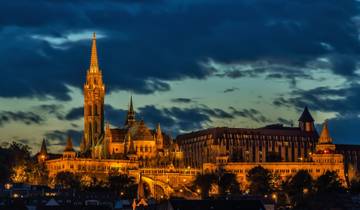
7 days
Prague & Budapest
- ✓ Comprehensive Hungary tour
- ✓ Expert local guides included
- ✓ All accommodation arranged
- ✓ Transportation provided
6 days
Luxurious City Break in Budapest
- ✓ Booking needs min. 2 travelers
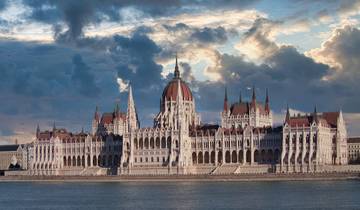
4 days
4 Day Budapest Including Danube Bend Day
- ✓ Comprehensive Hungary tour
- ✓ Expert local guides included
- ✓ All accommodation arranged
- ✓ Transportation provided
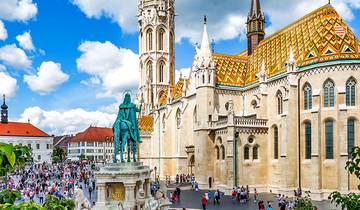
5 days
Tailor-Made 5 Days Holiday of Hungary History & Wine, Daily Depart & Private Guide
- ✓ Comprehensive Hungary tour
- ✓ Expert local guides included
- ✓ All accommodation arranged
- ✓ Transportation provided
Multi-day tour packages powered by TourRadar. Prices and availability subject to change.
Introduction to Hungary’s Climate and Seasonal Patterns
Hungary’s continental climate, moderated by its position within the Carpathian Basin, creates four distinct seasons with significant temperature variations between summer and winter. The country experiences hot summers, cold winters, and transitional spring and autumn periods that often provide the most pleasant touring conditions. Understanding these seasonal patterns, along with Hungary’s cultural calendar and tourism rhythms, enables travelers to optimize their 2026 visits for weather, activities, costs, and crowd levels that align with personal preferences.
The Carpathian Basin’s protective mountains influence Hungary’s weather patterns, creating generally milder conditions than the country’s latitude might suggest while sheltering it from extreme Atlantic and Mediterranean influences. Budapest and the Great Plain experience the most pronounced continental climate effects with hot, dry summers and cold winters. Lake Balaton’s microclimate moderates temperatures slightly, while northern highland regions around Eger and the Mátra Mountains see cooler conditions year-round. Southern Hungary near Pécs demonstrates subtle Mediterranean influences with milder winters and more stable autumn weather.
Precipitation distributes relatively evenly throughout the year, though summer months (May-August) receive slightly higher rainfall through afternoon thunderstorms. Annual precipitation averages 500-750mm, with western regions receiving more rainfall than eastern areas. Snow falls primarily December-February, with accumulation more common in northern highlands than Budapest or southern regions. The Danube River’s flow varies seasonally, with spring snowmelt occasionally causing elevated water levels, though modern flood protection prevents impacts on tourism infrastructure.
Tourism patterns in Hungary follow typical European seasonal rhythms, with July-August representing peak season when European families vacation during school holidays. This period sees maximum crowds at major attractions, highest accommodation prices, and booking challenges for popular properties. Shoulder seasons (April-May, September-October) attract savvy travelers seeking pleasant weather with fewer crowds, while winter (November-March) primarily draws budget travelers, Christmas market enthusiasts, and thermal bath devotees willing to embrace cold weather for authentic experiences and significant savings.
Spring in Hungary: March, April, May 2026
March Weather and Conditions 2026
March marks winter’s gradual retreat in Hungary, with temperatures ranging from 2-13°C early in the month to 6-16°C by late March. Conditions remain variable as cold fronts alternate with warmer periods, creating unpredictable weather that can shift dramatically within days. Rainfall averages 40-45mm, falling on approximately 11-13 days, often as spring showers rather than extended rain. Daylight extends to 12 hours by month’s end as clocks change to summer time (last Sunday in March), providing increasingly pleasant conditions for outdoor exploration.
Budapest’s parks begin showing early spring signs with crocuses, snowdrops, and early magnolias blooming by late March. The countryside remains dormant through mid-month, with significant greening occurring only in the final week. Lake Balaton and outdoor attractions begin preparing for season openings, though most remain closed until April. March qualifies as low season with minimal crowds and winter pricing continuing at most accommodations, making it excellent for budget travelers willing to accept cool, changeable weather.
Cultural events include March 15th National Day celebrating Hungary’s 1848 Revolution, with ceremonies, reenactments, and celebrations throughout the country, particularly in Budapest where crowds gather at key historical sites. The Budapest Spring Festival typically begins late March, offering three weeks of classical music, opera, and cultural performances at venues across the capital.
April Weather and Opportunities 2026
April brings genuine spring to Hungary with temperatures climbing from 8-18°C early month to 12-21°C by late April. Weather stabilizes considerably compared to March, though occasional cold snaps and rain showers remain possible. Rainfall averages 45-50mm over 12-14 days, with showers typically brief and interspersed with sunny periods. Daylight extends to 14 hours by month’s end, providing ample time for sightseeing and outdoor activities.
Landscapes transform dramatically during April as trees leaf out, wildflowers carpet meadows, and agricultural regions turn vibrant green. Budapest’s Castle Hill and Margaret Island showcase spectacular cherry blossom displays, particularly beautiful mid-to-late April. The Danube Bend becomes especially attractive as riverside towns emerge from winter dormancy surrounded by fresh spring growth. Hiking trails throughout northern Hungary become accessible as snow melts and trails dry, though higher elevations may retain muddy conditions.
Tourism activity increases during April, particularly during Easter holidays when European families take short breaks. Easter weekend (April 18-21, 2026) creates booking challenges in popular destinations like Budapest, Lake Balaton, and historic towns. Prices remain 20-30% below summer peak levels, offering good value for pleasant conditions. Most seasonal attractions open for weekends in early April, transitioning to daily operations by month’s end. Thermal baths operate year-round, becoming particularly pleasant as outdoor temperatures rise but crowds remain light.
Hollókő’s Easter celebrations represent Hungary’s most elaborate traditional festival, with villagers wearing folk costumes for games, processions, and cultural performances throughout Easter weekend. The village becomes extremely crowded during this period – visit earlier in April for more relaxed exploration of this UNESCO World Heritage site.
May Weather and Peak Spring Conditions 2026
May ranks as one of Hungary’s most beautiful months with temperatures ranging 13-23°C, warm sunshine, and landscapes at peak spring glory. Weather generally stabilizes with more consistent sunny periods, though afternoon thunderstorms become increasingly common as the month progresses. Rainfall averages 55-65mm over 13-15 days, with most precipitation falling as brief afternoon or evening showers that quickly clear. Daylight reaches 15.5 hours by month’s end, with pleasant evening temperatures encouraging outdoor dining and evening strolls.
Budapest’s parks reach perfection during May with roses blooming in city squares, outdoor cafés filling terraces, and locals embracing al fresco living after long winter months. Lake Balaton opens fully for the season with water temperatures reaching 18-20°C by late May – comfortable for swimming though not yet warm. Wine regions show vibrant green vineyards with new growth, creating beautiful landscapes for touring and tasting. The countryside explodes with wildflowers, making this an exceptional month for rural exploration and photography.
Tourism increases significantly during May, particularly during public holidays (May 1st Labor Day). Budapest and major attractions experience noticeable crowds on weekends while weekdays remain relatively uncrowded. Accommodation prices rise 10-15% from April levels but remain well below summer peaks. Most hotels, restaurants, and attractions operate full summer schedules by mid-May. Book accommodations 4-6 weeks in advance for best selection and prices, particularly for long weekends.
Cultural events include Budapest’s Foodapest street food festival (early May), showcasing Hungarian and international cuisines, and various wine festivals beginning in regional wine towns. Outdoor concert series and evening cultural programs commence, taking advantage of pleasant weather and long daylight hours.
Summer in Hungary: June, July, August 2026
June Weather and Early Summer Atmosphere 2026
June delivers ideal summer conditions with temperatures averaging 17-26°C, warm sunshine, and generally stable weather. Early June maintains comfortable touring conditions before mid-summer heat intensifies, with temperatures rarely exceeding 30°C. Rainfall averages 60-70mm over 12-14 days, primarily falling as afternoon or evening thunderstorms that provide dramatic displays and cooling relief from daytime warmth. Daylight peaks at 16 hours around the summer solstice (June 20-21), creating extended days for sightseeing and outdoor activities.
Budapest transitions to full summer mode during June with outdoor pools opening, terrace dining dominating the social scene, and evening activities extending late into warm nights. Lake Balaton reaches comfortable swimming temperatures (22-24°C) with beaches, water sports, and lakeside resorts operating at full capacity. The countryside maintains spring’s green lushness while summer flowers bloom in gardens and public spaces. Hiking and cycling conditions are excellent, particularly in northern highlands where higher elevations provide cooling relief.
Tourism accelerates during June as European school holidays begin late in the month. Early June (before June 20) offers the best balance of summer weather and manageable crowds, while late June sees significant increases in visitor numbers. Accommodation prices rise 15-20% from May, approaching summer peak levels. Major attractions experience moderate crowds on weekends with weekdays remaining pleasant. Book Budapest hotels 6-8 weeks ahead for best availability and rates.
The Budapest Beer Week (early June) celebrates craft breweries and Hungarian beer culture with tastings, food pairings, and brewing demonstrations. June also features numerous outdoor music festivals beginning their summer season, including jazz festivals in Budapest and regional music events taking advantage of long, warm evenings.
July Weather and Peak Season Intensity 2026
July represents Hungary’s warmest month with temperatures averaging 19-28°C, frequently reaching 30-35°C during heat waves. Humidity increases compared to earlier summer months, making peak afternoon hours uncomfortable for intense outdoor activities. Plan morning and late afternoon sightseeing with midday breaks at air-conditioned museums, shaded parks, or thermal baths. Rainfall averages 50-60mm over 10-12 days, with afternoon thunderstorms providing spectacular displays and temporary cooling. Daylight begins decreasing from mid-month but remains 15+ hours through July.
Budapest experiences maximum tourist activity during July with crowded attractions, packed thermal baths, and busy restaurants throughout the city. The Castle District, Heroes’ Square, and Parliament areas become particularly congested mid-morning through late afternoon. Thermal baths, while refreshing during hot weather, operate at or near capacity most days – arrive at opening (6:00-8:00 AM depending on facility) for best experiences. Lake Balaton reaches peak warmth (24-26°C water temperature) with beaches, resorts, and water activities operating full schedules. The southern shore attracts families with children while the northern shore appeals to adult travelers seeking wine tourism and cultural attractions.
Accommodation prices peak during July with Budapest hotels charging 30-40% more than shoulder season rates. Popular properties book 2-3 months in advance, with last-minute availability often limited to less desirable locations or premium prices. Regional destinations like Lake Balaton, Eger, and Tokaj also experience full booking, particularly for weekends. Consider staying in less central Budapest neighborhoods or smaller Balaton towns for better availability and value.
The Sziget Festival (early-to-mid August, overlapping with late July preparations) dominates Budapest’s calendar, transforming an island in the Danube into a week-long music and cultural celebration. Festival-goers create massive accommodation demand throughout Budapest – avoid this week unless attending the festival, as the city becomes crowded and expensive. Numerous smaller music and cultural festivals occur throughout July in regional cities and towns.
August Weather and Late Summer Conditions 2026
August maintains July’s warmth with temperatures averaging 18-27°C, though heat intensity often moderates slightly as the month progresses. Late August sees occasional cooler evenings hinting at autumn’s approach, particularly after August 20th. Rainfall patterns continue summer’s afternoon thunderstorm tendency, averaging 45-55mm over 9-11 days. Daylight decreases noticeably through August, dropping from 15 to 13 hours, with earlier sunsets changing evening atmosphere.
Tourism peaks during the first three weeks of August when European families maximize school holiday periods before autumn term begins. Crowds at major attractions match or exceed July levels, with thermal baths, museums, and popular restaurants operating at full capacity most days. Lake Balaton experiences its busiest period with beaches crowded, water sports booked ahead, and lakeside promenades bustling with visitors. Late August (after August 25) sees dramatic crowd decreases as families return home for school preparations.
Accommodation maintains peak pricing through mid-August before dropping 10-15% in the final week as demand softens. Budapest hotels remain largely booked for the Sziget Festival week (typically first or second week of August), with some properties raising prices 50-100% during this period. Post-festival availability improves significantly. Lake Balaton accommodation books months ahead for peak August weeks – travelers without reservations face limited options and inflated prices.
August 20th St. Stephen’s Day National Holiday celebrates Hungary’s founding king with ceremonies, concerts, traditional crafts fairs, and spectacular fireworks over the Danube in Budapest. The holiday weekend creates peak tourism and accommodation demand throughout the country. The Sziget Festival attracts 500,000+ visitors over its week-long run, dominating Budapest’s tourism scene. After mid-August, numerous wine harvest celebrations begin in regions like Tokaj, Eger, and Villány.
Autumn in Hungary: September, October, November 2026
September Weather and Ideal Touring Conditions 2026
September delivers outstanding touring weather with temperatures averaging 14-24°C, warm sunshine, stable conditions, and noticeably fewer crowds than summer months. Early September maintains summer warmth while late September transitions toward autumn with cooler mornings and evenings. Rainfall decreases from summer levels, averaging 40-50mm over 8-10 days with reduced thunderstorm activity. Daylight drops from 13 to 11.5 hours through the month, still providing ample time for sightseeing with beautiful golden light for photography.
Budapest rebounds from summer tourist intensity with locals reclaiming the city as visitors thin significantly after school terms resume. Attractions, restaurants, and thermal baths become pleasantly uncrowded on weekdays while maintaining full operational schedules. Cultural programs intensify with opera season opening, concert series resuming, and theaters presenting new productions. Lake Balaton remains pleasant for swimming through mid-September with water temperatures 20-22°C, though beach crowds decrease substantially. The countryside transforms as vineyards show autumn colors and grape harvest begins.
Tourism activity decreases 30-40% from August peaks, creating excellent conditions for relaxed exploration without summer’s crowds or rush. September represents prime shoulder season with accommodation prices dropping 20-30% from summer peaks while weather remains reliable. Book Budapest hotels 3-4 weeks ahead for good selection and rates. Most attractions maintain summer hours through September before transitioning to reduced autumn schedules in October.
Wine harvest festivals dominate September’s cultural calendar, with major events in Tokaj, Eger, Villány, and smaller wine regions. These celebrations feature grape-picking processions, traditional music, extensive tastings, and special harvest menus at local restaurants. Budapest’s Wine Festival (early September) occupies Buda Castle for four days of tastings representing Hungarian wine regions. Book wine region accommodations well ahead for harvest festival weekends as these events attract domestic visitors and international wine enthusiasts.
October Weather and Autumn Glory 2026
October showcases Hungary’s autumn beauty with temperatures cooling from 10-18°C early month to 5-13°C by late October. Weather remains generally stable through mid-October before becoming more changeable with increased rain probability late in the month. Rainfall averages 45-55mm over 9-11 days with rain becoming more persistent rather than brief showers. Daylight decreases from 11.5 to 10 hours as clocks change back to standard time (last Sunday in October), creating noticeably shorter days but spectacular golden hour light.
Vineyards and forests reach peak autumn colors during October, creating stunning landscapes throughout wine regions and northern highlands. The Great Hungarian Plain shows golden grasses and agricultural fields in autumn tones. Budapest’s parks display beautiful foliage, particularly Margaret Island and City Park, while temperatures remain comfortable for walking city streets. Lake Balaton closes most seasonal operations by mid-October as water temperatures drop below 15°C and tourist infrastructure transitions to winter schedules.
Tourism continues decreasing from September levels, with October qualifying as shoulder season throughout Hungary. Crowds at major attractions thin considerably, making this an excellent month for travelers preferring peaceful exploration. Accommodation prices drop an additional 10-15% from September rates, offering excellent value for pleasant autumn weather. Some rural accommodations and seasonal attractions begin closing for winter, particularly around Lake Balaton and smaller tourist towns. Book accommodations 2-3 weeks ahead for good availability.
Wine harvest festivals continue through early October in later-ripening regions. Autumn hiking and cycling receive special emphasis as comfortable temperatures and beautiful foliage create ideal outdoor conditions. Budapest hosts various autumn cultural events including contemporary music festivals, theater premieres, and art gallery openings as the city’s cultural season intensifies.
November Weather and Winter Transition 2026
November marks Hungary’s transition to winter with temperatures dropping from 5-11°C early month to 1-6°C by late November. Conditions become increasingly gray and damp as persistent rain and occasional sleet replace autumn’s clearer weather. Rainfall averages 50-60mm over 10-12 days, often falling as light but steady precipitation rather than heavy downpours. First snow occasionally occurs in northern highlands and Budapest by late November, though significant accumulation is rare. Daylight shrinks to 9 hours by month’s end, creating long evenings that enhance the approaching Christmas season’s atmospheric lighting.
Budapest’s cultural calendar intensifies during November with opera, concerts, and theater performances attracting locals while tourist numbers decline dramatically. Museums and galleries provide excellent shelter from weather while offering uncrowded viewing conditions. Thermal baths become particularly appealing as outdoor pools steam dramatically in cold air – experiencing Széchenyi or Rudas baths during November’s crisp weather ranks among Budapest’s authentic pleasures. Lake Balaton closes nearly all tourist operations, with most hotels, restaurants, and attractions shuttering until spring. Rural destinations operate minimal services outside major cities.
Tourism reaches annual lows during November with minimal international visitors outside weekend city breaks. Accommodation prices drop 35-45% from summer peaks, offering exceptional value for budget travelers. Budapest maintains full hotel operations with excellent availability and significant discounts. However, reduced daylight, frequent rain, and closing attractions make November challenging for comprehensive sightseeing. This month suits city-focused visits, thermal bath enthusiasts, cultural program attendees, and travelers prioritizing savings over weather.
Christmas markets begin opening late November in Budapest and major cities, transforming city squares with festive stalls, mulled wine, and traditional crafts. The markets provide shelter from weather while creating atmospheric evening experiences. This period marks the beginning of the Christmas tourism season with prices beginning to increase for December.
Winter in Hungary: December, January, February 2026
December Weather and Christmas Market Season 2026
December brings full winter to Hungary with temperatures averaging -1 to 5°C, frequent cloudy conditions, and occasional snow. Budapest typically sees 3-5 snowy days monthly, though accumulation rarely exceeds 10-15cm and usually melts within days. Rainfall averages 45-50mm over 11-13 days, falling as rain or light snow depending on temperatures. Daylight reaches its minimum at 8.5 hours around the winter solstice (December 21), creating long dark evenings enhanced by Christmas illuminations throughout cities.
Budapest transforms during December with Christmas markets operating in major squares, particularly Vörösmarty Square, St. Stephen’s Basilica, and Buda Castle. The markets offer traditional crafts, Hungarian specialties like kürtőskalács (chimney cake), and mulled wine in festive atmospheres enhanced by elaborate lighting displays. Ice skating rinks open in City Park and at various locations throughout the capital. Thermal baths become exceptionally popular during cold weather, providing steaming refuge and authentic local experiences. Cultural programs intensify with special Christmas concerts, Nutcracker ballet performances, and New Year’s Eve celebrations.
Tourism follows a split pattern during December – the first three weeks remain relatively quiet with low season pricing and minimal crowds, while Christmas week through New Year (December 24-January 2) sees sharp increases in visitors and prices. Christmas markets attract significant crowds, particularly on weekends and the final week before Christmas. Accommodation prices remain at low season levels until December 20, then increase 20-30% for the Christmas/New Year period. Book well ahead (2-3 months) for Christmas week stays as availability becomes limited.
Christmas Day (December 25) and Boxing Day (December 26) see reduced operations at restaurants and shops as Hungarians celebrate with families. Many attractions maintain limited hours December 24-26. New Year’s Eve celebrations focus on Vörösmarty Square and along the Danube with fireworks, concerts, and street parties welcoming 2027. The week between Christmas and New Year provides unique atmospheric experiences despite cold weather, high prices, and some operational limitations.
January Weather and Deep Winter 2026
January represents Hungary’s coldest month with temperatures averaging -3 to 3°C, frequently dropping below -10°C during cold snaps. Budapest sees 5-7 snowy days monthly with occasional significant accumulation creating picturesque but challenging walking conditions on cobblestone streets. Precipitation averages 35-40mm over 10-11 days as rain or snow. Daylight begins increasing from January’s 9-hour minimum but remains limited through the month, with sunset by 4:30-5:00 PM creating long dark evenings.
Tourism reaches annual minimum during January with primarily business travelers and thermal bath enthusiasts visiting Budapest. The city returns to local rhythms after holiday festivities, with attractions uncrowded and restaurants catering to residents rather than tourists. Museums, galleries, and thermal baths provide excellent indoor alternatives to outdoor exploration during cold, gray weather. Some rural accommodations close entirely during January, and Lake Balaton area operates minimal services. Cultural programs continue with opera, concerts, and theater performances maintaining active schedules.
Accommodation prices hit absolute lows during January with Budapest hotels offering 40-50% discounts from summer peaks. Availability is excellent except during rare convention weeks. Flight prices also reach annual minimums with significant savings on international tickets. However, short daylight hours, frequent cold weather, and many attractions operating reduced hours or closing for maintenance limit January’s appeal except for travelers prioritizing budget over weather. Thermal bath visits become particularly rewarding during January’s cold as outdoor pools provide steaming contrast to frigid air.
February Weather and Late Winter Conditions 2026
February continues winter conditions with temperatures slightly milder than January, averaging -1 to 5°C. Weather remains variable with cold snaps alternating with brief warming periods. Snowfall occurs 4-6 days monthly in Budapest, with northern highlands receiving more consistent snow cover. Precipitation averages 35-40mm over 9-10 days. Daylight increases noticeably through February, reaching 10.5 hours by month’s end and providing psychological relief from winter’s darkness.
Budapest maintains winter quietness through February with minimal tourism except during school holiday periods when European families take ski breaks. The city operates at local pace with attractions uncrowded and services focused on residents. Thermal baths continue providing excellent winter experiences, while museums and galleries offer quality cultural programming. Signs of spring begin appearing late in the month with early bulbs blooming in protected microclimates and daylight extending evenings. Lake Balaton and rural destinations remain largely closed to tourism.
Accommodation maintains January’s low pricing through most of February with 40-50% discounts from summer peaks. Brief price increases occur during Valentine’s Day weekend and mid-month school holidays when some European visitors arrive. Overall February represents excellent value for budget-conscious travelers willing to accept cold weather and limited daylight. Book accommodations 2-3 weeks ahead for adequate selection despite low demand. Cultural events include opera and concert series, carnival celebrations, and winter wine tastings in Budapest cellars.
Special Considerations for 2026 Planning
Major Events and Festivals Affecting Availability 2026
Several major events create significant booking challenges and price increases during 2026. The Sziget Festival, typically scheduled for early-to-mid August, transforms Budapest into a music festival destination attracting 500,000+ visitors over one week. Accommodation becomes extremely scarce and expensive throughout the city – avoid this week unless attending the festival, or book 4-6 months ahead and expect to pay premium prices.
Easter weekend (April 18-21, 2026) creates booking pressure throughout Hungary, particularly in Budapest, Hollókő (traditional Easter celebrations), and Lake Balaton as European families take short breaks. Book accommodations 6-8 weeks ahead for Easter weekend visits. The August 20th St. Stephen’s Day national holiday weekend sees similar booking challenges with domestic tourists filling accommodations throughout the country.
Wine harvest festivals throughout September-October attract significant visitors to wine regions, particularly Tokaj, Eger, and Villány. These events create booking difficulties in small wine towns where accommodation capacity is limited. Reserve wine region hotels 2-3 months ahead for harvest festival weekends, or base yourself in larger cities like Miskolc or Pécs with day trips to wine regions.
Christmas markets (late November through December) increase Budapest tourism significantly, particularly during weekends and the final week before Christmas. New Year’s Eve celebrations fill Budapest accommodations with visitors seeking Danube fireworks and city celebrations. Book Christmas/New Year stays 3-4 months ahead for best selection and prices as this represents a secondary peak season despite winter weather.
Lake Balaton Seasonal Considerations 2026
Lake Balaton operates on a pronounced seasonal schedule that significantly affects planning. The swimming season runs May-September with peak season July-August when water temperatures reach 24-26°C and all facilities operate fully. Shoulder season (May-June, September) provides pleasant conditions with water temperatures 18-24°C, fewer crowds, and lower prices – particularly attractive for travelers not requiring peak summer heat.
Most Balaton accommodations, restaurants, and attractions operate May-September only, closing entirely October-April. A few properties in larger towns like Siófok, Balatonfüred, and Keszthely maintain winter operations, but overall tourism infrastructure becomes minimal. Plan Balaton visits during the May-September operational window unless specifically seeking off-season solitude with very limited services.
Pricing at Lake Balaton varies dramatically by season. July-August peak weeks command €80-150 nightly for lakefront hotels, June and September shoulder season drops to €50-80, and May or early October sees €40-60 rates. Weekend prices typically exceed weekday rates by 20-30% throughout the season. Book summer Balaton accommodations 2-3 months ahead as waterfront properties sell out for peak weeks.
Budapest Convention and Business Travel Impact 2026
Budapest’s growing convention business creates periodic booking challenges and price increases, particularly during shoulder seasons (April-May, September-October) when major industry conferences occur. Convention weeks see business hotels increase prices 30-50% while filling rapidly with delegates. Large conventions (5,000+ attendees) can affect citywide availability.
Check Budapest convention calendars when planning September-October visits, as this represents prime convention season alongside excellent weather and wine harvest events. If visiting during a major convention, book accommodations 6-8 weeks ahead or consider staying in residential neighborhoods away from business districts where convention impact is minimal. Convention periods actually improve tourist attraction experiences as business visitors typically don’t sightsee, leaving museums and cultural sites uncrowded.
Month-by-Month Budget Planning Guide 2026
Accommodation Price Variations Throughout 2026
Budapest mid-range hotel rooms (three-star, central location) demonstrate clear seasonal pricing patterns in 2026. January-February represents absolute lowest pricing at €60-70 nightly, March increases slightly to €70-80, April-May shoulder season reaches €80-100, June approaches peak at €100-110, July-August peaks at €110-130, September drops to €90-110, October falls to €75-95, and November-December returns to €65-75 (except Christmas/New Year week rising to €85-100).
Budget accommodation (hostels, budget hotels) follows similar patterns with dormitory beds ranging €15-20 in low season to €25-35 in peak summer. Private rooms in hostels cost €35-45 low season, €50-70 peak season. Luxury hotels (five-star properties) vary from €120-150 low season to €200-300+ peak season, with premium Budapest properties commanding €300-500 nightly during Sziget Festival week.
Lake Balaton pricing demonstrates even more dramatic seasonal variation. Waterfront mid-range hotels charge €40-50 in May, €60-80 in June, €100-150 in July-August peak, €60-80 in September, and close entirely October-April. Weekend surcharges add 20-30% to these rates throughout the operational season. Booking 2-3 months ahead for peak summer weeks is essential as lakefront properties sell out.
Flight and Transportation Cost Variations 2026
International flight prices to Budapest vary significantly throughout 2026. January-early March represents the cheapest period with fares from major European cities often 40-50% below summer peaks. Shoulder seasons (April-May, September-October) see moderate pricing 20-30% below July-August peaks. Summer (June-August) commands highest fares with prices rising 50-70% from winter lows, particularly during school holiday peak weeks.
Book flights 2-3 months ahead for best prices during shoulder seasons, 3-4 months ahead for summer travel. Budget airlines (Wizz Air, Ryanair, easyJet) often release promotional fares 4-6 months ahead, making early booking advantageous. Flight prices spike during Easter weekend, August holidays, and Christmas/New Year periods – book these periods 4-5 months ahead for reasonable fares.
Internal transportation costs (trains, buses, public transport) remain consistent year-round in Hungary. Budapest’s comprehensive public transport pass system provides excellent value regardless of season: 72-hour passes cost 5,500 HUF (€14.50), 7-day passes 6,500 HUF (€17), offering unlimited travel across all BKK services. Intercity train and bus fares don’t vary seasonally, making domestic travel costs predictable for budget planning.
Frequently Asked Questions About Hungary Travel Timing 2026
Can I swim in Lake Balaton in May or September?
Lake Balaton water temperatures reach 18-20°C in late May and maintain 20-22°C through mid-September, making swimming comfortable for most people during these shoulder season periods. Early May (water 15-17°C) and late September (water 17-19°C) prove cool but manageable for hardy swimmers. The lake’s shallow depth (average 3.2 meters) allows rapid warming in spring sunshine, with southern shore waters warming faster than northern shore due to depth variations. Shoulder season swimming offers advantages of uncrowded beaches, pleasant air temperatures, and operational facilities without July-August peak season crowds and heat. Families with young children may prefer June-August when water reaches 24-26°C, though shoulder seasons suit adult swimmers seeking peaceful lake experiences.
How crowded does Budapest get during summer peak season?
Budapest experiences significant crowding during July-August peak season, particularly at major attractions between 10:00 AM-4:00 PM. The Castle District, Hungarian Parliament, St. Stephen’s Basilica, and Heroes’ Square see dense crowds making photography difficult and wait times extending to 30-60 minutes for popular sites. Thermal baths operate at or near capacity most summer days, particularly Széchenyi during afternoons. However, Budapest’s size prevents the overwhelming crowding experienced in smaller European destinations – strategic timing (early mornings, late afternoons, weekdays) provides more comfortable experiences even during peak season. Neighborhoods beyond the immediate city center maintain local atmospheres with minimal tourist impact. Consider visiting major attractions before 9:00 AM or after 4:00 PM during summer for better experiences. September-June provides significantly better conditions with 30-50% fewer visitors at major sites.
Is it worth visiting Hungary during winter for the Christmas markets?
Budapest’s Christmas markets create magical winter experiences that justify cold weather for many travelers. The markets operate late November through December 31, with peak atmosphere during the three weeks before Christmas. Vörösmarty Square hosts the main market with over 100 stalls selling traditional crafts, Hungarian specialties, and seasonal foods. Mulled wine, kürtőskalács (chimney cake), and traditional gingerbread warm visitors while elaborate lighting displays illuminate city squares. The markets provide authentic Hungarian cultural experiences as locals shop for gifts and enjoy festive traditions. Combine market visits with thermal bath experiences (particularly atmospheric during cold, snowy weather), cultural programs (opera, concerts intensify during winter), and uncrowded museum exploration. However, very short daylight (8-9 hours), cold temperatures often below freezing, and some attractions operating reduced hours limit winter’s appeal for travelers prioritizing comprehensive sightseeing. Christmas markets suit travelers comfortable with cold weather who value atmospheric cultural experiences over extensive outdoor exploration.
What is the rainiest month in Hungary?
May-June represent Hungary’s rainiest period with 55-70mm monthly precipitation falling over 13-15 days. However, summer rain typically occurs as afternoon or evening thunderstorms lasting 1-2 hours rather than all-day rain, allowing morning and late afternoon activities to proceed normally. These storms provide dramatic displays and cooling relief from daytime heat. November sees similar precipitation totals (50-60mm) but as persistent drizzle rather than thunderstorms, creating grayer, damper conditions. Spring (March-May) and early autumn (September-October) experience moderate rainfall (40-55mm monthly) with variable patterns. Winter months (December-February) are actually driest (35-50mm) though precipitation falls as snow or freezing rain, creating different challenges. Overall, Hungary’s continental climate produces relatively modest annual precipitation (500-750mm), significantly less than Atlantic or Mediterranean regions. Brief afternoon thunderstorms shouldn’t deter summer visits, while persistent November-February dampness makes these months least appealing for weather-focused travelers.
How far in advance should I book accommodation for different seasons?
Booking timelines vary significantly by season and destination in Hungary. Peak summer season (July-August) requires 2-3 months advance booking for Budapest hotels, with popular properties selling out 3-4 months ahead. Lake Balaton summer accommodation books even earlier – reserve lakefront properties 3-4 months ahead for peak weeks. Sziget Festival week demands 4-6 months advance booking as citywide availability becomes extremely limited. Shoulder seasons (April-May, September-October) benefit from 4-6 weeks advance booking for good selection and pricing, though last-minute availability often exists. Winter (November-March excluding Christmas/New Year) offers excellent availability with 2-3 weeks advance booking sufficient except during Christmas week (book 2-3 months ahead). Easter weekend and August 20th national holiday require 6-8 weeks advance booking. Early booking generally secures better rates regardless of season, with many properties offering 10-15% discounts for reservations made 2+ months ahead. However, flexibility increases cancellation options, and booking 4-6 weeks ahead typically provides adequate availability outside peak periods.
Does Hungary experience extreme summer heat that makes touring difficult?
Summer temperatures in Hungary regularly reach 30-35°C during July-August, with occasional heat waves pushing temperatures above 35°C for 3-5 day periods. However, Budapest’s continental climate produces low humidity compared to Mediterranean destinations, making heat more tolerable. Strategic planning enables comfortable summer touring – schedule outdoor sightseeing during morning hours (7:00-11:00 AM) and late afternoon/evening (5:00-9:00 PM), reserve midday hours for air-conditioned museums, shaded parks, or thermal baths. Many attractions offer reduced afternoon crowds as visitors seek relief from peak heat. Budapest’s numerous parks, the Danube promenade, and indoor attractions provide cooling options throughout the day. Proper hydration, sun protection, and appropriate pacing prevent heat-related issues. Buildings in Budapest often lack air conditioning, including some mid-range hotels – verify cooling options when booking summer accommodation. Overall, summer heat requires adaptation but doesn’t prevent enjoyable touring with reasonable precautions and schedule adjustments.
What seasonal foods and wines should I try during different months?
Hungarian cuisine varies seasonally with traditional preparations emphasizing fresh, seasonal ingredients. Spring (April-May) features asparagus dishes, wild garlic soups, and spring vegetables in markets. Fresh strawberries arrive in May, continuing through June. Summer (June-August) brings abundant fresh produce with tomato and pepper dishes prominent, while Lake Balaton fish preparations peak during warm months. Outdoor grilling becomes popular with various meat preparations. Autumn (September-October) celebrates grape harvest with new wine releases – visit wine regions for must (fermenting grape juice) and special harvest menus featuring game meats, mushroom dishes, and hearty stews. Chestnuts roasted on street corners appear in autumn. Winter (November-February) emphasizes preserved foods, hearty soups, and slow-cooked meat dishes. Christmas specialties include beigli (walnut or poppy seed rolls) and szaloncukor (Christmas candies). Markets throughout the year offer seasonal produce reflecting Hungary’s agricultural traditions – visit Central Market Hall for best seasonal selections.
Are thermal baths better in winter or summer?
Thermal bath experiences differ dramatically between seasons, each offering distinct advantages. Winter bathing (November-March) provides the most atmospheric experiences as outdoor pools steam dramatically in cold air, creating ethereal scenes particularly during snowfall. The contrast between cold air and 38-40°C thermal water creates invigorating sensations while crowds thin considerably – locals know winter represents optimal bath experiences. Thermal baths feel particularly luxurious as refuge from cold weather, making them essential winter activities. Summer bathing (June-August) offers pleasant cooling during hot weather with outdoor pools comfortable for extended soaking. However, summer crowds significantly impact experiences with major baths (Széchenyi, Rudas) operating at capacity most days. Shoulder seasons (April-May, September-October) provide balanced experiences – pleasant outdoor temperatures, fewer crowds, and comfortable water without winter’s extreme contrasts or summer’s overcrowding. For authentic experiences prioritizing atmosphere over comfort, choose winter. For leisurely soaking with minimal crowds, select shoulder seasons. Summer suits travelers uncomfortable with cold weather who accept crowding as trade-off for warm conditions.
How does daylight variation affect sightseeing throughout the year?
Daylight hours in Hungary vary dramatically between summer and winter, significantly affecting daily planning. Winter solstice (December 21) provides only 8.5 hours of daylight with sunrise after 7:30 AM and sunset before 4:30 PM – this creates challenges for outdoor sightseeing as afternoons become dark early. Museums, indoor attractions, and evening cultural programs gain importance during short winter days. Spring equinox (March 20) reaches 12 hours daylight, extending to summer solstice (June 20-21) maximum of 16 hours with sunrise before 5:00 AM and sunset after 9:00 PM. Long summer days enable extensive sightseeing with pleasant evening hours for outdoor dining, riverfront walks, and cultural programs. Autumn equinox (September 22) returns to 12 hours, decreasing through autumn. Practical implications: winter requires concentrated sightseeing during limited daylight hours with strategic planning for indoor/outdoor activities. Summer’s extended daylight allows relaxed pacing with flexibility for midday breaks and evening activities. Shoulder seasons provide comfortable daylight (11-14 hours) supporting full touring schedules without extreme variations.
What’s the likelihood of snow affecting travel plans in Budapest?
Budapest experiences modest snowfall averaging 5-7 days monthly during December-February, with occasional snow in November or March. However, significant accumulation (exceeding 10-15cm) occurs only 2-3 times annually, typically melting within 24-48 hours due to urban heat island effects and relatively mild winter temperatures. Snow rarely disrupts Budapest’s excellent public transport system – metros run underground, major tram and bus routes maintain service, though schedules may adjust slightly during heavy snowfall. Budapest Airport handles snow efficiently with modern equipment, causing minimal flight delays. Walking conditions deteriorate on cobblestone streets during snow/ice, requiring careful footing and appropriate footwear. Snow creates beautiful photographic opportunities at Castle District, along the Danube, and in city parks, enhancing rather than detracting from experiences for properly prepared travelers. Northern highlands around Eger receive more consistent snow cover, occasionally affecting road conditions on secondary routes. Overall, snow impacts travel plans minimally while adding atmospheric winter beauty – pack appropriate footwear and embrace the seasonal character rather than avoiding winter travel due to snow concerns.