Best Time Visit Great Barrier Reef 2026: Seasonal Planning Guide
Key Takeaways:
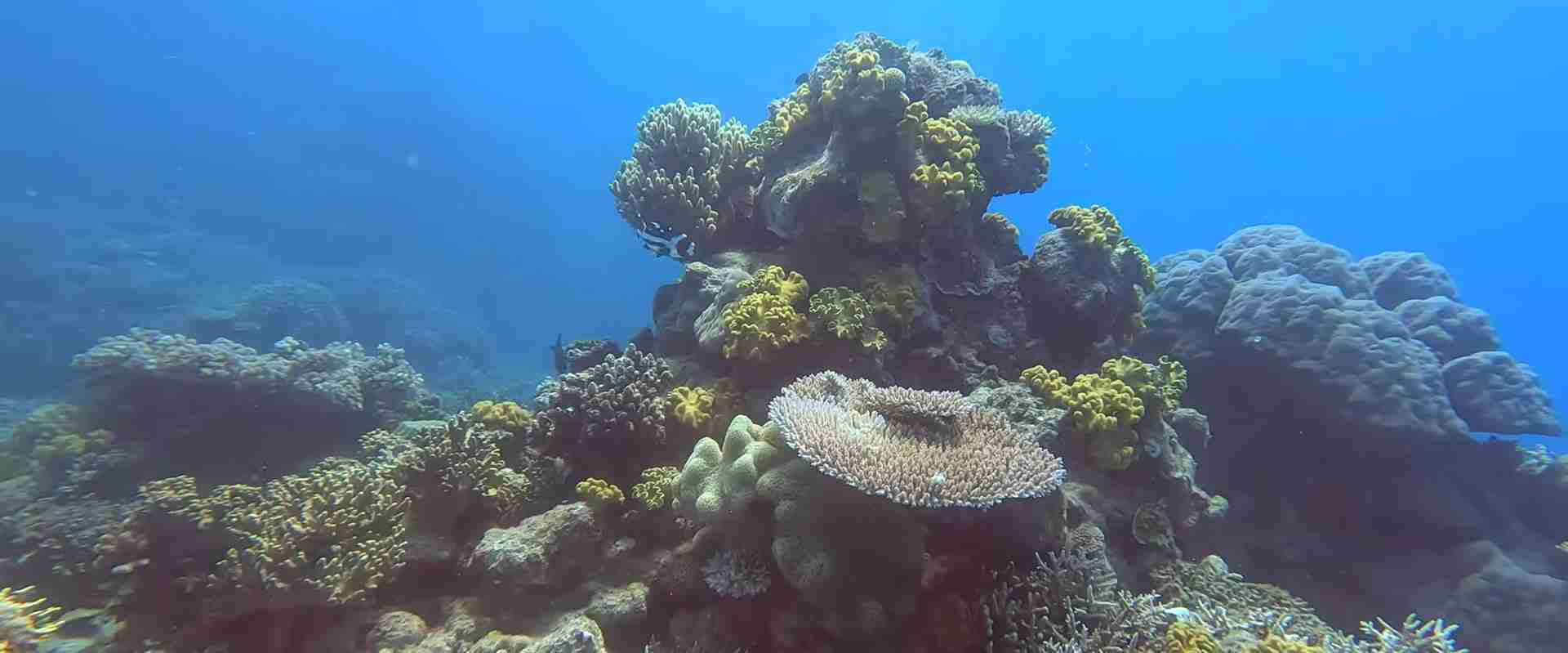
- June through August offers peak conditions with 20-30 meter visibility and comfortable 23-26°C temperatures
- April-November dry season delivers optimal reef experiences with calm seas and minimal rainfall
- September-November provides excellent value combining good weather with lower crowds and shoulder season pricing
- December-March wet season brings 30-40% accommodation discounts but higher weather cancellation risks
- Coral spawning in October-November creates unique underwater experiences worth timing visits around
- Dwarf minke whale encounters during June-July require advance booking for limited permit experiences
Introduction: Mastering Great Barrier Reef Seasonal Timing
Choosing the right time to visit the Great Barrier Reef determines the difference between exceptional and disappointing experiences. This comprehensive 2026 seasonal guide analyzes weather patterns, marine life movements, crowd levels, and pricing variations to help you select optimal timing for your reef adventure. Understanding seasonal dynamics enables strategic planning that maximizes underwater visibility, minimizes weather disruptions, optimizes costs, and aligns your visit with special marine phenomena.
The Great Barrier Reef spans tropical to subtropical climate zones along 2,300 kilometers of Queensland coastline, creating varied seasonal patterns across different reef sections. This guide focuses primarily on the main tourism areas around Cairns and Port Douglas, where most visitors access outer reef sites, while noting significant variations in southern and northern reef sections.
People Also Ask About Great Barrier Reef Best Time 2026
What is the best month to visit the Great Barrier Reef in 2026?
July delivers optimal conditions combining excellent underwater visibility (20-30 meters), comfortable temperatures (23-26°C), minimal rainfall, and calm seas. However, July also brings peak crowds, highest prices, and booking challenges. For the best balance of quality and value, visit September-October when weather remains excellent, visibility stays high, crowds diminish, and prices drop 20-30% below peak season rates.
When is the cheapest time to visit the Great Barrier Reef in 2026?
January through March offers the lowest prices with accommodation discounts of 30-40% and reef tour savings of 20-30% below peak season. However, this wet season brings increased rainfall, higher humidity, afternoon thunderstorms, and greater tour cancellation risks. February presents the cheapest timing but worst weather, while March improves conditions as wet season ends while maintaining low-season pricing.
What is stinger season on the Great Barrier Reef and how does it affect 2026 visits?
Box jellyfish and Irukandji stingers inhabit reef waters from November through May, with peak danger December-March. Tour operators provide full-body stinger suits during this period at no extra cost, allowing safe swimming and snorkeling. Outer reef sites 50+ kilometers from shore experience minimal stinger presence compared to beaches, making reef tours safe year-round with proper protective clothing.
Can you see coral spawning on the Great Barrier Reef in 2026?
Coral spawning occurs 4-5 nights after the October-November full moons (October 18-22 and November 17-21 in 2026). Specialized night dive tours witness this phenomenon when corals simultaneously release millions of eggs and sperm, creating underwater “snowstorms.” These experiences require advance booking 2-3 months ahead and cost $180-250 AUD. Spawning reduces visibility temporarily but offers unique biological spectacle.
Extended multi-day tours – 5+ days
Featured Great Barrier Reef Multi-Day Tour Packages

28 days
Oz East Coast Adventure 28 Days
- ✓ Comprehensive Great Barrier Reef tour
- ✓ Expert local guides included
- ✓ All accommodation arranged
- ✓ Transportation provided
12 days
Iconic Australia: A 12-Day Grand Discovery
- ✓ Comprehensive Great Barrier Reef tour
- ✓ Expert local guides included
- ✓ All accommodation arranged
- ✓ Transportation provided
36 days
East Coast Explorer: 5 Week | Ultimate
- ✓ Comprehensive Great Barrier Reef tour
- ✓ Expert local guides included
- ✓ All accommodation arranged
- ✓ Transportation provided
10 days
Brisbane to Cairns Experience: Sand Dunes & the Whitsundays
- ✓ Comprehensive Great Barrier Reef tour
- ✓ Expert local guides included
- ✓ All accommodation arranged
- ✓ Transportation provided
Multi-day tour packages powered by TourRadar. Prices and availability subject to change.
Comprehensive Monthly Analysis 2026
January: Wet Season Challenges
Weather Conditions: January sits firmly in wet season with average rainfall of 400mm across 17-19 rain days. Afternoon thunderstorms develop regularly, bringing intense rainfall, lightning, and rough seas. Morning conditions often stay clear with storms building 2:00-4:00 PM. Air temperatures reach 28-31°C with humidity of 75-80%, creating uncomfortable tropical conditions.
Water temperatures peak at 28-30°C, requiring only rash guards for snorkeling or shorty wetsuits for extended diving. Tropical warmth means minimal thermal protection but increased box jellyfish presence requiring full stinger suits.
Visibility and Conditions: Underwater visibility reduces to 15-20 meters due to rainfall runoff carrying sediment into coastal waters. Outer reef sites maintain better clarity than inner reefs. Seas range 1-2 meters with variable winds, though tropical lows can bring 2-3 meter conditions forcing tour cancellations. Expect 3-5 cancellation days monthly during January.
Marine Life Activity: Turtle nesting continues from December with excellent turtle encounter rates. Juvenile fish populations peak as breeding cycles complete. Reef fish display active feeding behaviors in warm waters. Manta ray sightings increase along Ribbon Reefs in northern sections.
Crowds and Pricing: January sees moderate crowds focused around New Year holidays (first week) then diminishing significantly. Accommodation prices range $100-200 AUD nightly (40% below peak season), reef tours cost $150-200 AUD with frequent last-minute discounts. International visitors dominate as Australian school holidays end January 27.
Verdict: Budget travelers willing to accept weather risks find excellent value. Maintain flexible schedules allowing tour date changes if storms force cancellations.
February: Cyclone Season Peak
Weather Conditions: February represents wet season peak with highest cyclone risk. The region experiences tropical cyclones every 2-3 years, though direct hits on Cairns remain rare (last major cyclone: Yasi in 2011). Cyclones typically track south of Cairns but can force multi-day tour closures.
Rainfall averages 450mm across 18-20 days with intense afternoon storms. Morning periods provide 3-4 hour clear windows before weather deteriorates. Air temperatures stay 28-31°C with oppressive humidity of 78-82%.
Water temperatures peak at 29-30°C creating tropical bathtub conditions. Stinger presence remains high requiring full protective suits. Rainfall runoff impacts visibility most severely during February with murky conditions extending furthest from shore.
Visibility and Conditions: Underwater visibility drops to 12-18 meters at outer reef sites, potentially reducing to 8-12 meters at inner reefs after heavy rainfall. Experienced divers notice diminished underwater photo quality in turbid conditions. Seas average 1-2 meters but tropical systems can bring 3-4 meter swells forcing complete tour suspensions.
Marine Life Activity: Warm waters drive peak marine activity with active reef fish, increased predator presence, and excellent shark encounters. Juvenile fish schools attract pelagic species including trevally, tuna, and Spanish mackerel. Turtle nesting continues with hatchlings emerging from December nests.
Crowds and Pricing: February sees lowest annual crowds with minimal domestic travel and reduced international arrivals. This creates rock-bottom pricing: accommodation at $90-180 AUD nightly, reef tours at $140-190 AUD with aggressive discounting. Chinese New Year (January 29, 2026) brings brief Asian visitor spike but overall crowds stay minimal.
Verdict: Absolute cheapest timing but highest weather risks. Recommended only for budget-conscious travelers with flexible schedules accepting possible complete trip cancellations.
March: Wet Season Transition
Weather Conditions: March signals wet season’s end with gradually improving conditions. Rainfall decreases to 300-350mm across 16-18 days, storm intensity diminishes, and clear weather windows extend to 5-6 hours daily. Air temperatures remain warm at 27-30°C with humidity dropping to 72-76%.
Water temperatures stay at 28-29°C maintaining tropical warmth. Stinger season continues requiring protective suits, though jellyfish numbers begin declining as water temperatures start their gradual cool-down.
Visibility and Conditions: Underwater visibility improves to 18-22 meters as rainfall decreases and runoff clears. Outer reef sites return to good clarity while inner reefs may still show turbidity. Seas calm to 1-1.5 meters with more consistent trade wind patterns developing. Tour cancellations drop to 2-3 days monthly.
Marine Life Activity: Marine life remains highly active in warm waters. Coral reproduction continues post-spawning from November-December. Turtle nesting season ends with final hatchlings emerging. Juvenile fish mature creating mixed-age schools. Manta ray encounters peak in northern reef sections.
Crowds and Pricing: Crowds remain low through mid-March then increase slightly during Easter holidays (April 18-21, 2026 falls post-March but some early Easter travel begins). Pricing stays 25-35% below peak season: accommodation $110-210 AUD nightly, reef tours $160-210 AUD. March represents excellent value as conditions improve while pricing stays discounted.
Verdict: Smart travelers target March as sweet spot combining improving weather, low crowds, and attractive pricing. Risk-reward balance tilts positive compared to January-February.
April: Dry Season Begins
Weather Conditions: April marks official dry season arrival with dramatic weather improvement. Rainfall drops to 150-200mm across 12-14 days, thunderstorms decrease frequency and intensity, and clear weather dominates. Air temperatures moderate to 25-29°C with humidity falling to 68-72%, creating more comfortable conditions.
Water temperatures begin cooling to 26-27°C, still warm but starting the transition toward winter temperatures. Stinger season ends by mid-late April, allowing unencumbered swimming without protective suits on most days.
Visibility and Conditions: Underwater visibility improves dramatically to 20-25 meters as water clarity returns. Outer reef sites display excellent conditions while inner reefs clear completely. Seas calm to 1-1.5 meters with steady southeast trade winds at 10-15 knots. Tour cancellations become rare (0-1 days monthly).
Marine Life Activity: Water temperature transition triggers marine life behavioral changes. Some species begin migration patterns while resident populations adjust to cooling. Coral displays vibrant colors in clearing waters. Reef fish maintain active feeding as food availability stays high. Gray reef sharks increase presence on outer reef walls.
Crowds and Pricing: Crowds increase moderately compared to wet season but stay well below peak levels. Australian Easter holidays (April 18-21, 2026) create brief crowding, requiring 2-3 week advance booking. Shoulder season pricing begins: accommodation $150-250 AUD nightly, reef tours $180-240 AUD.
Verdict: Excellent timing for value-focused travelers seeking good conditions without peak season costs. Book around Easter holidays to avoid that specific crowding period.
May: Perfect Shoulder Season
Weather Conditions: May delivers near-perfect conditions with minimal rainfall (80-120mm across 8-10 days), warm comfortable temperatures (23-27°C), low humidity (65-70%), and abundant sunshine (8-9 hours daily). Trade winds blow consistently at 10-18 knots from southeast, creating pleasant conditions.
Water temperatures cool to 24-26°C requiring 3mm wetsuits for extended diving but remaining comfortable for snorkeling with rash guards. No stinger suits needed as jellyfish season ends completely.
Visibility and Conditions: Underwater visibility reaches 22-28 meters, approaching peak season quality. Water clarity allows excellent underwater photography and videography. Seas maintain calm 1-1.5 meter conditions with occasional 2-meter days during stronger trade wind periods. Near-perfect reef access conditions.
Marine Life Activity: Cooler waters trigger dwarf minke whale migrations beginning in northern sections (full season June-July). Early whale sightings occur on northern Ribbon Reef tours. Coral colors intensify in cooler, clearer waters. Reef fish populations remain high with active daytime feeding behaviors. Sea turtle encounters stay common though nesting season ended.
Crowds and Pricing: Crowds increase from April but stay manageable. Australian school holidays (April 11-28, 2026) affect early May but crowds drop mid-month. Shoulder season pricing continues: accommodation $160-270 AUD nightly, reef tours $190-250 AUD. Book 2-3 weeks ahead for best selection.
Verdict: Arguably the best overall timing combining excellent weather, great marine conditions, reasonable crowds, and moderate pricing. Highly recommended for all visitor types.
June: Winter Season Arrives
Weather Conditions: June brings winter conditions with cool comfortable temperatures (20-25°C), minimal rainfall (40-60mm across 5-7 days), low humidity (60-65%), and maximum sunshine. Evenings cool to 17-20°C requiring light layers. Perfect weather for outdoor activities.
Water temperatures drop to 23-24°C requiring 5mm wetsuits for diving, 3mm for snorkeling. Cool but not cold conditions create comfortable immersion times.
Visibility and Conditions: Underwater visibility peaks at 25-30 meters, the year’s best conditions. Crystal-clear waters provide exceptional diving and snorkeling experiences. Seas stay calm at 1-1.5 meters with steady trade winds. Near-perfect conditions daily.
Marine Life Activity: Dwarf minke whale season peaks in northern reef sections (Ribbon Reefs near Lizard Island). Specialized swim-with-whales tours operate under limited permits, requiring 4-6 months advance booking. Humpback whale northward migration begins, visible from coastal lookouts and occasionally from reef boats. Cool waters create active marine life with excellent fish encounters.
Crowds and Pricing: June marks peak season beginning with significantly increased crowds. Australian school holidays (June 27-July 12, 2026) overlap July but some families travel early June. International visitors increase substantially. Book 3-4 weeks ahead for reef tours, 6-8 weeks for accommodation. Peak pricing begins: accommodation $220-350 AUD nightly, reef tours $240-280 AUD.
Verdict: Excellent conditions justify higher prices and crowds. Book well ahead. Consider early June (before June 27 school holidays) for peak quality with fewer crowds.
July: Peak Season Excellence
Weather Conditions: July delivers absolute best weather with cool temperatures (20-24°C), virtually no rainfall (30-50mm across 4-6 days), minimum humidity (58-62%), and maximum sunshine (9 hours daily). Perfect winter conditions for tropical reef visits.
Water temperatures reach annual minimum at 22-23°C requiring 5mm wetsuits for diving. Cool water creates bracing but exhilarating conditions for snorkeling with 3-5mm wetsuits recommended.
Visibility and Conditions: Underwater visibility maximizes at 25-30+ meters, offering year’s best clarity. Exceptional conditions for underwater photography, videography, and general reef appreciation. Seas calm to 1-1.5 meters with consistent southeast trades. Virtually perfect conditions daily.
Marine Life Activity: Dwarf minke whale season continues strong in northern sections. Humpback whales migrate northward along Queensland coast, occasionally visible from reef boats. Cool waters drive active marine life including increased shark presence on outer walls. Pristine conditions showcase reef at its vibrant best.
Crowds and Pricing: July represents peak season height with maximum crowds. Australian school holidays (June 27-July 12, 2026) create intense demand. Book 4-6 weeks ahead for reef tours, 8-12 weeks for accommodation, 3-6 months for island resorts. Maximum pricing: accommodation $250-400 AUD nightly, reef tours $250-290 AUD.
Verdict: Best conditions but highest costs and crowds. Worth it for first-time visitors prioritizing quality over value. Book far ahead for school holiday dates.
August: Peak Season Continues
Weather Conditions: August maintains excellent winter conditions similar to July. Temperatures range 20-25°C with minimal rainfall (30-50mm across 4-6 days), low humidity (60-64%), and abundant sunshine. Conditions remain ideal for reef visits.
Water temperatures hold steady at 22-24°C requiring same thermal protection as July. Cool but comfortable immersion conditions continue.
Visibility and Conditions: Underwater visibility maintains 25-30 meter excellence. Slightly more variable than July with occasional 20-25 meter days but still exceptional overall. Seas stay calm at 1-1.5 meters. Conditions remain near-perfect.
Marine Life Activity: Dwarf minke whale season ends by mid-August. Humpback whale migration continues with peak numbers passing Queensland coast. Some reef tours report whale sightings though whales primarily stay in deeper offshore waters. Marine life stays active in cool waters with excellent encounters.
Crowds and Pricing: Crowds remain high but slightly decreased from July’s peak. Australian school holidays end (ended July 12), reducing domestic crowds while international visitors stay strong. Book 3-4 weeks ahead for reef tours, 6-8 weeks for accommodation. Peak pricing continues: accommodation $240-380 AUD nightly, reef tours $250-290 AUD.
Verdict: Excellent conditions with slightly better booking availability than July. Similar quality with marginally less crowding after Australian school holidays end.
September: Prime Shoulder Season
Weather Conditions: September delivers excellent spring conditions with warming temperatures (22-27°C), minimal rainfall (40-60mm across 5-7 days), increasing sunshine, and pleasant weather. Trade winds stay consistent at 12-18 knots.
Water temperatures begin warming from 23-25°C, still requiring wetsuits but feeling less bracing than July-August. Comfortable immersion conditions return.
Visibility and Conditions: Underwater visibility remains excellent at 22-28 meters, slightly reduced from winter peak but still exceptional. Seas calm to 1-2 meters with consistent conditions. Very reliable weather with few cancellations.
Marine Life Activity: Humpback whale southward migration peaks with best whale watching opportunities. Whales occasionally visible from reef boats during transit. Warming waters trigger increased marine activity as species prepare for breeding cycles. Excellent all-around marine life encounters.
Crowds and Pricing: Crowds drop significantly after August peak. Australian spring school holidays (September 19-October 4, 2026) create brief increase but overall crowds stay moderate. Book 2-3 weeks ahead generally, 3-4 weeks during school holidays. Shoulder season pricing returns: accommodation $180-290 AUD nightly, reef tours $210-260 AUD.
Verdict: Excellent value combining great conditions, reduced crowds, and lower pricing. One of the year’s best times for balanced experiences. Highly recommended.
October: Coral Spawning Season
Weather Conditions: October brings warming spring weather with temperatures 24-29°C, increasing rainfall (60-100mm across 7-10 days), rising humidity (68-72%), and variable conditions. Weather stays generally good but becomes less predictable than winter months.
Water temperatures warm to 25-27°C requiring only 3mm wetsuits or rash guards. Comfortable thermal conditions return for snorkeling and diving.
Visibility and Conditions: Underwater visibility ranges 20-25 meters, good quality but increased plankton growth from warming reduces clarity slightly from winter peak. Seas increase to 1-2 meters with occasional 2-3 meter days. Generally good but more variable conditions.
Marine Life Activity: Coral spawning occurs 4-5 nights after October full moon (October 18-22, 2026). This annual phenomenon creates underwater “snowstorms” as corals simultaneously release eggs and sperm. Specialized night dive tours witness this spectacular event, requiring 2-3 months advance booking. Daytime diving shows post-spawn conditions with increased plankton and slightly reduced visibility.
Marine life activity increases dramatically in warming waters. Breeding behaviors commence across multiple species. Excellent shark, ray, and turtle encounters. Peak season for marine life diversity and abundance.
Crowds and Pricing: Crowds stay moderate with Australian spring holidays (September 19-October 4) affecting early October. After holidays end, crowds drop significantly. Book 2-3 weeks ahead generally. Shoulder season pricing: accommodation $170-280 AUD nightly, reef tours $200-250 AUD.
Verdict: Unique timing for coral spawning experience. Excellent value for marine life enthusiasts accepting slightly reduced visibility. Book spawning tours far ahead as limited permits available.
November: Warm Season Transition
Weather Conditions: November marks transition toward wet season with increasing rainfall (100-150mm across 10-12 days), rising temperatures (25-30°C), increasing humidity (70-75%), and more variable weather. Afternoon storm frequency increases though mornings typically stay clear.
Water temperatures warm to 26-28°C requiring minimal thermal protection. Stinger season officially begins mid-November with protective suits becoming necessary toward month’s end.
Visibility and Conditions: Underwater visibility ranges 18-24 meters, declining from spring peak as warmer waters and plankton growth reduce clarity. Seas increase to 1-2 meters with occasional 2-3 meter days during storm systems. Tour cancellations increase to 1-2 monthly.
Marine Life Activity: Second coral spawning window occurs 4-5 nights after November full moon (November 17-21, 2026). Less intense than October spawning but still spectacular. Final opportunity to witness this annual phenomenon before wet season impacts conditions.
Turtle nesting season begins with green and loggerhead turtles returning to reef islands. Increased turtle encounters on reef dives and snorkels. Warming waters drive breeding activities across multiple species.
Crowds and Pricing: Crowds stay low outside brief Thanksgiving week (November 27-29, 2026) international visitor increase. Good availability and competitive pricing: accommodation $160-260 AUD nightly, reef tours $190-240 AUD. Book 1-2 weeks ahead.
Verdict: Good value with warming conditions. Target early-mid November before stinger season intensifies and weather becomes more variable. Last opportunity for good conditions before wet season.
December: Holiday Season Begins
Weather Conditions: December enters wet season proper with increasing rainfall (200-250mm across 13-15 days), high temperatures (27-31°C), elevated humidity (75-78%), and afternoon storm development. Morning conditions often stay clear allowing reef tours before weather deteriorates.
Water temperatures reach 27-29°C requiring minimal thermal protection. Full stinger suits mandatory for safe swimming and snorkeling.
Visibility and Conditions: Underwater visibility reduces to 15-22 meters as rainfall runoff begins affecting water clarity. Outer reef sites maintain better visibility than inner reefs. Seas range 1-2.5 meters with storm systems bringing 2-3 meter conditions. Tour cancellations increase to 3-4 monthly.
Marine Life Activity: Turtle nesting intensifies with peak activity on reef islands. Excellent turtle encounter rates compensate for reduced visibility. Warm waters create active marine life with breeding behaviors continuing. Juvenile fish populations increase as December breeding produces new generations.
Crowds and Pricing: December sees crowd spike during Christmas-New Year holidays (December 20-January 5) with booking challenges and premium pricing during this period. Early December (before December 20) stays quieter with moderate crowds. Holiday period pricing reaches near-peak levels: accommodation $240-380 AUD nightly, reef tours $240-280 AUD. Outside holidays, shoulder season pricing applies.
Verdict: Avoid December 20-January 5 unless willing to pay peak prices and accept major crowds. Early December offers reasonable value before holiday rush. Weather risks increasing but still manageable.
Strategic Seasonal Recommendations by Visitor Type
Budget-Conscious Travelers
Best Timing: March and May combine improving weather with shoulder season pricing. March offers wet season transition at low prices, May delivers near-peak conditions at moderate costs. September provides excellent budget value with good weather after peak season.
Avoid: July-August peak pricing, Christmas-New Year holiday premiums, January-February weather risks despite low prices.
First-Time Visitors (Quality Priority)
Best Timing: June-August deliver absolute best conditions justifying premium prices. July represents optimal experience for first-time visitors prioritizing quality. September offers excellent alternative combining great conditions with 20-30% savings.
Avoid: January-March wet season risks that could create disappointing first reef experiences. December holiday crowds that diminish experience quality despite good weather early month.
Repeat Visitors
Best Timing: May and September-October provide excellent experiences without peak crowds and costs. Repeat visitors appreciate these windows offering different seasonal characteristics than previous July-August visits. October coral spawning creates unique experience justifying timing around this phenomenon.
Avoid: July-August crowds unless seeking specific experiences unavailable other months (dwarf minke whales). Wet season months previously experienced.
Diving Enthusiasts
Best Timing: June-August peak visibility periods deliver year’s best diving conditions. October coral spawning provides unique biological experience worth timing visits around. May offers excellent visibility approaching winter peak without peak season crowds.
Avoid: January-March reduced visibility periods, stinger season months (November-May) requiring restrictive protective suits for diving.
Photography Specialists
Best Timing: June-August maximum visibility enables best underwater photography conditions. July represents optimal timing for professional-quality images. September maintains excellent clarity with better marine life activity than winter months.
Avoid: January-March reduced visibility limiting photo quality, October-November post-spawning plankton blooms affecting water clarity.
Family Groups
Best Timing: May and September shoulder seasons balance good weather, moderate pricing, and manageable crowds. June (before June 27 school holidays) offers excellent conditions before peak crowding. April provides good value for families with flexible school schedules.
Avoid: July-August peak crowds creating rushed experiences and booking challenges. Wet season months risking disappointing experiences for children’s potentially only reef visit.
Couples and Honeymooners
Best Timing: May and September provide romantic experiences without excessive crowds. October coral spawning offers unique shared experience. June (avoiding school holidays) delivers excellent conditions with intimate atmosphere.
Avoid: July Australian school holidays with family crowds, December Christmas-New Year crowds, wet season weather risks affecting special occasion trips.
Advanced Seasonal Planning Strategies
Multi-Week Itineraries
Visitors spending 2-3 weeks in Queensland should time primary reef experiences during optimal periods while exploring other attractions during less ideal weather windows. Structure extended trips placing reef days during clear weather forecasts, rainforest visits during cloudy periods, and cultural attractions during wet weather.
Base extended stays in Cairns or Port Douglas allowing flexible daily activity selection based on real-time weather. Book refundable accommodation enabling location changes if extended weather systems develop.
Seasonal Activity Optimization
Winter (June-August): Prioritize diving with maximum visibility, multiple outer reef expeditions, underwater photography, and extended reef time. Target dwarf minke whale encounters in northern sections.
Spring (September-November): Focus on coral spawning experiences (October-November), whale watching during southward migration, marine life diversity in warming waters, and shoulder season value.
Summer (December-March): Emphasize turtle nesting experiences, rainforest combinations during wet weather, budget accommodation opportunities, and unique wet tropical experiences.
Autumn (March-May): Target transition period value, improving visibility, diminishing crowds, and shoulder season pricing while maintaining good weather.
Weather Contingency Planning
Build flexibility into 2026 reef planning by:
- Booking refundable accommodation allowing date changes
- Selecting mid-trip dates for reef tours enabling schedule adjustments
- Planning alternative activities (Daintree Rainforest, Kuranda, Atherton Tablelands) for weather days
- Purchasing trip insurance covering weather-related cancellations
- Maintaining 3-4 day minimum stays allowing multiple reef attempts
- Monitoring extended weather forecasts 7-10 days before arrival
Seasonal Booking Windows
Different seasons require varied booking strategies:
Peak Season (June-August):
- Accommodation: 8-12 weeks ahead
- Reef tours: 3-4 weeks ahead
- Island resorts: 3-6 months ahead
- Liveaboard diving: 3-4 months ahead
Shoulder Season (April-May, September-November):
- Accommodation: 4-6 weeks ahead
- Reef tours: 2-3 weeks ahead
- Island resorts: 2-3 months ahead
- Liveaboard diving: 2-3 months ahead
Low Season (December-March):
- Accommodation: 2-3 weeks ahead (4-6 weeks for Christmas-New Year)
- Reef tours: 1-2 weeks ahead (3-4 weeks for holidays)
- Island resorts: 4-8 weeks ahead
- Liveaboard diving: 4-8 weeks ahead
FAQ Section
Q: Is there a “bad” time to visit the Great Barrier Reef in 2026? A: No time is truly “bad” as the reef remains accessible year-round with appropriate preparation. However, January-February presents greatest challenges with heaviest rainfall, highest humidity, lowest visibility, and most frequent tour cancellations. Even during these months, many days deliver good conditions and substantial savings compensate for weather risks.
Q: How does El Niño or La Niña affect Great Barrier Reef timing in 2026? A: Pacific Ocean temperature patterns influence Queensland weather. La Niña conditions bring increased rainfall and cooler waters, intensifying wet season and potentially extending it into November-April. El Niño brings drier conditions, milder wet season, and warmer waters year-round. Monitor Bureau of Meteorology forecasts closer to travel dates for specific 2026 pattern predictions.
Q: Can you visit the Great Barrier Reef during cyclone season? A: Cyclone season runs November-April with peak risk January-March. Tropical cyclones develop every 2-3 years though direct hits remain rare. When cyclones approach (typically 3-5 day warning period), all tour operators cancel trips until systems pass. Travel insurance covers cyclone-related cancellations. Many visitors successfully experience reef during cyclone season though weather risks increase.
Q: What’s the warmest water temperature on the Great Barrier Reef in 2026? A: Water temperatures peak at 29-30°C during February-March. These tropical bathtub conditions require minimal thermal protection (rash guards suffice for snorkeling) but mandate full stinger suits during jellyfish season. Warm waters create comfortable long immersion times though some divers find 29-30°C temperatures excessive for extended diving.
Q: When is stinger season and how does it affect reef visits in 2026? A: Box jellyfish and Irukandji stingers inhabit reef waters November-May with peak danger December-March. All tour operators provide full-body lycra stinger suits at no extra cost during this period, allowing safe swimming. Outer reef sites 50+ kilometers offshore experience minimal stinger presence compared to beaches. Stinger season doesn’t preclude reef visits with proper protective clothing.
Q: What seasonal weather changes should I expect in 2026? A: Tropical Queensland experiences two distinct seasons: dry (April-November) with minimal rainfall, low humidity, and consistent weather; wet (December-March) with afternoon storms, high humidity, and variable conditions. Transition periods (March-April, November-December) show mixed characteristics. Water temperatures range from 22-23°C in July-August to 29-30°C in February-March.
Q: How far ahead should I book for different seasons in 2026? A: Peak season (June-August) requires 3-4 weeks for tours, 8-12 weeks for accommodation. Shoulder season (April-May, September-November) needs 2-3 weeks for tours, 4-6 weeks for accommodation. Low season (December-March) allows 1-2 weeks for tours, 2-3 weeks for accommodation except Christmas-New Year which needs 4-6 weeks advance booking.
Q: Does water visibility vary significantly by season in 2026? A: Yes, dramatically. Winter (June-August) delivers maximum visibility at 25-30 meters. Spring (September-November) maintains excellent 20-28 meters. Summer (December-March) reduces to 15-22 meters from rainfall runoff. Autumn (April-May) improves to 20-25 meters as runoff clears. Visibility differences significantly impact diving and snorkeling quality, especially for photography.
Q: When can you see whales at the Great Barrier Reef in 2026? A: Dwarf minke whales inhabit northern Ribbon Reefs June-July with specialized swim-with-whales tours requiring permits and 4-6 months advance booking. Humpback whales migrate northward July-August and southward September-October along Queensland coast, occasionally visible from reef boats though primarily in deeper offshore waters. Dedicated whale watching tours operate from coastal areas.
Q: How does seasonal timing affect reef photography in 2026? A: Winter months (June-August) deliver maximum visibility enabling best underwater photography with exceptional clarity and detail. Lighting conditions improve in clear waters allowing lower ISO settings and better color rendition. Summer months (December-March) present photography challenges with reduced visibility, suspended particles, and murky conditions requiring artificial lighting and post-processing.