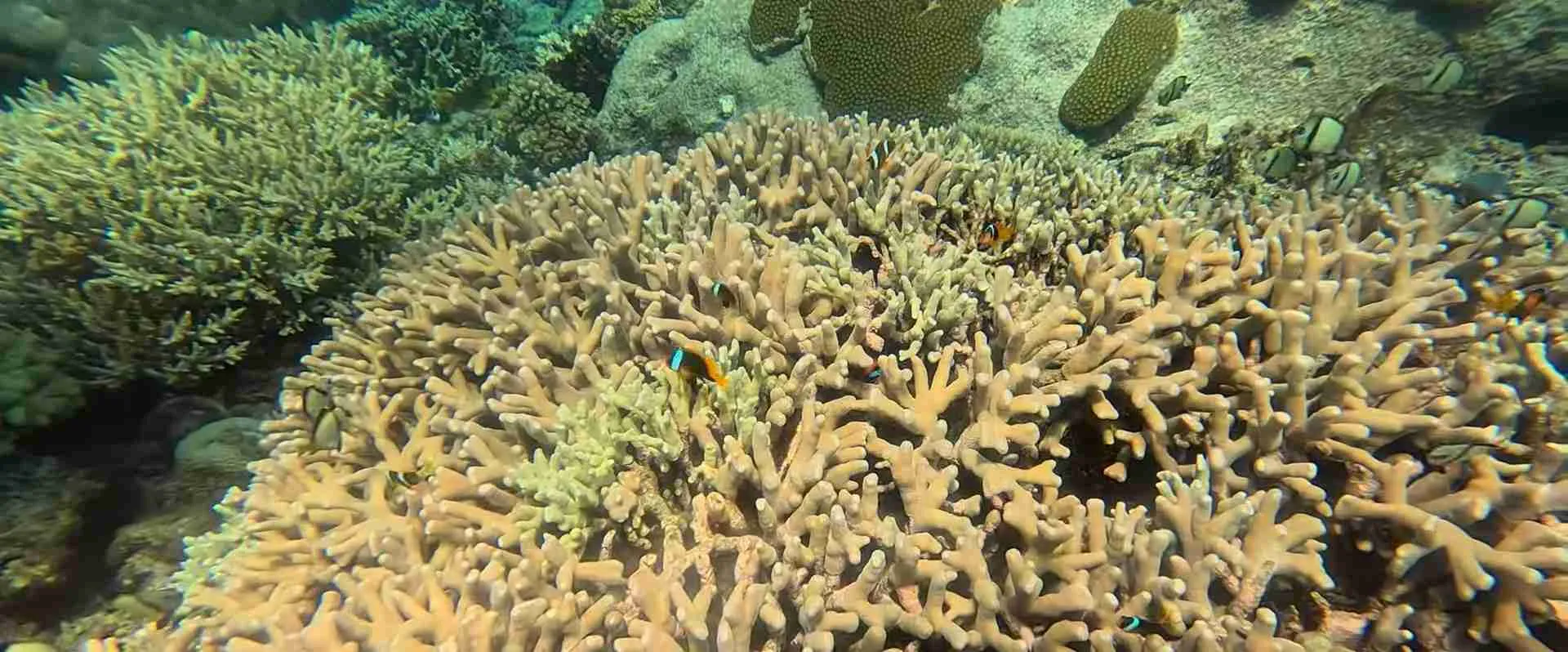
Great Barrier Reef Travel Guide 2026: Ultimate Planning Resource
Key Takeaways:
- Plan 6-9 months ahead for optimal accommodation and tour availability
- Budget $200-350 AUD per day for comprehensive reef experiences including diving and snorkeling
- Choose Cairns or Port Douglas as primary gateways with direct flight connections
- Book reef tours during April-November dry season for clearest water visibility
- Reserve certified dive operators through official Tourism Queensland partners
- Combine outer reef expeditions with rainforest and island experiences
Introduction: Planning Your 2026 Great Barrier Reef Adventure
The Great Barrier Reef demands strategic planning for an exceptional 2026 experience. This comprehensive guide provides everything you need to organize your visit to the world’s largest coral reef system, spanning 2,300 kilometers along Queensland’s coast. From selecting the right gateway city to booking optimal tour operators, understanding costs, and timing your visit for ideal weather conditions, this resource covers every practical aspect of planning your reef adventure.
The 2026 season brings enhanced marine park management, expanded sustainable tourism initiatives, and improved access to remote reef sections. Whether you’re planning a budget-conscious snorkeling day trip or an extended liveaboard diving expedition, this guide delivers actionable planning information for creating your perfect reef experience.
People Also Ask About Great Barrier Reef 2026
How much does it cost to visit the Great Barrier Reef in 2026?
A full-day outer reef tour costs $180-280 AUD per adult in 2026, with snorkel-only options at $180-220 and certified diving at $250-380 including equipment (check individual operator websites for current official rates as pricing may vary). Budget travelers manage on $150-200 AUD daily including basic accommodation and day tours, mid-range visitors spend $250-400 AUD daily with comfortable hotels and premium tours, while luxury experiences run $500-800 AUD daily with resort stays and private charters.
When is the best time to visit the Great Barrier Reef in 2026?
April through November delivers optimal conditions with calm seas, clear visibility, and minimal rainfall. June through August offers peak diving visibility at 20-30 meters, comfortable temperatures of 23-26°C, and lower accommodation rates outside school holidays. September through November provides excellent marine life encounters including dwarf minke whale season, while avoiding the December-March wet season ensures reliable weather patterns.
Do you need advance bookings for the Great Barrier Reef in 2026?
Yes, book reef tours 2-4 weeks ahead during peak season (June-September) and 1-2 weeks ahead during shoulder season. Liveaboard diving trips require 2-3 months advance booking, while popular island resorts fill 3-6 months ahead for July-August peak season. Same-day bookings work only during low season (January-March) for basic day tours.
What’s included in Great Barrier Reef tour packages in 2026?
Standard day tours include round-trip boat transfers, snorkeling equipment, wetsuits, marine biology presentations, and buffet lunch. Certified dive tours add dive equipment, tank fills, and guided dives. Premium packages include underwater cameras, professional photography services, helicopter transfers, and marine biologist guides. All tours provide stinger suits during November-May box jellyfish season.
Extended multi-day tours – 5+ days
Featured Great Barrier Reef Multi-Day Tour Packages

28 days
Oz East Coast Adventure 28 Days
- ✓ Comprehensive Great Barrier Reef tour
- ✓ Expert local guides included
- ✓ All accommodation arranged
- ✓ Transportation provided
12 days
Iconic Australia: A 12-Day Grand Discovery
- ✓ Comprehensive Great Barrier Reef tour
- ✓ Expert local guides included
- ✓ All accommodation arranged
- ✓ Transportation provided
36 days
East Coast Explorer: 5 Week | Ultimate
- ✓ Comprehensive Great Barrier Reef tour
- ✓ Expert local guides included
- ✓ All accommodation arranged
- ✓ Transportation provided
10 days
Aussie Icons Fly Stay Tour
- ✓ Comprehensive Great Barrier Reef tour
- ✓ Expert local guides included
- ✓ All accommodation arranged
- ✓ Transportation provided
Multi-day tour packages powered by TourRadar. Prices and availability subject to change.
Essential Planning Information 2026
Understanding the Great Barrier Reef System
The Great Barrier Reef consists of 2,900 individual reefs and 900 islands across 344,400 square kilometers. Planning requires understanding three distinct reef zones: inner reefs (closer to shore, lower visibility), mid reefs (balanced access and quality), and outer reefs (pristine conditions, longer travel times). Most tour operators access outer reef sites 60-90 minutes by high-speed catamaran from Cairns or Port Douglas.
The Marine Park Authority divides the reef into management zones with varying access levels. General Use zones allow most tourism activities, while Marine National Park zones restrict fishing. Plan activities around these zones for optimal experiences while respecting conservation regulations.
Current Costs and Pricing Breakdown
Tour Operators and Day Trips: Outer reef tours cost $180-280 AUD per adult in 2026, including equipment and lunch. Snorkel-only packages start at $180-220 AUD, while certified dive packages run $250-380 AUD with equipment. Premium operators like Quicksilver charge $265-295 AUD for their Agincourt Reef platforms, Sunlover Reef Cruises offers Moore Reef pontoon access at $245-270 AUD, and smaller operators provide personalized experiences at $220-260 AUD (check individual operator websites for current official rates as pricing may vary).
Diving Costs: Introductory dives cost $120-160 AUD per dive for uncertified divers with instructor supervision. Certified divers pay $80-110 AUD per dive including equipment rental, or $50-70 AUD when bringing own equipment. Multi-dive packages reduce per-dive costs to $70-90 AUD for three or more dives. Liveaboard diving expeditions run $1,200-2,500 AUD for 3-4 day trips with unlimited diving.
Equipment Rental: Full snorkeling sets rent for $25-35 AUD daily from beach operators, prescription masks add $15-20 AUD, and underwater cameras rent for $50-80 AUD daily. Dive equipment packages cost $60-90 AUD daily including BCD, regulator, and wetsuit. Many tour operators include basic equipment in package prices.
Specialized Experiences: Scenic helicopter flights cost $250-450 AUD for 15-30 minute reef overflights, seaplane tours run $400-650 AUD for extended aerial reef viewing with water landings, and submersible tours (limited availability) cost $350-500 AUD for reef viewing without diving. Private charter boats start at $1,200-2,000 AUD for half-day trips accommodating 4-6 passengers.
Transportation Options and Access Points
Major Gateway Cities: Cairns serves as the primary reef gateway with 15+ daily tour operators and the most competitive pricing. Port Douglas offers premium boutique experiences with smaller group sizes and access to pristine northern reefs. Townsville provides access to southern reef sections and the SS Yongala wreck dive site. The Whitsunday Islands serve as gateways to central reef sections with island resort bases.
Getting to Gateway Cities: Cairns Airport receives direct flights from Sydney ($180-350 AUD), Melbourne ($200-380 AUD), Brisbane ($150-280 AUD), and international connections through Singapore, Tokyo, and Hong Kong. Port Douglas sits 70 kilometers north of Cairns with shuttle transfers at $35-50 AUD or rental cars from $65 AUD daily. Townsville Airport connects to Brisbane ($160-290 AUD) and Sydney ($220-380 AUD).
Reef Access Transportation: High-speed catamarans depart daily from Cairns Reef Fleet Terminal, reaching outer reef sites in 60-90 minutes. Port Douglas boats access Agincourt Ribbon Reefs in 90 minutes with calmer waters. Airlie Beach serves Whitsunday reef access with 45-60 minute boat transfers to island bases. Helicopter transfers reduce travel time to 15-20 minutes but cost $250-400 AUD additional.
Best Time to Visit 2026
Optimal Season Analysis
Dry Season (April-November): Peak reef conditions occur during dry season with calm seas, clear skies, and water visibility reaching 20-30 meters. Water temperatures range 23-27°C requiring only 3mm wetsuits. Rainfall averages under 60mm monthly with 8-9 hours daily sunshine. Trade winds blow consistently from southeast at 10-20 knots, creating comfortable conditions without excessive chop.
June through August delivers absolute peak diving visibility and comfortable topside conditions, making this the busiest period. Book tours 3-4 weeks ahead and accommodation 2-3 months ahead during these months. Prices increase 15-25% above shoulder season rates.
September through November provides excellent conditions with warming waters (25-28°C), increased marine activity including coral spawning (October-November), and lower crowds after school holidays end. This period offers the best value with dry season quality at shoulder season prices.
Wet Season (December-March): Wet season brings afternoon thunderstorms, higher humidity, and reduced visibility (15-20 meters average). Water temperatures peak at 28-30°C requiring minimal thermal protection but increasing box jellyfish presence. Rainfall reaches 300-400mm monthly in January-February, though mornings often stay clear for reef tours.
Tour operators offer 20-30% discounts during wet season, and accommodation rates drop 30-40% below peak season. However, tour cancellations increase due to weather, and sea conditions can be challenging. This season suits budget travelers willing to accept weather risks.
Marine Life Seasonal Patterns
Dwarf Minke Whale Season (June-July): Dwarf minke whales migrate through northern reef sections during winter months, with specialized swim-with-whales tours operating under permit. These experiences require booking 4-6 months ahead and cost $450-650 AUD for full-day encounters with limited daily permits.
Coral Spawning (October-November): Annual coral spawning creates underwater “snowstorms” of coral gametes, occurring 4-5 nights after October-November full moons. Specialized night dive trips witness this phenomenon, requiring advance booking and costing $180-250 AUD. Spawning reduces visibility temporarily but offers unique biological experiences.
Humpback Whale Migration (July-September): Humpback whales migrate along the Queensland coast during winter, visible from island lookouts and occasionally from reef boats. Dedicated whale watching tours operate from Hervey Bay (south of the reef) at $95-140 AUD for half-day trips.
Turtle Nesting Season (November-February): Green and loggerhead turtles nest on reef islands during summer months. Turtle encounters increase on reef dives and snorkels, with November-December offering peak nesting activity on islands like Lady Elliot and Heron Island.
Weather Patterns and Planning
Temperature Considerations: Air temperatures range 23-31°C year-round in Cairns and Port Douglas. Winter (June-August) brings pleasant 23-26°C daytime temperatures and cool 17-20°C evenings. Summer (December-February) sees 28-31°C with high humidity making conditions feel warmer.
Water temperatures follow seasonal patterns: 22-24°C in July-August (requiring 5mm wetsuits for extended diving), 24-26°C during shoulder seasons (3mm wetsuits sufficient), and 27-30°C in December-February (rash guards adequate for snorkeling, shorty wetsuits for diving).
Rainfall Patterns: Dry season (April-November) receives less than 100mm monthly with occasional showers. Wet season (December-March) brings 200-400mm monthly with intense afternoon storms. However, reef tours typically depart early morning (7:30-8:30 AM), avoiding afternoon weather. Morning departures complete most reef activities before weather deteriorates.
Wind and Sea Conditions: Southeast trade winds dominate April-November at 10-25 knots, creating 1-2 meter seas. These conditions feel comfortable on large catamarans but may cause seasickness on smaller vessels. December-March sees variable winds and calmer average conditions but higher risk of tropical storms.
Seasickness affects 20-30% of first-time reef visitors. Take preventive medication 1-2 hours before departure, choose larger vessels with stabilizers, and book outer reef pontoon tours that minimize boat travel time.
Accommodation Strategies 2026
Cairns Accommodation Options
Budget Range ($80-150 AUD per night): Cairns City YHA offers dorm beds at $35-45 AUD and private rooms at $90-120 AUD, located 200 meters from Reef Fleet Terminal. Gilligan’s Backpackers provides party-oriented accommodation at $30-40 AUD per dorm bed with tour booking services. Coral Tree Inn delivers budget hotel rooms at $110-140 AUD with air conditioning and basic amenities, situated 500 meters from the waterfront.
Budget accommodation concentrates around Cairns Central business district within walking distance of reef tour terminals. Book 2-3 weeks ahead during peak season, or find same-day availability during low season.
Mid-Range ($150-300 AUD per night): Pullman Cairns International offers reef-view rooms at $220-280 AUD with rooftop pool and marina proximity. Pacific Hotel Cairns provides modern apartments at $180-240 AUD with kitchenettes and central location. Novotel Cairns Oasis Resort features tropical pool areas at $190-260 AUD, located 1 kilometer from Reef Fleet Terminal.
Mid-range hotels cluster around the Esplanade waterfront area, offering easy access to restaurants, tour operators, and the Cairns Lagoon swimming area. Book 4-6 weeks ahead for June-September peak season.
Luxury Range ($300-600 AUD per night): Riley’s Crystalbrook Collection delivers contemporary luxury at $380-520 AUD with lagoon pools, multiple restaurants, and reef tour desk. Shangri-La The Marina Cairns offers harbor views at $420-580 AUD with direct reef terminal access. Pullman Reef Hotel Casino provides entertainment-focused luxury at $340-480 AUD with in-house casino and reef proximity.
Luxury properties require 2-3 months advance booking for peak season, especially during Australian school holidays (late June-early July, mid-September-early October).
Port Douglas Premium Options
Boutique Resorts ($250-450 AUD per night): QT Port Douglas offers design-led luxury at $320-420 AUD with lagoon pools and Four Mile Beach location. Peppers Beach Club provides apartment-style accommodation at $280-380 AUD with full kitchens and spa facilities. Mantra PortSea features waterfront positioning at $290-390 AUD with marina views and direct reef tour access.
Port Douglas targets upmarket travelers with fewer budget options. The town’s compact size means all accommodation sits within 1-2 kilometers of reef tour operators. Book 6-8 weeks ahead for dry season visits.
Island Resort Experiences ($400-1,000+ AUD per night): Lizard Island Resort delivers ultra-luxury at $1,800-3,500 AUD all-inclusive, accessible only by private charter with pristine northern reef access. Green Island Resort offers day-accessible luxury at $480-680 AUD, located 45 minutes from Cairns with house reef snorkeling. Fitzroy Island Resort provides eco-luxury at $350-520 AUD with rainforest and reef combination experiences.
Island resorts require 3-6 months advance booking for peak season, with some properties booking out 8-12 months ahead for specific dates. All-inclusive packages often provide better value than room-only rates when including meals, activities, and transfers.
Alternative Accommodation Areas
Mission Beach ($120-280 AUD per night): Mission Beach offers rainforest-meets-reef positioning 140 kilometers south of Cairns with quieter atmosphere. Castaways Resort provides beachfront rooms at $180-240 AUD, while smaller motels offer $120-160 AUD budget options. Reef tours depart from nearby Clump Point with access to southern reef sections and the Cassowary Coast rainforest.
Whitsunday Islands ($200-500 AUD per night): Airlie Beach serves as mainland base for Whitsunday reef access with accommodation ranging from backpackers at $30-50 AUD per dorm bed to resorts at $250-400 AUD. Hamilton Island offers self-contained resort experience at $350-550 AUD with direct reef tour access and island activities. Daydream Island provides all-inclusive luxury at $450-750 AUD with Living Reef aquarium and water sports.
Townsville ($100-250 AUD per night): Townsville provides southern reef gateway with budget options at $90-140 AUD, mid-range hotels at $150-220 AUD, and beachfront resorts at $240-320 AUD. This base suits divers targeting the SS Yongala wreck site and southern reef sections with fewer crowds than Cairns.
Transportation Guide 2026
Domestic Flight Connections
Sydney to Cairns: Qantas, Virgin Australia, and Jetstar operate 15+ daily flights taking 3 hours. Book 6-8 weeks ahead for best fares at $180-280 AUD return during off-peak, $280-450 AUD during school holidays. Early morning departures (6:00-7:00 AM) allow same-day reef tours, while afternoon arrivals (3:00-5:00 PM) suit next-day reef planning.
Melbourne to Cairns: Direct flights take 3.5 hours with 8-10 daily services. Fares range $200-350 AUD return off-peak, $350-550 AUD peak season. Book 8-10 weeks ahead for optimal pricing. Red-eye flights departing 6:00-7:00 AM enable same-day reef access.
Brisbane to Cairns: Frequent 2.5-hour flights cost $150-280 AUD return off-peak, $250-380 AUD peak season. Book 4-6 weeks ahead. Brisbane serves as major international connection point for overseas visitors accessing the reef.
Ground Transportation
Airport Transfers: Cairns Airport sits 7 kilometers from city center with multiple transfer options. Airport Shuttle services cost $18-25 AUD per person to city hotels, operating every 30 minutes. Taxis charge fixed $25-30 AUD to CBD, while rideshare services run $20-28 AUD. Rental car pickup costs $45-85 AUD daily with parking at city hotels adding $20-35 AUD daily.
Port Douglas airport transfers cost $35-50 AUD per person via shuttle, $90-120 AUD via taxi, with resort courtesy transfers available for direct bookings.
City Transportation: Cairns operates free Sunbus services through CBD and Esplanade areas, running every 10-15 minutes 7:00 AM-6:00 PM Monday-Friday, reduced weekend service. Standard Sunbus routes cost $2.50-5.00 AUD per trip covering wider Cairns region. Most visitors walk between reef terminals, accommodation, and restaurants within compact CBD area.
Rental Vehicles: Rental cars cost $45-85 AUD daily for economy vehicles, $70-120 AUD for SUVs. Book 4-6 weeks ahead for peak season availability. Parking at reef terminals costs $10-15 AUD daily. Vehicle rental makes sense for exploring Cairns hinterland, Kuranda rainforest, or Port Douglas day trips, but unnecessary for reef tour access alone.
Reef Terminal Access: Cairns Reef Fleet Terminal sits at the eastern end of Abbott Street within 200-800 meters walking distance from most CBD hotels. Port Douglas Marina locates at the southeastern end of Macrossan Street, walkable from most Port Douglas accommodation.
Boat Transfers and Reef Access
High-Speed Catamarans: Modern catamarans transport 150-300 passengers to outer reef sites in 60-90 minutes. Vessels feature air-conditioned cabins, outdoor sun decks, marine biology presentations, and underwater viewing windows. Motion stabilizers reduce seasickness, though seas can still be rough during windy conditions.
Departures occur 8:00-8:30 AM daily from Cairns and Port Douglas, returning 4:30-5:30 PM. Check-in requires 30 minutes prior to departure. Late arrivals may result in forfeited bookings without refunds.
Helicopter Transfers: Helicopter transfers reduce travel time to 15-20 minutes but cost $250-400 AUD additional per person. GBR Helicopters operates transfers to select reef pontoons from Cairns Airport and city helipads. Book 2-3 weeks ahead during peak season, combining spectacular aerial reef views with time efficiency.
Seaplane Transfers: GSL Aviation operates seaplane transfers to reef pontoons and islands, combining scenic flights with reef access. Transfers cost $350-450 AUD per person including reef tour admission. These premium options suit time-limited visitors or those seeking unique aerial perspectives.
Money-Saving Strategies 2026
Advance Booking Benefits
Early Bird Discounts: Book reef tours 6-8 weeks ahead for 10-15% early bird discounts offered by major operators. Some operators extend 20-25% discounts for bookings made 3+ months ahead during low season (January-March). Quicksilver offers “Early Bird Specials” at $225 AUD (regular $265 AUD) for bookings 8+ weeks ahead, while Sunlover provides similar savings.
Accommodation bookings 8-12 weeks ahead secure best room selection and rates 15-20% below last-minute pricing. Island resorts offer greatest early booking incentives with 25-30% savings for 4-6 month advance reservations.
Package Deal Optimization
Multi-Day Tour Packages: Three-day reef and rainforest packages combine outer reef tours, Kuranda Scenic Railway, and Skyrail Rainforest Cableway for $450-580 AUD (saving $80-120 AUD vs individual bookings). Five-day packages including Cape Tribulation and Daintree tours cost $750-950 AUD with 20-25% package savings.
Book directly through Tourism Tropical North Queensland for validated packages with official operator partnerships. Avoid unauthorized third-party “deal” sites that may use unlicensed operators or include hidden exclusions.
Dive Certification Packages: Complete PADI Open Water certification on the reef through 3-4 day packages costing $650-850 AUD, significantly less than city-based certification ($900-1,200 AUD) followed by reef diving. Packages include all training materials, pool sessions, four reef dives, and certification fees.
ProDive Cairns, Tusa Dive, and Deep Sea Divers Den offer reputable certification packages with professional instructors and quality equipment. Book 4-6 weeks ahead for course availability, especially during June-August peak season.
Seasonal Pricing Optimization
Shoulder Season Value: April-May and September-November deliver optimal value combining good weather, lower crowds, and reduced pricing. Accommodation costs 25-35% less than peak June-August rates, while reef tour operators maintain similar prices with added flexibility for last-minute bookings.
These periods allow 1-2 week advance booking vs 3-4 weeks required during peak season. Hotel availability remains good with better room selection than peak season sold-out properties.
Low Season Opportunities: January-March wet season brings 30-40% accommodation discounts and 20-30% reef tour savings. However, weather cancellation risks increase significantly. Book refundable rates and maintain flexible schedules allowing tour date changes if weather forces cancellations.
Despite weather risks, many days deliver excellent conditions with afternoon storms not affecting morning reef tours. Budget travelers accept weather trade-offs for substantial savings.
Cost-Reduction Techniques
Self-Catering Accommodation: Book apartments with kitchens at $150-220 AUD nightly (vs hotels at $180-260 AUD) and prepare 6-8 meals yourself, saving $150-250 AUD weekly on dining costs. Cairns Central shopping center provides full supermarket and fresh food options 500 meters from most accommodation.
Public Beach Snorkeling: Fitzroy Island (45-minute ferry at $76 AUD return) offers house reef snorkeling without tour costs. Green Island ($98 AUD return ferry) provides similar access. While less pristine than outer reef sites, these options suit budget travelers or those seeking additional reef experiences beyond main tours.
Group Discounts: Groups of 6+ passengers receive 10-15% discounts from most reef tour operators. Family packages (2 adults + 2 children) save 15-20% vs individual bookings. Contact operators directly for group quotes rather than booking individual tickets online.
Sample Itineraries 2026
Three-Day Budget Itinerary ($550-750 AUD total)
Day 1: Arrival and Cairns Orientation Morning: Arrive Cairns, check into Gilligan’s Backpackers ($35 dorm bed) or Coral Tree Inn ($120 hotel room). Afternoon: Walk Cairns Esplanade, swim at Cairns Lagoon (free), explore Rusty’s Markets. Evening: Budget dinner at Night Markets food court ($15-20 AUD). Daily cost: $50-140 AUD.
Day 2: Great Barrier Reef Day Tour Full-day outer reef tour with Sunlover or Great Adventures ($180-220 AUD including lunch and equipment). Snorkel multiple reef sites, attend marine biology presentation, enjoy pontoon platform access. Return 5:00 PM exhausted but exhilarated. Budget dinner at Dundee’s Restaurant ($20-30 AUD). Daily cost: $230-285 AUD.
Day 3: Kuranda and Departure Morning: Skyrail Rainforest Cableway to Kuranda ($85 AUD return), explore village and rainforest walks. Afternoon: Return via Scenic Railway ($52 AUD), final Cairns CBD shopping. Evening: Depart Cairns. Daily cost: $137-165 AUD.
Total: $550-750 AUD for budget-conscious reef experience with cultural elements.
Five-Day Mid-Range Itinerary ($1,400-1,900 AUD total)
Day 1: Arrival and Cairns Immersion Check into Pacific Hotel Cairns ($200 AUD), afternoon Cairns Aquarium visit ($55 AUD) for reef ecosystem preview, evening waterfront dining at Ochre Restaurant ($60-80 AUD). Daily cost: $315-335 AUD.
Day 2: Outer Reef Experience Full-day Quicksilver Agincourt Reef tour ($265 AUD) with optional helicopter flight ($250 AUD), snorkeling and introductory dive ($130 AUD). Premium reef experience with underwater photography opportunities. Daily cost: $845 AUD including accommodation and evening meal.
Day 3: Port Douglas Excursion Drive to Port Douglas (rental car $65 AUD), Four Mile Beach relaxation, Port Douglas Markets, Wildlife Habitat ($37 AUD). Overnight at QT Port Douglas ($350 AUD). Daily cost: $502 AUD.
Day 4: Northern Reefs and Return Port Douglas reef tour to Agincourt Ribbon Reefs ($260 AUD), pristine snorkeling conditions. Return Cairns evening. Daily cost: $525 AUD including meals and fuel.
Day 5: Rainforest and Departure Morning Daintree Rainforest tour ($180 AUD), crocodile cruise, Cape Tribulation beach. Afternoon departure. Daily cost: $230 AUD.
Total: $1,400-1,900 AUD for comprehensive reef and rainforest experience.
Seven-Day Luxury Itinerary ($4,200-6,500 AUD total)
Days 1-2: Cairns Premium Base Riley’s Crystalbrook Collection accommodation ($420 per night), private reef charter ($1,800 AUD for 6 passengers = $300 per person), fine dining at Nu Nu Restaurant ($120-150 AUD). Helicopter scenic flight ($350 AUD). Two-day cost: $1,910-2,040 AUD per person.
Days 3-5: Island Resort Experience Three nights Lizard Island Resort ($1,800 per night all-inclusive = $5,400 total), unlimited snorkeling and diving, gourmet dining, private beaches, complete reef immersion. Three-day cost: $5,400 AUD per person all-inclusive.
Days 6-7: Daintree and Departure Silky Oaks Lodge rainforest resort ($450 per night), private Daintree tours ($300 AUD), spa treatments ($180 AUD). Two-day cost: $1,380 AUD.
Total: $4,200-6,500 AUD for ultimate luxury reef and rainforest immersion.
Booking and Reservations 2026
Official Booking Channels
Direct Operator Booking: Book directly through operator websites for best rates and customer service. Quicksilver (quicksilver-cruises.com), Sunlover Reef Cruises (sunlover.com.au), Great Adventures (greatadventures.com.au), and Reef Magic (reefmagiccruises.com) operate secure online booking with instant confirmation. Direct booking ensures legitimate operators holding Marine Park permits and insurance.
Avoid booking through overseas third-party sites advertising “discounts” that may use unlicensed operators or include hidden restrictions. Tourism Tropical North Queensland (tropicalnorthqueensland.org.au) lists all certified operators.
Accommodation Booking Platforms: Book hotels through Booking.com, Hotels.com, or direct property websites. Compare rates across platforms as direct booking sometimes offers better value with included breakfast or resort credits. Read cancellation policies carefully as reef area hotels often require 7-14 day advance cancellation for refunds.
Dive Shop Partnerships: Cairns dive shops like ProDive Cairns, Tusa Dive, and Deep Sea Divers Den offer complete trip planning including accommodation packages, airport transfers, and multiple reef days. These one-stop services suit international visitors preferring coordinated logistics, though may cost 5-10% more than booking components separately.
Tour Operator Recommendations
Quicksilver Cruises: Operates large stable catamarans to Agincourt Reef with exclusive pontoon platform. Ideal for families, novice snorkelers, and those concerned about seasickness. Premium service with marine biologists, optional helicopter flights, and high-quality catering. Book 3-4 weeks ahead peak season.
Sunlover Reef Cruises: Services Moore Reef with spacious pontoon offering diving, snorkeling, and underwater observatory. Good value mid-range option with professional service. Suitable for mixed groups including non-swimmers who can enjoy reef viewing without entering water.
Reef Magic Cruises: Smaller vessel operation (100 passengers) to Marine World pontoon with personalized service. Appeals to travelers seeking less crowded experience while maintaining stability and amenities. Competitive pricing at $220-245 AUD.
Ocean Freedom: Fast catamaran accessing three pristine reef sites daily with maximum 75 passengers. Targets active snorkelers and divers wanting multiple locations without pontoon crowds. Slightly rougher ride but excellent reef quality. Popular with repeat visitors.
ProDive Cairns: Dedicated dive operation for certified divers, visiting three reef sites daily with focus on diving rather than mixed snorkeling groups. Experienced divers appreciate specialized service and dive-focused itineraries. Liveaboard options for extended reef immersion.
Reservation Timing Strategy
Peak Season (June-August): Reserve tours 3-4 weeks ahead, accommodation 8-12 weeks ahead, island resorts 3-6 months ahead. Australian school holidays (late June-early July, mid-September-early October) require even earlier booking with some properties selling out 6-8 months ahead.
Flexible travelers should book accommodation first (8-10 weeks out) then add tours 3-4 weeks ahead once confident of weather patterns.
Shoulder Season (April-May, September-November): Book tours 1-2 weeks ahead, accommodation 4-6 weeks ahead for best selection. Last-minute bookings often available but risk limited room choice. Island resorts still require 2-3 months advance booking during this period.
Low Season (December-March): Same-day or next-day tour bookings frequently available except during Christmas-New Year period (book 4-6 weeks ahead). Accommodation offers last-minute deals, though best properties still require 2-3 weeks advance booking for preferred room types.
Cancellation and Flexibility Planning
Weather Cancellation Policies: Tour operators cancel trips for safety reasons without penalty, offering full refunds or alternative dates. However, cancellations occur only for severe conditions (2-3 meter seas, thunderstorm warnings). Rough conditions that still allow safe operation don’t trigger refunds.
Book reef tours for middle of your trip, allowing schedule flexibility if weather forces date changes. Single-day visitors without flexibility risk complete cancellation without experiencing the reef.
Travel Insurance Recommendations: Purchase comprehensive travel insurance covering trip cancellation, medical evacuation (required for diving), and weather-related disruptions. Policies cost $60-120 AUD for week-long trips, providing protection for the $1,000-3,000 AUD most visitors invest in reef experiences.
Dive-specific insurance through DAN (Divers Alert Network) costs $85-120 AUD annually, covering hyperbaric treatment and diving accidents. Essential for all divers regardless of experience level.
Planning Your 2026 Visit
Pre-Departure Preparation
Physical Fitness Requirements: Reef tours involve boat boarding via ladders, swimming in ocean currents, and physical activity in warm conditions. Moderate fitness suffices for snorkeling, while diving requires comfortable swimming ability and equalized ear pressure. Non-swimmers can enjoy reef viewing from pontoons and glass-bottom boats without entering water.
Start swimming practice 4-6 weeks before trips if inactive. Practice mask clearing and snorkel breathing in pools before reef day. Diving certification courses assess fitness during initial pool sessions.
Medical Considerations: Complete dive medical questionnaires honestly as certain conditions (asthma, heart conditions, ear problems) require doctor’s clearance before diving. Age limits don’t exist for snorkeling though children under 4-5 struggle with equipment and attention span.
Bring prescription medications in original packaging with doctor’s letters for customs. Seasickness medications should be purchased before departure as reef boat shops charge premium prices. Take preventive medication 1-2 hours before departure for best effectiveness.
Equipment and Packing: Tour operators provide all essential snorkel and dive equipment, though experienced snorkelers often prefer personal masks for better fit. Bring reef-safe sunscreen (zinc-based, no oxybenzone), rash guard or wetsuit for sun protection, waterproof camera or GoPro rental arranged ahead.
Pack light layers for boat air conditioning, sun hat for deck time, and seasickness bands or medication. Underwater prescription masks rent for $15-20 AUD for those needing vision correction.
Sustainable Tourism Practices
Reef Protection Guidelines: Never touch coral (kills living organisms and causes injury), maintain neutral buoyancy while diving (prevents accidental coral contact), use reef-safe sunscreen only (chemical sunscreens damage coral), and don’t feed fish (disrupts natural behaviors).
Respect Marine Park zones and regulations. Tour operators follow strict Environmental Management Plans limiting daily visitor numbers and rotating sites to minimize impact. Choose certified operators displaying Marine Park Authority permits.
Supporting Conservation: Consider Great Barrier Reef Foundation donations supporting research and restoration. Reef restoration projects offer volunteer opportunities through selected tour operators, combining reef experience with conservation participation. Programs cost $250-350 AUD per day including tour and restoration work.
Responsible Wildlife Encounters: Maintain 3-meter distance from sea turtles (approaching closer causes stress and interrupted feeding), never chase or corner marine life for photos, and avoid touching or riding any animals. Observe marine life behavior – if animals swim away, you’re too close.
2026 Updates & Current Information
Enhanced Marine Park Management
The Great Barrier Reef Marine Park Authority implements updated zoning plans for 2026 with expanded Marine National Park zones protecting 35% of reef area (up from 33%). These changes improve reef health while maintaining tourism access to high-quality sites.
New regulations require all commercial operators to submit daily visitor numbers and site conditions through digital reporting systems, enabling adaptive management based on real-time reef health data. Tourists won’t notice operational changes but benefit from data-driven site selection ensuring optimal experiences.
Tourism Infrastructure Improvements
Cairns upgrades Reef Fleet Terminal with expanded boarding facilities, improved disabled access, and enhanced weather protection for boarding areas. Port Douglas completes marina expansion increasing daily tour vessel capacity while maintaining environmental standards.
Several operators invest in new hybrid-electric vessels for 2026, reducing emissions and noise pollution. These modern boats feature improved stability, faster transit times, and enhanced passenger comfort. Premium pricing reflects advanced technology and environmental benefits.
Visitor Experience Enhancements
Major operators introduce augmented reality underwater experiences through waterproof tablets available for rent, overlaying marine life information on real-time reef views. Tablet rentals cost $15-25 AUD providing educational enhancement without detracting from natural experience.
New reef interpretation programs feature marine biologist-guided snorkel tours included in premium packages, small group experiences (8-12 participants) with expert guides providing in-water species identification and reef ecology education.
Climate Adaptation Strategies
Reef managers implement coral recovery programs at select sites, with some tour operators offering optional restoration activity participation. These programs demonstrate successful coral transplantation and reef resilience initiatives while providing educational experiences for engaged visitors.
Real-time reef health monitoring systems inform daily tour site selection, ensuring operators access healthiest coral areas while resting recovering sites. This dynamic management protects reef health while maintaining high-quality visitor experiences.
FAQ Section
Q: Can non-swimmers visit the Great Barrier Reef? A: Yes, pontoon-based tours accommodate non-swimmers with underwater observatories, semi-submersible vessels, and glass-bottom boats. Snorkeling in life jackets under supervisor guidance allows safe water experiences for those comfortable with face immersion but lacking swimming skills.
Q: How long do reef tours take in 2026? A: Full-day tours depart 8:00-8:30 AM and return 4:30-5:30 PM. Outer reef travel takes 60-90 minutes each way with 4-5 hours reef time. Half-day tours exist but provide insufficient time for quality experiences. Plan full-day commitment for worthwhile reef encounters.
Q: What physical fitness level is required for reef tours? A: Moderate fitness suffices for snorkeling with ability to climb boat ladders and swim in light currents. Diving requires comfortable swimming and equalized ear pressure. Poor fitness doesn’t exclude participation as life jackets and flotation noodles assist less confident swimmers.
Q: Are Great Barrier Reef tours suitable for children in 2026? A: Children 4+ years can snorkel with appropriate flotation and supervision. Most operators offer child rates (4-14 years) at $120-180 AUD. Introductory diving allows children 10+ years with parental consent. Family-oriented operators provide dedicated children’s programs and supervision.
Q: What happens if weather cancels my reef tour? A: Operators cancel tours only for safety reasons, offering full refunds or alternative dates. Cancellation occurs 2-3 times monthly during wet season, rarely during dry season. Book mid-trip rather than single days to allow schedule flexibility.
Q: Do I need dive certification for Great Barrier Reef diving in 2026? A: Introductory dives allow uncertified divers to experience reef diving under direct instructor supervision in shallow depths. These cost $120-160 AUD per dive. Certified divers enjoy greater freedom, deeper depths, and lower costs. Complete certification through reef-based courses combining training with reef diving.
Q: How much cash should I bring for a Great Barrier Reef trip? A: Most tour operators accept credit cards for bookings and onboard purchases. Bring $100-200 AUD cash for tipping crew ($20-30 typical), purchasing incidentals from small operators, and emergency contingencies. ATMs operate throughout Cairns and Port Douglas.
Q: Can I visit the Great Barrier Reef independently without tour operators? A: Independent reef access requires private boat charter ($1,200-2,000 AUD daily) or staying at island resorts with direct reef access ($350-1,800 AUD nightly). Most visitors find day tours more practical and economical, providing transportation, equipment, expertise, and catering at competitive prices.
Q: What’s included in typical Great Barrier Reef tour prices? A: Standard tour packages include return boat transfers, snorkel equipment, wetsuits, marine biology presentations, buffet lunch, tea and coffee. Scuba diving costs extra ($80-120 AUD for certified divers, $120-160 AUD for introductory dives). Underwater cameras, photographs, and helicopter flights cost additional.
Q: How far in advance should I book Great Barrier Reef tours for 2026? A: Book 3-4 weeks ahead during peak season (June-September), 1-2 weeks ahead during shoulder season (April-May, October-November). Island resorts and liveaboard dive trips require 2-6 months advance booking. Last-minute bookings work during low season (January-March) though limit accommodation choice.