Galapagos Islands UNESCO World Heritage Guide: Conservation & Global Significance
The Galapagos Islands hold a position of extraordinary importance in global conservation, recognized through their designation as one of the first UNESCO World Heritage sites in 1978. This volcanic archipelago, scattered across 600 miles of Pacific Ocean, represents far more than remarkable wildlife or pristine landscapes. The Galapagos serves as a living laboratory where evolutionary processes continue operating as they have for millions of years, providing humanity with irreplaceable insights into how life adapts and diversifies.
Key Takeaways
- The Galapagos Islands achieved exceptional dual UNESCO World Heritage status in 1978 for land areas and 2001 for marine ecosystems, recognizing unparalleled natural value
- The archipelago meets multiple UNESCO criteria including Outstanding Universal Value for its role in evolutionary science and unique endemic biodiversity
- Conservation challenges including invasive species, population growth, and climate change led to List of World Heritage in Danger placement (2007-2010) before successful recovery
- The Galapagos National Park (1959) and Galapagos Marine Reserve (1998) create one of Earth’s largest protected marine-terrestrial ecosystems at over 51,000 square miles
- Scientific research infrastructure and conservation programs make the archipelago a living laboratory demonstrating effective biodiversity protection strategies
- The islands’ evolutionary laboratory status continues generating fundamental biological knowledge 190 years after Darwin’s transformative visit
Introduction: Exceptional Global Significance
The archipelago’s UNESCO recognition extends beyond typical natural heritage designations. In 2001, UNESCO expanded the original terrestrial protection to include the Galapagos Marine Reserve, creating one of Earth’s largest marine protected areas and recognizing the indivisible connection between land and sea ecosystems. This dual designation acknowledges that the Galapagos represents a complete, functioning ecosystem where marine and terrestrial environments interact to create conditions supporting unique biodiversity found nowhere else on Earth.
Understanding the Galapagos’ World Heritage significance reveals why these islands merit such extraordinary protection efforts. The combination of geological isolation, oceanographic complexity, and minimal human impact created evolutionary conditions producing species assemblages unlike anywhere else. Beyond the famous giant tortoises and finches, the archipelago hosts entire ecosystems evolving independently, generating scientific insights that transformed humanity’s understanding of life itself. This guide explores how the Galapagos achieved UNESCO recognition, what makes the archipelago globally significant, and why protecting these islands matters for all humanity.
People Also Ask About Galapagos UNESCO World Heritage Status
When did the Galapagos Islands become a UNESCO World Heritage Site?
The Galapagos Islands achieved UNESCO World Heritage Site designation in 1978, becoming one of the first 12 sites inscribed on the inaugural World Heritage List. This recognition came just 19 years after Ecuador established the Galapagos National Park in 1959, acknowledging the archipelago’s exceptional natural value and the government’s commitment to protection. The 1978 designation covered terrestrial environments across the protected islands. UNESCO then expanded this recognition in 2001 to include the Galapagos Marine Reserve, making the archipelago one of few World Heritage sites encompassing both land and sea in a comprehensive protected ecosystem.
The timing of the original designation reflected growing international awareness of the archipelago’s significance following decades of increasing scientific research. The establishment of the Charles Darwin Foundation in 1959 and the Charles Darwin Research Station in 1964 generated substantial scientific output demonstrating the islands’ value for evolutionary studies. This research, combined with Ecuador’s proactive conservation measures, positioned the Galapagos for early World Heritage recognition when UNESCO created the designation program.
Why are the Galapagos Islands so important for conservation?
The Galapagos Islands represent one of the most complete and complex natural laboratories on Earth, where evolutionary processes operate without the distortions found in most inhabited ecosystems. The archipelago’s oceanic isolation prevented continental species colonization while volcanic formation provided blank slates for evolution. This created conditions where species arriving by chance could evolve in isolation, generating the endemic biodiversity that makes the islands irreplaceable for science and conservation.
The islands contributed fundamentally to evolutionary theory through Charles Darwin’s 1835 observations, which helped him develop natural selection principles. This historical significance combines with ongoing scientific value as researchers continue documenting evolutionary processes in real time. The Galapagos provides insights into how species adapt to environmental changes, how ecosystems respond to disturbances, and how biodiversity generates in isolation—knowledge essential for understanding and protecting life globally.
What makes the Galapagos Marine Reserve special?
The Galapagos Marine Reserve, established in 1998 and inscribed as World Heritage in 2001, protects approximately 51,000 square miles of ocean surrounding the archipelago. This makes it one of the largest marine protected areas globally and recognizes that the islands’ biodiversity depends on healthy ocean ecosystems. The reserve protects the confluence zone where multiple ocean currents meet, creating unique oceanographic conditions supporting exceptional marine biodiversity.
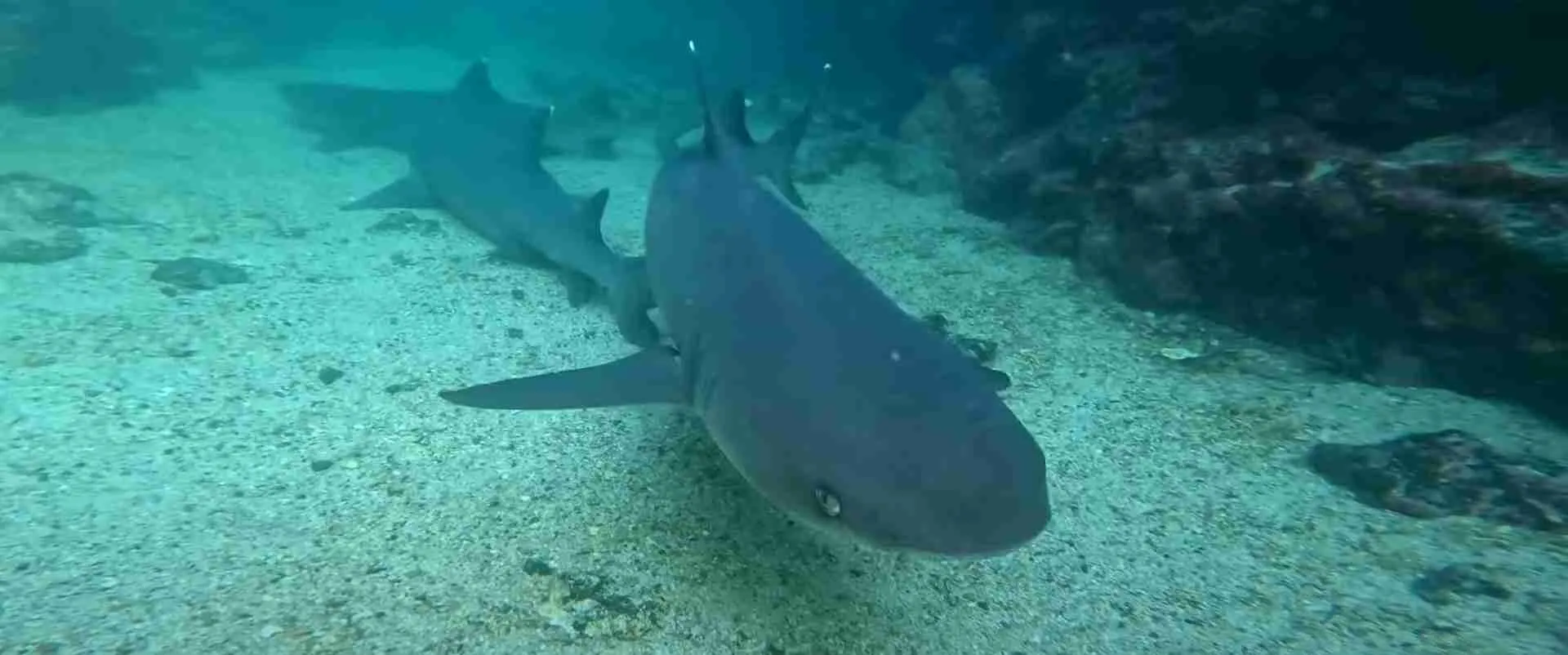
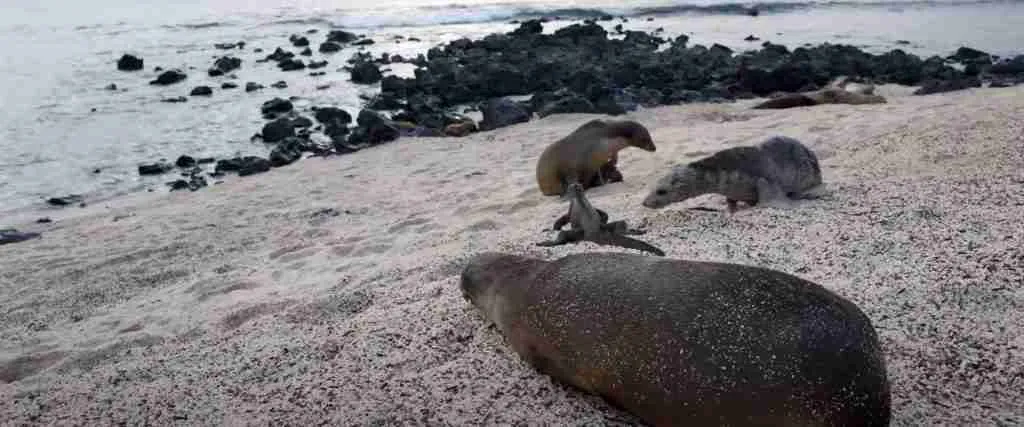
The reserve’s waters host the world’s only marine iguanas, endemic sea lion subspecies, Galapagos penguins, flightless cormorants, and countless fish species found nowhere else. The complex oceanography creates conditions where tropical, subtropical, and cool-water species coexist, generating biodiversity assemblages impossible in uniform marine environments. This biological richness combines with massive pelagic species including whale sharks, manta rays, and hammerhead sharks that concentrate in certain areas, creating marine wildlife spectacles unmatched anywhere on Earth.
Has the Galapagos ever been in danger according to UNESCO?
Yes, UNESCO placed the Galapagos Islands on the List of World Heritage in Danger from 2007 to 2010 due to concerns about invasive species, uncontrolled tourism growth, illegal fishing, and inadequate management resources. This listing recognized serious threats endangering the Outstanding Universal Value that justified World Heritage designation. The dangers included introduced species devastating native ecosystems, tourism infrastructure overwhelming carrying capacities, and illegal fishing depleting marine resources.
Ecuador responded with substantial conservation investments, strengthened management systems, invasive species eradication programs, and improved tourism controls. UNESCO removed the Galapagos from the danger list in 2010 after confirming these improvements addressed the most critical threats. This successful recovery demonstrates how international attention and coordinated conservation action can reverse ecosystem decline, though ongoing challenges require continued vigilance to maintain protection gains.
Extended multi-day tours – 5+ days
Featured Galapagos Islands Multi-Day Tour Packages
3 days
Galapagos Islands 3-Day Discovery Tour
- ✓ Comprehensive Galapagos Islands experience
- ✓ Expert local guides included
- ✓ All accommodation included
- ✓ Transportation provided
5 days
Galapagos Islands 5-Day Highlights Experience
- ✓ Comprehensive Galapagos Islands experience
- ✓ Expert local guides included
- ✓ All accommodation included
- ✓ Transportation provided

7 days
Galapagos Islands 7-Day Cultural Journey
- ✓ Comprehensive Galapagos Islands experience
- ✓ Expert local guides included
- ✓ All accommodation included
- ✓ Transportation provided
10 days
Galapagos Islands 10-Day Complete Adventure
- ✓ Comprehensive Galapagos Islands experience
- ✓ Expert local guides included
- ✓ All accommodation included
- ✓ Transportation provided
Multi-day tour packages powered by TourRadar. Prices and availability subject to change.
Outstanding Universal Value: Why the Galapagos Qualified
UNESCO World Heritage designation requires demonstrating “Outstanding Universal Value”—significance so exceptional that it transcends national boundaries and concerns all humanity. The Galapagos Islands meet multiple criteria establishing this universal importance, both for natural heritage and as irreplaceable assets for scientific understanding.
The primary criterion justifying Galapagos designation focuses on superlative natural phenomena and exceptional natural beauty. The archipelago presents an outstanding example of ongoing geological and biological evolution with minimal human interference. The volcanic islands rose from the ocean floor over millions of years through hotspot volcanism, creating landscapes that progress from newly formed islands in the west to ancient, eroded landforms in the east. This geological gradient allows observing volcanic island evolution across different time scales in a single archipelago.
The biological processes occurring in the Galapagos represent the designation’s core justification. The islands demonstrate evolution in action as species continue adapting to environmental changes and ecological opportunities. Researchers document ongoing evolutionary responses to climate fluctuations, species interactions, and habitat availability. These processes make the archipelago invaluable for understanding how life adapts to changing conditions—knowledge essential for addressing current biodiversity crises driven by rapid environmental change.
The archipelago also qualifies through criterion focusing on biodiversity conservation. The Galapagos hosts the most important and significant natural habitats for conserving biological diversity, including threatened species with Outstanding Universal Value from scientific or conservation perspectives. The concentration of endemic species—organisms found nowhere else on Earth—exceeds most locations globally. Approximately 80% of land birds, 97% of reptiles and land mammals, and 30% of plants exist only in the Galapagos. This endemic wealth represents irreplaceable genetic diversity and evolutionary adaptations that would vanish forever if the archipelago fails to receive adequate protection.
The marine extension added in 2001 strengthened the designation by recognizing the essential connection between terrestrial and marine ecosystems. The Galapagos Marine Reserve protects feeding grounds, breeding areas, and migration routes for species using both land and sea. Marine iguanas forage underwater but nest on land. Seabirds depend on rich marine feeding but require terrestrial nesting sites. This integration demonstrates that effective conservation must protect complete ecosystems rather than isolated fragments.
The historical significance of the Galapagos in developing evolutionary theory adds cultural dimension to natural heritage value. While UNESCO recognizes the islands primarily for natural criteria, the transformative impact on human knowledge elevates the designation’s importance. The archipelago helped humanity understand our place in nature, the processes creating biodiversity, and the interconnectedness of all life. This intellectual heritage combines with natural heritage to create exceptional significance transcending typical conservation areas.
Geological Heritage and Formation
The Galapagos Islands owe their existence to volcanic hotspot activity beneath the Nazca tectonic plate. This geological formation process directly created the conditions enabling the unique biodiversity that justified UNESCO designation. Understanding this geological heritage reveals why the archipelago developed such exceptional characteristics.
The hotspot—a stationary plume of molten rock rising from deep in Earth’s mantle—has produced volcanic islands for millions of years as the Nazca Plate moves eastward at approximately 2 inches annually. New islands form over the hotspot in the west while older islands move eastward, gradually eroding and eventually subsiding below sea level. This conveyor belt of island formation creates a west-to-east age gradient with Fernandina and Isabela in the west showing active volcanism while eastern islands like Espanola display advanced erosion.
The volcanic landscapes created through this process exhibit exceptional diversity. Shield volcanoes dominate western islands, featuring gentle slopes and massive calderas formed by summit collapse. The Isabela Island volcanoes—Sierra Negra, Cerro Azul, Darwin, Alcedo, and Wolf—demonstrate classic shield volcano morphology with calderas reaching several miles in diameter. These calderas create unique microhabitats supporting specialized wildlife populations isolated by surrounding lava flows.
Lava formations across the archipelago display remarkable variety depending on eruption characteristics and cooling conditions. Pahoehoe (smooth, ropy) lava flows create surfaces resembling frozen rivers, while aa (rough, jagged) lava forms impassable barriers of sharp rock fragments. Lava tubes formed by flowing molten rock leaving hollow tunnels after surface solidification create underground passages that maintain stable microclimates. These varied geological features provide diverse habitats supporting different species assemblages.
The ongoing volcanic activity maintains the archipelago as a dynamic, evolving system rather than a static landscape. Fernandina Island experienced major eruptions in 2005, 2009, 2017, 2018, and 2020, each reshaping portions of the island and affecting wildlife populations. These eruptions demonstrate that the geological processes creating the archipelago continue operating, generating new habitat while destroying existing ecosystems. This geological dynamism creates constant evolutionary pressures as species adapt to changing landscapes.
The submarine geology surrounding the islands extends the volcanic features underwater, creating seamounts, ridges, and underwater volcanic formations that influence ocean currents and marine ecosystems. Darwin and Wolf islands rise from deep ocean trenches, creating steep underwater walls where cold water upwells, bringing nutrients supporting abundant marine life. This submarine topography shapes oceanographic conditions that make the Galapagos Marine Reserve so biologically productive.
Oceanographic Complexity and Marine Heritage
The Galapagos Islands’ position at the confluence of multiple major ocean currents creates oceanographic conditions found nowhere else on Earth. This marine complexity justifies the 2001 World Heritage extension and explains why both tropical and temperate species coexist in the archipelago.
Four major currents influence the Galapagos: the cold Humboldt (Peru) Current flowing north along South America’s coast, the warm Panama Current from the north, the westward-flowing South Equatorial Current, and the subsurface Cromwell Current upwelling at the archipelago. These currents create variable conditions across the islands with western areas experiencing cooler, nutrient-rich waters while eastern and northern areas receive warmer, tropical influence.
The seasonal oscillation between cool and warm conditions creates unique marine environments. During the garua season (June-November), intensified Humboldt Current influence brings cold, nutrient-rich water creating high biological productivity. Phytoplankton blooms support zooplankton populations that feed fish, which in turn support seabirds and marine mammals. This productivity rivals the world’s most biologically rich waters despite the archipelago’s tropical latitude.
The warm season (December-May) brings warmer water with lower nutrient content but increased species diversity as tropical organisms expand ranges. Sea turtles nest more actively during warm months, while tropical fish species become more abundant. This seasonal variation creates conditions where species adapted to different temperature regimes coexist by exploiting different seasonal windows—an unusual pattern that enhances overall biodiversity.
The underwater topography creates additional oceanographic complexity through upwelling zones, thermoclines, and current convergences. Steep underwater walls along certain coasts force deep, cold water upward, creating localized upwelling zones where nutrients concentrate. These areas attract massive aggregations of fish, marine mammals, seabirds, and plankton feeders including whale sharks and manta rays. The predictable nature of these upwellings creates reliable feeding sites supporting resident and visiting marine megafauna.
El Niño events periodically disrupt normal oceanographic patterns, bringing extremely warm water that devastates marine ecosystems while benefiting some terrestrial species through increased rainfall. These events demonstrate the interconnection between ocean conditions and island life while providing natural experiments revealing how ecosystems respond to drastic environmental changes. Studying these responses helps scientists understand climate change impacts and ecosystem resilience.
Endemic Biodiversity and Evolutionary Significance
The Galapagos Islands’ most significant contribution to World Heritage value lies in the concentration of endemic species—organisms that evolved in isolation and exist nowhere else on Earth. This endemic biodiversity represents irreplaceable evolutionary experiments that vanishing with inadequate protection.
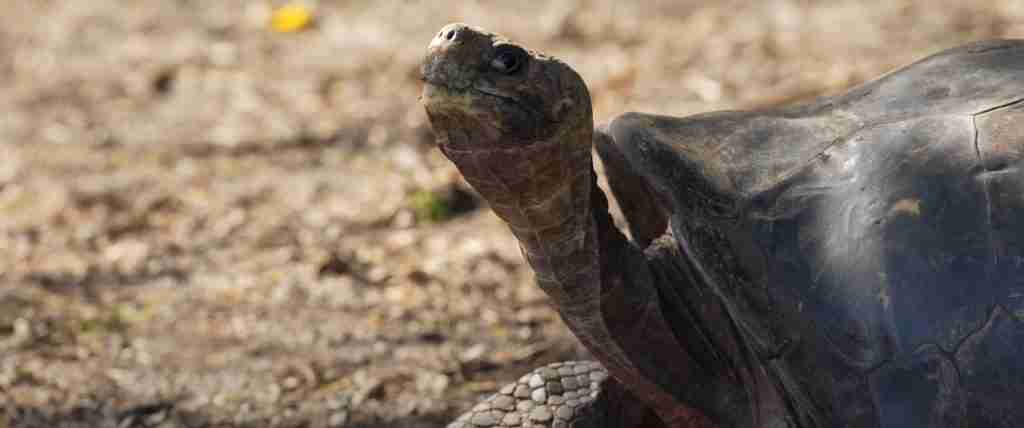
The giant tortoises exemplify Galapagos endemism with 15 recognized subspecies evolving across different islands and sometimes within single islands. These subspecies demonstrate adaptive radiation—the process where ancestral populations diversify to fill available ecological niches. Tortoises on humid, vegetated islands developed domed shells and short necks optimized for ground-level feeding, while populations on arid islands evolved saddleback shells and long necks allowing them to reach tall cacti. These morphological differences developed over hundreds of thousands of years of isolation, demonstrating evolution’s power to modify organisms for specific environments.
The famous Darwin’s finches represent another adaptive radiation producing 13 species from a common ancestral population that probably arrived several million years ago. These finches evolved specialized beaks adapted for different food sources including seeds of various sizes, insects, flowers, and even blood (vampire ground finch). The beak variations correlate directly with food specializations, providing textbook examples of natural selection producing anatomical diversity. Ongoing research continues documenting evolution in these populations as they respond to environmental changes including droughts, food availability fluctuations, and invasive species.
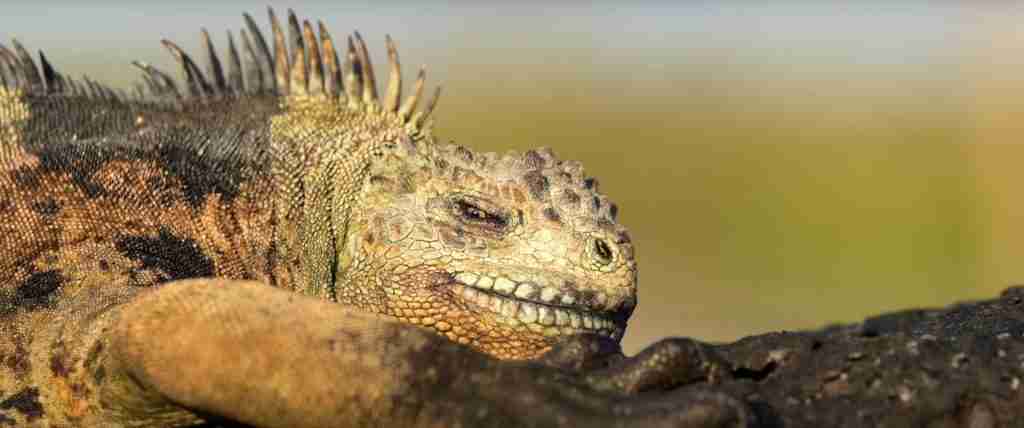
Marine iguanas represent perhaps the archipelago’s most remarkable endemic adaptation. These are the world’s only marine lizards, having evolved from land-dwelling ancestors into creatures that swim using powerful tails and feed on underwater algae. The adaptation required physiological changes including salt glands for excreting excess salt, specialized teeth for scraping algae, and behavioral modifications for dealing with cold ocean water despite being cold-blooded reptiles. Each island’s population shows size and coloration variations, suggesting ongoing evolutionary divergence.
The flightless cormorant evolved from flying ancestors, losing flight capability over generations as the absence of predators removed selective pressure maintaining flight abilities. This represents convergent evolution with other island birds that lost flight when predators disappeared, demonstrating predictable evolutionary responses to specific environmental conditions. The cormorant’s tiny wings cannot support its body weight, making it completely dependent on marine environments and demonstrating irreversible evolutionary commitment to the Galapagos.
Endemic plant species including the giant daisy trees (Scalesia), giant prickly pear cacti (Opuntia), and endemic cotton (Gossypium) demonstrate botanical evolution equal to faunal evolution. The Scalesia forests represent entire ecosystems evolving in isolation, with 15 species developing different growth forms from low shrubs to tree-sized specimens. These endemic forests face threats from invasive plants yet remain globally significant as unique plant communities found nowhere else.
Conservation Management and Protection Systems
The Galapagos Islands’ World Heritage status depends on effective conservation management systems that protect the Outstanding Universal Value justifying UNESCO designation. Ecuador developed comprehensive management frameworks combining legal protection, active management, scientific research, and sustainable development approaches.
The Galapagos National Park, established in 1959 to commemorate the centenary of Darwin’s “On the Origin of Species,” protects 97% of the archipelago’s land area. This extraordinary protection level leaves only the four inhabited zones outside park boundaries, ensuring most terrestrial ecosystems experience minimal human impact. The park authority employs rangers, scientists, and administrators managing visitor access, monitoring wildlife populations, conducting research, and controlling invasive species.
The Galapagos Marine Reserve, created in 1998, protects approximately 51,000 square miles of ocean surrounding the islands. The reserve implements zoning regulations distinguishing areas where commercial fishing, artisanal fishing, or no extractive uses occur. This zoning balances conservation requirements with sustainable use by local fishing communities who depend on marine resources. The participatory management model includes fishermen, conservation organizations, scientists, and government agencies in decision-making processes.
The visitor management system channels all tourism through approximately 70 designated visitor sites, protecting sensitive areas while providing access to representative ecosystems. Regulations require certified naturalist guides accompanying all visits to protected sites, limiting group sizes, restricting visit duration, and prohibiting certain activities. These controls prevent tourism from causing unacceptable impacts while allowing millions of visitors to experience the archipelago’s wonders.
The quarantine and inspection system SICGAL (Sistema de Inspection y Cuarentena para Galapagos) works to prevent invasive species introductions through inspection of all cargo and passengers arriving from mainland Ecuador. This biosecurity system recognizes that invasive species represent the most serious long-term threat to native ecosystems. The system includes aircraft and ship inspections, fumigation protocols, and prohibited item lists preventing high-risk materials from reaching the islands.
Conservation research programs through the Charles Darwin Foundation, Galapagos National Park, and international partners generate scientific knowledge supporting management decisions. Research focuses on invasive species control, endemic species recovery, ecosystem monitoring, and climate change impacts. This science-based management approach ensures conservation actions address actual threats rather than perceived problems, improving effectiveness while minimizing wasted resources.
Threats to Outstanding Universal Value
Despite extraordinary protection efforts, the Galapagos Islands face ongoing threats that justified the 2007-2010 World Heritage in Danger listing and continue requiring vigilant management. Understanding these threats reveals the challenges inherent in protecting even the world’s most significant conservation areas.
Invasive species represent the most insidious threat to Galapagos ecosystems. Over 1,500 introduced species established populations in the archipelago, with some causing devastating impacts. Goats introduced by early settlers multiplied exponentially, destroying native vegetation and threatening endemic plant species with extinction. Rats prey on bird eggs and tortoise hatchlings, causing population declines across multiple species. Fire ants attack native insects and ground-nesting birds. Blackberry bushes dominate highland forests, outcompeting endemic plants. Each invasive species creates cascading ecosystem impacts extending far beyond direct interactions.
The successful eradication of goats from several islands demonstrated that aggressive invasive species control can succeed, though at enormous cost and effort. Project Isabela eliminated over 140,000 goats from northern Isabela and Santiago islands using aerial hunting, trained dogs, and judas goats (radiocollared goats that led hunters to hidden populations). This represented one of history’s largest island restoration projects and demonstrated Ecuador’s commitment to protecting World Heritage values. However, ongoing vigilance prevents reintroductions while controlling other invasive species that resist eradication.
Human population growth on inhabited islands creates development pressure threatening conservation goals. The population increased from approximately 10,000 in the 1990s to about 30,000 currently, driven by economic opportunities in tourism. This growth strains infrastructure including waste management, water systems, and housing, potentially compromising environmental quality. Managing growth while respecting human rights and economic development needs creates difficult policy challenges balancing conservation with social equity.
Tourism growth, while providing economic benefits supporting conservation, risks exceeding sustainable limits. Visitor numbers approached 300,000 annually before COVID-19 restrictions, with some popular sites experiencing crowding that degrades experiences and potentially impacts wildlife. The challenge involves maximizing economic benefits from tourism while preventing negative environmental impacts. UNESCO’s removal from danger status recognized improved tourism management, though continued growth requires ongoing monitoring and potentially stricter controls.
Illegal fishing in the marine reserve depletes fish stocks while directly killing protected species through bycatch. The combination of valuable target species including sea cucumbers, shark fins, and tuna creates economic incentives for illegal fishing despite enforcement efforts. Industrial fishing fleets working waters adjacent to the marine reserve sometimes enter protected zones, reducing benefits of protection. Enforcement resources struggle to patrol the vast reserve effectively, creating opportunities for violations in remote areas.
Climate change represents the most challenging threat as it operates globally and cannot be addressed through local actions alone. Ocean acidification threatens coral reefs and other calcifying marine organisms. Sea level rise endangers coastal nesting beaches. Changing El Niño patterns affect marine productivity and terrestrial rainfall. Warming waters may eliminate cool-water species including penguins and some fish populations. While local management can build ecosystem resilience, ultimate climate change solutions require global cooperation transcending archipelago boundaries.
Scientific Research and Living Laboratory Status
The Galapagos Islands function as a living laboratory where scientists study evolutionary processes, ecosystem dynamics, and conservation effectiveness. This research infrastructure and ongoing scientific productivity justify the archipelago’s World Heritage designation while generating knowledge benefiting conservation globally.
The Charles Darwin Research Station, established in 1964 by the Charles Darwin Foundation, serves as the primary research facility supporting scientific work across disciplines. The station employs permanent research staff while hosting visiting scientists conducting projects on topics ranging from marine biology to terrestrial ecology. The research library maintains extensive historical records of scientific work in the archipelago, creating invaluable baseline data for understanding long-term changes.
Long-term monitoring programs track population trends, ecosystem health, and environmental conditions over decades, generating datasets impossible to replicate elsewhere. These programs document natural fluctuations distinguishing them from human-caused changes, improving interpretation of current conditions. The continuity of monitoring reveals subtle trends invisible in short-term studies, providing early warnings of developing problems requiring management responses.
The captive breeding programs for giant tortoises represent conservation success stories demonstrating how intensive management recovers critically endangered populations. Starting with populations reduced to as few as 15 individuals, breeding programs produced thousands of offspring for reintroduction to native islands. The Espanola tortoise population recovered from 15 individuals in the 1960s to over 2,000 currently through intensive captive breeding. These programs demonstrate that even species at extinction’s brink can recover with sufficient intervention.
Genetics research reveals population structures, evolutionary relationships, and breeding patterns impossible to understand through observation alone. DNA analysis distinguishes species that appear identical externally, revealing cryptic diversity requiring separate conservation management. Genetic studies of Galapagos finches document real-time evolution as populations respond to environmental changes including droughts and food availability fluctuations. This research demonstrates evolution operating on observable timescales rather than requiring millions of years.
Oceanographic research documents marine ecosystem dynamics, current patterns, and biological productivity supporting fisheries management and marine conservation. Research vessels conduct surveys mapping fish populations, studying whale shark movements, and monitoring coral reef health. Undersea sensors track temperature, salinity, and current patterns generating data for understanding climate change impacts and seasonal variations affecting marine life.
Ecosystem restoration experiments test methods for recovering degraded habitats, providing models for conservation work worldwide. Projects removing invasive plants and replacing them with natives demonstrate restoration possibilities while revealing challenges. These experiments generate practical knowledge about what works, what fails, and why, improving restoration effectiveness globally as techniques developed in Galapagos inform projects elsewhere.
International Cooperation and Global Significance
The Galapagos Islands’ World Heritage designation recognizes that protecting the archipelago represents a global responsibility extending beyond Ecuador’s national interests. International cooperation provides resources, expertise, and support essential for effective conservation.
UNESCO’s World Heritage designation brings international attention and prestige that elevates the Galapagos in global consciousness. This attention generates tourism revenue supporting local economies while attracting conservation funding from international sources. The designation also creates obligations for Ecuador to maintain protection standards meeting international expectations, providing external pressure supporting conservation when domestic pressures favor development.
International conservation organizations including the Charles Darwin Foundation, World Wildlife Fund, Conservation International, and others provide funding, technical expertise, and program support. These organizations bring resources and capabilities Ecuador alone cannot mobilize, enabling large-scale conservation projects including invasive species eradication and species recovery programs. The international partnership model allows leveraging diverse resources while maintaining Ecuadorian sovereignty over management decisions.
Scientific cooperation brings researchers from around the world to conduct studies generating knowledge benefiting conservation. This international scientific community provides expertise spanning disciplines and bringing cutting-edge techniques to archipelago research. Collaboration ensures research addresses priorities identified by management agencies while advancing scientific understanding globally. The cross-pollination of ideas and approaches enriches both conservation practice and scientific theory.
International volunteer programs engage thousands of people in conservation work while building global constituencies supporting protection. Volunteers contribute labor for restoration projects, monitoring programs, and infrastructure maintenance while gaining personal experiences connecting them emotionally to the archipelago. These ambassadors return home advocating for conservation and potentially providing ongoing support through donations and advocacy.
The global significance of lessons learned in the Galapagos extends conservation benefits far beyond the archipelago. Techniques developed for invasive species eradication inform island restoration projects worldwide. Management approaches balancing conservation with sustainable use provide models for other protected areas. Scientific discoveries about evolution, ecosystem dynamics, and species recovery generate fundamental knowledge applicable globally. The archipelago serves as a testing ground where humanity learns how to coexist with nature rather than destroying it.
Future Challenges and Conservation Outlook
Maintaining the Galapagos Islands’ World Heritage status requires addressing emerging challenges while sustaining current protection efforts. The archipelago’s future depends on balancing conservation imperatives with human needs in ways that preserve Outstanding Universal Value for future generations.
Climate change adaptation strategies must account for impacts that cannot be prevented through local actions. Building ecosystem resilience through invasive species control, habitat restoration, and population connectivity improves capacity to withstand climate stresses. Maintaining genetic diversity within populations provides raw material for adaptive evolution as conditions change. Identifying and protecting climate refugia—locations where conditions remain relatively stable—ensures some populations survive even if others decline.
Sustainable development models for inhabited islands must prevent population growth from exceeding carrying capacities while providing economic opportunities for residents. The challenge involves maintaining conservation protections while ensuring human communities thrive rather than merely survive. Finding this balance requires innovative approaches generating conservation-compatible livelihoods, enforcing residency controls preventing unlimited migration, and investing in infrastructure that minimizes environmental impacts.
Technology applications including remote sensing, genetic monitoring, and electronic surveillance improve conservation effectiveness by providing real-time information about ecosystem conditions and threats. Satellite tracking reveals animal movements, helping protect critical habitats and migration routes. Genetic analysis identifies illegal wildlife products and tracks smuggling operations. Acoustic monitoring detects illegal fishing vessels in remote reserve areas. These technologies amplify limited enforcement resources while generating scientific data.
Education and outreach programs build conservation values in local communities and visitors, creating broad constituencies supporting protection. Environmental education in island schools ensures younger generations understand and value the ecosystems surrounding them. Naturalist guide training transmits scientific knowledge to the thousands of guides educating visitors. Interpretation programs help tourists understand what they experience, transforming casual visits into meaningful educational encounters inspiring conservation action.
Financial sustainability remains critical for long-term conservation success. Park entrance fees, tourism taxes, and conservation trust funds generate resources supporting management while reducing dependence on external funding that may prove unreliable. Economic analyses demonstrating conservation’s value for tourism, fisheries, and international prestige justify continued investment in protection. Creating stable, adequate funding ensures management agencies can operate effectively regardless of political changes or economic fluctuations.
Conclusion: Protecting Humanity’s Natural Heritage
The Galapagos Islands’ UNESCO World Heritage designation recognizes that this archipelago represents more than national treasure—it constitutes irreplaceable natural heritage belonging to all humanity. The combination of geological significance, evolutionary importance, endemic biodiversity, and conservation achievement creates Outstanding Universal Value transcending national boundaries. Protecting the Galapagos protects fundamental knowledge about how life evolves, how ecosystems function, and how humanity can coexist sustainably with nature.
The successful removal from the World Heritage in Danger list demonstrates that effective conservation can reverse ecosystem decline when adequate resources, political will, and international support align. The archipelago serves as a beacon of conservation hope, proving that even significant threats can be addressed through coordinated action. However, ongoing challenges including climate change, invasive species, and human population growth require sustained vigilance and continued investment in protection.
For visitors, understanding the Galapagos’ World Heritage significance adds depth to experiences beyond simply observing remarkable wildlife. The archipelago represents humanity’s commitment to preserving natural wonders for future generations rather than exploiting them for short-term gain. Every visitor who follows park regulations, supports conservation initiatives, and shares their experiences contributes to protecting this irreplaceable natural laboratory. The Galapagos reminds us that some places deserve protection not for economic value but for intrinsic worth—for what they teach us about life, evolution, and our place in nature’s grand tapestry.
Frequently Asked Questions
What makes the Galapagos Islands unique compared to other UNESCO World Heritage Sites?
The Galapagos holds exceptional distinction as one of the first UNESCO World Heritage sites designated in 1978 and one of few with both terrestrial and marine World Heritage status. The archipelago demonstrates ongoing evolutionary processes with minimal human interference, hosting concentration of endemic species unmatched globally. The combination of geological significance, evolutionary laboratory status, and conservation achievement creates Outstanding Universal Value recognized by UNESCO as deserving humanity’s highest protection. The islands contributed fundamentally to evolutionary theory while continuing to generate scientific discoveries advancing biological understanding.
How does UNESCO monitor conservation in the Galapagos?
UNESCO monitors Galapagos conservation through periodic reporting requirements, reactive monitoring missions responding to specific concerns, and State of Conservation reports submitted by Ecuador. The World Heritage Committee reviews reports assessing whether Outstanding Universal Value remains protected and whether management addresses identified threats. When concerns arise, UNESCO may send expert missions to evaluate conditions and recommend improvements. Serious threats can result in World Heritage in Danger listing, as occurred in 2007-2010. This monitoring system provides external oversight helping ensure conservation standards meet international expectations while supporting Ecuador’s protection efforts through international attention and technical assistance.
What was accomplished during the World Heritage in Danger period?
Between 2007 and 2010, Ecuador implemented major conservation improvements addressing concerns that led to Danger listing. The government invested heavily in invasive species eradication, successfully eliminating goats from Santiago Island and northern Isabela. Tourism management systems improved through better infrastructure, stricter regulations, and enhanced visitor monitoring. Biosecurity protocols strengthened to prevent new invasive species introductions. Marine reserve enforcement increased with additional patrol vessels and surveillance systems. These improvements convinced UNESCO that immediate threats to Outstanding Universal Value decreased sufficiently for removal from the Danger list, though ongoing conservation requires continued vigilance and investment.
Can World Heritage status be revoked if conservation fails?
Yes, UNESCO can remove sites from the World Heritage List if Outstanding Universal Value deteriorates beyond recovery or if required protection measures fail to prevent irreversible damage. However, this rarely occurs as UNESCO prefers working with governments to address problems rather than resorting to delisting. The List of World Heritage in Danger serves as an intermediate step warning that serious threats require immediate action. If conservation fails despite warnings and technical assistance, delisting remains possible. The Galapagos’ successful recovery from Danger status demonstrates how international cooperation can address serious threats when political will and adequate resources align to implement necessary conservation measures.
How does the Galapagos Marine Reserve differ from terrestrial protection?
The Galapagos Marine Reserve, added to World Heritage status in 2001, protects approximately 51,000 square miles of ocean surrounding the islands—one of Earth’s largest marine protected areas. Unlike the terrestrial park protecting 97% of land area with strict no-take regulations, the marine reserve uses zoning allowing sustainable artisanal fishing in certain areas while prohibiting industrial fishing throughout. The reserve recognizes that local fishing communities depend on marine resources, creating management systems balancing conservation with sustainable use. Participatory management involves fishermen in decision-making, creating support for protection while maintaining traditional livelihoods. This approach demonstrates how conservation can integrate sustainable use rather than requiring complete exclusion.
What role do local communities play in World Heritage conservation?
Local Galapagueño communities play essential roles in conservation as naturalist guides, park rangers, fishing cooperative members, and conservation program participants. The naturalist guide system employs hundreds of island residents as primary educators for visitors, transmitting conservation values while generating sustainable income. Artisanal fishing cooperatives participate in marine reserve management, helping develop regulations balancing resource sustainability with livelihood security. Many residents work for conservation organizations or serve as citizen scientists contributing to monitoring programs. This community involvement creates local constituencies supporting conservation rather than viewing protection as external imposition limiting opportunities. Successful long-term conservation requires integrating communities as partners rather than treating them as threats to be controlled.
How does Charles Darwin’s legacy influence current conservation?
Charles Darwin’s 1835 visit and subsequent development of evolution by natural selection established the Galapagos as globally significant beyond just remarkable wildlife. The archipelago’s role in revolutionary scientific theory elevated its importance in human intellectual history, creating powerful arguments for conservation beyond biodiversity protection alone. The Charles Darwin Foundation and Research Station, established in his honor, continue the scientific tradition by conducting research advancing evolutionary biology and conservation science. Darwin’s legacy inspires conservation by demonstrating how understanding nature’s processes benefits humanity intellectually and practically. The evolutionary insights gained in Galapagos continue generating knowledge about adaptation, speciation, and ecosystem dynamics essential for addressing modern conservation challenges including climate change.
What research opportunities exist in the Galapagos for scientists?
The Galapagos offers unparalleled research opportunities for scientists studying evolution, ecology, conservation biology, and related disciplines. The Charles Darwin Research Station facilitates research through laboratory facilities, logistical support, and institutional partnerships. Long-term monitoring programs generate baseline data supporting research projects documenting changes over time. The archipelago’s marine and terrestrial ecosystems provide natural experiments where isolation creates controlled conditions impossible to replicate elsewhere. Research projects range from population genetics to ecosystem restoration, from marine biology to climate change impacts. International scientists collaborate with Ecuadorian researchers, creating cross-cultural scientific partnerships advancing knowledge while training new generations of conservation scientists.
How does climate change threaten World Heritage values in Galapagos?
Climate change threatens the Galapagos through multiple mechanisms including ocean warming, acidification, sea level rise, and altered rainfall patterns. Warming waters may eliminate cool-water species including the Galapagos penguin, flightless cormorant, and marine iguanas that depend on cold upwelling conditions. Ocean acidification threatens coral reefs and other calcifying organisms forming ecosystem foundations. Sea level rise endangers coastal nesting beaches for sea turtles and seabirds. Changing El Niño patterns affect marine productivity and terrestrial rainfall, potentially disrupting ecological relationships that evolved over millennia. These global threats cannot be addressed through local management alone, requiring international cooperation reducing greenhouse gas emissions while building ecosystem resilience through effective local conservation that removes other stresses allowing populations to better withstand climate impacts.
What can visitors do to support World Heritage conservation?
Visitors support Galapagos conservation through multiple actions including strictly following park regulations, choosing responsible tour operators emphasizing conservation, paying entrance fees funding park operations, and supporting local conservation organizations through donations or volunteering. Staying on designated trails, maintaining required distances from wildlife, and avoiding prohibited activities prevent visitor impacts on sensitive ecosystems. Purchasing from local businesses and artisans supports community economies reducing pressure for extractive resource use. Sharing experiences and knowledge after returning home builds global constituencies supporting conservation funding and political action. Perhaps most importantly, visitors can apply lessons learned about sustainable living and conservation to their home communities, extending Galapagos’ conservation influence globally through changed behaviors and increased environmental awareness.