
Best Time Visit Cappadocia 2026: Seasonal Planning Guide
Choosing the optimal time to visit Cappadocia in 2026 requires balancing competing priorities including hot air balloon flight reliability, weather conditions for valley hiking, accommodation pricing fluctuations, tourist crowd densities, and photographic lighting quality across dramatically different seasonal patterns. This comprehensive seasonal planning guide analyzes month-by-month weather data, balloon cancellation rates, pricing variations, and crowd levels to identify ideal travel windows matching different visitor priorities, whether prioritizing guaranteed balloon flights during peak season’s reliable conditions, discovering budget opportunities during off-season’s discounted rates, or finding sweet-spot shoulder seasons balancing favorable weather with moderate pricing.
Key Takeaways for Cappadocia Seasonal Planning 2026
- April-May and September-October represent optimal visiting periods for 2026, delivering 90%+ hot air balloon flight success rates, mild temperatures between 15-25°C ideal for hiking, clear skies with minimal precipitation, and vibrant landscapes with spring wildflowers or autumn foliage creating spectacular photography conditions
- Summer months June-August provide near-guaranteed balloon flights with under 10% cancellation rates and extended daylight hours, though temperatures peak 30-35°C requiring early morning activities, accommodation prices reach annual highs, and tourist crowds congest major attractions during Europe’s peak vacation season
- Winter months November-March offer dramatic pricing reductions with balloon flights €50-€80 (versus €150-€300 peak season) and cave hotels discounted 40-50%, but weather unpredictability creates 30-40% balloon cancellation rates requiring flexible 3-4 night minimum stays and tolerance for cold temperatures below freezing
- March and November shoulder periods balance moderate pricing, reduced crowds, and acceptable weather reliability making these months attractive for budget-conscious travelers accepting some balloon cancellation risk in exchange for avoiding peak season’s premium rates and congestion
- Hot air balloon flight scheduling drives optimal timing more than any other factor, with sunrise launches weather-dependent requiring stable conditions, light winds under 15 km/h, and clear visibility that occur most reliably during April-October’s stable weather patterns
- Plan Cappadocia visits coordinating with Turkish national holidays and European vacation periods to avoid extreme crowds during late April (National Sovereignty Day), early May (Labor Day), late October (Republic Day), and July-August school vacation surges when accommodation books months ahead
People Also Ask About Best Time Visit Cappadocia 2026
What is the absolute best month to visit Cappadocia in 2026?
May and September emerge as the single best months for visiting Cappadocia in 2026, offering optimal combination of reliable hot air balloon flights with 90-95% success rates, perfect temperatures ranging 18-25°C comfortable for all-day outdoor activities without excessive heat, vibrant landscapes with May’s spring wildflowers or September’s golden autumn colors, clear skies with minimal precipitation, and moderate pricing below peak summer rates while avoiding winter’s dramatic discounts that reflect challenging conditions. May specifically delivers green valleys with blooming poppies creating spectacular photography backdrops, while September provides harvest season atmosphere with grape picking in vineyards and comfortable temperatures following summer’s heat. Both months see reduced crowds compared to July-August’s European vacation peak while maintaining excellent weather reliability and comprehensive tourism services operating at full capacity.
When should I avoid visiting Cappadocia in 2026?
January and February represent the most challenging months for Cappadocia visits in 2026, with hot air balloon cancellation rates reaching 40-50% due to harsh winter weather including high winds, snow, and freezing temperatures that ground flights for safety. Temperatures drop below 0°C overnight with daytime highs barely reaching 5-8°C, creating uncomfortable conditions for valley hiking and outdoor exploration that define Cappadocia experiences. Snow and ice make unpaved valley trails hazardous while limiting access to remote viewpoints and hiking areas, and short daylight hours (sunrise 7:30 AM, sunset 5:30 PM) compress available touring time. However, travelers specifically seeking winter photography with snow-dusted fairy chimneys, dramatic budget savings with accommodation discounted 50%, and authentic experiences without tourist crowds may find January-February appealing if accepting probable balloon cancellations and cold weather constraints requiring flexible itineraries built around weather windows.
How far in advance should I book for peak season 2026 in Cappadocia?
Peak season travel during April-May and September-October 2026 requires booking cave hotel accommodation 6-8 weeks in advance to secure preferred properties and room categories before availability disappears, while hot air balloon flights demand 45-60 day advance reservations guaranteeing desired dates and qualifying for early-bird discounts offering 10-20% savings over last-minute rates. Summer months June-August necessitate even earlier booking timelines of 8-12 weeks for accommodation and balloon flights as European vacation demand peaks, particularly for travel during July-August school holidays when families dominate visitor demographics. Boutique cave hotels with fewer than 10 rooms and premium balloon operators with superior safety records and experienced pilots fill earliest, sometimes booking completely 2-3 months ahead for prime dates including weekends and Turkish national holidays when domestic tourism surges supplement international visitors.
What’s the cheapest time to visit Cappadocia in 2026?
December through February offers the most economical Cappadocia travel in 2026, with hot air balloon flights discounted to €50-€80 from peak season’s €150-€300 and cave hotel accommodation reduced 40-50% as tourism volumes plummet and properties compete for limited winter visitors. January specifically delivers rock-bottom pricing as post-holiday lull and harsh weather conditions create minimal demand, allowing flexible travelers to negotiate additional discounts directly with hotels for multi-night stays. However, weather-related balloon cancellation rates reaching 30-40% require accepting significant risk of missing Cappadocia’s signature experience despite low prices, necessitating flexible itineraries with minimum 3-4 night stays providing multiple launch opportunities and backup plans for cancelled flights. Budget-conscious travelers balancing savings against experience quality should consider March or November shoulder periods delivering moderate pricing discounts (20-30% below peak) with improved weather reliability (15-25% cancellation rates) creating better value propositions than winter’s dramatic discounts offset by high cancellation probability.
Extended multi-day tours – 5+ days
Featured Cappadocia Multi-Day Tour Packages

3 days
Enchanting Cappadocia Getaway – 3 Days Cave Hotel Experience & Optional Balloon
- ✓ Comprehensive Cappadocia tour
- ✓ Expert local guides included
- ✓ All accommodation arranged
- ✓ Transportation provided
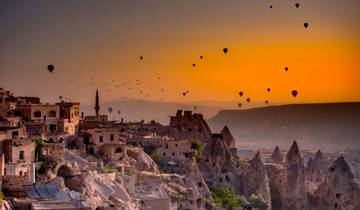
4 days
Enchanting Cappadocia Experience! 4 Days Cave Hotel, Optional Balloon
- ✓ Comprehensive Cappadocia tour
- ✓ Expert local guides included
- ✓ All accommodation arranged
- ✓ Transportation provided
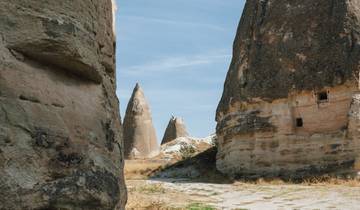
5 days
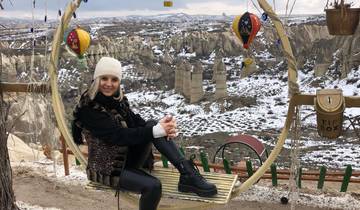
Romantic Views in Cappadocia
- ✓ Booking needs min. 2 travelers
3 days
3 Days Cappadocia Highlights
- ✓ Comprehensive Cappadocia tour
- ✓ Expert local guides included
- ✓ All accommodation arranged
- ✓ Transportation provided
Multi-day tour packages powered by TourRadar. Prices and availability subject to change.
Understanding Cappadocia’s Climate Patterns for 2026 Planning
Cappadocia experiences continental climate characterized by hot dry summers and cold snowy winters, with dramatic temperature swings between seasons and significant diurnal temperature variation creating 15-20°C differences between daytime highs and nighttime lows throughout the year. The region’s 1,000-meter elevation on the central Anatolian plateau intensifies seasonal extremes while maintaining low annual precipitation averaging only 400 millimeters distributed unevenly across the year, with spring and late autumn receiving majority of rainfall while summer months remain persistently dry.
Temperature patterns create distinct seasonal divisions governing travel experiences and optimal activity timing. Summer temperatures peak in July-August with daytime highs regularly reaching 30-35°C and occasional heat waves exceeding 38°C, though low humidity and strong diurnal cooling reduce discomfort compared to coastal regions experiencing similar temperatures. Nighttime summer lows drop to comfortable 15-18°C creating pleasant evening conditions for outdoor dining and stargazing. Winter temperatures plunge dramatically with December-February daytime highs struggling to reach 5-8°C while overnight lows frequently drop below -5°C, occasionally reaching -15°C during cold snaps when Siberian air masses sweep across the Anatolian plateau.
Precipitation concentrates during spring months (March-May) and late autumn (October-November) when frontal systems crossing the Mediterranean and Black Sea bring periodic rain showers and occasional thunderstorms. April typically receives the year’s highest monthly precipitation averaging 40-50 millimeters distributed across 10-12 rainy days, though individual storms rarely persist beyond several hours and sunshine typically returns quickly. Summer months June-August remain remarkably dry with monthly precipitation often totaling less than 10 millimeters, creating arid conditions that stress vegetation and generate dust during windy periods but guarantee reliable sunny weather for tourism activities.
Wind patterns critically impact hot air balloon operations since flights require calm conditions with wind speeds below 10-15 kilometers per hour. Summer mornings typically deliver the year’s calmest conditions with light breezes or complete stillness during pre-dawn hours when temperature inversions suppress wind development, explaining summer’s near-perfect balloon flight reliability. Winter experiences much more variable wind conditions as strong pressure gradients between atmospheric systems create gusty periods exceeding safe balloon operation limits, contributing to high cancellation rates during November-March. Spring and autumn see moderate wind conditions with generally favorable morning calm interrupted by periodic stormy periods when atmospheric instability generates strong winds grounding flights.
Humidity levels remain low year-round due to continental climate and distance from major water bodies, with relative humidity typically ranging 40-60% even during winter months and dropping below 30% during summer creating very dry atmospheric conditions. This persistent dryness contributes to excellent fresco preservation in rock-cut churches where humidity damage would otherwise deteriorate painted surfaces, and creates comfortable thermal conditions even during summer heat as perspiration evaporates efficiently providing natural cooling.
Spring Season in Cappadocia 2026 (March-May)
Spring emerges as Cappadocia’s most popular visiting season in 2026, with March through May experiencing dramatic weather improvement from winter’s harsh conditions while delivering progressively warming temperatures, blooming landscapes, and excellent hot air balloon flight reliability that attracts peak international visitor volumes particularly during April-May’s optimal window.
March 2026 serves as transitional month bridging winter and spring with highly variable weather patterns creating uncertainty for trip planning. Early March temperatures still reflect winter influence with daytime highs averaging 10-12°C and overnight lows near freezing, while late March sees rapid warming to 15-18°C daytime temperatures as longer days and strengthening sun angles accelerate seasonal transition. Hot air balloon cancellation rates during March average 20-25%, significantly improved from winter’s 30-40% but still requiring flexible scheduling and multiple-night stays to ensure successful flights. Precipitation occurs on 8-10 days monthly averaging 30-35 millimeters, with rain showers sometimes mixing with snow during early March cold snaps before transitioning entirely to rain by month’s end.
March accommodation pricing sits 20-30% below peak season rates as hotels offer shoulder season discounts attracting budget-conscious travelers willing to accept some weather uncertainty, while balloon flight costs remain moderate at €100-€150 reflecting reduced demand and operators’ eagerness to fill capacity during the shoulder period. Tourist crowds remain light particularly during early-mid March before spring break travel commences, allowing uncrowded museum visits and restaurant access without waits that characterize peak season.
April 2026 delivers quintessential spring conditions with daytime temperatures reaching comfortable 15-20°C, overnight lows moderating to 5-10°C, and valley landscapes transforming into vibrant green carpets dotted with wildflowers including brilliant red poppies, yellow buttercups, and purple iris creating spectacular photography opportunities. Hot air balloon flight success rates improve dramatically to 85-90% as weather systems stabilize and calm morning conditions become reliable, though April receives the year’s highest precipitation with 40-50 millimeters distributed across 10-12 days creating brief afternoon rain showers that rarely disrupt morning balloon launches or full-day touring schedules.
April accommodation and balloon flight pricing escalate toward peak season rates as demand surges, with cave hotels charging 80-90% of summer peak prices and balloon operators commanding €150-€200 for standard flights as availability tightens. Booking 6-8 weeks ahead becomes essential during April as properties fill rapidly particularly during late April when Turkish National Sovereignty and Children’s Day holiday (April 23) creates domestic tourism surge supplementing international visitors. The month sees significantly increased crowds at major attractions with Göreme Open Air Museum experiencing 2-3 hour peak visitation periods requiring strategic timing to avoid congestion.
May 2026 represents the spring season’s pinnacle, delivering near-perfect conditions combining excellent weather reliability, vibrant landscapes, comfortable temperatures, and high balloon flight success rates that justify peak pricing and heavy tourist volumes. Daytime temperatures reach ideal 20-25°C allowing all-day outdoor activities without excessive heat, while nighttime lows moderate to 10-15°C creating pleasant evening conditions for outdoor dining and hotel terrace relaxation. Precipitation decreases from April’s peak to 30-35 millimeters across 8-10 days, with rain showers brief and sunshine dominant.
May hot air balloon flights achieve 92-95% success rates as stable atmospheric conditions and calm morning winds create optimal launch conditions, making this month ideal for travelers prioritizing guaranteed balloon experiences. Accommodation pricing reaches peak levels matching summer rates as European vacation travel accelerates and booking windows compress, with popular cave hotels fully booked 8-10 weeks ahead for prime May dates. Balloon flight costs reach €180-€250 for standard packages as operators recognize peak demand and limited availability, with early booking discounts shrinking or disappearing entirely.
Valley hiking conditions peak during May with lush vegetation, blooming wildflowers, comfortable temperatures allowing midday hiking without heat exhaustion risk, and extended daylight hours (sunrise 5:30 AM, sunset 8:00 PM) supporting full-day itineraries. Rose Valley, Love Valley, and Red Valley showcase spring colors against fairy chimney backdrops, while increased tourist foot traffic on popular trails creates social atmosphere appealing to some visitors though frustrating photographers seeking solitary compositions.
Summer Season in Cappadocia 2026 (June-August)
Summer delivers Cappadocia’s most reliable weather conditions in 2026 with near-guaranteed hot air balloon flights, extended daylight hours, and comprehensive tourism infrastructure operating at peak capacity, though intense heat, maximum pricing, and heavy crowds create challenges requiring strategic planning and early morning activity scheduling to optimize experiences.
June 2026 inaugurates summer with temperatures climbing rapidly to 25-30°C daytime highs and 15-18°C overnight lows, creating warm conditions ideal for swimming pools at cave hotels and evening terrace socializing while requiring morning activity scheduling to avoid midday heat during valley hikes. Hot air balloon flight reliability reaches 95%+ with cancellations occurring only during rare unstable weather events bringing thunderstorms or unusually strong winds, making June excellent month for travelers who planned trips specifically around balloon experiences and cannot tolerate cancellation risk.
June precipitation drops dramatically from spring levels to 15-20 millimeters monthly distributed across only 5-7 days, with brief afternoon thunderstorms providing spectacular lightning photography opportunities over fairy chimneys while rarely disrupting full-day touring schedules. The month experiences rapid vegetation transition from May’s green landscapes to summer’s golden brown as grasses dry and wildflowers complete seasonal cycles, creating different aesthetic favoring earth-tone photography palettes rather than spring’s vibrant colors.
June accommodation pricing reaches annual peak levels as European summer vacation season commences, with cave hotels charging maximum rates and requiring 8-10 week advance bookings for preferred properties and dates. Balloon flight costs stabilize at €180-€250 for standard packages with comfort and deluxe options commanding premium surcharges, and popular operators filling capacity weeks ahead as travelers recognize June’s reliable conditions justify peak pricing. Tourist crowds intensify significantly from May levels as European school vacations begin, creating congested conditions at Göreme Open Air Museum during midday hours and restaurant waits extending 30-45 minutes at popular establishments without reservations.
July-August 2026 represent peak summer with extreme heat, maximum crowds, highest pricing, but absolutely reliable balloon flight conditions creating trade-offs travelers must evaluate based on personal priorities and heat tolerance. Daytime temperatures routinely reach 30-35°C with heat waves occasionally pushing thermometers past 38°C during afternoon hours, making outdoor activities challenging between 11:00 AM and 5:00 PM when direct sun exposure and reflected heat from pale volcanic rock create oppressive conditions. However, Cappadocia’s low humidity (typically 25-35% during summer) and strong diurnal cooling create more comfortable conditions than coastal Mediterranean regions experiencing similar temperatures with higher humidity.
Hot air balloon operations during July-August achieve 97-98% success rates with cancellations exceptionally rare, requiring extremely early morning pickups at 3:30-4:00 AM to launch before sunrise arrives around 5:00 AM, completing flights before temperatures soar. These brutal wake-up times challenge many travelers but prove necessary for optimal flight conditions, and post-flight hotel returns around 7:30-8:00 AM allow breakfast and rest before midday heat peaks. Valley hiking becomes inadvisable during afternoon hours with temperatures and sun exposure creating heat exhaustion and dehydration risks, though early morning hikes (departing 6:00-7:00 AM) and evening hikes (departing after 6:00 PM) remain pleasant with dramatic lighting conditions.
July-August accommodation reaches absolute capacity with properties fully booked 10-12 weeks ahead, premium cave hotels sometimes filling 3-4 months in advance for prime dates, and last-minute travelers facing limited options at inflated walk-in rates or requiring accommodation in less convenient towns like Ürgüp or Avanos. Balloon flight bookings similarly require 8-10 week advance reservations with waiting lists common for popular operators during peak July-August dates. Tourist crowds reach annual maximum with hundreds of balloons launching simultaneously creating spectacular aerial displays but also congested launch areas, Göreme Open Air Museum experiencing constant flow creating viewing challenges in small churches, and restaurants fully booked requiring advance dinner reservations.
Despite heat and crowds, July-August appeal to families constrained by school vacation schedules, travelers from extremely hot climates who find Cappadocia’s dry heat comfortable compared to tropical humidity, and visitors prioritizing guaranteed balloon flights above all other considerations willing to accept peak pricing and congestion as necessary costs for weather reliability.
Autumn Season in Cappadocia 2026 (September-November)
Autumn rivals spring as Cappadocia’s optimal visiting season in 2026, with September-October delivering excellent weather conditions, reliable balloon flights, beautiful landscape colors, and slightly reduced crowds compared to summer peak while maintaining comprehensive tourism services and moderate pricing that attracts discerning travelers seeking peak experiences without peak season’s most extreme conditions.
September 2026 offers arguably the year’s single best visiting conditions, combining summer’s reliable balloon flight success rates (92-95%) with significantly more comfortable temperatures, reduced tourist crowds as European school vacations end, and beautiful golden autumn colors transforming valley landscapes. Daytime temperatures moderate from August’s extremes to pleasant 25-30°C during early September, cooling further to 20-25°C by month’s end as autumn asserts influence. Overnight lows drop to comfortable 12-18°C range creating ideal sleeping conditions and pleasant evening temperatures for outdoor activities.
September precipitation remains minimal at 10-15 millimeters across only 4-6 days monthly, with brief showers occasionally interrupting predominantly sunny conditions but rarely impacting tourism schedules. The month delivers extended comfortable weather windows allowing all-day outdoor activities without summer’s heat constraints, with sunrise shifting from 6:00 AM early September to 6:45 AM late September providing slightly later balloon pickup times compared to July-August’s brutal 3:30 AM departures. Valley hiking becomes pleasant throughout the day as temperatures moderate, though morning and evening hours still offer superior lighting and temperature conditions.
September accommodation pricing typically remains at peak summer levels during early month before declining slightly during late September as demand eases, though premium properties maintain high rates through month’s end recognizing excellent conditions justify peak pricing. Balloon flight costs stabilize at €160-€220 for standard packages with some operators offering early autumn promotions during late September attracting bookings before October’s renewed demand surge. Tourist crowds thin noticeably from August peak particularly after mid-September when European school year commences, creating more manageable conditions at major attractions and restaurants though popular properties still require advance reservations.
Harvest season creates special atmosphere during September with grape picking in vineyards, wine production at wineries, and agricultural activities visible throughout valleys adding cultural dimension beyond pure tourism. Some cave hotels and restaurants host harvest celebrations allowing guests to participate in traditional grape crushing and wine tasting, while local markets overflow with seasonal produce including figs, pomegranates, and walnuts harvesting during September.
October 2026 maintains September’s favorable conditions while experiencing progressive cooling and slightly increased precipitation as autumn advances toward winter. Daytime temperatures range 15-22°C during early October, declining to 10-18°C by month’s end with overnight lows dropping from 8-12°C to 2-8°C creating crisp autumn conditions and occasional frost during late October mornings. Hot air balloon flight reliability remains excellent at 85-90% through early-mid October before declining slightly to 80-85% during late October as atmospheric instability increases and stronger winds occasionally ground flights.
October precipitation increases moderately to 25-30 millimeters across 6-8 days as autumn storm systems crossing the Mediterranean bring periodic rain showers, though extended rainy periods remain rare and sunshine dominates monthly weather patterns. Valley landscapes display beautiful autumn colors with vineyards and orchards showing golden and red foliage against fairy chimney backdrops, creating different aesthetic from spring’s green and summer’s brown that photographers appreciate for seasonal variety.
October accommodation pricing begins declining from peak summer rates particularly during late October after Turkish Republic Day holiday (October 29) when autumn shoulder season officially commences, with properties offering 10-20% discounts compared to summer peaks. Balloon flight costs decrease similarly to €140-€200 range as operators recognize diminishing demand and attempt to maintain capacity utilization before winter’s dramatic volume decline. Tourist crowds thin significantly during October with pleasant uncrowded conditions at major attractions, though Republic Day holiday weekend (October 28-29) sees temporary domestic tourism surge creating brief congestion.
Late October through early November experiences accelerating transition toward winter conditions with increasing weather variability, declining temperatures, and rising balloon cancellation risks as atmospheric instability intensifies. Travelers considering October visits should target early-mid October for optimal conditions while late October carries moderate risk of challenging weather more characteristic of November’s shoulder season difficulties.
November 2026 serves as challenging shoulder month experiencing rapid deterioration from October’s pleasant conditions toward winter’s harsh weather, creating uncertainty for trip planning and significant balloon cancellation risks that make this month inadvisable unless seeking budget opportunities and accepting weather gambles. Daytime temperatures decline from 10-15°C early November to 5-10°C late November with overnight lows frequently dropping below freezing after mid-month, creating cold conditions requiring substantial layered clothing.
Hot air balloon cancellation rates escalate dramatically during November from 15-20% early month to 25-35% late month as strong winds, snow, and fog increasingly disrupt operations. Precipitation increases to 30-35 millimeters monthly with rain during early November transitioning to rain-snow mix or pure snow during late November as temperatures drop below freezing. The first significant snowfalls typically occur during mid-late November, occasionally producing 10-20 centimeter accumulations that transform fairy chimneys into white winter wonderland creating spectacular photography opportunities for visitors fortunate to experience these conditions.
November accommodation pricing drops dramatically to 30-40% below summer peaks as tourism volumes plummet and properties compete for limited shoulder season visitors, creating excellent value opportunities for budget travelers. Balloon flight costs decline to €80-€120 reflecting reduced demand and operators’ willingness to discount rates maintaining minimal capacity utilization before winter closure or minimal operations periods. Tourist crowds disappear almost entirely during November with near-private museum visits and immediate restaurant seating without reservations creating authentic uncrowded experiences appealing to travelers seeking solitude.
November appeals primarily to budget travelers prioritizing savings over weather reliability, photographers seeking dramatic weather and lighting conditions, and adventurous visitors comfortable with uncertainty and flexible itineraries adapting to changing conditions. However, most travelers should avoid November given poor value proposition where modest savings fail to compensate for high balloon cancellation probability and challenging weather conditions that limit outdoor activities defining Cappadocia experiences.
Winter Season in Cappadocia 2026 (December-February)
Winter presents Cappadocia’s most challenging visiting conditions in 2026 with harsh weather, high balloon cancellation rates, short daylight hours, and cold temperatures creating significant constraints, though dramatic pricing discounts, authentic uncrowded experiences, and occasional spectacular snow conditions attract specific traveler segments willing to accept weather gambles for substantial savings and unique winter photography opportunities.
December 2026 inaugurates winter with rapidly declining temperatures, increasing precipitation, shortened daylight hours, and deteriorating balloon flight reliability creating difficult conditions for conventional tourism. Daytime temperatures range 3-8°C with frequent overcast skies preventing solar warming, while overnight lows consistently drop below freezing averaging -3 to -8°C with cold snaps occasionally reaching -12°C when Siberian air masses dominate regional weather patterns. Hot air balloon cancellation rates climb to 30-35% as strong winds, snow, fog, and freezing temperatures regularly exceed safe operational parameters.
December precipitation averages 35-40 millimeters falling primarily as snow after early month, with 5-8 snow events producing accumulations ranging from light dustings to 15-20 centimeter snowfalls that blanket fairy chimneys creating magical winter scenes. However, snow also creates transportation challenges with unpaved valley roads becoming impassable, hiking trails hazardous with ice, and remote viewpoints inaccessible without four-wheel-drive vehicles. Daylight hours contract to minimum annual levels with sunrise occurring 7:30 AM and sunset arriving 5:30 PM, compressing available touring time and creating challenging lighting conditions for photography.
December accommodation pricing plummets to annual lows at 40-50% below summer peaks as tourism virtually ceases except for small numbers of winter enthusiasts and budget travelers. Many smaller cave hotels close entirely during December-February to avoid heating costs and minimal occupancy economics, while properties remaining open offer aggressive discounts and multi-night packages attempting to generate any revenue during tourism nadir. Balloon flight costs drop to €50-€80 reflecting desperation to fill any capacity, though high cancellation probability means substantial risk of paying discounted rates yet experiencing no flight despite multiple scheduled attempts.
December appeals primarily to photographers seeking dramatic winter conditions with snow-covered fairy chimneys and frozen landscapes, extreme budget travelers comfortable gambling savings against probable balloon cancellations, and visitors specifically attracted to empty uncrowded experiences impossible during other seasons. Most conventional travelers should avoid December given poor value proposition where savings prove false economy if balloon flights cancel and weather prevents outdoor activities that justify visiting Cappadocia regardless of season.
January-February 2026 represent winter’s harshest period with absolute lowest temperatures, highest balloon cancellation rates, most challenging weather conditions, but also absolute lowest pricing creating extreme contrast between conditions and costs that appeals only to very specific traveler profiles. Daytime temperatures struggle to reach 2-5°C with persistent overcast skies and bitter winds creating wind chill factors well below actual temperatures, while overnight lows average -5 to -10°C with extreme cold snaps dropping to -15°C or below during worst winter weather.
Hot air balloon cancellation rates peak at 40-50% during January-February as high winds, heavy snow, freezing temperatures, and fog create dangerous conditions grounding flights more often than launching successfully. Even when weather permits launches, freezing temperatures during pre-dawn pickups and post-flight celebrations create uncomfortable experiences requiring substantial cold-weather gear. Valley hiking becomes inadvisable with ice-covered trails, frozen mud creating unstable footing, and bitter wind chills making outdoor exposure unpleasant and potentially dangerous without proper equipment and cold tolerance.
January-February precipitation varies 25-35 millimeters monthly falling entirely as snow, with periodic blizzards producing heavy accumulations and whiteout conditions closing roads and restricting activities to indoor museums and hotel facilities. However, snow also creates spectacular scenery with pristine white fairy chimneys against brilliant blue skies during clear periods between storms, delivering photography opportunities unavailable during other seasons. Daylight hours begin expanding slightly during February from January’s nadir but remain constrained with sunrise still arriving 7:15 AM and sunset departing 6:00 PM.
January-February accommodation reaches rock-bottom pricing at 50% or more below summer peaks as tourism drops to annual minimum, with many properties closed and remaining hotels offering steep discounts plus free upgrades attempting to justify remaining open despite minimal occupancy. Balloon flight costs bottom at €50-€70 as operators recognize limited demand and price aggressively to generate any business, though travelers must weigh these savings against 50-50 probability of cancellations making successful flights more luck than planning.
January-February suit only specialized travelers including winter photography enthusiasts specifically seeking snow conditions, extreme budget travelers viewing Cappadocia as opportunistic destination when finding exceptional hotel deals regardless of balloon cancellation risk, and adventurous visitors who enjoy embracing uncertain conditions and find value in empty uncrowded experiences at UNESCO World Heritage sites normally packed with tourists. Conventional travelers should definitively avoid January-February given consistently harsh conditions that fundamentally compromise Cappadocia experiences regardless of cost savings.
Hot Air Balloon Flight Reliability by Month 2026
Hot air balloon flight success rates vary dramatically across months in 2026, with weather conditions governing launch decisions based on wind speed, visibility, precipitation, and atmospheric stability criteria ensuring passenger safety. Understanding monthly cancellation probability proves critical for planning since balloon flights represent Cappadocia’s signature experience that most visitors prioritize above all other activities, with cancellations creating significant disappointment despite rescheduling opportunities.
Balloon operators require specific weather conditions for safe flights including wind speeds below 10-15 kilometers per hour during launch and flight, clear visibility exceeding 3-5 kilometers allowing pilot navigation and safe landing site identification, no active precipitation or forecast rain/snow during flight window, and stable atmospheric conditions without significant turbulence or rapid weather changes. These strict safety parameters mean even apparently pleasant weather conditions can prevent flights when wind speeds exceed limits or forecasts predict deteriorating conditions during flight duration.
Monthly balloon cancellation rates for 2026 based on historical weather patterns and operator data:
January: 40-50% cancellation rate. Harsh winter conditions with high winds, snow, freezing temperatures, and fog frequently exceed safe operational parameters. Successful flights occur primarily during brief stable weather windows between storm systems, requiring flexible schedules and multiple-night stays (minimum 4-5 nights) to reasonably ensure at least one launch opportunity.
February: 40-45% cancellation rate. Similar challenges to January though slightly improving toward month’s end as winter transitions toward spring. Cold temperatures, persistent winds, and frequent snow events continue creating difficult conditions with success depending heavily on weather luck during visit dates.
March: 20-25% cancellation rate. Significant improvement from winter peaks as spring weather patterns establish, though atmospheric instability during seasonal transition creates variable conditions. Early March maintains winter-like cancellation risks while late March approaches spring reliability, averaging to moderate monthly rate requiring 3-4 night stays for reasonable launch probability.
April: 10-15% cancellation rate. Excellent reliability with spring weather stabilization, though April’s relatively high precipitation occasionally creates foggy mornings or rain showers preventing launches. Most visitors experience successful flights with 2-3 night stays providing adequate buffer against occasional cancellations.
May: 5-8% cancellation rate. Outstanding reliability with stable spring conditions, calm morning winds, and clear skies dominant. Cancellations occur primarily during rare unstable weather bringing thunderstorms or unseasonably strong winds. Nearly all visitors achieve successful flights even with minimum 2-night stays.
June-August: 2-5% cancellation rate. Peak summer reliability with near-guaranteed flights. Cancellations exceptionally rare, occurring only during isolated thunderstorm events or unusual wind conditions. Visitors can confidently plan trips around balloon experiences with minimal cancellation risk even for single-night stays, though 2-night minimum remains advisable for insurance.
September: 5-8% cancellation rate. Excellent early autumn reliability matching May’s spring conditions with stable weather and calm mornings dominant. Slightly higher cancellation probability late September as autumn transition commences but overall outstanding success rates with 2-3 night stays ensuring nearly certain flights.
October: 10-15% cancellation rate. Good reliability through early-mid October declining during late October as atmospheric instability increases. Similar to April’s spring conditions with occasional unsettled weather preventing flights but majority of days suitable. Plan 2-3 night stays for reasonable launch confidence.
November: 25-35% cancellation rate. Rapid deterioration toward winter conditions with escalating cancellation probability particularly late November. Early November maintains moderate reliability while late November approaches winter’s challenging conditions. Require minimum 3-4 night stays accepting substantial cancellation risk.
December: 30-35% cancellation rate. Full winter conditions with frequent cancellations though slightly better than January-February’s worst rates. Substantial risk requires flexible schedules and 4-5 night stays providing multiple launch opportunities without guarantees.
These cancellation rates create practical planning implications for minimum stay duration recommendations by month: January-February (5+ nights), March and November (4 nights), April and October (3 nights), May and September (2 nights), June-August (2 nights minimum, single night acceptable if necessary). Travelers prioritizing guaranteed balloon flights should target May, June, July, August, or September when 2-night stays provide 95%+ confidence of successful launch, while winter and shoulder season visits require extending stays or accepting significant cancellation probability.
Tourism Crowds and Booking Considerations for 2026
Tourist crowd densities fluctuate dramatically across Cappadocia’s annual cycle in 2026, with summer months and spring/autumn shoulder peaks experiencing heavy visitation creating congested conditions at major attractions while winter months see virtually deserted sites offering private experiences with entirely different character. Understanding crowd patterns enables strategic planning timing visits to avoid or embrace different density levels based on personal preferences for social atmosphere versus solitary exploration.
Peak tourism season extends from April through October with maximum congestion during July-August when European vacation travel dominates visitor demographics. The Göreme Open Air Museum experiences constant visitor flow during peak season with 500-1,000+ daily visitors creating viewing challenges in small rock-cut churches where 10-15 simultaneous occupants crowd intimate spaces designed for solitary prayer. Popular churches like the Dark Church implement timed entry during peak periods limiting groups to 5-10 visitors with 10-15 minute maximum viewing times preventing longer contemplative appreciation but managing congestion protecting fragile frescoes from humidity and physical contact damage.
Hot air balloon launches during peak season create spectacular aerial displays with 100-200 balloons simultaneously aloft during optimal weather mornings, delivering photographic opportunities capturing dozens of colorful envelopes drifting past fairy chimneys but also creating congested launch areas, traffic jams on access roads, and crowded celebration sites where hundreds of passengers simultaneously toast successful flights. Ground-based balloon photography viewpoints including Red Valley and Love Valley see 50-100+ photographers competing for prime positions during peak season sunrise, requiring arrival 45-60 minutes before dawn to secure optimal locations.
Restaurant dining during peak season necessitates advance reservations at popular establishments or accepting 30-60 minute waits for tables during prime 7:00-9:00 PM dinner hours. Budget and mid-range restaurants throughout Göreme and Ürgüp fill completely during July-August creating challenges for walk-in diners, though late dining after 9:30 PM usually finds availability as early diners depart. Cave hotel rooftop breakfast terraces become crowded during balloon viewing hours (6:00-8:00 AM) with all tables occupied requiring early arrival to secure preferred seating watching morning launches.
Valley hiking trails experience moderate to heavy traffic during peak season with Rose Valley, Love Valley, and Red Valley seeing constant hiker flow during morning and evening optimal temperature hours. While trails never reach problematic congestion given valley expansiveness, expectations of solitary wilderness experiences prove unrealistic during summer when encountering other hikers every 5-15 minutes becomes normal. Photography enthusiasts seeking unpopulated landscape shots must hike less-popular valleys or visit during shoulder/winter seasons when reduced visitor numbers allow isolation.
Accommodation booking timelines vary by season with peak summer months requiring 8-12 week advance reservations for preferred cave hotels, particularly boutique properties with fewer than 10 rooms that fill earliest. Spring shoulder season (April-May) demands 6-8 week booking windows while autumn shoulder (September-October) allows 4-6 week timelines except during Republic Day holiday weekend requiring earlier reservations. Winter months permit last-minute bookings even days before arrival given minimal demand and desperate properties offering walk-in discounts, though better value often comes from advance online bookings securing promotional rates.
Turkish national holidays create temporary domestic tourism surges supplementing international visitors during specific dates requiring awareness for booking and crowd planning. National Sovereignty and Children’s Day (April 23) sees heavy domestic travel particularly if falling on extended weekend, Labor Day (May 1) similarly creates travel spike, and Republic Day (October 29) generates autumn domestic tourism peak. These holidays warrant booking 8-10 weeks ahead and expecting elevated crowds comparable to summer international peaks despite shoulder season timing.
Photography Considerations Across Seasons 2026
Photographic opportunities and ideal shooting conditions vary dramatically across Cappadocia’s seasons in 2026, with landscape colors, lighting angles, weather phenomena, and tourist density all creating distinct advantages and challenges for different photographic priorities from dramatic landscapes to intimate cultural documentation.
Spring photography (March-May) captures vibrant green valleys with wildflower blooms creating colorful foregrounds against fairy chimney formations, particularly spectacular during late April and early May when poppies carpet Rose Valley in brilliant red. Atmospheric conditions deliver excellent clarity with minimal haze, though occasional rain showers create dramatic storm photography opportunities when dark clouds and lightning bolts contrast against illuminated rock formations. Sunrise occurs 5:30-6:00 AM during late spring providing relatively easy wake-up times compared to summer’s brutal 4:00 AM alarms, while sunset arrives 7:30-8:00 PM allowing extended evening golden hour shooting.
Summer photography (June-August) emphasizes earth-tone palettes as vegetation dries to golden brown creating different aesthetic from spring’s greens, with intense light and strong shadows defining three-dimensional rock textures. Atmospheric haze from heat and dust reduces distant visibility creating softer backgrounds and pastel tones in telephoto compositions, while midday heat makes outdoor shooting uncomfortable requiring concentration during early morning and late evening optimal light windows. Dramatic thunderstorm photography occasionally presents during late summer when afternoon convective storms produce lightning, dark clouds, and rainbows over fairy chimney landscapes, though these events remain relatively rare given predominantly dry conditions.
Autumn photography (September-November) delivers golden foliage in vineyards and orchards creating warm color complements to fairy chimneys’ pink and gold tones, while harvest activities including grape picking provide cultural documentation opportunities. Atmospheric clarity returns as temperatures moderate from summer heat, improving distant visibility for panoramic compositions. Late autumn produces dramatic weather photography when storm systems create dynamic cloud formations, occasional snow dustings, and variable lighting conditions with rapid transitions between overcast drama and brilliant sunshine creating diverse shooting opportunities within single days.
Winter photography (December-February) offers unique opportunities for snow-covered fairy chimneys creating magical winter wonderland scenes impossible during other seasons, with pristine white formations against brilliant blue skies during clear periods producing high-contrast dramatic compositions. However, winter photography challenges include harsh cold affecting battery performance and requiring substantial warm clothing layers limiting mobility, short daylight hours compressing shooting windows, and unpredictable weather creating feast-or-famine scenarios where exceptional conditions alternate with days of flat overcast light unsuitable for landscape work.
Hot air balloon photography achieves best results during April-May and September-October when green or golden landscapes provide attractive backdrops, moderate temperatures allow comfortable pre-dawn shooting sessions, and excellent flight reliability ensures balloon presence for photography. Summer’s brown landscapes create less appealing backdrops though near-guaranteed balloon presence ensures capturing the experience, while winter’s potential snow conditions offer spectacular scenes if weather cooperates though high cancellation rates reduce reliability. Ground-based balloon photography from Red Valley viewpoint requires sunrise minus 30-45 minutes arrival during peak season to secure positions before photographer crowds arrive, while shoulder and winter seasons allow leisurely arrival finding empty viewpoints.
Month-by-Month Planning Calendar for Cappadocia 2026
January 2026: Avoid unless seeking extreme budget opportunities and winter photography. Balloon cancellation rate 40-50%, temperatures -5°C to 5°C, snow common, accommodation 50% off summer peaks at €30-€60 for mid-range cave hotels, balloon flights €50-€70 if launching. Minimum 5-night stays required for reasonable flight probability. Extremely uncrowded with near-private museum experiences.
February 2026: Similar to January though improving slightly late month. Cancellation rate 40-45%, temperatures -3°C to 8°C transitioning toward spring, accommodation heavily discounted €35-€70, balloon flights €60-€80. Better photography opportunities than January as days lengthen and occasional clear periods arrive. Still requires 4-5 night stays and substantial cold tolerance.
March 2026: Transitional month with increasing viability particularly late March. Cancellation rate 20-25%, temperatures 5°C to 18°C rapidly warming, accommodation 20-30% below peak at €70-€100, balloon flights €100-€140. Early spring blooms begin late March. Plan 3-4 night stays for reasonable flight probability. Crowds very light making this attractive for budget-conscious visitors accepting some weather risk.
April 2026: Excellent choice for spring conditions and wildflowers. Cancellation rate 10-15%, temperatures 10°C to 20°C comfortable for all activities, accommodation approaching peak pricing €110-€140, balloon flights €150-€200. Valley landscapes vibrant green with blooming poppies creating spectacular photography. Book 6-8 weeks ahead. Plan 2-3 night minimum stays. Moderate to heavy crowds particularly late April during holiday period.
May 2026: Peak spring conditions, arguably year’s single best month. Cancellation rate 5-8%, temperatures 15°C to 25°C ideal for outdoor activities, accommodation at peak summer pricing €130-€170, balloon flights €180-€250. Outstanding weather reliability and beautiful landscapes justify premium pricing. Book 8-10 weeks ahead. Minimum 2-night stays sufficient for nearly guaranteed flights. Heavy crowds particularly late May.
June 2026: Summer begins with excellent reliability and warming temperatures. Cancellation rate 3-5%, temperatures 20°C to 30°C requiring morning activity scheduling, accommodation at maximum €140-€180, balloon flights €180-€250. Near-perfect flight reliability and long daylight hours. Book 8-10 weeks ahead. Minimum 2 nights adequate. Heavy European vacation crowds increasing from May.
July-August 2026: Peak summer with guaranteed flights but extreme heat and maximum crowds. Cancellation rate 2-5%, temperatures 25°C to 35°C with occasional 38°C+ heat waves, accommodation maximum €150-€200+, balloon flights €200-€300. Brutal 3:30-4:00 AM pickups for pre-dawn launches. Book 10-12 weeks ahead with premium properties filling 3-4 months early. Absolutely maximum crowds at all attractions. Best for families constrained by school schedules and travelers prioritizing flight guarantees above comfort.
September 2026: Optimal autumn conditions matching May’s spring excellence. Cancellation rate 5-8%, temperatures 18°C to 28°C moderating from summer heat, accommodation maintaining peak pricing early month €130-€170 declining late September, balloon flights €160-€220. Outstanding weather reliability, harvest season atmosphere, reducing crowds post-European vacation. Book 6-8 weeks ahead. Plan 2-3 nights for confident flight expectations. Highly recommended month balancing all factors optimally.
October 2026: Good autumn conditions declining toward winter late month. Cancellation rate 10-15%, temperatures 10°C to 22°C cooling through month, accommodation beginning discounts €100-€140 particularly late October, balloon flights €140-€200. Beautiful autumn colors and thinning crowds. Target early-mid October for best conditions before late October weather deterioration. Book 4-6 weeks ahead. Plan 2-3 night stays. Light to moderate crowds except Republic Day holiday weekend.
November 2026: Challenging shoulder month not recommended for most travelers. Cancellation rate 25-35%, temperatures 3°C to 15°C declining rapidly, accommodation heavily discounted €60-€100, balloon flights €80-€120. High cancellation risk and increasing cold offset moderate savings. Appeals mainly to budget travelers and those seeking empty uncrowded experiences. Require 4-5 night stays accepting substantial flight risk. Nearly empty attractions.
December 2026: Full winter conditions suitable only for specialized interests. Cancellation rate 30-35%, temperatures -2°C to 8°C with snow common, accommodation discounted 40-50% at €40-€80, balloon flights €50-€80. Dramatic budget savings offset by harsh conditions and high cancellation probability. Potential spectacular snow photography if weather cooperates. Minimum 4-5 night stays required. Virtually empty with many hotels closed.
Frequently Asked Questions About Best Time Visit Cappadocia 2026
Is Cappadocia worth visiting in winter 2026?
Cappadocia winter visits in 2026 deliver value only for specific traveler profiles including extreme budget seekers finding 50% accommodation discounts and €50-€80 balloon flights worth gambling against 40-50% cancellation rates, winter photography enthusiasts specifically seeking snow-covered fairy chimney scenes impossible during other seasons, and adventurous visitors who embrace weather uncertainty and find authentic uncrowded experiences at empty UNESCO sites inherently valuable regardless of activity limitations. However, most conventional travelers should avoid winter given poor overall value proposition where modest savings fail to compensate for high probability of missing balloon flights that justify visiting Cappadocia regardless of season, harsh cold temperatures limiting outdoor valley hiking that represents secondary signature experience, short daylight hours compressing available touring time, and frequent snow creating transportation challenges accessing remote sites. Winter appeals primarily to photographers willing to endure harsh conditions for unique imagery and budget travelers viewing Cappadocia as opportunistic destination when discovering exceptional hotel deals rather than primary trip focus demanding optimal conditions.
Can you see hot air balloons year-round in Cappadocia 2026?
Hot air balloon operations continue year-round in Cappadocia during 2026 with flights launching every clear morning when weather permits safe operations, though seasonal cancellation rates vary dramatically from summer’s 2-5% to winter’s 40-50% creating vastly different reliability expectations. Even during harsh January-February winter months when cancellation rates peak, approximately 50-60% of scheduled flights launch successfully during favorable weather windows between storm systems, meaning visitors staying 4-5 nights typically experience at least one successful flight despite overall poor conditions. Spring months April-May and autumn months September-October achieve 85-95% success rates providing excellent confidence for 2-3 night stays, while summer months June-August deliver near-guaranteed flights with 95-98% launch rates allowing even single-night visits reasonable flight expectations though 2-night minimum remains advisable. Ground-based balloon viewing from hotel terraces or valley viewpoints remains possible whenever flights launch regardless of personal participation, creating spectacle of hundreds of colorful balloons drifting across dawn skies available throughout the year during suitable weather periods.
What should I pack for Cappadocia in different seasons 2026?
Spring visits (March-May) require layered clothing accommodating 15-20°C temperature ranges between cool mornings and warm afternoons, including light jacket or fleece for pre-dawn balloon flights when temperatures hover 5-10°C, breathable hiking pants and moisture-wicking shirts for valley explorations, comfortable closed-toe walking shoes with good traction for museum stairs and uneven valley trails, sun protection including hat and sunglasses for increasingly strong spring sunshine, and light rain jacket for occasional April showers. Summer visits (June-August) demand sun protection as priority with wide-brimmed hat, high-SPF sunscreen, sunglasses, and lightweight long-sleeve shirts preventing sunburn during extended outdoor exposure, breathable hiking-appropriate clothing in light colors reflecting heat, substantial water bottle capacity (2-3 liters) for hydration during hot conditions, and light layers for air-conditioned indoor spaces and cool evening temperatures. Autumn visits (September-November) mirror spring requirements with progressive addition of warmer layers late season, while winter visits (December-February) necessitate serious cold-weather gear including insulated jacket rated for -10°C temperatures, thermal base layers, warm hat and gloves, waterproof boots for snow, and multiple clothing layers allowing adjustment across dramatic temperature swings between -5°C pre-dawn balloon pickups and 5-8°C midday highs.
How does Ramadan affect visiting Cappadocia in 2026?
Ramadan observance during 2026 occurs approximately February 28 through March 30 (dates vary by lunar calendar and moon sighting), creating minimal practical impact on Cappadocia tourism experiences since the region’s tourism industry operates fully during Ramadan serving international visitors and Turkish secular tourists alongside observant Muslims. Hotels maintain normal breakfast service, restaurants remain open during daylight hours for non-fasting guests, balloon flights operate on standard schedules, and museums keep regular hours with unrestricted access. However, some local-oriented restaurants in smaller villages may close during daylight hours reopening after sunset for iftar (fast-breaking meals), and travelers should show cultural sensitivity by avoiding eating, drinking, or smoking conspicuously in public spaces where observant Muslims are fasting. Ramadan conclusion Eid al-Fitr holiday (approximately March 30-April 2 for 2026) creates significant domestic tourism surge as Turkish families travel nationwide, requiring advance hotel bookings and expecting elevated crowds at major attractions comparable to peak summer levels despite early spring timing. Travelers comfortable with modest cultural adjustments find Ramadan period offers relatively uncrowded conditions at lower shoulder-season pricing while Eid holiday demands careful planning avoiding extreme congestion.
Should I visit Cappadocia on a day trip from Istanbul in 2026?
Day trips from Istanbul to Cappadocia prove logistically possible but create extremely rushed unsatisfying experiences that most travelers should avoid in favor of minimum 2-night visits allowing proper exploration and balloon flight participation. The journey requires round-trip flights (approximately 1.5 hours each direction) plus airport transfers totaling 4-5 hours of the day consumed by transportation, leaving only 5-6 hours on-ground barely sufficient for visiting Göreme Open Air Museum and perhaps one valley viewpoint before returning to the airport. This compressed schedule completely eliminates hot air balloon flights since launches occur at dawn requiring overnight presence, and prevents meaningful valley hiking, underground city exploration, or multiple attraction visits that justify traveling to Cappadocia. Day trip costs approach €150-€200 per person including flights and guided tour once in Cappadocia, representing poor value given minimal actual experience time compared to 2-night stays costing €300-€400 including accommodation, meals, balloon flight, and comprehensive exploration with relaxed pacing. Travelers with extremely limited Istanbul time better allocate their precious hours to worthwhile city experiences rather than attempting inadequate Cappadocia sampling that frustrates more than satisfies.
What weather apps or forecasts work best for Cappadocia 2026?
Reliable weather forecasting for Cappadocia 2026 planning requires using multiple sources given forecast accuracy limitations in Turkey’s continental climate with rapidly changing conditions. AccuWeather and Weather.com provide 15-day forecasts with reasonable accuracy 3-5 days out though deteriorating reliability beyond one week, while Norwegian Meteorological Institute’s yr.no delivers excellent short-term forecasts using European weather models. Turkey’s state meteorological service (mgm.gov.tr) offers localized Nevşehir province forecasts with particular attention to wind conditions critical for balloon operations, and Windy.com provides detailed wind speed predictions and animated forecasts valuable for understanding balloon flight probability. However, all forecasts should be treated as guidance rather than certainty particularly beyond 48 hours, with balloon operators making final flight decisions each morning around 4:00-5:00 AM based on current observed conditions rather than previous-day forecasts. Travelers should monitor forecasts during the week before arrival understanding weather patterns and probabilities but accepting that conditions can change rapidly, and should communicate directly with balloon operators if concerned about specific dates since companies track detailed meteorological data unavailable through consumer weather apps.
How crowded are hot air balloon flights in peak season 2026?
Peak season mornings during April-May, July-August, and September-October see 100-200+ hot air balloons launching simultaneously from valleys surrounding Göreme creating spectacular aerial displays with dozens of colorful envelopes visible in every direction, though individual basket crowding varies significantly based on flight category selected. Standard flights accommodate 20-28 passengers in large balloons divided into compartments holding 4-6 people each, creating cozy but not uncomfortably crowded conditions where everyone achieves clear views though photographic freedom becomes limited by fellow passengers occupying adjacent spaces. Comfort flights reduce capacity to 12-16 passengers providing more personal space appealing to couples and photographers requiring movement flexibility for optimal shot positioning, while deluxe flights limit baskets to 8-12 passengers creating premium uncrowded experiences with guaranteed window positions. The launch and landing sites become congested during peak season with ground crews inflating dozens of balloons simultaneously creating organized chaos, celebration areas packed with hundreds of champagne-toasting passengers after flights, and access roads experiencing traffic jams during 6:30-8:00 AM return transfers. However, once airborne, even crowded baskets deliver magical experiences as attention focuses on spectacular landscapes below rather than fellow passengers beside.
Does Cappadocia experience extreme weather events in 2026?
Cappadocia’s continental climate creates relatively stable weather patterns with extreme events rare compared to coastal regions experiencing Mediterranean storms or mountain areas facing avalanche risks, though occasional severe conditions warrant awareness for 2026 planning. Summer thunderstorms occur sporadically during July-August when afternoon heating creates atmospheric instability producing lightning, heavy rain, and gusty winds that pass within 1-2 hours rarely disrupting full-day schedules though temporarily halting outdoor activities. Winter blizzards occasionally develop when Siberian air masses collide with moisture-bearing Mediterranean systems, producing heavy snowfalls of 20-40 centimeters with strong winds creating whiteout conditions, road closures, and multi-day activity restrictions until conditions improve and snow removal permits transportation. Spring and autumn hailstorms rarely occur during severe thunderstorm events, occasionally damaging parked vehicles and crops though rarely injuring tourists staying indoors during obvious storm approach. Extreme heat waves during summer occasionally push temperatures past 38°C creating heat exhaustion risks for unprepared hikers, while winter cold snaps sometimes drop temperatures below -15°C creating frostbite dangers for inadequately clothed balloon flight participants during pre-dawn pickups. However, these extreme events remain exceptional rather than typical, with most 2026 visitors experiencing settled conditions appropriate for standard tourism activities and weather preparation.
Can I change my travel dates if weather looks bad for Cappadocia 2026?
Travel date flexibility depends entirely on booking conditions and airline/accommodation policies rather than destination weather, with most travelers finding changing confirmed reservations difficult and expensive despite unfavorable forecasts. Flight change fees typically range €50-€150 per person depending on airline and ticket type, while many discounted advance-purchase tickets prohibit changes entirely requiring forfeiting original bookings and purchasing new tickets at current higher rates. Hotel reservations usually allow free cancellation until 1-7 days before arrival depending on property and rate category, with non-refundable discounted rates prohibiting changes while flexible rates permitting modifications may charge one-night penalties. Balloon flight reservations generally allow free rescheduling to alternate dates during the same trip if weather cancels original booking, but changing entire trip dates requires contacting operators and depends on availability during requested new dates. Travelers concerned about weather during specific 2026 periods should book refundable airline tickets and hotel rates accepting 10-20% price premiums over non-refundable options, monitor forecasts starting one week before departure, and make change decisions 3-5 days ahead when forecast accuracy improves though before cancellation penalties activate. However, most travelers should proceed with booked dates recognizing weather forecasts beyond 5-7 days prove unreliable and conditions can improve unexpectedly, while extending stays by 1-2 nights if weather during initial days disappoints often proves more practical than wholesale date changes.
What’s the ideal length for a Cappadocia visit in 2026?
Three nights/four days represents the ideal minimum Cappadocia visit duration for 2026, providing sufficient time for hot air balloon flight with weather contingency allowing rescheduling if first attempt cancels, full-day touring visiting Göreme Open Air Museum and underground city, valley hiking exploring Rose Valley or Love Valley, and relaxed pacing without rushed scheduling that characterizes shorter visits. This duration accommodates typical weather patterns where 3-4 consecutive mornings during shoulder seasons provide 85-90% probability of at least one successful balloon launch, allows experiencing different times of day for photography including sunrise balloon viewing and sunset valley panoramas, and supports visiting both major tourist sites and lesser-known areas avoiding pure checklist tourism. Five to seven nights suit travelers seeking comprehensive exploration including multiple underground cities, extended valley hiking, day trips to more distant sites, pottery workshops or cooking classes, and unhurried appreciation of Cappadocia’s cultural landscape without feeling rushed to maximize every hour. However, many visitors successfully experience Cappadocia’s essentials in two nights/three days during reliable summer months when high balloon flight success rates reduce weather contingency needs, though this compressed timeline requires efficient planning and eliminates flexibility for spontaneous exploration or relaxed downtime enjoying cave hotel amenities.