
Best Time Visit Athens 2026: Seasonal Planning Guide
Key Takeaways
- April-May and September-October represent optimal Athens timing in 2026, combining temperatures of 18-26°C, minimal rainfall, reduced crowds at archaeological sites, and accommodation rates 20-30% below summer peaks
- Summer months (June-August) deliver guaranteed sunshine and peak cultural programming but temperatures reach 32-38°C requiring early morning archaeological visits and afternoon heat management strategies
- Winter season (November-March) offers authentic local experiences with 40-60% accommodation savings, fewer tourists enabling contemplative site visits, though weather variability includes 5-10 rainy days monthly
- Easter timing in 2026 falls April 12-20, creating both opportunities for unique cultural experiences and challenges from Greek domestic travel increasing accommodation costs and availability constraints
- Crowd patterns at the Acropolis peak 10 AM-2 PM year-round, with optimal visit windows at 8-9 AM opening or after 4 PM during extended summer hours until 8 PM sunset closure
- Strategic 2026 planning considers specific event timing including Athens Epidaurus Festival (June-August), Rockwave Festival (June), and Marathon (November) when advance booking becomes essential for accommodation
Planning Your Athens Visit in 2026
Athens welcomes visitors year-round with each season offering distinct advantages and challenges for archaeological exploration, cultural experiences, and budget management. The Mediterranean climate creates reliable weather patterns enabling informed planning based on temperature preferences, crowd tolerance, and cost priorities. Understanding monthly variations in precipitation, daylight hours, hotel rates, and visitor volumes allows travelers to optimize timing for personal preferences and travel styles. The city’s 2026 calendar includes cultural festivals, religious celebrations, and sporting events that enhance or complicate visits depending on interests and flexibility.
Seasonal considerations for Athens extend beyond weather to encompass archaeological site operating hours, restaurant and shop schedules, cultural programming availability, and neighborhood atmosphere. Summer brings extended opening hours at major sites, outdoor cinema screenings, rooftop dining, and vibrant street life, while winter creates cozy taverna experiences, reduced tourist presence, and opportunities for unhurried museum exploration. Spring showcases wildflowers on ancient hills and Easter traditions, while autumn delivers harvest festivals, perfect photography light, and comfortable walking temperatures. Each period presents trade-offs requiring alignment with traveler priorities and constraints.
The 2026 planning landscape includes considerations of Greek domestic travel patterns, European school holiday calendars, cruise ship schedules, and global tourism recovery trends affecting crowd levels and pricing. August remains Athens’s traditional vacation month when many local businesses close but tourist services operate fully. Easter week creates peak domestic travel with Greeks returning to ancestral villages, impacting Athens accommodation availability. Understanding these patterns enables strategic timing avoiding peak congestion while capturing unique cultural moments. The following analysis provides month-by-month guidance for optimizing Athens visits based on weather, costs, crowds, and special events throughout 2026.
People Also Ask About Best Time Athens 2026
What is the best month to visit Athens in 2026?
May and October represent ideal Athens visiting months in 2026, offering optimal combinations of weather, crowds, and costs. May features temperatures of 20-26°C, minimal rainfall averaging 2-3 days, extended daylight until 8:30 PM, and spring wildflowers on hills surrounding archaeological sites. Accommodation rates run 20-25% below summer peaks while remaining above winter lows. Crowds stay manageable at major sites compared to summer crush. October delivers similar benefits with 19-25°C temperatures, 3-4 rainy days, golden autumn light ideal for photography, and harvest season dining opportunities. Both months avoid extreme summer heat requiring afternoon breaks and winter rain affecting outdoor activities. The shoulder season positioning provides access to summer cultural programming while maintaining spring/autumn comfort levels for extensive archaeological site walking.
Should I visit Athens in summer or shoulder season in 2026?
Shoulder seasons (April-May, September-October) provide superior value and comfort for most travelers in 2026, while summer suits visitors prioritizing guaranteed weather and peak cultural programming. Summer delivers reliable sunshine, warm swimming temperatures at nearby beaches, extended site operating hours until 8 PM, outdoor film festivals, and maximum restaurant and nightlife activity. However, temperatures of 32-38°C limit comfortable walking hours, crowds peak at archaeological sites requiring long entry queues, and accommodation costs reach annual highs with rates 30-50% above shoulder seasons. Shoulder seasons offer temperatures of 18-26°C perfect for all-day walking, 20-30% accommodation savings, manageable crowds at Acropolis and major sites, and spring wildflowers or autumn golden light. Summer suits beach-oriented trips, festival attendance, and travelers with limited flexibility. Shoulder seasons optimize archaeological exploration, photography, budget management, and comfortable walking conditions across full days.
How hot does Athens get in summer 2026?
Athens summer temperatures in 2026 reach 32-38°C during July and August, with June and September slightly cooler at 28-34°C. Heat waves push temperatures to 38-42°C for several days during peak summer, particularly when southern winds bring Saharan air masses. The urban heat island effect in central Athens adds 2-4°C to suburban areas, creating especially challenging conditions around Syntagma and Monastiraki. Nighttime temperatures drop to 22-26°C providing relief but maintaining warm sleeping conditions in non-air-conditioned accommodations. The dry heat with low humidity (35-45%) feels less oppressive than humid climates, though direct sun exposure on marble archaeological sites creates intense heat reflection. Effective summer strategies include visiting archaeological sites 8-9 AM at opening, spending midday hours in air-conditioned museums, resuming outdoor activities after 5 PM, and choosing accommodations with air conditioning. Acropolis summit provides minimal shade requiring sun protection, water, and early morning timing.
Does Athens have a rainy season in 2026?
Athens experiences Mediterranean rainfall patterns with November through March receiving 80-90% of annual precipitation. December and January average 8-10 rainy days monthly with 50-65mm total precipitation. February sees 6-8 rainy days. Rain typically falls in heavy afternoon or evening showers rather than all-day drizzle, allowing morning sightseeing before weather deteriorates. November and March transition months see 5-7 rainy days. Summer months (June-August) receive minimal rainfall with 1-2 rainy days total across three months. April, May, September, and October average 3-5 rainy days monthly with brief showers. The rain pattern concentrates in short intense periods rather than continuous precipitation, enabling outdoor activities between storms. Winter rain creates challenges for archaeological site visits as ancient marble becomes slippery and exposed ruins offer no shelter. However, museums provide excellent rainy day alternatives and many covered tavernas maintain cozy atmospheres during wet weather.
Extended multi-day tours – 5+ days
Featured Athens Multi-Day Tour Packages
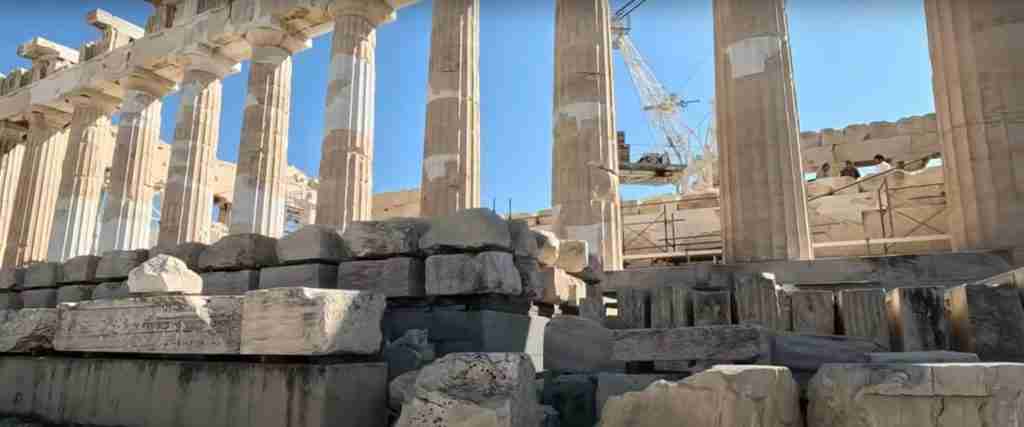
3 days
Athens 3-Day Discovery Tour
- ✓ Comprehensive Athens experience
- ✓ Expert local guides included
- ✓ All accommodation included
- ✓ Transportation provided
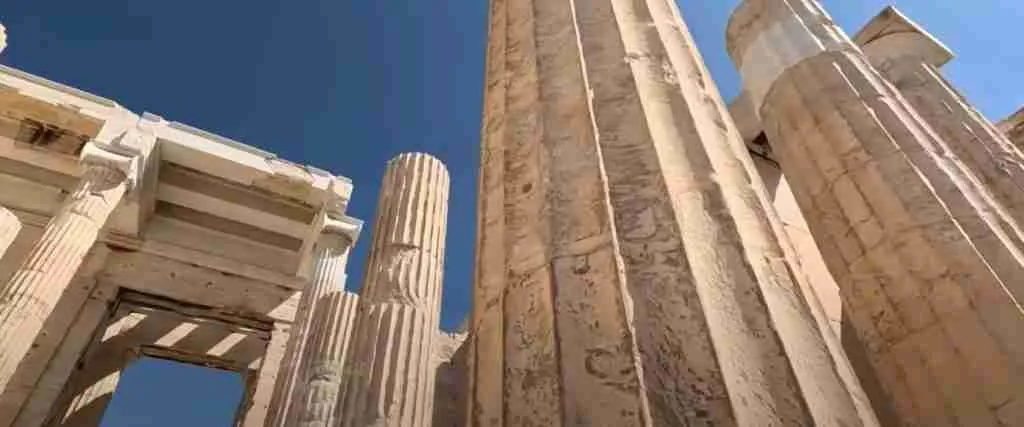
5 days
Athens 5-Day Highlights Experience
- ✓ Comprehensive Athens experience
- ✓ Expert local guides included
- ✓ All accommodation included
- ✓ Transportation provided

7 days
Athens 7-Day Cultural Journey
- ✓ Comprehensive Athens experience
- ✓ Expert local guides included
- ✓ All accommodation included
- ✓ Transportation provided
10 days
Athens 10-Day Complete Adventure
- ✓ Comprehensive Athens experience
- ✓ Expert local guides included
- ✓ All accommodation included
- ✓ Transportation provided
Multi-day tour packages powered by TourRadar. Prices and availability subject to change.
Monthly Weather Analysis 2026
Spring Season: March, April, May
March initiates spring transition with temperatures ranging 11-17°C, improving to 14-20°C by month end. Rainfall averages 5-7 days with occasional heavy showers. Wildflowers begin appearing on hills surrounding archaeological sites. Daylight extends from 11 to 13 hours across the month. Accommodation rates remain at winter lows through mid-March before Easter-related increases. The month suits travelers comfortable with weather variability and seeking value pricing with awakening spring atmosphere. Archaeological sites operate standard hours 8 AM-5 PM with limited crowds enabling contemplative visits.
April delivers ideal spring conditions with temperatures of 14-21°C, increasing to 17-24°C by month end. Rainfall decreases to 4-6 days monthly. Greek Easter 2026 falls April 12-20, creating unique cultural opportunities including midnight resurrection services, traditional lamb roasting, and red egg cracking customs. However, Easter week sees domestic travel peaks straining Athens accommodation and restaurant capacity. Booking 2-3 months ahead proves essential for Easter period. Post-Easter weeks offer excellent weather with spring flowers at peak, manageable crowds, and moderate accommodation rates. Daylight extends to 14 hours enabling full sightseeing days.
May represents peak spring conditions with temperatures of 19-26°C, minimal rainfall averaging 2-3 days, and extended daylight until 8:30 PM. Wildflowers cover Filopappou Hill and surrounding areas. Sea temperatures reach 19-21°C enabling first swimming at Athenian Riviera beaches. Archaeological sites extend hours with Acropolis closing at 7 PM. Accommodation rates rise 15-20% above winter but remain 20-25% below summer peaks. Crowds increase but stay manageable compared to summer levels. May combines spring’s comfortable temperatures with summer’s extended hours and reliable weather, making it Athens’s objectively optimal visiting month for balanced experience quality, cost, and comfort.
Summer Season: June, July, August
June transitions to summer with temperatures of 24-32°C, reliable sunshine, and sea temperatures of 22-24°C. Rainfall drops to 1-2 days monthly. Archaeological sites extend summer hours with Acropolis open 8 AM-8 PM capturing sunset light on Parthenon marble. Athens Epidaurus Festival begins with performances at ancient Epidaurus and Herodes Atticus Theater. Rockwave Festival brings international music acts to Athens. Accommodation rates increase 25-35% above shoulder seasons. Crowds build steadily through the month. Early June offers better value and fewer tourists than July-August while delivering reliable summer weather and cultural programming. The month represents optimal summer timing for visitors seeking festival attendance and beach access without extreme heat or peak crowds.
July brings peak summer conditions with temperatures of 27-35°C, occasional heat waves to 38-40°C, and guaranteed sunshine. Sea temperatures reach 25-27°C. The Athens Epidaurus Festival peaks with nightly performances. Archaeological site visits require early morning (8-9 AM) or late afternoon (6-8 PM) timing to avoid midday heat. Many Athenians vacation away from the city, reducing local crowd pressure but creating some business closures in residential neighborhoods. Tourist areas operate fully with extended restaurant and shop hours. Accommodation costs reach annual peaks with rates 30-50% above shoulder seasons. Advance booking 2-3 months ahead secures preferred properties and rates. July suits visitors prioritizing guaranteed weather, willing to manage heat through timing, and interested in festival programming.
August intensifies summer conditions with temperatures of 27-36°C and heat waves to 40-42°C. The month marks traditional Greek vacation period with many local businesses closing August 15-31 for Orthodox Assumption holiday. However, tourist services operate fully. Archaeological sites require strategic early morning visits before 10 AM or post-6 PM timing. Cruise ship arrivals peak, creating 10 AM-2 PM congestion at Acropolis. Accommodation rates match July levels with some premium increase around August 15 holiday. The month offers guaranteed sunshine and full cultural programming but represents Athens’s most challenging visiting period for heat management and crowd navigation. Budget-conscious travelers find better value in shoulder seasons, while heat-tolerant visitors appreciate reliable weather and extended operating hours.
Autumn Season: September, October, November
September maintains summer warmth with temperatures of 23-31°C, decreasing to 20-27°C by month end. Sea temperatures peak at 25-26°C providing ideal swimming conditions. Rainfall increases slightly to 2-3 days monthly. Tourist crowds decrease significantly post-Labor Day as schools resume, creating improved archaeological site conditions with reduced queues. Accommodation rates drop 25-35% from August peaks while weather remains reliably excellent. The month combines summer’s sunshine and warm temperatures with autumn’s reduced crowds and better pricing, making it Athens’s second-best visiting month after May for balanced quality and value. Cultural programming continues through September with outdoor events capitalizing on excellent weather.
October delivers ideal autumn conditions with temperatures of 18-25°C, golden photography light, and harvest season produce in markets and restaurants. Rainfall averages 4-5 days monthly with occasional afternoon showers. Archaeological sites return to standard 8 AM-5 PM hours. Crowds remain manageable with primarily independent travelers rather than summer tour groups. Accommodation rates stay 20-30% below summer levels. The month suits photographers seeking optimal light conditions, food enthusiasts enjoying harvest season specialties, and budget-conscious travelers maximizing value while maintaining excellent weather. October combines comfortable walking temperatures, autumn colors on hills, reduced tourist presence, and moderate accommodation costs creating optimal conditions for contemplative archaeological exploration.
November transitions to winter with temperatures dropping from 16-21°C to 12-17°C by month end. Rainfall increases to 6-8 days monthly. Athens Marathon (November 9 in 2026) creates accommodation booking challenges requiring advance planning. Daylight shortens to 10 hours by month end affecting sightseeing schedules. Accommodation rates drop to winter lows with 40-50% discounts from summer peaks. Tourist crowds diminish significantly, creating intimate archaeological site experiences without queues or crowds. The month suits budget travelers accepting weather variability for substantial cost savings and authentic local experiences. Many museums and archaeological sites offer free admission first Sunday of month. November delivers Athens at its most affordable with autumn atmosphere transitioning to cozy winter taverna culture.
Winter Season: December, January, February
December features temperatures of 10-15°C with 8-10 rainy days monthly. Christmas and New Year periods bring decorations to Syntagma Square and shopping districts. Accommodation rates increase slightly around holidays but remain 40-60% below summer levels. Tourist presence reaches annual lows, creating contemplative museum and archaeological site experiences. Archaeological sites operate reduced hours 8 AM-3 PM. The month suits travelers seeking authentic local experiences, comfortable with cool weather and occasional rain, and prioritizing budget optimization. Museums provide excellent rainy day alternatives with minimal crowds enabling extended viewing of collections.
January delivers Athens’s coolest temperatures at 8-14°C with 8-10 rainy days. Occasional cold snaps bring temperatures near freezing overnight though snow remains rare in city center. The month represents absolute lowest pricing for accommodation and flights, creating exceptional value for budget travelers. Archaeological sites receive minimal visitors enabling private contemplation of ancient monuments without crowds. Museums operate regular hours with virtually no queues. Restaurant reservations prove unnecessary at any establishment. Local life dominates streets with tourists rare outside major sites. January suits hardy travelers comfortable with weather uncertainty, seeking maximum budget efficiency, and valuing authentic local experiences over guaranteed sunshine and peak cultural programming.
February begins warming trend with temperatures of 9-15°C, increasing to 11-16°C by month end. Rainfall decreases slightly to 6-8 days monthly. Carnival season brings colorful celebrations in late February or early March depending on Easter timing. Days lengthen noticeably from 10 to 11 hours. Accommodation rates match January lows. Tourist numbers remain minimal. Archaeological sites stay quiet with contemplative visiting conditions. The month combines winter’s value pricing and reduced crowds with improving weather and lengthening days, suiting budget-conscious travelers willing to accept occasional rain for substantial cost savings and intimate cultural experiences without summer tourist presence.
Crowd Patterns and Site Timing 2026
Peak Season Congestion Management
Summer months (June-August) bring peak tourist volumes to Athens with July-August experiencing maximum congestion. The Acropolis receives 17,000-20,000 daily visitors during peak summer versus 8,000-12,000 in shoulder seasons and 3,000-5,000 in winter. Cruise ships disgorging 2,000-4,000 passengers create particular congestion 10 AM-2 PM when shore excursion timing concentrates arrivals. Plaka restaurants fill completely during lunch and dinner peaks requiring reservations or flexible timing. Hotel availability becomes constrained with popular properties booking 2-3 months ahead for preferred dates.
Effective crowd management strategies include visiting the Acropolis at 8 AM opening when pre-purchased tickets enable direct entry bypassing ticket queues, or after 6 PM during extended summer hours when cruise passengers and tour groups depart. Ancient Agora sees lighter crowds when visited after Acropolis rather than in sequence with morning tour groups. Museums like National Archaeological Museum experience peak crowds 11 AM-2 PM, making early morning or late afternoon visits preferable. Neighborhood rotation creates variety while managing congestion, with Plaka avoided during peak lunch hours in favor of residential area dining at local prices without crowds.
Advance booking becomes essential for peak summer with archaeological site tickets purchased online to skip entry queues, popular restaurants requiring reservations 1-2 weeks ahead for dinner, and guided tours booking 2-4 weeks advance for preferred dates and times. Accommodation requires 60-90 days advance booking for optimal selection and rates. The advance planning trades flexibility for reduced stress managing crowds and availability. However, maintaining some schedule flexibility enables pivoting to alternative plans when discovered opportunities or weather impacts original arrangements. Peak season Athens rewards strategic planning while punishing spontaneous approaches with long queues, sold-out accommodations, and reduced choices.
Shoulder Season Advantages
April-May and September-October shoulder seasons deliver optimal crowd balances with sufficient tourist presence maintaining full service operations without overwhelming archaeological sites and restaurants. The Acropolis sees 10,000-14,000 daily visitors during shoulder seasons, creating active but manageable conditions. Entry queues stay reasonable at 15-30 minutes versus 45-90 minutes in peak summer. Popular restaurants accommodate walk-in diners though reservations remain advisable for upscale establishments. Hotel booking 3-4 weeks ahead secures good selection and rates without requiring 2-3 month advance planning.
Shoulder season photography benefits from improved conditions with fewer tourists in frame at monuments, golden spring or autumn light creating enhanced marble textures, and reduced atmospheric haze from lower summer temperatures. Archaeological sites enable contemplative experiences without constant crowd navigation. Museums maintain comfortable viewing densities allowing extended engagement with exhibits. Neighborhood exploration reveals more authentic local life as residents outnumber tourists in residential areas. Restaurant dining creates social atmosphere without excessive noise or crowding affecting service quality and ambiance.
Cultural programming during shoulder seasons includes spring festivals in April-May and autumn events in September-October, though at reduced volume compared to peak summer programming. The Epidaurus Festival extends into September with shoulder season performances. Art galleries and museums schedule major exhibitions during shoulder periods targeting cultural tourists rather than summer’s general visitors. The balance provides access to cultural events without summer’s overwhelming programming density requiring advance planning and reservations for popular performances. Shoulder seasons enable flexible planning with ability to make decisions based on current interests rather than requiring comprehensive advance booking.
Winter Tranquility Benefits
Winter months (November-March) transform Athens archaeological sites into contemplative spaces with visitor numbers dropping to 2,000-4,000 daily at the Acropolis. Walking through the Parthenon without crowds creates intimate connection with ancient architecture impossible during summer’s packed conditions. Museums operate at minimal capacity enabling extended viewing without competing for sight lines to major works. Guides provide personalized attention with small group or private tours available at short notice. The archaeological experience emphasizes reflection and learning over efficient crowd processing.
Winter timing creates authentic local experiences as tourism infrastructure scales back and neighborhood life dominates. Tavernas cater to Greek families rather than tourists, creating traditional dining atmosphere with quality local cuisine at resident prices. Markets operate for local shoppers rather than souvenir hunters. Cafes fill with Athenians engaged in social coffee culture rather than tourists seeking quick caffeine. The city reveals itself without tourist overlay, providing insights into contemporary Greek life beyond archaeological heritage and cultural tourism.
Budget advantages during winter create exceptional value with accommodation costs at annual lows, restaurant availability without reservations, and last-minute booking flexibility enabling spontaneous travel. However, winter weather variability requires flexible planning to accommodate rainy days through museum visits and covered activities. The reduced operating hours at archaeological sites (8 AM-3 PM versus 8 AM-8 PM summer) limit daily scheduling options. Some seasonal restaurants and tourist services close during winter reducing choices. Winter Athens suits experienced travelers comfortable with weather uncertainty, seeking budget optimization and authentic experiences over guaranteed sunshine and peak cultural programming.
Special Events and Festivals 2026
Cultural and Religious Celebrations
Greek Easter represents the year’s most significant religious and cultural event, falling April 12-20 in 2026 based on Orthodox calendar calculations. The week includes Palm Sunday processions, Good Friday epitaphios services with flower-decorated biers paraded through streets, and midnight Saturday resurrection liturgy with fireworks and candles. Restaurants serve traditional Easter soup (magiritsa) after midnight service. Sunday features lamb roasting on spits throughout neighborhoods and traditional egg cracking games. Easter provides unique cultural immersion but creates accommodation booking challenges as Greeks return to ancestral villages, straining Athens hotels. Booking 2-3 months ahead proves essential for Easter week accommodation.
The Athens Epidaurus Festival (June-August) presents ancient drama, opera, ballet, and contemporary performances at the Herodes Atticus Theater on the Acropolis slopes and the ancient theater at Epidaurus 140 kilometers from Athens. Performances in authentic ancient venues create extraordinary cultural experiences combining archaeology and living arts. Tickets range €20-80 depending on production and seating, with advance booking recommended for popular performances. The festival attracts international visitors creating peak summer accommodation demand. Planning Athens visits around specific festival performances enables cultural experiences unavailable in conventional museum and archaeological site tourism.
Carnival season (February-March depending on Easter timing) brings parades, costumes, and celebrations particularly vibrant in Plaka and Monastiraki. The festivities peak on Clean Monday (Kathara Deftera) marking Lent’s beginning when Athenians fly kites on hills and enjoy seafood feasts since meat becomes prohibited. August 15 Assumption of Virgin Mary creates major Orthodox holiday with church services and many business closures. October 28 Ochi Day commemorates Greek refusal of Italian ultimatum in 1940 with military parades and celebrations. December 6 St. Nicholas Day and Christmas (December 25) include decorations and celebrations though Greeks celebrate name days more than birthdays traditionally.
Sporting Events and Marathons
The Athens Marathon (November 9, 2026) follows the ancient route from Marathon to Athens, culminating at Panathenaic Stadium. The event attracts 20,000 international runners creating accommodation booking challenges requiring 2-3 months advance planning. The marathon weekend generates festive atmosphere with expo, pasta parties, and post-race celebrations. Associated 5K and 10K races accommodate casual runners. The event provides unique opportunity to run historic route though spectators can watch the finish at Panathenaic Stadium for free or minimal entry fees. Marathon weekend crowds impact restaurant availability requiring reservations.
Rockwave Festival (June) brings international and Greek rock, pop, and electronic acts to Athens venues creating multi-day music event. The festival attracts young Europeans and creates energetic nightlife atmosphere. Accommodation in areas near venues fills quickly requiring advance booking. Panathenaic Stadium hosts occasional sporting events and concerts throughout the year with variable scheduling. The All-Night Basketball tournament creates unique summer sports atmosphere. These events provide vibrant cultural experiences but require checking schedules and booking accommodation accordingly when timing coincides with Athens visits.
Accommodation Strategy by Season 2026
Booking Windows and Pricing Optimization
Summer season (June-August) accommodation requires 60-90 days advance booking for optimal selection and rates, with popular boutique properties and Plaka hotels filling 3-4 months ahead. Rates reach annual peaks with three-star hotels at €120-180, four-star properties at €180-280, and luxury hotels at €250-450. Last-minute bookings during summer find limited availability and inflated prices. Package deals combining flights and hotels sometimes offer better value than separate bookings. Loyalty programs and direct hotel booking occasionally provide better rates than aggregator platforms during peak demand.
Shoulder season (April-May, September-October) allows more flexible booking with 3-4 weeks advance securing good selection and rates. Prices run 20-30% below summer peaks with three-star hotels at €85-130, four-star properties at €130-200, and luxury options at €180-320. Last-minute deals sometimes appear on booking platforms though advance planning still recommended for specific property preferences. The moderate demand enables comparison shopping across platforms and direct booking to optimize pricing while maintaining preferred locations and amenities.
Winter season (November-March) enables spontaneous booking with properties available even 1-2 weeks ahead. Rates drop 40-60% below summer levels with three-star hotels at €50-90, four-star properties at €80-140, and luxury options at €120-250. Exceptional value exists for travelers comfortable with weather variability. However, some seasonal properties close during winter requiring verification of operating dates. Business hotels catering to corporate travelers offer better winter value than tourist-focused Plaka properties. The low demand creates leverage for negotiation on multi-day stays or direct booking deals.
Neighborhood Selection by Season
Summer accommodation prioritizes air conditioning availability, proximity to Metro for easy transport during heat, and ideally rooftop terraces or pools for evening cooling. Plaka’s pedestrian streets reduce traffic noise enabling window opening for ventilation. Koukaki and Makrygianni locations near Acropolis Museum provide easy walking to sites while offering more affordable rates than Plaka. Kolonaki’s tree-lined streets and upscale properties offer quiet luxury escapes from tourist crowds. The neighborhood selection should consider afternoon shade and evening breeze access crucial for summer comfort.
Shoulder season allows broader neighborhood exploration with comfortable walking temperatures enabling stays in interesting residential areas like Pangrati, Mets, and Exarchia. The moderate weather reduces air conditioning dependency allowing budget travelers to consider properties without cooling systems. Proximity to sights becomes less critical as pleasant temperatures enable extended walking. The shoulder seasons suit exploration of boutique hotels in converted neoclassical mansions offering architectural charm and local character at moderate rates competitive with standard chain hotels.
Winter accommodation prioritizes heating reliability, common room comfort for social interaction in hostels, and proximity to museums and covered attractions for rainy day alternatives. Business district hotels near Syntagma offer reliability and corporate-standard heating systems at winter-discounted rates. Properties with fireplaces or cozy common areas enhance winter atmosphere. Location near Metro stations enables quick access to sights during limited daylight hours and provides shelter from rain during transport. Winter suits authentic local neighborhood immersion as residential area properties offer exceptional value with genuine character unavailable in tourist-focused areas.
Practical Planning Guidelines 2026
Daylight and Operating Hours
Summer daylight extends from 6:30 AM sunrise to 8:30 PM sunset in June-July, providing 14 hours for sightseeing. Archaeological sites operate extended hours with Acropolis open 8 AM-8 PM, Ancient Agora 8 AM-7 PM, and museums typically 8 AM-8 PM. Restaurants serve late with dinner starting 9-10 PM and kitchens open until midnight or later. The extended daylight enables full-day sightseeing with afternoon museum breaks during peak heat, resuming outdoor activities 6-8 PM for sunset visits to hills and monuments. Evening activities extend late with bars and nightlife continuing until 2-3 AM.
Shoulder season daylight provides 12-13 hours with 7 AM-7 PM approximate sunrise-sunset times. Archaeological sites operate standard hours 8 AM-5 PM with some variations. Museums typically close 3-4 PM. Restaurants maintain normal dinner service 8-10 PM. The moderate daylight allows full sightseeing days without extreme early starts or late finishes. Evening activities concentrate 7-11 PM with nightlife quieter than summer peaks. The daylight patterns suit conventional tourist schedules without requiring adjustment to extreme summer late dining or winter early closures.
Winter daylight contracts to 9-10 hours with 7:30 AM sunrise and 5 PM sunset in December-January. Archaeological sites close 3 PM limiting afternoon sightseeing. Museums operate reduced hours typically 8 AM-3 PM. The compressed daylight requires efficient planning starting early to maximize site visits. Restaurants serve normal dinner hours though some tourist-oriented establishments maintain reduced winter hours or close completely. The limited daylight encourages museum-intensive itineraries and indoor cultural activities balanced with morning archaeological site visits maximizing available light hours.
Packing and Preparation by Season
Summer packing requires sun protection including wide-brim hats, high-SPF sunscreen reapplied hourly, and lightweight long-sleeve shirts for extended outdoor exposure. Comfortable walking shoes with good arch support prove essential for marble archaeological sites. Water bottles enabling frequent hydration prevent heat exhaustion. Light layers accommodate air-conditioned museum temperatures versus outdoor heat. Sunglasses reduce marble glare. Evening activities require casual dress with most restaurants maintaining relaxed standards. Swimwear enables beach visits or hotel pool use. The minimal rainfall eliminates rain gear needs though occasional summer thunderstorms justify compact umbrella.
Shoulder season packing includes layering options for variable temperatures, light rain jacket for occasional showers, and comfortable walking shoes for extended outdoor activities. Sunglasses and moderate sun protection remain important though less critical than summer. Sweater or light jacket covers cool mornings and evenings. The pleasant temperatures enable all-day outdoor activities without extreme heat or cold management. Evening activities require light layers as temperatures drop 6-8°C from afternoon peaks. The moderate conditions minimize packing requirements while enabling comfortable sightseeing across varied weather.
Winter packing requires warm layers including sweater, jacket, and scarf for cool temperatures and occasional strong winds. Waterproof shoes or boots prove essential for rain and wet marble archaeological sites. Quality rain jacket or umbrella addresses frequent precipitation. Museums and restaurants maintain warm interior temperatures though archaeological sites offer no shelter requiring appropriate outdoor clothing. Gloves and warm hat suit morning and evening temperatures though midday often allows lighter layers. The variable conditions require flexible layering enabling adjustment to changing weather throughout days including sunny periods between storms.
Frequently Asked Questions
What is the cheapest time to visit Athens in 2026?
January and February offer Athens’s lowest prices in 2026 with accommodation rates 40-60% below summer peaks and flights from European cities starting at €30-80 round-trip on budget carriers. Three-star hotels cost €50-90 for double rooms versus €120-180 in July. November through March provides consistent value pricing though January-February delivers absolute minimums. The winter timing accepts weather variability including 6-10 rainy days monthly and temperatures of 8-15°C. Archaeological sites receive minimal crowds enabling contemplative visits and museums operate without queues. Budget travelers achieve maximum value in January-February, accepting occasional rain for substantial cost savings. Shoulder seasons (April-May, September-October) balance favorable pricing 20-30% below summer with optimal weather, representing best value for travelers prioritizing comfort alongside cost.
When does Athens have the best weather in 2026?
May and October deliver Athens’s most pleasant weather in 2026 with temperatures of 18-26°C perfect for all-day walking, minimal rainfall averaging 2-4 days monthly, comfortable humidity levels, and extended daylight enabling full sightseeing days. June and September offer excellent weather slightly warmer at 24-30°C with reliable sunshine and low precipitation. These months avoid July-August’s extreme heat of 32-38°C requiring afternoon breaks and winter’s rain variability affecting outdoor activities. Spring wildflowers in April-May and autumn golden light in September-October enhance photography and aesthetic experiences. The shoulder season months combine optimal temperatures, minimal precipitation, and perfect light conditions for archaeological exploration and photography. Travelers prioritizing weather reliability should target May as the single best month, with October as close second and June/September as excellent alternatives.
How crowded is Athens during summer 2026?
Summer 2026 brings peak crowds to Athens with the Acropolis receiving 17,000-20,000 daily visitors during July-August versus 10,000-14,000 in shoulder seasons. Cruise ships create particular congestion 10 AM-2 PM when shore excursions concentrate arrivals. Entry queues at Acropolis extend 45-90 minutes without advance ticket purchases. Popular restaurants in Plaka and Monastiraki fill completely requiring reservations for dinner. Hotel availability becomes constrained with preferred properties booking 2-3 months ahead. However, strategic timing enables crowd management through 8 AM opening visits or 6-8 PM evening arrivals when tour groups depart. Advance online ticket purchases skip entry queues. Dining in residential neighborhoods avoids tourist zone congestion. The crowds concentrate at major sites (Acropolis, Ancient Agora, Plaka) while neighborhood areas, smaller museums, and off-peak hours maintain manageable conditions even during peak summer.
Is Athens worth visiting in winter?
Athens delivers exceptional value and authentic experiences during winter 2026 despite weather variability. Accommodation costs drop 40-60% below summer with quality three-star hotels at €50-90, archaeological sites receive minimal crowds enabling contemplative visits, museums operate without queues, and authentic local life dominates neighborhoods. Free admission first Sundays November-March reduces costs further. However, winter weather includes 6-10 rainy days monthly, temperatures of 8-15°C require warm layers, and reduced daylight hours with 3 PM archaeological site closures limit scheduling options. The season suits budget-focused travelers comfortable with weather uncertainty, experienced visitors seeking authentic local experiences beyond tourist overlay, and museum enthusiasts prioritizing artifact study over outdoor exploration. Winter Athens rewards flexibility and indoor activity balance while providing substantial cost savings and intimate cultural experiences unavailable during crowded summer months.
When is Greek Easter in 2026 and how does it affect travel?
Greek Easter 2026 falls April 12-20 following the Orthodox calendar. The period creates exceptional cultural opportunities including midnight resurrection services with fireworks and candles, traditional lamb roasting, and red egg cracking customs. However, Easter week sees domestic travel peaks as Greeks return to ancestral villages, straining Athens accommodation and restaurant capacity. Hotels fill 2-3 months ahead with rates increasing 20-40% above normal April pricing. Restaurants require reservations and many shops close Good Friday through Easter Monday. Public transportation reduces Sunday schedules on Easter Sunday. Travelers seeking Easter cultural immersion should book accommodation 2-3 months ahead and expect higher costs and crowding. Post-Easter weeks (late April) offer excellent weather, spring flowers, and moderate crowds with returned-to-normal pricing, representing optimal timing for visitors wanting pleasant conditions without Easter complications.
What are ideal months for Athens photography in 2026?
October and April-May deliver optimal Athens photography conditions with golden light in autumn or spring wildflowers, moderate crowds enabling clear monument shots, comfortable temperatures for dawn and dusk golden hour sessions, and reduced atmospheric haze versus summer. October’s harvest light creates warm tones on Parthenon marble while autumn colors on hills add foreground interest. April-May’s spring wildflowers on Acropolis slopes and surrounding hills provide natural elements complementing archaeological subjects. The shoulder seasons enable flexible timing across full days without extreme heat limiting outdoor photography hours. Winter offers dramatic storm light and minimal crowds though weather variability complicates planning. Summer’s reliable sunshine enables guaranteed shooting conditions but harsh midday light requires dawn and dusk concentration. Photography-focused visitors should target October as the single best month for light quality, followed by May for wildflowers and April for Easter cultural documentation opportunities.
How far in advance should I book Athens in 2026?
Summer season (June-August) requires 60-90 days advance booking for optimal accommodation selection and rates, with popular properties filling 3-4 months ahead. Easter week (April 12-20) needs 2-3 months advance planning due to domestic travel peaks. Marathon weekend (November 9) requires 2 months advance booking. Shoulder seasons (April-May, September-October excluding Easter and Marathon) allow 3-4 weeks advance booking for good selection. Winter (November-March excluding Marathon) enables 1-2 weeks advance booking or spontaneous arrangements. Guided tours during summer need 2-4 weeks advance scheduling for preferred dates. Popular restaurants require 1-2 weeks reservations during summer, several days in shoulder seasons, and walk-ins suffice in winter. The advance planning trades flexibility for reduced stress, better selection, and optimal pricing. However, maintaining some itinerary flexibility enables adjusting to weather, discovered opportunities, and spontaneous interests enhancing overall Athens experiences.
What special events happen in Athens in 2026?
Major 2026 Athens events include Greek Easter (April 12-20) with religious services and traditional celebrations, Rockwave Festival (June) featuring international music acts, Athens Epidaurus Festival (June-August) presenting ancient drama and performances at historic venues, Athens Marathon (November 9) following ancient route from Marathon to Athens, and various cultural festivals throughout summer. Specific 2026 dates require verification closer to travel as cultural programming schedules finalize 3-6 months ahead. The Athens Tourism Board and event organizers publish comprehensive calendars by February-March enabling planning around preferred events. Timing visits to coincide with festivals creates enhanced cultural experiences though requires advance accommodation booking and typically higher costs during event periods. Conversely, travelers preferring quieter experiences should avoid major event dates when crowds peak and availability constrains choices.
Does Athens have good weather in September 2026?
September 2026 offers excellent Athens weather with temperatures ranging 23-31°C early month, decreasing to 20-27°C by month end. Rainfall stays minimal at 2-3 days with brief afternoon showers. Sea temperatures peak at 25-26°C providing ideal swimming conditions at nearby beaches. Sunshine remains reliable with clear skies dominating. The weather combines summer’s warmth and reliability with autumn’s more moderate temperatures enabling comfortable all-day walking. Archaeological sites maintain summer operating hours through mid-September before transitioning to standard hours. Crowds decrease significantly post-Labor Day as schools resume. Accommodation rates drop 25-35% from August peaks. September ranks among Athens’s three best weather months alongside May and October, offering summer conditions without extreme heat, reduced crowds compared to peak season, and better pricing than July-August while maintaining excellent weather reliability for outdoor archaeological exploration and beach access.
What is Athens like in April 2026?
April 2026 brings spring conditions to Athens with temperatures of 14-21°C improving to 17-24°C by month end. Rainfall decreases to 4-6 days monthly with brief showers. Wildflowers cover hills surrounding archaeological sites. Daylight extends to 14 hours enabling full sightseeing days. Greek Easter (April 12-20) creates unique cultural opportunities but accommodation booking challenges requiring 2-3 months advance planning and accepting 20-40% rate premiums during Easter week. Post-Easter weeks (late April) offer excellent conditions with spring flowers, moderate crowds, comfortable temperatures, and normal pricing. Archaeological sites operate standard hours 8 AM-5 PM. Museums maintain full schedules. April balances spring’s comfortable conditions with increasing tourist activity, suitable for travelers seeking pleasant weather, spring aesthetics, and optional Easter cultural immersion. The month requires flexibility around Easter week while providing excellent shoulder season value and conditions in non-Easter periods.