
Athens Budget Guide 2026: Complete Cost Breakdown
Key Takeaways
- Daily Athens costs in 2026 range €50-80 for budget travelers, €100-150 for mid-range visitors, and €200-350 for luxury experiences, with significant savings possible through advance planning and seasonal timing
- Acropolis combined ticket costs €30 and covers seven archaeological sites valid for five days, representing exceptional value compared to individual site admissions at €20 each – check culture.gov.gr for current official rates
- Athens Metro costs €1.40 per trip with day passes at €4.50 and three-day tourist tickets at €22 including airport transfer, making public transport the most cost-effective option for visitors
- Summer season (June-August) accommodation rates run 30-50% higher than shoulder seasons (April-May, September-October), with winter offering the deepest discounts at 40-60% below peak pricing
- Free activities including the Acropolis Hill exterior paths, Anafiotika neighborhood walks, changing of guards at Syntagma, and Sunday Monastiraki Flea Market allow cultural experiences without admission costs
- Money-saving strategies like purchasing the Athens Spotlighted card for €95 combining attractions and transport, eating at tavernas in Psyri and Exarchia instead of tourist areas, and booking accommodation in residential neighborhoods can reduce total trip costs by 25-40%
Understanding Athens Costs in 2026
Athens offers exceptional value among European capitals, with costs ranging from true budget backpacking to luxury experiences at prices below comparable destinations. The city’s affordable public transport, reasonably priced accommodations outside tourist zones, and extensive free cultural offerings make it accessible to travelers across all budget levels. Understanding seasonal pricing variations, neighborhood cost differences, and strategic timing for major expenses allows visitors to optimize their spending while experiencing Athens’s archaeological and cultural heritage fully.
The 2026 travel season presents stable pricing compared to previous years, with the Greek tourism sector maintaining competitive rates to attract post-pandemic visitors. Budget travelers can explore Athens comfortably on €50-80 daily including hostel accommodation, public transport, street food, and free attractions. Mid-range travelers spending €100-150 daily access three-star hotels, restaurant meals, paid archaeological sites, and guided tours. Luxury visitors allocating €200-350 daily enjoy boutique hotels, fine dining, private experiences, and premium accommodations in historic neighborhoods like Plaka and Kolonaki.
Cost planning requires understanding Athens’s dual pricing structure where many attractions offer reduced rates for EU citizens and free admission for specific groups. The comprehensive ticket options including multi-site passes and combination packages provide significant savings over individual admissions. Transportation costs remain minimal with efficient Metro, bus, and tram networks covering the entire metropolitan area. Dining costs vary dramatically between tourist areas and residential neighborhoods, with identical meals costing 40-60% more in Plaka compared to Exarchia or Pangrati. Strategic neighborhood selection for dining and accommodation represents the single most effective cost control measure.
People Also Ask About Athens Budget 2026
How much does it cost to visit Athens in 2026?
Daily costs in Athens for 2026 start at €50-80 for budget travelers staying in hostels (€20-35 per night in dorms), using public transport (€4.50 daily pass), eating street food and tavernas (€15-25 daily), and focusing on free attractions. Mid-range travelers spend €100-150 daily for three-star hotels (€70-120 per night), restaurant meals (€35-50 daily), paid archaeological sites (€10-30), and occasional taxis. Luxury travelers allocate €200-350 daily for boutique hotels (€150-300 per night), fine dining (€80-120 daily), private guides, and premium experiences. A typical one-week Athens trip costs €350-560 for budget travelers, €700-1,050 for mid-range visitors, and €1,400-2,450 for luxury experiences. Check booking platforms for current accommodation rates and official sites for attraction pricing.
What is the cheapest time to visit Athens in 2026?
Winter months (November-March) offer the lowest prices in 2026, with accommodation rates 40-60% below summer peaks and flights from European cities starting at €30-80 round-trip on budget carriers. January and February present the absolute cheapest rates with three-star hotels at €40-70 per night versus €120-180 in July. Shoulder seasons (April-May, September-October) balance favorable pricing with ideal weather, offering 20-30% savings compared to summer while maintaining pleasant temperatures and extended daylight. Summer (June-August) commands highest prices but guarantees sunshine and longest operating hours at archaeological sites. Budget travelers achieve maximum value visiting November-March, accepting occasional rain for substantial cost savings. Mid-range travelers optimize value in shoulder seasons combining reasonable prices with optimal weather conditions.
Are Athens archaeological sites expensive in 2026?
Athens archaeological sites offer exceptional value in 2026, with the Acropolis combined ticket costing €30 and providing access to Acropolis, Ancient Agora, Roman Agora, Hadrian’s Library, Olympieion, Kerameikos, and Aristotle’s Lyceum – valid for five consecutive days (check culture.gov.gr for current official rates). Individual Acropolis admission costs €20, making the combined ticket essential for visitors planning to see multiple sites. Many archaeological sites offer free admission on specific dates including March 6, April 18, May 18, last weekend of September, October 28, and every first Sunday November-March. Students from EU countries receive free admission with valid ID. The Athens City Pass combining archaeological sites with transport starts at €65 for 48 hours. Compared to other European capitals where major museums charge €15-25 per site, Athens provides extensive UNESCO World Heritage access at remarkably affordable pricing.
What are effective money-saving strategies for Athens in 2026?
The most effective money-saving approaches include purchasing multi-day transport passes (three-day tourist ticket €22 versus €8.40 for six individual rides), eating in residential neighborhoods rather than tourist zones (40-60% cost difference for identical meals), visiting free archaeological sites including Acropolis Hill exterior paths and Pnyx, timing visits for free admission days at major museums, booking accommodation away from Plaka and Syntagma (30-50% savings), using Athens Spotlighted card (€95) combining attractions and unlimited transport, shopping at neighborhood markets rather than tourist shops, taking advantage of lunch specials at restaurants (€8-12 versus €15-25 dinner menus), walking between central attractions rather than using taxis, and visiting in shoulder or winter seasons for accommodation discounts. Combining these strategies reduces total trip costs by 25-40% compared to conventional tourist approaches while maintaining quality experiences.
Extended multi-day tours – 5+ days
Featured Athens Multi-Day Tour Packages

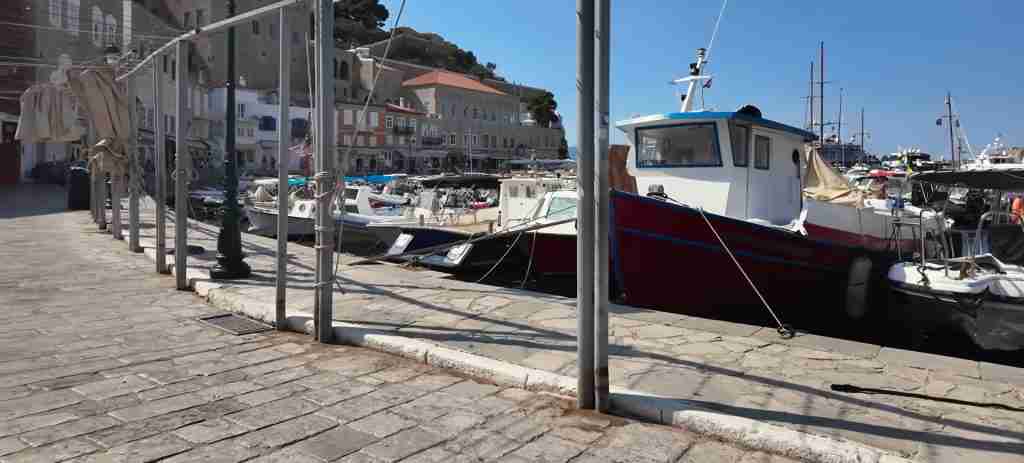
3 days
Athens 3-Day Discovery Tour
- ✓ Comprehensive Athens experience
- ✓ Expert local guides included
- ✓ All accommodation included
- ✓ Transportation provided
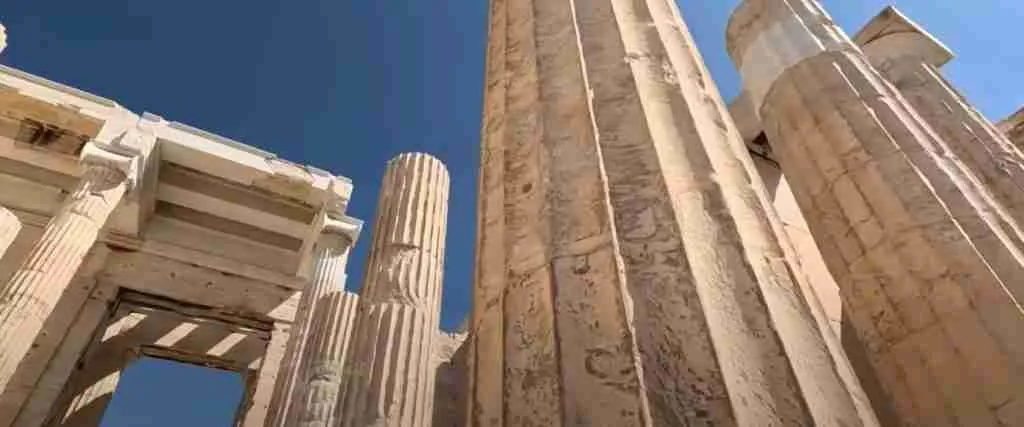
5 days
Athens 5-Day Highlights Experience
- ✓ Comprehensive Athens experience
- ✓ Expert local guides included
- ✓ All accommodation included
- ✓ Transportation provided
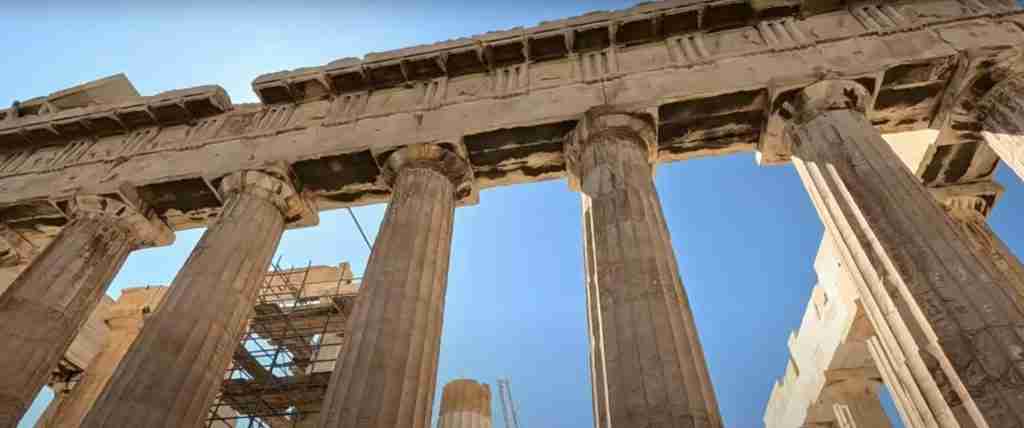
7 days
Athens 7-Day Cultural Journey
- ✓ Comprehensive Athens experience
- ✓ Expert local guides included
- ✓ All accommodation included
- ✓ Transportation provided
10 days
Athens 10-Day Complete Adventure
- ✓ Comprehensive Athens experience
- ✓ Expert local guides included
- ✓ All accommodation included
- ✓ Transportation provided
Multi-day tour packages powered by TourRadar. Prices and availability subject to change.
Essential Planning Information 2026
Current Costs and Pricing Breakdown
Accommodation costs in 2026 span the full budget spectrum. Hostel dormitory beds in central locations like Monastiraki and Psyri cost €20-35 per night in summer, dropping to €15-25 in winter. Budget hotels and guesthouses charge €50-80 for double rooms in neighborhoods like Koukaki and Metaxourgio. Three-star hotels in Plaka and near Syntagma run €90-140 in shoulder seasons, rising to €120-180 in July-August. Boutique four-star hotels in Kolonaki and Plaka cost €150-250, with luxury five-star hotels commanding €200-400. Apartment rentals through platforms start at €60-90 for one-bedroom units in residential areas, offering kitchen facilities for meal preparation and better value for groups or longer stays.
Dining costs vary dramatically by neighborhood and establishment type. Traditional tavernas in Psyri, Exarchia, and Pangrati charge €8-15 for main dishes including moussaka, souvlaki plates, and fresh fish. Tourist-oriented restaurants in Plaka and Monastiraki charge €15-25 for identical meals. Street food including souvlaki wraps costs €3-5, gyros €4-6, and koulouri (sesame bread rings) €1. Upscale restaurants in Kolonaki and rooftop dining venues charge €25-45 for entrees. A typical daily food budget runs €15-25 for budget travelers eating street food and tavernas, €35-50 for mid-range visitors dining at restaurants, and €80-120 for luxury travelers choosing fine dining establishments. Supermarket self-catering cuts costs significantly, with fresh produce, bread, cheese, and prepared foods available at neighborhood markets.
Transportation costs remain the most economical aspect of Athens travel. Single Metro, bus, or tram rides cost €1.40 valid for 90 minutes including transfers. The 24-hour ticket costs €4.50 covering unlimited travel on all public transport except airport express buses. The three-day tourist ticket at €22 includes airport Metro access and unlimited city transport. Monthly passes cost €30. Airport Metro costs €9 one-way or €16 round-trip when purchased together. Taxis charge €3.50 base fare plus €1.30 per kilometer, with typical rides within central Athens costing €6-12. Uber operates with similar pricing. The hop-on-hop-off bus costs €18-20 for 24-hour access. Walking covers most central attractions, with the distance from Syntagma to the Acropolis only 1.5 kilometers.
Archaeological site admissions provide exceptional value through combination tickets. The Acropolis combined ticket costs €30 for access to seven major sites valid five consecutive days (check culture.gov.gr for current official rates). Individual Acropolis admission is €20, Ancient Agora €10, Roman Agora €8, and Olympieion €8. The Athens City Pass ranges €65-145 depending on duration, combining archaeological sites with public transport and discounts at restaurants and shops. Most museums charge €6-10 admission. The National Archaeological Museum costs €12. Many sites offer reduced €5 rates for students and seniors. Free admission dates include specific national holidays and first Sundays November-March. Audio guides at major sites cost €5. Guided tours range €35-60 for group walking tours to €150-250 for private experiences.
Budget Travel Strategies 2026
Accommodation Cost Optimization
Budget accommodation strategies begin with neighborhood selection, as identical quality rooms cost 30-50% less in Koukaki, Metaxourgio, and Pangrati compared to Plaka and Syntagma. Hostel dormitories offer the lowest per-person costs at €20-35 in summer, with private rooms in hostels at €50-70 providing hotel amenities at budget prices. Booking directly through hostel websites often provides better rates than aggregator platforms. Last-minute deals on hotel booking apps sometimes offer three-star rooms at two-star prices, particularly for weekday stays in business-oriented hotels. Apartment rentals become cost-effective for groups of three or more, with kitchen facilities enabling meal preparation savings.
Seasonal timing dramatically impacts accommodation costs. Winter rates (November-March) run 40-60% below summer peaks, with quality three-star hotels available for €50-80 versus €120-180 in July. Shoulder seasons (April-May, September-October) offer 20-30% savings while maintaining pleasant weather. Advance booking secures better rates, with 60-90 days ahead providing optimal pricing before last-minute availability impacts rates. Weekday stays cost less than weekends, particularly in business hotels catering to corporate travelers. Package deals combining flights and accommodation sometimes offer total costs lower than booking components separately. Extended stays enable negotiated rates, with weekly or monthly arrangements providing discounts over daily rates.
Alternative accommodation options expand budget possibilities. University dormitories open to travelers during summer breaks offer basic rooms at €25-40. Couchsurfing provides free accommodation with local hosts for social travelers comfortable with informal arrangements. Monasteries and religious guesthouses offer rooms at €20-30, though these require appropriate behavior and may have curfews. Home exchanges work for travelers with desirable properties to swap. House-sitting arrangements provide free accommodation in exchange for property care. Camping facilities exist outside central Athens with basic sites at €10-15 per person, though transportation to city center adds costs and time that may offset savings for short visits focused on central attractions.
Dining and Food Budget Management
Eating in residential neighborhoods rather than tourist zones provides the single most effective dining cost reduction. A traditional taverna meal in Exarchia or Pangrati costs €8-12 for substantial portions, while identical food in Plaka runs €15-20. Neighborhood restaurants frequented by locals offer daily specials (piato tis imeras) at €7-10 including main dish, side, and often bread. Lunch menus (mesimerianos katalogos) at many restaurants provide three-course meals for €10-15 versus €20-30 for dinner. Street food including souvlaki wraps at €3-5, gyros at €4-6, and koulouri at €1 enables substantial savings while providing authentic local cuisine.
Supermarket shopping dramatically reduces food costs for breakfast and snacks. Neighborhood supermarkets like Lidl, AB Vassilopoulos, and Sklavenitis offer Greek yogurt at €3-4 per kilogram, fresh bread at €1-2, cheese at €8-12 per kilogram, and seasonal fruits at market prices. Prepared foods including spanakopita (spinach pie) and tiropita (cheese pie) cost €2-3. Central Markets in Athinas Street offer fresh produce, meat, and fish at wholesale prices. Neighborhood bakeries sell fresh bread, pastries, and savory pies at lower prices than tourist cafes. Local honey, olive oil, and cheese purchased at markets provide quality ingredients at fraction of tourist shop prices while serving as authentic souvenirs.
Water and beverage costs merit attention as restaurants charge €1.50-3 for bottled water. Athens tap water is safe and potable, allowing travelers to refill bottles from public fountains throughout the city center. Coffee culture dominates Athens social life, with traditional kafeneions charging €2-3 for Greek coffee versus €4-6 at Syntagma cafes. Supermarket wine costs €5-8 for quality bottles versus €15-25 in restaurants. Beer at neighborhood tavernas runs €3-4 versus €6-8 in tourist areas. Happy hour specials at bars in Gazi and Monastiraki offer discounted drinks during early evening hours. Avoiding dining in immediate vicinity of major tourist sites like Acropolis, Syntagma, and Monastiraki reduces meal costs while providing more authentic local dining experiences.
Mid-Range Budget Planning 2026
Comfortable Travel Cost Expectations
Mid-range travelers allocating €100-150 daily in Athens access comfortable three-star hotels, restaurant dining, paid archaeological sites, and guided experiences while maintaining budget consciousness. Accommodation in this category costs €70-120 for double rooms in hotels offering air conditioning, private bathrooms, breakfast, and central locations within walking distance or short Metro rides from major attractions. Neighborhoods like Koukaki, Makrygianni, and areas near Syntagma provide optimal balance of location, price, and local atmosphere. Booking platforms offer extensive options with guest reviews enabling informed selections balancing cost and quality.
Daily activity budgets for mid-range travelers include entry to major archaeological sites using the €30 combined ticket covering seven locations over five days (check culture.gov.gr for current official rates). Guided walking tours at €35-60 provide historical context and navigation through ancient sites. One or two museum visits daily at €6-12 each adds cultural depth. Occasional taxi use for convenience or evening returns from distant neighborhoods costs €8-15 per ride. A €22 three-day transport pass covers public transportation and airport transfer. The combined archaeological and transport costs average €15-25 daily when spread across a week-long visit, leaving substantial budget for dining, shopping, and discretionary experiences.
Dining in the mid-range category involves mix of taverna lunches at €12-18 and restaurant dinners at €20-35 per person. Morning coffee and pastry costs €4-6, lunch at traditional restaurants runs €12-18 with drink, and dinner at established eateries costs €20-35 including appetizers, main course, dessert, and wine. This dining approach allows sampling quality Greek cuisine including fresh seafood, regional specialties, and fine wines while avoiding premium tourist pricing. Rooftop restaurants with Acropolis views charge €35-50 for meals, suitable for special occasion dining once per trip without exceeding mid-range budgets. Total daily food costs average €40-60 including breakfast, lunch, dinner, and occasional cafe breaks.
Value Enhancement Strategies
Mid-range travelers maximize value through strategic splurges and savings. Staying in three-star hotels during weekdays and upgrading to boutique properties on weekends balances experience quality with budget management. Mixing restaurant dining with occasional street food or supermarket meals creates spending flexibility. Allocating larger portions of budget to experiences providing lasting value like guided tours, cooking classes at €70-90, and evening performances at ancient theaters justifies savings on routine expenses. The Athens Spotlighted card at €95 combines unlimited transport with archaeological site access and restaurant discounts, providing value for visitors planning extensive sightseeing over three days.
Booking combination packages sometimes offers better value than separate components. Flight and hotel packages through travel platforms occasionally cost less than booking independently. Multi-day tour packages combining Athens with day trips to Delphi, Cape Sounion, or Hydra provide transportation, guides, and admission for €90-150, competitive with self-organized equivalent experiences. Food tour packages at €60-80 include multiple tastings and cultural context exceeding value of individual restaurant visits. However, comparing package prices against independent arrangements ensures actual savings rather than assumed value. Flexibility to adjust plans and explore discovered opportunities sometimes provides better experiences than pre-booked packages.
Shoulder season travel (April-May, September-October) provides optimal value for mid-range budgets. Hotel rates run 20-30% below summer peaks while weather remains excellent for sightseeing. Restaurant prices stay consistent but outdoor seating availability and longer daylight hours enhance dining experiences. Archaeological sites operate full hours without extreme heat affecting comfort. Fewer crowds at major attractions improve visit quality without increasing costs. Advance booking in shoulder seasons still recommended for preferred hotels and popular tours, but last-minute flexibility provides more options than peak summer when properties fill completely. The combination of lower accommodation costs and high-quality weather creates optimal value proposition for mid-range Athens visitors.
Luxury Budget Expectations 2026
Premium Experience Costs
Luxury travelers allocating €200-350 daily in Athens access boutique hotels, fine dining, private experiences, and premium services enhancing comfort and cultural engagement. Five-star hotels in prime locations including Plaka, Syntagma, and Kolonaki cost €200-400 per night for superior rooms, with suites reaching €400-700. These properties offer rooftop pools, spa facilities, Acropolis views, concierge services, and locations within walking distance of major sites. Luxury boutique hotels in converted neoclassical mansions provide intimate properties with 15-30 rooms, personalized service, and distinctive character at €180-350. The premium positioning enables immediate access to cultural sites, fine dining, and upscale shopping while minimizing transportation time and maximizing sightseeing hours.
Dining at Athens’s finest restaurants costs €40-80 per person for multi-course meals at establishments holding Michelin recognition or featuring celebrity chefs. Rooftop restaurants with Acropolis views charge €35-60 for entrees plus €30-50 for wine pairings. Traditional tavernas serving premium ingredients including aged meats, wild fish, and organic produce cost €30-50 per person. Wine programs at fine dining establishments offer extensive Greek wine selections at €40-150 per bottle. Daily food budgets for luxury travelers run €80-120 including breakfast at hotel, upscale lunch, fine dining dinner, and cafe breaks. Some luxury hotels include exceptional breakfast buffets providing substantial morning meal value.
Private guided experiences transform archaeological site visits through expert knowledge and flexible pacing. Private tours cost €150-250 for half-day experiences covering Acropolis and Ancient Agora with certified archaeologist guides. Full-day private tours including transportation to Cape Sounion, Delphi, or Ancient Corinth run €300-450. Sunset sailing trips around Athenian Riviera cost €120-200 per person including wine and snacks. Cooking classes in private homes or upscale culinary schools charge €120-180 for hands-on instruction and multi-course meals. Evening cultural performances including opera and ballet at Athens Concert Hall range €40-120 for premium seating. These experiences provide personalized attention, insider knowledge, and memorable cultural engagement justifying premium pricing for travelers prioritizing quality over cost.
Luxury Value Optimization
Luxury travelers achieve value through quality experiences rather than pure cost minimization. Booking directly with boutique hotels sometimes provides upgrades, late checkout, and amenity packages not available through booking platforms. Shoulder season luxury travel (April-May, September-October) delivers identical quality at 20-30% savings versus summer peaks while avoiding crowds at archaeological sites and restaurants. Allocating budget strategically between accommodations, dining, and experiences based on personal priorities creates satisfaction without arbitrary spending. Some travelers prioritize luxury hotels and dine moderately, while others prefer boutique guesthouses to allocate more budget for Michelin dining and private tours.
Membership programs and credit card benefits enhance luxury value. Hotel loyalty programs provide room upgrades, late checkout, and resort credits even when booking directly at standard rates. Premium credit cards offer hotel status enabling complimentary breakfast and room upgrades. Airline miles and hotel points sometimes cover substantial portions of accommodation costs. Priority Pass provides lounge access at Athens Airport for comfortable departures. Some luxury hotels participate in booking platforms offering fourth night free or resort credit packages providing better value than direct booking. Comparing rates across platforms while considering loyalty benefits ensures optimal pricing for desired properties and services.
Concierge services at luxury hotels provide value beyond room rates through restaurant reservations at fully-booked establishments, last-minute tour arrangements, and local insider knowledge. Quality concierges navigate Athens’s complex dining scene, securing tables at restaurants requiring advance reservations and providing recommendations matching guest preferences. They arrange private drivers, yacht charters, and specialized experiences difficult to book independently. The expertise and connections justify luxury hotel premiums for travelers prioritizing seamless experiences over independent planning. Private shopping experiences, after-hours museum access, and cultural events arranged through concierge services create unique memories unavailable to general visitors regardless of budget.
Sample 2026 Budget Breakdowns
Three-Day Budget Trip Itinerary
Day 1 focuses on the Acropolis and Ancient Agora. Hostel accommodation €25, Metro to Acropolis €1.40, combined archaeological ticket €30 (valid five days), street lunch €5, taverna dinner in Psyri €12, water and snacks €3. Total day cost: €51.40 per person (excluding accommodation €25).
Day 2 explores Plaka and Roman monuments. Metro travel €1.40, Plaka walking tour (free), Roman Agora included in combined ticket, lunch in Koukaki taverna €10, National Gardens visit (free), dinner in Exarchia €14, coffee €3. Total day cost: €28.40 per person (excluding accommodation).
Day 3 covers museums and markets. Central Market visit (free), National Archaeological Museum €12, souvlaki lunch €5, Monastiraki Flea Market shopping €20, sunset at Lycabettus Hill (free), dinner taverna €15, Metro €1.40. Total day cost: €53.40 per person (excluding accommodation).
Three-day budget total: €133.20 daily costs + €75 accommodation = €208.20 total. This budget enables comprehensive Athens experience including major archaeological sites, quality local dining, and free cultural activities while maintaining strict cost control through strategic neighborhood selection, public transport use, and focus on free attractions.
Five-Day Mid-Range Experience
Day 1 begins with hotel arrival and Acropolis exploration. Three-star hotel Koukaki €95, three-day transport pass €22, combined archaeological ticket €30 (check culture.gov.gr for current official rates), lunch in Plaka €18, rooftop dinner with Acropolis view €45, coffee breaks €6. Total: €121 per person (excluding accommodation €95).
Day 2 includes guided tour and Ancient Agora. Walking tour of Acropolis €45, Ancient Agora included in ticket, lunch in Monastiraki €15, National Archaeological Museum €12, dinner in Psyri restaurant €28, drinks €8. Total: €108 per person (excluding accommodation).
Day 3 features day trip to Cape Sounion. Organized tour including transport €60, lunch at seaside taverna €20, sunset at Temple of Poseidon, return dinner in Athens €25, gelato €5. Total: €110 per person (excluding accommodation).
Day 4 explores Byzantine churches and markets. Byzantine Museum €8, church walks (free), lunch in Central Market area €12, cooking class €75, wine tasting €15. Total: €110 per person (excluding accommodation).
Day 5 covers final shopping and departure. Museum of Cycladic Art €10, Kolonaki shopping €40, farewell lunch €22, airport Metro included in pass, cafe €5. Total: €77 per person (excluding accommodation).
Five-day mid-range total: €526 daily costs + €475 accommodation = €1,001 total. This mid-range budget provides comfortable hotels, restaurant dining, guided experiences, and comprehensive archaeological coverage while maintaining value consciousness through strategic timing and neighborhood selection.
Week-Long Luxury Itinerary
Seven-day luxury experience with boutique hotel at €220 per night totaling €1,540 accommodation. Daily activities include private Acropolis tour €200, fine dining at Michelin-recognized restaurant €85, private Cape Sounion tour with driver €250, sunset sailing €180, private cooking class €150, spa treatments €120, premium wine tasting €95, and exclusive museum access €80. Transportation via private drivers and occasional taxis adds €200 for the week. Daily dining beyond special meals averages €60 for breakfast, lunch, and cafes. Total luxury week: €3,200-3,600 per person including all accommodation, dining, private experiences, and premium services. This budget enables seamless travel with personalized attention, exclusive experiences, and premium comfort throughout Athens visit.
Money-Saving Tips for 2026
Free Activities and Experiences
Athens offers extensive free cultural experiences reducing daily costs while providing authentic local engagement. The changing of guards ceremony at Syntagma Square occurs hourly daily with elaborate Sunday 11 AM ceremony. Walking the Acropolis Hill exterior paths provides views and photo opportunities without site admission costs. The Pnyx hill, ancient Athens assembly location, offers free access and sunset viewpoints. Filopappou Hill combines ancient monument ruins with panoramic city vistas. Anafiotika neighborhood’s winding streets create Cycladic island atmosphere steps from tourist crowds. The Panathenaic Stadium exterior walk is free, with €5 admission only for track access.
Athens neighborhoods reward exploration with architectural heritage and local life observation. Sunday Monastiraki Flea Market provides entertainment regardless of purchases. The National Gardens offer shaded walking paths and duck ponds. Lycabettus Hill accessible by walking provides city views without funicular costs. First Sundays November through March provide free admission to major museums and archaeological sites. Street festivals and cultural events throughout summer offer free music, dance, and food celebrations. Orthodox churches including Byzantine monuments welcome respectful visitors without admission charges. Free walking tour companies operate on tips, providing knowledgeable guides for €5-10 gratuities rather than fixed fees.
Cultural centers and libraries host free exhibitions, lectures, and performances. The Stavros Niarchos Foundation Cultural Center offers free park access, exhibitions, and some performances. The Benaki Museum provides free admission Thursdays. Municipal cultural centers in neighborhoods host free concerts and exhibitions. University campus areas including National Technical University feature neoclassical architecture and student culture. Neighborhood squares and plazas serve as community gathering spaces with cafes at local prices. The combination of free archaeological, cultural, and neighborhood experiences enables budget-conscious travelers to engage deeply with Athens without significant daily expenditures.
Strategic Booking and Timing
Advance planning provides substantial savings across accommodation, flights, and experiences. Booking hotels 60-90 days ahead captures optimal pricing before high-demand periods increase rates. Last-minute flight deals sometimes offer savings but risk higher accommodation costs and limited availability at preferred properties. Package deals combining flights and hotels occasionally total less than separate bookings, particularly during shoulder seasons when travel providers offer promotions. Booking.com Genius program and Hotels.com rewards provide discounts after several stays. Comparing prices across multiple platforms while considering cancellation policies ensures best available rates with appropriate flexibility.
Seasonal timing dramatically impacts total trip costs through accommodation pricing variations and flight availability. Winter visits (November-March) offer 40-60% accommodation savings versus summer while providing authentic local experience with minimal tourist crowds. Shoulder seasons (April-May, September-October) balance optimal weather with 20-30% savings. Summer commands premium pricing but guarantees weather reliability important for archaeological site visits requiring sun protection. Flying midweek and avoiding school holiday periods reduces airfare costs. Red-eye flights and early departures sometimes offer lower fares. Budget airline connections through European hubs provide alternatives to direct flights at significant savings for travelers with time flexibility.
Credit card strategies enhance savings through rewards points, travel credits, and statement benefits. Premium cards offering $300 annual travel credits offset annual fees when applied to flights or hotels. Cards providing category bonuses on dining and travel maximize points earning during Athens trips. Hotel points earned through loyalty programs sometimes cover entire stays. Airline miles reduce or eliminate flight costs. Credit cards offering complimentary travel insurance eliminate separate policy costs. Priority Pass restaurant credits at Athens Airport provide meal value using existing membership benefits. Foreign transaction fee-free cards prevent 2-3% charges on international purchases. Strategic credit card use throughout trip planning and execution reduces effective costs while building rewards for future travel.
Neighborhood Cost Comparisons 2026
High-Cost Tourist Zones
Plaka commands Athens’s highest prices due to prime location beneath Acropolis and concentration of tourist services. Restaurant main courses cost €15-25 versus €8-15 for identical dishes in residential areas. Hotels charge €120-200 for three-star properties that cost €70-110 in Koukaki. Cafes charge €5-7 for coffee versus €2-3 in neighborhood kafeneions. Souvenir shops price items 50-100% above markets and neighborhood stores. The neighborhood’s charm, pedestrian streets, and immediate proximity to major sites justify premiums for travelers prioritizing location over cost. Visitors can enjoy Plaka’s atmosphere while dining and shopping elsewhere, maximizing location benefits while controlling expenditures.
Monastiraki and Syntagma Square areas feature tourist-oriented pricing reflecting central location and high pedestrian traffic. Restaurants around Monastiraki Metro charge €12-20 for meals costing €7-12 in nearby Psyri. Rooftop bars offer Acropolis views at €8-12 for drinks versus €4-6 at neighborhood bars. Hotels in Syntagma area charge premium rates for business-district locations. Shopping streets like Ermou feature international chains at standard pricing but neighborhood markets offer better values. The areas’ excellent Metro connections and proximity to major sites make them convenient bases, though dining and entertainment in adjacent neighborhoods provides better value while maintaining easy access to central locations.
Kolonaki represents Athens’s luxury shopping district with upscale boutiques, galleries, and fine dining. Restaurant meals cost €25-45 for entrees versus €12-20 in middle-class neighborhoods. Designer boutiques carry international luxury brands at global pricing. Cafes frequented by Athens elite charge €6-8 for coffee. Hotels in Kolonaki cater to luxury market with four and five-star properties at €150-350. The neighborhood offers high-quality dining, sophisticated shopping, and elegant atmosphere justifying premiums for luxury travelers. Budget and mid-range visitors can explore Kolonaki’s architecture and gallery scene while restricting purchases and dining to reduce costs in Athens’s most expensive residential area.
Value-Oriented Neighborhoods
Koukaki provides exceptional value with residential character steps from Acropolis Museum. Three-star hotels cost €70-110 versus €120-180 in Plaka. Tavernas serve quality meals at €10-16 per person. Cafes charge neighborhood prices at €2.50-4 for coffee. The pedestrian street Drakou features restaurants popular with locals offering authentic cuisine at reasonable prices. Bakeries and shops cater to residents rather than tourists, providing everyday pricing. The neighborhood’s walkability to Acropolis, Ancient Agora, and Metro access combine value accommodation with excellent sightseeing convenience, making it ideal base for budget and mid-range travelers.
Exarchia attracts students, artists, and alternative culture with Athens’s most affordable dining and nightlife. Tavernas charge €7-12 for substantial meals. Bars offer drinks at €3-5. Coffee shops frequented by university students charge €2-3. Hostels provide budget accommodation at €18-30 for dormitory beds. The neighborhood’s bohemian atmosphere and political activism create distinct character appreciated by independent travelers. Proximity to National Archaeological Museum and Archaeological Park adds cultural convenience. Budget travelers comfortable with gritty urban environments find Exarchia offers maximum value with authentic local experience beyond tourist routes.
Pangrati and Mets provide middle-class residential neighborhoods with excellent dining value and local atmosphere. Neighborhood tavernas serve traditional cuisine at €8-14 per person. The Thursday and Sunday street markets offer fresh produce and goods at wholesale prices. Hotels and guesthouses charge moderate rates at €60-100 for quality properties. The neighborhoods’ tram and bus connections reach central sites within 15-20 minutes. Panathenaic Stadium proximity provides free walking area and historic interest. These neighborhoods suit travelers seeking authentic local experience with good restaurant value while maintaining reasonable access to major tourist sites through public transport.
Practical Cost Management 2026
Payment Methods and Money Exchange
Credit cards work widely at hotels, restaurants, and shops, with Visa and Mastercard accepted more universally than American Express. Contactless payments operate at Metro stations, museums, and many merchants. Foreign transaction fees of 2-3% apply on non-travel credit cards, making fee-free cards advantageous for frequent purchases. Chip-and-PIN cards function throughout Athens though signature backup exists for chip-and-signature cards. Debit cards with Cirrus or Plus networks access ATMs charging €3-5 withdrawal fees. Notify banks of travel plans preventing fraud blocks on foreign transactions.
ATM withdrawals provide better exchange rates than currency exchange offices or hotels. Banks and independent ATMs throughout Athens offer 24-hour access. Euronet ATMs, while ubiquitous, sometimes offer poor exchange rates through dynamic currency conversion – always select euro withdrawal rather than home currency conversion. Withdrawing larger amounts reduces per-transaction fee impact. Most ATMs dispense €20 and €50 notes, with some offering €10 notes more useful for daily expenses. Airport ATMs provide immediate euro access upon arrival though downtown ATMs offer identical rates without airport convenience premiums sometimes charged at exchange offices.
Cash remains essential for small purchases, street food, and neighborhood markets where card minimums or cash-only policies apply. Carrying €50-100 daily cash covers routine expenses while limiting loss risk. Many tavernas prefer cash though accept cards for larger bills. Tipping in cash proves more reliable than card tip additions. Markets, small shops, and some museums require cash. Churches accepting donations and street musicians appreciate small denominations. The combination of credit cards for major expenses and cash for daily purchases provides payment flexibility while minimizing fees and ensuring acceptance across all merchant types and situations encountered throughout Athens visit.
Budget Tracking and Adjustment
Daily expense tracking through mobile apps or simple spreadsheets maintains budget awareness and enables mid-trip adjustments. Recording accommodation, meals, transport, and attraction costs reveals spending patterns and identifies areas for potential savings. Many travelers underestimate dining and incidental expenses, finding actual costs exceed planned budgets without tracking. Real-time awareness allows shifting from restaurants to street food or skipping souvenir purchases when approaching budget limits. The tracking also provides valuable information for planning future trips and sharing budget recommendations with other travelers seeking realistic cost expectations.
Flexibility in itinerary planning accommodates budget adjustments based on actual costs and discovered priorities. If accommodation costs less than expected, reallocating savings toward upgraded dining or additional guided tours enhances overall experience. When costs exceed projections, identifying spending triggers like restaurant wine purchases or taxi use enables conscious reductions. Building 10-15% buffer into budget projections accommodates unexpected expenses and currency fluctuations. The buffer also enables spontaneous opportunities like last-minute theater tickets or joining new acquaintances for memorable experiences without financial stress or post-trip regret about missed chances.
Value assessment focuses on experience quality relative to cost rather than pure expense minimization. A €45 guided Acropolis tour providing historical context may deliver better value than €20 self-guided visit with limited comprehension. A €25 dinner at quality taverna often proves more satisfying than €12 mediocre tourist meal. Budget consciousness means spending intentionally on high-value experiences while economizing on low-impact expenses. Travelers should invest in elements most important to their interests – whether food, archaeology, nightlife, or shopping – while moderating spending on secondary aspects. This strategic approach creates memorable Athens experiences within budget constraints while avoiding both wasteful extravagance and excessive penny-pinching that diminishes trip enjoyment.
Frequently Asked Questions
Is Athens expensive for tourists in 2026?
Athens ranks among Europe’s most affordable capitals for tourists, with daily costs 30-50% below London, Paris, or Rome for comparable quality experiences. Budget travelers manage €50-80 daily including accommodation, meals, and sightseeing. Mid-range visitors spend €100-150 for comfortable three-star hotels and restaurant dining. The city’s efficient public transport, reasonable restaurant prices outside tourist zones, and affordable archaeological site access create exceptional value. Free cultural experiences including hill walks, neighborhood exploration, and church visits reduce costs further. Compared to other Mediterranean capitals, Athens provides excellent value particularly for travelers prioritizing archaeological heritage and cultural experiences over luxury amenities or nightlife.
What is a realistic daily food budget for Athens in 2026?
Daily food costs range €15-25 for budget travelers eating street food and tavernas, €35-50 for mid-range restaurant dining, and €80-120 for fine dining experiences. A budget day includes koulouri breakfast €1, souvlaki lunch €5, taverna dinner €12, water and snacks €5. Mid-range visitors spend €5 cafe breakfast, €15 taverna lunch, €28 restaurant dinner, plus €8 coffee and treats. Luxury travelers enjoy €15 hotel breakfast, €30 upscale lunch, €60 fine dining dinner, €15 wine and cafes. Self-catering from supermarkets reduces costs significantly with breakfast items at €5-8, fresh produce for picnics, and prepared foods from bakeries. Dining in residential neighborhoods rather than tourist areas provides 40-60% savings for equivalent meal quality and authenticity.
Are there good multi-day passes for Athens attractions in 2026?
The Acropolis combined ticket at €30 provides exceptional value covering seven major archaeological sites (Acropolis, Ancient Agora, Roman Agora, Hadrian’s Library, Olympieion, Kerameikos, Aristotle’s Lyceum) valid five consecutive days – check culture.gov.gr for current official rates. The Athens Spotlighted card at €95 combines unlimited public transport for three days with admission to all included archaeological sites plus discounts at partner restaurants and shops. The Athens City Pass ranges €65-145 by duration, including archaeological sites, transport, and attraction discounts. The three-day transport pass at €22 covers unlimited Metro, bus, and tram including airport access. Multi-day passes provide best value for visitors planning extensive sightseeing over 3-5 days. Day trippers or those focusing on specific sites may find individual admissions more economical.
How much should I budget for transportation in Athens in 2026?
Transportation costs remain minimal in Athens with efficient public transport covering the entire metropolitan area. Single rides cost €1.40, day passes €4.50, and three-day tourist tickets €22 including airport Metro. A typical week visiting major sites requires €22-30 for transport using multi-day passes providing unlimited access. Taxis for occasional convenience average €15-25 across a week for 2-3 rides. Walking covers most central attractions with distances between Syntagma, Acropolis, and Ancient Agora manageable on foot. Budget travelers relying exclusively on public transport and walking spend €15-25 weekly. Mid-range visitors using occasional taxis for comfort or evening returns allocate €30-50. Luxury travelers preferring private drivers or frequent taxis budget €100-200 for transportation convenience across a week-long visit.
When do Athens museums offer free admission in 2026?
Free admission days at Athens museums and archaeological sites in 2026 include March 6, April 18, May 18, the last weekend of September during European Heritage Days, October 28, and every first Sunday from November through March. Greek Independence Day (March 25) and specific cultural celebration dates provide additional free access. EU citizens under 25 receive free admission year-round with valid ID. Students from EU countries enter free with student cards. The free days create crowded conditions at major sites, particularly the Acropolis, requiring early arrival for manageable visit experiences. Budget travelers timing visits around free admission days reduce costs significantly though should weigh savings against potential crowds impacting photo opportunities and contemplative site appreciation.
What is the best Athens budget for first-time visitors in 2026?
First-time visitors should budget €100-150 daily for comfortable mid-range experience allowing comprehensive Athens exploration without excessive cost consciousness. This budget covers three-star hotels at €70-120, restaurant meals at €35-50 daily, the €30 combined archaeological ticket (check culture.gov.gr for current official rates), the €22 three-day transport pass, and one guided tour or special experience. A week-long first visit totals €700-1,050 providing quality accommodation, diverse dining, all major archaeological sites, and flexibility for discovered opportunities. Budget-conscious first visitors manage on €70-100 daily using hostels, tavernas, and free activities while experiencing essential sites. Luxury first-timers allocating €200-300 daily access boutique hotels, fine dining, and private tours creating memorable introduction to Athens’s cultural heritage and contemporary vitality.
How can families reduce Athens travel costs in 2026?
Families achieve significant savings through apartment rentals with kitchen facilities enabling breakfast and snack preparation, reducing daily dining costs by €20-40. Children under 18 from EU countries receive free archaeological site admission, though non-EU families pay full adult rates. Family rooms in hotels cost less than separate accommodations though availability requires advance booking. Picnic lunches using supermarket supplies in public parks and gardens reduce lunch costs while providing child-friendly dining flexibility. Many museums offer family tickets at reduced rates. Public transport remains economical with children under six traveling free and reduced rates for ages 6-18. Family-oriented free activities including National Gardens, Panathenaic Stadium exterior, hill climbs, and beach visits create entertainment without admission costs. Strategic timing during school holidays creates family travel opportunities though increases accommodation costs requiring advance booking for best rates.
What hidden costs should Athens visitors budget for in 2026?
Hidden costs often underestimated include bottled water at restaurants (€1.50-3 per bottle versus free tap water), coffee breaks adding €10-15 daily, tourist area dining premiums (40-60% above residential neighborhoods), admission to Acropolis Museum (€10-15) separate from archaeological sites combined ticket, audio guides at €5 per site, luggage storage at €5-8 daily, public restroom fees (€0.50-1), souvenirs and shopping impulses, and tipping at restaurants (5-10% though not obligatory). Tourist trap costs include €8-12 bottled water at Acropolis summit kiosks versus €1.50 at supermarkets, inflated taxi fares from drivers not using meters, and street vendors around major sites charging premium prices. Building 15-20% buffer into daily budgets accommodates these incidental costs without mid-trip budget stress or elimination of spontaneous opportunities enhancing overall Athens experience.
Are credit cards widely accepted in Athens in 2026?
Credit cards work at hotels, established restaurants, museums, chain stores, and tourist services throughout Athens. Visa and Mastercard achieve near-universal acceptance while American Express works at upscale establishments with more limited acceptance at budget venues. Contactless payments function at Metro stations and many merchants. Minimum purchase requirements of €10-20 apply at some smaller merchants. Traditional tavernas, street food vendors, neighborhood markets, and small shops often prefer cash or operate cash-only. Churches and museums sometimes accept only cash donations and admission. Carrying €50-100 daily cash covers situations where cards don’t work while using cards for major expenses optimizes foreign transaction fee efficiency. Notifying banks of travel prevents fraud blocks. Fee-free cards eliminate 2-3% foreign transaction charges adding up across meals, hotels, and shopping.
How does Athens cost compare to other Greek destinations in 2026?
Athens accommodation costs run higher than most Greek islands except Santorini and Mykonos, though dining and transport prove more affordable than major island destinations. Budget hostel beds in Athens cost €20-35 versus €25-45 in popular islands. Three-star hotels in Athens run €70-120 versus €60-100 in Rhodes or Crete but €150-250 in Santorini. Restaurant meals cost similarly across destinations though Athens offers more diverse cuisine options and neighborhood dining value. Archaeological sites in Athens provide better value through combined tickets versus paying individual island site admissions. Island transport costs more due to limited infrastructure and seasonal tourist pricing. Athens’s year-round operations create consistent pricing versus seasonal island variations with 100-200% summer premiums. Combining Athens with island visits allows budget balancing, with Athens providing affordable cultural experiences offsetting higher island beach resort costs for comprehensive Greek travel experiences.