
Best Time Visit Amsterdam 2026: Seasonal Planning Guide
Key Takeaways
- April-May and September-October deliver optimal conditions in 2026 with 12-20°C temperatures, moderate crowds, and 20-30% lower accommodation rates versus summer peaks
- Tulip season late March through April creates spectacular displays but increases hotel rates 15-20% – book 4-6 months ahead for Keukenhof access
- July-August brings warmest weather (18-22°C) and longest daylight (16+ hours) but accommodation peaks at €180-350 nightly with 3-4 month advance booking requirements
- January-February offers 40-50% accommodation savings (€100-180 vs €180-350 summer) ideal for museum-focused visits despite 2-8°C temperatures
- Kings Day (April 27, 2026) transforms the city into orange-clad celebration requiring 6-12 month hotel bookings and 50-100% rate premiums
- December holiday markets combine festive atmosphere with 10-15% accommodation increases – winter lighting displays peak December 15-January 10
Introduction: Planning Your Amsterdam Timing in 2026
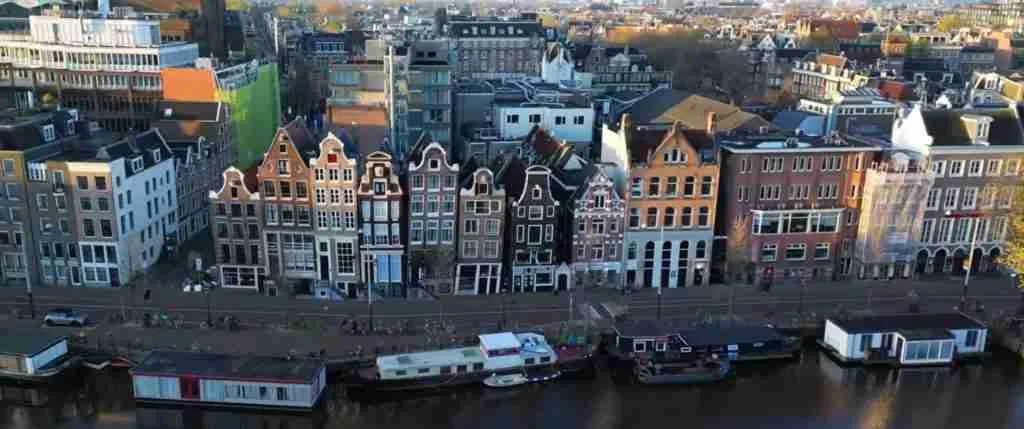
Amsterdam’s UNESCO World Heritage canal ring maintains architectural appeal across all seasons, but strategic timing maximizes your experience through weather optimization, crowd management, and budget efficiency. The city’s maritime climate delivers mild winters (2-8°C) and moderate summers (18-22°C) with year-round rainfall averaging 10-12 days monthly, making waterproof preparation more critical than seasonal selection for outdoor comfort during canal walks through the 17th-century neighborhoods.
Peak summer months (July-August) bring maximum daylight extending to 16+ hours daily, enabling 9 PM canal walks in full daylight and extensive outdoor dining along the waterways. This convenience carries costs – accommodation rates peak at €180-350 for mid-range hotels, museum timed-entry tickets require 2-3 week advance bookings, and restaurant reservations become necessary at popular venues. The shoulder seasons (April-May, September-October) deliver 80% of summer’s benefits at 70% of the costs, combining comfortable 12-20°C temperatures with 20-30% accommodation savings and moderate crowds requiring only 1-2 week advance planning.
Winter months transform Amsterdam from tourist destination to local city experience, with museum queues disappearing, restaurant walk-ins becoming standard, and accommodation dropping to €100-180 nightly – representing 40-50% savings versus summer peaks. The trade-offs involve 2-8°C temperatures, 8-hour daylight limiting evening exploration, and occasional canal freezing creating picturesque but navigationally challenging conditions. Indoor cultural focus suits winter perfectly with the Rijksmuseum, Van Gogh Museum, and 70+ additional museums maintaining full operations regardless of weather while providing warm refuges between outdoor architectural exploration sessions.
This comprehensive seasonal guide analyzes every 2026 month across weather patterns, crowd levels, pricing structures, and special events, enabling informed timing decisions balancing your priorities among cost optimization, weather preferences, crowd tolerance, and specific experience interests like tulip season, Kings Day celebrations, or Christmas market atmosphere.
People Also Ask About Amsterdam Timing 2026
What is the best month to visit Amsterdam in 2026?
May and September represent optimal Amsterdam months in 2026, combining favorable weather (14-19°C), moderate crowds, reasonable pricing, and full cultural access. May delivers spring energy with 15-16 hour daylight, outdoor cafe season beginning, and late tulip displays at Keukenhof (open until May 10, 2026), while accommodation rates remain 20-25% below July-August peaks at €140-220 for mid-range hotels. The month experiences 11-12 rainy days requiring flexible scheduling but offers museum availability with just 1-2 week advance timed-entry bookings versus 3-4 week summer requirements.
September provides warm temperatures (15-19°C) with summer’s infrastructure – full outdoor dining, extended museum hours, complete canal boat tour schedules – while crowds thin as school terms resume across Europe. Accommodation drops to €130-200 nightly representing 25-30% savings versus peak summer, and cultural venues become accessible with 1 week advance planning sufficient for all major museums. The month maintains 12-13 hours daylight enabling 8 PM outdoor activities, restaurant reservations become optional except Friday-Saturday evenings, and occasional sunny stretches deliver perfect canal photography lighting.
April offers compelling alternative timing centered on tulip season (late March-April), with Keukenhof gardens operating March 20-May 10, 2026. The month carries 15-20% accommodation premiums above March pricing due to tulip tourism but remains 15-20% below summer peaks. Weather variability (8-14°C range) requires layered clothing and rain preparation, but spring flowering throughout Amsterdam’s parks and canal-side gardens complements the Keukenhof experience. Book 4-6 months ahead for April dates to secure reasonable rates before tulip season demand drives last-minute pricing higher.
What is the rainiest month in Amsterdam?
October and November receive highest rainfall in Amsterdam with 12-13 rainy days monthly and 80-90mm precipitation, though rain typically arrives as intermittent showers lasting 30-90 minutes rather than all-day downpours. The maritime climate delivers year-round precipitation averaging 10-12 rainy days across all months, making waterproof preparation essential regardless of travel timing. July and August experience lowest rainfall at 9-10 rainy days monthly with 70-80mm total, but summer showers arrive with greater intensity than autumn drizzle when they do occur.
Spring months March-May average 10-11 rainy days with 50-60mm precipitation, featuring quick-passing showers alternating with sunny periods creating variable conditions requiring flexible outdoor planning. Winter December-February sees 12-13 rainy days with temperatures determining whether precipitation falls as rain (more common, 2-8°C) or occasional snow (rare, typically melting within hours). The consistent year-round rainfall pattern makes Amsterdam a destination where umbrella and waterproof jacket belong in day packs every month rather than seasonal considerations.
Rain impacts outdoor activities more than museum visits, with canal boat tours operating in light rain but canceling during heavy storms, and cycling becoming challenging in sustained precipitation. The city’s extensive indoor cultural infrastructure – 70+ museums, countless cafes, covered shopping areas – provides abundant rainy-day alternatives. Albert Cuyp Market vendors use covered stalls maintaining operations during light rain, while heavy precipitation reduces market activity significantly. Pack quality waterproof layers and embrace Amsterdam’s indoor culture during wet periods rather than letting rain derail carefully planned itineraries.
Is Amsterdam crowded in summer 2026?
July and August 2026 bring maximum Amsterdam crowds with the Rijksmuseum and Van Gogh Museum requiring 2-3 week advance timed-entry bookings and entrance queues reaching 30-45 minutes for walk-up attempts at popular 10 AM-2 PM time slots. Anne Frank House tickets release 6-8 weeks ahead selling out within 2-3 days during peak summer, forcing last-minute planners toward expensive tour packages or skip-the-line options at 30-50% premiums. Canal boat tour departure points around Centraal Station and Damrak experience 45-60 minute waits during 2-4 PM peak periods, with early morning (9-10 AM) or evening (6-8 PM) departures offering 15-20 minute queues.
Accommodation sells out 3-4 months ahead for mid-range canal ring hotels during July-August, with last-minute availability limited to premium properties at €300-450 nightly or peripheral neighborhoods requiring 20-30 minute public transport commutes to major attractions. Popular restaurant reservations fill 2-3 weeks ahead for prime Friday-Saturday evening slots at destinations like De Kas, Restaurant Johannes, and canal-side establishments in Jordaan. Walk-in dining remains feasible at neighborhood spots beyond central tourist zones but expect 20-40 minute waits at popular venues during 7-9 PM peak dinner hours.
Summer crowds concentrate in specific areas – Museumplein, Dam Square, Red Light District – while residential canal neighborhoods (western Jordaan sections, eastern canal ring) maintain manageable visitor densities even during peaks. Morning museum visits (opening times 9-10 AM) and evening canal walks (after 6 PM) avoid maximum crowding, and weekday visits (Monday-Thursday) show 25-30% lower densities than Friday-Sunday. Accept summer crowds as trade-off for warmest weather and longest daylight, or shift timing to shoulder seasons for 60-70% of summer’s visitor volumes with comparable conditions.
Does Amsterdam have a tourist season in 2026?
Amsterdam maintains year-round tourism with distinct high season (April-October) and low season (November-March) patterns affecting accommodation pricing, cultural venue crowds, and advance booking requirements. High season peaks occur during tulip time (late March-April), summer vacation months (July-August), and September when comfortable weather combines with thinning crowds. Kings Day (April 27) and Christmas markets (December) create short-term spikes within their respective seasons, requiring special planning and advanced bookings.
Mid-range hotel rates demonstrate seasonal patterns clearly: winter low season €100-180, spring shoulder €140-220, summer peak €180-350, autumn shoulder €130-200, returning to winter lows November-February. These variations represent 40-75% swings between lowest and highest periods, making timing selection the single largest budget variable beyond accommodation category choice. Museum timed-entry requirements follow similar patterns – winter walk-ups feasible, shoulder seasons 1-2 week bookings sufficient, summer peaks demanding 2-3 week advance planning.
The concept of “off-season” barely exists in Amsterdam due to strong winter tourism driven by museum culture and indoor attractions maintaining appeal regardless of weather. January-February represent quietest months with lowest accommodation rates and minimal crowds but never reaching “closed for winter” status common in beach or mountain destinations. This year-round accessibility makes Amsterdam flexible for last-minute planning during winter while requiring structured advance booking during April-October high season months.
Extended multi-day tours – 5+ days
Featured Amsterdam Multi-Day Tour Packages
3 days
Amsterdam 3-Day Discovery Tour
- ✓ Comprehensive Amsterdam experience
- ✓ Expert local guides included
- ✓ All accommodation included
- ✓ Transportation provided

5 days
Amsterdam 5-Day Highlights Experience
- ✓ Comprehensive Amsterdam experience
- ✓ Expert local guides included
- ✓ All accommodation included
- ✓ Transportation provided

7 days
Amsterdam 7-Day Cultural Journey
- ✓ Comprehensive Amsterdam experience
- ✓ Expert local guides included
- ✓ All accommodation included
- ✓ Transportation provided

10 days
Amsterdam 10-Day Complete Adventure
- ✓ Comprehensive Amsterdam experience
- ✓ Expert local guides included
- ✓ All accommodation included
- ✓ Transportation provided
Multi-day tour packages powered by TourRadar. Prices and availability subject to change.
Month-by-Month Analysis for 2026 Amsterdam Visits
January 2026: Winter Budget Opportunities
January delivers Amsterdam’s lowest costs in 2026 with mid-range accommodation at €100-160 nightly – representing 40-45% savings versus July-August peaks. Post-holiday quietness combines with museum accessibility requiring no advance timed-entry bookings, restaurant walk-ins becoming standard practice, and flight costs dropping 30-40% versus summer rates with European roundtrips at €80-140. The month experiences 2-6°C temperatures and 8 hours daylight (sunset around 5 PM), limiting evening outdoor exploration but perfectly suiting museum-focused cultural itineraries.
The Rijksmuseum, Van Gogh Museum, and all major cultural venues maintain full operations with walk-up entry feasible throughout January except possible brief queues 11 AM-2 PM on weekends. Museum visitors enjoy uncrowded galleries enabling close artwork examination without jostling crowds, and audio guide narratives become audible without competing visitor noise. Canal boat tours reduce winter schedules to hourly departures versus 15-30 minute summer frequencies, but heated cabin boats maintain operations providing comfortable covered canal experiences during cold weather.
January weather requires thermal layers, waterproof outerwear, and warm accessories, but indoor cultural focus – museums, cafes, restaurants – dominates well-planned winter itineraries naturally. Occasional sunny days deliver stunning low-angle winter light perfect for canal photography with dramatic shadows and golden-hour effects extending throughout midday hours. Amsterdam Light Festival operates December 5-January 17, 2026, featuring 25+ light art installations along the canals and in Marineterrein Amsterdam, creating unique evening experiences during dark winter months. Book accommodations just 2-3 weeks ahead for January dates with last-minute deals common as hotels adjust pricing to fill winter inventory.
February 2026: Extended Winter Value
February continues January’s budget advantages with accommodation at €100-170 nightly and flight costs 25-35% below spring rates, while temperatures rise slightly to 3-7°C and daylight extends to 9-10 hours (sunset 5:45-6:30 PM). The month represents final opportunity for rock-bottom Amsterdam pricing before spring shoulder season begins in March, and museum access remains immediate with walk-up entry standard at all venues. Valentine’s Day (February 14) creates brief 3-day accommodation spike with romantic getaway demand driving €20-40 premiums for February 13-15 dates.
Dutch school holidays run February 15-23, 2026, increasing domestic tourism moderately but maintaining significantly lower crowding than international peak seasons. Major museums show slightly longer queues during school holiday week with 15-25 minute waits replacing typical winter walk-up access, and popular child-friendly venues like NEMO Science Museum experience family crowds during this period. Book accommodations 3-4 weeks ahead if traveling during school holidays, otherwise 2 weeks notice suffices for February dates outside Valentine’s weekend.
Late February marks tulip season preparation with Keukenhof garden preparations underway and Amsterdam flower shops beginning spring displays, though outdoor flowering remains 4-6 weeks away. The month suits travelers prioritizing budget optimization over weather ideals, combining lowest annual costs with reasonable temperatures avoiding January’s coldest periods. Indoor cultural attractions, brown cafe culture, and Amsterdam’s cozy gezelligheid atmosphere shine during February’s intimate winter conditions when the city functions primarily for residents rather than tourist masses.
March 2026: Spring Transition Begins
March initiates spring transition in 2026 with temperatures rising to 5-11°C, daylight extending to 11-12 hours (sunset 6:30-7:45 PM), and early spring flowers beginning to appear in Amsterdam parks and canal-side gardens. Accommodation rates remain relatively affordable at €120-180 for mid-range hotels – representing 30-35% savings versus summer while temperatures become comfortable for extended outdoor exploration. Late March brings Keukenhof opening (March 20, 2026) creating first major tourist influx of the year and driving brief accommodation increases around opening weekend.
Museum access maintains winter flexibility through mid-March with walk-up entry feasible at most venues, transitioning to 1-2 week advance booking recommendations as spring break travel increases late month. European school holidays scatter throughout March creating moderate visitor increases but nothing approaching summer density levels. Restaurant reservations become advisable for Friday-Saturday evenings at popular venues, while weekday walk-ins remain standard practice through the month.
Early crocuses and daffodils appear in Vondelpark and along canal embankments by mid-March, providing preview of April’s fuller spring flowering. Weather variability defines March with possibilities ranging from sunny 15°C days to cold 5°C rain requiring flexible layering strategies and waterproof preparation. The month suits budget-conscious travelers willing to accept weather uncertainty in exchange for 25-35% accommodation savings versus April tulip season, or serves as optimal timing for visitors prioritizing museum focus over outdoor activities and spring displays.
April 2026: Tulip Season Peak
April centers on tulip season with Keukenhof gardens operating March 20-May 10, 2026, featuring 7 million bulbs across 32 hectares creating Netherlands’ most spectacular floral displays. This focus drives accommodation premiums of 15-25% above March pricing with mid-range hotels at €160-240 nightly, and booking requirements extending to 4-6 months ahead for April dates to secure reasonable rates before tulip tourism demand exhausts inventory. Kings Day (April 27, 2026) creates extreme accommodation shortage with hotels requiring 6-12 month advance reservations and charging 50-100% premiums for April 26-28 dates.
Weather improves markedly with temperatures reaching 8-14°C and daylight extending to 13-14 hours (sunset 8:15-8:45 PM), enabling comfortable outdoor exploration and canal-side dining as cafe terraces open for the season. April experiences 10-11 rainy days with variable conditions alternating between sunny periods perfect for tulip photography and grey days requiring indoor museum visits. Spring flowering throughout Amsterdam complements Keukenhof trips with magnolias blooming along canals, park gardens awakening, and outdoor markets operating full schedules.
Museum timed-entry bookings become necessary 2-3 weeks ahead during April as spring tourism builds toward summer peaks, and restaurant reservations shift from advisable to required for weekend evenings at popular venues. Keukenhof admission costs €21.50 for adults in 2026 (check keukenhof.nl for current rates), located 35km southwest of Amsterdam requiring €10-12 bus service or €35-45 taxi transport. Visit Keukenhof Tuesday-Thursday for 30-40% lower crowds versus Friday-Sunday, and arrive at 9-10 AM opening rather than 12-2 PM peaks when tour groups create maximum congestion. April delivers Amsterdam’s most photogenic period balancing floral displays against moderate crowds and reasonable pricing, making weather variability worthwhile for tulip-focused travelers.
May 2026: Optimal Spring Conditions
May represents peak spring timing in 2026 with comfortable 12-17°C temperatures, 15-16 hour daylight (sunset 9-9:30 PM), late tulip displays at Keukenhof (open until May 10), and full outdoor cafe season beginning throughout the canal ring. Accommodation settles at €150-230 for mid-range hotels after April’s tulip premiums but before summer peaks, offering 15-20% savings versus July-August. Liberation Day (May 5) creates national holiday atmosphere with free outdoor festivals throughout Amsterdam, though accommodation impacts remain modest compared to Kings Day extremes.
Museum bookings require 2 week advance planning as tourism builds toward summer levels, and restaurant reservations become necessary for most venues Friday-Sunday evenings with weekday walk-ins still feasible at neighborhood spots. Canal boat tours operate full summer schedules with 15-30 minute departure frequencies, and outdoor activities – cycling, canal-side picnics, Vondelpark exploration – reach optimal conditions combining warm weather and maximum daylight. May delivers 11-12 rainy days requiring continued waterproof preparation, but extended daylight provides opportunities for rescheduling around precipitation.
Late May marks high season commencement in pricing and crowds, with accommodation approaching summer rates and cultural venue densities increasing notably. Book accommodations 2-3 months ahead for May dates, particularly for long weekends around Liberation Day (May 3-5, 2026) when extended holiday creates 3-4 day booking demand. The month offers compelling balance between spring’s freshness and summer’s warmth without peak season’s extreme costs or crushing crowds, making May arguably Amsterdam’s single best timing for visitors prioritizing overall experience quality across weather, crowds, and pricing factors.
June 2026: Summer Season Begins
June initiates summer season in 2026 with temperatures reaching 14-20°C, maximum daylight extending to 16+ hours (sunset 9:30-10 PM), and outdoor city life flourishing across canal-side terraces, street festivals, and park gatherings. Accommodation reaches €170-300 for mid-range hotels as summer pricing takes effect, requiring 3-4 month advance bookings for June dates to avoid last-minute premiums or sold-out properties. The month experiences lowest annual rainfall at 9-10 rainy days with 70mm total precipitation, offering best weather reliability for outdoor-focused itineraries.
Museum timed-entry requirements solidify at 2-3 weeks advance booking for Rijksmuseum and Van Gogh Museum, while Anne Frank House tickets release 8 weeks ahead selling out within 3-5 days throughout June. Restaurant reservations become necessary at popular venues for all evenings, not just weekends, and canal boat tour waits reach 30-45 minutes during 2-4 PM peak periods. Holland Festival (throughout June) brings performing arts programming across Amsterdam venues, adding cultural depth beyond permanent museum collections but increasing evening accommodation demand.
Canal swimming spots (Sloterplas, Amsterdam Noord beaches) open for the season as temperatures permit, and outdoor cinema screenings begin in Vondelpark. June delivers summer’s benefits – warm weather, maximum daylight, full outdoor infrastructure – while maintaining slightly lower crowding and 10-15% reduced accommodation rates versus July-August absolute peaks. The month suits travelers desiring summer conditions without August’s tourist saturation, offering compromise between May’s more moderate temperatures and July’s warmest days. Book by February-March for June dates to secure mid-range canal ring hotels at published rates before prime summer inventory depletes.
July 2026: Peak Summer Conditions
July brings warmest Amsterdam temperatures in 2026 at 16-22°C with 16+ hour daylight creating 5 AM sunrises and 10 PM sunsets, enabling extended outdoor exploration and late-evening canal walks in full daylight. This premium timing drives maximum accommodation costs at €180-350 for mid-range hotels and necessitates 3-4 month advance bookings for any reasonable rates or central locations. Last-minute July accommodation forces choices between premium properties at €400-600 nightly or peripheral neighborhoods requiring 25-35 minute commutes to major attractions.
Museums operate at capacity with Rijksmuseum and Van Gogh Museum timed-entry tickets requiring 3 week advance bookings, entrance queues reaching 40-60 minutes for walk-up attempts, and gallery spaces packed with tour groups and individual visitors creating challenging viewing conditions for major masterpieces. Anne Frank House remains sold out 6-8 weeks ahead throughout July with secondary market tour packages representing only last-minute access options at 40-60% premiums. Canal boat tours experience 60-90 minute waits at popular departure points during 12-4 PM peaks, necessitating early morning (9-10 AM) or evening (after 6 PM) timing for manageable queues.
Restaurant reservations become essential at all popular venues 2-3 weeks ahead for July dates, with walk-in dining limited to quick-service spots or off-peak meal times (before 6 PM, after 9:30 PM). Outdoor festivals, canal concerts, and summer markets create vibrant street life throughout the city, and open-air cinema continues in Vondelpark. July suits travelers prioritizing optimal weather and maximum daylight over budget considerations or crowd avoidance, accepting premium costs and dense tourism as trade-offs for guaranteed warm conditions and extended evening exploration opportunities. July particularly benefits photography enthusiasts with late golden hour lighting (9-10 PM) creating dramatic canal shots impossible during shorter-day seasons.
August 2026: Continued Summer Peak
August maintains July’s summer peak conditions with 16-22°C temperatures, 14-15 hour daylight, and full outdoor city operations across cafes, festivals, and canal activities. Accommodation remains at €180-350 for mid-range hotels throughout the month, with slight early-August premiums as school holidays continue, followed by marginal late-August softening as European vacations conclude. Book 3-4 months ahead for August dates, particularly for early month (August 1-15) when summer vacation overlap creates maximum demand across Northern European source markets.
Cultural venue crowding matches July levels through mid-August with 3-week advance museum bookings necessary and 45-60 minute entrance queues for walk-up attempts at major venues. Late August (after August 20) shows modest crowd reduction of 15-20% as school terms resume in parts of Europe, though remaining international tourism maintains substantial visitor densities. Grachtenfestival (Classical Music Canal Festival) typically runs mid-August featuring floating stages and canal-side concerts, adding unique cultural programming and slight accommodation demand increases around festival dates.
Weather reliability peaks in August with lowest annual rainfall (9-10 rainy days) and warmest water temperatures enabling comfortable canal swimming at designated spots. Outdoor dining reaches seasonal peak with canal-side terraces operating full capacity and late-evening meals (9-10 PM seating) feasible in daylight conditions. August delivers summer’s most reliable weather but highest costs and crowds, suiting travelers with fixed school holiday scheduling or those prioritizing weather certainty over budget optimization. Late August (final week) offers slight crowd and cost advantages while maintaining summer weather and outdoor infrastructure, creating sweet spot for visitors with schedule flexibility.
September 2026: Autumn Transition Excellence
September rivals May as optimal Amsterdam timing in 2026, combining summer warmth (14-19°C), substantial daylight (12-13 hours with sunset 7:30-8:30 PM), dramatically reduced crowds, and 25-30% accommodation savings versus July-August. Mid-range hotels drop to €130-200 nightly as international tourism decreases following European school term resumption, and booking timelines relax to 1-2 months ahead for reasonable availability. The month experiences 11 rainy days requiring waterproof preparation but maintains comfortable temperatures for outdoor exploration and canal activities.
Museum accessibility improves markedly with 1-2 week advance timed-entry bookings sufficient for all major venues, galleries showing 40-50% lower visitor densities versus summer peaks, and walk-up entry becoming feasible at smaller museums and cultural sites. Restaurant reservations return to weekend-only requirements with weekday walk-ins standard practice at most venues, and canal boat tour waits drop to 15-20 minutes even during afternoon peaks. September maintains summer’s outdoor infrastructure – cafe terraces, extended museum hours, full canal tour schedules – while eliminating summer’s overwhelming crowding and pricing premiums.
Early autumn colors begin appearing in Vondelpark and along canal embankments by late September, providing photography opportunities beyond summer’s green foliage. Uitmarkt cultural festival (final August weekend continuing into early September) previews upcoming theater and music season with free performances throughout the city. September suits experienced travelers recognizing the month’s optimal balance across all factors – weather, crowds, pricing, cultural access – making it arguably Amsterdam’s single best timing alongside May. Book 6-8 weeks ahead for September dates to secure preferred accommodation while availability remains strong and rates stay moderate.
October 2026: Shoulder Season Advantages
October extends shoulder season benefits in 2026 with cooling temperatures (10-15°C), 10-11 hour daylight (sunset 6:15-7 PM), continued moderate crowds, and accommodation at €120-190 for mid-range hotels representing 30-35% savings versus summer. The month experiences highest annual rainfall at 12-13 rainy days and 85-90mm precipitation, requiring robust waterproof preparation and flexible indoor/outdoor activity balance. Autumn colors peak mid-October in Vondelpark and along canal-side trees creating photogenic conditions with golden and red foliage contrasting against historic canal house architecture.
Museum accessibility remains excellent throughout October with 1 week advance bookings sufficient for timed-entry tickets and walk-up entry feasible at many venues particularly weekday mornings. Museum Night (third Saturday of October, October 17, 2026) features special evening access to 50+ museums with extended hours, performances, and workshops for €22.50 ticket price representing excellent value for intensive cultural exploration. Restaurant walk-ins return to standard practice for weekday dining, and accommodation books out just 4-6 weeks ahead even during autumn break periods.
Dutch autumn school holiday runs October 18-26, 2026, creating brief domestic tourism increase with modest accommodation rate rises (€15-25 premiums) and slight museum crowding particularly at family-friendly venues. Outside school holiday week, October maintains quiet atmosphere ideal for travelers prioritizing uncrowded cultural exploration over optimal weather conditions. Indoor cultural focus suits October’s grey, rainy periods naturally, with museums, cafes, and brown pubs providing warm refuges between outdoor architectural tours. October delivers strong value for budget-conscious travelers accepting higher rainfall probability in exchange for substantial cost savings and minimal crowds during most of the month.
November 2026: Low Season Returns
November marks low season return in 2026 with accommodation dropping to €110-170 for mid-range hotels, temperatures cooling to 6-10°C, and daylight reducing to 8-9 hours (sunset 4:45-5 PM early month, 4:30 PM late November). The short daylight and frequent rain (12-13 rainy days) limit outdoor activities naturally, but museum-focused itineraries thrive in November’s uncrowded conditions with walk-up entry standard at all venues and gallery spaces providing quiet contemplation of masterworks. GLOW light art festival (mid-November) transforms the city with illuminated installations, though specific 2026 dates require confirmation closer to event.
Accommodation availability remains strong requiring only 2-3 weeks advance booking for November dates, and last-minute deals become common as hotels adjust pricing to fill inventory during quiet periods. Restaurant reservations lose importance except for top-tier Michelin venues, with walk-ins feasible throughout the week at nearly all establishments. Flight costs drop 25-35% below summer rates with European roundtrips at €90-160, creating budget opportunities for cost-conscious travelers prioritizing cultural access over weather conditions.
Sint Maarten (November 11) creates minor local celebration with children’s lantern processions, though tourism impacts remain negligible. November suits dedicated museum enthusiasts, budget travelers, and visitors who previously experienced Amsterdam in peak season and desire intimate uncrowded exploration of the UNESCO canal ring. The combination of low costs, minimal crowds, and full cultural access outweighs weather limitations for specific traveler profiles, particularly those planning 3-4 day trips focused primarily on indoor attractions with limited outdoor activity expectations.
December 2026: Holiday Market Season
December brings Christmas market atmosphere in 2026 with accommodation rising to €130-200 for mid-range hotels – representing 15-25% premiums above November but remaining 25-35% below summer peaks. Ice skating rinks open in Museumplein and Leidseplein, holiday markets operate throughout the city, and winter light displays illuminate canal-side trees and buildings creating festive ambiance. Amsterdam Light Festival returns December 5-January 17, 2027, featuring light art installations along canals best viewed on evening boat tours. Temperatures range 3-7°C requiring full winter layers, and daylight minimums occur around December 21 (8 hours, sunset 4:30 PM).
Christmas period (December 20-27) drives accommodation premiums with hotels charging €40-80 above standard December rates and requiring 2-3 month advance bookings for holiday week availability. New Year’s Eve (December 31) creates extreme demand with hotels doubling rates for December 30-January 1 dates and necessitating 4-6 month advance reservations. Museums maintain regular operations throughout December except closure on December 25 (Christmas) and reduced hours December 24 and 31, with walk-up entry feasible all month despite holiday visitor increases.
Sinterklaas celebrations (December 5-6) create local festivity with traditional Dutch gift-giving and chocolate letter traditions, offering cultural immersion into Dutch customs distinct from international Christmas tourism. December suits travelers seeking festive atmosphere willing to accept short daylight and cold temperatures as trade-offs for holiday markets, light displays, and winter city character. Book by October for general December dates, by September for Christmas week, and by August-September for New Year’s Eve to secure accommodation at reasonable rates before premium holiday pricing takes effect.
Special Event Planning for 2026 Amsterdam Visits
Kings Day 2026 (April 27): National Celebration Planning
Kings Day transforms Amsterdam on April 27, 2026, into city-wide orange-clad celebration featuring street markets, canal boat parties, outdoor concerts, and 2 million visitors descending on the city. This exceptional event requires 6-12 month advance hotel bookings with properties charging 50-100% premiums (€300-500 for mid-range rooms) and minimum 2-3 night stays standard during April 25-28 weekend. Book by October 2025-January 2026 for any reasonable accommodation availability, with last-minute options limited to expensive premium hotels at €600-1000 nightly or staying outside Amsterdam in Haarlem, Leiden, or Utrecht with train commutes.
The vrijmarkt (free market) operates April 26-27 with residents selling goods on blankets throughout city streets, creating massive outdoor flea market atmosphere and pedestrian-only zones across the canal ring. Outdoor concerts and DJ performances run continuously along major canals and in squares, with Museumplein, Rembrandtplein, and Leidseplein hosting major stages. Public transport operates 24 hours during Kings Day weekend but experiences extreme crowding with 30-60 minute waits for trams and metro, making walking the primary navigation method despite 3-4 hour pedestrian journey times across the packed city center.
Museums close April 27 for the national holiday, making Kings Day unsuitable for culture-focused travelers but ideal for those seeking authentic Dutch celebration immersion. Restaurants and cafes operate with outdoor-only service and advance reservations impossible – expect 60-90 minute waits for food and drink purchases at any venue. Albertijn canal boat rental companies offer Kings Day packages at €1500-3000 for private boats (capacity 15-25 people) booked 6-12 months ahead, providing mobile party platforms navigating through decorated canal flotillas. Kings Day suits party-focused visitors willing to accept extreme crowding, premium costs, and limited cultural access in exchange for once-yearly authentic Dutch celebration experience.
Tulip Season 2026: Keukenhof Garden Planning
Keukenhof operates March 20-May 10, 2026, with peak bloom typically occurring mid-April through early May depending on spring weather patterns. The garden features 7 million bulbs across 32 hectares including tulips, daffodils, hyacinths, and other spring flowers arranged in themed displays and naturalistically planted throughout the park. Admission costs €21.50 for adults, €10.50 for children 4-11, free for children under 4 in 2026 (check keukenhof.nl for current rates), with timed-entry slots recommended but not required except during peak April weekends.
Transportation from Amsterdam requires dedicated Keukenhof Express bus service (€10 return) departing from Schiphol Airport with 30-40 minute journey time, or regular bus route 858 from Hoofddorp station. Private transportation costs €70-90 for roundtrip taxi or rideshare service carrying 4 passengers. Visit Tuesday-Thursday for 30-40% lower crowds versus Friday-Sunday when tour groups and weekend visitors create maximum congestion, and arrive at 9-10 AM opening rather than 12-3 PM peaks when pathways become uncomfortably crowded and photography opportunities diminish significantly.
Combine Keukenhof visits with Amsterdam canal-side tulip displays throughout city neighborhoods, with Singel flower market (daily operations), Museumplein tulip gardens, and Vondelpark spring flowering complementing the main garden experience. Book Amsterdam accommodation 4-6 months ahead for April tulip season dates as hotel demand increases 15-25% above normal spring rates. Keukenhof visits require 4-5 hours including transportation, making them compatible with half-day Amsterdam cultural activities in a full-day itinerary. The garden reaches peak beauty mid-April to early May, but late March displays include early daffodils and crocuses for visitors with fixed scheduling constraints preventing optimal mid-season timing.
Amsterdam Light Festival 2026-27: Winter Illumination
Amsterdam Light Festival operates December 5, 2026-January 17, 2027, featuring 25+ light art installations along the canals and in Marineterrein Amsterdam district. The festival includes Illuminade walking route (free) covering installations accessible by foot throughout the canal ring and city center, plus Water Colors boat route requiring canal cruise access (€18-30 evening light festival boat tours). Artists from around the world create light-based artworks specifically for Amsterdam’s canal environment, with 2026-27 theme to be announced closer to event dates.
Evening canal boat tours dedicated to light festival viewing operate 5-10 PM with heated covered boats providing comfortable observation platforms during 2-6°C December-January temperatures. Book light festival boat tours 2-3 weeks ahead for Friday-Saturday evening slots, 1-2 weeks for weekday departures. Walking route enables budget-friendly festival participation requiring only warm clothing and 90-120 minutes for complete circuit covering major installations between Centraal Station and Rembrandtplein areas.
The festival transforms Amsterdam’s winter darkness into cultural asset, providing unique evening activities during 4:30 PM sunsets and long winter nights. Combine light festival visits with winter museum days and brown cafe culture for complete Amsterdam winter experience. Accommodation during light festival period (December 5-January 17) maintains moderate winter rates at €110-180 for mid-range hotels except Christmas week (December 20-27) and New Year’s period (December 29-January 2) when holiday premiums apply. Light festival suits photographers and evening-activity enthusiasts, particularly those visiting Amsterdam during winter months when extended darkness provides optimal viewing conditions for illuminated artworks.
Final Planning Recommendations for 2026 Amsterdam Timing
Select Amsterdam timing balancing your priorities across weather preferences, budget constraints, crowd tolerance, and specific experience interests rather than seeking single “best” month applicable to all traveler profiles. May and September emerge as optimal all-around choices combining comfortable weather (12-19°C), moderate crowds, reasonable pricing (€130-230 accommodation), and full cultural access – but alternative months deliver superior value for specific objectives like budget optimization (January-February), tulip focus (April), or weather certainty (July-August).
Book accommodations earliest for constrained high-demand periods: 6-12 months for Kings Day (April 27), 4-6 months for tulip season (April), 3-4 months for summer (June-August), and 2-3 months for Christmas/New Year holidays (December 20-January 2). Standard timing permits 6-8 weeks advance booking for shoulder seasons (May, September-October) and just 2-3 weeks for winter months (November-March except holidays). Museums require 2-3 weeks advance timed-entry booking during summer, 1-2 weeks in shoulder seasons, and provide walk-up access throughout winter enabling spontaneous cultural planning.
Structure multi-day itineraries utilizing seasonal advantages – summer’s extended daylight enabling early museum visits and late outdoor dining, winter’s uncrowded conditions permitting flexible daily planning, shoulder seasons’ balanced conditions allowing comprehensive mixed indoor-outdoor programming. Accept each season’s trade-offs rather than expecting perfect conditions: summer brings crowds and costs, winter delivers short daylight and frequent rain, shoulder seasons show weather variability, but all periods enable excellent Amsterdam experiences when planned with seasonal awareness and appropriate expectations.
Monitor weather forecasts flexibly during trips maintaining indoor backup activities for rainy periods and outdoor plans for sunny stretches, as Amsterdam’s maritime climate creates variable daily conditions requiring adaptation rather than rigid scheduling. The UNESCO canal ring’s architectural appeal transcends seasonal variations providing consistent visual interest across all weather conditions, while museums, cafes, and restaurants ensure quality experiences regardless of precipitation or temperature factors beyond your control but manageable through proper preparation and itinerary flexibility.