Amsterdam Budget Guide 2026: Complete Cost Breakdown
Key Takeaways
- Daily budget ranges €75-250 per person depending on travel style, with mid-range travelers spending €120-160 daily excluding accommodation
- Canal ring area entrance is free, but museum tickets cost €15-25 each – Amsterdam I amsterdam City Card (€65-90) saves money for culture-focused visitors
- Public transport offers best value with GVB day passes at €8.50-€22.50, while taxis cost €30-50 for typical city routes
- Accommodation peaks July-August at €180-350 per night for mid-range hotels, dropping to €100-180 in January-February
- Book museums 2-3 weeks ahead and accommodations 3-4 months early for summer visits to secure best 2026 rates
- Free canal walking tours, Albert Cuyp Market visits, and Vondelpark exploration cut costs while delivering authentic Amsterdam experiences
Introduction: Planning Your Amsterdam Budget in 2026
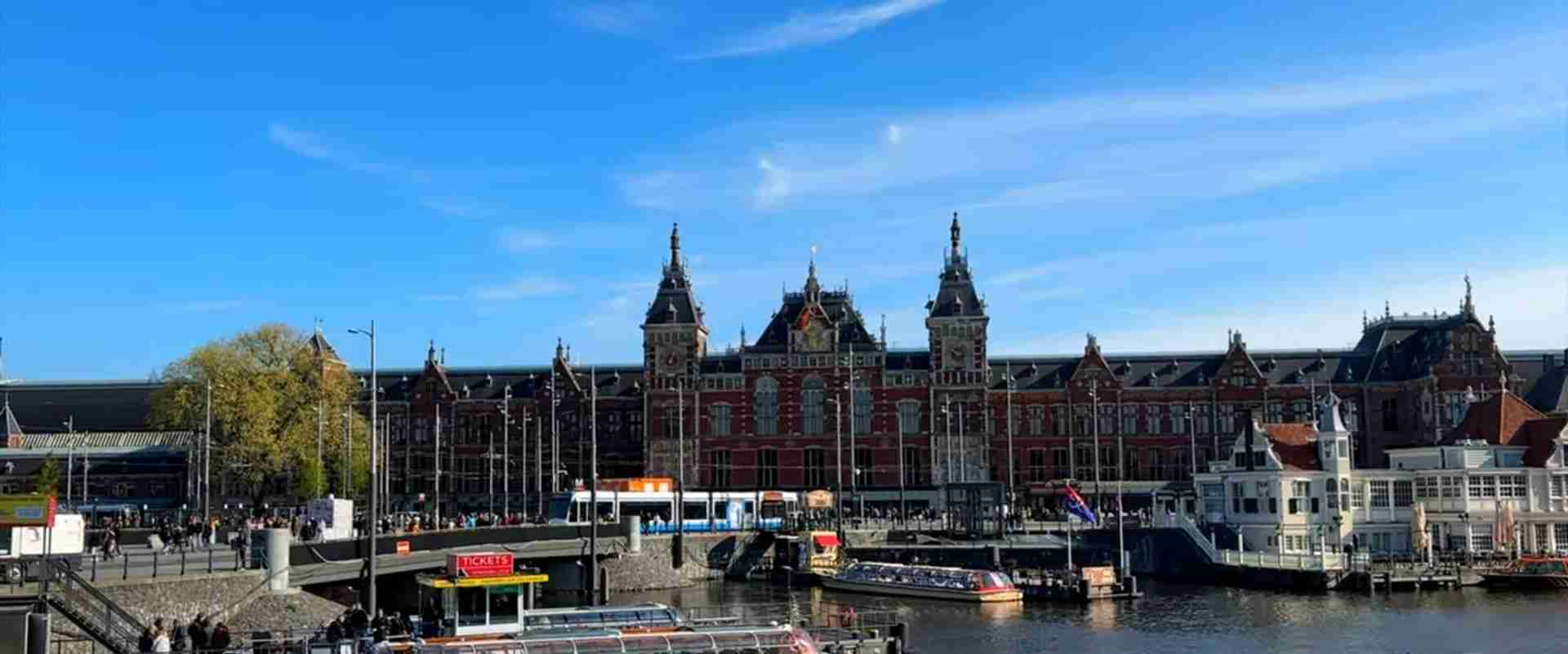
Amsterdam’s seventeenth-century canal ring, inscribed as a UNESCO World Heritage site in 2010, represents one of Europe’s most distinctive urban landscapes – and understanding its costs ensures you experience this architectural masterpiece without financial stress. The city’s budget reality spans from backpacker-friendly hostels along the canals to luxury hotels in converted canal houses, with transportation ranging from €8.50 daily transit passes to €50 taxi rides across the compact city center.
This comprehensive budget guide breaks down every cost category for your 2026 Amsterdam visit, from the free canal ring walks to €25 museum admissions, €15-35 restaurant meals to €100-350 nightly accommodations. The city’s public transport efficiency, combined with walkable distances between UNESCO canal neighborhoods, creates opportunities for budget optimization while the I amsterdam City Card (€65-90 for 1-5 days) delivers substantial savings for museum-focused travelers planning multiple cultural visits.
Budget planning starts with seasonal awareness – summer peaks bring €180-350 mid-range hotel rates and restaurant waits, while winter offers €100-180 accommodation and immediate museum access. The €3-4 canal-side coffee versus €15-25 museum ticket decisions accumulate across multi-day stays, making advance planning essential. Strategic booking timelines (museums 2-3 weeks ahead, hotels 3-4 months early for summer) and money-saving tactics (Albert Cuyp Market lunches at €8-12, free walking tours, Museumplein picnics) transform the Amsterdam budget from overwhelming to manageable.
The following sections provide detailed 2026 cost breakdowns across accommodation, dining, transportation, attractions, and activities, enabling precise budget forecasting for your UNESCO canal ring experience.
People Also Ask About Amsterdam Budget 2026
How much money do I need per day in Amsterdam in 2026?
Daily Amsterdam budgets range €75-250 per person excluding accommodation, varying by travel style and activities. Budget travelers spend €75-100 daily covering hostel breakfast (€5-8), Albert Cuyp Market lunch (€8-12), casual dinner (€15-20), public transport day pass (€8.50-13.50), one museum visit (€15-20), and coffee/snacks (€8-12). Mid-range travelers allocate €120-160 for restaurant meals (lunch €15-25, dinner €30-45), multiple museum entries (€20-35 combined), canal tours (€15-25), and transportation flexibility.
Luxury budgets reach €200-250 daily including fine dining experiences at €80-120 per meal, private canal boat tours at €150-250 per hour, premium museum access, and taxi transportation at €30-50 per ride. The I amsterdam City Card at €65 for 72 hours reduces museum costs significantly for culture-focused visitors planning 4+ attractions daily. Seasonal variations affect restaurant availability and museum crowds but pricing remains consistent year-round except for accommodation rates which fluctuate €80-170 between winter and summer seasons.
A typical 3-day Amsterdam visit requires €360-480 for budget travelers, €480-640 for mid-range explorers, and €720-900 for luxury experiences, all excluding accommodation. These totals assume two museum visits daily, three meals, public transport, and one paid activity like a canal cruise or guided tour. Peak summer months demand slightly higher restaurant budgets due to tourist-area pricing while winter offers better meal value in neighborhood spots beyond the central canal ring.
Is Amsterdam expensive to visit in 2026?
Amsterdam ranks as moderately expensive compared to other European capitals, with daily costs sitting between budget-friendly Prague (€60-80 daily) and premium destinations like Zurich (€150-200 daily). The city’s UNESCO canal ring heritage creates unique value – the architectural experience itself costs nothing, with free canal-side walks delivering the site’s primary appeal. Museum concentration drives expenses higher than many European cities, with €15-25 admission tickets adding €30-75 to multi-day cultural itineraries.
Accommodation represents the largest budget variable, ranging from €35-50 hostel beds to €180-350 mid-range canal house hotels and €400-800 luxury properties. Public transport efficiency keeps transportation costs reasonable at €8.50-22.50 for unlimited daily travel, significantly lower than taxi-dependent cities. Restaurant pricing mirrors Western European standards with €15-25 lunch options and €30-45 dinner entrees, though Albert Cuyp Market and neighborhood spots offer €8-15 meals matching budget-friendly alternatives.
Strategic planning transforms Amsterdam from expensive to affordable – booking 3-4 months ahead secures 20-30% accommodation savings, the I amsterdam City Card cuts museum costs 40-50% for intensive cultural visits, and neighborhood dining beyond the touristy Dam Square area reduces meal expenses 25-35%. Free experiences including Vondelpark walks, Albert Cuyp Market exploration, and canal ring architectural tours provide substantial value, making Amsterdam accessible across budget ranges when planned thoughtfully with advance bookings and smart spending choices.
What is the cheapest month to go to Amsterdam in 2026?
January and February offer the lowest Amsterdam costs in 2026, with mid-range hotel rates dropping to €100-180 per night compared to €180-350 during July-August peaks – representing 40-50% savings on accommodation. Winter flight prices decrease 30-40% versus summer highs, with roundtrip European flights at €80-150 instead of €180-280. Restaurant reservations become unnecessary as tourist crowds thin dramatically, and museum queues disappear enabling walk-up entry at popular venues like the Rijksmuseum and Van Gogh Museum.
November, March, and early December provide secondary budget advantages with accommodation at €120-200 nightly and moderate crowds balancing cost savings against weather considerations. These shoulder months deliver 25-35% accommodation savings versus peak summer while maintaining comfortable temperatures of 8-15°C compared to winter’s 2-8°C range. Spring tulip season (late March-April) increases prices 15-20% above winter but remains 20-30% below summer peaks, offering compromise between budget and experience.
Budget travelers maximize January-February savings through €100-150 accommodation, €50-80 weekly public transport passes, and immediate museum access without timed-entry premiums. The I amsterdam City Card maintains consistent €65-90 pricing year-round, delivering greater relative value during winter when museum queue-skipping becomes less critical. Canal boat tour operators reduce winter schedules but maintain pricing, while restaurant costs remain stable enabling 40-50% total trip savings versus peak summer periods through accommodation and transportation discounts alone.
Are museums free in Amsterdam in 2026?
Amsterdam museums charge €15-25 admission in 2026, with the Rijksmuseum at €22.50, Van Gogh Museum at €22, Anne Frank House at €16, and Stedelijk Museum at €20. Check each museum’s official website for current rates as pricing may vary. Free museum access occurs during specific annual events – Museum Night in November (€22.50 ticket grants access to 50+ venues), National Museum Weekend in April, and occasional first-Sunday promotions at select institutions.
The I amsterdam City Card provides best museum value for culture-focused visitors, costing €65 for 24 hours, €75 for 48 hours, €85 for 72 hours, €95 for 96 hours, or €105 for 120 hours in 2026. The card includes free entry to 70+ museums plus unlimited public transport, breaking even after visiting 3-4 major museums. Popular included venues encompass the Rijksmuseum, Van Gogh Museum, Stedelijk Museum, Amsterdam Museum, Rembrandt House Museum, and Het Scheepvaartmuseum, plus smaller specialized collections.
Several quality museums offer free permanent collection access including the Bijbels Museum courtyard and gardens, EYE Filmmuseum exhibition space, and various neighborhood cultural centers. Public architecture provides free UNESCO heritage experiences – the canal ring’s 17th-century merchant houses, bridges, and urban planning patterns deliver world-class cultural value without admission costs. Combine free canal walks with paid museum visits to balance budget, allocating €45-75 for museum admissions across a 3-day visit or €65-85 for an I amsterdam City Card covering comprehensive cultural exploration.
Extended multi-day tours – 5+ days
Featured Amsterdam Multi-Day Tour Packages
7 days
Amsterdam, Berlin and Prague (9 destinations)
- ✓ Comprehensive Amsterdam tour
- ✓ Expert local guides included
- ✓ All accommodation arranged
- ✓ Transportation provided
6 days
Amsterdam and Paris
- ✓ Comprehensive Amsterdam tour
- ✓ Expert local guides included
- ✓ All accommodation arranged
- ✓ Transportation provided

5 days
Amsterdam Serenity & City Wonders – 5 Days
- ✓ Comprehensive Amsterdam tour
- ✓ Expert local guides included
- ✓ All accommodation arranged
- ✓ Transportation provided

4 days
Netherlands – Land of Freedom (Van Gogh Trails & Architectural Wonders) 4-Day Tour
- ✓ Booking needs min. 2 travelers
Multi-day tour packages powered by TourRadar. Prices and availability subject to change.
Essential Planning Information for 2026
Current Costs and Pricing Breakdown for 2026
Amsterdam accommodation ranges €35-800+ nightly in 2026 depending on season and category. Budget hostels cost €35-60 for dormitory beds and €80-120 for private rooms, mid-range hotels run €120-250 in shoulder seasons and €180-350 during summer peaks, while luxury canal house hotels command €300-800. Boutique properties in the UNESCO canal ring carry 20-30% premiums over comparable hotels in outer neighborhoods, reflecting historic building character and central locations.
Museum tickets cost €15-25 each with the Rijksmuseum at €22.50, Van Gogh Museum at €22, Anne Frank House at €16, and combination tickets offering 5-10% savings. Check official museum websites for current rates as pricing may vary. The I amsterdam City Card at €65-105 for 1-5 days includes 70+ museums plus unlimited public transport, providing substantial savings for visitors planning 4+ cultural attractions daily. Canal boat tours run €15-25 for 1-hour group cruises and €150-250 for private boat rentals.
Restaurant pricing spans €8-120+ per meal with Albert Cuyp Market stalls at €8-12, casual neighborhood spots at €15-25 for lunch and €30-45 for dinner, mid-range dining at €45-75, and fine dining experiences at €80-150 per person. Supermarket groceries cost €50-80 weekly for self-catering, coffee shops charge €3-5 for espresso, and canal-side cafes run €8-15 for lunch sandwiches. Public transport maintains consistent pricing with single tram/metro tickets at €3.40, GVB day passes at €8.50-22.50, and weekly passes at €38.50.
Seasonal Pricing Patterns for 2026
Peak season (June-August) drives Amsterdam costs highest with mid-range hotels at €180-350 nightly, advance booking requirements extending 3-4 months for summer dates, and restaurant reservations necessary at popular venues. Museum timed-entry tickets sell out 2-3 weeks ahead during summer forcing schedule flexibility or premium last-minute pricing. Canal boat tours run maximum schedules with departures every 15-30 minutes but wait times reach 30-60 minutes at popular departure points around 2-4 PM daily.
Shoulder seasons (April-May, September-October) offer optimal budget balance with accommodation at €140-220 nightly – 20-30% below summer peaks while maintaining pleasant 12-20°C temperatures. Museum crowds thin enabling 1-2 week advance bookings instead of 3-week summer requirements, and restaurant walk-ins become feasible at most venues except Friday-Saturday evenings. Spring tulip season (late March-April) creates mini-peak pricing 10-15% above normal shoulder rates, while autumn delivers best value with September-October combining good weather and moderate costs.
Winter (November-February) brings lowest prices with mid-range hotels at €100-180 nightly – 40-50% below summer rates. Museum walk-up entry becomes standard as advance booking loses importance, and flight costs drop 30-40% versus peak season. Christmas markets (December) and New Year’s celebrations create 10-day pricing spikes matching shoulder season rates, but January-February deliver rock-bottom costs. Weather considerations include 2-8°C temperatures and frequent rain, but indoor museum focus suits winter visits perfectly with immediate cultural access and minimal crowds.
Accommodation Budget Planning 2026
Budget Accommodation Options 2026
Hostel dormitory beds cost €35-60 nightly in 2026, with prices varying by season, neighborhood, and amenities. ClinkNOORD (Amsterdam Noord) offers €35-45 beds in modern facilities across the IJ river, accessible via free ferry with 15-minute journey to central station. The Student Hotel in West Amsterdam runs €40-50 for dorms with co-working spaces and social programming, while Shelter Jordan and Shelter City provide €38-48 beds in lively social atmospheres with organized activities and canal district proximity.
Private hostel rooms range €80-120 for doubles including en-suite bathrooms and often exceeding budget hotel quality. Generator Amsterdam charges €85-110 for stylish privates with hotel-standard furnishings, while Cocomama offers €90-120 boutique rooms in a converted townhouse near Vondelpark. Budget hotels like Hotel V Nesplein and Motel One Amsterdam run €100-150 for compact doubles with breakfast, matching private hostel room costs while eliminating shared common spaces.
Location strategy saves 25-35% on accommodation – Amsterdam Noord properties cost €30-50 less nightly than canal ring equivalents with free 24-hour ferry access to Centraal Station. De Pijp neighborhood hotels run €20-40 below Jordaan pricing while maintaining 10-15 minute tram rides to major museums. Booking 3-4 months ahead secures early-bird rates 15-25% below last-minute pricing, and midweek stays (Sunday-Thursday) cost €15-35 less than Friday-Saturday peak nights even during high season.
Mid-Range and Luxury Accommodation 2026
Mid-range hotels cost €120-350 in 2026 depending on season and neighborhood, with shoulder-season pricing at €140-220 and summer peaks at €180-350 for doubles. Canal house hotels like The Hoxton Amsterdam (€180-280) and Pulitzer Amsterdam (€220-350) occupy historic 17th-century buildings with original features, while modern properties like DoubleTree by Hilton Amsterdam (€140-220) offer contemporary comfort in convenient locations near Centraal Station.
Boutique canal ring hotels command premium pricing at €200-400 for UNESCO heritage building stays. Hotel Sebastian’s (€200-320) provides canal views from former merchant house rooms, while The Dylan Amsterdam (€280-450) delivers luxury experiences in a 1618 building with Michelin-starred dining. Jordaan neighborhood boutiques like Hotel V Nesplein (€160-240) and Mr. Jordaan (€140-220) balance historic character with moderate pricing, located 5-10 minute walks from major canal ring attractions.
Luxury properties reach €300-800+ nightly with Waldorf Astoria Amsterdam (€500-800) occupying six 17th-century canal palaces, InterContinental Amstel Amsterdam (€400-700) offering grand canal views, and Conservatorium Hotel (€350-650) combining historic architecture with modern luxury near Museumplein. Four and five-star hotels include breakfast (€15-35 value), canal views (20-30% room premiums), and prime locations enabling walk-everywhere convenience. Book luxury properties 4-6 months ahead for summer dates to secure availability at published rates before sell-outs force premium pricing.
Dining and Food Budget Strategies 2026
Budget Dining Options 2026
Albert Cuyp Market stalls deliver Amsterdam’s best food value with fresh stroopwafels at €3-4, herring sandwiches at €5-7, and international cuisine from €8-12 per meal. The market operates Monday-Saturday 9 AM-5 PM in De Pijp neighborhood, accessible via tram 16 or 24 from Centraal Station in 15 minutes. Indonesian rice tables cost €10-15, Turkish gözleme runs €6-8, and Dutch poffertjes (mini pancakes) range €4-6, providing authentic Amsterdam dining experiences at budget-friendly prices.
Supermarket self-catering reduces costs to €8-15 daily with Albert Heijn, Jumbo, and Lidl locations throughout the city. Breakfast provisions (bread, cheese, coffee) cost €15-20 for 3-4 days, while lunch supplies (sandwich ingredients, fruit) run €10-15 daily. Evening meals assembled from pre-made options cost €8-12 per person, and canal-side picnics eliminate restaurant expenses while delivering quintessential Amsterdam experiences. Supermarket wine costs €5-12 per bottle compared to €25-45 restaurant markups.
Budget restaurant meals range €15-25 with Turkish, Surinamese, and Indonesian options providing best value. Neighborhood spots beyond the central canal ring – De Pijp, Jordaan residential sections, Oost district – offer 20-30% lower pricing than tourist-focused venues around Dam Square and Leidseplein. Lunch specials at brown cafes run €12-18 for traditional Dutch dishes including stamppot (mashed potatoes with vegetables) and erwtensoep (pea soup), while Vietnamese pho shops charge €10-14 for substantial meals in portions matching dinner-size servings.
Mid-Range and Fine Dining Budget 2026
Mid-range restaurant dinners cost €30-65 per person in 2026 including appetizer, main course, and drink but excluding dessert or wine. Canal-side brown cafes charge €15-22 for traditional Dutch bitterballen and kroket appetizers, €22-35 for stamppot or hutspot mains, and €18-28 for seafood dishes. Modern Dutch restaurants run €35-50 for contemporary interpretations of traditional cuisine, while Italian, French, and Asian fusion establishments price mains at €28-45 with appetizers adding €12-18.
Wine lists show 300-400% markups over retail with house wines at €25-35 per bottle (€5-8 supermarket equivalent) and mid-range selections at €45-75 (€12-18 retail). Beer costs €5-7 per glass in restaurants, €3-4 in supermarkets, suggesting beer selections for budget-conscious diners. Cocktails run €12-18 at canal-side bars, while coffee costs €3-5 and represents better value than alcoholic alternatives when dining out multiple times daily.
Fine dining experiences reach €80-150 per person for multi-course meals at Michelin-recommended venues. Restaurant Johannes (€85-120) serves modern European cuisine in intimate settings, De Kas (€95-140) offers farm-to-table dining in a greenhouse environment, and Vermeer at NH Collection Barbizon Palace (€110-160) delivers Michelin-starred tasting menus. Reserve fine dining venues 2-4 weeks ahead in summer, 1-2 weeks during shoulder seasons, and walk-ins become possible during winter months except Friday-Saturday evenings when advance bookings remain advisable.
Transportation Budget Planning 2026
Public Transport Cost Analysis 2026
GVB public transport offers Amsterdam’s best transportation value with comprehensive tram, metro, and bus coverage at €3.40 per single journey or €8.50-22.50 for unlimited day passes in 2026. One-day passes cost €8.50, two-day passes €13.50, three-day passes €18.50, and seven-day passes €38.50 – all providing unlimited travel across the city’s extensive network. Purchase passes at Centraal Station GVB offices, tobacco shops displaying GVB logos, or through the official GVB app with contactless payment acceptance on all vehicles.
Single journey tickets make sense only for 1-2 trips daily, with day passes breaking even after three journeys. Most visitors take 4-8 public transport trips daily when visiting museums, restaurants, and neighborhoods across the city, making multi-day passes essential for budget optimization. The I amsterdam City Card includes unlimited GVB transport as part of its €65-105 pricing, providing additional value beyond museum admissions for visitors planning comprehensive cultural exploration across multiple days.
Tram routes 2, 5, and 12 connect Centraal Station to major museum areas (Rijksmuseum, Van Gogh Museum) in 15-20 minutes, while routes 13, 14, and 17 serve the western canal ring and Jordaan neighborhoods. Metro lines operate 6 AM-midnight on weekdays with extended Friday-Saturday service to 1 AM, and night buses (routes N01-N09) cover major corridors 12:30-7 AM at standard day pass rates. Schiphol Airport connects to Centraal Station via train in 15-20 minutes at €5.90 each way, more economical than €40-50 taxi alternatives.
Alternative Transportation Options 2026
Bicycle rentals cost €10-20 daily in 2026 with basic city bikes at €10-13, electric bikes at €18-25, and weekly rentals at €50-80 delivering multi-day savings. MacBike and A-Bike offer city-wide pickup locations near Centraal Station, Leidseplein, and Waterlooplein with helmet and lock inclusions at standard rates. Amsterdam’s 500km bicycle path network enables car-free exploration, though tourist unfamiliarity with bike culture creates initial adjustment periods and traffic rule learning curves.
Taxis charge €3 base fare plus €2.50-3 per kilometer with typical routes costing €15-25 for short canal district trips and €30-50 for cross-city journeys from Centraal Station to southern neighborhoods. Uber operates with similar pricing while providing app-based convenience and payment transparency. Evening trips (after 10 PM) and Sunday rates add 20-25% surcharges, making taxis expensive for regular transportation but valuable for late-night returns or luggage-heavy airport transfers.
Walking serves as Amsterdam’s most budget-friendly transport with the compact canal ring covering just 2.5km from Centraal Station to Rijksmuseum – manageable in 30-35 minutes on foot. Free ferry services connect Amsterdam Noord to Centraal Station with 24-hour operation and 5-15 minute frequencies, enabling budget accommodation in Noord while maintaining central city access. Canal boat tours (€15-25 per person) provide transportation with sightseeing value, though point-to-point travel makes them expensive alternatives to €3.40 tram tickets for practical transportation needs.
Museum and Attraction Budgets 2026
Major Museum Pricing Strategies 2026
Amsterdam’s major museums charge €15-25 admission in 2026 with the Rijksmuseum at €22.50, Van Gogh Museum at €22, Anne Frank House at €16, and Stedelijk Museum at €20 (check official websites for current rates as pricing may vary). Timed-entry requirements at the Rijksmuseum, Van Gogh Museum, and Anne Frank House necessitate advance bookings 2-3 weeks ahead during summer, 1-2 weeks in shoulder seasons, with same-day availability common only during winter months January-February.
The I amsterdam City Card delivers optimal museum value at €65 for 24 hours, €75 for 48 hours, €85 for 72 hours, €95 for 96 hours, and €105 for 120 hours. The card includes free entry to 70+ museums plus unlimited public transport, breaking even after visiting just 3 major museums or 2 museums plus full-day public transport use. Popular included venues encompass the Rijksmuseum, Stedelijk Museum, Amsterdam Museum, Rembrandt House, Het Scheepvaartmuseum, NEMO Science Museum, and numerous smaller specialized collections throughout the city.
Individual museum visits suit travelers planning 1-2 cultural attractions daily, while the I amsterdam City Card optimizes budgets for intensive museum exploration. A 3-day cultural itinerary visiting 8 museums costs €176-200 buying individual tickets versus €85 with a 72-hour card – representing 55-60% savings. The card also eliminates queue waiting through fast-track entry at many venues and reduces decision fatigue by pre-paying cultural access, encouraging spontaneous museum visits when passing interesting collections during canal walks.
Alternative Cultural Experiences 2026
Free cultural experiences include UNESCO canal ring walking tours (self-guided or organized tip-based groups), Vondelpark exploration with outdoor sculptures and historic structures, Albert Cuyp Market cultural immersion, and architectural photography throughout the 17th-century canal neighborhoods. Begin Free Tours Amsterdam offers 2-3 hour walking tours operating on tips (€5-15 typical) covering canal history, architecture, and cultural insights, providing budget-friendly introductions to Amsterdam’s UNESCO heritage.
Smaller specialized museums cost €8-15 admission with the Museum Van Loon at €12, Willet-Holthuysen Museum at €15, and Bible Museum at €14 offering intimate canal house interiors showcasing Golden Age living spaces. These boutique museums include English audio guides and require no advance booking even during summer peaks, enabling flexible schedule integration. The Begijnhof courtyard provides free access to Amsterdam’s oldest surviving wooden house (1528) and tranquil gardens, located just off Kalverstraat shopping street near Dam Square.
Canal boat tours range €15-25 for one-hour group cruises departing every 15-30 minutes from multiple city center locations. Evening cruises (6-10 PM) cost €20-30 with wine and cheese inclusions, while dinner cruises run €60-90 for 2-3 hour experiences. Budget optimization suggests single daytime cruise for canal perspective (€15-20) rather than multiple tour variations, or substitute free canal-side walks capturing similar architectural views without €15-25 per person cruise costs accumulating across group travel.
Sample 2026 Budget Breakdowns
Three-Day Budget Traveler Itinerary
Day 1 – Canal Ring Exploration: Breakfast at hostel (included), free Begin Free Tours walking tour (€10 tip), Albert Cuyp Market lunch €10, Rijksmuseum visit €22.50, canal-side coffee €4, casual dinner De Pijp neighborhood €18, evening canal walk free, snacks €6, GVB day pass €8.50. Total day cost: €79 per person (excluding accommodation €40-60 hostel bed).
Day 2 – Museum Day: Hostel breakfast (included), Van Gogh Museum €22, Vondelpark picnic lunch €12, Anne Frank House €16, Jordaan neighborhood exploration free, brown cafe dinner €25, Indonesian snack €8, GVB day pass €8.50. Total day cost: €91.50 per person (excluding accommodation).
Day 3 – Local Neighborhoods: Hostel breakfast (included), Amsterdam Noord free ferry, EYE Filmmuseum free exhibition, Noord lunch €12, canal boat tour €18, Albert Cuyp Market dinner €15, Vondelpark sunset free, drinks €12, GVB day pass €8.50. Total day cost: €65.50 per person (excluding accommodation).
Three-Day Budget Total: €236 per person excluding accommodation (€120-180 for three hostel nights), covering 3 major museums, 1 canal tour, 9 meals, unlimited transport, and comprehensive neighborhood exploration. This budget assumes shared hostel dormitory accommodation, market and casual dining, free walking tours, and strategic museum selection focusing on top three attractions.
Three-Day Mid-Range Traveler Itinerary
Day 1 – Cultural Immersion: Hotel breakfast €15, Rijksmuseum €22.50, canal-side lunch €25, Van Gogh Museum €22, afternoon coffee €5, canal boat tour €20, canal house dinner €45, evening drinks €18, GVB day pass €8.50. Total day cost: €181 per person (excluding accommodation €160-220 mid-range hotel).
Day 2 – Neighborhood Discovery: Hotel breakfast €15, Anne Frank House €16, Jordaan lunch €28, Amsterdam Museum €18, afternoon canal-side drinks €15, Stedelijk Museum €20, modern Dutch dinner €55, dessert cafe €12, GVB day pass €8.50. Total day cost: €187.50 per person (excluding accommodation).
Day 3 – Final Exploration: Hotel breakfast €15, morning canal walk free, brown cafe lunch €22, Rembrandt House Museum €15, shopping time, afternoon drinks €18, farewell dinner €65, late-night canal-side drinks €20, GVB day pass €8.50. Total day cost: €163.50 per person (excluding accommodation).
Three-Day Mid-Range Total: €532 per person excluding accommodation (€480-660 for three hotel nights), covering 6 museums, 1 canal tour, all meals at restaurants, multiple drink sessions, and unlimited transport. This represents Amsterdam’s comfortable exploration level with quality dining, comprehensive cultural access, and canal house hotel character balanced against luxury alternatives.
Three-Day Luxury Traveler Itinerary
Day 1 – Premium Experience: Hotel breakfast (included), private canal boat tour €180 (2 hours for 2 people), Rijksmuseum with guide €150, lunch at De Kas €85, Van Gogh Museum €22, afternoon canal house hotel spa €60, Michelin dinner at Vermeer €140, late-night cocktails €35, private car service €80. Total day cost: €376 per person with shared private tours (excluding accommodation €400-600 luxury hotel).
Day 2 – Cultural Luxury: Hotel breakfast (included), Anne Frank House private early access €80, boutique shopping Negen Straatjes, lunch at Restaurant Johannes €95, Amsterdam Museum private tour €120, afternoon drinks at Waldorf Astoria €40, dinner at Zaza’s €110, evening canal-side wine bar €45, taxi €35. Total day cost: €525 per person with private tours (excluding accommodation).
Day 3 – Refined Exploration: Hotel breakfast (included), morning private canal house tour €100, lunch at Bord’Eau €120, Stedelijk Museum €20, afternoon tea at Conservatorium €45, evening canal cruise with champagne €85, farewell dinner at The Dylan €150, late cocktails at House of Bols €35, private car €60. Total day cost: €615 per person (excluding accommodation).
Three-Day Luxury Total: €1,516 per person excluding accommodation (€1,200-1,800 for three luxury hotel nights), featuring private tours, Michelin dining, exclusive experiences, and premium transportation throughout. This budget delivers Amsterdam’s highest-quality experiences with personalized service, skip-the-line access, and refined dining in historic canal house settings.
Money-Saving Strategies for 2026 Amsterdam Visits
Advance Booking Benefits 2026
Book accommodations 3-4 months ahead for summer visits (June-August) to secure 15-25% early-bird discounts versus last-minute rates. Hotels release promotional rates 4-6 months before arrival dates with cancellation policies allowing free changes until 7-14 days prior, enabling price-locking without commitment risk. Shoulder season bookings (April-May, September-October) require only 6-8 weeks advance notice for optimal rates, while winter dates (November-February) offer flexibility with just 2-3 weeks ahead delivering lowest available pricing.
Museum tickets purchased 2-3 weeks ahead guarantee timed-entry slots at the Rijksmuseum, Van Gogh Museum, and Anne Frank House during summer peaks when same-day availability becomes limited or impossible. Winter bookings need only 3-5 days advance notice with walk-up entry feasible at most venues except Anne Frank House which maintains year-round booking requirements. The I amsterdam City Card requires no advance purchase with same-day availability at GVB ticket offices, though online purchase saves 5-10 minutes versus in-person transactions.
Flight bookings 2-3 months ahead for European origins secure 20-30% savings versus last-minute purchases, with Tuesday-Thursday departures costing €30-60 less than Friday-Sunday weekend flights. Budget airlines (EasyJet, Ryanair, Transavia) operate from secondary airports requiring additional ground transport but deliver €80-150 roundtrip pricing versus €180-280 for full-service KLM alternatives. Monitor fare alerts through Google Flights or Skyscanner for price drops 4-6 weeks before desired travel dates when airlines adjust inventory pricing.
Seasonal Optimization Tactics 2026
Visit during January-February shoulder period for 40-50% accommodation savings (€100-180 vs €180-350 summer rates) while maintaining full museum access and indoor cultural focus suited to 2-8°C temperatures. Museum queues disappear enabling spontaneous visits without advance timed-entry bookings, and restaurant reservations become unnecessary except at top-tier Michelin venues. Winter flight costs drop 30-40% versus summer peaks with January-February roundtrips at €80-150 from major European cities.
Midweek stays (Sunday-Thursday) reduce accommodation costs €15-35 per night versus Friday-Saturday peaks even during high season. Business hotels in the financial district near Zuid station offer 25-35% lower weekend rates when corporate demand vanishes, though locations require 15-20 minute tram rides to central canal ring. November and March provide optimal weather-cost balance with 8-15°C temperatures, 20-30% accommodation savings versus summer, and moderate museum crowds requiring only 1-2 week advance bookings.
Avoid Dutch school holidays (late February, late April-early May, July-August) when domestic tourism drives accommodation premiums and museum crowds peak. Kings Day (April 27) creates city-wide accommodation spikes with hotels charging 50-100% premiums and requiring 6-12 month advance bookings for any availability. Schedule visits around these peaks or embrace them deliberately – Kings Day delivers unique cultural immersion worth premium costs for travelers prioritizing authentic local experiences over budget optimization.
Daily Spending Reduction Techniques
Allocate €8-15 daily for Albert Cuyp Market lunches instead of €25-35 restaurant meals, generating €17-20 daily savings across multi-day visits. Pack supermarket breakfast supplies (€15-20 for 3-4 days) rather than hotel breakfasts at €15-25 per person daily. Prepare canal-side picnic dinners (€12-18 per person) one evening instead of restaurants, combining budget optimization with quintessential Amsterdam experiences along the UNESCO canal ring.
Purchase the I amsterdam City Card only for days with 3+ museum visits planned, reverting to individual tickets and GVB day passes (€8.50) on lighter cultural days. The card costs €65-105 for 1-5 days but breaks even only with intensive museum use – calculate daily cultural plans before committing. Walk between nearby attractions rather than taking trams for every movement, as the compact canal ring spans just 2.5km north-south enabling 30-40 minute walks versus €3.40 per tram journey.
Skip canal boat tours (€15-25 per person) in favor of free canal-side walks capturing identical architectural views from bridges and waterfront paths. Reserve one quality dinner (€45-75) instead of three restaurant meals daily, supplementing with market lunches and supermarket provisions. Limit alcohol consumption to supermarket purchases (beer €3-4, wine €5-12) rather than restaurant markups (beer €5-7, wine €25-45 bottles), or designate 1-2 evenings for bar experiences instead of drinks with every meal.
Frequently Asked Questions About Amsterdam Budgeting
Is the I amsterdam City Card worth it in 2026?
The I amsterdam City Card delivers value for travelers visiting 3+ museums daily across card validity period, with the 72-hour card at €85 breaking even after visiting the Rijksmuseum (€22.50), Van Gogh Museum (€22), Anne Frank House (€16), and Stedelijk Museum (€20) – totaling €80.50 in admission savings alone. Adding unlimited GVB public transport value (€18.50 for 3-day pass) creates €99 total value for €85 investment, representing 16% savings before considering secondary museum visits or canal boat tours.
The card makes less sense for travelers planning 1-2 museums daily or focusing primarily on free canal walks and neighborhood exploration. Calculate intended cultural visits before purchase – if visiting only Rijksmuseum and Van Gogh Museum over 3 days (€44.50 combined) plus using public transport (€18.50 3-day pass), total value reaches only €63 versus €85 card cost representing negative value. The card’s queue-skip benefit adds intangible value during summer peaks when timed-entry slots sell out, though winter visits eliminate this advantage with walk-up museum access becoming standard.
Purchase the card for intensive cultural days (3+ museums) while using individual tickets and day passes for lighter exploration days, rather than buying multi-day cards covering entire visits. A 5-day Amsterdam trip might warrant a 72-hour card for the first 3 days (covering major museums) then individual tickets and €8.50 day passes for final 2 days focusing on neighborhoods, markets, and free attractions.
How much cash should I bring to Amsterdam in 2026?
Amsterdam operates primarily cashless in 2026 with credit and debit cards accepted at nearly all hotels, restaurants, museums, and shops. Allocate €100-150 cash for market vendors, small cafes, tip-based walking tours, and occasional cash-only establishments encountered in residential neighborhoods beyond the tourist core. ATMs throughout the city dispense euros with €200 daily withdrawal limits and €2-5 foreign transaction fees depending on home bank policies.
Markets including Albert Cuyp, Noordermarkt, and flower markets prefer cash for purchases under €10-15, though many vendors now accept contactless payments for all transaction sizes. Tipping operates on 5-10% conventions with cash preferred for leaving gratuities at restaurants, though service charges appear on most bills making tipping optional rather than expected. Street performers, tip-based walking tours, and buskers require cash with €5-15 representing typical amounts for 2-3 hour tour experiences.
Notify your bank before travel to avoid card blocks on international transactions, and carry at least two different credit/debit cards for backup if one experiences issues. Many Dutch establishments accept Maestro debit cards more readily than American-issued cards, though Visa and Mastercard credit cards work at tourist-focused venues. Mobile payment apps including Apple Pay and Google Pay function throughout Amsterdam, providing card-free alternatives for travelers preferring digital-only transactions during their visit.
What’s cheaper: buying a weekly transport pass or daily passes in Amsterdam?
The GVB 7-day pass costs €38.50 in 2026, breaking even against individual day passes (€8.50 each) after five full days of use. Travelers staying 5+ days with daily museum visits, restaurant outings, and neighborhood exploration across dispersed city areas benefit from weekly passes delivering €4-5 daily savings versus buying day passes. The weekly pass makes less sense for 3-4 day visits where purchasing day passes (€25.50-34 total) costs less than the €38.50 weekly option.
Calculate transport patterns before committing to multi-day passes – visitors focusing on the compact canal ring area with accommodation near Museumplein or Jordaan neighborhoods might manage with just 2-3 tram trips daily. At €3.40 per journey, three daily trips cost €10.20, making day passes (€8.50) worthwhile. But visitors taking only 1-2 trips daily (€3.40-6.80) save money with pay-per-ride rather than day passes, particularly when combining tram use with walking Amsterdam’s flat, pedestrian-friendly streets.
The I amsterdam City Card includes unlimited GVB transport as part of its €65-105 pricing structure, potentially eliminating the need for separate transport pass purchases for visitors planning intensive museum exploration. Compare the card’s combined value (museums + transport) against individual tickets and transport passes based on your specific cultural itinerary before deciding on transport payment strategy for multi-day Amsterdam visits.
Are restaurants expensive in Amsterdam compared to other European cities?
Amsterdam restaurant pricing aligns with Western European capitals including Brussels, Paris, and Copenhagen, with casual meals at €15-25 and mid-range dinners at €30-50 representing standard metropolitan pricing. The city costs 20-30% more than Southern European destinations like Barcelona, Rome, or Athens where equivalent meals run €12-18 casual and €22-35 mid-range. Amsterdam prices roughly match London (accounting for currency conversion) while running 15-25% below Scandinavian capitals Stockholm, Oslo, and Copenhagen.
Tourist-focused restaurants around Dam Square, Leidseplein, and Rembrandtplein charge 25-35% premiums versus neighborhood establishments in De Pijp, Oost, or residential Jordaan sections just 10-15 minutes from central areas. The same stamppot dinner costs €18-22 in neighborhood brown cafes versus €28-35 at canal-side tourist spots, with quality remaining comparable. Indonesian, Turkish, and Surinamese options deliver best value at €12-18 for substantial meals reflecting Amsterdam’s multicultural heritage.
Budget optimization suggests lunch as the main meal (€15-25 with similar portions to dinner dishes) while keeping dinners lighter with market snacks or supermarket supplies at €8-15. Albert Cuyp Market operates Monday-Saturday offering €8-12 prepared meals matching restaurant quality at 40-50% lower costs. Allocate 1-2 quality dinners per trip at €45-75 rather than attempting restaurant meals three times daily, using market lunches and hotel breakfasts to balance food expenses across multi-day Amsterdam visits.
Do Amsterdam hotels include breakfast in 2026?
Amsterdam hotels charge separately for breakfast in most price categories, with optional morning meals adding €15-35 per person to nightly rates. Budget hotels and hostels include basic continental breakfast (bread, cheese, coffee) in room rates, while mid-range and luxury properties typically itemize breakfast charges. Three-star hotels price breakfast at €15-20, four-star properties at €20-28, and five-star hotels at €25-35 per person for buffet-style offerings including hot dishes, fresh juice, and extensive selections.
Evaluate breakfast value against nearby alternatives – supermarket provisions cost €5-8 per person for equivalent quality, while brown cafes serve breakfast for €10-15 including coffee. Hotel breakfast saves time and provides convenience but rarely delivers economic value compared to market supplies or neighborhood cafe options. Some hotels offer breakfast discounts when booked in advance with room reservations, reducing per-person costs by €3-5 versus walk-up morning purchases.
Boutique canal house hotels occasionally include breakfast as part of luxury positioning, particularly during winter shoulder seasons when packages compete for visitors. Confirm breakfast inclusion during booking process rather than assuming availability, as Amsterdam hotels across all price categories maintain separate breakfast charges as standard operating practice. Budget-conscious travelers save €30-60 per day for couples by skipping hotel breakfast in favor of supermarket supplies combined with one cafe breakfast experience for cultural immersion.
What are hidden costs tourists should budget for in Amsterdam?
Tourist tax adds €3-7 per person per night to accommodation bills depending on hotel category, with the charge typically appearing as separate line item on checkout rather than included in quoted nightly rates. Four and five-star hotels charge higher tourist taxes (€5-7) versus three-star properties (€3-5), and the fee applies per person rather than per room – meaning couples pay double the stated rate. Budget an additional 3-5% of accommodation costs for tourist tax when calculating total lodging expenses.
Museum timed-entry bookings often include small €1-2 service fees per ticket when reserving online through official websites, with third-party booking platforms charging 10-15% premiums over direct purchase pricing. The Anne Frank House requires online booking exclusively with no walk-up sales, and tickets release 6-8 weeks ahead selling out within days during summer peaks – forcing last-minute buyers toward expensive tour packages bundling admission at 30-50% premiums over standard €16 tickets.
Baggage storage at Centraal Station costs €8-12 per day depending on locker size, necessary for travelers with afternoon flights wanting final morning exploration without returning to hotels. Credit card foreign transaction fees add 2-3% to all purchases unless using no-foreign-fee cards, accumulating to €20-40 on €1000 spending trips. Restaurant service charges appear automatically on bills at 10-15% but additional tipping remains expected for good service despite pre-added charges, effectively creating 15-25% total service costs at sit-down dining establishments.
How much should I budget for souvenirs and shopping in Amsterdam?
Allocate €50-150 for Amsterdam souvenirs depending on gift obligations and personal shopping preferences. Delft pottery ranges from €15-30 for small pieces to €80-150 for substantial vases or decorative plates, while wooden clogs cost €12-25 for decorative sizes and €35-60 for wearable versions. Cheese shops throughout the city sell vacuum-sealed Dutch varieties at €8-15 per package, and stroopwafel tins cost €6-12 at markets versus €12-18 at tourist-focused shops.
Museum shops at the Rijksmuseum and Van Gogh Museum offer quality reproductions and art books at €15-45 with proceeds supporting museum operations, providing meaningful alternatives to generic tourist merchandise. The Albert Cuyp Market features affordable trinkets at €3-8 alongside quality textiles and traditional Dutch goods at moderate prices 30-40% below equivalent tourist-district shops. Book lovers find English-language selections at American Book Center (Spui square) with prices matching international standards rather than tourist premiums.
Fashion shopping concentrates in the Negen Straatjes (Nine Streets) area between major canals, featuring boutiques with contemporary Dutch design at mid-to-high price points (€50-200 for clothing items). Vintage shops throughout Jordaan and De Pijp neighborhoods offer more affordable options at €15-50 for curated secondhand pieces. Budget €100-300 for clothing purchases, or skip fashion shopping entirely to maximize funds for experiences, accommodations, and dining across your Amsterdam visit.
Is it cheaper to book Amsterdam tours in advance or on arrival?
Book canal boat tours on arrival for flexibility and potential discount opportunities, as walk-up pricing matches online rates (€15-25 per person) while providing schedule adaptability. Operators around Centraal Station, Damrak, and Leidseplein compete for customers with occasional €3-5 discounts for immediate departures, and weather flexibility allows choosing optimal conditions rather than committing to advanced-booked time slots potentially facing rain or wind.
Specialized tours including bike tours (€25-35), food tours (€75-120), and walking tours with professional guides require 1-2 week advance bookings during summer to guarantee availability at popular time slots. These experiences sell out frequently during peak season with premium departure times (10 AM, 2 PM) filling first while early morning and late afternoon slots remain available longer. Winter bookings need only 3-5 days notice with walk-up availability common except Friday-Saturday when weekend visitors increase demand.
Museum tours and skip-the-line experiences booked through third-party platforms (GetYourGuide, Viator) cost 15-25% more than direct museum websites while providing no additional value beyond standard timed-entry reservations. Save money by booking Rijksmuseum, Van Gogh Museum, and Anne Frank House tickets directly through official websites at €16-22.50, then using museum-provided audio guides (included in admission) or downloadable apps rather than paying €45-75 for commercial guided tour packages delivering similar information in more rushed formats.
Can I visit Amsterdam on €50 per day budget?
A €50 daily budget remains theoretically possible but requires aggressive cost-cutting eliminating most typical Amsterdam experiences. This budget covers hostel dormitory accommodation (€35-50), one market meal (€10-15), self-catered breakfast and dinner (€8-12 combined), free canal walks, and limited public transport (2-3 trips at €3.40 each). Museum visits, canal tours, sit-down restaurant meals, and discretionary spending become impossible within this constraint, fundamentally limiting the Amsterdam experience to basic lodging and free outdoor exploration.
Increase minimum budget to €75-100 daily to enable authentic Amsterdam experiences including hostel accommodation (€35-50), three budget meals (€30-40 combined), one museum visit (€15-25), public transport day pass (€8.50), and modest activity budget (€10-15). This level permits visiting 1-2 major museums across a 3-day trip, eating one restaurant meal daily, and engaging with cultural attractions beyond free canal walks while maintaining very limited discretionary spending for coffee, snacks, or spontaneous activities.
Comfortable budget-conscious Amsterdam visits require €100-130 daily enabling hostel private rooms or budget hotels (€50-70), three varied meals including one restaurant experience (€40-55), multiple museum visits or canal tours (€20-35), unlimited public transport (€8.50), and reasonable discretionary budget (€15-25) for drinks, snacks, and unexpected opportunities. This level supports proper engagement with Amsterdam’s UNESCO heritage through museum visits, cultural experiences, and quality dining while maintaining conscious spending rather than severe restriction.
What’s the best way to budget for a family visiting Amsterdam in 2026?
Family budgets scale differently than solo travel with accommodation dominating expenses through hotel family rooms at €180-350 nightly (mid-range) versus €35-60 per person hostels. A family of four requires €200-400 daily including accommodation (€180-350), meals (€80-140 for four people), transportation (€8.50-13.50 multi-day passes for adults, free for children under 4), and activities (€60-100 for family museum admissions). Children ages 0-17 enter most Amsterdam museums free with paying adults, significantly reducing cultural costs versus adult-only travel groups.
Optimize family budgets through apartment rentals (€150-280 nightly) enabling meal preparation and reducing restaurant expenses from €80-140 daily to €40-60 through supermarket shopping and self-catered breakfasts and lunches. The NEMO Science Museum (€17.50 adults, free for children) and Amsterdam Zoo (€26 adults, €22 children) provide full-day family entertainment matching multiple smaller attractions in value. Vondelpark offers free outdoor play space, Albert Cuyp Market delivers casual meal variety at budget prices, and canal-side picnics create authentic Amsterdam experiences without per-person activity costs.
Purchase a family I amsterdam City Card configuration (2-4 adult cards covering entire family) only if planning intensive museum visits – the card benefits extend to accompanying children at most venues. Calculate museum intentions before committing, as many families find 1-2 major museums sufficient across 3-4 day visits with children preferring outdoor canal exploration and park play over extensive indoor cultural time. Book accommodations in De Pijp or Oost neighborhoods where family-sized supermarkets, playgrounds, and affordable restaurants serve local families rather than tourist crowds, reducing daily costs 20-30% versus canal ring hotel districts.
Planning Your 2026 Amsterdam Budget Visit
Successful Amsterdam budget planning balances cost consciousness with experience quality, recognizing that the UNESCO canal ring’s primary appeal – architectural beauty and urban planning brilliance – costs nothing to appreciate through self-guided walks along the 17th-century waterways. Allocate major budget portions toward accommodation (40-50% of total trip costs) and cultural experiences (20-30% for museums and tours) while optimizing dining through market meals and strategic restaurant selections in neighborhood spots beyond tourist districts.
The dual timeline approach delivers optimal results: book accommodations 3-4 months ahead for 15-25% early-bird savings and summer availability, then reserve museum timed-entry tickets 2-3 weeks before arrival once daily schedules solidify. Purchase multi-day public transport passes and I amsterdam City Cards only for intensive cultural days, reverting to day passes and individual tickets during lighter exploration periods focused on free canal walks and neighborhood discovery. Winter visits (January-February) unlock 40-50% accommodation savings worth weather trade-offs for budget-conscious travelers comfortable with 2-8°C temperatures.
Monitor booking platforms 4-6 weeks before travel for accommodation price drops as hotels adjust inventory, and remain flexible with neighborhood choices – properties in Amsterdam Noord, De Pijp, or Oost deliver equivalent experiences to canal ring hotels at €30-50 nightly savings while maintaining 10-20 minute public transport access to major attractions. The compact city geography enables walking between many key sites, reducing transport costs while increasing intimate neighborhood encounters impossible from tram windows rushing between tourist landmarks.
Budget discipline creates space for memorable splurges – allocate saved funds from market lunches and free canal walks toward one Michelin dining experience, a private canal boat tour, or multiple museum visits rather than spreading resources thinly across expensive but generic tourist activities. Amsterdam rewards thoughtful spending through world-class museums, distinctive architecture, and cultural richness accessible across budget ranges when planned with clear priorities, advance bookings, and strategic cost-cutting in high-markup categories like tourist-district dining and unnecessary taxi rides through this eminently walkable city.