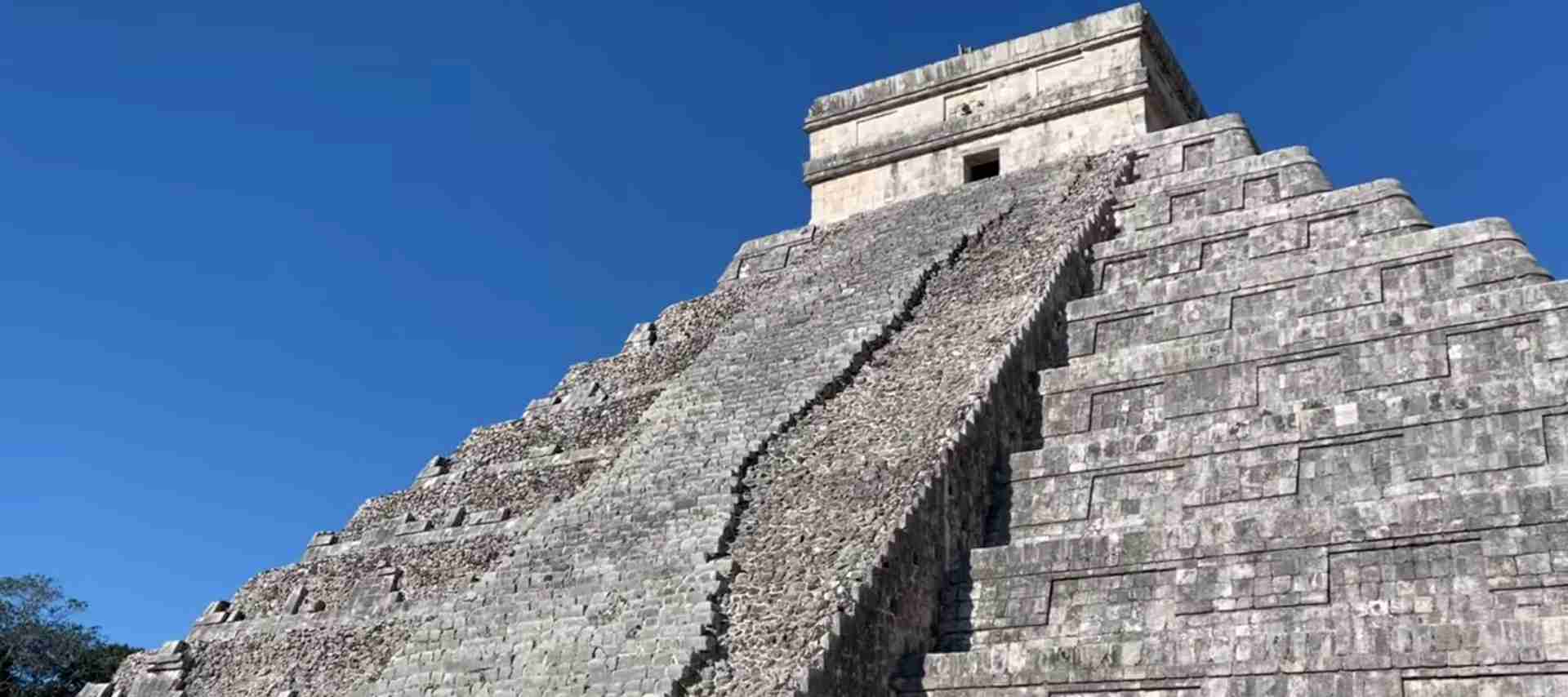
Best Time to Visit Yucatan 2026: Weather, Hurricane Season & Crowd Calendar
This comprehensive guide analyzes monthly weather patterns, hurricane season realities, crowd calendars, and seasonal pricing structures for 2026, enabling informed decisions about optimal Yucatan timing based on individual travel priorities and constraints. Whether prioritizing weather certainty, budget efficiency, crowd avoidance, or specific experiences like whale shark encounters or cultural festivals, strategic timing significantly impacts overall trip satisfaction.
- December through March offers optimal weather for Yucatan visits in 2026, with minimal rain, comfortable temperatures 25-30°C, and sunny conditions ideal for archaeology and beaches
- Hurricane season runs June 1 through November 30, with September showing highest storm probability but October-November often delivering excellent weather between tropical systems
- Peak tourist crowds occur December 20-January 5, Semana Santa (April 13-20 in 2026), and July-August, requiring advance booking 2-3 months ahead
- Shoulder seasons April-May and November provide weather-crowd-price balance with 20-35% accommodation savings and manageable visitor numbers
- May represents hottest month with temperatures reaching 35-38°C, while December-January show coolest conditions at 20-28°C
- Low season June through October delivers maximum savings of 30-60% on accommodation despite afternoon rain patterns and elevated humidity
Introduction: Understanding Yucatan Seasonal Patterns for 2026
The Yucatan Peninsula’s tropical climate creates distinct seasonal patterns affecting weather conditions, tourist volumes, accommodation pricing, and overall travel experiences throughout 2026. Unlike temperate destinations with four dramatic seasons, the peninsula experiences subtle transitions between dry and rainy periods, with temperature variations remaining relatively modest year-round. Understanding these patterns enables travelers to align visits with personal priorities whether seeking optimal weather, minimal crowds, budget-friendly pricing, or specific cultural events.
Weather represents the primary consideration for most Yucatan travelers, with the dry season spanning November through April delivering reliable sunshine and minimal precipitation. The rainy season from May through October brings afternoon showers, elevated humidity, and occasional tropical systems, yet continues attracting visitors who accept weather trade-offs in exchange for lower prices and fewer tourists. Temperature consistency means the peninsula remains accessible year-round, with even “cooler” winter months maintaining pleasant warmth for beach activities and outdoor exploration.
Tourism patterns create parallel seasonal considerations, as international vacation schedules and Mexican domestic travel traditions generate predictable crowd fluctuations. High season December through March brings premium pricing alongside guaranteed sunshine, while low season June through October offers budget opportunities with weather compromises. Shoulder seasons capture ideal middle ground, balancing favorable weather with moderate pricing and manageable tourist volumes.
People Also Ask About Best Time to Visit Yucatan 2026
What is the best month to visit Yucatan in 2026?
January through March represent optimal months for Yucatan visits in 2026, combining dry weather, comfortable temperatures, and minimal rainfall with full service availability at archaeological sites, beaches, and colonial cities. February specifically delivers excellent conditions with slightly lower tourist volumes than January holidays and December Christmas crowds, while maintaining weather reliability. November and early December offer strong alternatives with shoulder season pricing of 20-35% below peak rates and improving weather as rainy season transitions to dry period.
When is hurricane season in Yucatan in 2026?
Hurricane season officially runs June 1 through November 30, 2026, with September showing highest probability for tropical storm and hurricane development affecting the peninsula. August through October represents peak storm activity period, though actual land-falling hurricanes remain relatively uncommon in the Yucatan compared to frequency along Gulf Coast and eastern Caribbean. Many travelers visit successfully during hurricane season months by accepting afternoon rain risks and monitoring weather forecasts, benefiting from 30-60% accommodation discounts and minimal tourist crowds.
What is the cheapest time to visit Yucatan in 2026?
September and October deliver lowest accommodation rates in 2026, with hotel and hostel prices dropping 40-60% below peak season as tourism slows during hurricane season peak months. May and June offer secondary budget windows with discounts of 25-40% as spring break crowds depart and summer heat builds before rainy season intensifies. Late April (after Semana Santa) and early November provide shoulder season savings of 20-30% with better weather conditions than deep low season months, creating optimal value propositions for budget-conscious travelers accepting minor weather compromises.
Can you visit Yucatan during rainy season in 2026?
The Yucatan remains fully accessible and operational during rainy season months May through October in 2026, with afternoon thunderstorms (typically 2-4 PM) followed by evening clearing creating predictable patterns. Morning activities proceed normally, archaeological sites and cenotes operate regular schedules, and beaches provide enjoyable experiences outside rain periods. Travelers accepting afternoon indoor time (museums, restaurants, siesta) find rainy season visits rewarding through dramatic savings, empty attractions, and lush green landscapes that dry season lacks. Coastal areas show more weather impact than inland colonial cities, which experience shorter, lighter precipitation.
Extended multi-day tours – 5+ days
Featured Yucatan Multi-Day Tour Packages
3 days
Yucatan 3-Day Discovery Tour
- ✓ Comprehensive Yucatan experience
- ✓ Expert local guides included
- ✓ All accommodation included
- ✓ Transportation provided

5 days
Yucatan 5-Day Highlights Experience
- ✓ Comprehensive Yucatan experience
- ✓ Expert local guides included
- ✓ All accommodation included
- ✓ Transportation provided

7 days
Yucatan 7-Day Cultural Journey
- ✓ Comprehensive Yucatan experience
- ✓ Expert local guides included
- ✓ All accommodation included
- ✓ Transportation provided

10 days
Yucatan 10-Day Complete Adventure
- ✓ Comprehensive Yucatan experience
- ✓ Expert local guides included
- ✓ All accommodation included
- ✓ Transportation provided
Multi-day tour packages powered by TourRadar. Prices and availability subject to change.
Understanding Yucatan Climate in 2026
The Yucatan’s tropical location between 19-22 degrees north latitude creates warm conditions year-round, with seasonal variations driven primarily by rainfall patterns rather than dramatic temperature shifts. The peninsula experiences two fundamental seasons: dry season (November-April) and rainy season (May-October), with transition periods showing gradual changes rather than abrupt switches.
Temperature Patterns Throughout 2026
Annual temperature range remains relatively narrow compared to temperate climates, with average daily highs spanning 28-35°C across seasons and overnight lows dropping to 18-26°C depending on month and proximity to coast. Coastal areas experience moderated temperature extremes through Caribbean and Gulf breezes, while inland cities like Mérida and Valladolid show slightly higher peak temperatures during hottest months.
December through February represent coolest months with comfortable daytime temperatures of 26-28°C and pleasant evenings dropping to 18-22°C. These conditions prove ideal for extended outdoor activities, archaeological site exploration in full sun, and beach time without oppressive heat. Northern fronts (nortes) occasionally bring cooler conditions and windy weather for 2-4 days, particularly affecting Gulf coast areas more than Caribbean side.
March through May show steadily increasing heat as dry season approaches end, with April-May reaching annual temperature peaks of 33-38°C in inland areas. Coastal destinations maintain slightly lower maximums through sea breezes, but humidity begins rising in May as rainy season approaches. These months challenge travelers sensitive to heat, requiring morning activity scheduling and midday shade-seeking.
June through August deliver warm, humid conditions with daily highs of 30-33°C moderated by afternoon rain cooling. Post-storm conditions bring temporary relief before humidity rebuilds, creating cyclical comfort patterns. Nights remain warm at 24-26°C with elevated humidity making air conditioning valuable for sleep quality.
September through November maintain warm temperatures of 28-32°C with gradually decreasing humidity as rainy season winds down. October-November often deliver excellent weather between tropical systems, with warm sunny days, decreased rainfall, and improving comfort levels anticipating dry season arrival.
Rainfall and Precipitation Patterns 2026
Dry season from November through April brings minimal rainfall, with monthly totals typically below 50mm and many consecutive days showing no precipitation. December-March represent driest months with negligible rain in most years, creating reliable conditions for outdoor activities and beach vacations. April begins transition toward wetter conditions with increasing afternoon shower probability, though rainfall remains light compared to summer months.
May through October constitutes rainy season with monthly precipitation totals ranging 100-200mm depending on specific location and month. Rainfall patterns show predictability, with afternoon thunderstorms developing around 2-4 PM, lasting 1-3 hours, then clearing for pleasant evenings. Morning hours typically remain dry and sunny, enabling full activity schedules with afternoon indoor planning.
Caribbean coast receives slightly higher annual rainfall than Gulf coast, with southern peninsula areas near Bacalar and Chetumal showing increased precipitation compared to northern Yucatan around Mérida. These variations affect micro-climate planning, with Mérida often experiencing less rain than Playa del Carmen during rainy season months.
September represents statistical rainfall peak with highest monthly totals and greatest tropical storm probability. However, daily rain patterns maintain predictability, and extended multi-day rain events remain uncommon outside major tropical systems. October shows decreasing rainfall as season transitions, while November delivers improving conditions with occasional lingering systems.
Monthly Weather Guide for Yucatan 2026
Detailed monthly breakdowns enable precise timing decisions based on weather priorities, activity plans, and tolerance for various climate conditions. Each month offers distinct advantages and challenges affecting overall travel experiences.
January 2026 Weather and Conditions
January delivers exceptional weather with minimal rainfall (20-30mm monthly), comfortable temperatures averaging 26-28°C daytime and 19-22°C overnight, and reliable sunshine. Northern fronts bring occasional 2-3 day periods of cooler conditions with increased wind, particularly affecting Gulf coast beaches where water temperatures drop slightly and swimming conditions become less ideal. Caribbean coast remains more sheltered from norte impacts.
Tourist volumes remain elevated from December holiday carryover, with first two weeks showing continued crowds and premium pricing. Mid-January through month end sees gradual tourist decrease while maintaining excellent weather, creating optimal conditions for travelers avoiding absolute peak periods. Archaeological sites experience moderate crowds manageable through early morning arrivals.
Sunrise occurs around 7:00-7:15 AM with sunset at 6:00-6:15 PM, providing approximately 11 hours daylight for activities. Comfortable temperatures enable full-day outdoor exploration without excessive heat concerns. Ocean temperatures remain pleasant at 25-26°C, suitable for extended swimming and snorkeling without wetsuit requirements.
February 2026 Weather and Conditions
February continues excellent dry season weather with minimal precipitation (15-25mm), warm comfortable temperatures of 27-29°C daytime and 20-23°C overnight, and consistent sunshine. The month represents sweet spot between January holiday crowds and March spring break arrivals, offering optimal weather with improving availability and moderate pricing.
Norte frequencies decrease compared to January, with fewer cool fronts disrupting conditions. Caribbean beaches show ideal swimming conditions with calm waters and pleasant temperatures. Inland archaeological sites like Chichén Itzá, Uxmal, and Cobá remain comfortable for midday exploration, though morning visits still prove preferable for photography and crowd avoidance.
Daylight extends slightly from January with sunrise at 6:50-7:00 AM and sunset moving toward 6:30 PM by month end, providing 11.5 hours for activities. Ocean temperatures warm slightly to 26-27°C as winter progresses toward spring. Overall conditions support all activity types from beach relaxation to jungle hiking to colonial city exploration.
March 2026 Weather and Conditions
March maintains predominantly dry conditions with low rainfall (20-35mm) concentrated in month’s latter portion as seasonal transition begins. Temperatures rise noticeably from February, with daytime highs reaching 29-31°C and overnight lows at 21-24°C. Humidity begins increasing, particularly late month, as atmospheric patterns shift toward rainy season.
Spring break timing significantly impacts tourism, with US and Canadian university holidays creating major crowd surge mid-month. Destinations like Cancún, Playa del Carmen, and Tulum experience dramatic visitor increases with accompanying price jumps and capacity constraints. Colonial cities see moderate increases but nothing approaching coastal spring break intensity.
Weather remains excellent for all activities despite increasing warmth. Archaeological site visits benefit from earlier starts (8:00-9:00 AM arrivals) to complete exploration before midday heat peaks. Beach conditions remain ideal with calm seas and pleasant temperatures. March represents last month before significant heat buildup, making it valuable for travelers sensitive to hot conditions.
April 2026 Weather and Conditions
April transitions from dry to wet season with increasing rainfall (30-50mm) and rising temperatures that peak as annual hottest period begins. Daytime highs reach 31-34°C with elevated humidity creating oppressive midday conditions. Coastal areas benefit from sea breezes providing relief, while inland cities experience more intense heat.
Semana Santa (Holy Week) falls April 13-20 in 2026, bringing massive domestic Mexican tourism surge. Hotels in colonial cities, archaeological site towns, and beach destinations fill completely, prices spike 50-100% above normal rates, and advance booking becomes essential. Post-Easter period after April 20 shows rapid tourist decrease and accommodation discounts returning.
Weather conditions challenge heat-sensitive travelers, requiring morning activity focus with afternoon indoor retreats. Archaeological sites become uncomfortable after 11 AM, with limited shade and intense sun exposure. Cenote swimming provides welcome relief from heat, making cenote-focused itineraries particularly appealing. Beach destinations maintain reasonable comfort through water activities and sea breezes.
May 2026 Weather and Conditions
May represents transitional month with increasing rainfall (80-120mm) as rainy season establishes, peak annual temperatures of 33-38°C in inland areas, and building humidity that creates challenging conditions. Afternoon thunderstorms develop with increasing frequency, though morning hours typically remain dry for activity scheduling.
Tourist volumes drop significantly post-spring break, with accommodation prices declining 25-40% below peak season and availability improving across destinations. Travelers accepting heat and rain compromises find excellent value during May with minimal crowds at archaeological sites and beaches. The month attracts primarily northern hemisphere visitors escaping cool spring conditions at home.
Morning activities from 7:00-11:00 AM provide comfortable windows before heat peaks. Afternoon rain brings temporary cooling, with post-storm conditions remaining warm but less oppressive. Colonial cities show greenery emergence as rains water vegetation, creating more colorful landscapes than dry season brown appearance. May suits travelers prioritizing budget and crowd avoidance over optimal weather.
June 2026 Weather and Conditions
June establishes full rainy season patterns with moderate rainfall (120-160mm), afternoon thunderstorms most days, and continued warm temperatures of 30-33°C with high humidity. Morning hours remain reliably dry, enabling archaeological visits, beach time, and outdoor activities with afternoon indoor planning as storms develop.
Hurricane season officially begins June 1, though actual tropical storm formation remains low compared to August-October. Historical patterns show minimal hurricane impacts during June, with greater concerns arising from rainfall and afternoon storm timing than major tropical systems. Weather-related disruptions prove manageable through flexible scheduling.
Tourism reaches annual low point as families remain committed to traditional vacation timing and weather concerns deter cautious travelers. Accommodation prices drop 30-50% below peak season, archaeological sites show minimal visitors, and authentic local atmosphere dominates as Mexican domestic tourism slows. June attracts budget-focused travelers and those comfortable with tropical rain patterns.
July 2026 Weather and Conditions
July continues rainy season with moderate-heavy rainfall (140-180mm), daily afternoon storms, and warm humid conditions averaging 30-32°C. Weather patterns show consistency with morning sunshine transitioning to afternoon thunderstorms around 2-3 PM, followed by evening clearing. Rainfall intensity and duration vary but rarely disrupt full days of activities.
Tourism increases from June lows as northern hemisphere summer holidays begin. European visitors arrive in higher numbers alongside US/Canadian travelers, creating moderate crowd levels significantly below winter peak season but noticeably above June-September lows. Accommodation prices rise 15-25% from low season bottoms but remain 20-35% below peak season rates.
Jungle landscapes show maximum beauty during July with full vegetation, active wildlife, and dramatic cloud formations creating photographic opportunities. Cenotes appear most striking with rain-filled systems and enhanced water clarity. Travelers appreciating tropical verdancy find July rewarding despite rain challenges, with morning activities remaining productive for weather-adaptable visitors.
August 2026 Weather and Conditions
August maintains heavy rainfall (160-200mm), afternoon storm patterns, and continued warm-humid conditions at 30-32°C. Hurricane season probability increases compared to June-July, with tropical wave and storm development becoming more frequent. Major hurricanes remain uncommon, but monitoring weather forecasts becomes important for coastal area travelers.
Tourist volumes remain moderate as northern hemisphere summer continues, with European visitors dominating alongside smaller numbers of North Americans. Mexican domestic tourism shows limited activity outside specific weekends. Prices stay similar to July with moderate ranges between low season and shoulder season levels. Advance booking proves less critical than peak season but remains advisable for specific properties.
Weather conditions create challenges for multi-day outdoor activities and photography-focused trips, as cloudy conditions and afternoon storms limit ideal shooting times. However, dramatic storm systems provide unique photographic subjects, and post-rain atmosphere creates striking scenes. Archaeological sites remain operational with morning visits recommended for both weather and heat considerations.
September 2026 Weather and Conditions
September represents hurricane season statistical peak with highest probability for tropical storm and hurricane formation. Rainfall totals reach annual maximum at 180-220mm, afternoon storms occur daily, and occasional multi-day rain events from tropical systems disrupt normal patterns. Despite storm season reputation, many September days deliver excellent morning weather suitable for activities.
Tourism drops to annual minimum as hurricane concerns deter visitors despite relatively low actual hurricane strike probability. Accommodation prices bottom out with discounts of 40-60% below peak season, and many smaller properties close for annual maintenance during this slow period. Travelers comfortable with weather uncertainty find exceptional value and empty attractions throughout September.
Monitoring weather forecasts becomes essential during September, with tropical wave tracking enabling proactive itinerary adjustments. Historical patterns show hurricanes impacting Yucatan once every 2-4 years on average, meaning most September visits proceed without major storm disruptions. The risk-reward equation favors budget-conscious travelers accepting some weather uncertainty for maximum savings and minimal crowds.
October 2026 Weather and Conditions
October continues hurricane season through month end but shows decreasing storm probability compared to September. Rainfall begins declining (140-180mm) as seasonal transition toward dry period initiates, with improved weather windows between tropical systems. Temperatures remain warm at 29-31°C with gradually decreasing humidity as month progresses.
Tourism slowly increases from September lows but remains well below winter levels, creating excellent crowd-price balance. Accommodation prices rise slightly from September bottoms but maintain 30-50% discounts compared to peak season. Late October particularly delivers strong value as weather improves while tourism hasn’t yet reached winter levels.
Many travelers consider October optimal timing for balancing weather, crowds, and pricing. Morning weather often proves excellent, archaeological sites remain largely empty, and shoulder season atmosphere creates relaxed experiences. The month rewards flexible travelers willing to adjust daily plans based on weather patterns, with indoor cultural activities providing excellent alternatives during rain periods.
November 2026 Weather and Conditions
November transitions toward dry season with decreasing rainfall (80-120mm early month, dropping to 40-60mm late month) and improving weather conditions as hurricane season officially ends November 30. Temperatures moderate slightly to 27-30°C with decreasing humidity creating more comfortable conditions. Late November weather often rivals peak dry season quality.
Tourism increases steadily throughout month as winter season approaches. Thanksgiving week (November 26-30 in 2026) brings US visitor surge with short-term price spikes and booking challenges in popular destinations. Pre-Thanksgiving November offers excellent shoulder season balance with improving weather, moderate crowds, and reasonable pricing 20-30% below peak rates.
The month represents optimal timing for travelers seeking weather-price compromise. Archaeological sites remain comfortable for full-day exploration, beaches deliver pleasant conditions, and colonial cities show decreased rain enabling walking tours and outdoor dining. Day of the Dead celebrations (November 1-2) create culturally rich experiences in Mérida and throughout the peninsula.
December 2026 Weather and Conditions
December establishes full dry season conditions with minimal rainfall (30-50mm), comfortable temperatures of 26-29°C, and reliable sunshine. Northern fronts increase in frequency, bringing occasional cool periods that enhance comfort for outdoor activities. Weather conditions rank among year’s best for tourism activities across all destination types.
Tourist volumes build steadily throughout early-mid December before exploding during Christmas-New Year holiday period (December 20-January 5). Pre-holiday December 1-19 offers excellent conditions with moderate crowds and reasonable pricing. Holiday period requires advance booking 3-6 months ahead, with accommodation prices jumping 50-100% above normal rates and availability severely constrained.
December weather supports all activity types from beach relaxation to archaeological exploration to colonial city touring. Ocean temperatures remain pleasant at 26-27°C for swimming and snorkeling. Daylight hours reach annual minimum with sunrise around 7:15 AM and sunset at 6:00 PM, providing approximately 10.5 hours for activities. Overall conditions prove ideal for comprehensive Yucatan exploration.
Hurricane Season Planning for 2026 Visits
Hurricane season officially spans June 1 through November 30, with varying storm probabilities throughout the period affecting travel planning decisions. Understanding historical patterns, actual risk levels, and appropriate precautions enables informed choices about summer and fall Yucatan visits.
Hurricane Season Statistics and Probabilities 2026
The Yucatan Peninsula experiences direct hurricane impacts roughly once every 2-4 years based on historical records, with most tropical systems tracking north toward Gulf Coast or northeast into the Caribbean rather than making landfall on the peninsula. August through October represents peak storm formation period, accounting for approximately 70% of annual tropical cyclone activity in the Atlantic basin.
September shows highest individual month probability for Yucatan hurricane impacts, with historical records showing 40-50% of peninsula-affecting storms occurring during this month. October accounts for approximately 25-30% of impacts, while August contributes 15-20%. June, July, and November combined represent less than 10% of historical hurricane strikes despite comprising half the official hurricane season duration.
Tropical storms (winds below hurricane strength) affect the peninsula more frequently than major hurricanes, with tropical storm conditions occurring roughly 1-2 times annually. These systems bring heavy rainfall and wind but rarely cause significant tourism infrastructure damage. Most tropical storms enable normal operations within 24-48 hours of passage, creating temporary disruptions rather than trip-ending situations.
The peninsula’s geography provides some protection from worst hurricane impacts, as the relatively flat terrain and lack of major mountains means systems weaken rapidly after landfall. Coastal surge represents primary concern along beaches, while inland areas experience primarily rain and wind without catastrophic flooding. Modern building codes ensure tourism infrastructure withstands hurricane forces, with hotels and archaeological sites rarely suffering major damage.
Hurricane Preparedness and Monitoring 2026
Modern weather forecasting provides 5-7 days advance notice of potential hurricane threats, enabling proactive decision-making and itinerary adjustments. Travelers should monitor National Hurricane Center forecasts during hurricane season visits, with daily checks recommended when traveling August through October. Mexican authorities implement comprehensive civil defense protocols including mandatory evacuations when major storms approach, ensuring tourist safety through organized procedures.
Travel insurance with weather cancellation coverage becomes valuable for hurricane season visits, enabling trip interruption claims if mandatory evacuations occur or significant storm damage affects destinations. Standard travel insurance excludes “known weather events,” making purchase timing important – insurance must be acquired before storms form and enter forecast models to maintain coverage eligibility.
Most accommodation offers flexible cancellation policies during hurricane season, recognizing that mandatory evacuations or severe weather may force trip changes. Confirming cancellation terms during booking prevents financial losses if storm threats materialize. Airlines typically waive change fees when hurricanes affect destinations, enabling flight modifications without standard penalty costs.
Caribbean coast destinations face greater hurricane risks than inland colonial cities and Gulf coast areas. Travelers prioritizing weather certainty might structure itineraries placing coastal components early or late in trips while scheduling inland portions during highest-risk weeks, providing flexibility to adjust coastal timing if storm threats emerge.
Post-Hurricane Season Benefits 2026
Late October through November delivers compelling timing as hurricane season winds down while tourism remains light. This window captures improving weather conditions, minimal crowds, and shoulder season pricing without hurricane season concerns that deter cautious travelers. Archaeological sites show minimal visitors, accommodation availability remains high, and overall peninsula atmosphere projects relaxed, authentic character.
Vegetation reaches peak greenery in October-November following rainy season, with landscapes appearing more vibrant than dry season brown dormancy. Cenotes show maximum water levels and clarity, wildlife becomes more visible around water sources, and photography benefits from dramatic cloud formations and post-rain lighting. These aesthetic advantages offset by occasional rain spells create unique appeal for certain traveler types.
Crowd Calendar and Tourism Patterns for 2026
Understanding tourism fluctuations enables strategic timing for travelers prioritizing crowd avoidance, authentic experiences, or acceptance of busy periods when weather certainty matters more than visitor volumes. The Yucatan experiences pronounced seasonal tourism variations affecting everything from archaeological site crowding to restaurant wait times to accommodation availability.
Peak Season Crowds: December through March 2026
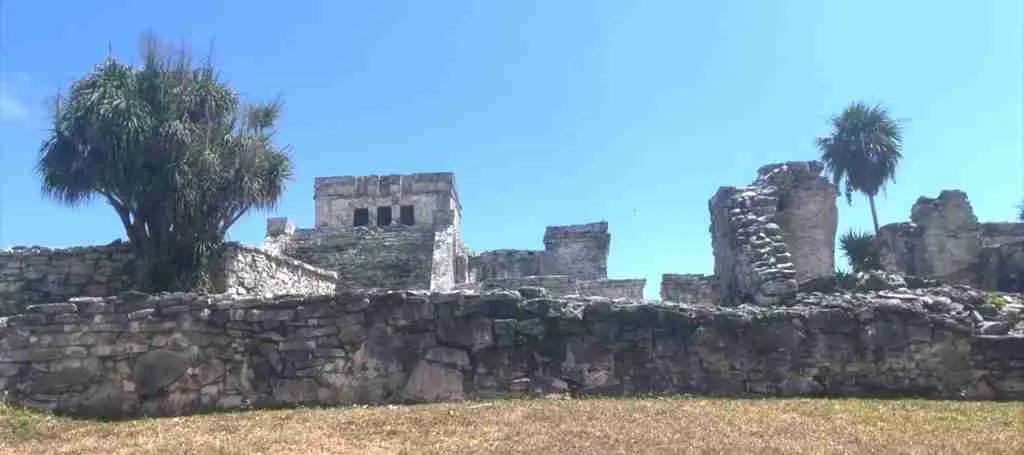
High season December through March brings maximum tourist volumes across the peninsula, with international visitors from North America and Europe combining with Mexican domestic travelers during holiday periods. Major archaeological sites like Chichén Itzá receive 5,000-8,000 daily visitors during January-February compared to 1,000-2,000 during low season months. Tulum ruins experience similar ratios, with peak hours (10 AM-2 PM) showing intense crowding that diminishes experience quality.
Caribbean coast destinations operate at near-capacity during peak season, with Playa del Carmen, Tulum beach zone, and Cancún hotel zone experiencing crowded beaches, busy restaurants, and tourist-saturated atmospheres. Colonial cities see significant but more manageable increases, with Mérida and Valladolid maintaining authentic character despite elevated visitor numbers. Popular cenotes near tourist centers require early arrivals (8:00-9:00 AM) to avoid crowds and parking challenges.
Specific peak periods within high season create extreme crowding requiring advance planning. Christmas-New Year (December 20-January 5) represents absolute busiest period with accommodation selling out 3-6 months ahead and prices reaching annual peaks. Semana Santa (April 13-20, 2026) brings Mexican domestic tourism surge that overwhelms colonial cities and archaeological sites near major population centers. Spring break (March 8-28, variable by institution) creates Caribbean coast beach destination saturation particularly affecting Cancún, Playa del Carmen, and Tulum.
Strategies for managing peak season crowds include early morning archaeological site arrivals (8:00-9:00 AM openings), visiting lesser-known sites rather than iconic locations, scheduling beach time during midday when others eat lunch, and choosing destinations farther from Cancún-Playa del Carmen corridor. Interior destinations like Campeche, Bacalar, and small colonial towns experience relatively minor peak season increases compared to main tourist circuits.
Shoulder Season Balance: April-May and November 2026
Shoulder seasons deliver optimal crowd-weather-price compromises for many travelers, capturing improved conditions compared to low season with dramatically reduced tourist volumes compared to peak winter months. November particularly shines as weather improves from rainy season while tourism remains moderate, with archaeological sites showing 40-60% fewer visitors than February-March peaks.
April presents complex timing as month begins with strong weather and moderate crowds before Semana Santa (April 13-20) creates temporary surge. Pre-Easter April 1-12 offers pleasant conditions and reasonable visitor levels, while post-Easter April 21-30 sees rapid tourist decrease despite building heat that presages May’s challenging temperatures. Late April appeals to budget travelers accepting heat compromises for crowd avoidance benefits.
May delivers extreme heat that deters many visitors, resulting in 50-70% fewer tourists than winter peak season despite some travelers from northern climates seeking warmth. Archaeological sites remain comfortable only during early morning hours (before 10:00 AM), with midday conditions becoming oppressive. Beaches maintain moderate appeal through water activities, though afternoon heat limits extended beach sessions. May suits heat-tolerant travelers prioritizing savings and solitude over optimal comfort.
November shoulder season provides most balanced conditions, with improving weather throughout month, moderate tourist volumes, and reasonable pricing. Early November maintains more rainy season characteristics with occasional afternoon storms, while late November rivals dry season quality. Thanksgiving week (November 26-30) creates temporary US visitor surge, but pre-Thanksgiving November delivers excellent experiences for strategic timers. November archaeological site visits remain comfortable all day, beaches show pleasant conditions, and colonial cities operate at relaxed pace.
Low Season Solitude: June through October 2026
Low season months deliver minimum tourist volumes across the peninsula, with June-September showing 60-80% fewer visitors than peak winter season. Archaeological sites like Chichén Itzá receive 1,000-2,000 daily visitors compared to 6,000-8,000 during high season, enabling intimate experiences and unobstructed photography at famous structures. Cenotes operate at minimal capacity, beaches show primarily local users, and restaurants welcome travelers with enthusiastic service reflecting reduced business volumes.
September represents absolute low point for tourism, with hurricane season concerns and statistical peak storm probability deterring all but most budget-focused or weather-flexible travelers. Many smaller hotels and restaurants close for annual maintenance during September, requiring research to identify operating establishments. However, properties remaining open offer exceptional value and authentic experiences without tourist scene dilution.
Low season advantages extend beyond crowd avoidance to include genuine interactions with locals, restaurant staff and tour operators with ample time for conversations, and opportunities to experience destinations as residents rather than tourist attractions. Colonial cities like Mérida and Campeche maintain full operations during low season, providing cultural richness and authentic urban experiences enhanced rather than diminished by reduced tourism.
Travelers choosing low season timing should verify operating schedules for specific attractions, restaurants, and tours, as some businesses reduce hours or close temporarily during slowest months. Major archaeological sites and established tourism infrastructure operate year-round, but smaller operators and specialty services may show seasonal availability limitations. Advance research prevents disappointment from finding desired experiences closed during low season visits.
Seasonal Pricing Variations for 2026 Accommodation
Accommodation costs fluctuate dramatically across seasons, with identical hotel rooms costing 2-3 times more during peak periods compared to low season rates. Understanding pricing patterns enables strategic booking timing that significantly impacts overall trip budgets without requiring luxury sacrifice or comfort compromises.
Peak Season Pricing: December through March 2026
Peak season accommodation rates reach annual maximums, with Playa del Carmen hostel dorm beds costing $22-28 compared to $15-20 during low season. Budget hotels in Mérida charge $40-55 for rooms that cost $25-35 during summer months. Caribbean coast mid-range hotels command $120-180 per night versus $70-110 in low season, representing 50-70% premium for winter timing.
Absolute peak periods during Christmas-New Year (December 20-January 5) and Semana Santa (April 13-20) see prices spike additional 30-50% above normal high season rates. A Playa del Carmen budget hotel room costing $45 in February reaches $65-75 during Christmas week. Advance booking becomes essential during these extreme peaks, with properties selling out 3-6 months ahead at major destinations.
Colonial cities show more moderate peak season increases than coastal areas, with Mérida and Valladolid hotels raising rates 25-40% above low season rather than 50-70% Caribbean coast premiums. Interior destinations like Campeche, Bacalar, and archaeological site towns maintain relatively stable year-round pricing reflecting lower overall tourist volumes and limited seasonal demand variations.
Peak season pricing reflects supply-demand dynamics rather than cost increases for properties, meaning quality and service levels remain identical across seasons. Budget travelers accepting weather trade-offs achieve identical accommodation experiences at 40-60% lower costs by shifting timing to shoulder or low seasons while receiving same facilities, locations, and amenities.
Shoulder Season Discounts: April-May and November 2026
Shoulder season accommodation costs drop 20-35% below peak season rates, with Playa del Carmen hostel dorms at $17-22, Mérida budget hotels at $30-40, and Caribbean coast mid-range properties at $85-130. These discounts deliver meaningful savings while maintaining service quality, full operations, and availability without extensive advance booking requirements.
April pricing shows complexity depending on specific dates, with pre-Semana Santa rates maintaining near-peak levels, Easter week hitting annual peak pricing, and post-Easter dropping rapidly to shoulder season ranges. Travelers timing visits for April 21-30 capture shoulder pricing with improving availability despite building heat. Early April (1-12) maintains moderate pricing with comfortable weather before holiday surge.
May delivers shoulder season rates despite challenging heat conditions, with properties pricing aggressively to attract visitors during hot season. Budget-focused travelers tolerating heat find excellent value in May accommodation, with many properties offering 30-40% discounts compared to peak season. Air-conditioned accommodation becomes more valuable during May, justifying slightly higher costs for climate control comfort.
November represents ideal shoulder season timing, with early month rates at 25-35% below peak season and late November approaching peak pricing as winter season begins. November 1-25 (before Thanksgiving week) delivers optimal value-weather-crowd balance, with comfortable conditions, moderate tourist volumes, and shoulder pricing. Post-Thanksgiving bookings (December 1-15) capture early high season weather with rates still 15-25% below Christmas peak period.
Low Season Bargains: June through October 2026
Low season accommodation rates drop 40-60% below peak season, with Playa del Carmen hostel dorms at $13-18, Mérida budget hotels at $20-30, and Caribbean coast mid-range properties at $60-90. These dramatic savings enable extended stays, accommodation upgrades, or budget reallocation toward activities and dining while maintaining quality lodging.
September bottoms out pricing at annual minimums, with properties offering aggressive discounts to attract rare visitors during hurricane season statistical peak. Some smaller hotels and guesthouses close for annual maintenance during September, but major hostels and established hotels maintain operations with exceptional rates reflecting minimal demand. Properties charging $150-200 during winter peak offer rooms at $60-80 in September, creating compelling value for weather-flexible travelers.
July-August rates fall between shoulder and extreme low season levels, with moderate discounts of 30-45% below peak season. European summer travelers create moderate demand that prevents rates from dropping to June or September lows. Properties maintaining July-August pricing slightly above absolute low season minimums still deliver strong value compared to winter peak rates.
Low season represents optimal timing for accommodation upgrades, as boutique hotels and higher-end properties drop rates to levels approaching budget hotel peak season costs. Travelers normally staying in hostels can access private rooms, while budget hotel regulars can book mid-range properties at similar total costs through seasonal arbitrage. This upgrade strategy enhances comfort without budget increases by optimizing seasonal rate structures.
Best Timing for Different Travel Styles in 2026
Optimal Yucatan timing varies based on individual priorities, with different travel styles benefiting from specific seasonal windows that align with weather preferences, budget constraints, crowd tolerance, and activity focus. Recognizing personal priorities enables strategic timing selections rather than defaulting to conventional wisdom about “best” seasons.
Weather-Priority Travelers 2026
Travelers prioritizing weather certainty above all other factors should visit December through March, with January-February delivering most reliable conditions. This timing accepts peak season crowds and premium pricing in exchange for virtually guaranteed sunshine, minimal rain, and comfortable temperatures. Retirees, families with inflexible vacation schedules, and travelers making once-in-lifetime visits often find weather certainty worth premium costs.
February represents sweet spot within peak season, offering excellent weather with slightly reduced crowds compared to January holiday carryover and lower prices than December Christmas period. Archaeological sites remain busy but manageable, Caribbean beaches provide ideal conditions, and colonial cities operate at comfortable capacity. February suits travelers wanting high season weather reliability without absolute peak chaos.
November late month (post-Thanksgiving) provides weather approaching peak season quality at shoulder season pricing, creating compelling alternative for weather-focused travelers with modest budget consciousness. Late November weather often rivals January-February conditions, with risks limited to occasional lingering tropical systems that forecasts predict days in advance. This timing delivers 80-90% of peak season weather reliability at 20-30% lower costs.
Budget-Conscious Travelers 2026
Budget travelers maximizing travel duration or minimizing expenses should target September-October for accommodation bargains of 40-60% below peak season, with May-June offering secondary savings windows of 30-45% discounts. These periods require accepting afternoon rain patterns and elevated humidity, but morning weather enables full activity schedules for travelers planning indoor afternoons.
September represents absolute bottom for pricing despite hurricane season statistical peak, with accommodation, tours, and some restaurant prices dropping to annual minimums. Budget travelers comfortable monitoring weather forecasts and maintaining flexible itineraries find exceptional value during September, often extending trip lengths or upgrading accommodation quality through savings versus peak season costs. The risk-reward equation favors budget-focused travelers accepting minor weather uncertainties.
October late month delivers improving value-weather balance as hurricane season probability decreases while pricing remains 30-50% below peak rates. Budget travelers with moderate weather concerns find October late period optimal, capturing substantial savings with minimal actual storm risk. Archaeological sites remain largely empty, accommodation availability stays high, and overall peninsula atmosphere reflects authentic character without tourist scene dominance.
Crowd-Averse Travelers 2026
Travelers prioritizing peaceful experiences and authentic cultural interactions should visit June through October, with September offering most extreme solitude at the expense of weather uncertainties. Archaeological sites show 60-80% fewer visitors than peak season, enabling intimate experiences and unobstructed photography at famous structures. Cenotes operate at minimal capacity, and colonial cities reveal authentic daily rhythms without tourist overlay.
October represents balanced crowd avoidance with acceptable weather trade-offs, delivering low season solitude as hurricane probability decreases and weather patterns improve. Travelers accepting occasional afternoon rain find October compelling for crowd-free archaeology visits and authentic local interactions. The month rewards flexible itinerary planning with indoor cultural options during rain periods.
Early November (pre-Thanksgiving) extends low season solitude benefits into improving weather conditions, creating optimal timing for crowd-averse travelers unwilling to accept deep rainy season compromises. This window captures shoulder season crowd levels (40-60% below peak) with weather approaching dry season reliability, particularly late in first three weeks before Thanksgiving surge begins.
Photography-Focused Travelers 2026
Photography enthusiasts prioritizing ideal lighting and atmospheric conditions should visit November through February for consistent sunny conditions, low humidity enabling clear horizons, and comfortable temperatures supporting extended outdoor shooting sessions. December-January offer shortest days with optimal golden hour timing (6:00-7:30 AM, 5:00-6:30 PM) and pleasant conditions for midday architecture photography.
October-November rainy season transition creates dramatic cloud formations, enhanced colors from rain-saturated landscapes, and unique atmospheric conditions that landscape photographers often prefer over peak season clear skies. Post-storm lighting delivers exceptional conditions for jungle cenotes, archaeological sites, and coastal scenes. These months reward photographers accepting weather unpredictability for distinctive imagery opportunities.
May-June provide vibrant green landscapes from rainy season vegetation, though challenging heat and afternoon storms limit ideal shooting windows to morning hours. Wildlife photographers find June advantageous for bird activity and cenote wildlife concentration. Architecture photographers may prefer October-March for all-day shooting flexibility without weather concerns.
Cultural Festival Travelers 2026
Travelers prioritizing cultural events and festivals should coordinate visits with specific dates. Day of the Dead (November 1-2) delivers rich cultural experiences throughout the peninsula, particularly in Mérida with elaborate cemetery ceremonies, Hanal Pixán traditional celebrations, and artistic installations. November combines cultural programming with shoulder season weather and pricing, creating compelling timing.
Carnival celebrations occur in February (dates vary by location), with Mérida hosting elaborate parades, music performances, and street festivities. Carnival timing captures peak season weather with major cultural programming that justifies crowd acceptance for festival-focused travelers. Coastal destinations celebrate simultaneously, enabling Carnival experiences at beach and colonial city venues.
Spring equinox (March 20) attracts thousands to Chichén Itzá for sunrise viewing of serpent shadow effect on Kukulcán pyramid, with autumn equinox (September 22) offering identical phenomenon with dramatically fewer visitors. September equinox timing suits travelers accepting hurricane season weather trade-offs for intimate participation in this famous astronomical-architectural event without peak season crowds.
Planning Your 2026 Yucatan Visit Timeline
Strategic timing selection based on personal priorities creates optimal Yucatan experiences, with advance planning enabling advantageous booking timing and itinerary optimization. Understanding how far ahead to plan varies by season and specific destinations within the peninsula.
Advance Booking Windows by Season 2026
Peak season visits (December-March) require accommodation booking 2-3 months ahead for good availability and optimal pricing, with Christmas-New Year and Semana Santa demanding 3-6 months advance reservations to secure preferred properties. Major archaeological site towns like Valladolid and accommodations near Chichén Itzá fill earliest, often 4-5 months ahead during absolute peak weeks.
Shoulder season trips (April-May, November) benefit from 4-8 weeks advance booking for selection advantages without urgency, with walk-up availability remaining possible at many properties. Late bookings (1-2 weeks ahead) still find options, though specific preferred hotels may fill. Transportation booking through ADO buses shows less urgency, with day-of-travel ticket purchases remaining feasible except major holidays.
Low season travel (June-October) rarely requires significant advance booking, with same-week or even day-of accommodation reservations securing rooms at most properties. Many travelers successfully navigate low season without any advance reservations, booking accommodation upon arrival at each destination. This flexibility enables responsive itinerary adjustments based on weather, personal preferences, and recommendations from other travelers.
Multi-Month Itinerary Timing 2026
Extended travelers spending 2-3 months in the region benefit from seasonal transition timing, arriving November-December for shoulder-to-peak season weather improvement while allowing time to experience both dry season excellence and eventual transition toward rainy period. This approach captures optimal weather during initial exploration before accepting weather trade-offs as budget consciousness grows with extended duration.
Reverse seasonal approach brings travelers during May-June low season for budget efficiency and crowd avoidance, gradually transitioning through rainy season months before departing as peak season approaches. This timing maximizes budget stretch through low season accommodation savings and authentic experiences before winter tourist surge. Weather challenges prove manageable through morning activity focus and indoor afternoon cultural programming.
Extended visitors might structure itineraries placing coastal components during driest months (December-March) while scheduling inland colonial cities and jungle archaeological sites during shoulder and low seasons when afternoon rain matters less for urban cultural activities. This strategic placement optimizes weather timing for beach-dependent activities while accepting compromises for rain-resilient exploration.
Frequently Asked Questions About Best Time to Visit Yucatan 2026
What months should I avoid visiting Yucatan in 2026?
September represents most challenging month with hurricane season statistical peak, highest rainfall totals, elevated humidity, and minimum tourism infrastructure operation as some businesses close for annual maintenance. However, budget-focused travelers accepting weather monitoring and flexible planning find exceptional value despite challenges. May presents extreme heat (35-38°C) that many travelers find oppressive, though morning activities remain feasible with afternoon indoor retreat planning. No months prove impossible for travel, but September and May require greatest weather compromises.
Is Yucatan too hot to visit in summer 2026?
Summer months June-August deliver warm temperatures (30-33°C) with high humidity, but afternoon rain cooling and morning activity scheduling create manageable conditions for most travelers. Coastal destinations benefit from sea breezes providing relief, while inland cities experience more intense heat. Travelers from hot climates find summer Yucatan comparable to home conditions, while those from cooler regions may struggle with extended heat exposure. Afternoon cenote swimming, air-conditioned museum visits, and restaurant lunches enable enjoyable summer experiences despite heat challenges.
When is the cheapest time to fly to Yucatan in 2026?
May and September offer lowest airfares to Cancún from most North American and European origins, with typical discounts of 30-50% below peak season December-March rates. October and June show secondary savings windows with fares 20-35% below peak pricing. Booking flights 2-3 months ahead captures best low season rates, while last-minute deals occasionally emerge during slowest weeks. Avoiding Christmas-New Year, Semana Santa, and summer school holidays reduces flight costs alongside accommodation savings.
How far ahead should I book Yucatan accommodation for 2026?
Peak season (December-March) requires 2-3 months advance booking for good selection, with Christmas-New Year demanding 3-6 months. Shoulder season (November, April-May) benefits from 4-8 weeks ahead booking without urgency. Low season (June-October) enables same-week or day-of-travel reservations at most properties. Specific high-demand properties in prime locations may fill earlier regardless of season, but overall availability remains good with reasonable advance planning.
What is the best month for visiting Yucatan archaeological sites in 2026?
January-February deliver optimal archaeology visit conditions with comfortable temperatures, minimal rain, and manageable crowds through early morning arrivals. November offers compelling alternative with shoulder season benefits including 40-60% fewer visitors than peak months, improving weather as rainy season transitions, and comfortable all-day exploration temperatures. October late month provides similar advantages with even fewer crowds despite occasional lingering rain risk. June-September enable virtually private archaeology experiences despite afternoon rain patterns affecting visit timing.
Can I swim in cenotes year-round in Yucatan in 2026?
Cenotes remain accessible and swimmable throughout 2026, with water temperatures staying consistent at 24-26°C regardless of season. Rainy season (May-October) creates higher water levels and potentially enhanced clarity, while dry season shows slightly lower levels without affecting swimming access. Summer heat makes cenote swimming particularly refreshing, while winter comfortable air temperatures create pleasant contrast with cool water. All seasons support cenote activities with afternoon timing during rainy season avoiding storm conflicts.
What is the best time for whale shark swimming near Yucatan in 2026?
Whale shark season runs June 1 through September 15 near Isla Holbox and Isla Contoy north of the peninsula, with July-August representing peak viewing period when largest numbers congregate. This timing coincides with rainy season and warm temperatures, creating weather trade-offs for this specific wildlife experience. Tours operate daily during season with high success rates for encounters. Travelers prioritizing whale shark swimming should visit June-August despite rainy season challenges, as this phenomenon occurs only during these months.
How do Mexican holidays affect Yucatan tourism in 2026?
Semana Santa (Holy Week, April 13-20 in 2026) creates massive domestic Mexican tourism surge overwhelming colonial cities and archaeological sites near population centers, with accommodation prices spiking 50-100% and advance booking essential. Mexican Independence Day weekend (September 15-16) brings moderate increases in Mérida and colonial destinations. Day of the Dead (November 1-2) creates cultural richness with moderate tourist increases rather than overwhelming crowds. Christmas-New Year Mexican domestic tourism combines with international visitors for absolute peak conditions.
Is November a good month to visit Yucatan in 2026?
November represents excellent timing for Yucatan visits in 2026, combining improving weather as rainy season transitions to dry period, shoulder season pricing 20-35% below peak rates, moderate tourist volumes, and cultural events like Day of the Dead. Early November maintains some rainy season characteristics with occasional afternoon storms, while late November approaches peak season weather quality. Thanksgiving week (November 26-30) creates temporary US visitor surge, but pre-Thanksgiving November delivers optimal balance across weather, crowds, and pricing considerations.
What should I pack differently for rainy season Yucatan visits in 2026?
Rainy season visits require lightweight rain jacket or compact umbrella for afternoon storms, quick-dry clothing that handles humidity and wet conditions, waterproof bag or dry sack for electronics and valuables, and water-resistant footwear or sandals for wet surfaces. Dry season visits need sun protection (high SPF sunscreen, wide-brim hat, sunglasses), light layers for air-conditioned spaces and evening cool fronts, and comfortable closed-toe shoes for archaeological site exploration. Both seasons benefit from reusable water bottles, day packs, and minimal cotton clothing that retains moisture in humid tropical conditions.