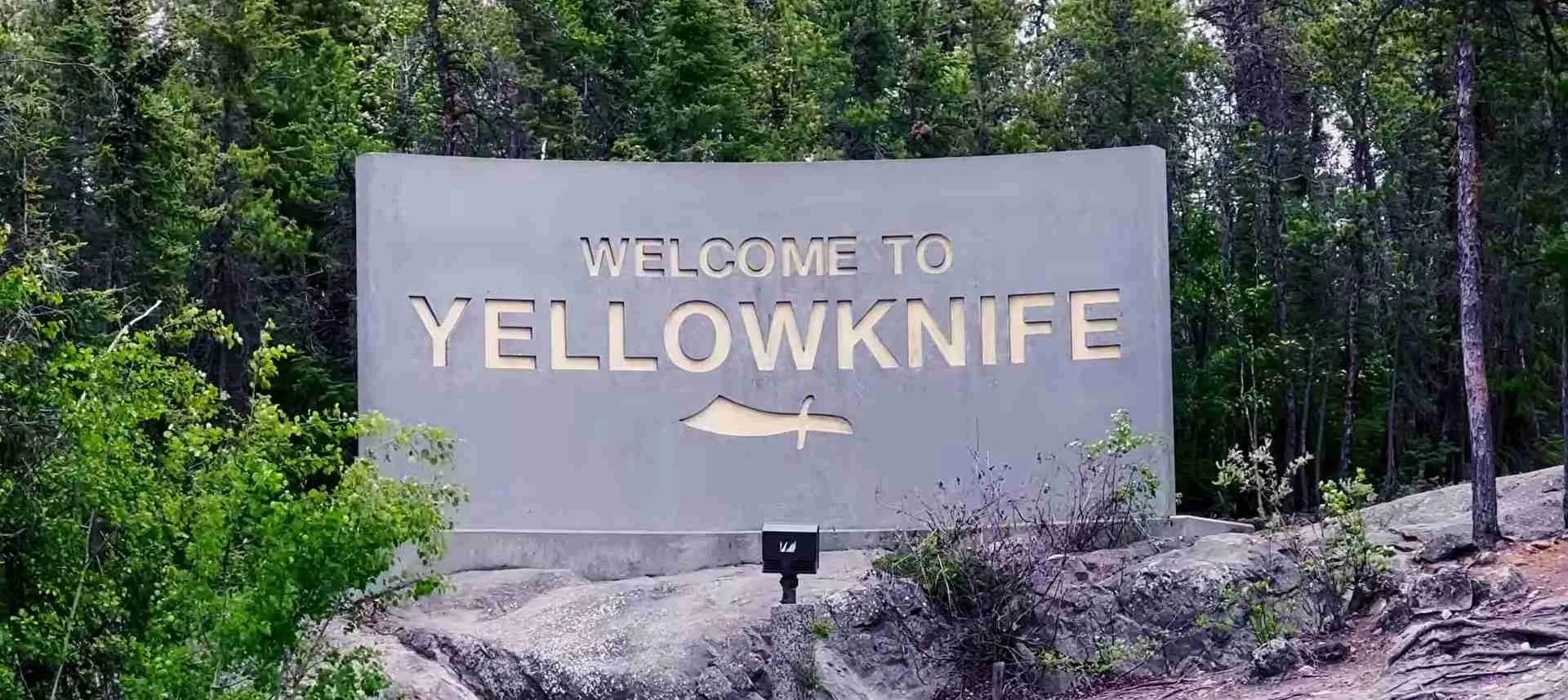
Best Time to Visit Yellowknife 2026: Northern Lights Season Planning Guide
Yellowknife sits directly beneath the auroral oval in Canada’s Northwest Territories, offering exceptional northern lights viewing opportunities up to 240 nights annually with a 90-95% success rate on three-night visits. The 2026 viewing season benefits from peak Solar Cycle 25 activity, making this one of the final years to witness maximum aurora intensity before the 11-year solar decline begins.
Key Takeaways for Yellowknife 2026
- Peak Aurora Season 2026: Mid-November through early April provides maximum viewing probability with long, dark nights and clear skies, while late August through October offers milder temperatures and fall colors alongside strong aurora displays.
- Solar Maximum Advantage: 2026 marks the concluding phase of Solar Cycle 25’s peak period, delivering some of the most intense geomagnetic activity in over a decade with particularly strong displays during March’s equinox effect.
- Budget Planning 2026: Expect CAD $1,800-2,500 (USD $1,315-1,825) per person for a comprehensive four-day aurora viewing trip including accommodation, tours, meals, and daytime activities for two travelers sharing hotel rooms.
- Temperature Considerations 2026: Winter viewing season temperatures range from -15°C to -40°C (-14.8°F to -40°F) requiring specialized cold-weather gear, while fall season offers comfortable +12°C to 0°C (54°F to 32°F) with extended outdoor viewing possibilities.
- Optimal Viewing Times 2026: Aurora displays peak between 10 PM and 2 AM local time across all seasons, with new moon phases providing the darkest skies and most vibrant color visibility throughout the year.
- 90-95% Success Rate: Yellowknife’s position under the auroral oval combined with typically clear skies produces North America’s highest aurora viewing success rates, with three consecutive nights virtually guaranteeing at least one spectacular display.
People Also Ask About Yellowknife Northern Lights 2026
What makes 2026 special for northern lights viewing in Yellowknife?
2026 represents one of the final years of Solar Cycle 25’s maximum phase, producing exceptional geomagnetic activity levels before the 11-year solar cycle begins its gradual decline toward minimum. The sun’s heightened activity generates more frequent and intense solar storms, creating brighter, more colorful aurora displays with increased red and purple hues alongside the characteristic green curtains. March 2026 holds particular significance due to the equinox effect, when Earth’s magnetic field alignment with solar wind creates peak geomagnetic disturbances. Yellowknife’s location directly beneath the auroral oval at 62°N latitude positions it ideally to capture these enhanced displays, with forecasts predicting some of the most spectacular aurora activity witnessed since the previous solar maximum in 2014-2015.
Should I visit Yellowknife for aurora viewing in winter or fall 2026?
Winter viewing from mid-November through April offers the longest nights and clearest skies with temperatures from -15°C to -40°C, providing 17-18 hours of darkness daily for extended aurora hunting opportunities. This season delivers the highest statistical viewing probability and allows participation in classic northern winter activities including dog sledding, ice fishing, and snowmobiling across frozen Great Slave Lake. Fall viewing from late August through October provides milder temperatures ranging +12°C to 0°C, enabling comfortable outdoor viewing without extreme cold-weather gear while capturing aurora reflections on unfrozen lakes surrounded by golden tamarack forests. Fall delivers comparable aurora frequency with added comfort for cold-sensitive travelers and photographers seeking unique landscape compositions. Both seasons achieve 90-95% success rates over three nights, making the choice dependent on temperature tolerance and desired complementary activities rather than aurora viewing probability.
How much does a Yellowknife northern lights trip cost in 2026?
A comprehensive four-day Yellowknife aurora viewing trip costs CAD $1,800-2,500 (USD $1,315-1,825) per person for mid-range comfort, assuming two travelers sharing hotel accommodation. This includes round-trip flights from major Canadian cities CAD $350-500 (USD $255-365), three nights hotel accommodation CAD $270-420 per person sharing double rooms (USD $195-305), three aurora viewing tours CAD $360-540 (USD $265-395), meals CAD $300-440 (USD $220-320), winter clothing rental if needed CAD $120-180 (USD $90-130), one daytime activity such as dog sledding CAD $180-250 (USD $130-185), and ground transportation CAD $100-150 (USD $75-110). Budget travelers selecting hostel dormitories and self-catering can reduce costs to CAD $1,200-1,600 (USD $875-1,170) per person, while luxury visitors choosing premium hotels and private aurora tours invest CAD $3,200-4,500+ (USD $2,335-3,285+) per person. Flight costs vary significantly based on departure city, with Edmonton and Calgary offering the most economical connections at CAD $240-350 (USD $175-255) round-trip when booked in advance.
What is the best month to see northern lights in Yellowknife in 2026?
March 2026 emerges as the optimal single month combining peak solar activity, lengthening daylight for daytime activities, moderating temperatures (-10°C to -18°C / 14°F to 0°F), and the equinox effect that typically generates enhanced geomagnetic storms. December through February deliver the longest viewing windows with 17-18 hours of darkness but present the coldest temperatures (-20°C to -40°C / -4°F to -40°F) and highest accommodation demand during holiday periods. September offers the best balance of comfortable temperatures (0°C to +12°C / 32°F to 54°F), vibrant fall colors, unfrozen lakes for reflection photography, and strong early-season aurora activity as darkness returns following summer’s midnight sun. January provides crystal-clear skies with minimal cloud formation below -30°C, producing exceptional viewing conditions for those prepared for extreme cold. Each month within the November-April core season and August-October shoulder season delivers 90%+ viewing probability over three nights.
Extended multi-day tours – 5+ days
Featured Yellowknife Multi-Day Tour Packages
8 days
Portugal's Douro Valley – In the World Heritage Site from Bragança to Porto 8 Days
- ✓ Comprehensive Yellowknife tour
- ✓ Expert local guides included
- ✓ All accommodation arranged
- ✓ Transportation provided
7 days
7-Day Yellowknife Northern Lights & Canadian Rockies Winter Tour: Yelloknife to Calgary
- ✓ Comprehensive Yellowknife tour
- ✓ Expert local guides included
- ✓ All accommodation arranged
- ✓ Transportation provided
4 days
Yellowknife and the Northern Lights
- ✓ Comprehensive Yellowknife tour
- ✓ Expert local guides included
- ✓ All accommodation arranged
- ✓ Transportation provided
3 days
Explore The Magical Auroras Of Yellowknife – 3 days
- ✓ Comprehensive Yellowknife tour
- ✓ Expert local guides included
- ✓ All accommodation arranged
- ✓ Transportation provided
Multi-day tour packages powered by TourRadar. Prices and availability subject to change.
Introduction to Yellowknife Northern Lights Planning 2026
Yellowknife stands as North America’s premier aurora viewing destination, positioned directly beneath the auroral oval at 62°N latitude on the shores of Great Slave Lake in Canada’s Northwest Territories. The city’s unique geographic advantages combine with typically clear continental climate conditions to produce viewing success rates unmatched elsewhere in accessible North American locations. With darkness returning up to 240 nights annually and minimal light pollution beyond the compact downtown core, Yellowknife transforms into a natural observatory where the aurora borealis performs across vast northern skies.
The 2026 viewing season arrives during a particularly advantageous astronomical period. Solar Cycle 25 reaches its concluding maximum phase, generating intense solar activity that translates to frequent, vibrant aurora displays featuring not only the characteristic green curtains but also rarer red, purple, and pink hues visible when solar storms energize oxygen atoms at higher atmospheric altitudes. This heightened solar activity period, which began building in 2023-2024, continues through 2026 before beginning its gradual 11-year descent toward solar minimum.
Two distinct viewing seasons offer different experiences suited to varying preferences and tolerances. The winter season from mid-November through early April provides the longest nights, clearest skies, and coldest temperatures, creating optimal conditions for aurora photography and viewing alongside classic northern winter activities. The fall season from late August through October delivers milder temperatures, colorful landscapes, and comfortable extended outdoor viewing sessions while maintaining comparable aurora frequency. Both seasons achieve exceptional success rates, with three consecutive viewing nights virtually guaranteeing at least one spectacular display.
Planning a successful Yellowknife aurora trip requires understanding seasonal characteristics, temperature preparation, tour operator selection, accommodation booking timing, and activity scheduling around nightly aurora hunting expeditions. The city’s well-developed tourism infrastructure provides comprehensive packages combining lodging, aurora viewing tours, cold-weather gear rental, and daytime cultural or adventure activities. International visitors typically route through Edmonton or Calgary, with direct flights operating year-round to Yellowknife’s modern airport located just five kilometers from downtown.
This comprehensive 2026 planning guide examines seasonal timing strategies, current pricing across budget categories, essential preparation requirements, tour operator comparisons, accommodation options, activity recommendations, and practical logistics. Whether seeking a once-in-a-lifetime aurora viewing experience, planning a romantic northern escape, or pursuing serious astrophotography under some of Earth’s darkest and most active skies, Yellowknife in 2026 offers exceptional opportunities during this rare solar maximum viewing window.
Understanding Yellowknife’s Aurora Viewing Advantages 2026
Yellowknife’s reputation as the Aurora Capital of North America rests on multiple converging geographic and atmospheric advantages. The city sits at 62°27’N latitude, placing it directly beneath the auroral oval, the ring-shaped zone circling Earth’s magnetic poles where aurora activity concentrates most frequently and intensely. This positioning means auroras appear overhead rather than on the horizon, creating immersive 360-degree displays that surround viewers with dancing lights.
The continental subarctic climate produces predominantly clear skies with minimal precipitation, particularly during the critical winter viewing season. Yellowknife receives less than 30 centimeters of annual precipitation, with winter months seeing negligible snowfall and exceptionally low humidity. These conditions prevent the persistent cloud cover that plagues coastal aurora viewing locations, even those at similar latitudes. Clear sky probability exceeds 65% during winter months, rising to 75% during extended cold snaps when temperatures drop below -30°C and atmospheric moisture freezes out entirely.
Yellowknife’s compact urban footprint concentrates light pollution within a small downtown area, with viewing sites located just 15-25 kilometers outside city limits offering Bortle Class 2-3 dark skies. The surrounding boreal forest and lake landscape remains virtually uninhabited, creating vast zones of darkness where only natural light sources illuminate the snow-covered terrain. This darkness allows faint aurora displays to become visible and enhances the vibrancy of strong displays by eliminating competing artificial light.
The 2026 solar maximum phase elevates Yellowknife’s natural advantages to exceptional levels. During solar maximum, the sun’s magnetic field becomes highly active and complex, generating frequent coronal mass ejections and solar flares that launch charged particles toward Earth. When these particles interact with Earth’s magnetosphere, they funnel along magnetic field lines toward the poles, creating aurora displays. Peak solar maximum years like 2026 see these events occurring weekly rather than monthly, dramatically increasing viewing opportunities even during shorter winter nights or cloudy periods.
March 2026 benefits particularly from the equinox effect, a phenomenon where Earth’s magnetic field alignment relative to solar wind creates enhanced geomagnetic coupling during spring and fall equinoxes. This effect typically generates the year’s strongest aurora displays, with March historically producing more intense geomagnetic storms than midsummer or midwinter months. Combined with moderating temperatures and lengthening daylight for daytime activities, March represents a sweet spot in the Yellowknife viewing calendar.
Statistical viewing success rates reinforce these advantages. Tour operators consistently report 90-95% success rates for visitors staying three consecutive nights, regardless of season within the November-April and August-October windows. Single-night visitors still achieve 60-70% success rates, far exceeding rates in lower-latitude aurora zones. Four-night stays approach 98% success probability, essentially guaranteeing aurora viewing under normal weather patterns.
Winter Aurora Season 2026: November Through April
The winter aurora viewing season extends from mid-November through early April, providing the longest nights, clearest skies, and most consistent viewing conditions Yellowknife offers. This period encompasses the core months when most aurora tourism occurs, driven by optimal darkness duration and atmospheric clarity despite challenging temperatures.
November 2026 Winter Season Opening
Mid-November marks the transition into full winter viewing conditions as Great Slave Lake begins freezing and continuous snow cover establishes across the region. Temperatures range -8°C to -20°C (18°F to -4°F), representing the season’s most moderate cold levels. Darkness extends approximately 16 hours daily, providing ample viewing windows without the extreme cold of deeper winter. Early November still sees some lingering fall conditions with occasional above-freezing days, making mid-to-late November the practical season start when winter infrastructure activates.
Aurora activity in November 2026 runs strong as solar maximum continues, with multiple viewing nights weekly featuring moderate to high intensity displays. The month avoids major holiday crowding, offering better accommodation availability and rates than December or March. Tour operators begin winter activity schedules including dog sledding on frozen lakes, ice fishing experiences, and snowmobile excursions that complement evening aurora viewing.
December 2026 Through February Peak Winter
December, January, and February represent peak winter with the longest nights, coldest temperatures, and highest viewing probability. Darkness extends 17-18 hours daily during December and January, providing continuous viewing opportunities from early evening through dawn. Temperatures typically range -20°C to -40°C (-4°F to -40°F), with extended periods below -30°C common during January and February.
These extreme temperatures create exceptional atmospheric clarity. Below -30°C, water vapor freezes out of the atmosphere entirely, eliminating clouds and haze. Nights become crystalline clear with visibility extending hundreds of kilometers. The cold also suppresses any remaining light pollution as outdoor lighting dims and human activity retreats indoors, enhancing aurora visibility.
December sees elevated tourism during Christmas and New Year’s holiday periods, requiring early booking for preferred accommodations and tours. Peak holiday weeks often sell out 4-6 months in advance. January and February offer better value with fewer crowds and lower accommodation rates while maintaining identical viewing conditions. The coldest period typically occurs late January through mid-February when prolonged Arctic air masses settle over the region.
Daytime activities during these months focus on cold-weather adventures uniquely available in deep winter. Dog sledding across frozen Great Slave Lake, ice fishing in heated shelters, snowmobiling through boreal forest, and visiting ice castles at Yellowknife’s Snowking Winter Festival provide engaging experiences between evening aurora sessions. The extreme cold limits outdoor exposure during daytime, with most activities occurring in 2-3 hour segments with warming breaks.
March 2026 Prime Month
March 2026 emerges as the winter season’s standout month, balancing strong aurora activity, moderating temperatures, lengthening daylight, and the equinox effect. Temperatures range -10°C to -18°C (14°F to 0°F), cold enough to maintain winter infrastructure and frozen lake access but significantly more comfortable than deep winter. Darkness still extends 12-14 hours nightly, providing ample viewing time without the exhausting late-night schedules of midsummer aurora seasons at higher latitudes.
The spring equinox around March 20 typically triggers enhanced geomagnetic activity as Earth’s magnetic field orientation relative to solar wind creates optimal conditions for aurora generation. March historically produces some of the year’s strongest geomagnetic storms, with Kp indices (aurora intensity measurements) frequently reaching 5-7 levels during equinox periods. These elevated indices translate to brighter, more active displays with increased red and purple coloration at higher atmospheric levels.
Lengthening daylight allows more comfortable daytime activity scheduling without the rushed feeling of December’s brief 6-hour daylight windows. Sunrise moves earlier and sunset later, providing 10-11 hours of daylight for museum visits, cultural experiences, city exploration, and outdoor activities. The moderating temperatures make outdoor photography more practical with less concern about equipment freezing or battery failure.
March sees renewed tourism activity as travelers seek spring break aurora experiences, creating moderate demand that requires 2-3 month advance booking for preferred dates. Accommodation rates remain below December holiday peaks but exceed January-February low season pricing. The Snowking Winter Festival typically concludes in early-to-mid March, allowing visitors to experience this unique ice castle and northern culture celebration.
April 2026 Season Conclusion
Early April extends the winter viewing season as darkness still provides 10-12 hours nightly and temperatures moderate to -5°C to -10°C (23°F to 14°F). Aurora activity remains strong through early April as solar maximum conditions persist, though shortening nights begin limiting viewing windows. Mid-April sees rapidly lengthening daylight as the region approaches its extreme northern latitude light patterns, with darkness shrinking to 8-9 hours and eventually less.
By late April, the combination of shortened darkness and spring breakup conditions effectively concludes the winter season. Great Slave Lake ice becomes unsafe for activities, temperatures fluctuate around freezing, and snow cover becomes patchy. Most aurora tour operators conclude winter operations by mid-April, transitioning to the summer activity season. Late April travelers face unpredictable conditions with limited infrastructure and should target early April dates for reliable winter viewing experiences.
Fall Aurora Season 2026: August Through October
The fall aurora viewing season from late August through October offers a dramatically different experience than winter, combining strong aurora activity with comfortable temperatures, colorful landscapes, and accessible outdoor viewing. This shoulder season attracts visitors seeking aurora experiences without extreme cold-weather challenges.
Late August 2026 Season Opening
Late August marks the return of viewing darkness as the midnight sun period concludes. By August 20-25, darkness returns for 6-8 hours nightly, providing sufficient viewing windows though not the extended periods of winter. Temperatures range +8°C to +15°C (46°F to 59°F), allowing comfortable outdoor viewing in standard camping or hiking attire without specialized cold-weather gear.
Aurora activity in late August runs strong as solar maximum continues through 2026. The challenges lie not in aurora frequency but in shortened darkness windows and potential lingering twilight that extends well past 11 PM at this latitude. Viewing typically begins around midnight as full darkness establishes, running through 4-5 AM before dawn twilight begins. This compressed schedule requires staying awake late or sleeping in late morning to maintain energy.
Late August offers Yellowknife’s warmest weather alongside aurora viewing opportunities, ideal for visitors combining northern lights with hiking, canoeing, fishing, or wilderness camping. The boreal forest remains fully green, wildflowers bloom across tundra areas, and mosquitoes (while present) diminish significantly from July peaks. Accommodation availability exceeds winter demand, with better rates and easier booking though not the deep discounts of true off-season.
September 2026 Optimal Fall Month
September represents fall aurora season’s peak month, balancing comfortable temperatures, increasing darkness, strong aurora activity, and spectacular autumn colors. Temperatures range 0°C to +12°C (32°F to 54°F), cool enough to eliminate insects but mild enough for extended outdoor sessions without heavy winter clothing. Darkness extends 10-12 hours nightly by late September, providing comfortable evening viewing schedules beginning around 10 PM.
The region’s tamarack forests turn brilliant gold during September, creating unique photographic opportunities when aurora curtains dance above golden treelines and reflect in still-unfrozen lakes. This combination of aurora activity and fall colors exists for only 3-4 weeks annually, making September particularly valuable for photographers. Clear, calm nights common in September produce perfect lake reflections, doubling aurora displays in water surfaces.
September aurora activity matches winter frequency as solar storms continue through solar maximum. The advantage lies in viewing comfort, with temperatures allowing 4-6 hour outdoor sessions without returning to vehicles or shelters for warming. Photographers can operate equipment without hand warmers or battery concerns, and casual viewers can enjoy displays without specialized gear rental.
Tourism levels in September remain moderate, with accommodation readily available and aurora tour operations running at partial capacity compared to winter peaks. Booking 4-6 weeks in advance secures preferred dates without the 3-6 month lead times required for December or March. Many visitors combine Yellowknife with broader Northwest Territories exploration, driving the Deh Cho Travel Connection loop or visiting Nahanni National Park during this accessible season.
October 2026 Transition Month
October bridges fall and winter conditions as temperatures drop toward freezing and snow begins accumulating. Early October maintains fall characteristics with temperatures around 0°C to -5°C (32°F to 23°F) and 12-14 hours of darkness nightly. Late October transitions toward winter with temperatures -5°C to -15°C (23°F to 5°F), frozen ground, and occasional significant snowfalls. Aurora viewing conditions remain excellent throughout October as darkness continues lengthening.
The October transition period presents mixed advantages and challenges. Fall colors fade by mid-October as tamarack needles drop and boreal forest enters dormancy. Lakes begin freezing, eliminating water reflection opportunities but not yet solid enough for ice activities. Accommodation rates rise toward winter levels while infrastructure transitions from fall to winter operations, with some services temporarily unavailable.
October represents the season’s best value period for budget-conscious travelers. Tour operators offer transitional pricing between summer and winter rates, accommodation runs below peak winter pricing, and smaller crowds mean personalized service. The trade-off involves variable conditions, with some departures encountering lingering fall weather and others facing early winter storms. October visitors should prepare for either scenario with layered clothing and flexible expectations.
Solar Cycle 25 and 2026 Aurora Intensity
Understanding Solar Cycle 25’s timing and characteristics helps contextualize why 2026 offers exceptional aurora viewing opportunities compared to typical years. The sun follows an approximately 11-year cycle of magnetic activity, alternating between solar minimum periods with few sunspots and minimal solar storms, and solar maximum periods with numerous sunspots and frequent coronal mass ejections.
Solar Cycle 25 began in December 2019 following Solar Cycle 24’s particularly weak minimum. Initial predictions suggested Cycle 25 would resemble Cycle 24’s moderate intensity. However, actual observations through 2024-2025 revealed significantly stronger activity than forecasted, with sunspot numbers and geomagnetic storm frequency exceeding predictions. This heightened activity translates directly to more frequent and intense aurora displays.
The solar maximum phase spans approximately 2-3 years centered on the cycle’s peak. For Cycle 25, this maximum period began in late 2023, peaked in 2024-2025, and continues through 2026 before beginning its gradual decline. 2026 represents one of the final years of peak activity before sunspot numbers and storm frequency diminish toward the next solar minimum expected around 2030-2031.
Geomagnetic storms during solar maximum produce several observable effects in aurora displays. First, frequency increases dramatically, with strong auroras visible multiple times weekly rather than monthly. Second, intensity amplifies, creating brighter displays that photograph easily and remain visible even under marginal conditions. Third, color diversity expands, with red and purple hues appearing more frequently as high-energy particles excite oxygen atoms at altitudes above 200 kilometers. Fourth, geographic reach extends, with displays occasionally visible from lower latitudes during particularly strong storms.
The March equinox effect compounds solar maximum advantages. During equinoxes when Earth’s magnetic axis aligns more directly with solar wind streams, geomagnetic coupling efficiency increases. This effect generates stronger auroras from given solar wind conditions compared to solstice periods. March and September historically produce the year’s strongest geomagnetic storms regardless of solar cycle phase, making March 2026 particularly favorable as equinox effects combine with solar maximum intensity.
Kp index forecasts provide practical measures of expected aurora intensity. The Kp scale ranges from 0 (no activity) to 9 (extreme storm), with values of 3-4 producing easily visible auroras at high latitudes like Yellowknife. During solar maximum years, Kp 5-6 events occur weekly rather than monthly, and Kp 7+ storms happen monthly rather than annually. These elevated activity levels mean Yellowknife visitors encounter strong displays more reliably without requiring exceptionally lucky timing.
After 2026, aurora activity will gradually diminish through 2027-2029 as Solar Cycle 25 descends toward minimum. By 2030-2031, aurora viewing will require more careful timing and luck as geomagnetic storms become infrequent. This makes 2026 part of a narrow 3-4 year window (2024-2027) for optimal aurora viewing before the decade-long wait for Solar Cycle 26’s maximum around 2035-2036.
Yellowknife Budget Planning 2026: Complete Cost Breakdown
Understanding comprehensive trip costs enables realistic budget planning and helps travelers select appropriate accommodation, tour, and activity options. Yellowknife operates as an isolated northern community with higher prices than southern Canadian cities due to transportation costs and limited local production. All prices reflect 2026 rates in Canadian dollars with US dollar conversions at approximately 0.73 CAD/USD (check current official rates as exchange rates vary).
Transportation Costs 2026
Round-trip flights to Yellowknife from major Canadian cities range CAD $240-600 (USD $175-440) depending on departure location and booking timing. Edmonton and Calgary offer the most frequent and economical connections with flights starting around CAD $240 (USD $175) round-trip when booked 3-4 months in advance. Vancouver flights begin around CAD $400 (USD $290), while Toronto and Montreal connections start at CAD $500-600 (USD $365-440). Peak holiday weeks see prices increase 40-60% above baseline rates.
US travelers typically connect through Edmonton or Calgary, with total journey costs from major US cities ranging USD $450-850 round-trip. Seattle offers the shortest US routing through Vancouver or Calgary. Booking 8-12 weeks in advance for winter season travel secures optimal pricing, while fall season allows shorter 6-8 week booking windows.
Airport transfers between Yellowknife Airport and downtown hotels cost CAD $35-50 (USD $25-35) by taxi for 10-minute journeys. Many hotels provide complimentary shuttle service for guests, eliminating this cost. Car rental runs CAD $80-120 (USD $60-90) daily including insurance, though unnecessary for typical aurora tourism as tour operators provide all transportation to viewing sites.
Accommodation Costs 2026
Yellowknife accommodation ranges from budget hostels to premium hotels, with most aurora visitors selecting mid-range options combining comfort and value. Rates vary significantly between fall shoulder season, winter peak season, and holiday premium periods.
Budget accommodations including hostel dormitory beds and basic guesthouses cost CAD $90-140 (USD $65-100) nightly. These options provide clean, heated rooms with shared facilities, often including kitchen access for meal preparation. Recommended budget properties include Northern Lites Motel, Jenny’s Guest House, and Hacho House. Budget travelers sharing dormitory space pay per-bed pricing with no sharing discount.
Mid-range hotels cost CAD $180-280 (USD $130-205) nightly for standard rooms. This category includes Quality Inn & Suites, Super 8, Nova Inn, and Capital Suites, offering private rooms with ensuite bathrooms, complimentary breakfast, airport shuttles, and convenient downtown locations. Mid-range properties provide reliable comfort without luxury amenities, suitable for travelers spending most time on tours and aurora viewing.
Premium hotels including Explorer Hotel and Chateau Nova Yellowknife charge CAD $280-400 (USD $205-290) nightly, offering larger rooms, on-site restaurants and bars, fitness facilities, and concierge services. These properties often partner with tour operators for package deals combining accommodation and activities.
Holiday premium periods (Christmas week, New Year’s week, spring break) see rates increase 30-50% across all categories. Winter peak season (December-March excluding holidays) runs 20-30% above fall shoulder season rates. October and November represent best value accommodation periods, combining full winter viewing conditions with transitional pricing.
Aurora Tour Costs 2026
Guided aurora viewing tours form the core expense for most visitors, providing transportation to dark-sky viewing sites, heated shelters or vehicles, hot beverages, and expert guidance. Tour operators employ various models from stationary aurora village experiences to mobile aurora hunting expeditions.
Standard aurora viewing tours cost CAD $120-180 (USD $90-130) per person nightly, typically operating 10 PM to 2 AM with pickup and return at hotels. These tours transport groups of 15-30 participants to established viewing locations 20-30 kilometers from city lights, providing heated shelters, restrooms, hot chocolate or tea, and basic aurora education. Most visitors book packages of 3-4 consecutive tour nights to maximize viewing probability.
Premium aurora experiences including Aurora Village’s traditional teepee settings or private small-group tours charge CAD $200-300 (USD $145-220) nightly. These elevated experiences offer enhanced comfort, smaller group sizes (6-12 participants), superior viewing infrastructure, and sometimes meals or cultural programming alongside aurora viewing.
Multi-day packages bundling accommodation with tours provide better value than booking components separately. Three-night packages combining hotel and aurora tours range CAD $950-1,600 (USD $695-1,170) per person depending on accommodation tier and tour style. Four-night packages run CAD $1,250-2,100 (USD $915-1,535) per person.
Food and Dining Costs 2026
Restaurant meals in Yellowknife cost approximately 20-30% above southern Canadian cities due to food transportation expenses. Grocery prices run similarly elevated, though self-catering still provides savings versus dining out exclusively.
Budget dining focusing on fast food, coffee shops, and casual eateries costs CAD $45-65 (USD $35-50) per person daily. This covers light breakfast at hotel or coffee shop, fast-casual lunch, and simple dinner at family restaurants or pizza shops. Adding occasional beverages and snacks increases daily costs to CAD $60-75 (USD $45-55).
Mid-range dining at sit-down restaurants with table service costs CAD $75-110 (USD $55-80) per person daily. Breakfast runs CAD $15-20 (USD $11-15), lunch CAD $20-30 (USD $15-22), and dinner CAD $40-60 (USD $30-45) at restaurants serving Canadian, Asian, or pub fare. These prices include non-alcoholic beverages but exclude alcoholic drinks.
Fine dining at Yellowknife’s premium restaurants costs CAD $60-90 (USD $45-65) per person for single dinners excluding drinks. The Explorer Hotel’s Trader’s Grill, Chateau Nova’s Quarry Restaurant, and downtown establishments like The Woodyard Brewhouse + Eatery serve higher-end meals showcasing local ingredients including Arctic char, bison, and northern game meats. Adding wine or cocktails increases dinner costs to CAD $80-120 (USD $60-90) per person.
Groceries for self-catering cost CAD $25-40 (USD $20-30) per person daily for basic breakfast, lunch prep, and snacks. This strategy works well for budget travelers staying at accommodations with kitchen facilities, though late-night aurora tours limit time for elaborate meal preparation.
Winter Clothing Rental Costs 2026
Winter visitors require specialized cold-weather gear for temperatures reaching -30°C to -40°C. Rental packages eliminate the need to purchase equipment used only occasionally, particularly for travelers from temperate climates.
Complete winter clothing packages including parka, insulated snow pants, winter boots, mittens, and balaclava cost CAD $120-180 (USD $90-130) for 3-4 day rentals. Several operators provide rental services, often bundled with tour packages at discounted rates. Visitors planning extended stays or return trips may find purchasing gear at Yellowknife outdoor retailers cost-effective, with package prices around CAD $400-600 (USD $290-440) for complete outfits.
Fall season visitors need only standard cool-weather clothing (fleece layers, light jackets, warm hats) without specialized arctic gear, eliminating this cost category for September-October trips.
Daytime Activity Costs 2026
Complementary daytime activities between evening aurora sessions enhance trip value while providing engaging experiences during long northern days.
Dog sledding experiences cost CAD $180-250 (USD $130-185) per person for 2-3 hour excursions mushing through boreal forest or across frozen lakes. These popular activities combine northern culture education with outdoor adventure, operating December through April when snow and ice conditions allow.
Ice fishing tours charge CAD $120-180 (USD $90-130) per person for half-day experiences including equipment, instruction, transportation, and typically a shore lunch of fresh-caught fish cooked over open fires. Tours operate mid-December through April on Great Slave Lake.
Snowmobile tours run CAD $200-300 (USD $145-220) per person for 3-4 hour guided excursions exploring frozen lakes, tundra, and ice roads. These high-speed adventures appeal to thrill-seekers and require previous snowmobile experience or willingness to follow guides closely.
Cultural experiences including Prince of Wales Northern Heritage Centre admission (donation-based, suggested CAD $10 / USD $7), indigenous cultural presentations (CAD $40-80 / USD $30-60), and city tours (CAD $50-90 / USD $35-65) provide educational value and indoor activities during extremely cold days.
Flight seeing tours over the frozen landscape cost CAD $200-350 (USD $145-255) per person for 30-60 minute excursions, offering aerial perspectives on Great Slave Lake, boreal forest, and surrounding tundra.
Sample Budget Breakdown 2026: Four-Day Trip
A comprehensive four-day Yellowknife aurora viewing trip for two travelers sharing mid-range hotel accommodation costs as follows, calculated per person:
Flights from Edmonton CAD $280 (USD $205), accommodation CAD $315 for three nights at CAD $210 nightly for double room divided by two travelers (USD $230), three aurora viewing tours CAD $450 (USD $330), meals CAD $300 for four days at CAD $75 daily (USD $220), winter clothing rental CAD $140 (USD $100), one dog sledding excursion CAD $200 (USD $145), Prince of Wales Heritage Centre visit CAD $10 (USD $7), ground transportation and incidentals CAD $100 (USD $75). Total: approximately CAD $1,795 per person (USD $1,310).
Budget-conscious travelers selecting hostel accommodation, self-catering meals, and limiting daytime activities reduce costs to CAD $1,200-1,600 (USD $875-1,170) per person. Luxury travelers choosing premium hotels, fine dining, and additional activities invest CAD $3,200-4,500+ (USD $2,335-3,285+) per person.
Practical Preparation for Yellowknife 2026
Successful Yellowknife aurora trips require specific preparation addressing extreme weather, darkness scheduling, photography equipment, and northern travel logistics. Proper planning prevents discomfort and ensures optimal experiences.
Winter Cold Weather Preparation
Temperatures from -15°C to -40°C demand comprehensive cold-weather preparation, particularly for travelers from temperate climates unaccustomed to extreme cold. Layering systems provide flexibility as activity levels and wind exposure vary between outdoor viewing and heated vehicle interiors.
Base layers should consist of synthetic or merino wool long underwear tops and bottoms providing moisture wicking without cotton’s heat-robbing properties when damp. Mid layers including fleece or down jackets trap insulating air while allowing moisture escape. Outer layers require windproof, waterproof parkas rated for -40°C minimum, with insulated snow pants covering legs completely. Extended outdoor viewing demands Canada Goose, Arc’teryx, or equivalent extreme-cold-rated outerwear.
Extremities require particular attention as fingers, toes, and exposed facial skin freeze rapidly. Insulated winter boots rated -40°C minimum with thick wool socks prevent frostbite during multi-hour outdoor sessions. Mittens provide superior warmth to gloves by allowing fingers to share heat, with thin liner gloves underneath enabling brief dexterity for camera operation or equipment adjustment. Balaclavas or neck gaiters protect facial skin from frostbite, with ski goggles preventing eye exposure during windy conditions.
Hand warmers and toe warmers provide supplemental heat during extended cold exposure, particularly valuable when standing stationary viewing aurora rather than generating body heat through activity. Chemical warmers last 6-8 hours and fit inside mittens or boots. Portable heated seats or insulated pads prevent heat loss through ground contact when sitting outside observing displays.
Fall season visitors need only standard cool-weather clothing adequate for 0°C to +12°C temperatures, similar to autumn camping in temperate regions. Layered fleece, light down jackets, warm hats, and gloves suffice without extreme-cold-rated gear.
Photography Equipment Considerations
Aurora photography requires specific equipment and settings differing from typical travel photography. The combination of darkness, moving subjects, and extreme cold presents technical challenges requiring preparation.
Camera bodies should support manual mode with bulb or long exposure capabilities (10-30 seconds), high ISO performance (1600-6400), and weather sealing. Full-frame sensors capture more light than crop sensors, beneficial in low-light aurora photography. Mirrorless and DSLR cameras both work well, though mirrorless systems may experience faster battery drain in extreme cold.
Wide-angle lenses (14-24mm for full-frame, 10-16mm for crop sensor) capture expansive aurora displays and surrounding landscape. Fast apertures (f/2.8 or wider) allow shorter exposures reducing motion blur in active auroras. Fixed focal length lenses often provide superior optical quality and wider apertures than zoom alternatives.
Sturdy tripods resist wind and support cameras during 10-30 second exposures required for aurora photography. Carbon fiber tripods weigh less than aluminum for travel convenience while maintaining stability. Tripod legs should extend to comfortable viewing height avoiding excessive bending during extended shooting sessions.
Extra batteries prove essential as cold rapidly depletes battery capacity. Lithium batteries tolerate cold better than older technologies but still lose 40-60% capacity at -30°C. Carrying 4-6 spare batteries for a single night’s shooting ensures sufficient power, with batteries kept warm in inner jacket pockets until needed. Some photographers employ battery grips with USB power banks providing continuous power during extended sessions.
Lens hoods prevent stray light contamination from moon, aurora reflections, or distant lights. Lens cloths or microfiber towels clear condensation forming when cold equipment enters warm indoor environments. Memory cards with fast write speeds prevent buffer filling during burst shooting, with 64-128GB cards providing ample storage for night-long sessions producing hundreds of RAW files.
Focusing proves challenging in complete darkness. Manual focus set to infinity often misses optimal sharpness due to lens manufacturing variances. Using live view with maximum digital zoom focused on bright stars achieves precise focus before beginning aurora shooting. Some photographers place tape markers on focus rings after achieving sharp focus, allowing quick refocusing if accidentally adjusted.
Camera settings typically employ 10-30 second exposures at ISO 1600-3200 and f/2.8-4.0 apertures as starting points, adjusted based on aurora brightness and desired effect. Bright displays allow shorter exposures preventing overexposure and motion blur, while faint displays require longer exposures accepting some blur. Interval shooting modes capture time-lapse sequences showing aurora evolution.
Booking Timing and Availability
Yellowknife aurora tourism operates with seasonal demand fluctuations requiring different booking strategies for various periods. Understanding accommodation and tour availability patterns prevents disappointment and secures optimal pricing.
Holiday premium periods including Christmas week (December 20-27), New Year’s week (December 28-January 4), and spring break (typically mid-March) book 4-6 months in advance with limited availability closer to dates. These peak periods see accommodation selling out entirely, particularly mid-range and premium properties, with only premium-priced or undesirable rooms remaining inside 8-week booking windows.
Winter peak season (December-March excluding holidays) books 2-3 months in advance for preferred properties and tour packages. January and February offer somewhat better availability than December or March as fewer travelers target these coldest months despite identical aurora viewing conditions. Booking 10-14 weeks before travel secures desired dates and properties at standard rates.
Fall shoulder season (September-October) allows shorter 6-8 week booking windows with greater availability across all accommodation categories. September sees higher demand than October due to fall color timing and warmer temperatures, though neither month experiences the booking pressure of winter peak periods.
Tour operator bookings follow similar patterns, with holiday periods and peak weekends booking earliest. Most operators accept reservations 6-12 months in advance, with 3-4 month advance booking securing preferred tour styles and dates during winter peak season. Fall season allows 4-6 week advance booking without capacity concerns.
Last-minute availability sometimes materializes from cancellations, particularly during January-February periods, though relying on last-minute options risks missing preferred dates or paying premium prices for remaining inventory. Travelers with flexible schedules monitoring accommodation and tour availability 4-6 weeks before departure occasionally secure deals as operators fill empty spots.
Health and Safety Considerations
Extreme cold environments present health risks requiring awareness and preventive measures. Frostbite and hypothermia become dangerous when exposure exceeds safe limits or preparation proves inadequate.
Frostbite affects exposed skin within 10-15 minutes at -30°C with wind, faster at colder temperatures. Warning signs include numbness, white or grayish skin color, and hard, waxy texture. Preventing frostbite requires covering all skin and limiting outdoor exposure during extreme cold or wind. Tour operators monitor participant conditions and provide warming breaks preventing dangerous exposure levels.
Hypothermia develops when core body temperature drops, beginning with shivering, confusion, and fatigue progressing to dangerous levels if untreated. Proper layering, regular food and warm beverage intake, and limiting exposure duration prevent hypothermia. Alcohol consumption reduces cold awareness and impairs judgment regarding safe exposure, so should be limited during outdoor activities.
Altitude and dry air at high latitudes cause increased dehydration requiring conscious hydration efforts. The combination of extreme cold, low humidity, and heated indoor environments rapidly removes moisture from respiratory systems. Drinking water regularly and using moisturizer prevents uncomfortable dryness.
Travel insurance covering medical evacuation provides important protection given Yellowknife’s isolated location and limited medical facilities compared to major urban centers. Comprehensive evacuation coverage ensures access to advanced care if needed, with medical flights to Edmonton available for serious conditions.
Tour Operators and Viewing Experiences 2026
Yellowknife supports numerous aurora tour operators offering varied experiences from basic viewing to comprehensive cultural programs. Understanding operator differences helps match tour style to preferences and budget.
Aurora Village
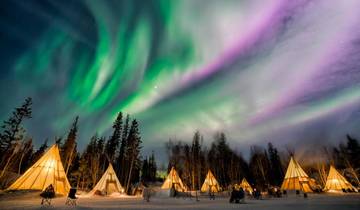
Aurora Village operates Yellowknife’s most established aurora viewing site located 25 kilometers from downtown on the Ingraham Trail. The facility features traditional Indigenous teepees heated by wood stoves, providing unique cultural atmosphere alongside aurora viewing. Guests rotate between outdoor viewing, teepee warming, and photography opportunities throughout the evening.
Aurora Village tours operate with set schedules rather than mobile hunting, positioning guests at consistently dark-sky locations with proven viewing success. The infrastructure approach provides superior comfort during extended viewing sessions, particularly valuable during coldest periods or for less mobile visitors. Hot beverages, snacks, and heated restrooms enhance the experience beyond basic viewing tours.
Pricing runs premium at CAD $200-300 (USD $145-220) nightly compared to standard mobile tours, reflecting enhanced infrastructure and cultural programming. Multi-night packages bundling accommodation and tours provide better per-night pricing than booking individual sessions.
Arctic Tours Canada
Arctic Tours Canada specializes in comprehensive packages combining accommodation, aurora viewing, and daytime activities into streamlined multi-day experiences. The operator works with multiple hotels across budget categories, offering flexibility in accommodation quality while maintaining consistent tour operations.
Aurora viewing employs mobile hunting strategies, with guides monitoring real-time aurora forecasts and cloud patterns to position groups at optimal locations each evening. This adaptive approach maximizes success rates by avoiding static positions during less favorable conditions. Tours typically accommodate 15-25 participants in heated vehicles with large viewing windows.
Pricing varies by accommodation tier and package length, with three-night packages starting around CAD $1,200 (USD $875) per person including budget hotel, aurora tours, and airport transfers. Premium packages with higher-end accommodation and additional activities reach CAD $2,200-2,800 (USD $1,605-2,045) per person.
Yellowknife Tours
Yellowknife Tours offers customizable packages accommodating varying group sizes and preferences. The operator provides both standard group tours and private experiences, with multilingual guides serving international visitors including Chinese, Japanese, and Korean language capabilities.
The company emphasizes flexibility, allowing guests to combine accommodation at partner hotels with à la carte activity booking or complete packages. Daytime activities including dog sledding, ice fishing, and cultural experiences integrate seamlessly with evening aurora viewing schedules.
Standard three-night packages cost CAD $1,400-2,000 (USD $1,020-1,460) per person depending on accommodation selection and included activities. Private tour upgrades add CAD $300-500 (USD $220-365) for exclusive small-group experiences.
Beck’s Kennels Dog Sledding
Beck’s Kennels operates Yellowknife’s premier dog sledding experiences, offering both daytime mushing adventures and evening aurora dog sled excursions combining two signature northern experiences. The kennel maintains approximately 80 sled dogs in a traditional wilderness setting.
Evening aurora dog sled tours transport guests to remote viewing locations by dog team rather than vehicle, creating unique immersive experiences blending traditional northern transportation with aurora viewing. The tours cost CAD $280-350 (USD $205-255) per person for combined transportation and viewing experiences.
Daytime dog sledding runs CAD $180-220 (USD $130-160) per person for 2-3 hour mushing experiences suitable for families and first-time mushers. The kennel’s isolated location provides excellent dark skies if aurora appears during daytime tours.
North Star Adventures
North Star Adventures focuses on photography-oriented aurora tours designed for serious photographers seeking optimal conditions and instruction. Tours accommodate smaller groups (8-12 participants) allowing more flexible positioning and longer location dwell times compared to larger commercial operations.
Guides provide aurora photography instruction covering exposure settings, composition, focus techniques, and processing tips. The operator supplies tripods, hand warmers, and other equipment eliminating gear transportation needs for visitors. Tours venture further from city limits than standard operators, occasionally covering 50-70 kilometers seeking clear skies during partially cloudy conditions.
Photography-focused tours cost CAD $220-280 (USD $160-205) nightly, premium pricing justified by specialized services and smaller group sizes. Three-night photography packages including instruction and location scouting run CAD $650-800 (USD $475-585) per person tour-only pricing excluding accommodation.
Complementary Activities 2026
Structuring days around evening aurora viewing schedules leaves substantial daytime hours for complementary activities exploring Yellowknife’s culture, history, and northern environment. These experiences enhance trips beyond aurora tourism alone.
Prince of Wales Northern Heritage Centre
The Prince of Wales Northern Heritage Centre serves as Northwest Territories’ primary museum and cultural institution, presenting comprehensive exhibits on northern indigenous cultures, territorial history, geology, and wildlife. The facility operates on a donation-basis admission model (suggested CAD $10 / USD $7) making it accessible for all budgets.
Exhibits cover Dene, Métis, and Inuvialuit cultures, showcasing traditional tools, clothing, art, and contemporary indigenous life in modern Northwest Territories. The aviation hall documents bush flying history essential to northern development. Natural history galleries display northern wildlife including full-size taxidermy specimens of muskox, caribou, polar bears, and arctic birds.
The centre requires 2-3 hours for thorough exploration, providing indoor activity during extremely cold days or when rest between aurora sessions proves necessary. Location adjacent to Frame Lake in downtown Yellowknife allows easy integration with city exploration.
Old Town Historic District
Yellowknife’s Old Town occupies the original settlement area on Latham Island and the Yellowknife River outlet, featuring heritage buildings, houseboats, and rock-founded structures predating modern downtown development. Walking the neighborhood reveals northern architecture adapted to permafrost, extreme cold, and isolated northern building supply chains.
Wildcat Café, operating since 1937 in a log cabin structure, serves as Old Town’s landmark restaurant offering northern-influenced menus during summer months. Ragged Ass Road provides popular photography opportunities with its colorful sign commemorating Yellowknife’s mining heritage. Bush Pilots Monument overlooks Old Town from a rocky prominence, honoring aviators who opened northern regions to development.
Old Town exploration requires 1-2 hours walking, easily combined with Wildcat Café meals during shoulder seasons when the restaurant operates. Winter conditions make the rocky, sloped terrain challenging, though main roadways remain accessible year-round.
Great Slave Lake Winter Activities
Great Slave Lake freezes November through May, transforming into a vast ice surface supporting winter activities impossible on open water. The lake extends nearly 500 kilometers offering endless exploration opportunities once ice thickness exceeds safe minimums.
Ice roads cross the lake connecting Yellowknife to seasonal mining operations and isolated communities, opening annually in January once ice reaches required thickness. Driving these ice highways provides unique experiences though rental agreements typically prohibit ice road use requiring joining organized tours.
Ice fishing through drilled holes targets lake trout and whitefish inhabiting Great Slave Lake’s deep cold waters. Commercial operators provide heated huts, equipment, instruction, and typically shore lunch cooking fresh catches. Half-day excursions cost CAD $120-180 (USD $90-130) per person including all equipment and meals.
Snowmobile tours explore frozen lake surfaces and connect to mainland trails, offering high-speed adventures across seemingly endless white landscapes. Three-hour guided tours cost CAD $200-300 (USD $145-220) per person including equipment, fuel, and instruction for inexperienced riders.
Dog Sledding Experiences
Dog sledding represents quintessential northern winter activity, combining traditional transportation methods with outdoor adventure and connection to sled dog teams. Multiple operators offer experiences ranging from passenger rides to hands-on mushing where participants control teams.
Beck’s Kennels provides the most comprehensive experiences with hands-on mushing instruction allowing participants to drive their own teams through boreal forest trails. Two-hour experiences cost CAD $180-220 (USD $130-160) per person. Extended half-day adventures combining mushing with lunch and kennel tours run CAD $280-340 (USD $205-250) per person.
Most tours begin with kennel visits meeting sled dogs, learning about breeds, training, and care requirements. Dogs exhibit enthusiasm for running, creating energetic departures as teams leave kennels. Trails wind through snow-covered boreal forest or cross frozen lakes, with stops for photographs and team switching allowing everyone to experience both mushing and riding.
Snowking Winter Festival
Yellowknife’s annual Snowking Winter Festival typically runs late January through mid-March, featuring an elaborate snow castle constructed on frozen Yellowknife Bay. The castle includes ice slide, galleries, courtyards, and theatrical spaces hosting live music, performances, and community events throughout its six-week duration.
Castle construction employs traditional snow and ice building techniques adapted to monumental scale, with structures reaching three stories in height. The volunteer-built castle changes design annually, though typical features include turrets, archways, ice sculptures, and sometimes functioning organs or instruments carved from ice.
Admission operates on donation basis allowing budget-friendly access. Evening visits combine castle exploration with potential aurora viewing opportunities over Yellowknife Bay. Food vendors, live music weekends, and special event programming create festival atmosphere. The castle typically melts and collapses during April as temperatures rise.
Yellowknife Logistics and Practical Information 2026
Understanding practical logistics ensures smooth trip execution avoiding common challenges faced by first-time visitors to isolated northern communities.
Getting to Yellowknife
Yellowknife Airport operates year-round scheduled service connecting to Edmonton, Calgary, Vancouver, Ottawa, and several northern communities. Edmonton provides the most frequent connections with 3-4 daily flights on Air Canada, Canadian North, and WestJet. Calgary offers 2-3 daily options. Vancouver and Ottawa operate 1-2 daily flights depending on season.
Flight times range 2.5 hours from Edmonton, 2 hours 45 minutes from Calgary, 4 hours from Vancouver, to 5 hours 30 minutes from Ottawa. Most visitors route through Edmonton or Calgary for shortest journey times and best pricing. US travelers typically connect through these gateway cities rather than attempting complicated multi-stop routings.
The airport sits five kilometers northwest of downtown, approximately 10 minutes by taxi or hotel shuttle. Most hotels provide complimentary airport pickup for guests, arranged when booking accommodation or upon arrival. Taxi service operates reliably with stands outside the terminal, charging CAD $35-50 (USD $25-35) for downtown destinations.
Getting Around Yellowknife
Yellowknife lacks public transit systems, with transportation options limited to taxi, rental car, hotel shuttles, and tour operator pickup services. Most aurora tourism packages include all transportation between hotel, viewing sites, and daytime activities, eliminating the need for independent vehicles.
Taxis service the city through several companies including City Cab and Diamond Cab, charging CAD $15-25 (USD $11-18) for typical journeys between downtown, Old Town, and nearby neighborhoods. Calling 30-45 minutes ahead for pickup during busy evening periods prevents waits.
Rental cars through National, Enterprise, and Budget cost CAD $80-120 (USD $60-90) daily including insurance. Driving Yellowknife’s compact urban area poses no challenges, though winter conditions require winter tire experience and confidence operating vehicles in extreme cold. Vehicles include block heaters requiring plug-in during extended parking to prevent engine freezing.
Walking covers downtown Yellowknife adequately during moderate weather, with hotels, restaurants, and shops concentrated within 1-kilometer radius. The Old Town district sits 2 kilometers from downtown, walkable during warmer months but requiring taxi or vehicle during winter.
Communication and Internet Access
Cell phone service covers Yellowknife proper through major Canadian carriers including Rogers, Bell, and Telus. US visitors should confirm international roaming rates or purchase Canadian SIM cards for extended stays. Service quality diminishes rapidly outside city limits, with aurora viewing sites 20-30 kilometers distant often lacking coverage entirely.
Hotels provide WiFi internet access ranging from adequate to excellent depending on property. Downtown coffee shops and restaurants offer free WiFi for customers. Internet speeds generally match southern Canadian cities within Yellowknife proper, though isolated location means occasional service disruptions during storms or infrastructure problems.
Currency and Banking
Canadian dollars remain the official currency throughout Northwest Territories with universal acceptance. US dollars receive acceptance at some tourism-oriented businesses though exchange rates favor pre-converting to Canadian currency at banks or exchange services.
ATMs operate at banks throughout downtown Yellowknife and at the airport, dispensing Canadian dollars at current exchange rates plus standard international withdrawal fees. Credit cards (Visa, Mastercard, American Express) receive wide acceptance at hotels, restaurants, and tour operators. Some small businesses or food trucks operate cash-only.
Exchanging currency in Yellowknife offers less favorable rates than major Canadian cities, so visitors benefit from obtaining Canadian dollars before arrival. Banks in Edmonton or Calgary airports provide convenient pre-trip exchange.
Health Care Access
Stanton Territorial Hospital provides emergency care and general medical services for Yellowknife and surrounding regions. Walk-in clinics operate downtown for non-emergency medical needs. Pharmacy services through chain stores cover prescription filling and over-the-counter medication needs.
Medical facilities lag major urban centers in specialization and advanced equipment, though handle routine care and most emergencies adequately. Serious conditions requiring specialist intervention may necessitate medical evacuation to Edmonton, covered by comprehensive travel insurance policies.
Travel insurance including medical evacuation coverage proves particularly important given isolation, limited facilities, and high medevac costs. Policies should cover cold-related injuries including frostbite and hypothermia alongside standard medical emergencies.
Seasonal Daylight Patterns
Yellowknife’s 62°N latitude creates extreme seasonal daylight variation affecting activity scheduling and aurora viewing windows. Understanding daylight patterns helps plan efficient daily schedules maximizing aurora viewing probability while accommodating daytime activities.
December 21 winter solstice provides only 5 hours 45 minutes of daylight, with sunrise around 10:00 AM and sunset around 3:45 PM. This extended darkness allows aurora viewing from 7 PM through dawn if displays cooperate, though most tours operate 10 PM to 2 AM targeting statistical peak activity periods.
March 20 spring equinox balances to 12 hours daylight with sunrise around 7:00 AM and sunset 7:00 PM, providing ample daytime activity hours while maintaining substantial darkness for aurora viewing. September 22 fall equinox mirrors these patterns moving in opposite seasonal direction.
Late August aurora viewing begins requiring patience as full darkness doesn’t establish until after 11 PM with aurora viewing running midnight to 5 AM. This compressed schedule challenges travelers with jet lag or difficulty staying awake late nights. By mid-September, practical viewing begins around 10 PM with sufficient darkness for displays.
Weather and Aurora Forecasting 2026
Understanding weather and aurora forecasting helps manage expectations and optimize viewing probability through strategic scheduling and real-time adaptation.
Weather Patterns and Cloud Cover
Yellowknife’s continental subarctic climate produces generally clear skies, particularly during winter when extreme cold suppresses moisture and cloud formation. Statistical clear sky probability exceeds 65% during November through March, rising to 75-80% during extended cold snaps when temperatures remain below -30°C for multiple days.
Weather systems typically arrive from the west, with atmospheric rivers occasionally bringing Pacific moisture causing multi-day cloudy periods. These systems prove predictable 2-3 days in advance through weather models, allowing travelers on extended visits to adjust viewing schedules. Clear periods typically follow storm systems as high pressure settles over the region.
Fall season sees somewhat higher cloud cover probability as the transition between summer and winter patterns creates variable conditions. September and October maintain 60-65% clear sky probability, slightly lower than winter but still favorable compared to coastal aurora viewing locations.
Local weather forecasting through Environment Canada provides reliable 5-day outlooks with decreasing accuracy beyond three days. Tour operators monitor forecasts continuously, adjusting viewing locations to position groups in forecasted clear zones when partial cloud cover affects different areas.
Aurora Forecasting Resources
Aurora forecasting relies on solar wind monitoring from satellites positioned between Earth and the sun, providing 30-60 minute advance warning of arriving disturbances. These forecasts help predict aurora activity levels enabling real-time decisions about viewing timing and location.
Space Weather Prediction Center (NOAA) produces 3-day Kp index forecasts predicting geomagnetic activity levels globally. Kp indices from 0-9 measure disturbance intensity, with Kp 3-4 producing visible auroras at high latitudes and Kp 5+ generating strong displays. These forecasts guide broad trip scheduling though lack precision for specific viewing nights.
Real-time solar wind monitoring through satellites including ACE and DSCOVR measures incoming particle density, speed, and magnetic field orientation. When solar wind shows strong southward magnetic fields (negative Bz values) approaching Earth at high speeds (500+ km/s), aurora displays become highly probable within 30-60 minutes. Tour guides monitor these parameters continuously, alerting guests when favorable conditions develop.
Local aurora forecast websites including Aurora Forecast Yellowknife and University of Alaska Geophysical Institute provide region-specific forecasts synthesizing global data into accessible formats. Mobile apps including My Aurora Forecast and Aurora Alert offer push notifications when favorable conditions develop.
The most reliable predictor remains simply going outside and looking. Aurora forecasting provides probability guidance, but displays can materialize unexpectedly or fail to develop despite favorable forecasts. Tour operators employ experienced guides who recognize developing conditions and position groups optimally based on decades of local observation.
Photography Tips and Techniques 2026
Capturing aurora displays requires different approaches than typical travel photography. Mastering basic techniques before arrival maximizes success and reduces time spent troubleshooting equipment in extreme cold.
Essential Camera Settings
Manual mode provides necessary control over exposure parameters. Start with 15-second exposures at ISO 1600-2000 and f/2.8 aperture, adjusting based on aurora brightness and activity level. Bright displays allow shorter exposures (8-12 seconds) preventing overexposure and reducing motion blur in rapidly moving curtains. Faint displays require longer exposures (20-30 seconds) accepting some blur or increasing ISO to 3200-6400 for shorter exposures.
Wide-angle lenses (14-24mm full-frame equivalent) capture expansive displays stretching across entire sky. Ultra-wide lenses (10-14mm) create dramatic compositions but may distort horizon lines. Standard wide angles (16-24mm) balance sky coverage with natural perspective, often producing most pleasing results.
Focus proves challenging in darkness. Manual focus set to infinity often misses optimal sharpness. Using live view with maximum digital zoom, focus on bright stars until they appear as small pinpoints. This achieves sharper focus than infinity marks. Taping focus rings after achieving sharpness prevents accidental adjustment.
Shoot RAW format capturing maximum image data allowing extensive post-processing adjustment. JPEG formats discard information limiting editing flexibility. Memory card capacity becomes important as night-long sessions easily produce 200-400 RAW files consuming 50-80 gigabytes storage.
Composition Strategies
Including foreground elements creates context and scale making compositions more engaging than aurora-only sky shots. Silhouetted trees, snow-covered landscapes, frozen lakes, or illuminated structures provide grounding elements. Positioning subjects in lower third of frame with aurora filling upper two-thirds creates balanced compositions.
Water reflections double aurora displays when photographing over unfrozen lakes during fall season. Calm conditions produce mirror reflections creating symmetrical compositions. Frozen lakes eliminate reflection opportunities but allow positioning anywhere on ice surface for optimal angle to displays.
Leading lines including trails, shorelines, or tree lines guide viewer attention toward aurora displays. Diagonal lines create dynamic compositions while horizontal lines provide stable foundations. Vertical elements like prominent trees can frame displays or break up compositions preventing monotony.
Rule of thirds applies to aurora photography, positioning prominent features at power points rather than center frame. Displays dominating one side of sky often compose better with asymmetric framing rather than centered compositions.
Dealing with Extreme Cold
Battery life plummets in extreme cold, with lithium batteries losing 40-60% capacity at -30°C. Carry 4-6 spare batteries keeping spares warm in inner jacket pockets until needed. Some photographers employ battery grips accepting multiple batteries or connect USB power banks via dummy batteries providing continuous power.
Condensation forms when cold equipment enters warm indoor environments, potentially damaging electronics. Place cameras in sealed plastic bags before entering buildings, allowing slow temperature equalization preventing condensation on lenses and sensors. Alternatively, leave equipment in vehicles or unheated storage during warm-up breaks.
LCD screens become sluggish in extreme cold, responding slowly to menu navigation. Some screens fade entirely below -30°C though typically recover when warmed. Learning camera controls by touch reduces reliance on LCD visibility. Electronic viewfinders often operate more reliably than rear screens in extreme cold.
Lens cloths or microfiber towels clear snow and frost accumulation on front elements during shooting. Lens hoods protect front elements from falling snow. Avoid breathing on lenses as breath instantly freezes creating ice requiring extensive clearing.
Post-Processing Considerations
Aurora photographs typically require post-processing maximizing color vibrancy and detail captured in RAW files. Basic adjustments include white balance correction toward cooler temperatures (3000-4000K) enhancing green and blue hues, exposure adjustment recovering shadow detail in dark landscapes, contrast increase separating aurora curtains from dark sky, vibrance and saturation boost enhancing color intensity without oversaturating, and noise reduction smoothing high ISO grain while preserving star detail.
Color balance proves subjective with different processing styles producing vastly different results from identical RAW files. Some photographers prefer saturated, vibrant colors while others favor subtle, natural tones. Comparing processing to memory helps calibrate toward realistic representation versus artistic interpretation.
Time-lapse sequences created from interval shooting series show aurora evolution over minutes and hours. Processing intervals involves batch adjusting exposure, color, and contrast maintaining consistency across frames before assembling into video format.
Frequently Asked Questions About Yellowknife Northern Lights 2026
How many nights should I plan for aurora viewing success in Yellowknife 2026?
Three consecutive nights provide 90-95% probability of witnessing at least one strong aurora display, making this the recommended minimum stay for visitors prioritizing viewing success. Single-night stays achieve only 60-70% success despite Yellowknife’s exceptional conditions, as weather patterns or solar activity gaps can prevent displays on any given night. Four-night visits approach 98% success probability, essentially guaranteeing viewing under normal conditions. Budget and schedule permitting, four nights optimize success while allowing rest between intensive late-night viewing sessions. Two-night stays represent acceptable compromise for schedule-limited travelers though miss the statistical confidence of three-night visits. Tour operators structure most packages around three or four-night core stays reflecting these probability patterns.
Can I see northern lights in Yellowknife during summer 2026?
Aurora activity continues year-round including summer months, but viewing becomes impossible due to continuous or near-continuous daylight at Yellowknife’s high latitude. From late April through mid-August, the combination of extended twilight and short night periods prevents adequate darkness for aurora visibility even when displays occur. Darkness begins returning in late August with 6-8 hour windows allowing viewing, though full darkness doesn’t establish until after 11 PM through early September. Practical aurora viewing season runs late August through early October for fall experiences, or mid-November through early April for winter viewing. May through mid-August remains unsuitable for aurora tourism regardless of solar activity levels due to insufficient darkness. Visitors planning summer trips should focus on Yellowknife’s midnight sun experiences, hiking, fishing, and cultural activities rather than aurora viewing.
What is the difference between aurora tours and aurora village experiences?
Mobile aurora hunting tours employ adaptive strategies, monitoring real-time aurora forecasts and cloud patterns to position groups at optimal locations each evening. These tours utilize heated vehicles or buses transporting 15-30 participants to various sites within 30-50 kilometers of Yellowknife, adjusting locations based on conditions. Mobile tours maximize flexibility responding to changing weather and aurora patterns but provide less infrastructure for extended outdoor comfort. Aurora village experiences operate from fixed facilities including Aurora Village’s teepee site, featuring permanent heated structures, restrooms, and viewing platforms at proven dark-sky locations. Villages provide superior comfort during multi-hour sessions with shelter rotation allowing warming breaks without leaving the site. Fixed locations mean occasional sub-optimal positioning during weather changes, though statistical success rates remain comparable to mobile operations. Mobile tours typically cost CAD $120-180 (USD $90-130) nightly while village experiences run CAD $200-300 (USD $145-220) reflecting enhanced infrastructure.
Do I need photography experience to capture good aurora photos in 2026?
Basic photography knowledge including understanding manual exposure controls (shutter speed, aperture, ISO) proves sufficient for capturing memorable aurora photographs. Modern cameras’ live view and instant feedback allow trial-and-error approach, with guides and tour operators providing setting recommendations as starting points. Complete beginners benefit from pre-trip practice with night photography, learning to operate camera controls by touch without looking at buttons as cold numbs fingers and darkness prevents visual reference. Many tour operators offer photography-focused tours providing instruction and setting assistance helping first-time night photographers achieve strong results. Essential preparation includes reading camera manual’s sections on manual mode, bulb exposures, and focus controls, practicing manual focus on stars or distant lights at night before departure, understanding how to adjust ISO, aperture, and shutter speed independently, and learning to review histograms rather than relying on LCD brightness in darkness. Smartphone cameras lack manual controls and light sensitivity required for aurora photography, necessitating dedicated cameras for serious results.
What happens if clouds prevent aurora viewing during my Yellowknife trip 2026?
Most tour operators do not offer refunds or guarantees for aurora viewing success as displays represent natural phenomena outside human control. Tour packages charge for transportation, guiding services, and facility access regardless of weather or solar activity preventing displays. Some operators offer alternative night activities or rescheduling options when possible, though refunds remain rare industry-wide. Comprehensive travel insurance policies covering “unforeseen weather conditions” may provide partial trip cost recovery when extended cloud cover or weather prevents primary trip purpose, though policy language varies and aurora viewing often falls outside standard coverage. The 90-95% success rate over three nights means complete trip failure occurs rarely, typically only during unusual weather patterns bringing persistent cloud cover. Visitors can minimize weather risk by planning four-night stays rather than minimal three-night visits, traveling during statistically clearer months (January-March rather than November), and maintaining flexible schedules allowing extension if needed. Clear weather proves more controllable than solar activity, and Yellowknife’s continental climate provides North America’s highest clear-sky probability during aurora season.
Is Yellowknife suitable for families with children for aurora viewing 2026?
Yellowknife accommodates families well though parents should consider children’s ability to stay awake during late-night viewing hours (typically 10 PM to 2 AM) and tolerance for cold weather exposure. Children above age 8-10 generally manage late-night schedules for 2-3 consecutive nights with afternoon rest periods, while younger children may struggle maintaining energy. Tour operators welcome families, providing heated shelters, warm beverages, and flexibility for early returns if children become exhausted or overwhelmed. Fall season viewing offers more family-friendly conditions with milder temperatures (0°C to +12°C) allowing comfortable outdoor sessions, while winter season requires ensuring children have properly fitted cold-weather gear preventing frostbite during extended exposure. Daytime activities including dog sledding, ice fishing, and museum visits engage children between evening viewing sessions, preventing boredom during long northern days. Family-friendly accommodations with suite configurations allowing parents and children to sleep separately prove valuable after late-night sessions. Many families find aurora viewing creates extraordinary memories for older children though acknowledge the trip focuses primarily on adult interests rather than child-centered entertainment.
Can I combine Yellowknife aurora viewing with other Canadian destinations in 2026?
Yellowknife pairs well with several multi-destination Canadian itineraries though geographic isolation requires flight connections rather than scenic drives. Edmonton serves as primary gateway enabling combination trips. Popular pairings include Yellowknife for aurora viewing followed by Jasper and Banff National Parks for Canadian Rockies winter or shoulder season experiences, requiring 1-2 hour flights Edmonton to Calgary then 3-4 hour drives into mountain parks. Churchill, Manitoba for polar bear viewing (October-November season) combined with Yellowknife aurora viewing (late October-November overlap period), though requiring complex connections through Winnipeg or Thompson. Vancouver for coastal British Columbia exploration before or after Yellowknife, utilizing direct flights between cities. Calgary for urban experiences and proximity to Rocky Mountains, serving as convenient connection point. These combinations work best with 10-14 day total trips allowing 4-5 days each destination without excessive transit time. Single-week trips should focus exclusively on Yellowknife maximizing aurora viewing probability rather than spreading limited time across multiple destinations.
How does Yellowknife compare to Iceland or Norway for aurora viewing 2026?
Yellowknife achieves higher success rates than Iceland or northern Norway due to continental climate producing clearer skies, more direct auroral oval positioning, and less maritime weather variability. Iceland’s coastal location brings persistent cloud cover and storms reducing clear sky probability to 40-50% during winter months, while Yellowknife exceeds 65% clear sky probability. Northern Norway (Tromsø, Alta, North Cape region) sits slightly outside the prime auroral oval requiring stronger displays for equivalent intensity, and experiences more variable marine weather than continental Yellowknife. Statistical comparisons show Yellowknife visitors achieve 90-95% success over three nights versus 60-70% in Iceland and 70-80% in northern Norway over similar periods. However, Iceland and Norway offer dramatically different cultural experiences, landscapes, and accessibility. Iceland provides European cultural immersion, diverse landscapes including glaciers and geothermal features, and shorter travel times from Europe. Norway combines aurora viewing with fjord scenery, traditional Sami culture, and developed tourism infrastructure. Yellowknife offers the purest aurora-focused experience with highest success probability but lacks the cultural and landscape diversity of European alternatives. Choice depends on prioritizing viewing success versus broader trip experiences.
What should I do during daytime between aurora viewing sessions in Yellowknife 2026?
Structuring active daytime schedules between late-night aurora sessions requires balancing energy management with maximizing trip value. Successful strategies include late morning starts allowing 8-9 hours sleep after 2 AM tour returns, scheduling physically demanding activities (dog sledding, snowmobiling) on rest days between back-to-back aurora tours rather than consecutive viewing nights, visiting indoor attractions (Prince of Wales Heritage Centre, galleries, shops) during coldest days or when mild weather allows outdoor exploration, using afternoons for rest or hotel relaxation maintaining energy for evening sessions, incorporating one daytime aurora tour including activities like ice fishing or cultural experiences, and planning one “rest day” midway through 4-5 night stays allowing recovery without sacrificing aurora viewing nights. Avoid over-scheduling as late-night aurora viewing proves surprisingly exhausting even when physically inactive due to cold exposure, irregular sleep patterns, and excitement maintaining awareness. First-time winter visitors often underestimate extreme cold’s physical demands, requiring more rest between activities than typical vacation patterns. Quality aurora viewing requires alertness and energy during critical 10 PM to 2 AM windows, making adequate rest higher priority than cramming excessive daytime activities into schedules.
Should I book Yellowknife aurora trip independently or through tour packages in 2026?
Package bookings combining accommodation, aurora tours, and often daytime activities provide better value, simplified logistics, and stress reduction compared to independent booking, particularly for first-time visitors. Tour operators negotiate volume rates with hotels and activity providers inaccessible to independent travelers, typically saving 15-25% versus booking components separately. Packages eliminate coordination challenges including arranging individual tour pickups, managing multiple reservations, and troubleshooting problems during the trip. Independent booking makes sense for experienced northern travelers with specific accommodation preferences, visitors extending stays beyond standard 3-4 night tours, or those combining Yellowknife with broader Northwest Territories exploration requiring flexible schedules. Budget travelers selecting hostel accommodation rather than package-included hotels may find independent booking provides cost savings through cheaper lodging choices, though must arrange aurora tours separately. Comparing total costs between packages and independent components using identical accommodation levels reveals package savings become substantial, particularly during peak season when individual tour bookings face premium pricing. Package convenience proves especially valuable during winter when extreme weather may require itinerary adjustments better handled by single operator managing all components rather than coordinating separately booked services.