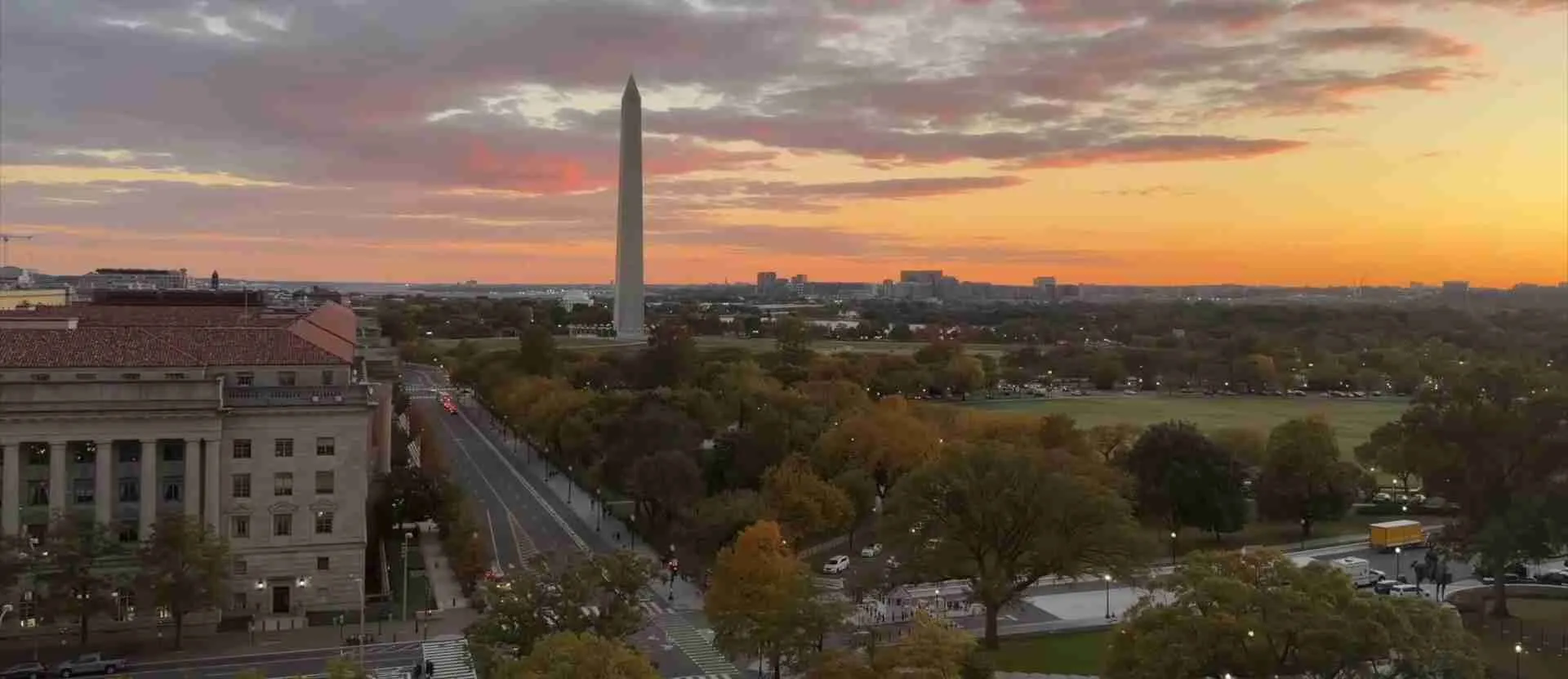
Best Time to Visit Washington DC 2026: Seasonal Planning Guide
Washington DC transforms through four distinct seasons, each offering unique advantages for visitors planning 2026 trips to the nation’s capital. Spring draws millions for cherry blossoms and mild weather, summer brings extended museum hours and vibrant festivals, autumn delivers comfortable temperatures and fall foliage, while winter offers uncrowded monuments and festive celebrations.
Key Takeaways
- Cherry Blossom Peak 2026: The National Cherry Blossom Festival runs March 20-April 12, 2026, with peak bloom predicted March 29-April 1, making late March and early April the most popular but most crowded visiting period.
- Best Weather Windows: Late April through May and September through October deliver ideal temperatures of 65-75°F with lower humidity than summer months, perfect for walking the National Mall and outdoor exploration.
- Budget Considerations 2026: Hotel prices fluctuate dramatically by season — expect $300-450 per night during cherry blossom season and summer peaks, dropping to $180-280 in winter months for significant savings.
- Summer Trade-offs: June through August brings extended daylight hours and outdoor festivals but also oppressive humidity, temperatures near 88°F, and the highest visitor numbers at major attractions.
- Winter Advantages 2026: December through February offers the shortest lines at museums, lowest hotel rates, and festive holiday displays, though temperatures range 30-45°F and occasional snowstorms can disrupt travel plans.
- Shoulder Season Value: November and early March provide excellent value with moderate crowds, comfortable weather, and hotel rates 30-40% below peak season pricing while still delivering full access to Smithsonian museums and monuments.
People Also Ask About Washington DC Best Time 2026
What is the best month to visit Washington DC in 2026?
April and October stand out as the optimal months for visiting Washington DC in 2026. April captures the famous cherry blossoms (peak bloom predicted March 29-April 1) along with pleasant temperatures averaging 67°F and spring energy throughout the city, though crowds and hotel prices peak during this period. October delivers equally comfortable weather with highs around 68°F, spectacular fall foliage in Rock Creek Park and along the Potomac, and significantly smaller crowds than spring months. May and September serve as excellent alternatives, offering similar weather advantages with more moderate visitor numbers and hotel availability.
How much should I budget per day for Washington DC in 2026?
Budget travelers spending $65-110 per person daily in 2026 can stay in hostels at $35-55 per bed, eat affordably at food trucks and casual restaurants for $25-40 daily, and use Metro transportation efficiently. Mid-range visitors investing $170-280 per person daily (two sharing hotel) enjoy comfortable three-star hotels at $180-240 per room ($90-120 per person), diverse dining options including sit-down restaurants, and flexibility for paid tours or special exhibitions. Luxury travelers allocating $350-550+ per person daily (two sharing) access premium hotels near the National Mall, upscale dining experiences, private tours, and premium amenities while maintaining spontaneous exploration options.
Is Washington DC worth visiting in winter 2026?
Winter visits to Washington DC from December through February 2026 deliver exceptional value for travelers who don’t mind cold weather and shorter daylight hours. The Smithsonian museums remain fully operational with minimal crowds, allowing unhurried exploration of exhibits that see hour-long waits during peak seasons. Hotel rates drop 35-45% below spring and summer pricing, and iconic monuments like the Lincoln Memorial and Washington Monument stand dramatically beautiful against winter skies without the typical tourist masses. December brings festive holiday decorations throughout the city, while January and February offer the year’s lowest prices and emptiest sidewalks on the National Mall, though visitors should pack warm layers for temperatures ranging 30-45°F and prepare for occasional snow that can average 14 inches annually.
What should I avoid when planning a 2026 Washington DC trip?
Avoid visiting during the height of summer humidity in July and August when temperatures near 88°F combine with oppressive moisture levels that make outdoor monument tours exhausting, especially midday. Skip the week immediately before and during the July 4th holiday unless specifically attending Independence Day celebrations, as crowds overwhelm the National Mall, hotel prices surge, and reservations become nearly impossible without months of advance planning. Steer clear of booking last-minute accommodations during the Cherry Blossom Festival (March 20-April 12, 2026) when hotel rates triple and availability disappears — this three-week window requires reservations 6-8 months ahead for reasonable pricing. Finally, don’t schedule important museum visits for December 25 when all Smithsonian facilities close, or plan extensive outdoor walking tours during January and February cold snaps when temperatures can drop to 10°F, making monument exploration genuinely uncomfortable despite smaller crowds.
Extended multi-day tours – 5+ days
Featured Eastern Usa Multi-Day Tour Packages
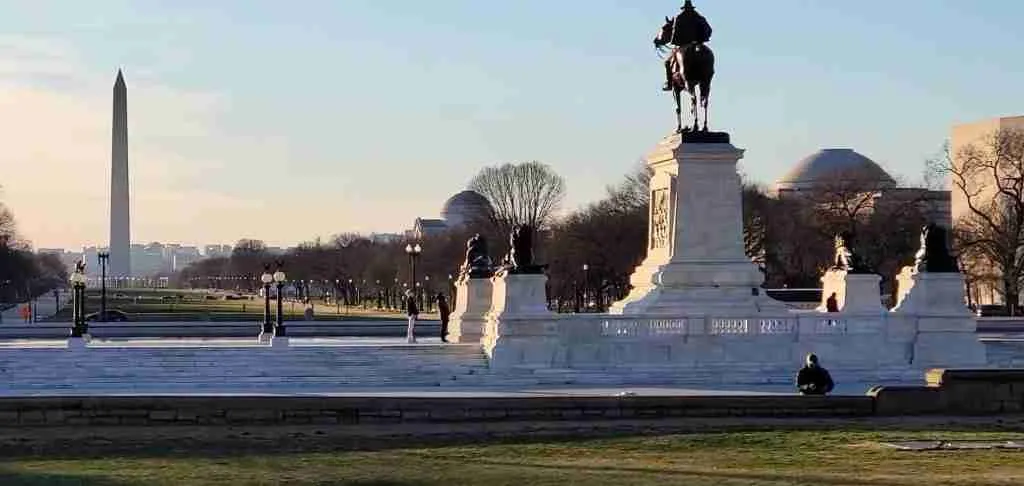
3 days
Eastern Usa 3-Day Discovery Tour
- ✓ Comprehensive Eastern Usa experience
- ✓ Expert local guides included
- ✓ All accommodation included
- ✓ Transportation provided
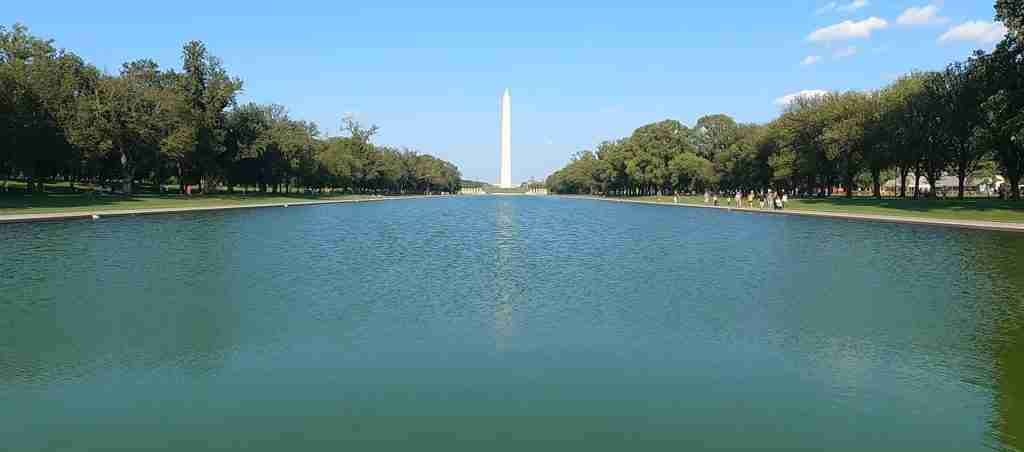
5 days
Eastern Usa 5-Day Highlights Experience
- ✓ Comprehensive Eastern Usa experience
- ✓ Expert local guides included
- ✓ All accommodation included
- ✓ Transportation provided
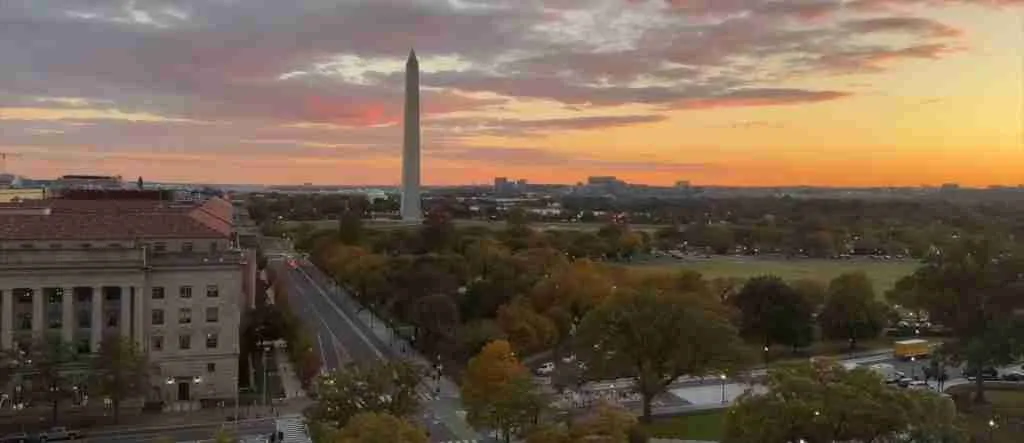
7 days
Eastern Usa 7-Day Cultural Journey
- ✓ Comprehensive Eastern Usa experience
- ✓ Expert local guides included
- ✓ All accommodation included
- ✓ Transportation provided

10 days
Eastern Usa 10-Day Complete Adventure
- ✓ Comprehensive Eastern Usa experience
- ✓ Expert local guides included
- ✓ All accommodation included
- ✓ Transportation provided
Multi-day tour packages powered by TourRadar. Prices and availability subject to change.
Introduction: Understanding Washington DC’s Seasonal Patterns in 2026
Washington DC’s position in the mid-Atlantic region creates four dramatically distinct seasons that fundamentally shape the visitor experience throughout 2026. Unlike cities with more stable year-round climates, the nation’s capital swings from frigid January mornings averaging 29°F to sweltering August afternoons reaching 88°F, with spring and autumn delivering precious windows of ideal touring weather between these extremes. This seasonal variation extends beyond simple temperature ranges to influence everything from hotel pricing and crowd levels to the operational schedules of outdoor attractions and the practicality of walking tours connecting monuments across the two-mile expanse of the National Mall.
The 2026 calendar year carries special significance for Washington DC as the nation celebrates its 250th anniversary, with enhanced programming and special events throughout the year complementing the city’s already robust cultural calendar. The National Cherry Blossom Festival from March 20 through April 12 anchors the spring season as DC’s signature event, drawing over 1.5 million visitors to witness 3,700 cherry trees blooming around the Tidal Basin. Summer brings extended museum hours, outdoor concerts, and festivals capitalizing on long daylight hours, while autumn transforms the city’s numerous parks and tree-lined streets into displays of red and gold foliage. Winter, often overlooked by travelers, offers the year’s most intimate museum experiences and emptiest monument grounds, though at the cost of cold temperatures and occasional snow that averages 14 inches annually.
Planning the optimal DC visit for 2026 requires balancing multiple competing factors: weather comfort versus crowd levels, budget constraints against desired experiences, and personal tolerance for heat or cold. A spring visitor accepts premium hotel rates and crowded sidewalks in exchange for cherry blossoms and perfect 70°F afternoons. A winter visitor trades warm weather for hotel savings of 40% and the ability to photograph the Lincoln Memorial without hundreds of strangers in frame. Neither choice is universally superior — the best time depends entirely on individual priorities, flexibility, and what you hope to experience in the nation’s capital.
This guide examines each season in 2026 through multiple lenses: daily weather patterns and what they mean for outdoor exploration, crowd dynamics at major attractions, accommodation pricing fluctuations, seasonal events and festivals, and practical considerations from museum hours to Metro schedules. Understanding these patterns empowers travelers to make informed decisions aligned with their specific needs, whether that means securing cherry blossom reservations in November or discovering winter’s hidden advantages for budget-conscious museum enthusiasts.
Spring in Washington DC 2026: Cherry Blossoms and Peak Season
Spring 2026 in Washington DC runs from early March through late May, with March delivering transitional weather as winter loosens its grip, April bringing the famous cherry blossoms and optimal touring conditions, and May warming toward summer temperatures while maintaining comfortable humidity levels. This three-month window represents both the best and most challenging time to visit the capital, depending on your tolerance for crowds and premium pricing.
March Weather and Conditions 2026
March begins Washington DC’s spring season with daily high temperatures rising from 56°F early in the month to 64°F by month’s end, while overnight lows range from 39°F to 45°F. This period delivers unpredictable weather as cold fronts from the north occasionally collide with warming southern air masses, creating days that swing from sunny and pleasant to rainy and raw within hours. Rainfall averages 3-4 inches across 10-12 days, with precipitation arriving as both gentle spring showers and occasional heavier storms. Visitors in March should pack layers including a warm jacket for morning and evening hours, rain gear for sudden downpours, and lighter clothing for unexpectedly warm afternoons when temperatures can briefly touch 70°F.
Early March sees lingering winter conditions with frost possible on clear mornings and occasional late-season snow flurries, though accumulation rarely occurs after the first week. By mid-March, saucer magnolias begin blooming throughout the city, signaling spring’s arrival two to three weeks before the famous Yoshino cherry blossoms peak. Late March transitions into prime touring weather as temperatures stabilize in the low-to-mid 60s and daylight extends past 7:00 PM following the spring equinox. The National Cherry Blossom Festival opens March 20, 2026, marking the official start of DC’s busiest tourism season and bringing increased crowds to the Tidal Basin and National Mall areas even before peak bloom arrives.
Cherry Blossom Festival 2026: March 20 – April 12
The 2026 National Cherry Blossom Festival commemorates the 1912 gift of 3,000 cherry trees from Tokyo to Washington DC across 24 days of programming, performances, and outdoor celebrations. The festival runs March 20 through April 12, 2026, with peak bloom officially predicted for March 29 through April 1 when 70% of the Yoshino cherry blossoms around the Tidal Basin reach full flower. This four-day window represents the most photographed and visited period in Washington DC’s entire calendar year, drawing crowds that can number 100,000+ on peak weekend days.
Major festival events in 2026 include the Opening Ceremony at DAR Constitution Hall featuring Japanese and American performers celebrating the US-Japan cultural bond, the Blossom Kite Festival on Saturday, March 28 at the Washington Monument grounds with families launching colorful kites against spring skies, and Petalpalooza on Saturday, April 4 in the Capitol Riverfront neighborhood featuring live music, art installations, and the official festival fireworks over the Anacostia River. The National Cherry Blossom Festival Parade marches down Constitution Avenue on Saturday, April 11, showcasing elaborate floats, performers, and cultural groups from across America and Japan. The Credit Union Cherry Blossom 10-Mile Run and 5K on April 11-12 rounds out the festival weekend with thousands of runners circling the monuments through peak blossom displays.
Planning a 2026 cherry blossom visit requires understanding that peak bloom dates shift by weeks depending on winter and early spring weather patterns. The March 29-April 1 forecast released in early March represents meteorologists’ best prediction based on temperature patterns, but actual peak bloom can arrive anywhere from late March to mid-April in unusual weather years. Early bloomers risk missing the display if warm February weather triggers early flowering followed by frost damage, while late arrivals may find only green leaves if unusually cold March temperatures delay blooming past their departure date. The safest strategy for 2026 involves booking a 7-10 day window spanning late March and early April, maximizing chances of catching peak bloom while allowing flexibility if forecasts change as the season approaches.
April 2026: Peak Tourist Season
April delivers Washington DC’s most reliable pleasant weather with average high temperatures of 67°F and lows around 48°F, comfortable for all-day outdoor exploration without the humidity and heat that arrive in late May. Rainfall continues at 3-4 inches monthly but arrives in briefer, less disruptive showers than March’s lingering systems. Daylight extends to 8:00 PM by month’s end, allowing full sightseeing days followed by illuminated monument tours after sunset. This combination of comfortable temperatures, extended daylight, and spring beauty makes April the year’s most popular visiting month, with predictable consequences for accommodation costs and crowd levels.
The National Mall experiences its highest foot traffic of the year throughout April as cherry blossom visitors overlap with spring break travelers and school groups making educational trips to the capital. Major monuments including the Lincoln Memorial, Washington Monument, and Jefferson Memorial see continuous crowds from morning opening through late evening, with photography requiring patience to frame shots without strangers in background. The Tidal Basin walkway, normally a pleasant 2-mile loop, becomes a slow-moving pedestrian river during peak blossom weeks, with the journey taking twice as long as normal as visitors pause for photographs every few steps.
Smithsonian museums adapt to April’s increased visitation with extended hours at select facilities and timed-entry pass systems at the most popular institutions. The National Museum of African American History and Culture releases advance timed passes 30 days ahead on a rolling basis, while same-day passes typically disappear within minutes of their 8:15 AM release. The National Air and Space Museum requires free timed-entry passes for all visitors regardless of age, with weekend slots filling weeks in advance during April. Museums without pass requirements including the National Museum of Natural History, National Gallery of Art, and American History Museum still welcome walk-in visitors but experience their longest security lines and most crowded gallery spaces during April weekends.
May 2026: Transition to Summer
May marks the transition from spring to summer with average high temperatures climbing to 75°F and humidity beginning to build toward the oppressive levels that characterize June through August. Early May maintains April’s comfortable touring conditions with warm afternoons and cool evenings perfect for outdoor dining, while late May previews summer heat with occasional 85°F days and sticky air that makes midday monument walks less pleasant. Rainfall averages 3-4 inches across 11-12 days, with afternoon thunderstorms becoming more frequent as the month progresses and instability increases in warming air masses.
The cherry blossom crowds disperse by early May as trees transition to full green leaves and peak bloom recedes into memory, creating a welcome respite before summer tourism accelerates. Hotel rates decline 20-30% from April peaks but remain elevated above winter and early spring baselines, offering moderate value for visitors willing to sacrifice blossoms for breathing room. Memorial Day weekend (May 26, 2026) brings a brief surge in visitors for ceremonies at Arlington National Cemetery and the Rolling Thunder motorcycle tribute honoring veterans and POW/MIA service members, but crowds remain manageable compared to cherry blossom weeks.
Late May provides excellent conditions for outdoor activities beyond monument touring. Rock Creek Park’s 1,754 acres offer shaded hiking and biking trails as temperatures warm but humidity remains tolerable. The Potomac River welcomes kayakers and paddleboarders exploring the waterfront from Georgetown south to Alexandria. Outdoor dining patios throughout Adams Morgan, U Street, and H Street corridors operate in ideal conditions before summer heat drives diners back inside air-conditioned restaurants. Gardens including the U.S. Botanic Garden showcase spring bulbs transitioning to summer perennials, while the Tidal Basin’s cherry trees provide dense green shade for walking paths that stood barren during March bloom.
Summer in Washington DC 2026: Heat, Humidity, and Extended Hours
Summer 2026 in Washington DC runs from early June through late August, characterized by hot temperatures, high humidity, frequent afternoon thunderstorms, and the year’s longest daylight hours enabling extended sightseeing schedules. This season divides opinion among visitors — families with school-age children embrace summer’s accessibility despite uncomfortable weather, while heat-sensitive travelers avoid the capital entirely until autumn cooling arrives.
June 2026: Summer Begins
June launches DC’s summer season with average high temperatures of 84°F and lows around 64°F, accompanied by rising humidity that makes the air feel substantially warmer than thermometer readings suggest. Heat index values frequently exceed actual temperatures by 5-10 degrees, with 84°F feeling like 90°F on humid days. Rainfall increases to 3-5 inches monthly with precipitation arriving primarily as afternoon and evening thunderstorms rather than all-day rain events. These storms form rapidly on hot afternoons, deliver intense downpours for 30-60 minutes, then clear leaving steamy conditions behind.
Early June provides a brief window of manageable summer conditions before July and August heat peaks. Morning temperatures in the upper 60s and low 70s offer comfortable hours for monument touring and National Mall walks, with most visitors completing outdoor activities by early afternoon before heat becomes oppressive. Museums experience moderate crowds as school groups depart following academic year ends but summer family vacations haven’t yet reached full volume. Hotel rates remain elevated from spring peaks but haven’t yet climbed to July and August maximums, creating a narrow value window for summer visitors willing to accept warm weather.
The Smithsonian Folklife Festival typically occupies the National Mall for two weeks in late June and early July, transforming the space between the Washington Monument and Capitol with performance stages, craft demonstrations, and cultural exhibits celebrating different regions, cultures, or themes each year. This free outdoor festival draws substantial crowds but adds cultural programming unavailable during other seasons. Outdoor concerts at Wolf Trap National Park for the Performing Arts in nearby Vienna, Virginia begin their summer season, while the Carter Barron Amphitheatre in Rock Creek Park launches its free concert series featuring jazz, R&B, and gospel performances.
July and August 2026: Peak Heat and Humidity
July and August represent Washington DC’s most challenging weather months with average high temperatures of 88°F and overnight lows rarely dropping below 70°F, creating 24-hour warmth that prevents nighttime cooling. Humidity reaches oppressive levels with dew points frequently exceeding 70°F, the threshold where air feels noticeably sticky and uncomfortable. Heat index values regularly surpass 95°F and can spike to 105°F during heat waves, conditions that make extended outdoor activity genuinely unpleasant and potentially dangerous for heat-sensitive individuals. Afternoon thunderstorms provide brief cooling relief but contribute to overall humidity by adding moisture to already saturated air.
July 4th celebrations transform Washington DC into America’s patriotic epicenter with massive crowds gathering for the National Independence Day Parade down Constitution Avenue, free concerts on the Capitol lawn featuring the National Symphony Orchestra, and spectacular fireworks launched from the Lincoln Memorial Reflecting Pool. The National Mall accommodates hundreds of thousands of spectators claiming prime viewing positions hours before sunset, while surrounding neighborhoods host thousands more watching from rooftops and elevated vantage points. Hotels within walking distance of the Mall command premium rates and require reservations 6-12 months in advance for July 4th weekend. Visitors attending 2026 Independence Day celebrations should prepare for extreme crowds, limited Metro capacity, road closures preventing vehicle access, and oppressive heat that makes all-day outdoor attendance genuinely exhausting.
August maintains July’s heat and humidity while adding end-of-summer humidity that can make even early mornings feel sticky and warm. Tourism gradually declines as families complete vacations before school years resume, creating slightly less crowded conditions than July while weather remains equally uncomfortable. Late August offers the summer season’s best value with hotel rates beginning to soften as fall approaches and crowds thinning noticeably after Labor Day weekend. The downside involves accepting the year’s most humid conditions when air conditioning becomes essential rather than optional for comfortable exploration.
Summer Survival Strategies 2026
Successful summer visits to Washington DC require strategic planning around heat and humidity rather than attempting to maintain spring or autumn touring schedules in July and August temperatures. Start sightseeing early with 7:00 or 8:00 AM departures for monument walks while temperatures remain in the manageable 70-75°F range and humidity hasn’t yet peaked. Complete outdoor activities by noon, then retreat to air-conditioned museums for afternoon hours when heat index values climb into the 90s. Resume outdoor exploration after 6:00 PM as temperatures moderate and evening light creates beautiful monument photography conditions.
Hydration becomes critical during summer DC visits with recommendations for consuming 64-80 ounces of water daily, double the typical cold-weather requirement. Carry refillable water bottles and utilize filling stations available at all Smithsonian museums, the U.S. Botanic Garden, and visitor centers throughout the National Mall. Dress in light-colored, loose-fitting clothing made from moisture-wicking fabrics rather than cotton that retains sweat and remains damp. Wear wide-brimmed hats and sunglasses for sun protection, and apply sunscreen liberally with reapplication every two hours during outdoor activities. Recognize heat exhaustion warning signs including excessive sweating, weakness, nausea, and dizziness, and immediately move to air-conditioned spaces if symptoms develop.
Select accommodations with strong air conditioning and consider hotels connected to Metro stations via underground passages, allowing climate-controlled travel without surface exposure during midday heat. The Smithsonian museums provide free admission and excellent air conditioning, making them ideal afternoon refuges when outdoor conditions become intolerable. The National Gallery of Art’s underground concourse connecting the East and West Buildings offers another climate-controlled respite with dining options and gift shops. Georgetown’s waterfront parks and The Wharf development along the Southwest Waterfront both feature breezes off the Potomac River that make outdoor dining more comfortable than inland locations during summer evenings.
Fall in Washington DC 2026: Ideal Weather Returns
Fall 2026 in Washington DC extends from early September through late November, delivering the year’s second optimal visiting window with comfortable temperatures, spectacular foliage, and significantly smaller crowds than spring’s cherry blossom season. This three-month period rivals April for ideal touring conditions while offering substantially better value on accommodations and more relaxed museum experiences.
September 2026: Summer Heat Fades
September begins with lingering summer warmth as Labor Day weekend (September 7, 2026) marks the traditional end of peak summer tourism. Early September maintains average high temperatures around 81°F with humidity gradually declining from August peaks, creating warm but increasingly comfortable conditions as the month progresses. By late September, high temperatures moderate to the mid-70s with overnight lows dropping into the 50s, delivering crisp mornings and pleasant afternoons ideal for all-day exploration. Rainfall averages 3-4 inches across 9-10 days, substantially less frequent than summer’s near-daily thunderstorms.
The post-Labor Day period through late September represents one of Washington DC’s best-kept seasonal secrets. Families return home as school years resume, international tourists shift attention to autumn destinations in New England and Europe, and business travelers haven’t yet filled hotels for fall conference season. The result creates an unexpected lull where the National Mall feels almost empty on weekday mornings, Smithsonian museums operate well below capacity, and hotel rates drop 20-25% from summer peaks. Weather cooperates with comfortable temperatures, lower humidity, and extended daylight hours supporting full sightseeing days without summer’s oppressive heat or winter’s early darkness.
September events include the National Book Festival typically held on the National Mall in late September, bringing together renowned authors for readings, book signings, and literary discussions in a free outdoor celebration of literature and reading. The Adams Morgan Day Festival transforms 18th Street into a massive street party with live music on multiple stages, international food vendors, and craft markets showcasing local artisans. H Street Festival in the Near Northeast neighborhood delivers similar energy with bands, food trucks, and street performers celebrating one of DC’s most vibrant revitalization success stories.
October 2026: Peak Fall Conditions
October delivers Washington DC’s most consistently excellent weather with average high temperatures of 68°F and lows around 50°F, creating comfortable conditions for all outdoor activities without summer heat or winter cold. Humidity remains low throughout the month with crisp air and bright blue skies dominating most days. Rainfall decreases to approximately 3 inches across 8-9 days, making October the year’s second-driest month after November. Daylight remains abundant in early October with sunset after 7:00 PM, gradually shortening to 6:00 PM by month’s end following the fall equinox.
Fall foliage transforms Washington DC’s abundant trees into displays of red, orange, and gold as October progresses. Rock Creek Park’s 1,754 acres showcase dramatic color changes in maples, oaks, and hickories lining park roads and trails. The National Arboretum’s 446 acres feature curated collections of trees selected for exceptional autumn color. Theodore Roosevelt Island in the Potomac River becomes an oasis of fall beauty accessible via footbridge from the Virginia shore in Rosslyn. Street trees throughout Georgetown, Dupont Circle, and Capitol Hill neighborhoods create canopies of color arching over historic brick sidewalks and federal rowhouses.
October hotel rates remain moderate in early weeks before climbing slightly as fall foliage peaks and conference season accelerates. Expect pricing 15-25% below spring cherry blossom rates but elevated above winter lows. Weekend availability tightens as locals and regional visitors drive in for day trips, while weekday rates and availability remain excellent for travelers with flexible schedules. The Marine Corps Marathon on the final Sunday in October brings 30,000 runners and their supporters to the capital, filling hotels near the Pentagon and Arlington Cemetery start line, but impacts remain localized rather than citywide.
November 2026: Transition to Winter
November marks the transition from autumn to winter with temperatures declining from early-month highs in the low 60s to late November maximums struggling to reach 50°F. Overnight lows drop from the mid-40s to the low 30s, occasionally touching freezing by month’s end. This temperature range requires layered clothing with warm jackets for morning and evening hours but potentially lighter options for mild November afternoons. Rainfall decreases dramatically to 2-3 inches across 8-9 days, making November DC’s driest month and ideal for outdoor touring despite cooling temperatures.
Thanksgiving week transforms Washington DC into a local rather than tourist city as most visitors delay trips until winter holidays begin. The Tuesday through Sunday surrounding Thanksgiving (November 26, 2026) sees hotel rates plummet to winter lows and museums operating at minimal capacity. Families focused on holiday gatherings skip tourist activities, creating exceptional value for travelers willing to dine out on Thanksgiving Day at restaurants offering special holiday menus. Most Smithsonian museums remain open Thanksgiving Day with reduced crowds, while the National Zoo typically closes. The day after Thanksgiving launches winter holiday decorations throughout the city, with the National Christmas Tree and White House holiday displays beginning to take shape.
Late November foliage transitions from peak color to bare branches as leaves fall and trees enter dormancy. While less visually spectacular than October’s display, this period offers unique photographic opportunities with monuments and memorials newly visible through leafless trees. Sunset arrives before 5:00 PM by late November, limiting afternoon touring windows but creating dramatic lighting for monument photography as low-angle sun illuminates marble and limestone facades. Cool, crisp air and empty sidewalks make November an underrated month for visitors prioritizing substance over aesthetics and willing to trade colorful foliage for genuine solitude at America’s most visited memorials.
Winter in Washington DC 2026: Budget Season and Festive Displays
Winter 2026 in Washington DC runs from early December through late February, delivering the year’s coldest weather, shortest daylight hours, lowest hotel rates, and smallest crowds. This season appeals to budget-conscious travelers, museum enthusiasts seeking unhurried gallery time, and photographers wanting monument access without tourist crowds, while deterring visitors unwilling to accept temperatures ranging from freezing to the mid-40s.
December 2026: Holiday Season
December combines winter cold with festive holiday atmosphere as Washington DC transforms into a seasonal celebration featuring elaborate decorations, special events, and traditional celebrations. Average high temperatures hold in the mid-40s with overnight lows around 32°F, creating chilly but generally manageable conditions when dressed appropriately in winter coats, hats, and gloves. Rainfall averages 2-3 inches across 10 days with precipitation arriving as rain in early December but potentially as snow later in the month when temperatures drop. Average snowfall reaches 2-3 inches in December, though individual storms can deliver substantially more in heavy snow years.
The National Christmas Tree stands illuminated on the Ellipse south of the White House, surrounded by smaller trees representing each U.S. state and territory decorated in regional themes. The lighting ceremony typically occurs in early December with performances, speeches, and the ceremonial illumination by the President marking the official start of DC’s winter holiday season. The White House itself showcases elaborate decorations throughout public tours, though securing tickets requires advance requests through congressional offices months ahead. The U.S. Botanic Garden presents its annual seasonal display transforming conservatory spaces with poinsettias, model trains navigating miniature replicas of DC landmarks, and seasonal plants creating festive indoor gardens.
ZooLights at the National Zoo (typically early December through early January) illuminates the Smithsonian’s living museum with hundreds of thousands of LED lights creating animal sculptures, tunnel displays, and interactive exhibits along zoo pathways. The National Building Museum hosts its annual gingerbread house display with elaborate architectural creations crafted from traditional holiday materials. Georgetown transforms for the holidays with GLOW light display and festive window displays along M Street and Wisconsin Avenue attracting shoppers and sightseers throughout December.
December hotel rates start low in early weeks before climbing for the Christmas holiday period (December 20-30) when families visit for holiday breaks and year-end vacations. Book well ahead if traveling during this specific window, or consider visiting the first three weeks of December when rates remain at winter lows and holiday displays operate fully. December 25 sees all Smithsonian museums close — the only day annually when these free institutions don’t welcome visitors — requiring alternative plans for Christmas Day sightseeing focused on monuments, outdoor displays, and the small number of private museums maintaining holiday hours.
January and February 2026: Coldest Months
January and February deliver Washington DC’s coldest temperatures with average highs struggling to reach 45°F and overnight lows dropping to 30°F or below. Cold snaps can push temperatures into the teens or lower, creating genuinely uncomfortable conditions for extended outdoor activity. January averages 2-3 inches of snowfall while February typically adds another 3-4 inches, though annual snowfall varies dramatically from barely measurable trace amounts in mild winters to 20+ inches in heavy snow years. Frigid air from the north occasionally stalls over the mid-Atlantic region for days, creating extended cold periods when high temperatures remain below freezing and wind chill values drop into single digits.
These coldest months paradoxically offer Washington DC’s best museum experiences with Smithsonian institutions operating at 20-30% of summer capacity. The National Museum of American History’s Star-Spangled Banner gallery, typically packed shoulder-to-shoulder in spring and summer, accommodates only scattered visitors in January allowing close inspection of this fragile historic artifact without crowds blocking views. The National Air and Space Museum’s most popular exhibits including the 1903 Wright Flyer and Apollo 11 command module permit unhurried examination without the typical human barriers between visitors and displays. The National Gallery of Art’s European painting galleries feel like private collections when explored on January weekday mornings.
Outdoor monument touring requires strategic timing and appropriate clothing but rewards hardy visitors with unprecedented photographic access. The Lincoln Memorial steps, mobbed by hundreds during warm months, might host only a dozen visitors on a January afternoon, allowing unobstructed shots of the seated Lincoln statue and clear views across the Reflecting Pool to the Washington Monument. The World War II Memorial’s fountains operate year-round (unless temperatures threaten freezing damage), creating dramatic mist and spray effects when backlit by winter sunset. The Korean War Veterans Memorial’s statues appear even more haunting when surrounded by snow rather than summer tourists.
Hotel rates bottom out in January and February with properties near the National Mall offering rooms at $150-220 per night, roughly half of spring cherry blossom pricing. Three and four-star hotels compete aggressively for limited winter demand with packages including free parking (normally $40-50 daily), complimentary breakfast, or museum tickets bundled with room rates. Extended-stay properties near Metro stations provide exceptional value for week-long visits when divided across multiple nights. Budget travelers find hostel dormitory beds at $35-55 per night and chain hotels in suburban Virginia and Maryland at $80-120 per night with free Metro station parking supporting economical access to downtown attractions.
Winter Survival and Enjoyment Strategies
Successful winter visits require proper clothing and realistic expectations about outdoor tolerances. Layer clothing starting with moisture-wicking base layers, adding insulating mid-layers (fleece or down), and finishing with wind-blocking outer shells protecting against DC’s notorious wind chill. Bring quality winter gloves, warm hats covering ears, and scarves protecting necks and faces during extended outdoor exposure. Waterproof boots with good traction handle snow and ice on sidewalks and monument steps. Hand and toe warmers provide supplemental heat during all-day outdoor photography sessions or special events requiring extended standing in cold conditions.
Structure winter days around indoor-outdoor-indoor patterns maximizing comfort while still experiencing monuments and memorials. Begin mornings at Smithsonian museums opening at 10:00 AM, spend mid-day hours (when temperatures peak) touring outdoor monuments, then return to indoor activities as temperatures drop in late afternoon. The National Gallery of Art’s underground concourse and Smithsonian Metro station connections enable movement between museums without surface exposure. Hot chocolate and coffee shops throughout the Capitol Hill, Dupont Circle, and Georgetown neighborhoods provide warming stations during extended walking tours.
Metro operates reliable service throughout winter weather with underground stations protecting riders from snow and cold. The system rarely experiences weather-related delays unlike outdoor transit systems in more northern cities, making public transportation more dependable in winter than driving rental cars on potentially icy streets. Select hotels within walking distance of Metro stations to minimize outdoor exposure getting to and from accommodations. Consider Georgetown, Dupont Circle, or Foggy Bottom neighborhoods where dense commercial districts provide ample indoor dining, shopping, and entertainment within short walks when outdoor touring becomes uncomfortable.
Crowd Management Across 2026 Seasons
Understanding crowd patterns throughout 2026 enables strategic planning that avoids peak congestion while maintaining access to desired experiences. Washington DC’s visitor numbers fluctuate by millions between busiest and quietest months, with seasonal patterns, special events, and day-of-week variations creating opportunities for travelers willing to adjust schedules around peak traffic.
Peak Crowd Periods in 2026
The National Cherry Blossom Festival period from late March through early April represents Washington DC’s absolute peak visitation with 1.5+ million visitors descending on the Tidal Basin and National Mall. Weekend days during peak bloom (predicted March 29-April 1, 2026) see the heaviest foot traffic of the entire year with the Tidal Basin walkway operating at capacity and photographing cherry blossoms requiring patience as crowds shuffle slowly around the basin. The Jefferson Memorial becomes accessible only via long waits as visitors queue for memorial steps and interior views. Metro trains serving Smithsonian station operate at crush-load capacity during peak afternoon and evening hours.
Summer weekends from Memorial Day through Labor Day bring consistent heavy crowds as families take advantage of school vacation periods. July 4th weekend stands as summer’s peak with hundreds of thousands gathering for Independence Day celebrations, completely overwhelming normal tourism infrastructure. Spring break weeks in late March and early April compound cherry blossom crowds with school groups from across America making educational trips to the capital. These overlapping demographics create the year’s most congested conditions when popular museums may have hour-long security lines before visitors even enter buildings.
Fall tourist traffic peaks during October foliage season when comfortable weather and colorful trees draw regional visitors for day trips and weekend getaways. Thanksgiving week marks a dramatic pause before winter holiday traffic builds in mid-to-late December. January through early March and November through early December represent the year’s quietest periods when visitors can explore Smithsonian museums and monuments with minimal competition for viewing positions.
Strategic Timing to Avoid Crowds
Visit Smithsonian museums on weekday mornings immediately at 10:00 AM opening when tour buses haven’t yet arrived and family visitors sleep late after traveling. Tuesday, Wednesday, and Thursday represent the quietest days while Monday and Friday see increased traffic from long-weekend travelers. Afternoon museum visits from 2:00-4:00 PM encounter lighter crowds than midday peaks as tour groups depart and casual visitors tire. Rainy days dramatically reduce museum congestion as fair-weather tourists cancel outdoor plans, creating exceptional opportunities for unhurried exploration when weather cooperates with crowd-avoidance strategies.
Tour monuments and memorials in early morning hours before 9:00 AM or late evening after 8:00 PM when illuminated but uncrowded. The Lincoln Memorial at sunrise offers solitary contemplation impossible during midday hours. The Washington Monument remains beautifully lit until midnight, allowing nighttime photography without the crowds that gather at sunset. The World War II Memorial and Korean War Veterans Memorial both feature dramatic nighttime lighting that transforms these spaces while attracting minimal visitors compared to daylight hours.
Select shoulder season periods immediately before or after peak events rather than attending the events themselves. Visit in mid-to-late March before cherry blossoms peak to enjoy warming weather and spring atmosphere without festival crowds, or delay until mid-to-late April when blossoms have fallen but pleasant weather continues. Choose early June or late August rather than July for summer visits, accepting slightly less ideal weather in exchange for dramatically reduced crowds and improved hotel availability. November combines fall weather remnants with winter crowd levels, creating exceptional value for cold-tolerant visitors.
Accommodation Planning and Pricing 2026
Hotel costs in Washington DC fluctuate dramatically by season, event calendar, and day of week, with rates varying by 200% between lowest winter midweek pricing and highest spring cherry blossom weekend rates. Understanding these patterns enables significant savings through strategic booking timing and neighborhood selection.
Seasonal Hotel Rate Patterns 2026
Cherry blossom season (late March through early April) commands the year’s highest rates with mid-range hotels near the National Mall charging $300-450 per night and luxury properties reaching $500-800 nightly. Book 6-8 months ahead for reasonable pricing and selection, as properties within walking distance of the Tidal Basin sell out completely for peak bloom weekends. Late bookings within 30 days of arrival often face severely limited options at premium rates or require staying in suburban Virginia or Maryland locations requiring Metro commutes.
Summer rates (June through August) remain elevated at $250-380 per night for mid-range properties but deliver better value than cherry blossom pricing while maintaining central locations. July 4th weekend sees brief spikes to spring levels, requiring early booking for properties near the National Mall. Late summer (mid-August through Labor Day) offers the season’s best value as rates soften 15-20% while weather remains summer-standard.
Fall shoulder season (September and October) delivers moderate pricing at $200-300 per night with excellent availability except during Marine Corps Marathon weekend in late October when properties near Arlington fill completely. November transitions to winter rates dropping to $180-250 nightly except during Thanksgiving week when local rather than tourist demand dominates. Winter rates (December through February) bottom at $150-220 per night for mid-range properties, with luxury hotels offering competitive packages including parking, breakfast, and museum tickets to attract limited cold-weather demand.
Neighborhood Selection and Value Trade-offs
Properties within walking distance of the National Mall (Downtown, Penn Quarter, Southwest Waterfront) command premium rates but eliminate Metro commuting and enable efficient multi-day touring. Mid-range hotels in this zone cost $250-350 nightly during moderate seasons with cherry blossom peaks reaching $400-500. Luxury properties along Pennsylvania Avenue and near the White House range $400-600 in moderate seasons, climbing to $700-1000 during peak periods.
Dupont Circle, Logan Circle, and U Street neighborhoods deliver excellent value at $180-280 per night while maintaining easy Metro access via Red Line connections to the National Mall. These areas offer superior dining and nightlife compared to tourist-focused Downtown locations, creating authentic DC neighborhood experiences alongside monument access. Georgetown provides charm and walkability at mid-range pricing ($220-320 nightly) but lacks direct Metro service, requiring bus connections or walks to Foggy Bottom station.
Capitol Hill and Eastern Market neighborhoods east of the Capitol combine residential character with proximity to museums at moderate rates ($180-280 nightly). Foggy Bottom and West End near George Washington University offer recent construction hotels at competitive prices ($200-300) with direct Metro access. These neighborhoods lack Downtown’s walking convenience to all monuments but provide quiet evening environments after tourist areas empty.
Suburban Virginia (Arlington, Alexandria) and Maryland (Bethesda, Silver Spring) locations slash rates to $120-200 nightly while maintaining Metro access to central DC. Crystal City and Rosslyn in Arlington position visitors 10-15 minutes from Smithsonian museums via direct Metro connections while offering free parking and chain hotel amenities at prices 30-40% below comparable Downtown properties. Budget travelers willing to accept 20-30 minute commutes find exceptional value in these areas, particularly during peak season when savings compound across multi-night stays.
Budget Accommodation Strategies 2026
Hostels in Washington DC provide dormitory beds at $35-55 per night and private rooms at $90-130, concentrated in Columbia Heights, Dupont Circle, and H Street neighborhoods. HI Washington DC Hostel near Metro Center offers 250 beds in a renovated historic building with shared kitchens, common areas, and organized activities connecting budget travelers. The Duo Housing hostel network operates multiple properties with modern amenities competing directly with budget hotels while maintaining hostel pricing and social atmosphere.
Chain hotels in suburban locations deliver reliable comfort at budget pricing when booked in advance. Properties along Metro lines in Virginia and Maryland offer rooms at $80-120 per night with free parking, complimentary breakfast, and predictable quality standards. Book directly with hotel brands rather than third-party sites to access loyalty programs offering free nights, room upgrades, and flexible cancellation policies. Consider properties near Vienna, Dunn Loring, or Grosvenor Metro stations where suburban Virginia and Maryland locations meet Metro’s outer reaches, balancing affordable rates with reasonable commute times.
Vacation rentals through platforms like Airbnb and VRBO provide apartment and house options at competitive per-night rates, particularly for groups of four or more where rental costs divided among travelers undercut hotel pricing. Capitol Hill, Shaw, and Bloomingdale neighborhoods offer entire apartments at $150-250 nightly with full kitchens enabling grocery shopping and meal preparation that substantially reduces total trip costs compared to restaurant dining for every meal. Verify rental locations relative to Metro stations and research neighborhood characteristics, as residential areas vary significantly in walkability and after-dark safety between blocks.
Budget Planning for Washington DC in 2026
Daily costs in Washington DC vary dramatically by accommodation choices, dining preferences, transportation strategies, and attraction selections, with budget travelers spending $65-110 per person daily while luxury visitors invest $350-550+ for premium experiences. The city’s abundance of free museums and monuments enables budget-conscious exploration unmatched by most major tourism destinations.
Budget Travel: $65-110 Per Person Daily
Budget travelers in Washington DC for 2026 allocate $35-55 per person for hostel dormitory beds or split budget hotel rooms ($70-110 nightly) with travel companions. Breakfast comes from hostels offering complimentary continental spreads or grocery store purchases of bagels, fruit, and yogurt for $5-8 daily. Lunch focuses on food trucks and quick-service restaurants surrounding the National Mall and in office worker neighborhoods, budgeting $10-15 for substantial meals from DC’s diverse food truck scene offering everything from Korean tacos to Ethiopian combinations to classic American sandwiches. Dinner continues budget-conscious dining at casual restaurants or takeout options in neighborhoods like Adams Morgan and Columbia Heights where immigrant communities support authentic international cuisine at $15-25 per meal.
Transportation leverages Metro’s efficiency with unlimited 1-day passes at $15 covering extensive exploration or stored-value SmarTrip cards charged as needed for trips averaging $3-4 each. Walking supplements Metro for National Mall touring where monuments cluster within 2-mile distances and buses rarely provide advantages over pedestrian routes. Museum admission costs nothing thanks to Smithsonian’s free entry policy covering 17 institutions, while monuments and memorials welcome visitors without charge 24 hours daily. Budget travelers skip paid tours and special exhibitions, instead following self-guided routes using free museum maps and National Park Service ranger programs offering complimentary talks and walks.
Total daily budget calculation: hostel bed $45 (two sharing budget hotel would be $35-55 per person), meals $35-40, Metro pass $15, attractions $0. Total: approximately $95-100 per person daily. Adding contingency for occasional paid attractions, coffee stops, or museum cafe snacks brings realistic budget range to $65-110 daily depending on specific choices and seasonal accommodation pricing fluctuations.
Mid-Range Travel: $170-280 Per Person Daily
Mid-range travelers enjoy comfortable three-star hotels at $180-240 per room ($90-120 per person sharing), providing private bathrooms, air conditioning, and locations within easy Metro access of major attractions. Breakfast rotates between hotel continental offerings when included, coffee shop pastries and coffee ($8-12), and weekend splurges at sit-down restaurants for proper meals ($15-20). Lunch explores DC’s diverse restaurant scene with sit-down options in neighborhoods like Georgetown, Dupont Circle, and Capitol Hill, budgeting $18-28 for quality meals with table service. Dinner selections range from mid-range ethnic restaurants offering excellent value ($20-35 per person) to nicer American bistros and modern American restaurants ($30-45 per person) depending on special occasion versus everyday dining decisions.
Transportation continues Metro-focused with SmarTrip cards loaded with stored value for multiple days of sightseeing at $10-15 daily, supplemented by occasional ride-share trips when multiple destinations separated by walking distances or late-evening returns to hotels justify the $12-20 Uber or Lyft fares. Museum admission remains free for Smithsonian institutions but mid-range budgets accommodate paid special exhibitions at $10-15 when available, private museum admissions like the National Geographic Museum ($15), and occasional guided tours enhancing experiences beyond self-guided exploration. Budget $20-35 daily for paid attractions, special exhibitions, and tour fees across a typical week-long visit.
Total daily budget: hotel $90-120 per person (two sharing), meals $55-80, transportation $15-20, attractions $20-35. Total: approximately $180-255 per person daily. Seasonal variation affects hotel components substantially with cherry blossom pricing pushing daily totals toward $280 while winter rates enable $165-190 daily budgets for identical experiences beyond accommodation costs. Adding shopping, evening entertainment, or special dining occasions requires contingency above baseline estimates.
Luxury Travel: $350-550+ Per Person Daily
Luxury travelers select four and five-star hotels near the White House, Georgetown, or Penn Quarter at $400-600 per room ($200-300 per person sharing) during moderate seasons, climbing to $700-1000 ($350-500 per person) during cherry blossom peaks. Properties deliver concierge services, premium locations, upscale amenities, and distinguished atmospheres in historic buildings or modern luxury constructions. Breakfast ranges from elegant hotel restaurant buffets ($25-35) to room service convenience ($30-45), while lunch explores upscale restaurants and hotel dining rooms at $35-55 per person. Dinner embraces Washington DC’s acclaimed dining scene with reservations at Michelin-starred establishments, acclaimed chef-driven restaurants, and prestigious hotel dining rooms commanding $75-150 per person before wine and cocktails that can double total checks.
Transportation preferences shift toward convenience over economy with ride-share services for most trips at $15-25 per journey, private car services for airport transfers ($80-120 each way), and hotel valet parking ($50-80 daily) when driving personal vehicles. Metro remains option for daytime National Mall touring but luxury travelers often prefer comfort and time savings of direct car service. Special experiences including private monument tours with professional guides ($150-250 per person), VIP museum experiences with curator-led access ($200-350), and exclusive evening events at cultural institutions supplement standard free admission with premium interpretation and access.
Total daily budget: hotel $200-300 per person (moderate season, two sharing premium room), meals $140-230, transportation $40-70, attractions and experiences $50-100. Total: approximately $430-700 per person daily with substantial seasonal variation. Cherry blossom season pushes totals toward upper ranges while winter periods enable luxury travel at lower daily costs. Multi-day totals benefit from spreading one-time expenses like airport transfers across full trip duration rather than averaging into per-day calculations.
Free Attractions and Museums in Washington DC 2026
Washington DC’s commitment to free public access distinguishes it from virtually every other major tourism destination, with 17 Smithsonian museums, the National Gallery of Art, dozens of monuments and memorials, and extensive programming requiring zero admission fees. This democratic approach to cultural access enables budget travelers to experience world-class collections while allowing affluent visitors to supplement free institutions with paid special experiences.
Smithsonian Institution Museums 2026
The Smithsonian operates 17 free museums in the Washington DC area, with 11 located along the National Mall and six additional facilities nearby or in surrounding neighborhoods. All Smithsonian museums maintain free admission policies with limited exceptions for special traveling exhibitions occasionally charging supplemental fees. Most facilities operate daily from 10:00 AM to 5:30 PM except December 25 when all Smithsonian locations close for the only day annually. Some museums require free timed-entry passes obtained online in advance, while others welcome walk-in visitors throughout operating hours.
Museums requiring free timed-entry passes in 2026 include the National Museum of African American History and Culture (advance passes released 30 days ahead, same-day passes at 8:15 AM), the National Air and Space Museum on the National Mall (passes required for all visitors regardless of age), and the National Zoo (free passes required, particularly weekends and holidays). These passes carry no cost but do require advance online reservations through the Smithsonian website, with most visitors booking 2-4 weeks ahead for preferred dates and times.
National Mall Smithsonian locations include the National Museum of American History showcasing the Star-Spangled Banner, First Ladies gowns, and comprehensive American cultural artifacts; the National Museum of Natural History featuring the Hope Diamond, dinosaur hall, and extensive geological and biological specimens; the National Air and Space Museum displaying the Wright Flyer, Apollo 11 command module, and Spirit of St. Louis; the Hirshhorn Museum and Sculpture Garden presenting modern and contemporary art; the National Museum of African Art exploring sub-Saharan artistic traditions; the Arts and Industries Building (check current status); the Smithsonian Castle serving as visitor center and administrative headquarters; the National Museum of the American Indian celebrating indigenous cultures; and the Freer and Sackler Galleries housing Asian art collections.
Nearby Smithsonian locations include the National Portrait Gallery and Smithsonian American Art Museum sharing a stunning building near Metro Center station, the National Postal Museum adjacent to Union Station, the Anacostia Community Museum in Southeast DC, and the National Zoo in Woodley Park featuring 2,700 animals representing 390 species. The Udvar-Hazy Center near Dulles Airport extends the Air and Space Museum’s collection with massive aircraft and spacecraft including the Space Shuttle Discovery and SR-71 Blackbird.
National Gallery of Art and Other Free Museums
The National Gallery of Art operates independently from the Smithsonian while maintaining similar free admission policies across its West Building (European masters and American art), East Building (modern and contemporary works), and Sculpture Garden (outdoor displays and seasonal ice skating). The Gallery opens Monday through Saturday 10:00 AM to 5:00 PM and Sunday 11:00 AM to 6:00 PM, closed only on December 25 and January 1. Special exhibitions occasionally require free timed-entry passes but general admission never charges fees.
The United States Holocaust Memorial Museum provides free admission while requiring timed-entry passes from March through August when visitation peaks. The museum opens daily 10:00 AM to 5:30 PM with extended summer hours, presenting powerful permanent exhibitions documenting the Holocaust alongside rotating displays addressing contemporary genocide and human rights issues. Advanced online reservations secure preferred visiting times, while same-day passes often remain available for those with flexible schedules.
Additional free museums include the National Archives displaying the Constitution, Declaration of Independence, and Bill of Rights (free timed-entry passes required March through Labor Day); the National Building Museum exploring architecture, engineering, and design in a spectacular former Pension Bureau building; the United States Botanic Garden showcasing plant collections in Victorian conservatory and outdoor gardens; and numerous specialty museums including the National Museum of Women in the Arts (free first Sunday monthly), Hillwood Estate and Gardens (advance reservations required), and Dumbarton Oaks Museum and Gardens (seasonal hours and occasional admission fees).
Monuments, Memorials, and Outdoor Attractions
Washington DC’s iconic monuments and memorials welcome visitors 24 hours daily without admission fees, managed by the National Park Service providing ranger programs, interpretive exhibits, and maintenance. The National Mall corridor from the Capitol to the Lincoln Memorial contains the Washington Monument (free timed tickets required for interior access), World War II Memorial, Vietnam Veterans Memorial, Korean War Veterans Memorial, Lincoln Memorial, Martin Luther King Jr. Memorial, Franklin Delano Roosevelt Memorial, and Jefferson Memorial. Each location features interpretive panels explaining historical significance and design elements.
The Washington Monument requires free tickets for elevator access to observation deck, distributed daily beginning at 9:00 AM at the monument grounds or available online in advance through Recreation.gov with small processing fees. The 555-foot obelisk provides spectacular 360-degree views across Washington DC, Maryland, and Virginia on clear days. Same-day tickets typically exhaust within 30-60 minutes during peak seasons, making advance online reservations advisable for guaranteed access.
Arlington National Cemetery across the Potomac River in Virginia welcomes visitors daily with free admission for individual visitors (group reservations available), featuring the Tomb of the Unknown Soldier with its precision-drill changing of the guard ceremony every hour October through March and every half-hour April through September. The cemetery’s 624 acres contain over 400,000 graves including President John F. Kennedy’s eternal flame, the Challenger and Columbia memorials, and Arlington House, Robert E. Lee’s former residence overlooking the capital.
The Tidal Basin provides free access to Japanese cherry trees surrounding the basin year-round, with spring blooms complemented by summer paddleboat rentals ($17 per hour for two-person boats), autumn foliage, and winter solitude. Walking the complete 2-mile basin circuit passes the Jefferson Memorial, FDR Memorial, and Martin Luther King Jr. Memorial while offering views across the water to the Washington Monument. The basin operates as popular jogging and cycling route for locals beyond its tourist appeal during cherry blossom season.
Transportation in Washington DC 2026
Washington DC’s public transportation network centered on the Metro rail system provides efficient, affordable access to virtually all major tourist destinations, supplemented by extensive bus service, bike-sharing programs, and ride-share options. Understanding system operation, fare structures, and neighborhood coverage enables visitors to navigate the capital confidently without rental car expenses and parking hassles.
Metro Rail System Operations and Fares 2026
The Washington Metropolitan Area Transit Authority (WMATA) operates Metro, the nation’s second-busiest heavy rail system serving Washington DC, Maryland, and Virginia across six color-coded lines: Red, Orange, Blue, Silver, Yellow, and Green. The system operates Monday through Thursday 5:00 AM to midnight, Friday 5:00 AM to 2:00 AM, Saturday 6:00 AM to 2:00 AM, and Sunday 6:00 AM to midnight, with reduced schedules during holidays. Trains run every 6-12 minutes during peak periods (weekday mornings and evenings) and every 12-20 minutes during off-peak hours and weekends.
Metro fares vary by distance traveled and time of day, ranging from $2 minimum to $6 maximum during peak hours (weekday 5:00 AM to 9:30 PM excluding federal holidays) and $2 to $4 during off-peak hours (weekday evenings after 9:30 PM and all weekend days). Payment requires either physical SmarTrip cards purchased at fare vending machines or virtual SmarTrip cards loaded on smartphones through Apple Wallet or Google Pay. Contactless credit and debit cards with tap-to-pay functionality now work directly at Metro faregates and farebox readers, eliminating need for separate transit cards for short visits.
Unlimited rail passes offer value for extensive daily travel: 1-Day passes cost $15 and cover unlimited Metro rail trips for one calendar day, useful for visitors planning 4+ trips in a single day exploring multiple neighborhoods. 3-Day and 7-Day passes exist but work only on Metrobus rather than rail service, limiting utility for tourists focused on National Mall and major attractions. Most visitors find stored-value SmarTrip cards more economical, loading $20-30 for several days of moderate use and reloading as needed. Senior citizens 65+ and people with disabilities qualify for reduced fares at roughly half standard rates with proper identification.
Metro Coverage and Key Tourist Routes
Orange, Blue, and Silver Lines serve most National Mall destinations through Smithsonian, Federal Triangle, and Metro Center stations, placing visitors within walking distance of majority Smithsonian museums, National Gallery of Art, and major monuments. The Red Line connects Dupont Circle, Woodley Park (for the National Zoo), and downtown areas. Yellow and Green Lines access Southwest Waterfront developments and Pentagon City shopping. Understanding transfer stations including Metro Center (Red/Orange/Blue/Silver), Gallery Place (Red/Yellow/Green), and L’Enfant Plaza (Orange/Blue/Silver/Yellow/Green) enables efficient multi-line routing.
Reagan National Airport connects directly via Blue and Yellow Lines with 15-20 minute rides to downtown stations, making Metro the fastest and most economical airport access for most visitors. Dulles International Airport now features Silver Line service to downtown DC, revolutionizing access from the previously transit-isolated airport. Travelers to Baltimore-Washington International Airport (BWI) must use combination MARC or Amtrak train service from Union Station plus free airport shuttle, as Metro doesn’t reach Maryland’s primary international airport.
Tourist-critical Metro stations include Smithsonian (Orange/Blue/Silver, central National Mall access), Metro Center (Red/Orange/Blue/Silver, Downtown and Portrait Gallery), Archives (Yellow/Green, National Archives and Navy Memorial), Foggy Bottom (Orange/Blue/Silver, Kennedy Center and State Department), Dupont Circle (Red Line, neighborhood dining and nightlife), Union Station (Red Line, Capitol and Amtrak/MARC trains), and Pentagon (Blue/Yellow, Arlington Cemetery access). Most major hotels situate within 2-4 blocks of Metro stations, enabling easy station-to-hotel walks without requiring surface transportation.
Alternative Transportation Options 2026
Metrobus operates extensive routes throughout Washington DC, Maryland, and Virginia with base fares of $2 for regular routes and $5 for express service. Buses accept SmarTrip cards, contactless credit cards, or exact change (no bills, no change given), with free transfers between buses within two-hour windows when using SmarTrip. The DC Circulator operates special tourist-oriented routes including Georgetown-Union Station and National Mall routes with $1 fares or free depending on route and funding. Buses complement Metro by serving areas without rail access including Georgetown’s shopping district and The Wharf waterfront development.
Capital Bikeshare provides 24-hour bike rental access across 700+ stations in DC, Arlington, Alexandria, Montgomery County, and Prince George’s County. Single rides cost $2 for 30-minute trips with pricing structured to encourage short-term use rather than all-day rentals. Day passes ($8) and 3-day passes ($20) unlock unlimited 30-minute rides within respective periods, though trips exceeding 30 minutes incur additional fees ($2 per additional 30 minutes). The system works well for Georgetown visits, waterfront exploration, and connecting attractions separated by 1-2 miles where walking feels too far but Metro requires backtracking to stations.
Ride-share services including Uber and Lyft operate extensively throughout Washington DC with typical fares ranging $8-15 for short trips within central neighborhoods and $15-25 for longer journeys spanning from Georgetown to Capitol Hill or Downtown to upper Northwest. Surge pricing during peak demand periods (rush hours, special events, bad weather) can double base fares, making Metro more economical for budget-conscious travel. Taxis remain available at stands near major hotels and Union Station, charging meter rates competitive with ride-share base pricing but losing convenience advantages of app-based hailing and payment.
Walking as Primary Transportation
The National Mall’s 2-mile length from the Capitol to the Lincoln Memorial covers most iconic monuments and museums via pedestrian paths, making walking the practical choice for daytime touring once visitors reach the Mall via Metro. Most Smithsonian museums cluster within 0.5 miles of each other, easily manageable for average walkers in comfortable shoes. Monument-to-monument distances range from 0.3 miles (World War II Memorial to Lincoln Memorial) to 1 mile (Lincoln Memorial to Jefferson Memorial around the Tidal Basin), requiring 30-90 minute walks depending on pace and photography stops.
Downtown neighborhoods including Penn Quarter, Chinatown, and the Wharf development all emphasize pedestrian-friendly design with wide sidewalks, frequent crosswalks, and attractions clustered within blocks rather than miles. Georgetown’s commercial district along M Street and Wisconsin Avenue spans roughly 1 mile of continuous shops, restaurants, and historic sites, perfect for afternoon walking tours. Capitol Hill’s residential streets east of the Capitol provide pleasant walking environments with 19th-century rowhouses, neighborhood markets, and local restaurants within 0.5-1 mile radiuses of Eastern Market Metro station.
Walking limitations include summer heat making midday monument tours genuinely uncomfortable in July and August when temperatures exceed 90°F with high humidity, winter cold rendering extended outdoor walking unpleasant during January and February temperature lows, and simple distance fatigue when attempting to cover multiple neighborhoods in single days. Strategic Metro use connecting walking-friendly districts creates sustainable multi-day touring patterns balancing pedestrian exploration with efficient transit for longer distances.
2026 Special Events and Festivals
Washington DC’s year-round events calendar features dozens of annual festivals, cultural celebrations, and special programs enhancing visits beyond standard museum and monument touring. Major events attract substantial crowds and impact hotel availability, requiring advance awareness for both attendance planning and crowd avoidance strategies.
Spring Events 2026
The National Cherry Blossom Festival from March 20 through April 12, 2026 dominates spring programming with events detailed in the Spring section above, including the Opening Ceremony, Blossom Kite Festival (March 28), Petalpalooza (April 4), and the Festival Parade (April 11). Beyond the official festival, numerous neighborhoods host complementary events including the Southwest Waterfront’s blossom-themed programming and Georgetown’s GLOW outdoor art installations extending through early April.
The White House Easter Egg Roll typically occurs the Monday following Easter Sunday (date varies annually), with 2026 scheduling depending on Easter’s April 12 date placing the event April 13. This children’s event on the White House South Lawn requires advance ticket lottery registration and brings tens of thousands of families to the area, impacting Downtown and National Mall traffic. The event itself admits ticket holders only, but surrounding festivities and egg-shaped decorations throughout DC create Easter weekend atmosphere.
Earth Day celebrations on April 22 feature environmental festivals, demonstrations, and programs throughout the National Mall and city neighborhoods, with the U.S. Botanic Garden, Smithsonian museums, and environmental organizations hosting special exhibits and activities. Late April brings the Smithsonian Craft Show featuring 120 juried artists selling handmade work (admission charged for this special event), and the Filmfest DC international film festival showcasing global cinema across multiple venues.
Summer Events 2026
The Smithsonian Folklife Festival transforms the National Mall typically in late June and early July with outdoor stages, craft demonstrations, and cultural programming celebrating different regions, cultures, or themes each year. This free festival draws massive crowds but delivers authentic cultural experiences unavailable in museum settings, with food vendors, musician performances, and artisan demonstrations creating festival atmosphere across multiple days. The 2026 edition may include special programming related to America’s 250th anniversary celebrations.
Independence Day celebrations on July 4, 2026 bring Washington DC’s largest single-day crowds with the National Independence Day Parade down Constitution Avenue at 11:45 AM, free concert on the Capitol lawn with the National Symphony Orchestra at 8:00 PM, and fireworks launched from the Lincoln Memorial Reflecting Pool beginning around 9:00 PM. The National Mall accommodates hundreds of thousands of spectators claiming positions throughout the afternoon, while monuments, museums, and Metro operate with special schedules accommodating unprecedented visitor volumes. Hotels near the National Mall sell out months ahead for July 4th weekend, making early reservations essential for those attending celebrations.
Screen on the Green presents free outdoor movies on the National Mall on Monday evenings throughout July and August, with classic films projected on massive screens while audiences picnic on blankets under stars. Arrive several hours early for good viewing positions as crowds build through afternoon. Capitol Riverfront summer concert series and Georgetown Sunset Cinema offer alternative outdoor film venues, while Wolf Trap National Park hosts ticketed concerts in suburban Virginia throughout summer months.
Fall and Winter Events 2026
The Marine Corps Marathon on the final Sunday in October (October 25, 2026) brings 30,000 runners through Arlington and DC neighborhoods, with the course circling monuments and passing major landmarks during the 26.2-mile route. Spectators line streets throughout morning hours, creating festival atmosphere while temporarily closing streets to vehicle traffic. Hotels near the Pentagon start line and Crystal City Metro area fill with runners and supporters, requiring early booking for this specific weekend.
The National Book Festival typically occurs on the National Mall in September, gathering renowned authors, Pulitzer winners, and emerging writers for readings, signings, and panel discussions celebrating literature and reading. This free event draws tens of thousands of book enthusiasts across a single Saturday. Veterans Day observances on November 11 feature ceremonies at Arlington National Cemetery’s Tomb of the Unknown Soldier and the Vietnam Veterans Memorial, with wreath-laying and commemorations honoring military service.
Holiday events beginning in early December include the National Christmas Tree Lighting on the Ellipse (early December with exact date announced in November), the Capitol Christmas Tree lighting, ZooLights at the National Zoo (early December through early January), and holiday performances at Kennedy Center and other venues throughout the city. The National Building Museum’s annual gingerbread display and U.S. Botanic Garden’s seasonal decorations create festive indoor environments escaping winter cold. New Year’s Eve brings concert and fireworks options throughout the city, though crowds remain moderate compared to New York or Las Vegas celebrations.
Weather Preparation and Packing Strategies 2026
Successful Washington DC visits require season-appropriate clothing and gear matching the capital’s variable weather patterns, with packing strategies differing dramatically between summer humidity and winter cold, spring rain and autumn comfort.
Spring Packing Essentials
March through May visits require layered clothing accommodating 30-40 degree temperature swings between cool mornings and warm afternoons. Pack a medium-weight jacket or fleece for March mornings when temperatures hover in the 40s, transitioning to lighter windbreakers for April and May when mornings warm to the 50s and 60s. Bring rain jacket or compact umbrella as spring delivers 3-4 inches monthly rainfall, often arriving as sudden showers disrupting outdoor touring. Waterproof or water-resistant footwear handles wet sidewalks and monument grounds during rainy periods.
Spring cherry blossom visits benefit from photographers bringing cameras with capability for close-up blossom shots and wide-angle monument compositions, though smartphones increasingly rival dedicated cameras for most tourist photography needs. Binoculars enhance distant monument viewing and help spot early-blooming flowers in Tidal Basin trees. Sunglasses and sunscreen become necessary by late April when stronger spring sun creates glare off monuments and buildings. Light scarves or neck gaiters provide layering flexibility while protecting against cool breezes along the Potomac River waterfront.
Summer Heat Management
June through August demands light, breathable clothing in moisture-wicking fabrics that help manage sweat in oppressive humidity. Skip cotton which absorbs moisture and stays damp, instead choosing synthetic athletic fabrics or lightweight merino wool. Light colors reflect solar heat better than dark clothing. Wide-brimmed hats protect faces and necks from intense summer sun, while sunglasses reduce glare from marble monuments and concrete sidewalks. Apply broad-spectrum SPF 30+ sunscreen liberally with reapplication every two hours during outdoor touring.
Hydration equipment including refillable water bottles (16-32 ounce capacity) enables frequent water consumption necessary in summer heat, with filling stations available at all Smithsonian museums and throughout the National Mall. Pack electrolyte tablets or powder to add to water bottles, replacing salts lost through heavy sweating during all-day touring. Small backpacks or daypacks carry water bottles, sunscreen, snacks, and layers for over-air-conditioned museums. Battery-powered personal fans provide supplemental cooling during Metro waits and outdoor monument visits when air conditioning isn’t available.
Fall Comfort and Flexibility
September through November packing mirrors spring strategies with layered clothing accommodating temperature variability, though September leans toward summer-light gear while November requires winter-weight layers. Early fall (September and early October) needs summer-style shorts and t-shirts for warm afternoons combined with light jackets for evening temperature drops into the 50s. Mid-fall (late October) calls for jeans, long-sleeve shirts, and medium-weight jackets as temperatures moderate to the 60s. Late fall (November) requires winter coats for mornings and evenings when temperatures drop to the 30s, combined with lighter layers for mild November afternoons occasionally reaching 60°F.
Fall photography benefits from polarizing filters reducing haze in autumn air and enhancing fall foliage colors, though editing software increasingly replicates these effects digitally. Comfortable walking shoes become even more critical in autumn when pleasant weather encourages all-day outdoor touring without summer’s midday retreat to air-conditioned museums. November rain decreases substantially compared to spring, reducing rain gear priority while still justifying compact umbrella or rain jacket for occasional systems passing through.
Winter Cold Weather Gear
December through February requires serious cold-weather clothing for outdoor monument and memorial touring in temperatures ranging from freezing to the mid-40s. Layering systems work best: moisture-wicking base layer, insulating mid-layer (fleece or down), and wind-blocking outer shell protecting against DC’s penetrating winter winds. Quality winter gloves, warm hats covering ears, and scarves protecting necks and faces prevent heat loss during extended outdoor exposure. Waterproof insulated boots with good traction handle snow and ice on sidewalks and monument steps, necessary for safe exploration during and after winter storms.
Chemical hand and toe warmers provide supplemental heat during all-day outdoor photography sessions or special events requiring extended standing in cold conditions. Rechargeable battery-powered hand warmers offer reusable alternatives to disposable chemical warmers, serving double duty as portable phone chargers when devices drain quickly in cold temperatures. Bring backup batteries for cameras and phones as lithium batteries lose capacity rapidly in freezing temperatures, potentially dying at 20-30% charge displays when cold.
Indoor-outdoor transition strategies minimize cold exposure during winter visits. Select hotels near Metro stations with underground or covered connections to transit system. Use underground passages connecting Smithsonian museums and the National Gallery of Art for climate-controlled movement between institutions. Plan monument touring during warmest midday hours (11:00 AM to 3:00 PM) when temperatures peak, reserving morning and evening hours for indoor museum visits. Hot beverage stops at coffee shops throughout Georgetown, Capitol Hill, and Dupont Circle provide warming breaks during extended walking tours.
Dining and Food Experiences Throughout 2026
Washington DC’s dining scene reflects its international character and political prominence with restaurants ranging from power-broker steakhouses to authentic ethnic neighborhoods, food trucks serving the lunchtime office crowd to Michelin-starred temples of culinary innovation. Seasonal considerations affect outdoor dining availability and neighborhood character as weather shifts from winter indoor focus to summer patio culture.
Budget Dining Strategies
Food trucks surrounding the National Mall and clustering near office buildings throughout Downtown, Foggy Bottom, and Capitol Hill offer substantial lunches at $10-15, with options spanning Korean bibimbap, Mediterranean falafel, Mexican tacos, Thai curries, and American barbecue. The Farragut Square area north of the White House hosts the city’s densest food truck concentration on weekday lunchtimes, while Eastern Market’s weekend farmers market features prepared food vendors alongside fresh produce. These mobile vendors accept credit cards almost universally, making cashless dining possible for budget-conscious travelers.
Fast-casual chains including &pizza, Sweetgreen, and CAVA offer quality meals at $12-18 with customizable options accommodating dietary restrictions and preferences. Ethnic neighborhoods deliver authentic international cuisine at budget-friendly prices: Adams Morgan’s Ethiopian restaurants serve combination platters for two at $30-40, Columbia Heights’ Salvadoran pupuserías offer stuffed corn cakes at $3-4 each, and H Street’s Cambodian and Vietnamese restaurants provide pho and noodle soups at $12-16. These neighborhood spots operate year-round with similar pricing regardless of tourist season, unlike National Mall-area restaurants that adjust prices upward during cherry blossom peaks.
Grocery stores including Trader Joe’s, Whole Foods, and Safeway throughout DC neighborhoods enable picnic shopping for National Mall lunches and monument touring snacks. Sandwiches, fresh fruit, cheese, crackers, and beverages assembled from grocery purchases cost $8-12 per person versus $15-25 for equivalent restaurant meals. The National Mall permits food and beverages in all outdoor spaces, making picnics practical and pleasant during comfortable spring and fall weather. Water fountains and bottle-filling stations throughout museums and monuments support hydration without purchase requirements.
Mid-Range and Upscale Dining
Georgetown’s M Street and Wisconsin Avenue corridors concentrate dozens of restaurants spanning Italian trattorias ($20-35 per person), modern American bistros ($25-40), and upscale steakhouses ($50-80). The neighborhood’s walkability supports restaurant-hopping for pre-dinner drinks, dinner, and dessert at different establishments. Capitol Hill’s Barracks Row along 8th Street SE and surrounding blocks deliver neighborhood restaurants at moderate prices ($18-35 per person) with local regular crowds rather than tourist-heavy atmospheres. Penn Quarter near the National Portrait Gallery features higher-end options ($30-60) appealing to theater-goers visiting nearby venues and expense-account diners from government and lobbying offices.
The Wharf waterfront development along Southwest DC’s Washington Channel offers over 20 restaurants in new construction buildings featuring Potomac River views, rooftop dining, and chef-driven concepts at moderate-to-high pricing ($25-70 per person). The development’s outdoor spaces operate year-round with fire pits and heaters extending patio season through winter months, while summer months showcase the waterfront setting at its finest with boat traffic, sunset views, and outdoor concerts supplementing dining experiences. Reservations recommended for weekend dinners, particularly during peak tourism seasons when tables book weeks ahead.
DC’s Michelin-starred restaurants including Pineapple and Pearls, The Inn at Little Washington (technically in Virginia but considered DC-area dining), and Bresca deliver chef’s tasting menus at $150-400 per person before beverages, representing special-occasion dining requiring reservations 1-3 months ahead for prime weekend slots. These establishments showcase DC’s culinary evolution from power-broker steakhouses to creative fine dining competitive with any American city. More accessible upscale options including Fiola, RPM Italian, and Convivial operate at $50-90 per person for quality dinners without tasting menu requirements or extreme reservation lead times.
Seasonal Dining Considerations
Summer outdoor dining transforms DC neighborhoods from June through September with patios, rooftop bars, and sidewalk cafes capitalizing on extended daylight and warm evenings. Georgetown’s waterfront restaurants, The Wharf’s riverside terraces, 14th Street’s rooftop bars, and H Street’s street-level patios all operate at capacity during summer weekends. Make reservations for popular outdoor spaces or arrive early (5:00-6:00 PM) for walk-in seating before prime dining hours fill. Outdoor dining popularity decreases DC’s typically robust brunch scene as diners shift to dinner and evening meals maximizing time outdoors.
Winter dining retreats indoors with cozy restaurants emphasizing fireplaces, warming cocktails, and comfort food menus appealing to cold-weather diners. Georgetown’s historic buildings offer atmospheric winter dining in rooms with exposed brick, wood beams, and intimate lighting. Dupont Circle’s international restaurants provide authentic ethnic winter specialties from ramen shops serving steaming bowls to French bistros offering cassoulet and coq au vin. Hotel restaurants and bars near major attractions create convenient winter dining without long walks through cold weather, particularly valuable during January and February temperature extremes.
Cherry blossom season crowds extend to restaurants throughout the Tidal Basin area, Georgetown, and Downtown locations near the National Mall. Popular restaurants book solid for weekend dinners during peak bloom weeks (late March through early April), requiring reservations 2-4 weeks ahead or flexibility to dine at off-peak hours (before 6:00 PM or after 9:00 PM). Food trucks and quick-service options around the Tidal Basin operate extended hours and expanded capacity during cherry blossom weeks, providing alternatives when sit-down restaurants show hour-plus waits. Plan cherry blossom dining strategically with advance reservations for special meals and flexibility to use quick-service options when spontaneous meal timing doesn’t align with restaurant availability.
Photography Opportunities Across Seasons 2026
Washington DC’s monuments, museums, and seasonal changes create year-round photography opportunities ranging from iconic cherry blossom compositions to dramatic winter scenes, intimate architectural details to sweeping National Mall vistas. Understanding seasonal light patterns, crowd dynamics, and optimal timing maximizes photographic results throughout 2026.
Spring Cherry Blossom Photography
Cherry blossom peak bloom (predicted March 29-April 1, 2026) delivers the year’s most photographed period with millions of blossoms creating pink clouds around the Tidal Basin. Optimal photography timing occurs during morning golden hour (6:30-8:00 AM) when soft light illuminates blossoms and crowds haven’t yet arrived, or evening blue hour (7:30-9:00 PM) when twilight sky complements blossom displays and monument lighting begins. Midday photography faces harsh overhead light and maximum crowds making composition difficult.
Essential cherry blossom compositions include Jefferson Memorial framed through blossom branches (morning light from northwest side of basin works best), Washington Monument reflected in Tidal Basin water with blossoms in foreground (southeast basin provides this angle), and blossom canopy overhead with blue sky beyond (wide-angle lenses capture this view). The Martin Luther King Jr. Memorial surrounded by cherry trees offers newer compositions less photographed than traditional Jefferson Memorial shots. Arrive before sunrise for absolute solitude and mist rising off basin water in cool morning air.
Technical considerations include using polarizing filters to deepen blue skies behind pink blossoms, spot metering on blossoms to prevent overexposure of delicate flowers, and focus stacking for maximum depth of field in close-up blossom shots. Wind creates both challenges (blurred flowers in long exposures) and opportunities (blossoms falling like pink snow). Cloudy days produce soft, even light ideal for blossom photography without harsh shadows, though clear blue skies create more dramatic color contrast. Rainy conditions thin crowds dramatically while creating reflection opportunities in puddles and wet pavement.
Monument Photography Throughout Seasons
Summer’s long daylight hours enable sunset monument photography at 8:00-8:30 PM with twilight extending through 9:00 PM, perfect for capturing monuments against deep blue skies with stars beginning to appear. Winter’s early sunsets (5:00 PM) compress evening photography windows but create dramatic low-angle light washing monuments in golden tones during late afternoon hours. Spring and autumn split the difference with moderate sunset times (7:00-7:30 PM) providing good working windows without summer’s heat or winter’s cold.
Lincoln Memorial photography works best from the Reflecting Pool’s eastern end shooting west toward the memorial with Washington Monument in background, particularly at sunrise when light illuminates Lincoln’s statue through the columns. Interior shots benefit from late afternoon when western sun penetrates deep into the memorial chamber. World War II Memorial photographs well from multiple angles including fountain displays (shoot with fast shutter speeds to freeze water or slow speeds for silky motion blur), column archways framing monuments beyond, and Freedom Wall’s 4,048 gold stars commemorating American sacrifice.
Washington Monument photography opportunities include straight-on compositions emphasizing its 555-foot height (wide-angle lenses from close proximity emphasize vertical scale), reflections in Reflecting Pool and Constitution Gardens pond (calm morning and evening hours produce best mirror effects), and framing through cherry blossoms, fall foliage, or bare winter branches. Nighttime photography captures the monument’s illumination with long exposures creating star trails circling the obelisk. The monument undergoes occasional cleaning and maintenance requiring scaffolding that temporarily impacts photography compositions.
Seasonal Color and Weather Photography
Fall foliage photography peaks in late October through early November when maples, oaks, and other deciduous trees display peak color. Rock Creek Park offers concentrated fall color along park roads and trails, while Georgetown’s street trees create tunnel effects along residential blocks. The National Arboretum showcases curated tree collections selected for exceptional autumn color. Theodore Roosevelt Island provides wilderness photography opportunities minutes from central DC with fall reflections in Potomac River backwaters.
Winter snow transforms Washington DC monuments into dramatic black-and-white compositions with white snow contrasting against dark marble and limestone. Fresh snow occurs 2-4 times annually with accumulations typically 2-6 inches, though occasional storms deliver 10+ inches creating exceptional photography conditions. Shoot immediately during or after snow events before accumulation melts or foot traffic mars pristine coverage. The Lincoln Memorial steps covered in fresh snow, the Korean War Veterans Memorial statues emerging from snowfall, and the Capitol dome frosted with snow all create powerful images impossible during other seasons.
Storm photography including dramatic cloudy skies, lightning over monuments (requires telephoto lenses and safety awareness), and post-storm clearing light all add variety to standard blue-sky compositions. Summer thunderstorms build rapidly on hot afternoons, creating towering cumulus clouds that dwarf monuments when composed properly. Winter storms arrive from the northwest, often producing dramatic cloud formations before precipitation begins. Spring and autumn bring frontal systems with fast-changing conditions creating rainbow opportunities when sun breaks through during active rain.
Frequently Asked Questions About Visiting Washington DC in 2026
How many days should I spend in Washington DC in 2026?
Plan 4-5 days minimum for a first Washington DC visit covering major Smithsonian museums, iconic monuments, and the Capitol area without feeling rushed. This duration allows 2-3 days focusing on museums (selecting 4-6 Smithsonian institutions from 17 available rather than attempting superficial visits to all), 1 day touring monuments from the Capitol through the Lincoln Memorial with stops at the World War II Memorial and Reflecting Pool, and 1 day exploring neighborhoods like Georgetown, visiting Arlington Cemetery, or adding specialized museums like the National Archives or United States Holocaust Memorial Museum. Week-long stays (7-8 days) enable deeper museum exploration, day trips to Mount Vernon or Alexandria, and less hurried daily schedules accommodating afternoon breaks and leisurely dining. Extended stays beyond 10 days suit travelers pursuing specific research interests, attending conferences or events, or using DC as a base for exploring the broader mid-Atlantic region. Budget-conscious travelers might condense to 3 days hitting absolute highlights but should recognize this requires aggressive scheduling and leaves major museums and attractions unvisited.
Can I visit Washington DC with kids during summer 2026 despite the heat?
Summer visits with children succeed through strategic scheduling and realistic expectations about heat limitations. Begin days early with 8:00-9:00 AM museum openings when temperatures remain manageable and crowds are lightest, allowing 2-3 hours of productive touring before midday heat peaks. Retreat to air-conditioned museums for afternoon hours (12:00-4:00 PM) when outdoor activity becomes genuinely uncomfortable, selecting institutions matching children’s interests — the National Museum of Natural History’s dinosaur hall captivates young visitors, the Air and Space Museum showcases massive aircraft children can walk beneath, and the American History Museum features pop culture exhibits including entertainment and sports memorabilia. Resume outdoor monument touring after 5:00 PM as temperatures moderate and evening light creates beautiful photography conditions. The National Zoo operates year-round with summer extended hours and water play areas helping children cool down between animal exhibits. Many families successfully visit DC throughout summer by acknowledging heat constraints rather than fighting them, building daily schedules around the weather instead of attempting spring or fall touring patterns in July and August. Pack plenty of water, dress children in light breathable clothing, take frequent shade and air conditioning breaks, and don’t hesitate to call it a day if heat exhaustion warnings signs appear.
Is Washington DC safe for tourists in 2026?
Tourist areas including the National Mall, Smithsonian museums, major monuments, Georgetown, Capitol Hill’s commercial corridors, and Downtown’s business districts operate with excellent safety for visitors throughout 2026, supported by U.S. Park Police, DC Metropolitan Police, and extensive security camera networks. The National Mall sees continuous foot traffic from dawn through late evening with park police maintaining visible presence and emergency call boxes every few hundred yards. Museums employ security screening at all entrances with bag checks and metal detectors creating controlled access. Metro trains and stations receive regular police patrols particularly on tourist-heavy routes serving the National Mall, though visitors should remain aware of surroundings on late-night trains and at isolated stations. Exercise standard urban awareness including keeping valuables secured, avoiding displaying expensive cameras and phones unnecessarily, and staying alert in crowded areas where pickpockets occasionally operate during peak tourist seasons. Certain DC neighborhoods away from tourist corridors experience higher crime rates, but visitors sticking to standard sightseeing areas rarely encounter problems. Walking between monuments after dark is generally safe on well-lit, heavily trafficked routes, though solo travelers might prefer ride-share or taxi service for late-night hotel returns. The abundance of other tourists, families, and school groups throughout major attractions creates safety through numbers effect where criminal activity would face numerous witnesses.
What should I do if cherry blossoms bloom early or late in 2026?
Cherry blossom bloom timing varies by 2-3 weeks from year to year depending on winter and early spring temperatures, making precise bloom predictions impossible more than 2-3 weeks in advance. If blossoms bloom substantially earlier than your late March or early April reservation, you’ll miss peak bloom but still enjoy pleasant spring weather and substantially reduced crowds compared to predicted peak weeks. The Tidal Basin remains beautiful after petals fall as green leaves emerge and other flowering trees including dogwoods and magnolias continue blooming into mid-April. Focus your visit on museums, monuments, and neighborhood exploration rather than fixating on missed blossoms — Washington DC offers compelling experiences well beyond a single week of pink flowers. If blossoms bloom later than expected and your visit precedes peak bloom, you’ll see trees in various pre-bloom stages from tight green buds to “popcorn” stage white buds ready to open, with a handful of early-blooming trees beginning to show color. These earlier stages attract photographers documenting bloom progression and offer unique perspectives unavailable during peak bloom chaos. The flexibility strategy involves booking travel for 7-10 day windows spanning late March and early April, maximizing statistical probability of catching peak bloom while maintaining some flexibility if forecasts shift. Monitor the National Park Service bloom watch updates and National Cherry Blossom Festival website in February and early March as bloom forecasts firm up, and be willing to adjust hotel dates if booking allows modification when bloom timing becomes clearer.
Do I need advance reservations for museums in 2026?
Most Smithsonian museums welcome walk-in visitors throughout 2026 without advance reservations or timed-entry passes, operating on a first-come, first-served basis during standard hours (typically 10:00 AM to 5:30 PM daily except December 25). The National Museum of American History, National Museum of Natural History, Hirshhorn Museum, American Art Museum, and National Gallery of Art all permit immediate entry upon arrival, though security screening lines can extend 15-30 minutes during peak afternoon hours in spring and summer. Three major institutions require free timed-entry passes obtained online in advance: the National Museum of African American History and Culture releases passes 30 days ahead on a rolling basis with same-day passes available at 8:15 AM (book well in advance for spring weekends), the National Air and Space Museum on the National Mall requires passes for all visitors regardless of age (weekends book 2-3 weeks ahead during busy seasons), and the National Zoo requires passes particularly on weekends and holidays when crowds surge. The Washington Monument requires free tickets for elevator access to the observation deck, distributed daily at 9:00 AM on-site or available through Recreation.gov with small service fees. These tickets exhaust within 30-60 minutes during peak seasons, making advance online booking advisable. Beyond these specific exceptions, Washington DC’s museums operate on remarkably accessible walk-in basis uncommon among major tourist destinations, though arriving early (10:00 AM opening) or mid-afternoon (2:00-3:00 PM) avoids peak midday crowds.
What’s the best way to see monuments at night in 2026?
Evening monument touring from sunset through late night delivers dramatic illuminated views with dramatically reduced crowds compared to daylight hours. Begin at the Lincoln Memorial around sunset (times vary from 5:00 PM in December to 8:30 PM in June) to watch golden light transition to monument illumination, then work eastward along the Reflecting Pool toward the World War II Memorial and Washington Monument. All National Mall monuments remain accessible 24 hours with lighting operating until midnight or later, allowing flexible timing without closing hour pressures. The Tidal Basin circuit including Jefferson Memorial, FDR Memorial, and Martin Luther King Jr. Memorial takes 90-120 minutes walking the complete loop with photography stops, best accomplished during evening hours when daytime crowds disperse and illumination creates beautiful reflections in basin water. Metro operates until midnight Sunday through Thursday and 2:00 AM Friday and Saturday, providing return transportation from evening monument tours without requiring expensive ride-share or taxi service. Walking at night demands standard urban awareness but the National Mall sees continuous foot traffic with joggers, cyclists, and other tourists creating safety through numbers even late evening hours. Bring flashlight or headlamp for unlit pathway sections between monuments, dress warmly in winter when temperatures drop significantly after sunset, and consider guided evening tours offered by private companies if uncomfortable navigating independently after dark. Photography benefits from tripod use for long exposures capturing monument lighting and city glow, though carry bags must pass through security screening at some monuments even during nighttime visits.
How do I visit the White House in 2026?
White House tours require advance requests submitted through your Member of Congress (U.S. citizens) or your country’s embassy in Washington DC (international visitors) a minimum of 21 days before your desired tour date, with requests accepted up to 3 months in advance. Contact your congressional representative’s office (find contact information through house.gov for Representatives or senate.gov for Senators) explaining your desired tour dates and they will submit the request to the White House on your behalf. Tour availability remains limited with no guarantees of approval even when requested properly months ahead. Tours operate Tuesday through Saturday excluding federal holidays and are subject to last-minute cancellations for official events or security concerns. The self-guided tours last approximately 30-45 minutes through the ground floor and State Floor rooms, though specific rooms vary based on official schedule. No photography is permitted inside the White House, and security screening requires government-issued photo ID for all visitors age 18+. Arrive at designated meeting location (coordinates provided when tour is confirmed) 15 minutes early for security processing. The White House Visitor Center at 1450 Pennsylvania Avenue NW operates without reservations Tuesday through Saturday 7:30 AM to 4:00 PM, providing historical exhibits, artifacts, and videos about the Executive Mansion for visitors unable to secure interior tours. Exterior photography opportunities exist from Pennsylvania Avenue north side, Lafayette Square to the north, and the Ellipse to the south, with the South Lawn view (featuring the Truman Balcony) visible from the south side though most famous north facade photographs come from Lafayette Square angles. Spring and fall provide ideal photography conditions with gardens in bloom or fall foliage framing the white building.
Are there any free walking tours in Washington DC?
Free walking tours operate throughout Washington DC in 2026 through both official National Park Service programs and tip-based commercial operations. National Park Service rangers lead free guided walks at multiple monuments and memorials daily, with programs typically running 20-30 minutes focusing on specific sites like the Lincoln Memorial, Vietnam Veterans Memorial, or World War II Memorial. Check the National Mall and Memorial Parks website or stop by the ranger station on the National Mall for current schedules as times and specific programs vary seasonally. These ranger programs deliver authoritative historical information from trained experts at zero cost beyond voluntary donations. Tip-based commercial free walking tours including Free Tours by Foot, DC by Foot, and similar operators run regular schedules covering general National Mall tours, Georgetown tours, Capitol Hill walks, and specialized themes like Lincoln Assassination history or Ghost tours. These “free” tours request tips at conclusion (typically $10-20 per person) based on guide performance and your satisfaction, making them affordable while still compensating guides. The tip-based model works on honor system with some participants tipping generously while others contribute minimally, but guides generally expect average $15 per person for 2-3 hour tours. Self-guided walking tour apps and printable maps provide additional free options for independent exploration without guide narration, available through National Park Service, Smithsonian, and various tourism websites. The U.S. Capitol building operates free guided tours (advance reservations through capitol.gov strongly recommended) led by trained guides explaining congressional history, architecture, and procedures during 1-hour visits through the Capitol Visitor Center and building interior. Combining free ranger programs, tip-based commercial tours, and self-guided resources enables comprehensive Washington DC exploration without formal tour expenses.
What’s the best hotel neighborhood for first-time visitors in 2026?
Downtown DC and Penn Quarter neighborhoods bounded by Pennsylvania Avenue, Massachusetts Avenue, and the National Mall deliver optimal location for first-time visitors prioritizing walking access to maximum attractions. Hotels in this central zone position guests within 0.5-1 mile of most Smithsonian museums, the National Gallery of Art, major monuments, and Metro Center station connecting multiple subway lines. Properties here operate at premium pricing ($250-450 per night depending on season and quality level) but eliminate commuting time and Metro navigation stress for travelers making initial DC visits. The neighborhood concentrates restaurants, shops, and evening entertainment within walking radius, enabling full daily schedules without hotel-neighborhood-attraction logistics juggling. Capitol Hill’s blocks west of the Capitol and north of the National Mall provide secondary walking access to museums and monuments at slightly reduced rates ($180-320) while delivering more residential character and neighborhood dining versus Downtown’s corporate atmosphere. Dupont Circle compromises on National Mall walking distance (requiring Metro for museum trips) but delivers excellent value ($180-280), sophisticated dining and nightlife, and authentic DC neighborhood experience. The Red Line Metro connection to Dupont provides direct National Mall access while positioning visitors in one of the city’s most livable neighborhoods for evening exploration. Georgetown offers maximum charm in historic federal rowhouses and cobblestone streets at moderate pricing ($220-320) but lacks Metro access requiring bus connections or longer walks to transit, making it less ideal for first visits when museum touring dominates schedules. Foggy Bottom near George Washington University balances moderate pricing ($200-300), Metro access, and proximity to Kennedy Center and State Department with less interesting neighborhood character than Dupont or Georgetown. First-time visitors should prioritize Downtown/Penn Quarter or Capitol Hill for walking convenience to museums and monuments, saving neighborhood exploration hotels for future visits when they’ve conquered major attractions and can appreciate residential character over tourist infrastructure density.
How much does food cost in Washington DC in 2026?
Food costs in Washington DC span from budget-friendly food truck lunches at $10-15 to luxury tasting menu dinners at $150-400 per person, with daily food budgets varying by dining preferences and splurge decisions. Budget travelers eating food truck lunches ($10-15), casual ethnic restaurant dinners in neighborhoods like Adams Morgan or Columbia Heights ($15-25), and supplementing with grocery store snacks and breakfast items spend $35-45 per person daily on food. Mid-range diners enjoying coffee shop breakfasts ($8-12), sit-down restaurant lunches ($18-28), and moderate dinner restaurants ($30-45) allocate $60-85 daily for three meals plus coffee and snacks. Upscale diners selecting hotel restaurant breakfasts ($20-35), nice lunch spots ($35-55), and higher-end dinner restaurants ($60-120) before beverages budget $130-220 daily per person. Coffee runs $4-6 for basic drip coffee at chain shops like Starbucks, $5-8 for specialty espresso drinks, with local roasters including Compass Coffee and Peregrine Espresso offering quality alternatives at similar pricing. Water remains free at all Smithsonian museums and monument visitor centers, reducing beverage costs for hydration-focused touring. Alcoholic beverages at restaurants add substantially to dinner checks with cocktails ranging $12-18, wine glasses $10-20, and beer $6-12 depending on venue quality. Tipping customs require 18-20% gratuities on restaurant bills, with 15% acceptable only for poor service and 20-25% appropriate for excellent experiences. Food costs remain relatively consistent across seasons with tourist-area restaurants maintaining standard pricing year-round, though special event weekends like cherry blossoms or July 4th may see menu prices inflate 10-20% at opportunistic establishments near major attractions. Grocery shopping at Trader Joe’s, Whole Foods, or Giant Food enables significant savings versus full restaurant dining, with prepared sandwiches, salads, and picnic supplies available at half the cost of equivalent sit-down restaurant meals.