
Best Time to Visit Valletta 2026: Weather, Events & Festa Season
Valletta’s Mediterranean climate delivers over 300 sunshine days annually, with each season offering distinct advantages for different traveler priorities. Summer brings peak temperatures reaching 30°C alongside major festivals and the celebrated festa season, while spring and autumn provide comfortable weather in the 20-25°C range with fewer crowds. Winter maintains mild conditions rarely dropping below 10°C, ideal for cultural exploration without summer heat or tourist congestion, though December sees the year’s highest rainfall at 112mm spread across 13 days.
Key Takeaways About Valletta’s Best Visiting Times in 2026
- Peak Summer Season (June-August 2026): Expect temperatures of 28-31°C with virtually zero rainfall, perfect beach weather, and the full festa calendar including August 15’s Santa Marija celebrations across multiple villages, but also maximum crowds and hotel rates at their annual peak
- Shoulder Season Excellence (April-May, September-October 2026): Temperatures range 20-26°C with 6-8 hours of daily sunshine, significantly fewer tourists than summer, hotel rates 30-40% below peak pricing, and major events including the Malta International Fireworks Festival in April and Notte Bianca in October
- Festa Season Concentration 2026: Traditional village festas run May through September with peak density in July-August, featuring processions, band marches, fireworks, and street food; Valletta’s own feast of Our Lady of Consolation occurs August 5
- Winter Cultural Season (November-March 2026): Mild temperatures of 13-18°C allow comfortable sightseeing without summer heat, major cultural programs including the Valletta International Baroque Festival in January and Malta Carnival February 13-17, with accommodation rates at annual lows but December bringing 112mm rainfall
- Event-Driven Planning 2026: Malta Carnival (February 13-17), Malta Arts Festival (June 12-21), Isle of MTV and Malta Jazz Festival (July), and Earth Garden Festival (June) represent the island’s largest cultural gatherings requiring advance accommodation booking
- Sea Temperature Patterns 2026: Mediterranean waters warm from 15°C in February-March to peak 26°C in August, with comfortable swimming conditions May through October when temperatures exceed 19°C
People Also Ask About Valletta’s Best Time to Visit in 2026
What is the best month to visit Valletta in 2026?
May and September represent the optimal balance for most visitors in 2026, offering temperatures of 23-26°C with 9-10 hours of daily sunshine, minimal rainfall averaging just 10-15mm monthly, and hotel rates 30-40% below summer peaks. These shoulder months provide excellent weather for walking Valletta’s steep streets and exploring outdoor attractions without the intense heat and crowds of July-August, while still maintaining warm enough sea temperatures of 19-21°C for comfortable swimming. May additionally benefits from the spring bloom and festa season beginning, while September offers post-summer tranquility with lingering warm weather through the month.
When is festa season in Valletta 2026?
Valletta’s festa season runs primarily from May through September 2026, with the city’s main celebration honoring Our Lady of Consolation at Santu Wistin Church scheduled for August 5. The broader Maltese festa calendar peaks in July and August when nearly every weekend features multiple village celebrations across the islands, including the major Santa Marija feast on August 15 (a public holiday) celebrated simultaneously in Birkirkara, Mosta, Qrendi, Attard, Għaxaq, and Victoria in Gozo. Each festa typically begins celebrations five days before the official feast day with evening processions, band marches, fireworks displays, and street decorations, creating nearly continuous celebrations throughout the summer months. Traditional festas combine religious observance with community celebration featuring elaborate church ceremonies, competitive marching bands, pyrotechnic displays that rival professional shows, and abundant street food.
What is the weather like in Valletta during summer 2026?
Summer 2026 in Valletta (June through August) delivers classic Mediterranean conditions with daily maximum temperatures of 28-31°C and overnight lows of 21-24°C, creating consistently hot weather ideal for beach activities and evening outdoor dining. July and August see virtually zero rainfall with July recording the year’s lowest precipitation at just 0.5mm, while June averages only 3mm across the month. Daily sunshine reaches its annual peak in July at 12.1 hours, with clear skies dominating throughout the summer period. Sea temperatures climb from 23°C in June to peak at 26°C in August, providing optimal swimming conditions. Humidity levels average 65-70% creating warm rather than oppressive conditions, though occasional sirocco winds from North Africa can bring brief periods of increased heat and reduced visibility. The extended daylight hours (14+ hours in June-July) allow for longer sightseeing days, though midday heat between 12:00-15:00 encourages the traditional Mediterranean pattern of morning activities, midday rest, and evening exploration.
How crowded is Valletta in different months of 2026?
Valletta experiences distinct seasonal crowd patterns in 2026, with July and August representing absolute peak tourism when cruise ship arrivals compound land-based visitors, creating shoulder-to-shoulder conditions on Republic Street and hour-long queues for St. John’s Co-Cathedral during midday hours. Easter week and the weeks surrounding major festivals (Malta Carnival in February, Malta Arts Festival in June) see secondary crowd surges. Shoulder seasons of April-May and September-October offer the most balanced experience with sufficient visitors to support full service hours at restaurants and attractions but manageable crowds allowing comfortable movement through narrow streets and reasonable wait times at popular sites. November through March (excluding Carnival week) represent the quietest period with January and early February particularly tranquil, though some restaurants and tour operators reduce hours or close temporarily during this low season. Weekend festas draw substantial local and visitor crowds to specific villages, with major celebrations like Santa Marija potentially adding thousands to normally quiet locations.
Extended multi-day tours – 5+ days
Featured Malta Multi-Day Tour Packages
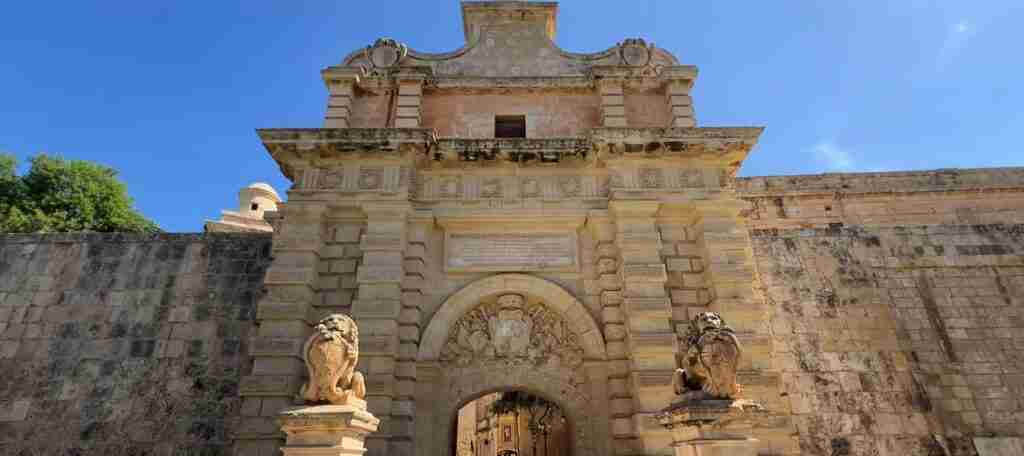
3 days
Malta 3-Day Discovery Tour
- ✓ Comprehensive Malta experience
- ✓ Expert local guides included
- ✓ All accommodation included
- ✓ Transportation provided
5 days
Malta 5-Day Highlights Experience
- ✓ Comprehensive Malta experience
- ✓ Expert local guides included
- ✓ All accommodation included
- ✓ Transportation provided
7 days
Malta 7-Day Cultural Journey
- ✓ Comprehensive Malta experience
- ✓ Expert local guides included
- ✓ All accommodation included
- ✓ Transportation provided
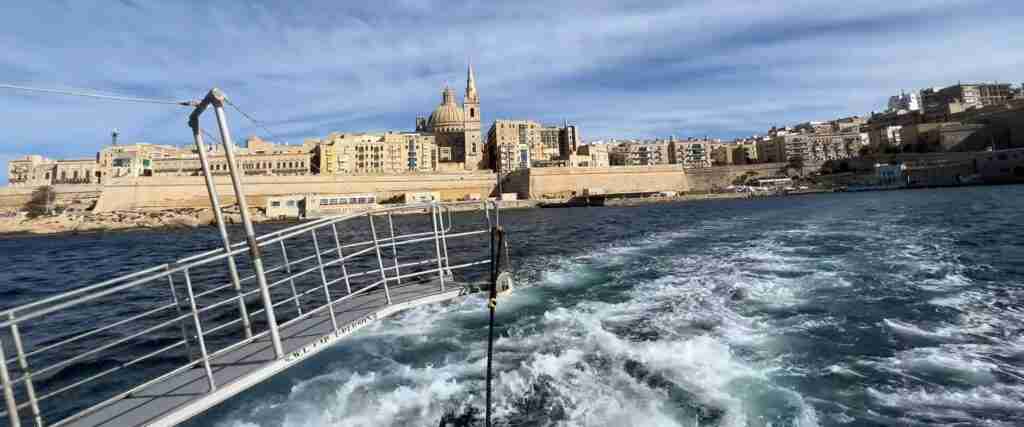
10 days
Malta 10-Day Complete Adventure
- ✓ Comprehensive Malta experience
- ✓ Expert local guides included
- ✓ All accommodation included
- ✓ Transportation provided
Multi-day tour packages powered by TourRadar. Prices and availability subject to change.
Introduction: Planning Your Valletta Visit in 2026
Valletta’s position as Europe’s southernmost capital and smallest capital city creates a unique microclimate and cultural calendar that rewards strategic timing. The city’s Mediterranean latitude delivers over 300 days of sunshine annually while its UNESCO World Heritage status hosts year-round cultural programming that extends well beyond typical tourist seasons. Unlike northern European destinations where summer represents the sole comfortable visiting window, Valletta maintains appeal across all twelve months with each season offering distinct advantages matching different traveler priorities and tolerance for crowds versus ideal weather conditions.
The 2026 calendar presents particularly strong options for visitors seeking to combine cultural events with favorable weather patterns. The Malta Carnival scheduled for February 13-17 occurs during mild winter conditions ideal for street celebrations, while the concentration of major festivals in June (Malta Arts Festival June 12-21, Earth Garden Festival, Valletta Waterfront Wine Festival) provides multiple event options before peak summer heat and crowds arrive in July-August. The festa season reaches its traditional peak in August with Santa Marija celebrations on the 15th, a public holiday featuring simultaneous festas in multiple villages that showcase Malta’s religious and community traditions at their most vibrant.
Weather patterns follow predictable Mediterranean cycles with July-August delivering virtually rainless conditions and temperatures consistently above 28°C, creating ideal beach weather but challenging conditions for extensive walking through Valletta’s steep streets and sun-exposed fortification walls. Spring (March-May) and autumn (September-November) provide more moderate temperatures in the 18-25°C range with occasional brief showers, allowing comfortable full-day sightseeing while maintaining warm enough conditions for outdoor dining and evening strolls. Winter months from December through February bring Valletta’s only genuinely cool period with temperatures dropping to 10-13°C overnight, though daytime highs still reach 15-18°C and the city’s southern exposure ensures pleasant midday warmth even in January.
Sea temperature patterns significantly influence the practical visiting season for travelers prioritizing swimming and water activities. The Mediterranean surrounding Malta warms slowly from its February-March minimum of 15°C, reaching comfortable swimming threshold of 19°C by May and climbing to peak warmth of 26°C in August before cooling gradually through autumn. This creates an effective beach season from May through October, with shoulder months offering the advantage of warm water without peak summer crowds at popular swimming locations like St. Peter’s Pool and the Blue Lagoon.
Accommodation pricing and availability follow clear seasonal patterns that can significantly impact trip budgets. Summer peak season (July-August) sees hotel rates at their annual maximum with advance booking essential for desirable properties, particularly during festa weekends when domestic tourism compounds international visitors. Shoulder seasons offer 30-40% savings compared to peak summer rates while maintaining full service availability, making April-May and September-October particularly attractive for budget-conscious travelers. Winter months provide the year’s lowest accommodation costs though some boutique properties close for annual maintenance during January-February, and restaurant options contract slightly compared to high season.
Festival and event timing creates additional strategic considerations for 2026 planning. Major events like Isle of MTV (free concert typically drawing 50,000+ attendees in July), the Malta International Fireworks Festival (April 18-30), and Notte Bianca (October, when Valletta museums and palaces remain open all night with free admission) represent unique cultural experiences but require early accommodation booking and willingness to navigate increased crowds. The festa calendar offers more flexible planning since multiple celebrations occur weekly throughout summer, allowing visitors to experience traditional Maltese festas without targeting specific dates.
This guide provides comprehensive month-by-month analysis of Valletta’s 2026 conditions including temperature patterns, rainfall expectations, major events, crowd levels, and accommodation pricing to help match your visit timing with your specific priorities whether those emphasize optimal weather, cultural experiences, budget considerations, or crowd avoidance.
Understanding Valletta’s Mediterranean Climate Patterns 2026
Valletta experiences a classic Mediterranean climate characterized by hot, dry summers and mild, moderately wet winters, classified as Csa under the Köppen climate system. The city’s position on a peninsula extending into the Mediterranean Sea creates microclimatic conditions where temperatures moderate slightly compared to inland Malta locations, with sea breezes providing natural cooling during summer months and maritime influence preventing the temperature extremes that continental Mediterranean locations experience. Annual temperature variation spans approximately 13°C between the coldest month (January-February at average 13°C) and hottest months (July-August at average 26-27°C), representing relatively modest fluctuation that keeps conditions comfortable year-round compared to more extreme seasonal swings in continental Europe.
Summer weather from June through August 2026 delivers the year’s most stable and predictable conditions with virtually guaranteed sunshine, minimal cloud cover, and negligible rainfall. July stands as the driest month with just 0.5mm average precipitation spread across effectively zero rainy days, while August records slightly more at 5mm but still maintains desert-like dryness. Daily maximum temperatures during this period range 28-31°C with overnight lows of 21-24°C, creating consistently warm conditions throughout the 24-hour cycle. Humidity levels average 65-70% during summer months, creating warm but not oppressive conditions except during occasional sirocco episodes when hot winds from the Sahara temporarily raise temperatures above 34°C and increase humidity while reducing visibility with airborne dust. These sirocco conditions typically last 1-3 days and occur 2-4 times per summer season, most commonly in July-August.
Daily sunshine hours reach annual peaks during summer with July recording 12.1 hours of bright sunshine per day and June-August all exceeding 11 hours daily. This extended daylight combines with late sunset times (after 20:00 in June-July) to create long days ideal for maximizing sightseeing time, though the intense midday sun between 12:00-15:00 makes this period best suited for indoor museums, lunch breaks, or beach time rather than walking exposed fortification walls and streets. UV levels reach 8-10 (very high category) during summer months, requiring consistent sun protection including high-SPF sunscreen, hat, and sunglasses for any outdoor activity, with shade-seeking essential during peak intensity hours.
Spring weather (March-May 2026) marks the transition from cool, wet winter to hot, dry summer with highly variable conditions that can swing from cool, rainy days requiring light jacket to warm, sunny weather exceeding 25°C within the same week. March begins the warming trend with average temperatures of 16-18°C, April reaches 18-21°C, and May achieves comfortable 21-24°C that approaches early summer warmth. Rainfall decreases progressively through spring with March recording 40mm across 9 rainy days, April dropping to 20mm across 5 days, and May reaching just 10mm across 3 days. Wind conditions remain notable in March-April as winter patterns dissipate, with occasional strong breezes making ferry crossings to Gozo choppier than summer conditions. Sea temperatures warm gradually from chilly 15°C in early March to pleasant 19°C by late May, making the month suitable for hardy swimmers though not yet reaching comfortable levels for most visitors.
Autumn conditions (September-November 2026) mirror spring’s transitional character but in reverse, with early autumn maintaining summer warmth before gradual cooling and rainfall increase as winter approaches. September extends summer with average temperatures of 26-27°C and minimal rainfall averaging just 40mm across 6 days, though brief thunderstorms when they occur can be intense with localized flooding in Valletta’s lower areas. October brings more noticeable cooling to 22-23°C with rainfall increasing to 80mm across 10 days as Atlantic weather systems begin affecting the Central Mediterranean. November marks definitive shift to winter patterns with temperatures dropping to 18-19°C and rainfall reaching 100mm across 12 days, though conditions remain mild by northern European standards with occasional warm sunny days reaching 22°C interspersed with cooler, rainy periods.
Winter weather (December-February 2026) represents Valletta’s coolest and wettest period, though temperatures remain mild compared to continental European winters with overnight lows rarely dropping below 10°C and frost never occurring in coastal locations. December stands as the wettest month with 112mm precipitation across 13 rainy days, while January and February see 90-100mm across 10-11 days monthly. However, this rainfall arrives in brief, intense episodes rather than persistent drizzle, meaning many winter days remain partly or fully sunny between weather systems. Daily maximum temperatures range 15-18°C with overnight lows of 10-13°C, requiring layers and light jacket for morning and evening but often warming enough during sunny midday hours for comfortable outdoor activity. Winter storms occasionally bring strong winds and choppy seas that can disrupt ferry services to Gozo and create dramatic wave action against Valletta’s fortifications, spectacular to observe from Upper Barrakka Gardens but making waterfront walks challenging during peak conditions.
Sea temperature patterns critically influence the practical beach season for visitors prioritizing swimming activities. Mediterranean waters surrounding Malta reach annual minimum of 15°C in February-March, too cold for comfortable swimming except for hardy locals and winter swimmers. April sees modest warming to 16-17°C, May reaches 19°C threshold that makes swimming tolerable if not ideal, and June climbs to comfortable 23°C. Peak summer months of July-August achieve 25-26°C, providing genuinely pleasant swimming conditions that require no cold-water acclimatization. Autumn maintains warmth with September at 25°C and October at 22°C before gradual cooling through November (20°C) and December (18°C). This pattern creates an effective swimming season from May through October with July-September representing optimal conditions.
Wind patterns vary seasonally with winter bringing stronger and more variable conditions including the gregale (northeasterly wind) that creates rough seas and cooler temperatures, while summer sees more consistent light breezes primarily from the northwest that provide welcome cooling without creating uncomfortable conditions. The maestrale (northwesterly wind) dominates summer patterns and creates optimal conditions for afternoon sea breezes that cool coastal areas including Valletta by 2-3°C compared to inland locations. Spring and autumn experience more variable wind patterns as seasonal transitions create less stable atmospheric conditions, with occasional strong winds making ferry crossings to Gozo and Comino more challenging during these shoulder seasons.
Microclimatic variations within Valletta itself create slightly different conditions in different parts of the city. Upper fortification areas including Upper Barrakka Gardens experience stronger winds and more sun exposure, making them cooler and breezier on hot summer days but more exposed to winter winds. Lower areas near the harbors benefit from more shelter but experience less breeze during hot weather. Narrow streets in the city core create shaded corridors that remain cooler during summer heat but trap humidity, while open squares like St. George’s Square receive full sun exposure creating notably hot conditions during summer midday hours. These microclimatic differences influence optimal sightseeing timing with morning hours ideal for exposed areas before full sun intensity, midday better suited for shaded lower streets and indoor attractions, and late afternoon optimal for harbor-side walks as sun angle creates dramatic lighting.
Month-by-Month Weather Analysis Valletta 2026
January 2026 Weather Conditions
January brings Valletta’s coolest conditions with average daytime highs of 15-16°C and overnight lows of 9-10°C, requiring layers including light jacket or sweater for morning and evening though midday sun often warms exposed areas sufficiently for comfortable sightseeing in lighter clothing. Rainfall averages 90mm spread across 11 days with precipitation typically arriving in brief, intense episodes of 1-3 hours rather than persistent drizzle, meaning approximately two-thirds of January days see at least partial sunshine. Wind conditions remain variable with occasional strong gregale (northeasterly) episodes creating choppy seas and overcast skies, while calmer periods offer pleasant conditions for walking Valletta’s fortification walls without summer heat. Sea temperature reaches annual low of 15°C, suitable only for hardy winter swimmers. Daily sunshine averages 5.2 hours, the year’s minimum but still providing adequate daylight for sightseeing given shorter day length. The Valletta International Baroque Festival typically runs during January, featuring world-class performances in historic venues including St. John’s Co-Cathedral and Teatro Manoel, providing cultural highlights during the tourist low season.
February 2026 Weather and Events
February maintains winter coolness with average temperatures of 13-16°C though conditions begin showing subtle warming trend toward month’s end as spring approaches. Rainfall decreases slightly from January to 80mm across 9 days, with similar pattern of brief intense showers interspersed with sunny periods. The Malta Carnival scheduled for February 13-17, 2026 represents the month’s major event, transforming Valletta and Floriana with elaborate float parades, costumed dancers, and street celebrations dating back to the Knights of St. John era. Carnival week typically brings more stable weather with traditional patterns favoring drier conditions, though visitors should prepare for variable conditions including possibility of rain requiring covered viewing positions. Sea temperature remains at annual low of 15°C. Daily sunshine increases to 6.1 hours as day length extends. February represents the transition from winter low season to spring shoulder season with accommodation rates beginning to rise during Carnival week while remaining below summer peaks. The feast of St. Paul’s Shipwreck on February 10 (public holiday) adds religious observance and celebrations in Valletta, though on smaller scale than summer festas.
March 2026 Spring Transition
March marks definitive transition to spring with noticeable warming to average temperatures of 16-18°C and decreasing rainfall to 40mm across 7 days as Mediterranean weather patterns shift from winter to spring characteristics. Variable conditions remain the norm with potential for cool, rainy days requiring jacket interspersed with warm, sunny periods reaching 22-23°C that feel genuinely spring-like. Wind remains notable feature as winter patterns dissipate, with breezy conditions common particularly in exposed fortification areas. Sea temperature begins slow warming from 15°C early month to 16°C by month’s end, still too cool for comfortable swimming. Daily sunshine increases to 7.1 hours as equinox approaches. Wildflowers begin blooming in March creating colorful displays in gardens and countryside surrounding Valletta, with Argotti Botanical Gardens showing spring color. Easter occasionally falls in March (varies by year) bringing religious processions and celebrations, with Palm Sunday processions particularly notable in Valletta and other cities. March represents good value period with shoulder season pricing and improving weather before peak spring arrives in April-May.
April 2026 Spring Peak
April delivers pleasant spring conditions with average temperatures rising to 18-21°C and rainfall decreasing dramatically to just 20mm across 5 days, creating majority dry days with increasing sunshine reaching 8.5 hours daily. Conditions stabilize compared to variable March with more consistent pleasant weather ideal for walking tours, outdoor dining, and exploring Valletta’s fortifications without summer heat. The Malta International Fireworks Festival runs April 18-30, 2026, marking its 25th anniversary with spectacular displays over Grand Harbour combining competitive fireworks from international teams with pyro-musical shows synchronized to orchestras. The festival begins April 18 in Nadur, Gozo, then features displays on April 20, 25, and grand finale April 30 in Valletta, drawing large crowds requiring advance accommodation booking. Festa Frawli (Strawberry Festival) on April 12 in Mġarr village celebrates local strawberry harvest with fresh berries, strawberry wines, and traditional foods. Sea temperature warms to 17°C, approaching comfortable threshold for hardy swimmers. April represents optimal balance of good weather, major events, and shoulder season pricing before May-June high season begins.
May 2026 Early Summer Conditions
May achieves early summer warmth with average temperatures of 21-24°C and rainfall dropping to minimal 10mm across just 3 days, creating predominantly dry conditions with 10 hours daily sunshine approaching summer peaks. Sea temperature reaches 19°C, marking comfortable swimming threshold for most visitors and opening effective beach season. Conditions remain ideal for active sightseeing with warm days lacking the intense heat of July-August that makes midday walking challenging. Festa season begins in May with village celebrations starting to appear on weekends, including the feast of St. Joseph in Ħal Għaxaq and other patron saint celebrations across Malta and Gozo. May represents one of the year’s optimal visiting windows combining excellent weather, comfortable sea temperatures, festa season beginning, and shoulder season advantages of lower crowds and hotel rates 30-40% below summer peaks. Gardens and countryside remain green from spring rains before summer drought arrives. Upper Barrakka Gardens and Lower Barrakka Gardens show optimal conditions with flowers blooming and comfortable temperatures for extended outdoor time. May 1 (Labour Day) is public holiday with most businesses closed.
June 2026 Summer Season Begins
June marks summer’s arrival with temperatures rising to 26-28°C and rainfall becoming negligible at just 3mm across 1 day, effectively guaranteeing dry weather. Daily sunshine reaches 11.8 hours as day length peaks with sunset after 20:00 providing extended sightseeing hours. Sea temperature climbs to comfortable 23°C making swimming genuinely pleasant without cold-water adjustment needed. June hosts multiple major festivals making it one of the year’s most event-dense periods. The Malta Arts Festival (MIAF) scheduled June 12-21, 2026 features theatre, dance, music, installations and workshops in Valletta’s historic venues including unique performances in 16th-century cisterns and heritage sites. Earth Garden Festival (typically mid-June) transforms Ta’ Qali National Park with five stages of alternative music, beach parties, boat cruises, and wellness workshops over four days celebrating community and sustainability. The Valletta Waterfront Wine Festival runs June 11-13 at the waterfront transforming the historic area into wine celebration with local vintages. L-Imnarja on June 29 (public holiday celebrating Saints Peter and Paul) brings traditional agricultural fair at Buskett Gardens with produce displays, folk music, and horse races. June combines optimal weather with peak cultural programming but sees crowds and hotel rates beginning summer increase.
July 2026 Peak Summer Heat and Festivals
July delivers peak summer conditions with temperatures of 29-31°C and the year’s absolute minimum rainfall at just 0.5mm spread across effectively zero rainy days, guaranteeing completely dry weather. Daily sunshine reaches annual maximum of 12.1 hours with cloudless skies dominating. These conditions create ideal beach weather and evening outdoor dining but make midday sightseeing challenging with intense sun on Valletta’s exposed fortifications requiring shade breaks, indoor museums during peak heat hours (12:00-15:00), and early morning or late afternoon timing for walking tours. Sea temperature peaks at 25-26°C providing optimal swimming conditions. Humidity averages 68% creating warm but manageable conditions except during occasional sirocco episodes. Isle of MTV (typically late June or early July) brings free massive concert to Il-Fosos Square in Floriana drawing 50,000+ attendees with past performers including international pop and dance stars. Malta Jazz Festival stages performances under Valletta’s bastions with international artists delivering Mediterranean jazz nights. The Farsons Beer Festival (typically mid-July) offers 10 days of free entertainment with local bands and 50+ award-winning beers. Traditional festas intensify in July with multiple celebrations weekly including St. Dominic in Valletta on August 3 (preparations begin late July). July represents absolute peak season with maximum crowds, highest hotel rates, advance booking essential, and heat levels challenging for extended outdoor activity but ideal for beach-focused visits.
August 2026 Festa Season Peak
August maintains July’s heat with temperatures of 28-31°C though slightly higher humidity (70-72%) can make conditions feel more oppressive. Rainfall remains minimal at 5mm across 1 day with continued virtually guaranteed dry weather. Sea temperature reaches annual peak of 26°C. August represents the heart of festa season with the most intense concentration of village celebrations. The major Santa Marija feast on August 15 (public holiday celebrating the Assumption of the Virgin Mary) occurs simultaneously in multiple villages including Mosta, Birkirkara, Qrendi, Attard, Għaxaq, and Victoria in Gozo, creating spectacular fireworks displays, elaborate church ceremonies, processions, and community celebrations that showcase Maltese festa traditions at their most vibrant. Valletta’s own feast of Our Lady of Consolation at Santu Wistin Church falls on August 5 with five days of preceding celebrations. Additional August festas include St. Dominic in Valletta (August 3), St. Lawrence in Vittoriosa (August 10), and St. Helen in Birkirkara (August 24). SummerDaze Malta music festival brings week-long series of pool parties, beach stages, and sunset sets with international DJs. The Glitch Festival (typically late August) transforms Gianpula Village with underground electronic music featuring world-class DJs, rooftop pool parties, cave raves, and boat parties. August combines peak festa experiences with maximum summer heat and absolute highest tourist numbers requiring advance planning for accommodation and popular attractions.
September 2026 Extended Summer
September extends summer warmth with temperatures of 26-27°C maintaining comfortable beach weather while showing modest cooling from August peaks. Rainfall begins increasing to 40mm across 6 days as autumn weather patterns start affecting the Mediterranean, though brief thunderstorms rather than persistent rain characterize precipitation with many days remaining fully sunny. Daily sunshine decreases to 9.2 hours as day length shortens noticeably. Sea temperature remains at warm 25°C making swimming highly pleasant. Festa season continues into early September with celebrations including the Nativity of Our Lady on September 8 (public holiday) celebrated in Naxxar, Mellieħa, Senglea, and Xagħra in Gozo. Victory Day on September 8 commemorates the end of the Great Siege of 1565 and World War II’s conclusion with the spectacular Maltese National Regatta in Grand Harbour featuring traditional rowing boats racing against Valletta’s fortifications, military parades, and wreath-laying at the Great Siege Monument. Independence Day on September 21 (public holiday) marks Malta’s 1964 independence from Britain with celebrations. September represents excellent balance of summer weather continuation, festa and event experiences, noticeably decreasing crowds as European school returns begin, and hotel rates dropping 20-30% from August peaks while maintaining warm conditions ideal for beach and sightseeing combination.
October 2026 Autumn Ideal
October brings more noticeable cooling to 22-23°C with nights becoming genuinely cool at 18-19°C, creating pleasant conditions for active sightseeing without summer heat. Rainfall increases significantly to 80mm across 10 days as autumn storms become more frequent, though many days remain sunny between weather systems. Sea temperature cools to 22°C, still comfortable for swimming though beginning to feel refreshing rather than bath-like. Notte Bianca (typically early October) transforms Valletta for one night when state palaces, museums, and cultural institutions remain open until dawn with free admission, street performances, art installations, and thousands of visitors exploring the illuminated city. The Rolex Middle Sea Race yacht competition brings international sailing teams to Grand Harbour. Birgufest illuminates the medieval city of Vittoriosa entirely by thousands of candles creating romantic dreamscape. October represents optimal conditions for culture-focused visitors with excellent weather for walking tours, major cultural events, significantly reduced crowds compared to summer, hotel rates at attractive shoulder season levels, and autumn light creating dramatic photography conditions particularly during golden hour along fortifications and harbors.
November 2026 Autumn Transition
November marks definitive transition to winter with temperatures dropping to 18-19°C and rainfall increasing substantially to 100mm across 12 days as Mediterranean weather systems bring more frequent and intense precipitation. Cloudy days become more common though sunny periods still occur between frontal passages. Sea temperature cools to 20°C, approaching lower threshold for comfortable swimming though still acceptable for hardy swimmers. Daily sunshine decreases to 6.2 hours as day length shortens significantly. November represents genuine low season with minimal tourist crowds, lowest hotel rates of the year, and some restaurants and tour operators reducing hours or temporarily closing. However, pleasant sunny days between rainy periods allow comfortable sightseeing, cultural attractions operate normal hours, and lack of crowds means no queues at popular sites like St. John’s Co-Cathedral. November suits visitors prioritizing cultural exploration over beach activities, comfortable with variable weather requiring flexibility, and seeking maximum budget efficiency with rock-bottom accommodation rates.
December 2026 Winter and Holiday Season
December brings the year’s wettest conditions with 112mm rainfall spread across 13 days representing highest precipitation frequency, though rain typically arrives in episodes allowing many partially sunny days between systems. Temperatures remain mild at 15-18°C daytime with 11-13°C overnight, requiring layers and jacket but avoiding harsh cold. Sea temperature drops to 18°C, too cool for most swimmers. Daily sunshine reaches annual minimum of 5.2 hours combined with shortest day length. However, December transforms Valletta with extensive Christmas decorations, markets in St. George’s Square, the Valletta Christmas Village, and festive atmosphere that compensates for cool, wet weather. Christmas pantomimes offer traditional entertainment. Midnight Mass on December 24 fills churches with candlelit ceremonies. December 25 (Christmas Day) is public holiday with most businesses closed. Despite challenging weather, December attracts visitors seeking festive atmosphere, winter city break away from summer heat, rock-bottom hotel rates, and genuine local experience during period when Maltese residents dominate rather than international tourists. The month suits cold-weather-accustomed visitors comfortable with winter conditions who prioritize cultural experiences and budget efficiency over beach activities and guaranteed sunshine.
Major Events and Festivals Calendar 2026
January 2026: Valletta International Baroque Festival
The Valletta International Baroque Festival spans three weeks in January 2026, offering performances of Bach, Vivaldi, and other Baroque masters in spectacular historic venues including St. John’s Co-Cathedral (one of Europe’s finest Baroque interiors), Teatro Manoel (Europe’s third-oldest working theatre and perfectly preserved 18th-century space), Verdala Palace, and Palazzo Parisio. The festival attracts world-class Baroque specialists performing period music on authentic instruments in spaces for which much of this repertoire was originally composed, creating acoustically and aesthetically ideal conditions. Organized by Festivals Malta under artistic direction of Kenneth Zammit Tabona, the festival highlights the versatility of the Baroque idiom across multiple musical forms. Performances typically occur in evening slots allowing daytime sightseeing, with ticket prices ranging €25-45 depending on venue and seat location. The festival transforms Malta’s winter cultural season from quiet period to internationally recognized music event, attracting classical music enthusiasts from across Europe and providing Valletta visitors with world-class entertainment during the tourist low season when other major events are absent.
February 2026: Malta Carnival (13-17 February)
The Malta Carnival represents one of Valletta’s most important annual celebrations, scheduled February 13-17, 2026, with roots extending back to the Knights of St. John era in 1535 making it one of Europe’s oldest continuous carnival traditions. The main spectacle centers on Valletta and Floriana with elaborate float parades featuring massive constructions reaching 15-20 feet tall carrying costumed performers, traditional characters including the king and queen of carnival, competitive marching bands performing choreographed routines, and thousands of participants in outrageous costumes ranging from traditional għana performers to contemporary satirical figures. The children’s carnival typically occurs on morning of opening day with family-friendly parades and performances, while evening events cater to adult audiences with later hours and more elaborate productions. The grand finale on Shrove Tuesday (February 17) features the largest parade along Floriana’s main road drawing maximum crowds. Street celebrations extend beyond organized parades with spontaneous dancing, live music in bars and squares, and carnival atmosphere transforming normally sedate Valletta into exuberant party destination. While Valletta hosts the official program, the “spontaneous” carnival in Nadur, Gozo offers alternative experience with more improvisational character and local participation. Carnival week requires advance accommodation booking as hotels fill early, and visitors should expect massive crowds, road closures in Valletta and Floriana requiring walking access, and festive but chaotic atmosphere. The event offers free access to parades and street celebrations though grandstand seating for optimal views requires ticket purchase. Weather typically cooperates with mild February conditions suitable for extended outdoor time, though visitors should pack layers for cool evenings.
April 2026: Malta International Fireworks Festival (18-30 April)
The Malta International Fireworks Festival celebrates its 25th anniversary in 2026 with spectacular displays scheduled April 18, 20, 25, and 30 across four nights. The festival opens April 18 in Nadur, Gozo before moving to Grand Harbour in Valletta for remaining dates. Approximately 40 local and international fireworks teams compete across the four nights, with eight participating in the prestigious pyro-musical competition where displays are choreographed note-for-note to live orchestral and electronic music performances. The 2026 edition features the festival’s first-ever Canadian entry alongside traditional European competitors. Grand Harbour provides spectacular natural amphitheater with fireworks launched from barges and shore positions creating displays reflected in harbor waters and framed by Valletta’s fortifications and Three Cities on opposite shore. The pyro-musical shows combine precisely timed fireworks with live musical performance creating synchronized audio-visual spectacle that has become the festival’s signature. Viewing locations include Upper Barrakka Gardens (free access, arrive early for prime positions), Valletta waterfront, Three Cities waterfronts, and various paid viewing positions offering catered experiences. The festival’s late April timing coincides with excellent spring weather and increasingly warm temperatures ideal for evening outdoor events. The massive free concert format draws substantial crowds requiring public transport or walking access as roads around viewing areas close to traffic. Each night’s display lasts approximately 45-60 minutes with multiple teams performing in succession. The festival has established international reputation attracting pyrotechnic teams from across Europe and beyond, making it a globally recognized event rivaling better-known fireworks festivals while maintaining free public access to world-class displays.
May 2026: Festa Season Begins
May marks the beginning of Malta’s traditional festa season with village celebrations starting to appear on weekends, though the season reaches peak density in July-August. Early season festas include the feast of St. Joseph in Ħal Għaxaq and other patron saint celebrations across Malta and Gozo. Each festa typically runs with five days of preliminary celebrations including evening processions with statue of the patron saint, competitive band marches between rival village band clubs, novenas and special masses, street decorations with elaborate lighting displays, and nightly fireworks culminating in the feast day itself featuring morning Mass, afternoon procession through decorated streets with statue carried by devotees, more band performances, and grand finale fireworks display. The festa combines deep religious devotion with exuberant community celebration and friendly rivalry, representing core Maltese cultural tradition dating back centuries. Visitors can experience festas without advance planning by checking weekly schedules online and traveling to celebrating villages, with public transport serving most locations. Street food vendors offer traditional treats including imqaret (date pastries), nougat, and local sweets, while band clubs open to public often featuring live music and refreshments. Festas provide authentic cultural immersion impossible to replicate in manufactured tourist experiences, with genuine community participation and welcoming atmosphere toward visitors interested in respectfully observing traditions. May’s early festas offer advantage of experiencing traditions without the intense heat and massive crowds of peak summer celebrations in July-August.
June 2026: Malta Arts Festival (12-21 June) and Cultural Program
The Malta International Arts Festival (MIAF) scheduled June 12-21, 2026 represents Malta’s leading contemporary arts event, featuring theatre, dance, music, installations, and workshops staged in Valletta’s iconic heritage venues. MIAF distinguishes itself by programming performances in unique historical spaces rather than conventional theatres, including concerts inside the subterranean 16th-century cistern built by the Knights, installations in baroque palaces, and performances in fortification spaces creating site-specific experiences where venue becomes integral to artistic content. The festival curates program of artistic excellence with strong contemporary aesthetics while maintaining accessibility to wide audiences, avoiding intimidating “high art” atmosphere while presenting genuinely innovative work. Past editions have featured international choreographers, experimental theatre companies, multimedia installations, and genre-crossing performances. Festival venues cluster in Valletta allowing walking access between events, with multiple performances daily during the 10-day program. Ticket prices typically range €15-35 depending on production scale, with some free outdoor events and installations accessible without admission. MIAF timing in mid-June coincides with Earth Garden Festival and Valletta Waterfront Wine Festival, creating dense cultural programming week ideal for visitors prioritizing events over beach activities. The festival attracts both international arts tourists and local audiences, with English-language productions or surtitled performances ensuring accessibility for non-Maltese speakers.
Earth Garden Festival (typically mid-June) transforms Ta’ Qali National Park with four days of alternative music, arts, workshops and sustainability programming. Five stages feature live bands and electronic acts spanning genres from reggae and dub to techno and indie rock, with beach parties and boat cruises extending the festival beyond main site. The festival emphasizes community, sustainability, and diversity with wellness workshops, eco-friendly practices, and inclusive atmosphere attracting free spirits and music lovers. Unlike commercial dance music festivals, Earth Garden maintains countercultural ethos with focus on creativity and environmental consciousness alongside entertainment. Weekend tickets typically cost €60-80 with camping options available, or day tickets permitting sampling the festival without full commitment.
The Valletta Waterfront Wine Festival runs June 11-13, 2026 at the historic waterfront transforming the warehouse district into wine celebration featuring Maltese vintages from local producers alongside imported wines. Evening format with live music, food stalls serving Mediterranean cuisine, and harbor views creates relaxed atmosphere ideal for unwinding after sightseeing. Wine coins purchased at entry allow tasting from multiple producers, with typical evening cost of €20-30 including tasting portions and food. The festival attracts both tourists and locals, creating sociable atmosphere against backdrop of illuminated Grand Harbour.
July 2026: Isle of MTV, Jazz Festival, and Peak Festa Season
Isle of MTV represents Europe’s largest free live music event, typically scheduled late June or early July at Il-Fosos Square in Floriana adjacent to Valletta, drawing crowds exceeding 50,000 attendees for one massive evening concert featuring international pop and dance stars. Past performers have included Lady Gaga, Martin Garrix, David Guetta, and other chart-topping artists performing multi-hour sets against backdrop of Valletta’s fortifications. The free admission democratizes access to world-class performances though requires strategic planning including early arrival for decent viewing positions (gates typically open mid-afternoon for evening concert), public transport access as roads close to traffic, and acceptance of dense crowds and lengthy waits. The event creates festival atmosphere in Floriana with multiple stages, food vendors, and carnival-like energy, though actual performances occur on single main stage. Security screening at entry requires patience, and exiting post-concert involves navigating thousands of simultaneous departures testing public transport capacity. Despite logistical challenges, Isle of MTV offers remarkable free access to major artists and uniquely Maltese experience of massive outdoor concert in historic fortification setting. Advance accommodation booking essential as event draws attendees from across Malta and Mediterranean region.
The Malta Jazz Festival stages performances at multiple venues with main concerts at Ta’ Liesse on Valletta’s waterfront, featuring international jazz artists delivering Mediterranean-influenced performances under bastions. The festival blends classic jazz standards with contemporary improvisation and fusion, attracting serious jazz enthusiasts and casual audiences. Evening format allows combination with daytime sightseeing, with ticket prices typically €25-40 for main concerts and some free performances in smaller venues. Past editions have featured globally recognized jazz musicians alongside emerging artists, maintaining high performance quality across festival program.
The Farsons Beer Festival (typically mid-July) offers 10 days of free entertainment with local bands performing nightly and 50+ award-winning beers from Malta’s Farsons brewery available for purchase. Held at Ta’ Qali National Park, the festival attracts primarily local crowds creating authentic Maltese experience with traditional għana folk singing, contemporary bands, and convivial beer-garden atmosphere. Food stalls offer traditional Maltese dishes, and entry remains free with beer purchases supporting the event. The festival represents genuine community celebration rather than tourist-targeted entertainment, allowing cultural immersion alongside quality beer selection.
Traditional festas intensify dramatically in July with multiple village celebrations weekly. Major July festas include numerous patron saint celebrations across Malta and Gozo, each featuring processions, band marches, fireworks, and street festivities. Visitors can attend different festa each weekend throughout the month, experiencing variations in how each community celebrates while observing core traditions of religious devotion, competitive band culture, elaborate decorations, and spectacular fireworks displays that rival professional pyrotechnic shows. The concentration of festas in July means advance research rarely necessary – simply check which villages celebrate on any given weekend and travel there for evening festivities, with public buses serving most locations and welcoming atmosphere ensuring visitors can observe and participate respectfully in celebrations.
August 2026: Santa Marija Festas and SummerDaze Festival
August 15 represents the pinnacle of Malta’s festa calendar with Santa Marija (Feast of the Assumption of the Virgin Mary) celebrated simultaneously in multiple major villages including Mosta, Birkirkara, Qrendi, Attard, Għaxaq, and Victoria in Gozo. This public holiday sees the most elaborate festa celebrations of the year with morning Masses followed by afternoon processions through extensively decorated streets, competitive band performances reaching fever pitch, and evening fireworks displays that represent each community’s annual showcase of pyrotechnic artistry with months of preparation culminating in grand finale aerials and ground displays. The simultaneous celebrations across multiple locations mean visitors must choose which festa to attend, with Mosta’s celebration particularly renowned for scale and the impressive Rotunda church, while Birkirkara’s festa benefits from proximity to Valletta. The public holiday creates festive atmosphere across entire island with many businesses closed and Maltese families traveling to celebrate in their home villages or ancestral parishes. Visitors attending Santa Marija festas witness Maltese culture at its most authentic and exuberant, with entire communities participating in celebrations that balance religious devotion with joyous celebration.
Valletta’s own feast of Our Lady of Consolation at Santu Wistin Church occurs August 5 with five days of preceding celebrations including evening processions starting August 1, daily Masses, street decorations along Merchant Street and surrounding areas, band marches, and nightly fireworks culminating in feast day procession and grand finale display. As Valletta’s major festa, the celebration attracts substantial crowds but maintains intimate scale appropriate to the small parish while providing visitors staying in Valletta opportunity to experience festa without traveling to outlying villages.
Additional significant August festas include St. Dominic (Valletta, August 3), St. Lawrence (Vittoriosa, August 10), and St. Helen (Birkirkara, August 24), among dozens of celebrations across Malta and Gozo. The feast of St. Peter and St. Paul on June 29 (L-Imnarja, public holiday) brings traditional agricultural fair at Buskett Gardens, though this celebration falls outside August’s peak festa density.
SummerDaze Malta music festival spans week in August with daily pool parties, beach stages, and evening sets featuring international electronic and pop DJs and performers at multiple venues across Malta including beach clubs, rooftop venues, and outdoor stages. The festival format creates day-to-night programming with afternoon pool parties transitioning to sunset performances and late-night club events, targeting younger international audiences seeking party-focused Malta experience. Weekend packages and individual event tickets available with prices typically €30-60 per event or €200-300 for full festival pass. SummerDaze represents commercial dance music festival culture rather than cultural tradition, attracting primarily tourists rather than local audiences.
The Glitch Festival (typically late August) transforms Gianpula Village into underground electronic music sanctuary with world-class techno and house DJs performing across multiple days and nights. Unlike mainstream festivals, Glitch maintains underground ethos with minimal commercial sponsorship, focus on music quality over celebrity DJs, and unconventional venues including rooftop pool parties, cave raves exploiting Malta’s natural limestone formations, and boat parties. The festival attracts serious electronic music fans willing to brave intense heat and rustic conditions for cutting-edge musical programming and intimate atmosphere despite substantial crowds. Weekend tickets typically €120-180 reflecting international DJ lineup and extended programming, with reputation establishing Glitch as one of Mediterranean’s essential electronic music events.
September-October 2026: Victory Day, Notte Bianca, and Autumn Events
Victory Day on September 8 (public holiday) commemorates dual historical significance of the end of the Great Siege of 1565 when Knights of St. John withstood Ottoman invasion, and the Allied victory in World War II when Malta’s strategic Mediterranean position made it most bombed place on earth earning the entire island George Cross for bravery. The day features the spectacular Maltese National Regatta in Grand Harbour with traditional luzzu and dgħajsa rowing boats racing in colorful competition against backdrop of Valletta’s fortifications and Three Cities, military parades, wreath-laying ceremonies at the Great Siege Monument in Valletta, and national pride on full display. The regatta represents unique spectacle impossible to witness other times of year, with teams from different villages competing in traditional wooden boats painted in vivid colors, creating visually stunning maritime display enhanced by harbor setting. Viewing from Upper Barrakka Gardens or along waterfront provides free access to full spectacle, with some boat tour operators offering water-level perspectives during regatta.
Independence Day on September 21 (public holiday) marks Malta’s 1964 independence from British colonial rule with celebrations including official ceremonies, public events, and evening entertainment. While less visually spectacular than Victory Day regatta, the holiday creates festive atmosphere and national reflection on Malta’s post-independence development from colonial territory to European Union member and international financial center.
Notte Bianca (typically first Saturday of October) transforms Valletta for one night when state palaces, museums, cultural institutions, churches, and normally closed buildings remain open until dawn with free admission creating unprecedented access to Malta’s heritage. The night features outdoor performances, art installations in streets and squares, live music at multiple stages, theatre productions, special exhibitions, guided tours of historic buildings, and illumination of fortifications and architectural highlights. Participation is free with hundreds of thousands of visitors from across Malta converging on Valletta creating dense but convivial crowds navigating from venue to venue collecting experiences. The event requires stamina for all-night culture marathon and strategic planning to prioritize limited-access venues requiring queues, but offers extraordinary opportunity to explore usually restricted spaces and experience Valletta’s heritage concentration in single immersive night. Public transport operates extended hours, though many visitors choose walking or parking in Floriana given intense crowding. Notte Bianca has established reputation as Malta’s premier cultural night, with October timing providing comfortable weather for extensive outdoor walking without summer heat.
The Rolex Middle Sea Race (typically late October) brings international sailing teams to Grand Harbour for 606-nautical-mile yacht race around Sicily and through Strait of Messina, returning to Malta. The race start provides spectacular sight with dozens of racing yachts departing Grand Harbour simultaneously, while finish celebrations animate Valletta waterfront. Sailing enthusiasts can observe race preparations and follow progress remotely, with shore-based festivities creating sailing festival atmosphere.
Birgufest (typically October) illuminates the medieval city of Vittoriosa (Birgu) entirely by thousands of candles creating romantic dreamscape where no electric lighting operates for one evening. Visitors wander cobblestone streets lit only by candlelight and moonlight, with restaurants and cafes maintaining candle-only illumination, live acoustic music in squares, and magical atmosphere evoking pre-electric era. Boats offer candlelit harbor tours viewing Vittoriosa from water while ferries transport visitors from Valletta across Grand Harbour. Limited capacity and popularity require early arrival, with event typically running 18:00-24:00 on single Saturday night in October.
November-December 2026: Low Season and Holiday Programming
November represents genuine low season with minimal special events beyond regular cultural programming at venues like Teatru Manoel and festivals museums, though reduced crowds mean optimal conditions for extended time in attractions like St. John’s Co-Cathedral without queues. Some restaurants and tour operators reduce hours or close temporarily for annual maintenance, though core tourist services maintain operations. November suits visitors prioritizing cultural exploration, budget efficiency, and escape from summer heat rather than event-driven experiences.
December transforms Valletta with extensive Christmas decorations, illuminated streets, and festive atmosphere despite being the wettest month. Christmas markets in St. George’s Square offer traditional crafts, decorations, and seasonal foods creating European-style holiday market experience in Mediterranean setting. The Valletta Christmas Village features ice skating rink (notable in Malta’s warm climate), Christmas-themed attractions, food vendors, and entertainment creating family-friendly holiday destination. Churches stage candlelit Midnight Mass on Christmas Eve (December 24) with St. John’s Co-Cathedral and parish churches filling for traditional services. Christmas pantomimes at Teatru Manoel and other venues offer British-style theatrical entertainment with local productions blending traditional format with Maltese cultural references. December 25 (Christmas Day) is public holiday with most businesses closed and quiet streets as Maltese families celebrate privately, though restaurants increasingly cater to tourist demand for Christmas dining. December 31 (New Year’s Eve) brings celebrations in Valletta with midnight fireworks over Grand Harbour and party atmosphere in bars and restaurants, though scale remains modest compared to major European cities. December suits visitors seeking festive atmosphere, European Christmas market experience in Mediterranean setting, winter city break, and rock-bottom hotel rates accepting trade-off of variable weather with frequent rain.
Understanding Festa Traditions and Calendar 2026
Traditional village festas represent the heart of Maltese cultural and religious life, combining deep Catholic devotion with exuberant community celebration in unique synthesis that has evolved over centuries. Each of Malta’s 68 local councils celebrates its parish patron saint’s feast day annually, with preparations spanning months and celebrations building over week-long programs culminating in the official feast day itself. Unlike manufactured tourist events, festas remain authentic community celebrations where entire villages participate regardless of visitor presence, making them genuine cultural immersion opportunities for travelers willing to research schedules and venture beyond Valletta to outlying villages and towns where most festas occur.
The festa calendar concentrates heavily in summer months from May through September, with July and August seeing the highest density of celebrations when nearly every weekend features multiple simultaneous festas across Malta and Gozo. This concentration reflects agricultural calendar origins when summer post-harvest period allowed community celebration, plus practical consideration that outdoor processions and festivities suit warm, dry weather better than cool, rainy winter months. However, festas do occur year-round with notable celebrations in spring (such as the feast of St. Joseph in Ħal Għaxaq in May) and autumn (such as the Nativity of Our Lady on September 8), plus Christmas season celebrations in December maintaining year-round festa presence at reduced frequency compared to summer peak.
Each festa follows similar structural format though individual communities add local variations and competitive elements. Festivities typically begin five days before the official feast day with evening processions where statue of the patron saint is carried through decorated streets accompanied by devotees, while competing village band clubs perform alternating marches showcasing musical skill and choreographed routines. Streets in festa areas receive elaborate decorations including colored lighting strung between buildings creating illuminated canyons, banners and bunting, fresh flowers, and sometimes complete street-covering canopies transforming urban areas into outdoor rooms. Churches undergo internal decoration with special floral arrangements, additional lighting, and festa-specific elements.
Novenas (nine-day prayer cycles) intensify devotional preparation with special evening Masses featuring festa-specific music, increased attendance, and building anticipation. Band clubs maintain rivalry that adds competitive edge to celebrations, with some villages hosting two competing clubs representing different political or social factions historically though these divisions have softened while maintaining musical competition. Band performances represent significant component of festa atmosphere with precision marching, elaborate uniforms, and musical repertoires spanning sacred marches to contemporary arrangements.
The feast day itself follows structured schedule beginning with solemn High Mass in morning featuring full liturgical celebration with festa-specific music, often attended by hundreds or thousands depending on parish size. Afternoon processions represent the visual centerpiece with statue of patron saint carried through streets on elaborate baldachin (carrying platform) supported by devotees who consider this service honor and privilege. Procession routes wind through decorated streets with stops at significant locations, while band clubs provide musical accompaniment and crowds follow carrying candles, singing hymns, and maintaining devotional atmosphere despite festive surroundings. Balconies along procession routes fill with families watching traditional spectacle, while elderly residents unable to walk the route observe from windows and doorways.
Evening finale features spectacular fireworks displays representing each village’s annual showcase of pyrotechnic artistry, with months of preparation and substantial community investment resulting in displays rivaling professional shows at international festivals. Ground-level displays feature large set pieces (often religious imagery or festa-specific designs) created from fireworks, while aerial displays launch mortars creating chrysanthemum bursts, palm patterns, and elaborate multi-color sequences. Competition between villages drives constant innovation and impressive scale, with major festas featuring 30-45 minute displays of exceptional complexity. Fireworks viewing draws crowds from surrounding areas beyond parish residents, creating traffic congestion and packed viewing areas but convivial atmosphere.
Street food vendors proliferate during festa week offering traditional Maltese treats including imqaret (deep-fried date pastries), nougat (ħelwa tat-tork), roasted nuts, traditional sweets, and increasingly contemporary festival foods. Band clubs open their premises to public during festa week, functioning as social centers with bars, music, historical displays of club achievements and instruments, and opportunities to engage with members about banda tradition and village history. These clubs welcome respectful visitors offering unique window into community life beyond tourist-oriented businesses.
Major festas in 2026 calendar include Santa Marija on August 15 (public holiday) celebrated simultaneously in Mosta, Birkirkara, Qrendi, Attard, Għaxaq, and Victoria in Gozo representing the year’s most elaborate festa celebrations. The feast of St. Paul’s Shipwreck on February 10 (public holiday) commemorates Malta’s Christian conversion tradition with celebrations in Valletta. The feast of St. Peter and St. Paul on June 29 (public holiday, known as L-Imnarja) combines religious observance with traditional agricultural fair at Buskett Gardens featuring folk music, horse and donkey races, and celebration of rural heritage. The Nativity of Our Lady on September 8 (public holiday) occurs in Naxxar, Mellieħa, Senglea, and Xagħra in Gozo. Valletta’s major festa of Our Lady of Consolation at Santu Wistin Church falls on August 5 with preceding days of celebrations.
Dozens of additional festas occur across Malta and Gozo throughout the year, with complete calendars available online through resources like the Archdiocese of Malta’s official festa calendar and local tourism websites. Villages across Malta maintain festa traditions with equal devotion regardless of size, meaning smaller parish celebrations offer equally authentic experiences compared to major festas while potentially providing more intimate scale and easier navigation for first-time visitors. Gozo’s festas maintain slightly different character reflecting the island’s smaller scale and stronger preservation of traditional elements.
Visitors attending festas should observe basic etiquette including respectful behavior during religious elements (processions, Masses), appropriate dress when entering churches (covered shoulders and knees), and awareness that despite festive atmosphere these remain sacred occasions for communities. Photography is generally welcomed during street elements but should be discrete and respectful during religious ceremonies. Festas welcome visitors and offer no admission charges for public elements, though donations to churches are appropriate. Public transport serves most festa villages with increased service during celebration periods, though crowding is expected. Driving to festas creates parking challenges as roads near churches close to traffic, making public bus access preferable where possible.
The festa experience offers cultural immersion impossible to replicate in manufactured tourist attractions, providing window into genuine Maltese community life, religious devotion, and traditional celebration that has persisted through centuries while adapting to contemporary context. For travelers seeking authentic cultural experiences beyond beaches and historic sites, attending even one festa during a Malta visit adds dimension of living cultural tradition that enriches understanding of Maltese identity and community values.
Seasonal Crowd Patterns and Tourism Levels 2026
Valletta experiences dramatic seasonal variation in visitor numbers with summer peak season (July-August) seeing tourist concentration that transforms the city’s character compared to tranquil winter months (November-February excluding Carnival). Understanding these patterns helps travelers choose timing matching their tolerance for crowds versus preference for atmosphere and guaranteed sunshine, while also significantly impacting trip budgets through seasonal accommodation pricing that can vary 200-300% between peak and low periods.
Peak summer season from mid-June through August represents absolute maximum tourism with July-August seeing the most intense crowding. During these months, cruise ships regularly dock bringing thousands of day visitors who compound land-based tourist numbers, creating shoulder-to-shoulder conditions on Republic Street (Valletta’s main thoroughfare) during midday hours, lengthy queues exceeding one hour for St. John’s Co-Cathedral during peak entry times (10:00-14:00), and restaurant reservations essential for popular venues during prime evening dining hours (19:30-21:30). Popular attractions including Upper Barrakka Gardens and Lower Barrakka Gardens fill with tour groups, while narrow streets near major sites become congested pedestrian traffic jams. The combination of maximum crowds with peak heat makes summer timing suitable primarily for travelers prioritizing guaranteed sunshine and beach weather while accepting trade-off of shared experiences and reduced ability to explore at leisurely pace.
Cruise ship arrivals significantly impact daily crowd patterns with multiple ships sometimes docking simultaneously in Grand Harbour bringing 5,000-10,000 additional visitors for 6-8 hour port calls. These arrivals concentrate in morning hours (typically 07:00-09:00) with departure in afternoon (typically 16:00-18:00), creating predictable surge pattern where major attractions experience maximum crowding roughly 10:00-15:00 when cruise passengers compound hotel-based tourists. Cruise calendars are publicly available online allowing strategic planning to avoid heavy arrival days, or alternatively to schedule major attractions during evening hours when cruise passengers have departed. Winter season sees fewer cruise arrivals while summer brings near-daily ships during peak weeks.
Shoulder seasons of April-May and September-October offer dramatically reduced crowding while maintaining generally favorable weather, creating what many experienced travelers consider optimal visiting conditions. These periods see approximately 40-50% fewer visitors compared to July-August peaks, translating to comfortable movement through streets, negligible waits for attractions, easier spontaneous restaurant dining without reservations, and ability to enjoy popular viewpoints without competing for space. Shoulder season crowds remain sufficient to maintain full service hours at all restaurants, attractions, and tour operators while avoiding the overwhelming density that detracts from experience during absolute peak. The moderate temperature conditions of shoulder seasons (20-26°C) actually enhance sightseeing comfort compared to intense summer heat, while sea temperatures remain warm enough for swimming particularly in September when water retains summer warmth.
Event-driven crowd surges occur around major festivals regardless of season, with Malta Carnival week (February 13-17, 2026) bringing substantial visitors to otherwise quiet winter period, while Isle of MTV (typically late June/early July) adds approximately 50,000 attendees in single evening. The Malta Arts Festival (June 12-21) and Earth Garden Festival (mid-June) create secondary surge in already busy early summer period. August 15 Santa Marija celebrations bring Maltese domestic tourism as locals travel to home villages, though these visitors concentrate in festa villages rather than Valletta itself. Notte Bianca (October) brings estimated 100,000+ visitors converging on Valletta for one night, creating maximum crowding though spreading across full city rather than concentrating at single attraction.
Winter low season from November through February (excluding Carnival week) represents minimum tourism with January and early February particularly tranquil. During these months, visitor numbers drop to levels where Valletta returns to functioning as working capital for Maltese residents rather than tourist destination, creating genuine local atmosphere with Maltese dominating in shops and restaurants. This tranquility appeals to travelers seeking authentic experience, cultural exploration without distractions, and ability to engage with attractions contemplatively rather than rushing through crowded spaces. However, the reduced tourism supports fewer restaurant options with some establishments closing for annual maintenance or operating reduced hours, while some tour operators suspend services temporarily. Budget travelers benefit from rock-bottom accommodation rates during this period, though must accept trade-off of cooler, wetter weather and reduced service availability.
Weekend patterns show increased crowding compared to weekdays year-round as Maltese domestic visitors and weekend tourist arrivals supplement weekday numbers. This effect intensifies during festa season when Saturday-Sunday celebrations draw crowds to specific villages, while also potentially reducing crowding in Valletta as both locals and tourists venture to festa locations. Planning major Valletta attractions for weekdays when possible reduces encounter with peak weekend crowds, particularly during shoulder seasons when this strategic timing delivers nearly empty conditions at popular sites mid-week.
Time-of-day patterns influence crowding within individual days, with morning hours (08:00-10:00) representing quietest period for major attractions before tour groups and cruise passengers arrive. Early risers willing to begin sightseeing at opening time experience dramatically different conditions compared to late-morning/midday crowds. Evening hours (17:00-20:00) see renewed quiet as day visitors depart and cruise ships sail, creating second optimal window particularly during summer when long daylight hours (sunset after 20:00 in June-July) allow extended evening sightseeing in reduced crowds and softer lighting ideal for photography.
Year-over-year tourism growth has been substantial in recent years with Malta’s popularity increasing significantly, though 2026 numbers may show some moderation compared to immediate post-pandemic surge of 2022-2024. Valletta’s UNESCO World Heritage status, Game of Thrones filming locations, and positioning as affordable Mediterranean alternative to pricier destinations like Amalfi Coast have driven increased visitor numbers. This growth reinforces importance of strategic timing and crowd-avoidance planning for travelers seeking to experience the city at its best rather than enduring peak crowding that can diminish historical atmosphere.
Accommodation Pricing Patterns and Booking Strategy 2026
Valletta accommodation pricing follows pronounced seasonal patterns with summer peak rates (July-August) reaching 200-300% above winter low season (January-February excluding Carnival), representing one of Europe’s most dramatic seasonal pricing swings and creating substantial budget implications depending on travel timing. Strategic planning around these patterns can significantly reduce accommodation costs while potentially improving overall experience through reduced crowding during lower-priced shoulder and off-peak periods.
Peak summer season from mid-June through August sees maximum rates across all accommodation categories from budget hostels to luxury hotels. During this period, budget hostel dormitories that cost €20-25 per bed in winter increase to €35-45, mid-range hotels with summer rates of €160-220 per night for standard doubles might command just €80-120 in winter, while luxury properties with summer rates of €280-400 per night drop to €140-200 in low season. These dramatic swings reflect pure supply-demand dynamics where limited Valletta accommodation (the small historic city center restricts total room inventory) faces maximum demand during guaranteed-sunshine summer months when European vacation season concentrates travel to Mediterranean destinations.
Event-driven pricing spikes occur around major festivals even during otherwise moderate seasons, with Malta Carnival week (February 13-17, 2026) bringing temporary rate increases of 50-80% above normal winter pricing as limited accommodation faces surge demand from carnival attendees. Similarly, major summer festivals including Isle of MTV, Earth Garden Festival, and Glitch Festival create weekend rate premiums even above already-elevated summer base rates. Santa Marija weekend (August 15) represents absolute accommodation peak with maximum rates and advance booking essential, as Maltese domestic tourism compounds international visitors with many Maltese booking accommodations to attend festas away from their home areas.
Shoulder season rates (April-May, September-October) offer optimal value with pricing typically 30-40% below summer peaks while maintaining comfortable weather and full service availability. April-May shows gradual rate increases as season advances, with early April near winter pricing while late May approaches early summer rates. September-October follows inverse pattern with early September maintaining near-peak summer rates while late October drops toward winter levels. These shoulder periods represent “sweet spot” for budget-conscious travelers seeking balance of reasonable weather and reduced costs, with specific savings depending on exact dates and accommodation category.
Winter low season (November-March excluding Carnival) delivers the year’s lowest rates with November-January representing absolute bottom of pricing cycle. During these months, mid-range hotels that command €200+ nightly in summer often offer €80-120 creating genuinely affordable Valletta stays, while luxury properties provide opportunities to experience high-end accommodation at moderate costs impossible during peak season. However, some boutique properties close for annual maintenance during January-February limiting inventory, and those remaining open may offer reduced services or limited facilities compared to high season operations.
Advance booking windows vary by season and accommodation type. Summer peak season requires 3-6 months advance booking for desirable properties, with popular locations and highly-rated hotels filling earliest. Last-minute summer bookings (within 2-4 weeks of arrival) face severely limited inventory at inflated rates as only least-desirable properties remain available. Shoulder seasons allow 4-8 weeks advance booking providing good selection without requiring half-year advance planning, while winter low season permits flexible booking with 1-2 weeks advance typically sufficient and sometimes same-week booking possible though not recommended for specific property preferences.
Event weeks require special planning with Malta Carnival, Notte Bianca, major summer festivals, and Santa Marija weekend all needing 4-6 months advance booking regardless of season to secure reasonable rates and preferred properties. Waiting until 1-2 months before major events typically means either very limited selection or substantial rate premiums, particularly for centrally-located Valletta properties within walking distance of event venues. Travelers unable to book far in advance might consider accommodation in nearby St. Julian’s or Sliema (connected by frequent buses) where inventory is larger and event impact on availability/pricing is less severe.
Accommodation type availability varies seasonally with full-service hotels maintaining year-round operations while smaller boutique properties, guesthouses, and some vacation rentals suspend operations during winter low season. This inventory contraction during November-February means advance research and booking remains important despite low-demand period, as spontaneous arrival might find fewer options than expected. Summer sees maximum inventory as seasonal properties open and private apartments enter short-term rental markets, though high demand means this expanded inventory still fills despite increased supply.
Location within Valletta impacts both pricing and experience, with Republic Street corridor and immediately adjacent areas commanding premium rates reflecting prime location near major attractions, while properties on Valletta’s eastern side toward Fort St. Elmo or in quieter residential areas offer 15-25% savings while remaining within comfortable walking distance of all attractions given the city’s small size. Valletta’s compact nature (you can walk end-to-end in 15 minutes) means peripheral locations sacrifice minimal convenience while providing meaningful budget savings, particularly for travelers comfortable with 5-10 minute additional walking to reach central areas.
Alternative accommodation strategies include staying in neighboring St. Julian’s or Sliema where larger hotel inventory creates more competitive pricing, easier last-minute booking, and more varied options from budget to luxury. Frequent buses connect these areas to Valletta in 15-20 minutes (single fare €2 in summer 2026, €1.50 in winter), making them practical bases despite sacrificing ability to step out evening hotel room directly into Valletta’s atmospheric streets. For longer stays (week+), apartment rentals in Valletta or nearby areas often provide better value than hotels while adding kitchen facilities enabling grocery shopping rather than restaurant-dependent dining. Winter season apartment rentals show particularly dramatic savings with weekly rates sometimes approaching single-night summer hotel costs.
Booking platform strategy involves comparing prices across multiple channels as rate disparities can be substantial. Direct hotel websites sometimes offer better rates than booking platforms particularly for last-minute reservations, while platforms may provide better advance booking rates or package deals combining flights and accommodation. Valletta’s boutique hotel concentration means many properties maintain strong direct booking relationships and may offer perks (room upgrades, breakfast inclusion, flexible cancellation) when booking directly rather than through third-party platforms. Reading recent reviews remains critical particularly for budget and mid-range properties where maintenance standards and service quality can vary significantly despite similar pricing and ratings.
Practical Visiting Recommendations by Travel Style 2026
Beach and Sun Seekers Best Timing
Travelers prioritizing swimming, sunbathing, and beach activities find optimal conditions June through September when temperatures exceed 26°C daily, rainfall drops to negligible levels, sea temperatures reach comfortable 23-26°C, and daily sunshine exceeds 11 hours providing maximum beach hours. July-August represent absolute peak with virtually guaranteed perfect beach weather and zero rainfall but also maximum crowds and highest hotel rates requiring acceptance of these trade-offs for guaranteed sunshine. June and September offer nearly equal beach weather with slightly cooler temperatures (23-28°C versus July-August’s 28-31°C) and modest increase in rainfall probability (still minimal at 5-40mm monthly) while providing substantial crowd reduction and hotel rate savings of 20-30% compared to peak summer. Late May and early October extend beach season with warm temperatures (21-26°C) and comfortable if not ideal sea temperatures (19-22°C), suitable for travelers prioritizing budget savings and crowd avoidance while accepting slightly less perfect beach conditions.
Cultural and Heritage Focused Travelers Ideal Periods
Visitors emphasizing museums, churches, historic sites, and architectural exploration find spring (April-May) and autumn (September-October) optimal with comfortable walking temperatures of 18-26°C avoiding summer heat that makes midday fortification exploration challenging, while maintaining warm enough conditions for extended outdoor time. These shoulder seasons provide reduced crowds at indoor attractions eliminating lengthy queues at St. John’s Co-Cathedral and Casa Rocca Piccola, plus enhanced photography light during golden hours with softer autumn/spring sun compared to harsh summer midday light. Winter months (November-February) suit cold-weather-tolerant travelers prioritizing absolutely minimal crowds and rock-bottom accommodation rates while accepting cool temperatures (13-18°C) and increased rainfall requiring flexible daily planning around weather. Major cultural events including Valletta International Baroque Festival (January), Malta Carnival (February), Malta Arts Festival (June), and Notte Bianca (October) add substantial enrichment for culture-focused itineraries when travel dates can accommodate these specific windows.
Festival and Event Enthusiasts Planning Strategy
Travelers building trips around specific events should prioritize Malta Carnival (February 13-17, 2026) for unique street celebration, Malta International Fireworks Festival (April 18-30) for spectacular pyrotechnic displays, Malta Arts Festival (June 12-21) for contemporary performances in historic venues, Earth Garden Festival (mid-June) for alternative music in outdoor setting, Isle of MTV (typically late June/early July) for free mega-concert, festa season peak (July-August) for traditional village celebrations, particularly Santa Marija on August 15 for multiple simultaneous major festas, and Notte Bianca (October) for all-night culture immersion. Each event requires advance accommodation booking (3-6 months for major events) and acceptance of event-driven crowds, though the cultural experiences justify logistical challenges for visitors prioritizing events over tranquil exploration. Festa calendar provides flexibility since multiple celebrations occur throughout summer allowing spontaneous festa attendance without targeting specific dates, though major festas like Santa Marija and popular village celebrations benefit from advance research of schedules and logistics.
Budget-Conscious Travelers Optimal Windows
Travelers prioritizing cost minimization find November through February (excluding Carnival week) offering the year’s lowest accommodation rates with mid-range hotels available for €80-120 nightly versus €180-250 in summer, plus reduced restaurant and tour pricing during low season. However, these savings require accepting cool, wet weather with frequent rain requiring indoor contingency plans and flexibility in daily scheduling. Shoulder seasons of April-May and September-October provide better balance of reasonable weather and moderate savings with accommodation rates 30-40% below summer peaks, making these periods optimal for budget travelers seeking to avoid both peak pricing and worst weather while maintaining access to full service offerings and comfortable outdoor exploration conditions. Late September and early October represent particular value as summer weather extends while crowds and pricing decline substantially from August peaks.
Cruise Ship Day Visitors Strategic Timing
Travelers visiting Valletta as cruise port-of-call should prioritize shore excursions timing around cruise arrival patterns with major attractions like St. John’s Co-Cathedral less crowded early morning (immediately after opening) before tour groups arrive or late afternoon after cruise passengers return to ships for departure. Public cruise calendars available online allow advance planning to understand how many ships dock on specific dates, with multi-ship days (sometimes 3-4 ships simultaneously) creating overwhelming crowds better avoided in favor of single-ship or no-ship days. Cruise passengers with flexible itineraries might consider pre or post-cruise hotel stays in Valletta allowing exploration during quieter evening hours after day-visitors depart, experiencing the city’s atmospheric character impossible to appreciate during brief daytime port calls.
Photography Enthusiasts Ideal Conditions
Photographers find spring (April-May) and autumn (September-October) providing optimal light quality with lower sun angles creating dramatic shadows and golden hour lighting more extended compared to summer’s harsh overhead sun. These seasons also offer more interesting sky conditions with occasional clouds creating texture rather than monotonous blue skies, while dramatic weather including passing storms can create spectacular atmospheric effects impossible during summer’s predictably clear conditions. Winter months provide most dramatic lighting with low sun angles throughout day and possibility of stormy weather creating moody conditions, though persistent clouds can limit shooting opportunities requiring patience and flexibility. Golden hour timing shifts seasonally with summer sunset after 20:00 allowing extended evening photography sessions, while winter sunset around 17:00 concentrates dramatic light into shorter windows. Festa season provides unique photographic opportunities with elaborately decorated streets, processions, fireworks, and community celebrations, though crowding complicates composition and movement.
Family Travelers with Children Recommendations
Families with young children find April-May and September-October offering best balance of child-appropriate weather without extreme summer heat that can overwhelm young ones, plus reduced crowds making navigation with strollers more manageable and reducing wait times that test children’s patience. Beach-focused families need June-September for warm enough sea temperatures and guaranteed swimming weather, accepting trade-offs of peak pricing and crowding. School holiday periods (Easter week, summer July-August, Christmas-New Year) see maximum family tourism creating child-friendly atmosphere with other families present but also peak crowding and pricing. Families should prioritize accommodations with air conditioning for summer visits, while winter visits require properties with effective heating though Malta’s mild climate means most hotels maintain comfortable conditions year-round. Valletta’s steep streets and staircases pose challenges for strollers with many areas requiring carrying folded strollers, making carrier backpacks practical alternative for younger children.
Transportation Access and Logistics by Season 2026
Access to and around Valletta varies seasonally with public transport schedules, ferry services, and parking availability all influenced by tourist demand patterns. Malta International Airport located 8km from Valletta provides year-round service with direct flights from major European cities, though flight frequency and route availability peak during summer months with winter seeing reduced service on some routes. Airport transfer to Valletta costs €10-15 via express bus service X2 running every 30 minutes during peak season (15-20 minute journey), or €20-30 via taxi/rideshare for direct hotel drop-off. Airport bus frequency reduces during winter low season though maintains regular service adequate for arriving travelers.
Public buses serve as primary transport for budget-conscious travelers with Malta Public Transport operating comprehensive network connecting Valletta to all areas of Malta. Summer season (June-October 2026) sees single journey fares of €2 with day passes at €6 and week passes at €21, while winter season (November-May 2026) reduces to €1.50 single, €5 day pass, and €15 week pass representing substantial savings for frequent users during shoulder and low seasons. Buses operate extensive schedules during summer with many routes running until 23:00 or midnight, while winter sees earlier final departures around 21:00-22:00 requiring awareness of schedule changes. Key routes for Valletta access include numerous services from St. Julian’s, Sliema, Bugibba, and other tourist areas, plus direct airport connections and ferry terminal links.
Ferry services between Valletta and the Three Cities (Vittoriosa, Senglea, Cospicua) operate year-round with traditional dgħajsa water taxis providing scenic Grand Harbour crossing in 5-10 minutes. Summer season sees expanded service with ferries running continuously from early morning until late evening, while winter reduces frequency and operating hours though maintaining basic service. Ferry to Sliema operates year-round from Valletta’s Marsamxett Harbor side, providing quick alternative to circuitous bus route with €3 return fares and frequent departures during daylight hours. Gozo ferry from Ċirkewwa terminal (30km north of Valletta, accessible via bus route 41/42) maintains consistent year-round schedule with crossings every 45 minutes during peak periods, though winter evening service reduces slightly. Ferry to Gozo costs €5 return per passenger with vehicle transport additional, taking 25 minutes crossing with potential for rough seas during winter storms occasionally causing delays or cancellations.
Car rental provides flexibility for exploring Malta beyond Valletta, though parking within the historic city remains severely limited with most hotels lacking facilities and street parking restricted or non-existent. Valletta Park and Ride facility located at city entrance offers affordable parking (€3-5 daily depending on season) with shuttle bus into city center, though walking from facility remains practical given short distance. Rental cars prove most valuable for day trips to destinations like Mdina, Blue Grotto, Marsaxlokk fishing village, and Gozo where public transport involves multiple connections and limited schedules. Rental costs peak in summer at €30-50 daily for economy vehicles versus €20-35 in winter for equivalent cars, with advance booking recommended particularly during peak season when demand can exhaust inventory of most affordable options. Malta’s compact size (27km long, 14.5km wide) means even distant locations remain within 30-45 minute drive from Valletta.
Taxi and rideshare availability concentrates in summer tourist season with ample availability in Valletta and major tourist areas, while winter sees reduced driver numbers though generally adequate supply for typical visitor needs. Flat-rate airport taxis cost €20-25 to Valletta with ride-hailing apps sometimes offering €15-20 depending on demand. Within Valletta, walking remains most practical transport given compact size (end-to-end in 15 minutes) and pedestrian-friendly streets, with taxis primarily useful for evening returns to accommodation outside Valletta or when carrying shopping/luggage.
Parking challenges in and around Valletta intensify during peak season and events, with limited street parking reserved for residents or metered with hourly rates of €2-3 in limited-duration zones. Multi-story parking facilities near city entrance charge €3-5 daily but fill quickly during busy periods requiring arrival before 10:00 for guaranteed space. Events like Carnival, Notte Bianca, and summer festas bring road closures and parking restrictions requiring public transport or walking access from peripheral parking areas. Visitors staying in Valletta accommodation can generally arrange parking through hotel though should confirm availability during booking as not all properties provide facilities.
Walking remains optimal transport method within Valletta given compact size, though steep streets and extensive staircases pose challenges for mobility-limited visitors and families with strollers. The city’s layout with dramatic elevation changes between upper and lower levels requires reasonable fitness for extended exploration, though most major attractions cluster in accessible areas. Summer heat makes midday walking challenging with shade limited on exposed fortification walls and streets, while winter rain creates slippery conditions on stone staircases requiring cautious navigation. Comfortable walking shoes with good grip essential year-round given cobblestone streets, uneven surfaces, and stepped terrain throughout the historic city.
Health, Safety, and Practical Considerations by Season
Sun safety requirements peak during summer months (May-September) when UV levels reach very high to extreme categories (8-10) requiring comprehensive protection including SPF 50+ broad-spectrum sunscreen applied every 2 hours, wide-brimmed hat providing face and neck coverage, UV-blocking sunglasses, and light-colored long-sleeve clothing for extended outdoor exposure. Midday sun between 11:00-15:00 poses greatest risk with recommendation to seek shade or indoor activities during peak intensity, particularly important for extended fortification walks with minimal shade cover. Dehydration risk increases during summer heat with recommendation to carry water bottle and drink regularly before feeling thirsty, particularly when consuming alcohol which accelerates dehydration. Heat exhaustion symptoms including excessive sweating, weakness, dizziness, and nausea require immediate cooling, rehydration, and rest in shade, with medical attention if symptoms persist.
Water safety considerations apply year-round with Mediterranean waters around Malta generally safe for swimming though occasional jellyfish presence particularly during late summer (August-September) can cause painful stings requiring vinegar treatment and medical attention for severe reactions. Beach and swimming area selection impacts safety with popular locations like St. Peter’s Pool lacking lifeguard supervision requiring confident swimming ability and awareness of rocky entry points, while sandy beaches in northern Malta maintain summer lifeguard presence. Winter swimming poses hypothermia risk given cool sea temperatures (15-17°C) suitable only for experienced cold-water swimmers with proper precautions. Harbor swimming in Grand Harbour or Marsamxett Harbour not recommended due to boat traffic and water quality concerns, with designated swimming areas away from harbors preferred.
Crime and safety levels in Valletta remain low by European standards with violent crime rare and primary concerns being opportunistic petty theft targeting tourists in crowded areas. Pickpocketing risk concentrates during summer peak season in Republic Street crowds, crowded buses, and major events with standard precautions of secured bags, money belts for valuable documents, and awareness of surroundings preventing most incidents. Bags left unattended in restaurants or on chairs while dining create theft opportunity particularly in tourist-heavy areas. Evening safety remains high with well-lit streets and regular police presence making solo evening walks comfortable for most visitors, though quieter areas late at night warrant standard urban awareness. Scams targeting tourists remain relatively uncommon compared to other Mediterranean destinations though restaurant and taxi overcharging can occur necessitating advance research of typical costs and confirmation of prices before ordering or entering vehicles.
Health services in Malta meet European standards with public hospitals providing emergency care to all including tourists, though travel insurance remains strongly recommended for comprehensive coverage and private facility access. Pharmacies throughout Valletta and Malta stock common medications with pharmacists able to provide advice for minor ailments, though prescription medications from home should be carried in sufficient quantity for entire visit as specific brands may not be available. Heat-related illness, dehydration, and sun exposure represent most common tourist health issues during summer visits, all preventable through proper precautions of hydration, sun protection, and pacing activities to avoid overexertion in heat. Winter visitors face fewer health risks though should pack medications for cold and flu given cooling temperatures and wetter conditions.
COVID-19 and infectious disease status should be verified close to travel dates as requirements and recommendations change, though as of 2026 Malta maintains minimal travel restrictions with most pandemic-era measures lifted. Standard travel vaccinations including routine immunizations remain recommended though no specific vaccines are required for Malta entry from most countries. Food and water safety is excellent with tap water fully potable throughout Malta and food hygiene standards meeting European regulations making restaurant dining safe, though travelers with sensitive stomachs may prefer bottled water.
Accessibility considerations for mobility-limited visitors find Valletta challenging given steep streets, extensive staircases, and historic buildings with limited elevator access. Summer season provides better conditions for mobility-limited access with extended daylight hours, dry conditions avoiding slippery surfaces, and maximum tour operator availability including accessible options, though heat can pose challenges for those with limited mobility requiring frequent rest. Winter wet conditions create additional hazards with slippery stone surfaces and staircases particularly challenging for crutches, walkers, or wheelchairs. Major museums including St. John’s Co-Cathedral have installed ramps and elevators improving accessibility though many secondary attractions retain original architecture with barriers to full access. Public buses feature low-floor accessible vehicles on most routes though crowding during peak season can complicate wheelchair boarding.
Travel insurance recommendations include comprehensive medical coverage including emergency evacuation, trip cancellation coverage particularly for summer peak season when expensive accommodation deposits risk being lost, baggage loss protection, and consideration of cancel-for-any-reason policies given event-driven bookings where flexibility provides peace of mind. Summer travel insurance costs increase reflecting higher trip costs and greater demand, while winter policies remain more affordable though coverage remains equally important for medical scenarios.
Sample Itineraries by Season and Interest 2026
Five-Day Spring Cultural Immersion (April)
Day 1: Arrival and Valletta orientation with afternoon walking tour covering Republic Street, St. John’s Co-Cathedral visit during less-crowded late afternoon hours (15:00-17:00), Upper Barrakka Gardens at sunset for panoramic views over Grand Harbour, and evening dining at Republic Street café experiencing outdoor spring weather.
Day 2: Morning ferry to Vittoriosa for Three Cities exploration including Inquisitor’s Palace, Fort St. Angelo, and waterfront cafés, afternoon return to Valletta for Casa Rocca Piccola guided tour of noble family palace, evening attendance at Malta International Fireworks Festival display over Grand Harbour (April 20 or 25 depending on schedule).
Day 3: Day trip to Mdina via bus exploring silent city including St. Paul’s Cathedral, city walls, Mdina Experience audio-visual show, and lunch in medieval setting, afternoon extension to Rabat for St. Paul’s Catacombs and Roman Villa, evening return to Valletta for traditional Maltese dinner.
Day 4: Morning exploration of National Museum of Archaeology and National War Museum, afternoon Valletta waterfront walk from Marsamxett Harbour side to Grand Harbour side via Lower Barrakka Gardens, evening theater performance at Teatru Manoel experiencing Europe’s third-oldest working theater.
Day 5: Morning visit to Lascaris War Rooms and Fort St. Elmo including National War Museum, afternoon leisure time for shopping on Merchant Street and final photography of favorite locations, early evening departure.
Four-Day Summer Beach and Festa Experience (August)
Day 1: Arrival mid-morning, accommodation check-in, afternoon beach time at nearby St. George’s Bay or take bus to Golden Bay on northwest coast, evening return to Valletta for dinner and evening stroll through illuminated streets, night visit to Upper Barrakka Gardens for cooler evening air and harbor lighting.
Day 2: Early morning departure via bus to Blue Lagoon, Comino (via Ċirkewwa ferry and boat from Comino), full day beach and swimming in crystal-clear waters, return to Valletta late afternoon, evening festa preparations observation in village celebrating that weekend (research schedule in advance), late dinner after intense midday heat passes.
Day 3: Morning visit to St. John’s Co-Cathedral before heat peaks (08:00 opening), mid-morning exploration of covered markets and indoor Palace of the Grand Masters, midday rest or pool time avoiding peak sun, late afternoon/evening attendance at village festa in full swing with procession, fireworks, and street celebrations requiring bus journey to celebrating village.
Day 4: Morning beach return to preferred location from Day 1 or exploration of southern swimming spots like St. Peter’s Pool, afternoon return for final Valletta wandering, rooftop bar sunset experience, evening departure or extension for Santa Marija celebrations if timing coincides with August 15.
Three-Day Autumn Arts and Culture Focus (October, Notte Bianca)
Day 1: Arrival morning, accommodation check-in, afternoon rest and Valletta orientation walk, evening early dinner, participation in Notte Bianca all-night cultural event visiting normally closed palaces, special exhibitions, street performances, and atmospheric midnight exploration of illuminated city continuing until dawn.
Day 2: Late morning start recovering from previous night, midday brunch, afternoon visit to National Museum of Fine Arts and Lascaris War Rooms not accessed during Notte Bianca, late afternoon boat tour of Grand Harbour for different perspective of fortifications, evening traditional Maltese dinner and early rest.
Day 3: Morning day trip to Gozo via ferry and bus including Ġgantija Temples, Victoria Citadel, and Azure Window memorial, afternoon return to Malta with ferry crossing enjoying October Mediterranean warmth, evening final Valletta wander and packing, potential late evening departure or overnight for morning flight.
Week-Long Winter Cultural Deep Dive (January)
Day 1: Arrival, accommodation check-in, afternoon orientation walk learning layout, evening Valletta International Baroque Festival concert at Teatro Manoel experiencing acoustic perfection of 18th-century theater.
Day 2: Morning St. John’s Co-Cathedral with minimal crowds allowing extended time with Caravaggio paintings and baroque interior, afternoon National Museum of Archaeology, evening Baroque Festival concert at St. John’s Co-Cathedral experiencing different acoustics and setting.
Day 3: Day trip to Three Cities including Vittoriosa, Senglea, and Cospicua waterfront walks, Fort St. Angelo exploration, Inquisitor’s Palace visit, and traditional dockside cafés, return via ferry for Grand Harbour crossing, free evening.
Day 4: Morning Palace of the Grand Masters and Armory, afternoon Lascaris War Rooms and siege history focus, evening dinner and rest.
Day 5: Day trip to Mdina and Rabat exploring silent city, catacombs, Roman villa, and medieval atmosphere, afternoon return with potential stop at craft villages, evening Baroque Festival chamber music performance at intimate venue.
Day 6: Morning Casa Rocca Piccola guided tour, afternoon National War Museum at Fort St. Elmo with extended time for exhibits, evening final Baroque Festival performance potentially at Verdala Palace or other special venue.
Day 7: Morning leisure walking and photography of favorite locations without rushing, afternoon departure or final museum visit depending on flight timing.
Packing and Preparation by Season 2026
Summer packing (June-September) requires lightweight, breathable clothing with multiple changes daily as heat and humidity necessitate frequent clothing changes, swimwear for beach and pool, extensive sun protection including wide-brimmed hat and UV-blocking sunglasses, comfortable walking sandals with adequate support for cobblestone streets plus enclosed walking shoes for evening, light layers for air-conditioned interiors creating dramatic temperature contrast with outdoor heat, and modest cover-ups meeting church dress code requirements (shoulders and knees covered). Reef-safe sunscreen meeting Mediterranean environmental standards protects marine ecosystems, while reusable water bottle reduces plastic waste and ensures hydration access. Evening dress code remains casual though restaurants appreciate smart-casual attire over beachwear, with light linen or cotton clothing suitable for most venues.
Shoulder season packing (April-May, September-October) needs layering flexibility given variable conditions spanning warm sunny days (25°C+) to cooler cloudy periods (18°C), with light jacket or cardigan essential for morning and evening coolness, combination of short and long pants/trousers, mix of short and long-sleeve tops allowing adaptation to conditions, comfortable walking shoes with good grip for potentially damp surfaces, light rain jacket or compact umbrella for brief showers, and similar sun protection as summer though with reduced intensity. Layering allows adding or removing clothing as temperatures shift throughout day and between sunny and shaded areas, with spring particularly variable requiring more extensive layer options than autumn’s more stable conditions.
Winter packing (November-March) requires layers for cool conditions including light jacket or warm sweater, long trousers and long-sleeve shirts, waterproof jacket or rain coat given increased precipitation, sturdy waterproof walking shoes with good grip for wet cobblestones, warm layers for cool evenings (10-13°C), and consideration that Malta’s mild winter rarely requires heavy winter coat though windproof outer layer provides comfort given coastal exposure. Indoor heating in Malta can be inconsistent in budget accommodations requiring awareness that some properties may not maintain warm indoor temperatures during rare cold snaps, though most tourist-oriented hotels provide adequate heating. Formal dress for Baroque Festival concerts or theater performances at Teatru Manoel adds cultural event preparation, though casual elegant rather than black-tie formality remains standard.
Year-round essentials include electrical adapter for UK-style three-pin plugs (Type G) used in Malta, comprehensive travel insurance documents, copies of passport and important documents separated from originals, prescription medications in original containers with doctor’s note for controlled substances, basic first aid supplies including blister treatment given walking-intensive sightseeing, portable phone charger for photography-heavy days draining battery, and reusable shopping bag as Malta has eliminated single-use plastic bags. Photography equipment benefits from protective case given humid summer conditions and potential winter rain, while tripod proves valuable for evening fortification photography though may be restricted in some indoor venues requiring advance confirmation.
Documentation requirements for EU citizens include valid passport or national ID card with minimum three months validity beyond planned stay, while non-EU visitors need passport valid six months beyond departure with Schengen visa if required by nationality. Travel insurance documentation should be easily accessible, and accommodation booking confirmations plus return flight tickets may be requested at immigration though checks remain generally casual for tourist visitors. Credit cards remain widely accepted though carrying some euro cash for small purchases, buses, and traditional vendors proves practical, with ATMs abundant in Valletta for withdrawals as needed.
Health preparation includes ensuring routine vaccinations are current, packing any prescription medications for full trip duration plus buffer for delays, carrying basic over-the-counter remedies for headache, upset stomach, and minor ailments as specific brands may not be available, and considering motion sickness medication for ferry crossings particularly during winter when seas can be rough. Travelers with specific dietary requirements should research restaurant options in advance as some traditional establishments may have limited vegetarian, vegan, or allergen-free options, though Valletta’s tourist orientation means most venues accommodate common dietary needs.
Frequently Asked Questions About Valletta Visiting Timing 2026
What is the cheapest month to visit Valletta in 2026?
January and November represent the cheapest months for Valletta visits in 2026 with accommodation rates at annual lows approximately 200-300% below summer peak pricing, meaning mid-range hotels costing €200-250 nightly in July-August drop to €80-120 in these low season months. Flight costs similarly decrease during winter months with reduced demand from northern European markets. However, these savings require accepting cool temperatures (13-18°C), increased rainfall with January averaging 90mm across 11 rainy days and November 100mm across 12 days, shorter daylight hours limiting sightseeing time, and reduced service availability as some restaurants and tour operators suspend operations or reduce hours. February approaches January pricing except during Carnival week (February 13-17) when rates surge 50-80% above normal winter levels. December brings similar low rates to January-November but adds festive Christmas atmosphere partially compensating for wet weather, though remains substantially cheaper than any summer month.
Can you swim in Valletta year-round?
Sea swimming is physically possible year-round but practically comfortable only May through October when Mediterranean water temperatures range 19-26°C. Summer peak months of July-August achieve ideal 25-26°C providing bath-like warmth requiring no cold-water adjustment, while June and September maintain highly comfortable 23-25°C suitable for extended swimming. May and October mark shoulder boundaries with 19-22°C water described as refreshing rather than warm, comfortable for confident swimmers though potentially cool for leisurely beach sessions. November through April sees water temperatures drop to 15-18°C, suitable only for experienced cold-water swimmers with proper acclimatization and safety protocols, as these temperatures pose hypothermia risk for unprepared swimmers. February-March represents annual minimum at 15°C with winter storms additionally creating rough conditions unsafe for recreational swimming. Valletta itself lacks direct beaches though swimming is accessible at nearby locations including St. George’s Bay, Balluta Bay, and further afield at natural swimming spots like St. Peter’s Pool and Blue Lagoon.
How many days should I spend in Valletta in 2026?
Valletta’s compact size allows comprehensive exploration in 2-3 full days covering major attractions including St. John’s Co-Cathedral, Palace of the Grand Masters, National Museum of Archaeology, fortification walks, and atmospheric street wandering. However, using Valletta as base for wider Malta exploration benefits from 5-7 days allowing day trips to Mdina, Three Cities, Blue Grotto, Marsaxlokk, and Gozo while maintaining Valletta accommodation and returning evenings to enjoy the capital’s restaurants and atmosphere. First-time visitors focusing exclusively on Valletta could exhaust primary attractions in 2 days though would miss nuanced exploration of quieter areas, museum deep dives, and leisurely café culture that rewards slower pacing. Extending beyond 3 days requires either adding day trips to justify longer stay or adopting extremely leisurely pace focusing on cafés, people-watching, and detailed photography rather than attraction-ticking. Event-driven visits might justify specific timing regardless of optimal stay duration, with Malta Carnival, Notte Bianca, or major festas adding cultural experiences extending beyond pure sightseeing. Budget considerations influence ideal duration as winter low-season rates make week-long stays financially feasible while summer peak rates might encourage shorter intensive visits concentrating experiences into fewer expensive nights.
Is Valletta too hot in July and August 2026?
July-August temperatures of 28-31°C with high humidity (68-72%) and intense sun create conditions many visitors find uncomfortably hot for extensive walking exploration, particularly midday hours (12:00-15:00) when exposed fortification walls and stone streets reflect heat creating oven-like conditions. Valletta’s steep streets and staircases increase physical exertion compared to flat cities, compounding heat stress during summer peaks. However, these months provide guaranteed sunshine and ideal beach weather making them optimal for visitors prioritizing swimming and beach time while limiting sightseeing to morning (08:00-11:00) and evening (17:00-20:00) when temperatures moderate and sun angle reduces intensity. Air-conditioned accommodations, restaurants, and museums provide respite during peak heat, while late sunset (after 20:00) creates extended evening sightseeing window in pleasant temperatures. Northern European visitors accustomed to cool summers may find July-August heat overwhelming, while Mediterranean and southern region visitors familiar with summer heat often adapt comfortably. Personal heat tolerance varies dramatically making universal answer impossible, though general guidance suggests shoulder seasons (May-June, September) provide more universally comfortable conditions while maintaining excellent weather and warm sea temperatures without extreme heat intensity.
When is the best time to avoid crowds in Valletta?
November through early February (excluding Carnival week) represents absolute minimum tourism with January particularly tranquil as Valletta returns to functioning primarily as working Maltese capital rather than tourist destination. During these winter months, major attractions like St. John’s Co-Cathedral experience negligible queues, restaurants welcome walk-in diners without reservations, and popular viewpoints like Upper Barrakka Gardens allow contemplative enjoyment without jostling for position. However, this tranquility requires accepting cool, wet weather (13-18°C with frequent rain), reduced service hours at some establishments, and occasional closures for maintenance. Shoulder season weeks outside major events (late March, early April, late October, early November) provide good balance of reduced crowds compared to summer while maintaining pleasant weather and full service availability. Avoiding cruise ship heavy days (publicly available schedules allow advance checking) further reduces crowds, with multi-ship days creating overwhelming pedestrian density while no-ship days allow comfortable exploration even during otherwise busy seasons. Early morning timing (08:00-10:00) and evening hours (17:00-20:00) experience reduced crowds even during peak summer as these windows fall outside tour group schedules and cruise passenger shore time.
What is weather like during Malta Carnival in February 2026?
Malta Carnival scheduled February 13-17, 2026 typically experiences cool but mild conditions with average daytime temperatures of 15-16°C and overnight lows of 10-11°C requiring layers including light jacket for evening events but often warming to comfortable levels during sunny midday hours. February rainfall averages 80mm across 9 days though traditional Carnival weather patterns tend toward drier-than-average conditions during celebration week, though preparation for potential showers remains advisable with light rain jacket or umbrella. Wind conditions can be notable during February as winter weather patterns persist, with breezy conditions along exposed areas like Floriana’s parade route potentially creating wind chill requiring windproof outer layers. However, temperatures remain mild compared to northern European winter making outdoor celebrations comfortable with appropriate clothing, and Carnival’s movement-intensive nature of walking between parade locations, dancing, and crowd navigation generates body heat offsetting cool air temperatures. The combination of mild Malta winter and Carnival’s energetic atmosphere creates comfortable celebration conditions though visitors accustomed to warm-weather Carnival celebrations in Brazil or Caribbean might initially perceive conditions as cool before adjusting to active participation warming body temperature.
Can I see festas in months other than July-August 2026?
Traditional village festas occur throughout the year though with dramatically lower frequency outside summer season, making year-round festa observation possible but requiring more deliberate planning to coincide with specific celebration dates. May and September mark shoulders of festa season with several celebrations monthly including significant May festas like St. Joseph in Ħal Għaxaq, and September festas including Santa Marija continuation into early month plus Victory Day regatta on September 8. June features increasing festa frequency as season builds including major celebrations like St. Peter and St. Paul on June 29 (L-Imnarja, public holiday). October-April see sporadic festas with notable examples including February 10 feast of St. Paul’s Shipwreck (public holiday) and various winter celebrations, though winter festa calendar remains sparse compared to summer concentration. Complete festa calendars published by Archdiocese of Malta and tourism websites allow advance planning to target specific celebrations, with winter festas potentially offering more intimate experiences given reduced crowds and tourists. Valletta’s feast of Our Lady of Consolation on August 5 remains fixed in peak season though other Valletta-area celebrations occur throughout year. The dramatic concentration in July-August reflects historical agricultural patterns and practical advantages of outdoor celebrations during guaranteed dry weather, meaning visitors specifically seeking festa experiences should prioritize summer timing or carefully research shoulder season options.
What is the sea temperature in Valletta by month 2026?
Mediterranean sea temperatures surrounding Malta and accessible from Valletta follow predictable annual cycle: January-February minimum of 15°C (59°F), March-April gradual warming to 16-17°C (61-63°F), May reaching comfortable threshold of 19°C (66°F), June climbing to pleasant 23°C (73°F), July-August peak at 25-26°C (77-79°F), September maintaining warm 25°C (77°F), October cooling to 22°C (72°F), November dropping to 20°C (68°F), and December reaching 18°C (64°F). These temperatures represent averages with slight variation based on weather patterns and specific coastal locations. Practical swimming season extends May through October with July-September representing ideal conditions requiring no cold-water adjustment, while May, June, and October suit hardy swimmers comfortable with refreshing rather than bath-warm conditions. November-April waters remain too cool for most recreational swimmers though local winter swimmers and cold-water enthusiasts continue year-round swimming with proper acclimatization. Beach and swimming-focused visits should target June-September for guaranteed comfortable water, or extend to May and October accepting slightly cooler conditions while gaining shoulder season advantages of reduced crowds and lower accommodation costs.
Are there any public holidays affecting Valletta visits in 2026?
Malta observes 14 public holidays in 2026 when most businesses, shops, and offices close though tourist attractions and restaurants typically maintain operations with potential reduced hours. Major holidays include: February 10 Feast of St. Paul’s Shipwreck, March 19 Feast of St. Joseph, March 31 Freedom Day, Good Friday (date varies by Easter calculation), May 1 Labour Day, June 7 Sette Giugno, June 29 Feast of St. Peter and St. Paul (L-Imnarja), August 15 Feast of the Assumption (Santa Marija), September 8 Victory Day, September 21 Independence Day, December 8 Feast of the Immaculate Conception, December 13 Republic Day, and December 25 Christmas Day. Additionally, public holidays include Easter Sunday (date varies) and potentially others as government declares. Most public holidays incorporate cultural or religious celebrations adding visitor interest including Victory Day regatta, Santa Marija festas, and L-Imnarja agricultural fair. Planning around public holidays requires awareness that public transport may operate reduced schedules, some restaurants might close or require reservations, and attraction hours could vary, though major sites like St. John’s Co-Cathedral typically maintain tourist-friendly hours recognizing international visitor presence. Public holidays concentrated in summer months (June, August, September) add celebration atmosphere to peak tourist season.
How does Valletta weather compare to other Mediterranean destinations in 2026?
Valletta maintains warmer year-round temperatures than northern Mediterranean destinations (Barcelona, Nice, Athens) due to southern latitude and island position, with winter temperatures regularly exceeding those cities by 3-5°C making Malta attractive winter sun destination. Summer temperatures remain slightly cooler than intense interior destinations like Seville or inland Greece due to maritime moderation, though comparable to coastal Italian destinations like Sicily and Calabria. Rainfall patterns show typical Mediterranean characteristics with dry summers and wet winters, though Malta’s annual precipitation (approximately 550mm) falls below rainier western Mediterranean locations (Barcelona 600mm, Nice 800mm) while exceeding drier eastern destinations (Athens 400mm). The combination of reliable summer sunshine, warm winters compared to northern Mediterranean, modest rainfall, and limited temperature extremes compared to continental locations makes Valletta climate particularly stable and predictable for trip planning. However, Malta’s small size and coastal exposure create persistent wind conditions year-round that can make perceived temperatures cooler than thermometer readings suggest, particularly during winter when gregale winds increase wind chill effect. Sea temperatures around Malta warm and cool more slowly than mainland coastal waters due to deep Mediterranean basin surrounding the islands, creating comfortable swimming season extending into autumn when mainland beaches have cooled substantially.