
Best Time to Visit Spain: Regional Seasonal Guide
Spain compresses a continent’s worth of climates into its borders, making the question of when to visit more nuanced than any single answer can satisfy. The same calendar month that turns Seville into a furnace delivers perfect hiking conditions in the Picos de Europa and ideal beach weather on the Galician Atlantic coast. Spain’s four distinct climate zones — Mediterranean, Continental, Atlantic, and Subtropical — each demand their own travel window, and this regional seasonal guide maps the optimal moments for every corner of the country, from the Pyrenees to the Canary Islands.
Key Takeaways
- Spain has four distinct climate zones — Mediterranean, Continental, Atlantic, and Subtropical — each with its own best travel window, so the ideal time to visit varies sharply by region and traveler priority.
- Spring (late March through May) and early autumn (September through October) deliver the most universally favorable conditions across the mainland, combining mild temperatures, manageable crowds, and significantly lower prices than peak summer.
- Summer (June through August) is ideal for Spain’s Atlantic north coast and Pyrenean highlands, but extreme heat in Andalusia and on the Meseta — where July temperatures regularly exceed 40 °C — makes interior cities physically demanding for many visitors.
- The Canary Islands maintain a spring-like climate of roughly 22–25 °C year-round, making them Spain’s premier winter sun destination and excellent for travel from October through April.
- Spain’s festival calendar is among Europe’s richest: Semana Santa, Las Fallas, the Feria de Abril, San Fermín, and La Tomatina each draw enormous crowds and define the character of a trip depending on whether a visitor plans around them intentionally.
- The Balearic Islands and Mediterranean resort coasts hit their most crowded and expensive peak in July and August; visiting in May, June, or September delivers the same beaches and sunshine at a fraction of the pressure.
People Also Ask About the Best Time to Visit Spain
What is the overall best time to visit Spain?
For most of mainland Spain, late April through early June and the month of September offer the most consistently rewarding conditions: temperatures are comfortable across all regions, wildflower seasons and harvest colors add visual appeal, crowds are manageable outside of Semana Santa, and accommodation costs are substantially lower than peak summer. July and August suit travelers targeting the northern Atlantic coast — Galicia, Asturias, Cantabria, the Basque Country — or high-altitude mountain destinations, where summer temperatures remain mild and conditions for hiking are optimal. Winter is best reserved for the Canary Islands or for cultural city breaks in Madrid and Barcelona, where world-class museums, restaurants, and nightlife operate fully and hotel rates drop to annual lows.
Which region of Spain has the best weather year-round?
The Canary Islands, particularly the southern coasts of Tenerife, Gran Canaria, Lanzarote, and Fuerteventura, hold the most consistently pleasant climate of any Spanish territory. Sitting off the West African coast at the latitude of southern Morocco, they receive year-round sunshine moderated by northeast trade winds, with average highs rarely falling below 20 °C in winter or exceeding 30 °C in summer. On the mainland, the Valencia and Alicante coastline comes closest to year-round liveability, with mild winters and a long warm growing season — though July and August bring significant heat even there.
When is Spain most crowded with tourists?
July and August are Spain’s peak tourist months by a wide margin, combining European school holidays with the country’s own domestic vacation season. Coastal destinations — the Balearic Islands, Costa del Sol, Costa Brava, and the Mediterranean resort towns — reach maximum capacity. Semana Santa (Holy Week, falling in March or April depending on the year) creates a substantial secondary peak, with Seville, Málaga, and Valladolid in particular drawing enormous visitors. Major festivals such as San Fermín in Pamplona (early July) and Las Fallas in Valencia (around March 19) produce intense localized crowding on specific days that can make ordinary travel logistics very difficult.
What is the best time to visit Andalusia and Seville?
April and May are the finest months for Andalusia and for Seville in particular. Temperatures reach a comfortable 20–28 °C, orange blossoms (known locally as azahar) scent the city’s streets and courtyards, and the landscape is at its most vivid green before the summer sun bleaches it gold. The Feria de Abril — Seville’s celebrated spring fair, held approximately two weeks after Easter — and the region’s Semana Santa processions are world-class spectacles worth timing a visit around, though both require accommodation booked many months in advance. September and October offer a close second: the savage summer heat has dissipated, the olive and grape harvests begin, and crowds at the Alhambra and Córdoba’s Mezquita-Cathedral thin dramatically. July and August in Andalusia are genuinely extreme — Seville and Córdoba are among the hottest cities in continental Europe, with temperatures frequently reaching 43–45 °C during heat waves.
Extended multi-day tours – 5+ days
Featured Spain Multi-Day Tour Packages
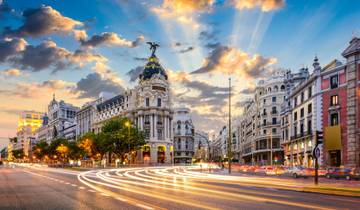
5 days
Madrid and Barcelona (4 destinations)
- ✓ Comprehensive Spain tour
- ✓ Expert local guides included
- ✓ All accommodation arranged
- ✓ Transportation provided
9 days
Spain in Style (Small Group)
- ✓ Comprehensive Spain tour
- ✓ Expert local guides included
- ✓ All accommodation arranged
- ✓ Transportation provided

8 days
Highlights of Northern Spain – 8 Days
- ✓ Comprehensive Spain tour
- ✓ Expert local guides included
- ✓ All accommodation arranged
- ✓ Transportation provided
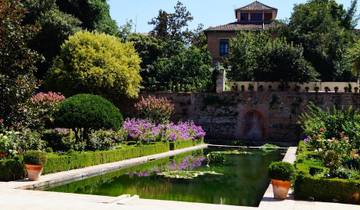
6 days
6-Day Andalucia & Toledo from Madrid
- ✓ Comprehensive Spain tour
- ✓ Expert local guides included
- ✓ All accommodation arranged
- ✓ Transportation provided
Multi-day tour packages powered by TourRadar. Prices and availability subject to change.
Spain’s Diverse Climates: Why Region Matters More Than Month
Few European countries concentrate such radical geographic and climatic contrasts as Spain. The Iberian Peninsula spans nearly 600,000 square kilometers, and its interior plateau — the Meseta Central — sits at an average elevation of around 600–700 meters, producing a continental climate of cold winters and blazing summers that regularly surprises visitors from northern Europe. The Atlantic coast of the northwest receives more annual rainfall than Manchester, while the southeastern province of Almería contains the only genuine semi-desert in continental Europe. The Canary Islands, politically Spanish but geographically off the coast of West Africa, bask in subtropical sun that belongs to a different climate system altogether.
This diversity is not merely atmospheric color. A traveler who plans a July road trip from Madrid to Seville without preparing for 43 °C heat, or who expects Galicia’s Costa da Morte to behave like the Costa del Sol in October, is setting themselves up for a jarring experience. Conversely, a traveler who understands the regional patterns can visit world-class destinations in conditions that exceed any other moment in the calendar year at that location — the Alhambra in April, the Picos de Europa in August, La Palma in January. The sections below map each climate zone, then each season, then each major region individually.
Spain’s Four Climate Zones
Mediterranean Spain — Eastern and Southern Coasts
The Mediterranean climate zone covers Spain’s eastern seaboard from the Costa Brava in the north through the Valencia region, Murcia, and the eastern edge of Andalusia, as well as the Balearic Islands. The pattern is the classic dry-summer, mild-winter one: summers are long, hot, and almost entirely rainless, while winters are brief and mild with occasional rain. Barcelona averages a high of around 28 °C in August and 13 °C in January. The Alicante and Murcia coasts are warmer and drier still, with annual sunshine hours approaching 3,000 — among the highest on the European mainland.
The Mediterranean coast is appealing across a long shoulder season. Sea temperatures along the Costa Blanca do not become genuinely comfortable for swimming until June, peak in August and September, and remain pleasant through October. The problem period is July and August, when these coasts are saturated with domestic and European tourists, accommodation prices double or triple against May levels, and popular beaches become overcrowded by any standard. Visitors seeking Mediterranean Spain without the pressure should target late May, June, September, or early October.
Continental Spain — The Meseta and Interior
The vast interior plateau of Castile, La Mancha, and Aragón operates on a punishing continental rhythm. Madrid, at 650 meters elevation, experiences average July highs of around 33 °C with heat waves regularly pushing past 40 °C, while January averages hover around 9–10 °C with occasional snowfall. Diurnal temperature swings are extreme — a summer afternoon that reaches 38 °C may drop to 18 °C by dawn. Extremadura and parts of Castile-La Mancha experience the most dramatic of these swings, with summer highs in Badajoz and Mérida regularly exceeding 40 °C.
For cultural tourism in Madrid, Toledo, Segovia, Salamanca, and the historic walled cities of Castile, spring and autumn are the unambiguous best seasons. October in particular combines golden afternoon light, cool walking temperatures, and post-summer price reductions. Summer visits to these cities are entirely feasible with appropriate preparation — early morning starts, long afternoon retreats indoors, acceptance of the heat — but first-time visitors who underestimate the Meseta in July and August are consistently caught off guard by its intensity.
Atlantic Spain — The Verdant North Coast
The stretch of coastline from San Sebastián in the Basque Country through Cantabria, Asturias, and Galicia to the Portuguese border operates under the Atlantic weather system rather than the Mediterranean one. Annual rainfall in Santiago de Compostela approaches 1,800 mm — more than three times that of Madrid — and the regional tourism bodies have leaned into the designation of this entire coastal arc as Spain Verde (Green Spain). Summer temperatures are mild by Spanish standards: highs in San Sebastián and Bilbao typically reach 24–26 °C rather than the scorching figures of the south, and winters rarely drop below 5 °C. Fog and rain are facts of life in any month.
The practical implication is that the northern Atlantic coast is most reliably enjoyable in summer — specifically July and August — when the Atlantic weather patterns produce their most stable conditions and the extra warmth is most welcome. Spring and early autumn are extraordinarily beautiful, with the hillsides and valleys a vivid, saturated green that no other part of Spain can match, but rain is a near-constant companion. The Camino de Santiago is walked in all seasons, but most pilgrims time their journey for the May–September window, with July concentrating the greatest density of walkers on the French Way from Saint-Jean-Pied-de-Port.
Subtropical Spain — The Canary Islands
The seven main Canary Islands — Tenerife, Gran Canaria, Lanzarote, Fuerteventura, La Palma, La Gomera, and El Hierro — sit approximately 1,100 km southwest of the mainland, at the latitude of southern Morocco. Their climate is subtropical, tempered by the northeast trade winds, and produces a consistency unmatched anywhere else in Spanish territory. Las Palmas de Gran Canaria’s average monthly temperature fluctuates only about 8 °C between the coolest month (January, around 20 °C average) and the warmest (August–September, around 28 °C). Annual sunshine hours approach 2,800–3,000.
In practical terms, the Canary Islands have no genuine off-season. The principal distinction between travel windows is atmospheric: the winter months draw northern European visitors seeking escape from the continental cold, while summer brings Spanish domestic tourism. Water temperatures are marginally warmer in September and October. Certain islands have distinct seasonal characters: Tenerife’s Carnaval in February is a major draw; La Palma’s cloud forests are most vivid in the winter and spring months; Lanzarote’s volcanic landscapes are most dramatically lit by the lower winter sun angles.
Spring in Spain — April and May at Their Best
Weather and Conditions Across Spain in Spring
March through May brings a transformation to the Spanish landscape. The interior plateau, still cold and dormant in February, erupts in wildflowers — poppies, rosemary, lavender, and wild herbs color the roadsides of Castile and Extremadura by late April. Andalusia turns a rich green that persists only until the summer sun arrives; April in the countryside around Ronda, Jerez de la Frontera, and Arcos de la Frontera is among the most visually arresting moments on the Iberian calendar. On the Mediterranean coast, temperatures climb steadily from comfortable walking weather in March (around 15–18 °C along the Costa Blanca) to genuine beach warmth by late May.
The north Atlantic coast in spring is mixed — lush and green, but with variable weather that includes frequent rain. The Basque Country and Galicia are at their most vividly emerald in spring precisely because of that rain, and travelers who accept occasional wet days find the landscape extraordinary. In the Pyrenees, snow lingers on high passes through April and into May, making ski resorts viable at upper elevations while lower valley floors are already in full spring mode. The Aragonese valleys of Hecho and Ansó, and the western foothills of the Catalan Pyrenees, are carpeted in wildflowers from late April, accessible to hikers and accessible by road.
Spring Festivals That Define the Season
Spain’s spring festival calendar is the densest of any season. Las Fallas in Valencia, held each year around March 15–19 and culminating on the night of March 19 (the feast of Saint Joseph), transforms the city into a round-the-clock celebration of fire, fireworks, and satirical art. For several days, hundreds of elaborate papier-mâché monuments — the ninots — line Valencia’s streets, some reaching several stories in height. On the night of March 19, the Cremà (burning) reduces most of them to ash in a single spectacular sequence of conflagrations across the city. Las Fallas is inscribed on the UNESCO Intangible Cultural Heritage list and is one of Europe’s most visually extraordinary fire festivals.
Semana Santa — Holy Week — occurs in the week before Easter, which falls anywhere between late March and late April depending on the year. Its most celebrated observances unfold in Seville, where dozens of brotherhoods (called cofradías or hermandades) carry enormous floats bearing centuries-old religious sculptures through the city’s narrow streets in candlelit nocturnal processions that can last until dawn. Málaga, Valladolid, Zamora, and Granada also mount extraordinarily elaborate Semana Santa processions, each with its own distinct character and history. Accommodation in Seville during Semana Santa sells out many months in advance, and prices multiply substantially — this is one of Spain’s single most in-demand travel events.
The Feria de Abril takes place in Seville approximately two weeks after Easter, lasting about six days. Unlike the solemn grandeur of Semana Santa, the Feria is unambiguously a celebration: flamenco dresses, fino sherry poured from great quantities, casetas (private marquee structures) lining the fairground, horse parades through the Paseo de Caballos, and dancing that continues until well after midnight. Most casetas are accessible only by personal invitation, though the fairground perimeter and public street areas are open to all. The combination of Semana Santa and the Feria in the same spring season creates Seville’s most coveted — and most logistically demanding — annual travel window.
Spring Travel Beyond the Festival Calendar
Outside of Semana Santa week itself, spring travel in Spain delivers a package of advantages that is difficult to replicate in other seasons. Hotel rates in major cities and coastal areas are typically 25–40% lower than peak July–August levels. Restaurant terraces open as warmth arrives without yet reaching the frenetic summer pace. Major heritage attractions — the Alhambra in Granada, the Sagrada Família in Barcelona, the Prado and Thyssen in Madrid — are accessible with shorter waits, though pre-booking timed entry is still advisable for the Alhambra at any time of year. Road trips through the interior in spring offer some of Spain’s finest landscape moments: the poppy fields of La Mancha, the stork-crowned towers of Extremadura, the vineyard landscapes of La Rioja beginning to green after winter dormancy.
Extremadura in April and May deserves particular mention for the traveler willing to seek it out. The region’s historic cities — the remarkably intact medieval walled city of Cáceres, the Roman theater district of Mérida, the monastery of Guadalupe — attract relatively few international visitors compared to Andalusia and the Mediterranean coast, yet their architectural heritage is comparable. In spring, the countryside between these towns is alive with storks nesting on towers and bridge parapets — Extremadura is documented to hold the largest concentration of white storks in Europe — and the rolling dehesa landscape of cork oak and wildflower pasture is extraordinary.
Summer in Spain — High Season and Regional Contrasts
The Southern and Interior Heat in Summer
June through August is when Spain divides most sharply by region. The interior and south are not merely warm — they can be genuinely extreme. Córdoba and Seville compete in most years for the title of hottest city in continental Europe, with recorded temperatures above 44–46 °C in exceptional heat waves. In an ordinary July, Seville’s midday high runs around 37–38 °C with intense solar radiation that makes outdoor exploration between roughly 11 AM and 5 PM physically difficult for those unaccustomed to it. Madrid, at altitude, is marginally cooler, but heat waves have brought the capital to 40 °C and beyond in recent summers with increasing frequency.
None of this makes southern and central Spain impossible in summer — it requires adaptation. Spanish cities have evolved around their climates over many centuries: thick-walled architecture keeps interiors cool, the afternoon siesta rhythm allows retreat from the worst heat, and the evening paseo animates cities after 8 PM when temperatures have dropped to manageable levels. Many visitors find the nocturnal summer rhythm genuinely appealing once adjusted to — dinners beginning at 10 PM, nightlife from midnight, the peculiar pleasure of a late-night walk through a city that has reorganized itself around the heat. But travelers with young children, elderly companions, or sensitivities to high temperatures should take the climate data seriously when considering Andalusia and the Meseta in July and August.
The Mediterranean Coast in Summer — Conditions and Crowds
The Mediterranean coast and the Balearic Islands in July and August present a different challenge: not heat alone (sea breezes moderate coastal temperatures to a more manageable 28–32 °C), but density. Popular beaches on Ibiza, Mallorca, and the Costa del Sol reach a saturation that many visitors find incompatible with any notion of relaxation. The motorway between Barcelona and the French border, the marinas of Palma de Mallorca, the beaches of Marbella — all operate at or beyond comfortable capacity through the high summer weeks. Flight and ferry prices reflect maximum demand, accommodation costs are at annual peaks, and resort infrastructure strains under the load.
For those who enjoy the energetic atmosphere of a resort operating at full pitch — the evening promenades dense with people, the beach clubs, the outdoor concert season — July and August deliver exactly that experience. Those seeking a quieter Mediterranean encounter are better served by June (when the sea has already warmed to swimmable temperatures and crowds have not yet peaked) or September (when the water temperature actually peaks following summer’s cumulative heating, while crowds begin to thin after the first week of the month).
Atlantic Northern Spain in Summer — An Underestimated Season
While southern Spain bakes, the northern Atlantic coast enters its genuinely finest season. July and August in San Sebastián, Bilbao, Santander, Gijón, and across Galicia bring the year’s most stable weather: average highs of 24–26 °C, lower humidity than the south, and dramatically lower tourist numbers than the Mediterranean coasts. The landscapes — limestone cliffs along the Cantabrian coast, the ría inlets of Galicia that resemble Norwegian fjords in their geography, the verdant hills of the Basque interior — are at their most photographically compelling.
The Basque Country’s gastronomic culture is a powerful year-round draw, but summer is when the outdoor dimensions of that culture reach their peak. San Sebastián’s pintxos bars operate at their fullest capacity in the evening heat, the Concha bay fills with bathers, and the city’s international fireworks competition during its Semana Grande in late August — in which competing pyrotechnic teams launch elaborate displays over the bay on successive nights — is one of the finest free summer spectacles in Spain. Bilbao’s Aste Nagusia (Great Week), typically held around the week of August 15, brings the Basque Country’s other major city to festival life with concerts, traditional Basque sports competitions, and the cultural programming of a city fully animated. For the northern coast generally, summer is not a compromise season — it is the optimal one.
Mountain Spain in Summer
The Pyrenees along the French and Andorran borders, and the Cantabrian mountain range further west, offer genuine summer relief at altitude. The Aragonese and Catalan Pyrenees, Ordesa y Monte Perdido National Park, and the Picos de Europa are all accessible for hiking from June through September. July and August provide the most settled conditions at altitude, though afternoon thunderstorms in mountain areas form with regularity and demand early morning starts on longer routes. The Aigüestortes i Estany de Sant Maurici National Park in the Catalan Pyrenees, and the valleys around Hecho and Ansó in the Aragonese Pyrenees, draw hikers for exactly this summer window when the high passes are snow-free.
Sierra Nevada in Granada province occupies a curious summer position: the ski resort serves winter visitors, but the high-altitude hiking above 2,500 meters is at its most accessible in July and August, when Veleta and Mulhacén — the highest peaks on the Iberian Peninsula — are clear of snow. From the upper ridges on a clear summer day, the Atlas Mountains of Morocco are visible across the Strait of Gibraltar, while the Andalusian lowlands bake some 3,000 meters below.
Autumn in Spain — The Connoisseur’s Season
September and October — Spain at Its Most Balanced
September and October make a compelling argument for being Spain’s overall finest months for travel. The extreme heat of the interior and south breaks progressively through September — Madrid’s average high falls from 33 °C in August to 27 °C in September and 19 °C in October, with crisp nights — while the Mediterranean coast retains warm sea temperatures from the summer’s heating (the sea off Alicante typically runs at 26–27 °C in September, often warmer than August’s 25 °C). The autumn light — lower angle, warmer tone, longer golden hours — is a quality that painters and photographers have sought in the Spanish landscape for centuries. Forested mountain areas, particularly in the Pyrenees and the mountains of Castile and León, begin their color turn in late October.
Tourist crowds retreat after the first week of September as European school terms restart. Hotel rates on the Mediterranean coast and in Andalusian cities drop progressively through the month. By October, much of Spain operates in a comfortable near-off-season mode: restaurants are quieter, roads less congested, and the experience of visiting major monuments is fundamentally more relaxed. The Día de la Hispanidad (National Day, October 12) generates significant domestic travel and should be factored into planning, but otherwise autumn on the mainland is one of the least logistically complicated times to travel.
Spain’s Wine Harvest Season
Autumn coincides with Spain’s wine harvest — the vendimia — which begins as early as August in Jerez de la Frontera (for the Sherry denomination) and continues through October in the higher-altitude regions of La Rioja and Ribera del Duero. In La Rioja, Spain’s most celebrated wine region, September transforms the landscape around Logroño and Haro as vineyards darken with ripe Tempranillo and the bodegas (wineries) open their doors for harvest visitors. Wine tourism is at its most authentic during this period: visitors can participate in harvest activities at many estates, attend tastings of newly pressed must alongside aged reserves, and experience the particular atmosphere of an agricultural landscape fully engaged in its defining work.
The Penedès wine region south of Barcelona, home to Spain’s principal cava (sparkling wine) production and a growing array of fine still wines, is equally animated by harvest activity in September and October. The Sherry Triangle — Jerez de la Frontera, El Puerto de Santa María, and Sanlúcar de Barrameda in Cádiz province — celebrates its own Fiesta de la Vendimia in early September, combining flamenco performance, equestrian shows, and the traditional treading of grapes in an event that blends agricultural reality with cultural theatre.
Autumn Festivals and Cultural Highlights
Zaragoza’s Fiestas del Pilar, centered on October 12, transform the Aragonese capital into one of Spain’s most vibrant autumn celebrations. The festival honors the Virgin del Pilar at the spectacular Basílica del Pilar on the Ebro waterfront — one of the most visited Catholic shrines in Spain — and combines its religious core with folk music, jota dancing, and the famous ofrenda de flores, in which thousands of participants in traditional dress construct a monumental floral display around the statue of the Virgin. The sheer scale and beauty of this offering, which takes the form of an enormous flower-covered image of the Virgin, is among Spain’s most photogenic annual events.
Barcelona’s La Mercè festival, held around September 24 (the feast day of Our Lady of Mercy, Barcelona’s co-patron), is the city’s principal civic celebration and offers a remarkable concentration of free events: concerts across multiple open-air stages, castellers (human tower competitions) in the main squares, correfocs (fire-running processions in which participants dance through fireworks and fire-breathing dragons), and open-house programming at cultural institutions. For a visitor who happens to be in Barcelona on September 24, La Mercè provides an exceptional window into Catalan civic culture at its most animated.
Mushroom foraging (setas season) becomes a serious autumn pursuit across wooded areas of Castile, Navarre, and the Basque Country from September onward. Rural restaurants begin featuring seasonal preparations that define Spanish autumn gastronomy: game dishes, mushroom preparations, new-vintage wines from the just-completed harvest, and the first of the season’s game birds. Seville’s autumn cultural season — including the Bienal de Flamenco, held in even-numbered years and widely regarded as the most important flamenco festival in the world — makes the city particularly rewarding for arts-focused autumn visitors.
November in Spain
November is Spain’s quietest month for international tourism, with price and crowd implications that make it genuinely appealing for a specific type of traveler. Hotel rates in Seville, Granada, and Madrid reach annual lows; major monuments operate with essentially no queues. The trade-off is weather: rain becomes more likely across most of the country, temperatures in the interior feel genuinely wintry, and the north Atlantic coast is at its most persistently wet. The Mediterranean coast remains mild through much of November — Valencia averages around 18 °C — and Andalusia is pleasant for walking and cultural exploration. For travelers who prioritize unhurried cultural immersion, exceptional access to museums and heritage sites, and the pleasure of a city stripped of its tourist overlay, November in Madrid or Seville can be one of the most rewarding travel experiences Spain offers.
Winter in Spain — Sun, Snow, and Festival
The Canary Islands in Winter
From October through April, the Canary Islands serve as Europe’s most accessible winter sun destination. Average temperatures on Tenerife’s southern coast hover around 22–24 °C from December through February — sufficient for outdoor dining, sunbathing, walking, and cycling in the volcanic interior without the heat of summer. Lanzarote and Fuerteventura, lower and flatter than Tenerife, receive slightly less cloud cover and are particularly consistent for winter sun. Gran Canaria’s southern coast at Maspalomas and Playa del Inglés has been a major European winter sun destination for decades, with resort infrastructure capable of handling millions of annual visitors.
Beyond the resort coast, the Canaries in winter offer landscapes that summer visitors often miss. Teide National Park on Tenerife — home to the Teide volcano, at 3,718 meters the highest point in Spain — occasionally receives winter snowfall at the summit while the lowlands remain warm, creating dramatic visual contrasts visible from much of the island. La Palma, the greenest and most botanically diverse of the main islands, is at its most lush in the winter and spring months when Atlantic moisture feeds its extraordinary laurisilva forests. El Hierro, the smallest and least developed of the main islands and a UNESCO Biosphere Reserve, rewards visitors with uncrowded landscapes in any season and receives proportionally more rainfall in winter, making its interior unusually green.
Carnaval — February’s Spectacular Festival Season
February brings Carnaval to Spain in a form that surprises visitors who associate the country’s festival culture only with summer. The Carnaval de Santa Cruz de Tenerife, held each year in February at dates determined by the pre-Easter liturgical calendar, is a major international carnival event of genuinely extraordinary scale and flamboyance. The Gala Reina (Queen’s Gala), the murgas competition (satirical choral groups performing elaborate parody songs), the main Rua (parade), and the Burial of the Sardine (marking Carnaval’s end) draw hundreds of thousands of participants and spectators over roughly two weeks. The Carnaval in Las Palmas de Gran Canaria runs simultaneously on Gran Canaria and is almost as elaborate. Accommodation in Tenerife during the core Carnaval week typically sells out well in advance.
On the mainland, Cádiz holds its own Carnaval with a tradition and character entirely distinct from the Canary Islands’ version. The Cádiz Carnaval is famous above all for its chirigotas — groups of singers who spend months composing wickedly satirical songs about current events, politicians, and local personalities, performed in costume on stages across the old city. The street Carnaval of Cádiz is free, densely attended by locals, and widely considered among the most authentic and genuinely funny carnival experiences in Spain or indeed in Europe.
Skiing in the Pyrenees and Sierra Nevada
Spain’s ski industry surprises many visitors who associate the country only with beaches and sunshine. The Pyrenees host approximately a dozen ski resorts along the Spanish side of the range. The Aragonese resorts — Formigal, Astún, and Candanchú — cater to Basque and Madrileño ski markets and offer reliable conditions from December through April in most years. Baqueira-Beret in the Catalan Pyrenees is the most consistently snow-reliable and the most fashionable Spanish ski resort, with a long-established association with Spanish royalty and an affluent clientele drawn from Barcelona and Madrid. The ski season across the Pyrenees typically runs from December through April, with January and February providing the deepest snowpack.
Sierra Nevada in Granada province holds the distinction of being the southernmost ski area in continental Europe. The resort at 2,100 meters elevation receives sufficient snowfall in most years to maintain reliable skiing from late November through April, and its southern latitude extends the season into spring conditions that the Pyrenees rarely sustain. The combination of skiing in the morning and an afternoon drive to the mild Mediterranean coast near Almuñécar — roughly 60 km from the resort — is a genuinely unusual experience that the Sierra Nevada makes possible. Conditions vary more year to year here than in the Pyrenees.
Mainland Cities in Winter
Madrid and Barcelona in January and February offer some of the most favorable conditions for urban cultural tourism in Spain. The Prado, the Reina Sofía, and the Thyssen-Bornemisza in Madrid; the Picasso Museum and the Miró Foundation in Barcelona; the Guggenheim in Bilbao — all operate at full programming with minimal queues and at hotel rates substantially lower than summer. The restaurant and culinary scenes in all three cities are at their full operational depth, unaffected by tourist season fluctuations. January in Madrid (average high around 10 °C) is cold by Spanish standards but entirely manageable for museum visits and city exploration, and the city’s covered food markets — the Mercado de San Miguel, the Mercado de San Antón — operate as warm social hubs regardless of the weather outside.
The Paradores de España — the state-owned hotel network occupying former castles, monasteries, convents, and palaces across the country — have their most atmospheric character in winter, when fireplaces are lit, guest counts are low, and the historic buildings feel genuinely inhabited rather than merely preserved. The Parador of Ávila, inside the city’s ancient walls; the Parador of Toledo, overlooking the city from the opposite bank of the Tagus; and the Parador of Carmona in its hilltop castle in Andalusia all deliver their most immersive experiences in the quiet months of November through February.
Regional Best-Time Guides
Best Time to Visit Andalusia
Andalusia — encompassing Seville, Granada, Córdoba, Málaga, Cádiz, Ronda, the white hill villages of the Sierra, and the Atlantic beaches of the Costa de la Luz — has a clear optimal window: April through early June and September through October. April and May combine the region’s wildflower peak, the orange blossom scent in Seville, comfortable temperatures for walking historic centers (20–28 °C), and the opportunity to attend Semana Santa or the Feria de Abril if timing aligns. September brings the olive and early grape harvests, sustains warmth without the savage summer peak, and dramatically reduces crowding at the major monuments.
July and August in Andalusia are feasible with the right preparation but represent Spain’s most physically demanding conditions for unacclimatized visitors. Visiting Córdoba’s Mezquita-Cathedral immediately at opening time and the Alcázar gardens at dusk, then retreating indoors during the afternoon peak, is the appropriate summer strategy. Winter in Andalusia (December through February) is mild and often sunny by northern European standards — Málaga averages around 17 °C in January — and entirely pleasant for heritage sightseeing, though the countryside is dormant and the coastal beaches empty and windswept.
Best Time to Visit Catalonia and Barcelona
Barcelona’s Mediterranean setting and depth of cultural programming make it one of the most visited cities in Europe across much of the year. The finest months are May, June, September, and October. May and June offer warm beach conditions (air temperatures 22–27 °C, sea temperatures approaching 20–22 °C by mid-June) before the July–August mass-tourism density that strains the Gothic Quarter, the Sagrada Família approaches, and the Barceloneta beach. September is equally strong: the sea temperature peaks around 25 °C, summer crowds thin after the first week, and the city’s cultural calendar opens its new season. La Mercè on September 24 provides a singular civic festival that many visitors encounter unexpectedly and remember permanently.
The Costa Brava north of Barcelona — Spain’s most scenically dramatic northern coastline, with the Cap de Creus peninsula, the whitewashed village of Cadaqués, and the medieval lanes of Pals and Begur — is best experienced in May–June or September–October, when the dramatic rocky coves are accessible without the summer press of visitors. Inland Catalonia — the volcanic landscape of the Garrotxa region, the Romanesque churches of the Pyrenean foothills, the mountain monastery of Montserrat — is accessible and rewarding year-round, with spring and autumn offering the most pleasant conditions for outdoor exploration.
Best Time to Visit Northern Spain
Galicia, Asturias, Cantabria, and the Basque Country are best visited in summer, specifically July and August. This counterintuitive advice — summer for the part of Spain one might expect to be best outside summer — reflects the Atlantic weather pattern: these regions receive rain in every month of the year, but summer brings the longest dry spells, the most settled conditions for walking and coastal activities, and the warmest temperatures. The Galician rías at dawn in July, with mist lifting from the water and fishing boats heading out toward the ocean, constitute one of Spain’s finest morning travel experiences. The pilgrimage routes converging on Santiago de Compostela are most actively walked from June through August, peaking in July.
June is an excellent month for the northern coast: summer crowds have not yet arrived at full force, weather is improving, and the regional festival calendar begins in earnest. San Sebastián’s International Film Festival in mid-September marks the northern coast’s graceful transition to autumn, bringing world cinema to La Concha bay for ten days and attracting a culturally sophisticated visitor alongside the usual Basque food tourists. By October, the hills of the interior are turning gold and the cider apple orchards of Asturias come into their season, but rain is increasingly persistent and the sea has cooled.
Best Time to Visit Madrid and Central Spain
Madrid and the surrounding Castilian plateau are most rewarding for visitors in April, May, October, and early November. The capital in spring is fully animated: the Retiro Park blooms, outdoor terrace culture opens across the city, and the art triangle of the Prado, Thyssen, and Reina Sofía operates without queues. October brings a second flowering — the heat has departed, the cultural season is in full swing with theatre, concert, and opera programming, and the city operates at a comfortable human pace. May also brings the Fiestas de San Isidro — ten days of Madrid’s patron saint celebrations, centered on the Ventas bullring and spreading through the neighborhoods in street music, parades, and vermouth culture.
Central Spain’s heritage circuit extends far beyond Madrid in rewarding ways. Toledo in November, emptied of summer visitors, becomes a medieval city one can almost have to oneself: its cathedral, its synagogues, and its tangle of Moorish lanes explored without the compressed summer crowds. Segovia’s Roman aqueduct and Alcázar in April light — cold dawn air, hard light raking across the ancient stonework — offer a direct encounter with Roman engineering that the summer crush obscures. Salamanca, perhaps Spain’s most perfectly composed historic city, centers on a Plaza Mayor that genuinely functions as the city’s living room at any time of year but is most pleasurable in spring and autumn when the weather invites lingering.
Best Time to Visit Valencia and the Levante Coast
Valencia and the southern Levante coast through Alicante and the Costa Blanca offer one of Spain’s most extended shoulder seasons. March already brings temperatures of 16–18 °C to Valencia — warm enough for outdoor dining and cultural exploration, if not yet for swimming. The single most dramatic week on the Valencia calendar is Las Fallas in mid-March: a UNESCO-recognized festival of such scale, noise, and visual spectacle that it transforms the city more completely than perhaps any festival transforms any European capital. Booking accommodation for Las Fallas week requires planning many months ahead; the city is essentially fully reserved for the event’s core days.
The beach season on the Costa Blanca runs genuinely from June through early October. June is particularly recommended: beaches are uncrowded by European resort standards, the Mediterranean has warmed to around 22 °C, and the towns along the coast — Alicante with its castle hill, the coves around Xàbia (Jávea), the chalky white village of Altea — are operating without the August density. September remains very strong for the Levante coast: the sea is at its warmest, Spanish summer visitors have returned to work and schools, and the towns of the interior — Elche with its extraordinary palm forest and medieval mystery play, Villena with its castle and exceptional gold treasure — host their own autumn festivals.
Best Time to Visit the Balearic Islands
The Balearic Islands — Mallorca, Menorca, Ibiza, Formentera, and the smaller surrounding islets — operate on a pronounced seasonal cycle driven almost entirely by the Mediterranean beach tourism pattern. The islands effectively enter a low season from November through March: many hotels and restaurants close, ferry frequencies reduce significantly, and the experience is radically different from the summer product. April marks the beginning of reopening, and by May the full hospitality infrastructure is operational — yet crowds and prices remain far below the summer peak.
May and early June consistently receive the strongest endorsements from experienced Balearic travelers: warm enough for swimming (sea temperatures reach 20–22 °C by June), beautiful light, and visitor numbers that allow genuine enjoyment of beaches and walking routes. July and August in Ibiza represent a specific and deliberate travel experience — the island functions as a global summer dance music capital with clubs operating until dawn and the southern part of the island organized entirely around beach clubs, nightlife, and international DJ culture. This is precisely what Ibiza’s summer visitor base seeks, and the island delivers without compromise. For those seeking the quieter Balearics — Mallorca’s Serra de Tramuntana mountains, a UNESCO World Heritage landscape; Menorca’s prehistoric stone towers scattered across a UNESCO Biosphere Reserve island; Formentera’s unspoiled coves — May, June, and September are emphatically preferable. Menorca in September, with warm turquoise water in nearly empty coves and temperatures still in the high twenties, represents one of the finest September experiences in the western Mediterranean.
Best Time to Visit the Canary Islands
As the climate overview establishes, the Canary Islands have no genuine off-season. The question is less when to go and more which island, and for what purpose. Tenerife’s Carnaval in February is unmissable for those drawn to major street festivals. La Palma and El Hierro are greener and more atmospheric in the winter and spring months when Atlantic moisture reaches their northern slopes. Lanzarote and Fuerteventura, with their dramatic volcanic landscapes and extensive wind-sculpted dunes, are arguably most dramatic in winter when the lower sun picks out geological detail that summer’s overhead light flattens. For beach-focused visitors, the water temperature peaks in September and October, making those months optimal if a warm swim is the priority.
May and October represent the Canaries’ quietest months relative to their two high seasons (northern European winter influx from November through April, and Spanish domestic summer from June through August). Travelers in May or October find lower accommodation rates, less crowded beaches, and the same dependable sunshine — at the cost of marginally cooler water temperatures in May and the first hints of the winter resort crowd arriving in October.
Best Time to Visit the Spanish Pyrenees
The Spanish Pyrenees serve two distinct visitor populations with opposite seasonal requirements. Skiers target the December through April window, with January and February providing the most reliable snowpack at the major Aragonese and Catalan resorts. Hikers target the summer window: from mid-June through late September for lower valley routes, from mid-July through September for high passes and long-distance trails. The GR-11 long-distance route — a cross-Pyrenean trail running from Cap de Creus on the Costa Brava to Cabo Higuer on the Basque coast — is typically walked between July and September when the high-altitude sections are clear of snow.
Late May and early June offer a transition window of particular beauty: the lower Pyrenean valleys (Ordesa, the Hecho and Ansó valleys, the Aran Valley) are carpeted in wildflowers and running with snowmelt, yet the ski resorts at high altitude may still be operating in spring conditions. Autumn (mid-September through October) brings gold and amber coloring to the beech forests of the lower valleys, with temperatures cool enough for comfortable walking and the light at a quality that summer can’t match. The main Pyrenean passes typically close to snow from November through June, so cross-range road travel and access to the highest hiking zones requires summer timing.
Spain’s Annual Festival and Events Calendar
January and February
The Three Kings parade (Cabalgata de Reyes Magos) on the evening of January 5 is Spain’s primary children’s gift-giving celebration — larger in cultural importance than Christmas gift-giving in most Spanish households. The parade is a major civic event in every city and town, with elaborate floats, sweets thrown into crowds from the floats, and the solemnity of a tradition that marks the arrival of the Magi at the Nativity. February brings Carnaval across the country, with the celebrations in Cádiz, Tenerife, Las Palmas, and many Extremaduran and Castilian towns varying from internationally famous to intimately local in scale. The Cádiz Carnaval’s chirigota tradition — satirical choral groups performing original comedic songs — is unique in European carnival culture and rewards visitors who engage with it beyond surface spectacle.
March and April
Las Fallas (Valencia, around March 19) and Semana Santa (late March to late April depending on the year) dominate the spring festival calendar. Semana Santa varies not only in its date but in its regional character: Seville’s processions are baroque and theatrical; Zamora’s are austere and rooted in a centuries-old plainness; Cuenca’s Semana de Música Religiosa (Holy Week music festival) focuses on sacred music commissioned for the occasion in a setting of dramatic castle-gorge landscape. Easter Monday in many communities is the occasion for romerías — local pilgrimage walks to rural shrines that blend Christian observance with ancient landscape traditions — carrying the festival impulse from the city into the countryside.
May and June
The Feria de Abril in Seville follows two weeks after Easter and runs for approximately six days. Andalusia’s own regional festival circuit continues through May: the Feria del Caballo in Jerez de la Frontera (the Jerez Horse Fair, held in early May) is one of Spain’s premier equestrian events, combining horse parades, flamenco, and the fino and manzanilla sherries of the Marco de Jerez in a setting that is at once festive and deeply traditional. The Corpus Christi celebration, falling in late May or June depending on the year, produces remarkable flower-petal carpet displays in Toledo and Sitges, where streets are carpeted in elaborate patterns created overnight from thousands of cut flowers for the morning procession. The Hogueras de San Juan in Alicante around June 23–24 marks the midsummer solstice with bonfires and a full week of events that in scale and fire-based spectacle form a Valencian parallel to the Fallas tradition.
July and August
San Fermín (July 6–14, Pamplona) is Spain’s internationally most recognized festival, brought to global attention through Ernest Hemingway’s 1926 novel and inseparable from the Running of the Bulls (encierro) held on each of the nine mornings of the festival. The encierro — in which participants run a designated 875-meter route through Pamplona’s streets ahead of six fighting bulls released from a corral — is a genuinely dangerous event: serious injuries occur in most years, and gorings are not uncommon. The festival as a whole extends far beyond the encierro to encompass daily parades of gigantes (giant papier-mâché figures representing historical and mythological characters), bullfights in the city’s arena, communal outdoor dancing, and a week-long street festival atmosphere of extraordinary energy. Pamplona’s limited hotel capacity means many visitors base themselves in Logroño or smaller nearby towns and travel in for the days they attend.
La Tomatina, held in Buñol (Valencia province) on the last Wednesday of August, is Spain’s most internationally eccentric festival: a one-hour town-wide tomato fight in which approximately 100–150 tonnes of overripe tomatoes are deployed as ammunition. The event is now ticketed and capped after decades of uncontrolled growth, with attendance organized and the tomatoes distributed from the backs of lorries. August also brings Bilbao’s Aste Nagusia (Great Week, around August 15) and San Sebastián’s own Semana Grande in late August — the Basque Country’s two major summer civic festivals, with fireworks, traditional Basque sports competitions (stone lifting, log splitting), and the full engagement of both cities’ exceptional food cultures.
September and October
Barcelona’s La Mercè festival on September 24 is one of the finest free urban festivals in Spain: open-air concerts, castellers (human tower competitions), correfocs, and open-house cultural programming across the city, celebrating the feast of Our Lady of Mercy. Zaragoza’s Fiestas del Pilar around October 12 transform the Aragonese capital with the great ofrenda de flores to the Virgin del Pilar and a full program of folk music, regional gastronomy, and civic celebration. The wine harvest festivals (vendimia celebrations) of La Rioja, particularly in Logroño and Haro, run through September. Sitges’ internationally respected film and fantasy cinema festival in October draws both devoted fans and the curious.
November and December
November is Spain’s quietest festival month, though All Saints’ Day (November 1) is observed with genuine devotion across the country, with families visiting cemeteries and a tradition of eating seasonal pastries (buñuelos de viento, huesos de santo) that has been commercialized but retains real cultural presence. December brings Christmas markets and elaborate nativity scene displays (belenes) to cities and towns across Spain, with the artisanal belén tradition particularly strong in Catalonia, Navarre, and Andalusia. Spain’s New Year’s Eve tradition is distinctive: at the stroke of midnight, participants eat twelve grapes — one for each stroke of the bell — for good luck in the coming year, a practice observed simultaneously by millions in every plaza mayor in the country.
Month-by-Month Quick Reference Guide
January: Canary Islands at their winter-sun best; mainland cities quiet with good hotel value; Three Kings celebrations (January 5 evening); ski season active in Pyrenees and Sierra Nevada. Best for: Canary Islands, cultural city breaks in Madrid and Barcelona, skiing.
February: Carnaval — Tenerife, Cádiz, and Las Palmas hold major events; ski season continuing at full operation; the quietest month for mainland sightseeing. Best for: Carnaval in the Canaries or Cádiz, skiing, budget city breaks.
March: Las Fallas transforms Valencia around March 19; Semana Santa may fall in late March; temperatures warming steadily on the Mediterranean coast; spring wildflowers beginning in Andalusia and Extremadura. Best for: Valencia during Las Fallas, early spring Andalusia, shoulder-season mainland travel.
April: Semana Santa (often in April) and the Feria de Abril (Seville) dominate the calendar; Mediterranean coast warming; Extremadura and Castile at peak wildflower; Pyrenean ski resorts often still operating at high altitude. Best for: Seville festivals, Extremadura countryside, Catalonia, beginning of Balearic season.
May: One of the two best months for most of mainland Spain; Balearics open with low crowds; Barcelona and Mediterranean coast excellent; Jerez Horse Fair; San Isidro in Madrid; lower prices than summer. Best for: Nearly everywhere except the Atlantic north (still rainy); Balearics, Catalonia, Andalusia.
June: Excellent conditions across most of Spain; Mediterranean sea warming toward swimmable temperatures; still pre-peak crowds; Hogueras de San Juan around June 23; northern Atlantic coast entering its best season. Best for: Mediterranean coast, Balearics (uncrowded), Barcelona, northern Atlantic coast beginning.
July: Peak season begins; San Fermín (Pamplona, July 6–14); extreme heat in south and interior; northern coast at its seasonal best; high-altitude Pyrenean hiking at prime. Best for: Northern Atlantic coast, Pyrenean hiking, Pamplona if San Fermín is the goal.
August: Peak crowds and prices across most of Spain; La Tomatina (last Wednesday, Buñol); Bilbao’s Aste Nagusia and San Sebastián’s Semana Grande; northern coast still excellent; Canary Islands operating on domestic summer calendar. Best for: Northern Atlantic coast, Pyrenean hiking, avoiding Mediterranean beach resort crowds.
September: One of the two best months overall; crowds thinning rapidly after the first week; Mediterranean sea at peak temperature; wine harvest festivals begin; La Mercè in Barcelona on September 24; Menorca and the Balearics in their quietest post-summer window. Best for: Mediterranean coast, Balearics, Andalusia, wine tourism.
October: Excellent for Andalusia, Madrid, and Castile; Zaragoza Fiestas del Pilar around October 12; autumn colors in mountains; near-empty queues at major monuments; Canary Islands beginning their winter influx. Best for: Cultural city breaks, Andalusia, Castile heritage circuit, Canaries for winter sun.
November: Quietest month; best prices across the mainland; Mediterranean coast still mild; major monuments essentially queue-free; Canaries building toward winter high season. Best for: Budget cultural tourism in Seville, Granada, and Madrid; Canary Islands for value.
December: Christmas markets and nativity displays add festivity to cities; Canaries at full winter-sun operation; mild weather on Mediterranean coast and in Andalusia; New Year’s Eve grape tradition observed everywhere. Best for: Canary Islands, Christmas atmosphere in Spanish cities, winter cultural breaks.
Practical Seasonal Considerations
Booking Lead Times by Season
The Alhambra in Granada is Spain’s single most booking-critical attraction. Timed-entry tickets for the Nasrid Palaces — the centerpiece of the complex — sell out weeks ahead in peak season and frequently several weeks ahead even in shoulder season. The correct approach for any trip including Granada is to check Alhambra ticket availability before finalizing travel dates, and to book the moment dates are confirmed. Tickets are sold only through the official Alhambra ticketing system; third-party resellers charge premiums and occasionally deal in fraudulent tickets. Early morning time slots provide the best interior light in the Nasrid Palaces and the lowest visitor density of the day.
For Seville during Semana Santa or the Feria de Abril, a booking horizon of three to six months is not excessive — many local residents and experienced visitors secure accommodation for these periods the previous year. San Fermín accommodation in Pamplona follows the same logic. The Sagrada Família and Park Güell in Barcelona operate timed entry and should be booked online in advance regardless of season; summer waits without pre-booking can be multiple hours. Outside of major festivals and peak summer, Spain is generally forgiving of later booking, though popular rural destinations and smaller island hotels fill quickly in July and August.
Seasonal Price Patterns
Spanish tourism operates on a pronounced seasonal pricing curve. Mediterranean coast and Balearic island accommodation can run two to three times higher in August compared to May or September. City hotel rates in Madrid and Barcelona fluctuate less dramatically — demand is more consistent through the year — but they peak in summer and around major trade fairs and conferences. January and February represent the best value period for mainland city breaks. For flights from northern Europe to Spain, the price peak concentrates in July and August, with the deepest low-season fares typically available from November through February, excluding the Christmas and New Year period. Trains within Spain follow similar seasonal pricing, with AVE high-speed rail tickets cheaper when booked well in advance and more expensive when the July–August domestic travel peak fills trains near to departure.
Climate Variability and Planning Considerations
Spain’s climate data reflects historical averages that have been subject to increasing variability and intensity in recent decades. Heat waves that once occurred rarely now arrive with greater frequency in summer across Andalusia and the Meseta; recorded temperatures above 45 °C have been documented in recent summers in Seville and Córdoba. Drought conditions have affected water availability and reservoir levels in parts of Andalusia and Catalonia. Winter rainfall, in areas that depend on it for agricultural and water supply, has become less reliable in certain recent years. This context does not overturn the seasonal guidance offered throughout this guide — spring, autumn, and northern Spain in summer remain Spain’s most reliably rewarding travel windows — but it reinforces the practical case for avoiding southern Spain in the July–August window if extreme heat is a genuine concern, and for checking current conditions before visiting regions where drought or environmental factors may affect access to outdoor areas, water sports, or rural activities.
Frequently Asked Questions About the Best Time to Visit Spain
What is the best single month to visit Spain?
October edges out May and September as the single best month for most first-time visitors across the broadest range of Spain. The summer heat has broken definitively across all mainland regions, the Mediterranean sea retains warmth from summer’s accumulation, tourist crowds have thinned following the end of European school holidays, and hotel and flight prices are falling from their summer peak. The autumn light — a lower, warmer angle that makes Andalusian whitewashed villages and Castilian stone cities particularly beautiful — is specific to the season. Zaragoza’s Fiestas del Pilar around October 12 provides a major cultural event option. The one region where October is less than ideal is the northern Atlantic coast (Galicia, Asturias, Cantabria, Basque Country), which receives increasing autumn rainfall.
Is August in Spain too hot to visit?
The answer is strongly location-dependent. For the interior cities and Andalusia — Seville, Córdoba, Toledo, Mérida, and Madrid — August heat is a genuine physical consideration requiring significant adaptation. Temperatures exceed 38–40 °C on most days inland. The Mediterranean coast and Balearic Islands moderate to 28–32 °C thanks to sea breezes, making them hot but entirely manageable. Spain’s northern Atlantic coast — the Basque Country, Galicia, Asturias, and Cantabria — remains comfortable at 24–26 °C in August and is at its seasonal best. The Pyrenees and other mountain destinations above 1,500 meters are pleasantly cool. The Canary Islands maintain their usual 26–28 °C regardless of month. In short: August in Seville is challenging; August in San Sebastián is excellent.
When exactly does Semana Santa take place in Spain?
Semana Santa (Holy Week) falls in the week leading up to Easter Sunday, which itself falls between March 22 and April 25 depending on the year — the first Sunday after the first full moon following the spring equinox. The most famous processions are in Seville, Málaga, Valladolid, and Zamora. Accommodation in Seville during Semana Santa sells out many months in advance, and prices increase substantially. The processions themselves are free to observe from public streets, though access to the best positions along the official route requires paid seating tickets obtained through the individual brotherhoods’ own allocation systems, which are often distributed to members first and only reach the general public in limited numbers.
Is Spain worth visiting in winter?
Absolutely, for the right destinations and travel styles. Madrid in January averages around 10 °C — cold by Spanish standards but manageable for visiting the Prado, the Thyssen, and the city’s food market circuit. Seville and Málaga in January are genuinely mild (15–17 °C average high), and Andalusian cities are rewarding in winter precisely because they are emptied of summer tourists and operating at their own pace. The Canary Islands deliver genuine warm sunshine throughout the winter months and are Spain’s true winter sun destination. Skiing is in full operation in the Pyrenees and Sierra Nevada. Winter is poor for beach tourism on the mainland and the northern coast is at its wettest, but for cultural immersion, museum visits, and gastronomic exploration, winter in Spain’s cities is excellent.
How far in advance should I book the Alhambra in Granada?
Book as early as possible — the moment travel dates are confirmed — and check availability before finalizing those dates. Timed-entry tickets for the Nasrid Palaces, the heart of the Alhambra complex, sell out weeks ahead in peak season and frequently several weeks ahead even in shoulder months. In July and August, tickets can disappear a month or more before the visit date. The Alhambra’s official ticketing site is the only legitimate source; third-party tickets carry a premium and can be fraudulent. If the intended date shows no availability, check adjacent dates or very early morning slots, which sometimes retain availability longer than the popular mid-morning windows.
What is the best time to visit Barcelona?
May, June, and September are the three months most consistently recommended by visitors and residents alike. May and June offer warm conditions before the July–August density of visitors that strains the Gothic Quarter, the Sagrada Família, and the beaches. The sea reaches genuinely comfortable swimming temperatures by June. September provides the warmest sea water of the year (around 25 °C), falling hotel rates after summer, and the city’s own La Mercè festival on September 24 — one of the finest free urban festivals in Spain. Winter in Barcelona is pleasant for a cultural city break — the culinary scene, the architecture, and the nightlife operate fully — but the beach dimension is absent from November through April.
Which part of Spain is best for hiking?
The Spanish Pyrenees (particularly the Aragonese and Catalan sections), the Picos de Europa on the Cantabrian coast, the volcanic landscapes of the Canary Islands (La Palma, El Hierro, and Tenerife’s Teide slopes in particular), and Sierra Nevada above Granada are Spain’s premier hiking destinations. For Pyrenean and Cantabrian high-altitude routes, July and August provide the most reliable conditions, with snow clearing from most passes by mid-July in a normal year. The GR-11 coast-to-coast Pyrenean trail is typically completed between July and September. The Canary Islands offer year-round hiking, with the cooler months of November through April preferred for the volcanic interiors where summer heat can be intense at lower elevations.
Is the Costa del Sol worth visiting outside of summer?
Very much so, particularly for visitors interested in Málaga as a cultural destination. The Picasso Museum (Málaga was Picasso’s birthplace), the Alcazaba fortress, the adjacent Roman theater, and a gastronomic scene that has grown significantly in quality and ambition make Málaga a rewarding city break at any time of year. The coast from Nerja to Estepona is substantially quieter and more affordable from October through May, and temperatures remain comfortable for outdoor exploration and golf through October and even November. Golf tourism is in fact one of the Costa del Sol’s dominant non-summer industries, operating most actively from October through April when fairway conditions are optimal and courses are less crowded than in the summer resort peak.
What is La Tomatina and when does it happen?
La Tomatina is an annual festival in Buñol, a town approximately 40 km west of Valencia in the Valencia province, held on the last Wednesday of August each year. Its central event is a one-hour communal tomato fight in which lorries carry tonnes of overripe tomatoes into the main street and participants throw them at each other until a signal ends the fight. The event now requires tickets, purchased through authorized resellers, following years of uncontrolled crowd growth. It begins with a palo jabón competition — in which participants attempt to reach a cured ham placed atop a greased pole — before the tomato fight starts at 11 AM. The origins of La Tomatina are disputed, with the most commonly cited accounts tracing it to a spontaneous incident during a local carnival parade in the mid-1940s, though the precise origin is not documented with certainty.
When is the best time to visit the Spanish Pyrenees?
The Pyrenees serve two visitor profiles with largely opposite seasonal needs. Skiers target December through April, with January and February providing the most reliable snowpack at resorts such as Formigal, Astún, and Baqueira-Beret. Hikers target the summer window from mid-June through late September, with the highest passes accessible from mid-July in most years. Late May and early June offer a transition window of unusual beauty — wildflowers in the lower valleys, snowmelt streams in full flow, ski resorts potentially still operating at high elevation — but many high mountain routes remain blocked by snow. Autumn from mid-September through October brings gold and rust coloring to the beech and oak forests of the lower valleys, with crisp temperatures excellent for walking and the summer hikers largely departed.