Best Time to Visit Seattle 2026: Seasonal Planning Guide
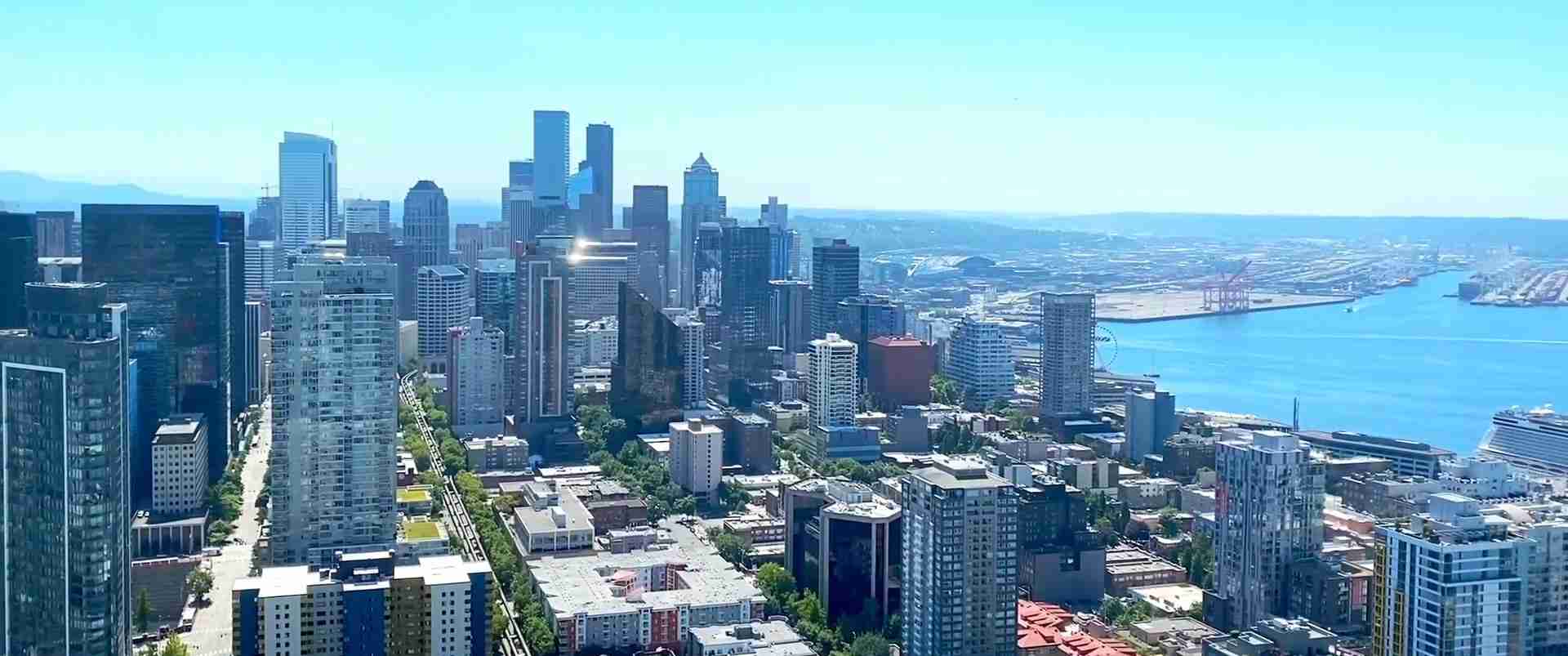
Seattle transforms dramatically with the seasons, shifting from the gray, rain-soaked winter months into a summer paradise of dry, crystalline weather that rivals any destination in America. Understanding these seasonal patterns determines whether you encounter the Emerald City at its sun-drenched peak or navigate its famous drizzle, and the difference between these experiences shapes not only what you see but what you pay and how you feel about the city long after returning home.
Key Takeaways for Planning Your Seattle Visit in 2026
- Summer Peak (July-August 2026): Delivers Seattle’s finest weather with temperatures averaging 65-79°F, minimal rainfall, and up to 16 hours of daylight, but commands premium hotel rates averaging $185-220 per night and draws maximum crowds to Pike Place Market, Space Needle, and waterfront attractions.
- September Sweet Spot 2026: Offers the best value proposition with lingering summer weather (60-70°F), significantly reduced crowds as schools resume, and hotel rates dropping 25-35% from summer peaks to $140-180 per night while maintaining excellent conditions for outdoor exploration.
- World Cup Impact June-July 2026: Six FIFA World Cup matches at Lumen Field between June and early July will create unprecedented demand spikes, with hotel bookings already firming for match days and rates projected to reach $300-450 per night near game dates, making early booking essential for summer 2026 visitors.
- Winter Value Season 2026: January and February deliver the city’s lowest hotel rates ($100-160 per night), minimal tourist crowds, and access to Seattle Museum Month (February) offering 50% admission discounts, though visitors must embrace rain averaging 15-18 days monthly and limited daylight of 8-9 hours.
- Spring Transition 2026: April through May brings increasing sunshine, spectacular cherry blossoms at Washington Park Arboretum, and moderate hotel rates ($140-190 per night), but weather remains unpredictable with the “June-uary” phenomenon extending cloudy conditions into early June before summer patterns establish.
- Festival Concentration 2026: Seattle concentrates its major cultural celebrations from May through September, including Northwest Folklife Festival (May 22-25), Seattle Pride (June 28), Seafair (July-August), and Bumbershoot (September 5-6), each driving localized price increases and requiring advance accommodation planning.
People Also Ask About Best Time to Visit Seattle 2026
What is the best month to visit Seattle in 2026 for weather and value?
September 2026 delivers the optimal balance of weather quality and travel value. The month maintains summer-like conditions with daytime temperatures ranging 60-70°F, significantly less rainfall than other months (averaging 6-8 rain days), and extended daylight hours stretching past 7 PM through mid-month. Hotel rates drop 25-35% from July-August peaks to $140-180 per night as families return to school schedules, while major attractions experience noticeably lighter crowds. Popular outdoor destinations including Mount Rainier, Olympic National Park, and San Juan Islands remain fully accessible with trails open and favorable hiking conditions. The shoulder season timing means restaurants, tours, and waterfront activities maintain full operation without the summer crush, and September weather patterns prove more stable and predictable than the transitional spring months when Pacific systems create day-to-day variability.
How will the World Cup 2026 affect Seattle tourism and hotel prices?
The FIFA World Cup 2026 creates exceptional demand pressure on Seattle accommodations and services during June and early July when Lumen Field hosts six tournament matches. Industry forecasts project the Seattle area could receive approximately 750,000 visitors tied specifically to World Cup events during this concentrated period, layered atop the city’s already-busy summer tourism season. Hotel rates near downtown and transit corridors are expected to reach $300-450 per night during match weeks, representing increases of 50-100% above typical summer rates, with some premium properties approaching $600-800 per night. Short-term rental platforms anticipate tens of thousands of bookings around game dates, creating intense competition for centrally located lodging. Travelers visiting Seattle for non-soccer purposes between mid-June and mid-July 2026 should book accommodations well in advance or consider alternative timing in May, late July, or August to avoid peak World Cup pricing and crowd impacts. The tournament’s influence extends beyond match days, as fan festivals, team training sessions, and media operations will occupy venues and hotel blocks throughout the competition window.
When is Seattle’s rainy season and should I avoid it in 2026?
Seattle’s rainy season extends from mid-October through mid-April, with November, December, and January experiencing the heaviest and most consistent precipitation. November 2026 stands as the wettest month, averaging 15-18 rain days and 5-6 inches of accumulated rainfall, followed closely by December and January with similar patterns. The Pacific Northwest rain differs fundamentally from heavy downpours in other regions — Seattle’s precipitation typically arrives as steady drizzle or light showers rather than intense storms, with the city receiving far fewer total inches annually than Houston, New York, or Miami despite its rainy reputation. Visitors shouldn’t universally avoid the rainy season. Winter months deliver exceptional value with hotel rates 40-50% below summer peaks ($100-160 per night), virtually empty attractions, and access to Seattle’s extraordinary indoor culture including world-class museums, Pike Place Market’s covered stalls, coffee culture, and the city’s renowned food scene. February offers particular strategic value through Seattle Museum Month, when hotel guests receive 50% admission discounts to participating institutions including Pacific Science Center, Museum of History & Industry, and Seattle Art Museum. The rainy season built Seattle’s character — the coffee shops, reading culture, tech innovation, and music scene all emerged as creative responses to long, wet winters. Visitors embracing this reality with appropriate rain gear and indoor-outdoor balance often find November through March Seattle more authentic and rewarding than fighting crowds in July.
What are Seattle’s cheapest months to visit in 2026 for budget travelers?
January and February 2026 represent Seattle’s most budget-friendly months, with hotel rates bottoming at $100-160 per night compared to summer peaks of $185-220 and World Cup highs potentially reaching $300-450. Flight prices to Seattle-Tacoma International Airport also reach annual lows in January-February as airlines reduce fares after holiday travel concludes, with round-trip domestic tickets frequently available for $150-250 from major West Coast cities and $250-400 from East Coast markets. February provides additional value through Seattle Museum Month, when participating hotels provide guests with 50% admission discounts to dozens of museums and attractions, effectively halving cultural costs during the visit. Dining costs remain consistent year-round, but many restaurants offer winter prix fixe menus and Seattle Restaurant Week (typically late January) delivers exceptional value with multi-course dinners at $45-55 per person at establishments normally charging $80-100. Crowds at Space Needle, Pike Place Market, and waterfront attractions drop to annual lows, eliminating wait times and creating opportunities for spontaneous reservations at popular restaurants that require weeks of advance booking in summer. November also delivers budget value with hotel rates averaging $140-180 per night, though February’s museum discount program gives it the edge for cultural travelers. Budget-focused visitors should target Sunday-Thursday stays when hotel rates run $20-40 lower than weekend prices, and book three months in advance to secure the best available rates even during low season.
Extended multi-day tours – 5+ days
Featured Seattle Multi-Day Tour Packages
3 days
Seattle 3-Day Discovery Tour
- ✓ Comprehensive Seattle experience
- ✓ Expert local guides included
- ✓ All accommodation included
- ✓ Transportation provided
5 days
Seattle 5-Day Highlights Experience
- ✓ Comprehensive Seattle experience
- ✓ Expert local guides included
- ✓ All accommodation included
- ✓ Transportation provided

7 days
Seattle 7-Day Cultural Journey
- ✓ Comprehensive Seattle experience
- ✓ Expert local guides included
- ✓ All accommodation included
- ✓ Transportation provided
10 days
Seattle 10-Day Complete Adventure
- ✓ Comprehensive Seattle experience
- ✓ Expert local guides included
- ✓ All accommodation included
- ✓ Transportation provided
Multi-day tour packages powered by TourRadar. Prices and availability subject to change.
Introduction: Understanding Seattle’s Seasonal Dynamics in 2026
Seattle functions as two entirely different cities depending on when you visit. The transformation between Seattle’s winter character and summer personality exceeds the seasonal variation found in most American destinations, creating planning implications that extend far beyond simple weather preferences. The city that spends nine months managing drizzle, limited daylight, and gray overcast skies becomes, for roughly three summer months, one of America’s finest outdoor destinations with crystalline weather, spectacular mountain views, and near-perfect temperatures that linger from morning through 9 PM sunsets.
This dramatic seasonal shift emerged from Seattle’s position on Puget Sound, where Pacific weather systems dominate October through May before high-pressure ridges finally establish control in summer. The marine west coast climate produces the mildest winters among northern U.S. cities — snow rarely accumulates, freezing temperatures occur infrequently, and winter daytime highs consistently reach the mid-40s to low-50s Fahrenheit — but extracts payment through persistent drizzle, heavy cloud cover, and shortened daylight that bottoms below 8.5 hours in December. Summer reverses this pattern completely: July and August average just 5-7 rain days combined, temperatures settle comfortably in the 70s, and daylight extends nearly 16 hours at solstice.
Understanding this seasonal framework proves essential because Seattle tourism, hotel pricing, crowd levels, and even the city’s cultural energy shift dramatically across these patterns. Summer (June through August) commands premium pricing and maximum crowds but delivers weather that justifies both. Shoulder seasons (April-May and September-October) offer compelling compromises between weather quality and tourism pressure. Winter (November through March) provides rock-bottom prices and empty attractions but requires visitors to embrace rain and limited daylight as fundamental conditions rather than unfortunate inconveniences.
The 2026 visitor calculus includes an additional variable: the FIFA World Cup brings six matches to Lumen Field between June and early July, creating unprecedented demand spikes during what already represents Seattle’s busiest tourism window. This event will compress typical summer tourism patterns into an even narrower peak, driving hotel rates to exceptional highs during match weeks while potentially creating value opportunities in late July and August as some visitors shift timing to avoid World Cup crowds and pricing.
This guide breaks down Seattle’s 2026 seasonal patterns month by month, identifies optimal windows for specific travel priorities, analyzes hotel pricing trends, details major events and festivals, and provides strategic booking guidance. Whether prioritizing weather, value, festivals, outdoor activities, or cultural experiences, Seattle delivers compelling options across its seasonal calendar — the challenge lies in matching your specific priorities to the right timing window.
Understanding Seattle’s Climate Patterns and Weather Systems 2026
Seattle’s climate follows predictable patterns driven by the city’s position between Puget Sound and the Cascade Range. The marine west coast classification means mild temperatures year-round, with winter lows rarely dropping below freezing and summer highs seldom exceeding 85°F. Annual temperature variation spans approximately 40 degrees Fahrenheit between January lows (averaging 37°F) and July-August highs (averaging 76-79°F), creating one of the narrowest temperature ranges among major American cities.
Precipitation patterns demonstrate far more dramatic seasonal variation than temperatures. Seattle receives approximately 38 inches of rain annually, with 75% falling between October and April. The wettest months — November, December, and January — each average 5-6 inches of rainfall spread across 15-18 rainy days. In stark contrast, July typically receives less than 1 inch total, with August matching this dry pattern. This precipitation concentration means visitors choosing June through September encounter fundamentally different conditions than those arriving October through May.
The “June-uary” phenomenon represents an important weather quirk affecting early summer planning. June frequently delivers cloudier, cooler conditions than statistical averages suggest, with marine layer clouds persisting into the first two weeks of the month before the summer high-pressure pattern fully establishes. Travelers booking early June visits should anticipate temperatures in the upper 50s to mid-60s with increased cloud cover and occasional light rain, rather than assuming full summer conditions have arrived. By late June, the pattern typically breaks into genuine summer clarity.
Daylight hours swing dramatically across seasons, creating psychological and practical impacts beyond simple weather. Summer solstice (June 20-21) delivers nearly 16 hours of daylight, with usable light extending past 9:30 PM. Winter solstice (December 21-22) contracts daylight to approximately 8.5 hours, with darkness arriving by 4:30 PM. This variation affects activity planning significantly — summer visits support full day outdoor itineraries extending into evening, while winter requires compressing outdoor activities into limited afternoon windows and shifting evening plans to indoor venues.
Wind patterns prove generally mild in Seattle compared to coastal cities at similar latitudes. Strong winds occasionally develop with Pacific storm systems in winter, but sustained high winds remain uncommon. Summer brings light, variable breezes that keep temperatures comfortable even on warm afternoons. The lack of extreme wind makes Seattle’s rain more manageable than in cities where precipitation combines with strong gusts.
Snow occurs occasionally in Seattle, typically 1-3 times per winter, but rarely accumulates significantly or persists beyond a few days. The city’s infrastructure struggles with even modest snowfall, as the mild climate doesn’t justify extensive snow removal equipment. Visitors encountering snow during December-February visits should expect temporary transportation disruptions and exercise caution on steep hills, though the novelty often creates photographic opportunities at iconic locations like Pike Place Market and the Space Needle.
Month-by-Month Weather and Conditions Guide for Seattle 2026
January 2026: Deep Winter with Budget Opportunities
January represents Seattle’s coldest month, with average high temperatures reaching 47-48°F and lows settling near 37-38°F. Rain falls frequently, averaging 15-17 days during the month, though daily accumulations typically remain light. Daylight reaches its annual minimum at approximately 8.5-9 hours, with sunrise arriving near 8 AM and sunset occurring before 4:30 PM through mid-month.
Hotel rates bottom at annual lows, averaging $100-140 per night for mid-range properties, with budget hotels available from $60-90 and luxury options dropping to $180-250. Crowds dissipate almost entirely following New Year celebrations, leaving Pike Place Market, Space Needle, and museums virtually empty on weekdays. Flight prices also reach annual lows, particularly for bookings made in early January targeting mid-month to early February travel.
January suits visitors prioritizing indoor cultural experiences, coffee culture, and authentic local atmosphere over outdoor activities. The city’s museums, galleries, and covered markets shine during winter, and restaurant reservations at establishments requiring weeks of summer advance booking become available with just days notice. The Pacific Science Center, Museum of Pop Culture, Seattle Art Museum, and Chihuly Garden and Glass provide weather-independent world-class experiences.
February 2026: Seattle Museum Month Creates Exceptional Value
February maintains January’s cool, wet pattern with temperatures ranging 39-50°F and rain falling 13-15 days during the month. Daylight begins extending noticeably, reaching 10 hours by month’s end as sunrise moves earlier and sunset shifts later. Occasional cold snaps can bring frost or light snow, though accumulation remains rare.
Seattle Museum Month transforms February into exceptional value territory for cultural travelers. Guests staying at participating hotels receive 50% admission discounts to dozens of museums and attractions, effectively halving cultural costs during the visit. When combined with hotel rates averaging $110-150 per night and reduced flight prices, February delivers Seattle’s best overall value proposition for museum-focused itineraries.
Late February shows increasing daylight and occasional sunny breaks between storm systems, creating windows for outdoor exploration. The month suits travelers comfortable with rain who prioritize value, cultural depth, and avoiding crowds over guaranteed sunshine.
March 2026: Spring Transition Begins with Variable Conditions
March marks the transition toward spring, with temperatures rising to 44-54°F and rain frequency beginning to moderate slightly to 12-14 days monthly. Cherry blossoms start appearing at Washington Park Arboretum late in the month, signaling spring’s arrival. Daylight extends to 12 hours by March equinox (around March 20), creating noticeably longer afternoons than winter months.
Hotel rates begin climbing from winter lows, averaging $130-170 per night as spring break creates increased demand during the month’s final two weeks. Crowds remain manageable outside school vacation periods. March weather proves highly variable — sunny, mild days can alternate with cold, rainy periods as winter and spring patterns battle for dominance.
Major cultural events include Irish Festival Seattle (March 14-15, 2026) and Seattle’s French Fest (March 22, 2026), both free events at Seattle Center celebrating cultural heritage. The Skagit Valley Tulip Festival begins in late March or early April depending on bloom timing, offering spectacular day trip opportunities approximately 60 miles north of Seattle.
April 2026: Cherry Blossoms and Increasing Sunshine
April delivers more consistent spring conditions, with temperatures warming to 51-60°F and rain days dropping to 10-12 monthly. Cherry blossoms peak at Washington Park Arboretum and University of Washington campus, creating spectacular displays that draw photographers and nature enthusiasts. Daylight reaches 14 hours by month’s end, supporting extended outdoor activities.
Hotel rates continue rising, averaging $150-190 per night, as improving weather attracts increasing visitor numbers. Spring break demand concentrates in early April, while later weeks offer better availability and rates. The Skagit Valley Tulip Festival runs through April (April 1-30, 2026), with peak bloom typically occurring mid-month.
Seattle Cherry Blossom & Japanese Cultural Festival (April 10-12, 2026) at Seattle Center celebrates the deep friendship between Seattle and Japan through traditional tea ceremonies, taiko drumming, and cultural performances. The Moisture Festival, billed as the world’s largest comedy and variety festival, presents 30 shows at Broadway Performance Hall. Sakura-Con (April 3-5, 2026) brings anime, gaming, and Japanese pop culture to the Seattle Convention Center.
April represents an excellent compromise month, offering cherry blossom beauty, increasing sunshine, moderate crowds, and hotel rates well below summer peaks while maintaining access to most outdoor activities and attractions.
May 2026: Late Spring Excellence Before Summer Crowds
May ranks among Seattle’s finest months, combining reliable weather with pre-summer pricing and moderate crowds. Temperatures climb to 57-66°F, rain frequency drops to 8-10 days monthly, and daylight extends past 8:30 PM by month’s end. Mount Rainier’s Paradise Road typically opens in late May, launching the mountain’s wildflower season at lower elevations.
Hotel rates average $140-190 per night through most of May, jumping to $180-220 during Memorial Day weekend (May 22-25, 2026) when the Northwest Folklife Festival draws massive crowds to Seattle Center. This four-day community-powered celebration features 6,000 artists across 25 stages, representing one of the largest free festivals in the nation. The Asian American Native Hawaiian Pacific Islander Heritage Month Celebration (May 2), A Glimpse of China Festival (May 9), and Spirit of Africa Festival (May 16) all bring free cultural programming to Seattle Center.
May suits visitors seeking excellent weather without peak summer crowds and prices. The month delivers long daylight hours for outdoor exploration, increasingly reliable sunshine, and full access to mountain and coastal day trips. Booking 6-8 weeks in advance secures favorable rates outside Memorial Day weekend.
June 2026: World Cup Kickoff and Summer’s Arrival
June 2026 presents exceptional complexity due to World Cup matches at Lumen Field creating unprecedented demand spikes. Weather improves throughout the month, with temperatures reaching 62-71°F by late June, though the “June-uary” phenomenon often maintains cooler, cloudier conditions through mid-month before summer patterns fully establish. Rain drops to 6-8 days monthly, with most precipitation occurring in the first half of June. Daylight peaks at summer solstice (June 20-21) with nearly 16 hours of usable light.
Hotel pricing bifurcates dramatically in June 2026. Non-World Cup weeks see rates averaging $160-200 per night, while match weeks command $300-450 per night near downtown and transit corridors, with some premium properties approaching $600 per night. The World Cup schedule spans early to mid-June, creating a concentrated demand period layered atop Seattle’s already-busy early summer season.
Seattle Pride Festival (June 28, 2026) represents the Pacific Northwest’s largest LGBTQ celebration, with Capitol Hill’s Pride parade and festivities creating one of the year’s most energetic weekends. The Pagdiriwang Philippine Festival (June 6-7) and Indigenous Peoples Festival (June 13) bring additional cultural programming to Seattle Center.
June 2026 requires careful timing decisions. Travelers visiting for World Cup matches should book accommodations 6-9 months in advance and expect premium pricing. Those visiting for non-soccer purposes should target early June (before mid-month matches) or shift to late June through early July after tournament demand moderates, or alternatively move visits to May or late July to avoid the complexity entirely.
July 2026: Peak Summer Perfection with Premium Pricing
July delivers Seattle’s finest weather with average temperatures reaching 65-76°F, minimal rainfall (averaging just 3-5 rain days with less than 1 inch total), and extended daylight past 9 PM through mid-month. Clear skies provide spectacular views of Mount Rainier from downtown, and Puget Sound water temperatures reach annual highs near 55°F (still brisk but manageable for swimming).
Hotel rates peak at $185-220 per night for mid-range properties, with budget options starting around $120-150 and luxury accommodations commanding $300-450 and higher. Crowds reach annual maximums at Pike Place Market, Space Needle, waterfront attractions, and ferries to Bainbridge Island and San Juan Islands. Restaurants require advance reservations, popular tours book weeks ahead, and wait times develop at major attractions even with timed entry systems.
Seafair festivities begin in July, including the Seafair Kickoff Celebration and planning for the main Seafair Weekend events in early August. The Polish Festival (July 11) and Seattle Arab Festival (July 18-19) bring cultural celebrations to Seattle Center. BlaстFest (July 18) showcases music and performances at Seattle Center’s Fisher Pavilion.
July suits travelers prioritizing guaranteed excellent weather over budget considerations, accepting that premium pricing and maximum crowds come with the territory. Booking 3-4 months in advance proves essential for securing preferred accommodations at reasonable rates. The month excels for outdoor activities, mountain hikes, coastal exploration, and extended evening activities enabled by late sunsets.
August 2026: Continued Summer Excellence with Late-Month Value
August maintains July’s exceptional weather patterns, with temperatures averaging 65-79°F and rain remaining minimal at 3-5 days monthly. Daylight begins contracting noticeably, with sunset moving from 8:45 PM in early August to 7:45 PM by month’s end, though conditions remain excellent for outdoor activities throughout. Occasional wildfire smoke from regional fires can affect air quality in August, though this varies significantly year to year.
Hotel rates remain elevated at $180-215 per night through mid-August, then begin moderating in the final week as families prepare for school schedules. Crowds stay heavy through mid-month, then noticeably decrease after August 20 as the transition toward fall begins. Late August (particularly August 25-31) offers a strategic window combining excellent weather with reduced crowds and beginning price declines.
Seafair Weekend Festival (early August) represents Seattle’s largest annual event, combining the Boeing Seafair Air Show, Apollo Mechanical Cup hydroplane races on Lake Washington, and extensive waterfront festivities. A Day in Punjab (August 1), Tibet Fest (August 8-9), BrasilFest (August 16), and Festival Sundiata Black Arts Fest (August 22-23) bring diverse cultural programming to Seattle Center throughout the month.
August delivers reliability — visitors can confidently expect excellent weather for outdoor plans. Late August specifically offers the best single week of the year for combining summer weather quality with declining crowds and moderating prices.
September 2026: The Optimal Value Month
September stands as Seattle’s best-value month, maintaining summer-like conditions while shedding peak-season crowds and pricing. Temperatures range 58-70°F, rain increases modestly to 6-8 days monthly but remains far below October levels, and daylight contracts from 13 hours early in the month to 11.5 hours by September 30. Weather patterns prove more stable and predictable than spring’s transitional months.
Hotel rates drop 25-35% from summer peaks, averaging $140-180 per night, as school schedules resume and family travel decreases. Crowds thin noticeably at major attractions, restaurants become easier to book with shorter notice, and the general pace of the city relaxes. Flight prices also moderate from summer highs.
Bumbershoot (September 5-6, 2026) brings music, comedy, and arts programming to Seattle Center. Live Aloha Hawaiian Cultural Festival (September 13) and Sea Mar Fiestas Patrias (September 19-20) celebrate Pacific Islander and Latin American heritage. The Italian Festival (September 26-27) closes the month with cultural performances and cuisine at Seattle Center.
September represents the ideal month for first-time visitors seeking the best overall experience, balancing excellent weather, manageable crowds, reasonable pricing, and full access to all attractions and day trip destinations. The month rewards flexible travelers who can shift from traditional summer timing to reap significant value improvements.
October 2026: Fall Colors and Shoulder Season Transitions
October marks the transition back to Seattle’s rainy season, with temperatures cooling to 52-62°F and rain frequency increasing to 10-13 days monthly. Fall foliage reaches peak colors at Washington Park Arboretum, Discovery Park, and Kubota Garden, creating beautiful urban landscapes. Daylight contracts to 10.5 hours by month’s end, with darkness arriving by 6 PM in late October.
Hotel rates continue October’s value trajectory, averaging $135-175 per night. Crowds remain light compared to summer, though weekend visitors from the region still frequent downtown and waterfront areas. The month offers a final window for accessing mountain areas before winter conditions close high-elevation roads and trails.
CroatiaFest (October 4), Turkfest (October 10-11), and Día de Muertos Festival Seattle (October 31-November 1) bring cultural celebrations to Seattle Center. The Refract Glass Experience, held annually in October, showcases the Pacific Northwest’s glass art community through exhibitions and events.
October suits visitors comfortable with increasing rain probability who value fall aesthetics, reduced crowds, and good rates. The month delivers a distinctly different Seattle character than summer — more contemplative, focused on cultural depth rather than outdoor adventure.
November 2026: Rainy Season Begins with Budget Pricing
November represents Seattle’s wettest month, with rain falling 15-18 days and accumulating 5-6 inches total. Temperatures range 45-52°F, and daylight contracts to approximately 9 hours by month’s end, with darkness arriving before 5 PM. The Pacific Northwest’s rainy season arrives in full force, establishing weather patterns that persist through March.
Hotel rates drop to $140-180 per night, representing the beginning of winter’s value pricing. Thanksgiving week (November 22-28, 2026) sees temporary rate increases as holiday travelers visit family in the region, but pre- and post-Thanksgiving periods maintain excellent rates. Tourist crowds largely disappear, leaving attractions nearly empty on weekdays.
Diwali Festival of Lights (November 7) and Seattle Hmong New Year (November 14) celebrate cultural traditions at Seattle Center. Cloudbreak music festival (typically mid-November) offers hotel guests free access to music shows at dozens of downtown venues.
November requires visitors to embrace rain as a fundamental condition rather than unfortunate weather. Those prepared with quality rain gear and indoor-focused itineraries find exceptional value and an authentic Seattle experience during the city’s signature rainy season.
December 2026: Holiday Charm with Minimal Daylight
December maintains November’s wet pattern with 15-17 rain days and 5-6 inches of precipitation. Temperatures range 39-48°F, with occasional cold snaps bringing frost or light snow. Daylight reaches its annual minimum at 8.5 hours around winter solstice (December 21), with sunset occurring before 4:30 PM and sunrise delayed until nearly 8 AM.
Hotel rates average $130-175 per night through mid-December, then increase during Christmas week (December 20-27) as holiday travelers visit the region, before dropping again during the final days of December. Holiday decorations transform Pike Place Market, downtown streets, and Seattle Center, creating festive atmosphere despite limited daylight and frequent rain.
Seattle Christmas Market and various holiday events occur throughout December. The Space Needle offers special holiday experiences, including meeting Santa. Holiday lights displays at Woodland Park Zoo and other venues create family-friendly seasonal attractions.
December suits visitors seeking holiday atmosphere, accepting that winter conditions and limited daylight require indoor-focused activities and flexible outdoor plans. The month delivers authenticity — this is Seattle in its natural winter state, before tourist seasons reshape the city’s character.
Peak Season vs. Shoulder Season vs. Off-Season Analysis 2026
Peak Season (June-August 2026): Premium Weather, Premium Prices
Seattle’s peak season concentrates in the three-month window from June through August when the city delivers its finest weather conditions. This period commands the highest hotel rates ($185-220 per night average), largest crowds, longest wait times, and most competitive booking environment, yet the weather quality justifies these premium conditions for many travelers.
Peak season advantages include virtually guaranteed dry weather with minimal rain days, extended daylight supporting activity from early morning through 9 PM, warm but comfortable temperatures ideal for outdoor exploration, full access to mountain and coastal day trips with all roads and trails open, and the city’s most vibrant energy with outdoor markets, festivals, and waterfront activities operating at maximum capacity.
Peak season disadvantages center on crowds and costs. Pike Place Market becomes almost uncomfortably congested on weekend afternoons in July and August. Space Needle requires advance timed tickets and still involves waiting. Ferries to Bainbridge Island and San Juan Islands fill quickly, with some sailings selling out. Popular restaurants require reservations weeks in advance. Hotel availability tightens significantly, particularly during major events, and rates remain elevated throughout the period.
The World Cup 2026 creates a super-peak within peak season during June and early July. Match weeks will see hotel rates reaching $300-450 per night, with some properties approaching $600-800. Visitors not attending World Cup matches should consider avoiding mid-June through early July entirely, or alternatively embrace the global soccer atmosphere while accepting unprecedented pricing and crowds.
Peak season suits visitors prioritizing weather certainty over budget concerns, families constrained by school schedules, and first-time visitors wanting to experience Seattle at its photogenic best with guaranteed outdoor opportunities. Booking 3-4 months in advance proves essential for securing reasonable rates and preferred accommodations.
Shoulder Season (April-May and September-October 2026): The Sweet Spot
Shoulder seasons deliver compelling combinations of good weather, moderate crowds, and reasonable pricing that often provide superior overall experiences to peak summer visits. These transition periods — particularly late April through May and September through early October — offer the best value propositions in Seattle’s seasonal calendar.
Spring shoulder season (April-May) advantages include cherry blossom blooms at Washington Park Arboretum and University of Washington, increasing sunshine and warming temperatures, moderate hotel rates ($140-190 per night), manageable crowds at major attractions, and the Northwest Folklife Festival (May 22-25) bringing exceptional free cultural programming. Disadvantages include variable weather with rain remaining possible, cooler temperatures than summer requiring layers, and the “June-uary” phenomenon potentially extending spring’s transitional weather into early June.
Fall shoulder season (September-October) advantages include stable, predictable weather patterns maintaining summer-like conditions through September, spectacular fall foliage colors in city parks and arboretums, hotel rates dropping 25-35% from summer peaks ($140-180 per night in September), significantly reduced crowds after Labor Day as schools resume, and reliable conditions for outdoor activities and mountain day trips through September and into early October. Disadvantages include contracting daylight hours particularly noticeable by late October, increasing rain probability especially after mid-October, and some seasonal operations beginning to reduce hours or close for winter.
September specifically stands as the optimal shoulder season month, maintaining excellent weather while shedding summer crowds and pricing. Late April through May offers similar value with the added attraction of spring blooms, though weather proves less consistent than September. These shoulder periods suit travelers with flexible schedules who can avoid peak summer constraints, budget-conscious visitors seeking maximum value, and experienced travelers who understand that slightly increased weather risk delivers dramatically improved crowd and cost conditions.
Off-Season (November-March 2026): Budget Excellence with Weather Trade-offs
Seattle’s off-season extends from November through March when rainy weather, limited daylight, and cool temperatures create conditions most tourists avoid. This avoidance creates exceptional value opportunities for visitors willing to embrace Seattle’s winter character rather than fighting it.
Off-season advantages include hotel rates bottoming at annual lows ($100-160 per night), minimal tourist crowds leaving attractions virtually empty on weekdays, Seattle Museum Month in February offering 50% admission discounts, lowest flight prices particularly in January-February, restaurant reservations available with minimal notice at establishments requiring weeks of summer booking, and authentic local atmosphere as the city operates for residents rather than tourists.
Off-season disadvantages center on weather and daylight limitations. Rain falls 13-18 days monthly from November through January, cloud cover dominates with only 2-3 hours of sunshine daily in December-January, daylight contracts to 8.5-9 hours creating limited windows for outdoor activities, temperatures require warm layers and quality rain gear, and occasional snow or ice creates transportation challenges despite Seattle’s generally mild winter temperatures.
February specifically offers the best off-season value through Seattle Museum Month’s admission discounts, increasing daylight compared to December-January, and positioning immediately before spring’s price increases. November and December deliver holiday atmosphere and festive decorations, though daylight reaches annual minimums. January provides absolute bottom pricing but requires visitors to navigate the darkest, wettest conditions.
Off-season travel suits museum-focused visitors who prioritize cultural depth over outdoor activities, budget travelers seeking maximum savings, locals and repeat visitors familiar with Seattle’s winter character, coffee culture enthusiasts who embrace the city’s rainy-season cafe scene, and travelers genuinely interested in experiencing Seattle as Seattleites actually live rather than the photogenic summer version marketed to tourists. Success requires proper expectations — visitors arriving prepared for rain with quality waterproof layers, indoor-focused itineraries, and acceptance of limited daylight find off-season Seattle rewarding and authentic.
Hotel Pricing Patterns and Accommodation Costs by Season 2026
Seattle hotel pricing demonstrates dramatic seasonal variation tied directly to weather patterns and tourism demand. Understanding these pricing cycles enables strategic booking that can reduce accommodation costs by 40-50% compared to peak summer rates.
Seasonal Hotel Rate Patterns 2026
Budget hotels (limited services, basic amenities) range from $60-90 per night in off-season (January-February, November-December) to $120-150 per night during peak summer (July-August), with mid-range shoulder season rates settling at $80-110 per night in April-May and September-October. World Cup match weeks in June may drive budget hotel rates to $150-200 per night near downtown and transit corridors.
Mid-range hotels (three-star properties with standard amenities, good locations) average $100-140 per night during off-season, climb to $140-190 per night in shoulder seasons, and peak at $185-220 per night during July-August summer high season. World Cup impact could push mid-range rates to $300-450 per night during match weeks in June.
Luxury hotels (four-star and five-star properties with premium amenities and prime locations) command $180-250 per night in winter low season, increase to $220-320 per night during shoulder seasons, and reach $300-450 per night during peak summer months. Some luxury properties approach $600-800 per night during World Cup match weeks and may implement minimum stay requirements.
These ranges reflect standard Sunday-Thursday rates. Weekend rates (Friday-Saturday) typically run $20-40 higher across all categories, with the premium most pronounced during summer peak season when weekend rates can add 15-25% to weekday pricing.
Neighborhood Pricing Variations
Downtown Seattle hotels (near Pike Place Market, waterfront, Space Needle) command premium rates averaging 20-30% above city-wide averages due to prime location and walkability to major attractions. Capitol Hill properties offer 10-15% savings compared to downtown while maintaining excellent transit access and neighborhood dining options. University District hotels deliver 25-35% savings versus downtown, though locations require transit or rideshare for reaching major tourist sites.
Airport-area hotels near Seattle-Tacoma International Airport provide the city’s lowest rates, averaging 40-50% below downtown prices, and include frequent free shuttle service to the airport. Light rail connects Sea-Tac Airport to downtown Seattle in 40 minutes for $3 per person, making airport-area hotels viable for budget-focused travelers willing to commute.
Advance Booking Strategies and Optimal Timing
Hotel rates demonstrate clear relationships to booking windows. Reservations made 8-12 weeks in advance (approximately 60-90 days) typically secure rates 15-25% below last-minute bookings made within 30 days of arrival. The optimal booking window extends from 60-90 days before travel, when hotels have released inventory but demand hasn’t yet driven pricing to peak levels.
Bookings made more than 4 months in advance (120+ days) sometimes yield modest additional savings of 5-10% during off-season and shoulder periods, though this advantage diminishes during peak summer when hotels maintain pricing power regardless of booking timeline. Last-minute bookings (within 14 days) occasionally find deals when hotels seek to fill remaining inventory, but this strategy proves risky in Seattle where demand remains strong and availability can tighten quickly, particularly during summer and major events.
World Cup 2026 disrupts normal booking patterns for June accommodations. Industry analysts recommend booking 6-9 months in advance (by late 2025 or very early 2026) for any June or early July 2026 Seattle visit to secure reasonable rates and ensure availability. Hotels near Lumen Field and downtown transit corridors will likely implement minimum stay requirements (2-4 nights) around match dates.
Day-of-Week Pricing Patterns
Sunday through Thursday nights consistently deliver the lowest rates across all seasons, averaging 10-20% below Friday-Saturday weekend pricing. This pattern reverses slightly during major conferences and conventions when business travelers drive weekday demand, but holds true during most of the year. Travelers with flexible schedules should target Sunday-Thursday stays to maximize savings.
Monday check-ins specifically tend to secure the single lowest average nightly rates, as hotels seek to fill rooms following weekend departures. Thursday nights sometimes see premium pricing as leisure travelers begin arriving for weekend stays.
Major Event Impact on Pricing
Several predictable events create localized pricing spikes beyond general seasonal patterns. Memorial Day weekend (May 22-25, 2026) drives rates up 25-40% due to Northwest Folklife Festival and holiday travel. Seattle Pride (June 28, 2026) creates similar increases in Capitol Hill and downtown properties. Seafair Weekend (early August) impacts waterfront and Lake Washington area hotels. Major conventions at Washington State Convention Center throughout the year create midweek demand spikes affecting downtown inventory.
The World Cup 2026 represents an unprecedented event impact. Match weeks (mid-June through early July) will see rates increase 50-100% or more from typical summer levels, with some properties approaching 150-200% increases. Hotel inventory will be exceptionally constrained as tour operators, FIFA officials, media, and team delegations secure blocks months in advance.
Major Events and Festivals Calendar for Seattle 2026
Seattle’s Cultural Festival Concentration
Seattle Center’s Festál series brings 25 free cultural festivals between February and November 2026, celebrating traditions from around the world. These events showcase music, dance, cultural vendors, visual art, food, storytelling, and hands-on activities, creating family-friendly experiences throughout the year without admission charges. The concentration of festivals during spring through fall provides exceptional cultural value for travelers timing visits to coincide with specific heritage celebrations.
Winter and Early Spring Events (January-March 2026)
Seattle Museum Month (February 2026) represents the winter’s marquee value program, providing guests at participating hotels with 50% admission discounts to dozens of museums including Pacific Science Center, Museum of History & Industry, Seattle Art Museum, and Museum of Pop Culture. The program runs throughout February, transforming the month into exceptional value territory for cultural travelers.
Tết in Seattle – Vietnamese Lunar New Year (February 14-15, 2026) celebrates lunar new year traditions with lion dances, firecrackers, martial arts, dance performances, and visual arts at Seattle Center. Irish Festival Seattle (March 14-15, 2026) highlights Pacific Northwest Irish heritage through traditional music, step-dancing, art exhibits, genealogy workshops, and Celtic handcrafts. Seattle’s French Fest (March 22, 2026) celebrates francophone culture across 30+ countries with fashion, cuisine, wine tastings, and musical performances.
Spring Festival Season (April-May 2026)
Seattle Cherry Blossom & Japanese Cultural Festival (April 10-12, 2026) honors Seattle-Japan friendship through springtime cherry blossoms, booming taiko drums, contemporary Japanese arts, and traditional tea ceremonies at Seattle Center, coinciding with peak cherry blossom blooms at Washington Park Arboretum and University of Washington campus.
Sakura-Con (April 3-5, 2026) brings anime, gaming, cosplay, cultural panels, dances, concerts, and industry guests to Seattle Convention Center. The Moisture Festival presents 30 comedy and variety shows at Broadway Performance Hall throughout April.
Skagit Valley Tulip Festival (April 1-30, 2026) showcases spectacular tulip and daffodil fields approximately 60 miles north of Seattle, with peak bloom typically occurring mid-month. The associated Tulip Festival Street Fair (April 17-19) brings additional celebrations to Mount Vernon.
May concentrates exceptional cultural programming: Asian American Native Hawaiian Pacific Islander Heritage Month Celebration (May 2), A Glimpse of China – Seattle Chinese Culture & Arts Festival (May 9), Spirit of Africa (May 16), and Northwest Folklife Festival (May 22-25). The Northwest Folklife Festival stands as the month’s signature event, bringing 6,000 artists and culture bearers across 25 stages and 200 food and craft vendors to Seattle Center for Memorial Day weekend. This community-powered celebration represents one of the nation’s largest free festivals.
World Cup Summer 2026 (June-July)
FIFA World Cup 2026 dominates Seattle’s summer event calendar, with Lumen Field hosting six tournament matches between June and early July. The matches themselves represent just one element of the World Cup impact — fan festivals, team training sessions, media operations, viewing parties, and soccer-focused programming will occupy venues throughout downtown and the stadium district for the entire tournament window.
Beyond World Cup programming, June brings Pagdiriwang Philippine Festival (June 6-7), Indigenous Peoples Festival (June 13), Seattle Iranian Festival (June 27), and Seattle Pride Festival (June 28). Seattle Pride represents the Pacific Northwest’s largest LGBTQ celebration, with Capitol Hill’s Pride parade and festivities creating one of the year’s most energetic weekends.
July cultural festivals include Polish Festival (July 11), Seattle Arab Festival (July 18-19), and BlaстFest music and performance showcase (July 18). Seafair festivities begin in July with the Seafair Kickoff Celebration, leading into the main Seafair Weekend events in early August.
Late Summer and Fall Festival Calendar (August-October 2026)
August maintains Seattle’s festival momentum with A Day in Punjab (August 1), Tibet Fest (August 8-9), BrasilFest (August 16), and Festival Sundiata Black Arts Fest (August 22-23) at Seattle Center. Seafair Weekend Festival (early August) delivers the city’s largest annual event, combining the Boeing Seafair Air Show featuring Blue Angels performances, Apollo Mechanical Cup hydroplane races on Lake Washington, and extensive waterfront festivities drawing hundreds of thousands of spectators.
September brings Bumbershoot (September 5-6, 2026), Seattle Center’s major music, comedy, and arts festival. Live Aloha Hawaiian Cultural Festival (September 13), Sea Mar Fiestas Patrias (September 19-20) celebrating Latin American independence, and Italian Festival (September 26-27) continue the cultural programming.
October features CroatiaFest (October 4), Turkfest (October 10-11), and Día de Muertos Festival Seattle (October 31-November 1) closing the fall festival season. The Refract Glass Experience typically occurs in October, providing all-access passes to the Pacific Northwest’s famous glass art scene through exhibitions, studio tours, and demonstrations.
Late Fall Cultural Celebrations (November 2026)
November concludes Festál’s 2026 season with Diwali Festival of Lights (November 7) celebrating Indian heritage through art workshops, foods, henna tattooing, and folk dancing, and Seattle Hmong New Year (November 14) marking harvest’s end with traditional dances, visual arts, and cultural celebrations.
Cloudbreak music festival (typically mid-November) offers hotel guests free access to music shows at dozens of downtown venues, creating exceptional entertainment value during the off-season.
Best Times for Specific Activities and Interests in 2026
Outdoor Activities and Mountain Access
Mount Rainier National Park access depends entirely on seasonal road conditions. Paradise Road, the primary route to the park’s most popular high-elevation area, typically opens in late May 2026 (weather dependent) and remains accessible through October. July through September provides the most reliable conditions for hiking at Paradise and Sunrise areas, with wildflower peak occurring late July through early August at higher elevations. Early season visits in June often encounter snow on trails above 5,000 feet, while late September brings autumn colors and crisp conditions with minimal crowds.
Olympic National Park operates year-round but delivers dramatically different experiences across seasons. Summer (June-September) provides access to Hurricane Ridge high-country meadows, backcountry trails, and coastal tide pools under favorable conditions. Winter through spring visits focus on temperate rainforest hikes in the Hoh and Quinault valleys, where the famous Pacific Northwest rain creates the ecological conditions visitors come to see. Fall (September-October) combines reduced crowds with autumn colors and still-accessible high-country areas.
San Juan Islands ferry access and whale watching operates year-round, but summer (May-September) delivers optimal conditions. Orca whale sightings peak July through September when resident pods frequent local waters. Ferry schedules expand during summer to handle increased demand, and lodging on the islands requires advance booking. Spring (April-May) and fall (September-October) shoulder seasons offer excellent value with lighter tourist pressure and still-good wildlife viewing opportunities.
Urban Outdoor Attractions and Waterfront Activities
Pike Place Market operates year-round with covered stalls protecting vendors and shoppers from rain, making it accessible regardless of season. Summer creates maximum energy with flower stalls overflowing and buskers performing throughout the market, but also generates overwhelming crowds particularly on weekend afternoons in July-August. Early morning visits (7-9 AM) year-round provide the best experience with full vendor selection, minimal crowds, and opportunities to watch fish throwing demonstrations and interact with farmers and artisans. Off-season visits deliver authentic local atmosphere as the market serves neighborhood residents rather than tourist groups.
Seattle waterfront and Puget Sound activities shine during summer when dry weather and extended daylight support harbor cruises, ferry rides to Bainbridge Island, and waterfront dining. The Great Seattle Wheel operates year-round but delivers finest experiences June-September when clear weather provides views to Olympic Mountains and Mount Rainier. Winter waterfront visits require wind-resistant layers and offer dramatically different storm-watching experiences as Pacific weather systems arrive.
Indoor Cultural Attractions Optimization
Space Needle, Chihuly Garden and Glass, Museum of Pop Culture, Seattle Art Museum, and Pacific Science Center operate year-round with consistent hours. Winter and early spring (November-March) visits encounter minimal crowds and immediate entry without advance timed tickets, though weather may obscure Space Needle’s observation deck views. Summer requires advance tickets for Space Needle and expects lines at popular museums even with timed entry. Shoulder seasons (April-May, September-October) balance good weather for clear Space Needle views with manageable crowds.
Seattle’s renowned coffee culture operates year-round and actually peaks during rainy season when locals embrace cafe culture. Original Starbucks at Pike Place Market draws tourists year-round, but Seattle’s independent coffee scene — including Caffé Vita, Espresso Vivace, Victrola Coffee Roasters — provides authentic experiences any season. Winter cafe visits align perfectly with Seattle’s cultural identity as residents navigate long, wet months through quality coffee and cozy gathering spaces.
Food Scene and Restaurant Reservations
Seattle’s restaurant scene maintains year-round excellence but accessibility varies dramatically by season. Summer (June-August) requires reservations weeks in advance at popular establishments like Canlis, The Walrus and the Carpenter, and Shiro’s Sushi, with some restaurants booking 30-45 days ahead. Off-season (November-March) opens availability significantly — same-week reservations become feasible at restaurants requiring month-long advance booking during summer. Shoulder seasons offer moderate booking timelines with 1-2 weeks notice typically sufficient.
Pike Place Market and Seattle seafood reach peak quality during Dungeness crab season (December-August) and wild Pacific salmon runs (May-September). Summer farmer’s markets overflow with regional produce, while winter focuses on root vegetables, mushrooms, and preserved foods. Food-focused visitors should target summer for maximum market energy and fall for seafood and harvest celebrations, though quality remains high year-round.
Photography and Scenic Views Timing
Mount Rainier visibility from Seattle depends entirely on clear weather, occurring most reliably July through September when high-pressure systems dominate. The mountain appears approximately 60-70% of summer days versus 20-30% of winter days. Photographers seeking iconic Space Needle or waterfront shots with Rainier backgrounds should target July-August mornings when clarity peaks. Winter visitors should expect limited mountain visibility but gain dramatically moody storm photography opportunities along Puget Sound.
Cherry blossom photography requires precise timing, typically occurring first week of April at University of Washington Quad and Washington Park Arboretum, though bloom dates shift based on spring weather patterns. Fall colors peak mid-to-late October at Washington Park Arboretum, Discovery Park, and Kubota Garden. Summer provides extended golden hour light past 9 PM for waterfront and urban landscape photography.
Budget-Focused Activity Timing
February’s Seattle Museum Month provides the single best value opportunity, cutting museum admission costs in half for hotel guests. Free attractions operate year-round: Olympic Sculpture Park, Seattle Central Library, Pike Place Market, Alki Beach, Discovery Park trails, and all 25 Seattle Center Festál cultural festivals. Summer increases free outdoor programming with concerts, movies, and festivals, but winter and spring shoulder seasons deliver maximum value for paid attractions through reduced hotel costs that offset activity expenses.
FIFA World Cup 2026 Impact on Seattle Tourism
Tournament Schedule and Match Details
Lumen Field hosts six FIFA World Cup 2026 matches spanning mid-June through early July, positioning Seattle as one of the tournament’s West Coast centers. The exact match schedule and team assignments will be determined closer to the event, but the six-game hosting commitment ensures Seattle receives both group stage and knockout round matches, creating multiple waves of international visitors throughout the tournament window.
Accommodation and Pricing Impact
Industry forecasts project approximately 750,000 visitors to the Seattle area during June-July 2026 specifically tied to World Cup programming, layered atop the region’s typical summer tourism base. This concentrated demand creates exceptional pressure on accommodation inventory, with hotels already experiencing firm bookings for match weeks despite being 6-9 months out.
Hotel rates during World Cup match weeks will reach $300-450 per night for mid-range downtown properties, representing increases of 50-100% above typical summer rates. Luxury hotels near downtown and Lumen Field may approach $600-800 per night, with some implementing minimum stay requirements of 2-4 nights around match dates. Budget hotels even in outlying areas will likely command $150-200 per night, eliminating typical budget accommodation options during the tournament.
Short-term rental platforms anticipate tens of thousands of bookings surrounding game dates, with hosts seeing earning opportunities potentially 2-3 times normal summer rates. This will further tighten traditional hotel availability as some inventory shifts to tournament-related group bookings.
Transportation and Infrastructure Preparations
State and local transportation agencies have accelerated infrastructure upgrades around Lumen Field and downtown transit corridors. Light rail service will expand frequency during match days, though capacity constraints remain a concern during concentrated arrival and departure periods. Temporary street closures near the stadium and fan festival zones will affect vehicular traffic patterns, making public transit and walking the preferred access methods.
Seattle-Tacoma International Airport expects significant volume increases during tournament weeks, with international arrivals surging from regions with competing teams. Security wait times and customs processing will extend beyond typical summer levels, requiring travelers to arrive at the airport earlier than normal.
Fan Festivals and City-Wide Programming
Seattle Center and Pioneer Square will host fan festival programming throughout the tournament window, creating free public gathering spaces with big screens, cultural performances, food vendors, and soccer-related activities. These fan zones will operate daily regardless of whether matches are scheduled at Lumen Field that day, maintaining tournament atmosphere and providing alternatives to expensive stadium tickets.
Strategic Planning for Non-Soccer Travelers
Visitors traveling to Seattle during June-July 2026 for purposes unrelated to World Cup matches face significant planning challenges. Accommodation costs will rise 50-100% during match weeks, availability will tighten dramatically, and city services will orient toward tournament operations. Several strategic approaches emerge for managing this complexity:
Time shifts: Move June visits to early month (before mid-June matches begin) or shift to late July-August after tournament demand moderates. May and late July offer excellent weather without World Cup complications.
Location shifts: Book accommodations in neighborhoods away from downtown and stadium corridor — University District, Ballard, Wallingford — where World Cup impact will be less severe. Light rail and bus service connect these areas to downtown efficiently.
Embrace the atmosphere: Visitors comfortable with crowds and elevated energy might enjoy the global soccer festival atmosphere even without attending matches. Fan zones provide free entertainment, and the city will pulse with international energy impossible to experience any other time.
Alternative destinations: Consider shifting Seattle visits to avoid June-July 2026 entirely, exploring Portland, Vancouver BC, or Pacific Coast destinations instead during the tournament window, then visiting Seattle during more typical conditions.
Long-Term Tourism Implications
City leaders and tourism organizations frame the World Cup as platform for long-term visitor growth, projecting that positive first-time visitor experiences will generate return trips and word-of-mouth recommendations extending well beyond 2026. The infrastructure improvements, increased international air service, and global media exposure may elevate Seattle’s international tourism profile permanently, though immediate effects will concentrate in the June-July tournament window.
Weather and Packing Guide by Season for Seattle 2026
Essential Year-Round Items
Quality waterproof rain jacket represents the single most important clothing item for Seattle visits regardless of season. Seattleites favor breathable rain shells over umbrellas, which prove cumbersome in light drizzle and offer poor protection in occasional wind. A packable rain jacket from brands like Patagonia, Arc’teryx, or Columbia serves year-round, protecting against summer’s occasional showers and winter’s persistent drizzle.
Layering system proves essential given Seattle’s moderate but variable temperatures. Base layers, mid-weight fleece or sweater, and outer shell provide flexibility to adjust as conditions change throughout the day. Even summer visits benefit from light layers for morning fog and evening cooling.
Comfortable waterproof walking shoes or boots support Seattle’s pedestrian-friendly character while protecting feet from wet conditions. The city’s hills and sidewalk-oriented exploration make supportive footwear essential, while waterproofing prevents soggy socks during inevitable rain encounters.
Summer Packing (June-August 2026)
Summer Seattle requires lighter gear than many visitors expect. Temperatures rarely exceed 80°F, eliminating need for extreme heat clothing. Pack short-sleeve shirts, lightweight pants or shorts, sundresses, and one light sweater for evening cooling. Mornings and evenings frequently settle into the 50s and low 60s even during July-August, making a light layer essential for early coffee walks or late waterfront dinners.
Sun protection becomes critical despite Seattle’s cloudy reputation — summer brings extended periods of brilliant sunshine with minimal humidity, creating conditions for rapid sunburn during outdoor activities. Wide-brim hat, quality sunglasses, and SPF 30+ sunscreen protect against summer sun exposure during mountain hikes, waterfront walks, and ferry rides.
Light rain jacket remains advisable even during dry summer months. Brief showers occasionally develop, and jacket doubles as wind protection during ferry rides across Puget Sound or evening waterfront walks. The jacket packs small and weighs little, making it easy insurance against summer’s infrequent but possible precipitation.
Spring and Fall Shoulder Season Packing (April-May, September-October 2026)
Shoulder seasons demand maximum versatility as conditions swing between near-summer warmth and winter chill within single days. Pack layering system with short-sleeve base layer, long-sleeve mid-layer, fleece or sweater, and waterproof shell. This combination handles temperatures ranging from 45°F to 70°F through strategic addition and removal of layers.
Rain probability increases during shoulder seasons compared to summer, making waterproof outerwear and footwear essential rather than precautionary. Waterproof hiking boots or all-weather walking shoes become primary footwear rather than backup items.
Light gloves and warm hat prove useful for early morning or late evening activities during April and October when temperatures drop into the 40s. These items pack small but significantly improve comfort during morning coffee walks or evening waterfront strolls.
Winter Packing (November-March 2026)
Winter Seattle requires warm, waterproof gear rather than extreme cold protection. Temperatures rarely drop below freezing, but persistent rain and limited sunshine create damp chill that penetrates clothing. Pack warm base layers, insulating mid-layers (fleece, down vest, sweater), and waterproof-breathable outer shell combining rain protection with wind resistance.
Waterproof boots become essential footwear for winter visits. Rain falls 13-18 days monthly from November through January, making waterproof protection necessary for daily activities rather than occasional use. Boots should provide ankle support for navigating Seattle’s hills and offer sufficient insulation for standing at outdoor attractions during limited daylight hours.
Warm hat, gloves, and scarf complete winter packing list. While Seattle rarely experiences bitter cold, damp conditions amplify temperature sensation — 40°F with rain and wind feels significantly colder than 40°F dry conditions. These accessories pack small but dramatically improve comfort during outdoor activities.
Umbrella becomes more useful during winter than other seasons, as rain increases in duration and intensity compared to summer drizzle. Compact travel umbrella provides backup protection for extended outdoor market visits or downtown walking tours.
Electronics and Camera Protection
Rain protection for electronics matters year-round but becomes critical during winter. Waterproof phone cases or protective sleeves prevent damage during rain encounters. Camera equipment requires rain covers or waterproof housings for outdoor photography during wet conditions. Waterproof dry bag protects devices during ferry rides or coastal exploration.
Pros and Cons of Each Season for Seattle Travel 2026
Summer Season (June-August) Balance Sheet
Summer advantages deliver compelling reasons for peak-season visits. Weather reaches annual best with temperatures averaging 65-79°F, minimal rainfall averaging just 3-5 days monthly across June-August, extended daylight supporting activities from early morning through 9 PM, spectacular mountain views when clear weather reveals Mount Rainier and Olympic Range, full access to all outdoor destinations with mountain roads and hiking trails open, vibrant waterfront energy with markets and festivals operating at peak capacity, and reliable conditions enabling confident advance planning for outdoor activities.
Summer disadvantages concentrate around crowds and costs. Hotel rates peak at $185-220 per night for mid-range properties, tourist crowds create congestion at Pike Place Market and Space Needle particularly on weekends, popular restaurants require reservations weeks in advance, ferry lines to Bainbridge Island and San Juan Islands extend significantly on summer weekends, attraction wait times develop even with timed entry systems, flight prices increase 20-40% above off-season levels, and the World Cup 2026 creates super-peak conditions during June with rates potentially reaching $300-450 per night.
Summer suits families constrained by school schedules, first-time visitors prioritizing photogenic weather and mountain views, outdoor activity enthusiasts seeking hiking and water activities, and travelers willing to pay premium pricing for weather certainty.
September Sweet Spot Analysis
September advantages position this month as optimal for many travelers. Weather maintains summer-like quality with temperatures ranging 58-70°F and sunshine remaining reliable, crowds decrease dramatically as schools resume and family travel ends, hotel rates drop 25-35% from July-August peaks to $140-180 per night, restaurant reservations become easier to secure with shorter lead times, attractions operate with minimal wait times, flight prices moderate from summer highs, fall colors begin appearing in city parks late in the month, and weather patterns prove more stable and predictable than spring’s transitional months.
September disadvantages remain minimal but include contracting daylight with sunset moving from 8 PM early September to 7 PM by month’s end, slight increase in rain probability compared to July-August though still far below October levels, some seasonal operations beginning to reduce hours or close for winter, and ocean water temperatures cooling from summer peaks making swimming less appealing.
September suits travelers with schedule flexibility who can avoid peak summer timing, value-focused visitors seeking excellent weather at reasonable prices, repeat visitors and locals who understand September’s advantages, and photographers seeking fall colors without intense autumn foliage crowds found in October.
Spring Transition Period (April-May) Trade-offs
Spring advantages center on blooms and increasing sunshine. Cherry blossoms peak at Washington Park Arboretum and University of Washington campus in early April creating spectacular displays, temperatures warm from winter into comfortable ranges of 50-66°F by May, rain frequency moderates compared to winter months, hotel rates remain reasonable at $140-190 per night outside Memorial Day weekend, crowds stay manageable before summer peak begins, daylight extends significantly reaching 14+ hours by late May, and the Northwest Folklife Festival (May 22-25) delivers exceptional free cultural programming.
Spring disadvantages relate to weather unpredictability. April rain remains frequent at 10-12 days monthly, the “June-uary” phenomenon can extend cooler, cloudier conditions into early June, temperatures prove more variable than summer requiring flexible packing, some outdoor destinations remain snow-covered or inaccessible until late May, and weather forecasts prove less reliable making advance outdoor planning challenging.
Spring suits cherry blossom enthusiasts timing visits for early April blooms, budget-conscious travelers seeking pre-summer rates with improving weather, festival attendees targeting Northwest Folklife or cultural celebrations, and visitors comfortable with weather uncertainty in exchange for shoulder-season advantages.
Fall Transition Period (October) Characteristics
October advantages include spectacular fall foliage at Washington Park Arboretum and city parks peaking mid-to-late month, continued value pricing with hotels averaging $135-175 per night, light crowds compared to summer enabling spontaneous plans, cultural festivals including Dia de Muertos and Turkfest, the Refract Glass Experience showcasing regional glass art, and final opportunities for accessing mountain areas before winter road closures.
October disadvantages mark transition to rainy season. Rain frequency increases to 10-13 days monthly, temperatures cool to 52-62°F requiring warmer layers, daylight contracts noticeably with darkness arriving by 6 PM late in the month, mountain areas become less reliable for hiking as early season storms arrive, and weather variability increases compared to summer’s consistent patterns.
October suits fall foliage enthusiasts, cultural festival attendees, visitors seeking autumn aesthetics and reduced crowds, and travelers comfortable with increasing rain probability for value benefits.
Winter Season (November-March) Reality Check
Winter advantages deliver exceptional value and authenticity. Hotel rates bottom at annual lows of $100-160 per night, flight prices reach minimums particularly in January-February, tourist crowds disappear leaving attractions empty on weekdays, Seattle Museum Month in February provides 50% admission discounts, restaurant reservations become easy to secure even at popular establishments, Seattle’s coffee culture and indoor attractions shine during rainy season, and visitors experience authentic Seattle as residents actually live rather than tourist-marketed summer version.
Winter disadvantages require realistic expectations. Rain falls 13-18 days monthly November through January with persistent drizzle, daylight contracts to 8.5-9 hours creating limited windows for outdoor activities, cloud cover dominates with minimal sunshine, temperatures require warm layers and quality rain gear, occasional snow creates transportation challenges despite generally mild winter temperatures, outdoor attractions lose appeal during wet conditions, and mountain access becomes limited as Paradise Road and high-elevation areas close for winter.
Winter suits museum-focused visitors prioritizing cultural depth, budget travelers seeking maximum savings, repeat visitors familiar with Seattle’s rainy character, coffee culture enthusiasts, indoor activity devotees, and travelers genuinely interested in experiencing Seattle’s authentic winter identity rather than photogenic summer facade.
Strategic Booking and Planning Tips for Seattle 2026
Optimal Booking Timelines by Season
Summer travel (June-August 2026) requires booking 3-4 months in advance to secure reasonable hotel rates and preferred properties. Waiting until 4-6 weeks before travel eliminates most inventory and drives rates to premium levels. World Cup-affected dates in June demand even earlier booking — 6-9 months in advance (by late 2025 or very early 2026) to ensure availability and avoid extreme pricing.
Shoulder season travel (April-May, September-October) benefits from 6-10 week advance booking, balancing early reservation benefits against last-minute deal possibilities. Hotels release inventory approximately 90 days before arrival, creating initial opportunities for favorable rates without requiring extreme advance planning.
Off-season travel (November-March) offers maximum booking flexibility. Reservations made 4-6 weeks ahead typically secure excellent rates, and even last-minute bookings often find availability and reasonable pricing. February’s Seattle Museum Month requires confirming hotel participation in the discount program when booking.
Day-of-Week and Length-of-Stay Strategies
Sunday through Thursday stays deliver 10-20% savings versus Friday-Saturday weekend pricing across all seasons. Travelers with schedule flexibility should structure trips around weekday stays, particularly during summer when weekend premiums reach 20-25% above midweek rates.
Length of stay affects both total cost and per-night rates. Three-night minimum stays often qualify for modest discounts (5-10% off published rates) at many properties, while week-long stays can command 10-15% reductions during off-season. Single-night stays frequently carry premium pricing or minimum-stay requirements during peak summer weekends and World Cup match weeks.
Neighborhood Selection Based on Priorities
Downtown Seattle maximizes walkability to Pike Place Market, waterfront, and Space Needle but commands premium hotel rates 20-30% above city-wide averages. First-time visitors and those prioritizing convenience typically find downtown worth the premium.
Capitol Hill offers vibrant neighborhood character, excellent dining and nightlife, and good value (10-15% below downtown rates) while maintaining easy transit access to major attractions. Light rail connects Capitol Hill to downtown in 6 minutes.
University District delivers maximum budget value (25-35% below downtown rates) with access to University of Washington campus, but requires transit for reaching tourist sites. The neighborhood suits budget-conscious travelers and those visiting university-related activities.
Airport-area hotels provide lowest rates (40-50% below downtown) with free airport shuttles, making them viable for budget travelers willing to commute 40 minutes via light rail to downtown attractions. This option works best for visitors with rental cars planning day trips rather than downtown-focused itineraries.
Transportation and Parking Considerations
Seattle’s downtown parking costs $25-40 per day at hotel garages, with public lots ranging $15-30 daily. Street parking proves challenging with limited availability and extensive time restrictions. Visitors flying into Seattle typically find better value using public transit and rideshare rather than renting cars for downtown-focused stays.
Light rail connects Seattle-Tacoma International Airport to downtown in 40 minutes for $3 per person, making it the preferred airport access method. The system extends to University District, Capitol Hill, and other neighborhoods, providing efficient urban transportation without parking hassles.
Rental cars become valuable for visitors planning extensive day trips to Mount Rainier, Olympic National Park, or Cascade mountain areas. Reserve vehicles 2-3 weeks in advance during summer when demand peaks and availability tightens.
Attraction Tickets and Reservation Planning
Space Needle requires advance timed-entry tickets during summer, particularly for sunset time slots. Book 1-2 weeks ahead for summer visits, with less advance notice needed during off-season. Combination tickets with Chihuly Garden and Glass provide modest savings over separate purchases.
Popular restaurants including Canlis, The Walrus and the Carpenter, and Shiro’s Sushi require reservations 2-4 weeks in advance during summer, but accept same-week bookings during off-season. OpenTable and Resy platforms show real-time availability.
Ferry reservations to San Juan Islands require advance booking during summer weekends when vehicle space sells out. Walk-on passengers typically find availability, but vehicles need reservations 2-3 weeks ahead for July-August weekend travel.
World Cup 2026 Specific Planning
Visitors planning Seattle trips during June-July 2026 should make accommodation decisions immediately. Hotels near Lumen Field and downtown transit corridors will implement minimum stay requirements and premium pricing for match weeks. Book by late 2025 or very early 2026 to secure any reasonable rates.
Non-soccer travelers should strongly consider shifting June-July 2026 visits to alternative timing. May offers excellent pre-World Cup weather and rates, while late July through August maintains summer conditions without tournament complications.
Transportation around match days will face severe congestion. Light rail becomes essential for stadium access, and alternative neighborhoods (University District, Ballard, Fremont) offer better value and reduced World Cup impact.
Frequently Asked Questions About Visiting Seattle in 2026
Is Seattle expensive to visit in 2026?
Seattle hotel costs range from $100-160 per night during off-season (November-March) to $185-220 per night during summer peak (July-August), with World Cup match weeks in June potentially reaching $300-450 per night. Dining costs prove moderate compared to other major West Coast cities, with quality meals available at $15-25 for lunch and $30-50 for dinner at mid-range establishments. Major attractions charge $25-35 admission, though numerous free options exist including Pike Place Market, Olympic Sculpture Park, and 25 cultural festivals. Overall costs fall between budget-friendly Portland and premium-priced San Francisco, with seasonal timing dramatically affecting total expenses. February’s Seattle Museum Month and off-season hotel rates create exceptional value opportunities for budget-conscious travelers.
How many days should I spend in Seattle in 2026?
Four to five days provides sufficient time to explore Seattle’s major attractions, experience neighborhoods, and complete one or two day trips. A well-planned three-day itinerary covers downtown highlights including Pike Place Market, Space Needle, waterfront, and key museums, though this timeline feels rushed and eliminates day trip opportunities. Six to seven days enables deeper neighborhood exploration, multiple day trips to Mount Rainier or Olympic National Park, and fuller engagement with Seattle’s food scene and cultural attractions. First-time visitors typically find four days optimal for experiencing essential Seattle without excessive rushing, while return visitors often extend to week-long stays enabling relaxed exploration and seasonal activities.
What should I avoid in Seattle during specific months in 2026?
Avoid downtown Seattle during World Cup match weeks in mid-June through early July 2026 unless attending matches, as hotel rates will reach $300-450 per night and crowds will create unprecedented congestion. Skip Pike Place Market on summer Saturday afternoons (July-August) when tourist crowds become overwhelming; visit before 9 AM or on weekdays instead. Avoid booking mountain day trips during November through April when Paradise Road closures and winter conditions limit Mount Rainier access. Skip Space Needle during cloudy winter days when observation deck views disappear into fog and rain; wait for clear weather forecasts. Avoid Memorial Day weekend (May 22-25) unless attending Northwest Folklife Festival, as hotel rates jump 25-40% above normal May pricing. Skip restaurant reservations during peak dinner hours (7-8 PM) on summer weekends when wait times extend significantly; dine earlier (5-6 PM) or later (8:30-9 PM) for better availability.
Can I see Mount Rainier from Seattle year-round in 2026?
Mount Rainier visibility from Seattle depends entirely on weather conditions rather than season, though summer dramatically improves odds. July through September delivers clear views approximately 60-70% of days when high-pressure systems dominate Pacific Northwest weather. October through April reduces visibility to 20-30% of days as cloud cover and rain systems obscure the mountain. Winter months occasionally provide spectacular crystal-clear views following storm systems, but these windows prove unpredictable and brief. The phenomenon locals call “The Mountain is Out” signifies clear Rainier visibility, creating excitement because the view cannot be taken for granted. Photographers seeking iconic Seattle skyline shots with Rainier backgrounds should target July-August mornings when clarity peaks, though no season guarantees views regardless of planning.
Is Seattle safe for tourists in 2026?
Seattle maintains safety levels comparable to other major American cities, with tourist-focused areas including Pike Place Market, waterfront, Seattle Center, and downtown core generally safe during daytime hours. Standard urban precautions apply: remain aware of surroundings, secure valuables, avoid displaying expensive electronics in crowded areas, and exercise increased caution after dark in less-populated neighborhoods. The downtown corridor between Pike Place Market and Pioneer Square experiences homelessness and associated challenges, though violent crime targeting tourists remains uncommon. Tourist-heavy areas maintain regular police presence and security. Neighborhoods including Capitol Hill, Ballard, Fremont, and University District prove safe for visitors using normal urban awareness. Light rail and bus transit systems operate safely during normal hours, with reduced service and increased caution advised late evening. Overall, Seattle presents no exceptional safety concerns for tourists following standard urban travel practices.
Do I need a car in Seattle or can I use public transportation in 2026?
Seattle functions well without rental cars for visitors focusing on downtown attractions, neighborhoods, and urban experiences. Light rail connects Seattle-Tacoma International Airport to downtown, Capitol Hill, and University District efficiently. Bus service covers most neighborhoods comprehensively, though routes can prove confusing for first-time visitors. Rideshare services (Uber, Lyft) fill gaps in public transit coverage. Downtown Seattle’s walkability enables exploring Pike Place Market, waterfront, Pioneer Square, and Seattle Center on foot. Cars become valuable for day trips to Mount Rainier (2-2.5 hours drive), Olympic National Park (2-3 hours), or Cascade mountain areas where public transit proves limited or nonexistent. Visitors planning multiple mountain or coastal day trips should rent vehicles, while those focusing on urban Seattle typically find public transit and occasional rideshare more economical than daily parking fees ($25-40 per day downtown). The optimal approach combines public transit for urban exploration with single-day car rental for specific day trip purposes.
What is the rainiest month in Seattle and how does it affect tourism in 2026?
November represents Seattle’s wettest month, averaging 15-18 rain days and 5-6 inches of accumulated precipitation, closely followed by December and January with similar patterns. The rain falls typically as steady drizzle or light showers rather than intense downpours, creating persistent dampness rather than dramatic storms. This pattern affects tourism by driving hotel rates to annual lows ($140-180 per night in November), eliminating tourist crowds, and requiring visitors to embrace rain as fundamental condition rather than unfortunate weather. Seattle’s rain built the city’s character — coffee culture, reading habits, music scene, and tech innovation all emerged as responses to long, wet winters. Visitors equipped with quality waterproof layers and indoor-focused itineraries find November through January Seattle authentic and rewarding, with empty museums, available restaurant reservations, and local atmosphere impossible to experience during summer tourist season. The rain requires adjustment but creates value opportunities and cultural depth that photogenic summer visits cannot match.
How far in advance should I book hotels for summer 2026 in Seattle?
Summer 2026 hotel bookings require 3-4 months advance planning (booking by March-April for July-August stays) to secure reasonable rates and preferred properties at standard downtown locations. World Cup-affected dates in mid-June through early July demand 6-9 months advance booking (by late 2025 or very early 2026) to ensure any availability and avoid extreme pricing, with hotel rates during match weeks expected to reach $300-450 per night for mid-range properties. The optimal booking window for standard summer dates falls 60-90 days before arrival, when hotels have released inventory but demand hasn’t yet driven rates to peak levels. Waiting until 30 days before summer travel eliminates most favorable rates and reduces availability significantly. Memorial Day weekend (May 22-25) requires similar advance planning to mid-summer dates. Booking earlier than 120 days ahead produces minimal additional savings during summer peak season, though securing preferred specific properties may justify early reservations. Travelers should book immediately for any June-July 2026 dates if visiting during World Cup window, while late August dates maintain more booking flexibility with 6-8 week advance reservations typically sufficient.
What free activities can I do in Seattle during any season in 2026?
Pike Place Market operates year-round with free admission, offering fish-throwing demonstrations, fresh flowers, local produce, and street performers without entry charges. Olympic Sculpture Park provides free waterfront access with contemporary sculptures, walking paths, and Puget Sound views every day of the year. Seattle Central Library showcases remarkable architecture and free public spaces in downtown. All 25 Seattle Center Festál cultural festivals from February through November feature free admission with music, dance, cultural vendors, and family activities. Discovery Park’s 534 acres offer free hiking trails, beach access, and lighthouse views. Alki Beach provides free waterfront walking, beach activities, and Seattle skyline views across Elliott Bay. Gas Works Park delivers iconic city views and industrial art installations without charges. Washington Park Arboretum maintains free walking trails and plant collections year-round, with spectacular cherry blossoms in April and fall colors in October. Fremont neighborhood features free quirky public art including Fremont Troll, Waiting for the Interurban statue, and Lenin statue. Ballard Locks offer free viewing of boats passing through and salmon ladder (seasonal). Seattle’s extensive public library system provides free cultural programming, internet access, and warm spaces during rainy weather. These free options enable budget-conscious visitors to experience substantial Seattle content regardless of season without admission charges.
Should I visit Seattle before or after the World Cup in summer 2026?
Visitors not attending World Cup matches should strongly consider timing Seattle trips before mid-June or after early July 2026 to avoid tournament-related pricing and crowd impacts. Early June (June 1-14) and late May offer excellent pre-tournament weather with improving sunshine and comfortable temperatures while avoiding World Cup demand spikes. Late July through August maintains peak summer weather conditions after tournament demand moderates, with hotel rates returning to normal summer levels ($185-220 per night versus World Cup weeks at $300-450). September delivers the best overall compromise, combining excellent weather with post-summer value pricing ($140-180 per night) and reduced crowds. Travelers specifically interested in World Cup atmosphere even without match tickets might enjoy mid-June through early July, as fan festivals, international visitors, and global soccer energy create unique experiences impossible to replicate outside tournament windows. Budget-conscious visitors should absolutely avoid mid-June through early July 2026, as accommodation costs will double or triple normal summer rates. Outdoor activity enthusiasts and mountain hikers find equal or better conditions in late July-August compared to June, making post-tournament timing ideal. First-time visitors seeking classic Seattle summer experiences without tournament complications should target late July, August, or September when weather remains excellent but World Cup impacts have cleared.