
Free Things to Do in Seattle 2026: Complete Guide
Seattle offers dozens of world-class attractions, cultural experiences, and natural spaces that cost absolutely nothing to enjoy. From iconic waterfront parks and stunning viewpoints to internationally recognized museums with free admission days, the Emerald City rewards budget-conscious travelers with extraordinary experiences that rival any paid attraction.
Key Takeaways About Free Seattle Experiences 2026
- First Thursday Museum Access 2026: Eight major Seattle museums offer free admission on the first Thursday of every month, including Seattle Art Museum, Museum of Flight, and MOHAI, while Frye Art Museum stays free year-round.
- Always-Free World-Class Attractions: Pike Place Market, Ballard Locks with botanical gardens and fish ladder, Olympic Sculpture Park, and Kerry Park’s iconic skyline views require zero admission fees any day of the year.
- 25 Free Cultural Festivals in 2026: Seattle Center Festál presents free celebrations of global cultures from February through November, featuring Vietnamese Lunar New Year, Japanese Cherry Blossom Festival, and Seattle Hmong New Year among 25 events.
- Year-Round Farmers Markets: Ballard and West Seattle Farmers Markets operate every Sunday throughout 2026 regardless of weather, offering free browsing plus free samples from vendors with zero entry fees.
- 534-Acre Urban Wilderness: Discovery Park provides Seattle’s largest free natural area with tidal beaches, sea cliffs, forest trails, and West Point Lighthouse access from 4:30 AM to 11 PM daily.
- Free Transportation Viewing: The Center for Wooden Boats offers complimentary pea boat rentals Wednesday through Sunday, while Washington State Ferries provide free walk-on passage for the return trip from Bainbridge Island.
People Also Ask About Free Seattle Activities 2026
What are the best completely free museums in Seattle in 2026?
Frye Art Museum on First Hill remains Seattle’s only major museum offering free admission every single day year-round. The museum showcases 19th and 20th-century European and American paintings from the founding collection of Charles and Emma Frye, along with rotating contemporary exhibitions. Olympic Sculpture Park operates as a free outdoor extension of Seattle Art Museum featuring monumental contemporary sculptures along 9 waterfront acres. Klondike Gold Rush National Historical Park in Pioneer Square provides free access to two floors of exhibits, historical films, and gold panning demonstrations during summer months. The Center for Wooden Boats not only offers free museum access but also provides complimentary traditional wooden boat rentals on Lake Union, making it uniquely interactive among Seattle’s permanently free cultural institutions.
How does the First Thursday free museum program work in 2026?
Eight participating Seattle museums open their doors free of charge on the first Thursday of every month throughout 2026. Seattle Art Museum downtown extends hours from 10 AM to 8 PM with evening programming including live music and drop-in art activities from 5 to 8 PM. Museum of Flight offers free admission from 5 to 9 PM, allowing access to the Great Gallery, Personal Courage Wing, and Aviation Pavilion. MOHAI provides free entry from 5 to 8 PM for permanent exhibits. National Nordic Museum opens free all day from 10 AM to 8 PM, though special exhibitions cost $5. Burke Museum at University of Washington stays free from 10 AM to 8 PM. Henry Art Gallery offers free admission all day on First Thursdays. Seattle Asian Art Museum in Volunteer Park opens free from 10 AM to 5 PM. Holocaust Center for Humanity provides free access from 4 to 7 PM. No advance reservations required for any participating museum, though arriving during extended evening hours helps avoid daytime crowds.
What free outdoor activities can families enjoy in Seattle during 2026?
Discovery Park’s 534 acres provide unlimited free family exploration with beach access, forest trails, and open meadows perfect for picnics. The recently renovated playground features zip lines and extensive climbing equipment. Ballard Locks combines engineering fascination with natural beauty as families watch boats rise and fall through lock chambers, observe salmon climbing the fish ladder from June through September, and explore 7 acres of botanical gardens. Seattle Center grounds offer free access to the International Fountain, Artists at Play playground featuring a 30-foot climbing tower, and outdoor sculptures. Gas Works Park on Lake Union provides dramatic city views and industrial structures that children love climbing. Green Lake offers a 2.8-mile paved path perfect for walking, jogging, or biking, with playground equipment and beach access. Alki Beach stretches 2.5 miles with beach volleyball courts, paved paths for cycling, and Olympic Mountain views. Most Seattle parks host free summer concert series and outdoor movies from June through August.
Are there free walking tours available in Seattle in 2026?
Free Seattle walking tours operate year-round with guides working for tips only, offering downtown tours that cover Pike Place Market, Pioneer Square, and waterfront areas. Tours typically last 90 minutes and depart multiple times daily from Pike Place Market information booth. Southwest Seattle Historical Society conducts free Alki History Walking Tours on first and second Saturdays from April through October, departing at 11 AM from Log House Museum. These guided walks explore Alki Beach history, indigenous peoples’ heritage, and Doc Maynard’s West Seattle home, requiring advance registration as the 20-person cap fills quickly. Ballard Locks offers free hourlong tours at 2 PM daily from May through September, explaining lock mechanics and regional maritime history. Self-guided walking tours can be downloaded free from Visit Seattle website, covering neighborhoods like Capitol Hill, Fremont, and Ballard with historic site descriptions and suggested routes.
Extended multi-day tours – 5+ days
Featured Seattle Multi-Day Tour Packages
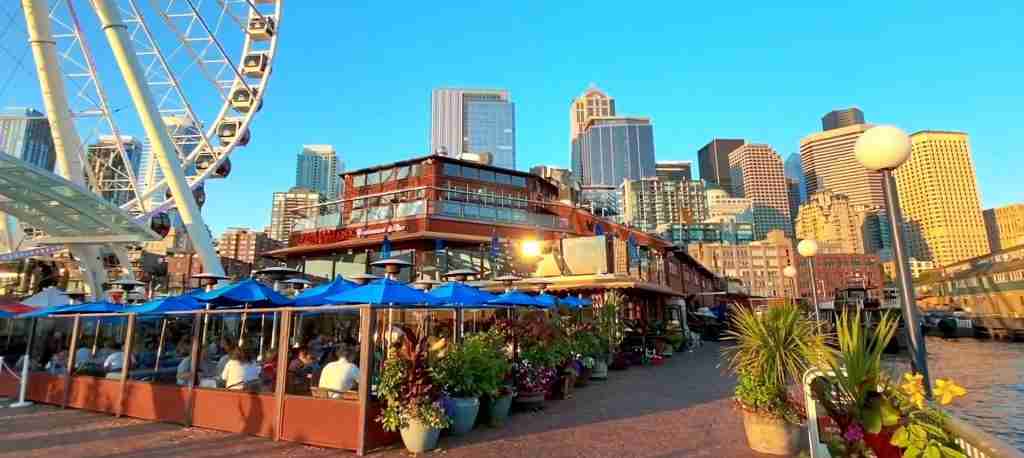
3 days
Seattle 3-Day Discovery Tour
- ✓ Comprehensive Seattle experience
- ✓ Expert local guides included
- ✓ All accommodation included
- ✓ Transportation provided

5 days
Seattle 5-Day Highlights Experience
- ✓ Comprehensive Seattle experience
- ✓ Expert local guides included
- ✓ All accommodation included
- ✓ Transportation provided

7 days
Seattle 7-Day Cultural Journey
- ✓ Comprehensive Seattle experience
- ✓ Expert local guides included
- ✓ All accommodation included
- ✓ Transportation provided
10 days
Seattle 10-Day Complete Adventure
- ✓ Comprehensive Seattle experience
- ✓ Expert local guides included
- ✓ All accommodation included
- ✓ Transportation provided
Multi-day tour packages powered by TourRadar. Prices and availability subject to change.
Introduction to Free Seattle Experiences in 2026
Seattle consistently ranks among America’s most expensive cities for visitors, with average hotel rates exceeding $280 nightly and popular attractions charging $30 to $40 for admission. This reputation creates a widespread misconception that experiencing Seattle requires substantial financial resources. The reality contradicts this perception entirely. Seattle provides dozens of world-class free experiences that match or exceed the quality of paid attractions, from waterfront parks offering unobstructed Mount Rainier views to internationally recognized museums waiving admission fees monthly.
The city’s commitment to public access stems from its founding values emphasizing outdoor recreation and cultural accessibility. Seattle Parks and Recreation maintains 485 parks within city limits, all free to enter, encompassing beaches, forests, playgrounds, and viewpoints. The Seattle Art Museum established First Thursday free admission in partnership with other cultural institutions, creating monthly opportunities for families to explore eight major museums without cost. Pike Place Market operates as a living museum spanning nine historic acres where vendors have sold fresh produce for over a century, requiring zero admission to wander its corridors and witness the famous fish-throwing tradition.
Geographic advantages amplify Seattle’s free offerings. The city sits between Puget Sound saltwater and freshwater lakes, creating waterfront access throughout urban neighborhoods. This natural setting provides free activities impossible in landlocked cities: watching salmon migrate through Ballard Locks’ fish ladder, kayaking on Lake Union from Center for Wooden Boats’ complimentary boat program, or walking 2.5 miles of sandy beach at Alki while viewing the Seattle skyline across Elliott Bay. Mountain vistas appear throughout the city when weather permits, with Kerry Park offering the most photographed view of downtown Seattle backed by Mount Rainier, accessible free from 6 AM to 10 PM daily.
Cultural diversity defines Seattle’s free event calendar in 2026. Seattle Center Festál presents 25 free festivals celebrating communities from Vietnam to Tibet, Ireland to the Philippines, running from February’s Tết celebration through November’s Hmong New Year. Each festival features authentic cuisine vendors, traditional music and dance performances, cultural demonstrations, and family activities, all free to attend. Neighborhood farmers markets operate year-round across Seattle, with Ballard and West Seattle markets maintaining Sunday schedules through winter months. These markets function as community gathering spaces where free entertainment, children’s activities, and cultural exchange occur alongside food shopping.
This guide addresses the practical questions budget-conscious travelers face when planning 2026 Seattle visits. Which museums genuinely waive admission versus offering token discounts? When do free concerts occur in public parks? How do First Thursday museum hours vary between institutions? Which beaches allow bonfires? Where can families find free parking near popular attractions? What free activities remain accessible during Seattle’s rainy season? The following sections answer these questions with current 2026 information verified through official sources, ensuring visitors maximize free experiences without sacrificing quality or variety.
Museums and Cultural Attractions Free in Seattle 2026
Always-Free Museum Access Throughout 2026
Frye Art Museum stands alone among major Seattle museums by maintaining free admission 365 days per year. Founded by Charles and Emma Frye, the museum houses over 230 paintings from their private collection emphasizing 19th-century European and American art. The founding couple specified in their bequest that the museum must always remain free to the public, a commitment honored since 1952. Current exhibitions rotate quarterly, showcasing contemporary artists alongside the permanent collection. The Frye Salon on the main floor displays works exactly as the Fryes arranged them in their private home, offering insight into early 20th-century collecting practices. Museum hours run Tuesday through Sunday from 11 AM to 5 PM, extending until 7 PM on Thursdays. The museum occupies First Hill at 704 Terry Avenue, accessible via multiple bus routes.
Olympic Sculpture Park operates as Seattle Art Museum’s free outdoor branch, sprawling across 9 waterfront acres from downtown to Elliott Bay. The Z-shaped pathway descends through three ecosystems—urban, cultivated garden, and restored shoreline—displaying monumental sculptures by Alexander Calder, Richard Serra, Louise Bourgeois, and Teresita Fernández among others. The park opens daily from dawn to dusk with no admission gates or fees. Signature works include Calder’s bright orange “Eagle,” Serra’s massive weathering steel “Wake,” and Bourgeois’s aluminum and stainless steel “Father and Son.” The restored beach habitat attracts harbor seals and migratory birds visible from sculpture viewing areas. Free public programs run throughout summer 2026, including Thursday evening concerts from 6 to 8 PM July through August, community yoga on Sunday mornings, and art-making activities for children.
Klondike Gold Rush National Historical Park preserves Seattle’s pivotal role as gateway to Alaska’s 1897 gold rush. Located in Pioneer Square at 319 Second Avenue South, this National Park Service site offers free admission every day of the year. Two floors of exhibits detail how Seattle transformed from a small mill town into a major city by outfitting tens of thousands of prospectors heading north. Historical photographs, mining equipment, and personal accounts illustrate the rush’s impact on both Seattle and Alaska. Park rangers present free programs including gold panning demonstrations on the sidewalk outside the museum from Memorial Day through Labor Day, limited to afternoon hours when staff availability permits. Short films shown in the theater explain transportation routes, mining techniques, and the harsh realities prospectors faced. The park participates in Junior Ranger programs allowing children to complete activity booklets and earn badges at no cost.
Center for Wooden Boats maintains Seattle’s maritime heritage through hands-on access to historic watercraft. The museum operates free of charge at 1010 Valley Street on Lake Union’s south shore. Visitors examine classic wooden boats ranging from small rowing dinghies to elegant sailboats, all displayed with historical context and technical specifications. The museum’s signature free program provides complimentary traditional wooden rowboat rentals Wednesday through Sunday year-round. Rentals accommodate up to five adults for one-hour sessions, requiring only advance online reservation. Free public sails depart on the last Sunday of each month from April through October, offering rides on schooners, steamboats, or classic yachts depending on vessel availability. These popular sails operate first-come-first-served, with lines forming as early as 8 AM for 10 AM departures. The museum hosts free concerts, boat-building demonstrations, and maritime skill workshops throughout 2026.
First Thursday Free Museum Program 2026
Seattle Art Museum downtown anchors the First Thursday program with the most extensive free access. The museum opens from 10 AM to 8 PM on first Thursdays, welcoming all visitors without charge to explore four floors of galleries. Permanent collections span Asian art, European paintings, Native American works, and contemporary installations. Special exhibitions vary by season, with 2026 features including major retrospectives and traveling shows. Evening hours from 5 to 8 PM include enhanced programming: docent-led tours at 11:30 AM, 1:30 PM, and 6 PM exploring collection highlights; drop-in art-making activities in designated gallery spaces; live music performances ranging from jazz ensembles to indie rock; and cash bar service in museum cafe. The museum occupies 1300 First Avenue at the corner of Union Street, accessible via light rail to University Street Station.
Museum of Flight provides free evening access from 5 to 9 PM on first Thursdays of each month. As one of the world’s largest air and space museums, this represents extraordinary value with regular admission normally costing $27 for adults. Free Thursday access includes the Great Gallery displaying over 150 aircraft and spacecraft, the Personal Courage Wing featuring World War I and II fighters, the Simonyi Space Gallery housing the space shuttle trainer, and the Aviation Pavilion containing the first 747 and Concorde among dozens of historic planes. Interactive exhibits allow visitors to sit in cockpits, operate flight simulators, and explore aircraft interiors. The museum hosts aerospace organizations on First Thursdays offering hands-on STEM activities, flight demonstrations, and career presentations. Free family workshops run from 6 to 8 PM covering topics like paper airplane engineering, rocket propulsion, and weather science. The museum sits at 9404 East Marginal Way South, requiring either personal vehicle or bus route 124 as it’s distant from light rail.
Museum of History and Industry (MOHAI) opens free from 5 to 8 PM on first Thursdays, showcasing Seattle’s transformation from frontier outpost to tech capital. The museum occupies a historic building on Lake Union’s south shore with floor-to-ceiling windows providing water and city views. Permanent exhibits explore Seattle’s maritime heritage, the 1962 World’s Fair that produced the Space Needle, Boeing’s aerospace dominance, Microsoft and Amazon’s rise, and the city’s music legacy from jazz to grunge. The Bezos Center for Innovation examines how Seattle became a global technology hub. The True Northwest exhibit traces indigenous peoples’ history through European contact and American settlement. First Thursday hours include all rotating exhibitions at no additional charge. The museum provides craft beer and wine for purchase during evening hours, allowing visitors to drink while touring galleries. Located at 860 Terry Avenue North, MOHAI sits across from the Museum of History and Industry, walkable from South Lake Union neighborhoods.
National Nordic Museum celebrates Scandinavian heritage in Seattle’s Ballard neighborhood, an area originally settled by Norwegian and Swedish immigrants. The museum waives general admission on first Thursdays from 10 AM to 8 PM, though special exhibitions cost $5 per person even on free days. Permanent galleries explore five Nordic countries—Denmark, Finland, Iceland, Norway, and Sweden—through furniture, textiles, fishing equipment, and personal stories of immigration. The museum building itself represents contemporary Nordic design with soaring ceilings and natural light. First Thursday programming includes Nordic language conversation groups, traditional craft demonstrations, and occasional live music performances. The museum shop sells Scandinavian imports from chocolate to wool sweaters, remaining open during all museum hours. Address is 2655 NW Market Street, easily reached via bus routes 40 and D Line with stops directly outside.
Burke Museum at University of Washington serves as Washington’s official state museum, housing natural history and cultural collections. Free admission runs all day on first Thursdays from 10 AM to 8 PM. The Life and Times of Washington State exhibit showcases fossils including a cast of a T. rex skull discovered in Montana, a 20,000-year-old American mastodon, and the only dinosaur fossils found in Washington. The Coast Salish gallery presents indigenous art, basket weaving, and canoe construction. Visible research labs allow visitors to watch paleontologists clean fossils and anthropologists study artifacts through large windows. The museum relocated in 2019 to a striking new building at 4303 Memorial Way NE on UW campus, accessible via light rail to University of Washington Station with a 10-minute walk through campus.
Henry Art Gallery focuses on contemporary art and photography, offering free admission all day on first Thursdays. Located at 15th Avenue NE and NE 41st Street on UW campus, the gallery presents rotating exhibitions by emerging and established artists. Shows emphasize experimental work across mediums from video installations to textile art. The permanent collection includes significant photography holdings and Pacific Northwest art. First Thursday visits provide opportunities to see cutting-edge contemporary art that might challenge traditional expectations, making it particularly suitable for visitors interested in current artistic discourse rather than classical collections. The gallery is donation-based year-round with suggested contribution of $0 to $20, meaning any visit can be free though First Thursday removes suggested donation entirely. Students, educators, and children receive free admission every day regardless of First Thursday.
Seattle Asian Art Museum occupies the 1933 Art Deco building in Volunteer Park, offering free access from 10 AM to 5 PM on first Thursdays. The collection spans Chinese ceramics, Japanese paintings, South Asian sculptures, and Korean metalwork. Recent renovation restored historic architectural details while modernizing climate control to preserve delicate artworks. The museum’s compact size allows thorough exploration in two hours. Volunteer Park surrounding the museum provides additional free attractions including the Conservatory, water tower with 360-degree city views, and formal gardens. First Thursday visits can combine museum art viewing with park exploration. The museum stands at 1400 E Prospect Street on Capitol Hill, reachable via bus route 10.
Holocaust Center for Humanity opens free from 4 to 7 PM on first Thursdays, providing evening access to permanent and temporary exhibitions examining Holocaust history and contemporary human rights issues. The center emphasizes survivor testimonies through video recordings and personal artifacts. Educational programs connect historical genocide to current events, examining prejudice, authoritarianism, and resistance. The center occupies the basement level of the Jewish Federation building at 2045 Third Avenue in Belltown, accessible from downtown hotels via short walk or bus routes.
Parks and Outdoor Spaces Free to Explore 2026
Iconic Viewpoints and Urban Parks Open Year-Round
Kerry Park delivers Seattle’s most photographed vista from a compact 1.26-acre space on Queen Anne Hill’s south slope. The park opens daily from 6 AM to 10 PM without gates or fees, providing unobstructed views of downtown Seattle, Elliott Bay, and Mount Rainier when weather permits. The Space Needle stands prominently in the foreground of the classic Seattle skyline shot that appears in countless travel guides and postcards. Sunrise visits offer golden light on city buildings with fewer crowds, though sunset draws photographers positioning tripods for twilight shots as city lights begin glowing. The park features a 15-foot steel sculpture titled “Changing Form” by Doris Chase, popular with children as a climbing structure. Limited street parking surrounds the park on West Highland Drive between 2nd and 3rd Avenues West, with no time restrictions though spaces fill by midday on clear weekends. The viewpoint sits less than one mile from Seattle Center, making it walkable uphill or a quick bus ride.
Discovery Park sprawls across 534 acres of former Fort Lawton military base, representing Seattle’s largest public park. Open daily from 4:30 AM to 11 PM, the park encompasses tidal beaches, dramatic sea cliffs, forest groves, meadowlands, and two miles of protected shoreline. The 2.8-mile Discovery Park Loop Trail circles through varied terrain, passing historic military buildings, coastal overlooks, and forested ravines. West Point Lighthouse, constructed in 1881, stands at the park’s northwestern point accessible via South Beach Trail, operating as one of Washington’s 18 active lighthouses. The recently renovated playground near the east entrance includes zip lines, climbing structures, and picnic tables. Three main parking lots provide free access, though lots fill on sunny weekend afternoons. The Visitor Center remains closed until summer 2027 following water damage, but the entire park stays fully accessible. Discovery Park sits in Magnolia neighborhood at 3801 Discovery Park Boulevard, served by Metro bus routes 24 and 33. A free summer shuttle operates weekends between Memorial Day and Labor Day, connecting parking lots to beach level.
Olympic Sculpture Park combines contemporary art with restored natural habitat along Seattle’s central waterfront. The park opens dawn to dusk year-round without admission fees, allowing visitors to explore sculptures while walking from urban downtown through shoreline restoration. The Z-path design descends 40 feet through three distinct environments. The Pavilion level features the PACCAR Pavilion visitor center with indoor galleries, restrooms, and seasonal cafe. The Valley level showcases formal gardens and large-scale sculptures in landscaped settings. The Shore level provides beach access with native plants, large boulders, and driftwood creating habitat for shorebirds and marine life. Summer evenings bring free concerts, outdoor yoga, and family art activities. The park occupies 2901 Western Avenue near Pike Place Market, easily reached by foot from downtown hotels or via bus routes 99, C Line, and RapidRide.
Gas Works Park occupies a former coal gasification plant on Lake Union’s north shore, where rusting industrial machinery contrasts dramatically with manicured lawns and sailboat-dotted water. The park opens 4 AM to 10 PM daily, free to all visitors. A grassy hill topped by a sundial provides 360-degree views of downtown Seattle, the Space Needle, Lake Union, and houseboats lining the shore. The preserved industrial structures fascinate children who climb on painted generators and boilers under parent supervision. July 4th draws massive crowds for fireworks viewing over the lake. The park hosts free summer concert series and outdoor movies on select evenings June through August. Parking fills quickly on nice weekends, with street parking extending several blocks into surrounding Wallingford neighborhood. The park sits at 2101 North Northlake Way, accessible via bus routes 26, 31, 32, and 62.
Volunteer Park crowns Capitol Hill with 48 acres of mature trees, open lawns, a brick water tower, and an Art Deco conservatory. The park opens 6 AM to 10 PM year-round without fees. The 1906 water tower features 107 spiral steps leading to an observation room with windows overlooking downtown, Space Needle, and Puget Sound. The 1912 Conservatory houses tropical plants, cacti, and seasonal flower displays in five Victorian glass rooms, charging $4 admission for adults though children under 12 enter free. The Seattle Asian Art Museum occupies the park’s southern end, previously described under First Thursday museums. The park includes tennis courts, playground equipment, picnic tables, and an amphitheater hosting free summer performances. Black Sun sculpture by Isamu Noguchi sits on the museum lawn, its circular opening framing Space Needle views. The park centers at 1247 15th Avenue East, served by bus route 10 from downtown.
Waterfall Garden Park hides in Pioneer Square at 219 Second Avenue South, creating a peaceful oasis amid downtown buildings. This tiny pocket park operates on the site where United Parcel Service began operations in 1907. A 22-foot artificial waterfall cascades over rocks, producing white noise that blocks traffic sounds from surrounding streets. Upper and lower decks provide seating beneath trees and flowering plants. The park opens daily from dawn to dusk free of charge, maintained by UPS Foundation. Its compact size makes it perfect for brief rest stops between downtown activities rather than destination visits. The waterfall system occasionally shuts down for maintenance, leaving the park notably quieter.
Beach Parks and Waterfront Access Points 2026
Alki Beach stretches 2.5 miles along West Seattle’s waterfront, providing Seattle’s longest continuous sandy beach. The beach and its parallel paved path stay accessible 24 hours daily without fees. Summer draws thousands of visitors for volleyball, beach bonfires, and cycling the beachfront trail. Free public parking lines Alki Avenue, though spaces fill by midday on warm weekends. The beach offers unobstructed views across Elliott Bay to downtown Seattle, with Olympic Mountains visible to the west. A miniature Statue of Liberty replica stands near 61st Avenue, marking where Seattle’s first settlers landed in 1851. Alki Point Lighthouse at the beach’s western end offers free tours on summer weekend afternoons, though schedules vary annually. Bathhouse facilities provide restrooms and outdoor showers. The beach remains free year-round, with winter walks offering dramatic storm watching and fewer crowds. West Seattle Water Taxi from downtown Pier 50 provides the most scenic beach access, costing $6 one-way with free shuttle bus from dock to beach.
Golden Gardens Park occupies Puget Sound shoreline in northwest Seattle’s Ballard neighborhood. The park operates 4 AM to 11:30 PM daily free of charge. Sandy beach areas allow swimming during summer months, though Puget Sound water rarely exceeds 55 degrees even in August. Fire pits dot the beach, available first-come-first-served with visitors supplying their own firewood. Wetlands boardwalk trails connect beach to forested hillside. Off-leash dog area occupies the park’s northern section. The park includes playground equipment, picnic shelters, and volleyball courts. Parking fills weekends from May through September, with overflow extending to nearby residential streets. The park sits at 8498 Seaview Place NW, requiring personal vehicle or bus route 45 as it’s distant from light rail.
Green Lake Park circles a natural lake in north Seattle, providing a 2.8-mile paved path popular with joggers, cyclists, and rollerbladers. The park opens 4 AM to 11:30 PM daily without admission. Designated swimming beaches operate with lifeguards from late June through early September. Canoe and kayak rentals operate from the Boathouse, though these cost fees. Basketball courts, baseball fields, tennis courts, and lawn bowling remain free for public use. The path separates pedestrian and bicycle traffic, reducing conflicts. Benches and picnic tables line the shore offering lake views. Green Lake Community Center houses indoor pool, though this requires admission. The lake sits at 7201 East Green Lake Drive North, accessible via bus routes 16, 26, 48, 62, 67, and 316.
Pike Place Market and Historic Districts Free to Explore 2026
Pike Place Market Complete Free Walking Experience
Pike Place Market operates as North America’s oldest continuously operating public farmers market, spanning nine historic acres overlooking Elliott Bay. The market opens Monday through Saturday from 9 AM to 6 PM and Sundays 10 AM to 5 PM, requiring zero admission fees for wandering corridors, watching vendors, and soaking up atmosphere. Individual merchant hours vary, with some opening as early as 6 AM for wholesale fish sales and others maintaining evening hours until 7 PM. The Main Arcade and North Arcade house over 80 farmers and craftspeople selling directly from tables, with products ranging from fresh produce and flowers to handmade jewelry and original art. Fish vendors at Pike Place Fish Market perform their famous fish-throwing routine throughout the day, tossing salmon and halibut while engaging crowds in banter. The tradition began as practical workplace communication but evolved into tourist attraction.
The market extends through multiple levels accessed via stairs, ramps, and an elevator near the main entrance. The Down Under area features antique dealers, used book shops, comic stores, and vintage clothing vendors occupying basement corridors beneath the main floor. The Lower Post Alley includes magic shops, handmade soap retailers, and small restaurants. The market’s original neon sign reading “Public Market Center” illuminates the main entrance, creating one of Seattle’s most photographed scenes especially after dark. Rachel the Piggy Bank, a 550-pound bronze piggy bank near the main entrance, collects donations for the market’s social services programs. Children delight in posing with the pig while adults contribute spare change.
The Gum Wall along Post Alley between Pike Street and Stewart Street displays layers of chewing gum pressed onto brick walls, creating a sticky, colorful installation. The wall stretches 50 feet long and rises 15 feet high in some sections. City workers occasionally power-wash the wall clean, most recently in 2015 removing an estimated 2,350 pounds of gum, but visitors immediately begin reapplying gum within days. Photography here costs nothing beyond potentially sacrificing personal cleanliness standards. The wall particularly appeals to rebellious teenagers and travelers seeking unusual attractions.
Original Starbucks occupies 1912 Pike Place, selling coffee, mugs, and merchandise featuring the original mermaid logo. The store operates as a regular retail Starbucks rather than a museum, meaning purchases are required to enter though browsing the exterior and photographing the facade costs nothing. Lines often extend down the block with tourists waiting 30 minutes for photo opportunities at the counter. Multiple free samples appear throughout the market as vendors offer tastes of cheese, fruit, bread, and other products to attract customers. These samples don’t require purchases, though vendors naturally hope sampling leads to sales. Flower vendors display spectacular bouquets beginning at $10, though examining displays and inhaling scents remains free.
Street musicians perform throughout the market daily, with designated busking spots allocated by permit. Quality ranges from conservatory-trained violinists to enthusiastic amateur guitarists. Listening costs nothing, though tips are appreciated. The market’s information booth near the main entrance provides free maps showing all levels and vendor locations, plus recommendations for specific products or merchants. Staff answer questions about market history, bus routes, and parking options.
Pioneer Square Historic Architecture and Cultural Sites
Pioneer Square Historic District encompasses 20 blocks of Seattle’s oldest neighborhood, featuring the city’s largest concentration of late 19th-century architecture. Walking these streets costs nothing, revealing Romanesque Revival buildings, ornate facades, and cobblestone roadways. The neighborhood operates as an outdoor architectural museum where historic preservation laws protect original structures. The Pioneer Building, completed in 1892, displays elaborate terra cotta detailing and arched windows characteristic of the period. The Smith Tower, Seattle’s first skyscraper finished in 1914, offers paid observatory access but its exterior Chinese temple-style pyramidal top can be admired free from street level.
Occidental Square Park occupies a full city block paved in cobblestones, lined with trees and featuring totem poles representing Northwest Coast indigenous traditions. The park opens dawn to dusk free to all visitors, providing tables and chairs for lunch breaks. Free concerts, festivals, and outdoor markets occur throughout summer months, with specific event schedules posted online. The square sits near multiple art galleries, coffee shops, and restaurants occupying ground floors of historic buildings. Gallery hopping costs nothing as most welcome browsers, with First Thursday Art Walk bringing enhanced hours and artist receptions.
Klondike Gold Rush National Historical Park, detailed earlier under museums, anchors Pioneer Square’s cultural offerings. The park operates in conjunction with Seattle’s preservation efforts, maintaining historical continuity in neighborhood interpretation. Free ranger programs sometimes include neighborhood walking tours explaining how the 1889 Great Seattle Fire led to raising street levels, creating the famous Underground sections where original storefronts now sit below current sidewalks. These ranger walks occur irregularly, requiring checking the park’s event calendar.
Ballard Locks and Maritime Heritage Free Access 2026
Hiram M. Chittenden Locks Engineering and Nature
Ballard Locks connect Puget Sound saltwater to Lake Union and Lake Washington freshwater, operating 24 hours daily 365 days yearly without admission charges. The locks grounds open 7 AM to 9 PM for pedestrian visitors. Watching boats transit the locks provides free entertainment as vessels rise or fall 20 to 22 feet matching destination water levels. The large lock handles commercial ships, barges, and large yachts, while the small lock accommodates recreational boats and sailboats. Transit time averages 10 to 15 minutes per lockage. Summer weekends between Memorial Day and Labor Day see nearly continuous boat traffic from 8 AM until sunset.
The visitor center operates with varying seasonal hours, displaying exhibits explaining lock construction, Puget Sound ecology, and regional maritime history. Entry to the visitor center costs nothing. Short films shown in the center’s theater detail locks engineering using gravity-powered mechanisms rather than pumps. Free hourlong guided tours depart at 2 PM daily from May through September, led by U.S. Army Corps of Engineers volunteers who maintain locks operations. Tours explain how the locks prevent saltwater from mixing with freshwater lakes while allowing vessel passage. Small locks close for two weeks each March for annual maintenance, but large locks continue operating and grounds remain accessible.
Carl S. English Jr. Botanical Garden surrounds the locks with 7 acres of manicured lawns, rare trees, and flowering plants collected from around the world. Garden pathways remain open during all locks grounds hours without fees. Benches positioned throughout the gardens provide views of both locks and landscaping. Spring brings blooming magnolias, rhododendrons, and azaleas in extraordinary displays. Summer features roses and perennials. Fall showcases changing tree colors. Even winter visits reveal garden structure and evergreen plantings. The garden operates as living memorial to Carl English, the locks’ first head gardener who spent 43 years developing the plant collection. Interpretive signs identify plant species and origins.
The fish ladder allows salmon to bypass locks when migrating from Puget Sound to spawning grounds in rivers feeding Lake Washington. Underground viewing windows provide eye-level observation of fish swimming past. Best viewing occurs during peak salmon runs: king salmon in mid to late August, sockeye in July, coho in late September, and steelhead from late February through March. The viewing room opens 7 AM to 8:45 PM daily year-round, free to all visitors. Volunteer naturalists stationed in the viewing room during summer weekends explain salmon life cycles and answer questions. When runs are strong, hundreds of fish pass daily, creating remarkable displays visible through 18-foot-long windows. Outside viewing decks overlook the fish ladder’s weir system, providing alternate angles though underwater windows deliver superior fish watching.
The locks complex includes gift shop selling maritime-themed merchandise, books about Puget Sound, and engineering souvenirs. Shopping requires no admission though purchases obviously incur costs. Parking lots charge $2 per hour enforced via pay stations, representing the only fee associated with locks visits. Street parking on surrounding roads often provides free alternatives within several blocks walk. The locks sit at 3015 NW 54th Street in Ballard, served by Metro bus routes 17, 28, 40, and 44.
Seattle Center Grounds and Public Art Free Year-Round 2026
Seattle Center Plaza and Fountain Free Access
Seattle Center occupies 74 acres in the shadow of the Space Needle, operating as Seattle’s cultural heart with free access to outdoor grounds 24 hours daily. The campus developed for the 1962 World’s Fair, maintaining architectural elements from that era alongside modern additions. While major attractions like Space Needle, Museum of Pop Culture, and Chihuly Garden require paid admission, extensive outdoor areas, public art, playgrounds, and free programming make Seattle Center worth visiting for hours without spending a dollar.
International Fountain anchors the central plaza, shooting water jets in choreographed patterns synchronized to music. The fountain bowl spans 80 feet in diameter, inviting children to run through spray on warm days. Music selections range from classical to contemporary, with fountain shows repeating on 30-minute cycles throughout daylight hours. The fountain area includes surrounding lawn where families picnic while watching performances. The plaza hosts free festivals, concerts, and cultural celebrations throughout 2026, detailed in upcoming Festál section. Benches and tables scattered across the plaza provide seating for rest or people-watching.
Artists at Play Playground opened in 2015 adjacent to Museum of Pop Culture, offering elaborate climbing structures, slides, music-making equipment, and a 30-foot climbing tower. The playground accommodates children ages 2 to 12, with separate areas for different age groups. Shade structures provide sun protection during summer months. Nearby restrooms, water fountains, and lawn areas support extended playground visits. The playground opens dawn to dusk daily without fees, though it sits within fenced area that may be locked overnight. Parking in Seattle Center garage costs fees, but street parking surrounding Seattle Center provides free alternatives with varying time limits.
Public sculptures dot Seattle Center grounds, creating an outdoor art walk free to explore. Richard Beyer’s “Changing Form” series includes multiple abstract steel sculptures. Paul Horiuchi’s mural adorns the wall outside Exhibition Hall. Alexander Liberman’s bright red “Olympic Iliad” steel sculpture stands near KEXP studios. These works join numerous temporary installations rotating through the campus. Wandering Seattle Center examining sculptures, reading interpretive plaques, and photographing works provides free cultural education rivaling any indoor museum.
Seattle Center Festál Free Cultural Festivals 2026
Seattle Center Festál presents 25 free cultural festivals from February through November 2026, each produced by community-based organizations celebrating specific heritage traditions. Every festival features authentic food vendors, traditional music and dance performances, cultural demonstrations, artisan marketplaces, family activities, and hands-on experiences. All events occur at Seattle Center, using the Armory, Fisher Pavilion, or outdoor spaces depending on weather and attendance expectations. No tickets or reservations required for any Festál event—simply arrive during festival hours and explore freely.
The 2026 Festál season opens February 14 to 15 with Tết in Seattle celebrating Vietnamese Lunar New Year. The festival includes traditional áo dài fashion shows, martial arts demonstrations, calligraphy instruction, and children’s craft activities. Vendors sell Vietnamese cuisine from pho and bánh mì to spring rolls and desserts. Lion dances and traditional music performances occur throughout the weekend on outdoor and indoor stages.
Irish Festival Seattle arrives March 14 to 15, featuring Irish step dancing, live céilí bands, storytelling sessions, and genealogy workshops helping attendees trace Irish ancestry. Vendors offer Irish imports from woolens to soda bread. Seattle’s French Fest follows March 22, showcasing French-speaking cultures from France, Belgium, Switzerland, Quebec, and Francophone Africa through cooking demonstrations, wine education, language lessons, and pétanque tournaments.
Seattle Cherry Blossom and Japanese Cultural Festival unfolds April 10 to 12 across three days of taiko drumming, tea ceremonies, origami workshops, martial arts demonstrations, and fashion shows displaying kimono and modern Japanese street style. The festival coincides with cherry blossom peak bloom in surrounding Seattle neighborhoods, though Seattle Center itself has limited cherry trees. Asian American Native Hawaiian Pacific Islander Heritage Month Celebration on May 2 brings together multiple Asian and Pacific Islander communities. A Glimpse of China festival on May 9 emphasizes Chinese traditions from calligraphy to traditional medicine.
Summer months deliver numerous Festál events. A Day in Punjab on August 1 celebrates Sikh culture and Punjabi heritage. Tibet Fest arrives mid-August with Tibetan Buddhist monks creating sand mandalas, prayer flag making, and traditional music. Additional summer festivals represent Filipino, Brazilian, Greek, and Caribbean cultures among others. Fall brings Italian Festival, Seattle Hmong New Year in November, and several other celebrations before winter break. Complete 2026 Festál schedule with specific dates and featured activities posts on Seattle Center’s website, updated as each festival confirms programs.
Farmers Markets Free to Browse Throughout Seattle 2026
Year-Round Weekly Markets Operating Free Entry
Ballard Farmers Market operates every Sunday year-round from 9 AM to 2 PM along historic Ballard Avenue NW between 22nd Avenue and NW Market Street, rain or shine without exception. The market sprawls across cobblestone street blocks closed to vehicle traffic, with 50 to 70 vendors depending on season. Peak summer season brings the largest vendor selection with fruits, vegetables, flowers, grass-fed meats, wild-caught fish, artisan cheeses, fresh-baked breads, preserves, and prepared foods. Winter markets scale down but maintain year-round commitment with root vegetables, storage crops, greenhouse greens, and preserved foods filling tables.
Browsing costs nothing, with vendors welcoming lookers and frequently offering free samples. Peach samples appear in July and August. Apple tastings run September and October. Cheese vendors provide small cubes year-round. Bread bakeries offer end pieces. These samples help vendors educate customers about product quality and encourage purchases, but no obligation to buy follows sampling. Live musicians busking between vendor stalls provide free entertainment, with genres ranging from bluegrass to jazz. The market includes prepared food vendors selling tamales, crepes, wood-fired pizza, and coffee, allowing breakfast or lunch combining multiple vendors’ offerings. Seating areas with picnic tables appear at market ends.
Sunday street parking in Ballard provides free all-day access, with meters inactive Sundays throughout Seattle. Parking within four blocks of the market remains readily available except during peak summer Sundays when arrival before 10 AM ensures space. The market location at the heart of Ballard’s commercial district puts dozens of shops, cafes, and breweries within walking distance, allowing market visits to combine with neighborhood exploration.
West Seattle Farmers Market maintains identical year-round Sunday schedule from 10 AM to 2 PM, operating between Alaska and California Avenues in the West Seattle Junction. The market moved from parking lot to street location several years ago, expanding significantly in the process. Summer attendance often exceeds Ballard’s with neighborhood families treating the market as Sunday ritual. Winter market maintains loyal core of year-round shoppers supporting local farms through cold months. Free samples, live music, and community atmosphere match Ballard’s offerings. Children’s activities occur most Sundays from May through October including face painting, craft projects, and educational programs about farming and nutrition.
University District Farmers Market runs Saturdays year-round from 9 AM to 2 PM on University Way NE between 50th and 52nd Streets. The market serves University of Washington students, faculty, and surrounding neighborhood residents. Vendor selection emphasizes affordable prices suiting student budgets while maintaining quality standards. Prepared food vendors cater to Saturday breakfast and lunch crowds. The market sits adjacent to UW campus, making it easily combined with campus walking tours or University of Washington Burke Museum visits. Saturday street parking requires payment during enforced hours but remains free Sundays, creating potential scheduling confusion for visitors.
Seasonal Neighborhood Markets May Through October 2026
Pike Place Market transcends farmers market category, operating as permanent public market institution covered earlier, but deserves mention here as it includes farmers selling directly from stalls May through October. These farmers maintain separate stands from the permanent market merchants, occupying designated sections of the Main Arcade and North Arcade. They sell produce harvested within days, bringing literal farm-to-table access to downtown Seattle. The market’s year-round schedule contrasts with most Seattle neighborhood markets that operate seasonally May or June through September or October.
Columbia City Farmers Market operates Wednesdays from 3 to 7 PM between May and October in South Seattle’s Columbia City neighborhood at 37th Avenue South and South Edmunds Street. The market prioritizes BIPOC entrepreneurship and culturally relevant foods, featuring vendors from African, Asian, and Latin American immigrant communities selling specialty produce, prepared foods, and handcrafts. Free kids’ activities run every market day with $5 youth bucks given to all children for practicing shopping skills. The market provides free diapers, hygiene supplies, and basic needs items available at the market manager table. Live music, seasonal tastings, and zucchini races in August add entertainment value.
Queen Anne Farmers Market runs Thursdays from 3 to 7:30 PM between late May and early October at West Crockett Street and Queen Anne Avenue North. As Seattle’s only independent farmers market, Queen Anne operates with volunteer board management rather than joining larger market organizations. The market features all-food vendors without craft sellers, emphasizing farm-fresh ingredients. Chef demonstrations occur throughout the season, showing preparation techniques for seasonal produce. Children’s programming includes Roots to Shoots educational activities about local food systems, offering kids opportunities to try new fruits and vegetables and receive $2 tokens for purchasing fresh produce.
Additional neighborhood markets operate seasonally including Capitol Hill Farmers Market on Sundays, Lake City Farmers Market on Thursdays, Phinney Farmers Market on Fridays, and Magnolia Farmers Market on Saturdays. Each market develops distinct character reflecting its neighborhood demographics and vendor selections. All Seattle neighborhood farmers markets accept SNAP/EBT benefits with many offering matching programs that double food assistance dollars when used for fresh produce, though using these benefits obviously requires qualifying enrollment and card presentation. Markets remain free to browse regardless of purchasing plans or methods.
Free Walking Tours and Self-Guided Explorations 2026
Guided Walking Tours Operating on Tips
Free Seattle Walking Tours operates year-round offering downtown tours working entirely on gratuity basis. Tours depart multiple times daily from Pike Place Market’s main entrance, with exact schedules posted on the company’s website. Typical route covers 1.5 miles over 90 minutes, including Pike Place Market history, Pioneer Square architecture, and waterfront development. Guides work as independent contractors paid solely through participant tips, with suggested contribution of $20 per person though no minimum required. Tours accommodate walk-up participants without reservations, though group sizes may be limited during peak summer months. Guides provide entertaining narratives mixing Seattle history, local legends, and practical visitor information about restaurants, transportation, and neighborhood safety.
The Seattle Free Walking Tour emphasizes storytelling approach, with guides sharing anecdotes about key figures in Seattle’s history from Chief Seattle and Doc Maynard to Bill Gates and Jeff Bezos. Tours explain how the 1889 fire reshaped downtown, how the 1962 World’s Fair transformed Seattle’s image, and how the tech boom of the 1990s and 2000s created modern Seattle. Guides point out architectural details on buildings that most tourists overlook, explain Seattle’s unusual street grid resulting from multiple neighborhood annexations, and describe how underground streets formed when the city raised grade levels after the fire. Photography stops allow participants to capture Space Needle, waterfront, and Pike Place Market images while guides provide composition suggestions.
Alki History Walking Tours operate first and second Saturdays from April through October, departing 11 AM from Log House Museum at 3003 61st Avenue Southwest in West Seattle. Tours last 90 minutes covering approximately one mile through Alki Beach historic district. Southwest Seattle Historical Society volunteer guides explain Coast Salish peoples’ history in the area, the arrival of the Denny Party in 1851 marking Seattle’s first European-American settlement, and Alki’s development as resort community in the early 1900s. Tour stops include Log House Museum exterior, Fir Lodge/Alki Homestead, Alki Point monuments, and Doc Maynard’s West Seattle home site. The tours remain free though registration is required as attendance caps at 20 participants per tour. Suggested $25 donation supports Southwest Seattle Historical Society programs. Registration opens online approximately six weeks before each tour date, with popular summer tours filling within days. Tours proceed rain or shine unless severe weather creates safety concerns.
Self-Guided Walking Route Resources
Visit Seattle maintains downloadable self-guided walking tour maps covering multiple neighborhoods. These free PDF documents include annotated maps with numbered stops, historical information about each location, estimated walking times, and suggested refreshment stops along routes. Fremont neighborhood tour highlights quirky public art including the Fremont Troll, Waiting for the Interurban sculpture, Lenin statue relocated from Slovakia, and Fremont Rocket. Capitol Hill tour explores LGBTQ+ history, music venues where grunge emerged, historic theaters, and the neighborhood’s evolution from residential suburb to urban cultural hub. Ballard tour covers Nordic heritage, maritime industry, and rapidly gentrifying commercial district.
The Seattle Architecture Foundation offers free online architectural walking tour guides identifying significant buildings and explaining design movements represented in Seattle neighborhoods. Pioneer Square guide details Richardsonian Romanesque style dominating the neighborhood’s post-fire reconstruction. University District guide highlights Collegiate Gothic and Modern architecture on University of Washington campus. These architectural guides suit visitors with specific interest in building design and construction history.
Mobile apps provide GPS-enabled self-guided tours with audio narration, though most charge fees. The Seattle Public Library offers free audiobook versions of Seattle history books through its Libby app, allowing visitors to listen to broader historical context while walking neighborhoods. Library card applications can be submitted online before visiting Seattle, providing immediate digital access even for temporary residents.
Free Concerts, Performances, and Cultural Events 2026
Summer Concert Series in Seattle Parks
Out to Lunch concert series runs Tuesdays at noon from mid-June through early September at various downtown Seattle locations including Westlake Park, Freeway Park, and City Hall Plaza. Concerts last one hour, featuring diverse musical genres from jazz and blues to world music and rock. Downtown workers traditionally fill these concerts during lunch breaks, but tourists find them equally accessible. Bring blankets or portable chairs as seating varies by venue. Food trucks usually park near concert locations, though bringing packed lunch costs nothing. Weather cancellations occasionally occur, with updates posted morning-of on the series website and social media.
Concerts at the Mural Amphitheater in Seattle Center run Sunday evenings from late June through August, presenting tribute bands, local musicians, and family-friendly entertainment. The amphitheater seats approximately 2,000 people with additional lawn seating, all free to public. Shows start at 7 PM with gates opening at 6 PM. Popular concerts fill the space, making arrival 30 minutes before showtime advisable for preferred seating. The amphitheater sits adjacent to Seattle Center grounds, allowing pre-concert picnics on nearby lawns. Bring blankets, low-backed chairs, and sun protection. Sound quality exceeds typical free outdoor concert standards.
Woodland Park Zoo hosts ZooTunes paid concert series in summer, but free concerts occur throughout the year for zoo members and during special event days when general admission remains free or discounted. Check the zoo’s event calendar for specific free music dates. While regular zoo admission costs fees, occasional free days exist making concert access possible without paying twice.
Gas Works Park, Volunteer Park, and other large parks host neighborhood-organized free concerts and movies during summer months. These events operate through community funding and volunteer coordination, with schedules varying annually. Seattle Parks and Recreation maintains online calendar listing all permitted free events in city parks, updated weekly throughout summer season.
Free Performance Series and Cultural Programming
Seattle Public Library Central Branch hosts Author Lecture Series featuring best-selling authors, poets, historians, and journalists discussing their recent work. These free programs typically occur Wednesday evenings at 7 PM in the library’s Microsoft Auditorium seating 275 people. Notable 2026 speakers will include Pulitzer Prize winners, National Book Award recipients, and local authors of national prominence. Tickets distribute free online beginning two weeks before each event, with standby line available for unclaimed seats. The library’s location at 1000 Fourth Avenue in downtown Seattle makes events easily accessible from hotels and tourist areas. Beyond lectures, the library offers free daily tours explaining the building’s remarkable architecture designed by Rem Koolhaas, plus extensive browsing areas with comfortable seating, restrooms, and water fountains.
Town Hall Seattle operates as nonprofit presenting organization in a renovated 1922 building at 1119 Eighth Avenue. While most Town Hall events charge tickets, they offer periodic free community forums and public conversations on civic issues. These free programs address topics from local politics to environmental challenges, featuring journalists, academics, and community leaders. Events require advance registration through Town Hall’s website even when free, as the 950-seat auditorium capacity limits attendance.
University of Washington maintains active free lecture series open to general public during academic year September through June. World Series lectures bring international leaders and scholars to campus for talks on global issues. Physics Colloquium presents cutting-edge research for scientifically inclined audiences. Numerous departments host visiting speakers discussing specialized topics from marine biology to comparative literature. These lectures target academic audiences but welcome interested visitors. Parking on UW campus costs fees, making public transportation preferable. Light rail University of Washington Station provides direct access to campus.
Seattle Art Museum offers free gallery talks on various days throughout the month, supplementing First Thursday access with guided explorations of specific exhibitions or collection areas. These 45-minute talks led by museum educators or guest curators provide deeper context about artworks, artistic movements, and cultural histories. Check SAM’s online calendar for current schedule. Gallery talks require museum admission except on First Thursdays when both entry and talks are free.
Free Activities for Families with Children 2026
Playgrounds, Splash Pads, and Interactive Spaces
Seattle Parks and Recreation operates over 200 playgrounds across the city, all free and accessible during park hours. The most elaborate playgrounds include Artists at Play at Seattle Center covered earlier, Jefferson Park playground featuring hillside slides and water spray features, Lincoln Park playground in West Seattle with cable rides and treehouse structures, and International District playground with Asian-inspired design elements. Most playgrounds accommodate multiple age groups with separate equipment for toddlers and older children. Swings, climbing structures, slides, and spring riders appear at virtually every neighborhood park. Shade structures and nearby restrooms enhance comfort for extended visits.
Splash pads and spray parks operate free of charge from mid-June through Labor Day at parks throughout Seattle. These water features provide cooling relief during occasional Seattle heat waves while entertaining children for hours. Cal Anderson Park splash pad in Capitol Hill features interactive water jets children control by pressing buttons. Bitter Lake spray park in north Seattle includes overhead sprayers and ground fountains. Pratt Park wading pool in Central District maintains traditional shallow pool cleaned and refilled regularly. Parents should bring towels, sunscreen, and water-appropriate footwear. Most splash pads operate on timed schedules with water running intermittently rather than continuously, though specific schedules vary by location.
University of Washington campus functions as enormous free playground for families, combining educational opportunities with outdoor space. Red Square provides large brick plaza where children run, bike, or skateboard under adult supervision. Drumheller Fountain creates Instagram-worthy backdrop for family photos. The HUB student union building includes food court, restrooms, and comfortable seating. Suzallo Library reading room features soaring Gothic architecture viewable without library card. Campus walking paths connect these destinations through tree-lined grounds perfect for stroller navigation. Parking costs fees in UW garages, but weekends offer street parking within walking distance of campus depending on tolerance for uphill approaches.
Free Educational Programs and Story Times
Seattle Public Library branches host free children’s programs throughout the week including story times for various age groups, crafts, early literacy activities, and seasonal reading programs. Story times occur multiple times weekly at most branches, requiring no registration for drop-in attendance. Summer reading program from June through August includes free book distribution, reading tracking, and prizes for completing reading goals. Teen programs at libraries include video game tournaments, creative writing workshops, and college application assistance. All library programming remains free regardless of Seattle residency. Visitors can apply for temporary library cards allowing book borrowing during extended Seattle stays.
The Museum of History and Industry offers free family programs on select Saturdays throughout the year, though specific dates vary. These programs include hands-on activities related to current exhibitions, craft projects inspired by Seattle history, and interactive demonstrations. MOHAI’s permanent exhibits examining Seattle’s past engage children through artifacts, photographs, and multimedia presentations. The museum’s Bezos Center for Innovation includes interactive technology displays children manipulate. Regular admission costs apply except during First Thursday free hours, but free programming days waive admission entirely.
Pacific Science Center operates primarily as paid attraction, but occasional free days occur particularly during winter months as community outreach. These rare opportunities typically require advance registration and book quickly. Monitor Pacific Science Center’s website for announcements about upcoming free access days if visiting with children particularly interested in science.
Neighborhoods and Street Art Free to Explore 2026
Fremont Public Art and Quirky Attractions
Fremont neighborhood brands itself “Center of the Universe” with tongue-in-cheek self-promotion matching its eclectic character. The Fremont Troll sits under the Aurora Avenue Bridge at North 36th Street, an 18-foot concrete sculpture created in 1990 clutching an actual Volkswagen Beetle in its left hand. Children climb on the troll for photos while adults marvel at the scale and whimsy. The troll remains accessible 24 hours daily from surrounding sidewalk, though surrounding area sees homeless encampments and litter requiring parental vigilance. Best visited during daylight hours when foot traffic provides security.
Waiting for the Interurban aluminum sculpture at North 34th Street and Fremont Avenue North depicts six people and a dog waiting for a trolley that no longer runs. The sculpture traditionally gets decorated by locals who drape clothing, signs, and other items over the figures commenting on current events or holidays. Viewing costs nothing and encourages participation in Seattle’s guerrilla art tradition. Lenin Statue stands at Fremont Place North and North 36th Street, a 16-foot bronze sculpture of Vladimir Lenin salvaged from Czechoslovakia after communism’s collapse. The controversial statue generates ongoing debate about whether it represents historical artifact or communist glorification. Regardless of political interpretation, it’s free to photograph and ponder.
Fremont Rocket attached to a building at 3419 Fremont Avenue North measures 53 feet long, an actual surplus military rocket now serving as neighborhood landmark. The rocket’s placement on building facade required crane installation, creating one of Fremont’s most photographed oddities. The neighborhood’s Sunday Market from April through December includes vintage items, crafts, and fresh produce though shopping obviously costs money while browsing remains free.
Georgetown Art and Industrial Character
Georgetown maintains gritty industrial feel with breweries, metal fabricators, and artists’ studios coexisting in former warehouses. Hat ‘n’ Boots sculpture at Oxbow Park (6430 Corson Avenue South) features giant cowboy hat and boots originally built in 1954 as eye-catching gas station architectural elements. The structures now anchor small park where children climb on and around them. The park includes playground equipment and open lawn. Georgetown neighborhood lacks major tourist attractions but rewards explorers seeking authentic Seattle beyond polished tourist zones. Free street art walking tours aren’t formally organized, but wandering Georgetown streets reveals numerous murals, installations, and creative repurposing of industrial spaces.
Free Library Access and Indoor Spaces 2026
Seattle Public Library Central Branch Free Amenities
Seattle’s Central Library ranks among the world’s most architecturally significant public libraries, designed by Rem Koolhaas and opened in 2004. The building alone justifies visiting, with its distinctive diamond-patterned glass and steel exterior, sloping floors creating continuous Book Spiral ascending four stories, and dramatic Reading Room overlooking Elliott Bay. Free daily architectural tours depart from the information desk, explaining design concepts and building systems. The library opens Monday through Thursday 10 AM to 8 PM, Friday and Saturday 10 AM to 6 PM, and Sunday noon to 6 PM, providing consistent free indoor access regardless of weather.
Beyond architectural interest, the library offers practical visitor amenities. Clean, well-maintained public restrooms on multiple floors. Drinking fountains. Comfortable seating areas throughout the building with power outlets for charging devices. Free WiFi throughout building with no registration required. Computer workstations available first-come-first-served for internet access, word processing, and printing. Reference librarians answering questions about Seattle, providing transit maps, and suggesting activities. The library’s tenth-floor Betty Jane Narver Reading Room features floor-to-ceiling windows with unobstructed city and water views, comfortable chairs arranged throughout the space, and complete silence policy creating peaceful refuge from city noise.
The library houses extensive collections browsable by anyone regardless of library card status. The language and literature collection on Level 7 includes works in dozens of languages. The art section displays oversized art books with spectacular photography. Children’s collection on Level 1 includes early reader books, picture books, and interactive displays. Temporary exhibitions rotate through various floors showcasing photographs, historical documents, or artistic installations related to Seattle or broader themes. All exhibitions include free admission. The library shop on Level 1 sells books, gifts, and Seattle-themed merchandise, though browsing requires no purchases.
Seasonal Free Activities Throughout Seattle 2026
Spring Cherry Blossoms and Seasonal Blooms
University of Washington Quad bursts with pink Yoshino cherry blossoms typically in late March or early April, weather dependent. The trees create spectacular tunnel effect along pathways, attracting thousands of visitors for hanami viewing tradition. Peak bloom lasts only about one week, with exact timing unpredictable until buds begin opening. Weekday visits encounter smaller crowds than weekends, though any time during peak bloom includes substantial foot traffic. The Quad remains accessible 24 hours, allowing sunrise photography without crowds. Parking on campus costs fees, making public transit preferable. Light rail University of Washington Station sits approximately 15 minutes walk from the Quad.
Washington Park Arboretum displays numerous flowering trees and shrubs throughout spring. Azaleas, rhododendrons, and magnolias bloom in succession from March through May. The arboretum occupies 230 acres between Capitol Hill and Madison Park, with free admission to all outdoor areas year-round. Walking trails wind through collections of Japanese maples, oak trees, and conifers. The Waterfront Trail parallels Union Bay, popular with bird watchers observing great blue herons, bald eagles, and migratory waterfowl. Graham Visitors Center operates as information hub though hours vary seasonally, offering free maps and plant identification assistance. The arboretum sits at 2300 Arboretum Drive East, accessible via bus route 48.
Summer Outdoor Movies and Festivals
Fremont Outdoor Cinema runs Friday evenings from June through August, projecting movies onto outdoor screen in the parking lot at North 35th Street and Phinney Avenue North. Films begin at dusk, approximately 9 PM in June gradually moving earlier as summer progresses. Attendance is free, though arriving early for lawn space is advisable as hundreds attend popular screenings. Bring blankets, portable chairs, and layers for cooling evening temperatures. Food trucks sell refreshments, though picnics from home cost nothing. The series features recent releases mixed with classic films, catering to diverse audiences from families to young adults.
Maritime Gala at Gas Works Park occurs July 4th weekend, featuring free daytime activities before evening fireworks over Lake Union. Activities include vendor booths, food trucks, live music, and lawn games. Fireworks launch from barges on the lake, visible from park lawns and surrounding neighborhoods. Arrival before 4 PM typically secures viewing space, though crowds exceed 10,000 people making the event festive but crowded. Parking becomes impossible within miles of the park, making bicycle, walking, or very early arrival by car necessary.
Fall Foliage and Harvest Events
Kubota Garden in Rainier Beach showcases 20 acres of Japanese landscape design with spectacular fall colors from maple trees. The garden operates as public park, free year-round from dawn to dusk. Red bridges, waterfalls, and ponds create traditional Japanese garden atmosphere without admission fees. Peak fall color typically occurs mid-October through early November, with maples displaying vivid reds and oranges. The garden sits at 9817 55th Avenue South, requiring personal vehicle or bus routes 8 and 106 which connect but require walking final half-mile on residential streets.
Salmon spawning viewing opportunities appear throughout Seattle’s creeks and streams from September through November. Carkeek Park in northwest Seattle maintains salmon viewing platform on Pipers Creek where coho salmon struggle upstream. Interpretive signs explain salmon life cycles. The park’s beach provides additional free activities including tide pool exploration during low tides. Volunteer Park Conservatory occasionally hosts free days during fall months, though regular admission costs $4 for adults. The conservatory houses tropical plants in five Victorian greenhouse rooms, providing warming refuge as outdoor temperatures cool.
Winter Holiday Lights and Indoor Escapes
Winterfest at Seattle Center transforms the campus with ice skating rink, holiday market vendors, and evening light displays from late November through December. Ice skating costs rental and admission fees, but wandering the campus viewing decorations and enjoying atmosphere remains free. The Great Hall inside Seattle Center Armory building hosts holiday market with artisan vendors selling crafts and gifts. Browsing costs nothing though purchases support local makers. Carolers, musicians, and performers appear throughout Winterfest adding entertainment value without admission charges.
Enchant Christmas at T-Mobile Park creates enormous light maze and Christmas village inside the baseball stadium, but this is a separately ticketed event with substantial admission fees not qualifying as free activity. Seattle’s winter season brings rain rather than snow to city level, making indoor free activities particularly valuable. Libraries, museums on First Thursdays, indoor farmers markets at Seattle Center, and shopping mall wandering provide dry alternatives to outdoor exploration.
Transportation to Free Attractions Around Seattle 2026
Link Light Rail Free Transfer Opportunities
Seattle’s Link Light Rail operates from Northgate through downtown to SeaTac Airport and extending to Angle Lake, with 2026 expansions adding lines to East Link serving Bellevue and Redmond. Fares range from $2.25 to $3.50 depending on distance traveled, with payment required before boarding. However, several free opportunities exist within the light rail system. Children under five ride free with paying adult. Downtown Seattle between Westlake and International District/Chinatown stations spans just one fare zone, allowing riders to board at any downtown station and exit at any other downtown station while paying only the $2.25 minimum fare, effectively providing transportation among Pike Place Market, Pioneer Square, International District, and stadium district for minimal cost.
Transit riders can board buses within two hours of light rail exit using ORCA card without additional charge if the bus ride stays within the same fare zone. This transfer policy allows strategic planning to minimize transportation costs when visiting multiple neighborhoods. Tourist passes aren’t necessary for most visitors as individual fares total less than pass costs unless planning extremely transportation-heavy schedules. Light rail stations include artwork, architecture, and sometimes live music performances, making even platform waiting more interesting than typical transit experiences.
Free Water Taxi and Ferry Walking-On Return
King County Water Taxi operates between downtown Pier 50 and West Seattle, charging $6 one-way but operating on honor system with minimal enforcement. The 15-minute crossing provides spectacular Seattle skyline views, passing container ships, tugboats, and occasional sea lions. The boat runs frequent service during commute hours Monday through Friday, with limited weekend service. Upon landing in West Seattle, free shuttle bus transports passengers from dock to Alki Beach, Admiral District, or Junction neighborhoods. This creates opportunity for affordable day trip visiting Alki Beach and returning via water taxi for minimal cost compared to harbor cruise tickets charging $40 or more for similar water views.
Washington State Ferries charge vehicle fares in only one direction on most routes, with walk-on passengers riding free in the opposite direction. The Seattle-Bainbridge Island ferry costs $9.85 for adult walk-on passengers departing Seattle, but return trip from Bainbridge to Seattle costs nothing. The 35-minute crossing provides views of downtown Seattle, Elliott Bay, and Mount Rainier when visible. Bainbridge Island’s Winslow neighborhood offers walkable access to shops, cafes, and waterfront park, all within half-mile of ferry terminal. This creates perfect half-day excursion riding ferry round-trip while only paying one direction, essentially getting free ferry ride by starting on Bainbridge via earlier paid crossing.
Money-Saving Strategies for Seattle Visitors 2026
Timing Visits for Maximum Free Access
Planning Seattle visits during first Thursday of any month maximizes free museum access, potentially saving $180 for a family of four if visiting Seattle Art Museum, Museum of Flight, and MOHAI in single day compared to regular admission totaling approximately $45 per adult plus $25 per child. Combined with always-free Frye Art Museum and Olympic Sculpture Park, a Thursday arrival creates cultural immersion day rivaling any paid itinerary. Second day focusing on parks, Pike Place Market, Ballard Locks, and Seattle Center grounds costs zero dollars beyond transportation and food.
Summer visits between Memorial Day and Labor Day access maximum free programming including park concerts, outdoor movies, farmers market peak season, extended daylight hours for park exploration, and salmon viewing at Ballard Locks. However, summer also brings highest accommodation costs and largest crowds. Spring and fall balance pleasant weather with lower hotel rates and fewer tourists competing for limited space at free attractions like Kerry Park viewpoint. Winter provides lowest costs overall but rain limits outdoor activity enjoyment and many seasonal attractions close November through March.
Free Parking and Transportation Alternatives
Seattle parking costs discourage driving in downtown core, with garage rates reaching $35 daily near Pike Place Market. However, numerous free parking opportunities exist for visitors willing to walk or combine parking with public transit. Sunday parking throughout Seattle provides free street parking as meters inactive Sundays, creating perfect day for Ballard Farmers Market visit followed by neighborhood exploration without parking fees. Residential neighborhoods surrounding Discovery Park, Kerry Park, and Volunteer Park offer free unrestricted street parking typically within quarter-mile walks of destinations.
Park-and-ride lots throughout Seattle provide free parking for transit riders, requiring only parking stall and using public transit for final destination access. Northgate Park and Ride near Northgate Mall offers abundant free parking with light rail connection to downtown in 15 minutes. This strategy saves $20 to $30 daily parking versus downtown garages while adding minimal commute time. Many visitors staying in hotels without parking or paying high hotel parking fees use park-and-ride lots to store vehicles throughout multi-day Seattle stays, retrieving cars only for departure.
Safety and Practical Considerations Free Activities 2026
Managing Urban Homelessness and Safety
Seattle faces visible homelessness crisis affecting some free attractions more than others. Pioneer Square, Seattle waterfront near Pike Place Market, and areas under highway overpasses including the Fremont Troll location see concentrations of unsheltered individuals and associated challenges including drug use, aggressive panhandling, and property crime. These realities don’t prohibit visiting affected areas but require awareness and reasonable precautions. Visit during daylight hours when foot traffic provides natural security. Keep valuables secured and avoid displaying expensive cameras or phones unnecessarily. Walk confidently and purposefully. Most homeless individuals pose no threat and simply seek food, shelter, or assistance, but mental health issues and addiction create unpredictable situations occasionally requiring avoiding specific blocks or times.
Parks generally feel safer than urban streets, though isolated areas within large parks like Discovery Park warrant caution when walking alone. Popular viewpoints like Kerry Park maintain safety through constant visitor presence during daylight hours. Seattle Center, Pike Place Market during operating hours, and Ballard Locks with regular visitors feel quite secure. Evening and night hours increase risks at outdoor locations, making daytime visits preferable for free outdoor attractions. The Seattle Police Department maintains online crime map showing reported incidents by neighborhood, allowing visitors to assess relative safety of different areas.
Weather Preparation for Seattle Free Activities
Seattle’s reputation for rain proves accurate with precipitation occurring over 150 days annually, though quantities typically measure light compared to East Coast or Gulf states. The rain falls as persistent drizzle rather than thunderstorms, creating long periods of gray dampness from October through May. Locals embrace outdoor activities regardless of precipitation, making rain gear essential for visitors planning extensive free park and waterfront exploration. Waterproof jacket with hood, water-resistant pants or jeans that dry quickly, and waterproof footwear transform wet weather from miserable to manageable.
Summer months June through September provide most reliable dry weather, though June brings phenomenon called June Gloom with morning clouds burning off by afternoon. July and August deliver peak sunshine though temperatures rarely exceed 80 degrees, occasionally reaching 90 during brief heat waves. Seattle’s temperate climate means hypothermia risk exists even summer months when combining wind, rain, and inadequate clothing during extended outdoor exposure. Layering allows temperature adjustment as weather shifts throughout single days. Many free indoor activities provide excellent alternatives when weather proves particularly unpleasant, including libraries, First Thursday museums, and Seattle Center indoor spaces.
Frequently Asked Questions About Free Seattle Activities 2026
What is the single best free thing to do in Seattle for first-time visitors?
Pike Place Market provides quintessential Seattle experience combining history, local food culture, waterfront views, and iconic attractions in one free location. Spending two to three hours wandering multiple market levels, watching fish-throwing vendors, browsing local produce and flowers, visiting the Gum Wall, and exploring shops creates memorable introduction to Seattle without spending beyond optional purchases. The market operates year-round Monday through Sunday, making it accessible regardless of visit timing. Its central location near other downtown attractions allows easy combination with Seattle Art Museum (free first Thursday), waterfront walking, or Pioneer Square exploration.
Are beaches in Seattle warm enough for swimming in summer 2026?
Puget Sound water temperatures remain cold year-round, rarely exceeding 55 degrees even during August peak warming. Most Seattle beaches serve walking, picnicking, and view appreciation rather than swimming. However, freshwater lakes including Green Lake and Lake Washington reach swimmable temperatures of 65 to 70 degrees during July and August. Madison Park Beach and Matthews Beach on Lake Washington provide designated swimming areas with lifeguards from late June through early September. These beaches charge no admission, though parking may cost fees depending on specific location and day of week. Families seeking genuine beach swimming should target lake beaches rather than Puget Sound locations like Alki Beach or Golden Gardens where wading in cold water represents typical activity.
How crowded do free attractions get during peak summer 2026?
First Thursday museum crowds vary significantly by institution and time. Seattle Art Museum sees heavy traffic from 5 to 8 PM during free evening hours, while Burke Museum at University of Washington maintains lighter crowds throughout the day. Museum of Flight attracts families during evening free hours creating busiest conditions between 6 and 8 PM. Kerry Park reaches capacity on clear summer evenings, particularly weekends near sunset when dozens of photographers position tripods for cityscape shots. Pike Place Market feels perpetually crowded summer months from 10 AM through 5 PM, with relative calm during early morning 9 AM opening or late afternoon after 6 PM when vendors begin closing. Discovery Park’s 534 acres accommodate crowds without feeling congested except parking lots which fill sunny weekend afternoons. Ballard Locks manages crowds well through extensive grounds, though fish ladder viewing room becomes shoulder-to-shoulder during peak salmon runs on summer weekends.
What free activities work well during Seattle’s rainy weather?
First Thursday museum visiting provides entirely indoor cultural experiences regardless of precipitation. Seattle Public Library Central Branch offers architectural touring, comfortable reading spaces, and free WiFi access completely protected from weather. Pike Place Market operates largely under covered arcades with only brief outdoor exposure between buildings. Shopping at University Village outdoor mall or Pacific Place downtown mall costs nothing for browsing even if purchasing requires discretionary spending. Free concerts, lectures, and events at venues like Town Hall Seattle or university campuses provide indoor programming throughout rainy months. Some parks including Washington Park Arboretum and Volunteer Park maintain appeal even during light rain when proper gear allows tree-canopy cover and fewer crowds compared to sunny days.
Can visitors access free activities without a car in Seattle 2026?
Central Seattle attractions including Pike Place Market, Seattle Art Museum, Seattle Center, and waterfront areas require no vehicle access. Light rail, buses, and walking connect most downtown free activities efficiently. First Thursday museum circuit spans from University of Washington (Burke Museum via light rail) through downtown Seattle Art Museum to Museum of Flight in south Seattle, all accessible via public transit though Museum of Flight requires bus connection from light rail. Ballard Locks and Discovery Park require bus rides from downtown, adding travel time but remaining feasible without cars. Kerry Park presents the greatest challenge for transit users as it sits on Queen Anne Hill requiring uphill bus ride or substantial uphill walk. Many free attractions cluster sufficiently that dedicated walkers can access them over multi-day visits without transit even. Rideshare services like Uber and Lyft provide alternatives for destinations poorly served by public transit, costing less than daily car rental and parking combined.
What are the best free activities for rainy days with children in Seattle?
Seattle Public Library offers children’s story times, craft programs, and reading areas with comfortable seating and age-appropriate book selections across multiple branches throughout the city. Central Branch library provides most impressive architectural experience though neighborhood branches may offer less crowded alternatives. First Thursday museums particularly Seattle Asian Art Museum and Burke Museum create educational rainy-day options when timing aligns. Seattle Center Armory building houses food court, restrooms, and indoor common areas where children can run and play when outdoor attractions flood. Some shopping malls including University Village include children’s play areas with climbing structures and interactive elements, all indoors and free to use. Community centers throughout Seattle operate indoor play spaces for young children called Tot Gyms, open specific hours weekly and free to public even for non-residents.
What free Seattle attractions offer the best photo opportunities in 2026?
Kerry Park delivers the classic Seattle skyline photograph with Space Needle, downtown buildings, Elliott Bay, and Mount Rainier composition appearing on countless postcards and Instagram posts. Sunrise provides best light with fewer competing photographers, while sunset brings drama though crowds. Gas Works Park creates unique foreground interest with industrial machinery framing Lake Union and city views. Pike Place Market offers both iconic exterior shots with neon Public Market Center sign and interior photographs of fish vendors, flower stalls, and crowds. Gum Wall provides quirky colorful background. Fremont Troll creates dramatic sculpture photography under Aurora Bridge. Olympic Sculpture Park combines contemporary art with waterfront and Olympic Mountain backdrops. Ballard Locks fish ladder viewing room allows close-up salmon photography through underwater windows. Each location requires no photography permits or fees for personal use, making Seattle remarkably photographer-friendly compared to cities charging access fees or requiring permits for tripod use.
Are there free tours available in non-English languages around Seattle?
Free walking tours operate primarily in English, though some guides speak additional languages and may accommodate requests for Spanish, Mandarin, or other language tours if arranged in advance. Seattle Public Library offers conversation groups in multiple languages where non-English speakers practice while learning about Seattle culture, though these function as informal gatherings rather than structured tours. Some First Thursday museums including Seattle Asian Art Museum and Nordic Museum provide printed guides or audio tours in multiple languages, allowing self-guided exploration with translated information though tours themselves aren’t guided. International District community organizations occasionally conduct free walking tours in Asian languages during cultural festivals, though scheduling varies annually. Visitors seeking non-English tours often find better results hiring private guides who advertise multilingual services, though these cost fees rather than operating on free or tip basis.
What free Seattle activities best represent local Pacific Northwest culture?
Pike Place Market embodies Seattle’s emphasis on local food systems, supporting small farmers and artisan producers while creating community gathering space. Ballard Locks demonstrates the engineering ingenuity required to make Seattle a major port city while connecting saltwater Puget Sound to freshwater lakes. The locks’ fish ladder reflects Pacific Northwest commitment to salmon preservation balancing economic development with environmental stewardship. Hiking Discovery Park’s beach trails through old-growth forest to rocky shoreline captures the immediate wilderness access that defines Seattle lifestyle. Coffee culture permeates the city with numerous independent roasters though sampling costs money unless catching free samples at farmers markets where Seattle roasters often vend. The emphasis on outdoor recreation regardless of rain, support for public art and cultural accessibility, and blend of technology innovation with environmental consciousness all appear through free activities visitors experience without requiring specific paid attractions.
How much money should visitors budget for a day of free Seattle activities?
A day focusing entirely on free attractions requires only food and transportation budgets. Visitors bringing packed lunches and walking between downtown attractions could theoretically spend zero dollars beyond accommodation costs. More realistic budget includes $10 to $15 for transit day pass allowing unlimited bus and light rail use throughout Seattle. Meals at Pike Place Market food vendors range $10 to $20 per person depending on selections. Many free parks encourage picnicking, allowing grocery store purchases significantly cheaper than restaurant meals. Parking if driving costs $10 to $35 depending on location and duration, though free street parking options exist with research and walking tolerance. Coffee in Seattle runs $4 to $6 for specialty drinks. A comfortable daily budget allowing transportation flexibility, modest meals, and occasional treats might total $40 to $60 per person while maintaining focus on free attractions, dramatically less than typical Seattle tourist itineraries costing $150 to $250 per person daily when including paid museum admissions and major attractions.