
Best Time to Visit Riga 2026: Weather, Events & Seasonal Tips
Riga combines Baltic charm with distinct seasons that dramatically transform the city’s character throughout the year. Understanding the weather patterns, cultural events, and seasonal advantages helps you choose the perfect time for your 2026 visit, whether you seek summer festivals, winter markets, or shoulder season value without the crowds.
Key Takeaways: Planning Your Riga Visit in 2026
- Summer (June-August) offers the best weather and major events including the Riga Opera Festival (June 4-20), Summer Solstice celebrations (June 23), and outdoor festivals, but brings peak crowds and prices
- Shoulder seasons (April-May, September-October) provide excellent value with mild weather, fewer tourists, comfortable temperatures for walking, and lower accommodation rates while most attractions operate full schedules
- Winter (December-February) features Christmas markets and festive atmosphere but brings freezing temperatures averaging -3°C to -6°C, limited daylight hours, and some attractions operating reduced schedules
- Spring (March-May) and autumn (September-November) offer the most comfortable sightseeing conditions with temperatures between 10-18°C, minimal crowds, and the best photography light for Riga’s Art Nouveau architecture
- Major 2026 cultural events are concentrated in summer and early winter including Riga Opera Festival, Summer Sound Festival (July 30-August 2), Jack White concert (May 30), and Supernova Eurovision selection (January 31-February 14)
- Budget travelers benefit most from visiting November-March when hotel prices drop 40-60%, restaurants offer winter specials, and flight deals are abundant, though weather requires proper cold-weather preparation
People Also Ask About Best Time to Visit Riga 2026
What is the warmest month to visit Riga in 2026?
July is the warmest month in Riga with average high temperatures reaching 22-23°C and lows around 13-14°C. August runs a close second with similar temperatures. These summer months provide the most comfortable weather for outdoor activities, dining at sidewalk cafes, and exploring Riga’s parks and gardens. Summer 2026 features extended daylight hours with sunset around 10 PM, maximizing sightseeing time. However, July and August also bring occasional rain showers and the highest tourist numbers, particularly during the first three weeks of August when European school holidays peak.
When is the cheapest time to visit Riga in 2026?
January through March (excluding the Supernova Eurovision period in late January/early February) and November offer the lowest prices for flights and accommodations in Riga. During these months, hotel rates drop 40-60% compared to summer peaks, with quality mid-range hotels available for €40-70 per night instead of €100-150. Flight deals from major European cities become abundant, particularly on weekdays. Restaurants offer winter lunch specials, and many attractions reduce admission prices or extend free entry days. The trade-off involves cold weather with temperatures between -6°C and 5°C, shorter daylight hours lasting approximately 6-8 hours, and some seasonal closures of outdoor attractions.
Does Riga have good weather in May 2026?
May offers excellent weather conditions for visiting Riga with average high temperatures around 16-18°C and lows of 7-9°C. Spring blooms transform the city’s parks, particularly Vērmane Garden and the canal parks, into colorful displays. Daylight extends to approximately 16-17 hours by late May, providing ample time for sightseeing. Rain occurs on about 8-10 days during the month, usually as light showers rather than prolonged storms. May falls in the shoulder season, meaning fewer tourists, lower accommodation prices than summer, and comfortable walking conditions. The Jack White concert at Sigulda Castle Ruins on May 30, 2026 makes late May particularly attractive for music fans visiting the region.
What major events happen in Riga during 2026?
Riga hosts several major cultural events throughout 2026. The Supernova Eurovision selection runs January 31-February 14 at Riga Film Studio, showcasing Latvia’s musical talent. The Riga Opera Festival takes place June 4-20 with opera premieres and ballet performances. Summer Solstice (Līgo) celebrations occur June 23 with traditional music, dancing, and overnight festivities marking the longest day. Jack White performs at Sigulda Castle Ruins on May 30. The Summer Sound Festival runs July 30-August 2 at Liepāja beach (90 km from Riga). Pitbull performs at Mežaparka Lielā estrāde on July 29. Smaller events include weekly concerts at Palladium Rīga, performances at the Latvian National Opera throughout the season, and various festivals at venues like Arena Rīga.
Extended multi-day tours – 5+ days
Featured Riga Multi-Day Tour Packages

3 days
Riga 3-Day Discovery Tour
- ✓ Comprehensive Riga experience
- ✓ Expert local guides included
- ✓ All accommodation included
- ✓ Transportation provided
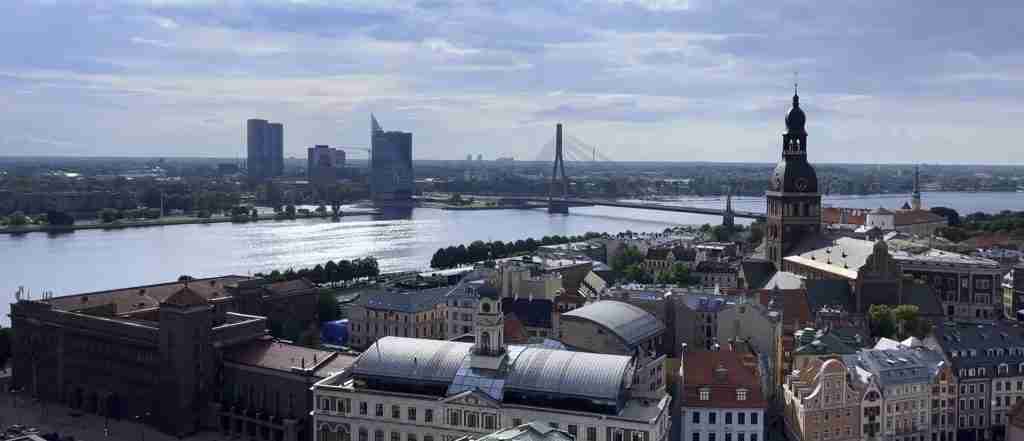
5 days
Riga 5-Day Highlights Experience
- ✓ Comprehensive Riga experience
- ✓ Expert local guides included
- ✓ All accommodation included
- ✓ Transportation provided

7 days
Riga 7-Day Cultural Journey
- ✓ Comprehensive Riga experience
- ✓ Expert local guides included
- ✓ All accommodation included
- ✓ Transportation provided
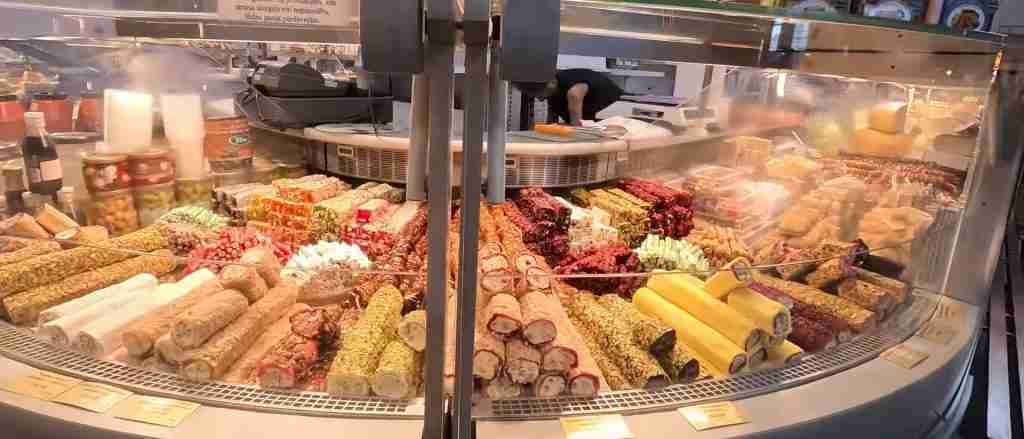
10 days
Riga 10-Day Complete Adventure
- ✓ Comprehensive Riga experience
- ✓ Expert local guides included
- ✓ All accommodation included
- ✓ Transportation provided
Multi-day tour packages powered by TourRadar. Prices and availability subject to change.
Understanding Riga’s Climate and Seasonal Patterns
Riga experiences a humid continental climate with four distinct seasons that significantly impact travel experiences. The city sits on the Gulf of Riga at 56°N latitude, similar to Copenhagen and Edinburgh, creating a climate influenced by Baltic Sea proximity and continental air masses from the east.
Winter temperatures range from -3°C to -6°C on average, though cold snaps can bring temperatures down to -15°C or lower. Snow cover typically lasts from mid-December through early March, transforming the Old Town into a winter wonderland but requiring warm clothing and sturdy winter footwear. Daylight hours shrink dramatically to just 6-7 hours at the winter solstice in late December.
Spring arrives gradually from late March through May, with temperatures climbing from 5°C in March to 18°C by late May. This transition period brings unpredictable weather mixing sunny days with rain showers. Trees leaf out by late April, and parks bloom throughout May. Daylight hours increase rapidly, reaching 17 hours by late May.
Summer (June-August) provides the most reliable pleasant weather with temperatures between 18-23°C. July and August bring the warmest conditions, though heatwaves occasionally push temperatures to 28-30°C. Rain occurs regularly but usually as brief afternoon showers rather than day-long downpours. The extended daylight with sunset after 10 PM creates a magical atmosphere for evening strolls through the Art Nouveau district and Old Town.
Autumn (September-November) sees temperatures declining from 17°C in early September to 5°C by late November. September and early October often deliver stable, clear weather ideal for photography. Golden foliage peaks in late September through mid-October. Rain becomes more frequent in October and November, and the first snow typically arrives in mid-November. Daylight shrinks from 14 hours in early September to 8 hours by late November.
Best Time for Specific Experiences in 2026
Cultural Events and Festivals 2026
Summer dominates Riga’s cultural calendar in 2026. The Riga Opera Festival (June 4-20) represents the pinnacle of the performing arts season, featuring opera premieres like “La Bohème” by Puccini alongside ballet productions including “Peer Gynt” and “Casanova.” The festival culminates in a spectacular Gala Concert on June 20. Tickets range €30-80 depending on performance and seating.
Summer Solstice (Līgo) on June 23 offers an authentic cultural experience where Latvians celebrate the longest day with traditional songs, dancing, bonfires, and overnight festivities in parks and countryside locations. Many businesses close, and locals head to rural areas or gather in public parks for communal celebrations featuring flower crowns, traditional foods, and continuous singing.
The Summer Sound Festival (July 30-August 2) takes place at Liepāja beach, approximately 90 km from Riga and accessible by train or bus in under 3 hours. This multi-day music festival attracts international and Baltic artists across multiple stages.
Winter brings the Supernova Eurovision selection (January 31-February 14, 2026) at Riga Film Studio, where Latvia chooses its Eurovision Song Contest representative. The multi-week competition features live performances, celebrity judges, and passionate audiences. Final shows sell out quickly.
International concerts dot the calendar with Jack White performing at Sigulda Castle Ruins on May 30, and Pitbull headlining Mežaparka Lielā estrāde on July 29. The historic Palladium Rīga hosts regular concerts including electronic music events throughout the year.
Outdoor Activities and Sightseeing 2026
April through October provides optimal conditions for exploring Riga’s architectural treasures and outdoor attractions. The Art Nouveau district along Alberta Street and Elizabetes Street looks spectacular in spring (April-May) when trees leaf out and flower boxes bloom, creating contrast against the ornate building facades. Morning light in September and October produces ideal photography conditions, with low sun angles highlighting architectural details.
Walking tours of Old Town work well March through November when temperatures stay above 5°C. Summer (June-August) brings the best weather but also the largest crowds, particularly in July and August when tour groups fill the narrow streets. Shoulder seasons (April-May, September-October) offer comfortable temperatures between 12-18°C with fewer tourists blocking photo opportunities at landmarks like the House of Blackheads and St. Peter’s Church.
Parks and green spaces shine brightest in May when spring blooms peak and in September when autumn colors emerge. Vērmane Garden, Bastion Hill, and the canal parks provide beautiful settings for picnics and relaxation during these months. Summer visitors enjoy outdoor concerts and boat tours along the canal.
Day trips to nearby attractions like Sigulda (Gauja National Park), Jūrmala beach resort, and Kemeri National Park work best May through September. Jūrmala’s beaches attract swimmers from June through August when Baltic Sea temperatures reach 18-20°C. Hiking in Gauja National Park offers excellent conditions from May through October, with the Turaida Castle and Gutmanis Cave particularly photogenic during autumn foliage season.
Christmas Markets and Winter Atmosphere
Riga’s Christmas markets operate from late November through early January, transforming Town Hall Square and smaller locations into festive wonderlands. The main market features over 100 wooden chalets selling crafts, decorations, traditional foods, and hot drinks. Unlike massive markets in Prague or Vienna, Riga’s Christmas market maintains an intimate, local character where vendors know regular customers and traditional recipes dominate menus.
December provides the most magical atmosphere with fully decorated markets, Christmas concerts at churches, and snow-covered Old Town streets creating postcard scenes. The large Christmas tree in Town Hall Square dates back to 1510, making Riga’s claim to hosting Europe’s first public Christmas tree historically significant. Evening visits from 5-8 PM capture the market at its most atmospheric when lights illuminate the House of Blackheads and surrounding medieval buildings.
New Year’s Eve celebrations center on Town Hall Square with concerts, fireworks, and crowds gathering to welcome the new year. Hotels book far in advance for December 31, and restaurants require reservations weeks ahead for New Year’s Eve dinners.
Month-by-Month Guide to Visiting Riga in 2026
January 2026: Winter Festivals and Budget Travel
January brings Riga’s coldest weather with average temperatures between -3°C and -6°C, though sunny days can feel pleasant when dressed appropriately. The Supernova Eurovision selection (January 31-February 14) attracts music fans to Riga Film Studio for multiple live shows featuring Latvia’s up-and-coming artists competing for the Eurovision spot. Tickets sell through Biļešu Serviss.
Post-holiday accommodation prices drop to yearly lows, with quality hotels available for €40-60 per night. Restaurants offer winter lunch specials, and museums have minimal crowds. Daylight lasts just 7-8 hours, with sunrise around 8:45 AM and sunset around 4:30 PM in early January, extending to 5:30 PM by month’s end.
Indoor attractions dominate itineraries: the Latvian National Museum of Art, Art Museum Riga Bourse, Riga Motor Museum, and Museum of Decorative Arts provide heated environments for cultural exploration. The Latvian War Museum in the Powder Tower offers free admission and comprehensive exhibits spanning Latvia’s military history.
February 2026: Late Winter and Cultural Events
February temperatures remain cold averaging -2°C to -5°C but daylight increases noticeably to 9-10 hours by month’s end. The final Supernova Eurovision shows (through February 14) culminate in Latvia’s Eurovision representative selection, creating excitement in the music community.
Various concerts populate the calendar including performances at Palladium Rīga and the Latvian National Opera. Valentine’s Day (February 14) brings romantic dinner specials at Riga’s top restaurants, though reservations should be made well in advance.
Snow cover typically remains consistent, creating winter sports opportunities at nearby Sigulda (bobsled track accessible for tourist rides) and maintaining the winter wonderland atmosphere in Old Town. Indoor market halls at Central Market provide warm browsing environments for local foods, crafts, and souvenirs.
March 2026: Late Winter Transition
March marks the transition from winter to spring with temperatures ranging from -1°C early in the month to 7°C by late March. Snow melts gradually, revealing the Old Town’s cobblestones and creating muddy conditions in parks. This shoulder period offers the year’s lowest tourist numbers and excellent hotel rates (€45-70 per night for mid-range properties).
Daylight hours increase dramatically from 10 hours in early March to 13 hours by month’s end, with sunset moving from 6 PM to 8 PM. This extended light makes evening exploration more feasible and photography conditions improve significantly.
St. Patrick’s Day (March 17) brings celebrations to Irish pubs throughout Riga, though the holiday isn’t traditionally Latvian. The approach of spring creates anticipation as locals and visitors await the greening of parks and the return of outdoor cafe season.
April 2026: Spring Arrives
April delivers true spring conditions with temperatures climbing from 8°C early in the month to 14°C by late April. Trees begin leafing out, parks turn green, and the first spring flowers emerge in gardens and window boxes. Daylight hours extend from 13 hours in early April to 16 hours by month’s end.
This shoulder season month offers excellent value with hotel prices remaining moderate (€60-85 per night) while weather becomes comfortable for full-day sightseeing. Rain showers occur regularly, requiring umbrella or rain jacket, but rarely last all day.
Easter celebrations vary by year (2026 date depends on Easter Sunday calculation) and bring special services at Riga Cathedral and other churches. Outdoor cafes begin opening for the season, and locals flock to parks for the first picnics of the year.
Art Nouveau architecture walking tours become particularly popular in April when building details emerge from winter grime after spring rains. The low sun angle and greening trees create beautiful photography conditions along Alberta Street.
May 2026: Prime Spring Conditions
May ranks among the best months for visiting Riga with temperatures between 12-18°C, blooming parks, and 16-17 hours of daylight by late May. Spring reaches full expression as chestnuts bloom along boulevards, tulips fill parks, and outdoor dining expands throughout the Old Town and Art Nouveau district.
The Jack White concert at Sigulda Castle Ruins on May 30 draws music fans to the picturesque location 50 km from Riga. Sigulda offers medieval castles, Gauja National Park hiking, and the Turaida Museum Reserve, making the concert an excellent excuse for a day trip or overnight stay.
Hotel rates increase moderately from April levels (€75-110 per night for mid-range options) as tourism season begins, but remain well below summer peaks. Restaurants expand outdoor seating, and the Kalnciema Quarter Saturday market resumes full outdoor operations with local vendors selling produce, crafts, and prepared foods.
Late May brings the approach of White Nights when sunset delays until after 10 PM and true darkness barely arrives, creating extended golden hours for photography and romantic evening strolls.
June 2026: Festival Season Begins
June launches Riga’s peak cultural season with the Riga Opera Festival (June 4-20) showcasing world-class opera and ballet productions. The festival opening features the premiere of Puccini’s “La Bohème” with subsequent performances including “Peer Gynt” ballet, “Cavalleria Rusticana,” “Pagliacci,” and “Casanova.” The June 20 Gala Concert provides a spectacular conclusion. Tickets range €30-80 and sell through the Latvian National Opera website and Biļešu Serviss.
Summer Solstice (Līgo) on June 23 represents Latvia’s most important cultural celebration. The longest day brings nationwide festivities with traditional songs (dainas), flower crowns (vainagi), special foods like cheese with caraway seeds, and overnight bonfires. Many businesses close on June 23-24, and public transportation may operate reduced schedules. Parks and countryside locations host public celebrations, though many Latvians retreat to family countryside properties.
Weather becomes reliably warm with temperatures between 17-22°C and minimal rainfall compared to spring months. Sunset delays to after 10 PM, and true darkness barely occurs in late June when twilight lasts all night.
Tourism reaches high season levels with hotel prices increasing to €110-160 per night for mid-range properties. Popular restaurants require reservations, particularly on weekends. The Old Town fills with visitors, especially during Opera Festival performances and Summer Solstice.
July 2026: Peak Summer Season
July brings Riga’s warmest weather averaging 20-23°C with occasional heatwaves pushing temperatures to 28-30°C. This peak tourist month sees maximum crowds, highest prices, and fully booked hotels, particularly in the second half when European school holidays intensify visitor numbers.
The Pitbull concert on July 29 at Mežaparka Lielā estrāde adds to the summer entertainment options. The Summer Sound Festival (July 30-August 2) at Liepāja beach offers a multi-day music experience within day-trip distance from Riga.
Extended daylight hours (sunset around 10 PM early in the month, moving to 9:30 PM by month’s end) maximize sightseeing opportunities. Outdoor dining, rooftop bars, and evening river cruises along the Daugava River operate at full capacity.
Beach day trips to Jūrmala become extremely popular as Baltic Sea temperatures reach comfortable swimming levels (18-20°C). The 20-kilometer stretch of white sand beach, historic wooden architecture, and spa hotels attract both tourists and locals escaping Riga’s heat.
Hotel rates peak at €130-200 per night for mid-range properties, with advance booking essential. Walking tours often sell out, and major attractions experience maximum crowds. Early morning visits (before 10 AM) to popular sites like St. Peter’s Church and House of Blackheads avoid the worst congestion.
August 2026: Late Summer Crowds
August maintains July’s warm temperatures (19-22°C) while beginning the subtle shift toward autumn. Early August sees maximum tourist numbers as European school holidays continue through mid-month. The Summer Sound Festival concludes August 2, and various smaller concerts and events populate the calendar.
The first hints of autumn appear in late August as daylight hours decrease noticeably and sunset moves from 9:30 PM to 8 PM by month’s end. Morning temperatures begin cooling to 13-15°C, making early sightseeing more comfortable than July’s occasional heat.
Hotel rates remain elevated through mid-August (€120-180 per night) then begin decreasing in the final week as schools reopen across Europe. Smart travelers booking late August visits benefit from better rates while weather remains reliably pleasant.
Late August offers a sweet spot of still-warm weather, decreasing crowds, and the beginning of shoulder season pricing. Restaurant reservations become easier to secure, and walking tours have more availability.
September 2026: Ideal Shoulder Season
September ranks as one of the best months for visiting Riga with comfortable temperatures (14-17°C early in month, 10-13°C late September), stable weather, dramatically reduced tourist numbers, and excellent photography light. Early autumn brings golden foliage beginning in parks and along boulevards, creating beautiful urban landscapes.
The low sun angle provides ideal lighting for architectural photography, particularly the Art Nouveau buildings that look spectacular in morning and late afternoon light. Clear, crisp days become common, though occasional rain showers require preparation.
Hotel rates drop 30-40% from summer peaks to €80-120 per night for mid-range properties. Restaurants lose their summer crowds, making walk-in dining possible again at popular establishments. Cultural venues resume fall programming with opera season beginning at the Latvian National Opera and concert season starting at various venues.
September also offers comfortable conditions for day trips to Sigulda, where autumn foliage in Gauja National Park creates stunning scenery around medieval castles and hiking trails. The Turaida Museum Reserve and Gutmanis Cave look particularly beautiful surrounded by golden leaves.
October 2026: Autumn Peak
October delivers peak autumn conditions with golden foliage reaching maximum color in mid-month. Temperatures range from 12°C early in the month to 6°C by late October, requiring layers and light jackets for comfortable sightseeing.
Photography enthusiasts find October ideal for capturing Riga’s architecture against colorful foliage. Parks like Vērmane Garden and the Bastion Hill area provide spectacular autumn scenes. Morning frost may appear late in the month, creating magical conditions as sun burns through mist.
Daylight hours decrease noticeably from 12 hours in early October to 9 hours by month’s end. Sunset moves from 7 PM to 5 PM, requiring adjustment to sightseeing schedules. Rain becomes more frequent with 10-12 rainy days typical during October.
Cultural programming intensifies as Latvians return from summer holidays and indoor entertainment season begins. Concert halls, theaters, and opera house operate full schedules. Halloween celebrations appear in bars and clubs, though the holiday remains less prominent than in North America.
Hotel rates continue at shoulder season levels (€70-100 per night), and tourist numbers remain manageable. October represents excellent value for travelers seeking pleasant weather and cultural activities without summer crowds.
November 2026: Late Autumn Transition
November marks the transition from autumn to winter with temperatures dropping from 5°C early in the month to near 0°C by late November. First snow typically arrives mid-month, sometimes accumulating, sometimes melting immediately.
Daylight shrinks dramatically from 9 hours in early November to just 7 hours by month’s end. Gray skies dominate as the Baltic region enters its darkest period. Rain and sleet mix with occasional snow, creating dreary conditions that require waterproof outerwear.
Despite challenging weather, November offers the year’s best travel deals. Hotel rates plunge to €50-80 per night for quality mid-range properties, and flights from major European cities become remarkably affordable. Restaurants compete for business with lunch specials and prix fixe dinner menus.
Christmas markets begin construction in late November, with some opening for weekend preview operations before the official late-November/early-December start. Indoor attractions become primary sightseeing targets: museums, galleries, churches, the Central Market’s covered halls, and shopping centers.
November suits travelers who prioritize cultural experiences and budget savings over weather, don’t mind short daylight hours, and appreciate quiet museums and uncrowded attractions.
December 2026: Winter Wonderland
December transforms Riga into a winter wonderland as Christmas markets open in Town Hall Square and smaller locations throughout the city. Snow typically covers the Old Town by mid-month, and temperatures average -1°C to -4°C. Daylight hours reach their annual minimum at 6.5-7 hours around the winter solstice (December 21).
The Christmas market atmosphere peaks from December 10-23 when decorations reach full display, mulled wine and traditional foods fill the air with aromas, and locals shop for gifts and decorations. The market continues through New Year’s but loses some charm after December 25.
New Year’s Eve (December 31) brings major celebrations to Town Hall Square with concerts, countdown events, and midnight fireworks. Hotels book months in advance for December 31, and premium rates apply. Many restaurants offer special New Year’s Eve menus requiring reservations.
Churches host Christmas concerts throughout December, with special performances at Riga Cathedral, St. Peter’s Church, and the Nativity of Christ Cathedral. The Latvian National Opera presents “The Nutcracker” and other seasonal productions.
December suits travelers seeking Christmas market atmosphere, winter scenery, and festive cultural events while accepting cold weather, short daylight, and elevated holiday pricing for accommodations and certain experiences.
Weather Considerations for 2026 Planning
Packing for Different Seasons
Summer visits (June-August) require light layers, comfortable walking shoes, sunglasses, and light rain jacket. Evenings can cool to 12-15°C even in July, making a light sweater or jacket useful for outdoor dining. Sunscreen becomes necessary during long summer days when UV exposure accumulates during extended sightseeing hours.
Shoulder seasons (April-May, September-October) demand versatile layering systems combining t-shirts, long-sleeve shirts, sweaters or fleece, and waterproof jacket. Comfortable waterproof walking shoes prove essential as rain showers occur frequently. Temperatures can vary 10 degrees or more between morning and afternoon, requiring ability to add or remove layers.
Winter (December-February) necessitates serious cold-weather gear including insulated winter coat, warm hat covering ears, gloves, scarf, and waterproof insulated boots with good traction for snow and ice. Thermal underwear and wool socks provide essential base layers. Hand and foot warmers can make outdoor exploration more comfortable during extended sightseeing sessions.
Late winter/early spring (March) creates challenging packing as conditions vary dramatically. Bring winter coat but also lighter jacket for unexpectedly warm days. Waterproof boots remain essential as snow melts creating wet, muddy conditions.
Dealing with Short Winter Days
Winter visitors must plan around limited daylight hours. December and January provide just 6-7 hours of daylight, requiring strategic scheduling. Indoor attractions work well for dark morning hours before 9 AM and after 4 PM. Save outdoor sightseeing and architectural walks for midday hours when natural light reaches maximum levels.
Morning light arrives around 8:45 AM in late December, delaying to 8:30 AM by late January and 7:30 AM by late February. Evening sunset occurs around 4:30 PM in late December, extending to 5:30 PM by late January and 6:30 PM by late February.
Museums and galleries adjust their appeal during short days, and Riga’s excellent museum collection provides ample indoor options: Latvian National Museum of Art, Art Museum Riga Bourse, Museum of Decorative Arts, Riga Motor Museum, and numerous smaller specialized collections. Churches lit for Christmas services offer beautiful evening experiences when outdoor sightseeing becomes impossible.
Practical Planning Tips for 2026 Visits
Booking Accommodations for Different Seasons
Summer visitors (June-August) should book hotels at least 3-4 months ahead, particularly for July and August when European school holidays create maximum demand. During the Riga Opera Festival (June 4-20) and Summer Solstice (June 23), hotels near Old Town sell out months in advance. Consider booking 6 months ahead for these peak periods.
Shoulder seasons (April-May, September-October) allow more flexibility with 1-2 months advance booking sufficient for most dates. Better rates emerge for bookings made 6-8 weeks ahead compared to last-minute reservations.
Winter (November-March excluding holidays) offers maximum flexibility with often-better rates for last-minute bookings than advance reservations. Exception: New Year’s Eve requires 3-4 months advance booking, and Christmas market period (December 10-26) benefits from 2-3 months advance planning.
Supernova Eurovision selection period (January 31-February 14) attracts music fans creating moderate demand increase. Book 4-6 weeks ahead for this period to secure preferred properties at good rates.
Festival and Event Ticket Planning
Riga Opera Festival tickets (June 4-20, 2026) go on sale through the Latvian National Opera website several months in advance. Premium performances and Gala Concert (June 20) sell quickly. Purchase tickets 2-3 months ahead for best seat selection. Prices range €30-80 depending on performance and seating section.
Concert tickets for major international acts (Jack White on May 30, Pitbull on July 29) sell through Biļešu Serviss and often sell out within days or weeks of going on sale. Sign up for Biļešu Serviss email notifications to receive sale announcements for concerts matching your travel dates.
Supernova Eurovision selection shows (January 31-February 14) attract passionate fans, and final rounds sell out quickly. Tickets typically go on sale 4-6 weeks before first shows.
Free events require no advance planning: Summer Solstice celebrations in parks, Christmas markets, most church concerts, and many outdoor summer concerts occur on walk-up basis.
Day Trip Planning by Season
Summer (June-August) offers best conditions for day trips to Jūrmala beach (25 km, 30 minutes by train), Sigulda castles and Gauja National Park (50 km, 1 hour by train or bus), and Rundale Palace (80 km, 1.5 hours by bus). All operate full summer hours and provide optimal weather for outdoor exploration.
Spring and autumn (April-May, September-October) work well for Sigulda hiking and castle exploration when autumn foliage or spring blooms enhance the scenery. Rundale Palace gardens look spectacular in late April-May when tulips bloom and in September when formal gardens reach late-season peak.
Winter day trips focus on indoor attractions like Rundale Palace interiors (gardens closed but palace museum open) or Jurmala’s spa hotels offering winter wellness packages. Sigulda offers winter bobsled rides on the professional track from December through March.
Frequently Asked Questions About Visiting Riga in 2026
Is Riga cold in April 2026?
April in Riga sees temperatures ranging from 8-14°C, which feels cool but comfortable for sightseeing with appropriate clothing. Early April can still experience occasional freezing temperatures and even light snow, particularly in the first week. By late April, temperatures typically reach 12-16°C during afternoons, creating pleasant spring conditions. Light jacket, sweater, and waterproof layer prove sufficient for most April days. Rain showers occur on approximately 8-10 days during the month, usually as light precipitation rather than prolonged storms. April ranks as an excellent shoulder season month offering comfortable weather, blooming parks, and moderate tourist numbers.
Does it rain a lot in Riga during summer 2026?
Summer months (June-August) in Riga experience moderate rainfall averaging 8-10 rainy days per month. However, summer rain typically arrives as brief afternoon showers or thunderstorms lasting 1-3 hours rather than all-day downpours. Most summer days include several hours of sunshine even when rain occurs. The pattern involves morning sunshine, afternoon clouds developing, possible late-afternoon shower, and clearing evening skies. Pack a compact umbrella or light rain jacket for afternoon sightseeing, but summer rain rarely disrupts full-day plans. July tends to be slightly drier than June and August. The extended summer daylight hours (sunset after 10 PM in June and July) means that even if afternoon rain occurs, plenty of daylight remains for post-rain activities.
What should I pack for winter in Riga?
Winter visitors to Riga (December-February) require serious cold-weather gear. Essential items include: insulated winter coat rated for -15°C or colder, warm hat that covers ears, insulated gloves or mittens, thick scarf, thermal underwear as base layer, wool socks, and waterproof insulated boots with deep tread for snow and ice. Additional useful items include hand warmers and foot warmers for extended outdoor exploration, moisture-wicking mid-layers, and face protection (balaclava or neck gaiter) for particularly cold days. Layering proves crucial as indoor heating keeps museums, restaurants, and hotels very warm, requiring ability to shed layers. Waterproof outer layer protects against snow and freezing rain. Quality winter boots make the biggest difference in comfort as cobblestone streets become slippery when snow-covered or icy.
Can I swim at Jūrmala beach in June 2026?
Baltic Sea temperatures at Jūrmala beach in June range from 15-18°C, which most people find too cold for extended swimming though some hardy swimmers tolerate brief dips. Late June sees the warmest water temperatures of the month, occasionally reaching 18-19°C during warm spells. July and August provide better swimming conditions with water temperatures reaching 18-20°C and occasionally 21°C during heatwaves. June beach visits work well for sunbathing, beach walks, and wading but less so for serious swimming. Children and those accustomed to warm ocean waters typically find June Baltic temperatures uncomfortable for swimming. The beach atmosphere, beach restaurants, and spa facilities operate fully from June onward, making Jūrmala visits worthwhile even if swimming isn’t the primary goal.
How many daylight hours does Riga have in December 2026?
Riga experiences its shortest days in late December around the winter solstice (December 21-22) when daylight lasts approximately 6 hours and 30 minutes. Early December provides about 7 hours of daylight, which decreases to the solstice minimum before slowly increasing in late December. Sunrise occurs around 8:45-9:00 AM throughout December while sunset happens around 3:45-4:00 PM in late December, extending to about 4:15 PM by December 31. The limited daylight requires strategic planning of outdoor sightseeing for midday hours (10 AM-3 PM) when natural light reaches maximum levels. Architectural walks and outdoor attraction visits should concentrate during these core daylight hours. Museums, churches, and indoor attractions work well for early morning (before 10 AM) and late afternoon/evening hours when darkness makes outdoor exploration less appealing.
Is Riga crowded in July and August 2026?
July and particularly early-mid August represent Riga’s peak tourist season with significant crowds concentrated in Old Town, major attractions, and popular restaurants. The narrow streets around Town Hall Square, House of Blackheads, and St. Peter’s Church fill with tour groups and individual tourists between 10 AM-6 PM. Popular museums like the Latvian National Museum of Art and Art Museum Riga Bourse experience their busiest periods. However, Riga’s crowds remain modest compared to overtouristed destinations like Prague, Vienna, or Barcelona. Walking tours and popular restaurants require advance booking in summer. Smart strategies to minimize crowd impact include: visiting major attractions at opening time (before 10 AM), exploring Art Nouveau district which disperses crowds across multiple streets, dining at lunch rather than prime dinner hours, and visiting Central Market and Latvian War Museum which maintain capacity even in peak summer.
What is the best month for photography in Riga?
September and October offer the best photography conditions in Riga with low sun angles creating dramatic lighting on Art Nouveau architecture, golden autumn foliage providing colorful backgrounds, stable clear weather producing consistent light, and comfortable temperatures allowing extended outdoor shooting sessions. Morning light (7-9 AM) and late afternoon/early evening light (4-7 PM in September, 3-5 PM in October) create ideal conditions for architectural photography. May also ranks highly for photography with spring blooms adding color, green leaves contrasting against ornate building facades, and long days providing extended golden hours. Winter photography appeals to some shooters for snow-covered Old Town scenes and Christmas market atmosphere, but short daylight hours (6-7 hours) and frequent gray skies create challenges. Summer’s extended daylight and reliable weather work well for photography, but midday harsh light and maximum crowds present obstacles. Serious architectural photographers should target September for optimal combination of light quality, weather reliability, and comfortable working conditions.
Are there any Latvian holidays that affect travel in 2026?
Several Latvian holidays impact travel planning in 2026. Summer Solstice (Līgo and Jāņi) on June 23-24 represents the most significant national celebration when many businesses close, public transportation operates reduced schedules, and Latvians retreat to countryside locations for traditional celebrations. Hotels in Riga often have availability June 23-24 as locals leave the city, but accommodations in countryside areas and coastal towns book solid. New Year’s Day (January 1), Good Friday and Easter Monday (dates vary), May 1 (Labour Day), May 4 (Restoration of Independence Day), November 18 (Proclamation Day of the Republic of Latvia), and December 25-26 (Christmas) bring business closures and possible transportation schedule changes. Museums and major attractions often close on national holidays or operate reduced hours. Grocery stores and pharmacies typically maintain limited hours on holidays. Christmas Eve (December 24) and New Year’s Eve (December 31) see early closures of many businesses as Latvians celebrate with families. Plan museum visits, major shopping, and restaurant reservations around these holidays to avoid disappointment.
What festivals happen outside of Riga in 2026?
Summer Sound Festival (July 30-August 2, 2026) takes place at Liepāja beach, approximately 90 km (56 miles) west of Riga. This multi-day music festival features international and Baltic artists across multiple stages and attracts thousands of attendees. Trains and buses connect Riga to Liepāja in 2.5-3 hours. The Jack White concert at Sigulda Castle Ruins (May 30, 2026) occurs 50 km from Riga, accessible by frequent train service in under 1 hour. Sigulda offers medieval castles, Gauja National Park hiking, and bobsled track experiences, making the concert an excellent excuse for a day trip or overnight stay. Positivus Festival, one of the Baltic region’s largest music festivals, traditionally occurs in late July or early August, though 2026 dates and lineup have not been announced at time of writing. This multi-day festival near Salacgrīva (approximately 100 km from Riga) attracts major international acts and tens of thousands of attendees. Check positivusfestival.com for 2026 announcements.
Is it worth visiting Riga in November 2026?
November offers excellent value for budget-conscious travelers willing to accept challenging weather conditions. Advantages include dramatically reduced accommodation prices (€50-80 per night for quality mid-range hotels versus €120-160 in summer), minimal tourist crowds creating intimate museum experiences, affordable flight deals from major European cities, and restaurant promotions including lunch specials and prix fixe menus. Cultural programming intensifies in November as concert halls, theaters, and opera house operate full fall schedules. Christmas markets begin construction in late November, sometimes opening for preview weekends. Disadvantages include short daylight hours (9 hours early November decreasing to 7 hours by month’s end), frequent rain and sleet mixing with occasional snow, gray skies dominating most days, and outdoor sightseeing becoming less appealing in cold, damp conditions. November suits travelers who prioritize cultural experiences over weather, budget savings over optimal conditions, and quiet museums over bustling street scenes. The month works particularly well for combining indoor cultural activities with cozy restaurant evenings and authentic local atmosphere.