Riga on a Budget 2026: Free Things to Do & Money-Saving Tips
Riga stands as one of Europe’s most budget-friendly capitals, offering rich history, stunning architecture, and vibrant culture without draining your wallet. From free UNESCO World Heritage sites to affordable public transport and countless no-cost attractions, smart travelers can experience authentic Baltic culture while spending far less than in Western European destinations.
Key Takeaways: Budget Travel in Riga 2026
- Riga offers exceptional value compared to Western European capitals with quality mid-range hotels from €60-90 per night, restaurant meals €8-15, and comprehensive public transport day passes for €5
- The entire UNESCO-listed Old Town requires zero admission fees providing hours of exploration through medieval streets, viewing the House of Blackheads, Freedom Monument, and architectural masterpieces completely free
- Two major museums offer free admission daily including the comprehensive Latvian War Museum in the iconic Powder Tower and the moving Museum of Occupation documenting Latvia’s 20th-century history
- Public transportation costs just €1.50 for 90 minutes with unlimited transfers between trams, trolleybuses, and buses, while 3-day passes cost €8, making getting around remarkably affordable
- Central Market provides free admission to Europe’s largest market halls where sampling local foods, browsing produce, and experiencing authentic Latvian culture costs nothing beyond any purchases you choose to make
- Strategic timing saves 40-60% on accommodations with shoulder seasons (April-May, September-October) and winter months (November-March excluding holidays) offering the lowest prices while maintaining access to most attractions and experiences
People Also Ask About Riga Budget Travel 2026
How much money do I need per day in Riga 2026?
Budget travelers can comfortably explore Riga on €40-60 per day including hostel accommodation (€15-25), budget meals (€15-25), transport (€5 for day pass), and attractions (€5-10). Mid-range travelers should budget €80-120 daily covering hotel accommodation (€60-90), restaurant meals (€30-45), transport (€5), attractions and activities (€15-20), and drinks or entertainment (€10-15). Luxury travelers spending €150+ daily access premium hotels (€120-180), fine dining experiences (€50-80 for food), private tours, and unlimited activities. These ranges exclude major purchases like souvenirs or expensive excursions. Visiting during shoulder seasons (April-May, September-October) or winter (November-March) reduces accommodation costs by 30-50%, significantly lowering daily budgets.
Is Riga cheaper than other European capitals in 2026?
Riga ranks among Europe’s most affordable capitals, significantly cheaper than Western European destinations. Compared to Paris, London, or Amsterdam where mid-range hotels cost €150-250 per night, Riga’s equivalent accommodation runs €60-90. Restaurant meals costing €25-40 in Western Europe average €10-18 in Riga for comparable quality. Public transport day passes costing €7-12 in major Western cities cost just €5 in Riga. Even compared to other Baltic and Central European capitals, Riga offers excellent value: similar or slightly lower prices than Vilnius and Tallinn, considerably cheaper than Prague or Krakow which have experienced price increases from overtourism. The combination of affordability and quality makes Riga exceptional value for travelers seeking authentic European experiences without Western European prices.
What free things can I do in Riga?
Riga offers extensive free experiences starting with the entire UNESCO-listed Old Town where wandering cobblestone streets, viewing the House of Blackheads, and discovering medieval architecture costs nothing. The Latvian War Museum in the Powder Tower and Museum of Occupation provide free admission to world-class historical exhibitions. The Freedom Monument, Riga Cathedral exterior, St. Peter’s Church exterior, and countless churches welcome free entry for quiet contemplation. Art Nouveau architecture along Alberta Street and Elizabetes Street creates an outdoor museum requiring no tickets. Central Market’s massive halls offer free admission to browse local produce, crafts, and foods. Parks including Vērmane Garden, Bastion Hill, and canal parks provide beautiful spaces for relaxation. The National Library of Latvia offers free visitor passes for panoramic city views from the 11th floor. Free walking tours operate on tip-only basis, and seasonal events like Summer Solstice celebrations in parks cost nothing to attend.
How much is public transport in Riga 2026?
Riga’s public transport operates on affordable fixed-rate tickets. A 90-minute ticket costs €1.50 and allows unlimited transfers between trams, trolleybuses, and buses within the time limit. Day passes cost €5 and provide 24-hour unlimited travel from first validation. Multi-day passes offer increasing value: 3-day passes cost €8, and 5-day passes cost €10. Airport bus 22 charges €1.81 when purchasing from the driver with payment card only. Monthly passes cost €30 for residents and visitors planning extended stays. Children under 7 travel free, and discounts apply for students and seniors with proper documentation. Tickets can be purchased from vending machines at stops, Narvesen kiosks, the Rīgas Satiksme mobile app, or Mobilly app. The 90-minute ticket must be validated upon boarding each new vehicle, with the last validation permitted in the 89th minute. Public transport operates 5:30 AM to 11:30 PM daily, with limited night bus service on weekends.
Extended multi-day tours – 5+ days
Featured Riga Multi-Day Tour Packages

3 days
Riga 3-Day Discovery Tour
- ✓ Comprehensive Riga experience
- ✓ Expert local guides included
- ✓ All accommodation included
- ✓ Transportation provided
5 days
Riga 5-Day Highlights Experience
- ✓ Comprehensive Riga experience
- ✓ Expert local guides included
- ✓ All accommodation included
- ✓ Transportation provided
7 days
Riga 7-Day Cultural Journey
- ✓ Comprehensive Riga experience
- ✓ Expert local guides included
- ✓ All accommodation included
- ✓ Transportation provided

10 days
Riga 10-Day Complete Adventure
- ✓ Comprehensive Riga experience
- ✓ Expert local guides included
- ✓ All accommodation included
- ✓ Transportation provided
Multi-day tour packages powered by TourRadar. Prices and availability subject to change.
Understanding Riga’s Budget-Friendly Advantages
Riga’s affordability stems from Latvia’s economic position, the euro’s strength against local purchasing power, and the city’s commitment to maintaining accessible tourism. Unlike overtouristed destinations where prices inflate to exploit visitor demand, Riga maintains reasonable pricing reflecting actual costs rather than tourist premiums.
The city operates an efficient public transport system covering all major attractions and neighborhoods for minimal cost. Unlike capitals requiring expensive metro systems or taxi rides to reach key sites, Riga’s compact size and comprehensive tram and bus network keep transportation costs low. Most central attractions fall within walking distance of each other, further reducing transport needs.
Accommodation prices remain reasonable even in peak summer months compared to Western European equivalents. Quality mid-range hotels offering comfortable rooms, breakfast, and central locations charge €60-90 per night in summer and €40-70 in shoulder seasons, delivering excellent value. Hostels provide dormitory beds from €15-25 and private rooms from €40-60, catering to ultra-budget travelers.
Food costs reflect Latvia’s agricultural productivity and traditional cuisine emphasizing local ingredients. Restaurant meals featuring hearty portions of traditional Latvian dishes cost €8-15, while upscale dining rarely exceeds €25-35 per person. Grocery stores and Central Market offer ingredients at prices significantly below Western European levels, making self-catering extremely economical.
Perhaps most importantly, many of Riga’s premier attractions require no admission fees. The entire UNESCO World Heritage Old Town, multiple museums, architectural walks, parks, and cultural experiences cost nothing, allowing budget travelers to experience the city’s essence without spending on tickets.
Free Attractions and Experiences in Riga 2026
UNESCO Old Town Walking Exploration
Riga’s Old Town (Vecrīga) earned UNESCO World Heritage designation in 1997 for its exceptional concentration of Art Nouveau architecture and well-preserved medieval buildings. The entire district spanning approximately 1.5 square kilometers requires zero admission fees, providing hours of exploration through narrow cobblestone streets lined with architectural masterpieces.
The House of Blackheads dominates Town Hall Square with its ornate Dutch Renaissance facade featuring gold detailing, sculptures, and the coat of arms of the Brotherhood of Blackheads. The current building represents a meticulous 1999 reconstruction of the original 14th-century structure destroyed in World War II. While museum admission costs €9, the exterior provides spectacular photo opportunities and the square hosts free seasonal events.
Town Hall Square serves as the Old Town’s central gathering point where the Tourist Information Center provides free maps, advice, and current event listings. The square transforms seasonally: Christmas markets fill the space November through January, outdoor cafes spread across the cobblestones in summer, and various festivals and concerts occur throughout the year, all viewable without charge.
The Freedom Monument stands 42 meters high at the boundary between Old Town and the Art Nouveau district, commemorating soldiers killed during Latvia’s War of Independence (1918-1920). The monument’s central feature, a female figure called Milda holding three golden stars representing Latvia’s historical regions, appears on Latvian euro coins. The monument serves as the focal point for national celebrations and memorial services. Guards change ceremonially but not on a fixed tourist schedule. The surrounding plaza provides a natural gathering point and photo location completely free to access.
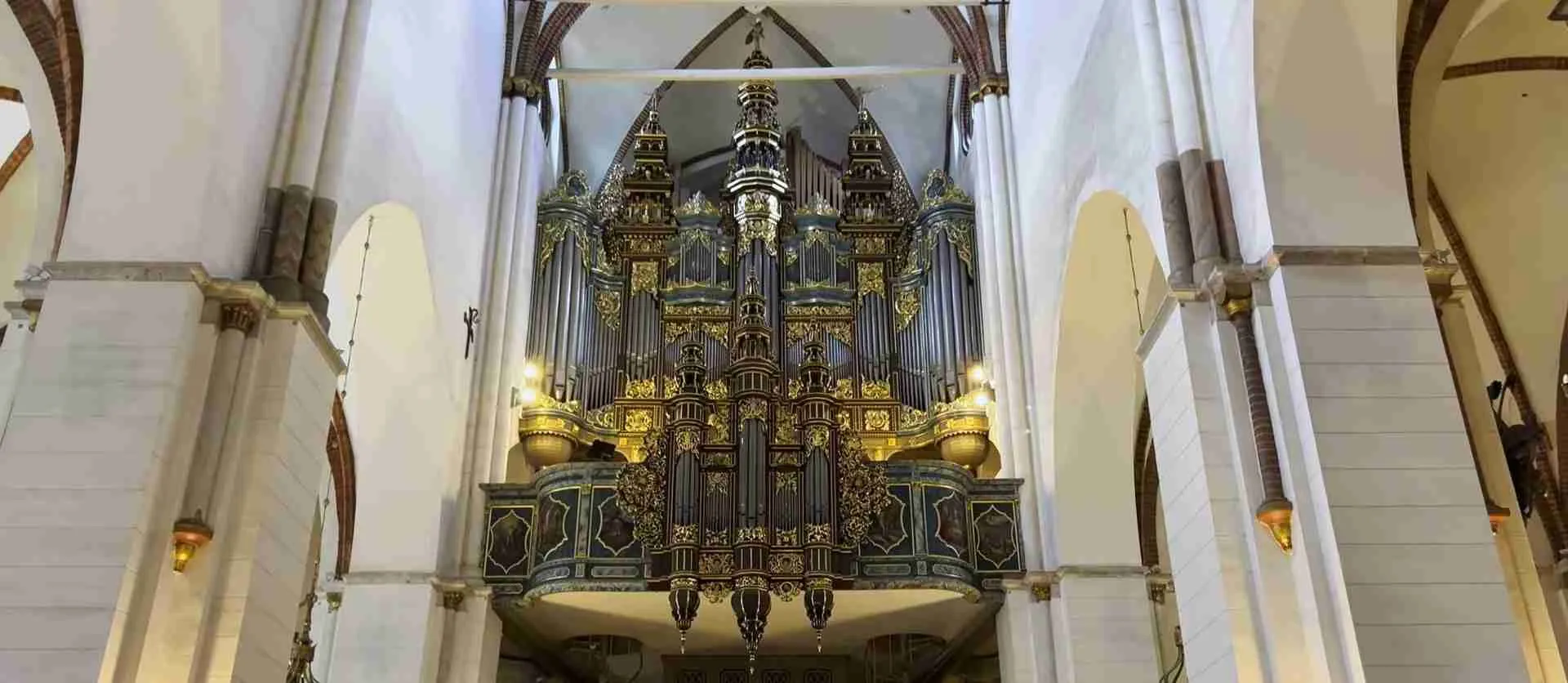
Riga Cathedral, with foundations laid in 1211, ranks as the largest medieval church in the Baltic States. Entry to the main church requires a ticket (€5), but the exterior facade, surrounding square, and impressive architecture can be admired freely. The cathedral square hosts seasonal markets and events. Summer concerts using the cathedral’s famous organ occur regularly, with some free outdoor broadcasts allowing listeners to enjoy the music from the square.
St. Peter’s Church’s 123-meter tower dominates the Old Town skyline. Tower access costs €9 for the elevator ride to observation platforms offering panoramic city views, but the striking red-brick Gothic exterior and ornate spire provide free photo opportunities. The church exterior, particularly photogenic from various Old Town vantage points, has symbolized Riga for centuries.
The Three Brothers, Riga’s oldest stone residential buildings dating from the 15th-17th centuries, showcase the evolution of residential architecture through three connected structures. The buildings now house the Latvian Museum of Architecture, which charges admission, but the distinctive white, yellow, and green facades create one of Old Town’s most photographed free attractions.
Smaller gems scattered throughout Old Town include the Cat House featuring cat sculptures on its roof peaks, the Swedish Gate piercing the old city walls, the Town Musicians of Bremen statue where touching each animal’s face supposedly brings luck, and numerous merchant houses displaying guild symbols and ornate details that reward careful observation during unhurried walking explorations.
Free Museums and Cultural Sites
The Latvian War Museum occupies the Powder Tower, part of Riga’s original defensive walls built in the 13th-14th centuries. The tower’s 3-meter-thick walls feature nine cannonballs embedded from historical battles, visible from the exterior. The museum offers completely free admission across four floors covering Latvia’s military history from the 13th century through modern conflicts.
Exhibitions include comprehensive World War I collections featuring uniforms, weapons, propaganda posters, and personal effects from soldiers. The WWI section ranks among Europe’s best dedicated to the Eastern Front, providing perspectives often missing from Western European museums. World War II exhibits document Latvia’s occupation by both Nazi Germany and the Soviet Union, the Holocaust in Latvia, and the Latvian experience of the war.
More recent history includes Afghanistan campaign exhibits and displays on the modern Latvian Armed Forces. The museum provides English explanations throughout, making it accessible to international visitors. Allow 1.5-2 hours for comprehensive exploration. The Powder Tower exterior itself, a massive defensive structure on the edge of Old Town, provides dramatic photography opportunities.
The Museum of Occupation documents Latvia’s experience under Nazi and Soviet occupation from 1940-1991. The museum relocated in 2023 to a new building at Raiņa bulvāris 7, providing expanded exhibition space. Admission remains free, offering powerful exhibitions documenting deportations to Siberia, the Holocaust in Latvia, Soviet collectivization, resistance movements, and the path to independence.
Personal stories, photographs, documents, and artifacts bring history to life. The museum handles difficult subjects sensitively while providing thorough historical context. English translations accompany all major exhibits. The emotional impact requires time to process; budget 1.5-2 hours minimum. Photography is permitted in most areas, allowing personal documentation of this important history.
The National Library of Latvia offers free visitor passes at the lobby desk, granting access to public spaces including the 11th-floor viewing area. The modern building, nicknamed “Castle of Light,” features distinctive glass and steel architecture. The 11th-floor offers panoramic views across the Daugava River, Old Town, and central Riga. Wire netting protecting windows somewhat interferes with photography but doesn’t diminish the spectacular 360-degree views. The library also hosts temporary art exhibitions, a small book history museum, and interesting architectural spaces, all accessible with the free visitor pass.
Art Nouveau Architecture District
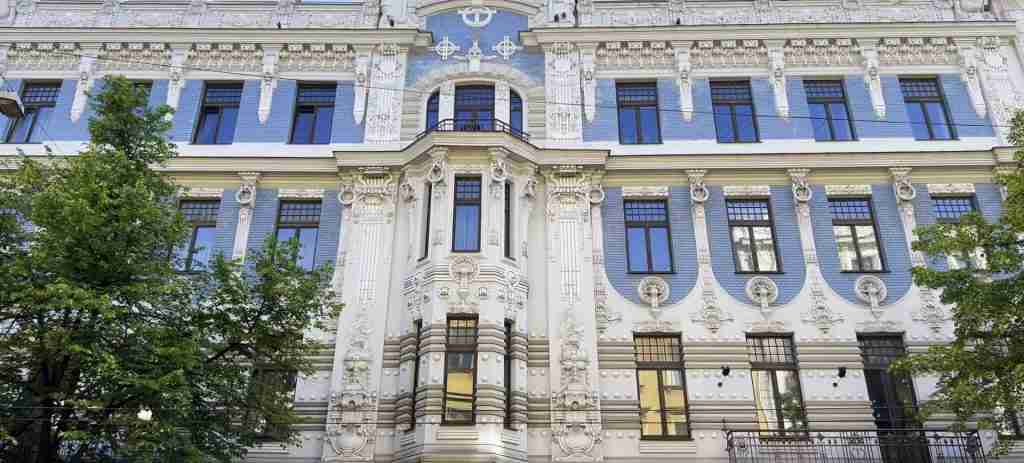
Riga contains over 800 Art Nouveau (Jugendstil) buildings, creating the world’s highest concentration of this architectural style. The district centered on Alberta iela (Street) and Elizabetes iela provides an outdoor museum requiring no admission fees. These early 20th-century buildings feature elaborate facades decorated with mythological figures, floral motifs, geometric patterns, and sculptural elements unique to each structure.
Alberta Street showcases the most spectacular examples with buildings designed by Mikhail Eisenstein (father of filmmaker Sergei Eisenstein) displaying dramatic facades featuring sphinxes, lions, mythological creatures, and ornate details. Each building tells a story through its decorative elements. Number 2 features screaming masks, number 4 displays peacocks and lyres, number 6 shows sphinxes guarding the entrance, and number 8 presents elaborate geometric patterns.
Elizabetes Street runs perpendicular to Alberta, offering additional Art Nouveau masterpieces including the Riga Art Nouveau Museum (admission charged) and numerous apartment buildings with restored facades showing the style’s diversity. The entire district rewards slow walking, looking up at building details, and discovering ornate doorways, window frames, and roofline decorations.
Free walking tours of the Art Nouveau district operate on tip-only basis, meeting at advertised times near Alberta Street. Alternatively, self-guided exploration using free maps from Tourist Information creates an equally rewarding experience. Morning light (8-10 AM) and late afternoon light (5-7 PM in summer, 3-5 PM in shoulder seasons) provides the best conditions for photographing building details.
The Riga Art Nouveau Museum charges €9 admission but can be skipped by budget travelers since the district’s primary appeal lies in exterior architectural appreciation. Photography enthusiasts can spend hours capturing building details, and architecture lovers can examine construction techniques, decorative themes, and stylistic variations across dozens of buildings without spending a cent.
Parks, Gardens, and Outdoor Spaces
Vērmane Garden, Riga’s second-oldest public park established in 1814, offers 5 hectares of landscaped gardens, fountains, walking paths, and open spaces perfect for picnics and relaxation. The park was donated to the city by Anna Gertrud Vērmane, a wealthy widow who stipulated it remain free public space in perpetuity. Summer brings flower displays, outdoor concerts, and the Raymond Pauls Music Center hosting free performances. Children’s playgrounds, benches shaded by mature trees, and open lawns provide pleasant environments for budget-conscious breaks between sightseeing.
The canal parks surrounding Old Town create a green belt along the former city moat, now transformed into a scenic waterway. The Bastion Hill area features elevated gardens, stone paths, and excellent city views. In summer, rental boats operate on the canal (small fee applies), but walking the canal banks, feeding ducks (bring your own bread), and enjoying the parkland costs nothing. The parks connect the Freedom Monument area with the Latvian National Opera, providing a pleasant walking route through greenery rather than city streets.
The Daugava River embankment offers free walking paths along the waterfront with views across to modern Riga developments. The promenade provides pleasant summer evening strolls, sunset viewing, and people-watching opportunities. The area becomes particularly lively on warm summer evenings when locals gather for socializing, exercise, and enjoying the river atmosphere.
Autumn brings spectacular foliage to Riga’s parks, particularly in late September through October when trees turn golden. The parks become natural attractions showcasing seasonal beauty without any admission cost.
Churches and Religious Sites
Riga Cathedral’s exterior and surrounding square can be enjoyed freely, though interior access requires a €5 ticket. The massive Gothic structure dominates the Old Town’s central square and provides impressive photo opportunities from multiple angles. Occasional free outdoor organ concerts broadcast from the cathedral allow public enjoyment of the famous instrument’s music.
The Nativity of Christ Cathedral’s five golden domes create Riga’s most distinctive religious landmark. This Orthodox cathedral, built 1876-1884, features neo-Byzantine architecture and occupies a prominent position on the Boulevard Ring. Entry is free for quiet contemplation and viewing the icon-filled interior. The cathedral hosts Orthodox services open to respectful visitors, providing insight into Latvia’s Orthodox community traditions. Photography inside requires sensitivity and appropriate times, typically permitted outside service hours.
St. Jacob’s Cathedral, a small Catholic church with origins in the 13th century, offers free entry during non-service hours. The simple interior contrasts with Riga’s more ornate churches, but the building’s history as the only Catholic church permitted during Soviet times adds significance.
The Old Church of St. Gertrude, located outside the Old Town center, features neo-Gothic architecture and welcomes free visitors. The tall spire makes the church a notable landmark, and the interior provides a peaceful retreat from city bustle. The church hosts occasional free concerts, particularly during religious holidays.
Numerous smaller churches throughout Riga open freely for prayer and contemplation. While not all maintain regular visiting hours outside services, trying doors often reveals accessible interiors offering quiet moments away from tourist crowds. Respectful behavior—quiet voices, no flash photography during services, modest dress—ensures continued welcome.
Central Market Experience
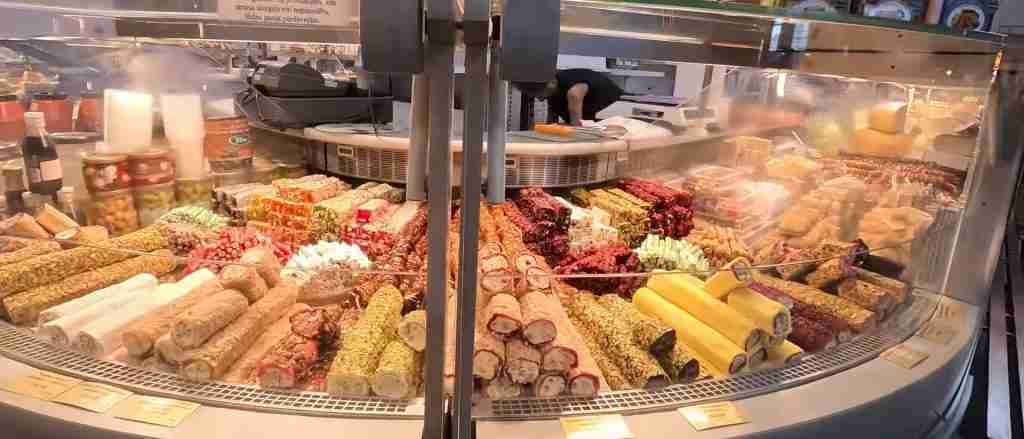
Riga Central Market ranks among Europe’s largest markets, occupying five massive Zeppelin hangar buildings constructed in the 1920s-1930s. The market earned UNESCO World Heritage designation as part of Riga’s historic center. Entry costs nothing, allowing extensive exploration of local food culture, produce, and daily life.
The Vegetable Pavilion overflows with seasonal produce from Latvia and neighboring countries. Vendors arrange colorful displays of fruits, vegetables, mushrooms, berries, and flowers. Prices mark goods clearly, and while tourists aren’t expected to haggle, polite conversation often yields free samples, particularly of seasonal specialties like wild mushrooms in autumn or fresh berries in summer.
The Meat Pavilion displays traditional Latvian meat products including various sausages, smoked meats, and fresh cuts. The Fish Pavilion offers Baltic fish specialties—smoked fish, herring preparations, fresh seafood—reflecting Latvia’s fishing traditions. Watching vendors filet fish or prepare traditional products provides cultural insights.
The Dairy Pavilion features local cheeses, including traditional caraway cheese, cream products, and honey. Sample culture encourages trying small amounts before purchasing, benefiting budget travelers seeking lunch components from market vendors rather than restaurants.
The Gastronomy Pavilion combines prepared foods, bread, pastries, and specialty items. Small cafes serve traditional Latvian meals at prices below restaurant rates—soups from €2-3, main courses €4-7. Budget travelers can assemble excellent picnic lunches combining bread, cheese, smoked fish, and fresh produce for €5-8 total.
The market’s outdoor section sprawls beyond the pavilions with vendors selling clothing, household goods, crafts, and miscellaneous items. While not primarily tourist-focused, the outdoor market provides authentic local atmosphere and occasional bargains on practical items.
Visiting mornings (8-11 AM) catches the market at its busiest when selection peaks and vendors are most eager to engage. Afternoons see reduced selection as popular items sell out. The market operates year-round, though winter brings fewer outdoor vendors and reduced selection.
Free Walking Tours and Self-Guided Exploration
Riga Free Tours operates daily Old Town walking tours departing 10 AM from St. Peter’s Church entrance. Local volunteer guides passionate about Riga’s history lead 2-2.5 hour tours covering major landmarks, historical events, and local stories. The tours operate on a tips-only basis—no fixed price, participants tip according to their budget and satisfaction level. Many budget travelers tip €5-10, making this Riga’s best value guided experience.
The tours cover the House of Blackheads with stories of the Brotherhood’s history, St. Peter’s Church and its wartime destruction and reconstruction, the Swedish Gate and city wall remnants, the Cat House and its guild rivalries, Riga Cathedral square, and numerous hidden details guides point out that self-touring visitors typically miss. English tours operate daily, with other languages offered based on guide availability.
Alternative Riga Tours offers tours focusing on Riga’s Soviet period and modern transformation, also operating on tips-only basis. These tours explore the Maskavas district (former ghetto area), Soviet-era apartment blocks, memorial sites, and locations documenting the occupation period. The alternative perspective complements standard Old Town tours and appeals to travelers interested in 20th-century history.
Self-guided walking using free maps from Tourist Information provides maximum flexibility. The compact Old Town takes 3-4 hours to explore thoroughly at a leisurely pace, discovering hidden courtyards, photographing architectural details, and following curiosity down side streets. The Art Nouveau district requires separate focused time—2-3 hours to walk Alberta and Elizabetes Streets and surrounding blocks examining building facades.
Tourist Information (located in Town Hall Square) provides free city maps, neighborhood guides, current event listings, and advice on free attractions. Staff speak English and assist with planning budget-friendly itineraries maximizing free experiences.
Budget Accommodation Strategies for 2026
Hostel Options and Dormitory Savings
Riga’s hostel scene offers budget accommodation from €15-25 per night for dormitory beds in central locations. Riga City Hostel, Old Riga Plaza Hostel, and Naughty Squirrel Backpackers provide clean facilities, social atmospheres, and locations within Old Town or immediate vicinity. Dormitories typically accommodate 4-8 guests with shared bathrooms, common kitchens, and lounge areas.
Private rooms in hostels cost €40-60 per night, providing budget alternative to hotels with shared facilities but more privacy than dormitories. These rooms suit couples or friends traveling together who want private space while maintaining budget constraints.
Hostel amenities typically include free Wi-Fi, luggage storage, guest kitchens (major savings for self-catering), common areas for socializing, and reception staff providing local information and tour booking assistance. Many hostels organize free or low-cost activities—walking tours, pub crawls, cooking nights—creating social opportunities for solo travelers.
Booking hostels through platforms like Hostelworld, Booking.com, or direct hostel websites typically offers similar rates. Reviews help identify clean, well-managed facilities versus party hostels more suited to younger travelers seeking nightlife rather than quiet rest.
Budget Hotels and Guesthouses
Riga’s budget hotel category (€50-80 per night in shoulder seasons, €70-100 in summer) includes clean, comfortable accommodation slightly removed from Old Town center but accessible via short tram rides or 15-20 minute walks. Properties like Motel Autosole, Wellton Hotels’ budget brands, and numerous guesthouses offer private bathrooms, Wi-Fi, and basic breakfast included in rates.
Mid-range hotels (€60-90 shoulder season, €90-130 summer) position closer to Old Town and provide superior comfort without luxury pricing. Boutique hotels like Monte Kristo, Wellton Centrum Hotel, and Gallery Park Hotel combine character, central locations, and good value. These properties typically include buffet breakfast worth €8-12 if purchased separately, making the inclusive rate more valuable.
Apartment rentals through Airbnb or Booking.com cost €50-90 per night for studio or one-bedroom apartments in residential neighborhoods. Apartments provide full kitchens for self-catering (major budget savings), more space than hotel rooms, and authentic residential neighborhood experiences. Locations slightly outside Old Town (Āgenskalns, Centrs district, Mežaparks) offer better value while remaining well-connected via public transport.
Strategic booking saves significantly: shoulder seasons (April-May, September-October) reduce prices 30-40% versus summer. Winter (November-March, excluding Christmas markets and New Year) slashes rates 40-60%, making quality mid-range hotels affordable at budget hotel summer prices. Book 6-8 weeks ahead for shoulder seasons, 2-3 months for summer, but often find last-minute deals in winter.
Neighborhood Location Strategies
Staying directly in Old Town maximizes walking access to attractions but costs premium rates. Adjacent neighborhoods like Centrs (Central District) position 5-15 minutes walk from Old Town with better value accommodation. The area between the railway station and Old Town offers numerous budget and mid-range hotels with easy access.
Āgenskalns, across the Daugava River, provides residential atmosphere and wooden architecture charm at reduced prices. Trams connect Āgenskalns to Old Town in 10-15 minutes. The neighborhood features local markets, cafes, and the Kalnciema Quarter cultural space, offering authentic local experiences away from tourist concentrations.
Areas along the Art Nouveau district (near Alberta Street) combine proximity to architectural attractions with good tram connections to Old Town. Hotels and apartments here cost 20-30% less than Old Town equivalents while maintaining central location advantages.
Avoiding areas around the railway station’s immediate vicinity reduces accommodation quality concerns while locations 3-5 blocks from the station provide acceptable budget options. The station area itself functions as a major transport hub but lacks the charm of other neighborhoods.
Budget Dining and Food Strategies 2026
Affordable Restaurant Options
Riga’s restaurant scene delivers excellent value with generous portions and quality ingredients at prices significantly below Western European levels. Traditional Latvian restaurants serving hearty local dishes cost €8-15 per person for main courses with soup, bread, and non-alcoholic drink adding €3-6.
Lido serves traditional Latvian cafeteria-style buffet with extensive selections—soups, salads, hot dishes, desserts—where diners assemble meals from various stations. A full meal with soup, main course, vegetable side, and dessert costs €8-12. Multiple locations include Lido Atpūtas Centrs (leisure center with restaurant), making it convenient for budget dining. The cafeteria format allows portion control for smaller appetites or budget constraints.
Staburags, another traditional restaurant, offers set lunch menus (weekdays 12-3 PM) combining soup, main course, bread, and drink for €7-10. Evening à la carte meals run €10-15 for substantial portions. Pork dishes, potato preparations, rye bread, and seasonal vegetables feature prominently in authentic presentations.
Ethnic restaurants provide budget alternatives: Asian cuisines (Vietnamese pho, Chinese noodles, Thai curries) cost €7-12 for filling meals. Pizza restaurants deliver whole pizzas for €8-12, sufficient for two people with modest appetites or one very hungry diner. Kebab shops throughout the city serve döner kebabs and wraps for €4-6, perfect for quick, filling, cheap meals.
Lunch specials (generally 12-3 PM weekdays) at better restaurants reduce prices 30-40% versus evening à la carte menus. A restaurant serving €18-25 dinners typically offers €10-14 lunch sets with similar quality. This allows budget travelers to experience nicer restaurants at affordable prices by choosing lunch timing.
Self-Catering and Market Meals
Apartments or hostels with kitchen facilities enable major food savings through self-catering using Central Market and supermarket ingredients. Assembling breakfast from market purchases—bread €1.50-2, cheese €2-4, eggs €2, fresh fruit €2-3—provides multiple breakfasts for under €3 per person daily versus €8-12 restaurant breakfasts.
Lunch assembled from Central Market components—bread, cheese, smoked fish, fresh vegetables, fruit—costs €5-8 and often exceeds restaurant portions and quality. The market’s prepared food sections sell traditional items like potato pancakes (€2-3), meat pies (€1.50-2.50), and pastries (€1-2) for affordable on-the-go meals.
Supermarkets including Rimi, Maxima, and Stockmann offer standard groceries at prices below Western European levels. A typical shopping basket for dinner—pasta €1.50, sauce €2-3, vegetables €3-4, bread €1.50—serves two people for under €10 total. Latvian dairy products, particularly cottage cheese and sour cream, offer excellent quality at low prices (€1.50-3 for substantial quantities).
Breakfast self-catering plus one restaurant meal daily creates balanced budget food strategy—save on breakfast (€2-3), enjoy lunch or dinner out (€10-15), supplement with market snacks (€3-5)—totaling €15-23 daily for satisfying food experiences versus €30-45 for three restaurant meals.
Beverage Costs and Strategies
Beer costs €2.50-4 for 0.5L in budget-friendly pubs, €4-6 in tourist-oriented Old Town establishments, and €6-8 in upscale locations. Supermarket beer prices (€1-2 for 0.5L bottles) reward those drinking at hostels, apartments, or parks (public drinking is legal in Latvia with reasonable behavior).
Wine at restaurants ranges €12-25 per bottle for decent quality, €4-6 per glass. Supermarket wine selection offers good Eastern European wines for €5-10 per bottle. Latvia produces limited wine but neighboring countries supply affordable, quality options.
Coffee costs €2-3.50 for espresso drinks in cafes, €1.50-2 for basic filter coffee. Chain cafes like Vērmanītis offer reliable quality at moderate prices. Local bakeries often serve coffee for €1.50-2 with pastry purchases.
Water from taps in Riga meets EU standards and is completely safe to drink, eliminating bottled water expenses. Carrying a refillable water bottle saves €2-3 daily versus purchasing bottled water. Restaurants serve tap water free upon request.
Black Balsam, Latvia’s traditional herbal liqueur, makes an affordable souvenir and cultural experience. Small bottles cost €5-8, larger bottles €12-18. Trying small amounts in cocktails or coffee at restaurants (€5-7) introduces the unique flavor without committing to a full bottle purchase.
Transportation Budget Strategies 2026
Public Transport System Value
Riga’s public transport delivers exceptional value with €1.50 tickets valid 90 minutes allowing unlimited transfers between trams, trolleybuses, and buses. The system covers all major attractions, neighborhoods, and distant areas including the airport via bus 22.
Multi-day passes provide increasing value: day passes cost €5 (break-even at 4 trips), 3-day passes cost €8 (break-even at 6 trips), and 5-day passes cost €10 (break-even at 7 trips). Most tourists average 4-6 transport trips daily when combining attractions across different areas, making day passes economical and convenient by eliminating per-trip ticket purchases.
Tickets must be purchased before boarding from vending machines at major stops, Narvesen kiosks throughout the city, or mobile apps (Rīgas Satiksme official app or Mobilly). Machines accept cards and cash, displaying instructions in Latvian, English, and Russian. Bus 22 to/from the airport allows driver purchases (€1.81, card payment only) but advance ticket purchase from airport kiosks or machines offers better reliability.
Validation requirements: stamp tickets upon boarding each new vehicle. The 90-minute ticket allows last validation in the 89th minute and remaining on that vehicle to the final destination. Controllers conduct random checks, issuing €50 fines for unstamped tickets. Showing foreign tourist status doesn’t excuse violations—always validate tickets properly.
Night buses (N1, N4, N6) operate weekends and holidays midnight-4 AM, departing hourly from city center. Standard tickets apply, but service limitations mean taxis often prove more practical for late-night transport outside the limited night bus routes.
Walking as Primary Transport
Riga’s compact central area makes walking the most budget-friendly transport mode. Old Town to the railway station: 15 minutes. Old Town to Central Market: 10 minutes. Old Town to Art Nouveau district: 15-20 minutes. Freedom Monument to Latvian National Museum of Art: 5 minutes. These walkable distances eliminate transport costs for city center exploration.
The Old Town itself spans about 1.5 km in each direction, requiring 20-25 minutes to cross entirely at moderate pace. The Art Nouveau district concentrates along several parallel streets within a 15-minute walking area. Combined, Old Town and Art Nouveau district exploration involves 6-8 km daily walking at moderate sightseeing pace—comfortable for most travelers and free.
Walking provides flexibility to discover unexpected attractions, photograph interesting buildings, explore side streets, and experience neighborhoods at street level. Budget travelers particularly benefit from walking’s dual advantages: zero cost and enhanced experience quality through slower, more observant exploration.
Comfortable, waterproof walking shoes prove essential given cobblestone surfaces in Old Town and potential rain in any season. Pavements throughout Riga maintain good condition, making walking pleasant and safe. Winter requires boots with good traction for icy conditions and appropriate warm clothing for extended outdoor periods.
Bicycle Rental Options
Bike-sharing systems and rental shops offer budget-friendly alternatives to walking for longer distances. Rental bikes cost €10-15 per day with better rates for multi-day rentals (€8-12 per day for 3+ days). Some hostels offer free bike use for guests, eliminating rental costs entirely.
Riga features expanding bicycle infrastructure including dedicated lanes and shared paths, though the network remains less developed than Amsterdam or Copenhagen. The relatively flat terrain makes cycling easy, and distances to attractions like Mežaparks (forest park), the beach at Vecāķi, or day trip to Jūrmala become feasible by bicycle rather than requiring paid transport.
Bike rental shops cluster near Old Town and Central District, requiring minimal effort to locate. Security concerns remain low in central areas, though always use provided locks and avoid leaving expensive bikes unattended long periods. Many shops provide maps highlighting safe, pleasant cycling routes avoiding heavy traffic areas.
Airport Transportation Budget Options
Bus 22 connects Riga Airport to city center (railway station and Old Town vicinity) in 20-30 minutes for €1.81 when purchasing from the driver with card payment, or €1.50 when buying e-tickets in advance from airport kiosks or apps. The bus operates 5:30 AM-11:30 PM with service every 10-30 minutes depending on time of day.
Taxis from the airport to city center cost €15-25 depending on exact destination and traffic conditions. Prebooking airport taxis (XTaxi, TaxiLV) or using Bolt app reduces costs versus unofficial taxis charging inflated tourist rates. For solo travelers, bus 22 saves €13-23 versus taxi. For groups of 3-4, taxi cost per person (€5-8) approximates bus fare while providing door-to-door service.
Airport location 10 km from city center and well-connected public transport makes the bus reasonable even with luggage. The airport remains small and manageable, with easy navigation to bus stops from arrivals area. Budget travelers should default to bus 22 unless traveling with excessive luggage, mobility limitations, or arriving during hours without bus service.
Sample Budget Breakdowns for Different Travel Styles 2026
Ultra-Budget: €35-45 Per Day
Accommodation in hostel dormitory bed €18-24, breakfast at hostel or self-catered from market purchases €2-3, lunch assembled from Central Market ingredients €5-7, snacks from markets or bakeries €2-3, dinner at budget restaurant or self-catered €6-10, public transport day pass €5, attractions and museums €0-5 using free attractions plus one paid museum. Total daily cost: €38-52 per person (excluding accommodation pre-paid, reduces to €20-28 daily).
This budget requires choosing free attractions (Old Town walking, Latvian War Museum, Museum of Occupation, Art Nouveau architecture, parks, churches), using hostel or apartment kitchens for breakfast and some meals, eating at least one daily meal from market purchases, drinking tap water rather than purchasing beverages, and limiting paid museum visits to 2-3 during a week-long stay. The budget delivers authentic Riga experience and comfortable travel despite low spending.
Moderate Budget: €70-90 Per Day
Accommodation in budget hotel or private hostel room €60-80, breakfast included at hotel or café breakfast €0-8, lunch at restaurant with daily special €9-13, coffee and snack €4-6, dinner at mid-range restaurant €12-18, public transport day pass €5, attractions and museums €8-15, evening drink or entertainment €5-10. Total daily cost: €103-155 per person (excluding pre-paid accommodation, reduces to €43-75 daily).
This moderate budget allows comfortable hotel accommodation, two restaurant meals daily, coffee in cafes, paid museum visits, and evening entertainment while maintaining reasonable spending. Mix of free attractions (Old Town, parks, architecture) with paid museums (Latvian National Museum of Art €12, Riga Motor Museum €10, St. Peter’s Church tower €9) creates varied experiences. Shoulder season timing reduces accommodation by €15-25 nightly, lowering overall budget significantly.
Comfort Budget: €120-160 Per Day
Accommodation in mid-range central hotel €90-130, breakfast buffet included at hotel €0, lunch at quality restaurant €15-22, afternoon coffee and pastry at café €6-8, dinner at upscale restaurant €25-35, public transport or occasional taxi €8-12, attractions, museums, and paid activities €15-25, evening drinks or cultural events €10-20. Total daily cost: €169-252 per person (excluding pre-paid accommodation, reduces to €79-122 daily).
This comfort budget provides excellent accommodation, freedom to dine at better restaurants, paid activities and tours, cultural events, and comfortable transport without constant budget calculation. Higher spending enables experiences like Riga Opera performances (€30-80 tickets), guided food tours (€40-60), or day trips with organized transport. Winter and shoulder season timing maintains comfort levels while reducing spending 25-35% through lower accommodation and attraction prices.
Weekly Budget Comparison
Ultra-budget week (7 nights/8 days): Accommodation €126-168 (hostel dormitory), meals and drinks €112-160 (heavy self-catering, budget restaurants), transport €35-40 (day passes), attractions €0-30 (mostly free). Total: €273-398 for the week.
Moderate budget week: Accommodation €420-560 (budget hotel or private room), meals and drinks €175-280 (restaurant meals, cafes), transport €35-40, attractions €56-105 (paid museums and activities). Total: €686-985 for the week.
Comfort budget week: Accommodation €630-910 (mid-range central hotel), meals and drinks €350-490 (quality restaurants, cafes), transport €56-84 (taxis when convenient), attractions €105-175 (paid activities, events). Total: €1,141-1,659 for the week.
These weekly totals exclude flights and major purchases like expensive souvenirs or luxury shopping. Traveling during shoulder seasons reduces accommodation components 30-40%, significantly lowering weekly totals while maintaining experience quality.
Day Trip Budget Strategies
Jūrmala Beach Resort
Jūrmala lies 25 km west of Riga, accessible by frequent trains costing €3-5 return depending on exact station. Trains depart every 30 minutes from Riga Central Station, reaching Jūrmala’s main stations (Majori, Dzintari, Dubulti) in 25-35 minutes. The beach stretches 33 km with multiple access points, all free to use.
Walking Jūrmala’s main pedestrian street (Jomas iela) costs nothing while showcasing wooden Art Nouveau summer houses, restaurants, shops, and the resort atmosphere. The beach offers kilometers of white sand, gentle Baltic Sea swimming (warmest July-August), and beautiful dune landscapes entirely free.
Budget day trip: Train €3-5 return, picnic lunch assembled from Riga market purchases €5-8, beach activities free, optional ice cream or beach snack €2-4. Total: €10-17 for full day at the beach. Mid-range option adds lunch at Jūrmala restaurant €12-18 and afternoon coffee €3-5, totaling €25-35 for the day.
Sigulda and Gauja National Park
Sigulda sits 50 km northeast of Riga, reachable by train (€4-6 return, 1 hour) or bus (€5-7 return, 1.5 hours). Trains depart hourly from Riga Central Station with comfortable modern stock and scenic route through forests and fields.
Gauja National Park entrance remains free with hiking trails, Gutmanis Cave (free), and forest paths accessible without charge. Turaida Museum Reserve charges €10 admission but covers extensive grounds including Turaida Castle, sculpture park, folk song gardens, and historical buildings—excellent value for comprehensive visit.
Sigulda Castle ruins allow free exploration of remaining walls and courtyards with views across Gauja valley. The medieval Krimulda Castle remains (across the valley) also offer free access with hiking trails connecting the two castles through scenic forest.
Budget day trip: Train €4-6 return, picnic lunch from Riga €5-8, Turaida Museum Reserve admission €10, snacks €3-5. Total: €22-29 for full day combining culture, nature, and history. The trip works year-round but offers best conditions May-October for hiking and castle exploration.
Rundale Palace
Rundale Palace, Latvia’s most impressive Baroque palace, sits 80 km south of Riga. Public buses (€8-10 return, 1.5-2 hours) provide most economical access, though less convenient than organized tours. Palace admission costs €15-18 depending on season and sections visited (palace interior plus gardens versus palace only).
The palace, designed by Bartolomeo Rastrelli (architect of St. Petersburg’s Winter Palace), features ornate interiors, formal French gardens, and museum collections. The extensive grounds include rose gardens, decorative parterres, and park areas requiring 2-3 hours minimum to explore properly.
Budget day trip: Bus €8-10 return, palace and gardens admission €15-18, packed lunch €5-8, snacks €3-5. Total: €31-41 for the day. The palace ranks as Latvia’s premier architectural attraction, justifying the higher cost within budget allocation. May through September provides best garden conditions when flowers bloom and formal arrangements show peak design.
Saving Money on Activities and Entertainment 2026
Free Cultural Events and Performances
Summer (June-August) brings numerous free outdoor concerts to parks and public spaces throughout Riga. The canal parks host weekly evening concerts featuring local musicians and bands. Vērmane Garden’s Raymond Pauls Music Center schedules free performances showcasing Latvian musicians, though more prominent acts charge admission.
Churches schedule free organ concerts and choral performances, particularly during religious holidays and summer tourist season. Riga Cathedral’s famous organ features in occasional free outdoor broadcasts to the cathedral square, allowing appreciation without purchasing tickets for formal concerts inside. Check church bulletin boards and Tourist Information for schedules.
Street performers enliven Old Town during summer months, particularly around Town Hall Square and popular pedestrian streets. While performances are free, tips are appreciated for quality acts, with €1-2 representing typical amounts from budget travelers.
The Summer Solstice celebration (Līgo, June 23) creates Latvia’s biggest free cultural event with traditional music, dancing, and celebrations occurring in parks and public spaces throughout the city. While many Latvians retreat to countryside family properties, public park celebrations welcome visitors to experience authentic traditions—flower crowns, traditional songs, bonfire gatherings—completely free.
Discount Cards and City Passes
The Riga Pass offers free public transport, free or discounted museum admission, and discounts at selected restaurants and shops. The pass costs €25 for 24 hours, €35 for 48 hours, or €45 for 72 hours. Break-even analysis: €5 daily transport, €12-15 museum admission average, discounts on 2-3 additional activities equals approximately €22-25 daily value. The pass barely breaks even unless using included museums heavily and dining at partner restaurants.
Most budget travelers find individual ticket purchases more economical given the abundance of free attractions in Riga and low transport costs. The pass benefits travelers prioritizing time efficiency over absolute lowest cost, those visiting multiple paid museums daily, or families where discounts accumulate across multiple people.
Alternative strategy: purchasing museum tickets individually allows choosing highest-interest museums while skipping those of marginal interest. The Latvian National Museum of Art (€12), Art Museum Riga Bourse (€8), and St. Peter’s Church tower (€9) total €29 versus €35 for 48-hour Riga Pass covering these plus transport—minimal savings given reduced flexibility.
Budget-Friendly Evening Entertainment
Riga’s evening entertainment spans from free to expensive. Budget options include walking the illuminated Old Town (free and beautiful after dark when major buildings light up), relaxing in parks during summer when locals gather for socializing (free), attending free summer concerts in parks, or exploring the Central Market area where evening food stalls serve affordable dinners in atmospheric surroundings.
Budget bars and pubs charge €2.50-4 for beer, €3-5 for cocktails, creating affordable social evenings without expensive club entry fees. Areas like Aristīda iela near Old Town feature multiple budget-friendly bars where locals drink alongside tourists, avoiding inflated Old Town tourist pricing. Happy hours (typically 5-8 PM) reduce drink prices further at participating establishments.
Cinema tickets cost €5-8 for standard showings, less on discount days (typically Tuesdays or Wednesdays). Films screen in original language with Latvian subtitles, making English-language films accessible. The Forum Cinemas and Coca-Cola Plaza multiplexes offer modern facilities at moderate prices.
Live music venues vary dramatically in pricing. Small bars and clubs host local bands with €3-8 cover charges or free entry with drink purchase minimums. Larger venues and international acts require advance tickets costing €15-40 depending on performer popularity. The Palladium Rīga schedules regular club nights and concerts with entry typically €8-15.
Seasonal Budget Considerations
Winter Budget Advantages and Costs
Winter (November-March excluding Christmas markets and New Year) provides Riga’s lowest prices: quality mid-range hotels drop to €40-70 per night versus €90-130 summer rates. Flights from major European cities become abundant and cheap, particularly November and January-March when demand collapses outside holiday periods.
Restaurant winter specials include lunch menus, early evening dining discounts, and seasonal promotions competing for reduced tourist numbers. Museums offer free admission days more frequently and extend student/senior discounts. Some attractions reduce admission prices during slow periods.
However, winter brings additional costs: warm clothing requirements if traveling from warmer climates, potentially higher heating-related costs at budget accommodations, limited daylight hours (6-8 hours) reducing per-day experience value, and possible weather-related transport disruptions adding taxi costs or schedule changes.
Christmas market period (late November through early January) increases prices 20-40% as demand rises, particularly for accommodations near Old Town. December 20-January 2 sees peak pricing rivaling summer rates, making this the season’s exception to otherwise budget-friendly winter pricing.
Shoulder Season Sweet Spot
Shoulder seasons (April-May, September-October) optimize budget travel combining reasonable weather, lower prices, reduced crowds, and full attraction operations. Accommodation costs 30-40% below summer peaks while remaining above winter lows—€70-100 per night for quality mid-range hotels versus €40-70 in winter or €90-130 in summer.
Restaurant demand decreases, making reservations unnecessary except at top establishments, and some restaurants offer shoulder season promotions. Attractions operate full schedules with regular hours unlike winter reduced schedules but without summer crowding and wait times.
Weather remains comfortable for full-day walking and outdoor exploration: April-May averages 10-18°C, September-October 12-18°C early in the month declining to 6-10°C by late October. Rain occurs but less frequently than in November or March, and clear, pleasant days predominate.
Flight prices remain moderate in shoulder seasons—higher than winter but significantly below summer peaks. Combined with accommodation savings, shoulder season trips cost 25-35% less than equivalent summer travel while delivering superior experience quality through reduced crowding.
Frequently Asked Questions About Budget Travel in Riga 2026
Can I visit Riga on €30 per day?
€30 daily proves extremely tight but possible for determined budget travelers combining hostel dormitory accommodation (€18-24), heavy self-catering for all meals using market and supermarket purchases (€8-12 total), walking rather than using public transport except essential trips (€3-5), and limiting to free attractions. This budget requires discipline avoiding restaurant meals, purchased beverages beyond tap water, paid museums beyond free options, and entertainment costs. The budget works for short stays (2-3 days) but becomes challenging to maintain longer-term. Increasing to €40-45 daily provides significantly more comfortable budget travel without constant penny-watching.
Do I need to tip in Riga restaurants?
Tipping in Latvia follows European norms rather than North American expectations. Service charges aren’t automatically included in bills. For satisfactory service, rounding up the bill or leaving 5-10% represents appropriate appreciation. For excellent service, 10-15% shows generous gratitude. For poor service, no tip is expected. Budget travelers can comfortably tip 5% (rounding €18 bill to €19-20) without social pressure for higher amounts. Expensive fine dining restaurants may expect closer to 10%, but casual and mid-range establishments find 5-10% or simple rounding completely acceptable. Bars and cafes don’t expect tips for simple drink orders, though rounding to convenient numbers (€3.50 coffee rounded to €4) is common practice.
Are credit cards widely accepted in Riga?
Credit and debit cards (Visa, Mastercard, Maestro) receive wide acceptance in Riga’s hotels, restaurants, shops, and larger establishments. Contactless payment works at most card terminals. However, Central Market vendors, small shops, some budget restaurants, and occasional taxis operate cash-only, requiring euro cash availability. ATMs throughout central Riga dispense euros with standard international withdrawal fees. Carrying €50-100 cash covers markets, small purchases, and cash-only situations while relying on cards for major expenses. Bus ticket machines at stops accept both cards and cash, though some older machines remain cash-only.
How much should I budget for souvenirs?
Riga souvenirs span from inexpensive to luxury depending on interests. Budget souvenir options include: magnets €2-4, postcards €0.50-1, traditional wooden ornaments €3-8, small amber jewelry €8-15, Black Balsam small bottles €5-8, Latvian chocolates €3-6, traditional textiles (mittens, socks) €8-15. Mid-range souvenirs include: quality amber jewelry €20-60, larger Black Balsam bottles €12-18, ceramics €15-30, traditional clothing items €25-50, art prints €15-30. Luxury souvenirs include: designer amber pieces €60-200+, traditional wool items €50-100, artwork €100+. Central Market offers best value for traditional items like wool socks, mittens, and local foods. Old Town shops charge premium prices for location but offer curated selections and quality guarantees. Budget €20-40 for several small souvenirs, €50-80 for moderate souvenir shopping, or €100+ for quality amber or traditional crafts.
Is tap water safe to drink in Riga?
Riga’s tap water meets all EU drinking water standards and is completely safe to drink straight from taps. The water comes from the Daugava River with comprehensive treatment and testing. Most locals drink tap water without concern. Some visitors find the taste slightly different than their home water due to mineral content differences, but health concerns are unfounded. Budget travelers save €2-3 daily by carrying refillable water bottles rather than purchasing bottled water. Restaurants serve tap water free upon request, though often lukewarm rather than chilled. For those preferring bottled water despite safety of tap water, supermarket prices (€0.50-1 for 1.5L) prove far cheaper than kiosk or tourist area purchases (€1.50-2.50 for smaller bottles).
What purchases require cash versus cards?
Cash proves essential for: Central Market vendors (most accept cash only, few have card terminals), small shops and kiosks (many remain cash-only), tips for services and tours (cash preferred), free walking tours (tips in cash), street vendors and markets, some older bus ticket machines (newer ones accept cards), occasional small restaurants and cafes (particularly outside tourist areas), and public toilets (€0.30-0.50 coin requirement). Cards work reliably for: hotels and larger accommodations, restaurants in tourist areas and chains, supermarkets and larger shops, museums and major attractions, public transport tickets from apps and modern machines, taxis using Bolt or official services, pharmacy chains, and clothing and department stores. Carrying €50-100 cash covers all cash-only situations for 2-3 days, replenishable at ATMs throughout central Riga.
Can I negotiate prices in Riga?
Riga doesn’t follow haggling culture common in some countries. Fixed prices apply in shops, restaurants, museums, and hotels. Attempting to negotiate in these contexts creates awkward situations without results. Limited exceptions include: Central Market vendors may offer bulk discounts for larger purchases (buying 2kg potatoes instead of 1kg), unofficial taxi drivers (always establish price before entering vehicle, or better yet use Bolt app for fixed pricing), extended accommodation stays where some hotels negotiate weekly or monthly rates below daily calculations, and private apartment rentals where some flexibility exists for longer stays. Generally, budget travelers should expect and accept listed prices, focusing money-saving efforts on strategic timing, free attractions, and comparison shopping rather than price negotiation.
How much do guided tours cost in Riga?
Guided tour pricing varies dramatically by type and provider. Free walking tours (tip-only, typical tips €5-10) provide excellent value and comprehensive Old Town coverage. Organized group tours through established operators cost €15-30 for 2-3 hour Old Town walking tours, €35-50 for specialized tours (Art Nouveau architecture, food tours, Soviet history tours), €40-60 for half-day excursions to nearby attractions (Jūrmala, Sigulda), and €80-120 for full-day trips including transport, guide, and admissions. Private tours run significantly higher at €100-200 for half-day and €200-400 for full-day depending on group size and customization. Budget travelers should prioritize free walking tours supplemented by self-guided exploration using maps from Tourist Information. Mid-range travelers can splurge on 1-2 specialized tours adding expert insights to self-guided experiences. Audio guides at museums (€3-5) provide economical alternative to guided tours for interested individuals.
What unexpected costs should I budget for?
Travelers often overlook several budget items. Public toilet fees (€0.30-0.50) accumulate across a day, requiring coins (€2-3 daily if using facilities 5-6 times). Luggage storage at hotels before check-in or after checkout may incur fees at budget properties (€2-5, though many offer free storage). Coat check requirements at some museums and theaters cost €1-2. Photography fees at certain museums or churches (€2-5 where charged, though many allow free photography). Plastic bag charges at supermarkets (€0.10-0.30, bring reusable bag). Umbrella purchases if caught in rain without weather preparation (€5-10 for cheap umbrella). Over-the-counter medications at pharmacies for unexpected ailments (€3-8 for basic medicines). Laundry service at hotels or laundromats (€5-10 for small load). These minor costs total €10-20 over a week-long stay, significant enough to cause budget stress if not anticipated. Build €2-3 daily miscellaneous allowance into budget planning.
How do prices in Riga compare to Tallinn and Vilnius?
Riga prices fall between Tallinn and Vilnius with all three Baltic capitals offering excellent value compared to Western Europe. Tallinn runs slightly more expensive than Riga particularly for accommodation where similar-quality hotels cost 10-15% more, likely due to stronger tourism promotion and closer proximity to Helsinki creating Nordic demand. Restaurant prices approximate Riga’s levels in Tallinn with marginal 5-10% premium in tourist areas. Vilnius generally prices slightly below Riga across accommodation (5-10% cheaper), restaurants (similar or marginally lower), and attractions (similar pricing). The differences remain minor enough that choosing between Baltic capitals should prioritize interest in each city’s attractions and atmosphere rather than cost savings. All three provide budget-friendly alternatives to Western European capitals with Riga offering middle-ground pricing and arguably the richest Art Nouveau architecture and most comprehensive free attraction offerings.
Is Riga expensive during summer festivals?
Summer festivals, particularly the Riga Opera Festival (June 4-20, 2026), Summer Solstice (June 23), and summer concert season increase prices moderately but don’t create the dramatic inflation seen in some overtouristed festival destinations. Hotel rates increase 20-30% during Opera Festival peak with properties near Latvian National Opera booking months ahead. Restaurants maintain standard pricing though popular establishments fill, requiring reservations. Festival tickets themselves (€30-80 for Riga Opera Festival performances) represent the primary added expense. Overall daily budgets increase €20-40 during festival periods from combined accommodation increases and event ticket costs, significant but manageable with advance planning. Budget travelers visiting during festivals should book accommodation well ahead (3-4 months) to secure better rates and consider staying slightly outside Old Town where price increases moderate. Summer Solstice (June 23) sees some businesses close but doesn’t increase prices beyond normal summer levels.