
Best Time to Visit Portugal 2026: Regional Weather & Festivals
Portugal’s compact geography masks dramatic climate diversity, from Mediterranean coastlines to Atlantic rain zones and continental interior extremes. Understanding these regional variations transforms trip planning from guesswork into strategic timing, whether you seek Algarve beach perfection, Douro Valley harvest season, or Porto’s atmospheric winter light without the crowds that overwhelm summer.
Key Takeaways: Portugal Travel Timing 2026
- Optimal Overall Windows 2026: April through June and September through October deliver Portugal’s finest balance of weather, manageable crowds, and cultural vibrancy across all regions. May stands out with Madeira’s legendary Flower Festival, comfortable 18-25°C temperatures nationwide, and hotel rates 30-40% below peak summer pricing.
- Regional Climate Extremes Matter: Portugal divides into four distinct weather zones with dramatically different seasonal characteristics. The Algarve averages 300+ sunny days annually with mild 15°C January highs, while interior Alentejo reaches brutal 42°C summer peaks and experiences winter frosts. Porto receives triple the rainfall of Faro, creating lush northern landscapes versus southern arid beauty.
- Festival Calendar Peaks 2026: June dominates Portugal’s cultural calendar with three massive events — Rock in Rio Lisboa (June 20-21, 27-28), Festas de Lisboa honoring Santo António (June 1-30, peaking June 12-13), and São João Porto celebrations (June 23-24). Summer music festivals concentrate July through August, while spring and autumn offer intimate regional celebrations without peak-season congestion.
- Seasonal Price Variations: Summer (July-August) commands premium pricing with Lisbon hotels 60-80% higher than winter rates and Algarve accommodations doubling or tripling baseline costs. Shoulder seasons (April-May, September-October) offer 25-40% savings with superior weather for sightseeing compared to summer heat. Winter (November-February) delivers 40-60% discounts in southern regions with perfectly pleasant 15-18°C days, though northern areas turn genuinely wet and cool.
- Activity-Specific Timing: Beach season runs late May through September with water temperatures 18-21°C, peaking at 22°C in August-September. Wine harvest experiences concentrate September through October in Douro Valley. Surfing reaches Atlantic coast peak conditions October through March. Hiking thrives March through May and September through November when temperatures suit exertion without summer’s oppressive heat.
- Entry System Changes 2026: The European Union’s Entry/Exit System (EES) now operates across Portugal’s borders, requiring biometric registration (fingerprints and facial scan) for non-EU travelers. ETIAS travel authorization launches late 2026 for visa-exempt countries, requiring online pre-approval before arrival. Budget extra time at airports and borders for these new procedures, particularly during summer peak travel.
People Also Ask About Portugal Travel Timing 2026
What is the best month to visit Portugal in 2026?
May and September emerge as Portugal’s optimal travel months in 2026, delivering the country’s finest weather-crowd-price equilibrium. May temperatures range 18-25°C across regions — warm enough for comfortable beach days in the Algarve yet cool enough for energetic city exploration in Lisbon and Porto without summer’s draining heat. The Madeira Flower Festival (April 30 – May 24, 2026) transforms Funchal into a botanical spectacle during peak bloom season. September maintains summer’s reliable sunshine with 24-28°C temperatures while crowds dissipate dramatically after schools resume, hotel rates drop 25-35% from August peaks, and Atlantic water temperatures reach their annual warmest at 21-22°C. Both months feature minimal rainfall across southern and central Portugal, with northern regions receiving only occasional showers rather than winter’s persistent precipitation.
When should I avoid visiting Portugal in 2026?
August represents Portugal’s most challenging travel month, particularly August 1-20 when domestic tourism peaks as Portuguese residents take annual holidays, European visitors flood coastal areas, and prices reach their annual apex. Lisbon and Porto experience suffocating crowds at major attractions with hour-long queues at Belém Tower and Jerónimos Monastery. Algarve beaches pack shoulder-to-shoulder with sunbathers, and inland Alentejo becomes genuinely hostile with 38-45°C temperatures making daytime exploration miserable. Hotel rates in popular destinations reach 80-100% premiums over shoulder season pricing. November through February poses different challenges in northern Portugal, where Porto and the Minho region endure persistent Atlantic rainfall, gray skies, and temperatures cool enough (10-15°C) to require layered clothing and rain gear daily. Southern Portugal remains perfectly pleasant during winter with 15-18°C sunshine, making regional timing crucial rather than avoiding these months entirely.
What is the rainiest month in Portugal 2026?
December and January bring Portugal’s heaviest rainfall, with dramatic regional variations determining whether rain disrupts travel plans or merely provides atmospheric ambiance. Porto and northern Portugal receive 140-180mm monthly precipitation during winter peaks, with rain falling 18-22 days per month — not constant downpours but frequent showers interspersed with gray overcast periods. Lisbon receives moderate 100-120mm monthly rainfall concentrated in shorter bursts, allowing plenty of dry intervals for sightseeing between rain systems. The Algarve remains remarkably dry even during winter, with Faro averaging just 60-80mm monthly rainfall and maintaining 5-6 hours of daily sunshine between storm systems. Interior Alentejo receives minimal winter precipitation but experiences cold winds and temperatures occasionally dropping to 5°C on winter mornings. The Azores and Madeira follow different patterns, with year-round subtropical moisture creating frequent light showers even during drier summer months, though these islands rarely experience the prolonged wet systems affecting mainland Portugal.
Is Portugal warm enough to swim in June 2026?
June marks the threshold of comfortable swimming season in Portugal, though water temperatures vary significantly by coast and individual cold tolerance. Algarve Atlantic waters reach 19-20°C by June — refreshing rather than warm, manageable for active swimmers and children acclimated to cooler water but potentially chilly for leisurely floating. Lisbon-area beaches including Cascais and Costa da Caparica register similar 19-20°C June temperatures. Porto and northern Atlantic coast waters remain cooler at 17-18°C, genuinely cold for most swimmers though surfers in wetsuits find these conditions ideal. By contrast, sheltered southern Algarve beaches near Tavira and the Ria Formosa lagoon system warm faster, occasionally reaching 21°C in protected coves by late June. Water temperatures rise steadily through summer, peaking at 21-22°C in August-September when swimming becomes universally comfortable. Serious beach season begins late May for hardy swimmers, mid-June for most visitors, with July-September representing prime swimming months when water warmth matches air temperatures of 26-30°C.
Extended multi-day tours – 5+ days
Featured Portugal Multi-Day Tour Packages

8 days
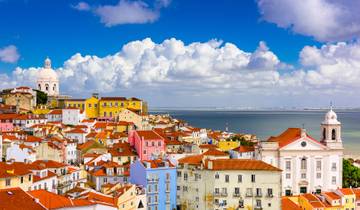
Treasures of Portugal – 8 Days
- ✓ Comprehensive Portugal tour
- ✓ Expert local guides included
- ✓ All accommodation arranged
- ✓ Transportation provided
8 days
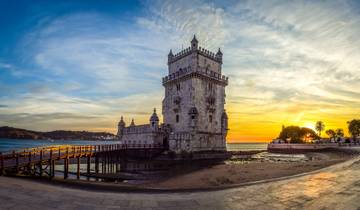
Charming Portugal
- ✓ Comprehensive Portugal tour
- ✓ Expert local guides included
- ✓ All accommodation arranged
- ✓ Transportation provided
6 days
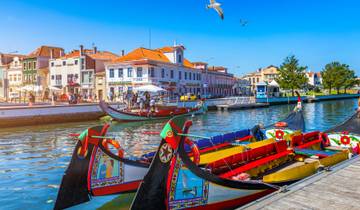
Porto & Lisbon City Break – 6 days
- ✓ Comprehensive Portugal tour
- ✓ Expert local guides included
- ✓ All accommodation arranged
- ✓ Transportation provided
9 days
Complete Portugal
- ✓ Comprehensive Portugal tour
- ✓ Expert local guides included
- ✓ All accommodation arranged
- ✓ Transportation provided
Multi-day tour packages powered by TourRadar. Prices and availability subject to change.
Introduction: Strategic Timing for Portugal’s Diverse Regions 2026
Portugal’s 35,603 square miles contain climate extremes spanning subtropical island microclimates, Mediterranean coastal perfection, Atlantic rain zones, and scorching continental interior plains — greater diversity than most European nations triple its size. A week in Porto during November’s 18-day rain pattern bears no resemblance to concurrent Algarve sunshine where Faro residents still dine outdoors in shirtsleeves. Interior Alentejo transforms from wildflower paradise in April to baking furnace by August when temperatures regularly exceed 42°C, while coastal areas 100 kilometers west maintain comfortable 28°C peaks moderated by Atlantic breezes.
This geographic and climatic complexity makes “best time to visit Portugal” an incomplete question without specifying which Portugal you seek. Beach enthusiasts require different timing than wine harvest travelers, architecture photographers need distinct light conditions from festival participants, and budget-conscious visitors benefit from understanding that southern and northern Portugal experience opposite value propositions across seasons. A strategic visitor might combine northern exploration during peak summer heat when Porto’s 26°C feels refreshing compared to Lisbon’s 32°C, then shift south for autumn and winter when Algarve sunshine replaces northern rain.
The 2026 calendar introduces additional complexity with evolving entry requirements as the European Union implements biometric registration systems and ETIAS travel authorization for visa-exempt countries, requiring extra time at borders particularly during summer peaks. Portugal’s festival calendar concentrates heavily in June with multiple major music festivals competing for accommodation, while shoulder seasons offer intimate regional celebrations without the crowds and logistics challenges of peak events. Understanding these patterns allows visitors to optimize timing based on personal priorities rather than following generic advice that ignores regional and seasonal nuances.
Portugal welcomes visitors year-round with merit, but optimal timing varies dramatically by destination within the country, activity focus, budget constraints, and tolerance for crowds versus weather compromise. This guide breaks down regional patterns, seasonal characteristics, festival calendar coordination, and practical timing strategies to help travelers select windows that align with their specific Portugal vision rather than accepting one-size-fits-all recommendations that ignore the country’s remarkable diversity.
Understanding Portugal’s Four Climate Zones 2026
Portugal divides into four distinct climate regions, each following different seasonal patterns and optimal visit windows. Grasping these differences prevents disappointment from timing a beach vacation during Algarve’s rare winter rain or scheduling Porto exploration during summer’s genuinely uncomfortable humidity.
Southern Coast: Mediterranean Perfection (Algarve and Alentejo Coastal Strip)
The Algarve enjoys Portugal’s most consistently favorable weather, with a subtropical-Mediterranean climate delivering 300+ sunny days annually and minimal rainfall concentrated in brief November-February periods. Summer temperatures range 27-33°C along the coast, moderated by Atlantic breezes that prevent the extreme heat plaguing interior regions. Winter remains genuinely mild with January highs averaging 15-16°C and lows rarely dropping below 8°C — comfortable for outdoor dining and daytime beach walks, though water temperatures of 15-16°C discourage swimming. Spring arrives early, with almond blossoms coating hillsides in pink and white by late February, and comfortable 18-22°C March temperatures inviting exploration without summer’s intensity. Autumn extends beach season through October when 24°C air and 21°C water temperatures create ideal swimming conditions as crowds dissipate. The coastal Alentejo strip from Comporta to Vila Nova de Milfontes follows similar patterns with slightly cooler temperatures and more dramatic Atlantic surf compared to sheltered Algarve coves.
Optimal timing for southern Portugal concentrates in shoulder seasons: March through May for wildflowers, hiking, and exploration without heat stress; September through early November for beach perfection with summer warmth minus peak crowds. Winter (December-February) works well for visitors prioritizing value and sunshine over swimming, with hotel rates 40-60% below summer peaks and daily sunshine reliable despite occasional rain systems. Summer (July-August) suits dedicated beach enthusiasts willing to accept crowds and premium pricing for guaranteed hot weather and warm water, though temperatures inland from the coast become oppressive.
Lisbon and Central Western Coastline: Balanced Mediterranean-Atlantic
Lisbon occupies a transitional climate zone where Mediterranean and Atlantic influences create moderate year-round conditions without Algarve’s extreme heat or Porto’s winter rainfall intensity. Summer temperatures reach 28-32°C on hottest days but Atlantic breezes moderate heat compared to interior regions, though humidity can feel oppressive during August peaks. Winter brings 50-60 rainy days annually with temperatures ranging 8-15°C — cool enough to require jackets and occasional umbrellas but rarely harsh, with frequent sunny breaks between rain systems allowing outdoor exploration most days. The Tagus River microclimate further moderates extremes, creating pleasant conditions even during transitional seasons.
Central coast destinations including Cascais, Sintra, Ericeira, and Nazaré follow similar patterns with slightly cooler temperatures due to direct Atlantic exposure and more dramatic surf conditions attracting winter surfers. Sintra’s mountain microclimate creates its own weather system with frequent fog and mist year-round, adding atmospheric mystery to palace visits but requiring flexible schedules as conditions shift rapidly.
Lisbon timing favors April-June and September-October for optimal sightseeing weather, with comfortable temperatures for hilly neighborhood exploration and reliable sunshine. March and November work well for budget-focused visitors willing to pack light rain gear. July-August brings heat that makes midday walking exhausting and crowds that overwhelm popular neighborhoods like Alfama and Belém. Winter (December-February) offers excellent value for visitors interested in museums, fado performances, and indoor cultural experiences, with enough sunny days to enjoy outdoor wandering between rain systems.
Northern Portugal: Atlantic Maritime Climate (Porto, Minho, Douro Valley)
Porto and northern Portugal experience a maritime climate with significantly higher rainfall than southern regions, creating the lush green landscapes, terraced vineyards, and verdant river valleys that define this area’s character. Summer temperatures remain moderate at 24-28°C, noticeably cooler than Lisbon and dramatically cooler than interior regions — making Porto an excellent summer destination when southern Portugal swelters. Winter brings persistent rainfall with 18-22 rainy days monthly from November through February, temperatures ranging 8-14°C, and Atlantic winds that create a penetrating chill requiring layered clothing. Spring arrives later than in southern Portugal, with May rather than March marking reliable warm weather, and autumn remains pleasant through October before November rains commence.
The Douro Valley east of Porto transitions toward continental climate patterns with greater temperature extremes — scorching 35-40°C summer peaks when terraced vineyards shimmer with heat, and cold winter nights occasionally bringing frost to valley floors. This continental influence creates distinct seasons with spectacular autumn colors as vineyards turn gold and crimson during September-October harvest season, and spring greenery emerging later than coastal areas but bursting forth dramatically in April-May.
Northern Portugal timing strategies differ from southern patterns. Summer (June-August) offers the most reliable weather, though even summer sees occasional showers. May-June and September-October provide excellent conditions for Douro Valley wine tourism with moderate temperatures suited to terraced vineyard hiking and harvest-season experiences. Winter (November-March) works for visitors prioritizing Porto’s cultural experiences, Port wine cellars, and architectural exploration over outdoor activities, with the understanding that rain gear becomes daily necessity. Avoid November-January unless comfortable with persistent gray weather and frequent precipitation.
Interior and Eastern Portugal: Continental Extremes (Alentejo Plains, Beira Interior)
Portugal’s interior experiences the country’s most extreme seasonal swings, with a semi-continental climate bringing scorching summers and surprisingly cold winters. The vast Alentejo plains stretching east from the Algarve coast become genuinely hostile during summer when temperatures routinely exceed 38°C and frequently reach 42-45°C, exacerbated by intense sun and lack of cooling sea breezes. These conditions make midday outdoor activity dangerous during July-August, with even locals retreating indoors between 1-5 PM. Winter brings dry, cool, windy weather with temperatures ranging 5-14°C — not severely cold by northern European standards but feeling harsh due to wind exposure on open plains and limited heating in historic rural accommodations.
The interior’s redemption arrives during spring and autumn when this harsh landscape transforms into Portugal’s most spectacular natural showcase. March-April brings wildflower explosions coating plains in vibrant yellows, purples, and reds as winter rains awaken dormant seeds. Cork oak and olive groves burst with new growth, creating striking green contrast against russet earth. Temperatures during this spring window range 15-24°C — perfect for exploring marble towns like Estremoz and Évora, driving through cork forests, and photographing endless horizons without heat exhaustion. September-October offers similar pleasant conditions as summer heat breaks but before winter chill arrives, with harvest-season agricultural activity adding cultural interest.
Interior Portugal demands precise timing. Visit March-May or September-October for optimal weather and landscape beauty. Avoid July-August unless specifically seeking extreme heat experiences or festival-attending despite challenging conditions. Winter (November-February) works only for visitors interested in Évora’s architecture and museums with acceptance that outdoor exploration becomes limited by cold winds and occasional rain.
Optimal Travel Windows 2026: Month-by-Month Analysis
Portugal’s seasonal transitions follow different timelines across regions, creating opportunities for strategic timing based on specific travel goals. Understanding monthly characteristics across the country’s diverse climate zones reveals optimal windows for various travel styles and priorities.
Spring Awakening: March-May 2026
Spring arrives earliest in southern Portugal where Algarve almond blossoms peak in late February through mid-March, coating hillsides in delicate pink and white flowers that draw photographers and romantic travelers. March temperatures reach 18-20°C in the south, comfortable for hiking and exploration though water remains too cold for swimming at 15-16°C. Lisbon warms to 17-19°C with increasing sunshine breaking through winter’s rain patterns, creating pleasant conditions for neighborhood wandering. Porto remains cooler at 15-17°C with frequent spring showers, though rainfall intensity decreases from winter peaks. Interior Alentejo explodes with wildflowers after light winter rains, transforming harsh plains into vibrant carpets of color that last only weeks before summer heat arrives.
April represents one of Portugal’s finest months across all regions. Southern Portugal reaches 20-24°C with minimal rainfall and comfortable conditions for beach towns, coastal hikes, and outdoor dining. Lisbon averages 19-21°C with reliable sunshine and the city’s famous light at its most beautiful for photography. Porto warms to 17-19°C with decreasing rainfall, making this an excellent month for Douro Valley wine touring before peak summer heat. Easter celebrations (Easter Sunday falls April 20, 2026) bring religious processions and traditional pastry indulgences nationwide, adding cultural richness though also creating accommodation competition in popular destinations.
May emerges as Portugal’s single best overall month for most travelers. Temperatures reach 22-26°C in southern regions — warm enough for beach days without oppressive heat. Lisbon enjoys 21-24°C perfection with minimal rain and maximum sunshine. Porto reaches comfortable 19-22°C with spring in full bloom and crowds remaining manageable before summer tourism peaks. The spectacular Madeira Flower Festival (April 30 – May 24, 2026) transforms Funchal into a floral showcase with intricate flower carpets, parades, and botanical displays. Interior Alentejo remains pleasant at 23-27°C before brutal summer heat arrives. Hotel rates remain 25-40% below summer peaks, restaurants accept reservations without weeks of advance booking, and attractions lack the overwhelming crowds of June-August. Water temperatures reach 18-19°C — still bracing but approaching swimmable for many visitors, particularly children who adapt quickly.
Summer Peak Season: June-August 2026
June initiates Portugal’s high season with temperatures reaching 24-28°C across most regions, perfect for beach activities as Atlantic waters warm to 19-20°C. The month’s challenge comes from Portugal’s extraordinarily concentrated festival calendar. Rock in Rio Lisboa (June 20-21, 27-28, 2026) brings massive crowds and accommodation shortages to the capital. The month-long Festas de Lisboa honoring Santo António (June 1-30, peaking June 12-13 with neighborhood parades and mass weddings) transforms Lisbon into an all-night street party. Porto’s São João celebration (June 23-24) rivals Lisbon’s intensity with waterfront revelry, sardine grills, and traditional plastic hammer bonking between revelers. Primavera Sound Porto (June 11-14, 2026) earlier in the month adds another accommodation-consuming music festival. These events create incredible cultural experiences for festival-focused travelers but make Portugal’s two major cities logistically challenging and expensive for visitors seeking traditional sightseeing. Northern Portugal and interior regions see lower festival impact and offer pleasant weather alternatives during June’s urban festival chaos.
July and August represent full summer intensity with the year’s hottest temperatures, warmest water, longest days, and peak crowds. Southern Algarve temperatures reach 29-33°C with guaranteed sunshine and 21-22°C water perfect for extended beach sessions. Lisbon hits 30-34°C with intensity that makes midday walking exhausting and air conditioning a non-negotiable hotel requirement. Porto maintains more moderate 26-28°C temperatures, though humidity from Atlantic proximity creates its own discomfort. Interior Alentejo becomes genuinely dangerous with 38-45°C peaks that force activity to early morning and evening hours. Coastal destinations from Cascais to Lagos experience shoulder-to-shoulder beach crowds, hour-long restaurant waits, and hotel rates 60-100% above shoulder season pricing. Major attractions in Lisbon and Porto see their longest queues of the year with 60-90 minute waits at Belém Tower, Jerónimos Monastery, and Livraria Lello. Despite these challenges, summer remains Portugal’s most popular season for European vacationers who accept crowds and heat for guaranteed beach weather and extended daylight — sunset occurring 9 PM or later allows evening exploration after daytime heat subsides.
Music festival concentration continues through summer with NOS Alive (July 9-11, 2026) in Lisbon, Vilar de Mouros (August 19-22, 2026) near Porto, and MEO Kalorama (August 28-30, 2026) in Lisbon bringing tens of thousands of festival-goers and further straining accommodation capacity. August 1-20 marks Portuguese residents’ traditional holiday period when domestic tourism peaks, creating additional crowding in beach destinations and Alentejo tourist towns. Visitors willing to endure these conditions receive reliable beach weather and vibrant summer energy, but those seeking tranquil exploration or value pricing should target different months.
Autumn Excellence: September-November 2026
September emerges as Portugal’s second-best overall travel month after May, delivering summer warmth without summer chaos. Temperatures remain beach-perfect at 26-28°C in southern regions, 24-26°C in Lisbon, and comfortable 22-24°C in Porto. Atlantic water reaches its annual warmest at 21-22°C, creating ideal swimming conditions more pleasant than June’s cooler water. Crowds dissipate dramatically after August 20 as schools resume and European holidays end, yet weather remains reliably excellent across all regions. Hotel rates drop 25-40% from August peaks while restaurants, tours, and attractions return to manageable booking windows. The Douro Valley enters harvest season with golden vine leaves, grape-picking activities, and quinta tours at their most atmospheric. September’s only drawback comes from festival scarcity — Portugal’s cultural calendar thins significantly after summer’s concentrated events.
October maintains excellent conditions through the first three weeks with temperatures ranging 22-24°C in the Algarve (still beach-appropriate), 18-20°C in Lisbon (perfect for urban exploration), and 16-18°C in Porto. Water temperatures remain swimmable at 19-20°C for hardy souls through mid-October. The Fátima pilgrimage (October 12-13, 2026) brings massive crowds to this central Portugal religious site but affects surrounding areas minimally. Óbidos hosts its literary festival (October 8-18, 2026) transforming the medieval town into a cultural hub. Late October sees increasing rainfall probability in northern regions as Atlantic storm systems intensify, though southern Portugal remains largely dry. This month offers exceptional value with hotel rates 40-50% below summer peaks and significantly reduced crowds at major attractions. Colors peak in Douro Valley vineyards during early October before leaves fall.
November initiates Portugal’s low season with clear regional differentiation. Southern Algarve maintains pleasant 18-20°C temperatures with 6-7 hours daily sunshine, continued outdoor dining viability, and hotel rates 50-60% below summer peaks — excellent value for visitors prioritizing sunshine and cost over swimming. Lisbon cools to 15-17°C with increasing rainfall (12-15 rainy days monthly) but remains functional for cultural tourism with appropriate rain gear. Porto and northern Portugal enter their wettest period with 18-20 rainy days, persistent gray skies, and 12-14°C temperatures that feel genuinely cold with Atlantic wind chill. November works well for southern Portugal exploration, Lisbon museum-and-restaurant touring, and anyone seeking deep value pricing, but northern Portugal visits should wait for drier seasons unless specifically drawn to moody, atmospheric conditions and minimal crowds.
Winter Value Season: December-February 2026
Winter divides Portugal into two distinct experiences. Southern regions maintain remarkably pleasant conditions with Algarve temperatures ranging 15-17°C — cool enough to require light jackets but warm enough for comfortable outdoor activity, sunny terraces, and beach walks. Rainfall remains minimal at 8-10 days monthly concentrated in brief systems that clear quickly. Lisbon cools to 10-14°C with 14-16 rainy days monthly, requiring umbrellas and layered clothing but offering frequent sunny breaks between rain systems. Cultural attractions, museums, and fado houses operate normally with minimal crowding. Hotel rates reach their annual lowest with discounts of 40-60% from summer peaks in popular areas, and 60-70% in beach-focused destinations.
Northern Portugal experiences genuine winter with Porto averaging 10-12°C, persistent rainfall on 18-22 days monthly, and Atlantic winds creating penetrating chill. The Douro Valley sees occasional frost on valley floors with morning temperatures near freezing, though afternoons moderate to 10-12°C. These conditions suit visitors interested in Port wine cellars, museum exploration, and cozy restaurant experiences rather than outdoor activities. The Christmas and New Year period (December 20-January 5) sees temporary rate increases and bookings from Portuguese expatriates returning for holidays, creating accommodation challenges in Lisbon and Porto despite otherwise quiet winter seasons.
Serra da Estrela mountain range receives Portugal’s only significant snowfall during December-February, creating skiing opportunities at Torre ski resort (weather-dependent) and dramatic winter landscapes. This niche attracts domestic tourists for weekend trips but remains largely unknown to international visitors. February marks the transition toward spring with lengthening days, occasional warm sunny breaks reaching 16-18°C in southern regions, and Algarve almond blossoms beginning by month’s end. Winter suits budget-focused travelers, digital nomads seeking long-term rates, and anyone prioritizing mild southern Portugal sunshine over swimming, with clear understanding that northern Portugal remains genuinely wet and cool during these months.
Regional Deep Dive: Best Times by Destination 2026
Portugal’s compact size belies dramatic destination differences requiring distinct timing strategies. Optimal visit windows shift significantly between regions based on local climate patterns, seasonal activities, and crowd dynamics.
Lisbon Best Timing 2026
Lisbon functions as a year-round destination with merit in every season, though spring and autumn deliver optimal conditions. April through June represents the capital’s prime window with temperatures ranging 17-26°C, minimal rainfall, famous soft light perfect for photography, and blooming jacaranda trees painting streets purple in May-June. The Festas de Lisboa (June 1-30, 2026) add cultural vibrancy with nightly street parties, grilled sardines, and neighborhood celebrations, though accommodation becomes expensive and scarce during peak festival days June 12-15. Early June before festival intensity or late June after it passes offers better logistics while maintaining excellent weather.
September through October provides Lisbon’s second-best window with 20-24°C temperatures, reduced crowds after summer exodus, and hotel rates 30-40% below August peaks. The light takes on golden autumn quality particularly beautiful for hilltop viewpoints and riverside scenes. November remains viable for cultural tourism despite increasing rain, with excellent value pricing and genuine local atmosphere as tourist season fades. March offers similar transitional appeal with improving weather, spring flowers, and off-season rates.
July-August brings oppressive heat (30-34°C) that makes midday walking exhausting and crowds that overwhelm Belém neighborhood, tram 28, and major viewpoints. Air conditioning becomes essential in accommodations, and advance reservations required at popular restaurants. Winter (December-February) works well for visitors prioritizing indoor cultural experiences — museums, fado houses, Time Out Market food halls — with acceptance that rain gear becomes regular companion and outdoor exploration gets interrupted by weather. The city’s hills become particularly challenging when wet and slippery.
Porto and Douro Valley Best Timing 2026
Porto demands different timing than southern Portugal due to Atlantic rainfall patterns. May through September represents the reliable weather window, with May-June offering the best overall experience before summer crowds peak. Temperatures range 19-26°C during this period, rainfall decreases significantly from winter intensity, and the city’s riverfront comes alive with outdoor dining and sunset cruises. São João festival (June 23-24) creates an extraordinary cultural experience for visitors who plan specifically around it, with waterfront celebrations, grilled sardines, and traditional revelry, though accommodation requires booking months in advance.
September-October delivers Porto’s finest weather with 20-24°C temperatures, reliable sunshine, and dramatically reduced crowds after summer tourists depart. This period coincides with Douro Valley harvest season when terraced vineyards turn golden and rust-colored, grape-picking activities add cultural interest, and quinta wine tours operate at peak atmospheric quality. Many quintas offer hands-on harvest experiences unavailable other months. October’s first three weeks remain excellent before late-month rains commence.
July-August brings Porto’s warmest weather (24-28°C) with humidity from Atlantic proximity creating different discomfort than inland heat but still challenging. Crowds peak in city center and Ribeira waterfront. The advantage comes from using Porto as a base for exploring cooler northern regions and green Minho province when southern Portugal swelters. November through March brings Portugal’s wettest weather with persistent rain, gray skies, and cool temperatures requiring layers and waterproof gear daily. These months work only for visitors specifically drawn to Port wine cellars, indoor cultural activities, and moody atmospheric conditions, or those prioritizing extreme value pricing (50-60% discounts) over weather certainty.
Algarve Coast Best Timing 2026
The Algarve offers Portugal’s broadest favorable weather window, remaining pleasant March through November with genuine beach season extending June through October. The region’s tourism infrastructure divides into distinct seasonal phases affecting visitor experience significantly.
June through August represents peak summer with guaranteed hot weather (28-33°C), warmest water (20-22°C), longest days, and maximum beach crowds. Popular coastal towns like Lagos, Albufeira, and Vilamoura experience shoulder-to-shoulder beach conditions, packed restaurants requiring reservations days ahead, and hotel rates 80-120% above shoulder season pricing. The eastern Algarve from Tavira to Vila Real de Santo António sees somewhat lower intensity with slightly cooler water temperatures in Ria Formosa lagoon system but better crowd management. This peak period suits visitors prioritizing guaranteed beach weather and vibrant summer energy over tranquility and value.
April-May and September-October emerge as Algarve’s sweet spots, delivering excellent beach weather without summer extremes. Late April through May brings 22-26°C temperatures, blooming flowers including famous almond blossoms in March-early April, and comfortable conditions for both beach and inland exploration. Water reaches 18-19°C by May — refreshing but swimmable for many. Hotel rates remain 30-50% below summer peaks, restaurants welcome walk-in diners, and beaches feel spacious. September-October maintains summer warmth (24-28°C) with Atlantic water at its annual warmest (21-22°C), dramatic crowd reduction after August 20, and hotel rates dropping 35-50% from peak. These shoulder months offer arguably better experiences than summer for balanced beach-and-exploration trips.
November through March transforms the Algarve into a winter sun destination for northern Europeans and budget-focused travelers. Temperatures range 15-18°C — comfortable for outdoor activities, beach walks, golf, and terrace dining with light jacket. Water temperature drops to 15-17°C, discouraging swimming for most visitors though hardy locals continue year-round. Rainfall remains minimal compared to northern Portugal, with 8-10 rainy days monthly concentrated in brief systems. Many beach restaurants and tour operators close for winter, creating quieter atmosphere but reduced dining options. Hotel rates plummet 50-70% below summer peaks, creating exceptional value. This period works excellently for hikers exploring coastal trails, golfers enjoying empty courses, and anyone seeking mild European winter sunshine without Canary Islands’ tourist intensity.
Madeira and Azores Islands Best Timing 2026
Portugal’s Atlantic islands follow different seasonal patterns from the mainland, with subtropical oceanic climates creating year-round mild temperatures but also year-round rain potential. These destinations function as any-season options with understanding that weather remains somewhat unpredictable regardless of timing.
Madeira’s standout event, the legendary Flower Festival (April 30 – May 24, 2026), attracts visitors specifically for elaborate flower carpets coating Funchal streets, botanical displays, and parade celebrations during peak spring bloom. May-June temperatures range 19-23°C, comfortable for hiking Madeira’s famous levada trails and exploring mountainous interior. July-September brings warmest weather (23-26°C) and driest conditions, though afternoon showers remain common due to orographic effects as Atlantic air rises over mountains. October-March sees cooler temperatures (17-20°C) and increased rainfall, though Madeira never becomes harsh — more frequent gray days and showers between sunny breaks. The island’s dramatic microclimates mean north coast remains perpetually cloudier and wetter than south coast regardless of season, and mountains often hide in clouds even when coastal areas enjoy sunshine.
The Azores follow similar subtropical patterns with slightly cooler temperatures due to more northern latitude. May-September represents the most reliable weather window with temperatures ranging 18-24°C and somewhat reduced rainfall compared to winter months. However, even summer sees frequent showers due to oceanic moisture and volcanic terrain creating localized weather systems. The archipelago’s appeal lies in dramatic volcanic landscapes, whale watching (best March-October), and hydrangea-lined roads (peak bloom June-August) rather than beach vacation, making weather unpredictability less critical than in mainland destinations. October-April brings genuinely wet conditions with persistent Atlantic storm systems, though temperatures remain mild at 14-17°C. Serious hikers and nature photographers visit during transitional seasons (April-May, September-October) when dramatic weather creates atmospheric conditions and fewer visitors crowd popular trails.
Major Festivals and Cultural Events 2026
Portugal’s festival calendar concentrates heavily in summer months, particularly June, with regional celebrations scattered throughout the year adding cultural depth to travel planning. Understanding major events helps visitors either schedule around them for optimal experiences or avoid them when seeking quieter exploration.
Spring Festival Highlights 2026
The Madeira Flower Festival (April 30 – May 24, 2026) stands as Portugal’s premier spring celebration, transforming Funchal into a floral showcase during peak island bloom. Elaborate flower carpets coat streets in intricate patterns using millions of petals, while parades feature elaborate floats decorated entirely with fresh flowers and children dressed in traditional costumes carrying flower arrangements. The festival includes botanical exhibitions, classical music concerts, and children’s events spread across nearly four weeks. Accommodation in Funchal requires advance booking during festival peaks, particularly the first and final weekends.
Portugal Fashion Week (dates specific to Lisbon schedule, typically early April) brings haute couture runway shows to Pátio da Galé, featuring Portuguese designers and sustainable fashion initiatives. This insider fashion industry event offers less tourist appeal than music festivals but provides cultural context for Portugal’s growing design scene. IndieLisboa International Independent Film Festival (April 30 – May 10, 2026) showcases global independent films, documentaries, and shorts at venues including Cinema São Jorge, with competitions, industry panels, and director workshops attracting film enthusiasts.
The Festa das Cruzes in Barcelos (April 29 – May 4, 2026) marks northern Portugal’s first major romaria (outdoor celebration) of the season, dating to the 16th century with religious processions, folk performances, carpets made of flower petals, concerts, and traditional celebrations honoring the Holy Cross. This regional event offers authentic cultural immersion without the tourist crowds overwhelming Lisbon and Porto festivals.
June Festival Concentration 2026
June dominates Portugal’s festival calendar with three massive events creating accommodation chaos but extraordinary cultural experiences in Lisbon and Porto. Primavera Sound Porto (June 11-14, 2026) imports the renowned Barcelona music festival’s indie-alternative-electronic lineup to Porto’s Parque da Cidade, drawing international music fans for four days of performances across multiple stages. The festival sells out months in advance with Porto accommodation becoming extremely scarce and expensive during this period.
Rock in Rio Lisboa (June 20-21, 27-28, 2026) brings one of the world’s largest music festivals to Parque da Bela Vista with headliners spanning rock, pop, and electronic genres across multiple stages. The split weekend format (Friday-Saturday, then the following Friday-Saturday) extends Lisbon’s accommodation crunch across two separate weekends, making hotel availability near impossible without advance booking and rates reaching 100-150% premiums over normal June pricing. The festival attracts 80,000+ daily attendees creating citywide impact.
Festas de Lisboa honoring Santo António (June 1-30, 2026, peaking June 12-13) transforms the capital into month-long celebration with nightly arraiais (street parties) in neighborhoods particularly Alfama, Mouraria, and Bairro Alto. Residents grill sardines on neighborhood streets, serve wine and beer from makeshift stands, and play live music creating spontaneous celebrations accessible to any visitor willing to navigate crowd-packed alleyways. The festival peaks on Santo António’s Eve and Day (June 12-13) with Marchas Populares — elaborate neighborhood parade competitions featuring choreographed floats and costumed participants — and mass weddings at Lisbon Cathedral. This celebration offers the most authentic Lisboa cultural experience but makes accommodation near impossible during peak days without booking months ahead.
Porto’s São João Festival (June 23-24, particularly the eve of June 23) rivals Lisbon’s intensity with waterfront celebrations in Ribeira district, rooftop parties citywide, grilled sardines consumed by the thousands, and the amusing tradition of bonking strangers on the head with plastic hammers while shouting festival greetings. Midnight fireworks over the Douro River create the festival’s visual climax. São João ranks among Europe’s great street festivals for visitors who enjoy massive crowds, all-night revelry, and genuine local tradition rather than curated tourist experiences.
Summer Music Festival Season 2026
July and August bring Portugal’s concentrated music festival season with events targeting different genres and audiences. NOS Alive (July 9-11, 2026) operates as Lisbon’s largest pure music festival, held at Passeio Marítimo de Algés with Tagus River views and mainstream alternative-indie-rock lineups attracting 55,000+ daily attendees. The three-day format creates less accommodation disruption than Rock in Rio’s split weekends but still requires advance hotel booking.
Vilar de Mouros (August 19-22, 2026) claims title as Iberia’s oldest music festival, held in Caminha one hour north of Porto. This four-day camping festival offers more intimate alternative atmosphere compared to massive Lisbon events, with days often selling out due to limited capacity. The northern location provides summer escape from southern heat.
MEO Kalorama (August 28-30, 2026) concludes summer festival season at Parque da Bela Vista in Lisbon with lineups announced including Robbie Williams, Deftones, and diverse international acts. The late-August timing means summer tourists have largely departed, creating somewhat easier accommodation logistics than earlier festivals though rates remain elevated.
Boom Festival (August 24-30, 2026) operates in different category — a transformational festival near Idanha-a-Nova featuring psychedelic trance music, art installations, permaculture showcases, and alternative culture gathering 30,000+ participants for week-long experience. This attracts specific international community rather than mainstream tourists but represents significant Portuguese cultural phenomenon.
Autumn and Winter Cultural Calendar 2026
Fátima Pilgrimages (May 12-13 and October 12-13, 2026) bring hundreds of thousands of Catholic pilgrims to Santuário de Nossa Senhora de Fátima for religious observances commemorating apparitions reported in 1917. These aren’t tourist festivals but rather profound religious experiences, though they create accommodation challenges across central Portugal during pilgrimage weekends. The October pilgrimage coincides with pleasant autumn weather suitable for exploring surrounding Batalha, Alcobaça, and Tomar if avoiding Fátima’s crowds.
Óbidos Literary Festival (October 8-18, 2026) transforms the medieval walled town into international book festival with 800+ authors, 450+ events, and Nobel Prize winners appearing in past editions. The ten-day format allows literary enthusiasts to combine festival attendance with exploration of this remarkably preserved town and surrounding region.
Winter months see fewer major festivals though Christmas markets appear in Lisbon, Porto, and major towns during December, and traditional religious celebrations mark Easter (April 20, 2026) with processions particularly elaborate in Braga and other northern religious centers. The relative festival scarcity during October-April makes these months ideal for visitors seeking destinations at normal operation rather than festival-affected prices and availability.
Activity-Specific Timing Strategies 2026
Different travel activities demand distinct seasonal timing in Portugal, with optimal windows varying by specific interest rather than following general seasonal advice.
Beach and Water Activities 2026
Portuguese beach season runs late May through September with regional variations affecting comfort significantly. Water temperatures reach swimmable range (18°C+) by late May in southern Algarve, early June in Lisbon region, and mid-June in northern Portugal, though these early-season temperatures (18-19°C) feel refreshing-to-cold for many visitors. Peak swimming months occur July-September when Atlantic temperatures reach 20-22°C, genuinely comfortable for extended immersion. September often delivers the year’s warmest water (21-22°C) combined with decreased crowds and pleasant air temperatures, making it arguably the best beach month.
Surfing follows opposite patterns, with Atlantic coast reaching optimal conditions October through March when Atlantic storm systems generate powerful swells. Peniche, Ericeira, and Nazaré become surf hubs during winter months, with Nazaré’s famous giant waves (potentially 70+ feet) occurring December-February though requiring extremely specific conditions. Summer brings smaller waves suitable for beginners, with surf schools operating June-September across Algarve and Lisbon-area beaches. Water temperature requires wetsuits year-round on Portuguese Atlantic coast regardless of season.
Kayaking and stand-up paddleboarding conditions remain excellent May through October in protected waters including Algarve coastal caves, Ria Formosa lagoon, Arrábida marine park, and Berlengas Islands. These activities depend more on wind and wave conditions than water temperature since wetsuits or dry suits provide thermal protection. Summer brings calmest water but also highest equipment rental demand and tour booking requirements.
Wine Tourism and Harvest Experiences 2026
Portugal’s wine regions follow distinct seasonal patterns making timing critical for optimal experiences. Douro Valley reaches peak appeal during September-October harvest season (vindima) when terraced vineyards transform from green to brilliant gold and crimson, temperatures moderate from summer extremes (22-28°C), and many quintas offer hands-on grape-picking experiences unavailable other months. Early October typically sees most active harvest work before late-month rains arrive. The valley’s dramatic beauty extends year-round with spring (April-May) bringing brilliant green vine growth and wildflowers, though summer heat (35-40°C) makes midday activity uncomfortable.
Alentejo wine region follows similar harvest timing in September-October with added advantage of medieval wine towns like Évora providing architectural and cultural interest beyond vineyard visits. Spring (March-May) offers Alentejo’s most comfortable temperatures (20-27°C) and wildflower-covered plains before summer heat arrives, making this excellent window for combining wine touring with regional exploration.
Vinho Verde region in green northern Minho maintains appeal spring through autumn (April-October) with lush landscapes, cooler temperatures than southern regions, and wine estates offering cellar tours and tastings year-round. Summer months (June-September) provide most reliable weather in this rain-prone region. Port wine cellars in Vila Nova de Gaia across from Porto operate daily year-round with winter offering advantage of no crowds, though combining cellar visits with Douro Valley touring requires waiting for drier seasons (May-October).
Hiking and Outdoor Activities 2026
Hiking season extends March through May and September through November, bracketing summer’s oppressive heat and winter’s increased rainfall. Spring hiking (March-May) offers brilliant wildflowers particularly in interior Alentejo and Algarve hills, moderate temperatures (18-26°C), and longer days without summer’s intensity. Coastal trails including Rota Vicentina along Alentejo coast and Seven Hanging Valleys Trail in Algarve remain comfortable during spring with ocean breezes moderating any heat.
Autumn hiking (September-November) provides even better conditions with clear skies following summer’s reliable weather, moderate temperatures after heat breaks, and stunning golden colors in Douro Valley and Serra da Estrela mountains during October. Early autumn (September-early October) offers best weather certainty before late October-November rains increase. Mountain trails in Serra da Estrela, Peneda-Gerês National Park, and Madeira’s levada network become most accessible during these windows when snow melts from peaks but rain hasn’t intensified.
Summer hiking (June-August) works only in northern Portugal where temperatures remain moderate (24-28°C) and coastal areas with ocean breezes. Interior and southern hiking trails become dangerously hot with temperatures exceeding 38°C making dehydration and heat exhaustion genuine risks. Winter hiking (December-February) suits only hardy enthusiasts comfortable with mud, rain gear, and frequent weather interruptions particularly in northern regions, though southern Algarve trails remain viable with appropriate waterproof preparation.
Photography and Landscape Focus 2026
Portugal’s famous light reaches peak quality during shoulder seasons (April-June, September-October) when sun angle creates dramatic shadows and golden-hour illumination without summer’s harsh overhead brightness. Spring particularly favors landscape photography with wildflowers, almond blossoms, and brilliant green landscapes following winter rains. Douro Valley vineyards photograph spectacularly during May’s green growth and October’s golden harvest colors.
Architectural photography benefits from winter’s lower sun angle creating dramatic shadows on buildings, combined with fewer tourists blocking compositions at popular viewpoints and monuments. December-February offers clearest light between rain systems, though weather unpredictability requires flexible schedules. The tradeoff comes from shorter days limiting golden-hour shooting windows. Summer’s extended daylight allows sunrise shooting at 6 AM and sunset photography extending past 9 PM, maximizing shooting opportunities despite midday harsh light.
Coastal photography including Algarve cliff formations, Benagil Cave, and dramatic Atlantic coastline works year-round with winter storms creating dramatic wave action and moody skies favored by some photographers, while summer calm and blue skies suit different aesthetic preferences. Madeira and Azores offer year-round dramatic landscape opportunities with understanding that clouds, mist, and rain create atmospheric conditions rather than obstacles for photographers seeking moody compositions.
Budget and Crowd Considerations 2026
Seasonal price variations and crowd density shifts dramatically across Portugal’s travel year, creating opportunities for value-focused visitors willing to compromise on weather certainty or activity options.
Seasonal Price Dynamics 2026
Portuguese accommodation pricing follows clear seasonal tiers with 200-300% variation between winter lows and summer peaks in beach destinations. Peak season (July-August) commands highest rates with Lisbon mid-range hotels charging 60-80% premiums over shoulder season, Porto hotels increasing 40-60%, and Algarve beach properties doubling or tripling baseline rates particularly during August 1-20 when Portuguese domestic tourists flood coastal areas. Festival weekends in Lisbon and Porto see even more extreme premiums with Rock in Rio and São João dates commanding 100-150% increases over normal June rates in affected cities.
Shoulder seasons (April-May, September-October) offer optimal value-weather balance with hotel rates 25-40% below peak summer pricing while weather remains excellent across most regions. April and October provide deepest shoulder-season discounts (35-40% below summer) while maintaining very favorable conditions particularly in southern Portugal. May and September command slightly higher rates (25-30% below summer) due to their reputation as optimal visit months, though still significantly cheaper than peak.
Winter season (November-March) delivers maximum savings with hotel rates 40-60% below summer in Lisbon and Porto, and 60-70% below summer in Algarve beach destinations where properties target long-term winter residents rather than short-stay tourists. These dramatic discounts come with weather compromises in northern regions (persistent rain, cool temperatures) but southern Portugal maintains pleasant conditions making winter excellent value for visitors prioritizing cost and sunshine over swimming and beach activities.
Restaurant, tour, and activity pricing remains more stable year-round compared to accommodation, though some coastal restaurants increase prices 15-25% during July-August and beach concessions charge premium rates for sunbeds and umbrellas. Transportation costs stay consistent regardless of season with TAP Portugal and other airlines showing typical supply-demand pricing where advance booking matters more than travel month. Car rental follows accommodation patterns with summer premiums of 30-50% over winter rates.
Crowd Density by Season and Region 2026
Tourist crowds concentrate overwhelmingly in July-August with secondary peak during Easter week (April 13-20, 2026) when European school holidays drive family travel. August 1-20 represents absolute peak crowding as Portuguese residents take traditional holiday weeks on top of continuing international tourism. Popular Lisbon neighborhoods like Belém and Alfama become genuinely challenging to navigate with sidewalks packed, hour-long queues at Jerónimos Monastery and Belém Tower, and tram 28 requiring 45-60 minute waits. Porto’s Ribeira waterfront and iconic Livraria Lello bookshop see similar overwhelming during peak summer.
Algarve beach towns experience different crowd dynamics with Lagos, Albufeira, and Vilamoura transforming into resort destinations where beaches, restaurants, and nightlife venues overflow with international tourists and Portuguese families. Some visitors enjoy this vibrant summer energy while others find it destroys the tranquil Portugal they imagined. Eastern Algarve from Tavira to Vila Real maintains somewhat lower intensity even during peak weeks.
Shoulder seasons (April-June, September-October) bring manageable crowds with popular attractions accessible without extreme waits, restaurants accepting walk-in diners at reasonable hours, and beaches spacious enough to find uncrowded stretches. Late September-October sees particularly dramatic crowd reduction as summer exodus occurs, creating near-perfect conditions for visitors seeking social experience without overwhelming density. May-early June crowds build gradually but remain well below peak summer intensity.
Winter months (November-March) deliver Portugal at its emptiest with genuine local atmosphere replacing tourist-heavy dynamics of warmer seasons. Lisbon and Porto function as working cities rather than tourist destinations, Algarve beach towns feel sleepy with many seasonal businesses closed, and popular attractions become easily accessible without planning. This emptiness appeals to some visitors seeking authentic local interaction but disappoints others hoping for vibrant tourist infrastructure and social energy. Southern Algarve maintains modest winter tourism from northern European retirees and golfers, preventing complete shutdown while keeping crowds minimal.
Practical Planning Considerations 2026
Beyond weather and festivals, several practical factors influence optimal Portugal timing including entry requirements, accommodation booking strategies, and transportation considerations.
Entry Requirements and Border Processing 2026
The European Union’s Entry/Exit System (EES) now operates across Portugal’s Schengen borders, requiring biometric registration for non-EU travelers. Upon first entry to any Schengen country in 2026, visitors must provide fingerprints and facial photograph at a dedicated registration booth before proceeding to immigration desk. Subsequent Schengen entries within the registration period (three years) require only facial scan matching original registration. This process adds 5-15 minutes per traveler during initial registration, with longer delays during peak summer travel when airports struggle with volume.
ETIAS (European Travel Information and Authorization System) launches late 2026 requiring visa-exempt travelers from countries including the United States, Canada, Australia, and United Kingdom to obtain online pre-authorization before travel. The process operates entirely online, costs approximately €20 per adult (free for those under 18 and over 70), takes a few minutes to complete, and typically receives approval within hours though can take several days if additional screening required. ETIAS authorization remains valid for three years or until passport expiration, whichever comes first, allowing multiple Portugal and Schengen area entries during validity period.
Standard Schengen requirements continue applying with passports requiring validity of at least three months beyond planned departure date and issuance within the past ten years. Travelers should verify specific requirements based on citizenship since visa-exempt travel allows stays up to 90 days within any 180-day period across the entire Schengen area, not just Portugal. Children traveling without both parents require notarized parental consent letters with accompanying parent passport copy to avoid entry delays or refusal.
Peak summer travel (July-August) creates longest border processing delays particularly at Lisbon and Porto airports, with EES registration amplifying wait times. Travelers arriving during these months should budget 60-90 minutes from landing to clearing customs and immigration, especially on afternoon flights when multiple international arrivals converge. Shoulder seasons see dramatically shorter processing with 30-40 minute typical clearance times.
Accommodation Booking Windows and Strategies 2026
Booking timeline requirements vary dramatically by season and destination type. Summer travel (July-August) in popular destinations requires 3-6 months advance booking for decent hotel selection and reasonable rates, with best properties in prime locations selling out 4-5 months ahead. Festival weekends demand even longer lead times: Rock in Rio Lisboa weekend accommodation requires booking 6-8 months ahead, São João Porto hotels fill 5-6 months prior, and Primavera Sound Porto creates availability chaos 4-5 months before festival dates. Travelers booking within 30 days of summer arrival face severely limited options at premium prices.
Shoulder seasons (April-June, September-October) allow more flexibility with 4-8 weeks advance booking generally securing good selection at reasonable rates. Popular Algarve beach hotels and Douro Valley quintas during harvest season (September-October) benefit from 6-10 weeks advance booking though last-minute availability exists with reduced selection. Lisbon and Porto city hotels during shoulder seasons work well with 3-5 weeks advance notice.
Winter travel (November-March) offers maximum flexibility with many properties accepting bookings days or even hours before arrival, particularly in Algarve where winter occupancy runs extremely low. Lisbon and Porto maintain modest winter demand allowing 1-2 weeks advance booking for solid selection. Christmas and New Year period (December 20-January 5) breaks this pattern with Portuguese expatriates returning home creating temporary demand requiring 6-8 weeks advance booking in major cities.
Apartment rentals through platforms like Airbnb and Vrbo follow similar seasonal patterns though often require longer minimum stays during summer (3-7 nights) compared to shoulder and winter seasons accepting 1-2 night stays. Rural properties including converted quintas, manor houses, and agritourism accommodations maintain steadier year-round pricing with smaller seasonal variations, making them excellent value during summer when coastal hotel rates spike.
Transportation Planning by Season 2026
Car rental becomes essential for exploring interior Portugal, Alentejo, Douro Valley, and smaller coastal towns outside major city public transport networks. Summer rental rates run 30-50% above winter pricing with popular vehicle types (compact cars, SUVs) requiring 4-6 weeks advance booking during July-August or facing limited availability and premium rates. Shoulder seasons allow 2-3 weeks advance booking for good selection at moderate rates. Winter sees both lowest rates and greatest availability with last-minute rental bookings entirely feasible.
Portugal’s highway toll system frustrates many first-time drivers since electronic-only toll roads (particularly in Algarve and along A22/Via do Infante) require advance payment arrangement through rental companies or post-trip payment via CTT post offices. Rental companies charge 20-30€ administrative fees plus tolls for electronic toll packages, making this essential to understand before driving. Summer traffic increases significantly on coastal highways, Lisbon-Porto A1 corridor, and Lisbon-Algarve A2 route with Friday afternoon-evening southbound and Sunday afternoon-evening northbound creating worst congestion.
Train travel between Lisbon, Porto, and Faro operates year-round with advance booking (2-4 weeks) securing 25-40% discounts on Alfa Pendular and Intercidades services compared to walk-up fares. Summer sees heavier loads requiring advance booking to guarantee seats, while winter allows last-minute purchasing without concern. Domestic flights on TAP Portugal between Lisbon, Porto, Faro, and island destinations follow typical airline pricing where booking 6-10 weeks ahead secures better rates regardless of season, though summer commands 30-50% premiums over winter even with advance purchase.
Special Interest Timing: Festivals, Golf, Birdwatching 2026
Niche interests create specific optimal timing windows diverging from general tourism patterns.
Festival Chasers and Music Tourism 2026
Visitors prioritizing Portugal’s festival scene should concentrate June through August when major music festivals dominate the calendar. June packs three massive events (Primavera Sound Porto June 11-14, Rock in Rio Lisboa June 20-21 and 27-28, NOS Alive July 9-11) requiring strategic planning to attend multiple festivals given accommodation challenges and geographic spread. Combining Primavera Sound with Rock in Rio demands booking accommodation for Porto dates, then shifting to Lisbon for Rock in Rio weekends — logistically complex but feasible for dedicated festival-goers. Adding NOS Alive extends Lisbon stay through early July.
August festivals including Vilar de Mouros (August 19-22) near Porto, Boom Festival (August 24-30) in central Portugal, and MEO Kalorama (August 28-30) in Lisbon create opportunities for late-summer festival tourism combined with beach activities between events. The challenge comes from August’s peak heat, highest hotel rates of the year, and most intense crowding particularly August 1-20 when domestic tourism peaks.
Traditional cultural festivals including Festas de Lisboa (June 1-30), São João Porto (June 23-24), and various regional celebrations offer different experience from commercial music festivals with focus on local tradition, street parties, traditional foods, and community participation rather than curated lineups and purchased tickets. These free public celebrations allow spontaneous participation but create more severe accommodation challenges since entire cities transform rather than isolated festival grounds.
Golf Tourism Optimal Windows 2026
Algarve golf courses operate year-round with winter (November-March) representing prime season for serious golfers seeking empty courses, moderate temperatures (15-20°C), and package deals combining accommodation and tee times at significant discounts. British and northern European golfers particularly favor January-March when home courses remain cold and wet while Algarve delivers pleasant conditions. Summer golf becomes challenging with 32-35°C afternoon heat making morning tee times essential, though courses offer 30-40% summer discounts on green fees.
Spring (March-May) and autumn (September-November) provide optimal golf conditions with comfortable temperatures, reliable sunshine, and moderate green fees without winter’s deepest discounts but avoiding summer heat. These shoulder seasons suit golfers combining course play with other tourism activities. Portugal maintains over 90 golf courses with Algarve concentration but also excellent courses in Lisbon-Estoril area, Porto vicinity, and scattered across Alentejo.
Birdwatching and Nature Tourism 2026
Portugal occupies crucial position on Atlantic migratory routes making spring (March-May) and autumn (September-October) prime for birding as millions of birds transit between European breeding grounds and African wintering areas. Sagres and southwestern Algarve become international birding hotspots during these migrations with hundreds of species passing through. Spring migration peaks April-May while autumn passage concentrates September-early October.
The Alentejo’s Castro Verde plains host one of Europe’s most important populations of threatened steppe birds including great bustard, little bustard, and black-bellied sandgrouse, best observed March-June during breeding season. Ria Formosa lagoon system hosts year-round populations of flamingos, spoonbills, and wading birds with winter (November-February) bringing large numbers of overwintering waterfowl from northern Europe. Tagus Estuary near Lisbon functions similarly as winter waterbird refuge while maintaining year-round interesting species.
Algarve’s spring wildflower bloom (March-April) attracts botanical tourists as hillsides transform into carpets of native wildflowers including numerous endemic species. This brief flowering period lasts only 4-6 weeks before summer heat arrives and flowers fade.
Avoiding Common Timing Mistakes 2026
Several recurring visitor mistakes result from misunderstanding Portugal’s regional diversity and seasonal patterns.
Assuming Portugal Has Uniform Weather
The single most common error involves treating Portugal as climatically homogeneous despite dramatic regional variations. Booking Porto hotels during November-January expecting Lisbon-level weather leads to disappointment when persistent rain disrupts plans. Similarly, scheduling intense hiking in Alentejo during July-August courts heat exhaustion with 40°C+ temperatures making midday activity dangerous. Understanding that Portugal divides into four distinct climate zones prevents these mismatches between expectations and reality.
Underestimating Festival Impact on Logistics
June’s concentrated festival calendar catches many visitors by surprise, with accommodation either unavailable or double typical prices during Rock in Rio Lisboa weekends, Festas de Lisboa peaks, and São João Porto. Travelers booking Lisbon accommodation for June without checking festival dates often arrive to find the city in festival chaos with noise lasting until dawn, streets packed with revelers, and logistics complicated by road closures. While these festivals offer extraordinary cultural experiences for those seeking them, visitors prioritizing tranquil sightseeing should avoid affected dates entirely.
Chasing Summer Heat When Shoulder Seasons Excel
Many visitors automatically target July-August assuming summer guarantees best experiences, when April-May and September-October often deliver superior conditions for most activities. Summer brings oppressive heat, peak crowds, maximum prices, and exhausting conditions for city exploration. Shoulder seasons maintain excellent weather — often better than summer for non-beach activities — while offering dramatically improved value and more pleasant social atmosphere with manageable tourist density.
Neglecting Regional Timing Strategy
Single-season Portugal trips ignore opportunities to combine regions with complementary seasonal strengths. Smart travelers might visit Porto and Douro Valley during July-August when northern Portugal’s moderate 26°C feels refreshing, then shift to Algarve for September-October when southern Portugal delivers optimal beach conditions as summer crowds depart. Or combine winter Algarve sunshine (15-18°C) with brief Lisbon cultural experiences, avoiding winter’s worst weather in northern Portugal entirely.
Month-by-Month Quick Reference 2026
January: Low season across Portugal. Algarve remains pleasant (15-17°C, sunny) with excellent value. Lisbon cool (10-14°C) with frequent rain. Porto cold and very wet. Best for: budget winter sun (Algarve), museum touring (Lisbon), Port cellars (Porto), avoiding crowds. Worst for: beach activities, northern Portugal outdoor activities, festival experiences.
February: Similar to January with slight warming. Algarve almond blossoms begin late month. Lisbon transitions toward spring. Porto remains wet and cool. Best for: Algarve pre-spring touring, value pricing, empty attractions. Worst for: swimming, northern Portugal weather, predictable sunshine.
March: Spring begins in southern Portugal. Algarve wildflowers peak with 18-20°C temperatures. Lisbon warms to 17-19°C with improving weather. Porto cool (15-17°C) with decreasing rain. Best for: Algarve wildflower photography, early spring city touring, beginning hiking season. Worst for: swimming (cold water), expecting summer weather, northern Portugal reliability.
April: Excellent month nationwide. Algarve reaches 20-24°C. Lisbon 19-21°C with beautiful spring light. Porto 17-19°C with pleasant conditions. Easter celebrations add cultural interest. Best for: city exploration, hiking, photography, shoulder-season value, Algarve outdoor activities. Worst for: guaranteed beach weather, swimming (18°C water), avoiding Easter crowds.
May: Peak month for balanced travel. Algarve 22-26°C. Lisbon 21-24°C with minimal rain. Porto 19-22°C. Madeira Flower Festival (April 30 – May 24). Best for: overall Portugal exploration, Madeira flower festival, hiking, photography, excellent weather without summer crowds. Worst for: very little — arguably Portugal’s single best month.
June: Summer begins with major festival concentration. Temperatures reach 24-28°C. Primavera Sound Porto (11-14), Rock in Rio Lisboa (20-21, 27-28), Festas de Lisboa (1-30), São João Porto (23-24). Best for: festival experiences, beach season begins, long days, cultural immersion. Worst for: accommodation availability during festivals, increasing heat, rising prices, logistics during festival periods.
July: Peak summer heat and crowds. Algarve 29-33°C. Lisbon 30-34°C. Interior 35-40°C. Porto moderate 26-28°C. NOS Alive festival (9-11). Best for: guaranteed beach weather, warm water (20-21°C), vibrant summer energy, Porto as summer refuge. Worst for: city exploration heat, crowds, premium pricing, interior Portugal heat.
August: Hottest, most crowded, most expensive month. Similar temperatures to July. Portuguese domestic tourism peaks August 1-20. Multiple music festivals. Best for: dedicated beach vacations, accepting crowds for guaranteed weather, festival tourism. Worst for: value pricing, avoiding crowds, comfortable city touring, interior Portugal (dangerous heat), most aspects of travel except guaranteed beach conditions.
September: Arguably Portugal’s second-best overall month. Temperatures moderate to 24-28°C. Atlantic water warmest (21-22°C). Douro Valley harvest season. Crowds dissipate dramatically. Best for: beach season continues, wine harvest experiences, excellent weather with manageable crowds, good value, Douro Valley colors. Worst for: festival scarcity after summer concentration.
October: Excellent through mid-month, increasingly wet late month. Temperatures 18-24°C. Fátima pilgrimage (12-13). Óbidos literary festival (8-18). Best for: autumn colors, continued beach weather (first three weeks), good value, wine tourism, manageable crowds. Worst for: late October northern Portugal rain, decreasing daylight hours.
November: Low season begins. Algarve remains pleasant (18-20°C). Lisbon cool (15-17°C) with increasing rain. Porto wet and cool (12-14°C). Best for: southern Portugal value season, avoiding crowds, mild winter sunshine (Algarve), genuine local atmosphere. Worst for: northern Portugal weather, swimming, festival experiences, long days.
December: Winter conditions established. Algarve mild (15-17°C). Lisbon cool (10-14°C) with frequent rain. Porto cold and wet. Christmas period (20-31) sees temporary rate increases. Best for: winter sunshine (Algarve), Christmas markets and celebrations, maximum discounts (except Christmas period), empty attractions. Worst for: northern Portugal weather, swimming, expecting spring-like conditions, Christmas week availability.
Final Recommendations: Matching Timing to Travel Style 2026
Optimal Portugal timing depends entirely on personal priorities among competing factors: weather certainty, budget constraints, crowd tolerance, activity focus, and regional preferences. No single month delivers every advantage, requiring strategic compromise based on individual values.
For first-time visitors seeking balanced experiences: May and September emerge as clear winners, delivering excellent weather nationwide, manageable crowds, reasonable pricing, and flexibility for diverse activities from beach days to cultural touring. May edges ahead with Madeira’s flower festival and spring landscapes while September counters with warmest water and wine harvest experiences.
For dedicated beach vacations prioritizing swimming: July through September guarantee warm water (20-22°C) and reliable sunshine across all coastal regions. June works for hardy swimmers comfortable with 19-20°C water. Accept summer’s crowds and premium pricing as unavoidable costs of optimal beach conditions, or target September for best compromise between summer water warmth and reduced crowds.
For budget-focused travelers accepting weather compromise: November through February in southern Portugal delivers 40-70% accommodation savings with perfectly pleasant 15-18°C sunshine suitable for exploration, golf, and outdoor dining. March and October offer better weather with 30-40% savings versus summer peaks. Avoid Lisbon and especially Porto during winter unless committed to indoor cultural activities and rain-ready.
For festival and cultural celebration seekers: June concentrates Portugal’s major events requiring strategic planning around specific festival dates. Rock in Rio Lisboa (June 20-21, 27-28), Festas de Lisboa (June 1-30), and São João Porto (June 23-24) offer extraordinary cultural immersion. Madeira’s Flower Festival (April 30 – May 24) provides different botanical focus. Summer music festivals (July-August) suit music tourism. Accept accommodation challenges and premium pricing as inherent festival costs.
For crowd-averse visitors prioritizing tranquility: April-May and October-November deliver relatively empty Portugal with functional tourist infrastructure. Winter (December-February) provides most authentic local atmosphere but sacrifices weather reliability in northern regions. Avoid July-August entirely and sidestep June festival dates in Lisbon and Porto. Target weekdays over weekends for further crowd reduction.
For hikers and outdoor activity enthusiasts: March through May for wildflowers and spring landscapes, September through November for autumn colors and comfortable temperatures. Both windows offer 18-26°C temperatures ideal for exertion without heat exhaustion. Avoid summer hiking in interior Portugal (dangerous heat) and winter northern Portugal hiking (persistent rain).
For photography and landscape focus: April-May for spring flowers and green landscapes, September-October for harvest colors and golden light. Shoulder seasons deliver optimal light quality with dramatic shadows impossible during summer’s overhead sun. Douro Valley peaks May (green) and October (gold). Winter suits architectural photography despite weather unpredictability.
For combining multiple regions strategically: Split trips across complementary seasonal strengths — northern Portugal during summer heat when Porto’s 26°C beats Lisbon’s 32°C, then southern Portugal during shoulder seasons or winter when Algarve sunshine replaces northern rain. Or target spring (April-May) in south for wildflowers then shift north for summer (June-August) when northern weather peaks.
Portugal rewards strategic timing far more than most European destinations due to pronounced regional climate diversity, dramatic seasonal pricing variations, concentrated festival calendar, and distinct shoulder season advantages. Visitors who match timing to specific priorities experience dramatically different—and often superior—Portugal compared to those following generic summer-default patterns. The country’s year-round accessibility means poor timing results from mismatched expectations rather than genuinely bad months, with every season offering merit for appropriately targeted travel styles.
Frequently Asked Questions About Portugal Travel Timing 2026
What is the cheapest month to visit Portugal?
January and November represent Portugal’s cheapest months for accommodation with hotel rates reaching 50-70% below summer peaks, particularly in Algarve beach destinations where winter occupancy runs extremely low. Lisbon and Porto hotels discount 40-60% during these months compared to July-August rates. February and December follow closely with similar deep discounts except during Christmas-New Year period (December 20-January 5) when rates temporarily spike as Portuguese expatriates return home for holidays. March and October-November offer better weather compromises with 30-40% savings versus summer while maintaining reasonable conditions particularly in southern Portugal. These winter and late-autumn months work best for budget travelers prioritizing cost over guaranteed beach weather, with southern Algarve remaining pleasant at 15-18°C daily sunshine even during coldest months. Restaurant, transportation, and activity costs remain relatively stable year-round, so accommodation discounts represent the primary savings opportunity. Booking flexibility increases dramatically during low season with many properties accepting reservations days rather than months in advance.
Can you swim in Portugal in May?
May swimming depends on individual cold tolerance and specific coastal location within Portugal. Algarve Atlantic waters reach 18-19°C by May — refreshing rather than warm, comfortable for active swimmers and children who adapt quickly to cooler water but potentially chilly for leisurely floating or extended immersion. Lisbon-area beaches including Cascais and Costa da Caparica register similar 18-19°C May temperatures. Porto and northern coast waters remain cooler at 16-17°C, genuinely cold for most recreational swimmers though surfers in wetsuits find these conditions perfectly acceptable. Sheltered southern Algarve coves near Tavira and Ria Formosa lagoon system warm slightly faster, occasionally reaching 19-20°C in protected areas by late May. Local Portuguese and European visitors accustomed to Atlantic temperatures swim comfortably in May, while visitors from warmer climates often wait until June-July when water reaches 20-22°C. May represents the threshold of swimming season rather than peak comfort, with late May warmer than early May as spring transitions to summer. Air temperatures reach 22-26°C in southern Portugal by May, creating pleasant beach days even if water feels bracing initially.
Is October a good time to visit Portugal?
October ranks among Portugal’s finest travel months, particularly the first three weeks before late-month rainfall increases in northern regions. Temperatures remain excellent at 22-24°C in Algarve (still beach-appropriate), 18-22°C in Lisbon (ideal for exploration), and 16-20°C in Porto with dramatically reduced rainfall compared to winter months. Atlantic water temperatures maintain summer warmth at 19-21°C through mid-October, allowing comfortable swimming for those tolerant of slightly cooler water than August’s peaks. The Douro Valley vineyard landscapes reach spectacular autumn colors during early October with golden and rust-toned leaves creating photographic conditions rivaling spring, while wine harvest continues offering quinta touring at peak atmospheric interest. Crowds dissipate significantly after September school resumption, creating spacious beaches, available restaurant tables, and attraction visits without summer’s overwhelming density. Hotel rates drop 35-45% from summer peaks while weather remains reliably excellent across most regions. The month’s challenges come from increasing late-afternoon shadows as days shorten, occasional rain systems affecting northern Portugal by late October, and reduced festival activity compared to summer’s concentrated calendar. The Fátima pilgrimage (October 12-13) brings massive crowds to central Portugal but affects surrounding areas minimally. October suits visitors seeking optimal weather-crowd-value equilibrium without summer’s intensity.
How many days do you need in Portugal?
Portugal trip duration depends entirely on regional scope and travel pace preferences. Lisbon alone merits 3-4 days for adequate neighborhood exploration including Belém, Alfama, Baixa, and Bairro Alto, with day trip options to Sintra, Cascais, or Óbidos adding 1-2 days. Porto requires 2-3 days for city exploration plus 1-2 days for Douro Valley wine touring if including this region. Algarve beach stays vary dramatically by intent from 3-4 days sampling coastal towns to 7-14 days for dedicated beach vacations. A comprehensive first-time Portugal itinerary covering Lisbon, Porto, Douro Valley, and Algarve requires 10-14 days minimum at moderate pace, or 7-10 days for faster travelers accepting less depth. Adding Alentejo interior exploration, Évora, or northern Minho region extends trips to 14-21 days. Two-week trips allow 4-5 days Lisbon and nearby, 4-5 days Porto and Douro Valley, 5-6 days Algarve or Alentejo, creating balanced experiences without exhausting pace. Shorter 7-day trips work well focusing on 2-3 regions rather than attempting countrywide coverage — Lisbon plus Algarve, or Lisbon plus Porto and Douro Valley. Portugal’s compact size and good transportation infrastructure allow flexible itineraries, though rushing through too many destinations in too few days sacrifices the relaxed pace that suits Portuguese culture and enhances experiences.
Does it rain a lot in Portugal in winter?
Winter rainfall varies dramatically by region within Portugal, making “Portugal” an incomplete context. Northern Portugal including Porto experiences genuinely wet winters with 18-22 rainy days monthly from November through February, frequent gray overcast periods between rain systems, and Atlantic storms bringing persistent precipitation that can last several days. Porto receives 140-180mm monthly rainfall during winter peaks — not constant downpours but regular showers making rain gear essential equipment for daily activities. The Minho region north of Porto sees even higher precipitation creating the lush green landscapes characteristic of this area. Lisbon experiences moderate winter rainfall with 12-16 rainy days monthly and 100-120mm precipitation, concentrated in shorter intense bursts rather than all-day rain. Sunny breaks between systems allow outdoor exploration most days with appropriate planning flexibility. The Algarve remains remarkably dry even during winter with Faro averaging just 8-10 rainy days monthly and 60-80mm total precipitation — approximately one-third of Porto’s winter rainfall. The Algarve maintains 5-6 hours daily sunshine between occasional rain systems, creating viable winter sun destination particularly for northern European visitors seeking Mediterranean-like climate during coldest months. Interior Alentejo receives minimal winter precipitation but experiences cold winds and temperatures occasionally near freezing on winter mornings. Winter rain in Portugal follows clear north-south gradient with dramatic differences between regions requiring regional timing rather than countrywide avoidance.
What is the hottest month in Portugal?
August represents Portugal’s hottest month across all regions, with July running nearly identical temperatures making them interchangeable for heat considerations. Coastal Algarve temperatures reach 29-33°C during August with occasional spikes to 35°C on hottest days, moderated by Atlantic breezes that prevent the extreme temperatures affecting interior regions. Lisbon hits 30-34°C with urban heat island effects making the city feel several degrees warmer in densely built neighborhoods, and high humidity from Tagus River proximity creating oppressive conditions during afternoon peaks. Porto maintains more moderate 26-29°C due to direct Atlantic influence and northern latitude, though humidity creates its own discomfort. Interior Alentejo and eastern Portugal experience genuinely extreme heat with temperatures routinely exceeding 38°C and frequently reaching 42-45°C, exacerbated by intense sun and lack of cooling sea breezes making midday outdoor activity dangerous. The Douro Valley east of Porto similarly reaches 35-40°C as continental climate patterns dominate over maritime influences. Madeira and Azores islands maintain more moderate subtropical temperatures of 24-27°C due to oceanic moderation. August heat combines with Portugal’s highest humidity levels, creating conditions where apparent temperature exceeds actual readings particularly in urban areas and interior regions. Morning hours before 11 AM and evening hours after 7 PM offer more comfortable periods for activity, with many Portuguese residents adjusting daily schedules to avoid peak afternoon heat. Air conditioning becomes essential in accommodations during August, particularly in Lisbon, Algarve, and interior regions where nighttime temperatures often remain above 20°C preventing natural cooling.
Is Portugal warmer than Spain?
Portugal generally runs cooler than Spain due to Atlantic maritime influence moderating temperatures compared to Spain’s more continental climate, though regional comparisons matter more than national averages. Coastal Portugal from Porto to Algarve benefits from Atlantic breezes and oceanic temperature moderation that prevents the extreme heat affecting interior Spain during summer. Lisbon summer temperatures (28-32°C) run 3-6°C cooler than Madrid (33-38°C) or Seville (36-42°C) during July-August peaks. Porto remains noticeably cooler than Barcelona at similar latitude due to direct Atlantic exposure. However, Portugal’s interior Alentejo region reaches temperatures comparable to southern Spain’s extremes with 38-45°C summer peaks rivaling Andalusia’s heat. Portugal’s advantage comes primarily from coastal areas where Atlantic moderation creates more comfortable summer conditions while maintaining pleasant rather than harsh winter temperatures. Winter comparisons favor Portugal’s mild climate with Lisbon averaging 10-15°C compared to Madrid’s colder 5-10°C, and Algarve’s 15-18°C exceeding most Spanish regions outside Mediterranean coast and Canary Islands. Atlantic influence also brings higher rainfall to northern Portugal compared to most Spanish regions, creating the lush green landscapes missing from much of Spain’s interior. Mediterranean Spain’s Costa del Sol and Costa Blanca run temperature-comparable to Portugal’s Algarve with similar mild winters and hot summers. The generalization that Portugal runs cooler holds true for coastal comparisons against interior Spain but breaks down when comparing specific coastal regions across both countries.
What should I pack for Portugal in spring?
Spring packing for Portugal requires layering flexibility to accommodate temperature variations across regions and daily fluctuations between 15-26°C depending on specific month and location. Lightweight layers including long-sleeve shirts, light sweaters or cardigans, and a versatile jacket work for cool mornings and evenings particularly in March-April when temperatures can drop to 12-15°C after sunset. T-shirts and short-sleeve tops suit midday warmth particularly by May when temperatures reach 22-26°C in southern regions. Comfortable walking shoes with good support become essential for Portugal’s hilly cities and cobblestone streets — avoid new shoes that haven’t been broken in, as Lisbon and Porto involve substantial uphill walking. Light rain jacket or compact umbrella provides weather insurance particularly for northern Portugal visits and March-April transitions when occasional showers remain possible. Sunglasses and sunscreen become essential even during spring as Portugal’s sun intensity increases rapidly particularly in southern regions and at higher elevations. For beach-focused trips by late April-May, include swimsuit though water remains cool at 17-19°C. Light scarf adds versatility for air-conditioned interiors, evening temperature drops, and religious site visits requiring modest coverage. Avoid heavy winter coats or bulky sweaters unless visiting northern Portugal in March when maritime chill persists. Portugal’s spring weather favors “onion layer” approach where clothing can be added or removed throughout the day as temperatures shift. Pack moisture-wicking fabrics rather than cotton for hiking or active days to manage spring’s variable conditions. Evening dining at restaurants ranges from casual to smart-casual with very few venues requiring formal dress, though one nicer outfit works for upscale fado houses or fine dining experiences.
How far in advance should I book Portugal hotels?
Booking timelines vary dramatically by travel season and specific destinations within Portugal. Summer travel (July-August) in popular locations requires 3-6 months advance booking to secure desirable properties at reasonable rates, with best Lisbon, Porto, and Algarve beach hotels selling out 4-5 months ahead during peak weeks. Festival weekends demand even longer lead times with Rock in Rio Lisboa accommodation (June 20-21, 27-28) requiring 6-8 months advance booking, São João Porto hotels filling 5-6 months prior, and other major festival dates creating similar constraints. Travelers booking summer accommodation within 30 days of arrival face severely limited selection at premium prices, particularly in Algarve beach towns where properties may be completely booked. Shoulder seasons (April-June, September-October) allow more flexibility with 4-8 weeks advance booking generally providing good selection at moderate rates, though popular Douro Valley quintas during September-October harvest season benefit from 6-10 weeks lead time. Lisbon and Porto city hotels work well with 3-5 weeks advance notice during shoulder periods. Winter travel (November-March) except Christmas period offers maximum flexibility with many properties accepting bookings days or hours before arrival, particularly in Algarve where winter occupancy remains low. Lisbon and Porto maintain modest winter demand allowing 1-2 weeks advance booking for solid selection. Christmas-New Year period (December 20-January 5) breaks this pattern requiring 6-8 weeks advance booking in major cities as Portuguese expatriates return home for holidays. Rural accommodations including quintas and agritourism properties maintain more stable year-round availability allowing shorter booking windows even during summer. Apartment rentals through platforms require similar timelines though often demand longer minimum stays (3-7 nights) during summer compared to shoulder seasons accepting 1-2 night stays.
Is Portugal safe for solo travelers in 2026?
Portugal ranks among Europe’s safest countries for solo travelers with low violent crime rates, welcoming local culture, and well-developed tourism infrastructure making independent exploration comfortable across regions. Lisbon, Porto, and Algarve tourist areas maintain high police visibility and generally feel safe for solo wandering day and night, though standard urban precautions apply regarding valuables and awareness in crowded areas. Pickpocketing and bag snatching represent the most common issues affecting tourists, concentrated in crowded locations including Lisbon’s tram 28, Belém area, and Porto’s Ribeira district during summer peaks. Solo travelers should maintain awareness of surroundings, avoid displaying expensive electronics or jewelry, use hotel safes for valuables, and remain vigilant in packed tourist areas and public transportation. Nighttime safety varies by specific neighborhood with central tourist areas generally safe but some peripheral districts requiring more caution — ask hotel staff for neighborhood guidance. Solo female travelers report feeling comfortable throughout Portugal with harassment remaining minimal compared to many European destinations, though basic precautions including avoiding empty streets late at night and trusting instincts when situations feel uncomfortable remain advisable. Portugal’s compact size and excellent transportation networks make solo logistics straightforward with reliable trains between major cities, affordable car rentals for rural exploration, and English widely spoken in tourist areas. Accommodation options suit solo travelers well with hostels providing social atmosphere in major cities, and many hotels and guesthouses offering single rooms without excessive surcharges. Emergency services operate efficiently with 112 serving as universal emergency number for police, medical, and fire assistance. The greatest solo travel challenges come from cultural aspects rather than safety concerns — Portugal’s late dining hours (9-11 PM), social culture favoring groups, and solo dining sometimes feeling awkward in traditional restaurants though increasingly normalized in tourist areas. Overall, Portugal offers excellent conditions for solo exploration with safety rarely becoming concern beyond standard urban awareness applicable anywhere.