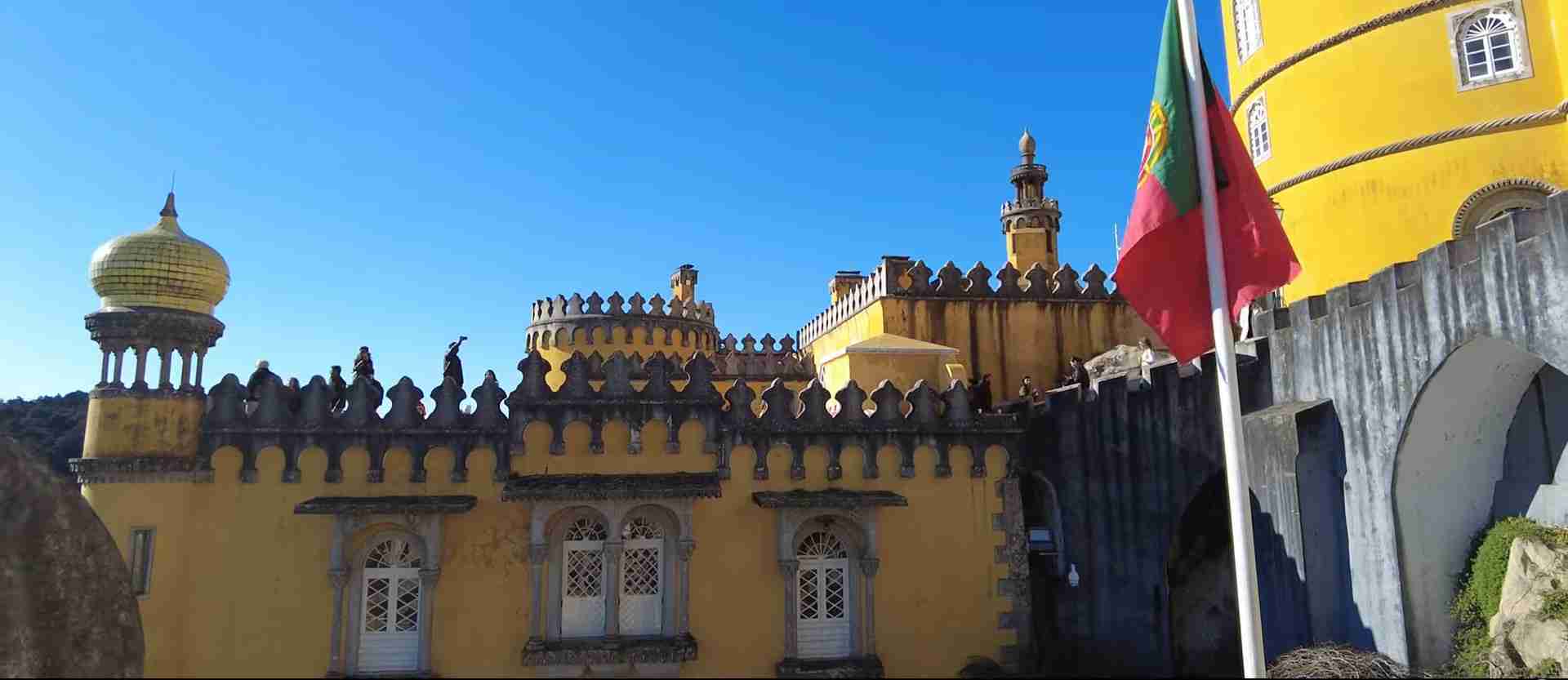
Portugal Travel Guide 2026: Ultimate Planning Resource
Portugal transforms 900 years of maritime history into an exceptional travel destination where Atlantic coastline meets architectural masterpieces, world-class wine regions, and cuisine that delivers extraordinary value throughout Western Europe’s southwestern edge. From Lisbon’s UNESCO-listed monuments and Porto’s riverside charm to the Algarve’s dramatic cliffs and Madeira’s laurel forests, Portugal combines cultural depth with accessibility, positioning itself as one of Europe’s most rewarding destinations for travelers seeking authentic experiences without sacrificing comfort or exceeding budget constraints.
Key Takeaways for Portugal 2026
- Budget Planning 2026: Budget travelers spend €70-110 per person daily assuming two sharing budget accommodation, mid-range comfort costs €155-245 per person daily for those sharing mid-range hotels, and luxury visitors invest €320-480 per person daily sharing upscale properties. Weekly budgets range from €490-770 for budget travel to €2,240-3,360 for luxury experiences.
- UNESCO World Heritage Excellence: Portugal protects 17 UNESCO World Heritage Sites spanning Belém’s Manueline monuments in Lisbon, Sintra’s romantic cultural landscape, Porto’s historic center, the Douro wine valley, and distinctive medieval towns like Évora and Guimarães. The Laurisilva of Madeira represents Portugal’s sole natural UNESCO listing.
- Seasonal Pricing Strategy 2026: Summer months (June-August) command 40-60% premium pricing for accommodation compared to shoulder seasons (April-May, September-October), with the Algarve experiencing the most dramatic swings. Winter travel (November-February) delivers exceptional value with prices 30-60% below summer peaks while maintaining comfortable exploration weather throughout most regions.
- Transportation Efficiency 2026: Lisbon’s metro costs €1.80-2.20 per single journey with 24-hour passes at €7.25, Porto offers comparable pricing with integrated transport cards, and intercity Alfa Pendular high-speed trains connect major destinations efficiently. The Lisboa Card and Porto Card combine unlimited transport with free or discounted attraction access.
- Culinary Value Excellence: Portugal’s menu do dia lunch tradition delivers complete three-course meals including drink for €8-15 at local restaurants, representing 40-60% savings versus Barcelona, Paris, or Rome for equivalent quality. Traditional tascas serve authentic Portuguese cuisine with dinner mains ranging €12-28 depending on location and establishment type.
- Regional Diversity Optimization: Beyond Lisbon and Porto, Portugal’s secondary destinations including Coimbra’s historic university city, the Alentejo wine region, medieval Óbidos, coastal Cascais, and the UNESCO-protected Douro Valley offer 20-30% lower costs while delivering equally compelling cultural experiences and architecture.
People Also Ask About Portugal Travel 2026
How Much Does Portugal Cost Per Day in 2026?
Portugal costs €70-110 per person daily for budget travelers sharing hostel dormitories or budget hotels, €155-245 per person daily for mid-range visitors sharing comfortable mid-range hotels, and €320-480 per person daily for luxury experiences sharing upscale properties. Budget figures include accommodation pre-divided by two for shared rooms, all meals, local transportation, and attraction admission. Mid-range travelers access boutique hotels, sit-down restaurant meals, efficient public transport with occasional taxis, and paid museum entries plus walking tours. Luxury budgets accommodate palace hotels, fine dining across all meals, private transfers, and premium guided experiences. Lisbon and Porto command 15-25% premiums over these national averages, while the Alentejo, Coimbra, and smaller historic towns deliver 20-30% savings.
What’s the Best Time to Visit Portugal in 2026?
April-May and September-October represent Portugal’s optimal visiting windows in 2026, combining comfortable temperatures of 18-25°C with 30-40% lower accommodation costs than summer peaks and manageable crowd levels at major attractions. Mid-range hotels costing €250-350 nightly in July drop to €160-220 during shoulder seasons. November-February winter months deliver Portugal’s deepest value with prices 40-60% below summer, though rainfall increases to 10-15 days monthly requiring flexible planning and rain gear. Summer (June-August) brings peak pricing, maximum crowds, and temperatures exceeding 30°C in southern regions but guarantees beach weather and extended attraction hours.
Is Portugal Expensive Compared to Other European Countries in 2026?
Portugal ranks as Western Europe’s most affordable major destination in 2026, with daily costs 30-40% lower than France, Germany, or the Netherlands, roughly 10-20% below Spain overall, and comparable to mid-tier Italian regions. A mid-range Lisbon hotel at €180 nightly matches similar Barcelona properties at €240-280, while restaurant meals cost €13.75 versus €15-17 in Madrid. Only Eastern European destinations including Poland, Romania, and Bulgaria deliver lower costs among European nations, though none combine Portugal’s Atlantic coastline, UNESCO heritage concentration, and established tourism infrastructure.
How Many Days Should I Spend in Portugal in 2026?
First-time Portugal visitors require minimum 10-14 days to experience the country’s essential highlights without excessive rushing. A balanced itinerary allocates 3-4 days exploring Lisbon including a Sintra day trip, 2-3 days in Porto with potential Douro Valley excursion, 3-4 days discovering the Algarve coastline, and 2-3 days visiting secondary destinations like Évora, Coimbra, or Óbidos. Travelers focusing exclusively on Lisbon and Porto can compress the experience into 6-7 days while those adding Madeira or the Azores islands benefit from 14-21 days. Week-long Portugal trips concentrating on single regions deliver more depth than multi-region surface coverage.
Extended multi-day tours – 5+ days
Featured Portugal Multi-Day Tour Packages

8 days
Treasures of Portugal – 8 Days
- ✓ Comprehensive Portugal tour
- ✓ Expert local guides included
- ✓ All accommodation arranged
- ✓ Transportation provided
8 days
Charming Portugal
- ✓ Comprehensive Portugal tour
- ✓ Expert local guides included
- ✓ All accommodation arranged
- ✓ Transportation provided
6 days
Porto & Lisbon City Break – 6 days
- ✓ Comprehensive Portugal tour
- ✓ Expert local guides included
- ✓ All accommodation arranged
- ✓ Transportation provided
9 days
Complete Portugal
- ✓ Comprehensive Portugal tour
- ✓ Expert local guides included
- ✓ All accommodation arranged
- ✓ Transportation provided
Multi-day tour packages powered by TourRadar. Prices and availability subject to change.
Introduction: Portugal’s 2026 Travel Landscape
Portugal enters 2026 as Western Europe’s value leader for cultural travel, maintaining exceptional affordability while avoiding the mass tourism saturation affecting Mediterranean competitors. The nation’s 17 UNESCO World Heritage Sites concentrate extraordinary architectural, historical, and natural significance within a compact 92,000 square kilometer territory extending just 560 kilometers north to south. From Lisbon’s Age of Discovery monuments to the medieval university city of Coimbra, the terraced vineyards of the Douro Valley, and the Algarve’s dramatic limestone coastline, Portugal rewards extended exploration with diverse experiences accessible through efficient transportation networks and welcoming infrastructure.
The Portuguese tourism sector recovered strongly from pandemic disruptions, with 2024-2025 visitor arrivals exceeding pre-2020 levels by 15%. American tourism increased 90% over five years, reflecting Portugal’s growing recognition among North American travelers seeking European experiences without French or Italian pricing. Lisbon claimed “Europe’s Leading City Destination” titles at the 2023 and 2024 World Travel Awards, while Guimarães secured the European Green Capital 2026 designation, demonstrating Portugal’s commitment to sustainable tourism development alongside heritage preservation.
Portugal’s calendar year divides into distinct seasons affecting both pricing and experience quality. Peak summer (June-August) brings maximum crowds and accommodation premiums of 40-60% above off-season rates, particularly devastating to Algarve budgets where beachfront properties triple winter pricing. Shoulder seasons (April-May, September-October) deliver optimal value-weather balance with mid-range hotels at €120-180 nightly versus €200-320 summer peaks, comfortable 18-25°C temperatures, and authentic local atmosphere as domestic tourism diminishes. Winter (November-February) offers Portugal’s deepest discounts with central Lisbon hotels dropping from €280 to €130-180 nightly, though Atlantic weather patterns bring 10-15 rain days monthly requiring indoor museum and gallery alternatives.
Daily budgets in 2026 range from €70-110 for backpackers utilizing hostel dormitories, public transportation, and menu do dia lunch specials to €155-245 for mid-range comfort including boutique hotels, restaurant meals, and paid attraction access. Luxury travelers accessing palace hotels, fine dining, and private guides invest €320-480 daily. These figures reflect per-person costs assuming two travelers sharing accommodation, with hotel rates pre-divided by occupancy before adding individual meal, transport, and activity expenses. Solo travelers face 30-50% higher per-person accommodation costs as they absorb full room rates without sharing benefits.
Portuguese hospitality combines genuine warmth with professional service standards, English fluency in tourism sectors, and practical infrastructure supporting independent exploration. The nation’s compact geography enables efficient multi-destination itineraries via train, bus, or rental car, while urban centers maintain walkability despite challenging topography. Lisbon’s seven hills and Porto’s riverside slopes present physical challenges rewarded with spectacular viewpoints, historic funiculars, and distinctive neighborhood character impossible in flat modern cities. Portugal respects its heritage through careful restoration rather than Disney-fication, preserving authentic tiles, cobblestones, and architectural details that transport visitors across centuries without sacrificing contemporary comfort.
Understanding Portugal’s Daily Costs in 2026
Portugal’s daily expenses divide into five primary categories: accommodation consuming 40-50% of total budgets, food representing 25-30%, transportation at 5-10% thanks to efficient public systems, attractions accounting for 10-15%, and miscellaneous expenses filling remaining 10-15%. Understanding cost variations across seasons, weekdays versus weekends, and neighborhoods enables significant budget optimization. Summer weekend hotel rates exceed winter weekday prices by 200-300% in competitive Algarve markets, while Lisbon restaurant pricing shifts 40-60% between lunch menu do dia specials and dinner à la carte service.
Budget travelers spending €70-110 per person daily base their strategies on hostel dormitory beds at €20-35 nightly, menu do dia lunches at €8-12, self-catered breakfasts and dinners from supermarket ingredients totaling €15-20 daily, 24-hour public transport passes at €7-11, and free walking exploration supplemented with 1-2 paid attractions at €5-15 each. This approach demands flexibility, tolerance for shared accommodation, willingness to walk extensively, and comfort navigating local markets and bakeries. Budget travelers avoid taxis, skip expensive entrance fees at palaces and monuments, time visits for free admission days, and prioritize free viewpoints, beaches, and neighborhoods over paid experiences.
Mid-range comfort at €155-245 per person daily reflects shared mid-range hotels at €160-250 nightly (€80-125 per person), breakfast included or purchased at €8-12, sit-down lunch at €15-22, dinner at local restaurants €25-35, coffee and pastries €5-8, 24-hour transport passes plus occasional €8-15 taxi rides, and museum entries plus walking tours totaling €20-35. This tier accesses boutique hotels in central locations, authentic Portuguese cuisine at neighborhood tascas, efficient public transportation supplemented with rideshare convenience, and comprehensive attraction access including major monuments, museums, and guided experiences. Mid-range travelers balance value optimization with comfort, selecting 3-4 star hotels, avoiding tourist-trap restaurants, and booking attraction tickets online to skip lines.
Luxury experiences commanding €320-480 per person daily include upscale hotels at €360-500 nightly (€180-250 per person), gourmet breakfast €15-25, high-end lunch €35-60, fine dining dinner €65-120, private transfers and taxis €20-40 daily, and premium guided experiences €40-70. Luxury tier travelers access palace hotels, Michelin-starred restaurants, private tours with expert guides, premium wine tastings in the Douro Valley, helicopter transfers, and exclusive cultural experiences unavailable to general visitors. This category prioritizes service excellence, architectural significance, culinary artistry, and personalized attention over cost efficiency.
Regional price variations significantly impact daily budgets. Lisbon commands Portugal’s highest costs with mid-range restaurants at €18-30 for mains versus €12-22 in Porto and €10-18 in Alentejo towns. Coastal Algarve during summer peak matches or exceeds Lisbon pricing for accommodation while interior Alentejo maintains 30-40% lower costs year-round. Secondary cities including Coimbra, Braga, and Évora deliver authentic Portuguese experiences at 20-30% below Lisbon-Porto pricing without sacrificing cultural significance or infrastructure quality. Budget-conscious travelers extending stays in Coimbra or Évora while making day trips to Lisbon optimize value versus establishing expensive Lisbon bases for countryside excursions.
Accommodation Costs and Strategies for Portugal 2026
Portuguese accommodation spans hostel dormitories at €20-35 per person nightly to converted palace hotels exceeding €500 for couples, with exceptional quality-to-price ratios throughout the spectrum. The nation’s hospitality sector balances international chains with distinctive independent properties, converted monasteries, restored manor houses, and modern boutique hotels emphasizing design and local character. Booking timing significantly impacts costs, with 4-6 weeks advance reservations during shoulder seasons saving 30-40% versus last-minute rates, while peak summer dates require 3+ months advance booking as desirable properties genuinely sell out.
Budget Accommodation in Portugal 2026 (€20-60 Per Person Nightly)
Portugal’s hostel infrastructure ranks among Europe’s finest, particularly in Lisbon and Porto where well-rated properties offer dormitory beds at €20-35 per person including breakfast, free walking tours, rooftop terraces, and social atmospheres attracting international backpackers. Private rooms in hostels climb to €45-65 for couples, providing hostel amenities with bedroom privacy. Budget hotels and guesthouses deliver basic private rooms with ensuite facilities at €50-100 nightly (€25-50 per person sharing), concentrated in secondary neighborhoods requiring 10-15 minute metro connections to historic centers but offering authentic local atmosphere and restaurant pricing targeting residents rather than tourists.
Lisbon’s budget accommodation clusters in Mouraria, Graça, and Intendente neighborhoods where modern hostels occupy renovated buildings with original azulejo tiles, high ceilings, and neighborhood character. These areas deliver 20-30% accommodation savings versus Baixa or Chiado districts while maintaining 10-minute metro access to central attractions. Porto’s Bonfim and Cedofeita neighborhoods offer similar value at 15-20% below Ribeira pricing with equal charm and just 15-minute walks to riverside landmarks. Algarve budget travelers target Lagos and Albufeira where purpose-built hostel complexes include swimming pools and beach proximity at €25-40 dormitory rates during shoulder seasons, climbing to €40-60 in July-August peaks.
Rural Portugal’s turismo rural network provides countryside guesthouses and farm stays at €40-70 nightly for couples, combining breakfast with agricultural settings, local wine, and hosts sharing regional knowledge. These properties concentrate in the Douro Valley, Alentejo, and Minho regions, offering alternatives to urban hotels for travelers prioritizing landscape and wine culture over monument density. Religious lodgings including monastery guest rooms in Coimbra and Alcobaça deliver exceptional value at €30-50 per person with basic accommodations, spiritual atmosphere, and central historical locations.
Mid-Range Accommodation in Portugal 2026 (€160-250 Per Room Nightly)
Portugal’s mid-range accommodation sweet spot delivers boutique hotels, converted manor houses, modern 3-4 star properties, and design-focused guesthouses at €160-250 nightly for double occupancy (€80-125 per person). This category includes breakfast at most properties, central or characterful neighborhood locations, professional service standards, contemporary amenities, and distinctive Portuguese design elements from azulejo tiles to vintage furniture. Lisbon’s Principe Real, Santos, and Estrela neighborhoods provide boutique hotels at €180-220 nightly with neighborhood restaurants, local markets, and 10-minute connections to Baixa monuments.
Porto’s mid-range scene concentrates in renovated townhouses along Rua das Flores and Rua do Bonjardim where €150-200 nightly secures rooms with original architectural details, breakfast featuring local pastries, and walking access to Ribeira, Clérigos Tower, and Livraria Lello. The Douro Valley’s quinta accommodations (wine estate properties) command €180-280 nightly including breakfast, wine tastings, vineyard views, and authentic agricultural atmosphere impossible in cities. These properties serve wine enthusiasts prioritizing terroir immersion and landscape photography over urban monument density.
Coastal Algarve demands careful mid-range selection as summer pricing inflates resort properties to €250-400 nightly while shoulder season (May, October) delivers identical rooms at €160-220. Small coastal towns including Tavira, Sagres, and Vila Nova de Milfontes maintain year-round value with family-run hotels at €140-180 nightly providing beach access, fresh seafood, and authentic Portuguese atmosphere versus Albufeira’s package tourism character. Sintra’s historic center hotels at €180-250 nightly enable morning palace visits before tour bus arrivals, romantic evening strolls through UNESCO-listed gardens, and atmospheric dining in converted palaces.
Luxury Accommodation in Portugal 2026 (€360-500+ Per Room Nightly)
Portuguese luxury hospitality combines historic palace conversions, state-owned pousada heritage properties, international five-star brands, and contemporary design hotels at €360-500+ nightly for couples. These properties deliver exceptional service, architectural significance, gourmet dining, spa facilities, and exclusive experiences at prices 30-50% below equivalent French or Italian luxury standards. Lisbon’s Avenida da Liberdade concentrates international luxury brands including Four Seasons and Intercontinental at €400-600 nightly, while Bairro Alto boutique luxury hotels occupy restored palaces at €350-500 with rooftop terraces overlooking Tagus River and Castelo de São Jorge.
Porto’s luxury scene emphasizes riverside locations and wine culture, with properties like The Yeatman commanding €500-800 nightly for rooms with Douro panoramas, Michelin-starred dining, extensive wine cellars, and port wine spa treatments. Douro Valley quinta luxury estates including Six Senses Douro Valley deliver €600-1,200 nightly rates with infinity pools overlooking terraced vineyards, private wine tastings with estate owners, and helicopter transfers from Porto. These properties target wine connoisseurs and honeymooners prioritizing exclusivity and landscape immersion.
Algarve cliff-top resorts along the coastline between Lagos and Albufeira command €500-900 nightly summer peaks for rooms with Atlantic views, championship golf access, multiple restaurants, and private beach access via clifftop elevators. Converted monastery pousadas throughout Portugal including Évora, Guimarães, and Óbidos deliver luxury historical atmosphere at €250-400 nightly, combining Gothic or Renaissance architecture with modern luxury amenities and central locations within UNESCO World Heritage zones. These state-owned properties prioritize architectural preservation and cultural authenticity alongside contemporary comfort.
Accommodation Booking Strategies for Portugal 2026
Advance booking timing significantly impacts Portuguese accommodation costs and availability. Shoulder season (April-May, September-October) bookings placed 4-6 weeks ahead secure 30-40% savings versus last-minute reservations, while peak summer dates (July-August) require 3+ months advance booking as Lisbon’s best boutique hotels, Sintra’s palace-view properties, and Algarve beachfront resorts genuinely sell out. Winter (November-February) permits flexible booking within 2-3 weeks as low-season pricing and minimal demand create buyer advantages.
Neighborhood selection delivers 20-30% savings in Lisbon and Porto without sacrificing convenience or safety. Staying in Mouraria or Graça (Lisbon) versus Baixa or Chiado reduces accommodation costs while maintaining 10-15 minute metro connections to central monuments. Porto’s Bonfim and Cedofeita neighborhoods deliver 15-20% savings versus Ribeira with equal charm and walkability. These peripheral-but-connected locations provide authentic residential atmosphere, local restaurants pricing for Portuguese wages rather than tourist budgets, and traditional markets versus tourist shops.
Mid-week bookings cost 15-25% less than weekend rates in competitive Lisbon and Porto markets where business travel dominates Monday-Thursday and leisure demand peaks Friday-Sunday. Budget-conscious travelers arriving Monday and departing Friday optimize this pattern while avoiding weekend supplement charges. Package deals combining 3+ nights with breakfast often deliver better per-night rates than single-night bookings, particularly at mid-range and luxury properties seeking longer-stay guests over transient one-night occupancy.
Food and Dining Expenses in Portugal 2026
Portuguese cuisine delivers Western Europe’s exceptional value proposition, combining fresh Atlantic seafood, wine-country proteins, and Mediterranean vegetables in preparations emphasizing quality ingredients over elaborate presentation. The menu do dia lunch tradition offers complete three-course meals including drink for €8-15 at neighborhood restaurants, representing genuine bargains that fuel local workers and educated travelers equally. Evening dining at traditional tascas serves authentic Portuguese mains at €12-28 depending on protein choice and location, while upscale restaurants targeting international clientele command €35-60 for comparable dishes in tourist-heavy districts.
Budget Dining Strategies in Portugal 2026 (€25-35 Per Person Daily)
Budget travelers eating for €25-35 daily base strategies on Portuguese breakfast culture, menu do dia lunch specials, and strategic dinner approaches combining supermarket picnics with occasional restaurant treats. Traditional Portuguese breakfast consists of coffee with milk at €1-1.50 and toast or bread roll with butter and jam at €1.50-2.50, totaling €2.50-4 at local cafés versus €8-12 for international hotel buffets. Adding pastéis de nata (custard tarts) at €1.20-1.80 each transforms simple breakfast into cultural experience while maintaining budget discipline.
The menu do dia lunch institution represents Portugal’s greatest culinary bargain, delivering starter (soup or salad), main course (grilled fish, pork, chicken, or vegetarian option), dessert or coffee, and drink (wine, beer, water, or soft drink) for €8-15 at restaurants serving local workers. These meals appear Monday-Friday at establishments throughout residential neighborhoods, business districts, and smaller towns, with quality frequently exceeding tourist-oriented restaurants charging double for similar ingredients. Travelers timing main meal at lunch and eating lighter dinners optimize value while experiencing authentic Portuguese cooking.
Budget dinner strategies combine supermarket shopping for bread, cheese, olives, tinned fish, fruit, and wine totaling €8-12 for picnic meals in parks or accommodation, with occasional €12-18 restaurant dinners at neighborhood tascas serving basic but satisfying Portuguese fare. Supermarket chains including Pingo Doce, Continente, and Lidl stock quality local products at prices targeting Portuguese household budgets rather than tourist wallets. Portuguese tinned fish represents genuine delicacy with sardines, mackerel, and octopus in premium olive oil at €3-8 per tin providing protein for bread-and-cheese dinners.
Street food and casual takeaway options including bifanas (pork sandwiches) at €2.50-4, prego (steak sandwiches) at €3.50-5, and cachorrinho (hot dogs) at €2-3.50 provide quick, budget-friendly meals between attractions. Lisbon’s Time Out Market and Porto’s Mercado do Bolhão offer curated food stalls serving restaurant-quality dishes at €8-15 per plate in market atmosphere. Budget travelers avoiding overpriced tourist traps near monuments and instead walking two blocks to neighborhood tascas discover authentic cuisine at 40-60% lower costs while experiencing Portuguese hospitality.
Mid-Range Dining in Portugal 2026 (€45-65 Per Person Daily)
Mid-range dining budgets of €45-65 daily enable breakfast at hotels or quality cafés for €8-12, sit-down lunch at €15-22, dinner at neighborhood restaurants €25-35, and coffee plus pastéis de nata breaks totaling €5-8. This approach accesses Portugal’s excellent restaurant scene without tourist-trap premiums or luxury fine dining costs, emphasizing fresh seafood, regional wines, and traditional preparations at establishments serving mixed local and tourist clientele.
Portuguese breakfast at mid-range hotels includes buffets with fresh bread, regional cheeses, cured meats, fruit, pastries, and hot dishes at €8-12 when not included in room rates. Independent travelers visiting pastelarias (pastry shops) access superior quality at €6-10 for coffee, fresh orange juice, toast or croissant, and pastéis de nata in atmospheric settings featuring original azulejo tiles and zinc counters. These establishments represent authentic Portuguese morning culture versus international hotel breakfast rooms.
Lunch at cervejarias (beer houses) and marisqueiras (seafood restaurants) delivers grilled fresh fish at €15-25, seafood rice at €18-28, and regional specialties including cozido à portuguesa (meat and vegetable stew) at €12-18. These establishments emphasize ingredient quality and traditional preparation over presentation innovation, serving Portuguese families, business lunches, and educated travelers seeking authentic cuisine. Lisbon’s Cais do Sodré, Santos, and Alcântara neighborhoods concentrate excellent-value seafood restaurants near fish markets, while Porto’s riverfront marisqueiras serve daily catches at fair pricing.
Dinner at traditional tascas and mid-range restaurants costs €25-40 for appetizer, main, dessert or coffee, and house wine. Portuguese dinner culture emphasizes social dining over quick meals, with multi-hour restaurant occupancy common and welcomed by establishments. Grilled octopus starters at €12-18, bacalhau (salt cod) preparations at €14-22, arroz de marisco (seafood rice) for two at €35-50, and grilled fish or meat mains at €16-28 represent typical mid-range pricing. Portuguese wines deliver exceptional value with quality Douro reds at €15-25 per bottle in restaurants, Alentejo wines at €12-20, and Vinho Verde at €8-15.
Upscale and Fine Dining in Portugal 2026 (€80-120+ Per Person Daily)
Luxury dining budgets of €80-120+ daily access Portugal’s Michelin-starred restaurants, celebrated chef establishments, palace dining rooms, and premium seafood temples. Breakfast at luxury hotels includes champagne, fresh pastries from hotel bakeries, à la carte egg preparations, and Atlantic views at €15-25. Lunch at acclaimed restaurants including Lisbon’s Belcanto or Porto’s The Yeatman costs €65-95 for tasting menus showcasing Portuguese ingredients through contemporary techniques, while dinner at two-Michelin-star establishments commands €150-220 per person for elaborate multi-course experiences with wine pairings adding €60-120.
Upscale casual dining at contemporary Portuguese restaurants including Lisbon’s Time Out Market celebrity chef stalls or Porto’s riverside establishments delivers high-quality meals at €35-60 for mains with wine, representing the luxury budget’s more accessible daily dining versus constant fine dining extravagance. These establishments emphasize ingredient sourcing, wine list depth, and professional service while maintaining more relaxed atmospheres than formal Michelin temples.
Portugal’s wine culture enables luxury dining without prohibitive beverage costs, as exceptional Douro reserva wines appear at €35-70 per bottle in restaurants versus €150-300 for equivalent Bordeaux or Burgundy quality. Vintage port tastings at Porto lodges cost €15-40 for flights including aged tawnies and vintage declarations impossible at these prices elsewhere globally. Douro Valley quinta wine tastings with estate owners deliver personalized experiences at €20-50 per person including premium wines, quinta tours, and landscape access.
Regional Dining Variations and Specialties Across Portugal 2026
Portuguese cuisine demonstrates significant regional variation based on geography, agricultural traditions, and historical influences. Minho region in northern Portugal specializes in Vinho Verde wines, caldo verde (kale soup), and rojões (pork chunks), with hearty portions reflecting cooler climate and agricultural abundance. Trás-os-Montes emphasizes mountain proteins including wild boar, lamb, and regional sausages paired with powerful red wines. Douro Valley concentrates wine culture with quinta dining rooms serving estate wines alongside regional cuisine at €25-45 for multi-course meals.
Lisbon’s dining scene reflects cosmopolitan capital status with diverse international options alongside traditional Portuguese cuisine. The city’s proximity to Atlantic fishing grounds ensures exceptional seafood freshness, while Tagus River estuary yields distinctive clams, oysters, and fish preparations. Belém district concentrates tourist-oriented restaurants with premium pricing, while Santos, Alcântara, and Campo de Ourique neighborhoods maintain local pricing for equivalent quality.
Porto emphasizes northern cuisine including francesinha (elaborate sandwich with meat and cheese sauce) at €8-14, tripas à moda do Porto (tripe stew) representing historical working-class sustenance, and Atlantic seafood grilled fresh from Matosinhos fish markets. The city’s riverside Ribeira district commands tourist premiums with mediocre quality, while Rua das Flores, Cedofeita, and Boavista neighborhoods deliver authentic cuisine at local pricing. Porto’s port wine culture influences desserts and digestifs at restaurants offering vintage tastings unavailable in Lisbon.
Algarve coastal cuisine emphasizes Atlantic fish and shellfish with cataplana (copper cooking vessel) seafood stews at €35-60 for two, grilled sardines at €12-18, and octopus salad at €10-16. Interior Algarve around Silves and Monchique produces mountain cured meats, regional cheeses, and medronho (arbutus fruit spirit) paired with pork and game. Alentejo region delivers Portugal’s most distinctive cuisine with açorda (bread soup with garlic and cilantro), porco preto (black pork) preparations at €18-28, and Alentejo wines representing exceptional value at €3-8 per glass in local restaurants.
Transportation Costs and Options in Portugal 2026
Portugal’s transportation infrastructure combines efficient urban metro systems, comprehensive bus networks, historic trams and funiculars, intercity rail connections, and affordable taxi and rideshare services enabling cost-effective independent travel. The nation’s compact geography permits comprehensive multi-destination itineraries via public transport, while rental cars unlock countryside wine regions, coastal villages, and interior heritage towns inaccessible by rail. Transportation typically consumes just 5-10% of total travel budgets thanks to reasonable public transport pricing and limited distances between major destinations.
Lisbon Public Transportation 2026
Lisbon’s integrated public transport network includes four metro lines, extensive bus routes, historic trams, three funiculars, and the Santa Justa elevator, all accessible via the rechargeable Navegante card costing €0.50. Single metro journeys cost €1.80-2.20 depending on zones and card type, with 60-minute validity permitting connections across the Carris network including buses, trams, and elevators. The 24-hour unlimited travel pass at €7.25 covers all public transport within Lisbon and becomes cost-effective after 4-5 journeys, making it ideal for active sightseeing days involving multiple neighborhood visits.
The Navegante card’s Zapping mode delivers slightly cheaper per-journey pricing at €1.66 for metro versus €1.80-2.20 for single tickets, requiring credit top-ups in €3-40 increments. This pay-as-you-go approach suits travelers making occasional journeys rather than intensive daily sightseeing. The Lisboa Card combines unlimited public transport with free or discounted attraction admission at 26 museums and monuments, available in 24-hour (€22), 48-hour (€37), and 72-hour (€46) formats. This tourist card includes trains to Sintra and Cascais, delivering exceptional value for travelers visiting multiple paid attractions alongside transport needs.
Lisbon’s historic Tram 28 route traverses Alfama, Graça, Baixa, and Estrela neighborhoods via narrow streets inaccessible to modern vehicles, functioning simultaneously as transportation and tourist attraction. Standard metro/bus fares apply when using Navegante card, though pickpockets target crowded tourist trams requiring vigilance with valuables. The metro operates 6:30am-1am daily with trains every 5-7 minutes during rush hours extending to 10-12 minutes overnight. Carris buses run approximately 6am-midnight with night bus routes continuing reduced service until metro reopening.
Lisbon taxis charge reasonable rates of €5-10 for most in-city journeys, with metered fares ensuring transparency. Uber and Bolt rideshare services operate throughout Lisbon at prices competitive with or slightly below traditional taxis, accepting international credit cards and eliminating language barriers. Airport to city center costs €10-20 via metro (Red Line direct service), €15-25 via Uber, and €18-30 via taxi depending on destination neighborhood and traffic.
Porto Public Transportation 2026
Porto’s integrated transport network combines six metro lines extending to Matosinhos beach and Vila Nova de Gaia port wine lodges, STCP municipal buses serving neighborhood routes, and suburban CP trains reaching coastal destinations. The Andante card (Porto’s equivalent to Lisbon’s Navegante) costs €0.60 and accepts single journey tickets at €1.30-2.50 depending on zones or rechargeable Zapping credit. Daily unlimited passes cost €7-10 covering metro and buses within central zones.
The Porto Card offers transport-only versions at €7 (1 day), €13 (2 days), and €18 (3 days) providing unlimited metro, bus, and suburban train access without museum inclusions, plus complete packages adding attraction admission at €13 (1 day), €20 (2 days), and €25 (3 days). The card includes airport metro access on Line E (Purple) making it immediately valuable for arrivals. Porto’s historic tram routes including Line 1 along the Douro riverfront operate as tourist attractions charging premium €4 fares versus standard €1.30-2.50 public transport pricing.
Porto’s compact historic center rewards walking despite challenging topography, with most riverside Ribeira to hilltop Sé Cathedral distances manageable in 15-20 minutes. The Luís I Bridge’s upper level serves metro trains with pedestrian walkway offering spectacular Douro panoramas, while the lower level accommodates vehicles and pedestrians. Free shuttle elevators and escalators throughout the city help navigate vertical geography without constant uphill walking. Porto taxis and Uber pricing matches Lisbon rates with most in-city journeys at €5-12.
Intercity Transportation in Portugal 2026
Portugal’s rail network operated by CP (Comboios de Portugal) connects major cities via Alfa Pendular high-speed trains and Intercidades slower regional services. Lisbon to Porto takes 2 hours 45 minutes via Alfa Pendular at €25-35 for advance second-class bookings climbing to €45-65 for flexible first-class or last-minute purchases. The slower Intercidades service requires 3 hours 15 minutes at €20-30 second-class, offering scenic rural Portugal views and intermediate stops at Coimbra, Aveiro, and smaller cities.
Suburban rail networks radiate from Lisbon to Sintra (€2.35 each way, 40 minutes), Cascais (€2.35, 35 minutes), and Setúbal (€4.60, 50 minutes) enabling cost-effective day trips from the capital. Porto’s suburban trains reach Braga (€3.60, 60 minutes), Aveiro (€4, 60 minutes), and Guimarães (€3.60, 75 minutes with connection). These services operate frequently during daytime hours with reduced evening and weekend schedules requiring advance timetable verification.
Rede Expressos operates comprehensive intercity bus network with modern coaches serving routes including Lisbon-Faro (€20-25, 3.5 hours), Lisbon-Évora (€13-17, 90 minutes), and Porto-Lisbon (€20-25, 3.5 hours). Bus travel costs 20-30% less than equivalent rail journeys while requiring longer travel times and less comfort than Alfa Pendular trains. Regional bus companies including Eva Transportes (Algarve) and Transdev (northern Portugal) serve smaller towns and villages inaccessible by rail at €3-12 for regional routes.
Car Rental and Driving in Portugal 2026
Rental cars unlock Portugal’s countryside wine regions, coastal villages, and interior heritage towns while enabling flexible multi-stop itineraries impossible via public transport timetables. Economy car rentals cost €25-45 daily for manual transmission vehicles with automatic transmissions adding €10-20 daily premium. Week-long rentals deliver better daily rates at €20-35 for manuals and €30-50 for automatics, with major international agencies (Europcar, Hertz, Sixt) and local Portuguese companies competing at Lisbon and Porto airports plus downtown locations.
Portuguese fuel prices hover around €1.70-1.90 per liter for unleaded gasoline with diesel slightly cheaper at €1.60-1.75, making fuel costs €12-18 per 100 kilometers for typical economy cars. Highway tolls on major motorways including Lisbon-Porto A1 and Lisbon-Algarve A2 add €15-25 for complete north-south traverses, with electronic payment systems requiring advance registration or incurring administrative fees for rental car toll recovery. Secondary national roads provide toll-free alternatives with slower speeds through villages and scenic landscapes.
Douro Valley, Alentejo wine region, and western Algarve exploration strongly benefit from rental cars enabling winery visits, remote viewpoints, and small-town discoveries impossible via infrequent bus schedules. Lisbon and Porto city driving presents challenges including narrow historic district streets, aggressive local driving culture, limited parking, and excellent public transport alternatives making cars unnecessary and counterproductive for urban exploration. Optimal strategy combines train travel between major cities with car rental for countryside multi-day segments.
Portuguese parking costs €1-3 hourly in metered zones with underground garages at €1.50-2.50 hourly or €15-25 daily. Hotels in historic centers typically lack parking requiring guests to use nearby public garages, while suburban and rural properties include free parking. Portuguese traffic police rigorously enforce speed limits with automatic cameras on major highways and zero tolerance for driving under alcohol influence. Rental insurance through car agencies costs €15-30 daily with third-party coverage mandatory and comprehensive damage waiver recommended for peace of mind.
Attraction Costs and Free Experiences in Portugal 2026
Portugal’s cultural attractions span free medieval town exploration to paid palace and monastery admission, with strategic planning enabling rich experiences at minimal cost or comprehensive paid access for history and architecture enthusiasts. Many of Portugal’s greatest pleasures including Atlantic beaches, mountain landscapes, historic neighborhood wandering, and architectural appreciation from exterior perspectives cost nothing, while UNESCO World Heritage monuments, national museums, and guided experiences require budgeting €20-70 daily depending on interests and itinerary intensity.
Free and Low-Cost Experiences in Portugal 2026
Portugal’s greatest free experiences include Lisbon’s numerous miradouros (viewpoints) including Portas do Sol, Senhora do Monte, and Santa Catarina offering sweeping city panoramas without admission fees. The Belém Tower and Jerónimos Monastery exteriors showcase Manueline architecture from riverside promenades accessible free, while interior visits require €10-12 each. Porto’s historic center exploration including Ribeira riverfront, Clérigos Tower exterior, and Livraria Lello bookshop facade cost nothing beyond transportation to reach neighborhoods.
Portuguese beaches from Cascais and Costa da Caparica near Lisbon to the entire Algarve coastline remain free public resources with occasional parking fees of €2-5 daily during summer peaks. Remote beaches including those accessible via dirt roads in western Algarve and Costa Vicentina require no fees beyond rental car costs. Sintra’s town center, Palace of Sintra exterior, and surrounding UNESCO-listed landscape enable free exploration with paid palace interiors at €10-15 each optional based on interests.
Many Portuguese museums offer free admission first Sundays monthly including Lisbon’s Gulbenkian Museum, National Tile Museum, and Ancient Art Museum. This policy concentrates local crowds but delivers significant savings for flexible travelers timing visits accordingly. Walking tour companies operate free tours in Lisbon, Porto, and other cities accepting voluntary tips of €10-15 per person, providing excellent city orientation, historical context, and local recommendations for self-guided subsequent exploration.
Évora’s historic center including the Roman Temple of Diana, Cathedral exterior, and medieval walls enables free architectural appreciation with Cathedral interior at €4 and Chapel of Bones at €6 optional additions. Coimbra’s university courtyards, baroque library exterior, and historic center exploration cost nothing beyond €13 university complex admission for library and palace interior access. Portuguese gardens including Lisbon’s Eduardo VII Park, Porto’s Palácio de Cristal gardens, and numerous quinta wine estate grounds offer free or minimal-cost €3-5 access to manicured landscapes and panoramic viewpoints.
Paid Attraction Pricing in Portugal 2026
Lisbon’s major monuments including Jerónimos Monastery at €10, Belém Tower at €6, and São Jorge Castle at €10 represent essential admission costs for first-time visitors totaling €26 for the city’s signature heritage sites. The Gulbenkian Museum at €10, National Tile Museum at €5, and Berardo Collection Museum (free) provide comprehensive art and decorative arts coverage. Combined tickets like the Belém Cultural Center pass at €16 covering Jerónimos and additional sites deliver modest savings versus individual admissions.
Porto’s Clérigos Tower climbs cost €6 for the 240-step ascent to panoramic city views, while São Bento Railway Station maintains free access to spectacular azulejo tile panels. Port wine lodge tastings in Vila Nova de Gaia range €8-25 for basic tours and tastings at mainstream lodges to €40-80 for premium vintage port experiences at prestigious houses including Taylor’s and Graham’s. The Lello bookshop charges €8 entrance fee redeemable against book purchases, managing crowds while funding architectural preservation.
Sintra’s palaces require individual admissions with the National Palace of Pena at €14, Quinta da Regaleira at €12, National Palace of Sintra at €10, and Moorish Castle at €8. A full Sintra palace circuit totals €44-60 depending on selections, making the destination expensive for comprehensive monument access but justifiable for the UNESCO-listed romantic architecture and gardens. Strategic selection of 2-3 palaces plus extensive free garden and landscape exploration optimizes value versus attempting complete palace coverage.
Évora’s Cathedral interior costs €4 with cloister and tower access, the Chapel of Bones €6, and the Roman Temple remains free. Coimbra’s university complex admission at €13 includes the baroque Joanina Library, Royal Palace, and academic prison representing the city’s essential cultural experience. Batalha Monastery charges €6, Alcobaça Monastery €6, and Tomar’s Convent of Christ €6, making Portugal’s UNESCO-listed monastery circuit affordable at €18 total for three masterpieces.
Guided Tours and Experiences in Portugal 2026
Lisbon’s fado music dinner shows cost €55-85 per person including traditional Portuguese meal and live performance in intimate Alfama or Bairro Alto venues, representing the city’s essential cultural experience beyond monument visits. Food tours including market visits, traditional tastings, and neighborhood exploration range €65-95 for 3-4 hour experiences with expert guides contextualizing Portuguese cuisine and local products. Day trips to Sintra organized by Lisbon companies cost €55-75 including transport and palace skip-the-line access, streamlining logistics for travelers without rental cars.
Porto’s Douro Valley wine tours range €80-120 for full-day experiences including two quinta visits with tastings, river cruise, and traditional lunch, delivering exceptional value for independent wine region access requiring complex public transport connections. Porto food tours emphasizing northern cuisine and francesinha tradition cost €60-85 for 3-4 hour small-group experiences. Six Bridges Douro River cruises departing Porto cost €15-20 for 50-minute panoramic tours passing iconic bridges and wine lodges.
Algarve boat tours including Benagil Cave excursions range €25-45 for 2-hour coastal explorations showcasing limestone cliffs, hidden beaches, and marine caves accessible only by sea. Dolphin watching tours departing Lagos and Albufeira cost €35-50 for 2-3 hour Atlantic excursions with high success rates during summer months. Alentejo wine region tours from Évora cost €75-95 including multiple winery visits, cork forest exploration, and traditional Alentejo lunch, providing comprehensive introduction to Portugal’s emerging wine region.
Private guided experiences including Lisbon walking tours with historians cost €180-250 for half-day personalized explorations, photography workshops €150-200 for location-specific instruction, and private Douro Valley wine tours €300-500 for customized itineraries with expert guides. These premium experiences deliver personalized attention, flexible scheduling, and deep expertise for travelers prioritizing quality over budget constraints.
Seasonal Pricing Patterns and Timing Strategies for Portugal 2026
Portugal’s tourism seasonality creates dramatic pricing fluctuations affecting accommodation, attractions, and overall experience quality. Understanding these patterns enables significant budget optimization through strategic timing, with shoulder season delivering optimal value-weather-crowds balance for most travelers while peak summer serves specific beach and festival priorities at premium costs.
Peak Summer Season in Portugal 2026 (June-August)
Summer represents Portugal’s maximum tourism pressure with accommodation prices 40-60% above off-season rates, attraction crowds requiring advance reservations and early-morning visits, and temperatures exceeding 30°C in southern regions. Lisbon mid-range hotels costing €120-150 nightly in November climb to €220-280 in July, while Algarve beachfront properties triple winter pricing from €150 to €400-450 nightly. This season serves beach enthusiasts, families with school-age children restricted to summer holidays, and visitors prioritizing maximum sunshine hours and extended attraction opening times.
Peak summer delivers guaranteed beach weather with minimal rainfall, extended daylight hours until 9pm enabling full-day exploration, and comprehensive attraction access as all monuments maintain maximum hours and services. Festival culture peaks during summer with Lisbon’s Santo António celebrations in June, Porto’s São João festival, and Algarve beach parties attracting international crowds. Restaurant reservations become essential at popular establishments, advance attraction tickets prevent long queues, and hotel bookings require 3+ months notice for desirable properties.
Summer’s challenges include oppressive heat in interior Alentejo and Algarve regions exceeding 35°C requiring midday siesta breaks, overcrowded monuments with diminished experience quality, inflated restaurant pricing in tourist zones, and difficulty securing authentic local atmosphere as Portuguese residents flee cities for August beach holidays. Budget travelers face particular challenges as hostel dormitory rates climb from €25 to €45 and menu do dia lunch specials become scarce near major attractions.
Shoulder Season Excellence in Portugal 2026 (April-May, September-October)
Portugal’s shoulder seasons deliver optimal value-weather-experience balance with mid-range hotels at €120-180 nightly representing 30-40% savings versus summer peaks while maintaining comfortable 18-25°C temperatures and minimal rainfall. April-May features spring wildflowers, green landscapes from winter rains, and manageable tourist numbers as summer crowds haven’t yet arrived. September-October provides warm ocean temperatures from summer heating, grape harvest activities in wine regions, and authentic local atmosphere as Portuguese return from beach holidays.
Shoulder season weather requires modest flexibility as occasional rain showers occur 5-8 days monthly, but rarely all-day events preventing outdoor exploration. Packing rain jacket and indoor backup plans (museums, port lodges, markets) ensures productive days regardless of weather. Beach swimming remains feasible in May and September-October with water temperatures at 18-20°C versus 22-24°C summer peaks, while coastal walking, surfing, and landscape photography benefit from dramatic cloud formations impossible during endless summer blue skies.
Flight costs to Portugal decrease €50-100 roundtrip during shoulder seasons versus peak summer from most European origins, while 2-3 month advance booking secures additional savings. Restaurant pricing drops 10-20% from summer highs as establishments compete for reduced tourist volumes while targeting returning local clientele. Attraction queues diminish significantly with spontaneous visits replacing mandatory advance reservations, while guided tour group sizes shrink from 20-person summer maximums to intimate 8-12 person experiences.
Winter Value Season in Portugal 2026 (November-February)
Winter delivers Portugal’s deepest discounts with central Lisbon hotels dropping from €280 summer peaks to €130-180 nightly, representing 40-60% savings for flexible travelers accepting increased rainfall and shorter daylight hours. Winter temperatures remain moderate at 10-16°C in Lisbon and Porto with rare freezing conditions, making Portugal viable for visitors escaping harsh northern European or North American winters. Algarve maintains particularly mild winters at 15-20°C with 6-7 hours daily sunshine between rain systems.
Winter rain patterns bring 10-15 wet days monthly but rarely continuous all-day events, instead delivering morning showers clearing to afternoon sunshine or vice versa. Indoor attraction emphasis including museums, palaces, port lodges, and covered markets provides rainy-day alternatives, while Portugal’s exceptional restaurant and café culture welcomes extended indoor socializing impossible during busy summer service periods. Winter hotel breakfast rooms, museum galleries, and historic neighborhoods feel authentically Portuguese as domestic tourism dominates and international visitors remain sparse.
Winter challenges include reduced attraction hours with many monuments closing 5pm versus 7pm summer schedules, limited beach activities despite mild temperatures, and some rural tourism properties closing seasonally. Certain regions including interior Alentejo experience genuinely cold nights requiring heating, while mountain areas including Serra da Estrela see snow and winter sports activities. Flight availability decreases during winter as airlines reduce Portugal frequencies, though remaining flights cost 30-40% below summer pricing for advance bookings.
Budget Breakdown Examples for Portugal 2026
Understanding complete daily cost structures across budget tiers helps travelers set realistic expectations and optimize spending strategies. The following breakdowns reflect per-person costs assuming two travelers sharing accommodation, with all expenses itemized and totaled for transparency.
Budget Traveler Daily Breakdown in Portugal 2026
Budget travelers spending €70-110 per person daily achieve this through disciplined choices emphasizing value optimization over comfort maximization. Accommodation in hostel dormitory beds costs €25-35 per person nightly in Lisbon and Porto hostels offering breakfast, social atmosphere, and central locations. Budget hotels and guesthouses in secondary neighborhoods provide private rooms at €50-80 nightly (€25-40 per person sharing) with basic amenities and local residential character.
Meals total €25-35 daily by combining self-catered breakfast from supermarket ingredients (bread, cheese, fruit) at €3-5, menu do dia lunch at €8-12, and strategic dinner approaches alternating between supermarket picnics at €8-12 and occasional budget restaurant meals at €10-18. Coffee and pastéis de nata breaks add €3-5 daily for Portuguese café culture participation. This approach requires tolerance for simple meals, willingness to shop at local markets, and comfort eating picnic dinners in parks or accommodations.
Transportation costs €7-12 daily for 24-hour unlimited passes at €7-11 or multiple single metro/bus journeys via Navegante Zapping credit at €1.66 per ride. Budget travelers walk extensively between neighborhoods, time visits to minimize transport connections, and avoid taxis except for airport transfers shared among multiple travelers. Attraction admission totals €10-20 daily by prioritizing free experiences including viewpoints, beaches, neighborhood exploration, and historic town centers while selectively visiting 1-2 paid monuments at €5-15 each. Free walking tours with voluntary €10-15 tips provide comprehensive city orientation and historical context.
Daily budget total: hostel bed €30, meals €30, transport €9, attractions €15. Total €84 per person daily representing mid-range budget tier. Weekly cost €490-770 for one person including accommodation, food, transport, and selective attraction admission.
Mid-Range Traveler Daily Breakdown in Portugal 2026
Mid-range comfort at €155-245 per person daily reflects shared mid-range hotels at €160-250 nightly (€80-125 per person after dividing room rate by two), comprehensive restaurant meals, efficient public transport supplemented with occasional taxis, and full attraction access without budget-driven compromises. This tier represents Portugal’s optimal value proposition for travelers seeking authentic experiences with consistent comfort.
Accommodation in 3-4 star hotels, boutique properties, or restored manor houses costs €160-250 nightly for double occupancy, equating to €80-125 per person sharing. This category includes breakfast at most properties, central or characterful neighborhood locations, professional service, and contemporary amenities alongside Portuguese design elements. Meals total €45-65 daily including breakfast at hotel or café at €8-12, sit-down lunch at neighborhood restaurant €15-22, dinner at traditional tasca or seafood restaurant €25-35, and coffee plus pastries €5-8.
Transportation costs €10-20 daily for 24-hour passes plus occasional €8-15 taxi or Uber rides for convenience, late-night returns, or luggage transport. Mid-range travelers balance efficient metro and bus use with selective taxi rides when time, comfort, or safety considerations justify modest premium over public transport. Attraction admission totals €20-35 daily including major monument entries at €6-14 each, museum visits, guided walking tours, and cultural experiences like fado shows or wine tastings.
Daily mid-range total: hotel €100 per person, meals €55, transport €15, attractions €28. Total €198 per person daily representing solid mid-range comfort. Weekly cost €1,085-1,715 for one person including quality accommodation, comprehensive dining, efficient transport, and full cultural access.
Luxury Traveler Daily Breakdown in Portugal 2026
Luxury experiences at €320-480 per person daily access Portugal’s finest hotels, Michelin-starred dining, private transportation, and exclusive cultural experiences unavailable to general travelers. This tier emphasizes service excellence, architectural significance, culinary artistry, and personalized attention while maintaining costs 30-50% below equivalent French or Italian luxury standards.
Accommodation in palace hotels, pousadas, and five-star properties costs €360-500 nightly for double occupancy (€180-250 per person sharing), delivering exceptional service, historic architecture, gourmet dining, spa facilities, and exclusive atmospheres. Meals total €80-120 daily including gourmet breakfast at €15-25, high-end lunch at €35-60, fine dining dinner at €65-120, with premium wines adding €30-60. This budget accesses Portugal’s celebrated chef restaurants, historic palace dining rooms, and premium seafood temples emphasizing ingredient quality and culinary creativity.
Transportation costs €20-40 daily for private transfers, taxis, and occasional helicopter or boat charters for wine region access or coastal exploration. Luxury travelers prioritize convenience and exclusivity over cost efficiency, utilizing private guides, dedicated drivers, and premium transport services. Attraction experiences total €40-70 daily for private guided tours with expert historians, premium wine tastings with estate owners, exclusive cultural performances, and VIP access at major monuments.
Daily luxury total: hotel €215 per person, meals €100, transport €30, experiences €55. Total €400 per person daily representing high-end luxury comfort. Weekly cost €2,240-3,360 for one person including exceptional accommodation, finest dining, private transport, and exclusive experiences.
Sample Itineraries with Daily Cost Breakdowns for Portugal 2026
The following sample itineraries demonstrate practical daily costs across budget tiers for complete Portugal experiences, with itemized expenses and strategic choices explained. All costs reflect per-person expenses assuming two travelers sharing accommodation.
Budget 5-Day Lisbon and Sintra Itinerary
Day 1 Lisbon Arrival and Alfama Exploration: Hostel dormitory €28, breakfast pastéis de nata and coffee €3, menu do dia lunch €10, supermarket picnic dinner €8, 24-hour transport pass €7, free Alfama walking exploration, Portas do Sol viewpoint, free walking tour tip €12. Day total €68.
Day 2 Belém and Waterfront: Hostel €28, breakfast €3, lunch €11, dinner budget restaurant €15, transport pass €7, Jerónimos Monastery €10, Belém Tower €6. Day total €80.
Day 3 Sintra Day Trip: Hostel €28, breakfast €3, packed lunch €6, dinner €12, transport including Sintra trains €11, Pena Palace €14, Quinta da Regaleira €12. Day total €86.
Day 4 Downtown and São Jorge Castle: Hostel €28, breakfast €3, lunch €10, dinner €14, transport €7, São Jorge Castle €10, National Tile Museum €5, free viewpoint exploration. Day total €77.
Day 5 LX Factory and Departure: Hostel €28, breakfast €3, lunch €11, transport €7, free LX Factory exploration, Berardo Collection (free). Day total €49.
Five-day total €360 per person including accommodation, meals, transport, and selective paid attractions representing solid budget travel without excessive sacrifice.
Mid-Range 7-Day Lisbon and Porto Circuit
Day 1 Lisbon Arrival: Boutique hotel €95 per person (€190 room ÷ 2), breakfast included, lunch restaurant €18, dinner neighborhood tasca €28, transport €8, free evening riverside walk. Day total €149.
Day 2 Lisbon Historic Center: Hotel €95, breakfast included, lunch €20, dinner seafood €35, transport €10, São Jorge Castle €10, National Tile Museum €5, Elevador de Santa Justa €5. Day total €180.
Day 3 Sintra Day Trip: Hotel €95, breakfast included, packed lunch €12, dinner €30, transport €15, Pena Palace €14, Quinta da Regaleira €12, Moorish Castle €8. Day total €186.
Day 4 Belém and Alfama: Hotel €95, breakfast included, lunch €18, dinner with fado show €70, transport €8, Jerónimos Monastery €10, Belém Tower €6. Day total €207.
Day 5 Train to Porto: Hotel €90 per person, breakfast included, lunch €16, dinner Ribeira €32, Alfa Pendular train €30, transport €8, free riverside evening exploration. Day total €176.
Day 6 Porto Exploration: Hotel €90, breakfast included, lunch €18, dinner francesinha €15, transport €10, Clérigos Tower €6, port lodge tasting €15, free Ribeira walking. Day total €154.
Day 7 Douro Valley Day Trip: Hotel €90, breakfast included, lunch included in tour, dinner €28, Douro wine tour €95, transport €8. Day total €221.
Seven-day total €1,273 per person reflecting comfortable mid-range travel with quality accommodation, comprehensive dining, and full cultural access.
Luxury 5-Day Porto and Douro Valley Experience
Day 1 Porto Arrival: Palace hotel €225 per person (€450 room ÷ 2), breakfast included, lunch contemporary restaurant €45, dinner Michelin-starred €140, private airport transfer €25, spa treatment €80. Day total €515.
Day 2 Porto Cultural Immersion: Hotel €225, breakfast included, lunch riverside €50, dinner gourmet €130, private guided walking tour €90, premium port tasting €35, private transport €20. Day total €550.
Day 3 Douro Valley Quinta Stay: Luxury quinta €240 per person (€480 room ÷ 2), breakfast included, lunch estate wine pairing €65, dinner fine dining €110, private wine tour with owner €120, helicopter transfer from Porto €180. Day total €715.
Day 4 Douro Valley Exploration: Quinta €240, breakfast included, lunch riverside restaurant €55, dinner estate €105, private quinta tours €80, river cruise €25, private driver €40. Day total €545.
Day 5 Return Porto Departure: Hotel €225, breakfast included, lunch €48, private transfer €25, shopping and relaxation. Day total €298.
Five-day total €2,623 per person representing exceptional luxury experience with palace hotels, fine dining, private guides, and exclusive wine country access.
Money-Saving Strategies for Portugal Travel 2026
Strategic choices throughout planning and execution phases significantly reduce Portugal travel costs without sacrificing experience quality. The following tactics deliver measurable savings while maintaining authentic cultural engagement and comfortable exploration.
Timing and Booking Optimization
Shoulder season travel (April-May, September-October) delivers 30-40% accommodation savings versus peak summer while maintaining excellent weather and manageable crowds. Mid-range Lisbon hotels costing €250-350 nightly in July drop to €160-220 during these periods. Flight costs decrease €50-100 roundtrip from major European origins, with advance booking 2-3 months prior securing additional savings. Winter travel (November-February) provides maximum discounts at 40-60% below summer peaks for flexible travelers accepting occasional rain and shorter daylight hours.
Mid-week travel patterns deliver 15-25% lower accommodation rates as business-focused hotels in Lisbon and Porto reduce weekend leisure pricing Monday-Thursday. Booking Tuesday-Friday departures versus Friday-Monday trips optimizes this pattern. Package deals combining 3+ nights often beat nightly rates by 10-15%, particularly at mid-range and luxury properties seeking longer-stay occupancy. Setting price alerts on flight comparison sites and hotel booking platforms identifies fare drops and flash sales reducing baseline costs.
Neighborhood and Regional Selection
Staying in secondary Lisbon neighborhoods including Mouraria, Graça, Intendente, or Campo de Ourique delivers 20-30% accommodation savings versus Baixa or Chiado while maintaining 10-15 minute metro connections to central attractions. These areas provide authentic local atmosphere, restaurants pricing for Portuguese wages, and traditional markets versus tourist shops. Porto’s Bonfim and Cedofeita neighborhoods offer similar 15-20% savings versus Ribeira riverside properties with equal charm and walkability.
Exploring secondary Portuguese cities including Coimbra, Braga, Évora, and Guimarães provides 20-30% overall cost reductions versus Lisbon-Porto while delivering equivalent cultural significance and UNESCO World Heritage monuments. Establishing base in Évora or Coimbra for multi-day stays with Lisbon day trips optimizes value versus expensive Lisbon accommodation for countryside excursions. These cities maintain authentic Portuguese character, comprehensive infrastructure, and deep historical significance without mass tourism pressure.
Dining Strategy and Market Shopping
Menu do dia lunch specials at €8-15 deliver complete three-course meals including drink at local restaurants serving workers, representing Portugal’s greatest culinary value. Timing main meal at lunch and eating lighter dinners optimizes this tradition while experiencing authentic Portuguese cooking. Avoiding restaurants within one block of major monuments prevents 40-60% tourist-trap premiums, with two-block walks to neighborhood establishments accessing equivalent cuisine at local pricing.
Supermarket shopping for breakfast supplies, picnic lunches, and simple dinners reduces daily food costs to €15-25 versus €45-65 for full restaurant dining. Portuguese supermarkets including Pingo Doce, Continente, and Lidl stock quality local bread, cheese, cured meats, olives, tinned fish, fruit, and wine at prices targeting household budgets. Municipal markets in Lisbon (Mercado da Ribeira), Porto (Bolhão), and regional cities offer superior product quality with modest premiums over supermarkets while providing cultural immersion.
Transportation and Activity Optimization
The Lisboa Card at €22 (24 hours) combines unlimited public transport with free admission to 26 museums and monuments, delivering value for travelers visiting 3+ paid attractions daily. The Porto Card offers similar benefits at €13 (1 day transport + attractions). These passes eliminate per-journey transport calculations while encouraging spontaneous museum visits without admission cost concerns. Rechargeable Navegante and Andante cards with Zapping credit provide per-journey savings versus single tickets at €1.66 versus €1.80-2.20 for metros.
Free walking tours with voluntary €10-15 tips provide excellent city orientation, historical context, and local recommendations while costing 60-75% less than paid guided tours at €25-35. Many Portuguese museums offer free admission first Sundays monthly, enabling significant savings for flexible travelers timing visits accordingly. Portugal’s free experiences including Atlantic beaches, historic town centers, viewpoints, and architectural exteriors deliver rich cultural engagement without admission costs, with selective paid monument visits to 2-3 essential sites supplementing rather than dominating itineraries.
Rental Car and Group Travel Economies
Week-long car rentals at €140-245 total (€20-35 daily) enable countryside exploration for 2-4 travelers at lower per-person costs than organized tours or complex public transport connections. Douro Valley, Alentejo, and western Algarve wine country visits benefit significantly from rental cars providing flexibility, remote winery access, and spontaneous village discoveries. Fuel costs of €12-18 per 100 kilometers and highway tolls at €15-25 for major routes remain reasonable when split among multiple passengers.
Group travel delivers economies as couples sharing accommodation divide room costs by two versus solo travelers absorbing full rates, while groups of 4 accessing Airbnb apartments at €100-180 nightly pay €25-45 per person versus €80-125 for individual hotel rooms. Taxi and Uber costs split among 3-4 passengers approach or beat per-person public transport costs while delivering door-to-door convenience. Restaurant table sharing enables sampling multiple Portuguese specialties through dish sharing versus individual ordering, with total meal costs often 15-25% lower per person.
Hidden Costs and Budgeting Considerations for Portugal 2026
Portugal travel budgets require accounting for less obvious expenses beyond headline accommodation, food, and transport categories. Understanding these costs prevents budget overruns and enables more accurate trip planning with appropriate contingency reserves.
Tourism Taxes and Fees
Portuguese cities including Lisbon, Porto, and Faro implement tourism taxes of €1-2 per person nightly, charged separately from hotel rates and often paid in cash at checkout. A week-long stay generates €7-14 additional cost per person requiring cash reserves. Some luxury hotels add service charges of 5-10% to accommodation bills, though this practice remains less common than in other European destinations. Advance hotel booking confirmations should specify whether tourism tax is included in quoted rates or charged separately.
ATM Fees and Currency Exchange
Portuguese ATMs often present dynamic currency conversion options offering immediate EUR-to-home-currency conversion at unfavorable rates with 3-5% markups versus accepting charges in euros and allowing home bank conversion at better interbank rates. Always decline dynamic currency conversion and accept charges in local euros. Many Portuguese ATMs charge €3-5 withdrawal fees regardless of amount, making larger single withdrawals (€200-300) more efficient than frequent small withdrawals. Credit cards with no foreign transaction fees prevent 2-3% charges applied by many US-issued cards on international purchases.
Tipping Culture and Service Expectations
Portugal maintains moderate tipping culture with restaurants expecting 5-10% gratuity for good service versus mandatory 15-20% US standards. Rounding up taxi fares or adding €1-2 for helpful drivers suffices, while hotel porters receive €1-2 per bag and housekeeping €1-2 per night for exceptional service. Some restaurants add pão e azeitonas (bread and olives) to tables before ordering, charging €1-3 per person for items consumed. Politely declining these coverti prevents unexpected charges while maintaining customary local practice for those accepting.
Parking and Vehicle Costs
Urban parking in Lisbon and Porto costs €1-3 hourly in metered zones with underground garages at €15-25 daily rates. Historic center hotels typically lack parking requiring guests to use nearby public facilities adding €15-25 nightly to accommodation costs. Rental car insurance through agencies costs €15-30 daily with basic third-party coverage mandatory and comprehensive damage waiver recommended, potentially doubling quoted base rental rates. Portuguese highway tolls use electronic collection systems requiring rental car toll packages at €3-8 daily or post-trip administrative fees of €15-30 for toll recovery.
Attraction Photography and Special Access Fees
Many Portuguese palaces and museums prohibit photography or charge €3-8 photography permits, while tripod use often requires special €15-25 permissions obtained in advance. Some monuments including São Jorge Castle offer premium tower or rampart access beyond basic admission at €3-5 supplements. Guided tour upgrades from basic audio guides (included) to expert-led small groups add €8-15 per person at major sites. Timing visits for free admission days and verifying photography policies prevents unexpected charges and disappointing restrictions.
Seasonal Activity and Equipment Costs
Algarve water sports including stand-up paddleboarding at €15-25 hourly, kayak rentals at €20-35 for 2-3 hours, and surfboard rentals at €15-25 daily add activity costs beyond beach access. Douro Valley wine tastings beyond basic quinta visits range €15-40 per person for premium experiences with estate owners and vintage ports. Winter heating supplements at some budget accommodations add €5-10 nightly during November-February cold spells, while summer air conditioning remains standard without surcharges.
Portugal for Different Traveler Types in 2026
Portugal accommodates diverse traveler profiles from solo backpackers to luxury-seeking couples, families with children, and senior travelers, with each group requiring tailored strategies optimizing experiences within their specific priorities and constraints.
Solo Travelers in Portugal 2026
Solo travelers face 30-50% higher per-person accommodation costs as they absorb full hotel room rates without sharing benefits. Hostel dormitories at €20-35 nightly in Lisbon and Porto provide cost-effective accommodation plus social atmospheres facilitating connections with international travelers. Private hostel rooms at €45-65 deliver solo privacy at rates below budget hotel rooms while maintaining hostel amenities and community. Airbnb private rooms in local apartments cost €35-60 nightly, offering authentic neighborhood experiences and potential host interactions sharing local knowledge.
Portugal’s safety profile supports solo female travel with low violent crime rates, though standard precautions regarding valuables, late-night transport, and neighborhood selection remain prudent. Solo travelers benefit from Portugal’s walkable cities, efficient public transport, comprehensive English fluency in tourism sectors, and welcoming restaurant and café culture accepting solo diners without awkwardness. Free walking tours provide immediate social connections and local orientation upon arrival in new cities.
Solo dining in Portugal avoids stigma common in some European destinations, with pastelarias, tascas, and mid-range restaurants welcoming individual diners. Counter seating at seafood restaurants and market food halls facilitates interactions with locals and fellow travelers. Solo travel enables maximum flexibility for spontaneous itinerary adjustments, early-morning monument visits before crowds, and extended time at personally compelling sites without group compromise. The trade-off involves higher per-person costs and occasional evening loneliness versus constant companionship.
Family Travel with Children in Portugal 2026
Portuguese culture welcomes children in restaurants, hotels, and cultural sites with exceptional tolerance versus northern European formality. Family-friendly accommodation including Airbnb apartments at €100-200 nightly for 2-bedroom units provides kitchen facilities reducing dining costs, multiple bathrooms, and space for children versus cramped hotel rooms. Many Portuguese hotels offer family rooms sleeping 4 at €180-280 nightly (€45-70 per person) versus booking two separate rooms.
Portugal’s beaches from Cascais to the Algarve deliver free, safe, engaging activities for children with calm waters, clean sand, and beach infrastructure including restaurants and restrooms. Lisbon’s oceanarium ranks among Europe’s finest, Sintra’s fairy-tale palaces captivate young imaginations, and Porto’s riverside tram rides provide entertaining transport. Many Portuguese museums including Lisbon’s National Tile Museum offer free admission for children under 12-14, while attraction family tickets deliver modest savings versus individual admissions.
Family dining strategies emphasize menu do dia lunch specials providing complete meals at €8-12 per child versus €15-25 dinner pricing, with Portuguese restaurants accommodating children’s preferences through simple grilled fish or meat preparations. Supermarket picnics enable budget-friendly dinners while children’s shorter attention spans suit informal outdoor eating versus extended restaurant meals. Portugal’s compact geography enables diverse multi-day itineraries combining cities, beaches, and countryside without excessive driving distances exhausting children.
Senior Travelers in Portugal 2026
Portugal’s challenging topography presents accessibility considerations for seniors with mobility limitations, as Lisbon’s seven hills and Porto’s riverside slopes involve steep inclines between neighborhoods. Metro systems, buses, and taxis provide alternatives to extensive walking, while neighborhood selection emphasizing flat Baixa district in Lisbon or Boavista area in Porto minimizes elevation changes. Many historic monuments including hilltop castles lack elevators requiring stair climbing or foregoing interior access.
Portuguese culture demonstrates exceptional respect for elderly visitors with priority seating on public transport, patience with slower movement, and assistance navigating challenging terrain. Many museums and monuments offer senior discounts of 20-50% for visitors over 65, with EU passport holders accessing broader discount programs than non-EU travelers. Off-season travel during October-April avoids peak summer crowds and heat while delivering lower costs and more comfortable exploration paces.
Senior travelers benefit from Portugal’s comprehensive medical infrastructure, widespread pharmacy availability, and European Health Insurance Card recognition for EU citizens. Travel insurance with medical coverage remains essential for non-EU visitors. Portugal’s slower-paced culture versus northern Europe accommodates senior preferences for extended restaurant meals, afternoon rest periods, and evening cultural performances like fado shows versus intensive all-day sightseeing marathons. The nation’s safety, English fluency, and established tourism infrastructure support independent senior travel versus organized group tour dependency.
Regional Highlights Beyond Lisbon and Porto
Portugal’s secondary destinations deliver exceptional cultural significance, architectural heritage, and authentic experiences at 20-30% lower costs than Lisbon-Porto while avoiding mass tourism pressure. These regions reward extended exploration for travelers seeking depth over surface coverage of major cities.
Coimbra and Central Portugal
Coimbra ranks among Europe’s oldest university cities with the baroque Joanina Library, Royal Palace, and academic traditions dating to 1290 forming a UNESCO World Heritage Site. The city maintains authentic student atmosphere particularly during academic year (October-June) when traditional fado de Coimbra performances occur spontaneously in historic cafés. Accommodation costs €60-120 nightly for mid-range hotels versus €160-250 in Lisbon, while restaurant meals run €12-22 for mains versus €18-30 in the capital.
The region surrounding Coimbra includes medieval Óbidos with perfectly preserved walls and castle, Batalha Monastery’s Gothic masterpiece, Alcobaça’s Cistercian abbey, Tomar’s Knights Templar convent, and Fátima pilgrimage center. These UNESCO-listed monuments concentrate within 90-minute drives, enabling comprehensive central Portugal circuits at €40-80 daily total costs versus €155-245 for equivalent Lisbon-based exploration. The area maintains minimal international tourism outside Portuguese and Spanish visitors, delivering authentic local atmosphere.
Évora and the Alentejo Wine Region
Évora’s UNESCO-listed historic center preserves Roman, Moorish, and Renaissance heritage within medieval walls, with the Temple of Diana, Gothic Cathedral, Chapel of Bones, and University of Évora representing Portugal’s provincial architectural excellence. Accommodation costs €50-100 nightly for charming guesthouses in converted palaces versus €160-250 Lisbon equivalents. The city serves as gateway to Alentejo wine country where cork forests, vast horizons, and emerging wine estates deliver authentic agricultural Portugal.
Alentejo wineries welcome visitors for tastings at €5-15 versus €15-40 Douro Valley rates, with quinta accommodation at €80-140 nightly including breakfast and wine. The region’s cuisine emphasizes porco preto (black pork), açorda bread soup, and regional cheeses paired with powerful Alentejo reds at €3-8 per glass in local restaurants. Medieval castle towns including Monsaraz, Marvão, and Elvas punctuate the landscape with defensive architecture and sweeping panoramas absent in flat modern cities.
The Algarve Beyond Resort Towns
Western Algarve from Sagres to Lagos delivers dramatic Atlantic coastline, authentic fishing villages, and coastal walking trails avoiding the resort development dominating central and eastern Algarve. Towns including Sagres, Aljezur, and Vila do Bispo maintain Portuguese character with local restaurants, reasonable accommodation at €60-120 nightly, and world-class surfing beaches. The Costa Vicentina Natural Park protects pristine coastline with cliff-top trails, hidden coves, and spring wildflower displays.
Interior Algarve around Silves, Loulé, and Monchique preserves medieval castle towns, mountain villages, and agricultural traditions contrasting sharply with coastal resort development. Accommodation costs €50-90 nightly in rural guesthouses versus €200-400 beachfront summer rates, while restaurants serve authentic Algarve cuisine at local pricing. Monchique’s mountain setting provides hiking, thermal spas, and medronho distilleries producing traditional arbutus fruit spirits. This region rewards travelers seeking authentic Algarve culture beyond beach tourism.
The Douro Valley Wine Country
The Douro Valley’s UNESCO-listed terraced vineyards produce port wine and exceptional table wines in landscapes carved over centuries through manual labor. The region extends 100 kilometers inland from Porto with three distinct sub-regions: Baixo Corgo nearest Porto, Cima Corgo around Pinhão producing premium ports, and remote Douro Superior toward Spanish border. Quinta accommodations range €100-280 nightly including breakfast and vineyard views, with wine tastings at €10-40 depending on premium vintage inclusions.
Independent Douro exploration via rental car enables spontaneous quinta visits, riverside village discoveries, and viewpoint photography impossible on rigid organized tours. Train travel along the Douro River from Porto to Pocinho costs €12-18 return, delivering spectacular scenery through valley floor while enabling walking exploration of wine towns including Peso da Régua and Pinhão. River cruises from Porto cost €80-150 for full-day experiences including lunch and multiple quinta visits, streamlining logistics for travelers without cars.
Practical Planning Tips for Portugal 2026
Successful Portugal travel requires attention to practical details beyond budget planning and itinerary design. The following considerations prevent common frustrations and optimize daily experiences.
Language and Communication
Portuguese represents the primary language throughout Portugal, with English widely spoken in Lisbon, Porto, Algarve tourist areas, and younger demographics. Older residents in rural areas and small towns maintain limited English proficiency requiring basic Portuguese phrases, patience, and translation apps. Restaurant menus in tourist zones typically include English translations, while neighborhood tascas serving Portuguese clientele may offer Portuguese-only menus requiring translation assistance or pointing at neighboring tables’ appealing dishes.
Learning basic Portuguese courtesies including bom dia (good morning), boa tarde (good afternoon), obrigado/obrigada (thank you masculine/feminine), and por favor (please) demonstrates cultural respect generating warmer local interactions. Portuguese pronunciation differs significantly from Spanish despite surface similarities, with nasal vowels and distinctive phonology requiring careful attention. Translation apps including Google Translate enable real-time camera-based menu translation and basic conversation support.
Connectivity and Mobile Data
European Union regulations mandate roaming-free mobile data for EU citizens traveling within Portugal, allowing domestic plan usage without surcharges. Non-EU visitors require either international roaming plans through home carriers at €10-15 daily or local Portuguese SIM cards from Vodafone, NOS, or MEO at €15-25 for 5-10GB monthly data. Lisbon and Porto airports sell tourist SIM cards immediately upon arrival enabling navigation, translation apps, and rideshare booking from airport onwards.
Portugal maintains comprehensive public WiFi in major cities, hotels, restaurants, and cafés, though data privacy concerns recommend VPN usage on public networks. Offline map downloads via Google Maps or Maps.me enable navigation without data consumption, while restaurant and attraction information remains accessible through cached pages. WhatsApp serves as Portugal’s primary messaging platform for both locals and international communication.
Weather Patterns and Packing Recommendations
Portugal’s Atlantic climate demonstrates significant variation between coastal and interior regions, northern and southern areas, and seasons. Lisbon and southern regions maintain Mediterranean character with hot dry summers exceeding 30°C and mild winters at 10-16°C with occasional rain. Northern Portugal including Porto experiences more rainfall and cooler temperatures year-round, requiring layers and rain protection even during summer. Interior Alentejo demonstrates continental climate extremes with scorching summers above 35°C and cold winters occasionally approaching 0°C overnight.
Packing for shoulder season (April-May, September-October) requires layers accommodating 15-25°C temperature ranges, light rain jacket for occasional showers, and comfortable walking shoes for cobblestone streets and hills. Summer (June-August) demands sun protection, light breathable clothing, hat, and beach essentials, while winter (November-February) requires warm layers, rain gear, and closed walking shoes. Portugal’s conservative dress culture in religious sites and upscale restaurants requires modest coverage and neat appearance, though casual beach town atmospheres accept shorts and sandals.
Electrical Standards and Adapters
Portugal uses Type C and F electrical outlets at 230V/50Hz European standard, requiring adapter plugs for US, UK, and non-European devices. Universal travel adapters costing €15-25 accommodate multiple plug types for travelers visiting multiple countries. Most modern electronics including phones, laptops, and cameras accept 100-240V input requiring only plug adapters rather than voltage converters. Portuguese hotels typically provide hairdryers in rooms eliminating need to pack high-wattage appliances requiring voltage conversion.
Health and Safety Considerations
Portugal maintains excellent public health infrastructure with comprehensive hospital and pharmacy networks throughout major cities and towns. EU citizens with European Health Insurance Cards access Portuguese public healthcare at local rates, while non-EU visitors require travel medical insurance covering emergency treatment. Portuguese pharmacies stock common medications including pain relievers, antihistamines, and digestive aids available without prescriptions, though prescription requirements for antibiotics and controlled substances remain strict.
Portugal’s crime rates remain low by European standards with violent crime particularly rare. Pickpocketing concentrates in crowded tourist areas including Lisbon’s Tram 28, Porto’s Ribeira riverside, and Sintra palace queues, requiring vigilance with valuables and use of concealed money belts or neck pouches for passports and significant cash. Women traveling solo report minimal harassment and generally safe public transport even at night, though standard urban precautions regarding well-lit routes and avoiding isolated areas after dark remain prudent.
Booking Strategy and Reservation Timing
Portugal’s accommodation booking window varies by season and property type. Peak summer (July-August) requires 3+ months advance booking for desirable Lisbon boutique hotels, Sintra palace-view properties, and Algarve beachfront accommodations as these genuinely sell out. Shoulder season (April-May, September-October) permits 4-6 week advance bookings capturing optimal pricing without sellout risk. Winter low season enables flexible 2-3 week booking windows as supply exceeds demand.
Restaurant reservations prove essential for acclaimed establishments including Michelin-starred restaurants requiring 2-4 weeks advance booking and popular neighborhood tascas where 2-3 days notice secures tables during peak dining times. Casual neighborhood restaurants typically accept walk-ins except weekend evenings when reservations prevent waiting. Attraction advance tickets prevent queues at major monuments including Pena Palace, Jerónimos Monastery, and Belém Tower particularly during summer peaks, with online bookings offering skip-the-line benefits justifying modest €1-2 processing fees.
Frequently Asked Questions About Portugal Travel in 2026
Is Portugal Affordable for Budget Travelers in 2026?
Portugal ranks among Western Europe’s most affordable destinations for budget travelers, with daily costs of €70-110 per person including hostel accommodation, menu do dia lunches, selective paid attractions, and efficient public transport. Hostels in Lisbon and Porto cost €20-35 nightly for dormitory beds with breakfast included, complete lunch meals cost €8-15 at local restaurants, metro and bus fares total €7-11 for 24-hour unlimited passes, and major museums and monuments charge €5-15 admission. Strategic choices emphasizing shoulder season timing, secondary neighborhood accommodation, and free experiences including beaches, viewpoints, and historic town wandering enable comfortable budget travel without excessive sacrifice. Portugal delivers better value than France, Italy, Germany, or UK at equivalent comfort levels.
What Currency Does Portugal Use and Should I Exchange Money Before Arrival?
Portugal uses the euro as official currency following European Union membership. ATM withdrawal upon airport arrival delivers optimal exchange rates versus pre-trip currency exchange at home banks or exchange bureaus charging 3-8% markups. Portuguese ATMs widely accept international debit and credit cards with Visa or Mastercard logos, dispensing euros at current interbank rates plus modest €3-5 withdrawal fees. Declining dynamic currency conversion offered by some ATMs and accepting charges in euros enables home bank conversion at better rates. Credit cards with no foreign transaction fees prevent 2-3% charges on purchases. Carrying €200-300 in euros for initial expenses covers situations where cards aren’t accepted including small tascas, markets, and tourism taxes at checkout.
How Many Days Should I Spend in Portugal for a First Visit?
First-time Portugal visitors require minimum 10-14 days experiencing the country’s essential highlights without excessive rushing. A balanced itinerary allocates 3-4 days exploring Lisbon including mandatory Sintra day trip, 2-3 days in Porto with potential Douro Valley wine excursion, 3-4 days discovering Algarve coastline, and 2-3 days visiting secondary destinations like Évora, Coimbra, or Óbidos. This framework permits depth at major cities while sampling regional diversity, coastal beauty, and wine culture. Travelers with just one week concentrate on Lisbon and Porto combination, while those extending to 14-21 days add Madeira island or the Azores archipelago. Quality surpasses quantity, with thorough exploration of fewer destinations delivering richer experiences than superficial multi-city sprints.
Is Renting a Car Necessary for Portugal Travel?
Car rental serves specific Portugal experiences while proving unnecessary and counterproductive for others. Lisbon and Porto maintain excellent public transport making cars burdensome with challenging narrow streets, expensive parking at €15-25 daily, and aggressive local driving culture. Train and bus networks efficiently connect major cities with Alfa Pendular high-speed rail completing Lisbon-Porto in 2 hours 45 minutes at €25-35. Rental cars unlock countryside wine regions including Douro Valley and Alentejo, coastal Algarve exploration, and interior heritage towns like Monsaraz and Marvão inaccessible by infrequent rural buses. Optimal strategy combines train travel between major cities with 3-5 day car rental for specific countryside segments, avoiding continuous rental costs and urban driving frustrations while accessing remote destinations requiring vehicular flexibility.
What’s the Best Way to Get from Lisbon Airport to the City Center?
Lisbon’s metro Red Line serves the airport directly with stations throughout city center, requiring €1.80-2.20 for single journey or €7.25 for 24-hour unlimited pass valid across all public transport. The metro operates 6:30am-1am daily, completing airport-Baixa transfers in 20-25 minutes with luggage-friendly carriages and minimal stairs via elevators. Aerobus shuttle service costs €4 per person connecting airport to major hotels and neighborhoods every 20 minutes, though metro delivers better value and flexibility. Uber and Bolt rideshare cost €10-18 for city center destinations depending on traffic and specific neighborhood, while traditional taxis charge €15-25 via metered fares. Groups of 3-4 travelers find taxis or rideshare competitive with per-person metro costs while delivering door-to-door convenience with luggage.
Do I Need to Speak Portuguese to Travel in Portugal?
English proficiency in Portuguese tourism sectors, younger demographics, and major cities enables comfortable travel without Portuguese fluency. Lisbon, Porto, and Algarve tourist areas maintain widespread English in hotels, restaurants, attractions, and transportation with staff accustomed to international visitors. Older residents in rural areas and small towns demonstrate limited English requiring basic Portuguese phrases, patience, and translation apps for communication. Learning courtesies including bom dia (good morning), obrigado/obrigada (thank you), and por favor (please) generates warmer local interactions and cultural respect. Restaurant menus in tourist zones include English translations, while Google Translate camera function enables real-time menu translation in Portuguese-only establishments. Portugal’s welcoming culture accommodates language barriers with friendly problem-solving versus impatience or frustration.
What’s Portugal’s Tipping Culture?
Portugal maintains moderate tipping expectations with restaurants receiving 5-10% gratuity for good service versus mandatory 15-20% US standards. Rounding up bills or leaving coins equaling 5-10% proves standard practice, with exceptional service warranting higher amounts. Many restaurants add pão e azeitonas (bread and olives) as couvert charges of €1-3 per person for consumed items, representing standard practice rather than hidden fees. Taxi drivers appreciate rounding up fares or adding €1-2 for helpful service, while hotel porters receive €1-2 per bag and housekeeping €1-2 per night for exceptional service. Cafés and bars don’t expect tips for simple coffee or drink service, though leaving small change demonstrates appreciation. Service charges rarely appear on restaurant bills, with tips representing genuine gratuity for quality service rather than obligatory additions.
When Is the Best Time to Visit Portugal Weather-Wise?
Portugal’s optimal weather occurs during shoulder seasons (April-May, September-October) combining comfortable 18-25°C temperatures with minimal rainfall, green spring landscapes or warm ocean temperatures from summer heating, and manageable tourist crowds. Summer (June-August) delivers guaranteed beach weather with temperatures exceeding 30°C in southern regions, maximum sunshine hours, and extended attraction opening times, though peak crowds and 40-60% accommodation premiums accompany the conditions. Winter (November-February) maintains mild 10-16°C temperatures in coastal regions with 10-15 rain days monthly requiring flexible indoor alternatives but delivering deepest discounts at 40-60% below summer peaks. Algarve experiences particularly mild winters at 15-20°C with 6-7 hours daily sunshine between rain systems, while northern Portugal and interior regions demonstrate cooler, wetter winter conditions.
Is Portugal Safe for Solo Female Travelers?
Portugal ranks among Europe’s safest destinations for solo female travelers with low violent crime rates, respectful local culture, and comprehensive tourism infrastructure supporting independent exploration. Women report minimal harassment and generally safe public transport even at night, though standard urban precautions regarding well-lit routes, avoiding isolated areas after dark, and vigilance with valuables in crowded tourist zones remain prudent. Portuguese culture demonstrates courtesy toward women with chivalrous gestures common, though not condescending or restrictive. Solo female travelers benefit from Portugal’s walkable cities, efficient public transport, hostel social atmospheres facilitating connections with other travelers, and welcoming restaurant culture accepting solo diners without awkwardness. Coastal towns and beach areas maintain particularly relaxed, safe atmospheres with international solo travelers common year-round.
Can I Use My Credit Card Everywhere in Portugal?
Credit cards with Visa or Mastercard logos receive wide acceptance at Portuguese hotels, restaurants, supermarkets, larger shops, and attraction ticket offices, though small family-run tascas, markets, and rural establishments maintain cash-only policies. ATM availability throughout cities and towns enables convenient euro withdrawal, with €3-5 fees per transaction making larger single withdrawals more efficient. Contactless payment acceptance increased significantly in 2020-2025 pandemic response, with many Portuguese businesses preferring card payments over cash for hygiene and efficiency. Travelers should carry €50-100 cash for small purchases, tipping, and establishments without card terminals while using cards for larger expenses. Credit cards with no foreign transaction fees prevent 2-3% charges on international purchases, delivering better rates than currency exchange bureaus or pre-trip cash conversion.