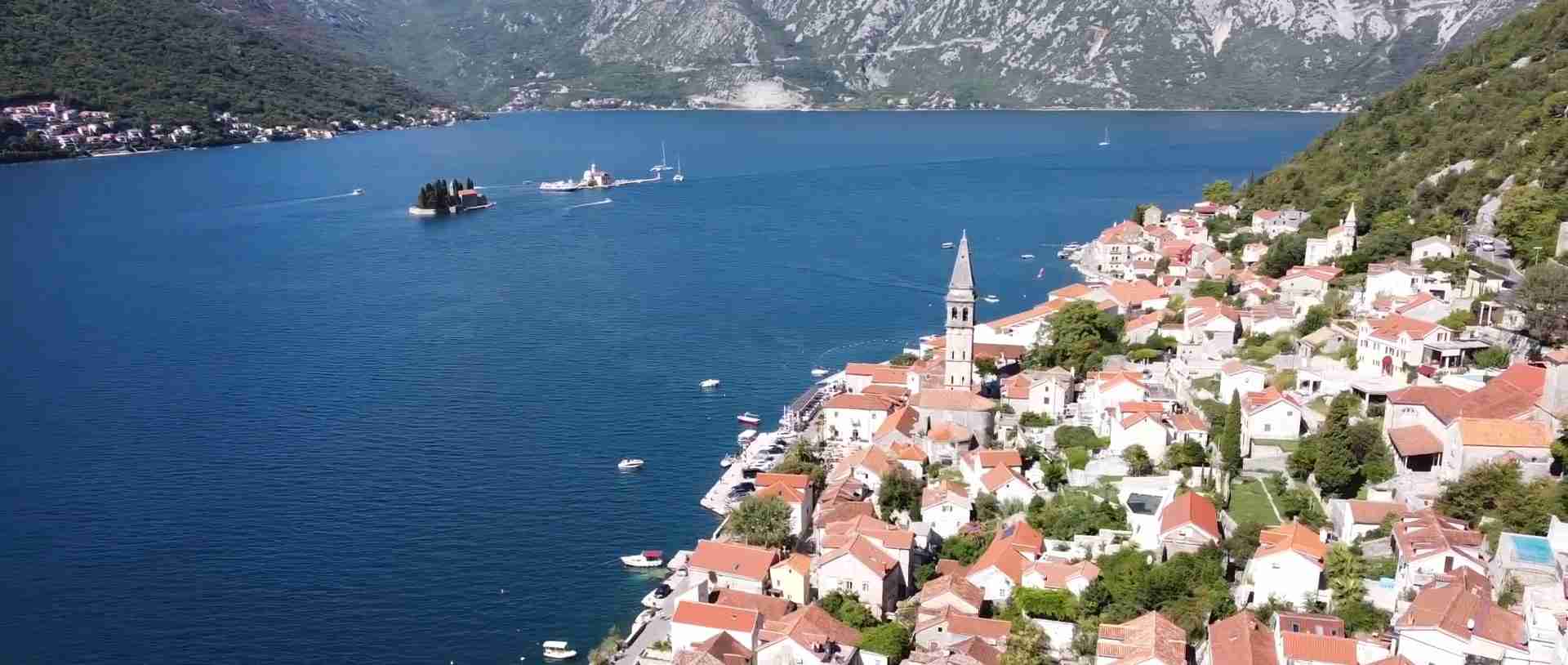
Kotor on a Budget 2026: Free Things to Do & Money-Saving Tips
Kotor delivers stunning UNESCO-protected medieval architecture, dramatic mountain-backed bay views, and Mediterranean charm at prices far below comparable Croatian or Italian coastal destinations. This walled Montenegrin gem rewards budget-conscious travelers with extensive free exploration opportunities, affordable local dining, and strategic spending choices that preserve both authenticity and savings throughout 2026.
Key Takeaways: Budget Travel in Kotor 2026
- Daily Budget Reality 2026: Budget travelers spend €30-60 per person daily staying in hostel dormitories, mid-range visitors €130-200 per person daily in comfortable hotels (two sharing accommodation), and luxury travelers €270-500 per person daily in premium properties with upscale dining and private experiences.
- Best Free Experiences: Kotor Old Town exploration remains completely free with UNESCO World Heritage cobblestone streets, medieval squares, multiple historic churches (except St. Tryphon Cathedral), city walls viewpoints, daily market browsing, waterfront promenade walks, and sunset watching from Arms Square delivering premium experiences at zero cost.
- Fortress Hiking Free Alternative 2026: The Ladder of Kotor trail provides free fortress-level panoramic views without the €15 St. John’s Fortress entrance fee, accessing comparable mountain vantage points through a more challenging but cost-free northeastern approach outside official ticket checkpoints.
- Peak Season Savings Window: Visiting May or September rather than June-August yields accommodation discounts reaching €30-50 per night below summer peaks while maintaining excellent weather, fewer cruise ship crowds overwhelming the Old Town, and identical access to all activities and attractions.
- Food Cost Control Strategy: Bakery breakfasts cost €2-4 versus hotel breakfast surcharges reaching €10-15, pizza-by-the-slice lunches run €2 per massive portion, and dining outside Old Town walls in residential neighborhoods like Dobrota saves €5-10 per meal compared to tourist-focused square-facing restaurants.
- Transportation Economics 2026: Kotor’s compact walkable Old Town eliminates daily transport costs entirely for most travelers, with occasional local buses to Perast or nearby beaches costing just €2 per ride versus organized tours charging €35-50 for identical destinations reachable independently.
People Also Ask About Kotor Budget Travel 2026
How much does Kotor cost per day in 2026?
Daily costs in Kotor range €30-60 per person for budget travelers staying in hostel dormitories and eating street food, €130-200 per person for mid-range visitors in comfortable hotels with restaurant meals (two sharing accommodation), and €270-500 per person for luxury travelers in premium properties with fine dining and private boat tours. Budget travelers minimize expenses through hostel accommodation €12-18 per bed, bakery and pizzeria meals €17-30 daily, walking everywhere rather than using taxis, and prioritizing Kotor’s extensive free attractions over paid activities. Mid-range budgets accommodate hotel stays €40-70 per person (room divided by two), three restaurant meals €46-67 daily, occasional taxi use €5-10, and major paid attractions including the fortress climb €15 and boat tours €35-50. Most travelers find mid-range budgets provide excellent comfort and experience quality without luxury pricing.
What are the best free things to do in Kotor 2026?
Kotor’s Old Town exploration delivers premium free experiences throughout 2026 including unlimited wandering through UNESCO-protected medieval streets and squares, visiting multiple historic churches at no charge (Church of St. Luke, Church of St. Nicholas, Church of St. Mary), viewing city fortification walls from various public vantage points, browsing the daily farmers market near the northern gate, walking the scenic waterfront promenade extending from the Old Town toward Dobrota, watching sunset from Arms Square, photographing the Clock Tower and Sea Gate, observing the famous Kotor cats throughout Old Town alleys, and attending occasional free summer evening concerts in public squares. The Ladder of Kotor hiking trail outside the northeastern corner provides spectacular mountain and bay panoramas without entrance fees, while beach access at public pebble shores remains free with only sunbed rentals €5-10 optional.
Is the Kotor Fortress climb worth €15 in 2026?
The St. John’s Fortress climb justifies its €15 entrance fee through unmatched panoramic perspectives encompassing Kotor’s terracotta-roofed Old Town, the serpentine Bay of Kotor, surrounding mountain peaks, and distant Adriatic waters from the 280-meter-high summit reached via 1,350 stone steps winding through medieval fortification layers. Budget-conscious travelers access comparable views free via the Ladder of Kotor trail starting outside the northeastern Old Town corner, though this alternative route demands greater fitness and navigation confidence without maintained stairways or official facilities. The fortress climb operates daily with ticket collection roughly 8:00 AM-8:00 PM May-September, outside these hours access becomes free but lacks maintained facilities and safety oversight, creating budget opportunities for early risers starting at sunrise around 6:00 AM before staff arrival.
How much should I budget weekly for Kotor in 2026?
Weekly Kotor budgets range €210-420 for budget travelers, €910-1,400 for mid-range visitors, and €1,890-3,500 for luxury experiences, assuming two sharing accommodation and including all meals, local transportation, attractions, and activities but excluding international flights and travel insurance. Budget week allocations cover hostel dormitory accommodation €84-126, street food and casual restaurant meals €119-210, minimal local transport €7-14, and selective paid attractions €0-56. Mid-range weeks accommodate comfortable hotel stays €280-490, three daily restaurant meals €322-469, taxi convenience €35-70, and comprehensive activity participation €266-371 including fortress climb, boat tours, day trips, and museums. These weekly figures assume relatively stable daily spending patterns, though travelers often front-load activity costs into early visit days.
Extended multi-day tours – 5+ days
Featured Kotor Multi-Day Tour Packages
2 days
From Tirana, 2 Days: Budva – Kotor
- ✓ Comprehensive Kotor tour
- ✓ Expert local guides included
- ✓ All accommodation arranged
- ✓ Transportation provided
1 days
From Tirana/Durres/Golem -> Montenegro: Budva & Kotor day tour
- ✓ Comprehensive Kotor tour
- ✓ Expert local guides included
- ✓ All accommodation arranged
- ✓ Transportation provided
2 days
Tour of Montenegro and Kosovo in 2 days from Tirana or Durres
- ✓ Comprehensive Kotor tour
- ✓ Expert local guides included
- ✓ All accommodation arranged
- ✓ Transportation provided
3 days
All seasons 3 days micro tour to Montenegro and Bosnia from Dubrovnik. Visit Venetians towns, monasteries, taste Herzegovina wines. Gorgeous scenery!
- ✓ Comprehensive Kotor tour
- ✓ Expert local guides included
- ✓ All accommodation arranged
- ✓ Transportation provided
Multi-day tour packages powered by TourRadar. Prices and availability subject to change.
Introduction: Budget Travel Excellence in Kotor 2026
Kotor occupies a remarkable position among Mediterranean coastal destinations as one of Europe’s last accessible gems where UNESCO World Heritage architecture, dramatic natural beauty, and authentic cultural experiences remain affordable for budget-conscious travelers. This Montenegrin fortress city delivers experiences rivaling far more expensive Croatian and Italian destinations at costs often running half or one-third the price, creating exceptional value propositions throughout 2026.
The city’s compact UNESCO-protected Old Town eliminates transportation costs through complete walkability, while the Montenegrin approach to tourism preservation over commercialization maintains authentic local dining options alongside tourist restaurants, keeping food costs reasonable even within medieval walls. Free exploration opportunities dominate the Kotor experience, from wandering atmospheric cobblestone alleys to hiking mountain trails with fortress-level panoramas, ensuring budget travelers access premium experiences without financial barriers.
Montenegro’s euro currency eliminates exchange rate complications for European travelers while remaining significantly cheaper than eurozone neighbors, and Kotor specifically benefits from competition among hundreds of accommodation providers keeping rates reasonable even during peak summer months. The city serves as an ideal budget base for exploring the broader Bay of Kotor region, with cheap local buses connecting to Perast, Prčanj, and beach towns at costs under €5 per destination.
Understanding where to allocate limited budget resources maximizes Kotor experiences, distinguishing between genuinely valuable paid attractions like the fortress climb versus free alternatives delivering comparable enjoyment. This guide provides comprehensive budget planning tools, identifies money-saving strategies proven effective throughout the destination, and reveals free activities ensuring memorable experiences regardless of spending capacity during your 2026 visit.
Understanding Kotor Costs in 2026
Kotor operates on three distinct cost tiers creating budget flexibility accommodating travelers from backpackers to luxury seekers. The city’s pricing structure favors budget-conscious visitors through abundant hostel beds, casual dining options, and extensive free attractions, while still providing premium experiences for those choosing upscale accommodation and fine dining.
Accommodation represents the largest budget variable in Kotor, with hostel dormitory beds starting around €12-18 nightly, private rooms in budget guesthouses €30-45, mid-range hotels €80-140 per room, and luxury properties €200-400 per room. Location significantly impacts pricing, with Old Town properties commanding premiums €20-40 above comparable quality outside the walls, though the walkable nature of Kotor renders location less critical than in larger cities.
Food costs span enormous ranges depending on dining choices, from €2 pizza slices and €3-5 bakery meals sustaining ultra-budget travelers to €50-80 per person fine dining experiences in waterfront restaurants. The sweet spot for most visitors involves breakfast from bakeries €2-4, casual lunch at local konobar restaurants €10-15, and evening meals at mid-range establishments €25-35 per person including wine, creating daily food budgets €40-55 delivering satisfying variety without excessive spending.
Kotor’s compact size eliminates most transportation costs through walking, with occasional local buses to nearby towns costing just €1-2 per ride. Taxis within Kotor run €3-5 for typical journeys, while longer trips to Budva cost €45-50 or Tivat Airport €15-25. Rental cars provide day trip flexibility at €25-50 daily but add parking challenges €5-15 in busy areas.
Activity costs concentrate around paid attractions including St. John’s Fortress climb €15, St. Tryphon Cathedral €2-4, Maritime Museum €4, boat tours €35-50 for half-day bay excursions, and day trips to destinations like Lovćen National Park €20-40 including transport and entry fees. The majority of Kotor experiences remain free, with Old Town exploration, church visits, market browsing, and coastal walking delivering premium enjoyment at zero cost.
Seasonal pricing variations significantly impact budgets, with June-August rates running €30-60 per night higher for accommodation compared to shoulder seasons May and September, while restaurant prices remain relatively stable year-round. Cruise ship arrival days see temporary price inflation at waterfront cafés and tour operators, though savvy travelers easily avoid these premium-priced establishments by walking two blocks inland where local pricing prevails.
Daily Budget Breakdowns Kotor 2026
Understanding realistic daily costs across budget tiers enables accurate trip planning and prevents financial surprises. These breakdowns reflect typical spending patterns for each category, with all accommodation costs expressed per person assuming two sharing hotel rooms. Budget-conscious travelers successfully reduce costs further through strategic choices detailed in subsequent sections.
Budget Traveler Daily Costs 2026
Budget-conscious visitors to Kotor achieve daily costs €30-60 per person through hostel accommodation, street food and casual dining, walking transportation, and prioritizing free attractions. Accommodation in hostel dormitories costs €12-18 per bed in well-reviewed properties like Old Town Hostel or Montenegro Hostel B&B, both offering prime Old Town locations, kitchen access, and social atmospheres without luxury amenities. Daily meals cost €17-30 combining bakery breakfast pastries €2-4, pizza-by-the-slice or burek lunches €3-7, casual restaurant dinners €10-15 at local favorites like Pronto Pizzeria or Square Pub, plus coffee and occasional gelato €2-4.
Transportation costs remain minimal €1-2 daily through walking everywhere within Kotor and taking occasional local buses to nearby Perast or beaches. Budget travelers focus attraction spending on one or two paid experiences weekly while maximizing free activities, allocating €0-8 daily for occasional museum entries or boat tour participation. This creates total daily costs approximately €30-60 per person, enabling week-long Kotor stays around €210-420 per person including all expenses except international travel.
Budget tier travelers often camp at nearby facilities €8-12 per person, cook meals using hostel kitchens reducing food costs to €10-15 daily, avoid alcohol purchases in restaurants, share taxis when needed rather than traveling solo, and participate in free walking tours rather than paid guided experiences. These additional savings strategies can reduce daily costs below €30 for truly minimal-budget travelers, though such extreme frugality sacrifices some comfort and spontaneity.
Mid-Range Traveler Daily Costs 2026
Mid-range visitors to Kotor spend €130-200 per person daily staying in comfortable hotels, dining at restaurants three times daily, using taxis occasionally, and participating in major paid activities. Accommodation in mid-range hotels costs €40-70 per person (two sharing rooms ranging €80-140 nightly) at properties like Hotel Marija, Kotor Nest, or Antika Guesthouse, offering private bathrooms, air conditioning, central locations, and breakfast options. Daily meals cost €46-67 combining café breakfast €5-8, casual lunch at restaurants like Konoba Scala Santa €12-18, mid-range dinner establishments €25-35 per person including wine, plus afternoon coffee and gelato breaks €4-6.
Transportation costs €5-10 daily mixing walking with occasional taxi convenience for luggage transport, late-night returns, or reaching accommodations outside Old Town. Activity budgets allocate €38-53 daily covering fortress climb €15, cathedral entry €3, half-day boat tour €35-50, museum visits €4-8, and occasional organized day trips. This creates total daily costs approximately €130-200 per person, enabling comfortable week-long stays around €910-1,400 per person including comprehensive activity participation.
Mid-range travelers typically choose private rooms in guesthouses over hotels for character and value, make lunch their largest meal when restaurants offer better pricing than dinner service, book boat tours directly with operators rather than through hotel concierges saving €10-15, enjoy one nice dinner splurge while keeping other meals moderate, and balance paid attractions with free exploration maintaining experience quality without excessive spending.
Luxury Traveler Daily Costs 2026
Luxury visitors to Kotor invest €270-500 per person daily in premium accommodation, fine dining, private transportation, and exclusive experiences. Accommodation in luxury hotels costs €100-200 per person (two sharing rooms ranging €200-400 nightly) at properties like Forza Terra, HUMA Kotor Bay, or heritage hotels in restored medieval palaces, offering full-service amenities, spa facilities, waterfront locations, and concierge services. Daily meals cost €105-170 combining hotel breakfast €15-25, upscale lunch restaurants €30-50, fine dining dinners at establishments like Galion or Old Winery €50-80 per person including premium wine selections, plus premium coffee and pastry breaks €10-15.
Transportation costs €15-30 daily using taxis freely, booking private transfers, and avoiding any walking beyond leisurely Old Town strolls. Activity budgets allocate €50-100 daily for private boat tours, premium wine tastings, helicopter tours over the bay, private guides, and exclusive experiences unavailable to budget travelers. This creates total daily costs approximately €270-500 per person, with week-long luxury Kotor experiences around €1,890-3,500 per person delivering comfort and service without financial constraints.
Luxury travelers often stay at bay properties outside Kotor proper enjoying quieter settings and resort amenities, hire private drivers for day trips eliminating navigation stress, book tables at Montenegro’s finest restaurants requiring advance reservations, participate in exclusive wine country tours visiting family estates, and upgrade experiences through private rather than group arrangements throughout their visit.
Free Things to Do in Kotor 2026
Kotor’s greatest budget advantage lies in the exceptional quality of free experiences, with the UNESCO-protected Old Town functioning as an open-air museum requiring no entrance fees. Budget travelers access identical core experiences as luxury visitors, with money differentiating accommodation comfort and dining quality rather than fundamental sightseeing opportunities.
Exploring UNESCO Old Town Heritage
Kotor’s medieval Old Town delivers unlimited free wandering through atmospheric cobblestone streets, tiny squares, hidden courtyards, and centuries-old stone buildings creating one of the Adriatic’s best-preserved historical centers. The compact walled area encourages getting deliberately lost, discovering charming details around every corner without predetermined routes or time pressures. Arms Square (Trg od Oružja) serves as the central gathering point, surrounded by the Clock Tower built 1602, Napoleon’s Theater from 1810, and outdoor cafés perfect for people-watching without obligatory purchases beyond €1-2 coffee.
Multiple medieval churches throughout Old Town welcome free entry including the Church of St. Luke dating from 1195, the Orthodox Church of St. Nicholas with impressive interior frescoes, the Church of St. Mary built 1221, and the Church of Our Lady of Health reached via short climbs up city wall staircases. Only St. Tryphon Cathedral charges admission €2-4, with all other religious sites freely accessible during daylight hours respecting service times.
The Sea Gate entrance from the harbor area provides the most dramatic Old Town approach, while the River Gate and Gurdic Gate offer quieter entries from parking areas. Free walking through sections of the city walls themselves reveals different Old Town perspectives, though the full fortification climb to St. John’s Fortress requires paid entry covered in subsequent sections. Evening strolls after cruise ships depart around 5:00 PM reveal the Old Town at its most authentic, with locals reclaiming squares and restaurants serving neighborhood clientele rather than day-trippers.
Coastal Promenade and Waterfront Walking
Kotor’s waterfront promenade stretches several kilometers offering free scenic walking along the Bay of Kotor from the Old Town through residential neighborhoods. The path toward Dobrota leads past local beaches, small parks, waterfront restaurants displaying daily catches, and residential buildings revealing authentic Kotor life beyond tourist zones. This walk delivers stunning mountain-backed bay views, boat watching, and swimming access at public pebble beaches without entrance fees, though sunbed and umbrella rentals cost €5-10 daily at organized beach areas.
Walking south from Old Town toward Prčanj follows the bay shoreline past marinas, continuing approximately 5 kilometers with mountain and water vistas throughout. The route passes the massive Church of the Nativity of the Virgin Mary in Prčanj, visible from Kotor and worth the hour-long walk for architecture enthusiasts. The entire waterfront walk operates vehicle-free in many sections, creating safe pedestrian and cycling routes suitable for all fitness levels.
Sunset viewing from waterfront benches and cafés provides free evening entertainment, with the western-facing bay orientation creating spectacular golden hour light across mountains and water. Photography enthusiasts find unlimited composition opportunities along this route, capturing fishing boats, waterfront buildings, and mountain reflections at different times throughout the day.
Daily Market and Local Life Observation
Kotor’s daily farmers market near the northern Old Town gate operates mornings selling fresh produce, local honey, homemade cheeses, cured meats, bread, and seasonal fruits at prices far below restaurant markups. Free browsing reveals Montenegrin agricultural products and traditional food culture, with friendly vendors often offering samples. Budget travelers use market purchases for picnic supplies, buying tomatoes, cucumbers, fresh bread, and cheese creating meals costing €3-5 rather than €10-15 at cafés.
The market area includes fish sellers displaying daily catches and small household goods stalls, functioning as a genuine local facility rather than tourist-oriented market. Visiting around 8:00-9:00 AM provides the best selection before popular items sell out, with vendors packing up around 1:00 PM. The social atmosphere, multilingual haggling, and people-watching opportunities create entertainment value beyond mere shopping utility.
Observing daily Kotor life extends beyond the market, with free entertainment found watching locals feed the famous Kotor cats throughout Old Town, elderly men playing cards in square-side cafés, and children playing football in residential neighborhood streets. These authentic cultural moments cost nothing while providing deeper destination understanding than many paid tour experiences.
Ladder of Kotor Free Fortress Views
The Ladder of Kotor hiking trail provides free mountain panoramas matching or exceeding St. John’s Fortress views without the €15 entrance fee, accessed from outside the Old Town northeastern corner. This serpentine trail climbs approximately 1,400 meters following ancient paths connecting Kotor to Njeguši village and Cetinje, with numerous viewpoints offering spectacular bay and mountain vistas along the ascent.
Budget hikers typically climb 60-90 minutes reaching viewpoints at fortress level or slightly higher, then return downhill saving €15 per person compared to the paid fortress route. The trail challenges fitness more than the fortress stairs due to looser footing and steeper grades in sections, requiring proper hiking shoes and water supplies. Early morning starts around 7:00-8:00 AM avoid midday heat while providing excellent photography light across the bay.
Advanced hikers continue beyond initial viewpoints climbing several hours toward Njeguši cheese village, though most budget travelers stop at panorama points then descend to Old Town. The trail passes abandoned Church of Our Lady of Remedy ruins and offers mountain wildflower viewing in spring months. Sunset hikes from the trail deliver spectacular evening colors, though descending after dark requires flashlights and caution on uneven terrain.
Beach Access and Swimming Opportunities
Free swimming in the Bay of Kotor occurs at multiple public pebble beaches near Old Town, eliminating beach club fees charging €15-25 daily at organized facilities. The waterfront walking path leads to several free beach access points within 10-15 minute walks from Old Town, offering clean water, mountain views, and sufficient space during non-peak hours. Beaches near Old Town include public access around Škaljari and spots along the Dobrota waterfront promenade.
Serious beach enthusiasts use cheap local buses reaching better beaches at Morinj €2, Bajova Kula Beach €2, and Plavi Horizonti €3 approximately 15-25 minutes from Kotor bus station. These destinations provide sandy entries superior to rocky Kotor beaches while maintaining public free access, though sunbed rentals remain optional €8-12. The bay’s calm protected waters create ideal swimming conditions for all abilities, with minimal waves and visible sandy bottom in many locations.
Cliff jumping occurs at certain waterfront points outside Old Town where locals gather, with jumps ranging 3-8 meters into deep water. Budget travelers should observe locals and assess conditions before attempting jumps, as some spots involve hazards requiring knowledge. Swimming directly from waterfront promenade steps provides easiest access without designated beach areas, popular with locals throughout summer months.
Church and Architecture Photography Tours
Self-guided architecture photography walks through Kotor cost nothing beyond time investment, with dozens of photogenic palaces, churches, squares, and medieval details creating unlimited composition opportunities. The baroque Church of St. Nicholas features twin bell towers dominating the northern Old Town skyline, while St. Tryphon Cathedral’s Romanesque-Byzantine facade anchors Arms Square as Kotor’s architectural centerpiece, both photographable from exterior public spaces without entry fees.
Medieval stone palaces throughout Old Town display Venetian Gothic windows, family crests, carved doorways, and architectural details rewarding close observation. The Pima Palace, Drago Palace, and Beskuca Palace provide excellent examples without entrance requirements. Early morning photography around 7:00-8:00 AM captures empty streets before tourist crowds, while golden hour evening light around 6:00-7:00 PM creates warm tones across stone facades.
The Clock Tower photographic angles change throughout the day with sun position, offering dramatic lighting variations. Narrow alley perspectives create compressed architectural views emphasizing medieval character, while elevated positions on city wall staircases provide bird’s-eye composition opportunities across Old Town roofscapes. Photography walks cost nothing except camera equipment, rivaling paid walking tours for architectural education when combined with independent research.
Cats of Kotor Cultural Experience
Kotor’s famous cat population creates a unique free attraction, with hundreds of semi-feral cats lounging throughout Old Town streets, squares, and sunny spots. Locals maintain feeding stations and water bowls, with cats displaying remarkable comfort around humans creating endless photography opportunities. The Cat Museum charges minimal €1 entry for those wanting deeper feline cultural context, though street cat observation costs nothing.
Cat-watching appeals particularly to families with children, providing natural entertainment as cats nap in doorways, climb ancient walls, and interact with each other throughout the day. Many cats tolerate gentle petting, though travelers should respect boundaries and avoid disturbing resting animals. The cats function as unofficial Kotor ambassadors, appearing in countless visitor photos and social media posts promoting the destination.
Understanding Kotor’s cat culture adds dimension to the Old Town experience, with locals explaining the historical role of cats protecting medieval grain stores from rodents. Modern Kotor maintains this tradition through community cat care, creating a distinctive cultural feature differentiating the destination from other Mediterranean towns while costing visitors nothing to observe and enjoy.
Best Money-Saving Strategies Kotor 2026
Strategic budget decisions multiplied across a week-long visit create substantial savings without sacrificing experience quality. These proven money-saving techniques apply to travelers across all budget tiers, enabling smarter spending regardless of overall budget capacity.
Accommodation Booking Strategies
Booking accommodation at least three weeks advance during May-September secures rates €15-30 per night below last-minute pricing, with best availability ensuring choice among properties rather than accepting remaining options. Staying outside Old Town walls in neighborhoods like Dobrota or Škaljari reduces costs €20-40 per night for equivalent quality while maintaining 5-10 minute walking access, with quieter evening environments and easier parking for those with rental cars.
Private room rentals through Booking.com or Airbnb often undercut hotel pricing €10-25 nightly while providing kitchen access enabling meal preparation savings detailed below. Properties offering breakfast included at booking justify €5-10 additional nightly cost compared to no-breakfast alternatives, as café breakfasts cost €5-8 per person. Longer stays enable negotiated rates, with weekly bookings sometimes securing 10-15 percent discounts compared to nightly pricing.
Booking platforms Booking.com Genius membership provides 10-20 percent discounts at participating properties after completing several bookings, while credit card hotel portals occasionally offer better pricing than direct bookings. Always compare direct property websites against booking platform pricing, as smaller guesthouses sometimes offer better rates eliminating platform commission costs. Shoulder season visits May or September rather than July-August peak yield accommodation savings €30-50 per night at identical properties.
Food and Dining Cost Control
Breakfast from bakeries rather than hotels saves €5-10 per person daily, with fresh burek pastries €1-2, pizza slices €2, and coffee €1-2 creating satisfying morning meals under €5 total. Pizzeria Pronto near Old Town serves massive pizza slices €2 each functioning as complete lunches, while market purchases of bread, cheese, tomatoes, and cured meats create picnic supplies €3-5 per person versus €10-15 café lunches.
Making lunch the main restaurant meal captures better pricing than evening dinners, with many restaurants offering identical dishes €3-7 cheaper during lunch service. Dining outside Old Town walls in residential neighborhoods like Dobrota saves €5-10 per meal at equivalent-quality restaurants serving local clientele rather than tourists. Konoba Scala Santa, BBQ Tanjga, and local family restaurants provide authentic Montenegrin cuisine at prices €8-15 per main course versus €15-25 at waterfront tourist establishments.
Wine by the bottle rather than glass reduces alcohol costs, with decent Montenegrin wine €8-12 per bottle containing 4-5 glass equivalents at €3-4 per glass restaurant pricing. Supermarket wine purchases €5-8 enable picnic dinner savings for travelers with accommodation kitchen access or outdoor dining preferences. Tap water quality throughout Montenegro eliminates bottled water purchases, with restaurants providing free tap water upon request despite default bottle recommendations.
Avoiding restaurants facing Arms Square or immediately adjacent to major tourist sites cuts meal costs €5-12 per person without quality sacrifice, as prime location premiums fund expensive real estate rather than superior ingredients or preparation. Walking two blocks from major squares reveals excellent restaurants at neighborhood pricing, identifiable through Montenegrin language menus and local clientele rather than English-only menus with photographs.
Transportation Efficiency Tactics
Walking everywhere within Kotor proper eliminates all daily transportation costs while providing exercise and exploration opportunities. The entire Old Town covers roughly 400 by 300 meters, crossable in 10 minutes, with most accommodations within 15-minute walks. Waterfront areas extending to Dobrota remain walkable within 20-30 minutes, making taxis unnecessary for most budget travelers.
Local buses to nearby towns cost €1-2 per ride versus organized tours charging €35-50 reaching identical destinations. The Kotor-Perast bus runs frequently throughout the day, taking 20 minutes for €2 versus half-day tours at €40-50. Buses to Budva cost €3-4 for the 30-minute journey, enabling independent beach days or evening entertainment without expensive private transfers or tour packages.
Sharing taxis among travelers reduces per-person costs, with a €20 taxi to Tivat Airport splitting four ways costing €5 each versus €15-25 per person for pre-booked transfers. Always confirm taxi fares before departing, as metered rates €0.50 base plus €0.90 per kilometer sometimes exceed quoted flat rates for common routes. Using local taxi apps like TeslaGo or MonteGO ensures fair pricing rather than negotiating with street taxis potentially overcharging tourists.
Rental car economics favor groups sharing costs, with daily rates €25-50 divided among 3-4 passengers creating per-person transport costs under €10 daily while enabling flexible day trip scheduling. Solo travelers or couples find buses more economical, though rental cars access remote beaches and mountain destinations lacking bus service. Parking fees €5-15 daily in busy areas and fuel costs €10-20 for typical day trips factor into rental car budgets.
Activity and Attraction Prioritization
Prioritizing free activities over paid experiences maintains budget discipline without sacrificing enjoyment, as Kotor’s best experiences largely remain free. Old Town exploration, mountain hiking, beach swimming, and market browsing deliver equivalent or superior satisfaction compared to paid boat tours or organized activities for many travelers, particularly those valuing independence and authentic experiences over guided commentary.
Timing fortress climbs before 8:00 AM or after 8:00 PM during shoulder seasons accesses mountain views free when ticket collection operates limited hours, though this approach requires accepting reduced safety oversight and lighting. Budget travelers committed to legitimate paid entry can combine fortress tickets €15 with packed lunch picnics at viewpoints, maximizing value by using the space for extended periods rather than quick photo stops.
Boat tour alternatives include cheap €5 public boat service to Our Lady of the Rocks from Perast, eliminating €35-50 organized bay tour costs when combined with Perast bus trips. Self-guided exploration using local transport typically costs €8-12 total versus €50-70 for equivalent organized day trips, sacrificing guide commentary but maintaining complete schedule flexibility and similar sightseeing access.
Free walking tours operate on tip-based models, with participants typically tipping €5-10 rather than paying fixed €25-35 tour fees. Quality varies among operators, though tour participants gauge guide performance before determining tip amounts, creating performance incentives maintaining service quality. Walking tour guides provide excellent local recommendations for restaurants and activities, often saving participants more than tip costs through insider knowledge.
Seasonal Timing for Maximum Savings
Visiting May or September rather than June-August peak season yields accommodation savings €30-50 per night at identical properties while maintaining excellent weather, comfortable swimming temperatures, and identical activity access. Shoulder season months reduce cruise ship arrivals overwhelming Old Town during midday, improve restaurant availability without advance reservations, and decrease competition for photography spots and hiking trail access.
May advantages include spring wildflowers on mountain trails, moderate temperatures ideal for hiking and walking, and festival atmosphere as summer season begins. September delivers warm water temperatures from summer heating, autumn light creating excellent photography conditions, and harvest season wine and food opportunities. Both months offer 80-90 percent of summer weather benefits at 60-70 percent of peak pricing.
Winter visits November-March provide extreme budget savings with accommodation often half summer rates, though swimming becomes uncomfortable and some tour operators reduce schedules. Winter travelers find authentic local atmosphere, empty streets perfect for photography, and restaurant interactions with staff having time for conversation rather than rushing between tourist groups. The Bay of Kotor’s dramatic scenery maintains appeal year-round, with winter mountain snow creating striking contrasts against water.
Avoiding Easter and Christmas holiday periods when possible reduces accommodation competition from European travelers, with prices rising €20-40 per night above normal shoulder season rates during these weeks. Mid-week arrivals rather than weekends sometimes secure better pricing at smaller properties, with Friday-Saturday demand pushing rates higher than Sunday-Thursday periods.
Accommodation Options Kotor 2026
Kotor offers hundreds of accommodation properties spanning extreme budget to luxury categories, with the competitive market maintaining reasonable pricing relative to equivalent coastal destinations. Location choices between Old Town convenience and outside-walls value significantly impact both costs and experience character.
Budget Accommodation €10-35 Per Person
Hostel accommodation dominates Kotor’s budget tier, with properties like Old Town Hostel, Montenegro Hostel B&B, and Stranger Tides providing dormitory beds €12-18 per person in prime Old Town locations. These hostels offer shared kitchens enabling meal preparation savings, common areas fostering social interaction, free WiFi, and locations within 2-3 minute walks of Arms Square. Dormitory sizes range from 6-12 beds, with female-only and mixed options available at most properties.
Private rooms in hostels cost €30-45 per room, delivering budget hotel equivalent accommodation at lower pricing with hostel social atmosphere and facilities. Quality varies significantly among budget properties, with traveler reviews essential for identifying well-maintained facilities versus deteriorating budget options. Book Old Town hostels at least two weeks advance during summer months as popular properties fill capacity quickly.
Budget guesthouses outside Old Town walls in Dobrota and Škaljari neighborhoods provide private rooms €35-55 per room, often including simple breakfast, private bathroom, and family hospitality. These properties sacrifice medieval atmosphere for better value, quieter environments, and easier parking access. Budget travelers with rental cars particularly benefit from outside-walls accommodation eliminating €10-15 daily Old Town parking fees.
Mid-Range Accommodation €80-140 Per Room
Mid-range hotels and guesthouses throughout Kotor deliver comfortable private rooms with air conditioning, en-suite bathrooms, WiFi, and breakfast options at €80-140 per room for two guests. Properties like Hotel Marija, Kotor Nest, and Antika Guesthouse provide authentic Old Town experiences in restored medieval buildings, while Hotel Villa Duomo and Palazzo Radomiri offer upscale guesthouse comfort combining historical character with modern amenities.
Location within versus outside Old Town walls creates €20-40 per night pricing differences at equivalent quality levels, with travelers weighing atmospheric medieval surroundings against quieter evening environments in residential neighborhoods. Mid-range accommodation often includes breakfast buffets worth €10-15 per person at separate cafés, making included breakfast properties better value despite slightly higher nightly rates.
Apartment rentals through Booking.com or Airbnb frequently provide superior space and kitchen facilities compared to equivalent-priced hotels, benefiting families or groups seeking multiple rooms or meal preparation capability. Waterfront apartments in Dobrota deliver bay views and swimming access while maintaining €80-120 per night pricing below Old Town hotel equivalents.
Luxury Accommodation €200-400 Per Room
Luxury properties around Kotor Bay include Forza Terra boutique hotel, HUMA Kotor Bay Hotel with private beach and pool, Heritage Grand Perast by Rixos outside Kotor proper, and restored medieval palaces in Old Town delivering €200-400 per room with full-service amenities. These properties provide spa facilities, fine dining restaurants, concierge services, and premium locations justifying significant cost premiums.
Luxury travelers often choose properties outside Kotor Old Town accessing quieter waterfront settings, resort amenities, and easier vehicle access while maintaining 10-20 minute taxi proximity to medieval center. Five-star international chains operate limited presence in Kotor compared to Croatian coast, with boutique properties dominating luxury tier and offering more distinctive experiences than standardized chain hotels.
Heritage hotels in restored Venetian palaces deliver unique luxury experiences impossible outside authentic medieval settings, with properties like Palazzo Radomiri combining historical architecture, period furnishings, and modern comfort. These establishments command premium pricing €250-400 per room but provide irreplicable atmospheric experiences distinguishing Kotor from generic luxury beach destinations.
Dining and Food Costs Kotor 2026
Kotor’s food scene ranges from €2 street food to €80 per person fine dining, with the budget-conscious traveler finding excellent value at local bakeries, pizzerias, and family-run konoba restaurants. Understanding where locals eat versus tourist-focused establishments enables dramatic cost reductions without sacrificing meal quality or cultural authenticity.
Bakeries and Street Food €2-7 Per Meal
Bakeries throughout Kotor sell fresh burek pastries €1-2, pizza slices €2, sandwiches €2-4, and traditional Montenegrin baked goods creating complete meals under €5 per person. Pizzeria Pronto operates both sit-down restaurant and takeaway window serving massive face-sized pizza slices €2 each, functionally equivalent to full pizzas at other establishments. Fresh bread from bakeries costs €0.60-1.50 per loaf, enabling sandwich creation with market-purchased ingredients at minimal cost.
Street food options remain limited compared to larger cities, though vendors sell roasted chestnuts, grilled corn, and occasional seasonal specialties around market areas. The lack of extensive street food culture drives budget travelers toward bakery purchases supplemented by market produce, creating healthy varied meals at €5-8 daily total food costs for truly minimal-budget travelers.
Casual Restaurant Meals €10-20 Per Person
Local konoba restaurants and pizzerias throughout Kotor serve main courses €8-15, with full meals including appetizer, main course, and drink totaling €12-20 per person. Konoba Scala Santa, BBQ Tanjga, and Ladovina Kitchen Wine Bar provide authentic Montenegrin cuisine, fresh seafood, and casual atmosphere without tourist markup pricing. Pizza restaurants deliver 10-12 inch personal pizzas €7-12, pasta dishes €8-14, and simple grilled meats €10-16.
Lunch service often prices identical dishes €3-5 below dinner menus, with daily specials providing particularly good value. The Square Pub near Old Town serves comfort food including burgers €6-9, wings €7-10, and substantial portions attracting local clientele alongside tourists. La Catedral Pasta Bar specializes in pasta dishes €10-15 per person, providing reliable quality and friendly service in atmospheric medieval courtyard setting.
Dining outside immediate Old Town tourist zones at restaurants in Dobrota or residential neighborhoods typically saves €5-8 per person for equivalent meal quality, with establishments catering to local families rather than day-trippers. These restaurants display Montenegrin language menus, serve larger portions, and maintain pricing reflecting neighborhood economics rather than tourist location premiums.
Mid-Range Restaurant Dining €25-40 Per Person
Mid-range restaurants throughout Kotor Old Town serve three-course meals with wine totaling €25-40 per person, delivering superior ingredient quality, atmospheric settings, and attentive service. Seafood-focused establishments like Cesarica and restaurants along the waterfront promenade specialize in fresh fish priced by kilogram €25-45, grilled octopus €18-25, and seafood risotto €15-22 per person.
Traditional Montenegrin cuisine at mid-range establishments includes dishes like Njeguški steak €18-25, lamb preparations €20-28, and local specialties showcasing regional ingredients. Wine selections at this tier include better Montenegrin labels €15-25 per bottle and imported options, with staff providing knowledgeable recommendations pairing wines with dishes.
Reservations become advisable for popular mid-range restaurants during July-August peak season, particularly for waterfront tables and evening dining slots. These establishments attract both tourists and locals celebrating special occasions, creating livelier atmospheres than budget tier casual dining while maintaining accessible pricing for mid-range budget travelers.
Fine Dining €50-80 Per Person
Kotor’s top restaurants including Galion waterfront, Old Winery, and hotel fine dining venues serve multi-course tasting menus €50-80 per person with wine pairings, showcasing Montenegro’s evolving culinary scene. These establishments source premium ingredients, employ trained chefs, maintain wine cellars, and provide refined service justifying significant pricing above casual dining options.
Fine dining in Kotor emphasizes fresh local seafood, Adriatic preparations, and Montenegrin ingredients elevated through modern techniques while respecting traditional flavors. Tasting menus typically include 4-6 courses with wine pairings, requiring 2-3 hour dining experiences incompatible with rushed schedules. The fine dining tier remains significantly cheaper than equivalent restaurants in Italy or Croatia, with €60-70 per person in Kotor delivering experiences costing €100-150 in Dubrovnik or Venice.
Self-Catering and Market Shopping
Travelers with kitchen access dramatically reduce food costs through market shopping and meal preparation, with daily food budgets potentially dropping to €8-12 per person buying fresh produce, bread, cheese, and simple proteins. The Kotor market operates mornings selling tomatoes €1-2 per kilogram, cucumbers €1-2, fresh bread €0.60-1.50, local cheese €8-12 per kilogram, and seasonal fruits creating picnic or apartment meal ingredients.
Supermarkets including Idea and Voli chains provide packaged goods, dairy products, pasta, rice, and basic cooking supplies at prices comparable to Western Europe. Wine bottles cost €5-12 for decent quality, meat and cheese selections enable dinner preparation €5-8 per person, and breakfast supplies including coffee, milk, cereal, and bread cost €10-15 weekly for two people.
Balancing self-catered breakfasts and occasional lunches with restaurant dinners creates optimal budget-experience balance, enabling travelers to enjoy Montenegrin cuisine while controlling costs through strategic meal preparation. Picnic supplies from markets enable free outdoor dining along the waterfront or at mountain viewpoints, combining food savings with enhanced scenic experiences.
Transportation and Getting Around Kotor 2026
Kotor’s compact walkable core eliminates most transportation costs for budget travelers, with the entire Old Town and waterfront areas accessible by foot within 20 minutes maximum. Understanding local transport options enables cheap day trips and airport transfers without expensive organized tours or private vehicles.
Walking as Primary Transportation
Walking serves as the primary and most cost-effective transportation within Kotor, with the pedestrian-only Old Town and level waterfront promenades creating ideal conditions. The Old Town measures approximately 400 by 300 meters, crossable in 10 minutes, with all major attractions, restaurants, and accommodation within this compact area. Extended walks along the waterfront toward Dobrota or south toward Prčanj provide scenic 30-60 minute routes accessing beaches, residential neighborhoods, and additional dining options at zero cost.
Mountain trails including the Ladder of Kotor and fortress approaches offer free hiking access from Old Town, with proper footwear the only equipment requirement. Walking eliminates parking challenges, provides constant sightseeing opportunities, enables spontaneous diversions into interesting alleys or cafés, and maintains visitor health through regular exercise. The Mediterranean climate makes walking comfortable most months, with summer heat manageable through morning and evening activity scheduling.
Local Bus Service €1-2 Per Ride
Kotor’s local bus station located 400 meters south of Old Town operates frequent services to nearby towns at minimal costs. The Blue Line bus to Perast runs roughly hourly throughout the day costing €2 per person for the scenic 20-minute journey along the bay, with identical service returning to Kotor. Buses to Budva cost €3-4 for 30-minute journeys, enabling beach days and evening entertainment without expensive taxis or rental cars.
Bus tickets purchase from station ticket windows or occasionally from drivers accepting cash only, with exact change helpful though not required. Platform fees €1 apply at the main station requiring small payment for access beyond waiting areas. Buses display destination signs in Latin alphabet, with staff and drivers generally speaking basic English assisting confused travelers. Schedule information appears at the station and online, though buses sometimes run 15-30 minutes behind posted times requiring flexible planning.
Longer routes connect Kotor to Podgorica capital €8-15 taking approximately two hours, Tivat €2-3 in 15 minutes, and other regional destinations enabling cheap exploration beyond the immediate bay area. Budget travelers use buses as primary transport, with costs typically one-tenth organized tour equivalents while maintaining destination access and schedule flexibility.
Taxi Services €3-5 Within Kotor
Taxis serve occasional convenience needs rather than daily transport for budget-conscious travelers, with typical Kotor rides costing €3-5 using metered rates €0.50 base fare plus €0.90 per kilometer. Taxi stands operate near Old Town gates and the bus station, with TeslaGo and MonteGO apps providing Uber-like fixed pricing eliminating negotiation concerns. Always confirm pricing before departing, particularly for longer journeys to airports or distant neighborhoods.
Common taxi routes include Kotor Old Town to Tivat Airport €15-25 taking 20-30 minutes, Kotor to Budva €45-50 requiring 30-40 minutes, and Kotor to Podgorica Airport €60-75 covering approximately 90 minutes. Sharing taxis among multiple travelers reduces per-person costs dramatically, with four passengers splitting Tivat Airport transfer paying €4-6 each versus €15-25 solo travelers.
Late-night taxis provide safe returns from evening activities when buses cease operation, though most travelers walk even after dark given Kotor’s safe environment and excellent street lighting within Old Town areas. Taxi waiting time charges €0.20 per minute when stopped apply in traffic, occasionally inflating costs during peak congestion periods though typically minimal within small Kotor area.
Rental Cars €25-50 Daily
Rental cars provide day trip flexibility reaching mountain destinations, remote beaches, and multiple towns in single days impossible via bus schedules. Daily rates €25-50 depending on vehicle size and season, with compact cars sufficient for Kotor’s narrow roads and tight parking. International agencies and local companies operate from Tivat Airport and Kotor locations, with advance booking recommended during summer months ensuring availability and best pricing.
Rental car economics favor groups sharing costs, with three passengers splitting €40 daily rate plus €15 fuel paying €18 each for full-day mobility versus €20-30 per person bus fares achieving similar destinations with fixed schedules. Solo travelers and couples generally find buses more economical, though rental cars access destinations lacking public transport including Lovćen National Park, remote monastery sites, and mountain villages.
Parking costs €5-15 daily in busy Kotor areas, with free parking available outside Old Town walls requiring 10-15 minute walks. Many guesthouses outside walls include free parking, adding value for drivers. Insurance requirements, international driving permit needs, and fuel policies vary among rental companies, with careful contract review preventing surprise charges. Montenegro’s mountainous terrain and narrow coastal roads challenge inexperienced drivers, with defensive driving essential.
Free vs Paid Attraction Value Analysis 2026
Understanding which paid attractions justify costs versus free alternative experiences enables optimal budget allocation, ensuring money spent delivers genuine value enhancement over available free options. Kotor’s unusual characteristic shows many paid attractions offering minimal value over free equivalents, while a select few justify their costs through unique access or experiences.
St. John’s Fortress Climb €15 Value Assessment
The St. John’s Fortress climb at €15 per person provides the single most valuable paid Kotor experience, delivering unmatched panoramic perspectives across the Old Town, bay, and surrounding mountains from 280-meter elevation reached via 1,350 stone steps winding through medieval fortifications. The maintained stairway, regular water stations, shaded rest areas, and historical information panels justify costs versus the free but more challenging Ladder of Kotor alternative.
Budget travelers debate this expense given free alternative routes accessing similar viewpoints, though the fortress route offers superior safety, easier navigation, maintained facilities, and the satisfaction of completing Kotor’s signature physical challenge. The climb typically requires 60-90 minutes ascending and 45-60 minutes descending, with most visitors spending 30-60 minutes at the summit photographing and resting. Starting climbs early morning 7:00-8:00 AM or late afternoon after 5:00 PM avoids midday heat while catching optimal photography light.
The fortress entrance fee operates during staffed hours roughly 8:00 AM-8:00 PM May-September, with free access possible outside these times for very early risers or late climbers, though reduced safety oversight and lack of lighting require caution. Some budget travelers consider the fortress climb skippable, allocating the €15 toward meals or boat experiences instead, though most visitors rate the climb as Kotor’s highlight justifying the cost.
St. Tryphon Cathedral €2-4 Entry Decision
St. Tryphon Cathedral charges minimal €2-4 entry accessing the cathedral interior, museum upstairs with religious artifacts and relics, and balcony overlooking Arms Square. The modest fee represents excellent value for architecture and history enthusiasts, though casual visitors sometimes skip the interior given the impressive facade visible freely from the square. The museum collection includes 15th century artifacts, ceremonial vestments, silver reliquaries, and the remains of St. Tryphon himself.
Budget travelers often include this attraction given the minimal cost, quick 30-45 minute visit duration, and completion of the major Old Town monument experience. The upstairs balcony provides unique square views useful for photography, though not dramatically superior to ground-level perspectives. Cash payment required at entrance, with staff present during daylight hours daily except during occasional services.
Maritime Museum €4 Consideration
The Maritime Museum charges €4 entry for historical exhibits documenting Kotor’s seafaring history, model ships, navigation equipment, and bay culture over centuries. History enthusiasts find good value in the collection, though general interest tourists sometimes rate the museum skippable given the specialized subject matter and competing free Old Town exploration opportunities. The museum occupies a beautiful Baroque palace, with architectural interest adding appeal beyond exhibit content.
Budget travelers frequently allocate the €4 toward food rather than museum entry, particularly when time-limited visits require choosing among multiple activities. Those specifically interested in maritime history, model ships, or deeper Kotor cultural context consider the museum worthwhile, with visit duration typically 45-60 minutes. English signage quality varies, though the visual exhibits largely convey information without extensive text dependence.
Boat Tours €35-50 Value Analysis
Half-day boat tours around the Bay of Kotor cost €35-50 per person typically including stops at Our Lady of the Rocks island, Blue Cave swimming, submarine tunnel viewing, and Perast, with 3-4 hour duration and multiple providers competing on price and itinerary. These tours deliver excellent value for travelers prioritizing water experiences and comprehensive bay viewing, though budget-conscious alternatives exist using public transport achieving similar destinations.
Independent travelers reach Perast via €2 bus, then pay €5 for the short boat ride to Our Lady of the Rocks island, visiting the two main boat tour highlights at €7 total versus €40-50 tour packages. The Blue Cave and submarine tunnels require private boat access without practical independent alternatives, with these sites justifying organized tour participation for swimmers and military history enthusiasts. Budget travelers often skip boat tours entirely, using savings for additional days or activities elsewhere.
Tour quality varies significantly among dozens of operators, with smaller group sizes, knowledgeable guides, and better boats justifying premium pricing at the €45-50 range versus bargain €30-35 operators using larger groups and aging vessels. Reading recent reviews and asking accommodation providers for recommendations prevents disappointment with low-quality operators, as this represents a significant budget allocation worth careful selection.
Sample Budget Itineraries Kotor 2026
These day-by-day itineraries demonstrate practical budget implementation across different spending tiers, showing how daily cost targets translate into actual experiences, meals, and activities throughout typical Kotor visits.
Ultra-Budget 3-Day Itinerary €90-180 Total
This ultra-budget approach minimizes costs while accessing Kotor’s core experiences through free activities, hostel accommodation, self-catered meals, and walking transportation. Total costs approximately €90-180 for three days achieving comfortable budget travel without deprivation.
Day 1 begins arriving via airport bus from Tivat €2, checking into hostel dormitory €15, exploring Old Town free throughout afternoon including churches and market, having bakery dinner €4, and evening square sitting watching street life free. Day 1 costs approximately €21 total.
Day 2 includes bakery breakfast €3, climbing Ladder of Kotor free for 3-4 hours with packed snacks, returning for swim at free public beach, casual restaurant dinner €12, and evening drinks at budget bar €5. Day 2 costs approximately €20 total.
Day 3 covers bakery breakfast €3, bus to Perast €2, boat to Our Lady of the Rocks €5, Perast lunch picnic from market purchases €4, return bus €2, pizza slice dinner €4, and evening Old Town photography walk free. Day 3 costs approximately €20 total plus €15 accommodation equals €35.
This ultra-budget approach demonstrates Kotor accessibility for minimal-budget backpackers, hostel travelers, and those prioritizing extended travel duration over luxury comfort. Actual costs vary based on accommodation choices, meal selections, and optional paid attractions, with some travelers achieving even lower daily averages through camping, extensive self-catering, and exclusive free activity participation.
Mid-Range 4-Day Itinerary €520-800 Total
This mid-range itinerary balances comfort and value, incorporating hotel accommodation, three daily restaurant meals, occasional taxis, and major paid attractions while maintaining reasonable overall costs. Total approximately €520-800 for four days delivering comfortable quality experiences.
Day 1 includes private transfer from airport €20 per person, hotel check-in €50 per person two sharing €100 room, casual lunch €15, afternoon Old Town exploration free, mid-range dinner €30, and evening square café drinks €8. Day 1 costs approximately €123 per person.
Day 2 covers hotel breakfast included, St. John’s Fortress climb €15, packed lunch on mountain, afternoon swimming at free beach, mid-range seafood dinner €35, and evening gelato €5. Day 2 costs approximately €105 per person including accommodation.
Day 3 begins with hotel breakfast, half-day boat tour €45, lunch included on tour, afternoon Perast walking free after tour, casual dinner €20, and wine bar evening €12. Day 3 costs approximately €127 per person including accommodation.
Day 4 includes hotel breakfast, morning Old Town shopping and photography free, taxi to beach €5, beach restaurant lunch €18, return taxi €5, farewell nice dinner €40, and late taxi to accommodation €5. Day 4 costs approximately €123 per person including accommodation.
This mid-range approach represents the majority traveler experience in Kotor, combining sufficient comfort for relaxation with strategic spending enabling comprehensive activity participation. Four-day duration allows thorough exploration without rushed schedules while maintaining reasonable total costs under €1,000 per couple.
Luxury 3-Day Itinerary €810-1,500 Total
This luxury itinerary eliminates budget constraints, prioritizing premium experiences, fine dining, private tours, and upscale accommodation delivering maximum comfort and service throughout the Kotor visit. Total approximately €810-1,500 for three days of indulgent travel.
Day 1 begins with private airport transfer €40 per person, luxury hotel check-in €150 per person two sharing €300 room, upscale lunch €40, afternoon spa treatment €80, fine dining dinner €70, and cocktails at rooftop bar €20. Day 1 costs approximately €400 per person.
Day 2 includes hotel gourmet breakfast €20, private boat tour €120, seafood lunch on tour €30, afternoon wine tasting €40, fine dining at Galion €80, and evening entertainment €15. Day 2 costs approximately €455 per person including accommodation.
Day 3 covers hotel breakfast €20, morning private guide tour €80, luxury restaurant lunch €45, afternoon boutique shopping and purchases variable, farewell tasting menu dinner €90, and late-night jazz club €15. Day 3 costs approximately €400 per person including accommodation.
Luxury travelers in Kotor enjoy experiences unavailable to budget visitors including private guides, premium boat charters, exclusive restaurant access, and concierge-arranged activities, though the destination’s fundamental appeal through medieval architecture and natural beauty remains equally accessible across spending tiers. Three-day luxury visits often pair Kotor with other premium Montenegrin destinations or extend into Croatia.
Hidden Costs and Budget Surprises 2026
Understanding often-overlooked expenses prevents budget overruns and financial stress during Kotor visits, with several categories frequently underestimated in initial planning calculations. These hidden costs collectively add €50-150 to typical week-long budgets when unprepared travelers encounter unexpected charges.
Water and Beverage Costs
Restaurant bottled water charges €2-4 per bottle add substantially to meal costs when travelers don’t request free tap water, with some establishments defaulting to bottled water without asking. Montenegro’s excellent tap water quality throughout makes bottled purchases unnecessary, though many restaurants push bottles given higher profit margins. Always request “tap water” or “water from tap” explicitly when ordering to avoid automatic bottle charges.
Coffee and drink purchases throughout the day accumulate quickly, with €2-3 coffee, €3-5 fresh juice, and €1-2 water bottles totaling €8-15 daily for casual beverage consumers. Budget travelers bring reusable water bottles, skip afternoon coffee purchases, and limit expensive fresh juices, though some daily beverage costs remain inevitable in Mediterranean climates requiring hydration.
Tourist Tax and Resort Fees
Montenegro charges tourist tax approximately €1-2 per person per night depending on accommodation category, collected at check-in or checkout separate from room rates. Many booking sites exclude this tax from advertised pricing, creating small surprises at payment though amounts remain minimal. Some properties include tourist tax in quoted rates while others charge separately, with clarification advisable during booking conversations.
Resort fees and facility charges rarely apply in Kotor outside five-star properties, though beach clubs charge sunbed rental €5-10 daily and some hotels impose parking fees €5-15 daily not included in room rates. Reading accommodation terms carefully before booking reveals these charges, though budget properties typically operate straightforward pricing without hidden fees.
Luggage Storage and Lockers
Luggage storage costs €3-5 per bag daily at the Kotor bus station or accommodation establishments, necessary for travelers with late departure times after checkout. Many accommodations provide free luggage storage for departing guests, with this courtesy worth confirming at check-in. The bus station left luggage office operates limited hours, with early closures potentially complicating late-evening departures requiring alternative storage arrangements.
Bathroom Fees at Restaurants
Some cafés and restaurants charge €0.50 bathroom fees even for paying customers, though this practice remains uncommon in Kotor compared to other tourist destinations. Public toilets near the market and bus station charge €0.50 entry, while Old Town public facilities operate free though sometimes poorly maintained. Hotels and restaurants generally allow customer bathroom access without charge, making these fees minimal overall budget concerns.
Card Payment Surcharges
Some smaller restaurants, accommodation providers, and shops impose €1-3 credit card surcharges or minimum purchase requirements, though this practice decreases as card payments become standard. ATM withdrawals incur €2-5 fees depending on bank networks, with travelers minimizing withdrawal frequency to reduce these charges. Currency exchange offices charge 2-5 percent commissions converting foreign currency to euros, with ATM withdrawals typically providing better rates despite fixed fees.
Montenegro Banking and Money Matters 2026
Understanding Montenegrin financial practicalities enables smooth transactions, minimizes unnecessary fees, and prevents common tourist financial mistakes. Montenegro’s euro currency eliminates exchange rate complications for travelers from eurozone countries while maintaining reasonable acceptance of international credit cards.
Currency and Cash Requirements
Montenegro adopted the euro despite not being European Union members, simplifying transactions for EU visitors while requiring US, UK, and other travelers to manage euro purchases. ATMs throughout Kotor dispense euros, with major bank networks including Maestro, Visa, and Mastercard widely accepted. Withdrawing larger amounts €200-300 per transaction minimizes per-withdrawal fees typically €2-5, though travelers balance this against carrying excess cash.
Cash remains preferred over cards at smaller establishments including market vendors, small guesthouses, taxi drivers, and budget restaurants, with travelers maintaining €50-100 cash reserves for daily needs. Larger hotels, mid-range restaurants, and tourist-oriented businesses accept major credit cards reliably, though occasional issues arise with American Express acceptance. Notify your bank of Montenegro travel plans preventing fraud alerts blocking legitimate transactions abroad.
Tipping Customs and Expectations
Montenegro follows modest tipping customs compared to North American standards, with 5-10 percent restaurant tips considered generous and smaller amounts acceptable for good service. Rounding up taxi fares to the nearest euro satisfies driver expectations, while hotel porters receive €1-2 per bag and tour guides €5-10 per person depending on tour quality and duration. No tipping occurs at bakeries, cafés for takeaway orders, or casual counters.
Restaurant bills sometimes include service charges, with tipping beyond these charges optional though appreciated for exceptional service. Many establishments provide small tip jars at counters, with contributions entirely optional based on service satisfaction. Budget travelers tip at lower percentage levels without social pressure, as Montenegro lacks the tip-dependent service culture of some destinations.
Budget Tracking and Spending Control
Daily expense tracking prevents budget overruns, with travelers recording accommodation, meals, activities, and transport costs in simple spreadsheets or budgeting apps. Setting daily spending limits €40-60 for budget tier, €130-200 for mid-range, and monitoring progress throughout visits enables course corrections before major overspending occurs.
Separating fixed costs like accommodation and major activities from variable daily spending simplifies tracking, with particular attention to food and beverage accumulation reaching substantial totals through many small purchases. Reviewing spending every 2-3 days rather than waiting until departure enables real-time adjustments, cutting restaurant frequency or skipping optional activities when approaching budget limits.
Safety and Practical Considerations Budget Travelers 2026
Kotor maintains excellent safety standards and tourist-friendly environments, though budget travelers encounter specific practical concerns requiring awareness and planning. Understanding these issues prevents problems while traveling on limited budgets.
Theft and Security Concerns
Kotor experiences low crime rates compared to major European destinations, with violent crime virtually nonexistent targeting tourists. Petty theft including pickpocketing occurs occasionally in crowded Old Town areas during peak season, though far less frequently than Barcelona, Rome, or Paris. Budget travelers staying in hostel dormitories use provided lockers for valuables, cameras, and electronics, while those in private accommodation typically face minimal theft risk.
Beach belongings require attention during swimming, with unattended bags sometimes targeted though theft remains uncommon on Kotor’s generally safe beaches. Travelers use waterproof pouches for phones and cash while swimming, or leave valuables at accommodation rather than bringing to beaches. Evening safety throughout Kotor remains excellent, with well-lit streets and regular police presence enabling comfortable late-night walking even for solo travelers.
Health and Medical Access
Montenegro healthcare meets European standards, with Kotor’s general hospital providing emergency services and outpatient care. European Health Insurance Card holders receive reduced-cost medical treatment, while non-EU travelers require travel insurance covering medical expenses. Minor ailments, injuries, and stomach issues represent primary health concerns, with pharmacies throughout Old Town stocking necessary medications and English-speaking staff providing assistance.
Water quality throughout Montenegro remains excellent and safe for drinking from taps, eliminating expensive bottled water purchases and disease risks from contaminated sources. Food safety standards match Western European expectations, with restaurants maintaining proper refrigeration and preparation hygiene. Budget travelers eating street food and markets face minimal food poisoning risks given Montenegro’s overall food safety culture and inspection systems.
Weather and Climate Preparation
Summer temperatures June-August regularly exceed 30°C creating health risks for unprepared budget travelers hiking fortress trails or walking extensively without proper hydration and sun protection. Free water refills at fountains throughout Old Town enable proper hydration without expense, while cheap sunscreen and hats purchased locally cost €5-10 preventing heat illness. Starting physical activities early morning or late afternoon avoids peak heat while improving photography conditions.
Shoulder season visits May and September eliminate extreme heat while maintaining excellent weather, with occasional rain requiring light waterproof jackets. Winter visits November-March need warm clothing as temperatures drop near 10°C, with waterfront areas experiencing strong winds requiring windproof outer layers. Budget travelers pack versatile clothing layers adapting to variable conditions, with laundry facilities at hostels enabling minimal packing reducing checked baggage fees.
Frequently Asked Questions Kotor Budget Travel 2026
Can I visit Kotor on €20 per day?
Visiting Kotor on €20 per person daily remains theoretically possible through extreme budget measures including camping or dorm accommodation €8-12, self-catered meals from market purchases and bakeries €5-8, walking exclusively, and participating only in free activities, though this minimal budget eliminates restaurant experiences, paid attractions, and any transport beyond feet. Most budget travelers find €30-40 daily provides significantly better experience quality while maintaining hostel accommodation and street food focus, enabling occasional restaurant meals and selective paid attraction participation. The €20 daily target works best for travelers with camping equipment, extensive self-catering experience, and contentment with exclusively free activities throughout their visit.
How much money should I bring to Kotor for one week?
One week in Kotor requires approximately €210-420 for budget travelers, €910-1,400 for mid-range visitors, and €1,890-3,500 for luxury experiences, assuming two sharing accommodation and including all meals, activities, and local transportation but excluding international flights, travel insurance, and shopping. Budget travelers relying heavily on cash bring €250-300 in euros supplemented by ATM withdrawals, while mid-range visitors typically use credit cards for accommodation and major expenses carrying €200-300 cash for markets, taxis, tips, and small purchases. Excess euros carry no burden departing Montenegro as eurozone currency, though travelers spending fully typically maintain small €20-50 balances at week end.
Is Kotor cheaper than Dubrovnik?
Kotor costs significantly less than Dubrovnik across virtually all categories, with accommodation running 20-40 percent cheaper for equivalent quality, restaurant meals costing €5-10 less per person at comparable establishments, and attraction fees generally lower or absent in Kotor. Mid-range Kotor accommodation averaging €80-120 per room compares to Dubrovnik’s €120-180 for similar quality, while Kotor’s UNESCO Old Town requires no entry fee versus Dubrovnik’s expensive city walls admission. Budget travelers typically save €30-50 daily in Kotor compared to Croatian coastal destinations, with the savings accumulating substantially over week-long visits while accessing comparable historical architecture, Mediterranean atmosphere, and coastal beauty.
Do I need cash or can I use cards everywhere in Kotor?
Kotor requires cash for markets, street food, small cafés, many taxis, budget accommodation, and various small purchases, with travelers maintaining €50-100 cash reserves for daily needs while using cards for hotels, mid-range restaurants, and larger purchases. ATMs throughout Old Town and surrounding areas dispense euros reliably, with withdrawals preferred over currency exchange offices providing better rates despite €2-5 per-transaction fees. Credit cards work at most establishments serving tourists, though smaller local businesses, bakeries, and budget properties often operate cash-only, making complete card reliance impractical for Kotor visits. Travelers find optimal approach combines card usage for large transactions reducing cash carrying risks while maintaining sufficient cash for small daily purchases.
What’s the best time to visit Kotor on a budget?
May and September provide optimal budget timing for Kotor visits, delivering 20-30 percent accommodation savings versus July-August peak season while maintaining excellent weather, comfortable swimming temperatures, and full activity access without crowd pressures. May advantages include spring wildflowers, moderate hiking temperatures, and festival atmosphere as summer season begins, while September offers warm water from summer heating, autumn light improving photography, and harvest season food experiences. Both shoulder months enable spontaneous accommodation booking without advance reservations, reduce restaurant crowding improving service quality, and decrease tour group presence throughout Old Town creating more authentic atmospheric experiences at substantially reduced costs compared to summer peaks.
Are there free walking tours in Kotor?
Kotor offers several free walking tours operating on tip-based models, with tours departing from the Kotor Info Desk outside the Sea Gate multiple times daily during peak season. These 90-120 minute tours cover Old Town history, architecture highlights, local culture, and insider recommendations, with participants typically tipping €5-10 per person based on guide performance and personal satisfaction. Free tour quality varies among operators and individual guides, though competition maintains generally good service standards with knowledgeable English-speaking guides. Budget travelers find free tours provide excellent orientation, historical context, and local recommendations often saving money through restaurant and activity suggestions, with total costs under €15 per person compared to fixed-price commercial tours charging €25-40 for similar content and duration.
Can I swim for free in Kotor?
Free swimming occurs throughout the Bay of Kotor at public pebble beaches near Old Town and along the waterfront promenade, eliminating beach club fees charging €15-25 daily at organized facilities. Public beach access points within 10-15 minute walks from Old Town provide clean water, mountain views, and sufficient space during non-peak hours, with additional free beaches at Škaljari and various points along the Dobrota waterfront. Organized beaches with sunbeds, umbrellas, changing facilities, and food service charge rental fees €5-10 for basic setups or €15-25 at upscale beach clubs, though these amenities remain optional for budget travelers comfortable on pebble beaches using towels. Better sandy beaches at Morinj, Bajova Kula, and Plavi Horizonti reached via cheap local buses €2-3 maintain public free access with optional sunbed rentals.
How much does a boat tour cost in Kotor 2026?
Half-day boat tours around the Bay of Kotor typically cost €35-50 per person for 3-4 hour trips including stops at Our Lady of the Rocks island, Blue Cave swimming, submarine tunnel viewing, and sometimes Perast exploration. Tour pricing varies based on group size, boat quality, duration, and included features, with budget operators offering basic experiences around €30-35 while premium small-group tours with better boats and guides charge €45-55. Budget-conscious alternatives involve taking the €2 bus to Perast then paying €5 for the boat ride to Our Lady of the Rocks, visiting the two main boat tour highlights at €7 total versus €40-50 complete packages. Some activities like Blue Cave access require private boat arrangements without practical independent alternatives, making organized tours valuable for these specific experiences despite higher costs compared to bus-based day trips.
Is Kotor good for solo budget travelers?
Kotor functions excellently for solo budget travelers through abundant hostel accommodation €12-18 per bed fostering social interaction, safe environment enabling comfortable solo exploration, walkable compact size eliminating expensive taxis, and mix of group tour options and independent activities accommodating different social preferences. Hostel common areas, free walking tours, and boat tour group dynamics create natural opportunities meeting fellow travelers, while Kotor’s solo-friendly restaurants, cafés, and casual atmosphere eliminate awkwardness eating or sightseeing alone. Single accommodation supplements remain modest in Kotor compared to many destinations, with private rooms at budget guesthouses often just €10-15 above per-person dormitory costs. Solo travelers particularly benefit from Kotor’s extensive free activities eliminating expensive private tours, though occasional taxi sharing or boat tour participation requires either accepting solo pricing or meeting others for cost splitting.
What hidden costs should I know about in Kotor?
Hidden costs in Kotor include restaurant bottled water charges €2-4 that are avoidable by requesting free tap water, tourist tax €1-2 per person per night collected at accommodation checkout separate from room rates, beach sunbed rentals €5-10 that are optional for those comfortable on pebbles using towels, luggage storage fees €3-5 per bag at the bus station, occasional credit card surcharges €1-3 at smaller establishments, and ATM withdrawal fees €2-5 per transaction from international banks. Additionally, fortress climb timing outside staffed hours risks missing €15 fees but requires accepting reduced facilities and safety oversight, while tipping expectations 5-10 percent add modest amounts to restaurant bills though remain optional unlike mandatory North American standards. These collectively add €30-80 to typical week-long budgets when travelers don’t anticipate them, though awareness and strategic planning minimize most hidden cost impacts.