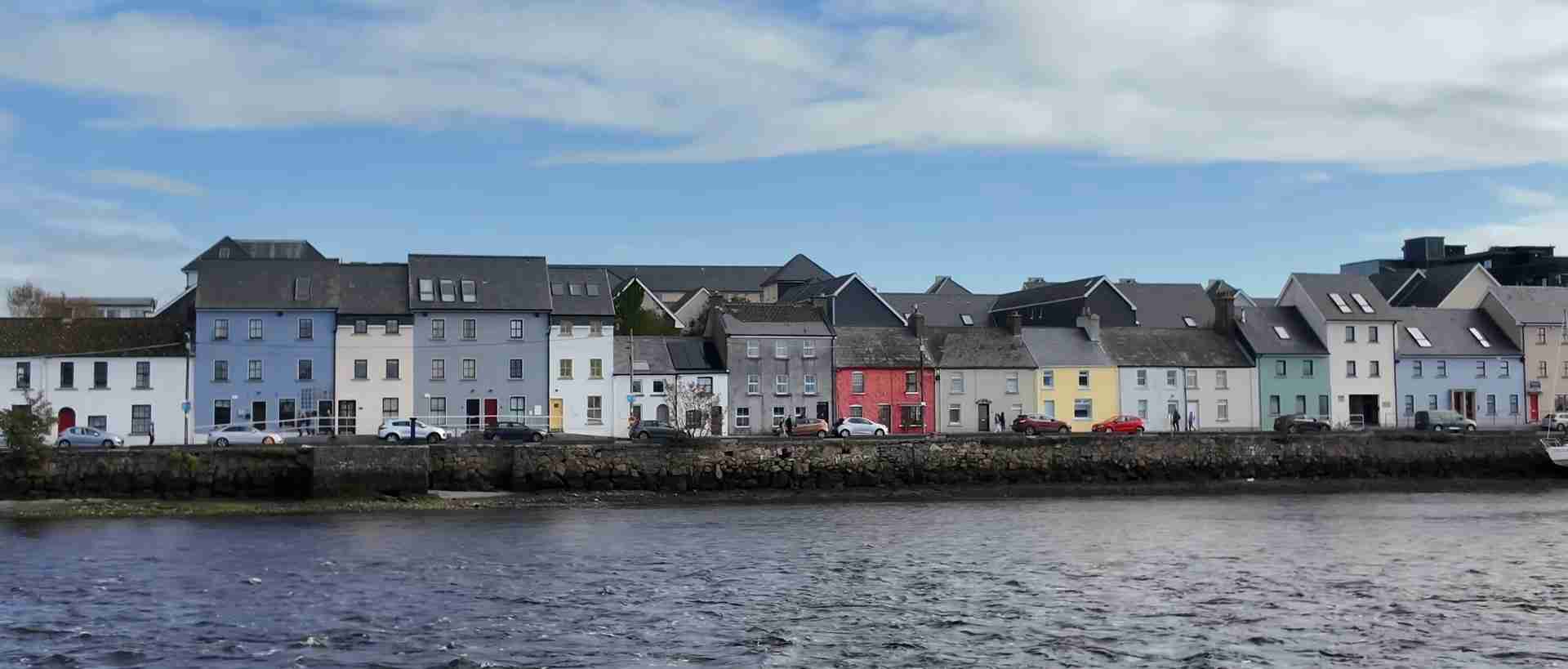
Best Time to Visit Galway 2026: Festivals, Weather & Seasonal Planning
Galway transforms throughout the year from a festival capital bursting with summer energy to a cozy winter retreat wrapped in Celtic charm. The city’s temperate oceanic climate brings mild temperatures year-round but also frequent rain, making timing crucial for matching your interests with optimal conditions. Whether you’re chasing world-class festivals, seeking quieter cultural immersion, or planning around weather patterns, understanding Galway’s seasonal rhythms helps you maximize your Irish experience.
Key Takeaways About Best Time to Visit Galway 2026
- Festival Season Peak: July and August 2026 deliver Galway’s biggest cultural events including the Galway International Arts Festival (July 13-26) and Galway Races (July 27-August 2), but expect premium accommodation prices and significant crowds throughout the city center.
- Weather Sweet Spot: May and June 2026 offer the sunniest conditions with 5-6 hours of daily sunshine, driest weather patterns, and comfortable temperatures of 15-17°C (59-63°F), ideal for outdoor exploration before peak summer crowds arrive.
- Budget-Friendly Windows: January through March and November 2026 represent shoulder season value with hotel rates dropping 30-50% below summer peaks, though you’ll encounter shorter daylight hours, wetter conditions, and cooler temperatures averaging 6-10°C (43-50°F).
- Cultural Immersion: April and September 2026 balance moderate weather with significant festivals including Cúirt International Festival of Literature (April 21-26) and the Galway International Oyster & Seafood Festival (late September), offering authentic experiences with manageable tourist volumes.
- Weather Reality Check: Galway receives rain on approximately 230-294 days annually regardless of season, with average annual rainfall exceeding 1,155mm (45.5 inches), making waterproof clothing essential for any visit throughout 2026.
- Seasonal Daylight Variation: Summer 2026 brings extraordinary 17-hour daylight stretches from June through July (sunrise before 4 AM, sunset after 11 PM), while winter months offer only 8.5 hours of daylight (8:30 AM to 5 PM), significantly impacting sightseeing schedules.
People Also Ask About Best Time to Visit Galway 2026
What is the best month to visit Galway in 2026?
July 2026 represents the best month for festival enthusiasts and cultural experiences, hosting both the Galway International Arts Festival (July 13-26) and Galway Races Summer Festival (July 27-August 2). These two weeks transform the city into Ireland’s cultural epicenter with world-class performances, street spectacle, theater, music, and horse racing traditions attracting visitors globally. Temperatures peak at comfortable 16-20°C (61-68°F), and you’ll enjoy 16-17 hours of daily daylight for extended exploration. However, July brings peak accommodation pricing with hotels ranging €180-450 per night, significant crowds throughout the city center, and advance booking requirements for quality lodging and festival tickets.
For those prioritizing weather over festivals, June 2026 offers superior conditions with the longest daylight hours (nearly 17 hours daily), sunniest weather patterns (5-6 hours of sunshine daily), and the driest conditions of the year. The Galway Folk Festival (June 3-7) provides cultural engagement without the overwhelming crowds of July, and accommodation prices remain 20-30% below July peaks. May 2026 presents another excellent alternative with similarly dry weather, moderate temperatures, and the advantage of spring blooms across Connemara’s landscapes, though you’ll sacrifice some daylight hours and major festival experiences.
When should I avoid visiting Galway in 2026?
November 2026 represents the least favorable visiting period from both tourism and weather perspectives. This month experiences the lowest visitor numbers of the year, shortest daylight hours transitioning toward winter minimums, and frequently strong Atlantic winds that amplify the sensation of cold despite mild temperatures. Rainfall intensifies as autumn concludes, with precipitation averaging 100-110mm across the month and gray, overcast skies dominating. Many seasonal attractions and tour operators reduce hours or close entirely for winter preparations, limiting activity options.
January and February 2026 also present challenges despite offering exceptional value pricing. These months deliver the coldest temperatures (averaging 6-7°C or 43-45°F), wettest conditions with 110-120mm monthly rainfall, and minimal daylight of 8.5-9.5 hours daily. However, if you’re comfortable with indoor-focused activities, cozy pub culture, and dramatic coastal storm-watching, these winter months provide authentic Irish experiences without tourist congestion. The Galway Continental Christmas Market extends into early January 2027, offering festive atmosphere, while February brings the very beginning of spring festival planning.
How many days should I spend in Galway in 2026?
Three to four days allows thorough exploration of Galway city and essential Connemara day trips in 2026. This timeframe accommodates walking the medieval Latin Quarter, experiencing traditional music in authentic pubs, visiting the Spanish Arch and Galway Cathedral, exploring the Saturday market, and completing at least one full-day Connemara excursion to Kylemore Abbey, the Sky Road, or the Aran Islands. If your visit coincides with the Galway International Arts Festival in July, add one or two additional days to experience multiple performances, theater shows, and street spectacle events without rushing.
For comprehensive regional exploration including multiple Connemara destinations, the Wild Atlantic Way coastal route, and the Cliffs of Moher, plan five to seven days minimum. This extended schedule enables overnight stays in Clifden or other Connemara villages, participation in multi-day festivals, guided walking tours through Connemara National Park, and relaxed pacing that honors Ireland’s slower rhythms. Solo travelers and those focusing exclusively on festival attendance during July might extend to a full week to maximize the concentrated cultural programming.
What are the major festivals in Galway during 2026?
The Galway International Arts Festival (July 13-26, 2026) stands as Ireland’s premier cultural celebration and Galway’s flagship event, presenting 14 days of world-class theater, music, dance, comedy, visual art, and street spectacle. The 49th edition features internationally renowned performers including The Flaming Lips, James, Bell X1, and The Saw Doctors at the Heineken Big Top, alongside theatrical premieres, contemporary dance, circus performances, and the Festival Gallery’s major installations. The festival transforms the entire city with free outdoor performances, artistic interventions, and vibrant street culture.
The Galway Races Summer Festival (July 27-August 2, 2026) represents Ireland’s biggest racing event and the social highlight of the western calendar. Seven days of prestigious horse racing at Ballybrit Racecourse combine sporting excellence with fashion, entertainment, and the famous “Galway girls” tradition. The festival attracts 150,000+ attendees annually, creating electric atmosphere throughout the city and surrounding areas. Beyond these July giants, significant 2026 festivals include the Cúirt International Festival of Literature (April 21-26), Galway Folk Festival (June 3-7), and the Galway International Oyster & Seafood Festival (late September weekend), each offering distinct cultural perspectives and attracting specialized audiences.
Extended multi-day tours – 5+ days
Featured Galway Multi-Day Tour Packages

3 days
Galway 3-Day Discovery Tour
- ✓ Comprehensive Galway experience
- ✓ Expert local guides included
- ✓ All accommodation included
- ✓ Transportation provided

5 days
Galway 5-Day Highlights Experience
- ✓ Comprehensive Galway experience
- ✓ Expert local guides included
- ✓ All accommodation included
- ✓ Transportation provided
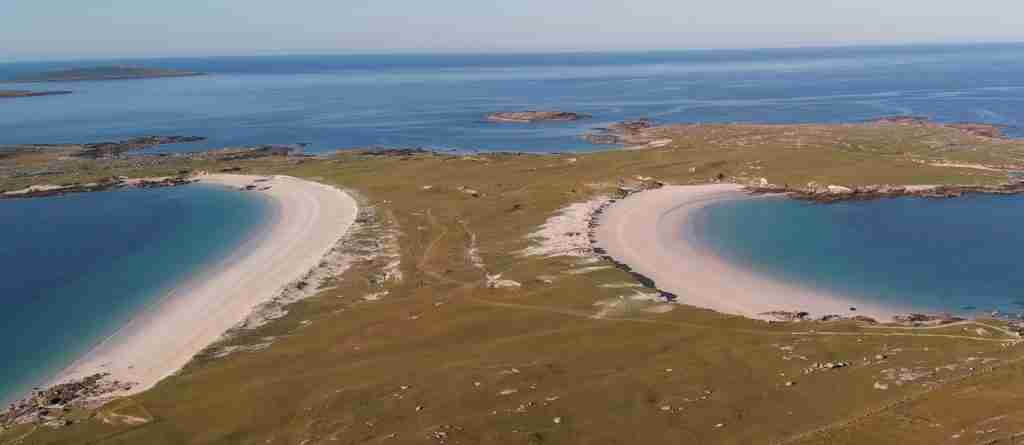
7 days
Galway 7-Day Cultural Journey
- ✓ Comprehensive Galway experience
- ✓ Expert local guides included
- ✓ All accommodation included
- ✓ Transportation provided
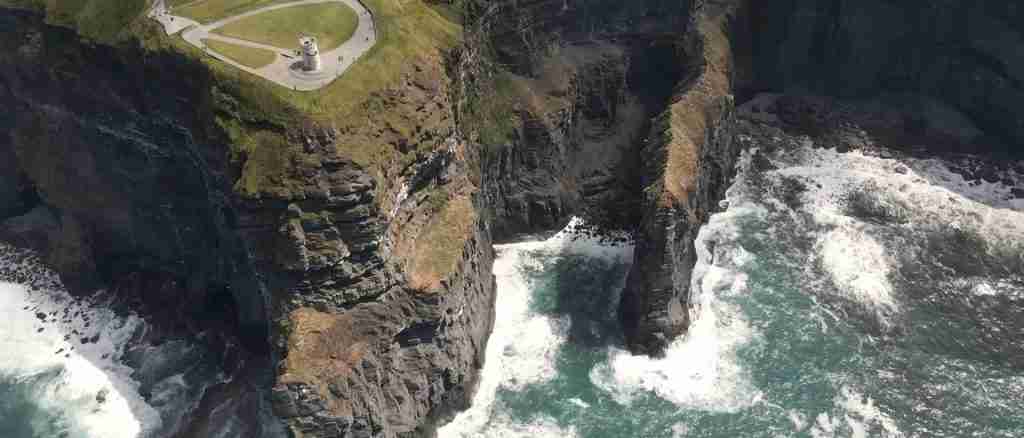
10 days
Galway 10-Day Complete Adventure
- ✓ Comprehensive Galway experience
- ✓ Expert local guides included
- ✓ All accommodation included
- ✓ Transportation provided
Multi-day tour packages powered by TourRadar. Prices and availability subject to change.
Introduction to Galway’s Seasonal Landscape 2026
Galway’s position on Ireland’s wild Atlantic coast creates a unique temporal puzzle for travelers. Unlike Mediterranean destinations with clearly defined dry and wet seasons, this bohemian city experiences what locals affectionately call “four seasons in one day” throughout the calendar year. The temperate oceanic climate delivers mild temperatures year-round but pairs this moderation with persistent precipitation that arrives unpredictably regardless of month. Understanding these patterns transforms frustration into realistic expectations and helps you select the timing that aligns with your priorities.
The city’s reputation as Ireland’s festival capital adds another dimension to seasonal planning. Galway hosts over 100 festivals annually, with 2026’s calendar featuring everything from intimate literary gatherings to massive two-week cultural celebrations that triple the city’s population. These events create distinct high and low seasons that don’t always correlate with traditional tourism patterns. The Galway International Arts Festival and Galway Races in July represent the absolute peak, when accommodation becomes scarce and prices surge, while winter months offer serene exploration despite shorter days and wetter weather.
Your ideal visiting window depends on weighing competing factors. Festival enthusiasts accept premium pricing and crowds for unparalleled cultural programming. Weather-focused travelers prioritize the May-June sweet spot when sunshine peaks and rain minimizes. Budget-conscious visitors embrace shoulder seasons for substantial savings despite less favorable conditions. Cultural immersionists seek the quieter periods when authentic local life emerges from behind the tourist facade. This guide examines each month’s characteristics across weather patterns, festival calendars, crowd levels, and pricing dynamics to help you make informed decisions about when Galway best serves your specific travel style and interests in 2026.
Understanding Galway’s Climate Patterns 2026
Galway’s oceanic climate operates under the Köppen classification Cfb, characterized by warm summers, mild winters, and consistent rainfall distributed throughout the year. The North Atlantic Current, an extension of the Gulf Stream, moderates temperatures year-round, preventing the extreme cold of similarly positioned continental locations while maintaining persistent moisture. This maritime influence means Galway rarely experiences temperatures below freezing in winter or above 25°C (77°F) in summer, creating a narrow temperature band that emphasizes consistency over dramatic seasonal contrasts.
Average temperatures range from 6-7°C (43-45°F) in the coldest months of January and February to 16-17°C (61-63°F) in the warmest months of July and August. However, these averages mask significant daily variation driven by rapidly changing weather systems moving across the Atlantic. A sunny morning can transform into rain-swept afternoon before clearing again by evening, making layered clothing and waterproof outerwear essential regardless of season. The city’s western coastal position exposes it to prevailing westerly winds that bring moist ocean air, contributing to the 230-294 rainy days recorded annually and total precipitation exceeding 1,155mm (45.5 inches) per year.
Rainfall distribution shows subtle seasonal patterns despite year-round persistence. April, May, and June represent the driest period with monthly precipitation averaging 60-80mm (2.4-3.1 inches) and the fewest rainy days. This relative dryness combines with increasing daylight and warming temperatures to create optimal outdoor conditions. Conversely, October through January delivers the wettest weather with monthly rainfall reaching 110-130mm (4.3-5.1 inches), though individual storms can bring significantly more in concentrated bursts. The Atlantic’s proximity means weather systems arrive with little warning, making flexible planning and backup indoor options essential for any Galway visit.
Sunshine hours vary dramatically across seasons, from a maximum of 5-6 hours daily in May and June to minimums of 1-2 hours daily in December and January. Summer months enjoy extraordinary daylight extension, with June and July offering nearly 17 hours between sunrise and sunset. Dawn arrives before 4:00 AM and dusk extends past 11:00 PM, creating extended opportunities for exploration and outdoor activities. Winter reverses this dramatically, with December and January limiting daylight to approximately 8.5 hours from 8:30 AM to 5:00 PM. This seasonal daylight variation impacts not just sightseeing schedules but also psychological experience, as long summer evenings encourage lingering in outdoor spaces while short winter days push visitors toward cozy pub interiors.
Sea temperatures reflect the oceanic climate’s moderating influence, ranging from 10°C (50°F) in winter months to 16°C (61°F) in August. These temperatures remain too cold for comfortable swimming year-round without wetsuits, though August represents the peak for those hardy enough to attempt the Atlantic’s bracing waters. The Connemara coastline and surrounding islands experience slightly warmer microclimate pockets in sheltered bays, but general Atlantic exposure keeps water temperatures consistently cool. Wind patterns add another layer of complexity, with November through February experiencing the strongest and most persistent westerly winds that create dramatic coastal conditions and amplify the sensation of cold despite mild air temperatures.
Month-by-Month Weather Breakdown 2026
January 2026: Winter’s Depth with New Year Energy
January 2026 brings Galway’s coldest and darkest conditions with average temperatures hovering around 6-7°C (43-45°F) and daily highs reaching only 8-9°C (46-48°F). Daylight extends just 8.5 hours from approximately 8:30 AM to 5:00 PM, with cloudy skies often reducing effective daylight even further. Rainfall averages 115-120mm (4.5-4.7 inches) distributed across 18-20 days, meaning precipitation occurs on most days though rarely as continuous downpour. The Galway Continental Christmas Market extends through early January, offering festive atmosphere with lights, entertainment, and German-style stalls before closing in the first week. January represents the very low tourism season with minimal visitor numbers, creating opportunities for authentic local experiences and rock-bottom accommodation pricing (often 50-60% below summer rates).
February 2026: Slight Warming Signals Spring’s Distant Approach
February maintains winter conditions with marginal temperature increases to 7°C (45°F) average and daylight extending to 9.5 hours daily. This month historically records the coldest nighttime lows around 3°C (37°F), though daytime conditions feel similar to January. Rainfall decreases slightly to 95-105mm (3.7-4.1 inches), and persistent westerly winds continue delivering Atlantic weather systems. The month offers no major festivals or events, creating the quietest tourist period of the year. However, this emptiness reveals authentic Galway life as locals reclaim their city from summer visitors. Traditional music sessions in pubs become intimate gatherings rather than tourist performances, and you’ll encounter genuine hospitality without commercial overlay. Accommodation remains at annual minimums, making February ideal for budget-focused travelers comfortable with indoor activities.
March 2026: Spring Emergence and St. Patrick’s Celebrations
March 2026 brings noticeable warming to 10-11°C (50-52°F) average temperatures and daylight expansion to nearly 12 hours, creating perceptible spring energy. St. Patrick’s Day (March 17) represents the month’s cultural highlight, with Galway hosting what organizers promise as the city’s grandest parade in 2026. Seachtain na Gaeilge (Irish Language Week) runs March 1-17, celebrating Ireland’s native tongue through cultural events, music, and storytelling. Despite spring’s arrival, March remains wet with 90-95mm (3.5-3.7 inches) of rainfall across approximately 21 days. However, between showers you’ll observe landscape transformation as Connemara’s bogs and hills begin greening. Tourism increases moderately for St. Patrick’s week but remains well below summer levels, offering balance between festive atmosphere and manageable crowds.
April 2026: Literary Festival and Improved Weather
April 2026 delivers Galway’s driest month with only 60-70mm (2.4-2.8 inches) of rainfall, though “dry” remains relative with precipitation occurring on 15-17 days. Temperatures climb to 11-13°C (52-55°F) averages, and daylight extends to 14 hours, creating comfortable exploration conditions. The Cúirt International Festival of Literature (April 21-26) transforms the city into Ireland’s literary epicenter with renowned Irish and international authors participating in readings, workshops, talks, and book launches. Clifden Traditional Music Festival (April 23-26) offers authentic Irish music, song, and sean-nós dance in Connemara’s capital. The Connemara International Marathon (April 19) attracts serious athletes to one of Ireland’s most remote and scenic race courses. Spring blooms emerge across Connemara’s landscapes, and tourism increases moderately while remaining below summer intensity. Accommodation pricing remains reasonable at 20-30% below July peaks.
May 2026: Sunshine Peak and Spring’s Full Expression
May 2026 represents one of the year’s best weather months with the sunniest conditions averaging 5-6 hours of daily sunshine, warmest spring temperatures reaching 15-16°C (59-61°F), and continued dry patterns with approximately 70-75mm (2.8-3.0 inches) of rainfall. Daylight extends to nearly 16 hours, approaching summer maximums while avoiding July’s peak crowds and premium pricing. Connemara blooms fully with wildflowers carpeting bogs and hillsides in purple heather and yellow gorse. Multiple outdoor events capitalize on improving conditions including Inishbofin’s Walking Festival (May 15-17), Tour de Conamara cycling event (May 23), and Lough Cutra Castle Triathlon Festival (May 23-24). Tourism increases noticeably as European school holidays begin, but visitor numbers remain 30-40% below July peaks. This creates the sweet spot of good weather, cultural events, and manageable crowds without peak pricing.
June 2026: Longest Days and Pre-Festival Calm
June 2026 offers Galway’s longest daylight hours with nearly 17 hours from sunrise before 4:00 AM to sunset after 11:00 PM, creating extraordinary exploration opportunities. Sunshine continues at peak levels of 5-6 hours daily, though total rainfall increases slightly to 80-85mm (3.1-3.3 inches) as occasional Atlantic systems arrive. Temperatures reach comfortable 16-17°C (61-63°F) averages with some days exceeding 20°C (68°F). The Galway Folk Festival (June 3-7) spotlights traditional Irish folk and contemporary roots music across multiple city venues over five days, attracting dedicated music enthusiasts without the overwhelming crowds of July’s larger festivals. Late June sees increasing tourist numbers as summer holiday season begins, and accommodation pricing rises to approximately 70-80% of July peak rates. The extended daylight transforms evening experiences, with street performers, outdoor dining, and traditional music sessions continuing well past traditional closing hours under lingering twilight.
July 2026: Festival Peak and Maximum Tourism
July 2026 represents Galway’s absolute cultural and tourism peak, hosting both the Galway International Arts Festival (July 13-26) and Galway Races Summer Festival (July 27-August 2). These overlapping events transform the city into Ireland’s cultural capital with the Arts Festival alone attracting 200,000+ attendees for theater, music, dance, comedy, visual art, and street spectacle. Temperatures peak at 16-20°C (61-68°F) with July averaging 16-17°C (61-63°F) as the warmest month, though rainfall persists at 70-75mm (2.8-3.0 inches). Daylight extends 16-17 hours, enabling extended festival programming and outdoor performances continuing past 10:00 PM. Accommodation becomes extremely scarce with hotels fully booked months in advance and prices reaching annual peaks of €180-450 per night. The city center experiences significant crowding, particularly during festival weekends, and advance booking becomes essential for quality restaurants, guided tours, and ferry services to the Aran Islands. Despite the crowds, July’s concentrated cultural programming remains unmatched globally.
August 2026: Summer’s Conclusion and Races Aftermath
August 2026 maintains July’s warmth with temperatures averaging 16-17°C (61-63°F) while daylight decreases to 14-15 hours as summer concludes. The month opens with the final days of Galway Races (ending August 2), maintaining high tourist volumes and premium pricing through the first week. Rainfall increases to 100-110mm (3.9-4.3 inches) as autumn weather patterns begin establishing, though comfortable temperatures and extended daylight continue supporting outdoor activities. Sea temperatures peak at 16°C (61°F) in August, representing the warmest water of the year for those brave enough to swim the Atlantic. Tourism remains elevated throughout the month but decreases noticeably after Races conclude, with accommodation pricing dropping 15-20% from July peaks by mid-August. The transition period offers lingering summer conditions with moderating crowds, creating opportunities for those who missed July’s festival intensity.
September 2026: Autumn Arrives with Oyster Festival
September 2026 brings noticeable autumn transition with temperatures declining to 14-15°C (57-59°F) and daylight contracting to 12-13 hours. The Galway International Oyster & Seafood Festival (late September weekend) celebrates Galway Bay’s oyster tradition as the world’s longest-running oyster festival with tastings, competitions, entertainment, and maritime heritage. Rainfall moderates to 80-90mm (3.1-3.5 inches), making September one of the drier autumn months, though Atlantic weather systems increase in frequency. Tourism decreases significantly from summer peaks with visitor numbers dropping approximately 40-50%, creating more relaxed exploration conditions and accommodation pricing falling to 50-60% of July rates. The autumn light takes on golden qualities, particularly over Connemara’s bogs and coastal landscapes, appealing to photographers and those seeking quieter experiences.
October 2026: Autumn Intensifies with Wettest Conditions
October 2026 delivers Galway’s wettest month with rainfall averaging 110-130mm (4.3-5.1 inches) as Atlantic storm systems intensify. Temperatures decline to 11-12°C (52-54°F), and daylight contracts to 10-11 hours, creating noticeable autumn atmosphere. Wind speeds increase significantly, particularly during the month’s latter half, amplifying the sensation of cold and creating dramatic coastal conditions. Tourism remains moderate with visitor numbers elevated above winter minimums but well below summer peaks. The month lacks major festivals, though smaller cultural events continue. Accommodation pricing remains at shoulder season levels approximately 50% below July, and you’ll encounter authentic local life as summer tourist infrastructure scales back. October suits travelers prioritizing storm-watching, cozy pub culture, and dramatic seascapes over outdoor exploration.
November 2026: Winter’s Arrival and Lowest Tourism
November 2026 represents Galway’s least favorable visiting period from tourism and weather perspectives. Temperatures drop to 8-9°C (46-48°F), rainfall continues at 100-110mm (3.9-4.3 inches), and daylight contracts to just 8-9 hours. Strong westerly winds persist throughout the month, creating raw conditions despite mild temperatures. The Galway Continental Christmas Market opens in mid-November (November 6), bringing festive atmosphere with lights, stalls, entertainment, and seasonal activities including ice skating at Leisureland. However, November otherwise experiences the year’s lowest visitor numbers with many seasonal attractions and tour operators reducing hours or closing entirely. Accommodation reaches annual minimum pricing, often 60% below summer rates, appealing to extreme budget travelers comfortable with limited daylight and predominantly indoor activities.
December 2026: Festive Atmosphere Despite Shortest Days
December 2026 delivers Galway’s shortest daylight at approximately 8 hours from 8:30 AM to 4:30 PM and wettest conditions with 110-130mm (4.3-5.1 inches) of rainfall. Temperatures average 7-8°C (45-46°F) with rare frost but persistent dampness. However, the Galway Continental Christmas Market transforms Eyre Square with German-style stalls, entertainment, Big Wheel, Santa’s Grotto, and festive lights, creating magical atmosphere despite weather challenges. Ice skating at Leisureland continues through the season, and the city’s pubs embrace full festive decoration and traditional music sessions. Tourism increases moderately compared to November as European visitors seek authentic Irish Christmas experiences, though numbers remain well below summer levels. Accommodation pricing rises slightly for the Christmas and New Year period but remains 40-50% below July rates outside the December 23-January 2 holiday week.
Festival Calendar Deep Dive 2026
Major Cultural Festivals Galway 2026
The Galway International Arts Festival (July 13-26, 2026) represents the pinnacle of Ireland’s cultural calendar and one of Europe’s most significant multidisciplinary celebrations. The 49th edition spans 14 days with programming across theater, music, dance, comedy, visual art, circus, opera, and spectacle, transforming the entire city into a performance space. The Heineken Big Top at Fisheries Field hosts major concerts featuring internationally renowned acts including The Flaming Lips (July 16), Block Rockin’ Beats with Dec Pierce (July 17), James (July 23), The Saw Doctors (July 24), Bell X1 (July 25), and Cian Ducrot (July 26), creating electric atmosphere with audiences of thousands nightly.
Beyond music, the festival presents world premieres of Irish theatrical works, international dance companies, contemporary circus performances, and cutting-edge visual art installations at the Festival Gallery. The First Thought talks series brings together leading thinkers, artists, and cultural figures for conversations exploring contemporary ideas. Street spectacle animates Galway’s medieval lanes with free outdoor performances, parades, and artistic interventions accessible to all. Previous editions featured underwater theater at Galway Atlantaquaria, high-flying acrobatics, climate-focused performances, and major installations like David Mach’s “Burning Down the House.” The festival collaborates with artists and companies globally, presenting over 200 performances and events across two weeks that attract approximately 200,000 attendees from 40+ countries.
The Cúirt International Festival of Literature (April 21-26, 2026) transforms Galway into Ireland’s literary epicenter for one week of readings, workshops, talks, book launches, and literary conversations. Founded in 1985 by Galway Arts Centre, Cúirt has grown into one of Europe’s most respected book festivals while maintaining intimate scale and accessibility. The 2026 edition brings together Irish and international authors across fiction, poetry, non-fiction, and emerging genres, with events in bookshops, libraries, pubs, and cultural venues throughout the city. The festival’s commitment to inclusion and innovation in storytelling creates space for diverse voices and experimental formats, from traditional readings to multimedia performances and collaborative writing workshops. Previous years featured Nobel laureates, Booker Prize winners, and debut authors sharing platforms, creating unexpected conversations across literary traditions.
The Galway Folk Festival (June 3-7, 2026) spotlights traditional Irish folk and contemporary roots music across five days in multiple city venues. The festival champions both preservation of traditional forms and innovation within folk genres, presenting established masters alongside emerging artists. Expect intimate acoustic sessions in historical pubs, larger concerts in theaters and cultural centers, workshops exploring traditional instruments and song styles, and late-night informal sessions where musicians gather to play traditional tunes in spontaneous collaborations. The festival attracts dedicated folk music enthusiasts from across Ireland and internationally, creating concentrated atmosphere of musical immersion. Unlike the broader Arts Festival, the Folk Festival maintains focused programming around traditional and roots music, appealing to those seeking deep engagement with Irish musical heritage.
Galway Races Summer Festival 2026
The Galway Races Summer Festival (July 27-August 2, 2026) represents Ireland’s biggest racing event and the social highlight of the western calendar. Seven days of prestigious flat racing at Ballybrit Racecourse combine sporting excellence with fashion, entertainment, and deeply rooted social traditions. The festival attracts approximately 150,000 attendees annually, creating electric atmosphere throughout the city and transforming Galway into Ireland’s racing capital for one week. Opening Day (Monday, July 28) features special musical performances in front of the Grandstand, setting the festive tone for the week ahead.
Racing quality peaks at the Galway Plate (Wednesday) and Galway Hurdle (Thursday), the festival’s two championship races attracting top horses, trainers, and jockeys from across Ireland and Britain. These historic races date to the 19th century and represent career-defining victories for winning connections. Beyond the sporting spectacle, the Races function as massive social event with Ladies Day fashion competitions, corporate hospitality tents, celebrity appearances, and the famous “Galway girls” tradition where young women dress in their finest for the occasion. The week transforms into extended celebration with parties, pub sessions, and entertainment continuing long after racing concludes each evening.
The festival’s timing immediately following the Arts Festival creates a continuous three-week peak period in Galway, though the audiences differ significantly. While the Arts Festival attracts international cultural tourists, the Races draw primarily Irish attendees from across the country, creating distinctly different but equally vibrant atmospheres. Accommodation becomes extremely scarce during Races week with hotels fully booked months or even years in advance, and pricing reaches absolute annual peaks. Those attending should book lodging immediately when planning, consider accommodation in surrounding towns like Oranmore or Athenry with bus service to the racecourse, and prepare for significant crowds throughout the city center particularly on championship race days.
Seasonal and Specialty Festivals 2026
The Galway International Oyster & Seafood Festival (final weekend of September 2026) holds the distinction as the world’s longest-running oyster festival and one of Ireland’s most globally renowned celebrations. The three-day event centered on Galway Bay’s oyster tradition features tastings of native Galway Bay oysters, international oyster competitions including the World Oyster Opening Championship, seafood culinary demonstrations, maritime heritage exhibitions, and entertainment across the city. The festival celebrates the September opening of oyster season with formal banquets, street food stalls, chef demonstrations, and the crowning of the Oyster Festival Pearl. While smaller in scale than July’s mega-festivals, the Oyster Festival attracts dedicated food enthusiasts and represents authentic celebration of Galway’s maritime identity.
The Clifden Traditional Music Festival (April 23-26, 2026) in Connemara’s capital offers authentic Irish music, song, and sean-nós dance workshops in intimate village setting. This grassroots festival emphasizes participation over performance, with workshops teaching traditional instruments, singing styles, and dance forms to attendees of all skill levels. Evening sessions bring musicians together in Clifden’s pubs for traditional tunes, creating the informal collaborative atmosphere central to Irish music culture. The festival appeals to those seeking musical immersion rather than spectator entertainment, though evening concerts feature established traditional musicians demonstrating masterful technique.
St. Patrick’s Day (March 17, 2026) brings Galway’s grandest parade promising spectacular celebration of Irish identity and culture. The city-wide festivities include the main parade through the city center, street entertainment, traditional music sessions, family activities, and significant crowds as both tourists and Irish from surrounding areas descend on the city. Seachtain na Gaeilge (Irish Language Week, March 1-17) frames the celebration with cultural events celebrating Ireland’s native tongue. While St. Patrick’s Day lacks the concentrated programming of dedicated festivals, it offers unique cultural immersion and festive atmosphere, though accommodation prices spike for the March 15-19 window and booking well in advance becomes essential.
The Galway Continental Christmas Market (November 6-December 31, 2026) transforms Eyre Square into festive wonderland with German-style market stalls, entertainment, Big Wheel, carousel, Santa’s Grotto, seasonal food and drinks, and twinkling lights creating magical winter atmosphere. Ice skating at Leisureland runs concurrently (mid-November through the season) offering approximately 600 square meters of real ice with festive music and holiday ambiance. While not a traditional festival, the Christmas Market creates significant winter attraction that partially offsets November and December’s challenging weather conditions, appealing to those seeking festive European Christmas market experiences in Irish setting.
Crowd Levels and Tourism Patterns 2026
Peak Season Reality: July and August 2026
July and August 2026 represent Galway’s absolute peak tourism period with visitor numbers reaching their annual maximum driven by the Galway International Arts Festival (July 13-26), Galway Races (July 27-August 2), and general European summer holiday timing. During the Arts Festival fortnight, Galway’s population effectively doubles or triples as approximately 200,000 attendees descend on the city over 14 days, overwhelming infrastructure designed for a metropolitan population of approximately 80,000. The city center, particularly Shop Street, Quay Street, and the Latin Quarter, becomes extremely crowded with pedestrian congestion making simple navigation challenging during peak afternoon and evening hours.
Accommodation becomes the critical challenge during this period. Hotels within the city center book solid 6-12 months in advance for Arts Festival and Races weeks, with remaining inventory commanding premium pricing of €180-450 per night for standard rooms. Budget accommodation including hostels similarly fills months ahead, and even private homes offering Airbnb reach capacity. Those booking late often face accommodation in Oranmore, Athenry, Clarinbridge, or other satellite communities 10-25 kilometers from Galway center, requiring rental cars or reliance on limited bus services. Restaurant reservations become essential for quality dining experiences, with popular establishments fully booked days in advance for dinner services.
The Aran Islands ferries sell out regularly during July and August, particularly for popular morning departure and late afternoon return sailings. Doolin ferry services to the Cliffs of Moher and Aran Islands experience similar capacity pressures. Tour operators running Connemara day trips, Cliffs of Moher excursions, and specialty experiences fill their rosters quickly, making advance booking essential. The positive aspect of peak season crowding lies in atmosphere and energy. Street performers animate every corner, traditional music sessions overflow from pubs into streets, festival programming creates electric cultural energy, and the city pulses with creativity and celebration that justifies the intensity for those seeking concentrated cultural immersion.
High Season Balance: April Through June and September 2026
April, May, June, September, and October 2026 represent high season with elevated tourist numbers but manageable crowd levels that avoid July’s overwhelming intensity. April brings moderate increases driven by Easter holidays (April 18-21 in 2026), the Cúirt International Festival of Literature (April 21-26), and improving weather conditions. May and June see steady tourism growth as European school holidays begin and favorable weather attracts outdoor enthusiasts, though visitor numbers remain 30-40% below July peaks. These months offer the best balance of good weather, cultural events, and comfortable crowd levels, with accommodation readily bookable 2-4 weeks in advance at prices 20-40% below July rates.
September represents another balanced high season period with the Galway International Oyster & Seafood Festival attracting food enthusiasts but creating nothing approaching July’s concentrated impact. Visitor numbers decline approximately 40-50% from summer peaks, creating notably more relaxed exploration conditions while maintaining sufficient tourism to support full operational hours for attractions, restaurants, and tour operators. The shoulder season atmosphere appeals to those seeking authentic experiences without excessive crowds or premium pricing. October extends high season slightly with continued moderate tourism, though increasingly challenging weather conditions begin shifting visitors toward November’s low season patterns.
During these high season months, day-of booking remains possible for most accommodations, restaurants accept walk-in diners for lunch and often for dinner (except weekend evenings at top establishments), Aran Islands ferries rarely sell out except on exceptional weather days, and tour operators maintain availability for popular excursions with several days’ advance booking. The city retains its authentic character with local life visible alongside tourist activity, traditional music sessions maintain quality without becoming entirely tourist-focused performances, and you’ll find space to breathe in the Latin Quarter even during busy afternoon periods.
Low and Very Low Seasons: November Through March 2026
November 2026 represents the year’s lowest tourism period with visitor numbers dropping to annual minimums as challenging weather, minimal daylight, and lack of major festivals combine to deter casual travelers. The city transforms dramatically during low season with many seasonal businesses closing or reducing hours, tour operators running limited schedules, and some restaurants closing for annual renovations. However, this emptiness reveals authentic Galway as locals reclaim their city from summer crowds. Traditional music sessions become intimate gatherings of actual musicians rather than tourist performances, pubs and cafes serve primarily local clientele, and you’ll encounter genuine hospitality unfiltered by commercial tourism pressures.
January, February, and March 2026 constitute very low season with minimal international tourism outside St. Patrick’s Day week (March 15-19). These winter months offer the year’s lowest accommodation pricing, often 50-60% below summer rates, and the most availability across all lodging categories. Day-of booking becomes standard practice, restaurants welcome walk-ins enthusiastically, and you’ll often have major attractions nearly to yourself. The Galway Cathedral might host only a handful of visitors on a Tuesday afternoon in February, allowing contemplative experience impossible during summer. Connemara’s dramatic landscapes take on stark winter beauty, particularly during storm systems when Atlantic swells create spectacular coastal displays.
The primary challenge during very low season involves reduced operational hours and limited availability of certain experiences. Some tour operators cease operations entirely from November through March, requiring self-driving for Connemara exploration. Ferry services to the Aran Islands run reduced winter schedules with frequent weather cancellations during storm systems. Certain hotels close for annual maintenance in January and February, and some restaurants similarly shut for renovations. However, core city attractions including Galway Cathedral, Spanish Arch, medieval lanes, and the Galway City Museum maintain regular hours, and traditional music culture thrives year-round in dedicated music pubs. Winter Galway suits independent travelers comfortable creating their own experiences rather than relying on organized tours and those who value authentic cultural immersion over optimal weather conditions.
Accommodation Pricing Strategies 2026
Peak Season Pricing: July Arts Festival and Races Weeks
Accommodation pricing during the Galway International Arts Festival (July 13-26) and Galway Races (July 27-August 2) reaches absolute annual peaks with standard hotel rooms commanding €180-450 per night depending on location and quality. Four-star properties in the city center charge €220-320 nightly for standard doubles, while premium five-star hotels including The g Hotel and The Hardiman reach €350-450 nightly. Boutique properties and guesthouses similarly elevate rates to €160-280 nightly for rooms that cost €90-140 during shoulder seasons. These peak rates apply uniformly across the three-week July 13-August 2 window, with no distinction between Arts Festival and Races periods.
Budget accommodation provides limited relief during peak season. Hostel dormitory beds cost €35-55 nightly compared to €18-28 during shoulder seasons, and private hostel rooms reach €90-140 for doubles. Airbnb and vacation rental pricing similarly surges with central apartments commanding €150-280 nightly and entire houses in residential neighborhoods reaching €200-400 nightly. Properties offering any proximity to festival venues or the city center book 6-12 months in advance, leaving late bookers facing satellite communities 15-30 kilometers from Galway center where hotel rates remain elevated to €120-180 nightly despite the inconvenient locations requiring rental cars.
The accommodation scarcity drives strategic booking approaches. Travelers planning July visits should book lodging immediately upon confirming dates, typically 6-12 months in advance for Arts Festival weeks and even earlier for Races week which some families book years ahead as annual tradition. Consider alternative locations including Salthill (beachfront suburb 3 kilometers west), Oranmore (8 kilometers east), or even Clifden in Connemara (75 kilometers northwest) if attending specific Arts Festival performances or Races days rather than requiring continuous city center access. Package deals combining festival tickets with accommodation sometimes offer marginal savings, though these also require very early booking.
Shoulder Season Value: April Through June and September
Shoulder season accommodation pricing during April, May, June, and September 2026 offers 20-40% savings compared to July peaks while maintaining good availability and quality options. Standard hotel doubles in the city center cost €120-180 nightly during these months, boutique properties charge €110-160, and guesthouses range €80-140. Four-star hotels maintain rates around €140-220 nightly, providing comfortable stays at reasonable pricing. Budget travelers find hostel dormitory beds at €18-28 nightly and private hostel rooms at €55-85 for doubles, while Airbnb apartments range €75-140 nightly for central locations.
The booking timeline relaxes significantly during shoulder seasons. Two to four weeks advance booking secures quality accommodation at these rates, with occasional last-minute deals appearing when properties forecast lower occupancy. May and June represent the sweet spot combining favorable weather with pre-peak pricing, making them ideal for budget-conscious travelers seeking optimal conditions. April and September offer the deepest shoulder season discounts while still maintaining high operational levels across attractions and restaurants. Weekend rates (Friday-Saturday nights) typically run €20-40 higher than midweek rates even during shoulder seasons, particularly in May and June when Irish domestic tourism increases.
Flexible travelers can maximize value through strategic timing. Booking Sunday through Thursday nights yields the best pricing, avoiding weekend premiums while still enjoying full access to attractions and restaurants. Properties sometimes offer multi-night discounts for stays of four or more consecutive nights, particularly during April and September. Advance booking through hotel direct websites rather than online travel agencies occasionally provides exclusive rates or upgrades, as properties prefer avoiding commission fees. The combination of reasonable pricing, good availability, and excellent weather conditions makes May and June particularly attractive for extended stays of a week or more exploring Galway and Connemara thoroughly.
Winter Season Minimums: October Through March
Winter season accommodation pricing from October through March 2026 (excluding Christmas and St. Patrick’s Day weeks) reaches annual minimums with savings of 50-60% compared to July peaks. Standard city center hotel doubles cost €70-110 nightly during deep winter (November, January, February), while shoulder winter months (October, March) maintain slightly elevated rates around €85-130. Budget accommodation becomes exceptionally affordable with hostel dormitory beds at €15-22 nightly and private hostel rooms at €45-70 for doubles. Airbnb apartments and vacation rentals drop to €50-90 nightly for central properties, creating opportunities for extended stays at minimal cost.
The Galway Continental Christmas Market period (November 6-December 31) creates a pricing island within the winter season with rates increasing to €110-160 nightly for standard hotels during December weekends as European visitors seek festive experiences. Christmas week itself (December 23-January 2) sees another surge to €140-200 nightly, though these rates remain 30-40% below July peaks. St. Patrick’s Day week (March 15-19) similarly elevates pricing to €130-190 nightly as Irish and international visitors converge for the celebrations, requiring advance booking despite being outside peak summer season.
Winter accommodation strategies emphasize flexibility and last-minute booking. Properties frequently offer same-day and next-day deals during November, January, and February when occupancy runs low, particularly midweek. Some hotels close for annual renovations during January and February, reducing supply but also creating opportunities as remaining properties compete for limited winter demand with promotional rates. Multi-night winter stays often qualify for discounted packages, with some properties offering third or fourth nights free during the deepest winter period. The combination of minimal pricing, empty attractions, and authentic local atmosphere makes winter Galway exceptionally attractive for budget travelers comfortable with challenging weather and shorter daylight hours.
Weather Considerations for Different Traveler Types 2026
Festival Enthusiasts and Cultural Travelers
Festival-focused travelers prioritize cultural programming over weather conditions, making July 2026 the obvious choice despite challenging accommodation costs and significant crowds. The Galway International Arts Festival (July 13-26) represents unparalleled cultural concentration with world-class performances, theatrical premieres, musical acts, and artistic interventions that justify premium pricing and tourist intensity. July’s weather cooperates reasonably with average temperatures of 16-20°C (61-68°F) and daylight extending 16-17 hours, though persistent rainfall averaging 70-75mm monthly means waterproof clothing remains essential for outdoor events and street spectacle.
Cultural travelers seeking festival experiences without July’s overwhelming intensity should target April for the Cúirt International Festival of Literature (April 21-26) or June for the Galway Folk Festival (June 3-7). April offers the year’s driest weather patterns, though temperatures remain cool at 11-13°C (52-55°F) and layers become necessary for evening events. June combines excellent weather conditions with the Folk Festival’s intimate scale, creating concentrated musical immersion without city-wide overcrowding. September’s Oyster & Seafood Festival (late month) provides another specialized option for food enthusiasts, occurring during the pleasant early autumn period before winter weather intensifies.
The challenge for festival travelers involves balancing cultural programming desires against practical constraints. July’s concentrated festival density means missing certain performances or events becomes inevitable as multiple simultaneous offerings create scheduling conflicts. Early booking of festival tickets and accommodation (6-12 months in advance) becomes essential, removing spontaneity but ensuring access. Cultural travelers should pack layered clothing suitable for 15-20°C days and 10-15°C evenings, quality waterproof outerwear rated for Irish rain rather than simple water-resistant shells, and comfortable walking shoes with good traction for wet cobblestones in the medieval lanes where many festival venues cluster.
Weather-Focused Outdoor Enthusiasts
Outdoor enthusiasts prioritizing optimal weather conditions for hiking, cycling, photography, and Connemara exploration should target May and June 2026 as the sweet spot period. These months deliver the sunniest conditions with 5-6 hours of daily sunshine, driest weather patterns with only 70-85mm monthly rainfall, comfortable temperatures of 15-17°C (59-63°F), and extended daylight approaching summer maximums. The combination enables full-day hiking in Connemara National Park, cycling the Sky Road above Clifden, photographing coastal landscapes in optimal light, and island-hopping to the Aran Islands with minimal weather disruption.
June offers particular advantages with nearly 17 hours of daylight from sunrise before 4:00 AM to sunset after 11:00 PM. This extraordinary light extension allows early morning photography during golden hour, full hiking days covering 20-25 kilometers without rushing, and evening return from distant Connemara locations without darkness concerns. The late June landscape peaks with wildflowers carpeting bogs and hillsides in purple heather and yellow gorse, creating photographic opportunities unique to this period. Sea temperatures reach 12-13°C (54-55°F) in June, still cold but approaching tolerable levels for hardy swimmers or those in wetsuits.
April represents another strong option for outdoor activities with the year’s absolute driest conditions (only 60-70mm rainfall) and increasing daylight to 14 hours. However, temperatures remain cooler at 11-13°C (52-55°F), requiring additional layers for extended outdoor exposure, and spring weather volatility means rapid condition changes remain common. Experienced outdoor enthusiasts comfortable with unpredictable conditions find excellent value in April with lower accommodation costs, minimal crowds on hiking trails and cycling routes, and dramatic landscapes as spring awakens. September offers a final window of reasonable outdoor weather before autumn’s intensity, though rainfall increases and daylight contracts compared to spring and early summer.
Budget Travelers and Value Seekers
Budget-conscious travelers maximize value through strategic timing during Galway’s low and very low seasons. January, February, November, and early December 2026 offer the lowest accommodation pricing (50-60% below July peaks), minimal crowds creating authentic local experiences, and rock-bottom costs for available attractions and restaurants. A winter visit suits those comfortable with challenging weather including short daylight hours (8-9 hours in November and December, only 8.5 hours in January), persistent rain, and cool temperatures averaging 6-10°C (43-50°F).
The budget traveler’s ideal timing balances cost savings against experience quality. March represents optimal compromise with accommodation pricing still 40-50% below summer rates, increasing daylight to 11-12 hours, warming temperatures to 10-11°C (50-52°F), and St. Patrick’s Day festivities (March 17) providing cultural highlight. September offers another balanced option with pricing 40-50% below July, comfortable temperatures of 14-15°C (57-59°F), and the Oyster Festival providing cultural engagement. These shoulder months deliver substantial savings while maintaining reasonable weather and full operational hours for most attractions and services.
Budget travelers should focus on hostels (€15-28 nightly for dormitory beds during low season), self-catering Airbnb apartments enabling grocery shopping rather than restaurant dependence (€50-90 nightly in winter), and free attractions including the Latin Quarter’s medieval lanes, Spanish Arch, Galway Cathedral, and coastal walks along Salthill Promenade. Traditional music sessions in authentic pubs cost nothing beyond drink purchases, and winter’s emptiness means securing seats becomes effortless. Public transportation via Bus Éireann connects Galway to Connemara destinations affordably (€8-15 roundtrip), though services run limited winter schedules requiring careful planning.
Family Travelers with Children
Families with school-age children face timing constraints tied to school holiday periods, typically limiting options to summer months (June, July, August), Easter week (April 18-21, 2026), or Christmas holidays (late December). Summer vacation timing naturally aligns with Galway’s best weather and longest daylight hours, though July and early August bring peak crowds and premium pricing challenging for larger family groups. June represents the optimal family compromise combining excellent weather, manageable crowds, extended daylight for full sightseeing days, and accommodation pricing 20-30% below July rates, resulting in substantial savings for families booking multiple rooms.
Families should prioritize accommodation with self-catering facilities (kitchen-equipped apartments or vacation rentals) to manage meal costs and dietary preferences for children. Many Galway properties offer family rooms sleeping four or small apartments with separate bedrooms, providing better value than booking multiple hotel rooms. Transportation planning becomes critical with families, as public transport limitations in Connemara mean rental cars become essential for exploring beyond Galway city, adding significant costs. Ferry trips to the Aran Islands appeal to children with boat travel, dramatic landscapes, and accessible cycling on car-free Inisheer, though families should book morning departures allowing full island days before late afternoon returns.
Child-friendly attractions operate at full capacity during summer months including Galway Atlantaquaria (aquarium), beaches along Salthill Promenade, and interactive exhibitions at Galway City Museum. The Galway International Arts Festival in July presents family-friendly programming alongside adult performances, and street spectacle appeals to children. However, families should prepare for Ireland’s changeable weather even during summer, packing waterproof clothing for all family members, planning indoor backup activities like the museum or aquarium, and maintaining flexible schedules accommodating unexpected weather impacts. April and September shoulder seasons offer better value for families with flexible school arrangements, though reduced daylight and cooler temperatures limit outdoor time.
Practical Planning Considerations 2026
Booking Timelines for Different Seasons
Booking timelines vary dramatically across Galway’s seasonal peaks and troughs, with July requiring the earliest advance planning and winter months enabling spontaneous last-minute trips. For the Galway International Arts Festival (July 13-26) and Galway Races (July 27-August 2), accommodation booking 6-12 months in advance becomes essential for securing city center lodging at any price point. Hotels often open Arts Festival and Races period inventory 12 months ahead, with dedicated festival-goers booking the following year’s visit before departing their current stay. Popular boutique properties and guesthouses sell out 9-12 months ahead, and even hostels fill their dormitory beds 4-6 months before these peak weeks.
Festival tickets require similarly early attention. The Galway International Arts Festival announces major headline acts in November preceding the summer festival, with tickets going on sale December through February for July performances. Popular shows including major music acts at the Heineken Big Top sell out within days or even hours of release, particularly for weekend performances. The festival operates a Friends of the Festival program providing advance booking access, creating additional pressure for general public sales. Early booking (December-February) becomes essential for securing tickets to desired performances, with sold-out shows rarely offering additional inventory closer to event dates.
Shoulder seasons (April, May, June, September) relax booking pressure substantially with 2-4 weeks advance accommodation reservation securing quality options at reasonable rates. Last-minute booking within one week of arrival remains possible during these periods, though selection narrows and pricing may increase slightly as properties optimize revenue. The Cúirt International Festival of Literature (April 21-26) and Galway Folk Festival (June 3-7) require advance planning for specific events and performances, though general accommodation availability makes these festivals accessible to spontaneous travelers unlike July’s mega-events. Tour operator bookings for Aran Islands ferries, Connemara day trips, and specialty experiences benefit from 1-2 weeks advance reservation during shoulder seasons, ensuring preferred departure times and dates.
Winter months (October through March excluding Christmas and St. Patrick’s weeks) enable spontaneous travel with same-day and next-day accommodation booking standard practice. Properties maintain availability and often offer last-minute promotional rates to fill rooms during low-occupancy periods. Aran Islands ferries, tour operators, and restaurants welcome walk-up business without reservation stress. However, Christmas week (December 23-January 2) and St. Patrick’s Day week (March 15-19) create isolated booking pressure requiring 2-4 weeks advance planning despite falling within the broader winter season. These holiday weeks see Irish domestic tourism surge, filling accommodation and creating festival atmosphere that demands advance preparation.
Transportation and Access Planning 2026
Galway’s accessibility via air, bus, and car influences timing decisions for international travelers. Shannon Airport (65 kilometers south) serves as primary international gateway with direct flights from North America and European hubs. The airport operates year-round with consistent service levels, though some routes reduce frequency during winter months (November-March) when tourism declines. Bus Éireann provides direct airport-to-Galway service requiring approximately 90 minutes, running hourly during peak season and reduced to every 2-3 hours during winter. Private shuttle services and rental cars offer alternatives, with car rental particularly valuable for Connemara exploration where public transport remains limited.
Dublin Airport represents another access point 220 kilometers east, offering broader international connectivity than Shannon. Direct bus services (GoBus, Bus Éireann, Citylink) connect Dublin Airport to Galway in approximately 2.5-3 hours, operating frequent departures during peak season and reduced schedules during winter. These intercity buses provide comfortable, affordable transport (€15-25 each way), eliminating rental car necessity for city-focused visits. However, travelers planning extensive Connemara exploration should consider picking up rental cars at Dublin Airport where selection exceeds Galway’s limited local inventory, particularly during summer when demand outstrips supply.
Within Galway, the compact city center remains easily walkable, with most attractions, restaurants, and cultural venues clustered within the medieval quarter and along the waterfront. Public buses serve Salthill (beachfront suburb) and some residential areas, but frequencies remain limited. The primary transportation consideration involves accessing Connemara’s landscapes, villages, and coastal scenery beyond the city. Public Bus Éireann routes serve major Connemara destinations including Clifden, Cong, and some coastal villages, but operate limited schedules (often 1-2 departures daily) that challenge flexible exploration. Self-driving provides optimal Connemara access, particularly for photography, hiking, and multi-stop touring, though narrow country roads require careful navigation and confidence with roundabouts and left-side driving.
Ferry access to the Aran Islands operates year-round with significant seasonal variation. Summer months (May-September) see multiple daily departures from Rossaveal (40 kilometers west of Galway) and direct city pier departures during peak season. The 40-minute crossing runs frequently with 8-10 daily departures in July and August, allowing flexible island exploration. Winter months (October-April) reduce service to 1-2 daily departures with weather cancellations common during Atlantic storm systems. Doolin ferries providing alternative Aran Islands access and Cliffs of Moher cruises operate April through October only, suspending service entirely during winter when Atlantic conditions become too challenging for smaller vessels. Island-focused travelers should plan summer visits ensuring reliable ferry access and weather-independent scheduling.
Packing Essentials for Galway Weather
Galway’s changeable weather demands specific packing regardless of season, with layered clothing systems and quality waterproof outerwear essential year-round. The oceanic climate creates conditions where morning sunshine transforms into afternoon rain before clearing again by evening, making adaptable wardrobes critical. Base layers suitable for 15-20°C (59-68°F) work for summer visits (June-August), while winter trips (November-February) require thermal base layers for 6-10°C (43-50°F) conditions. However, the key lies in layering rather than heavy single garments, as indoor heating in pubs, restaurants, and hotels can be quite warm.
Waterproof outerwear represents the single most important packing item for any Galway visit. Irish rain differs from many climates, arriving as persistent light drizzle lasting hours rather than brief heavy downpours. Water-resistant shells prove inadequate against this prolonged moisture exposure. Instead, pack fully waterproof jackets with sealed seams and hoods, rated for serious rain rather than light showers. Waterproof trousers or rain pants become essential for hiking in Connemara or extended outdoor exploration, as wet jeans create miserable experiences during multi-hour walks. Quality waterproof footwear with good traction handles wet cobblestones in Galway’s medieval lanes and muddy Connemara trails, with many visitors finding hiking boots or waterproof walking shoes superior to casual sneakers.
The extended summer daylight hours (June-July) create unique packing considerations. Sunset occurring after 11:00 PM means outdoor dining, street performances, and festival events continue into late evening, requiring adaptable clothing for warm afternoon temperatures of 18-20°C (64-68°F) and cooler evening conditions of 12-15°C (54-59°F). Light sweaters or fleece layers pack easily while providing essential warmth as temperatures drop after sunset. Conversely, winter’s short daylight (8.5 hours in January) means most outdoor time occurs during the warmest midday period, requiring fewer layering options but heavier base warmth.
Additional packing essentials include small packable umbrellas for sudden showers in the city (though useless in windy coastal areas where rain arrives horizontally), sunglasses and sunscreen for rare sunny days (Ireland’s northern latitude creates strong UV exposure when clouds clear), comfortable walking shoes for exploring the medieval city center’s cobblestones and uneven surfaces, and adapters for Irish electrical outlets (Type G plug, 230V). Photography enthusiasts should pack lens cloths for constant rain protection and weather-sealed equipment when possible. The general philosophy emphasizes preparation for all conditions rather than optimizing for predicted weather, as Irish forecasts prove notoriously unreliable even during supposedly stable periods.
Special Interest Timing Recommendations 2026
Photography and Landscape Enthusiasts
Photography-focused travelers find optimal conditions in May and June 2026 when extended daylight hours, maximum sunshine, and spring landscapes combine to create exceptional shooting opportunities. The nearly 17 hours of daylight in June enables golden hour photography twice daily—early morning sessions from 4:30-6:30 AM as sunrise illuminates Connemara’s mountains and coastal scenes, and evening sessions from 9:00-11:00 PM as sunset creates dramatic skies over Galway Bay. This dual golden hour access allows photographing the same locations in different light within a single day, maximizing productivity during limited Ireland visits.
Spring’s wildflower bloom peaks in May and June with purple heather and yellow gorse carpeting Connemara’s bogs and hillsides, adding color to landscape compositions that appear more muted during other seasons. The low-angle light characteristic of Ireland’s northern latitude (53.3°N) creates rich textures and dimensional quality particularly flattering to the region’s dramatic topography. Weather volatility actually benefits photographers willing to chase conditions, as rapidly changing cloud patterns create dynamic skies and dramatic light breaks that enliven coastal and mountain scenes. However, this requires flexibility and willingness to adjust shooting schedules based on evolving conditions rather than rigid itinerary adherence.
Autumn (September-October) offers alternative photography opportunities with golden light taking on warmer qualities, storm systems creating dramatic coastal conditions ideal for seascape photography, and tourist-free locations enabling unhurried composition. The shorter daylight hours (12-13 hours in September, 10-11 hours in October) compress shooting windows but intensify light quality during available periods. Winter storm-watching (November-February) appeals to photographers seeking dramatic seascapes with massive Atlantic swells crashing against Connemara’s coast, though the challenging weather demands weather-sealed equipment and acceptance of harsh shooting conditions. The key consideration involves balancing optimal light and landscape conditions (May-June) against atmospheric drama and empty locations (September-February).
Traditional Music and Cultural Immersion
Traditional Irish music enthusiasts face a timing paradox in Galway. Summer months (June-August) offer maximum pub session frequency and quality during the Galway International Arts Festival and general tourism peak, with every pub hosting nightly traditional music attracting skilled musicians from across Ireland. However, these summer sessions become partially performative, catering to tourist audiences rather than functioning as authentic local gatherings. Musicians play crowd-pleasing reels and jigs, session dynamics shift toward entertainment rather than collaborative exploration, and the intimate atmosphere dissolves amid packed venues and tourists recording on phones.
Winter months (November-March) reveal traditional music in its authentic context as tourism recedes and sessions return to their roots as musicians’ gatherings. These winter sessions occur in smaller venues with local audiences, featuring experienced players working through complex tune sets, experimenting with variations, and maintaining the collaborative spirit central to Irish traditional music culture. However, winter sessions can be irregular, with some pubs reducing music programming during low season and musicians gathering more spontaneously than on published schedules. The trade-off involves sacrificing consistency and frequency for authenticity and depth of musical experience.
The Galway Folk Festival (June 3-7, 2026) represents optimal timing for those seeking concentrated traditional music immersion without July’s overwhelming tourist intensity. The festival attracts serious traditional musicians and folk music enthusiasts, creating focused programming in intimate venues with workshops, masterclasses, and sessions maintaining authentic collaborative atmosphere despite festival structure. April’s Clifden Traditional Music Festival (April 23-26) offers similar concentrated immersion in smaller Connemara village setting with even stronger emphasis on participation over performance. Cultural immersionists should prioritize these dedicated music festivals or brave winter conditions for authentic ongoing session culture over summer’s tourist-oriented programming.
Food and Culinary Experiences
Culinary travelers benefit from visiting during Galway’s seafood seasons when fresh local catch dominates restaurant menus and seafood quality peaks. The Galway International Oyster & Seafood Festival (late September 2026) celebrates the opening of oyster season with Galway Bay’s native flat oysters reaching prime condition. The festival includes tastings, competitions, chef demonstrations, and seafood-focused dining events throughout the city, providing concentrated culinary immersion. September’s autumn timing offers comfortable temperatures, manageable tourist crowds, and excellent weather for outdoor market exploration and food-focused wandering.
Summer months (June-August) deliver peak seafood variety with restaurants featuring fresh Atlantic fish including turbot, plaice, monkfish, and local crab alongside year-round staples. The Galway Saturday Market operates at maximum capacity during summer with local food producers, artisan cheese makers, fresh vegetable growers, and specialty food vendors filling Galway Church Lane market. The market provides optimal ingredient sourcing for self-catering travelers and showcases regional food culture beyond restaurant dining. However, summer crowds make market navigation challenging, and popular restaurants require reservations days in advance during July’s festival peak.
Winter months offer culinary advantages despite weather challenges. Restaurants shift toward heartier traditional Irish cooking featuring local lamb, beef, and root vegetables in stews, roasts, and traditional preparations that showcase regional cuisine beyond seafood focus. Pubs serve authentic comfort food including Irish stews, fish and chips, and boxty (potato pancakes) to local audiences rather than tourist-oriented menus. The absence of crowds means securing tables at top restaurants becomes effortless, even for same-night dining at establishments fully booked weeks ahead during summer. Food-focused travelers comfortable with weather challenges find winter Galway rewarding for authentic culinary experiences and unhurried dining without tourist pressures.
Day Trip and Regional Exploration Timing
Aran Islands Access and Weather Windows
The Aran Islands (Inishmore, Inishmaan, Inisheer) represent Galway’s most iconic day trip destination, with access and experience quality heavily weather-dependent. Summer months (May-September) provide optimal ferry access with multiple daily departures from Rossaveal (Doolin ferries operate April-October only) and reliable weather windows enabling comfortable island exploration. June and July offer peak conditions with 8-10 daily ferry departures allowing flexible timing, though July’s tourist crowds mean ferries sell out for popular morning departures (9:00-10:00 AM) and late afternoon returns (5:00-6:00 PM), requiring advance booking 3-7 days ahead.
Weather volatility impacts island visits significantly even during summer. Atlantic swells can reach 2-3 meters during unsettled periods, creating rough crossings challenging for those prone to seasickness. The 40-minute journey from Rossaveal to Inishmore (largest island) runs exposed to open ocean conditions unlike sheltered bay crossings elsewhere in Ireland. However, calm summer days deliver glass-smooth crossings and perfect conditions for exploring Dun Aonghasa cliff fort, cycling island lanes, and photographing dramatic coastal cliffs. The key involves monitoring weather forecasts closely and maintaining flexible scheduling, ready to shift island trips to optimal weather windows when 2-3 day forecasts show improving conditions.
Winter island access (October-April) becomes significantly more challenging with reduced ferry schedules (1-2 daily departures), frequent cancellations during storm systems, and rough crossing conditions even on operational days. However, winter island visits reward hardy travelers with empty archaeological sites, authentic encounters with island communities, and dramatic Atlantic storm conditions creating spectacular coastal scenery. The shorter winter daylight (8-9 hours) compresses exploration time, and limited island services mean restaurants and accommodations operate reduced schedules or close entirely. Spring (April-May) and autumn (September) represent compromise timing with reasonable ferry access, fewer tourists than summer, and acceptable weather for cycling and walking despite increased rain probability.
Connemara Driving and Hiking Seasons
Connemara’s dramatic landscapes, bog roads, coastal scenery, and mountain hiking demand specific timing for optimal experiences. Summer months (June-August) deliver extended daylight enabling full-day driving loops like the Sky Road above Clifden (16 kilometer circuit requiring 2-3 hours with photo stops) and multi-stop itineraries combining Kylemore Abbey, Connemara National Park, and coastal villages without darkness concerns. However, summer brings tour buses to major sites including Kylemore Abbey and increased traffic on narrow country roads, diminishing the sense of wilderness isolation central to Connemara’s appeal.
May and June represent optimal Connemara timing combining favorable weather (driest conditions, maximum sunshine), landscape beauty (wildflower blooms, green hillsides), and manageable tourist levels (30-40% below July peaks). The extended daylight allows early starts (sunrise before 5:00 AM) and late returns (sunset after 10:00 PM), enabling ambitious driving circuits visiting multiple valleys, coastal sections, and mountain areas in single days. Hiking in Connemara National Park peaks during May-June when trails remain relatively dry (Irish standards), visibility extends across mountain ranges during clear periods, and midges (biting insects) remain minimal before summer population explosions.
Autumn (September-October) offers alternative Connemara experiences with empty roads, golden light, and storm-watching along the coast creating atmospheric conditions appealing to photographers and those seeking solitude. The shorter daylight (12-13 hours in September, 10-11 hours in October) requires tighter scheduling and earlier starts, but tourist-free attractions and villages reveal authentic rural Irish life. Winter Connemara (November-March) challenges even experienced travelers with storm systems bringing horizontal rain, limited daylight compressing exploration windows, and many attractions closing or reducing hours. However, winter’s emptiness and dramatic weather create otherworldly landscapes and complete isolation on bog roads and coastal routes for those properly equipped and comfortable with challenging conditions.
Cliffs of Moher and Burren Timing
The Cliffs of Moher (75 kilometers south of Galway) represent Ireland’s most-visited natural attraction, with timing significantly impacting experience quality. Summer months (June-August) deliver peak visitor numbers with the cliffs receiving 5,000-10,000+ daily visitors during July and August, overwhelming the visitor center and clifftop paths with tourist crowds. Parking becomes challenging, tour buses dominate the site, and the dramatic landscape experience diminishes amid selfie-stick wielding masses. However, summer offers extended viewing hours with the site accessible sunrise to sunset (4:00 AM-11:00 PM in June-July) and best probability of clear weather for dramatic ocean views.
Early morning visits during summer (before 9:00 AM) or late evening visits (after 7:00 PM) avoid peak tour bus hours and create superior experiences with manageable crowds and better light for photography. Sunrise visits in June and July enable experiencing the cliffs in complete solitude before daily tourist influx arrives, though this requires 5:00-5:30 AM departure from Galway. The long summer daylight makes these early starts feasible without sleep deprivation, and the reward of empty cliffs justifies the effort. Late evening visits during June-July benefit from golden hour light between 8:00-10:00 PM, when tour buses have departed and remaining visitors thin dramatically.
Winter months (November-March) transform the Cliffs of Moher into their most dramatic state with Atlantic storms creating massive swells crashing against the cliffs and creating spectacular conditions for storm-watching. However, winter brings frequent closures during severe weather when winds reach unsafe levels, reduced visitor center hours, and challenging access conditions. Spring (April-May) and autumn (September-October) provide optimal balance with moderate tourist numbers (50-60% below summer peaks), comfortable weather for clifftop walking, and the visitor center operating full services. The adjacent Burren landscape peaks in May-June when limestone pavements host unique Arctic-Alpine wildflowers blooming simultaneously, creating botanical spectacle impossible during other seasons. Combined Cliffs and Burren day trips from Galway work best during May-June when weather, crowds, and landscape beauty align optimally.
Frequently Asked Questions About Visiting Galway 2026
What is the rainiest month in Galway?
December and October represent Galway’s wettest months with average rainfall reaching 110-130mm (4.3-5.1 inches) distributed across 20-22 rainy days. December combines maximum precipitation with shortest daylight hours (approximately 8 hours from 8:30 AM to 4:30 PM) and frequent strong westerly winds amplifying the challenging conditions. October delivers similar precipitation levels but longer daylight (10-11 hours) and slightly warmer temperatures of 11-12°C (52-54°F) compared to December’s 7-8°C (45-46°F). Both months experience Atlantic storm systems intensifying as autumn transitions to winter, bringing persistent rain, strong winds, and overcast skies dominating the weather pattern. However, even these wettest months experience occasional clear periods, as Galway’s weather volatility means conditions change rapidly even during traditionally wet seasons.
Can you see the Northern Lights from Galway?
Northern Lights (Aurora Borealis) visibility from Galway occurs rarely but becomes possible during exceptional geomagnetic storms, particularly during solar maximum periods. Galway’s latitude of 53.3°N positions it at the southern edge of potential aurora visibility, requiring significant solar activity to push the aurora oval far enough south. Winter months (November-February) offer optimal viewing conditions when achieved due to longer darkness hours and clearer northern horizons. The best viewing locations around Galway include Connemara’s coast facing north across open Atlantic waters, areas with minimal light pollution like the Twelve Bens mountain range, and elevated positions offering unobstructed northern sky views. However, aurora sightings from Galway remain exceptional events rather than reliable phenomena, occurring perhaps 2-5 times annually during strong geomagnetic storms with visibility depending on cloud cover eliminating many potential events even when conditions otherwise align.
Does Galway have a beach season?
Galway’s maritime climate prevents the traditional Mediterranean-style beach season with warm swimming temperatures and consistent sunshine. Salthill Beach (3 kilometers west of city center along Galway Bay) functions as recreational space year-round with locals swimming regardless of season, though water temperatures never exceed 16°C (61°F) even during August peak. The “beach season” effectively runs May through September when air temperatures reach 15-20°C (59-68°F), daylight extends sufficiently for evening beach time, and improved weather probability makes beach visits more appealing. However, Irish beach culture differs fundamentally from warm-climate destinations, emphasizing bracing walks, fresh air, and hardy swimming over sunbathing and warm-water activities. Summer weekends bring Galway families to Salthill for ice cream, promenade walks, and quick dips, but wetsuits remain standard for extended swimming. Beach enthusiasts seeking traditional sun-and-sand experiences should target July and August when conditions become most favorable, though realistic expectations about water temperature and weather variability remain essential.
What should I wear in Galway in summer?
Summer clothing for Galway (June-August) requires layering systems adaptable to 15-20°C (59-68°F) daytime temperatures and 10-15°C (50-59°F) evenings, with waterproof outerwear essential regardless of forecast. Base layers should include t-shirts or light long-sleeve shirts suitable for mild temperatures, paired with light sweaters or fleece jackets for evening cooling and sudden temperature drops. Long pants (jeans or light hiking pants) work better than shorts, as Irish summer temperatures rarely justify shorts except during exceptional warm spells, and pants provide better protection against persistent light rain. Quality waterproof jacket with sealed seams and hood represents the single most important clothing item, as Irish summer rain arrives as prolonged drizzle rather than brief showers, making water-resistant shells inadequate for extended outdoor exposure. Comfortable walking shoes with good traction handle wet cobblestones in medieval city center and muddy trails in Connemara, with waterproof footwear providing significant comfort advantage over standard sneakers that become soaked during rainy days.
Is Galway better than Dublin for tourists?
Galway and Dublin serve different tourism purposes, with “better” depending entirely on traveler priorities and interests. Galway excels for those seeking authentic Irish cultural experiences, traditional music immersion, compact walkable historic center, dramatic natural landscapes (Connemara, Aran Islands, Cliffs of Moher) accessible as day trips, and festival culture including the renowned Galway International Arts Festival. The city maintains bohemian atmosphere with street performers, colorful shopfronts, and vibrant pub culture preserving traditional character despite tourism. Dublin provides superior access to major historical sites (Trinity College, Kilmainham Gaol), world-class museums (National Museum, Dublin Writers Museum), broader restaurant diversity, better international flight connections, and comprehensive public transportation. Dublin’s larger scale offers more accommodation options, shopping, and entertainment but sacrifices the intimate atmosphere and proximity to wild Atlantic landscapes that define Galway’s appeal. Many Ireland itineraries successfully combine both cities, spending 2-3 days exploring Dublin’s urban attractions before shifting west to Galway for 3-4 days of cultural immersion and Connemara exploration, creating comprehensive Irish experience balancing urban and rural, historical and contemporary, cultivated and wild.
How far in advance should I book Galway accommodation for Arts Festival?
Accommodation for the Galway International Arts Festival (July 13-26, 2026) should be booked 6-12 months in advance to secure city center properties at any price point. Hotels typically open Arts Festival inventory approximately 12 months ahead, with dedicated festival-goers booking the following year’s visit before departing their current stay in some cases. Boutique properties, guesthouses, and popular hotels in the Latin Quarter sell out 9-12 months before the festival, leaving only peripheral locations or premium properties with remaining availability 6 months out. Budget accommodation including hostels fills dormitory beds 4-6 months ahead, and Airbnb inventory in the city center becomes scarce 6-8 months before festival dates. Properties in satellite communities like Oranmore, Salthill, or Athenry maintain better availability but still require 3-4 months advance booking during Arts Festival weeks. The overlapping Galway Races (July 27-August 2) immediately following the Arts Festival creates continuous three-week accommodation pressure from July 13 through August 2, with some Irish families booking Races accommodation years in advance as annual tradition. Late bookers (within 3 months of the festival) face extremely limited selection, premium pricing for remaining inventory, and likely accommodation 15-30 kilometers from city center requiring rental cars for access.
What is the warmest month to visit Galway?
July represents Galway’s warmest month with average temperatures reaching 16-17°C (61-63°F) and maximum daily temperatures averaging 20°C (68°F). However, “warmest” remains relative in Ireland’s oceanic climate, as temperatures rarely exceed 25°C (77°F) even during exceptional summer heat spells. August maintains similar temperatures to July with averages of 16-17°C (61-63°F), making these two months effectively tied for annual warmth. The practical difference between July and August involves precipitation patterns, with July receiving slightly less rainfall (70-75mm) compared to August’s increased precipitation (100-110mm) as summer concludes and autumn weather patterns begin establishing. Sea temperatures peak in August at 16°C (61°F), representing the warmest water of the year though still quite cold by international beach destination standards. June offers marginally cooler air temperatures averaging 16°C (61°F) but compensates with the sunniest conditions and longest daylight hours of the year, creating arguably the most pleasant overall weather despite not being technically the warmest month. Travelers prioritizing maximum warmth should target mid-July through early August, though the temperature difference compared to June remains minimal, making other factors like festival timing, crowd levels, and accommodation costs often more significant in determining optimal visiting periods.
Does Galway have good weather in May?
May delivers some of Galway’s best weather of the year with the sunniest conditions averaging 5-6 hours of daily sunshine, driest patterns with only 70-75mm (2.8-3.0 inches) of rainfall, and comfortable spring temperatures reaching 15-16°C (59-61°F). These conditions combine with increasing daylight extending to nearly 16 hours, creating excellent opportunities for outdoor exploration, Connemara day trips, hiking in the national park, and photography in optimal light. May represents the transition from spring to early summer when Connemara’s landscapes bloom with wildflowers including purple heather and yellow gorse carpeting bogs and hillsides, adding color to dramatic scenery. However, “good weather” remains relative in Ireland’s oceanic climate, as even May experiences precipitation on approximately 18 days of the month, meaning rain occurs regularly despite being the driest season. The key lies in weather pattern changes that bring more sunshine breaks between showers compared to winter’s persistent gray overcast. May weather proves significantly better than winter months (November-March) with double the sunshine hours, warmer temperatures, and less rainfall, while offering conditions nearly equal to June without July’s peak crowds and premium pricing, making it arguably the sweet spot month for weather-focused Galway visits when balancing all factors.
Is Galway worth visiting in winter?
Galway merits winter visits for travelers prioritizing authentic cultural experiences, dramatic coastal conditions, substantial cost savings, and cozy Irish pub culture over optimal weather conditions. Winter months (November-March) reveal Galway’s character beneath the tourist overlay as locals reclaim their city, traditional music sessions return to authentic collaborative gatherings rather than tourist performances, and the bohemian atmosphere emerges most genuinely without commercial pressures. Accommodation pricing drops 50-60% below summer rates, creating exceptional value for budget-conscious travelers, and attraction crowds disappear entirely, allowing contemplative experiences at the Galway Cathedral, Spanish Arch, and Galway City Museum impossible during summer when sites overflow with tour groups. Winter storm-watching along Connemara’s coast and the Cliffs of Moher creates spectacular natural drama with massive Atlantic swells crashing against cliffs, appealing to photographers and those seeking powerful landscape experiences rather than comfortable sightseeing. However, winter challenges include short daylight hours (8-9 hours), persistent rain averaging 100-120mm monthly, cool temperatures of 6-10°C (43-50°F) amplified by strong westerly winds, and reduced operational hours or closures of some attractions, restaurants, and tour operators. Winter Galway suits independent travelers comfortable creating their own experiences, those valuing authenticity over convenience, and visitors willing to embrace challenging weather as essential element of genuine Irish experience rather than obstacle to overcome.
What are the must-do activities in Galway regardless of season?
Essential Galway experiences transcend seasonal timing and remain accessible year-round with minimal weather dependency. Walking the medieval Latin Quarter exploring cobblestone lanes, colorful shopfronts, and the Spanish Arch functions as core city experience requiring only 2-3 hours while providing architectural context, historical perspective, and photographic opportunities regardless of season. Traditional music sessions in authentic pubs including Taaffes, Tig Cóilí, and The Crane Bar occur nightly year-round (though winter sessions may follow irregular schedules), offering access to Ireland’s living musical tradition that defines Galway’s cultural identity. Visiting Galway Cathedral, a stunning mid-20th century structure combining Romanesque and Renaissance architectural elements with Irish limestone and Connemara marble, provides contemplative indoor experience suitable for any weather while showcasing regional craftsmanship and spiritual heritage. The Galway City Museum presents comprehensive regional history from prehistoric settlements through medieval expansion to modern cultural development in climate-controlled galleries requiring no weather considerations, making it ideal rainy-day activity while providing essential historical context enriching all subsequent Galway experiences. The Saturday Market on Church Lane operates year-round (though with reduced vendor numbers during winter) showcasing local food producers, artisan crafts, and regional specialties while creating vibrant social atmosphere revealing contemporary Galway life beyond tourist attractions. Walking the Salthill Promenade along Galway Bay provides coastal access, fresh air, and local life observation across all seasons, with winter offering dramatic storm conditions and summer bringing families enjoying ice cream and recreational swimming. Finally, experiencing a traditional Irish breakfast (full Irish) in any city cafe or guesthouse represents cultural immersion requiring no specific timing while providing insight into regional food traditions and sustenance for full days of exploration regardless of weather conditions or seasonal variations.