
Galway Budget Guide 2026: Ultimate Travel Cost Breakdown
Galway offers exceptional value for travelers seeking Ireland’s west coast magic without Dublin’s premium prices, with daily costs ranging from budget-conscious €75-120 to luxurious €315-520 per person depending on your travel style. Ireland’s cultural capital combines free walking districts, world-class pubs, and proximity to natural wonders like Connemara National Park and the Cliffs of Moher, creating memorable experiences across every budget tier.
Key Takeaways: Galway Travel Costs 2026
- Budget Travelers: €75-120 per person daily covers hostel accommodation sharing, self-catering breakfast, affordable pub meals, public bus transportation, and free walking tours plus museums, allowing comfortable exploration without overspending.
- Mid-Range Comfort: €150-245 per person daily provides comfortable hotel accommodation for two sharing, restaurant meals including traditional Irish fare, mixed transportation including occasional taxis, and paid attractions like Kylemore Abbey and guided Connemara tours.
- Luxury Experience: €315-520 per person daily delivers boutique hotel elegance, Michelin-starred dining at venues like Aniar, private transportation, premium day trips to the Aran Islands, and exclusive cultural experiences.
- Free Attractions Abundance: Galway City Museum, Spanish Arch, Salthill Promenade, Connemara National Park, Galway Cathedral, and the Latin Quarter’s cobbled streets offer world-class experiences without admission fees, dramatically reducing daily attraction budgets.
- Weekly Budget Reality: A seven-day Galway visit costs approximately €525-840 for budget travelers, €1,050-1,715 for mid-range visitors, and €2,205-3,640 for luxury seekers, assuming two sharing accommodation throughout.
- Seasonal Price Variations: Summer months (June-August) and festival periods command €40-80 higher daily accommodation costs compared to November-February off-season rates, while attraction and restaurant prices remain relatively stable year-round.
People Also Ask About Galway Budget 2026
How much does Galway cost per day in 2026?
Galway costs €75-120 per person daily for budget travelers sharing hostel accommodation, €150-245 daily for mid-range comfort sharing hotel rooms, and €315-520 daily for luxury experiences sharing boutique hotels. These ranges include accommodation, three meals, local transportation, and attractions. Budget travelers benefit from abundant free museums and walking areas, reducing daily costs significantly compared to Dublin. Mid-range visitors enjoy comfortable hotels in Salthill or the city center, traditional restaurant meals, and occasional taxi convenience. Luxury travelers access Galway’s finest accommodations like Glenlo Abbey, premium dining experiences, and private tours to Connemara and the Cliffs of Moher. All calculations assume two people sharing accommodation, which cuts per-person hotel expenses in half compared to solo travel. The wide cost range within each tier reflects seasonal variations, with summer commanding higher prices than winter months.
What are the biggest expenses when visiting Galway in 2026?
Accommodation represents the largest expense category in Galway, consuming €35-50 daily for budget travelers, €70-110 for mid-range visitors, and €140-240 for luxury seekers per person when sharing rooms. Dining ranks second, with budget meals totaling €33-49 daily, mid-range restaurant dining reaching €58-88, and luxury experiences demanding €115-170 per person. Transportation costs remain modest due to excellent public bus networks charging just €1.55 per ride with a Leap Card, though taxis add €8-18 daily for mid-range convenience or €20-40 for luxury comfort. Attraction expenses vary dramatically based on choices: free sites like Galway City Museum and Connemara National Park allow €5-15 daily budgets, while premium experiences like Aran Islands ferries and Kylemore Abbey push costs toward €15-30 for mid-range or €40-70 for luxury private tours. Hidden costs include occasional service charges at upscale restaurants and pre-booking fees for popular summer attractions.
Is Galway cheaper than Dublin for tourists in 2026?
Galway delivers approximately 25-35% lower daily costs than Dublin across all budget tiers, primarily through more affordable accommodation and dining options. Mid-range hotel rooms in Galway’s city center cost €140-220 nightly compared to Dublin’s €220-320, while restaurant meals average €18-28 for lunch versus Dublin’s €25-40. Public transportation proves equally economical in both cities at €1.55-2.20 per bus ride, but Galway’s compact walkable center reduces daily trip frequency. Galway’s abundance of free attractions including the City Museum, Spanish Arch, and Salthill Promenade contrasts favorably with Dublin’s paid-entry sites. Budget travelers find particularly strong value in Galway’s hostel scene, with beds at €30-40 nightly versus Dublin’s €40-55. The west coast city’s proximity to natural wonders like Connemara National Park provides free outdoor experiences unavailable in Dublin. Only luxury tier pricing approaches parity, as both cities offer premium hotels around €280-480 nightly and Michelin-starred dining at €60-90 per person.
When are the cheapest months to visit Galway in 2026?
November through February offers the lowest Galway prices, with accommodation costs dropping €40-80 nightly below summer peaks and mid-range hotels available for €100-140 versus June-August’s €180-260. January and February represent absolute bottom pricing, though shorter daylight hours and frequent rain require weather-appropriate planning. March and October provide excellent shoulder-season value at 20-30% below summer rates while delivering milder weather and longer days than winter months. Budget travelers booking November-February visits secure hostel beds for €25-35 and hotel rooms from €90-130, maximizing savings for extended stays. Restaurant and attraction prices remain stable year-round, meaning seasonal savings concentrate purely in accommodation categories. Avoid late July and early August when the Galway International Arts Festival and Galway Races drive prices to annual peaks. St. Patrick’s Day week in March commands premium rates despite technically being shoulder season. September offers perhaps the best value-to-weather ratio, with prices 15-25% below July while still delivering pleasant temperatures and minimal rainfall.
Extended multi-day tours – 5+ days
Featured Galway Multi-Day Tour Packages

3 days
Galway 3-Day Discovery Tour
- ✓ Comprehensive Galway experience
- ✓ Expert local guides included
- ✓ All accommodation included
- ✓ Transportation provided
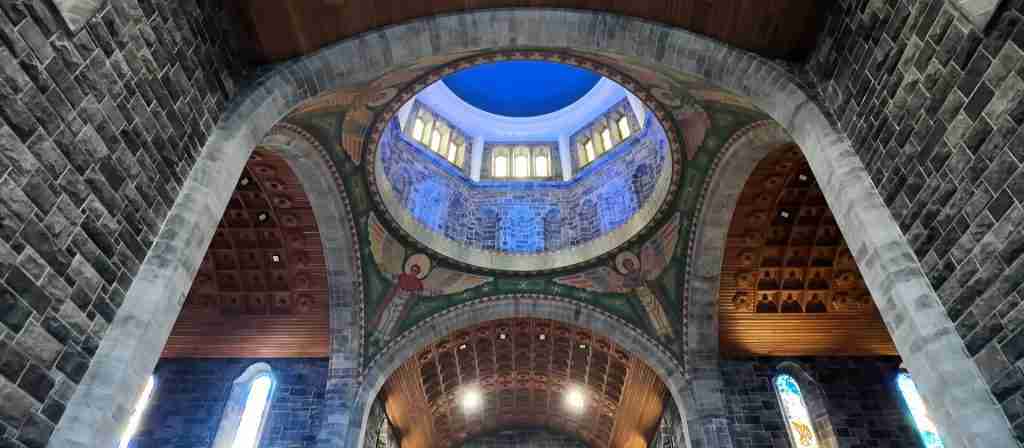
5 days
Galway 5-Day Highlights Experience
- ✓ Comprehensive Galway experience
- ✓ Expert local guides included
- ✓ All accommodation included
- ✓ Transportation provided
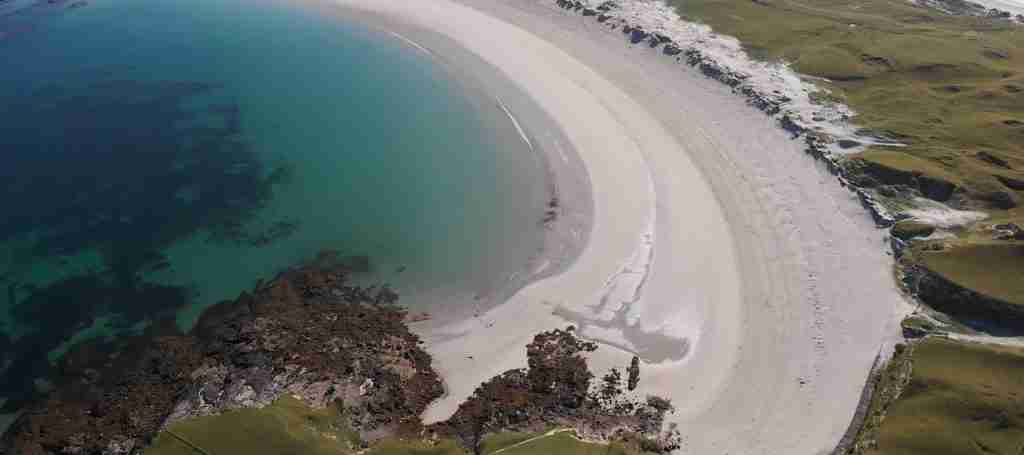
7 days
Galway 7-Day Cultural Journey
- ✓ Comprehensive Galway experience
- ✓ Expert local guides included
- ✓ All accommodation included
- ✓ Transportation provided
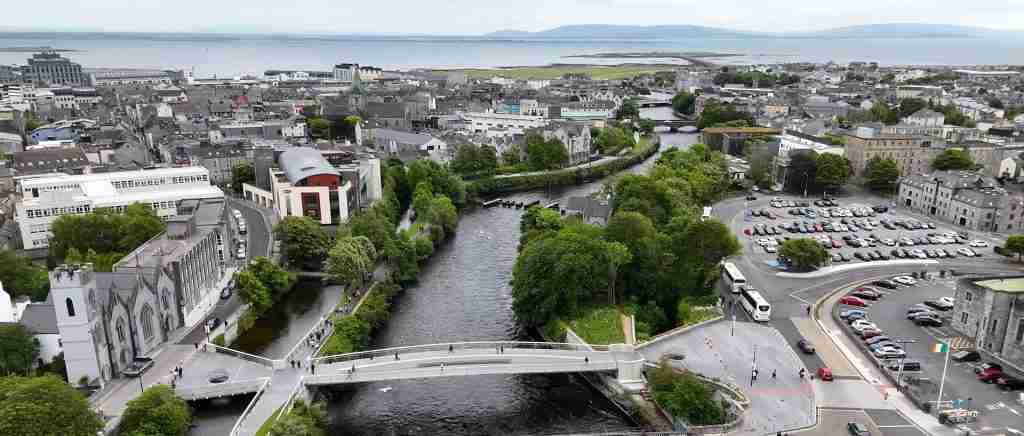
10 days
Galway 10-Day Complete Adventure
- ✓ Comprehensive Galway experience
- ✓ Expert local guides included
- ✓ All accommodation included
- ✓ Transportation provided
Multi-day tour packages powered by TourRadar. Prices and availability subject to change.
Introduction to Galway Travel Costs 2026
Understanding Galway’s cost structure empowers travelers to maximize Ireland’s cultural capital without financial stress. The city’s compact geography concentrates world-class pubs, medieval architecture, and coastal beauty within walking distance, reducing transportation expenses while increasing experiential value. Galway’s position as a gateway to the Wild Atlantic Way creates natural day trip opportunities to Connemara, the Aran Islands, and the Cliffs of Moher, allowing visitors to experience Ireland’s most dramatic landscapes from a single base.
Budget planning for Galway requires recognizing the city’s dual nature: urban cultural hub and outdoor adventure basecamp. Free walking areas including the Latin Quarter, Spanish Arch, and Salthill Promenade deliver authentic Irish experiences without admission fees, while paid attractions like Kylemore Abbey and guided Connemara tours add premium depth. The city’s vibrant pub culture creates accessible evening entertainment, with traditional music sessions costing nothing beyond drink purchases.
Seasonal pricing variations significantly impact total trip costs. Summer months (June-August) command premium accommodation rates as international visitors converge alongside festival attendees, while shoulder seasons (April-May, September-October) offer 20-30% savings with comparable weather. Winter travel (November-February) delivers maximum cost reductions at the expense of shorter daylight and increased rainfall probability.
Galway’s tourism infrastructure supports every budget tier through diverse accommodation options from €30 hostel beds to €400 luxury suites, restaurant choices spanning €10 takeaway meals to Michelin-starred €90 tasting menus, and transportation alternatives from €1.55 buses to private chauffeur services. This cost flexibility allows travelers to calibrate daily spending precisely to personal priorities, whether emphasizing food experiences, premium lodging, or activity investments.
Currency considerations matter for international visitors. Prices throughout this guide appear in euros, Ireland’s official currency, with occasional USD conversions for reference. Credit cards enjoy universal acceptance in Galway’s commercial establishments, though carrying €50-100 cash covers street performers, church donations, and occasional cash-only situations in traditional pubs. ATM availability throughout the city center ensures convenient cash access without airport exchange rate penalties.
This comprehensive budget breakdown examines accommodation costs by neighborhood and quality tier, dining expenses from budget cafes to fine restaurants, transportation options including public buses and taxis, attraction admission fees and tour pricing, and money-saving strategies specific to Galway’s unique offerings. Sample itineraries with day-by-day cost projections illustrate realistic spending scenarios across budget, mid-range, and luxury travel styles.
Accommodation Costs in Galway 2026
Accommodation represents the single largest daily expense for Galway visitors, consuming €35-240 per person nightly depending on property type, location, and season. The city’s compact size means every neighborhood offers reasonable access to attractions, though specific areas cater to distinct traveler priorities and budgets.
Budget Accommodation in Galway (€30-50 Per Person Nightly)
Galway’s hostel scene delivers exceptional value for budget-conscious travelers, with dormitory beds available from €30-40 per night and private hostel rooms costing €70-100 total when two share. Sleepzone Hostel on Bothar na mBan and Kinlay Hostel on Eyre Square provide central locations, complimentary breakfast, and social common areas perfect for meeting fellow travelers. Budget hotels like Forster Court Hotel and Imperial Hotel near Eyre Square offer private rooms with ensuite bathrooms for €90-130 nightly, translating to €45-65 per person when sharing.
Salthill neighborhood hostels and budget guesthouses sit 2 kilometers from the city center along the coastal promenade, accessible via €1.55 bus rides or pleasant 25-minute walks. These properties often include kitchen facilities, allowing self-catering breakfast preparation that saves €8-12 daily per person. Budget accommodation availability shrinks dramatically during July-August peak season and major festival weekends, requiring advance booking 6-8 weeks ahead to secure preferred properties.
Shared bathroom configurations in older budget hotels reduce nightly costs by €15-25 compared to ensuite alternatives, a worthwhile trade-off for travelers prioritizing location over private facilities. Galway’s student population supports a robust budget accommodation infrastructure year-round, unlike purely seasonal tourist towns where off-season options disappear.
Mid-Range Hotels in Galway (€70-110 Per Person Nightly)
Mid-range accommodation in Galway centers on €140-220 nightly hotels offering ensuite rooms, breakfast inclusion, and strategic locations near Eyre Square or Salthill Promenade. The Eyre Square Hotel, Leonardo Hotel Galway, and Skeffington Arms Hotel provide modern comfort within walking distance of pubs, restaurants, and the Latin Quarter. These properties feature complimentary WiFi, 24-hour reception, and typically include full Irish breakfast worth €12-15 per person when purchased separately.
Salthill’s mid-range options like Salthill Hotel and Atlantic Hotel offer sea views and direct promenade access while maintaining competitive €140-200 nightly rates, just €10-20 above city center equivalents. The slight distance from downtown translates to quieter evening atmospheres and beach proximity, appealing to travelers balancing cultural exploration with coastal relaxation.
Seasonal pricing creates 40-60% fluctuations within mid-range categories. Summer weekends (June-August) push popular properties toward €200-260, while November-February midweek rates drop to €100-140 for identical rooms. Booking flexibility allows strategic travelers to target shoulder season visits (April-May, September-October) capturing 20-30% savings versus summer peaks while enjoying comparable weather and full activity availability.
Mid-range properties increasingly offer “room only” rates €20-30 below breakfast-included pricing, allowing guests to explore Galway’s exceptional cafe scene for authentic morning meals at An Tobar Nua or Mocha Beans. This flexibility benefits travelers seeking diverse breakfast experiences over hotel dining room consistency.
Luxury Accommodation in Galway (€140-240 Per Person Nightly)
Galway’s luxury tier spans €280-480 nightly properties delivering boutique elegance, spa facilities, and Michelin-quality dining. Glenlo Abbey Hotel, situated 5 kilometers from city center on 200 acres beside Lough Corrib, epitomizes Irish luxury with its period architecture, Orient Express railway carriage restaurant, and €320-450 nightly rates. The g Hotel & Spa and The Dean Galway represent contemporary luxury in the city center, offering design-forward aesthetics, rooftop pools, and €280-380 weekend rates.
The Galmont Hotel & Spa combines central location with full leisure facilities including indoor pool, sauna, and spa treatments priced €80-150. Its €240-340 nightly rates place it at the luxury tier’s accessible edge, popular with travelers seeking premium amenities without countryside seclusion. Historic properties like The Hardiman Hotel blend Victorian grandeur with modern renovations, commanding €260-400 depending on room category and season.
Luxury accommodation pricing responds sharply to Galway’s event calendar. July’s Arts Festival and Races week push standard luxury rates upward €100-150, transforming €300 properties into €400-450 bookings requiring 6-month advance reservations. Conversely, January-February off-season delivers luxury hotel access at €200-280, nearly mid-range pricing for five-star quality.
Package deals bundling accommodation with spa treatments, dining credits, or private tours provide better value than room-only bookings at luxury properties. Glenlo Abbey’s “Escape to the Castle” packages include champagne, four-course dinners, and late checkout for €380-480 per couple, effectively adding €80-100 of services to the base €300 room rate. Such packages maximize luxury experiences while controlling incremental costs.
Neighborhood Accommodation Comparison Galway 2026
Eyre Square represents Galway’s accommodation epicenter, offering maximum hotel density and immediate train station proximity. Budget options start at €90-130 nightly, mid-range properties cluster around €160-220, and the area lacks true luxury outside The Hardiman at €260-400. Pedestrian access to Shop Street, Quay Street, and the Latin Quarter creates unmatched evening convenience, though noise levels from street performers and pub activity continue past midnight on weekends.
Salthill provides quieter coastal alternatives 2 kilometers west, where budget guesthouses (€80-120), mid-range hotels (€140-200), and luxury options (€240-340) all offer sea views and promenade access. The neighborhood’s beach atmosphere contrasts with downtown intensity, requiring €1.55 bus rides or 25-minute walks for evening pub access. Families particularly favor Salthill for its combination of swimming beaches, playgrounds, and marginally lower accommodation costs.
The Latin Quarter and West End contain boutique guesthouses and small hotels emphasizing character over chain consistency. Properties here charge €120-180 for mid-range quality but deliver unique period features and immediate pub proximity. Limited inventory requires early booking for summer visits. The Claddagh neighborhood across from the Spanish Arch offers emerging accommodation options at €100-160, blending residential tranquility with 10-minute walks to city center action.
Oranmore and Claregalway, villages 6-10 kilometers from Galway, provide budget-conscious alternatives where €80-120 hotel rates include free parking and countryside views. This strategy suits car-dependent travelers willing to sacrifice walkability for savings, though €15-25 daily taxi costs to downtown reduce net benefit. Coach House Hotel in Oranmore and Claregalway Hotel balance village charm with €100-150 rates and easy motorway access.
Food and Dining Expenses in Galway 2026
Galway’s culinary landscape spans €10 takeaway burritos to €90 Michelin-starred tasting menus, with strategic dining choices dramatically impacting daily budgets. The city’s compact geography concentrates over 500 restaurants, cafes, and pubs within 1 square kilometer, creating intense competition that benefits budget-conscious diners.
Budget Dining in Galway (€33-49 Per Person Daily)
Budget travelers sustain satisfying daily nutrition for €33-49 through self-catering breakfasts, affordable lunch spots, and strategic pub dinner selections. SuperValu and Dunnes Stores supermarkets near Eyre Square supply breakfast provisions—bread, butter, jam, yogurt, fruit—costing €8-12 per person when hostel kitchen facilities allow preparation. This single choice saves €40-60 weekly compared to restaurant breakfasts.
Lunch at Galway’s budget standouts delivers €10-15 complete meals. Boojum on Spanish Arch serves burrito bowls for €12 including drink, Hooked fish and chips costs €13-15 for generous portions, and Zappi’s Italian Bistro offers pasta dishes at €11-14. An Púcán’s lunch menu provides traditional Irish meals for €12-16 in atmospheric pub settings. These establishments cluster around Eyre Square, Shop Street, and the Latin Quarter, ensuring walkable access from any accommodation.
Dinner budget dining requires choosing between similar €15-22 pub meals or supermarket provisions costing €8-12. McDonagh’s seafood bar serves fish and chips for €16-19, while An Púcán and The Quays offer hearty Irish stews and shepherd’s pie at €15-18. Asian options from Lana Thai (€12-18 mains) and Samyo Asian Street Food (€12-16) add variety without premium pricing. Supermarket dinner assembly—pre-cooked rotisserie chicken €8, salad €4, bread €2—provides substantial savings for travelers with accommodation cooking facilities.
Coffee and snacks represent hidden budget drains, with cafe visits costing €3.50-5 per coffee and €4-6 for pastries. Limiting these to one daily treat rather than multiple visits saves €10-15 weekly. Supermarket pastries (€1.50-2.50) and hostel instant coffee eliminate this category entirely for maximum budget adherence.
Mid-Range Dining in Galway (€58-88 Per Person Daily)
Mid-range dining budgets accommodate breakfast cafe visits, seated restaurant lunches, and quality dinner experiences totaling €58-88 daily per person. Morning meals at Mocha Beans or An Tobar Nua cost €12-18 for full Irish breakfasts or American-style pancake plates. These establishments near Eyre Square and the university provide superior coffee quality and breakfast variety compared to hotel dining rooms.
Lunch at mid-range restaurants delivers €18-28 experiences showcasing Irish ingredients and global cuisines. Dela on Lower Dominick Street serves Scandinavian-inspired seasonal plates for €18-24, Cava Bodega’s Spanish tapas selection costs €20-28 for satisfying portions, and 56 Central provides contemporary Irish fare at €19-26. Seafood chowder at Kai Restaurant or McDonagh’s runs €14-18 as a lighter lunch alternative.
Dinner at traditional Irish restaurants, Italian trattorias, and seafood specialists consumes €28-42 per person before drinks. Ard Bia at Nimmos combines riverside views with Mediterranean-Irish fusion at €26-38 for mains, Da Roberta’s Ristorante delivers authentic Italian pasta and pizza for €22-32, and Oscar’s Seafood Bistro serves fresh catches at €28-42. Adding a pint of Guinness (€5.50-6.50) or glass of wine (€7-10) brings total dinner costs to €35-52.
Mid-range travelers balance restaurant meals with occasional budget choices, perhaps dining at €15-18 pubs twice weekly to offset splurges at €35-40 restaurants. This mixed approach maintains overall €58-88 daily averages while sampling Galway’s full culinary spectrum. Sunday markets near St. Nicholas Church offer artisan food stalls with €8-14 lunch options, adding variety to restaurant rotations.
Luxury Dining in Galway (€115-170 Per Person Daily)
Luxury dining experiences in Galway demand €115-170 daily through premium breakfast venues, upscale lunch settings, and Michelin-quality dinners. Morning service at boutique hotel restaurants or the g Hotel’s breakfast room costs €20-30 for extensive buffets including smoked salmon, freshly baked pastries, and champagne options. Alternatively, brunch at Cupán Tae or Tartare Cafe & Wine Bar runs €25-35 for elevated Irish breakfast presentations.
Lunch at Galway’s finest establishments reaches €35-50 per person. Loam Restaurant’s €38-48 lunch menu showcases local ingredients in refined preparations, while Aniar’s €42 lunch tasting menu previews the evening Michelin-starred experience at reduced cost. Seafood specialists like K.C. Blake’s charge €32-45 for lunch plates emphasizing market-fresh catches and harbor views.
Dinner represents luxury budgets’ signature expense at €60-90 per person before wine. Aniar’s tasting menu costs €85, delivering multi-course explorations of west Ireland terroir and earning its Michelin star through technical precision and ingredient focus. Ard Bia at Nimmos’ evening service reaches €45-65 for three courses, Cava Bodega’s premium tapas selection totals €50-70, and JP McMahon’s newer ventures command similar pricing for innovative Irish cuisine.
Wine pairings add €40-70 to dinner costs, though quality Irish craft beers (€6-8) and premium whiskeys (€10-15) provide comparable beverage excellence at lower investment. Luxury travelers averaging two restaurant dinners weekly at €80-120 per person, three mid-range dinners at €35-50, and two casual nights at €25-35 achieve balanced €115-170 daily averages while experiencing Galway’s full gastronomic range.
Neighborhood Dining Price Comparison Galway 2026
The Latin Quarter and Quay Street corridor contains Galway’s highest restaurant density and broadest price range, from €12 Boojum burritos to €85 Aniar tasting menus within 200 meters. This concentration benefits travelers through convenience but creates weekend crowds requiring 30-60 minute dinner waits at popular venues without reservations. Budget options cluster more heavily here than in Salthill or the West End.
Salthill’s seafood focus and beachfront locations command slight premiums, with equivalent meals costing €3-8 more than city center counterparts. Oscar’s Seafood Bistro charges €32-42 for plates that might cost €26-35 in the Latin Quarter, though harbor views and sunset timing justify the difference for many diners. Budget choices prove scarcer in Salthill, where most restaurants target mid-range and luxury clientele.
The West End’s emerging restaurant scene offers slightly lower prices than Quay Street equivalent quality. Dela and newer establishments charge €18-24 for dishes that might reach €22-28 in tourist-heavy locations, rewarding travelers willing to walk 10 minutes from Eyre Square. This neighborhood particularly suits mid-range budgets seeking value without compromising quality.
Shop Street and Eyre Square fast-casual options—SuperMac’s, Eddie Rocket’s, Subway—provide €8-12 emergency meals when budget limits tighten or time constraints prevent sit-down dining. These chains lack Galway’s distinctive character but ensure reliable sustenance when other factors override culinary experience.
Transportation Costs and Strategies in Galway 2026
Galway’s compact city center and excellent public transportation create minimal daily transport expenses, with budget-conscious travelers spending just €3-6 daily while luxury visitors invest €20-40 in premium convenience. Understanding the Leap Card system, walking distances, and strategic taxi usage optimizes transportation budgets across all spending tiers.
Public Bus Transportation in Galway 2026
Bus Éireann operates Galway’s public bus network with comprehensive city coverage for €1.55 per ride using a Leap Card, compared to €2.20 cash fares. Purchasing a Leap Card (€5 initial card fee plus €10-50 credit top-up) at any convenience store or online saves 30% versus cash payments, recovering the card investment after just 8 journeys. Young adults aged 19-25 with Student Leap Cards pay just €0.75, while children under 16 travel for €0.65.
Key routes connect Eyre Square to Salthill (€1.55, 15 minutes), Newcastle (€1.55, 20 minutes), and Oranmore (€1.55, 25 minutes), operating Monday-Saturday 7am-11pm with reduced Sunday schedules. Route maps and real-time tracking via the TFI Live app eliminate confusion about stop locations and arrival times. Budget travelers making 4-6 bus trips daily spend just €6-9 with Leap Card benefits, accessing all city neighborhoods and coastal areas affordably.
Leap Card top-ups occur at hundreds of retail locations marked with distinctive green logos, plus online management through the TFI website. Cards remain valid indefinitely, making them worthwhile purchases even for short 3-4 day visits. Visitors departing Galway can use remaining credit on Dublin, Cork, or Limerick public transport networks where identical Leap Card technology operates.
Bus limitations include evening service gaps after 11pm and infrequent Sunday schedules, requiring taxi backup for late pub returns or Sunday morning church visits. Regional buses to Connemara, the Burren, and Cliffs of Moher operate seasonally May-September with €15-25 day passes, though private tour companies offer superior schedules and commentary for €45-65.
Taxi and Ride-Hailing Costs in Galway 2026
Taxis in Galway operate on National Transport Authority regulated meters charging €4.40 initial drop plus €1.32-2.20 per kilometer depending on time and day. A typical 5-kilometer journey from Eyre Square to Salthill costs approximately €11.50-14, while airport transfers to Shannon (60 kilometers) run €90-110. Extra passengers beyond the first four cost €1 each, and pre-booking adds €3 to metered fares.
Peak rate periods (Monday-Saturday 8pm-8am, Sundays, public holidays) apply €2.20/km rates versus standard €1.32/km, creating 40-65% cost differences for identical journeys. Budget travelers avoiding taxis entirely except for airport transfers or late-night emergencies minimize this expense category to €0-8 daily. Mid-range visitors using taxis strategically for heavy shopping returns, rainy evening commutes, or time-pressured connections spend €8-18 daily averaging 1-2 rides.
Luxury travelers embracing taxi convenience for most transportation invest €20-40 daily through 3-5 journeys replacing bus alternatives, walking distances, and schedule constraints. Pre-booking airport transfers through services like Five Stars Galway Taxis locks prices at €100-120 for Shannon Airport versus €90-110 metered fares, adding €10 certainty premium for guaranteed pickup.
Uber and FreeNow ride-hailing apps operate in Galway with pricing comparable to licensed taxis, offering payment convenience and driver ratings without cost savings. These platforms prove particularly valuable for English-as-second-language visitors uncomfortable with phone taxi bookings, though smartphone battery management becomes essential for app-dependent transportation.
Car Rental Economics for Galway Base 2026
Renting a car in Galway makes financial sense primarily for Connemara, Burren, and multi-day Wild Atlantic Way exploration rather than city transportation. Weekly compact car rentals cost €250-400 including mandatory insurance, while daily rates run €45-65. Parking fees (€2-4 per hour, €15-25 daily maximums) and fuel costs (€1.80/liter, approximately €80-100 weekly for 500-kilometer touring) add significantly to base rental prices.
Budget travelers avoiding car rental entirely save €350-500 weekly, using that allocation for premium accommodation upgrades or additional attractions. Instead, €45-65 day tour buses to the Cliffs of Moher, Connemara, or the Burren provide guided transportation, admission fees, and commentary without driving stress or parking logistics. Two travelers sharing these tour costs spend €90-130 per day trip, far below the €100-150 car rental equivalent including insurance and fuel.
Mid-range and luxury travelers renting cars gain flexibility for spontaneous stops, sunrise photography at remote locations, and multi-destination day trips impossible via fixed-schedule tours. However, Galway’s city center hotel parking fees (€15-25 nightly) often exceed the car’s utility value when base-camping in town. Strategic renters collect vehicles only for 2-3 day Connemara explorations rather than week-long commitments, reducing costs by 60% while maintaining countryside access.
For visitors planning Aran Islands day trips, ferry services from Rossaveel (€25-30 return) or Doolin (€30-35 return) eliminate car necessity since islands prohibit private vehicles anyway. Similarly, Cliffs of Moher coach tours (€40-55 including admission) prove cheaper and safer than self-driving narrow coastal roads. Car rental delivers maximum value for 4+ travelers splitting costs or itineraries emphasizing remote Connemara hiking trails inaccessible via public transport.
Walking and Cycling Galway City 2026
Walking remains Galway’s most economical and enjoyable transportation mode, with the entire city center navigable within 20-30 minute strolls. Eyre Square to Salthill Promenade requires just 25 minutes, Shop Street to the Spanish Arch takes 8 minutes, and the Latin Quarter’s dense pub concentration means 5-minute walks between venues. Comfortable walking shoes prove essential for cobblestone navigation and long pub-to-pub evenings.
The Salthill Promenade’s 3-kilometer seafront path creates spectacular walking routes from Galway docks to Blackrock diving tower, passing beaches, playgrounds, and ocean views throughout. This free activity combines exercise, sightseeing, and transportation in budget-friendly package requiring only weather-appropriate clothing. Early morning promenade walks (7-9am) showcase local life as Galwegians exercise before work.
Cycling infrastructure in Galway centers on dedicated lanes along the promenade and quieter residential streets, though city center traffic and cobblestones create challenging conditions for inexperienced urban cyclists. Bike rental shops near Eyre Square charge €15-25 daily or €60-90 weekly for hybrid or road bikes, adding costs rather than savings for travelers staying in walkable accommodations. However, dedicated cyclists planning Connemara countryside riding find exceptional value in weekly rentals accessing quiet coastal roads and mountain passes.
Self-guided cycling tours to Kinvara (32 kilometers return) or around Lough Corrib (45 kilometers) cost nothing beyond bike rental, creating full-day experiences for €15-25 versus €55-75 organized coach tours. This strategy particularly suits active mid-range travelers combining transportation savings with fitness maintenance and photography opportunities impossible from tour buses. Bike theft remains minimal in Galway compared to larger European cities, though cable locks (€8-15 purchase) provide essential security for pub or restaurant stops.
Attraction and Activity Costs in Galway 2026
Galway’s attraction landscape divides sharply between abundant free experiences and premium paid entries, allowing budget travelers to explore thoroughly while luxury seekers access exclusive cultural depth. Understanding which attractions justify admission costs versus free alternatives optimizes daily budgets across all spending tiers.
Free Attractions in Galway 2026
Galway City Museum provides world-class exhibitions covering the city’s maritime history, medieval heritage, and contemporary culture without charging admission. Located behind the Spanish Arch with commanding harbor views, the museum’s modern galleries showcase archaeological finds, traditional Claddagh village artifacts, and rotating contemporary art installations. Two hours of engaging exploration costs nothing, making this an essential first-day orientation for all visitors regardless of budget.
The Spanish Arch itself, a 16th-century defensive bastion, requires no tickets for photography, historical contemplation, or sunset appreciation. The adjacent Claddagh waterfront area offers riverside walking paths, traditional fishing village atmosphere, and iconic views toward Galway Bay. Street performers, musicians, and artists populate this area evenings and weekends, providing free entertainment while supporting local culture through voluntary contributions.
Salthill Promenade’s 3-kilometer seafront walk delivers spectacular Atlantic Ocean views, swimming beaches, playgrounds, and the famous Blackrock diving tower tradition where locals jump into the bay before “kicking the wall.” This entire experience costs nothing beyond potential ice cream purchases (€3-5) or cafe stops. The promenade’s accessibility makes it ideal for families, elderly travelers, and anyone seeking Irish coastal beauty without admission barriers.
Galway Cathedral (Cathedral of Our Lady Assumed into Heaven and Saint Nicholas), one of Europe’s youngest great stone cathedrals completed in 1965, welcomes visitors free of charge. Its distinctive dome, rose windows, and modern mosaics including John F. Kennedy’s image create photographic opportunities alongside spiritual contemplation. Respectful visitors can explore during daylight hours, though donations (€2-5 suggested) support ongoing maintenance.
Eyre Square’s John F. Kennedy Memorial Park provides central green space, sculptures commemorating Galway’s history, and prime people-watching without costs. Saturday morning markets near St. Nicholas Church offer free browsing through artisan foods, crafts, and local products, creating authentic Irish market experiences whether or not purchases occur. The Latin Quarter’s cobbled streets themselves—Quay Street, Shop Street, High Street—constitute free walking tours combining medieval architecture, colorful shopfronts, and vibrant street life.
Paid Attractions in Galway City 2026
Galway Atlantaquaria (National Aquarium of Ireland) charges €14 adult admission, €10 for children, showcasing native marine life from Galway Bay and Ireland’s coastal waters. The facility’s compact size allows 60-90 minute visits, making it worthwhile primarily for families with young children or marine biology enthusiasts rather than adult travelers seeking value-for-money experiences. Educational programs and touch pools add interactive elements justifying the admission for target audiences.
Hall of the Red Earl archaeological site beneath Druid Lane presents medieval Galway’s foundations through preserved 13th-century structures discovered during 1997 construction work. Admission costs €5 adults, providing historical context impossible to appreciate from street level. The 30-minute self-guided experience suits history buffs and medieval architecture enthusiasts more than casual sightseers.
Galway City Museum special exhibitions occasionally charge €3-8 admission beyond the permanent free collection, featuring rotating displays of contemporary art, historical artifacts, or cultural themes. These temporary shows provide insider perspectives on Irish culture worth occasional admission investments, particularly during rainy afternoons when outdoor alternatives disappoint.
Traditional music sessions in Galway pubs technically cost nothing, but expected drink purchases (€5.50-6.50 per pint) create implicit €11-20 evening minimums for couples enjoying multiple sets. Venues like Tigh Coili, The Quays, and An Púcán host nightly sessions 9pm-midnight, delivering authentic Irish musical experiences. Budget travelers limiting consumption to 1-2 pints enjoy world-class entertainment for €11-13 total, exceptional value compared to ticketed concert alternatives.
Day Trip Costs from Galway 2026
Cliffs of Moher day trips represent Galway’s most popular excursion, with organized coach tours costing €40-55 per person including €7 Cliffs admission, 8-hour guided commentary, and stops at the Burren’s lunar landscape. Budget alternatives using public Bus Éireann service (€15-20 return) plus €7 Cliffs entry total €22-27 but require independent schedule management and miss expert commentary about geology and history. The €18-28 premium for organized tours delivers significant value through convenience and educational depth.
Aran Islands ferries from Rossaveel cost €25-30 return for Inis Mór, €28-32 for Inis Meáin, and €25-30 for Inis Oírr, with island minibus tours adding €10-15 for guided circuits visiting ancient forts, beaches, and traditional villages. Complete day trip costs reach €35-47 per person before meals, though island restaurants charge €12-18 for lunch similar to mainland pricing. Budget travelers packing sandwiches reduce island expenses to ferry and minibus costs only.
Connemara day tours showcase Ireland’s most dramatic mountain and coastal scenery, with organized options costing €45-65 including Kylemore Abbey admission (€14 separately), village stops in Clifden and Leenane, and Sky Road coastal driving. Self-drive alternatives using rental cars (€45-65 daily plus €80 fuel weekly) allow flexible timing and photography stops but miss guided commentary about Connemara’s history, ecology, and cultural significance.
Kylemore Abbey separately costs €14 admission for 2-3 hours exploring the Victorian walled garden, Gothic church, and partial castle access. The abbey’s remote Connemara location (80 kilometers from Galway) makes independent visits impractical without car rental, effectively requiring €65-80 total investment including transport. Organized tours bundling Kylemore with broader Connemara exploration provide superior value through multi-attraction access.
The Burren’s otherworldly limestone landscape offers free hiking and photography throughout its expanse, with the Poulnabrone Dolmen’s 5,000-year-old burial monument accessible roadside without charges. Organized Burren tours (€40-50) combine geological expertise with stops at Dunguaire Castle (€12 admission) and traditional villages, creating comprehensive half-day experiences. Budget travelers driving rental cars explore independently for fuel costs only (approximately €15-20), though missing expert guidance about the landscape’s formation and ecology.
Cultural Experiences and Special Activities Galway 2026
Dunguaire Castle’s medieval banquets offer 16th-century themed dining with costumed performers, traditional music, and four-course meals for €65-75 per person. This 3-hour theatrical experience transports guests to medieval Ireland through storytelling, song, and period atmosphere inside a genuine castle setting on Galway Bay. The substantial cost positions medieval banquets as once-per-trip splurges rather than regular activities, though the immersive cultural education justifies pricing for heritage-focused travelers.
Galway Food Tours combine culinary sampling with city walking tours for €50-65 per person over 3 hours, visiting artisan producers, traditional pubs, and specialty shops while explaining Irish food culture and Galway’s maritime heritage. The substantial tastings effectively replace lunch, improving value proposition to €35-50 net cost after meal savings. These guided experiences suit foodies and first-time visitors seeking efficient city orientation with gastronomic education.
Traditional Irish music lessons provide hands-on cultural engagement for €30-50 per hour at venues like Monroe’s Tavern or through individual instructors. Bodhrán drum, tin whistle, or fiddle introduction sessions create memorable souvenirs of musical heritage, particularly for families with children aged 8-16. Single lessons suffice for overview experiences, though series packages (€120-180 for 4 weeks) serve seriously interested students.
Seaweed bath experiences at Connemara establishments near Clifden cost €25-40 for 45-minute therapeutic soaks in traditional treatments using harvested Atlantic seaweed. This distinctive Irish wellness tradition combines relaxation with cultural authenticity, though the moderate pricing and specialized nature limit appeal to spa enthusiasts rather than general sightseers. Advance booking proves essential during summer weekends when limited availability fills quickly.
Sample Daily Budget Breakdowns Galway 2026
Translating category-specific costs into realistic day-by-day spending scenarios clarifies how budget theory becomes travel reality. These representative itineraries demonstrate achievable comfort levels within each budget tier, accounting for variable attraction choices, dining preferences, and transportation patterns.
Budget Traveler Daily Breakdown (€75-120 Per Person)
Morning begins with self-prepared hostel breakfast using supermarket provisions costing €8-12 per person—fresh bread, butter, jam, yogurt, fruit, and coffee. This 20-minute preparation saves €10-15 compared to cafe equivalents while building energy for extensive walking. Departing accommodation at 9am, budget travelers explore Galway City Museum (free admission) for 90 minutes, learning medieval history and maritime heritage before continuing to the Spanish Arch and Claddagh waterfront (free) for harbor photography and traditional village atmosphere.
Lunch at Boojum or Hooked costs €12-15, providing substantial portions fuel afternoon exploration. Walking the Latin Quarter’s cobbled streets—Quay Street, Shop Street, High Street—costs nothing while delivering distinctive architecture, colorful shopfronts, and street performer entertainment. Afternoon bus rides to Salthill Promenade using Leap Cards (€1.55 each way) enable 3-kilometer coastal walks, beach time, and the famous Blackrock wall-kicking tradition, all free experiences maximizing value.
Returning downtown via bus (€1.55), budget travelers select €15-22 pub dinners at An Púcán or The Quays, enjoying hearty Irish stews or fish and chips while absorbing authentic pub atmosphere. Evening traditional music sessions at Tigh Coili or The Quays cost nothing beyond expected drink purchases, with 1-2 pints (€11-13 total) providing 2-3 hours of world-class musical entertainment. Walking back to accommodations eliminates late-night taxi expenses.
Daily breakdown: Accommodation €35-50 per person, breakfast €8-12, lunch €12-15, dinner €15-22, transport €5-6 (3 bus rides), attractions €0 (free museums and walks), evening entertainment €11-13 (2 pints at music session). Total: €86-118 per person, comfortably within €75-120 target range. Seasonal variations affect accommodation primarily, with summer nights pushing totals toward €120 while winter rates drop to €75-85.
Mid-Range Traveler Daily Breakdown (€150-245 Per Person)
Mid-range mornings commence with €12-18 cafe breakfasts at Mocha Beans or An Tobar Nua, savoring full Irish plates with superior coffee quality in relaxed atmospheres near Eyre Square. Departing at 10am, organized Cliffs of Moher day trips (€40-55 including admission) occupy 8am-6pm with professional guides explaining Burren geology, ancient monuments, and dramatic coastal scenery through multiple stops and walking opportunities. Alternative days substitute Connemara tours (€45-65 with Kylemore Abbey) or Aran Islands ferries (€35-47 with island transport) for similar costs and comparable value.
Lunch either occurs during day trips at included stops (typically €15-20 allocated time and locations) or at city restaurants like Dela or Cava Bodega (€18-28) on non-tour days. Mid-range travelers balance 3-4 organized tour days weekly with independent exploration days, optimizing expert guidance access while maintaining schedule flexibility. Afternoon city explorations incorporate paid attractions like Dunguaire Castle medieval banquets (€65-75, special occasion splurge) or Atlantaquaria (€14, family-oriented day).
Dinner at traditional Irish restaurants, Italian trattorias, or seafood specialists costs €28-42 for mains, with added drinks (€7-10 wine, €5.50-6.50 beer) bringing totals to €35-52 per person. Mid-range diners alternate premium restaurants like Ard Bia at Nimmos (€35-45) with casual pub meals (€15-22), maintaining overall €58-88 daily food averages while sampling Galway’s full culinary spectrum. Evening entertainment includes traditional music sessions, riverside walks, or theater performances at Town Hall Theatre (€15-25 tickets).
Transportation mixing buses (€1.55-3) with occasional taxis (€8-15) provides convenience without luxury excess. Mid-range travelers use taxis strategically for heavy shopping returns or late pub returns, averaging 1-2 rides daily. Walking remains primary transport for city center activities, reserving mechanized options for distance or weather challenges.
Daily breakdown: Accommodation €70-110 per person, breakfast €12-18, lunch €18-28, dinner €35-52, transport €8-18 (mix of bus and taxi), attractions €15-30 (combination of free sites and paid entries), evening entertainment €5-15 (drinks at music sessions or theater tickets). Total: €163-241 per person, centered within €150-245 target range with tour days toward higher end and independent exploration days toward lower end.
Luxury Traveler Daily Breakdown (€315-520 Per Person)
Luxury mornings unfold with €20-30 boutique hotel breakfast buffets or elevated brunch at Cupán Tae (€25-35), featuring champagne options, smoked salmon, and extensive pastry selections in stylish settings. Private driver services collect guests at 9am for exclusive Connemara tours (€400-500 per couple, negotiated day rate) allowing flexible schedules, spontaneous stops, and personalized commentary impossible with group coach experiences. Alternatively, helicopter tours over the Cliffs of Moher (€600-800 per couple, 30-minute experience) deliver ultimate perspective on Ireland’s dramatic coastline.
Lunch at premium establishments reaches €35-50 per person, with Loam Restaurant’s refined presentations or Aniar’s lunch tasting menu showcasing Galway’s Michelin-quality dining at accessible midday prices. Luxury travelers avoiding repetition might substitute picnic hampers from artisan producers (€40-60 per couple) for scenic Connemara lakeshore dining, combining gourmet quality with outdoor adventure. Afternoon spa experiences at The g Hotel or Monart (€80-150 for treatments) provide relaxation between morning activities and evening dining.
Dinner represents luxury budgets’ signature investment at €60-90 per person before wine, with Aniar’s €85 tasting menu or Oscar’s Seafood Bistro’s market-fresh preparations delivering exceptional quality. Wine pairings (€40-70) elevate meals to €100-160 total dining experiences, though premium Irish whiskeys (€10-15) or craft beers (€6-8) provide sophisticated beverage alternatives at lower investment. Luxury travelers dining at this level 3-4 nights weekly balance with €35-50 mid-range alternatives, maintaining overall €115-170 daily food averages.
Private car services or frequent taxi usage (€20-40 daily) eliminate transportation stress and schedule constraints, allowing spontaneous direction changes and shopping convenience. Drivers wait during attraction visits, photograph guests at scenic viewpoints, and provide local knowledge supplementing guidebook information. This premium convenience justifies costs for time-conscious luxury travelers prioritizing experience quality over budget optimization.
Evening cultural experiences include private traditional music sessions arranged through concierge services (€150-200 per couple), exclusive access to closed monuments for photography (negotiated pricing), or premium theater performances with champagne intervals (€40-60 tickets). Luxury travelers curate unique Galway experiences unavailable through standard tourist channels, investing in exclusivity and personalization.
Daily breakdown: Accommodation €140-240 per person, breakfast €20-30, lunch €35-50, dinner €60-120 (including drinks/pairings), transport €20-40 (private car/taxis), attractions €40-70 (premium tours, exclusive experiences), evening entertainment €20-50 (private sessions, premium theater). Total: €335-600 per person, centered within €315-520 target with variability based on daily activity intensity and dining wine choices.
Multi-Day Itinerary Cost Projections Galway 2026
Complete trip budgets extend daily calculations across realistic 3-7 day visit durations, revealing total investment requirements while identifying savings opportunities through strategic planning and activity mixing. These itineraries demonstrate achievable experiences within defined budget parameters, accounting for arrival/departure days, tour scheduling, and rest day flexibility.
Budget 5-Day Galway Itinerary (€525-840 Total Per Person)
Day 1 arrival emphasizes orientation and recovery from travel, with afternoon Galway City Museum visits, Spanish Arch exploration, and Latin Quarter familiarization totaling €75-95 (reduced costs from partial day). Evening traditional music session at Tigh Coili with 2 pints costs €11-13, establishing immediate Irish cultural immersion. Accommodation €35-50, meals €20-35 (lunch and dinner only), transport €3 (1 bus ride), attractions €0, entertainment €11-13.
Day 2 full exploration features self-catered breakfast (€8-12), Bus Éireann day trip to Cliffs of Moher (€15-20 transport plus €7 admission = €22-27 total), packed lunch from supermarket (€8-10), and evening pub dinner (€15-22). Post-dinner riverside walk along River Corrib costs nothing while delivering sunset photography. Accommodation €35-50, meals €31-44, transport €15-20 (Cliffs bus), attractions €7, entertainment €0 (free walk). Total: €88-141.
Day 3 explores Salthill via bus (€1.55 each way), with morning promenade walks, beach time, and lunch at budget-friendly Lana Thai (€12-15). Afternoon returns to city center for shopping along Shop Street and Henry Street (browsing free, purchases variable). Dinner at Zappi’s (€11-14) followed by traditional music at An Púcán creates authentic Irish evening. Accommodation €35-50, meals €31-41, transport €3, attractions €0, entertainment €11-13. Total: €80-107.
Day 4 invests in Aran Islands experience using Rossaveel ferry (€25-30) with island minibus tour (€10-15), creating €35-45 total transport costs. Packed lunch (€8-10) supplements limited island restaurant options, while afternoon explores Dún Aonghasa ancient fort and traditional stone wall landscapes. Evening return allows pub dinner (€15-22) and early rest. Accommodation €35-50, meals €23-32, transport €35-45, attractions €0 (fort included in ferry), entertainment €0. Total: €93-127.
Day 5 departure includes final morning walk through Eyre Square, souvenir shopping along Quay Street (budget €20-40 for gifts), and departure preparation. Breakfast €8-12, early lunch before transport (€12-15), accommodation €35-50. Total: €55-77 plus shopping allocation.
Five-day total: €391-547 plus shopping allowance, comfortably within €525-840 budget including €100-150 souvenir cushion and €35-75 contingency for unexpected costs or occasional splurges. Budget travelers extending to 7 days add €88-118 daily for full exploration days, reaching €567-783 before shopping, well below €840 maximum.
Mid-Range 5-Day Galway Itinerary (€1,050-1,715 Total Per Person)
Day 1 arrival combines afternoon Galway City Museum orientation, Spanish Arch sunset photography, and welcome dinner at Ard Bia at Nimmos (€35-45 with drinks). Half-day costs total €120-155. Accommodation €70-110, meals €47-63 (cafe lunch, restaurant dinner), transport €5-8 (taxi from accommodation), attractions €0, entertainment €0 (sunset viewing). Total: €122-181.
Day 2 features organized Cliffs of Moher tour (€40-55 with admission), departing 9am and returning 6pm with multiple Burren stops and expert geological commentary. Evening dinner at Da Roberta’s (€28-40 with drinks) follows day trip recovery time. Accommodation €70-110, meals €75-113 (breakfast cafe, tour lunch allocation, dinner), transport €40-55 (tour), attractions €0 (included), entertainment €0. Total: €185-278.
Day 3 explores Connemara through organized tour (€45-65 including Kylemore Abbey), showcasing mountain scenery, Sky Road coastal driving, and Victorian garden exploration. Evening dinner at Oscar’s Seafood Bistro (€35-50 with drinks) celebrates Irish seafood excellence. Accommodation €70-110, meals €80-118 (breakfast, tour lunch, dinner), transport €45-65, attractions €0 (included), entertainment €0. Total: €195-293.
Day 4 balances activity intensity with leisurely city exploration, sleeping late and enjoying extensive brunch at Cupán Tae (€20-28). Afternoon shopping along Shop Street, Kirwan’s Lane galleries, and the Saturday Market (if timing aligns) creates cultural immersion. Dinner at Cava Bodega (€35-50 tapas selection with wine) precedes traditional music session entertainment. Accommodation €70-110, meals €73-106 (brunch, light lunch, dinner), transport €8-15 (taxis for shopping returns), attractions €0, evening entertainment €10-15 (quality Irish whiskey during music). Total: €161-246.
Day 5 departure allows morning Salthill promenade walk via taxi (€8-12), final cafe breakfast (€12-18), souvenir shopping (budget €50-100), and departure lunch (€18-25). Accommodation €70-110, meals €30-43, transport €8-12, shopping €50-100. Total: €158-265 including gifts.
Five-day total: €821-1,263 plus €50-150 additional shopping/contingency, targeting €1,050-1,715 range. Mid-range travelers extending to 7 days add €163-241 daily for additional tour experiences or independent exploration, reaching €1,147-1,745 before shopping cushion, comfortably within budget maximum.
Luxury 3-Day Galway Intensive (€1,260-2,080 Total Per Person)
Luxury travelers often integrate Galway into broader Ireland itineraries rather than week-long city focus, creating intensive 3-4 day experiences maximizing quality over duration. This condensed approach concentrates premium experiences while maintaining schedule flexibility for spontaneous discoveries.
Day 1 arrival features afternoon suite check-in at Glenlo Abbey (€140-240 per person), champagne welcome, and estate grounds exploration including 18-hole golf course views and Lough Corrib riverside walks. Evening dinner aboard the Pullman Restaurant’s Orient Express railway carriages (€80-120 tasting menu with wine) delivers theatrical culinary artistry. Accommodation €140-240, meals €100-150 (light lunch, premium dinner), transport €25-40 (private car from Shannon), attractions €0 (estate grounds), entertainment €0 (onsite). Total: €265-430.
Day 2 invests in private Connemara tour (€400-500 per couple = €200-250 per person) with luxury vehicle, personal guide, and flexible itinerary including Kylemore Abbey, Sky Road photography stops, and exclusive experiences arranged through concierge contacts. Picnic hamper from artisan producers (€40-60 per couple = €20-30 per person) provides gourmet countryside dining. Evening returns to Galway for Aniar’s Michelin-starred tasting menu (€85 plus €40-70 wine = €125-155 total). Accommodation €140-240, meals €145-185 (breakfast buffet, picnic, Michelin dinner), transport €200-250 (private tour), attractions €14 (Kylemore, covered personally beyond tour), entertainment €0. Total: €499-689.
Day 3 balances intensity with spa relaxation at The g Hotel (€100-150 treatments), followed by afternoon helicopter tour over Cliffs of Moher (€600-800 per couple = €300-400 per person, premium splurge). Evening farewell dinner at Loam Restaurant (€70-100 with wine) precedes early departure preparation. Accommodation €140-240, meals €90-130 (brunch, light lunch, dinner), transport €10-20 (taxis), attractions €400-550 (spa and helicopter combined), entertainment €0. Total: €640-940.
Three-day total: €1,404-2,059 plus €100-200 shopping/contingency, demonstrating €315-520 daily average with substantial day 3 spike from helicopter experience. Luxury travelers substituting standard €40-70 premium tours for €300-400 helicopter adventures reduce totals to €1,104-1,659, still delivering exceptional quality within €315-520 daily framework. Four-day extensions add €335-600 for additional Aran Islands private charters or exclusive cultural experiences, totaling €1,739-2,659 before shopping.
Seasonal Price Variations and Timing Strategies Galway 2026
Galway’s tourism calendar creates dramatic price fluctuations exceeding 60% between peak July-August periods and off-season November-February availability, making timing decisions the single most impactful budget factor beyond accommodation tier choices. Understanding seasonal patterns, festival impacts, and shoulder season opportunities enables strategic travelers to achieve mid-range experiences at budget pricing or luxury quality at mid-range investment.
Peak Season Pricing (June-August 2026)
Summer months command premium pricing across all categories as international visitors, Irish domestic tourists, and festival attendees converge simultaneously. Mid-range hotel rooms averaging €140-180 during shoulder seasons jump to €220-280 peak weekends, representing €80-100 nightly increases or €560-700 additional weekly costs for couples sharing. Budget hostels similarly escalate from €30-35 to €45-55 beds, while luxury properties like Glenlo Abbey reach €400-480 versus €280-340 off-peak rates.
July particularly intensifies pricing through overlapping events: Galway International Arts Festival (mid-July, 2 weeks), Galway Races (late July-early August, 1 week), and general summer peak demand. Hotels within 3 kilometers of racecourse or festival venues become 100% booked 6-8 weeks ahead, forcing late bookers toward expensive last-minute inventory or distant suburban properties. Travelers booking March-April for July visits secure standard rates, while June bookers face €40-80 premiums for remaining availability.
Restaurant pricing remains relatively stable year-round, though summer popularity creates 60-90 minute wait times at desirable venues without reservations. Budget diners experience minimal seasonal impact beyond crowd inconvenience, while luxury restaurants accepting limited reservations per evening effectively create scarcity premiums through booking difficulty rather than price increases. Attraction costs similarly hold steady, with summer-only operational sites like seasonal Aran Islands ferry frequency adding convenience value without cost changes.
Transportation pricing stays consistent via regulated taxi meters and fixed bus fares, though summer taxi demand creates 15-30 minute wait times versus immediate winter availability. Rental car rates increase €80-120 weekly during July-August as Shannon Airport arrivals peak, representing 25-35% summer premiums. Booking rental cars simultaneously with flights (January-March for summer trips) locks lower rates before seasonal adjustments activate.
Shoulder Season Opportunities (April-May, September-October 2026)
Shoulder seasons deliver optimal value-to-quality ratios, with accommodation prices 20-35% below summer peaks while weather, daylight hours, and attraction availability remain comparable. Mid-range hotels costing €220-280 peak July weekends drop to €160-200 in September and €140-180 in early May, saving €60-100 nightly or €420-700 weekly for couples. This substantial reduction allows budget travelers to upgrade from hostels to hotels or mid-range visitors to access luxury properties at standard pricing.
April and May offer particular advantages for outdoor enthusiasts, with longer daylight hours (sunset 9pm by May versus 6pm in November), wildflower blooms across Connemara, and minimal crowd competition at popular sites like Kylemore Abbey or the Cliffs of Moher. September and October counter with warmer ocean temperatures for swimming, autumn color displays, and Galway International Oyster Festival (late September) celebrating local seafood without July’s accommodation chaos.
Shoulder season weather proves more variable than summer stability but far superior to winter extremes. April-May averages 12-16°C (54-61°F) with 10-14 rainy days monthly, while September-October maintains 13-15°C (55-59°F) with 12-16 rainy days. Packing versatile layering clothing—waterproof jacket, sweater, t-shirts—handles this variability without equipment investment. Indoor attractions like museums and pubs provide weather-independent alternatives during rain periods.
Shoulder season restaurant availability improves dramatically, with walk-in seating possible at venues requiring summer reservations days ahead. This convenience particularly benefits spontaneous travelers adjusting plans based on weather or energy levels. Tour operators maintain full schedules April-October, ensuring Cliffs of Moher, Connemara, and Aran Islands access without summer crowding or winter cancellations.
Off-Season Value (November-February 2026)
Winter months deliver maximum cost savings at the expense of weather challenges, shorter daylight (sunset 5pm in December), and reduced service availability. Mid-range hotels dropping to €100-140 nightly represent 40-60% discounts versus summer, allowing €280-560 weekly savings for couples or luxury property access at mid-range budgets. The Galmont Hotel & Spa’s €280 summer rates fall to €180-220 winter, providing five-star amenities at three-star pricing.
November and February prove strategically superior to December-January, avoiding Christmas/New Year premium periods while maintaining marginally better weather and longer daylight than deep winter. November averages 8-10°C (46-50°F) with 14-18 rainy days, February improves slightly to 6-9°C (43-48°F) with 12-16 rainy days. January’s combination of shortest daylight (sunset 4:45pm), highest rainfall probability, and post-holiday service closures creates challenging conditions even for hardy winter travelers.
Restaurant and pub life continues vigorously through winter, with traditional music sessions, cozy turf fires, and hearty Irish stews creating authentic experiences unavailable during tourist-season standardization. Budget travelers particularly benefit from local atmosphere replacing summer visitor crowds, with Galwegians reclaiming their city center and welcoming genuine cultural exchange. Winter pub visits emphasize conversation and music appreciation over summer’s performance-for-tourists dynamic.
Attraction closures reduce winter itinerary options significantly. Connemara sites like Kylemore Abbey reduce hours or close entirely November-March, Aran Islands ferry services drop from hourly summer frequency to 2-3 daily winter sailings with weather cancellation risks, and outdoor activities like Sky Road scenic drives prove less appealing under gray skies and persistent drizzle. Winter visitors must build itineraries around available options rather than comprehensive destination coverage.
Off-season advantages beyond pricing include immediate accommodation availability without advance booking, empty museums and galleries allowing leisurely contemplation impossible during summer crowding, and locals’ increased willingness to share recommendations and stories with fewer visitors competing for attention. Extended stays particularly benefit from these conditions, with 7-10 day winter visits costing €525-980 (budget tier) versus summer’s €700-1,400 for identical duration and activity intensity.
Festival Period Planning and Impacts 2026
Galway’s festival calendar creates predictable pricing spikes and crowd intensifications requiring strategic planning decisions. The Galway International Arts Festival (mid-July, typically second and third weeks) attracts 200,000+ visitors for theater, visual arts, street performances, and music, filling accommodation citywide and raising nightly rates €60-120 above standard summer pricing. Luxury hotels reaching €500+ during festival week may offer exceptional value for arts enthusiasts but represent poor investment for travelers prioritizing natural landscapes over cultural programming.
Galway Races (late July, one week typically overlapping Arts Festival conclusion) similarly commands premium accommodation, with racing enthusiasts booking 12 months ahead for preferred properties. This traditional horse racing meeting combines sport with social event status among Irish attendees, creating festive pub atmospheres but reducing city accessibility for travelers uninterested in racing culture. Avoiding races week saves €300-500 per couple weekly while maintaining summer weather benefits.
Galway International Oyster Festival (late September, typically last weekend) celebrates local seafood through competitions, tastings, and entertainment without July’s accommodation chaos. This shoulder-season timing allows festival participation at standard September pricing (€160-200 mid-range hotels) while delivering authentic local culture and culinary focus. Budget travelers particularly benefit from free festival street events supplementing €35-65 ticketed oyster tastings.
St. Patrick’s Day (March 17) creates brief pricing spikes in Dublin that barely register in Galway, where parade celebrations and pub festivities occur without accommodation premiums. This makes Galway excellent value for experiencing Ireland’s national holiday authentically while avoiding Dublin’s inflated costs. Booking 4-6 weeks ahead secures standard March rates despite holiday demand.
The Galway Christmas Market (November-December) transforms Eyre Square into festive marketplace without significantly impacting accommodation costs, as winter off-season rates remain in effect. This creates opportunities for budget travelers to experience European Christmas market atmosphere at €100-140 hotel rates versus summer’s €220-280, while enjoying mulled wine, artisan crafts, and holiday lighting displays.
Money-Saving Strategies for Galway 2026
Strategic cost management through accommodation timing, dining choices, transportation optimization, and attraction prioritization enables travelers to achieve satisfying Galway experiences while spending 30-50% below unrestricted budgets. These proven strategies maintain travel quality while redirecting savings toward extended stays or premium splurges.
Accommodation Savings Strategies 2026
Booking timing dramatically influences accommodation costs, with 8-12 weeks advance reservations capturing early-bird discounts of €20-40 nightly compared to last-minute pricing. Galway’s compact size makes location less critical than Dublin, allowing budget travelers to target Salthill or Newcastle properties offering €15-30 lower rates than Eyre Square equivalents while remaining within €1.55 bus ride convenience. Mid-range travelers booking Tuesday-Thursday arrivals save €40-80 weekly versus Friday-Sunday check-ins, as weekend demand drives premium pricing even during shoulder seasons.
Apartment rentals through Airbnb or Vrbo provide kitchen facilities enabling breakfast and occasional dinner preparation, saving €15-35 daily on meal costs. Two-bedroom apartments sleeping four travelers cost €140-220 nightly (€35-55 per person), matching budget hotel pricing while delivering superior space and cooking capability. Groups of four particularly benefit, achieving €30-50 per person accommodation including self-catering savings.
Extending stays beyond weekend periods reduces nightly costs through weekly rates offering 10-20% discounts. Seven-night bookings at mid-range hotels costing €160 nightly drop to €140-145 through weekly pricing, saving €105-140 total. Budget hostels similarly reward extended stays, with weekly rates at €25-30 versus €35-40 daily rates for identical beds. Digital nomads and remote workers extending Galway visits to 2-3 weeks access monthly apartment rentals at €1,200-1,800 (€40-60 nightly equivalent), far below hotel alternatives.
Loyalty programs and credit card points provide free nights after accumulating stays, particularly valuable for chains like Clayton Hotels or Radisson properties in Galway. Budget travelers avoiding chains miss these benefits but gain superior authenticity through independent guesthouses and local hostels building personal host relationships impossible in corporate environments.
Dining Cost Reduction Without Quality Sacrifice 2026
Strategic dining timing accesses identical restaurants at reduced costs through lunch versus dinner pricing differentials. Aniar’s €42 lunch tasting menu delivers Michelin-starred quality at 50% savings compared to €85 evening service, while Loam and other upscale venues similarly discount midday offerings €15-30 below dinner equivalents. Luxury food experiences become accessible to mid-range budgets through lunch scheduling.
Picnic assembly from artisan producers creates gourmet meals at budget costs, with Sheridan’s Cheesemongers, McCambridge’s deli, and Saturday Market vendors supplying Irish farmhouse cheeses (€8-12), artisan breads (€3-5), charcuterie (€10-15), and local preserves (€4-6) totaling €25-40 per couple for elaborate spreads. Consuming these along Salthill Promenade, at Eyre Square, or during Connemara day trips delivers premium ingredients in memorable settings without restaurant markups.
Early bird dinner specials at traditional restaurants operate 5pm-7pm offering €18-25 three-course meals versus €28-40 à la carte evening pricing. Oscar’s Seafood Bistro and similar establishments advertise these value menus prominently, though arrival before 6pm proves essential for table availability without reservations. Budget and mid-range travelers dining at 5:30pm save €10-15 per person while experiencing identical kitchen quality as 8pm diners paying full price.
Pub lunch specials provide €12-16 complete meals during 12pm-3pm periods when restaurants reduce prices to fill afternoon capacity. An Púcán, The Quays, and neighborhood locals serve daily specials combining soup, main course, and tea/coffee for prices barely exceeding fast food alternatives. This strategy particularly benefits budget travelers seeking authentic Irish meals without dinner premium costs.
Self-catering one meal daily reduces weekly food costs by €80-140 per person, transforming mid-range €408-616 weekly dining budgets into €268-476 totals allowing restaurant upgrades for remaining meals. Travelers with kitchen access preparing breakfast (€8-12 savings daily) and lunches (€12-18 savings) while dining out for dinners only achieve budget-tier food costs (€231-343 weekly) while enjoying nightly restaurant experiences.
Transportation Optimization for Maximum Savings 2026
Purchasing Leap Cards immediately upon Galway arrival saves 30% on every bus journey, recovering the €5 card investment after 8 rides—typically achieved within 3-4 days of regular transport use. Budget travelers making 4-6 daily bus trips spend €6-9 with Leap Cards versus €9-13 cash fares, saving €21-28 weekly or €84-112 monthly. Student Leap Cards (requiring educational institution ID) reduce per-trip costs to €0.75, delivering extraordinary value for qualifying travelers.
Walking replaces short taxi trips without time penalties given Galway’s 2-kilometer city center diameter, saving €8-15 per avoided ride. Mid-range travelers defaulting to taxis for convenience might walk Eyre Square to Salthill (30 minutes) or Spanish Arch to university (20 minutes), redirecting €40-80 weekly taxi budgets toward restaurant upgrades or additional attractions. Comfortable walking shoes become essential equipment for this strategy, with €60-100 quality footwear investments recovering costs through saved transport within 2-3 weeks.
Rental car avoidance saves €350-500 weekly when day tour alternatives exist, particularly for travelers without multi-destination countryside itineraries. The €45-65 Cliffs of Moher coach tour costing €180-260 weekly (4 day trips) proves cheaper than €250-400 car rental plus €80-100 fuel plus €60-100 parking fees totaling €390-600. Tour advantages include expert commentary, stress-free navigation, and elimination of designated driver responsibilities allowing full pub evening participation.
Airport transfers using public Bus Éireann services (€17-20 from Shannon Airport, 90 minutes) cost 75-80% less than €90-110 taxis while adding just 45 minutes travel time. Budget and mid-range travelers prioritizing savings over convenience particularly benefit from this strategy when traveling light without bulky luggage. Luxury travelers justifying €90-110 taxi investments through time value and arrival comfort should pre-book through services like Five Stars Galway Taxis locking €100-120 fixed prices versus €90-110 metered uncertainty.
Attraction Budget Management and Free Alternative Maximization 2026
Prioritizing Galway’s abundant free attractions—City Museum, Spanish Arch, Salthill Promenade, Galway Cathedral, Connemara National Park, Eyre Square, Latin Quarter walking—creates full itineraries without admission costs. Budget travelers building entire days around these experiences spend €0-5 on attractions while accessing identical cultural and natural content as €30-70 luxury counterparts paying for guided commentary and structured programs. Free walking tour apps like GPSmyCity (€5 one-time purchase) provide self-guided commentary rivaling paid tour quality.
Bundling paid attractions through combination tickets saves 15-25% versus individual admission purchases when multiple sites share ownership. While Galway lacks extensive combination options unlike larger cities, Connemara day tours bundling Kylemore Abbey (€14), multiple village stops, and Sky Road access (worth €30-40 in fuel and time) for €45-65 total represent genuine value packaging. Travelers visiting 3+ paid attractions weekly should investigate whether tour packages deliver better per-site costs than independent entry.
Monday-Friday attraction visits versus weekend timing proves largely irrelevant in Galway as pricing stays consistent, unlike European cities with weekend premiums. However, summer weekday visits to popular sites like Kylemore Abbey or the Cliffs of Moher encounter 40-60% fewer visitors than Saturday-Sunday crowds, improving experience quality without cost reduction. Budget travelers valuing uncrowded photography and contemplation should target Tuesday-Thursday touring regardless of identical pricing.
Traditional music sessions in pubs cost nothing beyond drink purchases, creating €11-13 nightly entertainment (2 pints) rivaling €25-40 ticketed concert alternatives. Budget travelers attending 5-6 weekly sessions spend €55-78 on world-class musical experiences, far below theater performances (€15-25), cinema (€10-12), or organized pub crawls (€15-25). This single strategy sustains complete evening entertainment budgets while delivering authentic Irish cultural immersion.
Seasonal festival attendance during free event periods captures cultural experiences without ticketed costs. The Galway International Arts Festival includes extensive free street performances, installations, and concerts alongside €15-60 ticketed shows, allowing budget travelers to participate authentically through selective free attendance. Similarly, the Galway Christmas Market charges nothing for browsing, atmosphere, and street entertainment, with only food/drink purchases creating variable costs.
Hidden Costs and Budget Surprises in Galway 2026
Beyond obvious categories like accommodation and dining, several expense areas catch unprepared travelers through unexpected charges, service fees, and incidental costs that accumulate into significant budget impacts. Anticipating these elements prevents financial stress and allows accurate trip budgeting.
Tipping Customs and Service Charges Galway 2026
Irish tipping culture proves more moderate than American norms but expects gratuities for table service exceeding basic pub counter orders. Restaurant bills for seated dining typically add optional 10-12.5% service charges, which appear as line items requiring active removal if service dissatisfies. When service charges don’t appear automatically, 10% tips represent standard practice for satisfactory table service, calculated on pre-tax totals. A €60 dinner for two suggests €6 tip when bills lack automatic service additions.
Taxi drivers expect no mandatory tips for standard point-to-point service, though rounding fares to nearest €5 (€13.50 becomes €15) acknowledges efficient service. Longer tours or drivers providing shopping assistance or luggage help merit €3-5 discretionary tips. Airport transfers particularly benefit from small gratuities (€5-10) given luggage handling and schedule reliability importance. Budget travelers minimizing taxi use eliminate this category almost entirely, while luxury frequent users should allocate €15-30 weekly for driver gratuities.
Hotel housekeeping tips remain uncommon in Irish culture unlike American expectations, though €2-3 daily for exceptional service or extended stays reflects appreciation without creating awkward situations. Luxury hotel concierges arranging difficult reservations or unique experiences merit €10-20 gratuities, particularly when accessing sold-out restaurants or securing last-minute tour spaces. Budget hostels expect no tipping for basic reception services.
Pub culture eschews tipping for standard drink service, with bar staff expecting no gratuities for pulling pints or pouring spirits. Exceptional service—remembering complex orders, providing local recommendations, facilitating music session interactions—might inspire “keep the change” gestures when paying €20 notes for €17-18 rounds. This informal approach suits Irish pub egalitarianism without American-style percentage calculations.
Card Payment Fees and Currency Considerations 2026
International credit and debit cards frequently incur 2-3% foreign transaction fees unless specifically marketed as “no foreign transaction fee” products. A €1,000 weekly budget generates €20-30 hidden fees through standard cards, while fee-free alternatives from Charles Schwab, Capital One, or dedicated travel cards eliminate this expense entirely. Travelers should verify card terms before departure, potentially opening fee-free accounts 4-6 weeks ahead to ensure arrival and activation.
ATM withdrawals in Galway avoid fees at major bank machines (AIB, Bank of Ireland, Ulster Bank) when using partner network cards, though convenience store or pub ATMs levy €3-5 transaction charges regardless of withdrawal amounts. Extracting €200 weekly through fee-free bank ATMs proves more economical than four €50 convenience withdrawals accumulating €12-20 charges. Budget travelers should plan cash needs and withdraw larger sums less frequently.
Dynamic currency conversion (DCC) at payment terminals offers immediate home currency billing instead of euro charges, applying 3-8% conversion markups far exceeding fair exchange rates. Always decline DCC and process payments in euros, allowing credit card networks to apply wholesale exchange rates 3-5% better than merchant conversions. This single awareness saves €15-40 on €1,000 spending through superior conversion rates.
Cash remains useful for street performers, church donations, market purchases, and occasional cash-only traditional pubs, though credit card acceptance approaches 95% in Galway’s commercial establishments. Carrying €50-100 cash provides flexibility without excessive risk, replenishing through ATM withdrawals as balances deplete. Solo travelers particularly benefit from €20-50 emergency cash reserves for situations when cards malfunction or systems temporarily fail.
Parking Fees and Vehicle-Related Costs 2026
Galway’s city center parking operates through pay-and-display meters charging €2-4 per hour with €15-25 daily maximums, quickly overwhelming car rental value for travelers using vehicles primarily for city touring. Budget and mid-range travelers avoiding rental cars eliminate this category entirely, while car-dependent visitors should budget €60-120 weekly for hotel parking (€10-20 nightly) plus attraction parking (€10-30 weekly). Free parking exists in residential areas 15-20 minutes walk from Eyre Square, though overnight security proves variable in unmonitored street parking.
Fuel costs reach €1.80/liter (approximately €80 to fill 45-liter compact car tanks), with 500-kilometer weekly touring consuming €80-100 in petrol. Combined with €250-400 weekly rental rates and €60-120 parking fees, car-based exploration totals €390-620 versus €180-260 for four day-tour bus alternatives covering identical destinations. Cars prove economical primarily for groups of 4+ splitting costs or itineraries emphasizing remote hiking trailheads inaccessible via public transport.
Traffic violations, particularly speeding cameras on rural Connemara roads, generate €80-160 fines appearing on rental car credit cards 4-8 weeks post-trip. Strict speed limit adherence (100 km/h national roads, 80 km/h rural roads, 50 km/h towns) prevents these unpleasant surprises. Budget travelers particularly vulnerable to fine impacts should exercise caution exceeding even local driving norms.
Souvenir and Shopping Budget Realities 2026
Authentic Irish woolens from Aran sweater shops cost €80-150 for quality hand-knit pieces, while Claddagh rings at reputable jewelers like Thomas Dillon’s or Hartmann’s run €60-200 depending on metal quality and design complexity. Budget travelers allocating €50-100 for modest souvenir purchases find options limited to small items—tea towels (€8-12), Celtic jewelry (€15-30), or whiskey miniatures (€10-15). Mid-range €150-300 budgets access genuine Aran sweaters (€80-120), quality scarves (€40-60), or premium Irish whiskey bottles (€50-80).
Galway’s Saturday Market near St. Nicholas Church provides artisan crafts, local foods, and handmade items at fair prices without tourist markup inflation affecting Shop Street commercial retailers. Savvy shoppers comparing market versus retail pricing discover 20-40% savings on equivalent items, particularly for food products like farmhouse cheeses, artisan chocolates, and preserves. Budget travelers maximizing souvenir value should prioritize Saturday morning market visits.
Shipping costs for bulky items like woolen blankets or pottery reach €40-80 for international post, sometimes exceeding purchase prices for modest souvenirs. Travelers planning significant purchases should verify airline baggage allowances and fees (€25-50 for second checked bags) versus international shipping costs, often finding baggage fees more economical for weights under 20 kilograms. Luxury travelers purchasing premium art or large woolens should arrange retailer shipping, typically costing €60-120 with insurance and tracking.
Traveling Galway with Families 2026
Family travel introduces specific cost considerations through child admissions, family-sized accommodations, and activity modifications balancing adult cultural interests with children’s attention spans and energy levels. Strategic planning prevents budget overruns while maintaining experience quality for all ages.
Family Accommodation Economics Galway 2026
Family rooms sleeping four (two adults, two children) cost €150-280 nightly at mid-range hotels, representing just €20-40 premiums over standard double rooms. This minimal increase makes hotels economically competitive with vacation rentals once kitchen time value and grocery shopping logistics factor into cost comparisons. The Salthill Hotel, Galway Bay Hotel, and Menlo Park Hotel specialize in family configurations with connecting rooms and child-friendly amenities including kids’ menus and play areas.
Vacation apartments through Airbnb provide superior space and kitchen facilities for €140-240 nightly, allowing breakfast and lunch preparation saving €40-70 daily on four-person meal costs. Two-bedroom apartments in Salthill or Newcastle neighborhoods offer beach proximity and quieter atmospheres than city center intensity, particularly valuable for afternoon naps and early evening downtime. Weekly rental rates (€900-1,500 for 7 nights) deliver better value than nightly bookings, though cleaning fees (€60-100) add to base costs.
Hostels prove less suitable for families with children under 10 due to shared dormitory configurations and social atmospheres prioritizing young adult backpacker demographics. However, family private rooms at hostels like Sleepzone (€80-120 for family of four) provide budget alternatives to hotels when children accept basic facilities and shared bathroom situations. Teenagers often embrace hostel social environments, making this option more viable for families with 13+ year-old children.
Family Dining Strategies and Child-Friendly Options 2026
Children’s menus at Galway restaurants cost €8-12 for complete meals including main course, drink, and dessert, reducing family dining expenses compared to adult portions. McDonagh’s, An Púcán, and casual restaurants along Quay Street provide reliable child options—burgers, fish fingers, pasta—appealing to conservative palates while adults enjoy full Irish or seafood selections. Budget families feeding two adults and two children spend €50-75 on restaurant dinners versus €70-100 when ordering four adult meals.
Picnic lunches from SuperValu or Dunnes Stores dramatically reduce midday costs, with €25-35 supermarket provisions feeding four generously versus €50-70 restaurant alternatives. Salthill Promenade, Eyre Square, or Connemara day trip locations provide perfect picnic settings combining cost savings with outdoor energy release for active children. This single strategy saves €25-35 daily or €175-245 weekly on lunch costs alone.
Early bird dinner timing (5-6pm) aligns with young children’s schedules while accessing €18-25 three-course specials versus €28-40 evening pricing. Families dining at 5:30pm satisfy children before overtired meltdowns while saving €40-60 on four-person meals. This practical strategy benefits both budgets and child temperaments, though limits evening flexibility for spontaneous activity extensions.
Self-catering one daily meal through vacation rental kitchens reduces family food budgets by €100-180 weekly, allowing restaurant upgrade funds for special occasion meals at child-friendly upscale venues. The Dough Bros pizza (€12-18 per pizza, serves 1-2) provides quality fast-casual dining children enjoy while adults appreciate craft beer selections and award-winning pizza quality.
Family-Friendly Attractions and Activity Budgeting 2026
Galway Atlantaquaria charges €14 adults, €10 children, totaling €48 for family of four, delivering 90-minute marine biology education through native species displays and touch pools. This moderate investment particularly suits rainy afternoons when outdoor alternatives disappoint, though aquarium size limits multiple-hour entertainment unlike larger facilities. Budget families might skip in favor of free beach exploration and tide pool discoveries along Salthill coast.
Salthill Amusement Park (seasonal operation May-September) operates on token systems where €20-30 purchases access multiple rides for children aged 4-12. Parents pay nothing beyond initial token purchases, making this €20-30 per family afternoon entertainment delivering 2-3 hours of engagement. The adjacent Leisureland swimming pool charges €8 adults, €5 children (€26 family total), providing all-weather activity alternatives to beach swimming.
Connemara day tours accommodate families through child-friendly itineraries visiting Kylemore Abbey’s walled gardens and Gothic church, scenic photo stops appealing to all ages, and village exploration allowing ice cream purchases and souvenir browsing. Tour operators like Lally Tours charge €40-45 adults, €20-25 children (€120-140 family total), less expensive than self-driving when fuel, parking, and stress factor into comparisons. Child commentary headphones keep young passengers engaged during transit periods.
Free family activities—Salthill beach swimming, promenade walks, playground visits, Galway City Museum exploration, Spanish Arch photography, Eyre Square picnics—create full days without admission costs. Budget-conscious families building itineraries around these experiences spend €0-15 daily on attractions while delivering varied, engaging activities. Ice cream treats (€3-5 per child) and playground equipment purchases (€5-10) represent primary incidental costs for free activity days.
Family Transportation and Logistics Cost Management 2026
Children under 5 travel free on Bus Éireann services, children aged 5-15 pay €0.65 with Child Leap Cards, creating family bus transportation costs of just €3-6 daily (two adults €3.10, two children €1.30). This extraordinary value makes public transport optimal for family city navigation, though stroller management and energetic children on crowded buses create logistical challenges requiring patience and flexibility.
Taxi pricing adds €1 per extra passenger beyond four, making family taxis (2 adults + 2 children) identical cost to couples for most journeys. However, larger families (5-6 people) require minivan taxis charging €10-15 premiums over standard vehicles, significantly impacting transportation budgets. Families of 5+ should default to bus transport except for essential taxi situations like airport transfers or heavy luggage movements.
Rental cars become economically attractive for families of 4+ when comparing €350-450 weekly car costs split four ways (€88-113 per person) versus €180-260 per-person day tour alternatives totaling €720-1,040 for four people. Family car rental additionally provides schedule flexibility, snack accessibility, and bathroom stop convenience impossible with fixed tour itineraries. This calculation reverses for families of 3 or smaller groups where tour economics favor organized options.
Solo Traveler Budget Considerations Galway 2026
Solo travelers face inherent cost disadvantages through single accommodation supplements eliminating room-sharing savings, yet gain flexibility advantages through spontaneous decision-making and simplified logistics. Strategic planning mitigates solo premiums while maximizing independence benefits unique to unaccompanied travel.
Solo Accommodation Premium Management 2026
Solo travelers pay full room rates rather than per-person splits, effectively doubling accommodation costs compared to couples sharing. A €160 mid-range hotel room costing €80 per person for couples becomes €160 solo burden, transforming daily budgets from €150-245 to €240-335 assuming identical spending patterns across other categories. This 40-60% accommodation cost increase represents solo travel’s primary economic challenge.
Hostel dormitory beds eliminate single supplements entirely, charging €30-40 per person identically for solo or group travelers. Budget solo travelers embracing hostel environments achieve parity with coupled budget travelers, spending €75-120 daily through identical accommodation costs. Private hostel rooms costing €60-80 single occupancy provide intermediate options between dormitories and hotels, offering privacy at 50-60% below hotel equivalent pricing.
Guesthouse and B&B properties occasionally offer genuine single rooms (not full doubles sold to individuals) at €70-100 nightly, 30-40% below standard double pricing. These purpose-built singles provide budget-conscious solo travelers with private ensuite accommodations avoiding hostel social environments while minimizing single supplement impacts. Properties advertising “true singles” merit investigation for solo visitors prioritizing value.
Extended stays accessing weekly or monthly apartment rental rates reduce solo accommodation costs through time leverage. A €900 weekly apartment costing couples €64 per person nightly becomes €129 solo occupancy, still 30-40% below €160-200 hotel alternatives. Solo digital nomads or extended travelers (2+ weeks) particularly benefit from this strategy, achieving mid-range hotel equivalent costs while gaining kitchen facilities and residential neighborhood experiences.
Solo Dining Economics and Social Strategies 2026
Solo dining at restaurants incurs no per-person premiums versus couples, with €18-28 lunch plates and €28-42 dinner mains costing identically regardless of party size. However, solo travelers miss portion-sharing economics allowing couples to split appetizers (€8-12), sample multiple mains through partner sharing, and divide desserts (€7-10). This sharing dynamic creates subtle 15-20% economies couples enjoy while solo diners order full portions or skip courses.
Pub counter seating and bar dining prove particularly solo-friendly in Galway’s traditional venues, where locals readily initiate conversations with unaccompanied travelers showing genuine interest in Irish culture and music. Budget solo travelers eating pub meals (€15-22) while stationed at bars rather than tables often receive local recommendations, invitations to traditional music sessions, and authentic cultural exchanges impossible for couple-focused groups. This social value offsets economic disadvantages through enriched experiences.
Self-catering proves less economically attractive for solo travelers, as grocery purchases designed for one person rarely achieve significant savings versus two-person economies of scale. A rotisserie chicken (€8) feeding couples twice becomes single-person meal with leftover disposal challenges, while €4 salads serve one identically. Solo travelers self-catering save approximately €6-10 daily versus couples’ €12-18 savings, reducing strategy effectiveness by 40-50%.
Cooking classes and food tours particularly suit solo travelers through social group experiences and pre-portioned servings eliminating leftover challenges. The €50-65 Galway Food Tour includes substantial tastings replacing lunch while facilitating connections with fellow travelers, creating both economic value and social benefit unavailable to self-catering individuals. Solo travelers should prioritize group food experiences over isolated self-catering when budgets allow.
Solo Transportation and Tour Participation 2026
Public transportation costs remain identical per person regardless of solo or group travel, making Leap Card bus usage (€1.55 per ride) equally economical for unaccompanied visitors. Solo travelers particularly benefit from bus flexibility, boarding spontaneously without coordinating companion schedules or negotiating destination preferences. This independence advantage offsets accommodation disadvantages through simplified logistics and reduced compromise requirements.
Organized day tours charge per-person rates without single supplements, creating rare parity scenarios where solo travelers pay €40-65 identically to coupled participants. Cliffs of Moher, Connemara, and Aran Islands tours deliver identical value solo or shared, making these organized experiences particularly attractive investments for independent travelers. Solo participants often form temporary touring bonds with other unaccompanied travelers, expanding social networks organically.
Taxi costs hurt solo budgets compared to couples splitting fares, with €12 rides from Eyre Square to Salthill becoming full solo burden versus €6 per-person coupled expense. Solo travelers minimizing taxi usage through walking and bus reliance mitigate this category to €0-8 daily versus mid-range couples’ €8-18 split-cost allowances. Strategic solo taxi use—airport transfers, late pub returns, heavy shopping—preserves walking health while controlling premium transportation spending.
Rental car economics favor groups, as solo drivers absorb full €250-400 weekly costs couples split. Solo car rental makes sense primarily for specific itineraries requiring vehicle access (remote hiking trailheads, multi-destination road trips) impossible via bus alternatives. Most solo Galway visitors find day tour buses and public transport adequate, avoiding rental car expenses entirely while maintaining comprehensive destination access.
Weekly and Multi-Week Budget Summaries Galway 2026
Extended stay cost projections aggregate daily patterns into comprehensive budget frameworks, revealing economies of scale through weekly rental rates, routine establishment, and activity amortization unavailable to short-term visitors. These projections guide realistic financial planning for week-long holidays and month-long remote work scenarios alike.
Weekly Budget Summary (7 Days) By Tier 2026
Budget tier weekly costs total €525-840 per person for comprehensive Galway experiences. Accommodation €245-350 (€35-50 nightly) dominates expenses, followed by food €231-343 (€33-49 daily mixing self-catering breakfasts with pub lunches and dinners), transportation €21-42 (€3-6 daily bus usage), attractions €35-105 (€5-15 daily averaging free sites with occasional paid entries), and entertainment €77-91 (€11-13 nightly music sessions with 2 pints). This baseline assumes hostel or budget hotel accommodation sharing, aggressive self-catering breakfast preparation, strategic pub dining, exclusive public transport usage, and free attraction prioritization.
Mid-range tier weekly totals reach €1,050-1,715 per person through elevated comfort without luxury excess. Accommodation €490-770 (€70-110 nightly) accounts for 47% of budget, with food €406-616 (€58-88 daily including cafe breakfasts and restaurant dinners), transportation €56-126 (€8-18 daily mixing buses with occasional taxis), attractions €105-210 (€15-30 daily through paid museums and organized tours), and entertainment €35-105 (€5-15 daily for quality drinks and occasional theater tickets). Two organized day tours weekly (Cliffs of Moher €40-55, Connemara €45-65) form activity cornerstones, supplemented by independent city exploration and Salthill leisure.
Luxury tier weekly investments total €2,205-3,640 per person for exceptional quality across all categories. Accommodation €980-1,680 (€140-240 nightly) anchors expenses, supported by food €805-1,190 (€115-170 daily emphasizing Michelin-quality dining), transportation €140-280 (€20-40 daily through private cars and frequent taxis), attractions €280-490 (€40-70 daily including premium tours and exclusive experiences), and entertainment €140-350 (€20-50 daily for private music sessions and upscale venues). Three premium experiences weekly—Michelin dinners, spa treatments, private tours—distinguish luxury from mid-range tier, though substantial quality gaps prove subtler than budget-to-midrange transitions.
Two-Week Extended Stay Economics 2026
Fourteen-day visits leverage weekly rental rates and routine establishment for 10-15% cost reductions versus daily rate aggregation. Budget travelers negotiating hostel weekly rates (€25-30 nightly versus €35-40 daily) save €70-140 on accommodation alone, while mid-range apartment rentals (€900-1,200 weekly versus €140-200 nightly) deliver €60-200 savings for two weeks. These accommodation economies offset increased total expenditure through extended duration.
Established dining patterns reduce experimentation costs as travelers identify value restaurants, optimal supermarkets, and strategic meal timing. Second-week food expenses typically run 15-20% below first-week costs as learnings compound, with budget travelers dropping from €245-343 to €210-290 weekly and mid-range visitors reducing €406-616 to €350-520 through routine optimization and discovery of hidden value options.
Attraction costs amortize favorably across extended stays, as major paid sites (Kylemore Abbey €14, Cliffs of Moher €7, Aran Islands €35-47) require single visits regardless of total duration. Two-week travelers spending €140-210 on attractions divide those investments across 14 days rather than 7, effectively halving daily costs to €10-15 from first-week €20-30 averages. Extended visitors devote increasing time to free museums, beaches, and cultural immersion requiring no recurring expenses.
Two-week budget tier totals reach €1,050-1,680 versus €525-840 weekly, representing 100% increase for 100% duration extension—true linear scaling without efficiency penalties. Mid-range totals approximate €2,100-3,430 (versus €1,050-1,715 weekly) through similar linear patterns, while luxury achieves €4,410-7,280 (versus €2,205-3,640 weekly) with slight economies through negotiated private tour series and extended spa packages.
Month-Long Digital Nomad Budget Scenarios 2026
Remote workers and digital nomads extending Galway visits to 4+ weeks access monthly apartment rentals at €1,200-1,800 (€40-60 nightly equivalent) compared to €100-160 hotels or €900-1,200 weekly apartments. This accommodation foundation enables budget living while maintaining mid-range quality, with monthly housing costs of €1,200-1,800 leaving €800-1,500 monthly budgets for food, transportation, and lifestyle expenses targeting €2,000-3,300 total monthly costs.
Routine grocery shopping and meal preparation become economically essential for extended stays, with weekly supermarket budgets of €60-90 supporting three daily meals versus €231-343 weekly restaurant equivalents. Digital nomads cooking 18-21 weekly meals while dining out 3-6 times achieve €150-250 weekly food costs (€600-1,000 monthly), dramatically below €924-1,372 monthly restaurant alternatives. This single category determines month-long budget viability, as accommodation and food combined consume €1,800-2,800 of total €2,000-3,300 monthly allocations.
Transportation costs drop to €40-80 monthly through Leap Card bus usage and walking-primary commuting, with occasional taxis (€30-50 monthly) handling exceptional situations. Monthly allocations of €70-130 cover comprehensive city mobility while maintaining fitness through walk-centric lifestyle. Coworking space memberships at Portershed (€120-180 monthly) provide professional environments, high-speed internet, and digital nomad community access, though many cafes tolerate laptop work with €3-5 coffee purchases creating €60-100 monthly workspace alternatives.
Attraction expenses become discretionary luxuries rather than trip essentials, with digital nomads treating Galway as temporary home base rather than tourist destination. Monthly entertainment budgets of €80-150 cover weekly pub nights (€11-13 each), occasional day trips (€40-65), and social activities, while free walking, beach time, and cultural immersion fill remaining hours. This lifestyle shift enables €2,000-3,300 monthly budgets delivering quality of life exceeding short-term tourist equivalents while building authentic local connections.
Frequently Asked Questions About Galway Travel Costs 2026
What is the average daily cost for visiting Galway in 2026?
Average daily costs in Galway range €75-120 per person for budget travelers sharing accommodation, €150-245 for mid-range comfort, and €315-520 for luxury experiences, all assuming two people sharing hotel rooms. Budget calculations include hostel dormitories or budget hotel splits, self-catering breakfasts, pub meals, public bus transport, and free attractions like Galway City Museum and Salthill Promenade. Mid-range budgets accommodate comfortable hotel accommodation, restaurant meals including traditional Irish fare, mixed transportation with occasional taxis, and paid day trips to the Cliffs of Moher or Connemara. Luxury tier delivers boutique hotel elegance, Michelin-starred dining experiences at venues like Aniar, private transportation, and premium cultural activities. Solo travelers face 40-60% accommodation cost increases versus coupled visitors due to single supplements, while families of four achieve marginal economies through children’s discounts at attractions and restaurants. Seasonal variations create €40-80 daily swings, with summer peak months (July-August) commanding premium pricing and winter off-season (November-February) offering substantial discounts across all budget categories.
How much does a week in Galway cost in 2026?
A seven-day Galway visit costs approximately €525-840 per person for budget travelers, €1,050-1,715 for mid-range visitors, and €2,205-3,640 for luxury seekers, assuming two sharing accommodation throughout. Budget weekly totals break down as accommodation €245-350, food €231-343 (mixing self-catering and pub dining), transportation €21-42 (public buses exclusively), attractions €35-105 (prioritizing free sites with occasional paid entries), and entertainment €77-91 (traditional music sessions with drink purchases). Mid-range weeks invest €490-770 in comfortable hotels, €406-616 in restaurant meals, €56-126 in mixed bus-taxi transport, €105-210 in organized day tours including Cliffs of Moher and Connemara, and €35-105 in quality evening entertainment. Luxury weeks allocate €980-1,680 for boutique accommodations, €805-1,190 for upscale dining with wine pairings, €140-280 for private transportation, €280-490 for premium exclusive experiences, and €140-350 for sophisticated entertainment options. Solo travelers should add 40-50% to accommodation budgets due to single supplements, while families of four achieve 15-25% savings through children’s discounts and shared room configurations. Seasonal timing dramatically impacts totals, with November-February off-season reducing mid-range weeks to €735-1,200 versus July-August peak weeks reaching €1,365-2,230.
Is Galway expensive compared to other Irish cities in 2026?
Galway delivers 25-35% lower costs than Dublin across most budget categories while proving 15-25% more expensive than smaller Irish cities like Cork or Limerick. Mid-range hotel accommodation in Galway costs €140-220 nightly compared to Dublin’s €220-320, while restaurant meals average €18-28 versus Dublin’s €25-40. Public transportation pricing remains identical through nationwide Transport for Ireland Leap Card systems charging €1.55 per bus ride, though Galway’s compact walkable center reduces daily trip frequency below Dublin requirements. Galway’s abundance of free attractions—City Museum, Spanish Arch, Salthill Promenade, Connemara National Park—particularly benefits budget travelers compared to Dublin’s paid-entry emphasis at sites like Trinity College (€14) or Guinness Storehouse (€26). Luxury tier pricing approaches parity between cities, as both offer premium hotels around €280-480 nightly and Michelin-starred dining at €60-90 per person. Cork and Limerick undercut Galway pricing by offering mid-range hotels at €120-180 versus Galway’s €140-220, though Galway’s superior Wild Atlantic Way access and cultural vibrancy justify premiums for most travelers. Overall, Galway occupies Ireland’s middle ground—more affordable than Dublin’s capital intensity while commanding modest premiums over secondary cities through exceptional location and atmosphere.
What are the best money-saving strategies for Galway 2026?
The single most impactful Galway savings strategy involves timing visits during shoulder seasons (April-May, September-October) when accommodation costs drop 20-35% below summer peaks while weather and attraction availability remain comparable. Mid-range hotels costing €220-280 in July fall to €160-200 in September, saving €420-560 weekly for couples sharing rooms. Purchasing Leap Cards immediately upon arrival saves 30% on all bus journeys versus cash fares, recovering the €5 card investment within 3-4 days of regular use. Self-catering breakfast preparation using supermarket provisions (€8-12 per person) rather than restaurant meals (€12-18) saves €28-42 weekly, with hostel or apartment kitchen facilities enabling €196-294 weekly savings through breakfast and occasional dinner cooking. Prioritizing Galway’s abundant free attractions—City Museum, Spanish Arch, Salthill Promenade, Connemara National Park, traditional pub music sessions—creates full itineraries spending €0-5 daily on admission versus €30-70 for comprehensive paid attraction access. Booking organized day tours rather than renting cars saves €150-300 weekly when €45-65 coach tours to the Cliffs of Moher or Connemara replace €250-400 rental costs plus €80-100 fuel and €60-100 parking fees. Walking Galway’s compact 2-kilometer city center instead of taking taxis saves €40-80 weekly while maintaining fitness and discovering hidden lanes impossible to notice from vehicles. Finally, dining during early bird periods (5-7pm) accesses €18-25 three-course restaurant specials versus €28-40 evening pricing, saving €10-15 per person per meal while experiencing identical kitchen quality.
How much do day trips from Galway cost in 2026?
Organized day trips from Galway cost €40-65 per person for comprehensive experiences including transportation, admission fees, and expert commentary. Cliffs of Moher tours operate at €40-55 including €7 cliff admission and 8-hour guided itineraries covering the Burren’s lunar landscape and ancient monuments. Connemara day trips cost €45-65 with Kylemore Abbey admission (€14 separately), village stops in Clifden and Leenane, and Sky Road coastal driving providing dramatic mountain and ocean scenery. Aran Islands day trips total €35-47 combining Rossaveel ferry costs (€25-30 return) with island minibus tours (€10-15) visiting ancient forts and traditional villages. Budget alternatives using public Bus Éireann services reach the Cliffs for €15-20 transport plus €7 admission equaling €22-27 total, though independent travel sacrifices expert geological and historical commentary provided by organized tours. Self-drive options using rental cars cost €45-65 daily rental plus €80-100 weekly fuel allocation (approximately €11-14 daily) totaling €56-79 for flexible timing and spontaneous photography stops, though missing the cultural education tour guides deliver. Premium private tours with personal drivers reach €400-500 per couple (€200-250 per person) for exclusive experiences allowing customized schedules impossible with group coaches. Family of four economics favor rental cars when comparing €180-260 total tour costs for four people versus €56-79 car expenses plus €14 Kylemore admission equaling €70-93 total, though tour convenience and commentary often justify the €87-167 premium for parents avoiding driving stress while managing children.
Are credit cards widely accepted in Galway 2026?
Credit and debit cards enjoy 95% acceptance across Galway’s hotels, restaurants, shops, and attractions, with Visa and Mastercard proving universally welcome while American Express faces occasional rejection at smaller establishments. Contactless payment limits reach €50 per transaction, allowing tap-and-go convenience for most purchases below restaurant dinner thresholds. However, travelers should carry €50-100 cash for street performers expecting coins (€2-5 gratuities), church donations (€2-5 suggested contributions), Saturday Market artisan purchases (many vendors lack card readers), and traditional pubs occasionally operating cash-only policies during busy sessions. ATM availability throughout Eyre Square, Shop Street, and major neighborhoods ensures convenient cash access without airport exchange penalties, with major bank machines (AIB, Bank of Ireland) avoiding transaction fees for many international cards while convenience store ATMs levy €3-5 charges regardless of withdrawal amounts. International cards should verify “no foreign transaction fee” status before travel, as standard cards incur 2-3% charges on all euro purchases generating €20-30 weekly fees on €1,000 spending. Dynamic currency conversion (DCC) at payment terminals should always be declined in favor of euro processing, as merchant conversion rates apply 3-8% markups exceeding credit card network wholesale rates by €15-40 on €1,000 spending. Overall, cards handle 90% of Galway transactions efficiently, with modest cash reserves covering the remaining situations where electronic payment proves impractical or unavailable.
What hidden costs should I budget for in Galway 2026?
Several expense categories catch unprepared travelers beyond obvious accommodation and dining costs. Restaurant service charges appear as optional 10-12.5% line items requiring active removal if service dissatisfies, though 10% tips represent standard practice when automatic charges don’t apply—budget €6-8 gratuities on €60-80 dinner bills. Taxi drivers expect no mandatory tips though €3-5 discretionary amounts acknowledge luggage help or extended tours, allocating €15-30 weekly for frequent luxury taxi users. International credit cards lacking “no foreign transaction fee” status incur 2-3% charges on all purchases, generating €20-30 weekly on €1,000 spending versus zero for fee-free alternatives from Charles Schwab or Capital One. Parking fees in Galway’s city center reach €2-4 hourly with €15-25 daily maximums, plus hotel parking at €10-20 nightly, totaling €60-120 weekly for car-dependent travelers. Souvenir shopping budgets require €50-100 for modest purchases (tea towels €8-12, Celtic jewelry €15-30) or €150-300 for quality items (Aran sweaters €80-120, Claddagh rings €60-200), with Saturday Market visits delivering 20-40% savings versus Shop Street retail prices. Laundry services at hotels charge €8-15 per item versus €6-10 loads at self-service laundromats, creating €30-60 weekly differences for extended stays requiring clothing refresh. Tourist SIM cards or international data roaming costs reach €20-40 weekly for constant connectivity, though free WiFi at hotels, cafes, and pubs eliminates this expense for travelers accessing internet only at accommodations. Collectively, these hidden categories add €100-200 weekly to baseline budgets, requiring contingency allocation beyond accommodation, food, transport, and attraction calculations to prevent budget shortfalls.
How do Galway food costs compare to cooking versus dining out in 2026?
Self-catering breakfast preparation costs €8-12 per person using supermarket provisions—bread €2-3, butter €2, jam €3, yogurt €4, fruit €3, coffee €5 (weekly supply)—compared to €12-18 cafe full Irish breakfasts, saving €4-6 daily or €28-42 weekly per person. Lunch self-catering through supermarket sandwich assembly (€6-9 complete meal) undercuts restaurant equivalents (€18-28) by €12-19, totaling €84-133 weekly savings. Dinner home cooking using Irish ingredients—chicken €8-10, vegetables €6-8, potatoes €3, complete meal for two—costs €17-26 versus €56-84 restaurant dinners for couples, saving €39-58 nightly or €273-406 weekly. Comprehensive self-catering across all three meals reduces weekly food costs from €406-616 restaurant baseline to €133-217 grocery totals, representing €273-399 weekly savings (67% reduction) for mid-range budgets. However, self-catering demands time investment for shopping (2-3 weekly hours), cooking (30-60 minutes daily), and cleanup (20-30 minutes daily), totaling 10-15 weekly hours versus zero for restaurant dining. Kitchen facility requirements limit accommodation to apartments, vacation rentals, or hostels with communal kitchens, potentially increasing housing costs €20-40 nightly versus kitchen-free hotels. Most travelers achieve optimal balance through selective self-catering—breakfast and occasional lunch preparation (€168-273 weekly) while dining out for dinner cultural experiences (€196-294 weekly)—delivering €238-567 weekly food totals with manageable time investment and maintained Irish culinary exploration. Pure restaurant dining provides maximum convenience and cultural immersion at premium €406-616 weekly costs, while comprehensive self-catering achieves maximum savings at the expense of time and authentic dining experiences. Strategic hybrid approaches optimize cost-value-time triangulation for most budget-conscious travelers seeking balanced Galway experiences.
What is the best budget for first-time Galway visitors in 2026?
First-time Galway visitors should target mid-range budgets of €150-245 per person daily (€1,050-1,715 weekly) to ensure comprehensive experiences without financial stress limiting exploration or forcing activity compromises. This tier accommodates comfortable €70-110 per-person hotel accommodation (€140-220 rooms for two sharing), €58-88 daily restaurant meals including breakfast cafes and dinner at traditional Irish establishments, €8-18 transportation mixing public buses with occasional taxi convenience, and €15-30 attractions covering at least two organized day trips to must-see destinations like the Cliffs of Moher and Connemara. Mid-range budgets prevent the penny-counting mentality that restricts spontaneous discoveries—trying recommended restaurants, joining unplanned pub sessions, booking additional tours when weather perfects timing—while avoiding luxury-tier excess that adds minimal experiential value for destination orientation visits. First-timers benefit from organized tours’ expert commentary explaining Irish history, geology, and culture impossible to absorb through independent exploration, justifying €40-65 tour investments that budget travelers might skip. Similarly, mid-range accommodation in central locations (Eyre Square, Salthill) reduces navigation stress and maximizes walkable access to attractions, worth the €30-60 nightly premium over suburban budget alternatives requiring bus competency from day one. Seven-day first visits should allocate €1,200-2,000 total per person including €100-150 souvenir cushion and €50-100 contingency for unexpected opportunities or costs, ensuring relaxed exploration without budget anxiety. Budget-conscious first-timers comfortable with €75-120 daily spending can achieve satisfying experiences through hostel accommodation, self-catered breakfasts, public transport exclusively, and free attraction focus, though this approach demands greater pre-research, accepts basic comfort levels, and risks missing expert-guided cultural depth enhancing destination understanding. Luxury first-timers investing €315-520 daily access exceptional quality but gain marginal experiential returns versus mid-range given limited familiarity preventing full appreciation of premium distinctions. Mid-range positioning optimizes first-visit value through comfortable exploration enabling destination discovery without financial limitation or unnecessary luxury excess.
How much should I budget for a romantic weekend in Galway 2026?
A romantic 3-day Galway weekend for couples requires €900-1,470 total (€450-735 per person) for memorable experiences balancing quality accommodation, excellent dining, and atmospheric activities. Budget €210-330 for two nights at boutique accommodations like The g Hotel or distinctive properties emphasizing ambiance over chain consistency, selecting rooms with bay views or period features enhancing romantic atmosphere. Allocate €240-360 for dining experiences including Friday arrival dinner at Ard Bia at Nimmos (€70-100 for two), Saturday lunch at waterfront cafes (€36-56), Saturday evening Michelin dinner at Aniar or Loam (€170-310 including wine), and Sunday brunch before departure (€40-60). Reserve €90-150 for romantic activities: Saturday sunset walk along Salthill Promenade (free), private traditional music session arranged through hotel concierge (€150-200 per couple) or alternative evening at intimate pubs with quality Irish whiskey purchases (€30-40), and Sunday morning couples spa treatments at The g Hotel (€160-300 for two). Transportation costs remain minimal (€20-40) given Galway’s walkability and romantic preference for strolling cobbled lanes hand-in-hand, with occasional taxis (€12-15) handling luggage or weather challenges. Include €50-100 contingency for spontaneous moments—purchasing artisan chocolates at Saturday Market, extending pub sessions with additional rounds, or booking last-minute Aran Islands sunset ferry if weather perfects timing. This €900-1,470 framework delivers authentic romance through atmospheric accommodation, exceptional dining, and unhurried exploration emphasizing connection over checklist tourism. Budget-conscious couples reducing accommodation to €140-200 mid-range hotels and limiting Michelin dining to single special dinner achieve satisfying weekend experiences for €600-900, while luxury couples investing €1,500-2,200 access premium properties like Glenlo Abbey (€320-450 nightly) and multiple fine dining experiences without compromising quality. The mid-range romantic weekend sweet spot balances memorable moments with financial sensibility, creating lasting memories without post-trip budget regret that diminishes overall experience satisfaction.