Cusco, high in the Peruvian Andes, is a top spot for those wanting to dive into Inca history. It’s filled with ancient ruins, lively festivals, and stunning views. But, knowing when to go is key to a great trip.
Cusco sits at 3,399 meters, affecting its weather and your visit. Its climate changes a lot, with all four seasons possible in one day. Knowing this helps you plan the best trip to Cusco in 2025.
Key Takeaways
- Cusco’s climate is characterized by distinct dry and wet seasons, with the best time to visit being from May to October.
- The dry season offers mild weather, sunny days, and minimal rainfall, making it ideal for outdoor activities and cultural exploration.
- Peak tourist months are June to August, with temperatures varying greatly depending on the city’s high altitude.
- Cusco’s elevation significantly impacts weather patterns and visitor experiences, as the subtropical highland climate can result in sudden changes in temperature and precipitation.
- The Inca Trail and other popular hikes in the region are best enjoyed during the dry season, from May to October.
- Contact us for a comfortable and personalized itinerary (Free Service)
Understanding Cusco’s Climate and Geography
Cusco sits in the Andes Mountains’ heart. Its climate varies greatly, affecting visitors. The area’s geography creates different climate zones. These range from the dry, high-altitude Andes to the milder Sacred Valley.
Climate Zones and Altitude Effects
Cusco has two main seasons. The cold, dry season runs from May to December. The rainy season is from January to April. The city’s high altitude of 3,399 meters (11,152 feet) can cause altitude sickness. It’s important to acclimatize properly for a safe trip.
Temperature Variations Throughout the Year
The average temperature in Cusco is about 12°C (54°F). Daytime highs can reach 18°C (64°F), while nighttime lows can drop to 4°C (39°F). The dry season is sunny, with clear skies. Nights can be cold, even below freezing.
In the rainy season, the weather is more unpredictable. Morning sunshine often turns into afternoon showers.
Impact of Elevation on Weather Patterns
The high elevation of Cusco and the Andes Mountains affects the weather. The Andes Mountains create a rain shadow, making the city dry. But, the elevation leads to quick temperature changes. Temperatures can drop significantly at night, even in the dry season.
| Climate Zone | Months | Average Temperature | Precipitation |
|---|---|---|---|
| Dry Season | May to December | 12°C (54°F) | Minimal rainfall |
| Rainy Season | January to April | 12°C (54°F) | Increased precipitation |
“The high altitude of Cusco can pose challenges for visitors, but with proper preparation and acclimatization, the city’s unique climate and geography can be enjoyed to the fullest.”


Best Time to Visit Cusco 2025: Season Overview
Cusco, the heart of the Inca in Peru, is a magical place all year round. But some seasons are better than others for visiting. The dry season, from May to October, is the top choice for many.
The dry season brings mild, sunny weather. It’s perfect for seeing Machu Picchu, the Sacred Valley, and Cusco. The weather is nice, between 32 to 85°F. June to August are the busiest months, with lots of festivals and cultural events.
The shoulder seasons of April-May and September-October are also good. They offer nice weather and fewer people. This makes it easier to enjoy local customs and see sights without the crowds.
The wet season, from November to April, has more rain. But it’s also special, with green landscapes and a calm vibe. It’s not the best for outdoor fun, but you can see festivals and learn about the culture.
“The best time to visit Cusco is during the dry season when the weather is perfect for exploring the ancient Inca ruins and the city’s vibrant cultural events.” – Travel Writer, National Geographic
Every season in Cusco has its own charm. Knowing about the Cusco weather, dry season, wet season, and tourism calendar helps plan a great trip. This way, you can make sure your visit is both memorable and enriching.
Dry Season in Cusco (May to October)
The dry season in Cusco, from May to October, is perfect for exploring. The skies are clear, and it rains very little. Temperatures are nice during the day, around 20°C to 25°C, and cooler at night, about 10°C.
Peak Tourist Months
June to August is the busiest time in Cusco. People come from everywhere to see the history and festivals. Prices are higher, and it’s busier, but the weather is great for outdoor fun.
Weather Conditions and Activities
The dry season is great for photos and exploring sites. The weather is perfect for hiking and other outdoor fun. It’s a great time to see the Andes and enjoy nature.
Festival Calendar and Cultural Events
The dry season is full of festivals and events. The Inti Raymi festival in June is a big highlight. It celebrates the Inca sun god with parades and music. The Fiestas del Cusco in June and July also showcase local culture and food.
“The dry season in Cusco is the perfect time to experience the region’s rich cultural heritage and stunning natural beauty. From Inca Trail hikes to vibrant festivals, there is no shortage of activities and experiences to immerse yourself in during this magical time of year.”
Wet Season Characteristics (November to April)
Cusco’s wet season runs from November to April. This time brings more rain and humidity. The city and its landscapes change, offering a special travel experience.
The weather can be unpredictable, but the wet season has its own charm. It’s a great time to see Cusco without the crowds.
The wet season starts in November. Temperatures range from 8°C to 22°C. The heaviest rain falls from December to February, with temperatures between 7°C and 21°C.
This season is perfect for seeing Cusco’s green landscapes and enjoying off-peak travel experiences.
Some hiking trails might be closed due to the weather. But, the Cusco rainy season offers unique photo opportunities. You’ll see misty landscapes and dramatic skies.
Visitors should be ready for sudden weather changes. The rain might cause travel disruptions.
“The rainy season in Cusco and Machu Picchu has undergone changes in the last six years, possibly due to global warming, with some days receiving little or no precipitation.”
Despite the challenges, the off-peak travel offers a unique experience. You can explore Cusco’s culture and nature at your own pace.

Cultural Festivals and Events Calendar
Cusco’s cultural calendar is full of festivals and events. These celebrate the rich Inca traditions and Peruvian heritage. The city hosts many religious celebrations, music, dance, and culinary festivals. These offer visitors a unique look into the region’s customs.
Inti Raymi Festival Highlights
The Inti Raymi festival is the biggest cultural celebration in Cusco. It happens on June 24th and honors the Inca sun god. The event features colorful parades, traditional costumes, and ceremonial reenactments at Sacsayhuamán.
It attracts thousands of spectators. The Inti Raymi festival is a must-see for those wanting to dive into Inca traditions.
Traditional Celebrations and Ceremonies
Corpus Christi, celebrated in late May or early June, blends Inca and Catholic influences. It showcases the region’s cultural heritage. The Qoyllur Rit’i festival in May or June honors mountain spirits with rituals and pilgrimages.
The Virgen del Carmen festival on July 16th in Paucartambo features traditional dances, music, and the veneration of the local patron saint.
Local Customs and Festivities
Semana Santa (Easter week) in Cusco is marked by religious processions. It offers insights into the city’s enduring Catholic influences. The Carnival celebration in Cusco spans a whole week, beginning with intimate gatherings among friends.
It culminates in lively water and foam games enjoyed by people of all ages.
Cusco’s cultural calendar is a tapestry of Inca traditions, Peruvian heritage, and religious celebrations. These events captivate visitors throughout the year. From the vibrant Inti Raymi festival to the unique local customs, these events provide a profound connection to the region’s rich history and contemporary identity.
| Festival | Date (2025) | Description |
|---|---|---|
| Inti Raymi | June 24 | Honoring the Inca sun god with parades and ceremonial reenactments |
| Fiesta de la Candelaria | February 2-11 | Celebrating the Virgin of Candelaria in Puno |
| Mistura Culinary Festival | September 7 | Showcasing Peruvian cuisine in Lima |
| Peru Independence Day | July 28 | National celebration of Peru’s independence |
| Cajamarca Carnival | February 10-14 | Vibrant Carnival celebrations in Cajamarca |
Planning Your Machu Picchu Visit
Visiting Machu Picchu is a dream for many. To enjoy it fully, planning is key. Knowing the best time to go is crucial.
The dry season, from May to October, is the best time. You’ll find sunny days and mild weather. Plus, there are fewer people around.
For a great visit, aim for the shoulder seasons of April, May, September, and October. The weather is nice, and there are fewer tourists. The peak season from June to August is sunny but busier.
Plan ahead to book your tours and places to stay. Tickets and trails sell out fast, more so in the high season.
Remember, Machu Picchu is high up. So, get used to the altitude before exploring. Bring warm clothes and good shoes for a safe trip.
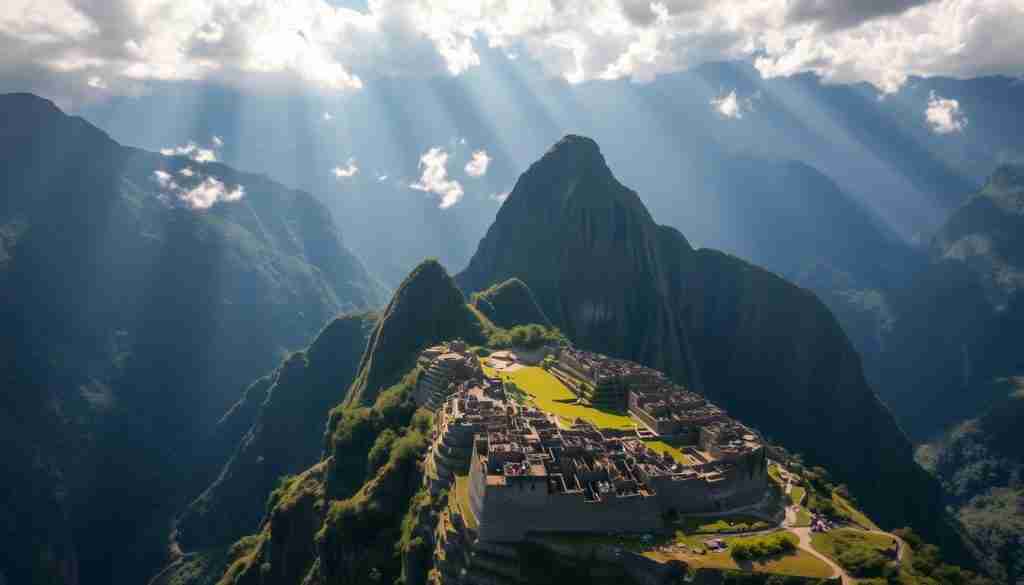
With the right planning, your Machu Picchu visit will be unforgettable. Enjoy your time at this amazing Inca site.
Sacred Valley Exploration Guide
The Sacred Valley of the Incas is a top spot in Peru’s Cusco region. It’s perfect for diving into Andean culture and seeing ancient sites. The best time to visit is from June to August, when the weather is dry and great for seeing places like Ollantaytambo and Pisac.
Best Times for Archaeological Sites
The dry season is the best for seeing the Sacred Valley’s sites. Ollantaytambo, a well-kept Inca town, and Pisac, with its impressive ruins, are best seen then. April-May and September-October are also good, with nice weather and fewer people.
Transportation and Accessibility
Traveling in the Sacred Valley is easy, with many ways to get around. You can take private tours, public buses, or taxis. The valley’s lower height makes it a great place to get used to the altitude before going to higher places like Machu Picchu.
Local Markets and Cultural Experiences
The towns in the Sacred Valley, like Pisac, have lively markets. They show off the area’s rich Andean culture. You can look at handmade items, try local food, and see how the locals live. These markets are a real way to experience the culture of the Sacred Valley.
| Destination | Elevation | Highlights |
|---|---|---|
| Sacred Valley | 2,743 meters (9,000 feet) | Ollantaytambo, Pisac, Kinsa Cocha, Calca, Lares Valley |
| Cusco | 3,400 meters (11,152 feet) | High-altitude city, Inca ruins, colonial architecture |
The Sacred Valley is full of Andean culture, history, and beauty. Visiting during the dry season lets you enjoy the culture, sites, and views. It makes the Sacred Valley a place you won’t forget.
Travel Tips and Accommodation Planning
When planning your Cusco adventure, consider staying in lower-altitude towns like Ollantaytambo or Urubamba for initial acclimatization. This can help ease the transition to Cusco’s high elevation of over 3,400 meters (11,150 feet). Book your accommodations well in advance, as the peak tourist season from June to August is busy. Many hotels in the region offer amenities like coca tea and oxygen to assist with altitude sickness.
Packing the right essentials is crucial for a comfortable trip. Bring layers of clothing to accommodate the variable temperatures, rain gear, sturdy walking shoes, and sun protection. Travel insurance is highly recommended due to the potential for weather-related travel disruptions and the high-altitude environment. Allow sufficient time for acclimatization and stay hydrated to minimize altitude sickness symptoms.
Research and book reputable tour operators for excursions to Machu Picchu and other must-visit sites in the Sacred Valley. This can help ensure a seamless and safe experience, as well as provide expert guidance on navigating the region’s cultural and natural wonders.
| Cusco Hotels | Altitude Acclimatization | Travel Insurance | Packing Essentials |
|---|---|---|---|
| Book in advance, even during off-peak seasons | Stay in lower-altitude towns initially | Highly recommended for high-altitude regions | Layers, rain gear, sturdy shoes, sun protection |
| Many hotels offer altitude-sickness remedies | Allow time for acclimatization | Covers weather-related travel disruptions | Stay hydrated to minimize altitude sickness |
“Cusco is a remarkable destination that combines rich cultural heritage with stunning natural beauty. Proper planning and preparation are key to ensuring a safe and enjoyable experience in this high-altitude gem.”
Conclusion
The best time to visit Cusco, the ancient Inca capital, depends on what you want to do. The dry season, from May to October, is perfect for outdoor fun and cultural events. June to August is the busiest time, but still great for exploring.
April-May and September-October are good too. They offer nice weather and fewer people, making your trip more special.
The wet season, from November to April, has more rain but also greener landscapes. It’s a chance to see Cusco’s culture without the crowds. This city and the Sacred Valley are amazing all year, with their sites, nature, and traditions.
Planning well is key to a great trip to Cusco and the Andes. Think about the altitude, festivals, and what you like. Knowing when to go helps make your Peru trip unforgettable.
