The 4-day Inca Trail to Machu Picchu is a 42-kilometer (26-mile) journey. It takes you through cloud forests and subtropical jungles. Along the way, you’ll reach altitudes of up to 4,200 meters (13,779 feet).
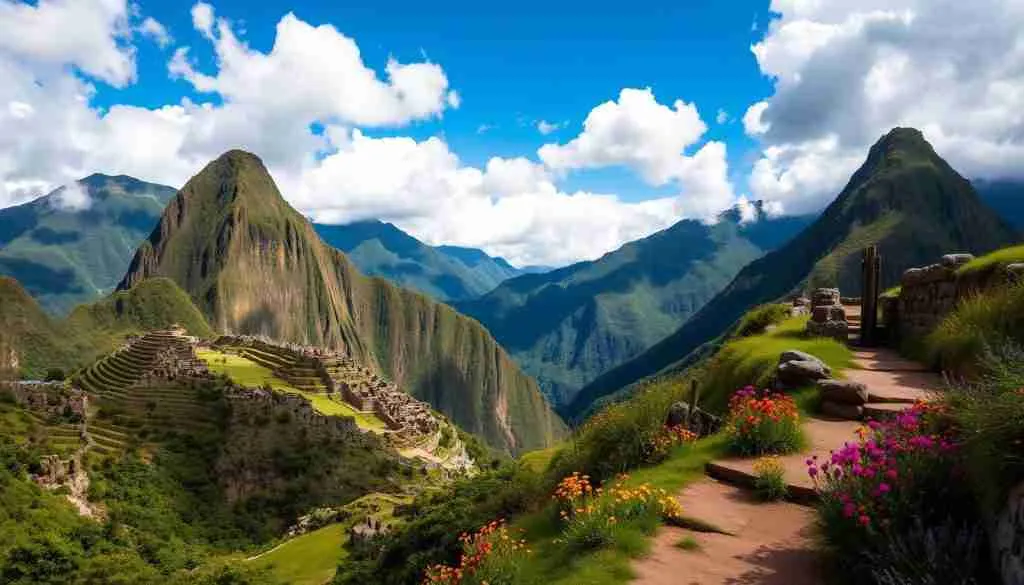
You’ll see ancient Incan sites like Runcuracay, Phuyupatamarca, and Wiñayhuayna. The trek ends at the Sun Gate, where you’ll see Machu Picchu in all its glory. This famous trail needs booking in advance because of its limited spots. You must go with a licensed guide or tour operator.
Key Takeaways
- 42-kilometer Inca Trail trek through diverse landscapes in Peru
- Altitudes up to 4,200 meters (13,779 feet) with ancient Incan ruins
- Limited daily permits require advance booking with licensed guides
- Challenging trek suitable for fit travelers with proper acclimatization
- Spectacular views of Machu Picchu at the trail’s end
- Contact us for a comfortable and personalized itinerary (Free Service)
Understanding the Classic Inca Trail Experience
The Inca Trail is a legendary 26-mile (42-kilometer) trek through the Andes. It gives a glimpse into the Incan Empire’s history and culture. This iconic route, with a maximum elevation of 13,000 feet, connects ancient Incan sites. It follows paths once used by Incan royalty.
Trail Length and Elevation Details
The Classic Inca Trail is a challenging yet rewarding journey. The highest point is Dead Woman’s Pass at 4,215 meters (13,829 feet). The trek spans 40 kilometers (25 miles) over 4 days and 3 nights. It offers breathtaking views of the Andean landscapes.
Historical Significance of the Route
The Inca Trail was rediscovered in 1913 by Hiram Bingham. He also found the iconic Machu Picchu. This ancient network was a vital transportation and communication system for the Incan civilization. It connected Cusco with Machu Picchu.
Permits and Regulations for 2025
The Peruvian government has strict regulations to protect the Inca Trail. In 2025, only 500 people, including guides and porters, can trek the trail daily. Permits sell out quickly, so booking in advance is necessary. Trekkers must hike with certified guides to preserve the trail and ecosystem.
“The Inca Trail is one of the most iconic and challenging treks in the world. It offers a unique chance to explore the rich history and stunning landscapes of the Andes.”


Best Time to Trek Machu Picchu in 2025
Planning your Inca Trail trek to Machu Picchu is crucial. The best time is during the dry season, from April to August. This period offers sunny days and less rain, perfect for stunning views.
The dry season, though, means more people on the trails. If you prefer fewer crowds, consider March-April or September-October. These shoulder seasons have good weather and fewer tourists.
Remember, the Peruvian highlands have unpredictable weather. Be ready for sudden temperature changes and rain. Pack layers and the right gear for a comfortable trek.
“The Inca Trail is a true adventure, and the best time to experience it is when the weather and crowds work in your favor. With a little planning, you can maximize your chances of a magical journey to Machu Picchu.” – Jane Doe, Machu Picchu Trekking Expert
Let’s explore the Inca Trail seasons and their weather:
| Season | Months | Weather Conditions |
|---|---|---|
| Dry Season | May to October | Temperatures range from 20-25°C (68-77°F) during the day, dropping to around 10°C (50°F) at night. Sunny days and less rainfall. |
| Wet Season | November to April | Daytime temperatures usually between 18-22°C (64-72°F). Increased rainfall and more unpredictable weather patterns. |
Book your Inca Trail tour and accommodations early, from June to August. This ensures you get your preferred options and a smooth experience.
Essential Pre-Trek Preparation
Starting the Inca Trail to Machu Picchu needs a lot of physical and planning work. Every year, over 75,000 people take on this famous path. It’s key to make sure you’re ready for the adventure.
Physical Fitness Requirements
The Inca Trail is a tough hike, 43 km long and up to 4,200 m high. To tackle it, start cardio exercises like cycling, running, or swimming 3-6 months before. Aim for 30-60 minutes, 3-5 times a week. Building strength and endurance is vital, like for Day 2’s climb to Dead Woman’s Pass.
Altitude Acclimatization Tips
Altitude sickness is a big worry on the Inca Trail, as the first camp is at 3,000 m. To avoid sickness, spend 2-3 days in Cusco before trekking. Do light activities and drink plenty of water to adjust to the high altitude.
Required Documentation
Along with getting fit, you need the right papers. This includes a valid passport, an Inca Trail permit, and a student card if you have one. While tour operators get permits, you must get your own documents. Good preparation makes the trek smoother and more enjoyable.
Focus on getting fit, acclimating to altitude, and getting your documents. This way, you can start the Inca Trail journey with confidence. It makes the trek safer and more fun to Machu Picchu.
Machu Picchu Trek 2025 Itinerary
Get ready for a 4-day trek along the famous day-by-day Inca Trail to Machu Picchu in 2025. This detailed trekking schedule takes you through the Andes’ history and stunning landscapes.
- Day 1: Begin at Piskacucho (km 82) and hike 12 km (6 hours) to Ayapata campsite locations.
- Day 2: Climb to Dead Woman’s Pass, then go down to Pacaymayu campsite locations. You’ll cover 16 km (9 hours).
- Day 3: See the Phuyupatamarca ruins and head to Wiñay Wayna campsite locations. Trek 10 km (5 hours).
- Day 4: Wake up early to see the Sun Gate and Machu Picchu Citadel. Enjoy a guided tour and return to Cusco.
Each day, our skilled trek chefs provide meals to keep you energized. The campsite locations have basic facilities. Temperatures are between 5°C and 12°C at night.
| Day | Distance | Duration | Campsite | Elevation |
|---|---|---|---|---|
| 1 | 12 km | 6 hours | Ayapata | 3,300m |
| 2 | 16 km | 9 hours | Pacaymayu | 4,000m |
| 3 | 10 km | 5 hours | Wiñay Wayna | 3,680m |
| 4 | 8.9 km | – | – | 2,400m |
Dive into the Andes’ culture and natural beauty on this unforgettable day-by-day Inca Trail plan to Machu Picchu in 2025.
Choosing Your Trek Operator for 2025
Planning your Machu Picchu trek in 2025 means picking the right tour operator is key. Peru’s trekking scene has many good companies, each offering something special. By looking into top-rated operators, comparing prices, and knowing when to book, you can have a trip you’ll always remember.
Top-Rated Companies
In 2025, Alpaca Expeditions is the top tour operator in Peru. They’re known for great customer service, skilled guides, and eco-friendly practices. Other companies like Sam Travel Peru and Killa Expeditions are also praised for their reliable service and cultural experiences.
Price Comparison and Services
The Classic Inca Trail trek costs between $650 and $950 for basic services. Train upgrades and entrance fees add more to the price. Booking through a travel agency can make it 50-100% more expensive. But, some companies offer treks for under $650, needing a group of 16 for quality service.
What you get in your trek package varies. It usually includes transport, guides, porters, food, and camping gear. Some operators also have luxury options with better accommodations and services.
Booking Timeline
Booking your Inca Trail trek for 2025 early is essential. Peru only issues a limited number of permits each year. Aim to book at least 6 months ahead, more for peak season from May to September. You’ll need to share personal details like your name, nationality, and passport number.
With the right research and early booking, you can find the best Inca Trail tour operator for your 2025 Machu Picchu trek. It will be an experience you’ll never forget.
Gear and Packing Essentials
Trekking the Inca Trail to Machu Picchu needs careful planning of your Inca Trail equipment and trekking gear. You’ll need sturdy hiking boots, warm clothes, and rain gear. The right packing list is key to a great adventure.
A good pair of hiking boots is crucial. Make sure they’re comfortable before you start. Trekking poles help with balance on tough terrain. Remember, your bag can only weigh 6 kilograms, so pack light.
Don’t forget warm clothes, rain gear, sun protection, and a first-aid kit. Carry your passport, permit, and other important documents. Some companies provide camping gear, but check what’s included. Renting gear in Cusco can save space in your bag.
| Essential Gear | Recommended Items |
|---|---|
|
|
With the right Inca Trail equipment and trekking gear, you’re ready for the Inca Trail to Machu Picchu. Enjoy the stunning views and challenges.

Campsite Facilities and Accommodation
As you start your journey to Machu Picchu on the Inca Trail, you’ll find scenic campsites. The main spots are Ayapata, Pacaymayu, and Wiñay Wayna. These places have shared toilets and cold water, but showers are only available in Aguas Calientes.
The porters will set up your tents. Though the facilities are simple, the views are breathtaking. Wiñay Wayna, near Incan ruins, is the last camp and can get crowded.
Be ready for cold nights, as it can get as low as 5°C/41°F. Wear warm clothes and bring good sleeping gear for a comfortable trek on the Inca Trail.
Camping Locations Overview
- Ayapata: The first campsite, offering basic facilities and stunning mountain views.
- Pacaymayu: The second campsite, situated in a scenic location.
- Wiñay Wayna: The final campsite, located near impressive Incan ruins, but often crowded.
Available Amenities
- Shared toilet facilities
- Cold-water taps
- No shower amenities until Aguas Calientes
- Tents provided and set up by porters
- Stunning mountain views at select campsites
The trekking accommodation on the Inca Trail is simple but lets you enjoy nature and history. With guides and porters, you can make lasting memories on your Inca Trail trek.
Transportation and Logistics
Your Inca Trail adventure starts with a morning pickup from your Cusco hotel. You’ll ride in comfort to Piskacucho (km 82), where your trek begins. After hiking through the Andes, a bus awaits to take you to Aguas Calientes.
Returning to Cusco, you’ll take a train to Ollantaytambo. Then, a bus or private transfer will bring you home. The Expedition train is standard, but you can upgrade to the Vistadome for $67 USD per person. This luxury train offers stunning views and a more comfortable ride. You’ll arrive in Cusco around 7:00 PM on your last day.
Some tour providers offer early train options. This lets you return to Cusco earlier if you prefer. Make sure to talk to your tour provider about your transport needs for a smooth Inca Trail transport experience from Cusco to Machu Picchu and back.
| Trek | Duration | Distance | Difficulty Level |
|---|---|---|---|
| Choquequirao Trek | 9 days | 125 km / 77.67 miles | Very Strenuous |
| Salkantay Trek & Inca Trail | 7 days | N/A | Very Strenuous |
| Lares Trek | 4 days | N/A | Strenuous |
| Short Inca Trail | 2 days | N/A | Moderate |
| Ausangate Trek | 7 days | N/A | Very Strenuous |
| Enhanced Inca Trail | 5 days | N/A | Strenuous |
The trek logistics for Machu Picchu hikes vary. Consider your fitness level when choosing a trek. This ensures a safe and enjoyable Inca Trail transport experience.
Conclusion
The Inca Trail to Machu Picchu is an unforgettable adventure. It combines the Andes’ natural wonders with the Incan Empire’s rich culture. The journey to Machu Picchu is challenging but rewarding, giving trekkers a sense of accomplishment and lasting memories.
Getting ready for the Inca Trail is key. You need to respect the environment and choose a responsible tour operator. Even with more people, the trail’s fame as a South American icon remains strong. It offers a unique chance to explore the Andean landscape and connect with Inca history.
Choosing the Classic Inca Trail or another route, your Machu Picchu adventure will be memorable. With good planning and a sense of adventure, you’ll have an experience that deepens your appreciation for this amazing place.
