
Best Time to Visit Croatia 2026: Month-by-Month Guide
Croatia in 2026 offers distinct seasonal experiences ranging from summer beach perfection (June-August) to budget-friendly winter exploration (November-March), with shoulder season months May, June, September, and October delivering the optimal balance of pleasant weather, moderate crowds, and reasonable pricing. The country’s 1,100-mile Adriatic coastline and continental interior create dramatic climate variations, requiring strategic timing based on whether travelers prioritize swimming, cultural exploration, festival experiences, or budget constraints.
Key Takeaways
- Optimal Months for Most Travelers: September and May combine warm weather (18-26°C), swimmable sea temperatures, 30-50% fewer crowds than peak summer, and 20-30% lower accommodation costs than July-August in 2026
- Peak Season Reality: Mid-June through mid-September brings perfect beach weather but also maximum crowds, prices 40-60% above shoulder season rates, and essential advance booking for coastal destinations
- Budget Travel Window: January-March and November offer accommodation discounts of 40-60% compared to summer peaks, though many island businesses close and weather limits outdoor activities
- Swimming Season Duration: Adriatic Sea reaches comfortable swimming temperatures (21-25°C) from mid-June through September, with hardy swimmers extending the season into October when water averages 19-21°C
- Festival Concentration: July 2026 hosts Ultra Europe (July 10-12), Defected Croatia (July 29-Aug 2), and multiple electronic music festivals, creating additional accommodation pressure during already-busy peak season
- December Advent Exception: Zagreb’s Christmas markets (late November-January 7) create high season pricing and crowds despite winter weather, rivaling July-August tourism intensity in the capital
People Also Ask About Croatia Travel Timing 2026
What Is the Single Best Month to Visit Croatia in 2026?
September ranks as the single best month to visit Croatia in 2026, combining warm air temperatures (20-26°C), sea temperatures still ideal for swimming (21-24°C), summer festival atmosphere without peak crowds, and accommodation prices 25-35% below July-August peaks. The month delivers July-quality weather with May-level crowds as schools resume across Europe, reducing family tourism while weather remains reliably sunny with minimal rainfall. Coastal restaurants and attractions remain fully operational unlike shoulder season transitions, while harvest season brings wine festivals and cultural celebrations across Istria and Dalmatia. September suits beach lovers, cultural explorers, sailors, and budget-conscious travelers equally well, making it Croatia’s most versatile month. The sole disadvantage involves occasional September rain showers compared to July-August’s near-zero precipitation, though these typically arrive later in the month as autumn transitions begin.
Should I Visit Croatia in Peak Season or Shoulder Season in 2026?
Shoulder season (May, early June, September, October) proves superior for most travelers in 2026 unless guaranteed beach weather and maximum daylight hours justify peak season’s crowds and premium pricing. Peak season (mid-June through mid-September) delivers near-perfect beach conditions with July-August averaging 28-32°C air temperatures, 24-26°C sea temperatures, and virtually zero rain, but accommodation costs 40-60% more than shoulder months while coastal hotspots like Dubrovnik, Split, and Hvar islands experience overwhelming tourist density. Shoulder season sacrifices slight weather reliability—May and October average 3-5 rainy days monthly versus July-August’s 1-2 days—for dramatic improvements in crowd management, pricing, and authentic local interaction. Restaurants provide better service when not overwhelmed, attraction lines disappear, and spontaneous accommodation booking becomes possible. Choose peak season only if traveling with school-age children constrained to July-August, attending specific summer festivals, or prioritizing guaranteed swimming weather above all other considerations.
How Much Cheaper Is Croatia Outside Peak Season in 2026?
Accommodation costs in Croatia drop 25-35% during shoulder season (May, June, September, October) and 40-60% during low season (November-March) compared to peak July-August pricing in 2026. A coastal hotel charging €180-220 nightly in peak summer reduces to €120-160 in September, €90-130 in May or October, and €70-100 in January-February. Restaurant prices remain relatively stable year-round as local demand sustains businesses, though some establishments offer winter promotional menus at 10-15% discounts. Activity costs stay constant—museum entrance fees, national park admissions, and tour prices change minimally across seasons—making accommodation the primary variable expense. Ferry schedules reduce frequency outside June-September, sometimes requiring overnight stays that offset per-day savings, and many island businesses close November-April, limiting dining and lodging options. The tourism tax in Dubrovnik charges €2.65 per person nightly April-September versus €1.85 October-March, creating additional summer premium. Budget travelers achieve 35-50% total trip cost reduction by visiting May or September-October versus July-August when combining accommodation savings with comparable service levels.
Can You Swim in Croatia in May and October 2026?
Swimming proves possible but temperature-dependent in May and October 2026, with May sea temperatures averaging 17-19°C (63-66°F) and October averaging 19-21°C (66-70°F) compared to peak July-August temperatures of 24-26°C (75-79°F). Southern Dalmatian waters near Dubrovnik warm faster and retain heat longer than northern Istrian coast, creating regional variations of 2-3°C that influence swimming comfort significantly. Hardy swimmers and those accustomed to cooler waters manage comfortable May and October swimming, particularly during sunny mid-day periods when air temperatures reach 22-26°C, while those preferring bathwater warmth find early May and late October too chilly for extended swimming. Mid-May through late May sees increasing comfort as spring sunshine warms the Adriatic, while early October benefits from summer heat retention before temperatures drop late-month. Heated hotel pools provide alternatives for temperature-sensitive swimmers visiting shoulder season, and many coastal hotels maintain pool heating through October. The realistic swimming season for most travelers runs mid-June through mid-September, with May and October offering viable but cooler alternatives for those prioritizing other aspects of Croatian travel over guaranteed warm swimming.
Extended multi-day tours – 5+ days
Featured Croatia Multi-Day Tour Packages
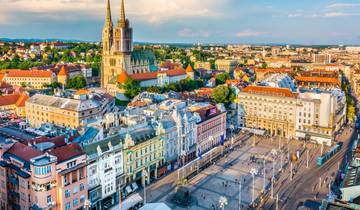
8 days
Impressive Croatia
- ✓ Comprehensive Croatia tour
- ✓ Expert local guides included
- ✓ All accommodation arranged
- ✓ Transportation provided
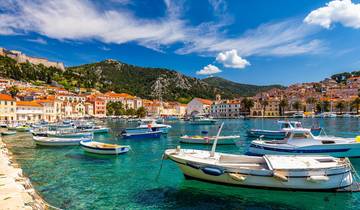
10 days
Croatia Sail Adventure
- ✓ Comprehensive Croatia tour
- ✓ Expert local guides included
- ✓ All accommodation arranged
- ✓ Transportation provided

8 days
Sailing Croatia 8 day -Split, Blue Lagoon, Vis, Hvar, Bol and Trogir
- ✓ Comprehensive Croatia tour
- ✓ Expert local guides included
- ✓ All accommodation arranged
- ✓ Transportation provided
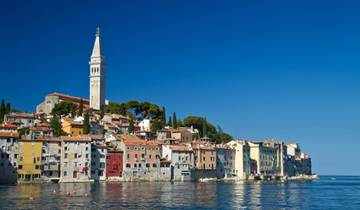
9 days
Croatian Beauties Tour – from Zagreb -9 days 8 nights
- ✓ Comprehensive Croatia tour
- ✓ Expert local guides included
- ✓ All accommodation arranged
- ✓ Transportation provided
Multi-day tour packages powered by TourRadar. Prices and availability subject to change.
Introduction
Croatia’s transformation from Adriatic hidden gem to Mediterranean tourism powerhouse creates complex timing considerations for 2026 visitors. The country welcomed record numbers in 2025, with growth concentrated in shoulder season months while traditional July-August peak periods saw first-ever visitor declines, signaling evolving travel patterns favoring May, June, September, and October over conventional summer peaks. This shift reflects travelers’ growing awareness that Croatia delivers optimal experiences outside peak crowds, with September weather rivaling July while offering superior value and authentic cultural access.
Understanding Croatia’s seasonal variations requires recognizing fundamental geographic and climatic divisions. The 1,100-mile Adriatic coastline experiences Mediterranean climate with hot, dry summers and mild, wet winters, while continental interior regions including Zagreb face temperature extremes: sweltering 35°C+ summer heat without coastal breezes and snowy winters dropping below 0°C. The Dinaric Alps separating coast from interior create microclimates and dramatic weather variations within short distances. This complexity means “best time to visit Croatia” depends entirely on destination mix, activity priorities, budget constraints, and crowd tolerance levels.
Tourism infrastructure has evolved to support year-round travel, though seasonal variations remain pronounced. June-September represents full operational capacity: all ferries running, every restaurant open, maximum accommodation availability. May and October constitute transitional months with 80-90% services operational, while November-April sees reduced ferry schedules, island business closures, and limited coastal hotel availability as properties close for winter maintenance. Zagreb and continental cities maintain consistent year-round operations, making winter cultural tourism viable despite coastal limitations.
The 2026 festival calendar concentrates heavily in June-August, with Ultra Europe (July 10-12 in Split), Hideout Festival (June 30-July 3 on Pag Island), INmusic Festival (June 22-24 in Zagreb), and numerous electronic music events creating accommodation pressure beyond normal peak season demand. Festival attendees must book lodging 4-6 months advance during these specific weeks, while festival-avoiders should specifically exclude these dates when planning summer visits. December presents unique timing considerations as Zagreb’s renowned Advent Christmas markets (late November-January 7) create winter high season with summer-equivalent pricing and crowds in the capital.
This comprehensive month-by-month guide dissects Croatia’s 2026 seasonal patterns, providing specific weather data, crowd expectations, pricing indicators, and strategic advice for each period. The analysis balances coastal beach destinations with interior cultural sites, sailing conditions with hiking weather, festival calendars with quiet exploration opportunities. The goal is equipping travelers with information enabling confident timing decisions aligned with individual priorities, whether those involve guaranteed swimming weather, cultural immersion, budget optimization, or crowd avoidance.
Understanding Croatia’s Tourism Seasons 2026
Croatia’s tourism calendar divides into three distinct seasons with dramatically different pricing, crowd levels, and service availability in 2026. High season runs mid-June through mid-September, shoulder season encompasses May, early June, late September, and October, while low season covers November through April with December Advent period creating localized exception in Zagreb and select cities. Each season offers advantages and disadvantages requiring assessment against individual travel priorities.
High season delivers Croatia’s most reliable weather with July-August averaging 28-32°C (82-90°F) daytime temperatures, virtually zero precipitation, 24-26°C (75-79°F) sea temperatures perfect for swimming, and maximum daylight hours extending beach days until 9pm sunsets. All tourism infrastructure operates at full capacity: ferries run complete schedules, every restaurant and hotel opens, tour operators offer maximum activity options, and coastal towns buzz with international atmosphere. These advantages come at significant cost: accommodation prices peak 40-60% above shoulder season rates, popular attractions like Dubrovnik’s Old Town and Plitvice Lakes National Park experience overwhelming crowds, restaurant reservations become essential, and authentic local culture recedes behind tourist-oriented services. Advance booking proves mandatory for coastal accommodation during July-August, particularly around major festivals.
Shoulder season represents optimal timing for experienced travelers prioritizing value, manageable crowds, and authentic experiences alongside acceptable weather reliability. May and September deliver weather comparable to high season—May averages 20-24°C (68-75°F), September 22-26°C (72-79°F)—with accommodation costs 25-35% below peak rates. June and October prove slightly cooler with increased rain probability but maintain 80-90% of high season services while offering 30-40% fewer crowds than July-August. The sea temperature consideration proves crucial: mid-June through September provides comfortable 21-26°C (70-79°F) swimming, while May (17-19°C) and October (19-21°C) suit only hardy swimmers. Shoulder season allows spontaneous travel with last-minute accommodation booking possible, restaurant dining without reservations, and national parks experienced without crowd management stress.
Low season suits budget-focused travelers, winter sport enthusiasts, and those prioritizing cultural immersion over beach activities. November-March brings accommodation discounts of 40-60% compared to summer peaks, with January-February representing absolute lowest pricing. Zagreb and continental cities maintain full tourism operations year-round, making winter cultural exploration viable, while Advent markets (late November-January 7) create magical Christmas atmosphere across major cities. However, coastal Croatia essentially hibernates: island ferries reduce to minimal schedules, many restaurants and hotels close entirely, and activities like island hopping become logistically challenging. Weather proves unpredictable with coastal temperatures averaging 8-12°C (46-54°F), frequent rain, and occasional snow in Istria and northern Dalmatia despite Mediterranean climate classification.
Seasonal Pricing Patterns Croatia 2026
Accommodation pricing in Croatia fluctuates 40-60% between low and high seasons in 2026, with coastal properties experiencing more dramatic variations than continental hotels. A Dubrovnik hotel charging €200 nightly in July drops to €130 in September, €90 in May, and €70 in February, while Zagreb business hotels maintain more consistent €80-120 year-round pricing with modest 15-20% summer increases. Island properties show steepest seasonal curves: Hvar hotels commanding €250-350 in August reduce to €80-120 in May and often close entirely November-March.
Restaurant and activity costs remain relatively stable across seasons, creating proportionally greater budget impact when combined with accommodation fluctuations. A meal costing €18-25 in restaurants stays consistent whether visiting July or November, though some establishments offer winter promotional menus at 10-15% discounts to attract local patronage. National park entrance fees, museum admissions, and tour operator prices change minimally—Plitvice Lakes charges the same €25-40 entrance (depending on season) year-round, while private boat tours maintain fixed €80-150 rates regardless of month. Ferry ticket prices stay constant, though reduced winter schedules sometimes require circuitous routing or overnight stays that increase total costs.
The tourism tax structure adds seasonal pricing layer, with Dubrovnik charging €2.65 per person nightly April-September versus €1.85 October-March, effectively creating government-mandated high season premium. Split, Zadar, and other major coastal cities impose similar graduated structures, adding €5-15 to weekly accommodation costs during peak periods. These taxes apply regardless of accommodation type—luxury hotels, budget guesthouses, and private apartments all collect identical per-person nightly fees.
Festival periods create localized pricing spikes beyond normal seasonal patterns. Ultra Europe weekend (July 10-12 in Split) drives accommodation in Split, nearby islands, and surrounding coastal areas to premium rates 20-30% above normal July pricing, with minimum stay requirements (3-4 nights) and advance booking essential 4-6 months prior. INmusic Festival (June 22-24 in Zagreb) similarly inflates Zagreb accommodation during otherwise moderate shoulder season period. Hideout Festival (June 30-July 3) on Pag Island creates island-wide accommodation scarcity, forcing mainland stays with ferry commutes for late bookers.
Coastal versus Inland Climate Differences 2026
Croatia’s geography creates two distinct climate zones requiring separate timing strategies. The Adriatic coastal region experiences Mediterranean climate with hot, dry summers averaging 26-30°C (79-86°F), mild winters rarely dropping below 8°C (46°F), sea breezes moderating temperature extremes, and precipitation concentrated in autumn-winter months. Continental interior including Zagreb, Slavonia, and areas north of the Dinaric Alps face temperature extremes: summer heat reaching 35-38°C (95-100°F) without coastal cooling, winter cold dropping to -5°C to -10°C (14-23°F) with substantial snowfall, and year-round precipitation including summer thunderstorms.
These climate differences influence optimal visit timing based on itinerary composition. Travelers focusing exclusively on coastal destinations (Dubrovnik, Split, Istria, islands) prioritize May-October when sea temperatures support swimming and outdoor activities, with July-August delivering guaranteed beach weather at peak pricing and September-October offering comparable conditions with superior value. Those exploring continental Croatia or combining coast with interior cities find spring (April-May) and autumn (September-October) ideal, as summer interior heat becomes oppressive without sea access while winter cold and snow limit outdoor exploration.
Regional temperature variations within coastal Croatia prove significant for timing decisions. Southern Dalmatia including Dubrovnik experiences milder winters and earlier spring warming than northern Istria and Kvarner regions, creating 2-3 week seasonal offset. Dubrovnik enjoys comfortable 16-18°C (61-64°F) March-April weather while Istria remains 12-14°C (54-57°F), and Dubrovnik’s sea temperature reaches swimmable 21°C in mid-June versus late June in Istria. October proves more favorable in southern regions as autumn cooling arrives later, maintaining 20-22°C (68-72°F) temperatures through mid-October versus 16-18°C (61-64°F) in northern coastal areas.
January Croatia 2026: Winter Low Season
January represents Croatia’s absolute low season with coldest temperatures, shortest daylight hours, and minimum tourism infrastructure operation in coastal regions. Coastal areas average 8-10°C (46-50°F) daytime temperatures with nighttime lows around 4-6°C (39-43°F), frequent rain showers, occasional cold Bura wind bringing temperature drops, and rare but possible snow in Istria and northern Dalmatia. Interior continental regions experience genuine winter with temperatures ranging -2°C to 5°C (28-41°F), regular snowfall, and occasional severe cold snaps dropping to -10°C to -15°C (14-5°F).
Coastal tourism infrastructure operates at minimum capacity during January. Island ferries run reduced schedules serving primarily local residents, many restaurants and hotels close for annual maintenance and staff holidays, and activity operators suspend operations until spring. Dubrovnik, Split, and Zadar maintain core tourism services with select hotels open year-round, major restaurants operating, and city sightseeing remaining viable, though crowds disappear almost entirely. Island destinations like Hvar, Korčula, and Vis become essentially inaccessible for tourists as accommodation closes and ferry schedules reduce to 1-2 daily departures.
January advantages center on dramatic cost savings and solitude. Accommodation in open properties costs 50-60% below summer peaks—a €180 July hotel drops to €70-80 in January. Major attractions like Dubrovnik’s city walls, Plitvice Lakes (spectacular when frozen), and coastal old towns experience virtually zero crowds, enabling photography and exploration impossible during summer masses. Zagreb thrives in January with full restaurant and cultural scenes, winter festivals, and authentic local atmosphere as domestic tourism peaks for winter weekend breaks.
January suits budget travelers willing to accept limited coastal infrastructure, winter sport enthusiasts targeting Sljeme or interior skiing, cultural explorers focused on cities and museums rather than beaches, and photographers seeking dramatic winter coastal scenery. The month proves poor choice for beach holidays, island hopping, outdoor activity focus, or travelers requiring extensive service availability. Packing requires full winter wardrobe including waterproof jacket, warm layers, and sturdy rain-proof footwear.
February Croatia 2026: Late Winter Transition
February maintains winter conditions with slight warming trend toward spring, averaging 10-12°C (50-54°F) along the coast and 2-6°C (36-43°F) in continental interior. Daylight hours increase compared to January, reaching approximately 10-11 hours by month’s end, and sunny days become more frequent though rain and cloudy periods remain common. Sea temperatures bottom out at 12-13°C (54-55°F), eliminating swimming as viable activity, while snow possibility continues in interior regions with Zagreb experiencing occasional February snowfall.
Tourism infrastructure remains at low-season minimum through February, with island ferries maintaining winter schedules, many coastal hotels and restaurants closed, and activity operators not yet resuming spring operations. Cities like Zagreb, Split, and Dubrovnik maintain consistent service levels with restaurants, hotels, and attractions open, but island destinations and smaller coastal towns offer limited options. The Carnival season brings life to coastal cities, particularly Rijeka’s famous carnival celebrations in late February, creating brief tourism activity spike around this cultural event.
February advantages mirror January with accommodation pricing 50-60% below summer peaks, attraction solitude, and authentic local atmosphere. The month begins showing spring hints by late February as almond trees blossom in southern Dalmatia, creating early photography opportunities. Museums, galleries, and indoor cultural attractions operate normally, making city-focused cultural tourism viable. February represents excellent timing for travelers combining Zagreb exploration with brief coastal visits to major cities, as this mix capitalizes on low-season pricing while avoiding infrastructure limitations affecting islands and smaller towns.
February suits budget-conscious cultural tourists, Carnival attendees (Rijeka festival late February), travelers escaping northern European winter for Croatia’s milder coastal climate, and those prioritizing cost savings over extensive service availability. The month remains poor choice for beach tourism, island exploration, outdoor activities, or itineraries requiring comprehensive accommodation and dining options in coastal areas. Weather unpredictability requires flexible planning and full rain gear alongside warm clothing.
March Croatia 2026: Early Spring Awakening
March marks spring transition with noticeably improving weather, particularly late-month as temperatures rise toward comfortable exploration range. Coastal regions average 12-16°C (54-61°F) with increasing sunny days, though rain remains frequent and wind can create chilly conditions. Interior continental areas warm from 6-12°C (43-54°F), with Zagreb experiencing spring-like conditions by late March though occasional cold snaps and rain persist. Daylight extends to 12 hours by month’s end, enabling full sightseeing days.
Tourism infrastructure begins spring awakening during March, though most island properties and coastal hotels remain closed until April. Ferry schedules increase slightly from winter minimums but don’t reach summer frequency, island restaurants begin reopening in final week of March, and coastal cities fully operational year-round see increased visitor numbers as European travelers seek early spring breaks. National parks like Plitvice Lakes experience spring bloom with waterfalls at maximum flow from snowmelt, creating spectacular scenery without summer crowds.
March advantages include continued low-season pricing with 40-50% savings versus summer, dramatically fewer crowds than any period April-October, and spring nature awakening creating beautiful photography conditions. Almond and cherry blossoms appear in southern Dalmatia, wildflowers bloom across countryside, and green landscapes contrast with summer’s dried-brown appearance. Easter timing varies annually—when Easter falls in March, accommodation prices spike temporarily during holiday weekend while cities host festive celebrations and markets.
March suits nature photographers, cultural tourists focused on cities and accessible coastal towns, budget travelers accepting limited island access, and those seeking authentic Croatia before tourism season begins. The month proves inadequate for beach holidays, comprehensive island hopping, guaranteed sunshine, or travelers requiring extensive coastal accommodation options. Weather unpredictability demands flexible itineraries and layered clothing for temperature variations throughout single days.
April Croatia 2026: Spring in Full Bloom
April delivers genuine spring conditions with comfortable 16-20°C (61-68°F) coastal temperatures, 12-18°C (54-64°F) in interior regions, increasing sunshine frequency, and nature in peak spring bloom. Easter celebrations (Easter Sunday April 20, 2026) bring festive atmosphere to cities with markets, religious ceremonies, and cultural events. Rain probability decreases compared to March though April showers remain common, and occasional cool periods interrupt otherwise pleasant conditions. Sea temperatures warm to 15-17°C (59-63°F)—still too cold for most swimmers but showing steady increase toward summer comfort.
Tourism infrastructure reaches approximately 60-70% capacity during April as shoulder season officially begins. Island ferries increase schedules toward summer frequency, coastal hotels and restaurants reopen progressively through the month, and tour operators resume activities. Easter weekend (April 17-20, 2026) creates first significant tourist influx of the year, requiring advance accommodation booking for popular destinations during this specific 4-day period while rest of April permits spontaneous travel. National parks implement summer hours and full services, Dubrovnik opens completely for season, and island destinations become accessible though not all properties operational until May.
April advantages combine spring beauty with emerging shoulder season value. Accommodation costs 30-40% below peak summer while most desired properties have reopened, crowds remain minimal outside Easter weekend, wildflowers and spring vegetation create spectacular landscapes, and pleasant temperatures suit hiking and cultural exploration. The Ston Oyster Festival (late March-early April) celebrates renowned Dalmatian oysters, providing culinary focus for foodie travelers. April’s weather variability creates both opportunity and risk—securing several sunny days with perfect 18-20°C temperatures or encountering rainy spells limiting outdoor activities.
April suits spring travelers prioritizing landscapes over beaches, cultural tourists seeking Easter celebrations, hikers and outdoor enthusiasts enjoying perfect temperatures (not too hot, not cold), and budget-conscious visitors accepting some infrastructure limitations. The month proves inadequate for swimming-focused holidays, guaranteed beach weather, comprehensive island exploration requiring all properties open, or travelers demanding summer service levels. Packing requires spring layers including rain jacket, light sweater, and both short and long pants for temperature variations.
May Croatia 2026: Ideal Shoulder Season Beginning
May ranks among Croatia’s finest months, combining warm 20-24°C (68-75°F) coastal temperatures, 16-22°C (61-72°F) interior warmth, reliably sunny weather with minimal rain, extended daylight hours, and nearly complete tourism infrastructure operation at shoulder season pricing. Late May sees sea temperatures reaching 18-20°C (64-68°F), enabling swimming for hardy enthusiasts though most travelers find water still slightly cool for extended swimming. Nature remains green and lush before summer heat dries vegetation, creating ideal conditions for photography, hiking, and outdoor exploration.
Tourism infrastructure operates at 85-95% capacity by May as shoulder season reaches full swing. Ferry schedules approach summer frequency with service to all islands, nearly all hotels and restaurants open by mid-month, tour operators running complete activity programs, and national parks fully staffed with summer hours. Crowds remain 30-40% below July-August levels, enabling spontaneous accommodation booking, restaurant dining without reservations, and attraction visits without crowd management stress. Beach facilities open but beaches themselves remain uncrowded compared to summer peaks.
May’s advantages position it as optimal choice for many travelers: accommodation costs 25-35% below peak summer, weather reliability approaches July-August levels with 20-25 sunny days monthly, temperatures prove perfect for sightseeing and outdoor activities without oppressive summer heat, and authentic Croatian culture remains accessible before mass tourism peak. The Sea Star Festival (May 28-31 in Umag) launches festival season, bringing electronic music to Istria in early-season setting. Sailing conditions excel in May with steady winds, uncrowded anchorages, and pleasant temperatures for week-long charters.
May suits virtually all traveler types except those demanding guaranteed warm swimming and peak service availability. The month excels for cultural tourists, outdoor enthusiasts, photographers, sailors, budget-conscious quality seekers, and first-time visitors wanting comprehensive Croatia experience without crowd overwhelm. May proves inadequate only for travelers requiring bathwater-warm swimming (wait until mid-June), attending summer-specific festivals, or accessing 100% of coastal infrastructure (a few properties delay opening until June). Weather reliability proves high but not absolute—occasional cool, rainy days occur requiring flexible planning.
June Croatia 2026: Summer Season Launch
June transitions from shoulder to high season as summer weather establishes consistently. Early June maintains shoulder season character with 22-26°C (72-79°F) coastal temperatures, moderate crowds, and 20-25% savings versus peak months, while late June approaches July conditions with temperatures reaching 26-28°C (79-82°F), increasing tourist numbers, and peak season pricing taking effect. Sea temperatures warm from 20°C (68°F) early month to 23°C (73°F) by month’s end, crossing the comfortable swimming threshold for most travelers mid-month.
Tourism infrastructure reaches full capacity during June as high season begins. All ferries run complete summer schedules by mid-month, every hotel and restaurant operates, tour operators offer maximum activity selection, and beaches open full facilities including chair rentals, water sports, and lifeguard coverage. Early June permits some spontaneous booking while late June requires advance reservations for popular coastal destinations, particularly during major festival weekends. INmusic Festival (June 22-24 in Zagreb) creates accommodation pressure in the capital, while Hideout Festival (June 30-July 3 on Pag Island) launches the island festival season.
June advantages include summer weather without peak pricing and crowds during the first half, extended daylight hours (longest days around June 21 summer solstice), complete service availability across all regions, and comfortable swimming by mid-month. Late June delivers July-quality beach conditions at 15-20% reduced costs compared to peak weeks. Lighthouse Festival (June 3-7 in Poreč) and Flows Festival (June 10-14 on Ugljan) provide early-season electronic music options for festival enthusiasts.
June suits travelers seeking summer beach experience with moderate crowd levels, families beginning summer holiday schedules, festival attendees (INmusic, Hideout, various electronic music events), and those wanting guaranteed good weather with slight cost savings versus July-August. Early June particularly suits budget-conscious summer travelers as accommodation remains 20-30% below late-month pricing. June proves less suitable for extreme budget travel (shoulder season offers better value), guaranteed solitude (crowds building through month), or those preferring uncrowded beach experiences (wait until September). Packing requires full summer wardrobe including swimwear, sun protection, light evening layer for occasional cool sea breezes.
July Croatia 2026: Peak Summer Excellence
July represents Croatia’s premier beach month with near-perfect weather averaging 28-32°C (82-90°F) coastal temperatures, 26-30°C (79-86°F) interior heat, virtually zero precipitation, sea temperatures reaching peak 24-26°C (75-79°F), and maximum 14-15 hours daylight. Weather reliability approaches certainty—expect sunny, hot days throughout the month with occasional brief afternoon thunderstorms in interior regions but coastal areas experiencing week-long periods of uninterrupted sunshine.
Tourism infrastructure operates at maximum capacity during July as peak season reaches full intensity. All services available, all islands accessible via frequent ferry service, restaurants requiring reservations during dinner hours, popular attractions experiencing significant crowds, and beaches crowded particularly on weekends. Advance accommodation booking proves essential—securing coastal lodging 3-6 months prior becomes standard practice, with last-minute booking often forcing inland stays or accepting premium pricing for remaining availability. Major festivals create additional pressure: Ultra Europe (July 10-12 in Split) drives accommodation scarcity across Split and surrounding areas, Defected Croatia (July 29-August 2 in Tisno) fills the Šibenik region, and Verknipt Croatia (July 12-16 on Zrće Beach) packs Pag Island.
July advantages center on weather certainty and beach perfection. Swimming conditions peak with warm water and calm seas, sailing enjoys steady Maestral afternoon winds providing reliable conditions, every restaurant and hotel operates, water sports reach maximum availability, and the international festival scene creates vibrant atmosphere. Outdoor evening dining remains comfortable until midnight with temperatures staying warm after sunset. The month delivers quintessential Mediterranean summer that draws millions of visitors annually.
July suits beach-focused travelers prioritizing guaranteed swimming weather, families with school-age children restricted to summer holidays, festival enthusiasts attending Ultra Europe or electronic music events, and those willing to pay premium prices for peak conditions and services. July proves inadequate for budget travelers (accommodation costs peak 40-60% above shoulder season), crowd-averse visitors (expect masses at popular sites), authentic cultural seekers (tourist orientation dominates), and heat-sensitive individuals (interior regions become oppressively hot). Booking flexibility disappears during July—advance planning becomes mandatory rather than optional.
August Croatia 2026: Traditional Peak Season
August maintains July’s peak weather with virtually identical 28-32°C (82-90°F) coastal temperatures, 24-26°C (75-79°F) sea temperatures, minimal precipitation, and maximum beach conditions. The first two weeks represent Croatia’s absolute tourism peak as European holidays concentrate in this period, creating maximum crowds, highest prices, and most intense accommodation competition. Late August (third-fourth week) sees gradual crowd reduction as schools resume across northern Europe, creating slightly more manageable conditions while maintaining excellent weather.
Tourism infrastructure operates at absolute capacity during August with highest demand of entire year. Ferries run maximum frequency but still experience crowding and occasional wait times for vehicle transport, restaurants require advance reservations for prime dining hours, popular beaches reach capacity mid-day requiring early arrival for good positioning, and accommodation availability disappears without 3-6 month advance booking. Dimensions Festival (August 27-31 in Tisno) closes the major festival season with five-day underground music celebration, driving accommodation demand in Šibenik region during otherwise tapering late-month period.
August advantages mirror July with guaranteed beach weather, complete service availability, vibrant international atmosphere, and perfect swimming conditions. Late August specifically offers slight crowd reduction while maintaining excellent weather, creating marginally better value and experience than peak mid-month weeks. The month’s predictable excellence enables confident planning—booking August almost guarantees desired weather outcomes, unlike shoulder months’ slight uncertainty.
August suits the same traveler profile as July: families with school holiday constraints, beach-focused visitors, those prioritizing weather certainty over budget or crowds, and festival-goers. The month proves even less suitable than July for budget travel (peak pricing throughout), crowd avoidance (maximum density first two weeks), or authentic cultural immersion. Late August (particularly final week) represents marginal compromise for those requiring summer conditions but finding early-month crowds excessive. Strategic planning focuses on festival periods—Ultra Europe attendees might visit late July or August to avoid July 10-12 Split congestion, while those avoiding all festivals should exclude last week of August when Dimensions creates Tisno-region pressure.
September Croatia 2026: Optimal Shoulder Season
September stands as Croatia’s single finest month for most travelers, combining July-quality weather with shoulder season advantages. Temperatures average 24-28°C (75-82°F) early month cooling gradually to 20-24°C (68-75°F) by late September, sea temperatures remain perfect for swimming at 22-24°C (72-75°F), sunny days predominate though rain probability increases slightly compared to summer, and daylight hours decrease gradually but remain adequate for full sightseeing days. Nature transitions from summer-dried brown to autumn green as September rains regenerate vegetation.
Tourism infrastructure maintains full operation through September with ferry schedules, restaurants, and hotels continuing summer service levels while crowds decline 30-50% as European schools resume early-September. Early September experiences some residual August crowd levels before mid-month drop-off creates noticeably quieter conditions while maintaining complete service availability. Late September sees minimal infrastructure closures as most properties operate through month’s end, though a few establishments begin winter closure preparations. Spontaneous accommodation booking becomes viable after mid-September, restaurant reservations no longer essential, and attraction crowding manageable.
September’s advantages position it as optimal timing for quality-focused travelers. Accommodation costs drop 25-35% below July-August peaks immediately upon September arrival, crowds thin dramatically enabling authentic experiences, weather remains reliable for beach activities, sea temperatures peak at warmest annual levels (late summer heat retention), and harvest season brings wine festivals across Istria and Dalmatia. The month delivers summer experiences at shoulder season pricing—swimming, sailing, beach days, outdoor dining remain central activities while avoiding peak season’s mass tourism downsides.
September suits nearly all traveler types: beach lovers seeking warm swimming without crowds, budget-conscious visitors wanting summer weather at reduced costs, cultural tourists desiring authentic local interaction, photographers benefiting from softer autumn light, sailors enjoying steady winds and uncrowded anchorages, and quality-focused travelers prioritizing experience over absolute lowest pricing. September proves inadequate only for festival enthusiasts (major events conclude), those requiring absolute weather certainty (slight rain increase versus July-August), and travelers needing peak service density (a few properties close late-month). The month represents optimal balance across virtually all evaluation criteria, explaining its status as Croatia’s most recommended visit period.
October Croatia 2026: Late Shoulder Season
October extends shoulder season with cooling temperatures averaging 18-22°C (64-72°F) early month declining to 14-18°C (57-64°F) by late October, increasing rain probability creating 6-8 rainy days monthly, sea temperatures dropping from 20°C (68°F) to 17°C (63°F), and noticeably shorter daylight hours. Weather variability increases compared to September—securing beautiful sunny stretches or encountering multi-day rainy periods becomes more common. Autumn colors emerge in national parks and inland regions, creating spectacular October photography opportunities.
Tourism infrastructure begins winter transition during October with ferry schedules reducing mid-month toward winter frequency, some island hotels and restaurants closing for season after mid-October, coastal cities maintaining full services throughout month, and tour operators winding down activity programs. Early October resembles September with nearly complete availability while late October shows noticeable service reductions particularly on islands. Accommodation selection narrows through the month as properties close progressively, though remaining open establishments maintain quality and provide excellent value.
October advantages include continued shoulder season pricing 30-40% below summer peaks, minimal crowds enabling solitude at major attractions, pleasant temperatures for hiking and cultural exploration, and beautiful autumn scenery. Hardy swimmers manage early October sea temperatures (19-20°C) particularly in southern Dalmatia, while later month suits non-swimming focused itineraries. Wine harvest season peaks in Istria, creating culinary tourism opportunities with fresh wines, truffle season, and harvest celebrations.
October suits autumn travelers appreciating cooler weather, budget-conscious visitors accepting limited infrastructure, cultural tourists focused on cities and accessible coastal towns, photographers targeting autumn colors and softer light, and hiking enthusiasts enjoying perfect temperatures for outdoor activity. The month proves inadequate for beach-focused holidays (swimming becomes chilly), comprehensive island hopping (reduced ferry access and closures), guaranteed sunshine (rain probability significant), and those requiring maximum accommodation selection (many properties closed late-month). Early October specifically provides September-quality experiences at further-reduced pricing, while late October requires acceptance of winter-approaching conditions.
November Croatia 2026: Low Season Onset
November marks definitive shift to low season with significant cooling to 12-16°C (54-61°F) coastal temperatures, 6-12°C (43-54°F) interior regions, frequent rain creating wettest month of year alongside December, sea temperatures dropping to 16-17°C (61-63°F) eliminating swimming, and shortened daylight hours. Weather patterns become unpredictable with sunny periods interspersed with extended rainy spells, occasional Bura wind bringing cold snaps, and interior regions experiencing first snow possibilities. Autumn colors peak early month before leaf fall.
Tourism infrastructure reduces to winter minimum during November. Island ferries shift to winter schedules with reduced frequency, many coastal hotels and restaurants close for season, activity operators suspend operations, and tourism focuses on major cities maintaining year-round services. Dubrovnik, Split, and Zadar continue functioning with select hotels and restaurants, Zagreb operates normally with full cultural calendar, but islands and smaller coastal towns offer minimal services. Travelers visiting November must verify specific hotel and restaurant operations rather than assuming availability.
November advantages center on dramatic cost savings with accommodation 45-55% below summer peaks, complete absence of crowds enabling solitary exploration of major sites, and Zagreb’s Advent season beginning late month (typically late November-January 7) creating festive Christmas market atmosphere. The Olive Oil Fair in Vodnjan (early November) celebrates Istrian harvest with young oils, local products, and culinary focus. Plitvice Lakes National Park maintains operations with reduced winter hours, offering spectacular autumn scenery without summer crowds.
November suits budget-focused travelers prioritizing savings over service availability, Zagreb Advent attendees arriving for market opening, cultural tourists content with city-focused itineraries, and those seeking absolute solitude at coastal heritage sites. The month proves poor choice for beach tourism, island exploration, guaranteed good weather, outdoor activity focus, or travelers requiring extensive coastal accommodation and dining options. November represents transition month—early November maintains some October characteristics while late November fully embraces winter conditions requiring corresponding planning adjustments.
December Croatia 2026: Winter and Advent Magic
December presents dual character with coastal low season continuing while Zagreb and select cities experience winter high season during Advent market period. Coastal regions average 10-12°C (50-54°C) with frequent rain, sea temperatures dropping to 14-15°C (57-59°F), short daylight hours, and minimal tourism infrastructure. Zagreb transforms into Christmas wonderland with Advent markets (operating through January 7), festive decorations, mulled wine stands, and international tourist influx creating summer-equivalent crowds and pricing despite winter weather.
Tourism infrastructure splits dramatically between coastal low season and Zagreb winter peak. Coastal Croatia operates at minimum capacity with winter ferry schedules, many closures, and limited services, while Zagreb functions at full capacity with all hotels open, restaurants packed, and Advent-related activities dominating the city. Split and Dubrovnik maintain core services for winter city tourism, Plitvice Lakes operates with winter hours and possible snow scenery, but islands become essentially inaccessible for tourism with ferry minimums and near-complete business closures.
December advantages focus on Zagreb Advent, consistently ranked among Europe’s finest Christmas markets, providing festive atmosphere, winter cultural events, ice skating rinks, craft markets, and seasonal food specialties. Accommodation in Zagreb during Advent reaches peak summer pricing and requires advance booking, while coastal cities offer winter-low rates creating value for those seeking quiet city exploration. The dual-season character enables combined itineraries: Zagreb Advent experience paired with affordable coastal city visits in Split or Dubrovnik.
December suits Christmas market enthusiasts, Zagreb Advent attendees, winter travelers seeking festive European atmosphere, and budget-focused coastal city explorers accepting limited infrastructure. The month proves inadequate for beach tourism, island access, outdoor activities (except skiing in interior mountains), or comprehensive coastal exploration. Zagreb-focused itineraries require summer-equivalent planning with advance hotel booking and expectation of crowds, while coastal visits demand winter preparation including warm clothing, rain gear, and flexibility around closures.
Swimming and Beach Conditions by Month 2026
Swimming season in Croatia runs reliably mid-June through mid-September when Adriatic Sea temperatures range 21-26°C (70-79°F), with hardy swimmers extending the season into late May (18-20°C) and October (19-21°C). Peak swimming months July-August deliver bathwater-warm 24-26°C (75-79°C) temperatures enabling hours-long swimming without chill, while June (20-23°C) and September (22-24°C) provide comfortable conditions for most swimmers though some find early June slightly cool.
Regional variations influence swimming season timing significantly. Southern Dalmatian waters including Dubrovnik, Korčula, and Mljet warm faster in spring and retain heat longer in autumn compared to northern Istrian and Kvarner regions, creating 2-3 week seasonal offset and 2-3°C temperature differentials. Dubrovnik area beaches become swimmable in early June (21°C) while Istria reaches comparable temperatures late June, and Dubrovnik maintains comfortable swimming into early October (20-21°C) while Istria cools to 17-18°C discouraging most swimmers.
Beach facilities and services follow tourism season patterns. Full beach infrastructure including chair/umbrella rentals, water sports operations, beach bars, and lifeguard coverage operates June-September. May and October see partial services with some facilities open in major resort areas but limited options on smaller islands and beaches. November-April brings complete beach facility closures throughout coastal Croatia, though beaches themselves remain accessible for walking and scenery viewing.
Water clarity peaks in May-June and September-October when cooler temperatures and reduced bather numbers maintain visibility, while July-August brings slight clarity reduction in heavily-used beaches though Croatia’s Adriatic maintains exceptional quality year-round compared to many Mediterranean destinations. Jellyfish presence occurs sporadically throughout summer with no predictable pattern—occasional influxes appear based on currents and weather rather than specific months, requiring day-to-day local inquiry rather than advance avoidance planning.
Major Events and Festivals Croatia 2026
Croatia’s 2026 festival calendar concentrates heavily in June-August, creating accommodation pressure and alternative atmosphere considerations for timing decisions. Ultra Europe (July 10-12 in Split) represents Croatia’s largest music event with 150,000+ attendees, EDM’s biggest international acts, and accommodation scarcity requiring 4-6 month advance booking across Split, nearby islands Brač and Hvar, and surrounding Dalmatian coast. The festival extends to island parties creating multi-day celebration that transforms Split and region into electronic music destination.
The electronic music festival circuit dominates summer scheduling: Hideout Festival (June 30-July 3 on Pag Island’s Zrće Beach) launches beach festival season, Defected Croatia (July 29-August 2 in Tisno) brings house music to intimate Garden Resort setting, Dimensions Festival (August 27-31 in Tisno) closes the season with underground electronic focus, and numerous other events fill gaps between major festivals. These events create hyper-local accommodation pressure—Tisno accommodation becomes impossible without 3-4 month advance booking during festival weeks, while Pag Island sees similar constraints around Hideout and other Zrće Beach events.
Non-electronic festivals provide alternative timing focus: INmusic Festival (June 22-24 in Zagreb) brings rock, indie, and alternative music to Lake Jarun with 40,000+ attendees creating Zagreb accommodation pressure, Sea Star Festival (May 28-31 in Umag) opens festival season with diverse electronic/hip-hop/pop lineup, and Lighthouse Festival (June 3-7 in Poreč) delivers early-season electronic music in Istrian setting. These events suit travelers seeking festival experiences outside peak July-August period while enjoying better weather than traditional northern European festival season.
Cultural festivals complement the music focus: International Folklore Festival Zagreb (July 15-19 likely dates) showcases traditional Croatian costumes, dances, and music, Dubrovnik Summer Festival (July-August) presents classical music and theater in historic Old Town settings, and Split Summer Festival features outdoor performances at Diocletian’s Palace. Zagreb’s Advent (late November-January 7) represents Croatia’s premier winter cultural event with Christmas markets, concerts, ice skating, and festive atmosphere creating winter tourism peak rivaling summer season in visitor numbers and pricing.
Crowd Management and Timing Strategies 2026
Croatia’s evolving tourism patterns show shifting crowd concentrations with 2025 marking first-ever July-August visitor declines while shoulder seasons experienced growth, suggesting continuing trend toward May, June, September, and October concentration in 2026. This evolution creates opportunities for strategic timing around crowd peaks rather than accepting traditional high season congestion as inevitable. Understanding specific crowd patterns enables optimization of experience quality regardless of visit timing.
Peak crowd concentration occurs during the final week of July and first two weeks of August, representing European holiday convergence that creates maximum density at all major attractions. Dubrovnik’s Old Town becomes nearly impassable during mid-day July-August peaks, Plitvice Lakes National Park implements visitor quotas with timed entry, and Split’s Diocletian’s Palace fills with cruise ship passengers and summer tourists creating challenging navigation conditions. Strategic timing within high season proves crucial: visiting June or late August delivers comparable weather with 20-30% crowd reduction compared to peak weeks.
Cruise ship schedules significantly impact Dubrovnik, Split, and Kotor (Montenegro, often combined with Croatia itineraries) with multiple ships disgorging thousands of passengers into compact old towns simultaneously. Cruise calls concentrate April-October with July-August seeing maximum frequency—Dubrovnik hosts 4-6 ships daily during peak weeks. Strategic timing involves morning visits before cruise passengers arrive (typically 9am-10am disembarkation) or late afternoon after return to ships (4pm-5pm departure), with early September seeing reduced cruise frequency while maintaining excellent weather.
Festival timing creates hyper-local congestion requiring specific avoidance or embrace. Ultra Europe weekend (July 10-12) makes Split accommodation scarce and expensive while transforming the city into 24-hour party zone—avoid if seeking quiet cultural exploration, embrace if festival atmosphere appeals. INmusic Festival (June 22-24) similarly affects Zagreb during otherwise moderate shoulder season weekend. Strategic planning identifies festival dates, decides approach (attend, avoid entirely, or visit different region during festival weekend), and books accordingly.
Island hopping strategies benefit from shoulder season timing when ferry crowding diminishes and accommodation becomes bookable without months-advance planning. July-August island ferries experience vehicle wait times, packed passenger decks, and occasionally delayed departures due to capacity, while May, June, September, and October see minimal crowding and reliable schedules. Spontaneous island exploration proves viable outside peak months but requires military precision planning during July-August to avoid being stranded overnight due to full ferries.
Budget Timing Optimization Strategies 2026
Maximizing budget efficiency requires understanding Croatia’s multi-tiered pricing structure and identifying optimal timing for desired experiences. The single greatest budget variable centers on accommodation timing, with shoulder season (May, June, September, October) delivering 25-35% savings versus peak July-August and low season (November-March except Advent) offering 45-60% reductions. A traveler allocating €100 daily accommodation budget accesses luxury properties in November-February, upper mid-range hotels in May-October, and budget hotels in July-August, demonstrating pricing’s transformative impact on experience quality.
Strategic shoulder season timing proves crucial for budget optimization. Early June (first two weeks) maintains shoulder season pricing 20-25% below late June, enabling significant savings with minimal weather compromise. Similarly, early September provides July-equivalent conditions at immediate 25-30% price drops upon September 1 arrival. Late May and early October represent absolute shoulder season budget sweet spots—May 1-15 and October 1-15 offer lowest shoulder season pricing (30-35% below peak) while maintaining 80-90% infrastructure availability and decent weather probability.
Festival period avoidance creates budget benefits beyond obvious accommodation savings. Ultra Europe weekend (July 10-12) inflates Split area pricing 25-35% above normal July rates while imposing 3-4 night minimum stays, making the specific weekend 40-50% more expensive than preceding or following weeks despite identical weather and services. Budget travelers visiting July should specifically exclude July 10-12, shifting to July 1-8 or July 15-20 for standard peak pricing without festival premium. Similar logic applies to Hideout Festival (June 30-July 3), INmusic (June 22-24), and other major events.
Winter Advent timing creates Zagreb-specific budget considerations. Visiting Zagreb November 15-25 (pre-Advent) captures autumn city experience at low season pricing (40-50% below summer), while November 26-January 7 Advent period brings peak summer rates despite winter weather. Budget travelers seeking Zagreb experience should visit early November or postpone until mid-January, avoiding Advent’s price premium unless Christmas market specifically justifies cost. Coastal cities during Advent offer inverse opportunity—December Split or Dubrovnik visits access low season pricing while Zagreb visitors pay premium, enabling affordable city exploration for those accepting winter conditions.
Frequently Asked Questions About Croatia Timing 2026
What Is Croatia’s Absolute Cheapest Month in 2026?
January and February represent Croatia’s cheapest months in 2026 with accommodation costs 50-60% below peak summer rates, though December Advent period creates Zagreb exception. Coastal hotels charging €180-220 in July drop to €70-90 in January-February, while island properties either close entirely or offer dramatic discounts for the few remaining open. Restaurant prices stay relatively constant year-round, making accommodation savings the primary budget driver. However, January-February’s cost advantages require accepting significant limitations: many island hotels and restaurants closed, ferry schedules reduced to minimal frequency, cold and rainy weather averaging 8-12°C coastal and 0-5°C interior, and short daylight hours limiting sightseeing time. The rock-bottom prices suit budget-focused travelers willing to concentrate on cities (Zagreb, Split, Dubrovnik) maintaining year-round operations while accepting that coastal beauty and island exploration prove logistically challenging in winter months.
When Do Croatian Hotels and Restaurants Close for Winter 2026?
Island hotels and coastal restaurants close progressively from late October through November 2026, with most properties shuttered by mid-November for winter season extending through March. Specific closure timing varies by location and property type: larger hotels in major towns (Dubrovnik, Split, Zadar, Rovinj) maintain year-round operations, boutique properties and smaller islands close entirely mid-November, and transitional properties operate through October closing early November. Ferry schedules shift to winter frequency in early November, maintaining minimum service for resident populations but reducing tourist-friendly frequent departures. Restaurants follow similar patterns with city establishments operating year-round, coastal tourist-oriented restaurants closing November-March, and island taverns shuttering except for rare local-serving exceptions. Travelers visiting November-March must verify specific hotel and restaurant operations rather than assuming availability, with cities offering reliable services while islands and smaller coastal towns provide minimal infrastructure. Reopening occurs progressively March-April with most properties operational by Easter weekend regardless of specific date, full shoulder season availability by early May, and complete infrastructure operation by June.
How Far in Advance Should I Book Croatia Accommodation for 2026?
Advance booking requirements for Croatia accommodation in 2026 vary dramatically by season: 4-6 months for July-August peak season and major festival weekends, 2-3 months for June and September shoulder season, 1-2 weeks for May and October, and last-minute/walk-in booking viable November-March low season. Ultra Europe weekend (July 10-12 in Split) specifically requires 6+ months advance booking for Split area accommodation due to 150,000 festival attendees, while Hideout Festival (June 30-July 3), INmusic Festival (June 22-24), and other major events create similar regional pressure. December Advent period in Zagreb demands 2-3 months advance booking despite winter season as Christmas markets attract international tourism. The general principle suggests booking as early as confident about dates during high-demand periods, while shoulder season allows flexibility for spontaneous travelers. Budget travelers benefit from early booking year-round as discounted rates often apply to advance reservations, though shoulder season maintains sufficient availability that procrastination rarely prevents finding accommodation—simply at higher rates than early bookers secure.
Can I Visit Plitvice Lakes in Winter 2026?
Plitvice Lakes National Park operates year-round including winter months in 2026, offering spectacular frozen waterfall scenery and snow-dusted landscapes without summer’s overwhelming crowds. Winter visits (December-February) require accepting cold temperatures averaging 0-5°C (32-41°F), possible heavy snowfall limiting trail access, shorter park hours (typically 8am-4pm winter versus 7am-8pm summer), and potential trail closures when ice creates dangerous conditions. The park’s wooden walkways become slippery when wet or icy, requiring appropriate footwear with good traction, and cold weather demands full winter clothing including waterproof layers. Advantages include dramatic winter photography opportunities, near-complete absence of tourists enabling solitary exploration, frozen waterfalls creating ice sculptures, and budget-friendly winter pricing 30-40% below summer entrance fees. Spring (March-May) represents optimal compromise for those wanting crowd avoidance without winter’s harsh conditions—waterfalls run at maximum flow from snowmelt, temperatures prove comfortable for hiking (10-18°C), nature awakens with spring blooms, yet crowds remain minimal compared to summer peaks. Visiting Plitvice proves viable and rewarding year-round with appropriate preparation for seasonal conditions.
Which Month Has the Most Rain in Croatia 2026?
November typically receives the most rainfall in Croatia with 10-15 rainy days monthly and 150-200mm total precipitation, closely followed by December and October in the wettest period extending October-December. Rain patterns differ between coast and interior: coastal regions experience autumn-winter maximum with November-January wettest months as Mediterranean climate concentrates precipitation in cooler periods, while continental interior sees more evenly distributed year-round rain with summer thunderstorms supplementing autumn-winter precipitation. July and August represent driest months along coast with typically 1-3 rainy days monthly, though interior regions experience afternoon thunderstorms maintaining 5-7 rainy days even in summer. Spring months March-May show moderate rain probability with 7-10 rainy days monthly, creating weather variability requiring flexible planning but usually avoiding multi-day washouts. The practical implication suggests summer visitors (June-August) enjoy near-guaranteed dry weather, shoulder season travelers (May, September) accept occasional rain days within predominantly sunny periods, and autumn-winter visitors (October-March) require rain gear and flexible itineraries to work around inevitable wet spells. Croatia’s overall climate remains favorable compared to northern Europe—even wettest months see numerous sunny days interspersed with rain rather than persistent grey drizzle.
Is Croatia Good for Winter Sun Holidays in 2026?
Croatia proves unsuitable for traditional winter sun holidays in 2026 as coastal regions experience mild but often cloudy and rainy winter conditions averaging 10-14°C (50-57°F) rather than warm sunshine required for winter escape destinations. Unlike Canary Islands, southern Spain, or Mediterranean destinations maintaining warm winter climates, Croatian coast rarely exceeds 15°C (59°F) in December-February with frequent rain, occasional cold Bura wind bringing temperature drops, and short daylight hours limiting outdoor time. Winter visitors find cultural tourism, Christmas markets (particularly Zagreb Advent), and city exploration viable and rewarding, but beach relaxation and outdoor leisure prove impossible with 14°C (57°F) sea temperatures eliminating swimming and weather requiring warm jackets rather than summer clothing. The exception involves winter sport enthusiasts targeting interior skiing at Sljeme or similar resorts, for whom Croatia delivers appropriate winter conditions. Budget travelers seeking affordable European winter getaway find Croatia excellent value with dramatic accommodation discounts and reduced crowds, but should calibrate expectations toward city exploration and cultural immersion rather than sun-seeking beach relaxation. For genuine winter sun combining warm temperatures and reliable sunshine, travelers should look to Canary Islands, Egypt, or similar destinations while reserving Croatia for May-October visits enabling outdoor activity and coastal beauty appreciation.
What Is the Windiest Month in Croatia 2026?
January and February experience the strongest and most frequent winds in Croatia with cold Bura (Bora) wind from northeast bringing sudden temperature drops, clear skies, and occasionally dangerous gusts exceeding 100 km/h particularly in Adriatic coastal areas. The Bura occurs throughout year but peaks in winter months, creating challenging conditions for ferry services (occasional cancellations), coastal driving (strong crosswinds on exposed bridges and roads), and outdoor activities. Summer brings opposite wind pattern with pleasant Maestral wind from sea providing afternoon cooling in July-August, blowing steadily but gently to moderate temperatures during hottest hours—this welcome summer wind creates ideal sailing conditions rather than the disruption associated with winter Bura. Jugo (Scirocco), a warm south wind bringing humidity and rain, occurs primarily autumn-winter-spring with October-November and March-April peaks, creating rough seas and cloudy conditions. Sailors planning Croatia charters should target May-June and September for optimal wind conditions: Maestral provides reliable afternoon sailing winds without winter Bura’s intensity or summer peak’s crowded anchorages. Winter visitors should monitor forecasts for Bura warnings as strong episodes create hazardous travel conditions requiring itinerary flexibility to avoid dangerous coastal roads and closed ferry services.
When Does Hotel Pricing Change Between Seasons in Croatia 2026?
Croatian hotel pricing shifts occur at specific seasonal transitions rather than gradual month-to-month changes, with most properties implementing 3-4 distinct pricing tiers throughout 2026. The typical structure establishes low season pricing November 1-March 31 (except December Advent), shoulder season April 1-June 15 and September 15-October 31, high season June 16-September 14, and peak period July 15-August 20 with maximum rates. Exact transition dates vary by property—some hotels extend low season through April 15 while others shift to shoulder pricing April 1, and high season boundaries fluctuate based on Easter timing and regional patterns. Coastal properties show more dramatic seasonal variation (50-60% between low and peak) than city hotels (20-30% variation), and islands implement steeper curves than mainland destinations. Savvy booking targets seasonal transition periods: visiting early June captures shoulder pricing before June 16 high season shift, while September 15 arrival immediately accesses shoulder rates despite weather nearly identical to high season. The December Advent exception sees Zagreb hotels implement peak summer pricing late November-January 7 despite otherwise low season period, creating significant city-specific variation. Monitoring specific hotel seasonal calendars enables booking dates maximizing value—a June 14 checkout versus June 16 might save 25-30% on final nights while experiencing identical conditions and services.
How Does Croatia Weather Compare to Greece or Italy in 2026?
Croatia’s coastal climate closely resembles Greece and southern Italy with hot, dry summers and mild, wetter winters, though Croatia experiences slightly cooler temperatures and higher precipitation than Greek islands while matching or exceeding southern Italian coastal conditions. Summer peak temperatures in Croatia average 28-32°C (82-90°F) versus Greece’s 30-35°C (86-95°F) and Italy’s 28-33°C (82-91°F), making Croatia marginally cooler and more comfortable for those finding extreme heat oppressive. Sea temperatures show similar patterns: Croatia’s Adriatic reaches 24-26°C (75-79°F) peak versus Greece’s 25-27°C (77-81°F) and Italy’s 24-26°C (75-79°F), delivering equally comfortable swimming across all three. Rainfall proves more pronounced in Croatia with wettest months (October-December) receiving more precipitation than Greek islands’ drier climate, while matching northern Italian Adriatic patterns. Winter temperatures along Croatian coast (8-14°C/46-57°F) closely match Italian Adriatic but exceed Greece’s milder 10-16°C (50-61°F), making Greece superior winter destination for mild weather seekers. The practical implication suggests Croatia, Greece, and Italy deliver comparable summer beach conditions with Croatia offering slight temperature moderation beneficial for heat-sensitive travelers, while Greece proves preferable for winter visits and Croatia matches Italy for shoulder season timing. All three destinations share optimal May-June and September-October shoulder windows combining pleasant weather with reduced crowds and pricing advantages.
What Months Should I Avoid Croatia in 2026?
July’s final week through August’s first two weeks (approximately July 24-August 15) represent the period most travelers should consider avoiding in Croatia 2026 due to maximum crowds, peak pricing, extreme heat, and overwhelming tourist density at major attractions creating degraded experience quality despite perfect beach weather. This peak period sees Dubrovnik’s Old Town becoming nearly impassable mid-day, Plitvice Lakes implementing visitor quotas with timed entry, Split and island ferries packed beyond comfort, accommodation requiring 4-6 month advance booking at premium rates, and authentic local culture disappearing behind mass tourism. November should be avoided by beach-focused travelers, island hoppers, and those requiring extensive coastal infrastructure as winter transition brings closures, reduced ferry service, frequent rain, and unsuitable swimming temperatures. January-February merit avoidance for coastal tourism-focused visitors as cold weather, business closures, and minimal services limit experiences to major cities, though these months suit budget travelers prioritizing savings over comprehensive access. The December exception applies: Zagreb Advent period (late November-January 7) should be avoided by budget travelers as peak summer pricing applies despite winter weather, while Advent enthusiasts should specifically target this period for Christmas market experience. The overall recommendation suggests targeting May, early June, September, and early October as optimal windows avoiding problematic periods while capturing Croatia’s finest weather-value-crowd balance.