Best Time to Visit Cork 2026: Events, Weather & Seasonal Planning
Cork, Ireland’s southern cultural capital, offers distinct seasonal experiences throughout 2026, from maritime festivals in late spring to jazz celebrations in autumn. The city’s temperate maritime climate brings mild temperatures year-round, while an exceptional festival calendar transforms different seasons into unique cultural celebrations. Understanding Cork’s seasonal patterns, event schedule, and weather variations helps travelers choose the optimal time for their specific interests and priorities.
Key Takeaways
- Prime Festival Season 2026: Late May through October brings Cork’s flagship events including Cork Harbour Festival (May 30-June 8), Cork Midsummer Festival (June 12-21), and Cork International Jazz Festival (late October), offering unmatched cultural experiences.
- Best Weather Window: June through August 2026 delivers Cork’s warmest and driest conditions with temperatures of 17-19°C (63-66°F), longest daylight hours reaching 18 hours daily, and the most sunshine at 6 hours per day.
- Shoulder Season Value: May and September 2026 combine comfortable weather, fewer crowds than peak summer, lower accommodation rates, and access to major festivals, making these months ideal for balanced experiences.
- Winter Trade-offs: December 2026 through February offers the lowest hotel prices and atmospheric Christmas markets during Glow Cork festival, but brings the wettest conditions with 120-150mm monthly rainfall and shortest days averaging 8 hours of daylight.
- Cultural Calendar Concentration: Over 80% of Cork’s major cultural events occur between May and October 2026, with particularly dense programming in June featuring both maritime heritage celebrations and the city’s premier arts festival.
- Spring Emergence: March through May 2026 sees gradual warming from 11°C to 16°C, decreasing rainfall from 80mm to 61mm, and Ireland’s choral festival tradition during the 71st Cork International Choral Festival in early May.
People Also Ask About Visiting Cork 2026
When is the absolute best time to visit Cork in 2026?
June 2026 represents the optimal convergence of favorable conditions for most visitors to Cork. The month hosts both Cork Harbour Festival (May 30-June 8) with 100+ maritime events and Cork Midsummer Festival (June 12-21) featuring 50+ arts performances across 30 city locations, while weather conditions reach their annual peak with average temperatures of 17°C (63°F), minimal rainfall of just 61mm for the month, and up to 18 hours of daily sunlight. The shoulder position between spring and peak summer means moderate crowds and reasonable accommodation rates compared to July-August, while the concentration of two flagship festivals provides unmatched cultural access. For travelers prioritizing weather over events, July-August offers slightly warmer conditions, while those seeking lower prices and smaller crowds should consider May or September when weather remains pleasant and the Cork International Choral Festival or autumn cultural programming provides compelling reasons to visit.
What are the major festivals and events in Cork during 2026?
Cork Harbour Festival runs May 30-June 8, 2026, celebrating maritime culture with 100+ events including the flagship Ocean to City race, while Cork Midsummer Festival follows June 12-21 with 10 days of performances across theater, music, dance, circus, and visual arts at venues including St. Fin Barre’s Cathedral, Elizabeth Fort, and Blackrock Castle. The 71st Cork International Choral Festival takes place in early May 2026, featuring concerts, competitions, and community events drawing choirs from Ireland and internationally for five days of musical celebration, while Cork International Jazz Festival dominates late October as one of Ireland’s premier music events. St. Patrick’s Festival delivers a five-day celebration in mid-March 2026 with the traditional parade attracting over 3,600 participants, and Glow Cork transforms the city during December with Christmas markets, carol services, film screenings, and wreath-making workshops. This festival calendar concentrates cultural programming heavily between May and October, with maritime heritage, performing arts, and music traditions forming the thematic core of Cork’s annual event cycle.
What is Cork’s weather like throughout the year in 2026?
Cork experiences a temperate maritime climate with July temperatures averaging 16°C (60°F) as the warmest month and January averaging 5°C (41°F) as the coldest, while annual rainfall totals 917-1,230mm distributed across approximately 210 rainy days. The driest months are April and June with just 61mm of precipitation each, while December receives the heaviest rainfall at 120-150mm. June, July, August, and September offer the most enjoyable weather with comfortable temperatures from 17-19°C and moderate rainfall between 74-79mm, creating the best conditions for outdoor exploration. Cork’s latitude provides up to 18 hours of brightness during summer peak, allowing sightseeing from early morning until late evening, with dramatic orange sunsets along the Atlantic coastline and remarkably bright conditions persisting past 10 PM in June and July. Winter brings shorter days averaging 8 hours of daylight in December, frequent Atlantic fronts with wind and rain, but temperatures rarely drop below freezing with the coldest recorded temperature reaching just -8.5°C (16.7°F) at the airport. The maritime influence prevents temperature extremes in either direction, creating mild but frequently wet conditions throughout the year.
Should I visit Cork in summer or winter 2026?
Summer 2026 (June-August) delivers superior conditions for most travelers with temperatures of 17-19°C (63-66°F), minimal rainfall, maximum daylight extending to 18 hours daily, and access to Cork’s premier cultural events including Midsummer Festival and maritime celebrations, though these advantages come with higher accommodation costs and larger crowds at major attractions. Winter 2026 (December-February) offers the lowest hotel rates of the year, atmospheric Christmas markets during Glow Cork festival, and an authentic local experience with minimal tourist presence, but weather conditions prove challenging with temperatures of 5-8°C (41-46°F), the heaviest rainfall of the year reaching 120-150mm in December, and just 8 hours of daylight limiting sightseeing time. The choice depends entirely on priorities: summer suits first-time visitors seeking optimal weather and festival access, outdoor enthusiasts requiring dry conditions for countryside exploration, and travelers willing to pay premium rates for guaranteed pleasant experiences, while winter appeals to budget-conscious visitors who prioritize cost savings, photographers attracted to moody Atlantic coastal light, and cultural travelers interested in authentic Irish pub culture and Christmas traditions. The shoulder months of May and September split the difference, offering moderate weather, festival access, reasonable prices, and manageable crowds as the strongest compromise position for visitors with flexible priorities.
Extended multi-day tours – 5+ days
Featured Cork Multi-Day Tour Packages
3 days
Cork 3-Day Discovery Tour
- ✓ Comprehensive Cork experience
- ✓ Expert local guides included
- ✓ All accommodation included
- ✓ Transportation provided
5 days
Cork 5-Day Highlights Experience
- ✓ Comprehensive Cork experience
- ✓ Expert local guides included
- ✓ All accommodation included
- ✓ Transportation provided
7 days
Cork 7-Day Cultural Journey
- ✓ Comprehensive Cork experience
- ✓ Expert local guides included
- ✓ All accommodation included
- ✓ Transportation provided
10 days
Cork 10-Day Complete Adventure
- ✓ Comprehensive Cork experience
- ✓ Expert local guides included
- ✓ All accommodation included
- ✓ Transportation provided
Multi-day tour packages powered by TourRadar. Prices and availability subject to change.
Introduction
Choosing when to visit Cork in 2026 requires balancing multiple competing factors that shift dramatically across Ireland’s temperate maritime seasons. The city’s position on Ireland’s southern coast creates a climate moderated by Atlantic influences, delivering mild temperatures year-round but frequent precipitation and variable conditions that can change within hours. Unlike Mediterranean destinations with clearly defined dry and wet seasons, Cork experiences relatively consistent rainfall throughout the year, with seasonal differences manifesting more in temperature ranges, daylight duration, and the intensity of Atlantic weather systems than in dramatic shifts between sunny and rainy periods.
Cork’s cultural calendar concentrates heavily into the warmer months, with flagship festivals transforming the city between late spring and autumn. The Cork Harbour Festival in late May and early June celebrates the city’s maritime heritage with over 100 events ranging from sailing races to historical exhibitions, while the immediately following Cork Midsummer Festival converts churches, forts, and city streets into performance venues for 10 days of international and Irish arts programming. This festival clustering in June creates both the year’s peak cultural moment and its highest demand for accommodation, requiring advance booking and commanding premium rates.
Weather patterns establish natural high and low seasons that partially align with but don’t perfectly match the festival calendar. June through August brings the warmest temperatures, longest days, and most reliable sunshine, creating optimal conditions for exploring Cork’s surrounding coastal villages, hiking countryside trails in West Cork, and enjoying outdoor dining in the city’s historic quarters. However, even peak summer sees regular rainfall, with the driest months still receiving 61-79mm of precipitation. The Atlantic’s influence means waterproof layers remain essential regardless of season, and the concept of a “dry season” doesn’t apply in the Mediterranean sense.
Crowd patterns follow a predictable annual cycle with distinct peaks and valleys that significantly impact the visitor experience. The winter months from December through February see the lowest tourist numbers, with many international visitors avoiding Ireland’s short, wet days and frequent storms. This creates opportunities for travelers willing to accept weather trade-offs, as hotel rates drop to their annual lows, popular attractions operate with minimal queues, and restaurants and pubs cater primarily to locals rather than tourists. The Christmas season brings a brief exception with Glow Cork festival attracting both domestic visitors and international travelers interested in Irish holiday traditions.
Spring and autumn shoulder seasons present arguably the most balanced propositions for many travelers. May offers warming temperatures, the spectacular Cork International Choral Festival, increasingly long days, and early access to coastal attractions before summer crowds arrive, all while accommodation rates remain moderate. September extends pleasant weather into early autumn, includes the transition into cultural programming leading to October’s Jazz Festival, and sees crowds diminish as European school terms resume. These months trade the guaranteed warmth of July-August for more variable conditions but gain advantages in pricing, crowd levels, and the sense of experiencing Cork as residents do rather than in peak tourist mode.
The 2026 calendar includes several specific timing considerations beyond the regular seasonal patterns. Easter falls in mid-April, bringing domestic Irish travel that elevates demand and prices during what otherwise remains shoulder season. The summer school holiday period from early July through late August sees Irish families traveling domestically, adding a layer of local demand atop international visitors. Bank holiday weekends throughout the year create localized demand spikes, particularly the May and August bank holidays when many Irish residents take extended breaks. Understanding these calendar-specific pressure points helps travelers avoid booking conflicts and price surges.
Different visitor profiles benefit from different seasonal windows. First-time visitors prioritizing comprehensive sightseeing and cultural immersion should target June or early September when weather supports outdoor exploration while festivals provide structured cultural access and extended daylight hours maximize daily touring capacity. Photographers seeking dramatic coastal landscapes and moody atmospheric conditions often prefer November through March when winter storms create spectacular wave action along the Atlantic coast and low-angle light enhances landscape photography. Budget travelers find the best value in January-February and November when hotel rates drop 40-50% below summer peaks and fewer tourists mean better service at restaurants and attractions. Festival enthusiasts should build visits around specific events, with the Midsummer Festival, Jazz Festival, and Choral Festival each attracting dedicated audiences.
This guide examines Cork’s seasonal characteristics month by month, analyzes the major festival programming that shapes cultural access throughout 2026, evaluates weather patterns and their practical implications for daily sightseeing, assesses crowd levels and accommodation pricing across different periods, and provides specific recommendations for optimizing visit timing based on individual priorities. The goal is not to declare a single “best” time that applies universally, but rather to provide detailed information that allows each traveler to identify their personal optimal window based on their specific interests, tolerance for weather variability, budget constraints, and desired experience type.
Understanding Cork’s Climate and Seasons in 2026
Cork’s climate classification as Marine West Coast (Köppen Cfb) reflects the dominant influence of the Atlantic Ocean, which lies just 25 kilometers west of the city center and shapes virtually every aspect of local weather patterns. The ocean acts as a massive thermal regulator, absorbing heat during summer and releasing it during winter, which prevents the temperature extremes common in continental climates. This maritime influence means Cork never experiences the scorching summers of southern Europe or the bitter winters of central and eastern European cities at similar latitudes, but the trade-off comes in the form of persistent moisture, frequent cloud cover, and rapidly changing conditions as Atlantic weather systems move across the island.
The annual temperature cycle demonstrates remarkable moderation compared to inland locations. July averages just 16°C (60°F) as the warmest month, while January averages 5°C (41°F) as the coldest, creating an annual range of only 11 degrees Celsius. Within any given month, daily temperature variations remain similarly modest. Summer days rarely exceed 20°C (68°F), with the all-time record reaching just 29.7°C (85.5°F) in July 1989. Winter nights seldom drop below freezing, with the airport’s coldest recorded temperature of -8.5°C (16.7°F) in January 1979 representing an extreme outlier rather than a typical winter experience. This narrow temperature range means thermal comfort depends more on wind, precipitation, and humidity than on absolute temperature values, with a windy, rainy 15°C day feeling considerably more unpleasant than a calm, dry 8°C morning.
Precipitation patterns show less seasonal variation than temperature, with rain falling on approximately 210 days annually regardless of season. December receives the heaviest rainfall at 120-150mm, while April and June tie as the driest months with 61mm each, but even this driest period still sees rain on 13-15 days during the month. The practical implication is that no season offers reliable dry weather. Summer months receive less total rainfall than winter but still experience frequent showers, while winter brings both higher volumes and more persistent rain as Atlantic frontal systems stall over Ireland. The concept of “rainy season” proves less useful than understanding that Cork experiences rain year-round with intensity and duration varying more than frequency.
Daylight duration swings dramatically across the seasons due to Ireland’s northern latitude of 51.9°N. The summer solstice in late June brings nearly 17 hours of actual daylight, with civil twilight extending the usable light to approximately 18 hours between dawn and full darkness. This extended daylight allows sightseeing from 5 AM through 10 PM, creating remarkable touring capacity during the height of summer. The winter solstice in late December reverses this dramatically, with just 8 hours of daylight and civil twilight providing perhaps 9 hours of useful light. The shoulder seasons see rapid changes, with March and September each gaining or losing approximately 3-4 minutes of daylight per day, making early-month and late-month conditions noticeably different.
Wind patterns contribute significantly to subjective weather conditions despite receiving less attention than temperature and rain in typical weather forecasts. Cork’s coastal exposure means Atlantic winds blow nearly constantly, with winter gales reaching 40-60 km/h regularly and occasional storms exceeding 100 km/h. November through February see the strongest average winds as intense low-pressure systems track across the North Atlantic, while June and July offer the calmest conditions. Wind chill effects prove particularly important during spring and autumn when moderate temperatures combine with brisk winds to create conditions that feel substantially colder than thermometer readings suggest. A calm 10°C spring day feels pleasant for outdoor dining, while a windy 10°C day with intermittent showers requires full waterproof layers.
Humidity remains consistently high throughout the year, typically ranging from 80-90% due to the maritime environment. This persistent moisture has several practical effects for visitors. Clothing dries slowly, making it difficult to air-dry laundry between rainy periods. Fog forms frequently, particularly in river valleys and coastal areas during calm conditions. Indoor spaces can feel damp, especially in older buildings without central heating or modern ventilation. The high humidity also affects perceived temperature, with humid conditions making warm days feel hotter and cold days feel more penetrating than the same temperatures in drier climates.
Sunshine duration averages just 1,430-1,660 hours annually, distributed unevenly across seasons. May and June receive the most sunshine at approximately 6 hours per day, while December sees just 2 hours daily on average. These averages conceal significant day-to-day variability, with completely overcast days common in winter and brilliantly sunny spells possible year-round. The challenge for visitors lies in the unpredictability rather than consistently poor conditions. A week in August might deliver five sunny days and two washouts, or three days of persistent rain followed by four partly cloudy days. This variability makes rigid itinerary planning difficult and rewards flexible approaches that allow shifting activities based on actual conditions.
Sea temperatures follow a delayed annual cycle, reaching their warmest point in August at 16-17°C (61-63°F) rather than July when air temperatures peak. This lag occurs because the ocean’s thermal mass requires months to absorb summer heat. February and March see the coldest sea temperatures at 9-10°C (48-50°F), making water activities unpleasant without wetsuits. The limited temperature range means sea swimming remains a niche activity even during summer, with most swimmers being locals accustomed to cold water. Visitors expecting Mediterranean-style beach swimming will find Irish coastal waters challenging, while those interested in surfing, kayaking, or sailing with appropriate gear can operate year-round.
Microclimates within Cork County create surprising local variations despite the region’s small geographic area. The city center tends to be 1-2°C warmer than surrounding rural areas due to urban heat island effects, making it slightly more comfortable during cold spells. West Cork coastal areas receive more wind and rain than the city due to direct Atlantic exposure, while inland valleys occasionally trap cold air during calm winter nights, creating frost pockets. The elevated terrain of the Cork and Kerry mountains forces maritime air masses upward, generating orographic rainfall that makes these areas notably wetter than the city itself. Visitors planning day trips into the countryside should expect more variable conditions than city-based forecasts suggest.
Climate change impacts are becoming increasingly apparent in Cork’s weather patterns, though the effects remain subtle compared to more dramatically affected regions. Long-term data shows a gradual increase in average temperatures of approximately 0.5°C over the past 30 years, with warmer winters more pronounced than hotter summers. Extreme rainfall events are becoming more frequent, with the 2026 pattern likely to include several severe storms between November and February that temporarily flood low-lying areas and disrupt transportation. Heat waves remain rare, with Cork experiencing temperatures above 25°C (77°F) on just a handful of days annually, but these warm spells now occur more regularly than in previous decades.
Understanding Cork’s climate requires abandoning expectations formed by more predictable weather patterns elsewhere. The absence of guaranteed dry seasons, the rapid changes between sunny and rainy conditions, the persistent wind and humidity, and the extreme daylight variations create a challenging but manageable environment for travelers. Success depends on appropriate expectations, flexible planning, and proper gear rather than simply choosing the “right” month. Every season offers rewarding experiences for prepared visitors, while every season can disappoint those expecting weather certainty that Ireland’s maritime climate simply cannot provide.
Cork’s Festival Calendar 2026
Cork’s cultural calendar reflects the city’s identity as Ireland’s second-largest urban center and its historical role as a port connecting Ireland to Europe and beyond. The festival programming spans from intimate choral performances to massive street celebrations, with the concentration of major events between May and October creating a distinct cultural high season that overlaps with but extends beyond the meteorological summer. Understanding this event calendar helps visitors align their trips with specific interests while recognizing that festival periods bring both enhanced cultural access and increased competition for accommodation.
St. Patrick’s Festival in mid-March launches Cork’s festival season with a five-day celebration centered on the traditional parade. The 2026 event features over 3,600 participants in the parade itself, transforming the city center into a spectacle of marching bands, community groups, cultural organizations, and elaborate floats. The festival extends beyond the single parade day to include street performances, traditional music sessions in city pubs, family activities in public spaces, and the annual greening of Cork’s landmarks with emerald lighting. While St. Patrick’s Day attracts significant domestic Irish travel, international tourism during this period remains moderate compared to summer peaks, creating opportunities to experience authentic Irish celebrations without overwhelming crowds. Accommodation rates rise modestly during the four-day period surrounding March 17, but booking a week in advance typically secures reasonable options. The weather in mid-March averages 11°C (52°F) with approximately 80mm of rainfall for the month, meaning outdoor events proceed regardless of conditions while indoor venues provide respite from frequent showers.
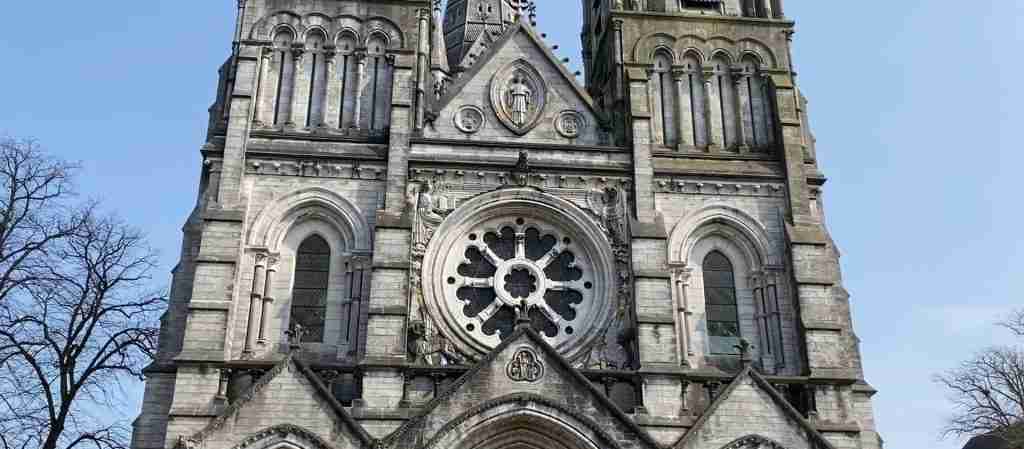
The Cork International Choral Festival arrives in early May 2026, celebrating its 71st consecutive year and maintaining its status as one of the world’s premier competitive choral events. The festival attracts choirs from Ireland and internationally for five days of concerts, competitions, and community performances across venues including St. Fin Barre’s Cathedral, City Hall, and various churches throughout Cork. The competitive structure divides participating choirs into categories including chamber choirs, youth choirs, mixed-voice ensembles, and specialized groups performing everything from Renaissance polyphony to contemporary commissioned works. Public concerts occur throughout each day, with many events offered free or at minimal cost, while the formal competition rounds require tickets purchased in advance. The festival transforms Cork into a city of song, with participating choirs performing informal concerts in public spaces, hotel lobbies, and even pubs between official events. Visitors interested in choral music should book accommodation well ahead, as choir delegations reserve blocks of hotel rooms months before the festival, tightening availability. May weather begins showing spring improvement with average temperatures reaching 14°C (57°F) and rainfall decreasing to approximately 75mm for the month, making this period increasingly pleasant for combining festival attendance with daytime sightseeing.
Cork Harbour Festival runs from May 30 through June 8, 2026, celebrating the maritime culture and heritage of one of the world’s largest natural harbors. The festival features over 100 events distributed across Cork city and the harbor towns of Cobh, Crosshaven, Passage West, and Monkstown, requiring visitors to travel between locations to experience the full program. The flagship Ocean to City race on opening day brings hundreds of rowing boats from the outer harbor to the city center, creating a spectacular procession on the water. Additional programming includes heritage boat displays, maritime history exhibitions, sailing instruction and demonstrations, guided kayak tours, seafood festivals showcasing local catches, traditional music celebrating maritime work songs, and family activities ranging from sandcastle competitions to marine biology workshops. The distributed nature across multiple harbor locations means less intense crowding than city-center festivals, while the maritime theme attracts a specific audience interested in nautical culture. The overlap between the final days of Cork Harbour Festival and the beginning of Midsummer Festival creates a 10-day period from May 30 through June 8 when Cork offers its densest cultural programming of the year. Accommodation availability tightens significantly during this window, with many hotels selling out 4-6 weeks in advance and prices rising 30-40% above baseline rates.
Cork Midsummer Festival from June 12-21, 2026, represents the city’s flagship cultural event and Ireland’s leading multidisciplinary arts festival. The 10-day program features over 50 performances and installations across 30 venues ranging from traditional theaters to unconventional spaces including Elizabeth Fort, Blackrock Castle, St. Fin Barre’s Cathedral, and outdoor locations throughout the city center. The festival’s programming deliberately spans artistic disciplines, with theater companies from Ireland and internationally premiering new works, contemporary dance performances exploring themes of identity and place, classical and experimental music concerts showcasing emerging and established artists, visual art installations transforming public spaces, circus and street performances accessible to all without tickets, and participatory projects inviting public engagement with artistic creation. Past editions have featured everything from site-specific plays performed in Georgian buildings to electronic music installations in former industrial spaces, creating an intentionally eclectic experience that defies simple categorization. The festival’s philosophy emphasizes accessibility, with approximately 40% of events offered free and many ticketed performances priced at €10-20 rather than premium rates. This commitment to public access combined with the concentration of international talent creates exceptional value for culture-focused travelers. The scheduling in mid-June captures Cork at its meteorological best, with average temperatures reaching 17°C (63°F), rainfall dropping to just 61mm for the month, and daylight extending to 18 hours, allowing festival-goers to attend multiple events daily while enjoying outdoor dining and exploring the city between performances. Accommodation during Midsummer Festival requires advance booking, with many visitors securing rooms 2-3 months ahead, while day-trippers from other Irish cities increasingly attend single performances without overnight stays to avoid the accommodation crunch.
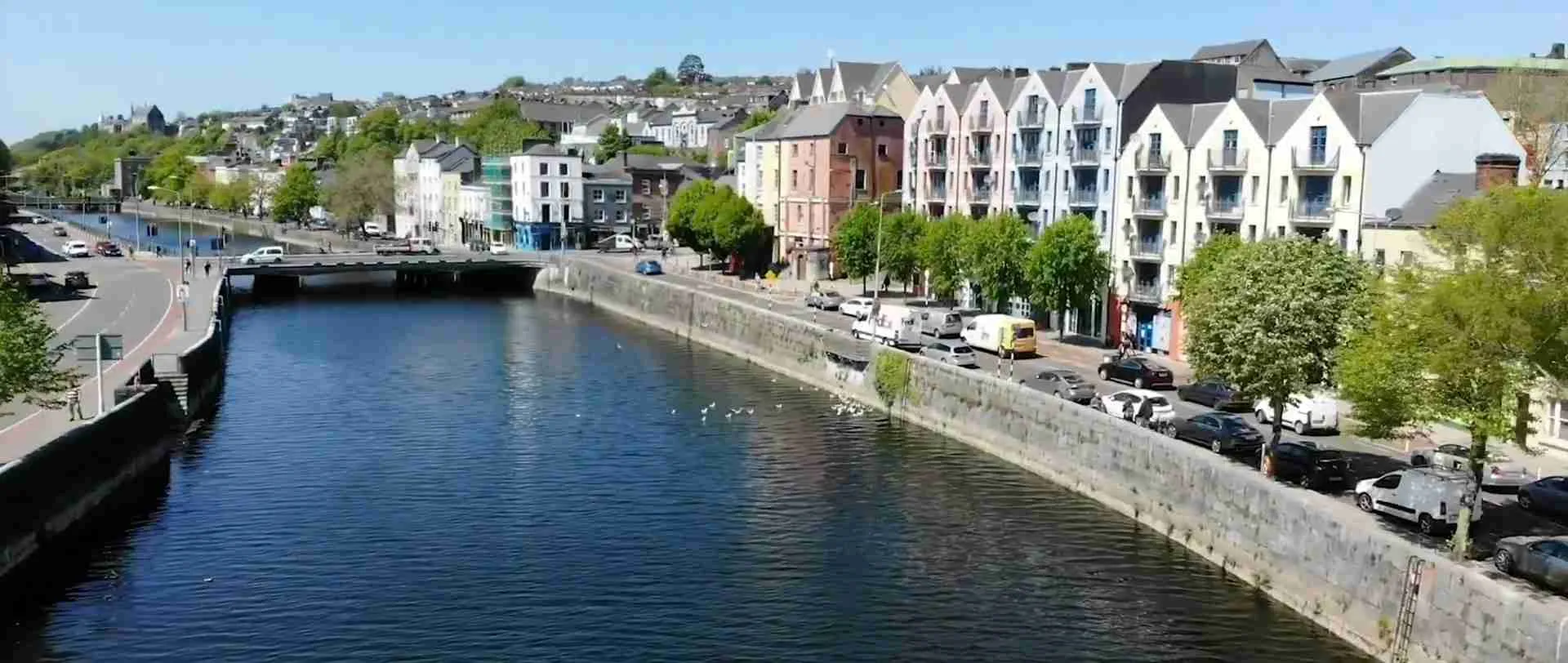
The summer months between late June and early September see Cork’s festival calendar thin somewhat, though smaller events and local celebrations continue. This period coincides with peak tourism season, meaning the city experiences its largest visitor numbers despite reduced festival programming. The emphasis shifts from organized cultural events to Cork’s natural attractions, with visitors exploring the West Cork coastline, hiking in nearby Kerry mountains, and enjoying outdoor dining in the city’s Victorian Quarter and along the River Lee waterfront. The absence of major festivals during July and August creates a somewhat paradoxical situation where accommodation prices peak despite less compelling cultural programming, driven by general summer travel patterns rather than specific Cork events.
Cork International Jazz Festival dominates late October 2026, though specific dates had not been announced as of early 2026. The festival typically spans a long weekend Thursday through Sunday in late October, transforming Cork into Ireland’s jazz capital with over 1,000 musicians performing at 70+ venues across the city. The programming ranges from intimate late-night club sessions featuring international jazz legends to free outdoor performances by local talent, with every pub in the city center hosting at least one jazz act and many running continuous programming from early evening through closing time. The festival’s structure includes ticketed headline concerts by major international artists at venues including Cork Opera House and City Hall, free performances at designated outdoor stages, and an extensive fringe program where local and emerging artists perform in pubs without cover charges. The density of simultaneous programming means visitors can experience 8-10 different performances in a single evening by moving between venues within Cork’s compact city center. The festival attracts a jazz-specific audience willing to travel internationally for the concentration of talent, creating a sophisticated visitor demographic distinct from summer’s general tourism. October weather averages 14°C (57°F) with rainfall increasing to approximately 92mm for the month as autumn deepens, meaning outdoor performances occur under canopies while indoor venues remain packed. Accommodation sells out completely for the festival weekend, with hotels requiring 6-month advance bookings and prices doubling or tripling compared to off-season rates, while many Cork residents rent spare rooms through private accommodation platforms to capitalize on the demand surge.
Glow Cork transforms the city throughout December 2026, creating an extended Christmas celebration that contrasts sharply with the reduced daylight and increased rainfall of midwinter. The festival features a large Christmas market with artisanal chalets selling crafts, decorations, and seasonal foods in the city center, carol services at Cork’s historic churches including St. Fin Barre’s Cathedral, film screenings focusing on holiday classics and family entertainment, wreath-making and craft workshops teaching traditional decoration techniques, and the illumination of city landmarks with seasonal lighting displays. The festival creates a cozy, festive atmosphere that embraces rather than fights against winter weather, with indoor venues and heated outdoor spaces encouraging visitors to experience Cork’s Christmas traditions despite cold, wet conditions. December draws primarily domestic Irish visitors traveling to experience city Christmas shopping and celebrations, with minimal international tourism creating a local-focused event. Accommodation availability remains good except for the few days surrounding Christmas itself, with rates dropping to annual lows during early and mid-December before rising slightly for the holiday week.
Beyond these major festivals, Cork’s year-round cultural programming includes regular performances at Cork Opera House, classical concerts and recitals at various venues, traditional Irish music sessions occurring nightly at numerous pubs, art exhibitions at the Crawford Art Gallery and Lewis Glucksman Gallery, and film screenings at independent cinemas. This baseline cultural activity means visitors interested in Irish music, visual arts, or performing arts can find engaging programming regardless of travel dates, though the festival periods provide concentrated doses of international talent and special programming unavailable during ordinary weeks.
Festival timing creates natural clustering effects that benefit some visitors while challenging others. Culture enthusiasts seeking maximum variety should target the late May through mid-June window when Harbor Festival and Midsummer Festival overlap, accepting higher costs and requiring advance planning. Jazz devotees must build trips around the late October festival when that specific genre dominates the city. Budget travelers should avoid festival periods entirely, visiting during the gaps in January-March, July, September, or November when accommodation costs drop and cultural access depends on regular programming rather than special events. The relationship between festivals and seasonal weather creates another consideration: the major cultural festivals occur during Cork’s best weather months, compounding demand, while winter’s atmospheric Glow Cork celebration coincides with the year’s worst weather, attracting primarily those specifically interested in Irish Christmas traditions rather than general tourists.
Spring in Cork 2026 (March-May)
Spring arrives gradually in Cork, with March representing a transitional month that retains much of winter’s character while showing the first signs of warming. Average temperatures climb slowly from 8°C (46°F) in early March to 11°C (52°F) by month’s end, but these modest means conceal significant daily variation. Morning frost remains possible, particularly in rural areas outside the city center, while occasional warm spells can push afternoon temperatures to 15°C (59°F) under sunny skies. The variability makes packing challenging, requiring layers that accommodate both cold, windy mornings and relatively mild afternoons. Rainfall averages 80mm during March, distributed across approximately 16 rainy days, meaning wet weather interrupts activities regularly without creating the persistent rain that characterizes winter months. Daylight increases rapidly, with the month gaining approximately 90 minutes of light between March 1 and March 31 as the spring equinox passes mid-month, allowing progressively longer sightseeing days.
St. Patrick’s Festival dominates mid-March, creating the month’s cultural highlight and Cork’s first major tourist event of the year. The five-day celebration from approximately March 13-17 draws domestic Irish visitors heading to Cork for the parade and festivities, elevating accommodation demand and prices during what otherwise remains shoulder season. Outside the festival window, March sees light tourist traffic, with many attractions operating on reduced winter schedules and some seasonal coastal businesses not yet reopened for the year. This quiet period appeals to visitors seeking authentic local experiences without tourist crowds, though the limited daylight hours and frequent rain restrict outdoor activities. The countryside begins greening as spring growth accelerates, making rural landscapes increasingly attractive compared to winter’s brown dormancy, while lambing season on Cork’s farms creates pastoral scenes particularly appealing to visitors from urban backgrounds.
April marks spring’s full arrival with average temperatures rising to 13°C (55°F) and rainfall decreasing to just 75mm, tied with June as Cork’s driest month. The reduction in precipitation combined with warming temperatures creates more reliable conditions for outdoor exploration. Daylight extends to approximately 14 hours by late April, allowing full-day excursions into the countryside and evening walks along Cork’s waterfront after dinner. The countryside explodes with spring wildflowers, including primroses, daffodils, and early bluebells in wooded areas, creating photogenic landscapes particularly attractive to nature photographers. Easter holiday, falling in mid-April 2026, brings increased domestic travel as Irish families take advantage of school breaks for short trips. Accommodation rates rise modestly during the Easter week, though nothing approaching summer peaks, and advance booking 2-3 weeks ahead typically secures good options.
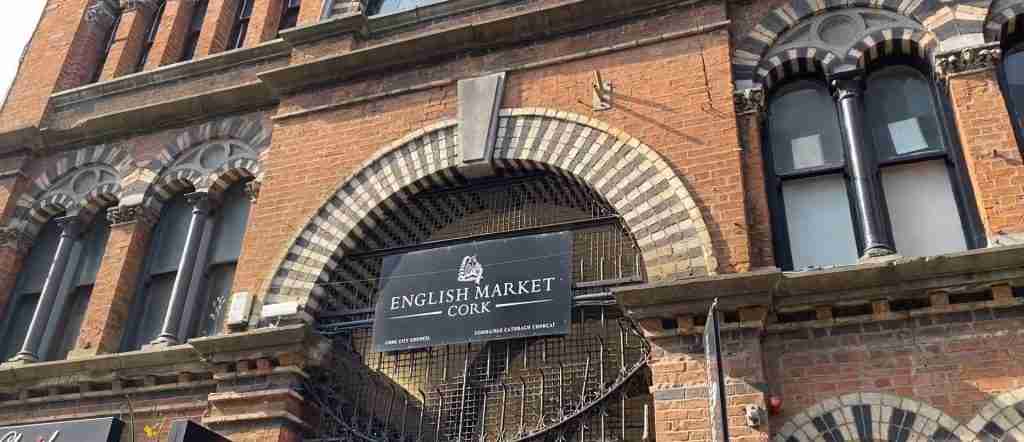
April’s combination of improving weather and limited tourist crowds makes it an attractive option for visitors prioritizing value and local experiences over cultural events, as no major festivals occur during the month. The absence of organized programming shifts focus to Cork’s permanent attractions, including the English Market for food culture, the Crawford Art Gallery for Irish visual arts, Cork Public Museum for regional history, and walking tours exploring the city’s Georgian architecture and Viking heritage. Day trips from Cork become increasingly appealing as conditions improve, with the Blarney Castle and gardens accessible without summer crowds, Kinsale offering coastal walks in pleasant conditions, and West Cork villages beginning to emerge from winter quietude as seasonal businesses reopen.
May represents spring’s peak and serves as the gateway to summer season, with average temperatures reaching 16°C (61°F) and some days climbing to 18-20°C (64-68°F) under favorable conditions. Rainfall remains moderate at approximately 75mm, while daylight extends past 16 hours by late May, with civil twilight providing usable light from 5:30 AM through 10 PM. These extended days allow remarkable touring capacity, with early morning photography sessions, full-day countryside excursions, and evening activities all possible within a single day. The May bank holiday on the first Monday of the month creates a long weekend when many Irish residents travel domestically, tightening accommodation in Cork and throughout Ireland, particularly in coastal areas and national parks.
The Cork International Choral Festival in early May creates the month’s defining cultural event, attracting international visitors specifically interested in classical and contemporary choral music. The festival’s specialized audience differs markedly from general summer tourists, creating a sophisticated visitor demographic that fills city-center hotels while leaving suburban and coastal accommodations relatively available. Outside the festival dates, May sees steadily building tourist traffic as European and North American visitors begin arriving for early summer trips, though crowds remain manageable compared to June-August peaks.
The Cork Harbour Festival beginning May 30 extends the month’s cultural offerings into early June, creating an extended festival period that spans the spring-summer transition. This timing proves advantageous for visitors who can schedule trips to overlap multiple events, experiencing both the choral festival in early May and the maritime festival at month’s end with regular sightseeing filling the intervening weeks. The coordination requires careful planning, as the concentration of cultural programming creates accommodation challenges while providing exceptional access to Cork’s performing arts and heritage celebrations.
Spring’s horticultural timeline reaches its peak in May, with gardens throughout Cork County showing spectacular displays. The Fota House and Gardens on Cork Harbour feature Victorian-era plantings at their spring best, while the Blarney Castle Gardens showcase rhododendrons, azaleas, and early roses against the backdrop of the medieval castle. Rural hedgerows bloom with hawthorn and blackthorn, creating white flowering borders along country roads, while early wildflower meadows attract butterflies and other pollinators, offering nature photography opportunities particularly appealing during the extended golden-hour light of late May evenings.
Spring weather variability means prepared visitors enjoy significant advantages over those expecting Mediterranean consistency. A week in May might include three brilliantly sunny days ideal for coastal exploration, two partly cloudy days suitable for city sightseeing and museum visits, and two rainy days better spent experiencing indoor attractions, traditional music sessions in pubs, and Cork’s culinary scene. The inability to predict which days will fall into which category makes flexible itineraries essential, with the capacity to shift outdoor activities to favorable days and reserve weather-dependent plans for suitable conditions. This flexibility proves easier for independent travelers with rental cars than for those on group tours or relying on scheduled excursions.
Spring also marks the beginning of the shoulder-season pricing advantage, with accommodation rates significantly below June-August peaks while weather approaches summer conditions. Hotels that charge €180-250 per night during July might offer €120-160 per night during May outside festival periods, creating substantial savings on multi-day visits. Restaurant reservations become easier, with popular establishments accepting same-day bookings rather than requiring advance reservations, while attractions operate with minimal queues compared to summer crowds. These practical advantages combine with the genuine beauty of spring landscapes emerging from winter dormancy to create what many seasoned Ireland travelers consider the country’s most rewarding season, trading guaranteed warm weather for substantial savings, fewer crowds, and the visual spectacle of countryside renewal.
Summer in Cork 2026 (June-August)
June represents the convergence of Cork’s best weather and densest cultural programming, creating the year’s peak conditions for tourism while also generating its highest demand and prices. Average temperatures reach 17°C (63°F), matching or exceeding typical July warmth despite June’s position as the meteorological start of summer. More significantly, June ties with April as Cork’s driest month at just 61mm of rainfall, meaning better odds of dry days than even July or August. The combination of minimal precipitation, moderate temperatures, and the year’s longest daylight hours creates optimal conditions for outdoor exploration. Daylight extends to 17 hours of actual sun plus nearly an additional hour of usable civil twilight, allowing sightseeing from 5 AM through 10:30 PM. This extreme day length occurs nowhere in southern Europe, giving Ireland a unique advantage during the summer solstice period.
Cork Harbour Festival from May 30 through June 8 extends late spring’s cultural offerings into early June, while Cork Midsummer Festival from June 12-21 provides the city’s premier arts event. The 10-day overlap from May 30 through June 8 creates Cork’s most culturally dense period, with over 150 events occurring across both festivals simultaneously. Visitors who can align trips with this window experience unmatched cultural access, though the concentration creates fierce competition for accommodation. Hotels throughout Cork city sell out 6-8 weeks ahead, with prices rising 40-60% above shoulder season rates. The festival period sees significant day-trip traffic from other Irish cities, with visitors attending individual performances or spending partial days in Cork without requiring overnight accommodation, which relieves some pressure on hotels while intensifying restaurant and attraction crowding.
The period between Midsummer Festival’s conclusion on June 21 and the end of the month sees crowds diminish somewhat while excellent weather continues. Late June offers an attractive proposition for visitors who missed festival ticket deadlines or prefer exploring Cork without event-focused programming. The reduced cultural offerings are partially offset by longer days, better weather reliability, and lower accommodation pressure, creating a balanced shoulder window within the summer season itself. This pattern repeats in reverse during early June before Harbour Festival begins, making the June 9-11 gap between festivals another opportunity for avoiding peak crowds while maintaining good weather access.
July builds on June’s foundation with the year’s warmest average temperature at 16°C (60°F), though this represents only a marginal increase over June. More variable rainfall averaging 79mm creates slightly less reliable conditions than June despite the warmer temperatures, with the month experiencing fewer completely dry days but similar total precipitation spread across more frequent light showers. Daylight begins its slow decline from the summer solstice peak, though the reduction remains negligible during July, with over 16 hours of light throughout the month. The practical impact proves minimal, as even late July sunsets occur after 9:30 PM, providing ample evening hours for outdoor dining and entertainment.
July marks the shift from event-driven to general tourism season, with international visitors arriving in large numbers despite the absence of major Cork festivals. The month sees the year’s highest tourist traffic, driven by European summer holidays and North American vacation travel rather than specific Cork programming. This creates a paradox where accommodation prices remain at peak levels despite reduced cultural offerings compared to June’s festivals. The pressure comes from general Ireland tourism rather than Cork-specific events, with visitors using the city as a base for exploring the southwest while attractions throughout the region experience maximum crowding. Popular day-trip destinations including Blarney Castle, Kinsale, and the Beara Peninsula see their heaviest crowds during July, sometimes requiring hour-plus waits for castle entry and creating parking challenges in coastal villages.
Irish schools begin summer holidays in early July, adding domestic family travel to the international tourist load. This creates a double-peak effect where Cork experiences both its highest international tourism and significant domestic demand simultaneously, compounding crowding at family-friendly attractions. The Fota Wildlife Park east of Cork becomes particularly busy during July as Irish families seek day-trip destinations, while city-center restaurants with children’s menus see increased demand during typical family dining hours.
August continues summer conditions with average temperatures of 16°C (61°F) and moderate rainfall of 76mm, creating weather nearly identical to July. The month features the year’s warmest sea temperatures at 16-17°C (61-63°F) as the ocean’s thermal mass finally absorbs summer heat, making this the best month for water activities including swimming, kayaking, and coasteering along Cork’s southern coast. The warmer water creates opportunities unavailable even during July despite similar air temperatures, particularly appealing to visitors interested in active coastal experiences rather than passive beach time.
Daylight begins showing noticeable decline during August, with the month losing approximately 90 minutes of light between August 1 and August 31. Late August sunsets occur around 8:45 PM compared to early August’s 9:15 PM, marking the psychological transition toward autumn despite continued summer weather. The shortening days have minimal practical impact on tourist activities, as even late August provides 14+ hours of daylight, but the change signals the approaching end of peak season.
The August bank holiday on the first Monday of the month creates the year’s final major domestic travel weekend before schools resume in early September. Accommodation throughout Ireland experiences a demand spike during the 4-day weekend, with Cork particularly affected as a popular destination for Irish families seeking city breaks before summer’s end. Booking 6-8 weeks ahead becomes essential for the bank holiday weekend, with prices rising above even normal summer rates and many properties selling out completely.
Summer’s concentration between June and August creates intense competition for resources, with accommodation, rental cars, popular restaurant reservations, and sought-after activity bookings all requiring advance planning. The English Market in Cork’s city center, normally navigable with moderate crowds, becomes packed during mid-day summer hours, making early morning or late afternoon visits preferable. Walking tours selling out by mid-day during peak weeks require morning bookings for afternoon departures. This pressure transforms Cork’s typical relaxed atmosphere into something more frenetic, with the city operating at capacity rather than its normal sustainable pace.
Summer also brings the highest prices across all categories. Hotels charge 60-100% more than winter rates, with city-center properties reaching €250-350 per night during festival periods. Rental cars become expensive and scarce, particularly automatic transmissions, requiring bookings months ahead for July-August travel. Even restaurants raise prices during summer months, with set menus and early-bird specials often suspended during peak tourist season. The combination of maximum demand and premium pricing means summer travel to Cork requires the largest budget of any season, with daily costs potentially doubling compared to winter visits.
Despite these challenges, summer delivers the experiences that many visitors specifically seek. The long daylight hours allow ambitious daily itineraries combining city exploration and countryside excursions. The mild temperatures support comfortable outdoor dining, coastal walks, garden visits, and evening entertainment without weather concerns dominating planning. The concentration of international visitors creates a cosmopolitan atmosphere particularly appealing to travelers who enjoy meeting people from diverse backgrounds. The certainty of operational businesses and full-service availability eliminates the shoulder-season uncertainty about which attractions and restaurants will be open. For first-time visitors prioritizing comprehensive experiences and reliable conditions while willing to pay premium prices and tolerate crowds, summer delivers predictable access to Cork’s highlights with minimal weather gambling.
Autumn in Cork 2026 (September-November)
September marks the transition from summer to autumn with remarkable grace, retaining much of summer’s favorable weather while seeing crowds diminish as European school terms resume. Average temperatures of 16°C (59°F) actually match or slightly exceed August warmth during early September, creating a false sense of extended summer. Rainfall averages 79mm, similar to July-August levels, meaning weather reliability continues through the month. Daylight declines noticeably compared to mid-summer, with September losing approximately 3 minutes of light per day, but even late September provides over 12 hours of daylight, sufficient for full touring days. The sea retains much of August’s accumulated warmth during early September, making the first two weeks of the month viable for water activities before temperatures begin dropping in late September.
The dramatic shift comes in tourist traffic rather than weather. International visitors decrease sharply as European families return to school schedules and North American summer vacation season concludes. By mid-September, Cork’s tourist numbers drop to approximately 60% of peak summer levels, creating immediately noticeable effects on accommodation availability, restaurant wait times, and attraction crowds. Hotels that required 6-week advance booking during July accept reservations just 1-2 weeks ahead in September, while prices fall 25-35% from summer peaks. Popular attractions operate with minimal queues, making September particularly appealing for visitors prioritizing access to Cork’s highlights without summer’s intensity.
September’s shoulder season status creates value opportunities across categories. Rental car prices drop substantially as summer demand subsides, while accommodation options expand beyond the city center as suburban hotels and guesthouses that sold out during summer show consistent availability. Restaurants resume early-bird specials and set menus suspended during peak season, reducing dining costs while maintaining the same quality. These practical advantages combine with still-favorable weather to make September one of Cork’s strongest value propositions, particularly for visitors with flexible schedules unbound by school holidays.
The countryside transitions through autumn colors during late September, with deciduous trees beginning to show yellow and gold hues particularly visible in West Cork’s wooded valleys. The changing foliage creates photography opportunities distinct from summer’s green uniformity, while harvest season brings farmers’ markets to peak abundance with late summer vegetables, early apples, and the first autumn squashes. Traditional music sessions in Cork pubs shift from tourist-oriented performances back to local-focused sessions as the regular community of musicians resumes after summer’s interruptions.
October represents autumn’s deepening with average temperatures dropping to 14°C (57°F) and rainfall increasing to 92mm, the second-highest monthly total after December. The combination of cooling temperatures and increased precipitation creates noticeably less favorable conditions than September, though still far superior to winter months. Daylight continues its rapid decline, with late October seeing just 10 hours of light compared to September’s 12+, a difference that materially affects daily touring capacity. The end of daylight saving time in late October further compounds this effect, with sunset shifting from 7 PM to 6 PM overnight, creating a psychological impact beyond the actual hour change.
Cork International Jazz Festival dominates late October, transforming the month from quiet shoulder season to one of the year’s cultural peaks. The festival attracts thousands of dedicated jazz enthusiasts from across Europe and beyond, creating a completely different visitor demographic than summer’s general tourists. The specialized audience fills hotels specifically for the festival weekend, requiring advance booking months ahead while leaving the rest of October remarkably quiet. This creates a sharp division between festival dates and non-festival dates, with accommodation availability, pricing, and city atmosphere shifting dramatically depending on travel timing. Visitors interested in jazz should build trips around the festival, while those indifferent to the genre should avoid the festival weekend entirely to escape the associated crowding and premium rates.
October weather variability increases compared to summer’s relative reliability, with Atlantic storm systems beginning their winter intensification. A week in October might include several pleasant days with partial sun and calm conditions suitable for outdoor exploration, mixed with stormy days featuring heavy rain, strong winds, and choppy seas that make coastal activities unpleasant or impossible. The increased unpredictability makes flexible itineraries essential, with backup plans for weather-dependent activities and willingness to shift schedules based on daily conditions. Visitors committed to specific outdoor activities should build in buffer days to accommodate weather delays.
Halloween celebrations at month’s end create a brief tourism spike, particularly in areas with strong Halloween traditions. Cork hosts various Halloween events during the final week of October, including costume parties, traditional bonfires (increasingly restricted due to safety concerns), and themed entertainment at pubs and venues. The ancient Celtic festival of Samhain, from which modern Halloween evolved, receives renewed attention through cultural events exploring pre-Christian Irish traditions, appealing to visitors interested in Ireland’s deeper cultural heritage beyond conventional tourism attractions.
November marks the transition into true winter conditions with average temperatures falling to 10°C (50°F) and daylight declining to just 9 hours by month’s end. Rainfall remains elevated at approximately 120mm, distributed across frequent wet days that create persistently damp conditions. The combination of cold, short days, and frequent rain makes November one of the year’s least appealing months for tourism, with visitor numbers dropping to their lowest levels before the brief Christmas season uptick. Many seasonal attractions close for winter maintenance during November, while some restaurants reduce hours or close entirely on slower weekdays to cut costs during the quiet season.
November’s challenging conditions create opportunities for budget-focused travelers willing to accept weather limitations. Accommodation prices fall to near winter lows, with city-center hotels offering rates 40-50% below summer peaks and frequently running promotional offers during particularly quiet weeks. The absence of tourists creates an authentic local experience, with pubs, restaurants, and attractions catering primarily to Cork residents rather than visitors. Traditional music sessions return to their most authentic form without tourist audiences, while the city’s cultural venues including Cork Opera House and Everyman Theatre program regular seasons for local audiences.
Autumn’s arc from September’s summer-like conditions through November’s winter preview creates three distinct sub-seasons within a single quarter. September offers summer weather at shoulder season prices with reduced crowds, making it arguably Cork’s strongest overall value proposition. October provides variable conditions punctuated by the jazz festival, appealing to music enthusiasts and weather-tolerant visitors seeking quiet periods between festival dates. November marks winter’s arrival, attracting primarily budget travelers and those specifically interested in experiencing Ireland’s authentic non-tourist season despite challenging weather. Understanding these distinctions helps visitors select the specific autumn window matching their priorities rather than treating the entire season as a uniform block.
Winter in Cork 2026 (December-February)
December begins Cork’s winter season with average temperatures of 8°C (46°F) and the year’s heaviest rainfall at 120-150mm distributed across 18-20 wet days. The combination of cold, persistent rain, and minimal daylight creates challenging conditions for outdoor sightseeing, with just 8 hours of actual daylight and perhaps 9 hours of usable twilight by the winter solstice on December 21. Sunset occurs around 4:30 PM during late December, limiting afternoon activities and creating a compressed daily touring window. The short days combine with frequently overcast skies to create limited photography opportunities, as even midday light remains subdued under winter’s persistent cloud cover.
Glow Cork festival transforms the city’s winter atmosphere throughout December, creating a festive counterpoint to the season’s otherwise bleak conditions. The Christmas market in the city center operates from early December through Christmas Eve, featuring artisanal chalets selling handcrafted gifts, decorations, seasonal foods, and hot beverages. The market creates a social gathering space that embraces winter weather rather than fighting it, with covered areas providing shelter while heated outdoor spaces allow lingering despite cold temperatures. The illumination of Cork’s landmarks including St. Fin Barre’s Cathedral, City Hall, and the River Lee bridges creates atmospheric evening scenery particularly effective during the long December nights.
Carol services at Cork’s historic churches offer traditional Christmas programming appealing to visitors interested in Irish religious and cultural traditions. St. Fin Barre’s Cathedral hosts multiple carol services during December, combining traditional hymns with seasonal choral works performed by professional and community choirs. The Victorian Gothic architecture provides an atmospheric setting enhanced by candlelight and seasonal decorations, creating memorable experiences for visitors from both religious and cultural perspectives. Many services are free or request modest donations rather than charging admission, making them accessible cultural experiences during the otherwise expensive holiday season.
Christmas week itself brings both opportunities and challenges for visitors. Many Cork residents travel to family gatherings in other parts of Ireland, reducing local demand for restaurants and accommodations while creating a quieter than usual city atmosphere. However, public transportation runs on reduced holiday schedules, many shops and attractions close entirely on Christmas Day and St. Stephen’s Day (December 26), and restaurant options become limited as businesses close for staff holidays. Visitors spending Christmas in Cork should plan accordingly, booking any open restaurants well in advance and confirming attraction hours to avoid arriving at closed venues.
New Year’s celebrations in Cork follow a more subdued pattern than in major European capitals, with pub gatherings and smaller community events rather than massive public celebrations. The Countdown to New Year event in the city center attracts local crowds for midnight fireworks, but lacks the international tourist appeal of London, Edinburgh, or Paris celebrations. Visitors seeking major New Year’s programming should consider Cork’s limited offerings compared to its stronger Christmas programming and adjust expectations accordingly.
January represents Cork’s coldest and potentially bleakest month, with average temperatures of 5-6°C (41-43°F) and persistent precipitation averaging 135mm across 18-20 wet days. The combination of cold rain, minimal daylight increasing slowly from the winter solstice minimum, and post-holiday quietude creates conditions that few international tourists seek voluntarily. Visitor numbers drop to their annual low during January, with many attractions operating on restricted winter schedules and some seasonal businesses remaining closed until spring. The dramatic reduction in tourism creates both the year’s best accommodation value and the most authentic local experience, with Cork functioning primarily for its residents rather than visitors.
January accommodation rates fall to their absolute lowest levels, with city-center hotels offering rooms at €80-120 per night compared to €250-350 during summer festivals. Many properties run special promotions during particularly quiet January weeks, creating opportunities for multi-night stays at exceptional value. Restaurants resume early-bird specials and promotional menus following the Christmas holiday period, reducing dining costs while maintaining quality. The absence of tourist crowds means immediate seating at popular restaurants, same-day booking for activities and tours, and minimal queues at museums and attractions.
The winter atmosphere appeals to specific visitor types despite challenging weather conditions. Photographers seeking dramatic coastal landscapes find January’s frequent storms create spectacular wave action along the Atlantic coast, with strong winds and heavy seas producing spray and surf impossible during calm summer months. The low-angle winter light, while limited in duration, provides golden-hour quality throughout much of the short day when conditions allow sunshine to break through cloud cover. Storm photography along Cork’s coastline requires weather monitoring for safe conditions and willingness to endure cold, wind, and spray, but rewards prepared photographers with images impossible to capture during fair weather seasons.
Traditional Irish pub culture reaches its most authentic form during January, with music sessions occurring for local participants rather than tourist audiences. Musicians gathering in pubs play primarily for their own enjoyment and that of regular locals, creating sessions with less performance polish but greater spontaneity and traditional character. Visitors interested in experiencing authentic Irish music culture rather than tourist-oriented shows find January sessions rewarding despite fewer scheduled performances and the need to research which pubs host regular sessions rather than relying on tourist information that emphasizes summer programming.
February continues January’s winter conditions with marginal improvement, averaging 6°C (43°F) and receiving 95mm of rainfall across 15-16 wet days. The slight reduction in precipitation and minimal temperature increase provide negligible practical difference from January, with February remaining firmly within winter’s grip. Daylight begins increasing noticeably as the month progresses, gaining approximately 2 minutes per day and reaching nearly 11 hours by late February, a welcome change after December-January’s extended darkness. The longer days allow slightly more ambitious daily touring than January, though cold, wet weather continues limiting outdoor activities.
Valentine’s Day in mid-February creates a brief demand spike as couples seek romantic weekend breaks, elevating accommodation prices during the February 14-16 period while the rest of the month remains quiet. Cork markets its historic Georgian architecture, riverside dining, and cozy pub atmosphere as romantic selling points, attracting primarily domestic Irish couples from Dublin and other cities for short breaks. International tourism remains minimal during February, with most visitors being business travelers or people visiting Irish relatives rather than leisure tourists.
February’s position as the gateway to spring creates anticipation despite continued winter weather. Early signs of spring appear in protected gardens, with the first snowdrops and crocuses emerging in late February, while lambing season begins on farms throughout Cork County. The countryside remains largely dormant, but lengthening days and occasional sunny spells hint at the transformation approaching in March. For visitors planning spring trips, February offers a preview of conditions while maintaining winter’s low prices and minimal crowds, creating a marginal advantage over January for those specifically interested in observing winter-to-spring transition.
Winter’s comprehensive challenges create Cork’s most clearly defined off-season, with December-February attracting minimal international tourism outside the brief Christmas market period. The season appeals primarily to budget travelers willing to accept significant weather limitations in exchange for the year’s lowest costs, cultural visitors interested in authentic Irish experiences without tourist crowds, and photographers seeking dramatic coastal landscapes and atmospheric conditions impossible during fair weather months. The extreme daylight limitations, persistent precipitation, and cold temperatures make winter unsuitable for first-time visitors hoping to experience Cork’s highlights, with outdoor attractions, countryside exploration, and coastal activities all severely limited by conditions. Winter visitors require realistic expectations, appropriate cold-weather and rain gear, backup plans for weather-dependent activities, and genuine interest in Cork’s indoor cultural offerings and traditional pub culture rather than outdoor sightseeing that dominates other seasons.
Seasonal Crowd Patterns and Tourism Trends 2026
Cork’s tourism patterns follow a pronounced seasonal cycle driven by weather expectations, cultural programming, school holiday calendars, and the broader European and North American tourism seasons. Understanding these patterns helps visitors avoid peak crowding while identifying windows when reduced tourist numbers create both practical advantages and potentially different visitor experiences as Cork shifts between tourism-focused operations and service to local residents.
The annual cycle divides clearly into peak season (June-August), shoulder seasons (April-May and September-October), and off-season (November-March), with each period exhibiting distinct characteristics. Peak summer months see Cork operating at or near capacity, with accommodation often selling out weeks in advance, popular restaurants requiring reservations for prime dining times, and attractions experiencing queues during midday hours. The English Market, normally an accessible food shopping venue, becomes crowded enough during summer lunch hours to make navigation difficult, while walking tours of the city center sell out by mid-morning for afternoon departures. This capacity pressure transforms Cork’s typically relaxed atmosphere into something more intense, with both residents and infrastructure strained by visitor numbers that triple or quadruple baseline levels.
Festival periods within the broader seasons create additional peaks that transcend normal seasonal patterns. Cork Midsummer Festival in mid-June generates the single highest accommodation demand of the year despite occurring during a season that would show high demand regardless. The 10-day festival period sees hotels sell out 6-8 weeks in advance, with prices rising 40-60% above typical June rates and some properties implementing 3-4 night minimum stays to maximize revenue during the demand spike. The Cork International Jazz Festival creates a similar effect in late October, when the city experiences peak-season crowding and pricing despite autumn’s otherwise moderate visitor levels. These festival-driven peaks require advance planning months ahead, with accommodation booked as soon as festival dates are announced and performance tickets purchased early to secure preferred shows.
The relationship between Irish school holidays and domestic tourism creates patterns that international visitors sometimes overlook when planning trips. The Easter holiday in mid-April 2026 brings increased domestic travel as Irish families take advantage of school breaks for short trips, elevating demand and prices during what otherwise remains shoulder season. Similarly, the summer holiday period from early July through late August sees Irish families traveling domestically, adding a layer of local demand atop international visitors and creating double-peak pressure on accommodation and attractions, particularly family-friendly venues. The May and August bank holiday weekends see especially concentrated domestic travel, with accommodation throughout Ireland tightening during these 3-4 day periods and popular coastal destinations experiencing traffic congestion as day-trippers from Cork and other cities visit simultaneously.
International visitor patterns show distinct geographic variations that create micro-seasons within the broader cycle. North American tourists concentrate heavily into June-August when favorable exchange rates, summer vacation schedules, and school holidays align, with particularly heavy traffic during July-August. European visitors distribute more evenly across April-October, taking advantage of cheaper flights and more flexible holiday policies, though July-August remains the European peak. The geographic concentration means summer months see the highest proportion of international visitors with limited Irish cultural knowledge, creating more tourist-oriented service patterns at restaurants and attractions, while shoulder seasons see higher percentages of repeat visitors and cultural tourists with deeper Ireland interest.
Weekend versus weekday patterns show interesting variations across seasons. During summer peak season, weekdays and weekends see similarly high tourist traffic as international visitors on week-long or longer trips distribute evenly across the calendar. During shoulder seasons, weekends experience noticeable demand spikes as short-break travelers from Ireland and Britain arrive for 2-3 night stays, while weekdays remain quieter. This creates opportunities for visitors with flexible schedules to experience popular attractions during weekday windows when weekend crowds diminish. Winter months show minimal distinction between weekdays and weekends, with consistently low visitor numbers except during the Christmas market period and New Year’s week.
The evolution of Cork’s tourism infrastructure reflects these patterns, with many businesses adapting operations to match seasonal demand. Some restaurants close entirely during January-February rather than operating at losses during quiet winter months, while others reduce hours or shift to weekend-only service. Attractions implement seasonal pricing, with higher admission fees during June-August and reduced rates during shoulder and off-seasons to stimulate demand. Tour operators run daily departures during summer regardless of booking numbers but shift to demand-based scheduling during shoulder seasons, canceling tours that fail to meet minimum participant thresholds. This variable operational schedule means summer visitors experience full-service access with certainty that bookings will operate as scheduled, while shoulder and off-season travelers face uncertainty about service availability and must confirm operations shortly before planned activities.
Cultural institutions including museums and theaters show different patterns than tourist attractions. The Crawford Art Gallery, Cork Public Museum, and Lewis Glucksman Gallery maintain consistent year-round operations serving local audiences regardless of tourist seasons, providing reliable cultural programming during off-season months when many tourist-oriented businesses close. Cork Opera House and Everyman Theatre run regular performance seasons from September through May, creating opportunities for winter and spring visitors to experience Irish performing arts and theater unavailable during summer months when seasonal programming emphasizes tourist-accessible content over resident-focused productions.
Accommodation patterns reflect the extreme demand variations, with pricing showing 100% or greater swings between peak and off-seasons. A city-center hotel charging €250 per night during Cork Midsummer Festival might offer €100 per night during January, with shoulder season rates falling between these extremes depending on specific dates and local events. The pricing structure creates incentives for flexible travelers to shift trips toward off-season dates, while visitors with fixed schedules during peak periods pay substantial premiums. Beyond pricing, the proportion of accommodation types shifts seasonally, with luxury hotels maintaining operations year-round while budget hostels and some guesthouses close during winter months when low rates make profitability difficult.
The concentration of tourism into June-October creates sustainability questions about Cork’s tourism model, with infrastructure sized for peak season sitting underutilized during winter months while summer brings overcrowding and strain on historic city-center streets not designed for current visitor volumes. Efforts to extend the season through winter programming including Glow Cork festival and promotion of off-season cultural attractions show limited success changing fundamental patterns, as weather constraints make year-round tourism challenging regardless of marketing efforts. The seasonal concentration appears likely to persist, meaning travelers choosing off-season dates will continue finding quiet conditions and low prices, while summer visitors must accept crowds and premium costs as inherent aspects of peak-season travel.
Crowd tolerance varies significantly among travelers, with some viewing summer’s international atmosphere as enhancing their experience through cosmopolitan diversity while others find the same conditions overwhelming and seek quieter periods despite weather trade-offs. Understanding personal preferences for crowd levels, service accessibility, authentic local experiences versus tourist-oriented programming, and pricing priorities helps visitors select optimal timing within the seasonal cycle. First-time visitors often benefit from summer’s full operational schedule and weather reliability despite crowds and costs, while repeat visitors increasingly gravitate toward shoulder seasons when experience and flexibility allow maximizing the advantages of intermediate conditions.
Month-by-Month Guide to Cork Visits in 2026
January 2026: Cork’s quietest and coldest month presents extreme trade-offs between value and conditions. Average temperatures of 5-6°C (41-43°F), 135mm of rainfall across 18-20 wet days, and just 8-9 hours of daylight create challenging tourism conditions. Accommodation rates drop to their annual lows at €80-120 per night for city-center hotels, representing 50-70% savings versus summer peaks. Attractions operate on winter schedules with reduced hours, while some seasonal businesses remain closed until spring. The month appeals to budget travelers accepting weather limitations, photographers seeking dramatic storm photography along Atlantic coasts, and visitors interested in authentic Irish pub culture without tourist crowds. Traditional music sessions occur primarily for local audiences, creating intimate experiences unavailable during tourist seasons. The compressed daylight window limits daily touring capacity, making multiple-day stays necessary to experience Cork’s highlights under constrained conditions.
February 2026: Winter conditions continue with marginal improvement, averaging 6°C (43°F) and 95mm rainfall across 15-16 wet days. Daylight increases noticeably during the month, reaching 11 hours by late February compared to January’s 8-hour minimum, allowing slightly more ambitious daily itineraries. Valentine’s Day weekend (February 14-16) creates a brief demand spike as couples seek romantic breaks, elevating prices during this specific period while the rest of the month remains quiet. Early spring signs appear in protected gardens with snowdrops and crocuses emerging, while lambing season begins on rural farms. The month offers similar value to January with slightly better daylight conditions, appealing to visitors specifically interested in witnessing winter-to-spring transition while maintaining off-season pricing and minimal tourist presence.
March 2026: Spring arrives gradually with average temperatures rising to 11°C (52°F) by month’s end and moderate rainfall of 80mm across approximately 16 days. Daylight increases rapidly, gaining 90 minutes between early and late March as the spring equinox passes mid-month. St. Patrick’s Festival (March 13-17) dominates mid-month with five days of celebrations including the traditional parade attracting 3,600+ participants, street performances, and cultural events throughout the city. Accommodation demand and prices rise during the festival week, requiring advance booking for the March 14-18 period while the rest of the month remains shoulder season. The countryside begins greening as spring growth accelerates, creating increasingly attractive rural landscapes. March combines lingering winter weather with spring’s first signs, appealing to visitors interested in Irish cultural celebrations during St. Patrick’s Festival or seeking value shoulder-season conditions as winter transitions toward spring.
April 2026: Spring establishes itself firmly with average temperatures of 13°C (55°F) and minimal rainfall at just 75mm, tied with June as Cork’s driest month. Daylight extends to 14 hours by late April, allowing full-day countryside excursions and evening activities. Easter holiday in mid-April brings increased domestic Irish travel, creating a demand spike during the week surrounding Easter Sunday while early and late April remain quieter. The countryside shows spectacular spring displays with wildflowers including primroses, daffodils, and early bluebells, while gardens throughout Cork County reach spring peak. The combination of improving weather, limited crowds outside Easter week, and moderate pricing makes April attractive for visitors prioritizing natural beauty and value over cultural events. Day trips from Cork to Blarney Castle, Kinsale, and West Cork villages prove particularly rewarding as seasonal businesses reopen and tourist infrastructure resumes full operations without summer crowding.
May 2026: Late spring delivers near-summer conditions with average temperatures reaching 16°C (61°F) and moderate rainfall of 75mm. Daylight extends past 16 hours by late May, with usable twilight providing light from 5:30 AM through 10 PM, allowing exceptional daily touring capacity. The Cork International Choral Festival in early May creates the month’s cultural highlight, attracting international choirs for five days of concerts and competitions across city venues. The May bank holiday on the first Monday generates increased domestic travel during the long weekend, tightening accommodation throughout Ireland. Cork Harbour Festival beginning May 30 extends the month into June with 100+ maritime-themed events. May combines excellent weather approaching summer standards, major cultural programming, and shoulder-season pricing outside festival periods, making it one of Cork’s strongest value propositions. Advance booking 4-6 weeks ahead secures good accommodation during festival periods, while non-festival weeks see readily available options at moderate rates.
June 2026: Cork reaches its annual peak with average temperatures of 17°C (63°F), minimal rainfall of just 61mm, and maximum daylight extending to 17-18 hours daily during the summer solstice period. Cork Harbour Festival (May 30-June 8) and Cork Midsummer Festival (June 12-21) create the year’s densest cultural programming, with the 10-day overlap offering over 150 events simultaneously. Accommodation sells out 6-8 weeks ahead during festival periods, with prices rising 40-60% above shoulder season rates. The period between festivals (June 9-11) and after Midsummer (June 22-30) offers excellent weather without festival crowding, creating value windows within the peak month. Tourist numbers begin climbing toward summer levels, though manageable compared to July-August intensity. June represents the optimal convergence of weather, cultural programming, and manageable crowds, making it the premier month for first-time visitors seeking comprehensive Cork experiences despite premium festival-period pricing.
July 2026: Peak summer arrives with the year’s warmest average temperature at 16°C (60°F), though only marginally warmer than June. Rainfall increases to 79mm with more variable conditions than June, creating slightly less reliable weather despite warmer temperatures. Daylight remains excellent throughout July at 16+ hours, with minimal reduction from June’s summer solstice peak. Tourist numbers reach their annual maximum as European summer holidays combine with North American vacation travel, creating Cork’s most intense crowding. Irish schools begin summer holidays in early July, adding domestic family travel to international visitors and doubling pressure on family-friendly attractions. Accommodation prices remain at peak levels throughout July despite the absence of major Cork festivals, driven by general Ireland tourism rather than city-specific events. Popular day-trip destinations including Blarney Castle experience hour-plus entry waits, while coastal villages see parking challenges and restaurant queues. July appeals to visitors accepting crowds and premium pricing in exchange for guaranteed warm weather, full operational schedules, and summer’s cosmopolitan atmosphere.
August 2026: Late summer continues with average temperatures of 16°C (61°F) and moderate rainfall of 76mm, creating conditions nearly identical to July. Sea temperatures reach their annual peak at 16-17°C (61-63°F) as ocean thermal mass finally absorbs summer heat, making August optimal for water activities including swimming, kayaking, and coastal exploration. Daylight begins noticeable decline, losing 90 minutes between early and late August, though still providing 14+ hours by month’s end. The August bank holiday on the first Monday creates the final major domestic travel weekend before schools resume, generating a 4-day demand spike requiring advance booking. Tourist crowds remain heavy throughout August, with international visitors extending summer travels into late August while Irish families maximize remaining school holiday weeks. Prices remain at summer peaks, matching July levels. August combines peak weather conditions with maximum crowding, appealing to visitors prioritizing water activities taking advantage of warm sea temperatures and those with fixed summer vacation schedules unable to travel during other months.
September 2026: Early autumn retains summer’s favorable conditions while crowds diminish dramatically as European schools resume. Average temperatures of 16°C (59°F) match or exceed August warmth during early September, with moderate rainfall of 79mm creating reliable conditions. Daylight declines to 12+ hours by late September, still sufficient for full touring days. Tourist numbers drop to approximately 60% of summer peaks by mid-September, creating immediately noticeable effects on accommodation availability and pricing. Hotels accept reservations 1-2 weeks ahead rather than requiring summer’s 6-week booking windows, while prices fall 25-35% from peak season rates. Attractions operate with minimal queues, and restaurants resume early-bird specials. The countryside transitions through autumn colors during late September, creating photography opportunities distinct from summer’s green uniformity. September offers arguably Cork’s best value proposition, combining near-summer weather with shoulder-season pricing and reduced crowds, making it ideal for visitors with flexible schedules unbound by school holiday constraints.
October 2026: Autumn deepens with average temperatures dropping to 14°C (57°F) and rainfall increasing to 92mm as Atlantic storm systems intensify. Daylight declines to 10 hours by late October, materially affecting daily touring capacity compared to September. Weather variability increases, with pleasant days suitable for outdoor exploration mixed with stormy periods featuring heavy rain and strong winds. Cork International Jazz Festival in late October transforms the month’s final weekend into a cultural peak, attracting thousands of jazz enthusiasts and creating accommodation challenges during festival dates while the rest of October remains quiet. The festival weekend requires advance booking months ahead with premium pricing, while non-festival periods show excellent accommodation availability at moderate shoulder-season rates. October appeals to jazz enthusiasts building trips around the festival, photographers seeking autumn landscapes and dramatic storm conditions, and budget travelers visiting during non-festival periods to experience shoulder-season value with acceptable weather trade-offs.
November 2026: Winter transition brings average temperatures of 10°C (50°F), heavy rainfall of 120mm across frequent wet days, and daylight declining to just 9 hours by month’s end. Tourist numbers drop to annual lows, with many seasonal attractions closing for winter maintenance and some restaurants reducing hours or closing weekdays. Accommodation prices fall to near winter lows, with city-center hotels offering rates 40-50% below summer peaks. The absence of tourists creates authentic local experiences, with traditional music sessions returning to their most genuine form for participant musicians rather than tourist audiences. November appeals primarily to budget travelers willing to accept significant weather limitations, cultural visitors interested in experiencing Cork without tourist infrastructure, and those specifically drawn to winter’s onset rather than deterred by challenging conditions. The month requires realistic expectations about daylight constraints, persistent precipitation, and limited operational schedules for tourist-oriented businesses.
December 2026: Winter establishes itself with average temperatures of 8°C (46°F), the year’s heaviest rainfall at 120-150mm across 18-20 wet days, and minimal daylight at just 8 hours by the winter solstice. Glow Cork festival throughout December creates Christmas market programming, festive lighting, carol services, and seasonal events that transform winter’s otherwise bleak atmosphere. The Christmas market in the city center operates through December 24, while illuminated landmarks provide atmospheric evening scenery. Christmas week brings both opportunities and challenges, with reduced local competition for accommodation as Cork residents travel to family gatherings, but also limited restaurant options and reduced public transport as businesses close for holidays. December appeals to visitors specifically interested in Irish Christmas traditions, those seeking winter festival atmosphere despite weather challenges, and travelers who find accommodation value during early and mid-December before Christmas week pricing increases. The month requires acceptance of severe daylight limitations, persistent precipitation, and restricted operational schedules for attractions and services.
Best Time for Specific Activities in Cork 2026
Cultural Festivals and Events: The optimal window for experiencing Cork’s festival programming runs from late May through late October, with specific timing depending on preferred events. Cork Harbour Festival (May 30-June 8) offers maritime heritage celebrations including sailing races, boat displays, and coastal heritage events requiring dry weather for maximum enjoyment. Cork Midsummer Festival (June 12-21) provides the year’s premier arts programming across theater, music, dance, and visual arts, with performances occurring in conventional venues and outdoor spaces throughout the city. Cork International Jazz Festival (late October) creates an intense long weekend when over 1,000 musicians perform at 70+ venues, transforming Cork into Ireland’s jazz capital. Each festival requires advance accommodation booking 6-8 weeks minimum, with festival tickets purchased early for popular performances. Visitors building trips around festivals should arrive 1-2 days before opening to explore Cork’s permanent attractions, then dedicate festival days to event programming before departing or continuing with countryside exploration.
Outdoor Activities and Countryside Exploration: June through September provides the most reliable weather for hiking, coastal walks, cycling, and countryside touring, with June and September offering the best balance of favorable conditions and moderate crowds. West Cork’s coastal walking trails including the Sheep’s Head Way and Beara Way require dry conditions for safe footing and visibility for dramatic coastal views, making summer months essential for multi-day walking trips. Cycling the country roads of West Cork and exploring market towns including Clonakilty, Skibbereen, and Bantry proves most enjoyable during long summer days when extended daylight allows full-day excursions without time pressure. Gardens including Fota House Gardens, Bantry House Gardens, and various West Cork estate gardens show their best displays from April through June when spring flowering peaks, though summer growth creates lush backdrops for photography. Rock climbing and outdoor adventure activities operate year-round with appropriate gear, but May-September delivers the best combination of weather, visibility, and operational schedules for guided experiences.
Food and Culinary Experiences: Year-round access to Cork’s food scene makes this a less weather-dependent activity, though specific timing enhances certain experiences. The English Market operates daily year-round, offering consistent access to local produce, artisan foods, and traditional Cork specialties, though summer crowds make early morning visits (8-9 AM) preferable to packed midday periods. Farmers’ markets throughout Cork County peak during harvest season from August through October when late summer vegetables, early apples, and autumn produce create maximum variety. Seafood restaurants along Cork’s coast serve fresh catches year-round, but May-September brings the most varied selection as fishing operations expand during calmer summer seas. Food festivals including specific regional celebrations occur primarily during summer months, requiring research into event calendars for specialized culinary programming. Cooking classes and food tours operate year-round in Cork city, providing weather-independent access to local food culture during any season.
Photography: Optimal timing varies dramatically based on photographic interests and style. Landscape photographers seeking dramatic coastal conditions find November-March delivers spectacular storm photography along Atlantic coasts when heavy seas create wave action and spray impossible during calm summer months, though this requires weather monitoring for safety and acceptance of harsh conditions. The low winter sun angle provides golden-hour quality light throughout much of the short day when cloud breaks allow sunshine, creating atmospheric coastal and countryside images. Summer’s long daylight hours enable extended photography sessions from 5 AM through 10 PM, with both dawn and dusk golden hours accessible within a single day. Garden and floral photographers should target April-June when spring flowering peaks and late summer growth creates lush compositions. Architectural and street photography benefits from shoulder seasons in May and September when moderate crowds allow photographing Cork’s Georgian buildings, English Market, and harbor areas without excessive tourist presence cluttering compositions. Winter festivals including Glow Cork create nighttime illumination photography opportunities unavailable during other seasons.
Family Travel with Children: Summer vacation timing naturally concentrates families into July-August despite these being Cork’s most crowded and expensive months. Parents with flexible schedules should consider June or early September when weather remains favorable while crowds diminish and prices drop, creating better overall family experiences. Child-friendly attractions including Fota Wildlife Park operate year-round but show their most active animal behavior during spring and summer when weather allows outdoor exhibits. Family-oriented festival programming during Cork Harbour Festival includes maritime activities, hands-on workshops, and child-accessible events making late May-early June attractive for families seeking structured activities beyond standard sightseeing. Outdoor playgrounds and green spaces throughout Cork function best during dry weather, making June-August most reliable for balancing museum visits with outdoor play time. School holiday coordination remains the primary constraint for most families, limiting flexibility despite better conditions during shoulder seasons.
Romantic Getaways and Couples: Valentine’s weekend in mid-February creates the obvious romantic focus despite winter weather, with couples accepting challenging conditions for seasonal atmosphere. June offers superior romantic conditions with warm evenings allowing riverside dining, extended daylight for evening walks, and Midsummer Festival providing cultural programming for couples seeking memorable experiences beyond standard sightseeing. September provides similar advantages with reduced crowds creating more intimate restaurant experiences and countryside B&Bs showing better availability than summer peaks. Cork’s Victorian Quarter and waterfront areas create romantic settings enhanced by summer weather and evening light, while cozy pub atmosphere provides winter romance for couples preferring intimate indoor experiences. Advance booking for romantic restaurants including waterfront venues proves essential during festival periods and Valentine’s weekend, while shoulder seasons allow more spontaneous dining.
Budget Travel: Off-season months from November through March deliver the most dramatic savings, with accommodation costs dropping 40-60% below summer peaks and restaurant specials reducing dining expenses. January and February represent the extreme value window when hotel rates reach annual lows, though weather limitations make these months challenging for sightseeing-focused trips. Shoulder seasons in April-May and September-October provide better balanced value, combining moderate pricing with acceptable weather and operational certainty for attractions and tours. Budget travelers should avoid festival periods when premium pricing applies regardless of season, instead targeting gaps between events when accommodation shows good availability at baseline rates. Self-catering accommodations and apartment rentals show less seasonal price variation than hotels, creating year-round value for budget-conscious visitors willing to prepare some meals. Public transportation and admission fees show minimal seasonal variation, meaning accommodation represents the primary opportunity for off-season savings.
Solo Travel: Safety considerations prove minimal across all seasons, as Cork maintains low crime rates and welcoming atmosphere regardless of timing. Social opportunities for solo travelers peak during summer when hostels operate at capacity and walking tours attract diverse international participants, creating natural meeting opportunities. Traditional music sessions during winter months appeal to solo travelers interested in authentic experiences, with pub sessions welcoming participants from any background. Festival periods create both enhanced social opportunities through shared cultural experiences and potential isolation if attending events alone while couples and groups dominate the audience. September offers perhaps the best solo travel window, combining favorable weather with moderate crowds that allow solo dining without feeling conspicuous while maintaining sufficient tourism infrastructure for organized activities and tours that provide structured social interaction.
Planning Your Cork Visit: Seasonal Considerations 2026
Successful Cork visits require matching personal priorities to seasonal characteristics rather than seeking a universal “best time” that optimizes all factors simultaneously. The relationship between weather, crowds, pricing, and cultural programming creates inevitable trade-offs, with gains in one area typically coming at the cost of compromises elsewhere. Understanding these relationships allows strategic timing decisions aligned with individual values and constraints.
First-time visitors face different optimization challenges than repeat travelers. Initial Cork experiences benefit from summer’s reliable weather, full operational schedules, and comprehensive access to attractions without uncertainty about whether specific venues or tours will operate. The premium pricing and larger crowds represent acceptable trade-offs for visitors prioritizing comprehensive experiences and weather certainty over budget considerations. First-timers typically benefit from June or early September when favorable conditions combine with either festival access (June) or reduced crowds (September) while maintaining weather reliability and operational certainty. Winter visits prove risky for first-time travelers, as weather limitations and reduced services may create disappointing initial impressions that obscure Cork’s genuine appeal.
Repeat visitors with prior Ireland experience can leverage that knowledge to target specific seasonal advantages. Those who have experienced Cork during summer may specifically seek shoulder or off-season return visits to experience the city’s local character without tourist overlay, accepting weather variability in exchange for authentic experiences unavailable during peak tourism. Repeat travelers familiar with Cork’s geography and attractions can plan flexible itineraries that adapt to actual weather conditions, shifting outdoor activities to favorable days while reserving museums, galleries, and culinary experiences for wet days. This flexibility allows maximizing shoulder-season advantages while managing weather unpredictability that might frustrate less experienced visitors.
Budget constraints often dictate timing more forcefully than preferences, as the cost differential between peak and off-seasons can double or triple trip expenses. Travelers operating under strict budget limitations should target November-March when accommodation rates drop to their annual lows, accepting weather challenges and limited daylight as inevitable consequences of pursuing maximum value. The extreme savings during winter months allow extending trip duration within fixed budgets, with a week in January potentially costing less than three nights during Cork Midsummer Festival. This trade-off between duration and conditions proves worthwhile for visitors who value extended experiences over optimal weather, particularly those primarily interested in Cork’s indoor cultural attractions, food scene, and traditional music rather than countryside exploration requiring favorable weather.
Weather tolerance varies dramatically among individuals based on prior experience, home climate, and personal disposition. Visitors from consistently sunny climates often underestimate the psychological impact of Ireland’s frequent rain and limited winter daylight, while those from maritime or northern climates may find Cork’s conditions familiar and manageable. Honest self-assessment of weather tolerance helps avoid booking trips during seasons that will prove frustrating regardless of other advantages. Visitors who become depressed or irritable during extended rainy periods should avoid November-February despite the cost savings, as poor conditions will diminish enjoyment more than budget savings enhance it. Conversely, those comfortable with variable weather can target shoulder seasons when occasional rain proves manageable while other conditions remain favorable.
Activity focus shapes optimal timing more than general seasonal preferences. Visitors planning countryside hiking, coastal exploration, and outdoor activities require summer’s reliable weather regardless of crowds or costs, as rain-soaked trails and limited visibility defeat the purpose of nature-focused trips. Cultural travelers interested primarily in museums, galleries, historic sites, and traditional music can visit successfully year-round, as these indoor activities proceed regardless of outdoor conditions. Food and culinary tourism proves similarly weather-independent, with restaurant experiences, English Market visits, and cooking classes accessible during any season. Photography requiring specific light conditions or dramatic weather demands particular seasonal windows that may not align with conventional tourist seasons.
Booking strategies should reflect seasonal demand patterns, with lead times varying from days to months depending on travel dates. Summer festival periods require accommodation booking 6-8 weeks minimum, with popular properties selling out 3-4 months ahead during Cork Midsummer Festival. Rental cars for summer travel need booking 2-3 months ahead to secure reasonable rates and vehicle availability, particularly automatic transmissions that remain scarce in Ireland. Performance tickets for major festival events should be purchased as soon as programs are announced, typically 2-3 months before festival dates. Shoulder seasons allow more flexibility, with 2-3 week lead times typically sufficient for accommodation and activities. Winter travel permits near-spontaneous booking, with many properties accepting reservations just days ahead during quiet January-February periods.
Multi-season visits create opportunities to experience Cork’s full annual cycle while managing weather risks. Splitting a two-week Ireland trip across June and September visits in different years allows comparing festival-focused versus crowd-reduced experiences while maintaining favorable weather both times. Alternatively, combining a summer Cork city stay with winter return visits targeting specific cultural programming provides comprehensive perspectives unavailable from single-season trips. These multi-season approaches prove most practical for European visitors with easy access to inexpensive flights, while long-haul travelers from North America or Asia typically must consolidate visits into single trips and choose optimal timing for that one experience.
Climate change introduces increasing unpredictability into seasonal planning, with historical weather patterns providing less reliable guides to future conditions. Recent years have seen warmer, wetter winters with more frequent severe storms, while summers show increased variability with both heat waves and cool periods occurring more unpredictably. This growing climate volatility argues for flexible planning regardless of season, with backup options for weather-dependent activities and willingness to adjust itineraries based on actual conditions rather than historical expectations. Travel insurance covering weather-related disruptions becomes increasingly valuable as climate unpredictability grows.
Personal schedule constraints often override optimization calculations, with visitors traveling when employment, family obligations, or other commitments allow rather than during objectively optimal windows. Accepting this reality while maximizing the specific season’s advantages proves more productive than lamenting inability to travel during preferred periods. Summer visitors should embrace the cosmopolitan atmosphere and full operational schedule rather than resenting crowds. Winter travelers should focus on authentic local culture and dramatic storm photography rather than mourning absent sunshine. Every season offers rewarding experiences for visitors approaching it with appropriate expectations and priorities aligned with that season’s genuine strengths rather than attempting to replicate summer conditions during winter or vice versa.
Frequently Asked Questions About Visiting Cork in 2026
What is the rainiest month in Cork during 2026?
December receives Cork’s heaviest rainfall at 120-150mm distributed across 18-20 wet days, creating persistently damp conditions throughout the month. October follows as the second-wettest month with approximately 92mm of rain, while January brings 135mm across a similar number of wet days. The winter period from November through February experiences the most intense and sustained rainfall as Atlantic storm systems track across Ireland with greater frequency and strength. However, even Cork’s driest months of April and June receive 61mm of rainfall each, demonstrating that no season offers genuinely dry conditions. The practical implication is that rain gear remains essential year-round, with winter months requiring more comprehensive waterproofing for extended outdoor exposure during frequent downpours.
Can I visit Cork on a budget during summer 2026?
Budget summer visits to Cork remain possible but require strategic planning and acceptance of significant compromises compared to off-season budget travel. Accommodation represents the largest expense, with summer rates 60-100% higher than winter pricing, but hostels offer dormitory beds at €25-35 per night even during peak season, while budget hotels on Cork’s outskirts maintain rates below €100 per night if booked well in advance. Self-catering apartments allow preparing breakfasts and some meals, reducing daily food costs compared to restaurant-only dining. Free and low-cost activities including walking tours, park visits, coastal hikes, and many festival performances during Midsummer Festival provide cultural access without admission fees. The English Market offers picnic supplies at reasonable costs, while SuperValu and other supermarkets provide groceries for self-catering at Irish prices rather than tourist markups. Avoiding festival periods, particularly Cork Midsummer Festival in mid-June, prevents the 40-60% price surges that occur during peak cultural events. However, even with these strategies, summer Cork visits cost substantially more than identical trips during November-March when accommodation rates drop by half and shoulder-season restaurant specials reduce dining expenses.
How far in advance should I book accommodation for Cork in 2026?
Required booking lead times vary dramatically based on travel dates, with festival periods demanding 6-8 weeks minimum while off-season allows days-ahead reservations. Cork Midsummer Festival (June 12-21) and Cork International Jazz Festival (late October) represent the year’s most challenging accommodation periods, with city-center hotels selling out 2-3 months ahead and prices reaching annual peaks. The general summer period from July through August requires 4-6 week advance booking to secure preferred properties and reasonable rates, with last-minute availability limited to higher-priced hotels or suburban locations requiring transportation into the city center. Shoulder seasons in May and September allow 2-3 week lead times for good selection, while winter months from November through March permit near-spontaneous booking with many properties accepting reservations just days ahead. Holiday periods including Easter week (mid-April), St. Patrick’s Festival (mid-March), and Christmas week create localized demand spikes requiring 4-6 week advance booking despite otherwise quiet seasonal periods. Visitors with specific property preferences or requirements including central locations, particular amenities, or accessible rooms should book at the longer end of these ranges, while flexible travelers willing to accept available options can manage with shorter lead times.
What should I pack for Cork weather in different seasons 2026?
Year-round Cork packing requires waterproof layers regardless of season, as rain occurs 210+ days annually with no genuinely dry period. A quality waterproof jacket with hood proves essential for all seasons, while waterproof or water-resistant footwear prevents sodden feet during frequent showers. Summer visits (June-August) need lightweight waterproofs that pack small for carrying during dry spells, layered clothing for temperature variations between 14-20°C (57-68°F), and sun protection including sunglasses and sunscreen for the extended daylight hours when sun does appear. Spring and autumn (March-May, September-November) require heavier waterproof jackets, warm layers for temperatures ranging 10-16°C (50-61°F), and versatile clothing allowing adjustment as conditions shift multiple times daily. Winter visits (December-February) demand full cold-weather gear including warm waterproof coats, insulating layers, gloves, and hats for temperatures of 5-10°C (41-50°F) combined with wind chill and persistent rain. All seasons benefit from quick-dry fabrics rather than cotton, as high humidity and frequent rain make drying clothes between wears challenging. An umbrella provides supplementary protection during lighter rain, while waterproof bags or covers protect electronics and documents. Layering systems allow adapting to highly variable conditions, with the capacity to add or remove clothing as weather shifts proving more valuable than single heavy garments suited only to specific conditions.
Is Cork better to visit than Dublin for weather in 2026?
Cork’s southern coastal location provides marginal weather advantages over Dublin, with slightly warmer average temperatures year-round and fractionally less rainfall, though differences prove minor rather than transformative. Cork averages 1-2°C (2-3°F) warmer than Dublin across all seasons due to its more southerly latitude and coastal moderating effects, creating more comfortable conditions during spring and autumn shoulder seasons. Annual rainfall totals approximately 1,060-1,230mm in Cork compared to Dublin’s 750mm, meaning Cork actually receives more precipitation despite its reputation as sunnier than Ireland’s east coast. However, Cork’s rain falls across roughly similar number of days as Dublin, with intensity rather than frequency varying. The practical impact remains modest, with both cities experiencing frequent rain, mild temperatures, and variable conditions requiring similar preparation and packing. Cork’s position on the south coast provides better access to Atlantic coastal scenery and West Cork’s dramatic landscapes, while Dublin offers more comprehensive cultural institutions and international transportation connections. Weather should not drive the Cork versus Dublin decision, as both cities present comparable challenges and neither offers reliably superior conditions. The choice depends more on cultural interests, desired day-trip destinations, and urban versus coastal preferences than on weather considerations that prove marginal between the two cities.
What is Cork’s worst weather month in 2026?
December represents Cork’s most challenging weather month, combining the year’s heaviest rainfall at 120-150mm across 18-20 wet days with the shortest daylight at just 8 hours and cold temperatures averaging 8°C (46°F). The combination of persistent rain, minimal daylight, and cold creates conditions that severely limit outdoor activities and compress daily touring capacity. January follows closely as the second-worst month with similarly short days of 8-9 hours, colder average temperatures of 5-6°C (41-43°F), and heavy rainfall of 135mm, though distributed across fewer wet days than December’s near-continuous precipitation. The winter months from December through February all present significant challenges, with the distinction between them proving marginal for practical tourism purposes. November marks the transition into winter difficulties with 9 hours of daylight, 120mm of rainfall, and 10°C (50°F) temperatures creating notably worse conditions than October’s lingering autumn. The designation of “worst” depends on whether shortest days, coldest temperatures, or heaviest rain represents the primary concern, as December claims the daylight and rainfall extremes while January holds the cold record, but all three months prove equally challenging for visitors expecting comfortable touring conditions.
Can I see the Northern Lights from Cork in 2026?
Northern Lights viewing from Cork remains possible but rare, requiring exceptionally strong geomagnetic activity to push the aurora borealis far enough south to be visible at Cork’s latitude of 51.9°N. Major geomagnetic storms occurring several times per solar cycle can make aurora visible from southern Ireland, typically appearing as a green or red glow on the northern horizon rather than the vibrant overhead displays seen in Arctic latitudes. The current solar maximum period continuing into 2026 increases probability compared to solar minimum years, with perhaps 3-5 nights annually when aurora might be visible from Cork during particularly strong geomagnetic storms. Optimal viewing requires traveling away from Cork’s city-center light pollution to dark rural locations, clear northern horizons without obstruction, and cloud-free conditions during the overnight hours when aurora activity typically peaks. Ireland’s frequently cloudy weather creates an additional challenge beyond the already-low probability of aurora reaching southern latitudes, as cloud cover obscures even rare aurora events. Dedicated aurora chasers should monitor space weather forecasts from NOAA or similar services, traveling to Ireland’s northwest coast or Scottish Highlands where viewing probability increases substantially compared to Cork’s southern position. Visitors should not plan Cork trips expecting aurora viewing, but those present during major geomagnetic storms in autumn or spring might experience the phenomenon as an unexpected bonus rather than a reliable attraction.
How does Cork’s festival season compare to other Irish cities in 2026?
Cork’s festival programming concentrates more heavily into summer months and emphasizes performing arts compared to Dublin’s year-round cultural calendar and Galway’s literary and traditional arts focus. Cork Midsummer Festival represents Ireland’s premier multidisciplinary arts festival, with programming scale and international participation exceeding most regional Irish festivals while remaining more accessible and less tourist-dominated than Dublin’s major events. Cork International Jazz Festival claims status as Ireland’s largest jazz celebration, attracting international artists and audiences for a concentrated late-October weekend that surpasses similar music festivals in other Irish cities. Cork International Choral Festival maintains its 71-year tradition as one of the world’s leading competitive choral events, with participation and prestige exceeding newer Irish choral celebrations. However, Cork’s festival calendar shows significant gaps during winter months compared to Dublin’s Theatre Festival, literary events, and year-round cultural programming at major institutions. Galway International Arts Festival in July rivals Cork Midsummer Festival for scale and quality, while Galway’s traditional music scene and literary heritage create different cultural emphasis than Cork’s performing arts and food culture focus. Cork’s festival season rewards visitors interested specifically in theater, contemporary arts, jazz, or choral music arriving during relevant event windows, while Dublin provides more consistent cultural programming across the year for visitors with flexible timing. The smaller festivals in Kilkenny, Westport, and Dingle offer more intimate experiences than Cork’s larger events, creating a spectrum of festival sizes and characters across Irish cities rather than a clear hierarchy.
What are Cork’s crowd levels like during September 2026?
September sees Cork’s tourist crowds diminish to approximately 60% of peak summer levels as European schools resume and North American summer travel concludes, creating immediately noticeable effects on accommodation availability, restaurant reservations, and attraction queues. The English Market returns to navigable conditions during midday hours after summer’s packed crowds, while walking tours show regular availability rather than selling out by mid-morning as during July-August. City-center restaurants resume accepting same-day reservations for popular dining times, and hotels show availability 1-2 weeks ahead rather than requiring summer’s 6-8 week booking windows. Popular day-trip destinations including Blarney Castle experience wait times of 15-30 minutes for castle entry during busy periods compared to summer’s hour-plus queues, while West Cork coastal villages return to local-focused rather than tourist-dominated atmospheres. Early September retains slightly higher crowds than late September as some visitors extend summer travels into early autumn, but the reduction from peak season proves substantial throughout the month. The crowd decrease creates enhanced experiences across categories, with better service at restaurants as staff ratios improve, more personal attention at smaller attractions, and reduced competition for photography locations and scenic viewpoints. September’s combination of reduced crowds and favorable weather makes it one of Cork’s most rewarding months for visitors prioritizing comfortable experiences over festival programming, with the quiet period allowing focus on Cork’s permanent attractions without the overlay of tourist intensity that characterizes summer months.
Should I rent a car for visiting Cork in 2026?
Car rental provides substantial advantages for exploring Cork County’s countryside, coastal villages, and attractions beyond the city center, though proves unnecessary for visitors focusing primarily on Cork city itself. The city-center area remains compact and walkable, with most attractions, restaurants, and cultural sites accessible on foot or via short taxi rides. Public buses connect Cork city to major nearby destinations including Blarney Castle, Cobh, and Kinsale, providing car-free access to popular day trips. However, West Cork’s scenic coastal routes, hidden beaches, small villages, and dispersed attractions become genuinely accessible only with personal transportation, as public transit serves only main roads and larger towns. The flexibility to explore at your own pace, stop at viewpoints and beaches, and visit multiple small villages in a single day justifies rental costs for visitors interested in comprehensive county exploration. Driving in Ireland requires adjustment to left-side roads, narrow country lanes, and roundabouts, creating challenges for those unfamiliar with these conditions, particularly during rainy weather when visibility decreases and roads become slick. Parking in Cork city proves challenging and expensive, with most hotels charging €15-25 daily for parking and street parking limited throughout the city center. The optimal strategy combines car-free days in Cork city using walking and taxis with car rental for countryside excursions, picking up vehicles only for specific multi-day touring rather than maintaining them throughout entire trips. Summer rental demand requires booking 2-3 months ahead for reasonable rates, while shoulder and off-seasons allow shorter lead times and better availability.