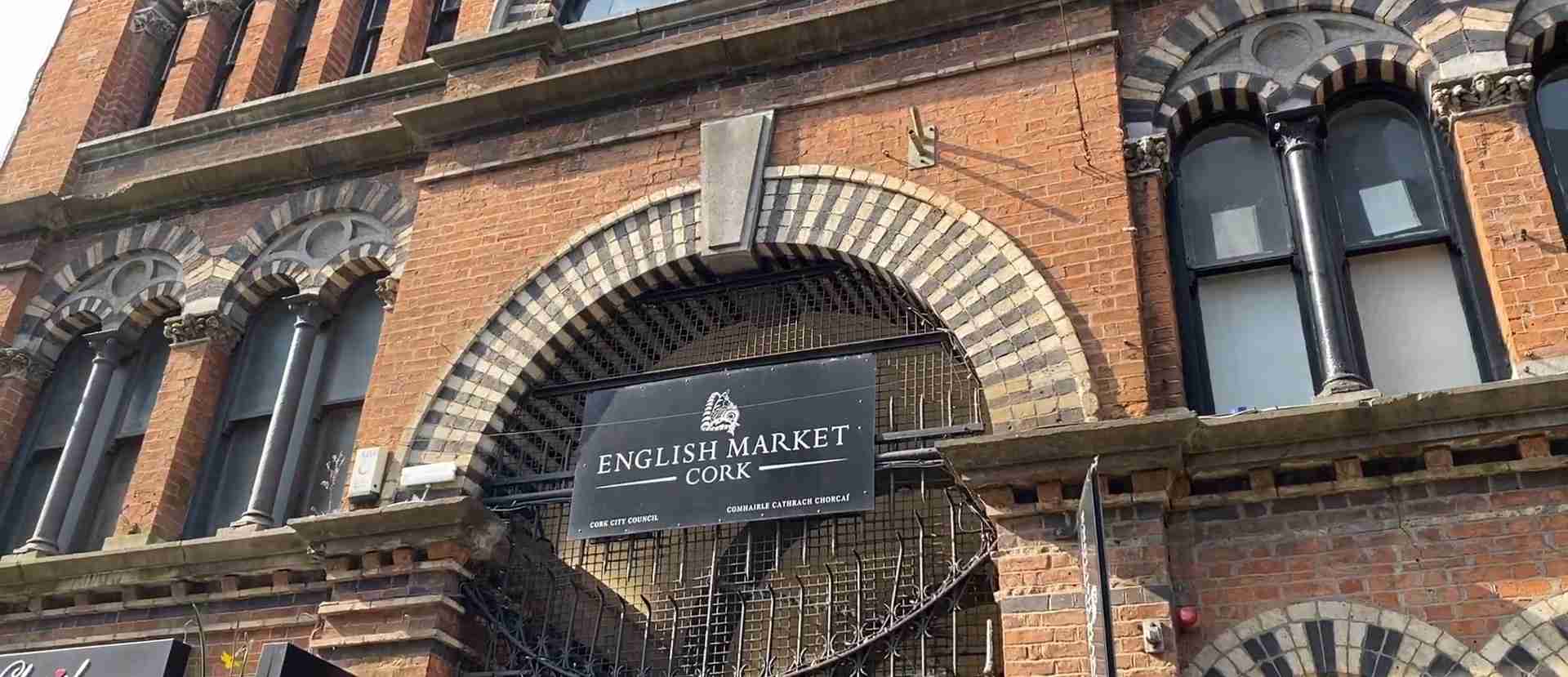
Cork Budget Guide 2026: Ultimate Travel Cost Breakdown
Ireland’s southern capital delivers exceptional value alongside world-class food culture, maritime heritage, and Georgian architecture. Cork’s compact city center, free museums, and authentic local character make it one of Ireland’s most budget-friendly destinations, where travelers find quality experiences at every price tier without the premium costs of Dublin or Galway.
Key Takeaways: Cork 2026 Budget Essentials
- Budget Travelers: €65-110 per person daily staying in hostels, eating at markets and casual spots, using public transport extensively, and mixing free attractions with one or two paid experiences
- Mid-Range Comfort: €165-240 per person daily for two sharing mid-range hotels, dining at good local restaurants for most meals, combining buses with occasional taxis, and visiting multiple paid attractions
- Luxury Experience: €315-485 per person daily for two sharing luxury accommodations, fine dining throughout, private transportation, and premium guided experiences including exclusive tastings and private tours
- Best Value Season: September through October offers mild weather, lower hotel rates dropping 25-35% below summer peaks, minimal crowds at major sites, and Cork’s renowned autumn food festivals without premium pricing
- Essential Money-Savers: TFI Leap Card cuts transport costs 30% versus cash fares, English Market provides exceptional lunch value at €8-15, free museums cover 7,000 years of Cork history, and early-bird restaurant menus offer three courses for €25-32 between 17:00-19:00
- Hidden Costs: Restaurant service charges automatically added at 10-12.5%, parking downtown €3-4 hourly with limited street availability, Blarney Castle admission €20 plus €9 bus fare, and premium cocktail bars charging €12-16 per drink versus €7 pints at traditional pubs
People Also Ask About Cork Budget 2026
How Much Does Cork Cost Per Day in 2026?
Daily costs in Cork range €65-110 for budget travelers, €165-240 for mid-range comfort, and €315-485 for luxury experiences, all calculated per person with accommodation costs assuming two sharing hotel rooms. Budget travelers staying in hostel dormitories at €25-35 per person, eating primarily at the English Market and casual cafes for €30-45 daily, using the TFI Leap Card for all transport at €5-16, and visiting free museums plus one paid attraction spend approximately €65-110 per person daily. Mid-range travelers occupying €140-180 hotel rooms at €70-90 per person when sharing, dining at Cork’s excellent local restaurants for €63-93 daily, combining buses with occasional taxis for €12-20, and purchasing admission to multiple attractions including Blarney Castle and the Butter Museum spend €165-240 per person daily. These figures include all meals, local transport, attraction entry fees, and modest evening activities but exclude international flights, car rentals, day trip costs beyond Cork city, and shopping.
What’s the Cheapest Month to Visit Cork in 2026?
January through March delivers Cork’s lowest prices, with hotel rates 35-45% below summer peaks at €80-130 for mid-range properties versus €140-180 in summer, though weather brings frequent rain and temperatures around 5-10°C requiring waterproof layers throughout. November and early December also offer strong value with rates 30-40% lower than peak season, Christmas market atmosphere from late November, and temperatures remaining mild at 8-12°C. September represents the optimal balance between value and experience, delivering 25-35% savings on summer rates, extended daylight until 20:00, average temperatures of 14-17°C, minimal rainfall compared to winter months, and access to Cork’s exceptional autumn food festivals including the Cork Harvest Festival without the July-August tourist crowds or premium pricing.
How Much Should I Budget for a Week in Cork 2026?
A week in Cork requires €455-770 for budget travelers, €1,155-1,680 for mid-range comfort, and €2,205-3,395 for luxury experiences, all figures calculated per person with accommodation costs divided between two sharing rooms. Budget travelers multiply the €65-110 daily range by seven days, reaching €455-770 weekly including hostel accommodation at €175-245 total, all meals at markets and casual restaurants €210-315 total, week-long TFI Leap Card transport pass €62, and mixed free and paid attraction admission €40-85 total. Mid-range travelers spending €165-240 daily reach €1,155-1,680 weekly including hotel accommodation €490-630 total, restaurant dining throughout €441-651 total, combined bus and taxi transport €84-140 total, and comprehensive attraction admission €140-245 total. These weekly budgets assume staying entirely within Cork city and immediate surroundings; add €45-95 per person for each full-day excursion to destinations like Kinsale, Cobh, or Blarney if traveling independently, or €75-125 per person for organized tours including transport and admission fees.
Is Cork Cheaper Than Dublin in 2026?
Cork delivers 20-30% lower costs than Dublin across accommodation, dining, and attractions while maintaining comparable quality and cultural depth. Mid-range Cork hotels cost €140-180 nightly versus Dublin’s €180-260 for equivalent properties, restaurant three-course dinners run €35-55 in Cork compared to €45-70 in Dublin, and Cork’s compact walkable center reduces transport expenses to €5-16 daily versus Dublin’s €10-25 for similar coverage requiring longer distances. Major paid attractions cost similarly in both cities with Blarney Castle at €20 matching Dublin’s Guinness Storehouse experience tier, though Cork offers more free cultural experiences including Cork Public Museum, Crawford Art Gallery, and the English Market versus Dublin’s concentration of premium-admission sites. Cork’s authenticity advantage appears in neighborhoods where locals actually live and work throughout the city center, creating genuine interactions and fair pricing at traditional pubs charging €6.50-7.50 per pint versus Dublin’s tourist-district premium of €7.50-9 for identical drinks, while Cork’s award-winning restaurant scene delivers Michelin-quality dining at significantly lower prices than Dublin’s premium food establishments.
Extended multi-day tours – 5+ days
Featured Cork Multi-Day Tour Packages
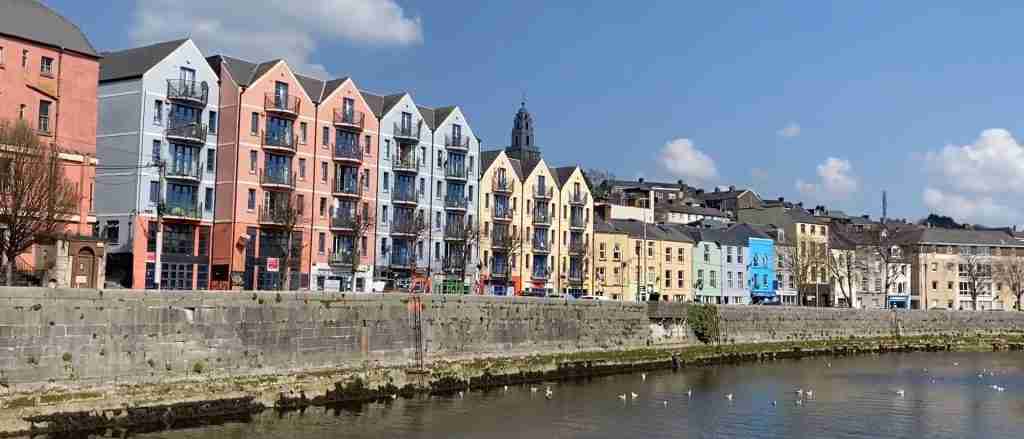
3 days
Cork 3-Day Discovery Tour
- ✓ Comprehensive Cork experience
- ✓ Expert local guides included
- ✓ All accommodation included
- ✓ Transportation provided

5 days
Cork 5-Day Highlights Experience
- ✓ Comprehensive Cork experience
- ✓ Expert local guides included
- ✓ All accommodation included
- ✓ Transportation provided

7 days
Cork 7-Day Cultural Journey
- ✓ Comprehensive Cork experience
- ✓ Expert local guides included
- ✓ All accommodation included
- ✓ Transportation provided
10 days
Cork 10-Day Complete Adventure
- ✓ Comprehensive Cork experience
- ✓ Expert local guides included
- ✓ All accommodation included
- ✓ Transportation provided
Multi-day tour packages powered by TourRadar. Prices and availability subject to change.
Introduction: Cork Budget Planning for 2026
Cork stands apart from Ireland’s typical tourist trail, delivering authentic Irish culture without the inflated costs that plague Dublin’s most-visited districts and Galway’s summer-season premium pricing. The city’s UNESCO City of Gastronomy designation reflects not expensive fine dining but rather exceptional quality available across all price ranges, from €8 English Market lunches matching the flavor and freshness of €40 restaurant plates to €25 early-bird three-course dinners at establishments that would command €60 in other capitals. This culinary accessibility extends throughout Cork’s budget landscape, where strategic planning unlocks premium experiences at mid-range costs and careful timing transforms luxury into affordability.
The compact geography centered on an island between two River Lee channels creates natural cost efficiency. Everything worth experiencing sits within a 20-minute walk, eliminating the expensive taxi rides and lengthy public transport journeys that drain budgets in sprawling cities. Free attractions including Cork Public Museum’s 7,000-year archaeological journey, the Crawford Art Gallery’s significant Irish art collection, and the atmospheric riverside walks along both Lee channels provide full days of cultural immersion without admission fees. When paid attractions enter the itinerary, Cork’s pricing remains grounded in local rather than international tourist economics, evidenced by Blarney Castle’s €20 admission granting hours exploring 60-acre gardens and medieval architecture while comparable European castle experiences charge €30-45 for less comprehensive access.
Seasonal pricing variations in Cork follow Irish rather than Mediterranean patterns, with September through October offering the optimal value-experience intersection rather than the typical off-season compromises. Autumn brings 25-35% accommodation savings, extended daylight lasting until 20:00, average temperatures around 14-17°C requiring only light layers, dramatically reduced crowds at all major sites, and access to Cork’s celebrated food festivals showcasing the autumn harvest. Winter delivers steeper 35-45% discounts but comes with persistent rain and 16:00 sunset darkness limiting daily touring hours, while summer’s long days and warmest weather carry July-August premium pricing alongside coach-tour crowds that double waiting times at popular attractions.
Understanding Cork’s cost structure requires recognizing what differentiates budget and premium spending. The gap between hostel dormitories at €30 nightly and luxury hotels at €300 represents not just thread counts and square meters but entirely different Cork experiences, with budget accommodation clustering in functional but soulless modern buildings along busy roads while premium properties occupy restored Georgian townhouses in quiet cobbled lanes steps from the English Market’s artisan stalls and traditional music pubs where locals gather. Similarly, the difference between €15 pub meals and €50 restaurant dinners reflects not only ingredient quality and presentation but also atmosphere and service, with casual spots delivering hearty portions in lively settings while upscale establishments provide intimate spaces for savoring Cork’s exceptional local produce through creative preparations that justify their higher prices.
This guide provides complete cost breakdowns for three distinct budget tiers, enabling travelers to construct realistic Cork itineraries matching their comfort expectations and financial constraints. Each tier delivers authentic Cork experiences through different lenses—budget travel revealing the city’s working character through markets and neighborhood pubs, mid-range access balancing local authenticity with consistent comfort, and luxury immersion providing refined experiences while maintaining Cork’s genuine rather than manufactured premium atmosphere. All costs are calculated per person per day assuming two travelers sharing accommodation, with single-traveler adjustments and family considerations detailed in subsequent sections addressing different traveler profiles and their specific budget implications.
Understanding Cork’s 2026 Cost Structure
Cork’s pricing landscape reflects Ireland’s broader economic position as a moderately expensive Western European destination while offering 20-30% better value than Dublin across most categories. Post-pandemic inflation has stabilized through 2024-2025, with 2026 costs remaining relatively consistent with late 2025 levels rather than continuing the sharp increases experienced during 2022-2023 recovery. The euro’s strength against many currencies influences international visitor budgets, with Americans finding Ireland more expensive than five years ago despite domestic Irish pricing stability, while UK visitors benefit from improved exchange rates making Cork notably more affordable than during the weak pound periods of 2022.
Accommodation consumes the largest budget share for most Cork visitors, typically representing 35-45% of total daily expenses across all budget tiers. This category exhibits the widest price dispersion, with hostel dormitory beds costing €25-35 nightly while luxury hotel suites reach €400-600 for identical locations and dates, creating over tenfold variation based purely on comfort and privacy preferences. Unlike cities where budget and premium hotels occupy entirely different neighborhoods, Cork’s compact geography means hostel dormitories and five-star suites often sit on the same street, putting the English Market’s artisan food stalls and the traditional pubs of MacCurtain Street equally accessible regardless of where you sleep.
Dining costs demonstrate Cork’s exceptional value proposition, where the city’s UNESCO City of Gastronomy status delivers world-class quality at prices 30-40% below equivalent experiences in Paris, London, or Copenhagen. The English Market functions as Cork’s great culinary equalizer, where €8-15 purchases lunch quality matching that of €35-50 restaurant meals, from Farmgate Cafe’s €12 seafood chowder made with morning catches to the Alternative Bread Company’s €8 artisan sandwiches using ingredients sourced from surrounding market stalls. Restaurant pricing tiers distinctly by meal timing and formality, with early-bird menus between 17:00-19:00 offering three courses for €25-32 versus the same restaurants charging €45-65 for identical quality at 20:00, and traditional pubs serving hearty €15-22 mains in atmospheric settings while white-tablecloth establishments command €35-50 for similar-sized portions with refined presentations.
Transportation represents Cork’s most predictable budget category, with fixed public transport fares, clearly posted taxi rates, and the compact city center minimizing daily travel needs. The TFI Leap Card delivers 30% savings versus cash bus fares, reducing single journeys from €1.90-2.20 down to €1.50 regardless of distance within Cork’s city zone. Most visitors find €5-10 daily transport costs sufficient for comprehensive Cork exploration when walking the compact center and using buses only for reaching outlying attractions like Cork City Gaol or returning from dinner after dark. Taxi fares follow Transport for Ireland’s regulated structure, with €3.80 initial charge plus €1.50 per kilometer and €40 per hour, making short €8-12 rides reasonable for late-night returns or heavy-rain days while longer journeys to Blarney or Cork Airport reach €25-35 each direction.
Attraction admission fees in Cork divide sharply between free and paid experiences, with no middle tier of reduced-cost options. Free attractions including Cork Public Museum, Crawford Art Gallery, the English Market, and all waterfront walks provide legitimate full-day experiences rather than brief glimpses, while paid sites charge €5-24 depending on scale and significance. This binary structure rewards strategic planning, enabling budget travelers to construct entirely cost-free cultural days visiting museums and galleries before paying for a single premium experience like Blarney Castle’s €20 comprehensive castle-and-gardens admission, versus visitors randomly mixing free and paid attractions throughout their stay and accumulating €30-60 daily admission costs without maximizing the value of either category.
Hidden costs in Cork primarily involve service charges automatically added to restaurant bills at 10-12.5% without requiring additional tipping, parking fees reaching €3-4 hourly in central locations with extremely limited availability during business hours, and the price differential between tourist-oriented establishments immediately surrounding major attractions versus equivalent quality businesses three blocks away. A traditional pub pint costs €6.50-7 throughout Cork’s authentic neighborhoods like Shandon and the Victorian Quarter, rising to €8-9 in venues immediately adjacent to tour-bus stops at Blarney Castle or along St. Patrick’s Street’s most commercial blocks, while cocktail bars charge €12-16 per drink regardless of location, making wine or beer the default choice for budget-conscious drinkers seeking evening atmosphere without premium pricing.
Accommodation Costs Cork 2026
Cork’s accommodation landscape provides clear value differentiation across budget tiers, with quality correlating reliably to price unlike some European cities where premium rates buy little beyond prestige locations. The 250-bed hostel dormitories, comfortable mid-range hotels, and luxurious Georgian townhouse properties serve genuinely different traveler needs rather than offering minor variations on identical experiences at dramatically different prices. Location matters less in Cork than most cities due to the compact walkable center measuring barely two kilometers across, meaning even the furthest hostel sits only 25 minutes walking from the English Market and central attractions, eliminating the difficult budget-versus-location tradeoffs plaguing larger urban destinations.
Budget Accommodation Cork 2026 (€25-50 Per Person Nightly)
Hostel dormitories anchor Cork’s budget accommodation tier at €25-35 per person for 6-8 bed mixed dorms, with female-only rooms commanding €3-5 premiums and 4-bed options reaching €38-42 per person for enhanced privacy without requiring private room rates. Sheila’s Tourist Hostel on Belgrave Place maintains Cork’s best budget reputation, occupying a Victorian building with original architectural details, individual reading lights and USB ports at every bed, secure luggage storage, well-equipped kitchen saving €20-30 daily on restaurant meals, and genuinely knowledgeable staff providing local recommendations worth far more than the €28 bed cost. Bru Bar and Hostel on MacCurtain Street delivers similar €26-32 dormitory rates with the advantage of location directly above a lively music venue, creating built-in evening entertainment though potentially disturbing light sleepers on Thursday through Saturday nights.
Private hostel rooms fill the gap between dormitories and hotels at €60-85 for doubles, providing hotel-style privacy in hostel buildings with shared bathroom facilities and kitchen access. These represent exceptional value for couples accepting bathroom-sharing in exchange for 30-40% savings versus equivalent-sized hotel rooms, particularly during July-August when standard hotels reach €160-200 nightly while hostel privates remain stable at €70-90. Cork International Hostel on Western Road offers purpose-built private rooms with ensuite bathrooms at €75-95, essentially functioning as a budget hotel with communal kitchen and lounge spaces, positioned 15-minute walks from city center but along frequent bus routes providing €1.50 connections every 10-15 minutes.
Guesthouses and B&Bs occupy Cork’s budget-mid-range intersection at €80-120 for doubles including substantial Irish breakfasts worth €12-18 if purchased separately at cafes, effectively reducing net room costs to €64-102 when accounting for included meals. These family-run properties cluster in Victorian residential neighborhoods like Sunday’s Well and Wellington Road, occupying period houses with original features, providing genuinely local Cork interaction through owner conversations, and typically offering free parking worth €15-20 daily in central locations where hotel parking costs extra. Gabriel House B&B on Summerhill South charges €90-110 depending on season and room size, including breakfasts featuring locally sourced ingredients, free city-center parking, and detailed local recommendations from hosts who’ve operated the property for two decades.
Budget accommodation rates fluctuate significantly by season, with winter January-March rates at €22-28 for dormitories and €70-95 for private rooms representing 20-30% savings versus summer peaks, while shoulder season September-October offers moderate 10-15% discounts at €24-32 dormitories and €80-110 privates. Cork’s compact hostel supply creates occasional availability challenges during July-August weekends and October bank holiday periods when advance booking 4-6 weeks ahead secures preferred properties, versus winter availability remaining strong up to same-week booking. Quality varies more in Cork’s budget tier than mid-range or luxury categories, with excellent hostels like Sheila’s and Kinlay House justifying their €28-35 rates through superior facilities and locations while cheaper €20-24 options often occupy problematic buildings with inadequate bathrooms, unreliable Wi-Fi, and inconvenient locations requiring significant transport costs that eliminate any savings from lower nightly rates.
Mid-Range Hotels Cork 2026 (€140-180 Per Room Nightly)
Three-star Cork hotels deliver consistent comfort and service at €140-180 nightly for doubles, translating to €70-90 per person when two share rooms. This tier provides reliable expectations including private ensuite bathrooms with good water pressure, comfortable beds with quality linens, flat-screen TVs, free Wi-Fi, daily housekeeping, 24-hour reception, and typically breakfast included or available for €12-18 supplements. Location becomes the primary differentiator within this price band, with properties in less-central positions like Bishopstown or Douglas charging €140-155 while equivalent-quality hotels directly on the River Lee or MacCurtain Street command €165-180 for identical room types, the €20-25 difference buying 15-20 minutes additional walking time to major attractions.
Maldron Hotel South Mall occupies the optimal mid-range value position at €155-175 nightly, offering genuinely central location at the English Market’s doorstep, recently renovated rooms averaging 22 square meters with contemporary furnishings, substantial buffet breakfasts included in rates when booking directly, and underground parking available for €15 daily supplement. The property exemplifies Cork’s mid-range standard rather than exceeding it, delivering exactly what the category promises without premium touches, making it ideal for travelers prioritizing central location and included breakfast over luxury amenities or distinctive character. Clayton Hotel Cork City provides nearly identical pricing and quality at €160-180 with marginally larger rooms averaging 25 square meters, indoor pool and gym facilities adding value for families, but location along busy South Link Road requiring 12-minute walks to city center versus Maldron’s immediate English Market access.
Boutique mid-range properties occupy renovated period buildings at €165-190, charging €15-25 premiums versus standard hotels for architectural character, individually decorated rooms, and more personalized service through smaller staff-to-guest ratios. Isaacs Hotel in the Victorian Quarter delivers distinctive warehouse-conversion character at €170-195, with exposed brick walls, dramatic high ceilings, original timber beams, just 48 rooms enabling attentive service, and Greene’s Restaurant attached providing exceptional dining without leaving the building. The €20-30 premium versus standard hotels buys Cork authenticity and neighborhood character unavailable in purpose-built modern properties, appealing to travelers valuing atmosphere equally with comfort.
Mid-range hotel rates demonstrate pronounced seasonal variation, with January-March winter rates dropping to €110-140 representing 25-30% savings versus July-August peaks, though Cork’s relatively moderate summer pricing means the absolute difference remains smaller than in destinations like Galway or Killarney. September-October shoulder season provides optimal mid-range value at €130-165, delivering only 10-15% discounts but coinciding with Cork’s best weather-crowd-event balance. Weekend rates typically exceed midweek pricing by €15-25, particularly during summer months when Friday-Saturday demand from domestic Irish visitors drives prices upward, while Sunday-Thursday availability remains strong even in peak season. Booking windows matter significantly in this tier, with 6-8 weeks advance reservations securing best rates through early-bird discounts of 10-20%, while last-minute same-week bookings typically face 15-25% premium pricing except during genuine low-demand periods like January-February when same-week availability can actually deliver better rates than advance bookings.
Luxury Hotels Cork 2026 (€250-400 Per Room Nightly)
Cork’s luxury tier delivers genuinely premium experiences rather than simply charging luxury prices, with properties occupying meticulously restored period buildings, providing exceptional personalized service through high staff-to-guest ratios, offering amenities like full-service spas and Michelin-quality restaurants, and creating distinctive Cork experiences impossible to replicate at lower price points. These hotels charge €250-400 nightly for standard doubles, translating to €125-200 per person when two share, with suites reaching €450-600 and attracting travelers seeking Cork’s finest accommodation regardless of budget constraints.
Hayfield Manor stands as Cork’s definitive luxury property at €280-350 for doubles, occupying purpose-built manor-house architecture in extensive private grounds ten-minute walks from city center. The property delivers country-house elegance within Cork city limits, featuring 88 rooms averaging 35 square meters with period furnishings and modern amenities, Manor Bar serving afternoon tea worth experiencing regardless of where you stay, Perrott’s Garden Bistro providing exceptional casual dining, Beautique spa offering comprehensive treatments, and service standards genuinely justifying premium pricing through staff remembering guest names and preferences across multi-night stays. The €150-200 premium versus mid-range hotels purchases not just larger rooms and better linens but the intangible luxury of feeling welcomed into an exclusive environment where every detail receives attention.
The River Lee provides contemporary luxury at €240-320, occupying prime riverside location with 182 rooms averaging 32 square meters, floor-to-ceiling windows maximizing River Lee views, Weir Dining Room delivering excellent modern Irish cuisine, indoor pool and comprehensive gym facilities, and particularly strong value during winter months when rates drop to €180-240 while service and facilities remain unchanged. The property excels for business travelers and those prioritizing modern amenities over period character, with excellent conference facilities, reliable Wi-Fi throughout, 24-hour room service, and efficient rather than effusive service style suiting travelers who prefer professional distance over enthusiastic engagement.
The Kingsley occupies Cork’s luxury-waterfront niche at €260-340, featuring 131 rooms with dramatic River Lee views from most units, contemporary Irish design throughout, The Thyme restaurant earning local reputation for Sunday lunch, and location along Western Road providing quiet residential neighborhood atmosphere while remaining just 12-minute walks from city center. The property delivers modern luxury comparable to The River Lee at slightly higher prices justified by superior location away from main road traffic and marginally larger standard rooms averaging 34 square meters versus 32, making it ideal for travelers seeking tranquility alongside luxury rather than being in the center of Cork’s evening activity.
Luxury accommodation pricing demonstrates less seasonal variation than budget and mid-range tiers, with winter discounts of 20-30% bringing Hayfield Manor to €220-280 and The River Lee to €180-240 but maintaining significantly higher absolute costs than mid-range alternatives even at their lowest rates. Summer premium pricing affects luxury properties less dramatically due to business-traveler demand maintaining year-round occupancy, though July-August weekend rates reach absolute peaks of €320-400 at top properties. The luxury tier delivers greatest relative value during major Cork events like the October Jazz Festival when mid-range hotels raise rates to near-luxury levels at €180-220, making €240-280 luxury properties offer much better value for only €60 incremental cost, or during January-February when €200-240 luxury rates provide country-house weekends at prices barely exceeding summer mid-range costs.
Food and Dining Expenses Cork 2026
Cork’s UNESCO City of Gastronomy designation reflects exceptional quality available across all price tiers rather than concentration of expensive fine dining, creating a food scene where €12 English Market lunches match the flavor profiles and ingredient quality of €45 restaurant dinners. The city’s compact geography concentrates dozens of excellent restaurants, traditional pubs, artisan bakeries, and specialty food shops within the walkable center, enabling travelers to experience Cork’s culinary depth without expensive taxi rides to scattered dining destinations. Seasonal produce drives menu changes at establishments across all price points, with autumn bringing local game and root vegetables, spring featuring lamb and early greens, and summer showcasing seafood at its freshest from nearby fishing ports like Kinsale and Union Hall.
Budget Dining Cork 2026 (€30-45 Per Person Daily)
Budget food expenses of €30-45 daily deliver satisfying meals emphasizing local ingredients and authentic Cork flavors through strategic choices balancing market purchases, casual cafes, and occasional pub meals. Breakfast costs €5-8 when purchasing coffee and pastries from bakeries like The Cornstore Deli on Cornmarket Street, where €6 secures excellent coffee plus fresh croissants or scones, versus €12-18 at hotel breakfast buffets or cafe full Irish breakfasts providing similar caloric value but less flexibility and higher costs. Hostel kitchens enable further breakfast savings for travelers willing to shop at English Market produce stalls the previous day, with cereal, milk, fruit, and yogurt totaling €8-10 for 3-4 breakfasts versus €18-24 purchasing comparable items at cafes.
English Market lunches represent Cork’s exceptional budget dining value at €8-15 for substantial meals showcasing premium local ingredients. Farmgate Cafe on the market’s upper gallery serves €12-16 hot lunches featuring ingredients purchased from surrounding stalls that morning, from seafood chowder with brown bread to beef and Guinness stew, both portions sized for working appetites rather than dainty tourist samples. Alternative Bread Company offers €8-11 artisan sandwiches using house-baked sourdough, Irish farmhouse cheeses, and sustainable meats, creating lunch quality matching that of €22-28 restaurant equivalents. O’Connell’s Fish on the market floor prepares €10-14 fish and chips using catches landed that morning, with proper chips fried in beef dripping rather than vegetable oil, demonstrating how budget pricing need not compromise on quality when sourcing and preparation emphasize rather than disguise ingredients.
Dinner represents budget dining’s biggest challenge, with €15-22 providing pub mains sized and flavored for satisfaction but requiring acceptance of limited menu variety and basic preparations emphasizing substance over refinement. Traditional pubs like The Oval Bar on South Main Street serve €16-20 mains including beef and Guinness pie, fish and chips, or bangers and mash with all portions genuinely hearty rather than appetizer-sized, creating meals that satisfy working appetites for €20 including a pint. Ethnic restaurants provide budget dinner alternatives at similar €15-22 price points with more varied flavors, from Thai curries at Bangkok Palace to Indian dishes at Shalimar, though ingredient quality typically drops below what English Market vendors provide due to supply-chain limitations on authentic imported ingredients. Budget travelers dining out nightly spend €30-45 daily on food, while those purchasing breakfast items and occasional dinner ingredients from English Market vendors for hostel kitchen preparation reduce costs to €22-32 daily through 50-50 splits between self-catering and restaurant meals.
Drinks significantly impact budget dining totals, with tap water remaining free and excellent quality from Cork’s municipal supply but beer and wine adding €6.50-9 per drink at pubs and €8-12 at restaurants. Budget-conscious travelers limiting alcohol to one pint with dinner or purchasing supermarket beer at €1.50-2.50 per bottle for hostel consumption rather than €7 pub prices maintain food budgets within €30-45 daily ranges, while those matching meals with wine or drinking multiple pints easily add €15-25 daily to food costs. Coffee habits similarly affect totals, with €3-4 cafe lattes purchased twice daily adding €6-8 to budgets versus €1.50-2 instant coffee from hostel kitchens, making beverage choices rather than food quality the primary variable in daily food spending within budget tiers.
Mid-Range Dining Cork 2026 (€63-93 Per Person Daily)
Mid-range dining budgets of €63-93 daily enable relaxed restaurant meals for most occasions without requiring strategic bargain-hunting or self-catering compromises, providing consistent comfort and quality while maintaining some cost consciousness through timing choices and venue selection. Breakfast remains the category where mid-range travelers achieve best value by maintaining budget-tier approaches, with €8-12 cafe breakfasts or €6-8 bakery coffee-and-pastries providing identical satisfaction to €18-25 hotel buffets that merely add volume rather than quality. Liberty Grill on Washington Street serves excellent €10-14 breakfasts including eggs benedict, French toast, or full Irish fry-ups in atmospheric Victorian-era dining room, representing mid-range breakfast sweet spot where quality, value, and setting align.
Lunch costs €18-28 for mid-range comfort, accessing Cork’s excellent casual dining scene at its optimal price-quality intersection. Market Lane on Oliver Plunkett Street delivers €22-28 mains showcasing ingredients from the nearby English Market through creative preparations, from pan-fried hake with samphire and brown shrimp butter to slow-roasted pork belly with apple puree, in buzzing atmosphere where locals actually eat rather than just tourists. Nash 19 on South Main Street provides similar €20-26 lunch pricing with marginally more refined presentations, occupying intimate historic building with exposed stone walls, making it ideal for business lunches or occasions requiring conversation-friendly quiet versus Market Lane’s energetic bustle. Mid-range lunch budgets also accommodate Cork’s excellent sandwich shops like Roost on MacCurtain Street, where €12-16 secures substantial artisan sandwiches using premium ingredients with sides and drinks, creating satisfying midday meals for roughly half typical sit-down restaurant costs.
Dinner represents mid-range dining’s centerpiece at €35-50 per person for mains with sides, enabling access to Cork’s celebrated restaurant scene without entering the fine-dining expense tier. Early-bird menus between 17:00-19:00 provide exceptional value at €25-32 for three courses, with establishments like Jacques Restaurant offering identical food quality to their €55-70 evening a la carte menus at nearly 50% discounts for early seatings. This timing strategy allows mid-range budgets to access premium dining experiences normally beyond their reach, though requires accepting 17:30 or 18:00 dinner timing versus the more typical Irish 19:30-20:30 restaurant arrival. Standard evening dining at €38-52 for mains emphasizes Cork’s exceptional seafood at restaurants like Elbow Lane, where €42-48 purchases precisely cooked local fish with seasonal vegetables and creative sauces, or SpitJack’s rotisserie specialties at €38-45 showcasing Irish meats prepared over open flames using traditional techniques.
Drink costs significantly impact mid-range dining totals, with wine by the glass at €8-12 and cocktails at €12-15 adding €20-35 to meal costs versus limiting to tap water, while beer drinkers spending €7-9 per pint face more moderate €15-25 additions for 2-3 drinks. Mid-range travelers dining at restaurants for all three meals spend €85-120 daily including moderate alcohol consumption, while those maintaining budget breakfast approaches and mixing restaurant dinners with occasional casual lunches or market purchases stay within €63-93 daily food budgets. Cork’s strong cafe culture enables mid-range travelers to enjoy afternoon coffee and cake at €6-9 without materially impacting budgets, with establishments like Idaho Cafe on Caroline Street providing excellent espresso drinks and house-made pastries in settings worth experiencing beyond their function as caffeine delivery systems.
Luxury Dining Cork 2026 (€118-170 Per Person Daily)
Luxury dining budgets of €118-170 daily enable Cork’s finest culinary experiences without restrictions, accessing Michelin-starred establishments, premium seafood restaurants, exclusive tasting menus, and fine wines that elevate meals beyond sustenance into cultural experiences. This tier removes all constraint-based decision-making around menus, wine selections, and timing, allowing travelers to order based purely on preference rather than value optimization. Breakfast reaches €18-25 for hotel buffets at luxury properties like Hayfield Manor, where the spread includes local artisan cheeses, house-smoked salmon, freshly squeezed juices, and cooked-to-order eggs alongside standard buffet items, creating morning meals worth experiencing rather than enduring as included amenities.
Lunch costs €35-50 for luxury dining, accessing upscale casual restaurants during their more affordable daytime service. Ichigo Ichie, Cork’s Michelin-starred Japanese restaurant, offers €45 lunch omakase menus featuring seasonal Irish ingredients through Japanese techniques, providing authentic fine-dining experiences at roughly 60% of evening tasting menu costs. The Carriage Rooms at the Hayfield Manor serves €38-48 three-course lunches in elegant manor-house setting, with dishes showcasing local Cork produce through classic French techniques and presentations justifying the premium pricing through both food quality and atmospheric luxury enhancing the overall experience.
Dinner represents luxury dining’s focus at €65-95 per person for a la carte meals or €120-180 for comprehensive tasting menus with wine pairings. Ichigo Ichie’s evening omakase reaches €120-150 per person for 12-course seasonal tasting menus that change based on daily ingredient availability, representing Cork’s absolute culinary pinnacle through Chef Takashi Miyazaki’s precision technique and creative interpretations. Cafe Paradiso delivers vegetarian fine dining at €55-75 for four courses, using seasonal Irish produce through inventive preparations that convert vegetables from supporting players into main attractions, with wine pairings adding €45-65 for carefully selected bottles complementing rather than competing with complex vegetable flavors. More traditional luxury dining appears at Greenes Restaurant in Isaacs Hotel, where €75-95 purchases refined modern Irish cuisine in intimate Victorian warehouse setting, with mains featuring premium cuts of Irish beef, locally caught fish, and seasonal game prepared through classical techniques emphasizing ingredient quality over culinary gymnastics.
Wine significantly elevates luxury dining costs, with by-the-glass selections at €12-18 and bottle prices starting €45-60 for house wines reaching €200-500 for premium selections. Luxury travelers spending €80-120 on wine across lunch and dinner essentially double their base food costs, making beverage choices the primary variable in daily luxury food spending. Cocktails at upscale bars like Cask in Isaacs Hotel cost €14-18, with establishment requiring 2-3 drinks minimum to justify occupying prime bar seating during busy periods, adding €45-60 to evening costs for cocktail enthusiasts. Luxury dining budgets accommodate spontaneous additions like cheese courses at €14-18, dessert wines at €12-16 per glass, and post-dinner digestifs at €10-14, creating comprehensive culinary experiences where the meal extends across 2-3 hours encompassing multiple components beyond simple main course and departure.
Transportation and Getting Around Cork 2026
Cork’s compact geography creates natural transportation efficiency, with everything worth experiencing sitting within two kilometers of the English Market functioning as the city’s geographic and cultural center. The entire walkable core measuring roughly 20 minutes across on foot eliminates the transportation challenges plaguing larger cities, where getting between attractions consumes hours and significant portions of daily budgets. Most Cork visitors find €5-16 daily transport costs sufficient for comprehensive exploration when walking the compact center during daylight hours and using buses or taxis only for reaching outlying attractions, returning from late dinners, or navigating heavy rain that makes the city’s numerous river bridges particularly slippery.
Public Transport Cork 2026
Bus Éireann operates Cork’s city bus network, with routes radiating from Parnell Place Bus Station and St. Patrick’s Street through residential neighborhoods and outlying areas including University College Cork, Cork Airport, and nearby towns. Cash fares cost €1.90-2.20 depending on journey length within the city zone, paid to drivers using exact change or accepting change in coins only without paper money, creating minor inconvenience for travelers carrying primarily €20-50 notes. The TFI Leap Card eliminates cash hassles while providing 30% fare discounts, reducing single journeys to €1.50 flat rate regardless of distance within Cork city boundaries, making the card worthwhile for anyone taking more than two bus journeys during their Cork stay.
Leap Cards cost €5 initial purchase at corner shops displaying TFI logos throughout the city center, with the card functioning as refillable stored-value transport rather than requiring daily or weekly ticket purchases. Travelers add credit in any amount from €5-100 at participating retailers or using the TFI Go smartphone app, then simply tap on readers when boarding buses without needing to state destinations or calculate fares. The card works across all Cork city buses plus trains to Cobh and other Transport for Ireland services throughout the country, making it valuable for travelers visiting multiple Irish cities during single trips. Weekly Leap Card passes cost €62 for unlimited Cork city bus travel across seven consecutive days, providing value for visitors taking 6+ journeys daily but representing poor value for typical tourists making 2-4 bus trips daily at €3-6 total costs versus €62 weekly passes.
Bus frequency varies dramatically by route and time, with major corridors like Western Road and Cork Airport serving 10-15 minute headways during daytime hours versus residential routes operating 30-60 minute frequencies even during peak periods. Night services cease around 23:00-23:30 on most routes, with limited night-link buses operating Thursday-Saturday until 02:00 on select routes at €8-10 premium fares. Bus timetables appear at major stops and through the Transport for Ireland smartphone app providing real-time arrival predictions, though accuracy varies with traffic conditions during peak commuting hours when delays of 5-15 minutes beyond scheduled times occur regularly. Most tourist journeys involve traveling outward from the city center to attractions like Cork City Gaol or University College Cork, then returning to the center, with return journeys requiring close attention to route numbers ensuring buses head downtown rather than continuing through residential loops before eventually returning to origins.
Key tourist bus routes include the 205 and 208 serving Cork City Gaol and the Shandon area where St. Anne’s Church and the Butter Museum cluster, the 202 and 203 reaching University College Cork and the Western Road hotel district, and the 215 connecting the city center to Blarney village in 25-minute journeys costing €1.50 each direction with Leap Cards. Cork Airport bus services operate through route 226A departing from St. Patrick’s Street and Parnell Place every 30 minutes during daytime hours, requiring 25-35 minutes depending on traffic and costing €1.50 with Leap Card or €2.20 cash, representing exceptional value versus €25-30 taxi fares for identical trips.
Taxis and Ride Services Cork 2026
Taxi fares follow Transport for Ireland’s regulated structure, with €3.80 initial charge plus €1.50 per kilometer traveled and €40 per hour when stopped in traffic, creating predictable costs for typical Cork journeys. City center to Cork City Gaol costs €8-10 based on exact pickup and dropoff points, center to Blarney village reaches €25-30, and center to Cork Airport runs €25-35 depending on traffic conditions affecting time-based charges. Late-night premium surcharges of 20% apply from midnight to 08:00, and luggage fees of €1-2 per large suitcase add to basic metered costs, though drivers typically waive luggage charges for reasonable amounts recognizing tourists legitimately need bags.
Taxi availability varies dramatically by time and location, with ranks at Parnell Place Bus Station, St. Patrick’s Street, and outside major hotels providing reliable access during daytime hours but clearing completely during Friday-Saturday evenings when demand outstrips supply. The Free Now smartphone app (formerly Hailo) enables advance booking with fixed prices quoted before confirming rides, avoiding uncertainty around final metered costs and ensuring vehicle arrival within quoted 5-12 minute timeframes. App fares typically match or slightly exceed metered rates during normal hours while providing significant convenience through cashless payment and GPS tracking, though surge pricing during very busy periods can inflate costs 20-40% above standard rates, making quick meter-vs-app comparisons worthwhile before confirming rides.
Taxis serve specific Cork budget niches rather than functioning as primary transport, with strategic use for heavy-rain days, late-night returns from distant restaurants, or multi-stop shopping trips carrying purchases. Budget travelers limiting taxis to 1-2 journeys weekly for specific purposes spend €10-20 on taxi transport total while walking and using buses for routine travel, while those using taxis liberally for convenience rather than necessity easily spend €25-40 daily accumulating €8-12 per trip costs. Mid-range travelers typically use taxis for late-night returns 2-3 times weekly plus occasional convenience trips during rain, spending €30-50 weekly on taxi transport as reasonable comfort expenditure, while luxury travelers using taxis routinely for all movements beyond walking the immediate city center spend €40-70 daily on transport representing significant portions of overall budgets despite Cork’s compact geography.
Walking Cork City Center
Walking provides the optimal Cork transport method for anyone with reasonable mobility, with the compact island geography making virtually all central attractions accessible within 15-minute walks from any starting point. St. Patrick’s Street to English Market takes 3 minutes, market to University College Cork requires 18 minutes, UCC to Cork City Gaol involves 25-minute uphill climbs discouraging walks in that direction but manageable for fit travelers, and complete circuits of the city center encompassing all major attractions total 5-6 kilometers manageable in 75-90 minutes at tourist pace with stops for photographs. Cork’s many bridges crossing the River Lee create natural walking routes, with each bridge offering different perspectives of the city’s Georgian architecture and river-valley setting.
Weather significantly impacts Cork walking comfort, with the city experiencing rain 150-180 days annually requiring quality waterproof layers and comfortable walking shoes with good grip on wet cobblestones rather than fashion footwear lacking traction. Light rain occurs frequently during all seasons without heavy downpours, making compact umbrellas and water-resistant jackets essential carry items even when morning weather appears promising. Cork’s relatively flat geography compared to hillier Irish cities like Derry or parts of Galway makes walking easier for travelers with limited fitness, though the climb to Cork City Gaol and areas of Sunday’s Well involve sustained uphill sections challenging for anyone with knee issues or significant fitness limitations.
Walking costs nothing beyond shoe wear and enables spontaneous discoveries impossible when riding buses past interesting lanes and unexpected architectural details, creating budget efficiency while enhancing rather than compromising Cork experiences. The compact geography means even travelers basing decisions entirely on cost-per-minute-traveled calculations rather than experience quality find walking superior to buses for city-center movements, with 8-minute walks from English Market to St. Fin Barre’s Cathedral proving faster than waiting for buses, riding to nearest stops, and walking final blocks from stops to destinations.
Attraction and Activity Costs Cork 2026
Cork’s attraction pricing divides sharply between free cultural experiences and paid admissions without middle tiers of reduced-cost options, creating opportunities for budget travelers constructing entirely cost-free days visiting museums and galleries versus paying for single premium experiences. Free attractions provide genuine depth rather than brief glimpses, with Cork Public Museum requiring 90-120 minutes for comprehensive visits covering 7,000 years of local history through archaeological artifacts and social history exhibits, while paid sites range from €5 bargains to €20 comprehensive experiences delivering hours of exploration. Strategic planning enables all budget tiers to maximize attraction value through smart sequencing and timing rather than simply accepting whatever costs accumulate through random daily decisions.
Free Attractions Cork 2026
Cork Public Museum occupies a Georgian building in Fitzgerald Park, providing free admission to comprehensive collections spanning prehistoric Cork through modern history including the Irish War of Independence era when Cork played central roles in national liberation struggles. Archaeological exhibits showcase Bronze Age mining tools from West Cork copper mines, Iron Age artifacts including rare helmet horns, and medieval finds from excavations around Cork’s city walls, while social history galleries cover Cork’s merchant heritage, maritime traditions, and civic development through regalia and photographs. The museum sits 20-minute walks from city center along pleasant riverside paths, making the journey itself part of the experience rather than dead time requiring transport costs, with Fitzgerald Park’s Victorian gardens providing picnic spots and river views worth experiencing regardless of museum visits.
Crawford Art Gallery maintains free admission to significant Irish art collections occupying beautifully restored Georgian building in the city center’s heart. The permanent collection includes works by major Irish artists from the 18th century through contemporary periods, with particular strength in 19th-century landscape painting capturing Ireland’s dramatic scenery and social conditions. Temporary exhibitions change quarterly, recently featuring contemporary photography, sculpture installations, and thematic shows exploring Irish cultural identity, with all exhibitions free regardless of visiting artist prominence or installation scale. The gallery operates cafe serving excellent lunches at €10-16, creating perfect breaks during city-center walking days when museum fatigue sets in but energy remains for continued exploration.
English Market functions as working food market rather than tourist attraction, though its status as Ireland’s oldest municipal market since 1788 and Cork’s architectural showpiece with Victorian-era renovation creates legitimate cultural experience beyond purchasing food. Walking the market costs nothing while providing windows into Cork’s culinary excellence through artisan cheese selections, fresh seafood displays showing morning catches from nearby fishing ports, farmhouse meat counters featuring local beef and lamb, and specialty stalls selling everything from olive oils to exotic spices. The market operates Monday-Saturday from 08:00-18:00, with morning visits before 11:00 showing the market at its busiest when locals shop for daily ingredients, while afternoon visits after 15:00 provide more relaxed browsing but reduced selection as popular items sell out.
St. Fin Barre’s Cathedral allows free entry to its stunning triple-spired Gothic Revival exterior and immediate grounds, though interior visits require €8 admission accessing the nave, choir, and remarkable mosaic floors created with over 1,000 individual pieces. Travelers content with exterior architecture and learning about the cathedral’s 1870 completion through external information panels enjoy Cork’s most dramatic building free, while those wanting comprehensive understanding of Victorian church architecture and the cathedral’s role in Cork’s Protestant heritage find the €8 admission worthwhile for 45-60 minute self-guided explorations. The cathedral occupies an island site where Cork’s patron saint founded his monastery in the 6th century, with the current structure’s dramatic positioning maximizing visual impact from multiple approach angles around Proby’s Quay and Bishop Street.
Riverside walks along both Lee channels provide free outdoor experiences showcasing Cork’s Georgian and Victorian architecture from water-level perspectives impossible to achieve from street level. The South Mall walk extends from St. Patrick’s Bridge past grand commercial buildings housing Cork’s traditional banks and trading companies, while the North Mall features residential Georgian terraces showing how Cork’s merchant class lived during the city’s 18th-century prosperity. These walks require 30-45 minutes each at tourist pace with photograph stops, extending to 60-75 minutes when continuing into outlying areas toward University College Cork’s riverside frontage or eastward past Bishop Lucey Park toward the docklands.
Paid Attractions Cork 2026
Blarney Castle charges €20 adult admission granting access to the medieval castle tower, the famous Blarney Stone requiring backward-leaning kiss from battlements for the gift of eloquence according to legend, and 60 acres of landscaped gardens including the Poison Garden, Rock Close mystical area, and numerous walking trails requiring 2-3 hours to explore thoroughly. The admission price represents Cork’s premium attraction tier, though value emerges when considering the comprehensive experience rather than just stone-kissing, with gardens alone justifying €15-18 admission at comparable sites elsewhere in Ireland. Blarney village sits 8 kilometers from Cork city, accessible via Bus Éireann route 215 costing €1.50 each direction with Leap Card or €9 return on commercial buses departing from St. Patrick’s Street, making total excursion costs €22 per person for transport plus admission versus €95-125 for organized tours including identical access.
Cork City Gaol charges €14 adult admission to the former prison functioning as museum since 1993, providing audio-guide tours through restored cells, punishment areas, and social history exhibits covering 19th-century Irish prison conditions and the building’s later use as Cork’s radio broadcasting center. The dramatic hilltop position provides exceptional Cork city views alongside the historical experience, with the building’s Gothic architecture and grimly authentic cell recreations creating atmospheric exploration worth the admission cost for anyone interested in social history or Victorian-era institutional architecture. The gaol sits 25-minute uphill walks from city center or 15-minute bus rides on routes 205 and 208, making it accessible without significant additional transport costs though the uphill return walk encourages using €1.50 bus returns for most visitors.
St. Anne’s Church Shandon costs €6 adult admission enabling bell-ringing experiences from the famous 1722 tower containing eight bells visitors play using provided music sheets, plus access to viewing platform providing panoramic Cork city views from 37-meter elevation. The €6 price represents exceptional value for unique experiences lasting 30-45 minutes, with bell-ringing providing genuine interaction rather than passive observation and platform views rivaling those from more expensive vantage points elsewhere in the city. The church operates Monday-Saturday year-round with variable hours requiring advance checking, positioned in Shandon area alongside the Butter Museum and numerous independent shops selling antiques, vintage clothing, and crafts unavailable in mainstream commercial districts.
Butter Museum charges €5 adult admission covering Cork’s historical butter trade when the city’s Butter Exchange functioned as the world’s largest butter market during the 19th century, with exhibits spanning traditional farmhouse production, commercial development, and modern Kerrygold brand emergence. The small museum requires only 45-60 minutes for complete visits including the introductory film, though content provides more substance than the quirky topic suggests through connections between butter commerce, Cork’s maritime trading heritage, and Irish agricultural development. Admission includes butter-tasting samples and access to butter-making demonstrations scheduled irregularly, worth timing visits around when advance checking confirms demonstration availability.
Cobh Titanic Experience charges €11 adult admission to the original White Star Line ticket office where 123 Titanic passengers boarded tenders to the doomed ship in 1912, providing interactive exhibits covering ship construction, passenger experiences across different classes, the iceberg collision, and aftermath. Each visitor receives identity card representing real passengers who boarded at Cobh, learning their fate at exhibition’s conclusion in emotionally impactful reveal. The experience requires 60-90 minutes, representing excellent value for anyone interested in Titanic history or maritime heritage, though requires train journey to Cobh costing €7 return plus 25-minute each direction from Cork city, making total excursion costs €18 per person for €11 admission plus €7 transport.
Tours and Experiences Cork 2026
Walking tours provide Cork introduction and orientation at €15-25 for 90-120 minute guided explorations covering city history, architecture, and cultural context through knowledgeable local guides sharing insider perspectives impossible to gain from independent sightseeing. About Ireland Taxi Tours offers customized city tours at €120-160 for groups up to four passengers in comfortable vehicles, enabling comprehensive Cork coverage in 3-4 hours including stops at major attractions, photographic viewpoints, and neighborhoods beyond the compact walkable center. These private tours cost €30-40 per person when sharing among four travelers, representing reasonable value versus organizing identical coverage independently through bus journeys and paid admissions accumulating similar costs without guide commentary.
Food tours range €75-95 per person for 3-4 hour walking experiences including tastings at 6-8 venues covering Cork’s culinary heritage through English Market visits, artisan producer stops, and traditional pub experiences. Cork Food Tours operates daily departures mixing local-history context with food education, providing substantial tastings adding up to full meal quantities making the €85 cost represent lunch plus entertainment rather than purely tour pricing. These specialized experiences deliver greatest value for food-focused travelers wanting expert guidance through Cork’s exceptional culinary scene beyond what independent market visits and restaurant research provide, though represent poor value for travelers already knowledgeable about Irish food traditions or planning to explore the English Market independently.
Whiskey and brewery experiences at Jameson and Franciscan Well range €18-28 for tours including tastings, providing education about Irish whiskey production or craft brewing alongside product sampling in atmospheric settings. The Jameson Distillery Midleton Experience sits 25 kilometers from Cork requiring dedicated half-day excursions, while Franciscan Well Brewery occupies central Cork location enabling 90-minute visits fitting easily into city touring. These experiences appeal primarily to spirits enthusiasts rather than general tourists, with the educational content and tasting value justifying costs for anyone genuinely interested in production processes versus casual drinkers simply wanting afternoon drinks in pleasant settings.
Complete Daily Budget Breakdowns for Cork 2026
Comprehensive daily budget examples demonstrate how theoretical price ranges translate into practical Cork experiences across three distinct spending tiers, showing actual accommodation choices, specific restaurant selections, and real transport decisions rather than abstract cost categories. These breakdowns assume two travelers sharing accommodation with all costs calculated per person, single-traveler adjustments detailed in subsequent sections covering different traveler profiles.
Budget Day Cork 2026 (€65-110 Per Person)
Budget travelers staying in Sheila’s Hostel dormitories at €28 per person begin days with €6 breakfast from Cornstore Deli coffee and fresh scone before walking to Cork Public Museum for 90-minute free explorations of Cork’s archaeological and social history. Midday lunch at English Market’s Alternative Bread Company costs €9 for artisan sandwiches using local ingredients, followed by afternoon walking the riverside paths past Georgian terraces and through Fitzgerald Park’s Victorian gardens without additional costs. Evening dinner at The Oval Bar costs €18 for hearty pub mains plus €7 for a pint totaling €25, before returning to hostel on foot saving transport costs. Total daily spending reaches €68 per person including €28 accommodation, €6 breakfast, €9 lunch, €25 dinner and drinks, with remaining €10 budget buffer covering incidental costs like bottled water or afternoon coffee.
Alternative budget days substitute paid attractions for additional free experiences, with morning visiting Crawford Art Gallery free permanent collections followed by €20 Blarney Castle admission plus €3 return bus fare totaling €23 for the castle excursion. These variations maintain €65-110 daily ranges by balancing free-attraction days against paid-attraction excursions rather than attempting to visit paid sites daily, with typical week-long Cork stays including 3-4 free-focus days at €60-75 daily and 2-3 paid-attraction days reaching €90-110 daily but averaging €75-85 across the full week. Budget travelers finding this constant cost optimization exhausting can shift to mid-range tier’s €165-240 daily rates eliminating need for strategic bargain-hunting while maintaining reasonable overall costs.
Mid-Range Day Cork 2026 (€165-240 Per Person)
Mid-range travelers staying in Maldron Hotel South Mall at €155 per room pay €78 per person when two share, beginning days with €12 Liberty Grill breakfast before 20-minute walks to Blarney Castle paying €20 admission plus €3 bus return totaling €23 for the excursion. Lunch at Market Lane costs €25 for seasonal mains in buzzing atmosphere, followed by afternoon €6 St. Anne’s Church Shandon admission for bell-ringing and city views. Evening early-bird dinner at Jacques Restaurant costs €30 for three courses taken during 18:00 seating, plus €16 for two glasses of wine, totaling €46. Transport costs €8 for afternoon taxi return from Shandon plus €3 morning bus to Blarney totaling €11. Complete daily spending reaches €206 per person including €78 accommodation, €12 breakfast, €25 lunch, €46 dinner and wine, €23 Blarney admission and transport, €11 city transport, €6 Shandon admission, €5 incidental costs.
Mid-range variations include non-excursion days focusing on city center at €175-200 daily through more expensive dinners at €50-65 replacing early-bird menus, or conversely budget-conscious mid-range days at €155-175 through picnic lunches from English Market vendors plus casual pub dinners versus full restaurant service. The flexibility within mid-range tier enables travelers to adjust daily spending based on activities and energy levels rather than maintaining constant budgets, with expensive touring days balanced by relaxed cheaper evenings recovering at hotel bars rather than exploring additional paid venues. Week-long mid-range stays typically range €1,200-1,500 per person including varied daily experiences rather than repetitive identical days.
Luxury Day Cork 2026 (€315-485 Per Person)
Luxury travelers staying at Hayfield Manor at €320 per room pay €160 per person when two share, beginning with €22 manor breakfast buffet including champagne and smoked salmon before private taxi to Blarney Castle at €28 paying €20 admission. Lunch at Ichigo Ichie costs €45 for omakase menu, followed by afternoon return taxi to Cork at €28 then €14 Cork City Gaol admission. Evening tasting menu at Cafe Paradiso costs €75 per person with €55 wine pairings totaling €130. Transport totals €70 for taxis throughout the day eliminating walking and bus journeys. Complete daily spending reaches €439 per person including €160 accommodation, €22 breakfast, €45 lunch, €130 dinner and wine, €34 Blarney and Gaol admissions, €70 transport, €8 incidental costs including afternoon coffee and purchased bottled water.
Luxury spending variability exceeds other tiers due to premium experiences ranging from €120 Ichigo Ichie tasting menus to €400 private guided day tours, creating daily costs from €315 on quieter days focused on hotel amenities and casual luxury dining to €485 on touring days including comprehensive private experiences. The luxury tier removes all cost consciousness from daily decisions, enabling spontaneous additions like €80 spa treatments, €120 private cooking classes, or €150 exclusive whiskey tastings without requiring budget recalculations, though even luxury travelers benefit from understanding typical costs to avoid €600-800 daily spending representing genuinely excessive rather than merely luxury levels.
Sample Cork Itineraries with Verified Costs 2026
Three-day Cork itineraries demonstrate how daily budget breakdowns combine into comprehensive visits, showing realistic day-by-day progressions through the city’s attractions, neighborhoods, and experiences while maintaining budget tier consistency. These samples assume mid-week travel outside major event periods, with weekend and festival timing requiring 15-25% budget increases across all tiers.
Budget 3-Day Cork Itinerary 2026
Day 1 – City Center Orientation: Sheila’s Hostel dormitory €28, Cornstore Deli breakfast €6, morning Cork Public Museum free admission, English Market lunch €10, afternoon Crawford Art Gallery free admission and riverside walks, evening Franciscan Well Brewery €18 dinner plus €7 pint. Daily total €69 per person.
Day 2 – Blarney Excursion: Hostel €28, bakery breakfast €5, Blarney Castle admission €20 plus bus transport €3, packed English Market lunch €8, evening Oval Bar dinner €18 plus €7 pint. Daily total €89 per person.
Day 3 – Cobh and Maritime Heritage: Hostel €28, breakfast €6, train to Cobh €7 return plus Titanic Experience €11, Cobh lunch €12, evening Cork center pub dinner €20 plus €7 pint. Daily total €91 per person.
Three-day total costs approximately €250 per person including €84 accommodation, €17 food independent of meals, €48 lunches, €83 dinners and drinks, €41 attractions and transport. This budget enables comprehensive Cork experiences hitting major highlights across city, Blarney, and Cobh while maintaining nightly costs under €85 through strategic free attractions, market lunches, and pub dinners.
Mid-Range 5-Day Cork Itinerary 2026
Day 1 – Arrival and City Center: Maldron Hotel €78 per person, Liberty Grill breakfast €12, morning St. Fin Barre’s Cathedral €8 and English Market, lunch €24, afternoon University College Cork campus and Cork City Gaol €14, early-bird dinner Jacques €30 plus wine €16. Daily total €182.
Day 2 – Blarney and Shandon: Hotel €78, breakfast €12, Blarney Castle €20 plus bus €3, lunch €22, afternoon St. Anne’s Shandon €6 and Butter Museum €5, dinner Market Lane €42 plus wine €18. Daily total €206.
Day 3 – Cobh Day Trip: Hotel €78, breakfast €12, train €7 and Titanic Experience €11, Cobh lunch €26, evening Cork restaurant dinner €48 plus wine €20. Daily total €202.
Day 4 – Kinsale Excursion: Hotel €78, breakfast €12, Kinsale bus €16 return and Charles Fort €5, lunch €28, evening Cork dinner €50 plus wine €22. Daily total €211.
Day 5 – Cork Culture and Departure: Hotel €78, breakfast €12, Crawford Gallery and shopping, lunch €20, afternoon walking tours, casual dinner €35 plus drinks €14. Daily total €159.
Five-day total costs approximately €960 per person including €390 accommodation, €60 breakfasts, €120 lunches, €215 dinners, €90 drinks, €69 attractions, €26 transport. This mid-range itinerary provides comfortable Cork exploration with consistent hotel quality, restaurant dining throughout, and comprehensive paid attraction access without luxury pricing.
Luxury 3-Day Cork Itinerary 2026
Day 1 – Luxury Arrival: Hayfield Manor €160 per person, manor breakfast €22, private city tour €140 divided among two equals €70 per person, Ichigo Ichie lunch €45, afternoon spa €80, Cafe Paradiso tasting menu €75 plus wine €55, private transport €45. Daily total €552.
Day 2 – Premium Experiences: Hayfield Manor €160, breakfast €22, private Blarney tour €95, premium lunch €55, afternoon whiskey experience €85, fine dining €95 plus premium wine €75, transport €60. Daily total €647.
Day 3 – Refined Departure: Hayfield Manor €160, breakfast €22, private cooking class €120, light lunch €35, afternoon departure spa treatment €65, early departure dinner €70 plus wine €45, transport €40. Daily total €557.
Three-day luxury total costs approximately €1,755 per person including €480 accommodation, €66 breakfasts, €135 lunches, €240 dinners, €175 wine, €369 exclusive experiences and tours, €145 transport, €145 spa treatments. Luxury Cork experiences emphasize premium rather than volume, with fewer attractions visited but each accessed through elevated contexts creating memorable rather than checkboxed experiences.
Seasonal Price Variations Cork 2026
Cork’s seasonal pricing follows Irish tourism patterns where summer June-August commands premium rates, shoulder seasons May and September-October offer optimal value-experience balance, and winter November-March delivers steepest discounts alongside weather compromises. Understanding these variations enables strategic timing decisions potentially saving 25-40% on total trip costs through off-peak scheduling, or conversely justifying premium summer spending through superior weather and extended daylight creating better daily touring conditions.
Peak Season July-August 2026
Summer peak season delivers Cork’s highest prices across all categories, with mid-range hotels reaching €165-180 versus €140-155 during shoulder periods, restaurants adding 10-15% to menu prices particularly in tourist-concentrated English Market surrounds, and attractions maintaining standard pricing but experiencing 2-3 times typical crowds creating longer wait times particularly at Blarney Castle where stone-kissing queues extend 45-60 minutes versus 15-20 minutes during quieter months. Daily budget requirements increase approximately 20% during peak summer, with mid-range travelers needing €195-260 versus shoulder-season €165-240 due primarily to accommodation premiums and modest food cost increases.
Peak season advantages justify premium costs for travelers requiring July-August timing, with 18-hour daylight from 05:30 sunrise to 22:00 sunset enabling full touring days impossible during winter’s 08:00-17:00 light window, average temperatures around 15-18°C creating comfortable outdoor conditions for extended walking, and Cork’s major festivals including Midsummer Festival and Guinness Jazz Festival clustering in summer months. The combination of optimal weather, maximum daylight, and concentrated cultural programming makes summer the objectively best Cork experience despite 20% cost premiums, though travelers with flexible scheduling achieve near-equivalent experiences during September at 15% lower costs with marginally shorter days but comparable weather and significantly reduced crowds.
Shoulder Season May and September-October 2026
Spring May and autumn September-October deliver Cork’s optimal value-experience intersection, with accommodation costs 15-25% below summer peaks at €130-165 mid-range versus €165-180 summer, restaurant pricing returning to standard levels without tourist premiums, and attractions maintaining identical admission fees but with dramatically reduced crowds enabling relaxed rather than rushed visits. These periods require only 10-15% higher daily budgets versus winter low season, reaching €175-220 mid-range versus €165-200 winter, but deliver substantially better weather and touring conditions justifying the modest incremental costs.
September particularly shines for Cork visits, combining post-summer crowd disappearance with continued good weather averaging 14-17°C, daylight lasting until 20:00 enabling full evening activities, minimal rainfall compared to winter months, and Cork’s exceptional autumn food scene showcasing harvest produce through special menus and food festivals. October maintains similar advantages through mid-month before declining into genuine autumn weather, with Jazz Festival late October attracting significant visitors creating localized accommodation scarcity requiring advance booking but also bringing world-class musical performances justifying the crowds and creating unique Cork experiences unavailable other months.
May shoulder season provides spring alternative to autumn visits, with similar 15-25% accommodation discounts versus summer, improving weather as the month progresses from cool 10-13°C early May to pleasant 13-16°C late May, and gardens at Blarney Castle and throughout Cork reaching peak spring blooming. May lacks autumn’s food festival concentration but compensates through lighter tourist numbers even versus September, with Cork maintaining genuine working-city character rather than tourist-destination atmosphere during spring shoulder periods.
Low Season November-March 2026
Winter low season November through March delivers Cork’s steepest discounts at 30-40% below summer peaks, with mid-range hotels dropping to €110-140 versus €165-180 summer and some luxury properties reaching €180-240 versus €280-350 summer, creating opportunities for travelers prioritizing value over weather to access premium accommodations at mid-range prices. Restaurant pricing remains stable year-round without seasonal variations, though early-bird menu availability increases during quiet winter months when establishments actively court diners through discounted offers. Daily budget requirements drop 25-35% during winter low season, with mid-range travelers managing on €140-180 versus summer’s €195-260 through accommodation savings alone.
Winter disadvantages include frequent rainfall on 60-70% of days requiring waterproof layers constantly, temperatures around 5-10°C feeling colder than numeric values suggest due to persistent Atlantic dampness, daylight limited to 08:00-17:00 winter solstice periods severely constraining daily touring hours, and some attractions operating reduced hours or closing Mondays-Tuesdays during quietest periods. These weather and operational constraints make winter Cork challenging for first-time visitors wanting comprehensive experiences, though repeat visitors familiar with the city and content with indoor museum and gallery days plus cozy pub evenings find winter’s authentic local character and dramatic cost savings justify accepting weather limitations.
December provides winter exception combining low-season pricing through early December with Christmas market atmosphere and festive decorations throughout the city center from late November. This brief period offers winter discount rates before Christmas week premiums take effect, creating value opportunities for travelers comfortable with cold damp weather in exchange for seasonal atmosphere and genuinely low tourist numbers enabling personal rather than crowded experiences at major attractions.
Money-Saving Strategies Cork 2026
Strategic Cork budget optimization delivers 25-40% savings versus casual spending through timing choices, advance planning, and informed venue selection without requiring uncomfortable penny-pinching or missing essential experiences. These approaches maintain travel quality while reducing costs, enabling extended stays or upgraded accommodation through cumulative small savings rather than dramatic single-category compromises.
Accommodation Savings
Advance booking 6-8 weeks ahead secures early-bird hotel discounts of 10-20% versus last-minute rates, with mid-range properties offering €130-145 advance rates versus €160-180 walk-in pricing during summer periods. Booking directly through hotel websites rather than third-party aggregators provides additional 5-10% savings through eliminated commission costs, plus loyalty program points accumulating toward future free nights for travelers visiting Cork or other Irish cities repeatedly. Mid-week Tuesday-Thursday stays cost €15-25 less than Friday-Saturday nights at identical properties due to reduced leisure-travel demand, enabling travelers with flexible schedules to save €30-50 weekly on accommodation through strategic arrival-departure timing avoiding weekends.
Choosing locations 10-15 minute walks from absolute city center rather than immediate English Market vicinity saves €20-35 nightly on mid-range hotels while requiring only modest additional walking easily manageable for anyone with reasonable fitness, with Western Road and South Douglas Road hotels delivering identical room quality to central properties at lower prices purely due to location slightly outside the tourist-intensive core. Guesthouses and B&Bs provide €15-30 nightly savings versus equivalent-positioned hotels through family-operation cost structures, plus include substantial Irish breakfasts worth €12-18 if purchased separately, effectively reducing net accommodation costs €27-48 daily when accounting for included meals.
Dining Savings
Early-bird restaurant menus between 17:00-19:00 provide 40-50% discounts on identical food quality versus evening a la carte service, with €25-32 three-course menus replacing €45-65 standard dinner costs, saving €20-35 per person per meal. English Market vendors enable €8-15 lunch costs matching €22-35 restaurant meal quality through fresh ingredients and simple preparations emphasizing rather than disguising product quality, creating €10-20 per person daily savings when substituting market lunches for restaurant midday meals. Supermarket beer and wine purchases at €1.50-3 per bottle versus €7-12 pub and restaurant prices save €15-25 daily for travelers content with hostel or hotel room drinks rather than atmospheric venue consumption, though this approach sacrifices the social pub experience central to authentic Irish travel.
Breakfast timing significantly affects costs, with €6-8 bakery coffee and pastries providing satisfaction equivalent to €12-18 cafe full Irish breakfasts for travelers content with lighter continental-style morning meals. Self-catering one meal daily through hostel kitchens or apartment accommodations reduces food costs €15-22 per person daily versus three restaurant meals, with English Market ingredient purchases enabling quality home cooking at fraction of restaurant prices while maintaining ingredient standards impossible to achieve through supermarket shopping. Tap water throughout Cork provides excellent drinking quality free, eliminating €2-4 daily bottled water costs for travelers comfortable requesting water at restaurants or carrying refillable bottles, with cumulative €15-30 weekly savings funding attraction admissions or upgraded meals.
Transport Savings
TFI Leap Card use versus cash bus fares saves 30% on every journey, reducing €1.90-2.20 cash costs to €1.50 flat rate, accumulating €8-15 weekly savings for travelers taking 10-15 bus journeys during Cork stays. Walking the compact city center eliminates transport costs entirely for fit travelers comfortable with 15-20 minute walks between attractions, saving €5-16 daily versus constant bus use while simultaneously experiencing Cork’s Georgian architecture and river settings impossible to appreciate from bus windows. Strategic taxi use only for genuine necessities like late-night returns or heavy rain rather than routine convenience trips reduces transport budgets €20-40 weekly, with €8-12 individual taxi journeys adding quickly when used liberally versus selectively.
Cork Airport bus route 226A costs €1.50 with Leap Card versus €25-30 taxi fares, saving €23-29 each direction for travelers with reasonable luggage managing comfortable bus boarding. Combining walking and occasional buses rather than choosing exclusively one mode optimizes both cost and experience, with morning walks to distant attractions using fresh energy then afternoon bus returns when tired reducing daily transport spending to €3-6 versus €10-16 for constant bus use or €25-40 for liberal taxi employment. Off-peak bus travel timing when possible avoids crowded commuter-hour services, improving comfort without affecting costs and enabling seat selection rather than standing throughout journeys.
Attraction Savings
Prioritizing Cork’s excellent free attractions including Cork Public Museum, Crawford Art Gallery, English Market, and riverside walks creates full cultural days without admission costs, enabling concentration of paid-attraction visits to 2-3 highlights like Blarney Castle rather than attempting comprehensive paid-site coverage accumulating €50-80 daily admission costs. Combined attraction tickets when available provide 15-25% savings versus individual admissions, though Cork offers fewer combination deals than larger Irish cities, with most sites maintaining independent pricing. Student and senior discounts ranging 15-30% at most paid attractions reduce admission costs for qualifying travelers, requiring International Student Identity Cards for student rates and age identification for senior discounts, with savings accumulating €15-30 weekly on comprehensive paid-attraction itineraries.
Free walking tours operating on tips-only basis provide professional Cork introduction and orientation at whatever cost travelers deem fair, typically €10-15 per person versus €20-25 for commercial walking tours, saving €10 while receiving comparable information quality through knowledgeable guides working for gratuities. Visiting Blarney Castle independently via €3 return bus plus €20 admission totaling €23 saves €50-75 versus organized tours charging €75-95 for identical castle access plus transport, with the tour premium purchasing only guide commentary and convenience rather than exclusive access or enhanced experiences justifying the significant cost difference.
Hidden Costs and Fees Cork 2026
Cork’s transparent pricing culture minimizes surprise costs versus destinations where every service carries undisclosed fees, though several categories warrant awareness enabling accurate budget planning rather than discovering unexpected charges diminishing available funds for planned activities. Understanding these costs ahead prevents the frustration of €50-80 daily spending vanishing into items assumed free or included in other purchases.
Restaurant Service Charges
Automatic service charges of 10-12.5% appear on most Cork restaurant bills without requiring additional tipping, adding €3.50-6 to €35-50 mains or €8-15 to €80-120 multi-course meals. These charges appear clearly on itemized bills rather than hidden in total amounts, enabling verification before payment, though their automatic inclusion surprises travelers from non-service-charge countries expecting optional tipping systems. Irish service charge culture considers these fees adequate compensation without additional tips, though travelers receiving exceptional service sometimes add €5-10 cash tips directly to servers bypassing restaurant payment systems, with this additional tipping entirely optional rather than expected or socially required.
Service charges apply inconsistently across Cork dining venues, with formal sit-down restaurants automatically adding charges while casual cafes, pubs serving food, and counter-service establishments typically excluding service fees from bills. This creates budget planning challenges when mixing venue types throughout visits, requiring line-by-line bill review to determine whether service charges appeared versus assuming their consistent application or absence. The automatic nature means travelers cannot reduce service percentages even when receiving mediocre service, though genuinely poor service justifies requesting charge removal before payment, with most establishments accommodating reasonable complaints rather than insisting on non-negotiable fees.
Parking and Vehicle Costs
Parking in Cork city center costs €3-4 hourly with 2-4 hour maximum stays enforced through aggressive ticket patrols, making all-day parking impossible in most central locations and creating €12-16 daily costs for travelers attempting to park once then walk to multiple attractions. Multi-story car parks charge €12-20 for full-day parking with better availability than on-street spaces but requiring 5-10 minute walks to English Market and central attractions, effectively functioning as paid park-and-walk facilities rather than convenient immediate-access parking. Hotels charging €15-25 daily parking fees surprise travelers assuming complementary parking with room rates, particularly when booking through third-party websites failing to disclose parking as separate paid amenity rather than included service.
Cork’s compact walkable center and excellent public transport make rental cars unnecessary liabilities during city stays, with vehicles providing value only for day trips to surrounding County Cork destinations like Kinsale, West Cork coastal routes, or multi-stop touring itineraries. Travelers renting cars for Cork city visits typically discover €15-25 daily parking costs plus vehicle rental fees of €45-75 daily create €60-100 daily transport spending versus €5-15 daily bus and occasional taxi costs for car-free visitors. The optimal approach involves car-free Cork city stays then picking up rentals specifically for day-trip or touring days, avoiding €45-100 daily costs during periods when cars provide no mobility advantage over walking and buses.
Alcohol and Beverage Costs
Drinks dramatically affect Cork dining budgets, with restaurants automatically including service charges on alcohol purchases creating compounding costs, where €40 wine bottles become €45 after service charges then require €9 in total versus €20 base wine cost when calculating budget impacts. Cocktail bars charging €12-16 per drink create €50-80 evening costs for couples having 3-4 drinks each versus €25-35 for equivalent beer consumption at traditional pubs, with the premium purchasing craft cocktails and upscale atmosphere rather than alcohol volume or intoxication effects. Travelers underestimating drink costs find €20-40 daily beverage spending consuming budget portions intended for attractions or upgraded meals, with cumulative weekly alcohol costs reaching €140-280 representing entire daily budgets for some travelers.
Coffee habits similarly impact budgets, with €3.50-4 cafe lattes purchased 2-3 times daily adding €7-12 to costs versus €1-2 instant coffee from accommodation kitchens or breakfast buffets, creating €50-85 weekly differences between coffee approaches. These beverage costs feel minor during individual purchases but accumulate significantly across multi-day visits, with travelers tracking spending discovering beverages consuming 15-25% of food budgets versus the 5-10% they assumed when planning. Strategic beverage consciousness through limiting restaurant wine to single glasses versus bottles, choosing pubs over cocktail bars, and moderating cafe coffee purchases creates €100-200 weekly savings reinvested in premium meals or extended stays without requiring alcohol or coffee abstinence.
Attraction Add-Ons
Blarney Castle photograph costs €10 for professional shots of stone-kissing moments, with attendants encouraging purchases through strategic positioning making refusal awkward after completing the backward-leaning kiss requiring their assistance, adding unexpected costs to the €20 base admission. Audio guides at Cork City Gaol and other attractions cost €2-5 supplements beyond basic admission, providing significantly enhanced experiences through detailed historical context and personal stories impossible to convey via text panels alone, making them worthwhile purchases rather than unnecessary add-ons though surprising travelers budgeting only for posted admission fees. Gift shop pressure following museum visits creates subtle spending expectations, with many Cork attractions positioning exits through retail spaces where declining to purchase feels vaguely disrespectful to free-admission venues like Cork Public Museum despite no obligation to buy.
Budget Tips for Different Traveler Types 2026
Cork budget requirements vary significantly based on traveler composition and preferences beyond the budget-mid-range-luxury tier system, with solo travelers, families, seniors, and different travel styles each facing unique cost considerations requiring specialized strategies for optimal value achievement.
Solo Travelers Cork 2026
Solo travelers face accommodation cost penalties of 60-80% versus per-person rates for couples sharing rooms, with private hotel rooms costing €140-180 nightly providing no sharing economies versus €70-90 per person for couples, effectively doubling accommodation portions of daily budgets. Hostel dormitories eliminate this penalty at €25-35 per person regardless of solo or group travel, making them dramatically better value for budget-conscious solo visitors, though private hostel rooms at €60-85 still cost more than per-person couple rates while providing only marginal privacy improvements over dormitories. Guesthouses occasionally offer small single-occupancy rooms at €90-110 versus €140-160 doubles, providing some discount versus full double rates though still representing 30-50% premiums versus per-person couple costs.
Dining costs remain largely equivalent between solo and couple travelers, with most Cork restaurants welcoming single diners without awkwardness and charging identical menu prices regardless of party size. Solo travelers actually save on beverage costs through consuming half the wine or beer quantities versus couples sharing bottles, though miss opportunities for menu variety through ordering multiple dishes for sharing, limiting exposure to Cork’s diverse culinary offerings without paying for full portions of numerous items. Walking tours and group activities provide social opportunities for solo travelers while maintaining per-person pricing equivalent to couple rates, creating rare instances where solo status carries no cost penalty.
Solo daily budgets require approximately €95-140 for budget tier versus €65-110 per person for couples, €215-280 for mid-range versus €165-240 couples, and €420-580 for luxury versus €315-485 couples, with accommodation representing the primary differential. Solo travelers accepting dormitory accommodation avoid these premiums entirely, maintaining costs equivalent to coupled budget travelers, while those requiring private rooms necessarily accept 50-80% daily budget increases or shift to different destinations where solo supplements prove less punitive.
Families with Children Cork 2026
Families benefit from accommodation economies through triple and quad rooms at €180-240 versus €280-320 for two doubles, reducing per-person costs when traveling with children willing to share rooms with parents. Many Cork hotels offer family rooms sleeping 2 adults plus 2 children for €185-230, creating €46-58 per person accommodation costs versus €70-90 per person mid-range couple rates, with savings increasing for larger families occupying suites or connecting rooms at rates below equivalent multiple-room bookings. Children under 12 receive 25-50% attraction admission discounts at most Cork sites, with Blarney Castle charging €8 child admission versus €20 adult rates, and many restaurants offering children’s menus at €8-12 versus €18-28 adult mains, creating per-person family costs 20-30% below adult-only equivalent budgets.
Family dining challenges include children’s limited tolerance for extended restaurant meals, making casual dining at pubs and cafes more practical than formal restaurants regardless of budget levels, and preferences for familiar foods over adventurous Cork specialties, reducing value derived from premium ingredient quality when children prefer simple pasta or burgers. English Market provides excellent family dining solutions through diverse vendor options enabling each family member different choices purchased separately then consumed at communal seating areas, satisfying varied preferences without requiring consensus on single restaurant selection.
Free attractions including Cork Public Museum, Crawford Art Gallery, riverside walks, and Fitzgerald Park particularly benefit families by eliminating per-head admission multiplication that makes paid sites expensive for groups, with €20 Blarney Castle admission becoming €56 for family of four even with child discounts. Families managing 3-4 free-attraction days weekly combined with 2-3 paid sites maintain reasonable total costs, whereas attempting comprehensive paid-attraction coverage creates €80-120 daily admission costs before accounting for meals and accommodation. Family daily budgets range €200-280 for budget-conscious families using family rooms, casual dining, and mixed free-paid attractions, versus €350-480 for mid-range comfort including better hotels and regular restaurant meals.
Senior Travelers Cork 2026
Senior discounts of 15-25% at most Cork attractions reduce admission costs for travelers over 65 carrying age identification, with Blarney Castle charging €16 senior admission versus €20 standard rates and Cork City Gaol at €11 versus €14, creating €15-30 weekly savings on comprehensive paid-attraction itineraries. Bus travel proves more economical for seniors than extended walking given Cork’s hilly terrain in areas like Shandon and Sunday’s Well, though TFI Leap Cards provide standard rates without senior discounts, making weekly passes potentially better value than pay-per-ride for seniors using buses frequently. Hotels offer no consistent senior discounts, though advance booking and direct website reservations through organizations like AARP occasionally provide 10-15% reductions, making research worthwhile for multi-night stays.
Senior travelers typically prefer mid-range accommodation comfort over budget hostels regardless of costs, valuing private bathrooms, comfortable beds, and reliable facilities over savings achieved through hostel dormitories or basic guesthouses, shifting minimum daily budgets upward versus younger budget travelers willing to accept hostel conditions. Restaurant preferences similarly trend toward established comfortable venues over trendy or experimental options, with seniors gravitating toward traditional Irish pubs serving familiar preparations rather than fusion restaurants regardless of value propositions, making early-bird menus at classic establishments optimal senior dining choices providing both comfort and value through €25-32 three-course meals.
Physical limitations influence costs through increased taxi use versus walking and buses, with seniors less comfortable with 20-minute walks or crowded bus services spending €15-35 daily on taxi transport versus €5-10 for more mobile travelers using buses and walking extensively. These transport preferences create 20-30% daily budget increases for less mobile seniors, making €185-220 typical mid-range senior daily costs versus €165-240 for able-bodied mid-range travelers. Cork’s relatively flat city center compared to hillier Irish destinations like Derry moderates this impact, though areas like Cork City Gaol require significant uphill approaches discouraging walking regardless of general fitness levels.
Frequently Asked Questions Cork Budget 2026
Can I Visit Cork on €50 Per Day?
Visiting Cork on €50 daily proves extremely challenging and requires accepting significant compromises including hostel dormitory accommodation at €25-30, self-catered breakfasts and packed lunches from supermarkets totaling €8-12, single budget pub dinner at €16-20, exclusive use of free attractions eliminating paid admissions, and walking all distances avoiding public transport costs. This budget enables Cork visits technically but sacrifices comfort and comprehensive experiences, making €65-85 daily the practical minimum for satisfying budget travel including modest restaurant meals, occasional bus use, and ability to visit 1-2 paid attractions weekly. Travelers absolutely requiring €50 daily budgets achieve better value choosing destinations with lower baseline costs rather than attempting Cork visits with constant financial stress.
Do I Need to Tip in Cork Restaurants?
Cork restaurants automatically add 10-12.5% service charges to bills, making additional tipping unnecessary under normal circumstances, with Irish service culture considering these automatic fees adequate compensation for standard service. Travelers receiving genuinely exceptional service occasionally add €5-10 cash tips directly to servers as appreciation gestures, though this practice remains optional rather than expected, with no social pressure or server disappointment when additional tips beyond service charges don’t materialize. Casual venues including pubs serving food and counter-service cafes typically exclude automatic service charges, though tipping remains uncommon at these establishments with most customers rounding bills to nearest euro for convenience rather than calculating percentage-based gratuities.
Is Cork Expensive for Americans in 2026?
Cork costs American travelers 15-25% more than equivalent-quality US destinations due to euro strength versus dollar, Ireland’s generally higher price levels versus most US regions, and unfavorable exchange rates making €100 daily budgets cost $110-115 depending on conversion timing. These exchange rate impacts hit budget and mid-range tiers harder than luxury spending where baseline costs already run high, with Americans finding Cork €65-110 budget tier effectively costing $72-125 daily versus direct dollar equivalents. Cork delivers better American value than Dublin’s 25-35% premium costs or Nordic capitals charging 40-60% above Cork levels, positioning it as moderately expensive rather than prohibitively costly for Americans maintaining reasonable spending discipline and avoiding luxury tier purchases.
What’s Cork’s Best Value Month in 2026?
September 2026 delivers Cork’s optimal value combining 25-35% accommodation discounts versus July-August peaks with continued good weather averaging 14-17°C, extended daylight until 20:00, minimal crowds at major attractions, and access to autumn food festivals showcasing harvest produce without premium pricing. Early September particularly excels before school returns create mid-month upticks in family travel, while late September trades marginally higher visitor numbers for Jazz Festival atmosphere and world-class musical performances. October maintains similar advantages through mid-month before genuine autumn weather arrives, making September-early October the clear value-experience sweet spot for travelers with flexible timing.
Should I Rent a Car for Cork City?
Rental cars provide zero value during Cork city stays given the compact 2-kilometer walkable center, excellent €1.50 bus services, and parking costs of €15-25 daily plus €45-75 daily rental fees creating €60-100 daily transport costs versus €5-15 for car-free visitors. Cars become valuable for day trips to Kinsale, West Cork coastal areas, or multi-destination touring but represent expensive liabilities during city-center stays, with optimal strategy involving car-free Cork accommodation then picking up rentals specifically for day-trip days, avoiding unnecessary costs during periods when vehicles provide no mobility advantages. Travelers insisting on car comfort throughout Cork stays should budget €80-120 daily for rental and parking versus the €20-40 they likely estimated when planning.
Can I Use Credit Cards Everywhere in Cork?
Credit and debit cards achieve near-universal acceptance throughout Cork at hotels, restaurants, attractions, and most shops, though small independent cafes and market vendors occasionally operate cash-only requiring €20-40 daily cash reserves for these situations. ATM availability throughout Cork city center enables easy cash access without fees beyond standard home-bank charges, with machines accepting international cards and dispensing euros in €10-50 denominations. Contactless payment limits reach €50 in Ireland versus lower thresholds in some countries, enabling tap payments for most restaurant meals and moderate purchases, while chip-and-PIN verification remains standard for larger transactions requiring credit card PIN knowledge rather than signature authorization.
How Much Cash Should I Carry Daily in Cork?
Carrying €40-60 daily cash covers contingencies including small purchases at cash-only vendors, public toilet fees at €0.50-1 where applicable, emergency taxi fares if card readers fail, and market vendor purchases where card minimums of €10 make cash more practical for €5-8 items. Larger cash amounts prove unnecessary given widespread card acceptance and multiple ATMs throughout the city center, while carrying excessive cash creates loss risks outweighing convenience benefits. Budget travelers using cash to control spending might carry daily budget allocations of €60-90 in physical currency, forcing conscious spending decisions versus card purchases disconnecting spending from available funds, though this approach requires discipline replacing withdrawn cash when exhausted rather than supplementing with additional ATM visits defeating the purpose.
Are Cork Hotels Cheaper if Booked Last-Minute?
Cork hotels typically charge 15-25% premiums for last-minute same-week bookings versus advance reservations 6-8 weeks ahead, making early booking consistently cheaper except during genuine low-demand periods like January-February when same-week availability sometimes delivers better rates than advance bookings. Last-minute deals occasionally appear when hotels face low occupancy 48-72 hours before arrival dates, though finding these requires flexible timing and willingness to accept whatever properties offer inventory rather than choosing preferred locations or specific hotels, making last-minute strategies viable only for extremely flexible travelers versus those with firm Cork plans. Advance booking provides rate certainty, preferred hotel selection, and typically 10-20% savings versus last-minute approaches making it superior strategy for most travelers.
What Hidden Costs Should I Budget for Cork?
Budget €50-80 weekly for hidden costs including automatic restaurant service charges at 10-12.5% adding €3-8 per meal, parking fees of €3-4 hourly when driving, attraction photograph fees like Blarney Castle’s €10 stone-kissing shots, audio guide supplements of €2-5 at museums, beverage costs for bottled water or coffee beyond meal budgets, and public toilet fees at €0.50-1 at some locations. These charges accumulate to €8-12 daily above planned spending for meals, accommodation, and attraction admissions, with travelers failing to budget for them discovering available funds depleting faster than anticipated despite careful tracking of major expense categories. Including 10-15% contingency buffers above calculated budgets covers these hidden costs plus unexpected opportunities like spontaneous museum visits or weather-driven taxi use without requiring budget recalculations or spending curtailment.
Is Cork Cheaper Than Galway for Budget Travelers?
Cork delivers 15-20% lower costs than Galway across accommodation and dining despite offering comparable quality and cultural depth, with mid-range Cork hotels at €140-180 versus Galway’s €165-220 for equivalent properties, and Cork restaurant three-course dinners at €35-55 compared to Galway’s €45-70 range. Cork’s compact geography reduces transport needs versus Galway’s more spread configuration requiring buses for reaching some attractions, saving €5-10 daily on local transport costs. These advantages make Cork the superior budget destination for travelers wanting authentic Irish city experiences without premium tourist-destination pricing, though Galway’s dramatic coastal setting and traditional music scene provide atmospheric differences justifying its higher costs for travelers prioritizing these specific experiences over general Irish culture available more affordably in Cork.