
Best Time to Visit Bath 2026: Events, Weather & Seasonal Planning
Bath transforms throughout the year, offering distinct experiences from winter’s festive glow through summer’s cultural festivals and autumn’s golden architecture. Understanding the city’s seasonal rhythms, major event calendar, and weather patterns helps you align your 2026 visit with your personal travel style, whether you prioritize cultural immersion, budget considerations, pleasant weather, or avoiding crowds.
Key Takeaways: Planning Your 2026 Bath Visit
- Peak Cultural Season 2026: May through September delivers Bath’s most prestigious festivals, including the Literature Festival (16-24 May), International Music Festival (30 May – 7 June), Jane Austen Festival (11-20 September), and Children’s Literature Festival (26 September – 4 October), alongside warmest temperatures averaging 19-21°C and longest daylight hours.
- Best Weather Window 2026: June through early September provides the most reliable conditions for exploring Bath’s outdoor attractions, with average high temperatures of 19-21°C, minimal rainfall (54-67mm monthly), up to 7.7 hours of daily sunshine in July, and comfortable evening temperatures for dining in the city’s Georgian squares.
- Festive Season Excellence 2026: Late November through mid-December showcases Bath at its most enchanting, with the internationally acclaimed Christmas Market (26 November – 13 December) transforming the UNESCO World Heritage streets into a winter wonderland featuring over 200 artisan chalets, though temperatures drop to 4-8°C and rainfall increases to 84-105mm monthly.
- Budget-Friendly Periods 2026: January through March and late October through mid-November offer significantly lower accommodation rates (30-45% below summer peaks), fewer crowds at major attractions like the Roman Baths and Royal Crescent, and authentic local atmosphere, with trade-offs of cooler temperatures (7-12°C) and higher rainfall potential (64-87mm monthly).
- Seasonal Crowd Dynamics 2026: Summer weekends (July-August) and the Christmas Market period see the highest visitor concentrations, particularly at the Roman Baths, Bath Abbey, and Pulteney Bridge, while weekday visits in spring (April-May) and early autumn (September-early October) provide the optimal balance of pleasant weather, moderate crowds, and full attraction availability.
- Event-Driven Planning 2026: Bath’s festival calendar shapes the city’s character throughout the year, from intimate winter classical concerts at Bath Bachfest (19-21 February) through outdoor summer celebrations at Bath Carnival (11 July) to autumn’s literary gatherings, making event-specific planning essential for cultural enthusiasts seeking immersive experiences beyond standard sightseeing.
People Also Ask About Visiting Bath in 2026
What is the best month to visit Bath in 2026?
June 2026 emerges as the optimal month for most visitors, combining the best weather conditions with major cultural events. Average high temperatures reach 19°C with lows around 11°C, rainfall remains moderate at 55mm monthly, and daylight extends to 16.5 hours at the summer solstice. The Bath International Music Festival (30 May – 7 June) brings world-class performances to historic venues, while gardens reach peak bloom and outdoor dining becomes comfortable throughout the day. Accommodation rates remain below July-August peaks, and crowds stay manageable compared to high summer. June offers the rare combination of reliable sunshine, comfortable temperatures for walking tours, full attraction schedules, and significant cultural programming.
Is Bath crowded in summer 2026?
Summer 2026 brings Bath’s highest visitor concentrations, particularly during July and August weekends when the Roman Baths, Bath Abbey, and Thermae Bath Spa experience peak attendance. Major attractions implement timed entry slots during this period, and advance booking becomes essential for popular experiences. However, crowd management remains effective compared to other UK heritage cities. Midweek visits in June or early September provide the summer experience with reduced congestion. The Bath Carnival on 11 July 2026 attracts significant additional visitors, while the Foodies Festival (4-6 September) fills the city center. Early morning visits to major sites (before 10:00 AM) and evening walks along the Royal Crescent avoid the heaviest tourist traffic.
What major events happen in Bath during 2026?
Bath’s 2026 calendar features nine major festivals spanning cultural, literary, and seasonal celebrations. The Bath Literature Festival (16-24 May) hosts internationally acclaimed authors at venues throughout the city, while the Bath International Music Festival (30 May – 7 June) presents classical, jazz, and contemporary performances in Bath Abbey, the Guildhall, and intimate church settings. The Jane Austen Festival (11-20 September) includes the Guinness World Record Regency Promenade and period balls. The Bath Children’s Literature Festival (26 September – 4 October) represents Europe’s largest dedicated children’s literary event. The Bath Christmas Market (26 November – 13 December) attracts 444,000 visitors annually. Additional events include Bath Bachfest (19-21 February), Bath Carnival (11 July), Foodies Festival (4-6 September), and Bath Film Festival (16-25 October).
Does Bath have good weather in spring 2026?
Spring 2026 in Bath transitions from cool, damp conditions in March through increasingly pleasant weather by May. March averages 10°C high and 3°C low with 64mm rainfall across 12 rainy days, requiring layers and waterproof outerwear. April sees temperatures rising to 13°C high and 4°C low, with rainfall decreasing to 52mm making it Bath’s driest month. May brings the most dramatic improvement with 17°C highs, 7°C lows, and increasing sunshine hours reaching 6.5 daily by month’s end. Gardens bloom throughout April and May, making this ideal for photographing Bath’s parks and Georgian architecture. Spring weather remains variable with occasional rain showers, but conditions improve steadily, culminating in near-summer warmth by late May when the Literature Festival transforms the city into a literary hub.
Extended multi-day tours – 5+ days
Featured Bath Multi-Day Tour Packages
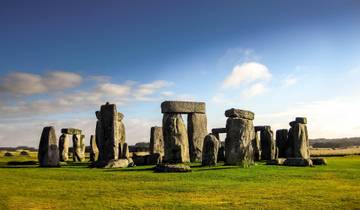
2 days
Windsor, Stonehenge, Bath & Oxford from London – 2 Days
- ✓ Comprehensive Bath tour
- ✓ Expert local guides included
- ✓ All accommodation arranged
- ✓ Transportation provided
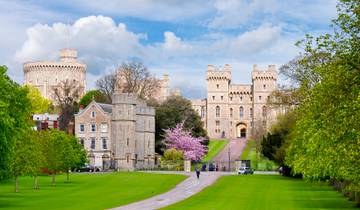
5 days
Classic England – 5 Days
- ✓ Comprehensive Bath tour
- ✓ Expert local guides included
- ✓ All accommodation arranged
- ✓ Transportation provided
5 days
5 Day London and Bath
- ✓ Comprehensive Bath tour
- ✓ Expert local guides included
- ✓ All accommodation arranged
- ✓ Transportation provided
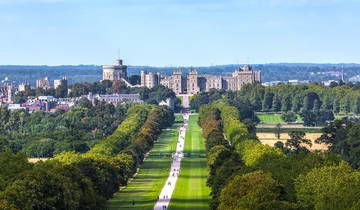
4 days
London Mini Break (4 Days)
- ✓ Comprehensive Bath tour
- ✓ Expert local guides included
- ✓ All accommodation arranged
- ✓ Transportation provided
Multi-day tour packages powered by TourRadar. Prices and availability subject to change.
Introduction: Understanding Bath’s Seasonal Rhythms in 2026
Bath’s designation as a UNESCO World Heritage City reflects architectural grandeur that transcends seasonal change, yet the Georgian streets, Roman Baths, and honey-colored limestone facades reveal dramatically different characters throughout the year. The city’s southwestern England location creates a temperate maritime climate where no month proves prohibitively cold or hot, yet seasonal variations significantly impact visitor experience, from summer’s extended daylight for photography to winter’s atmospheric steam rising from the thermal spa against crisp December air.
The 2026 planning landscape combines predictable weather patterns with a robust festival calendar that has evolved over decades. Bath’s cultural programming reaches far beyond typical tourist entertainment, encompassing literary festivals that attract Booker Prize winners, classical music performances in 15th-century churches, and the world’s largest Jane Austen celebration. These events don’t merely supplement a Bath visit; they fundamentally transform the city’s energy, creating immersive experiences unavailable during quieter months.
Weather considerations extend beyond simple temperature and rainfall statistics. Bath’s architecture interacts with seasonal light in ways that photographers and architecture enthusiasts recognize immediately—the golden Bath stone glows warmest during autumn’s oblique sunlight, while summer’s high sun creates sharp contrasts on Georgian facades. The city’s thermal spa heritage gains particular appeal during winter months when outdoor exploration feels less inviting, and the naturally heated pools provide unique contrast to the cold air.
Crowd dynamics follow complex patterns shaped by UK school holidays, international tourist seasons, and event-specific surges. The Christmas Market alone draws 444,000 visitors across 18 days, fundamentally altering the city center experience. Understanding these patterns enables strategic planning that maximizes desired experiences while minimizing compromises around congestion, pricing, or weather limitations.
This guide examines Bath month by month through 2026, identifying the intersection of weather conditions, cultural events, crowd levels, and pricing to help you determine the optimal timing for your specific travel priorities, whether you seek literary immersion, architectural photography, thermal spa relaxation, or simply walking the same streets Jane Austen knew without battling tour groups.
Bath Weather Patterns Throughout 2026
Bath’s temperate maritime climate delivers mild conditions year-round compared to continental Europe, with average annual temperatures of 10.2°C and total precipitation around 771mm distributed across 126 rainy days. The city experiences no extreme weather events, making it accessible in every season, though comfort levels and outdoor activity feasibility vary significantly. Understanding these patterns helps set realistic expectations and pack appropriately.
Temperature and Daylight Variations 2026
Summer temperatures in Bath peak during July and August, averaging 20-21°C highs with overnight lows around 12°C. These conditions rarely feel oppressively hot, particularly compared to southern European destinations, and humidity remains comfortable for walking tours and outdoor dining. June provides similar warmth with slightly cooler evenings averaging 10°C, creating ideal sleeping conditions without air conditioning.
Winter brings notable cooling without severe cold. January sees average highs of 7°C and lows around 2°C, occasionally dropping below freezing overnight but rarely sustaining hard frost through the day. February and December show similar patterns. Snow occurs infrequently in Bath, typically falling 2-4 days annually and rarely accumulating significantly, though the city’s hilly topography can create localized challenges during rare winter storms.
Spring and autumn serve as transition seasons with substantial internal variation. March begins with winter-like conditions—10°C highs and 3°C lows—but May reaches 17°C highs and 7°C lows, approaching summer warmth. Similarly, September retains summer character with 19°C highs while November drops to 10°C highs with 4°C lows, signaling winter’s approach.
Daylight hours dramatically impact the Bath experience. June’s summer solstice brings 16.5 hours of daylight, with sunrise before 5:00 AM and sunset after 9:30 PM, enabling extended evening strolls along the River Avon and photography during the extended golden hours. Conversely, December’s winter solstice restricts daylight to just 7.5 hours, with sunrise after 8:00 AM and sunset before 4:00 PM, compressing sightseeing windows and creating atmospheric twilight conditions at the Roman Baths and Bath Abbey.
Sunshine hours peak in July at 7.7 hours daily average, dropping to just 1.8 hours in December. This variation affects not only outdoor activity comfort but also photography opportunities and general mood during city exploration. Spring and autumn deliver moderate sunshine—5 to 6.5 hours daily—providing adequate light for sightseeing while avoiding summer’s tourist peaks.
Rainfall Patterns and Wet Weather Considerations
Bath’s precipitation distributes relatively evenly throughout the year, avoiding the extreme wet and dry seasons found in Mediterranean or monsoon climates. October represents the wettest month with 81mm of rainfall across approximately 11 rainy days, followed closely by November with 73mm and December with 84mm. These autumn and early winter months create the dampest conditions for outdoor exploration, though rainfall intensity remains moderate rather than torrential.
March and April emerge as Bath’s driest months, receiving just 64mm and 52mm respectively. This spring period provides the best statistical chance of dry weather, though individual rain showers still occur regularly. May through August maintain moderate rainfall between 54mm and 67mm monthly, supporting the perception of summer as dry season, though the occasional summer shower disrupts outdoor plans.
The number of rainy days proves more relevant to visitor planning than total monthly precipitation. Bath averages 10-13 rainy days monthly throughout the year, meaning light rain occurs frequently but rarely persists all day. This pattern favors flexible itineraries that can shift between indoor attractions like the Roman Baths, Fashion Museum, and Bath Abbey, and outdoor experiences including Royal Crescent walks and Parade Gardens visits.
Bath’s Georgian architecture creates distinctive rain-day atmospheres. The covered Colonnade along Bath Street provides sheltered shopping access, while the city’s numerous museums, galleries, and historic interiors offer compelling alternatives to outdoor sightseeing. The thermal spa experiences at Thermae Bath Spa gain particular appeal during rainy periods, as the rooftop pool creates the surreal experience of swimming in naturally heated water while rain falls around you.
Seasonal Clothing and Packing Recommendations
Summer visits (June-August) require lightweight layers, as temperatures shift from pleasant daytime warmth to cooler evenings. Pack breathable clothing for 20°C days, a light jacket or sweater for 10-12°C evenings, and waterproof outerwear for occasional showers. Comfortable walking shoes prove essential for Bath’s cobbled streets and hilly terrain, with many attractions requiring extended periods on your feet.
Winter planning (December-February) demands proper cold-weather preparation. Temperatures hovering around 4-8°C during the day require insulated outerwear, warm layers, gloves, and scarves. Waterproof boots become particularly valuable during the Christmas Market period, when spending hours outdoors exploring the chalets exposes you to both cold and potential rain. The city’s stone surfaces retain cold, making warm footwear more critical than in cities with more modern infrastructure.
Spring and autumn present layering challenges as temperatures fluctuate 10-15°C between morning and afternoon. Bring versatile pieces that can be added or removed easily—lightweight fleeces, cardigans, and weatherproof outer shells work well. These transition seasons also see the most variable weather patterns, making waterproof layers and an umbrella essential regardless of the morning forecast.
Regardless of season, Bath’s Georgian architecture and Roman attractions involve significant indoor-outdoor transitions. The Roman Baths maintain constant humidity and warmth, creating contrast with exterior conditions. Similarly, Bath Abbey’s massive stone interior remains cool year-round. Pack with these temperature variations in mind, favoring layers over single heavy garments.
Month-by-Month Guide to Bath in 2026
January 2026: Winter Calm and New Year Renewal
January brings Bath’s quietest tourism period, with visitor numbers dropping 60-70% below summer peaks. The city returns to local rhythms after the Christmas rush, with attractions operating on reduced schedules but offering authentic experiences without crowds. Average temperatures of 7°C highs and 2°C lows create crisp winter conditions, while rainfall around 105mm across 13 days maintains Bath’s characteristic damp climate.
The Roman Baths reveal their atmospheric best during January, when steam rises dramatically from the hot springs in the cold air and visitor numbers allow contemplative viewing of the archaeological remains. Thermae Bath Spa becomes particularly appealing, with the rooftop pool offering the surreal experience of swimming in 33-36°C naturally heated water while overlooking frost-touched Georgian rooftops. Spa packages often include January promotions, providing value compared to peak season rates.
Accommodation prices drop to annual lows in January, with luxury hotels offering rates 40-50% below summer levels. The Gainsborough Bath Spa, Royal Crescent Hotel, and other premium properties become accessible to budget-conscious travelers seeking upscale experiences. Mid-range options like Henrietta House and Abbey Hotel similarly reduce rates, making extended stays feasible for those prioritizing comfort over perfect weather.
Cultural programming remains active despite the tourism lull. The Theatre Royal Bath continues its winter season with West End productions and premieres, while Bath Abbey hosts evensong services that showcase the church’s exceptional acoustics in an intimate setting. The city’s independent restaurants and pubs regain their local character, with easier access to popular spots like The Circus Restaurant, The Chequers, and Sotto Sotto that require advance booking during busy periods.
January’s short daylight hours (8 hours from sunrise to sunset) compress sightseeing windows but create unique photographic opportunities. The low winter sun illuminates Bath’s honey-colored stone at acute angles, creating dramatic shadows across Royal Crescent and the Circus. Early sunset around 4:30 PM enables evening exploration of the illuminated city center, when floodlit Bath Abbey and the Roman Baths take on particular grandeur.
Weather variability demands flexible planning. Rain occurs roughly every third day, though rarely persisting from morning through evening. Pack warm, waterproof layers and embrace indoor alternatives when conditions deteriorate. The Fashion Museum at the Assembly Rooms, Victoria Art Gallery, and Museum of Bath Architecture provide compelling rainy-day options that many summer visitors miss.
February 2026: Bath Bachfest and Early Spring Stirrings
February maintains January’s quiet character while introducing the first major cultural event of 2026. Bath Bachfest runs from 19-21 February, bringing baroque and classical music to Bath Abbey and the Guildhall with internationally renowned period instrument orchestras and soloists. The festival attracts classical music enthusiasts but doesn’t create the broader tourism surge seen during summer festivals, maintaining the intimate winter atmosphere while adding world-class performances.
Weather conditions improve marginally from January, with average highs reaching 7°C and lows around 2°C. February actually records slightly less rainfall than January at 80mm across approximately 10 rainy days, though the psychological impact of winter’s final month makes conditions feel harsher than statistics suggest. Late February occasionally delivers early spring hints—crocuses appearing in Royal Victoria Park, longer daylight approaching 10 hours by month’s end, and milder afternoons reaching 10-12°C.
The Bath Bachfest (19-21 February) offers compelling reasons to visit despite winter conditions. Performances in Bath Abbey leverage the church’s exceptional acoustics, with baroque works particularly suited to the stone interior’s natural reverb. The Guildhall provides more intimate concert settings, while afternoon talks and pre-concert lectures add depth for dedicated classical music followers. Ticket prices remain accessible, with many concerts under £30 and festival passes offering multi-event discounts.
Beyond Bachfest, February provides excellent access to Bath’s permanent attractions without summer queues or advance booking requirements. The Roman Baths, typically requiring timed entry slots during peak season, accept walk-in visitors throughout the day. Bath Abbey’s tower tours (212 steps to panoramic city views) accommodate smaller groups for more personalized experiences. The Fashion Museum’s collection spanning 400 years of style receives unhurried attention impossible during summer crowds.
Accommodation strategies in February balance budget benefits with comfort requirements. The cold, damp conditions make cozy hotel rooms more important than during pleasant weather months when you spend minimal time indoors. Properties with excellent heating, comfortable lounges, and strong hospitality become worth premium positioning. Look for package deals combining accommodation with Thermae Bath Spa access, creating a winter wellness retreat that plays to Bath’s strengths during its least appealing weather.
Valentine’s Day (14 February) creates a mini-tourism spike, with Bath’s romantic architecture and spa heritage attracting couples. The city’s top restaurants design special menus, and upscale hotels offer romance packages. Book well ahead if visiting this specific weekend, as both accommodation and restaurant availability tighten considerably despite the otherwise quiet month.
March 2026: Spring Arrives with Improving Conditions
March signals winter’s definitive end as temperatures climb to 10°C average highs with 3°C lows, and daylight extends past 12 hours by month’s end. The psychological shift from winter to spring proves as significant as the actual temperature increase—Bath’s parks show first blooms, cafe culture returns to outdoor seating, and the city sheds its winter quietude. Rainfall decreases to 64mm, making March notably drier than the preceding months, though individual showers still interrupt outdoor plans regularly.
Spring flowers transform Bath’s formal gardens and landscaped spaces. Royal Victoria Park’s botanical displays feature early daffodils, crocuses, and hyacinths, while the gravel paths around the Royal Crescent’s ha-ha showcase seasonal color against Georgian architecture. Parade Gardens along the River Avon remains closed for winter maintenance through mid-March but reopens as temperatures rise, providing riverside walking routes inaccessible during colder months.
Tourism numbers begin climbing gradually through March as UK domestic travelers take advantage of school holiday periods and Europeans seeking early spring breaks discover Bath’s improving weather. Accommodation rates rise 15-20% from February lows but remain 30-35% below summer peaks, maintaining value for budget-conscious visitors while offering near-spring conditions. Weekday visits avoid the growing weekend crowds, particularly during the final week when Easter holiday preparations increase both UK domestic travel and European tourism.
The extended daylight enables more ambitious daily itineraries. With sunset pushing past 6:00 PM by late March, afternoon attractions previously rushed during February’s 4:30 PM darkness now receive proper attention. Evening walks from Pulteney Bridge to North Parade become pleasant again as temperatures hover around 8-10°C at twilight, and Bath’s illuminated landmarks gain appeal without January’s biting cold.
March lacks major festivals or events, making it ideal for visitors prioritizing authentic local atmosphere over cultural programming. The city’s permanent attractions operate on full schedules, restaurants welcome diners without festival crowds creating booking challenges, and Bath reveals its everyday character as a living city rather than tourist destination. This period particularly suits photography enthusiasts seeking Bath’s architecture without summer crowds, as the improving light and blooming gardens enhance visual appeal.
Bath’s cultural venues maintain active winter seasons through March. The Theatre Royal Bath presents spring productions, often including pre-West End tryouts that later transfer to London. The Komedia comedy and live music venue hosts established and emerging performers in intimate settings. Film screenings at the Little Theatre Cinema provide arthouse alternatives to mainstream options, showcasing Bath’s sophisticated cultural scene beyond its historic tourism attractions.
April 2026: Peak Spring Beauty with Festival-Free Calm
April emerges as Bath’s driest month with just 52mm of rainfall across 10 days, while temperatures climb to 13°C average highs with 4°C lows. These conditions create ideal outdoor exploration weather—warm enough for comfortable walking tours without jackets during midday hours, cool enough to avoid summer’s heat and humidity, and dry enough to minimize weather-disrupted plans. Gardens reach peak spring bloom, with Bath’s formal landscaping showcasing the Georgian design principles that complement the architecture.
The absence of major festivals creates the year’s best combination of pleasant weather and manageable crowds. Unlike May’s Literature Festival or September’s Austen celebration, April allows unimpeded access to Bath’s attractions while enjoying spring conditions. This paradox—better weather with fewer visitors—results from tourism patterns favoring summer holidays and festival attendance over optimal weather timing. Savvy travelers recognize April as the year’s hidden gem, offering premium experiences without premium pricing or competition.
Royal Victoria Park reaches its visual peak during April, with mature trees leafing out against Georgian terraces, formal bedding displays showcasing spring colors, and the park’s open lawns inviting picnics and relaxation. The Botanical Gardens within the park present carefully curated collections demonstrating horticultural diversity, while children’s play areas and the miniature railway attract families creating the park’s animated springtime character.
Photography enthusiasts find April’s light particularly rewarding. The sun reaches higher angles than winter months but maintains the warm tones absent during summer’s overhead positioning. Bath’s honey-colored limestone glows in the April sunshine while clouds create the dynamic skies that add drama to architectural photographs. The combination of blooming gardens, comfortable temperatures, and excellent light makes April the premier month for capturing Bath’s visual essence.
Easter weekend typically falls in late March or April, creating the month’s only significant tourism surge. The 2026 Easter holiday weekend (18-21 April) sees hotel rates spike 40-60% and attractions experience their first major post-winter crowds. Families with school-age children dominate this period, creating different demographics than summer’s international tourism. Book accommodation well ahead for Easter weekend specifically, or avoid it entirely for a more tranquil April experience.
Cultural programming in April includes Theatre Royal Bath’s spring season, Bath Abbey’s Easter services showcasing the church’s exceptional choir, and the beginning of outdoor music performances in Parade Gardens and other public spaces. The city’s restaurants expand outdoor dining as weather permits, with alfresco tables appearing along Milsom Street, Quiet Street, and throughout the city center. These outdoor dining spots remain relatively uncrowded compared to summer months when securing a terrace table requires advance planning.
Thermae Bath Spa offers particular appeal during April as an all-weather activity. While outdoor rooftop pool swimming gains comfort as temperatures rise, the experience retains its winter drama when cooler mornings create steam rising from the naturally heated water. Spa packages become more valuable in April as demand remains below summer peaks, though weekends see local visitors taking advantage of improving weather.
May 2026: Bath Literature Festival and Spring’s Peak
May 2026 centers on the Bath Literature Festival (16-24 May), preceded by the traditional Party in the City on 15 May when dozens of venues host free live music throughout the evening. The festival transforms Bath into a literary hub, with over 120 events featuring Booker Prize winners, bestselling authors, historians, poets, and emerging writers. Temperatures average 17°C highs with 7°C lows, rainfall remains moderate at 61mm, and daylight extends past 9:00 PM by month’s end, creating near-perfect conditions for the festival’s walking tours, outdoor events, and evening performances.
The Literature Festival attracts a distinct demographic—book enthusiasts, cultural tourists, and Bath’s educated residents—creating intellectual energy absent during standard tourism periods. Event venues scatter throughout the city, from the Forum’s main auditorium hosting headline authors to intimate church settings for poetry readings and specialized topics. Walking tours explore literary Bath, including Jane Austen’s residences and locations from her novels set in the city, while workshops enable aspiring writers to develop their craft with published authors.
Ticket prices for Literature Festival events range from £8 for community events to £30 for major author appearances. Multi-buy packages offer 5-15% discounts for attendees planning multiple events, making the nine-day festival accessible for dedicated literary tourists. Many events sell out weeks in advance, particularly headline authors at the Forum, requiring early booking after the full program releases in late February. Some venues offer standby tickets, but popular events should not be approached optimistically.
The Literature Festival period sees accommodation rates climb 25-35% above April levels, with properties within walking distance of event venues commanding premium positioning. The weekend of 16-17 May experiences particular pressure as the festival opens. Booking accommodations simultaneously with festival tickets in February/March ensures availability and prevents being forced to outlying suburbs or higher-cost last-minute options.
Beyond the Literature Festival, May’s weather makes it ideal for Bath’s outdoor attractions. The Skyline Walk, a 6-mile circular route offering panoramic views across the city and surrounding countryside, becomes accessible as paths dry from winter mud and temperatures make the 2-3 hour walk comfortable. Prior Park Landscape Garden, managed by the National Trust, showcases its designed landscape at peak spring beauty, with the Palladian Bridge creating the Instagram-worthy scene that made it Bath’s most photographed National Trust property.
May also delivers reliable conditions for day trips from Bath. The Cotswolds villages lie within 30-45 minutes, with Castle Combe, Lacock, and Bradford-on-Avon offering quintessential English village experiences. Stonehenge sits 45 minutes south, while Bristol’s waterfront attractions provide urban alternatives just 15 minutes by train. The combination of excellent Bath base conditions and comfortable day trip weather makes May ideal for extended stays exploring the broader region.
Restaurant reservations become essential during the Literature Festival period, as both event attendees and regular tourists fill Bath’s dining scene. The city’s top independent restaurants—Olive Tree, Sotto Sotto, The Scallop Shell, Acorn—require bookings days in advance for prime evening slots. Lunch proves easier to secure, and many restaurants create special festival menus acknowledging the literary theme. The extended May daylight supports early dinner bookings (6:00-6:30 PM) that remain uncrowded while leaving evening hours for festival events.
June 2026: Bath International Music Festival and Summer’s Arrival
The Bath International Music Festival (30 May – 7 June) extends from late May into June, presenting classical, jazz, and contemporary music across Bath’s historic venues. Bath Abbey hosts immersive choral performances, the Guildhall showcases chamber music, and Komedia features late-evening jazz from Ronnie Scott’s musicians. The festival attracts classical music devotees while maintaining broader appeal than the specialized Bachfest, with programming spanning baroque masterpieces through contemporary compositions and crossover genre performances.
June’s weather delivers Bath’s most reliable conditions, with average highs reaching 19°C, lows around 11°C, and rainfall dropping to 55mm across approximately 9 rainy days. The summer solstice (21 June) brings the year’s longest day with 16.5 hours of daylight, enabling extended photography sessions during morning and evening golden hours. These conditions make June ideal for visitors prioritizing both excellent weather and significant cultural programming, though festival periods naturally attract larger crowds than non-festival summer months.
Music Festival ticket prices range from £15 for morning coffee concerts at St Swithin’s Church to £45 for major evening performances in Bath Abbey. Multi-buy packages offer progressive discounts (5% for three events, 10% for five events, 15% for eight or more events), rewarding dedicated attendees planning full festival engagement. Unlike the Literature Festival’s author-specific draw, Music Festival programming allows more flexible attendance based on musical preferences rather than individual performer schedules.
The overlap of improving weather and major cultural programming creates June’s distinctive character. Festival attendees combine concert attendance with daytime exploration of Bath’s attractions, gardens, and surrounding countryside. The extended daylight enables full-day itineraries—morning museum visits, afternoon Prior Park exploration, 6:00 PM dinner, and 8:00 PM concerts—without rushing or sacrificing sleep. This rhythm proves impossible during winter’s compressed daylight or summer’s peak tourism crowds.
Gardens reach their summer peak during June, with Royal Victoria Park’s formal displays, Prior Park’s naturalized landscapes, and Sydney Gardens’ pleasure ground heritage all showcasing the careful horticultural planning that complements Bath’s architectural heritage. The River Avon’s riverside paths from Pulteney Weir through to Bathampton become popular walking and cycling routes, with the towpath providing flat, accessible terrain perfect for casual exploration without Bath’s characteristic hills.
June marks the transition into high season pricing and crowd levels, though not reaching July-August peaks. Accommodation rates climb 20-30% from May levels, with festival dates commanding premium positioning. Weekday visits during non-festival weeks (early June before festival or mid-June after) capture summer conditions without weekend crowds or festival complications. The Roman Baths implement timed entry slots from June onwards, requiring advance online booking rather than spontaneous visits possible during quieter months.
June weather occasionally disappoints with multi-day rainy spells, particularly early in the month before summer patterns fully establish. The English summer remains unpredictable despite June’s statistical favorability. Pack layers and weatherproof outerwear even when forecasts promise sunshine, as conditions can shift quickly. The advantage of June weather lies in temperature comfort rather than guaranteed sun—even rainy days at 17-19°C prove more pleasant for outdoor movement than summer heat or winter cold.
July 2026: Peak Summer with Bath Carnival
July delivers Bath’s warmest weather, with average highs of 21°C, lows around 12°C, and peak sunshine averaging 7.7 hours daily. These conditions create ideal outdoor exploration weather, though the combination of reliable sunshine and UK school summer holidays beginning mid-month brings the year’s highest visitor concentrations. Major attractions like the Roman Baths, Bath Abbey, and Thermae Bath Spa operate at capacity during July afternoons, requiring advance booking and strategic timing to avoid the heaviest crowds.
Bath Carnival on 11 July 2026 brings free street celebration to the city center, with parade routes winding through Bath’s historic streets featuring costumed performers, live music, and community participation. The event creates festival atmosphere without entry fees or ticket requirements, though accommodation rates spike for the carnival weekend and surrounding restaurants require advance booking. The carnival attracts predominantly UK domestic visitors and creates family-friendly energy distinct from the cultural festivals’ more adult demographics.
July’s extended daylight (15+ hours from sunrise to sunset) enables ambitious daily itineraries and evening activities impossible during shorter-day months. Sunset after 9:15 PM means comfortable outdoor dining through 8:00-8:30 PM without artificial lighting, while morning light at 5:15 AM offers opportunities for crowd-free photography sessions capturing Bath’s architecture in empty streets. Professional and serious amateur photographers recognize early July mornings as prime windows for iconic Bath shots without tourists.
Weather reliability in July makes it ideal for outdoor-dependent activities. The Skyline Walk’s 6-mile circuit becomes accessible to casual hikers in comfortable temperatures, while the Prior Park Landscape Garden’s hillside setting benefits from dry paths and clear views across the valley to Bath’s Georgian terraces. River cruises on the Avon operate regular schedules, and walking tours face minimal weather cancellations, though afternoon heat occasionally makes the Roman Baths’ interior spaces feel stuffy.
Crowd management strategies become essential during July. Visit major attractions during first morning entry (typically 9:00-9:30 AM), when timed slots see lightest use and photography possibilities remain best. Afternoon heat drives visitors indoors, making 2:00-4:00 PM the worst window for the Roman Baths and Bath Abbey. Late afternoon through early evening (5:00-7:00 PM) sees crowds dispersing toward dinners and accommodations, creating a secondary quiet window before sites close.
Accommodation in July commands the year’s highest rates, with popular properties charging 60-80% premiums over January baselines. Budget options like Premier Inn and Travelodge maintain standardized pricing with smaller seasonal variation, while independent B&Bs and boutique hotels maximize revenue during peak demand. Book three to six months ahead for July visits to secure preferred locations and avoid limited last-minute availability forcing acceptance of less desirable options.
July’s heat occasionally reaches uncomfortable levels for walking-intensive sightseeing. Temperatures pushing toward 25°C combined with Bath’s hilly terrain and stone streets that retain heat can exhaust visitors attempting ambitious itineraries. Plan indoor activities during peak afternoon heat—the Fashion Museum, Victoria Art Gallery, and Museum of Bath at Work provide air-conditioned alternatives. Thermae Bath Spa’s rooftop pool offers the paradoxical appeal of cooling off in warm water while enjoying panoramic views across the city.
August 2026: High Summer with Maximum Tourism Pressure
August represents Bath’s tourist peak, with UK school holidays, European vacation season, and North American summer travel converging to create the year’s highest visitor concentrations. Average temperatures remain warm at 20°C highs and 12°C lows, rainfall increases slightly to 67mm, and daylight begins its gradual reduction toward autumn, dropping from 15 hours early month to 13 hours by month’s end. These conditions remain excellent for sightseeing, but competition for access to attractions, restaurants, and accommodations reaches annual maximums.
The Roman Baths experience their most intense crowding during August, with timed entry slots filling days in advance and walk-up availability essentially non-existent during peak afternoon hours. Audio guide queues extend through the entrance area, and the actual bath viewing platforms become congested with tour groups and individual visitors jockeying for photographs. Early morning slots (9:00-10:00 AM) remain the only practical option for contemplative viewing, while evening visits after 6:00 PM thin slightly though never approaching off-season calm.
Accommodation availability tightens severely in August, particularly for properties within walking distance of the city center. Weekend bookings require securing rooms 4-6 months ahead, while weekday options disappear 6-8 weeks before arrival. Rates reach annual peaks, with boutique hotels like No.15 Great Pulteney Street and The Queensberry Hotel charging 80-100% premiums over winter baselines. Park and Ride becomes essential for visitors accepting outlying accommodations, as city center parking fills early and costs £30-40 daily at remaining commercial facilities.
Despite the crowds, August offers advantages for visitors accepting the compromises. Weather reliability reaches maximum, with warm temperatures and moderate rainfall enabling confident outdoor planning. The extended business hours at major attractions (Roman Baths open until 10:00 PM during August) provide flexibility impossible during short winter days. Restaurant patios, beer gardens, and outdoor dining spaces operate at full capacity, creating animated street scenes that capture Bath’s summer energy even if requiring advance reservations.
Strategic planning mitigates August’s challenges. Weekday visits (Tuesday-Thursday) see marginally lower crowds than weekends, though differences prove less dramatic than during shoulder seasons. Booking all timed-entry attractions immediately upon finalizing travel dates secures preferred slots, while restaurant reservations made weeks ahead ensure access to desired dining experiences. Consider building longer stays (5-7 days) that allow early morning and late evening exploration when day-trippers and tour groups depart, revealing Bath’s after-hours character.
August’s warmth makes day trips particularly appealing, spreading tourism pressure beyond Bath proper. Stonehenge, Avebury, Wells Cathedral, Cheddar Gorge, and the Cotswolds villages all operate within 45-60 minute reach, offering diverse experiences that break up multi-day Bath visits. Organized tours departing Bath handle logistics but operate on fixed schedules, while rental cars provide maximum flexibility at the cost of navigating narrow country lanes and limited village parking.
Late August (post-25th) sees the first hints of autumn as UK schools prepare for September reopening. Families with school-age children disappear suddenly, creating the month’s only notable crowd reduction. These final August days combine summer weather with marginally lower tourism pressure, though still far exceeding spring or autumn quiet. International tourism continues strong through month’s end as European vacation season extends into September.
September 2026: Festivals Return with Autumn’s First Hints
September balances summer’s final warmth with autumn’s approaching change, creating some of the year’s most pleasant weather conditions. Average temperatures of 19°C highs and 10°C lows match June’s comfort, while rainfall decreases to 73mm making it drier than summer months. The combination of excellent weather, reducing crowds post-summer holidays, and Bath’s major autumn festivals positions September as one of the year’s best visiting months for those balancing all priorities.
The Foodies Festival (4-6 September) occupies Bath’s recreation ground with hundreds of food stalls, celebrity chef demonstrations, artisan producers, and live music. The three-day event attracts 25,000-30,000 visitors creating significant city impact during its run, though the festival grounds ticket separates from general city access. Weekend tickets cost £15 per day with advance purchase, while on-site pricing increases to £22. The festival particularly appeals to culinary enthusiasts seeking chef interactions and specialty food products unavailable elsewhere.
The Jane Austen Festival (11-20 September) represents Bath’s largest heritage celebration, honoring the city’s most famous literary resident through period costume promenades, Regency balls, walking tours, theatrical performances, and specialized talks. The festival opens with the Guinness World Record Regency Promenade filling Bath’s streets with over 1,000 participants in period dress, creating spectacular photo opportunities and immersive historical atmosphere. Events range from free public promenades to ticketed balls requiring period costume and advance planning.
Festival ticket prices vary dramatically by event type. The Regency Promenade welcomes free participation with costume encouraged but not required. Regency balls at the Guildhall and Assembly Rooms cost £45-65 including period dancing instruction, though full period costume represents additional investment for dedicated participants. Walking tours and talks range £10-25, while theatrical adaptations of Austen novels command £20-35 depending on venue and production scale. The 10-day festival offers daily events enabling flexible participation based on interest level.
The Bath Children’s Literature Festival (26 September – 4 October) overlaps September’s final days, bringing Europe’s largest children’s literary event to Bath with author appearances, workshops, and family-friendly programming. The festival attracts school groups and families with young readers, creating different energy than the adult-focused Literature Festival. Events scatter across multiple venues, with many daytime programs serving school audiences and weekend sessions targeting family participation.
September’s weather transitions gradually toward autumn, with early month feeling summer-like and late September introducing cooler evenings requiring jackets. Trees begin changing color by month’s end, particularly noticeable in Royal Victoria Park and along the river walks. This seasonal shift creates photographic opportunities combining Bath’s architecture with autumn color absent during summer green or winter bare branches.
Accommodation during September’s festival periods (particularly Austen Festival week) requires advance booking similar to summer peak periods, as limited rooms fill rapidly with festival attendees who value proximity to event venues. Non-festival weeks in September offer excellent value, with rates dropping 20-30% below August levels while weather remains reliably pleasant. This creates opportunity for flexible travelers who can avoid festival dates entirely or book well ahead for festival participation.
September crowds follow complex patterns. The first week post-summer holidays sees dramatic reductions as families return to school schedules and European tourism declines. The Foodies Festival and Jane Austen Festival create localized surges that fill the city during their runs, then dissipate afterward. Late September (post-25th) offers some of the year’s best crowd-to-weather ratios, with pleasant conditions and minimal tourism pressure before October’s autumn challenges emerge.
October 2026: Bath Film Festival and Autumn Deepening
October brings autumn’s full arrival with temperatures dropping to 15°C average highs and 8°C lows, increased rainfall reaching 81mm (the year’s wettest month), and daylight reducing to just 11 hours by month’s end. Trees throughout Bath showcase full autumn color, creating particularly striking scenes along the Royal Crescent and in Prior Park Landscape Garden where designed vistas frame the seasonal transformation. These changes mark October as transition month when tourism patterns shift decisively toward winter’s quiet.
The Bath Film Festival (16-25 October) presents diverse cinema across Bath’s theaters and unexpected venues, showcasing independent films, documentaries, international productions, and classic revivals. The 10-day festival attracts serious film enthusiasts rather than casual tourists, creating intellectual atmosphere similar to the Literature Festival without the broader public engagement. Screenings occur at Little Theatre Cinema, Komedia, and occasional popup venues, with ticket prices ranging £8-15 per screening and festival passes offering multi-film discounts.
October’s weather variability demands flexible planning and weather-appropriate mindset. The wettest month designation means rain occurs frequently, though Bath’s indoor attractions—Roman Baths, Fashion Museum, Victoria Art Gallery, Holburne Museum—provide excellent rainy-day alternatives. The city’s covered shopping arcades along Milsom Street and Northumberland Place enable retail therapy without weather exposure, while cafe culture shifts decisively indoors with heated interiors replacing outdoor terrace dining.
Tourism numbers drop significantly post-September festivals, with October seeing 40-50% fewer visitors than August peak. Major attractions like the Roman Baths and Bath Abbey accept walk-in visitors throughout most October days without advance booking, a dramatic shift from summer’s mandatory timed entry. This accessibility creates relaxed sightseeing pace, allowing extended time at attractions without feeling rushed by crowds or competing for viewing positions.
Accommodation rates decline 25-35% from September levels, making October excellent value for budget-conscious travelers accepting autumn weather trade-offs. Luxury hotels like The Gainsborough Bath Spa and Royal Crescent Hotel offer mid-tier pricing during October, while boutique properties and B&Bs compete for limited October bookings with package deals and extended-stay discounts. Halloween weekend (31 October – 1 November) represents October’s only significant rate spike, particularly for properties marketing ghost tours and historic atmosphere.
Thermae Bath Spa gains particular appeal during October’s cooling weather. The rooftop pool’s steam rising against October’s chill creates atmospheric conditions rivaling the winter experience, while October rates remain below Christmas Market premium pricing. Spa packages combining accommodation with spa access represent strong value, creating wellness retreat experiences that play to Bath’s thermal heritage during weather less conducive to outdoor sightseeing.
October’s reduced daylight (sunset around 5:45 PM early month, 4:30 PM late month) compresses afternoon activities and shifts evening plans earlier. This timing affects photography opportunities as golden hour occurs during mid-afternoon rather than extended summer evenings, but creates opportunities for illuminated city photography shortly after sunset when floodlit Bath Abbey and Bath Street lights create dramatic urban landscapes.
Prior Park Landscape Garden reaches peak autumn color during mid-October, with the Palladian Bridge framed by copper beech and maple trees creating the property’s most photogenic seasonal moment. The National Trust property sees minimal October crowds compared to spring and summer peaks, enabling contemplative garden exploration and photography without competing for viewpoints along the main lake.
November 2026: Pre-Christmas Quiet and Market Preparation
November represents Bath’s second quietest month after January, with tourism dropping to annual lows during the first three weeks before the Christmas Market transforms the city. Average temperatures decline to 10°C highs and 4°C lows, rainfall remains elevated at 73mm, and daylight contracts to just 8 hours by month’s end. These conditions create atmospheric Bath experiences for visitors embracing moody weather and seeking authentic local character without tourist crowds.
The first three weeks of November offer the year’s best combination of low rates and full attraction access. Accommodation costs drop 40-50% below summer peaks, with luxury hotels making themselves accessible to mid-range budgets and boutique properties offering extended-stay packages that encourage multi-night bookings during the slow period. Restaurant reservations become unnecessary for the first time since March, and major attractions operate with minimal wait times despite maintaining full schedules.
Bath’s character shifts dramatically during quiet November. The city center reveals its living-city essence rather than tourist-destination facade, with local residents dominating the streets, independent shops focusing on regular customers, and cafes serving neighborhood regulars rather than visitors. This authentic atmosphere appeals to travelers seeking genuine place-experience over curated tourism, though it sacrifices the animated energy present during festival periods and summer crowds.
Theatre Royal Bath maintains active programming through November, often presenting pre-Christmas shows and pantomime previews that later run through the holiday season. The Komedia venue hosts comedy acts and live music without the summer’s tourist-heavy audiences, creating performances calibrated to local tastes and knowledgeable attendees. These cultural offerings continue despite low tourism, demonstrating Bath’s year-round cultural sophistication beyond its heritage attractions.
November’s weather creates challenges requiring flexible mindset and appropriate expectations. The combination of cool temperatures, elevated rainfall, and short daylight hours means outdoor exploration involves rain gear, warm layers, and compressed sightseeing windows. The 8-hour daylight span (roughly 8:00 AM to 4:00 PM by late November) forces early starts or acceptance of reduced daily itinerary ambitions compared to summer’s 15-hour exploration windows.
The Bath Christmas Market (26 November – 13 December) transforms the final week of November, with chalets appearing throughout the city center from Thursday 26 November. This transition marks November’s critical inflection point—the first 25 days represent quiet low season, while the final 4-5 days initiate the Christmas season surge. Accommodation rates triple for the opening weekend, restaurant availability evaporates, and the city’s character shifts from quiet authenticity to festive celebration.
Visitors timing November stays should decide whether to avoid or embrace the Christmas Market transition. Departing before 26 November ensures quiet November experience without market complications, while arriving 24-25 November enables watching the transformation as hundreds of chalets populate Bath’s Georgian streets. The setup period creates unique behind-scenes access to the market creation process before official opening brings the crowds.
December 2026: Bath Christmas Market Season
December centers entirely on the Bath Christmas Market (26 November – 13 December), which attracts an estimated 444,000 visitors across its 18-day run. The market transforms Bath’s UNESCO World Heritage city center into a festive wonderland, with over 200 wooden chalets selling artisan gifts, crafts, food, and drinks while spreading across Milsom Street, Bath Street, Abbey Churchyard, and connecting spaces. This period represents Bath’s second major tourism surge after summer, creating dramatically different atmosphere than the quiet city experienced in early November.
The Christmas Market operates free entry with no advance tickets required, opening daily at varying hours (10:00 AM – 7:00 PM Monday-Wednesday, 10:00 AM – 8:00 PM Thursday-Saturday, 10:00 AM – 6:00 PM Sunday). Peak crowds occur weekends and the final week before market closure, when last-minute Christmas shopping combines with weekend visitor surges. Tuesday and Wednesday mornings (10:00 AM – 12:00 PM) offer the calmest browsing conditions, though sacrificing the full festive atmosphere that evening crowds and weekend energy create.
Accommodation during the Christmas Market period requires booking 6-9 months ahead, as Bath’s limited hotel inventory fills rapidly with annual repeat visitors who pre-book for following years during current stays. Rates reach or exceed summer peaks, with premium properties like The Gainsborough Bath Spa and Royal Crescent Hotel commanding £400-600 nightly during peak weekends. Budget chains maintain standardized pricing with smaller seasonal premiums, though even Travelodge and Premier Inn see elevated December rates and early sellouts.
Weather during the Christmas Market period averages 8°C highs and 3°C lows, with December recording 84mm rainfall across approximately 13 rainy days. The combination of cold temperatures and potential rain makes warm, waterproof outerwear essential for extended market browsing. The chalets offer some weather shelter, but navigating between clusters involves exposure to elements. Thermal layers, waterproof boots, and hand warmers transform the experience from endurance test to enjoyable winter activity.
The market’s Germanic heritage shows in the food and drink offerings, with bratwurst, glühwein (mulled wine), German beer, roasted chestnuts, and chocolate-covered fruit creating authentic Christmas market atmosphere. Many visitors budget £30-50 for food and drink sampling during a full day’s market browsing, though actual spending varies widely based on alcohol consumption and souvenir purchases. The artisan goods range from £5 stocking stuffers to £200+ handcrafted jewelry and artwork.
Bath on Ice returns to Royal Victoria Park from 14 November through 4 January, offering outdoor skating sessions from 10:30 AM to 9:30 PM daily. The 1,000-square-meter rink provides winter activity beyond market browsing, with ticket prices at £16 adults and £13.50 children creating accessible family entertainment. The adjacent Moguls Alpine Bar and Christmas Tree Maze extend the winter wonderland beyond simple skating, creating comprehensive seasonal experience.
Restaurant reservations during the Christmas Market period become exceptionally challenging, as both market visitors and local holiday parties fill dining establishments. Bath’s top restaurants like Olive Tree, Sotto Sotto, and The Scallop Shell book out weeks ahead for prime evening slots, while even casual options require advance planning or acceptance of limited availability. The market’s food stalls and Bath’s numerous pubs provide fall-back dining options when restaurant reservations prove impossible.
The Christmas Market creates divided opinions among Bath residents and repeat visitors. Devotees return annually for the festive atmosphere, artisan shopping, and mulled wine ambiance that transforms Bath into a winter destination. Critics cite overwhelming crowds, commercialization of the historic center, and preference for experiencing Bath’s architecture without market structures obscuring Georgian facades. First-time visitors should recognize the market fundamentally changes Bath’s character—choose based on whether festive celebration or authentic heritage exploration takes priority.
Post-market December (14-31 December) sees tourism dropping sharply as visitors depart and the city begins Christmas-New Year quiet period. Many attractions reduce operating hours between Christmas and New Year, while restaurants close entirely for the holidays or operate limited schedules. This period suits visitors seeking the quietest possible Bath experience, though recognition that reduced services and dark, cold weather create challenging conditions for standard tourism activities.
Seasonal Travel Strategies for Different Visitor Types
Cultural Enthusiasts: Festival-Focused Planning 2026
Bath’s 2026 festival calendar creates nine distinct windows for cultural immersion, each attracting different demographics and offering unique experiences. Planning around these events requires understanding not just festival programming but accommodation availability, ticket release schedules, and how festivals impact broader city access.
Literature and music enthusiasts should prioritize the Bath Literature Festival (16-24 May) and Bath International Music Festival (30 May – 7 June), which overlap late May creating concentrated cultural programming. Booking accommodation for the combined 3-week period enables full festival engagement, though securing preferred properties demands action when festival programs release in February. Multi-buy ticket packages reward committed attendees planning multiple events, with progressive discounts reaching 15% for eight or more bookings.
The Jane Austen Festival (11-20 September) requires different preparation, particularly for visitors planning full Regency costume participation in balls and promenades. Period costume rental or purchase represents significant investment beyond standard festival tickets, though the immersive experience creates unmatched engagement with Austen’s world. The Regency Promenade opening day (likely Saturday 12 September based on typical festival scheduling) sees Bath’s streets filled with period dress, creating spectacular atmosphere for both participants and observers.
Classical music devotees should consider Bath Bachfest (19-21 February) for intimate baroque and period instrument performances in Bath Abbey’s exceptional acoustics. The three-day festival concentrates programming more tightly than the sprawling May/June Music Festival, enabling comprehensive attendance for dedicated fans. February’s cold weather and quiet city character create contemplative atmosphere well-suited to Bach’s mathematical compositions and the festival’s scholarly approach.
Film enthusiasts find value in Bath Film Festival (16-25 October), particularly those seeking independent cinema, documentaries, and international productions beyond mainstream offerings. The festival’s relatively low profile compared to Literature and Music events means easier accommodation booking and more spontaneous attendance options, though serious film buffs should review the program when released and pre-book priority screenings.
Budget-Conscious Travelers: Value Season Opportunities 2026
Bath’s dramatic seasonal pricing creates clear value windows for travelers prioritizing affordability over perfect weather. January, February, early March, and late October through mid-November represent the deepest discount periods, with accommodation rates dropping 40-50% below summer peaks and many attractions offering reduced admission or package deals.
January delivers maximum savings but demands acceptance of cold, damp conditions and short daylight hours. This period particularly suits travelers for whom indoor attractions hold primary appeal—the Roman Baths, Fashion Museum, and Bath’s museums provide compelling full-day programming regardless of weather. Combining budget accommodation with Thermae Bath Spa packages creates affordable wellness retreats that transform weather limitations into advantages, as the thermal pools’ warmth creates more dramatic contrast against January’s cold.
Early March and April balance value with improving conditions. March maintains 25-35% discounts from summer rates while temperatures climb toward double digits and daylight extends past 6:00 PM. April dries significantly compared to winter months while avoiding May’s festival premium, creating the sweet spot for budget travelers who can tolerate occasional rain in exchange for spring beauty and comfortable temperatures.
Late October through mid-November offers autumn’s value window, with rates dropping 30-40% from September festival period while most attractions maintain full schedules. The trade-off involves increased rainfall, cooling temperatures, and shortening daylight, though October’s autumn color partially compensates. This period particularly suits visitors who’ve experienced Bath previously and seek return visits without summer’s costs and crowds.
Budget accommodation strategies extend beyond seasonal timing. Properties outside Bath’s immediate center—Weston, Oldfield Park, Bear Flat—offer 20-30% savings with sacrifice of walking distance to major sites. Bath’s park and ride system provides £4 return tickets from peripheral parking, creating viable alternative to expensive city center hotels. Apartment rentals through platforms like Airbnb can deliver better value than hotels for groups or families sharing space.
Bath’s free attractions—Royal Crescent exterior viewing, Pulteney Bridge, Parade Gardens (free outside summer), Bath Abbey (suggested donation), and numerous parks—enable comprehensive sightseeing without substantial admission costs. The Fashion Museum and Roman Baths represent the major ticketed attractions, while walking tours exist in both paid (£10-15) and free-tip-based versions. Budget-conscious visitors can experience Bath thoroughly while limiting paid attraction entry to one or two must-see sites.
Photographers: Seasonal Light and Access Considerations
Bath’s architectural photography opportunities shift dramatically with seasonal light, crowd levels, and atmospheric conditions. Understanding these variations enables photographers to target optimal windows for specific shots while managing the constraints each season imposes.
Winter’s low sun angle (November-February) creates dramatic side-lighting on Georgian facades, with long shadows emphasizing architectural details invisible during summer’s overhead sun. The 8-hour daylight window compresses shooting time but extends golden hour, with the sun remaining at photogenic angles from mid-morning through mid-afternoon. January and February mornings deliver crowd-free conditions for iconic Bath shots—Royal Crescent, Circus, Pulteney Bridge—impossible during tourist seasons.
Early morning sessions (6:00-8:00 AM in summer, 7:30-9:00 AM in winter) capture Bath’s architecture without people, requiring winter’s late sunrise or summer’s photographer dedication. The Roman Baths’ steam rising from hot springs photographs best during cold mornings when temperature differential creates maximum vapor, making January-March optimal despite the early wake-up call.
April and May deliver spring’s garden color against Georgian architecture, particularly in Royal Victoria Park where formal bedding displays frame the Royal Crescent’s curved facade. The combination of blooming gardens, comfortable temperatures, and pre-summer crowds makes April the year’s most photographer-friendly month, with excellent light, manageable tourist presence, and compelling seasonal color unavailable other times.
Summer’s extended golden hour (8:00-9:30 PM June-July) enables evening architecture photography in warm light without crowds, as day-trippers depart and overnight visitors settle into dinner reservations. The extended blue hour following sunset adds 30-45 minutes of shooting time for illuminated Bath Abbey and Bath Street lights. However, summer’s high sun creates harsh midday shadows requiring HDR techniques or acceptance of high-contrast conditions.
Autumn (September-October) combines golden foliage color with improving tourist access compared to summer. Prior Park Landscape Garden’s Palladian Bridge with autumn trees creates Bath’s signature autumn photograph, best captured mid-October during peak color. The changing leaves in Royal Victoria Park and along the River Avon add seasonal variation to standard architectural shots, creating variety in photographic portfolios.
Overcast conditions, common year-round in Bath, actually benefit architectural photography by eliminating harsh shadows and creating even lighting that reveals detail across Georgian facades. What casual visitors perceive as disappointing weather creates ideal photography conditions, particularly for detail shots emphasizing stonework, windows, and decorative elements. Dedicated architectural photographers should embrace rather than avoid Bath’s frequent overcast skies.
Families with Children: School Holiday Alignment 2026
Families with school-age children face scheduling constraints that limit Bath visit timing to school holiday periods, each offering distinct advantages and compromises. Understanding these windows helps families optimize limited flexibility for best experiences.
Easter holiday (18-21 April 2026) provides spring weather approaching summer comfort, with temperatures around 13°C and Bath’s driest month conditions. The four-day weekend sees accommodation rates spike and attractions experience their first major post-winter crowds, though nothing approaching summer levels. Bath’s major sites implement child-friendly programming during Easter, with the Roman Baths offering family audio guides and activity packs that transform what could be dry archaeology into engaging historical exploration.
Summer holiday (late July through August) delivers guaranteed warm weather and full-day sunshine enabling ambitious itineraries, though also bringing peak crowds and maximum prices. Families should embrace early morning attraction visits before afternoon heat and tourist peaks, enabling swimming pool or park time during mid-afternoon when museums and indoor sites feel most crowded. Royal Victoria Park’s playground and miniature railway provide breaks from structured sightseeing, while the River Avon’s paths offer flat walking routes suitable for younger children and strollers.
Bath’s attractions vary significantly in child-friendliness. The Roman Baths fascinates history-interested children but may bore younger kids lacking context, though the audio guide includes child-specific narration. Bath Abbey’s tower climb (212 steps) appeals to active children while providing panoramic views as reward. Thermae Bath Spa restricts admission to ages 16+, eliminating it as family activity. The Fashion Museum’s corset displays and period costumes engage costume-interested children while leaving others indifferent.
October half-term (26-30 October) offers autumn conditions with Halloween proximity creating themed activities at attractions and hotels. The Bath Film Festival (16-25 October) includes family-friendly screenings, while October’s cooling weather makes indoor attraction time more comfortable than summer heat. Rates remain moderate compared to summer, though the half-term week sees accommodation and restaurant pressure from UK domestic family tourism.
The Bath Children’s Literature Festival (26 September – 4 October) creates dedicated family programming featuring bestselling children’s authors, illustrators, and activity workshops. Weekend events particularly suit family attendance, with weekday programs serving school groups. This festival period combines excellent September weather with content specifically designed for young readers, making it the optimal 2026 window for literature-focused families.
December’s Christmas Market (26 November – 13 December) creates magical family experiences, with festive atmosphere, Santa appearances, and outdoor skating at Bath on Ice. However, the crowds, cold weather, and premium pricing create challenges for families with young children. Consider weekday visits during school term (late November through first week December) when UK domestic families remain absent, reducing congestion while maintaining festive atmosphere.
Practical Planning Considerations for 2026 Bath Visits
Booking Timelines and Advance Planning Requirements
Bath’s limited accommodation inventory relative to tourism demand creates booking timelines that vary dramatically by season and event schedule. Understanding these patterns prevents disappointment and ensures securing preferred options rather than accepting availability remnants.
Festival periods require the earliest booking action. Bath Literature Festival (16-24 May) and Bath International Music Festival (30 May – 7 June) accommodation should be reserved when festival programs release in late February 2026. Properties within walking distance of the Forum (Literature Festival hub) and Bath Abbey (Music Festival venue) fill first, forcing later bookers to peripheral locations requiring bus or taxi access. The combined May-June festival period creates three weeks of elevated demand, making flexibility on exact dates valuable for securing better accommodation value.
Christmas Market period (26 November – 13 December) demands 9-12 month advance booking, with many properties taking reservations for November-December 2026 during the 2025 market period. Annual repeat visitors who book next year during current stays claim the prime inventory, leaving limited options for travelers attempting bookings in summer or autumn 2026. Consider booking Christmas Market accommodations in January-March 2026 for best selection, accepting non-refundable rates in exchange for securing preferred properties.
Summer months (July-August) benefit from 3-6 month advance booking, particularly for weekends and the Bath Carnival period (11 July). Weekday summer visits allow shorter booking windows (6-8 weeks), though popular boutique properties still sell out. Budget chains like Premier Inn and Travelodge maintain availability longer due to standardized pricing and larger inventory, creating fallback options when independent properties fill.
Shoulder seasons (March-April, October-November) permit more spontaneous planning, with 4-6 week advance booking securing good options and 2-3 week windows still yielding reasonable availability outside festival periods. Last-minute bookings (under 1 week) force acceptance of limited selection and often higher rates, though occasionally capturing cancellations at desirable properties.
Restaurant reservations follow similar patterns. Bath’s top establishments—Olive Tree, Sotto Sotto, The Scallop Shell, Acorn—require 2-4 week advance booking during summer and festival periods for preferred evening times. Lunch reservations prove easier to secure with 3-7 day windows. Quieter months accept walk-ins or same-day reservations, though weekend dining even in winter benefits from advance planning.
Transportation and Accessibility
Bath’s compact city center suits walking-based exploration, with most major attractions within 15-minute walks from each other. However, the city’s hilly topography creates accessibility challenges, particularly for visitors with mobility limitations or families with strollers. Understanding these factors shapes realistic daily itinerary planning.
Bath Spa railway station sits approximately 10 minutes walk from the city center across level ground, with frequent direct services from London Paddington (90 minutes), Bristol (15 minutes), and connections throughout the UK rail network. The station offers luggage storage for day-trippers planning pre-accommodation arrival or post-checkout departure exploration. Taxis queue outside the station, charging £8-12 for city center hotels beyond walking distance.
Bath’s Park and Ride system operates from four peripheral locations, providing £4 return tickets including parking and bus transfer to city center. The service runs Monday-Saturday year-round with reduced Sunday schedules, enabling cost-effective day trip access without expensive city center parking. Visitors driving to Bath should utilize Park and Ride rather than attempting city center parking, as limited spaces fill early and cost £30-40 daily at commercial facilities.
Walking Bath’s streets requires appropriate footwear due to cobbled surfaces, uneven paving, and significant elevation changes. The climb from city center to Royal Crescent rises approximately 30 meters across 400 meters distance, creating noticeable exertion for those unaccustomed to hills. Similarly, the walk from Bath Abbey to Prior Park Landscape Garden climbs 80 meters, demanding fitness levels that exclude some visitors or require taxi alternatives.
Bath’s topography creates distinct “levels” affecting accommodation choices. City center properties on level ground provide easiest access to major attractions but command premium rates. Properties on the hills surrounding the center—Lansdown, Bathwick Hill, Wells Road—offer views and often lower rates but require uphill walks or taxi use after evening activities. Assess your mobility and tolerance for hills when choosing accommodation location, as maps alone don’t reveal the elevation changes you’ll experience.
Public transportation within Bath centers on bus services operated by First Bus, with routes connecting peripheral neighborhoods to the city center. However, most tourist activities concentrate within walking distance, making bus use unnecessary for standard sightseeing. Taxis operate via traditional ranks at the train station and Abbey Green, though Uber operates in Bath providing app-based alternatives.
Combining Bath with Regional Exploration
Bath’s central southwestern England location enables day trips and extended regional exploration encompassing diverse attractions within 60-90 minute reach. Understanding these options helps visitors planning multi-day stays balance Bath’s urban heritage with countryside, coastal, and additional historic sites.
Stonehenge lies 45 minutes south via A36, with entrance tickets requiring advance online booking (£25 adults). The site operates timed entry slots preventing overcrowding, though summer and holiday periods see all slots filling days ahead. Combining Stonehenge with the nearby Cathedral city of Salisbury creates a full-day excursion, with Salisbury’s medieval center and cathedral housing England’s best-preserved Magna Carta original.
The Cotswolds villages—Castle Combe, Lacock, Bradford-on-Avon, and more distant Bourton-on-the-Water and Stow-on-the-Wold—occupy the region northeast of Bath. These honey-stone villages showcase quintessential English rural architecture and appear regularly in period drama filming. Rental cars provide maximum flexibility for village-hopping, though organized tours departing Bath handle logistics for those preferring not to drive narrow country lanes.
Bristol sits just 15 minutes from Bath by train, offering urban alternatives including Brunel’s SS Great Britain, the regenerated harbourside, street art culture, and Clifton Suspension Bridge. Bristol provides contrast to Bath’s Georgian heritage, with industrial maritime history and contemporary culture creating different energy. Day trips to Bristol work well during Bath weather downturns, as Bristol’s museums and indoor attractions supplement outdoor sightseeing.
Wells Cathedral and Glastonbury Tor occupy the Somerset countryside 30-45 minutes south of Bath. Wells represents England’s smallest city, with its cathedral showcasing exceptional Gothic architecture and the Bishop’s Palace offering moated gardens. Glastonbury adds mystical associations and alternative culture to more conventional heritage tourism, creating diverse day trip combining three distinct Somerset destinations.
Cheddar Gorge, England’s largest gorge, lies 45 minutes south offering dramatic limestone cliffs, cave systems, and walking trails distinct from Bath’s urban heritage. The combination of natural landscape and outdoor activity options creates contrast to Bath’s architectural focus, particularly appealing during excellent weather when indoor museums feel wasteful of sunshine.
Frequently Asked Questions About Visiting Bath in 2026
How many days should I spend in Bath in 2026?
Three full days provides sufficient time to experience Bath’s major attractions—Roman Baths, Bath Abbey, Royal Crescent, Fashion Museum, Thermae Bath Spa—while incorporating a Cotswolds or Stonehenge day trip and at least one evening walking tour or cultural performance. Two days covers primary sights for efficient travelers but feels rushed and eliminates day trip options or extended time at favorite attractions. Four to five days suits visitors attending festivals, incorporating multiple day trips, or seeking deeper exploration of Bath’s museums, galleries, and neighborhood character beyond primary tourist sites. Extended stays also enable relaxed pacing without frantic daily schedules, creating space for spontaneous discoveries and repeated visits to attractions that resonate particularly strongly. First-time visitors should plan minimum three days, while return visitors familiar with major sites might target 2-3 days focused on new experiences, seasonal events, or simply enjoying Bath’s atmosphere without ambitious itineraries.
Is Bath expensive to visit in 2026?
Bath’s costs vary dramatically by season, accommodation choices, and dining preferences. Summer accommodation (July-August) at mid-range hotels costs £150-250 nightly, while January rates drop to £80-140 for equivalent properties. Major attraction entry includes the Roman Baths at £25 adults, Bath Abbey suggested donation £6, and Thermae Bath Spa £40 for 2-hour sessions. Dining spans from £12-18 pub meals through £25-40 mid-range restaurant dinners to £60-90 upscale experiences at Bath’s finest establishments. A comfortable daily budget for mid-range travel in summer requires £200-280 per person including accommodation, meals, attractions, and incidental costs, dropping to £120-180 during winter or shoulder seasons when hotel rates decrease significantly. Budget travelers can experience Bath for £80-120 daily by choosing budget accommodation, self-catering some meals, limiting paid attractions, and visiting during value seasons, while luxury visitors easily spend £350-500+ daily at upscale hotels and restaurants. Compared to London, Bath delivers similar quality experiences at 15-25% lower costs, though exceeding most regional UK cities. The compact city center minimizes transportation expenses, and many atmospheric experiences—walking Georgian streets, viewing architecture, exploring parks—cost nothing beyond time.
Can I visit Bath as a day trip in 2026?
Bath functions well as a day trip from London (90 minutes by train), Bristol (15 minutes), or Cardiff (75 minutes), though cramming the city’s major attractions into a single day creates rushed experiences that sacrifice Bath’s contemplative atmosphere. A focused day trip could include the Roman Baths (90-120 minutes), Bath Abbey (30-45 minutes), lunch, Royal Crescent and Circus viewing (45 minutes), and Pulteney Bridge photo opportunities before departing, covering primary highlights without overwhelming exhaustion. However, this schedule eliminates museum visits, extended walks, shopping, spa experiences, and the evening golden hour light that transforms Bath’s architecture. Day trippers should target Tuesday-Thursday to avoid weekend crowds, book Roman Baths timed entry for first morning slot to maximize remaining day, and accept that returning for overnight stays reveals Bath’s fuller character. The compact city center enables seeing more in limited time than sprawling destinations, but Bath’s appeal extends beyond landmark ticking to encompass atmosphere, pace, and architectural immersion that day trips compress excessively. Consider Bath as a day trip introduction that informs future extended stays rather than attempting comprehensive experience in single-day format.
What is Bath like in winter 2026?
Winter Bath (December-February) delivers dramatically different character than summer’s tourist peak, with trade-offs that appeal to specific traveler types while deterring others. The Christmas Market period (26 November – 13 December) creates festive atmosphere with hundreds of illuminated chalets transforming Georgian streets, attracting 444,000 visitors and generating magical winter destination appeal despite cold temperatures averaging 4-8°C and potential rain. Post-market winter (mid-December through February) sees tourism dropping to annual lows, revealing authentic local Bath without crowds at major attractions or restaurants, though short daylight hours (8 hours), cool temperatures (4-10°C), and elevated rainfall (80-105mm monthly) demand acceptance of challenging conditions. Winter advantages include accommodation rates dropping 40-50% below summer, easy access to sold-out summer attractions like the Roman Baths without advance booking, and Thermae Bath Spa’s rooftop pool creating dramatic steam clouds against cold air. Winter disadvantages center on compressed sightseeing windows due to early sunset around 4:00 PM, weather-dependent outdoor activities that frequently face postponement, and some attractions operating reduced hours or closing entirely for maintenance. The Bath Bachfest (19-21 February) provides cultural programming perfectly suited to winter’s contemplative atmosphere, with baroque music in Bath Abbey’s candlelit interior creating experiences impossible during bright summer months. Winter suits travelers prioritizing atmosphere and value over guaranteed sunshine, those with previous Bath experience seeking different seasonal perspective, or visitors combining Bath stays with Thermae Bath Spa wellness retreats that transform weather limitations into advantages.
Are Bath’s attractions accessible for visitors with mobility issues?
Bath’s historic infrastructure and hilly topography create significant accessibility challenges, though major attractions maintain reasonable accommodations within the limitations of UNESCO World Heritage Site conservation requirements. The Roman Baths provide step-free access to most areas via ramps and lifts, with wheelchairs available upon request and accessible audio guides, though the original Roman levels contain areas inaccessible to wheelchairs due to ancient steps and narrow passages. Bath Abbey offers step-free ground floor access, though the tower tour’s 212 steps exclude wheelchair users and those with limited mobility. Thermae Bath Spa provides accessible changing facilities and transfer equipment for the pools, though the rooftop pool requires climbing stairs with no lift alternative, limiting mobility-impaired visitors to ground-floor facilities. The Fashion Museum at the Assembly Rooms includes lift access and step-free viewing of most exhibits, with some upper floor displays requiring stair navigation. The city center’s cobbled streets, uneven paving, and frequent elevation changes create challenges for wheelchair users, though major routes like Milsom Street and Bath Street maintain relatively level ground. Bath’s hotels vary dramatically in accessibility, from modern chains meeting current accessibility standards to historic properties occupying 18th-century townhouses with narrow doorways, steep stairs, and no lift access. Visitors requiring substantial mobility accommodations should research specific properties carefully and prioritize those built or renovated to modern standards rather than assuming historic charm includes accessibility features. The National Rail network and local buses include accessible options, though not all Bath services maintain universal accessibility. Contact individual attractions before visiting to confirm specific accessibility requirements and available accommodations, as Bath’s heritage designation creates unique challenges absent in modern cities designed with current accessibility standards from inception.
What should I pack for a 2026 Bath visit?
Bath’s temperate maritime climate and year-round rain potential make layering and weatherproof outerwear essential regardless of season. Summer visits (June-August) require lightweight breathable clothing for 20°C days, a light jacket or sweater for 10-12°C evenings, waterproof outer layer for occasional showers, comfortable walking shoes suitable for cobbled streets and hills, and sun protection including hat and sunscreen for sunny periods. Winter planning (December-February) demands proper cold-weather preparation with insulated coat, warm layers, waterproof boots with good traction for wet stone surfaces, gloves, scarf, and umbrella for the 80-105mm monthly rainfall. Spring and autumn present layering challenges requiring versatile pieces that can be added or removed easily—lightweight fleece, cardigans, weatherproof shell—as temperatures fluctuate 10-15°C between morning and afternoon. Regardless of season, pack with indoor-outdoor temperature transitions in mind, as the Roman Baths’ humid warmth contrasts with exterior conditions, and Bath Abbey’s massive stone interior remains cool year-round. Comfortable walking shoes prove essential for Bath’s cobbled streets and hilly terrain, with many attractions requiring extended periods on your feet navigating uneven surfaces. A small daypack enables carrying layers, water, and rain gear while keeping hands free for photography and navigation. Evening attire varies by plans—casual restaurants accept smart-casual dress, while upscale dining venues prefer slightly more formal wear, and Theatre Royal Bath performances see anything from jeans to suits depending on production type. If attending festival events, particularly the Jane Austen Festival’s Regency balls, specific period costume may be required or strongly encouraged, representing substantial packing considerations beyond standard tourism clothing. The compact city center enables returning to accommodation for clothing changes rather than carrying all possibilities, allowing lighter daily packing while keeping options accessible.
How does Bath compare to other UK heritage cities for a 2026 visit?
Bath occupies a unique position among UK heritage cities, combining compact walkable scale with UNESCO World Heritage designation and distinctive Georgian character absent in medieval-focused alternatives like York or Canterbury. Bath’s advantages include the concentrated city center allowing major attractions within 15-minute walks, the coherent architectural vision creating photogenic uniformity across entire neighborhoods rather than isolated landmarks, and the functioning Roman Baths providing tangible connection to ancient history alongside Georgian refinement. The city’s manageable size enables comprehensive exploration in 2-3 days versus larger cities requiring week-long stays, while the surrounding countryside—Cotswolds, Stonehenge, Somerset—provides easy day trip access. However, Bath’s compact nature also means fewer attractions overall than London, Edinburgh, or Oxford, with some visitors finding 2-3 days sufficient before exhausting primary sites and seeking additional destinations. The strong American and international tourism presence during summer creates more tourist-oriented atmosphere than less-visited heritage cities, though festival periods bring genuine cultural programming beyond basic sightseeing. Compared to York, Bath offers Roman history and Georgian architecture versus medieval walls and Viking heritage, with Bath maintaining warmer southwestern England climate against York’s cooler northern position. Edinburgh provides dramatic castle setting and festival concentration exceeding even Bath’s strong cultural calendar, though commanding higher costs and larger crowds during its August peak. Oxford offers university college architecture and intellectual atmosphere, though functioning primarily as active university city rather than heritage tourism destination, creating access limitations during term time. Bath’s thermal spa heritage remains unique among major UK cities, with Thermae Bath Spa offering contemporary wellness experiences unavailable in medieval-focused alternatives. The city particularly suits travelers prioritizing architecture and urban design over museums and collections, as Bath’s primary attraction is the cityscape itself rather than specific holdings. For 2026 planning, Bath combines well with Cotswolds exploration, Stonehenge access, and Bristol’s urban alternatives, creating southwestern England itineraries distinct from the London-Oxford-Cotswolds tourist circuit or Scotland’s Edinburgh-Highlands route.
Can I swim in the Roman Baths in 2026?
No, the Roman Baths are an archaeological site and museum, not a functioning bathing facility, and have been closed to swimming since 1978 due to health concerns regarding the ancient lead piping and water quality unsuitable for modern bathing standards. The site preserves and displays the 2,000-year-old Roman bathing complex, including the Sacred Spring, Roman Temple, Roman Bath House, and artifacts, enabling viewing but not bathing in the historical waters. Visitors seeking to experience Bath’s thermal waters should visit Thermae Bath Spa, located 200 meters from the Roman Baths, which offers contemporary spa facilities utilizing the same natural thermal waters flowing at 46°C from Bath’s three hot springs. Thermae Bath Spa includes rooftop pool with city views, four therapy pools, steam rooms, and treatment facilities, with 2-hour session tickets costing £40 and advance booking required during busy periods. The modern spa combines Bath’s thermal heritage with current wellness standards, creating the bathing experience Roman soldiers and Georgian society enjoyed adapted to contemporary expectations. The distinction between viewing ancient baths and bathing in modern facilities confuses some first-time visitors expecting to recreate Roman bathing rituals at the archaeological site itself. Plan to visit the Roman Baths as a museum experience (90-120 minutes) and Thermae Bath Spa as separate wellness activity (2-4 hours), recognizing them as complementary experiences rather than alternatives to each other.
What is the best way to experience Bath if I only have one day in 2026?
A single Bath day requires ruthless prioritization focusing on primary attractions while accepting elimination of museums, extended walks, and contemplative experiences that reveal the city’s fuller character. Start with first morning Roman Baths entry slot (9:00 AM), arriving when the site opens to minimize crowds and maximize remaining day, allocating 90-120 minutes for the self-guided audio tour through the archaeological complex. Walk directly to Bath Abbey (5 minutes) for 30-45 minute visit exploring the medieval church’s exceptional fan-vaulted ceiling and considering the tower tour (212 steps, 30 minutes) if weather promises clear views and crowds remain manageable. Walk up Gay Street to The Circus (10 minutes), then continue to Royal Crescent (5 minutes) for Bath’s iconic Georgian architecture, spending 30-45 minutes photographing the curved facade and walking the ha-ha perimeter. Return toward city center via Brock Street and Bennett Street, stopping for lunch at one of the cafes or pubs along George Street or Milsom Street (60 minutes). After lunch, walk to Pulteney Bridge (10 minutes) for the postcard-worthy views across the weir, then explore the independent shops along Pulteney Bridge itself and Great Pulteney Street. If time permits (typically requiring 7+ hours total), add either the Fashion Museum (60 minutes), a river walk along the Avon (45 minutes), or shopping time in the city center before departure. This schedule covers Bath’s must-see highlights without attempting comprehensive experience, prioritizing visual landmarks over museums and accepting that meaningful Bath appreciation requires returning for extended stays. Single-day visitors should skip Thermae Bath Spa (minimum 2 hours required), day trips (consuming entire day), and festival attendance (demanding multiple days) in favor of concentrated city center exploration capturing Bath’s architectural essence within time constraints.
Is it worth visiting Bath during the Christmas Market in 2026?
The Bath Christmas Market (26 November – 13 December) creates Bath’s most polarizing visitor experience, generating devoted annual attendees while driving heritage purists to avoid the city entirely during this period. The market’s advantages include genuine festive atmosphere with over 200 illuminated chalets transforming Georgian streets into winter wonderland, artisan goods and crafts unavailable elsewhere, mulled wine and seasonal food creating multisensory Christmas experience, and Bath’s architecture providing stunning backdrop for market stalls unmatched by purpose-built fairgrounds or modern city centers. The experience particularly appeals to visitors prioritizing festive celebration over standard sightseeing, those seeking unique Christmas gift shopping, and travelers who’ve experienced Bath previously and want seasonal variation on familiar streets. However, the market creates significant compromises including overwhelming crowds with 444,000 visitors across 18 days, accommodation rates reaching or exceeding summer peaks (£300-500 nightly at quality properties), advance booking requirements 9-12 months ahead, cold weather averaging 4-8°C with rain potential, and market structures obscuring the Georgian architecture that attracts visitors to Bath initially. The market fundamentally changes Bath’s character during its run—recognizing this as trade-off rather than addition proves essential to setting appropriate expectations. First-time Bath visitors should carefully consider whether they prefer experiencing the city’s heritage architecture unobstructed or accepting the market transformation in exchange for festive atmosphere. Those who’ve visited Bath previously during other seasons gain more from the Christmas Market’s seasonal variation, while first-timers might find the crowds and commercialization overwhelming when trying to appreciate Bath’s essential character. Consider visiting Tuesday-Wednesday mornings (10:00 AM-12:00 PM) for calmer browsing, avoid opening weekend and final week for slightly reduced crowds, and book accommodation in outlying areas if city center properties exceed budget, utilizing Park and Ride to access the market without premium hotel rates. The market suits those actively seeking Christmas market experience rather than simply accepting it as context for Bath heritage sightseeing—approach with clear understanding of what you’re prioritizing to avoid disappointment when market structures dominate the UNESCO cityscape.