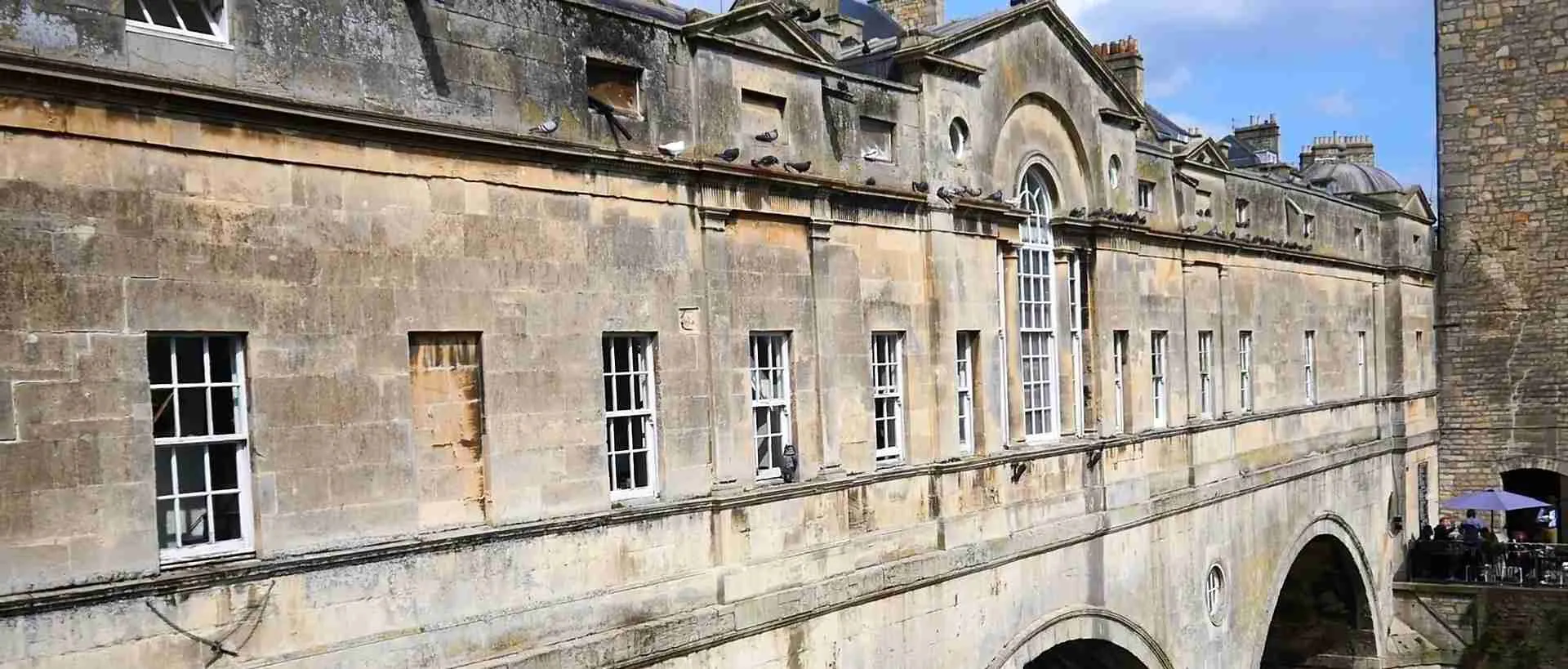
Bath Budget Guide 2026: Ultimate Travel Cost Breakdown
Bath offers travelers a remarkable blend of Roman heritage and Georgian elegance at costs ranging from £85-120 per person daily for budget-conscious visitors to £260-380+ for luxury experiences. This UNESCO World Heritage city presents strategic opportunities for cost management through advance booking, off-peak timing, and smart use of combination tickets, while maintaining access to world-class attractions like the Roman Baths and Bath Abbey that justify the city’s premium positioning among UK destinations.
Key Takeaways: Bath Budget 2026
- Budget Travel 2026: Expect £85-120 per person daily for budget-conscious visitors staying in hostels or budget hotels (two sharing), eating at pubs and cafés, using public transport, and prioritizing free attractions alongside selective paid experiences like the Roman Baths.
- Mid-Range Comfort 2026: Plan for £185-260 per person daily for mid-range travelers sharing quality 3-4 star hotels, dining at varied restaurants from casual to upscale, using taxis selectively, and experiencing Bath’s major paid attractions without budget constraints.
- Luxury Experience 2026: Luxury visitors invest £260-380+ per person daily for 5-star accommodations (two sharing), fine dining experiences, private transportation, premium tours, and comprehensive access to Bath’s cultural offerings with added convenience and comfort.
- Three-Day Visit Budget 2026: A three-day Bath visit costs approximately £255-360 per person for budget travelers, £555-780 for mid-range comfort, and £780-1,140+ for luxury experiences, excluding travel to Bath but including accommodation, meals, transport, and attractions.
- Peak vs Off-Peak Pricing 2026: Summer months (June-August) and Christmas Market periods (late November-December) see hotel rates increase 40-60% above winter baseline prices, with mid-range hotels jumping from £110-140 in winter to £160-220 in peak summer, making shoulder seasons (April-May, September-October) optimal for budget management.
- Money-Saving Strategies 2026: Advance online booking for Roman Baths saves £2 per ticket versus walk-up purchases, Bath Zone day bus tickets at £6.50 provide unlimited travel after two journeys, and free walking tours with the Mayor’s Honorary Guides deliver professional city orientation without cost, while self-catering breakfast options cut morning meal costs by 60% compared to hotel dining.
People Also Ask About Bath Budget 2026
How much does Bath cost per day in 2026?
Bath costs £85-120 per person daily for budget travelers sharing accommodation, £185-260 for mid-range comfort, and £260-380+ for luxury experiences in 2026. Budget visitors staying in hostels or budget hotels (two sharing) allocate £33-38 for accommodation per person, £30-40 for meals at pubs and cafés, £7-13 for public transport, and £25-35 for selective attractions. Mid-range travelers sharing quality hotels spend £55-85 per person on accommodation, £65-85 on restaurant dining, £15-25 on mixed transport including taxis, and £40-60 on comprehensive attraction access. Luxury visitors invest £132-165+ per person for premium hotel accommodation (two sharing), £80-110 on fine dining, £20-35 on private transport and taxis, and £50-75 on tours and premium experiences. These daily costs assume two people sharing hotel rooms with accommodation divided equally, and include all meals, local transportation, and typical attraction visits but exclude travel to Bath and shopping.
Is Bath expensive compared to other UK cities in 2026?
Bath ranks among the UK’s more expensive cities for tourism in 2026, comparable to Oxford and Edinburgh but notably pricier than Bristol or Manchester. Hotel rates in Bath run 25-35% higher than neighboring Bristol due to UNESCO World Heritage premium and limited supply within the historic core, with mid-range Bath hotels at £110-220 per night versus Bristol’s £85-160 for equivalent quality. Restaurant pricing aligns with other historic UK destinations, with casual meals at £10-15 and mid-range dining at £15-25, similar to York or Cambridge. Attraction costs reflect Bath’s unique offerings, particularly the Roman Baths at £25 adult admission, positioning Bath as premium-priced but delivering proportional value through concentrated world-class heritage in a compact, walkable area. Budget travelers can manage costs through strategic choices like Park & Ride services at £3.60 return, free walking tours, and advance booking discounts, though baseline expenses remain elevated compared to less-touristy UK cities.
What is the cheapest month to visit Bath in 2026?
January and February represent Bath’s cheapest months for 2026 visits, with hotel rates 40-50% below summer peaks and attraction crowds at annual lows. Mid-range hotels that command £160-220 nightly in July-August drop to £90-120 in January-February, while luxury properties fall from £250-320 to £140-180, creating substantial savings for winter visitors. The Roman Baths operates shorter hours (9 AM to 5 PM versus summer’s 9 AM to 6 PM) but maintains full access without summer’s 30-60 minute entry queues, and Bath’s Georgian architecture remains photogenic under winter light. November (excluding Christmas Market dates), early March, and mid-week periods in October offer shoulder-season alternatives with moderate weather, reasonable pricing at 20-30% below summer rates, and manageable crowds. Avoid late November through December when Christmas Market demand drives hotel prices to £180-280 for mid-range properties, eliminating winter’s typical cost advantages.
How can I save money visiting Bath in 2026?
Maximize Bath savings in 2026 through strategic advance booking, off-peak timing, and selective attraction bundling combined with free experiences. Book Roman Baths tickets online to save £2 per person versus walk-up purchases, and visit during January-February or shoulder months when hotels cost 40-50% less than summer peaks. Join free walking tours departing twice daily from the Pump Room with the Mayor’s Honorary Guides, explore Royal Victoria Park and Botanical Gardens without charge, and photograph iconic sites like Pulteney Bridge and The Circus from public viewpoints. Purchase Bath Zone day bus tickets (£6.50) rather than paying £2 per ride if making three or more journeys, use Park & Ride services at £3.60 return to avoid city center parking fees of £10-20 daily, and pack picnic lunches for Royal Victoria Park to bypass £10-15 restaurant meals. Time visits for mid-week when accommodation runs 15-20% cheaper than weekends, shop at Morrisons or Tesco for self-catering breakfast supplies saving £8-12 daily versus hotel breakfast, and prioritize the abundance of free Georgian architecture over every paid attraction, as Bath’s streetscape itself constitutes a living museum requiring zero admission fees.
Introduction: Understanding Bath Costs in 2026
Bath stands among England’s most captivating cities, where honey-colored Georgian terraces cascade down Avon Valley slopes and Roman engineering still flows through ancient thermal springs beneath modern streets. This UNESCO World Heritage city of 100,000 residents welcomes over 5 million annual visitors drawn by architectural treasures spanning two millennia, from remarkably preserved Roman Baths to sweeping Royal Crescent crescents that defined 18th-century urban elegance. Yet Bath’s heritage distinction and compact tourism infrastructure create pricing dynamics requiring informed budget planning for 2026 visits.
The city operates as premium-tier UK destination comparable to Oxford or Edinburgh, where UNESCO status, limited hotel supply within the historic core, and year-round demand maintain elevated baseline costs across accommodation, dining, and attractions. Mid-range hotels that would cost £90-120 in Bristol or Manchester command £140-180 in central Bath during summer peaks, while even budget properties rarely dip below £65-75 nightly. Restaurant pricing mirrors other heritage cities, though Bath’s concentration of Georgian tea rooms and historic dining venues adds premium options at £25-40 per meal beyond standard pub fare at £10-15.
However, Bath’s compact 3-square-kilometer historic core creates offsetting advantages through walkability that minimizes transport costs, concentrated attractions allowing efficient sightseeing without dispersed travel expenses, and exceptional free experiences including Royal Victoria Park’s botanical gardens, Prior Park Landscape Garden (National Trust members), and the living museum of Georgian streets requiring zero admission. Strategic visitors balance Bath’s inherent premium positioning through advance booking discounts, off-peak timing when winter rates drop 40-50%, and selective paid attraction focus allowing fuller appreciation of fewer sites rather than rushed expensive access to everything.
This guide provides comprehensive 2026 budget breakdowns across accommodation tiers from hostels to luxury hotels, meal costs spanning self-catering to fine dining, transportation options from buses to taxis, and attraction pricing with strategic bundling opportunities. Daily budget calculations reflect realistic two-person sharing scenarios with per-person costs, seasonal pricing variations, and money-saving strategies proven effective in Bath’s unique tourism ecosystem. Whether allocating £85-120 daily as budget traveler or planning £260-380+ luxury experience, Bath rewards informed financial planning with proportional heritage access that justifies its premium UK positioning.
Accommodation Costs in Bath 2026
Accommodation represents Bath’s single largest daily expense, with hotel rates reflecting UNESCO World Heritage status, Georgian architecture preservation costs, and compact city center constraining supply against persistent demand. Understanding Bath’s accommodation pricing tiers, neighborhood cost variations, and seasonal fluctuations enables strategic booking that balances location convenience against budget optimization.
Budget Accommodation in Bath 2026: £65-150 Per Night
Budget accommodation in Bath clusters around three categories delivering £65-150 nightly rates: hostel dormitories, budget hotel chains, and outer-neighborhood guesthouses sacrificing central location for lower prices. YHA Bath hostel on Bathwick Hill offers 4-8 bed dormitories at £28-42 per bed including breakfast, providing budget solo travelers clean shared facilities 15-minute walk from city center. Budget hotel chains including Travelodge Bath Central and Premier Inn Bath City Centre deliver private double rooms at £65-95 depending on booking lead time and season, offering standardized quality near Bath Spa station with walk-up access to attractions.
Oldfield Park and Widcombe neighborhoods south of River Avon host guesthouses and small B&Bs at £75-110 per night offering character Victorian/Edwardian properties 10-15 minute walk or short bus ride from Roman Baths. These family-run establishments typically include full English breakfast worth £8-12 value, provide local knowledge from resident owners, and occupy quieter residential streets than central hotel zones. Bear Flat area along Wells Road positions visitors 20-minute walk from center with bus connections every 10-15 minutes, where guesthouses charge £70-95 reflecting further distance trade-off.
Advance booking proves critical in budget category, where Bath’s limited hostel inventory (primarily YHA plus smaller private hostels) fills weeks ahead during summer and Bath events including Jane Austen Festival, while budget hotel chains deploy dynamic pricing rewarding 30-60 day advance reservations with 30-40% discounts versus last-minute booking. Mid-week arrivals (Sunday-Thursday) reduce budget accommodation costs 15-25% compared to Friday-Saturday premiums, and winter months (November-February excluding Christmas Market) offer budget properties at £55-75 versus summer’s £85-120 for identical rooms.
Mid-Range Hotels in Bath 2026: £110-220 Per Night
Mid-range accommodation dominates Bath’s hotel landscape, where 3-4 star properties occupy Georgian townhouses and modern builds delivering £110-220 nightly depending on season, location, and advance booking timing. Central Bath properties including Abbey Hotel Bath (£134-190), Francis Hotel Bath (£140-200), and Apex City of Bath Hotel (£120-180) provide immediate access to Roman Baths and Bath Abbey within 5-minute walk, combining historic building character with contemporary amenities including WiFi, ensuite bathrooms, and breakfast options.
Milsom Street and George Street corridor hotels deliver premium central positioning at £150-220 summer rates, while Great Pulteney Street properties offer slightly lower £120-180 pricing with 10-minute walk to main attractions along elegant Georgian boulevard. Bear in mind that Bath’s compact core means “less central” properties remain highly walkable, with Henrietta Street or Manvers Street locations at £110-160 still positioning visitors within 15-minute walk of every major attraction while delivering 20-30% cost savings versus immediate Abbey proximity.
Seasonal pricing swing reaches maximum in mid-range category, where summer peak (June-August) and Christmas Market period (late November through December) command £160-220 for properties running £110-140 during January-March shoulder season. Easter week, bank holiday weekends, and Bath events including Bath Literature Festival and Bath Half Marathon trigger 20-30% premiums above baseline rates. Mid-range properties reward advance booking with graduated discounts: 60+ days ahead typically secures 15-20% savings, 30-60 days provides 10-15% reduction, while booking within 14 days often pays full rack rates with limited availability.
Many mid-range hotels unbundle breakfast, charging £12-18 per person for full English breakfast that guests can bypass through nearby café alternatives at £6-10 or self-prepared options from Waitrose or Sainsbury’s at £3-5 per person. Parking represents another unbundled cost, with hotel parking at £15-25 per 24 hours where available, though many central properties lack parking entirely, directing guests to public car parks at similar rates or recommending Park & Ride services.
Luxury Accommodation in Bath 2026: £250-450+ Per Night
Bath’s luxury tier comprises historic properties and boutique establishments delivering £250-450+ nightly rates justified through heritage significance, spa facilities, fine dining, and attentive service levels. The Royal Crescent Hotel & Spa (£320-450+) occupies two houses within Bath’s most iconic Georgian terrace, providing 45 rooms with period details, award-winning spa fed by natural thermal water, and Dower House Restaurant serving modern British cuisine. Gainsborough Bath Spa (£280-380) offers exclusive access to thermal bathing through naturally heated springs, contemporary luxury design, and Dan Moon restaurant, positioning itself as Bath’s premier spa hotel.
Queensberry Hotel (£240-320) delivers boutique luxury in connected Georgian townhouses near The Circus, featuring individually designed rooms, Olive Tree restaurant holding Michelin recognition, and intimate courtyard garden providing central Bath retreat. Harington’s Boutique Hotel (£220-300) occupies 13th-century building near Queen Square with contemporary design, while No.15 Great Pulteney Street (£260-350) combines Regency architecture with modern luxury across 40 rooms.
Luxury properties typically include breakfast in rates, offer concierge services for restaurant reservations and attraction booking, and provide higher staff-to-guest ratios enabling personalized attention. Many luxury hotels operate spas, fitness facilities, and fine dining restaurants that non-guests can access, though hotel guests receive priority booking and occasional rate advantages. Parking ranges from complimentary valet service at top-tier properties to £20-30 charged parking, with some luxury hotels lacking on-site facilities but arranging nearby secure parking.
Seasonal pricing affects luxury category less dramatically than mid-range, with premium properties maintaining floor rates even during winter through targeting weekend break couples and corporate weekday business. Christmas Market period represents peak luxury demand, when Royal Crescent Hotel and Gainsborough approach £450-500+ nightly, while January-February low season still commands £250-300 at equivalent properties demonstrating luxury market’s relative price stability.
Neighborhood Cost Comparison 2026
Bath’s accommodation pricing stratifies clearly by neighborhood proximity to Roman Baths epicenter, with concentric zones demonstrating predictable cost gradients. Immediate city center (Abbey Green, Stall Street, Cheap Street area) commands maximum rates with mid-range hotels at £150-220 and luxury at £280-450+, reflecting 2-minute walk to Roman Baths and Bath Abbey. Great Pulteney Street corridor east of Pulteney Bridge offers 10-15% lower pricing at £120-180 mid-range for 8-10 minute walk to center, while maintaining prestigious Georgian address.
River Avon southern neighborhoods including Widcombe and Oldfield Park deliver 25-35% savings at £90-140 mid-range accommodation for 12-18 minute walk or 5-minute bus ride, trading immediate central access for quieter residential character and local pub/café authenticity. Bathwick area north of Pulteney Bridge positions budget and mid-range properties at £85-150 with 12-15 minute walk to center along canal towpath or through Sydney Gardens, offering pleasant approach route offsetting distance.
Bear Flat and Wellsway southern corridor hosts budget options at £70-110 reflecting 20-25 minute walk or regular bus service (every 10 minutes during daytime), where guesthouses and small hotels target budget-conscious visitors accepting peripheral location for cost savings. Lansdown and Upper Camden areas northwest provide residential quiet at £95-160 mid-range rates with 18-20 minute walk down dramatic hillside approach or buses connecting every 15-20 minutes.
Seasonal Pricing Patterns 2026
Bath’s accommodation pricing follows pronounced seasonal patterns driven by climate, school holiday timing, and special events. Peak season (June-August) represents maximum rates when mid-range hotels command £160-220 versus shoulder season’s £110-160 and winter’s £90-140 for identical properties. Summer combines favorable weather enabling garden enjoyment and outdoor dining with school holiday family travel and international tourist peak, creating sustained demand supporting premium pricing.
Christmas Market period (typically late November through mid-December) rivals summer peaks with mid-range hotels at £170-240 as Bath’s German-style market attracts 400,000+ visitors to compact city center, while luxury properties reach annual highs at £350-500+. This concentrated 3-4 week period sees accommodation book 6-12 months advance with properties implementing minimum 2-3 night stays and premium weekend rates.
Shoulder seasons (April-May and September-October) offer optimal value-to-experience ratio with mid-range hotels at £120-170, mild weather supporting comfortable walking and outdoor activities, and manageable crowds at attractions. Spring brings tulip displays at Royal Victoria Park and longer daylight, while autumn delivers changing foliage in surrounding countryside and harvest dining menus. Both periods reward flexible visitors with 25-35% savings versus summer while maintaining 80% of summer’s experiential quality.
Winter low season (January-March excluding Valentine’s weekend) produces maximum savings with mid-range hotels at £90-140, budget options at £60-90, and even luxury properties negotiable at £220-300. Bath’s architecture photographs beautifully in winter light, attractions operate without queues, and atmospheric fog occasionally enhances Georgian streetscape mood, though shorter daylight hours (8 AM to 5 PM in January) compress sightseeing window and some attractions reduce operating hours.
Food and Dining Costs in Bath 2026
Bath’s dining scene spans Victorian fish and chips shops to Michelin-starred restaurants, with costs reflecting heritage city premium while offering strategic budget options through market shopping, pub meals, and café culture alongside upscale Georgian tea rooms and contemporary fine dining.
Budget Dining Options 2026: £8-18 Per Meal
Budget meal options in Bath deliver satisfying food at £8-18 per person through strategic venue selection and meal timing. Pub lunches at establishments including The Raven, The Chequers, and The Salamander provide substantial plates including beer-battered fish and chips (£12), beef and ale pie with vegetables (£13), and ploughman’s lunch with local cheese and chutney (£10), where 12-3 PM pricing often runs £2-3 below evening menu costs for identical dishes.
High Street chains including Pret A Manger, Greggs, and Subway cluster near Bath Spa station and Southgate shopping area delivering takeaway sandwiches, salads, and hot food at £4-8, suitable for picnic consumption at Royal Victoria Park or Parade Gardens. Tesco Metro and Sainsbury’s Local provide meal deal combinations (sandwich, snack, drink) at £3.50-5, while full-service Waitrose and Morrisons supermarkets enable self-catering with breakfast supplies at £3-5 per person and picnic components at £8-12 for two.
Green Park Station hosts weekend farmers market and daily artisan food stalls offering fresh baguettes with local cheese and chutney at £5-7, wood-fired pizzas at £8-10, and international street food including Thai curries and Mediterranean wraps at £7-9. Boston Tea Party café chain operates multiple Bath locations serving breakfast plates at £7-11, sandwiches at £6-9, and soup with bread at £6, combining quality ingredients with efficient service and reasonable pricing.
Evening budget dining concentrates in Asian restaurants including Yen Sushi (£8-14 per person for lunch sets, £12-18 for dinner), Yak Yeti Yak Nepalese restaurant (£10-15 for curry with rice and naan), and Schwartz Brothers burger bar (£12-16 for gourmet burger, fries, and drink). Fish and chips from Scallop Shell or Seafoods delivers classic takeaway at £9-13 per person, while pizza at places such as Bacio or Opa provides casual dining at £10-15 including shared appetizers.
Mid-Range Restaurant Dining 2026: £18-35 Per Meal
Mid-range dining defines Bath’s restaurant landscape, where independent establishments and quality chains deliver £18-35 per person meals spanning British contemporary, international cuisines, and heritage dining venues. Lunch menus at mid-range restaurants typically run 20-30% below dinner pricing, with two-course lunch sets at £15-22 versus equivalent dinner at £25-35.
British contemporary restaurants including The Scallop Shell, Sotto Sotto, and The Circus Restaurant serve modern interpretations of seasonal ingredients at £18-28 per main course, £6-9 for starters, and £7-9 for desserts, where two-course meals total £24-35 per person before drinks. Italian establishments including Rustico and Ask Pizza deliver pasta, risotto, and pizza mains at £14-22, while Thai, Indian, and Chinese restaurants charge £12-20 per curry or stir-fry main with rice.
Historic tea rooms including The Pump Room and Sally Lunn’s Historic Eating House command premium pricing for heritage ambiance, with Pump Room’s afternoon tea at £32-38 per person including finger sandwiches, scones with clotted cream, cakes, and unlimited tea service accompanied by live classical music from resident pianist. Sally Lunn’s serves signature Bath Bun with sweet or savory toppings at £8-12 in atmospheric 15th-century building, while full afternoon tea reaches £28 per person.
Wine, beer, and cocktails add £4-9 per drink to meal costs, with house wine at £5-7 per glass (£18-25 per bottle), craft beer at £5-7 per pint, and cocktails at £8-12. Many mid-range restaurants automatically include 12.5% discretionary service charge, making £25 main course total £28 before drinks, while others leave tipping optional at guest discretion. Water arrives free upon request at all establishments, though bottled sparkling water costs £3-5 per bottle.
Lunch deals and early evening menus provide mid-range quality at reduced pricing, with pre-theatre menus (5-7 PM) at Theatre Royal-adjacent restaurants offering two courses at £18-24 versus regular £28-35, and weekday lunch specials reducing standard £25-30 dinner mains to £15-20 lunch equivalents. These timing strategies enable mid-range dining access at near-budget prices for flexible visitors.
Fine Dining and Luxury Experiences 2026: £40-80+ Per Person
Bath’s fine dining tier includes Michelin-recognized establishments and luxury hotel restaurants charging £40-80+ per person for tasting menus, seasonal tasting courses, and elevated wine pairings. Olive Tree at Queensberry Hotel holds Michelin Bib Gourmand recognition with dinner tasting menus at £55-75 per person, while The Bath Priory Hotel’s restaurant serves modern British cuisine at £75-95 for multi-course evening experiences.
Menu Gordon Jones operates innovative daily-changing tasting menus at £75 per person (lunch) and £95 (dinner), where single-sitting service creates intimate 18-cover dining experience with surprise courses built around market availability. Corkage presents wine pairings at £45-65 additional, or guests can select à la carte wines from extensive lists at £35-120 per bottle. These experiences require advance reservation (often weeks ahead for weekend slots) and represent special occasion dining rather than routine meals.
The Gainsborough Hotel’s Dan Moon restaurant and Royal Crescent Hotel’s Dower House serve luxury hotel dining at £35-55 per main course, £12-18 starters, and £10-14 desserts, where three-course meals reach £55-75 before wine. Both venues combine refined cooking with elegant Georgian dining rooms and attentive service, attracting hotel guests and special occasion diners seeking premium Bath dining without full tasting menu commitment.
Afternoon tea at luxury hotels including Francis Hotel and The Gainsborough ranges £35-48 per person for champagne afternoon tea service with finger sandwiches, fresh-baked scones, pastries, and premium loose-leaf teas served on fine china in period drawing rooms. These experiences combine food quality with heritage ambiance and leisure timing, typically served 2:30-5 PM with 90-120 minute duration allowing relaxed social interaction.
Self-Catering and Money-Saving Strategies 2026
Self-catering dramatically reduces Bath food costs, with supermarket shopping and apartment kitchens enabling £25-40 daily food budgets for two people versus £60-100+ for equivalent restaurant meals. Morrisons at Green Park Station and Tesco Extra on Riverside provide full-range grocery shopping including fresh produce, meats, prepared salads, and bakery items, while Waitrose on The Podium offers premium ingredients for travelers prioritizing quality over absolute minimum cost.
Breakfast self-catering delivers maximum savings, where hotel breakfast at £12-18 per person becomes £3-5 through supermarket provisions including eggs, bread, butter, jam, yogurt, fruit, coffee, and juice sufficient for 2-3 mornings. Packed lunch components including sandwiches, crisps, fruit, and drinks cost £8-12 for two from supermarkets versus £16-24 for equivalent café purchases, while dinner ingredient shopping enables £15-25 meals for two including protein, vegetables, starch, and wine versus £40-70+ restaurant equivalent.
Bath’s farmers markets at Green Park Station (Saturday mornings) and Guildhall (Wednesday mornings) provide local meats, cheeses, vegetables, and baked goods at competitive pricing with superior freshness, where artisan bread costs £3-5 per loaf, farmhouse cheese runs £8-12 per pound, and seasonal vegetables price at £2-4 per pound. Market shopping combines budget efficiency with local producer support and superior ingredient quality versus standard supermarket offerings.
Strategic restaurant timing maximizes dining value, with lunch menus providing identical kitchen quality at 25-35% lower pricing than dinner, early evening deals (5-7 PM) reducing costs 20-30%, and weekday promotions including Monday-Thursday two-for-one offers at chain restaurants. Sharing starters and desserts while ordering individual mains reduces per-person costs 15-20%, while BYOB restaurants (bring your own bottle) eliminate wine markup charging £5-8 corkage versus £18-35 restaurant bottle pricing.
Transportation Costs in Bath 2026
Bath’s compact historic core enables extensive walking while public transport, Park & Ride services, and occasional taxis provide affordable movement within city and surrounding areas at costs well below car rental or parking expenses.
Public Bus Services 2026
First Bus operates Bath’s primary public transport network with single fares at £2 for adults and £1 for children (5-15 years), while Bath Zone day tickets at £6.50 provide unlimited travel after three journeys, making day passes optimal for visitors planning multiple trips. Routes serve every city neighborhood plus outlying villages including Bradford on Avon, Corsham, and Midsomer Norton, with buses running every 10-15 minutes on main corridors during daytime (Monday-Saturday 7 AM to 7 PM) and every 20-30 minutes evenings and Sundays.
Contactless payment via credit/debit card enables tap on, tap off technology that automatically caps daily spending at £6.50 Bath Zone day rate, eliminating need for advance ticket purchase or exact cash while protecting against overpayment if making multiple journeys. First Bus mobile app allows ticket pre-purchase and real-time bus tracking, plus week-long passes at £22 providing unlimited travel across 7-day periods for visitors staying extended periods.
Key tourist routes include U1/U2 university services connecting city center to Bath Spa University campus via Bathwick and Widcombe (every 10 minutes Monday-Friday term time), route 4 serving Odd Down and Southdown areas, and route 20 linking Bath Spa station to Weston via High Street. Park & Ride services 21, 31, and 41 operate dedicated routes from peripheral parking sites to city center at 10-15 minute frequencies, with combined parking and return bus fare at £3.60 per person making Park & Ride Bath’s most economical transport option for day visitors arriving by car.
Park & Ride Services 2026
Bath operates three Park & Ride sites providing free parking with inexpensive bus service to city center, delivering optimal value for day visitors avoiding £15-25 city center parking costs. Newbridge Park & Ride (northwest, junction of A431 and A4), Lansdown Park & Ride (north, A46), and Odd Down Park & Ride (south, A367) each operate Monday-Saturday 6:30 AM to 11:30 PM and Sunday 9 AM to 6 PM with buses every 10-15 minutes taking 10-12 minutes to city center drop-off points near Roman Baths.
Combined parking and return bus fare costs £3.60 per adult and £1.80 per child (5-15), with family tickets at £7.20 covering two adults plus up to three children, representing exceptional value versus city center parking at £2-3 per hour with typical 4-6 hour visits totaling £8-18 parking alone before bus fares or walking distances. Park & Ride buses accept contactless payment, cash, and pre-purchased tickets via First Bus app, though most visitors pay cash on boarding given single-use nature versus multi-day visitor passes.
Newbridge Park & Ride positions visitors for western approach along A4 from Bristol or M4 motorway, while Lansdown serves northern arrival from M4 junction 18 or Cotswolds, and Odd Down accommodates southern approach from Wells, Shepton Mallet, or A367 corridor. Sites provide toilets, covered waiting areas, and accessibility features including level boarding onto low-floor buses, making Park & Ride suitable for families, elderly visitors, and wheelchair users alongside standard motorists seeking cost-effective city access.
Taxi and Ride-Hailing Services 2026
Licensed Bath taxis operate on metered fares starting at £3.40 base rate plus £2-2.50 per mile and time charges during traffic delays, with typical journeys within city center costing £6-10 and runs to Bath Spa station from central hotels at £5-8. Evening rates (7 PM to 7 AM) and Sunday rates add 20-30% surcharges to standard metering, while public holiday rates (Christmas, New Year’s Day, Easter) increase 40-50% above baseline. Pre-booking through V Cars, Abbey Radio Taxis, or other licensed operators avoids street hailing uncertainty and enables fixed-price quotes for longer journeys like Bath to Bristol Airport (£40-55 typical fare).
Uber operates in Bath with pricing typically 10-20% below traditional taxis for equivalent journeys, offering app-based convenience, cashless payment, and upfront fare quotes eliminating meter uncertainty. However, Uber availability fluctuates based on driver supply, with limited service during early morning hours (before 7 AM) and occasional surge pricing during peak demand including weekend evenings, events, and rail strikes when rates multiply 1.5-2.5 times standard fares.
Taxis suit specific scenarios including late-night return from theatre or dining when buses cease operation, luggage-heavy airport transfers where bus connections prove cumbersome, and mobility-limited visitors requiring door-to-door service versus walk-plus-bus combinations. However, Bath’s compact core and frequent daytime buses make regular taxi use expensive and largely unnecessary for most visitors, where £6-10 taxi fares accumulate rapidly versus £6.50 unlimited daily bus access.
Walking and Cycling 2026
Walking represents Bath’s optimal transport mode for attraction-to-attraction movement, where Roman Baths to Bath Abbey takes 2 minutes, Bath Abbey to Royal Crescent requires 18 minutes via Milsom Street, and Royal Crescent to Prior Park Landscape Garden spans 35 minutes through residential Bathwick. The city’s 3-square-kilometer historic core contains virtually all major attractions within 25-minute walk maximum from any central accommodation, eliminating transport costs entirely for visitors with moderate mobility and comfortable shoes.
Bath’s hilly topography affects walking ease, with steep climbs from River Avon valley bottom up to Royal Crescent, The Circus, and Assembly Rooms gaining 60 meters elevation over 800-meter distance, while southern approach to Prior Park climbs 80 meters from city center. These gradients challenge visitors with limited mobility or young children, though level riverside paths along Avon and Kennet & Avon Canal provide flat alternatives for easier walks, and strategic bus use for uphill segments followed by downhill walking back to center optimizes effort.
Cycling suits off-peak visitors and commuters more than tourists, where Bath’s hills, narrow Georgian streets with limited cycle infrastructure, and pedestrian-priority zones restrict bike utility for central sightseeing. However, Kennet & Avon Canal towpath offers traffic-free flat cycling east toward Bradford on Avon and west toward Bristol, with canal-side pubs providing countryside cycling day-trip opportunities. Bike rental from Bath Bike Hire costs £20-25 per day for hybrid bikes including helmet and lock, though most Bath visitors find walking and buses more practical for typical attraction visits than negotiating hilly streets with hired bicycles.
Car Rental and Parking Costs 2026
Car rental proves unnecessary and actively disadvantageous for Bath-only visitors, though multi-destination travelers exploring Cotswolds, Stonehenge, or broader South West England benefit from vehicle flexibility. Bath city center operates Clean Air Zone charging older vehicles £9 daily, while parking costs £2-3 per hour at city center car parks with typical 4-6 hour visits totaling £12-20, making car ownership expensive burden rather than convenience for Bath sightseeing.
SouthGate shopping center car park charges emission-based hourly rates from £2 for cleanest vehicles to £3 for higher-emission models, with daily maximum around £18-22 for 8+ hour stays. Charlotte Street, Avon Street, and other council-operated car parks implement similar emission-based pricing where diesel vehicles and older petrol models pay premium 20-40% above electric and low-emission charges. On-street parking exists in limited metered bays at £2-3 per hour with 2-4 hour maximum stays, though availability fluctuates unpredictably making car parks more reliable option.
Park & Ride eliminates parking costs entirely while providing £3.60 return bus service, delivering combined parking and transport at 60-70% savings versus city center parking plus walking distances. For visitors prioritizing car-free Bath experience, train arrival at Bath Spa station from London, Bristol, or Cardiff positions travelers in city center with zero parking hassles, where subsequent local movement via walking and buses costs £6-13 daily versus £15-30 combined parking and Clean Air Zone charges for car-dependent visitors.
Attraction and Activity Costs in Bath 2026
Bath’s attractions span free architecture viewing to paid museum entry, with strategic ticket combinations and advance booking optimizing costs while maintaining comprehensive heritage access.
Major Paid Attractions 2026
The Roman Baths dominates Bath’s paid attraction landscape at £25 adult admission, £22.50 for students and seniors (65+), £16.75 for children (6-17), and £66 family tickets covering two adults plus up to four children in 2026 (check official site for current rates as pricing may vary). This price includes audioguide access in 12 languages and unlimited time once inside (timed entry controls arrival, not departure), with typical visits lasting 2-2.5 hours exploring Great Bath, temple precinct, museum displays, and sacred spring viewing platforms. Advance online booking saves £2 per ticket versus walk-up purchase and guarantees timed entry slots bypassing summer weekend queues that reach 30-60 minutes for on-day ticket buyers.
Bath Abbey charges £9 adult admission, £7.50 for students, and £5 for children (5-15) though local residents with BA1/BA2 postcodes and Discovery Card holders enter free, while families receive 10% discount on combined tickets. Audio guides cost additional £3.50 providing 45-minute detailed tour of fan vaulting, stained glass, and architectural history. Tower tours run separately at £10 per person ascending 212 steps for panoramic city views, operating at scheduled times requiring separate booking beyond general Abbey admission.
Fashion Museum housed within Assembly Rooms charges £11 adult entry, £9 for students and seniors, and £8 for children, displaying clothing and accessories spanning 1600s to present day through mannequin arrangements and interactive exhibits occupying 90-minute typical visit. Victoria Art Gallery offers free general admission to permanent collections of British and European art, though special exhibitions may charge £5-8 entry fees depending on content and curation scale.
Combination Tickets and Passes 2026
Bath Attractions Ticket bundles Roman Baths (£25), Fashion Museum (£11), and Victoria Art Gallery (£9 when charged) at combined £45 adult price, though with Victoria often free, the package delivers £36 combined versus £45 bundled representing no savings but administrative convenience. This combination suits visitors with 6+ hours dedicated to Bath museums who want varied experience across Roman archaeology, fashion history, and fine arts without repeating similar content.
Individual attraction annual passes benefit residents and extended-stay visitors more than typical tourists, where Roman Baths annual pass at £45 provides unlimited visits for 12 months but requires three full-price visits to break even, unlikely scenario for tourists making single 2-5 day Bath trips. Bath Spa thermal bathing (separate from Roman Baths historical site) operates as commercial spa charging £40-65 for 2-hour sessions, targeting relaxation-focused visitors rather than history tourism and representing separate budget allocation from Roman Baths historical admission.
Free Attractions and Experiences 2026
Bath delivers exceptional free heritage access through Georgian architectural viewing, public parks, and complimentary walking tours. Royal Crescent, The Circus, Pulteney Bridge, and Queen Square require zero admission for exterior photography and architectural appreciation, as Bath’s UNESCO designation stems from urban landscape rather than individual building interiors, meaning world-class heritage viewing costs nothing beyond walking effort. Parkland including Royal Victoria Park with Botanical Gardens, Henrietta Park, and Parade Gardens (£2 admission during peak season, free winter) provide landscaped grounds and rest areas at no or minimal cost.
Mayor of Bath’s Corps of Honorary Guides operates free 90-minute walking tours departing year-round from Pump Room at 10:30 AM and 2 PM Sunday-Friday and 10:30 AM Saturday, delivering professional city orientation strictly forbidding tips or gratuities and funded entirely through Bath tourism budget. These volunteer-led tours cover Roman origins, Georgian development, and architectural highlights providing essential context for independent exploration while costing absolutely nothing, representing Bath’s single best-value activity. Victoria Art Gallery free admission, Holburne Museum free Wednesday afternoon access (3-5 PM), and Bath Central Library’s free entrance deliver cultural experiences without payment.
Prior Park Landscape Garden charges National Trust members zero admission (£9 for non-members), where annual National Trust membership at £75 individual or £126 family provides nationwide access including Bath properties making membership worthwhile for UK visitors planning multiple National Trust sites. Bath’s streetscape itself constitutes living museum where wandering Georgian crescents, discovering hidden mews lanes, and observing honey-colored Bath stone under changing light conditions costs nothing while delivering authentic heritage immersion unavailable behind paid admission gates.
Tours and Guided Experiences 2026
Commercial walking tours operate alongside free offerings, where Bizarre Bath comedy tour (£10 adults, £8 students/children) delivers 90-minute street theatre combining local history with physical comedy departing nightly at 8 PM from Huntsman Inn March-October. Ghost walks charge £8-10 per person for evening historical storytelling tours exploring Bath’s darker past through atmospheric lanes and passages, while themed walks focusing on Jane Austen connections, architecture history, or Roman archaeology run £12-18 per person through various operators.
Bus tours including Bath City Sightseeing open-top double-deckers charge £18-22 adult tickets for 24-hour hop-on hop-off service visiting Royal Crescent, Prior Park, and University areas beyond comfortable walking distances from center, though Bath’s compact core makes walking more efficient than bus tours for most attractions. Vintage bus tours in refurbished 1960s Routemasters offer nostalgic alternative at similar £18-20 pricing combining transport and commentary.
Specialist tours including food tours sampling artisan producers and specialty shops cost £45-65 per person for 3-hour experiences, while photography workshops teaching architectural and landscape shooting charge £75-95 for half-day expert-led sessions. These represent niche interests adding to basic sightseeing costs rather than essential Bath experiences, suitable for repeat visitors or photography enthusiasts willing to allocate premium budget to specialized content.
Daily Budget Breakdowns by Traveler Type 2026
Comprehensive daily budgets for Bath 2026 reflect realistic spending across accommodation, food, transport, and attractions for three traveler categories, with costs expressed per person assuming two people sharing accommodation.
Budget Traveler Daily Costs 2026: £85-120 Per Person
Budget travelers staying in hostels or budget hotels, eating at pubs and cafés, using public transport, and prioritizing free attractions with selective paid experiences spend £85-120 per person daily in Bath during 2026. Accommodation in hostel dormitories (£28-42 per bed) or budget hotels like Travelodge Bath Central (£65-95 per room, £33-48 per person sharing) provides clean, functional lodging. Breakfast self-catering from supermarket provisions costs £3-5 per person, lunch at pub or café runs £10-15, and dinner from Asian restaurants or fish and chips totals £10-18, creating £23-38 daily food budget. Public transport via Bath Zone day tickets at £6.50 covers unlimited bus use, while walking handles most central movement. One major paid attraction (Roman Baths £25 or Bath Abbey £9 plus Fashion Museum £11) combines with free walking tour, Royal Crescent viewing, and park visits creating £9-25 attraction spending.
Sample budget day: Budget hotel accommodation £33-38 per person (two sharing £66-76 room), breakfast £4, pub lunch £12, supermarket picnic dinner £10, bus day ticket £7, Roman Baths admission £25, free walking tour £0. Total: approximately £91-96 per person daily. Alternative budget day with lower costs: Hostel dormitory £33, self-catered breakfast £3, packed lunch from supermarket £6, pub dinner £14, walking only £0, Bath Abbey £9, free attractions (Royal Crescent, Victoria Park) £0. Total: approximately £65-70 per person daily (outlier minimum scenario). Realistic budget range accounting for occasional taxi (£8), coffee/tea stops (£6-9), and attraction variety spans £85-120 per person daily.
Mid-Range Traveler Daily Costs 2026: £185-260 Per Person
Mid-range travelers staying in quality 3-4 star hotels, dining at varied restaurants, using taxis selectively, and accessing all major attractions spend £185-260 per person daily sharing mid-range accommodation. Hotels like Abbey Hotel Bath or Apex City of Bath Hotel cost £110-220 per night (£55-110 per person sharing), positioning travelers centrally with contemporary amenities. Breakfast at hotel or café runs £10-15, lunch at mid-range restaurant totals £18-28, dinner at quality establishment costs £25-40, creating £53-83 daily food budget. Transport combines walking with occasional taxis (£12-18 daily including airport transfer allowance) and bus day ticket when needed (£7). Comprehensive attraction access including Roman Baths (£25), Bath Abbey with tower tour (£19), and Fashion Museum (£11) totals £40-60 with occasional commercial walking tour supplement.
Sample mid-range day: Mid-range hotel accommodation £70-95 per person (two sharing £140-190 room), café breakfast £12, restaurant lunch £24, quality dinner £32, mixed transport including taxi £15, Roman Baths £25, Bath Abbey with tower £19. Total: approximately £197-222 per person daily. Higher mid-range scenario: Superior hotel £95-110 per person (two sharing £190-220 room), hotel breakfast £15, upscale lunch £28, fine casual dinner £38, taxi and bus combination £18, Roman Baths £25, Fashion Museum £11, commercial walking tour £15. Total: approximately £245-260 per person daily. Realistic mid-range encompasses £185-260 daily per person accounting for dining variety, selective premium experiences, and comfortable but not extravagant choices.
Luxury Traveler Daily Costs 2026: £260-380+ Per Person
Luxury visitors staying in 5-star hotels, dining at fine restaurants, using private transport, and accessing premium tours invest £260-380+ per person daily sharing luxury accommodation. Properties like Royal Crescent Hotel or Gainsborough Bath Spa charge £250-450 per night (£125-225 per person sharing), providing heritage luxury, spa facilities, and attentive service. Meals at luxury hotel restaurants and Michelin-recognized establishments total £80-110 daily including afternoon tea (£38-48), upscale dinner (£55-75), and quality breakfast (£18-22). Private taxi use and occasional hired car for Cotswolds day trips allocate £20-35 daily transport budget. Comprehensive attraction access plus premium guided tours, spa treatments, and special experiences create £50-75 daily activity spending.
Sample luxury day: Luxury hotel accommodation £132-165 per person (two sharing £264-330 room), hotel breakfast included in rate or £20 separately, afternoon tea at Gainsborough £42, fine dining dinner £68, private taxi and transport £28, Roman Baths with private guide £35, Bath Abbey tower tour £10. Total: approximately £285-340 per person daily. Premium luxury scenario: Royal Crescent Hotel £190-225 per person (two sharing £380-450 room), Champagne afternoon tea £48, Michelin-starred dinner with wine £95, private car hire for day trip £45 per person allocated cost, Roman Baths £25, commercial food tour £55. Total: approximately £458-493 per person daily representing upper luxury tier. Realistic luxury range spans £260-380+ daily per person with premium accommodation, fine dining majority of meals, and curated experiences replacing budget optimization with quality maximization.
Sample Multi-Day Itineraries with Cost Breakdowns 2026
Three-day sample itineraries demonstrate realistic Bath spending across budget, mid-range, and luxury travel styles, with daily costs aggregating to trip totals including all accommodation, meals, transport, and attractions.
Three-Day Budget Itinerary: £255-360 Total Per Person
Day 1 – Arrival and Central Bath: Arrive Bath Spa station via train from London (£30-50 advance booking), check into budget hotel or hostel (£33-38 per person for first night), walk to city center, join free 2 PM walking tour with Honorary Guides, explore Royal Crescent and The Circus on foot, pub dinner (£12-15), evening walk along Pulteney Bridge. Day 1 costs: accommodation £33-38, meals £15-20, transport £7 local buses, attractions £0. Day 1 total: £55-65 per person.
Day 2 – Roman Heritage Focus: Self-catered breakfast (£4), Roman Baths visit with 2-hour exploration (£25 advance online), packed lunch from supermarket at Royal Victoria Park (£7), afternoon at Victoria Art Gallery (free) and Bath Abbey (£9), early evening casual dinner (£14-18), Bizarre Bath comedy tour (£10). Day 2 costs: accommodation £33-38, meals £25-29, transport £0 walking, attractions £44. Day 2 total: £102-111 per person.
Day 3 – Extended Exploration: Café breakfast (£8-10), morning at Fashion Museum (£11), lunch at Asian restaurant (£12-15), afternoon walk to Prior Park Landscape Garden (£9 admission or free with National Trust), return via bus (£2), farewell fish and chips dinner (£11-14). Day 3 costs: accommodation £33-38 (if third night; many visitors depart after Day 2), meals £31-39, transport £2, attractions £20. Day 3 total: £86-99 per person.
Three-day budget total: £243-275 for two full days plus partial third day, or £276-313 including third overnight stay. Adding return transport to London/Bristol (£30-50), incidentals (£15-25), and contingency buffer produces realistic three-day budget trip cost of £255-360 per person.
Three-Day Mid-Range Itinerary: £555-780 Total Per Person
Day 1 – Arrival and Orientation: Train arrival from London First Class (£70-95), taxi to central hotel (£8), check into mid-range hotel like Abbey Hotel Bath (£70-95 per person first night), afternoon exploring Milsom Street shopping and Pulteney Bridge, dinner at British contemporary restaurant (£28-35), evening drinks at hotel bar (£12-18). Day 1 costs: accommodation £70-95, meals £40-53, transport £8, attractions £0. Day 1 total: £118-156 per person.
Day 2 – Major Attractions: Hotel breakfast (£12-15), Roman Baths comprehensive visit (£25), lunch at mid-range restaurant near Abbey (£22-28), afternoon Bath Abbey with tower tour (£19), Pump Room afternoon tea (£35), evening at theatre with pre-show dinner (£32-40). Day 2 costs: accommodation £70-95, meals £101-118, transport £0, attractions £44. Day 2 total: £215-257 per person.
Day 3 – Day Trip and Departure: Hotel breakfast (£12-15), morning taxi to Thermae Bath Spa for 2-hour session (£50-65), light lunch at café (£14-18), afternoon shopping and final city exploration, early dinner at Italian restaurant (£24-30), evening train departure. Day 3 costs: accommodation £70-95 (if third night), meals £50-63, transport £15 taxi, attractions £50-65. Day 3 total: £185-238 per person.
Three-day mid-range total: £518-651 for three days/two nights including accommodation, meals, transport, and activities. Adding return premium transport (£70-95), shopping and incidentals (£40-60), and occasional premium experience supplements produces realistic mid-range three-day cost of £555-780 per person.
Three-Day Luxury Itinerary: £780-1,140+ Total Per Person
Day 1 – Grand Arrival: First Class train from London with at-seat meal service (£120-150), private car transfer to Royal Crescent Hotel (£45 per person allocated), check into luxury suite (£165-190 per person first night), afternoon relaxation at hotel spa with treatment (£80-120), Champagne afternoon tea in drawing room (£48), fine dining at Dower House restaurant with wine (£85-110). Day 1 costs: accommodation £165-190, meals £133-158, transport £45, attractions £80-120. Day 1 total: £423-613 per person.
Day 2 – Cultural Immersion: Luxury hotel breakfast included or £22 if separate property, private guided Roman Baths tour with archaeologist (£120 for two, £60 per person), gourmet lunch at Olive Tree Michelin restaurant (£65-85), afternoon private car to Stonehenge and Avebury with guide (£180 per person including admission), return to Bath for cocktails (£24), Michelin-starred dinner at Menu Gordon Jones (£95 plus wine £45). Day 2 costs: accommodation £165-190, meals £229-259, transport £60 private guide share, attractions £120. Day 2 total: £574-629 per person.
Day 3 – Refined Departure: Hotel breakfast included or £22, morning at Thermae Bath Spa Twilight Package (£65-85), luxury shopping on Milsom Street (£100-200 allocated), farewell lunch at Gainsborough Dan Moon (£45-65), private car to airport or station (£60-80 per person). Day 3 costs: accommodation £165-190 if third night, meals £67-87, transport £60-80, attractions and shopping £165-285. Day 3 total: £457-642 per person.
Three-day luxury total: £1,454-1,884 for three days including luxury accommodation, fine dining, private transport, guided experiences, and spa treatments. This represents comprehensive luxury Bath experience with no compromise on quality, comfort, or access, where costs reflect premium positioning across all categories and allocation to special experiences beyond standard sightseeing.
Seasonal Price Variations in Bath 2026
Bath’s costs fluctuate significantly across calendar year, with seasonal patterns affecting accommodation, attraction crowds, and overall visitor experience value.
Peak Season Pricing: June-August 2026
Summer months represent Bath’s peak tourism season when accommodation costs reach annual highs, attractions experience maximum crowds, and overall daily budgets increase 30-50% above winter baseline. Mid-range hotels charge £160-220 per night in June-August versus £110-160 shoulder season and £90-140 winter, while luxury properties command £280-380 summer versus £220-300 winter. School holiday timing (mid-July through August) creates family travel surge overlapping international tourist peak, where Roman Baths sees 30-60 minute entry queues for walk-up visitors during midday hours and Bath Abbey tower tours sell out days in advance.
Restaurant demand increases proportionally, with popular establishments requiring dinner reservations 3-7 days ahead versus walk-in availability during off-peak periods, though pricing remains relatively stable year-round at most venues. Park & Ride services operate at capacity during summer weekends when 500+ vehicles fill sites by 11 AM, occasionally requiring overflow parking arrangements. Bath’s abundant free experiences including Royal Crescent viewing, Georgian streetscape photography, and Victoria Park picnics offset higher accommodation costs, enabling budget management through free activity emphasis.
Summer delivers optimal weather for outdoor activities with 16-hour June daylight enabling early morning and evening exploration beyond peak midday hours, temperatures averaging 18-22°C supporting comfortable walking without weather disruption, and regular festivals including Bath International Music Festival (late May-early June) and Jane Austen Festival (September, technically shoulder season) adding cultural programming. However, summer’s 30-50% accommodation premium and crowded conditions make shoulder seasons more attractive for cost-conscious visitors accepting slightly less certain weather for significant savings.
Christmas Market Season: Late November-December 2026
Bath Christmas Market period (typically last week November through second week December) rivals summer peak pricing while creating unique challenges through concentrated visitor volumes in compact historic core. Mid-range hotels jump to £170-240 per night during market dates versus £120-170 typical November/December rates, while luxury properties reach annual peaks at £350-500+. Many hotels implement 2-3 night minimum stays for weekend arrivals, and advance booking 6-12 months ahead becomes essential for any reasonable rates or availability.
The German-style market attracts 400,000+ visitors across 18-day operating period, creating pedestrian congestion in Abbey Churchyard, Stall Street, and surrounding market area where movement slows to shuffle pace during 11 AM to 4 PM peak hours. Roman Baths sees its busiest period outside summer, with timed entry slots filling weeks ahead and walk-up availability extremely limited. However, Bath’s Christmas Market delivers authentic atmosphere through wooden chalets selling artisan gifts, food, and mulled wine against floodlit Abbey backdrop, justifying premium pricing for visitors prioritizing festive experience over budget optimization.
Strategic Christmas Market visiting times visitor experience significantly: weekday mornings (10-11 AM) and early evenings (5-7 PM) provide market access with manageable crowds, while Saturday and Sunday midday periods create barely-mobile congestion. Booking accommodation in Oldfield Park, Widcombe, or other neighborhoods beyond immediate center delivers 20-30% cost savings versus central hotels while providing respite from market crowds, where 10-minute bus ride or 15-minute walk separates peaceful lodging from market intensity.
Shoulder Season Value: April-May and September-October 2026
Spring (April-May) and autumn (September-October) represent optimal value periods balancing reasonable pricing, good weather probability, and manageable attraction crowds. Mid-range hotels charge £120-170 per night during shoulder months, positioning 15-25% below summer peaks while delivering 80-90% of summer’s experiential quality through mild temperatures averaging 12-18°C, longer daylight than winter (13-15 hours), and reduced tourist volumes creating immediate attraction access without advance booking pressure.
April brings spring flowers to Royal Victoria Park and surrounding countryside, with tulip displays and blooming trees adding photographic interest, while May delivers maximum daylight (15+ hours) enabling early morning and evening photography in optimal light. September maintains summer warmth into early autumn with harvest dining menus featuring seasonal British ingredients, while October’s changing foliage colors surrounding countryside and reliable autumn light conditions benefit landscape photography and countryside walking.
Shoulder seasons suit flexible travelers prioritizing cost-experience ratio over guaranteed summer weather, where 15-20% chance of rain days proves acceptable trade-off for 25-35% accommodation savings and crowd-free attraction access. Roman Baths operates full hours (9 AM to 6 PM) through October and from April onwards, matching summer access without summer queues, while restaurants, shops, and services maintain full operation unlike winter’s occasional reduced hours or closures.
Winter Low Season: January-March 2026
Winter months (January-March excluding Valentine’s weekend) deliver Bath’s lowest prices with mid-range hotels at £90-140 per night and budget properties at £60-90, creating opportunities for substantial savings accepting shorter daylight (8-10 hours) and occasional rain or cold weather. Luxury hotels negotiate to £220-300 from summer’s £280-380+, while even premium properties offer midweek packages and long-stay discounts unavailable during peak periods.
Winter Bath experiences operate at relaxed pace with immediate attraction access, empty streets enabling unobstructed photography, and local character emerging when tourist crowds recede. Roman Baths reduces to winter hours (9 AM to 5 PM) but eliminates entry queues entirely, allowing spontaneous visits without advance booking. Bath Abbey, museums, and indoor attractions maintain full operation while Bath’s Georgian architecture photographs beautifully under winter light, occasional fog adding atmospheric quality to honey-colored Bath stone facades.
However, winter presents practical challenges including 4 PM sunset in December-January compressing sightseeing to 8 AM-4 PM window, occasional rain or cold requiring indoor alternative activities, and some peripheral attractions reducing hours or closing entirely (Prior Park closes 4 PM winter versus 5:30 PM summer). Gardens appear dormant compared to spring/summer bloom, though Royal Victoria Park’s winter structure and evergreens maintain visual interest. Winter suits budget-focused visitors, off-season enthusiasts, and travelers combining Bath visit with broader UK trip where summer weather proves less essential.
Money-Saving Strategies for Bath 2026
Strategic planning and informed choices reduce Bath costs 25-40% without compromising essential experiences through advance booking, off-peak timing, and selective spending on highest-value activities.
Advance Booking and Timing Strategies
Advance booking delivers Bath’s most reliable savings across accommodation, transport, and attractions. Book hotels 60-90 days ahead for 15-25% discounts versus booking within 14 days of arrival, with dynamic pricing rewarding early commitment through lower rates before demand accumulates. Roman Baths online tickets save £2 per person versus walk-up purchase (8% saving on £25 ticket) while guaranteeing timed entry bypassing summer queues worth 30-60 minutes queue time valued at £15-30 in visitor time.
Mid-week timing (Sunday-Thursday arrivals) reduces accommodation costs 15-25% versus Friday-Saturday premiums, with identical rooms at £110-140 Tuesday night versus £160-200 Saturday night in same hotel during same season. Off-peak season visiting (January-March, November excluding Christmas Market) delivers 30-50% accommodation savings compared to summer, where £90-140 winter mid-range equals £160-220 summer rooms representing £70-80 per night savings for two-person occupancy.
Early morning arrival timing at Roman Baths (9 AM opening) provides quietest experience with 50-70% fewer visitors than 11 AM-1 PM peaks, while late afternoon (after 4 PM) similarly reduces crowds though allows less exploration time before 5-6 PM closing. Restaurant lunch menus deliver identical kitchen quality at 25-35% lower pricing than dinner, where £15-22 two-course lunch becomes £25-35 equivalent dinner representing £10-15 per person savings without quality compromise.
Free and Low-Cost Experiences
Bath’s free attractions rival paid offerings in heritage significance and visitor satisfaction, where Royal Crescent, The Circus, and Pulteney Bridge viewing costs zero while representing Bath’s internationally recognized architectural icons. Free walking tours with Mayor’s Honorary Guides departing twice daily from Pump Room deliver professional 90-minute city orientation covering Roman origins, Georgian development, and architectural highlights without any payment or tipping permitted, representing single best-value Bath activity.
Royal Victoria Park including Botanical Gardens provides landscaped grounds, seasonal flower displays, and picnic areas without admission charge (Parade Gardens charges £2 during peak season), while canal towpath walks along Kennet & Avon Canal offer traffic-free countryside access within 10 minutes of city center. Victoria Art Gallery free permanent collection, Holburne Museum free Wednesday afternoon access (3-5 PM), and Bath Central Library free entrance deliver cultural experiences without cost.
Self-guided architecture walks following numbered building plaques cost nothing while revealing Georgian development through original resident information, occupational histories, and architectural details typically missed by rushed tourists. Bath’s compact core enables comprehensive free sightseeing day combining Royal Crescent (30 minutes exploration), The Circus (15 minutes), Pulteney Bridge photography (20 minutes), Royal Victoria Park picnic (60 minutes), and canal walk (45 minutes) totaling 3+ hours premium Bath experience at zero cost beyond packed lunch from supermarket at £8-12 for two people.
Transport and Parking Savings
Park & Ride services at £3.60 return eliminate city center parking costs of £12-20 daily while providing stress-free access versus navigating one-way streets and limited parking availability. Walking handles most central Bath movement where Roman Baths to Royal Crescent spans 18 minutes and Abbey to Pulteney Bridge takes 8 minutes, eliminating bus fares entirely for visitors with moderate mobility. When buses prove necessary, Bath Zone day ticket at £6.50 caps costs after three journeys versus paying £2 per ride accumulating to £8-10 daily for typical multiple trips.
Contactless payment tap-on, tap-off technology automatically applies daily caps without requiring advance ticket purchase or app downloads, though First Bus app enables week passes at £22 delivering better value than buying day tickets for stays exceeding 3-4 days. Avoiding taxi use except essential scenarios (late night, heavy luggage, mobility limitations) saves £25-40 daily compared to convenience-focused taxi reliance, where £6-10 per journey accumulates rapidly versus free walking or £6.50 unlimited bus alternative.
Train travel from London books 8-12 weeks ahead at £30-50 advance fares versus £80-120 walk-up pricing, while off-peak travel (arriving after 9:30 AM, departing mid-afternoon) provides flexibility at 40-60% below peak rate equivalents. Avoiding car rental and parking altogether for Bath-only visits eliminates £30-50 daily combined car rental, parking (£12-20), Clean Air Zone charge (£9), and fuel costs, where walking and buses total £6-13 daily providing equivalent or superior Bath access at 70-80% savings.
Food and Dining Cost Reduction
Self-catering breakfast from supermarket provisions reduces daily breakfast costs from £12-18 hotel charge to £3-5 per person through eggs, bread, butter, jam, yogurt, fruit, and coffee from Morrisons or Tesco. Packed lunch components including sandwiches, crisps, fruit, and drinks cost £8-12 for two from supermarkets versus £16-24 café purchases, saving £8-12 daily without sacrificing meal quality or satisfaction when consumed at Royal Victoria Park or canal benches.
Lunch timing at restaurants versus dinner delivers identical food quality at 25-35% lower menu pricing, where £15-22 lunch equals £25-35 dinner representing significant savings for flexible diners. Many Bath restaurants offer early evening menus (5-7 PM) at £18-24 two courses versus £28-35 regular dinner pricing, targeting pre-theatre and early diners with discounted access to same kitchens and ingredients.
Market shopping at Green Park Station Saturday farmers market provides artisan ingredients at competitive pricing with superior freshness, where weekend picnic lunch from market stalls costs £12-18 for two including fresh bread, local cheese, charcuterie, and produce versus £24-35 restaurant lunch equivalent. Sharing starters and desserts while ordering individual mains reduces per-person costs 15-20% at mid-range restaurants, while water instead of soft drinks saves £3-5 per person per meal.
Strategic Attraction Selection
Prioritizing fewer attractions with fuller exploration delivers superior experience versus rushed visits to everything available, where 2-2.5 hour Roman Baths immersion comprehending Roman engineering, religious practices, and social bathing culture provides deeper satisfaction than brief 45-minute surface-level visit trying to see five attractions in single day. Combining one major paid attraction (Roman Baths £25) with extensive free architecture viewing, park time, and walking tour creates balanced day at £25 attraction cost versus £55-75 attempting comprehensive paid admission to Roman Baths, Bath Abbey, and Fashion Museum.
Bath Abbey combination with free Victoria Art Gallery and Royal Crescent viewing substitutes for more expensive multi-attraction tickets, delivering varied heritage access at £9 Abbey admission versus £45 Bath Attractions Ticket that most visitors cannot fully utilize within realistic 1-2 day Bath stays. Photography enthusiasts allocate time to architectural shooting rather than indoor museum visits, where equipment investment in wide-angle lens provides lasting value beyond admission fee savings through capturing Bath’s exterior grandeur at zero ongoing cost.
Avoiding redundant commercial tours when free alternatives exist saves £45-65 per person daily, where Mayor’s Honorary Guides free walking tours deliver equivalent or superior content versus paid alternatives, and self-guided exploration with audio guides (£3.50 Bath Abbey) or downloaded content provides flexibility and comprehensive information at fraction of commercial guided tour costs.
Hidden Costs and Budget Considerations 2026
Bath presents several easily-overlooked costs that accumulate to significant amounts without advance awareness and strategic mitigation.
Restaurant Service Charges and Tipping
Many Bath restaurants automatically add 12.5% discretionary service charge to bills, where £25 main course becomes £28 before drinks, and £60 two-person meal totals £67.50 including service. While discretionary and removable upon request, most diners pay included service creating 10-15% budget increment versus menu pricing. Checking bills carefully before payment prevents double-tipping where service charge already included, though exceptional service warrants additional £5-10 cash tip directly to server.
Some establishments leave service entirely optional, creating expectation for 10-12.5% tip on table service meals, though counter-service cafés and takeaway venues involve no tipping customs. Coffee shops increasingly display tip jars or digital payment prompts suggesting £0.50-1 gratuity on £3-4 drinks, adding £1-3 daily for regular coffee consumers. Budgeting extra 15% beyond stated menu prices accommodates service charges, tips, and related dining supplements without mid-meal budget surprises.
Attraction Add-Ons and Supplements
Roman Baths’ £25 admission includes audioguide but guided tours cost additional £8 per person, while special evening torchlit tours or behind-scenes experiences charge premium supplements of £35-50 beyond standard entry. Bath Abbey’s £9 general admission separates from £10 tower tours, requiring £19 combined for complete building access including panoramic views. Audio guides at £3.50 supplement represent small but cumulative costs across multiple attractions, totaling £10-15 daily for comprehensive audio accompaniment.
Photography policy variations matter, where most Bath attractions permit personal photography free but may charge for professional equipment, tripods, or commercial purposes requiring advance permission. Some special exhibitions within museums charge separate admission beyond general entry fees, adding £5-8 unexpected costs. Checking attraction websites before visiting clarifies included versus supplementary experiences, preventing assumption that headline admission covers everything available.
Parking and Transportation Hidden Fees
Bath’s Clean Air Zone charges older vehicles £9 daily on top of parking fees, where combined costs reach £18-30 daily for parking plus emission charge versus £3.60 Park & Ride total. Hotel parking rarely includes in room rates, with most properties charging £15-25 per 24 hours where parking exists or directing guests to public facilities at similar costs. City center car parks implement emission-based pricing where diesel vehicles and higher-emission petrol models pay 20-40% premium above electric and low-emission charges, creating variable costs based on vehicle type.
Train station taxi rank operates metered fares but evening, weekend, and holiday surcharges increase 20-50% above standard rates, where £6 daytime ride becomes £8-9 evening or Sunday equivalent. Uber surge pricing during peak demand multiplies standard fares 1.5-2.5 times, particularly Friday-Saturday evenings, special events, and when weather drives increased ride requests, turning £8 typical journey into £12-20 surge scenario.
Seasonal Event Supplements
Bath events including Christmas Market, Jane Austen Festival, Bath Literature Festival, and Bath Half Marathon create accommodation premium surcharges when hotels implement event pricing 30-100% above typical rates, minimum night stays, and advance booking requirements. Mid-range hotels charging £120-160 regular rates jump to £180-280 during Christmas Market, while Jane Austen Festival weekend sees similar 40-60% premiums as heritage hotel demand peaks.
Special event ticketing adds costs beyond normal sightseeing budgets, where Jane Austen Festival activities cost £8-18 per ticketed event, Bath Literature Festival author talks charge £12-25, and Bath International Music Festival concerts range £15-45 depending on venue and performers. These represent optional supplements for visitors deliberately timing trips around events, though inadvertent event-period arrival creates unwanted cost inflation without corresponding participation benefit.
Budget Comparison: Bath vs Other UK Heritage Cities 2026
Bath’s costs position competitively against comparable UK heritage destinations, with pricing reflecting UNESCO status and limited central accommodation supply shared by Oxford, Edinburgh, and Cambridge.
Bath vs Oxford Cost Comparison
Bath and Oxford demonstrate remarkably similar daily budgets, with both cities averaging £185-260 for mid-range travelers due to parallel heritage premium, university city character, and concentrated tourism infrastructure. Oxford accommodation runs £110-190 mid-range matching Bath’s £110-220, while Oxford’s college admission fees (£4-12 per college) create different attraction cost structure versus Bath’s single Roman Baths (£25) creating higher per-site cost but fewer required paid venues.
Oxford’s dispersed layout requires more transport use versus Bath’s compact walkable core, adding £8-15 daily bus costs for Oxford college circuit versus Bath’s predominantly walking-based movement. Dining costs align closely with casual meals at £10-15 both cities and mid-range £18-28, though Bath’s heritage tea room premium at Sally Lunn’s (£28) and Pump Room (£35) exceeds Oxford’s equivalent venues by £5-8. Overall Bath and Oxford tie as comparably-priced UNESCO heritage cities requiring £180-270 daily mid-range budgets.
Bath vs Bristol Cost Comparison
Bath significantly exceeds neighboring Bristol costs by 25-35% across accommodation, with Bristol mid-range hotels at £85-160 versus Bath’s £110-220, while dining and attractions price similarly. Bristol’s larger size and business-focused economy maintains broader accommodation supply preventing UNESCO-premium concentration affecting Bath, where limited central Bath hotels versus demand creates pricing power Bristol properties lack.
Bristol attractions including SS Great Britain (£19.50) and M Shed (free) price below Bath’s Roman Baths (£25), though Bristol’s dispersed locations require more transport investment versus Bath’s concentrated walkable access. Budget travelers find Bristol more accessible at £70-95 daily versus Bath’s £85-120, though both cities share similar restaurant pricing and entertainment costs. Mid-range visitors save £30-50 daily choosing Bristol over Bath primarily through accommodation differential, making Bath worth premium only for travelers specifically seeking Georgian architecture and Roman heritage versus Bristol’s maritime and industrial focus.
Bath vs Edinburgh Cost Comparison
Edinburgh matches or slightly exceeds Bath costs during summer and festival periods when Edinburgh accommodation peaks at £180-280 mid-range versus Bath’s £160-220, though winter Edinburgh drops more dramatically to £80-140 versus Bath’s £90-140 creating seasonal price convergence. Edinburgh Castle (£19.50) and Royal Mile attractions cost less individually than Roman Baths (£25), but Edinburgh’s larger scale requires more sites for comparable experience creating cumulative costs.
Edinburgh’s August Festival period creates extreme pricing comparable to Bath’s Christmas Market, with mid-range hotels at £220-320 and minimum 4-7 night stays making both cities premium-tier during signature events. Transport costs align closely as both cities offer compact centers enabling walking, though Edinburgh’s hillier topography challenges mobility-limited visitors more than Bath’s concentrated valley location. Overall Edinburgh and Bath represent peer pricing tier as UK heritage capitals requiring £180-280 daily mid-range budgets with significant seasonal variation.
Bath Budget Tips for Different Traveler Types 2026
Specific traveler categories face unique budget considerations requiring targeted strategies for optimal Bath experiences.
Solo Traveler Budget Considerations
Solo travelers face accommodation premium as single occupancy hotel rates run 60-75% of double room costs rather than 50% split, where £140 double room becomes £90-105 single versus £70 two-person share per person. Hostel dormitories at £28-42 per bed eliminate single supplement while providing social interaction opportunities, making YHA Bath optimal solo budget choice. Single dining portions cost proportionally more than sharing plates, adding £3-8 daily versus couples splitting appetizers and desserts.
However, solo travelers optimize time efficiency without compromise negotiation, enabling full-day walking without rest requirements and flexible meal timing capturing early-bird or lunch menu discounts. Walking tours and group activities facilitate social connection without solo premium, while museums and attractions charge per-person regardless of group size eliminating sharing disadvantages. Solo travelers budget £95-135 daily versus couples’ £85-120 per person primarily through accommodation single supplement, though strategic hostel use and flexible dining timing minimize differential to £10-20 daily.
Family Travel Budget Optimization
Families with children leverage Roman Baths family tickets (£66 covering 2 adults plus up to 4 children versus £83 individual tickets for 2+2 family), Bath Abbey family discounts (10% reduction), and free attractions including Royal Victoria Park playground, canal walks, and Georgian architecture viewing occupying hours at zero cost. Self-catering apartment rental enables breakfast and packed lunch preparation reducing daily food costs from £80-120 restaurant-dependent family to £35-50 self-prepared equivalent.
Children’s bus fares at £1 versus adult £2 reduce transport costs for bus-dependent families, while walking-focused itineraries eliminate transport charges entirely. Many Bath restaurants offer children’s menus at £6-9 versus adult £12-18 equivalents, though pub family meals providing 2 adult main courses plus 2 children’s meals with drinks total £45-60 combining value with child-friendly environments. Families budget £180-280 daily total (not per person) for 2 adults plus 2 children including accommodation, meals, transport, and attractions, where strategic self-catering and attraction selection optimizes costs without sacrificing experience quality.
Senior Traveler Advantages
Seniors (typically 60-65+ depending on venue) access discounted admission at Roman Baths (£22.50 versus £25 adult), Bath Abbey concession rates, and National Trust membership representing exceptional value for heritage-focused travel across UK properties including Bath’s Prior Park. Off-peak weekday visiting suits many senior travelers, capturing lower accommodation rates, quieter attractions, and relaxed pace without weekend crowds or family school holiday intensity.
Senior railcards (£30 annual fee) provide 1/3 off train fares enabling £20-35 London-Bath advance bookings versus £50-70 adult equivalents, while free bus passes for UK residents aged 60+ eliminate local transport costs entirely though international visitors lack this benefit. Many heritage hotels offer senior midweek packages combining accommodation, breakfast, and attraction tickets at bundled rates 15-25% below separate component booking. Seniors budget £160-230 daily mid-range (two sharing) capturing concession discounts, off-peak timing, and strategic package booking versus standard adult £185-260.
Students and Young Travelers
Students with valid ID access discounted Roman Baths admission (£22.50), Bath Abbey concession tickets, and Fashion Museum reduced rates, while Bath Spa University and University of Bath students receive additional free admission to some venues. Hostel accommodation at £28-42 per bed provides budget lodging with social atmosphere, while student-focused restaurants near university campuses deliver filling meals at £7-12 versus city center £10-15 equivalents.
Young Person Railcard (ages 16-30, £30 annual fee) provides 1/3 off train travel matching senior benefits, while student bus passes and discounted coach services (Megabus, National Express) offer ultra-low-cost transport from London at £5-15 versus £30-50 standard rail. Free walking tours, Royal Victoria Park hangouts, and pub gardens provide social leisure at minimal cost, while co-working spaces including Boston Tea Party cafés offer WiFi and workspace for digital nomad students combining travel with remote study or work. Students budget £70-100 daily through hostel accommodation, budget dining, student discounts, and free activity emphasis versus standard £85-120 budget tier.
Frequently Asked Questions About Bath Budget 2026
What is the average cost of a weekend in Bath in 2026?
A weekend in Bath (Friday-Sunday, 2 nights) costs £170-240 per person for budget travelers, £370-520 for mid-range comfort, and £520-760+ for luxury experiences in 2026, assuming two people sharing accommodation. Budget weekend includes hostel or budget hotel accommodation at £66-76 per night (£33-38 per person), meals at pubs and cafés totaling £60-76 for three days, public transport at £13-20, and selective attractions including Roman Baths and one museum at £34-45 per person. Mid-range weekend encompasses quality hotel at £140-190 per night (£70-95 per person), restaurant meals totaling £106-166, mixed transport including taxis at £24-36, and comprehensive attraction access at £55-80 per person. Luxury weekend features 5-star hotel at £264-330 per night (£132-165 per person), fine dining totaling £160-220, private transport at £40-70, and premium experiences including spa and guided tours at £100-150 per person. These totals exclude travel to/from Bath but include all local costs for Friday arrival through Sunday departure.
Can you visit Bath on a tight budget?
Bath accommodates tight-budget visitors through strategic choices emphasizing free attractions, self-catering, and off-peak timing, with rock-bottom daily costs achievable at £65-85 per person sharing hostel accommodation (£28-33 per bed), eating entirely self-prepared meals (£15-20 daily), walking exclusively (£0 transport), and focusing on free architecture viewing plus single paid attraction (£0-25). Join free walking tours with Honorary Guides, explore Royal Crescent and The Circus at no cost, pack picnic lunches from supermarket for Royal Victoria Park consumption, and visit Victoria Art Gallery free permanent collection while allocating budget toward single highest-priority paid attraction like Roman Baths. January-February visiting delivers lowest accommodation rates at £60-90 budget hotels versus £85-120 summer, while advance train booking from London secures £30-40 fares versus £80-120 walk-up pricing. Extreme budget discipline enables Bath experience at £450-550 total per person for 3-day/2-night visit including London return transport, though realistic comfortable budget minimum sits £550-650 allowing occasional restaurant meal, Roman Baths admission, and transport flexibility without constant deprivation.
Is Bath more expensive than London?
Bath costs less than London for short visits despite elevated heritage city pricing, with Bath accommodation at £110-220 mid-range versus London’s £140-280, and Bath’s compact core eliminating London’s £15-30 daily transport costs through walkability. Bath meals price comparably to London at £10-15 budget and £18-28 mid-range, though London’s broader options include ultra-cheap ethnic restaurants unavailable in smaller Bath. Bath’s major paid attraction (Roman Baths £25) costs more than single London museums (many free) but Bath requires fewer total attraction tickets given concentrated heritage versus London’s dispersed sites requiring multiple admissions.
However, multi-day Bath visits accumulate accommodation costs in hotel-dependent city, while London offers broader hostel inventory, budget hotel chains, and apartment rentals providing more budget options. Daily costs for mid-range travelers approximate £185-260 in Bath versus £210-290 in London, where London’s transport premium (£15-30 daily) exceeds Bath’s accommodation differential (£20-40 nightly for two people). Weekend visitors spend less in Bath than London, while week-long stays favor London’s broader accommodation options and free museum access despite higher individual daily costs. Bath suits 2-3 day focused heritage visits at lower total cost than equivalent London duration, though London rewards extended stays through free attractions and accommodation variety.
How much spending money should I bring to Bath for a week?
A week in Bath (7 days/6 nights) requires £595-840 spending money per person for budget travel, £1,295-1,820 for mid-range comfort, and £1,820-2,660+ for luxury experiences in 2026, assuming accommodation, meals, transport, and attractions but excluding travel to Bath and pre-booked hotels. Budget travelers allocate £85-120 daily times 7 days producing £595-840 total, covering hostel or budget hotel accommodation, pub/café meals with some self-catering, public bus transport, and selective paid attractions alongside extensive free experiences. Mid-range visitors spending £185-260 daily reach £1,295-1,820 weekly through quality hotels, restaurant dining majority of meals, taxi supplements to walking, and comprehensive attraction access including tours. Luxury travelers investing £260-380+ daily total £1,820-2,660+ for week-long stay encompassing 5-star accommodation, fine dining, private transport, spa treatments, and premium guided experiences.
However, week-long Bath stays benefit from diminishing daily costs through multi-day bus passes (£22 weekly versus £6.50 daily), attraction saturation after 3-4 days enabling free activity emphasis, and self-catering breakfast/lunch routines reducing meal costs 30-40% versus restaurant-dependent approach. Realistic week-long spending for mid-range visitors moderates to £1,100-1,500 per person through strategic optimization, combining paid highlights early in trip with free Georgian architecture appreciation, countryside day trips, and relaxed exploration later days. Budgeting £1,000-1,200 provides comfortable week for mid-range visitors, £600-750 covers budget week, and £1,800-2,400 enables luxury week with all expenses, incidentals, and contingency buffer.
What is the most expensive time to visit Bath?
Christmas Market period (late November through mid-December) and summer peak (July-August) represent Bath’s most expensive times, with Christmas Market creating annual pricing peaks when mid-range hotels reach £170-240 per night versus £110-160 typical rates, and luxury properties command £350-500+ versus £250-350 standard. Christmas Market’s concentrated 3-4 week period sees 400,000+ visitors in compact city creating maximum accommodation demand, where hotels implement 2-3 night minimum stays and book 6-12 months advance at premium rates.
Summer July-August rivals Christmas Market through sustained high pricing when mid-range hotels charge £160-220 versus shoulder season’s £120-170, and school holiday family demand overlaps international tourism peak. Bank holiday weekends throughout year trigger 20-30% premiums above surrounding dates, while Bath events including Jane Austen Festival (September), Bath Literature Festival (March), and Bath Half Marathon (March) create localized pricing spikes. Valentine’s weekend represents winter pricing exception when romantic break demand drives February rates to summer equivalents despite off-peak season. Avoiding Christmas Market dates, mid-July through August, and bank holiday weekends delivers 25-40% cost savings through off-peak pricing with minimal experience compromise during April-May or September-October shoulder seasons.
Are there any free attractions in Bath worth visiting?
Bath offers exceptional free attractions rivaling paid experiences in significance and visitor satisfaction, with Royal Crescent representing Georgian architecture’s pinnacle requiring zero admission for exterior viewing and lawn access, while The Circus’s circular Georgian terrace creates equally impressive architectural statement at no cost. Pulteney Bridge combines functional river crossing with shops lining both sides in rare architectural configuration found only three worldwide, providing photography and architectural appreciation without payment. Victoria Art Gallery permanent collection displays British and European paintings, sculpture, and decorative arts free of charge in elegant 1900 building, while Holburne Museum allows free Wednesday afternoon access (3-5 PM) to its historic house and collections.
Royal Victoria Park delivers 57 acres of landscaped parkland including Botanical Gardens with 9,000 plant species, Great Dell quarry garden, and seasonal flower displays requiring no admission (adjacent Parade Gardens charges £2 peak season). Kennet & Avon Canal towpath provides traffic-free walking and cycling east toward Bradford on Avon or west toward Bristol through countryside accessible within 10 minutes of city center. Free walking tours with Mayor’s Honorary Guides departing twice daily from Pump Room deliver professional 90-minute city orientation covering Roman origins, Georgian development, and architectural highlights at zero cost with tipping forbidden. Bath Central Library offers free entrance for reading, WiFi access, and local history resources, while Georgian streetscape viewing throughout city center constitutes living museum requiring only walking effort and architectural appreciation to access world-class heritage at no charge.
Is it worth buying a Bath city pass or combination ticket?
Bath Attractions Ticket bundling Roman Baths (£25), Fashion Museum (£11), and Victoria Art Gallery (£9 when charged) at £45 combined price provides administrative convenience but limited financial savings given Victoria’s frequent free admission, creating effective two-attraction bundle at equivalent individual pricing. This combination suits visitors with 6+ hours dedicated to museums who want varied experience across Roman archaeology and fashion history without repeating similar content, though most tourists prioritize Roman Baths over Fashion Museum making bundle unnecessary.
No comprehensive Bath city pass exists comparable to London Pass or Edinburgh Pass covering transport plus multiple attractions, requiring visitors to evaluate individual attraction merit and book separately. Roman Baths annual pass at £45 provides unlimited year visits but requires three trips to break even, suiting residents and extended-stay visitors rather than typical 2-4 day tourists. Bath Zone weekly bus pass at £22 delivers better value than daily tickets (£6.50) for 4+ day stays, representing only transport-specific pass with clear cost-benefit for longer visits.
Generally Bath rewards selective individual attraction booking over bundle purchases, where Roman Baths (£25) combines with free architecture viewing, parks, and walking tour creating complete heritage experience at single-attraction cost. Visitors interested in Fashion Museum book separately at £11, while those prioritizing outdoor activities and free Georgian streetscape appreciation skip indoor attraction bundles entirely, allocating saved £45 toward quality restaurant meal or luxury accommodation upgrade delivering superior value for many travelers versus comprehensive attraction access.
How much does food cost in Bath per day?
Daily food costs in Bath range £23-38 per person for budget dining emphasizing self-catering and pub meals, £53-83 for mid-range restaurant dining with occasional upscale experiences, and £80-110+ for fine dining and luxury hotel restaurants in 2026. Budget food budget includes self-catered breakfast from supermarket (£3-5), pub lunch or packed sandwich (£10-15), and casual dinner at Asian restaurant or fish and chips (£10-18), totaling £23-38 daily with zero alcohol. Mid-range dining encompasses café or hotel breakfast (£10-15), restaurant lunch (£18-28), and quality dinner at British contemporary or international restaurant (£25-40), producing £53-83 daily before drinks adding £12-25 for wine or beer.
Luxury food experiences include hotel breakfast or upscale café (£18-22), afternoon tea at heritage venue like Pump Room (£35-48), and fine dining dinner with wine (£55-75+), totaling £108-145 daily for comprehensive premium dining. Self-catering dramatically reduces costs, where supermarket shopping enables £25-40 daily food budget for two people preparing breakfast, packed lunch, and simple dinner versus £106-166 restaurant equivalent representing 60-75% savings.
Strategic timing optimizes restaurant value, with lunch menus providing 25-35% savings versus dinner at equivalent establishments, where £15-22 lunch becomes £25-35 dinner for identical food quality. Realistic mid-range travelers average £40-65 daily food costs through breakfast self-catering (£3-5), lunch at casual venue (£12-18), and dinner at mid-range restaurant (£25-35), plus £3-7 for coffee and snacks, balancing convenience and cost through selective self-catering and restaurant dining combination.
What are the costs for day trips from Bath?
Popular day trips from Bath to Stonehenge (90-minute drive), Cotswolds villages (45-60 minutes), and Bristol (20 minutes) range £15-180 per person depending on transport choice and organized tour selection. Independent travel to Stonehenge via public transport requires bus to Salisbury (£12-18 return) plus Stonehenge Tour bus (£16-20 including admission), totaling £28-38 versus organized coach tours at £45-65 including transport, Stonehenge admission, and guide. Cotswolds day trips via bus reach individual villages including Bradford on Avon (£5 return) and Castle Combe (£8-12 return), while organized Cotswolds tours visiting 4-5 villages cost £55-85 per person providing convenience of multiple stops without bus timetable constraints.
Bristol day trip via train costs £8-15 return for 12-minute journey, with First Bus services at £6-9 return taking 45 minutes as economical alternative. Wells and Glastonbury combine via bus at £10-16 return each destination or £55-75 organized tour including both sites plus additional stops. Car rental enables flexible multi-stop day trips at £40-60 daily vehicle rate divided among passengers, plus fuel at £15-25 depending on distance, making rental economical for 3-4 person groups but expensive for solo or couple travelers versus organized tours or public transport.
Lacock village, Avebury stone circle, and other regional attractions reach £5-12 public bus return individually, while National Trust properties require admission (£8-15 adults or free for members) beyond transport costs. Budget £15-35 per person for independent public transport day trips, £45-85 for organized coach tours with guide, or £15-25 per person for car rental groups, depending on preferred balance between cost, convenience, and flexibility for Bath-area exploration.
Is accommodation cheaper outside Bath city center?
Accommodation in neighborhoods beyond Bath’s immediate historic core delivers 25-35% cost savings, with Oldfield Park and Widcombe hotels at £75-140 per night versus city center’s £110-220 for mid-range properties, sacrificing 2-minute walk to Roman Baths for 12-18 minute walk or 5-minute bus ride. Bathwick, Bear Flat, and Upper Weston areas position budget and mid-range properties at £70-160 reflecting 15-25 minute walk or regular bus service, where peripheral location disadvantage proves minimal given Bath’s compact core and frequent buses every 10-15 minutes daytime.
However, peripheral savings require weighing against convenience loss for limited-stay visitors, where saving £30-40 nightly (£15-20 per person sharing) becomes less material for 2-3 night trips when balanced against additional transport costs (£6-13 daily bus passes) and reduced spontaneity for evening dining or morning early start advantages of immediate central access. Week-long stays justify peripheral accommodation through £180-240 cumulative savings (£90-120 per person) exceeding transport and convenience costs, while weekend visitors often prioritize central convenience over modest savings.
Peripheral neighborhoods deliver authentic residential Bath experience away from tourist concentration, with local pubs, neighborhood cafés, and quieter evenings providing different character than central hotel zones. Budget travelers seeking maximum cost efficiency select Oldfield Park or Bear Flat properties, while mid-range visitors weighing convenience versus savings evaluate whether £30-40 nightly differential justifies 15-minute walk trade-off based on individual priorities and trip duration.