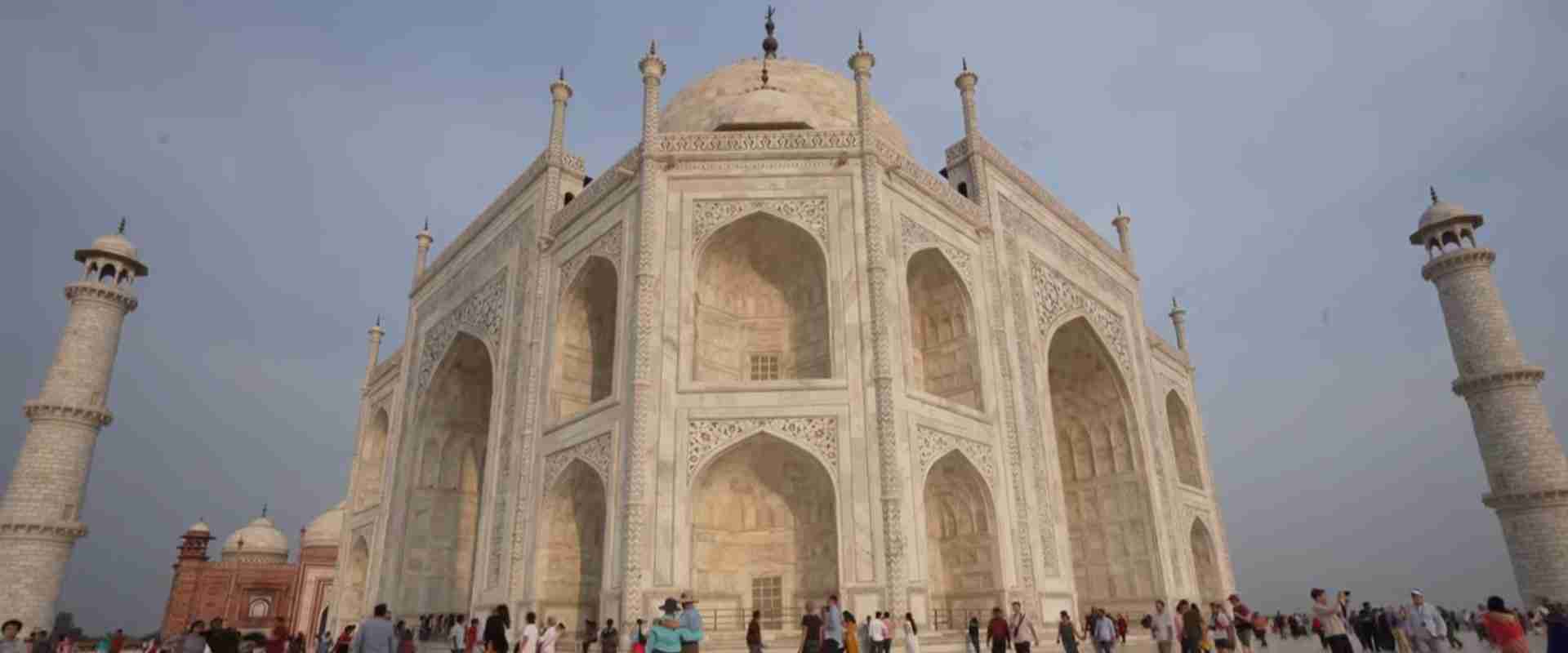
Best Taj Mahal Tours 2026: UNESCO Heritage & Cultural Experiences
Key Takeaways:
- Sunrise and sunset guided tours ($40-65 per person in 2026) provide optimal lighting conditions with expert historical commentary and photography assistance
- Private professional guides ($80-120 for 2-3 hours in 2026) customize experiences based on individual interests including architecture, history, or photography specialization
- UNESCO World Heritage certification programs require guides to complete 200+ hours of training ensuring authoritative knowledge and ethical practices
- Multi-day Agra tour packages ($180-350 per person in 2026) combine Taj Mahal visits with Agra Fort, Fatehpur Sikri, and local cultural experiences
- Advance booking 3-4 weeks before travel dates secures preferred tour times and experienced guides during peak season (November-February 2026)
- Full moon night tours (limited monthly availability in 2026) offer extraordinary moonlight experiences with specialized guides and enhanced security protocols
Introduction to Taj Mahal Tours in 2026
Professional guided tours transform Taj Mahal visits from sightseeing into comprehensive cultural education, providing historical context, architectural insights, and symbolic meanings invisible to independent visitors. The 2026 touring season features enhanced guide certification programs, expanded language options, and specialized thematic tours catering to diverse interests from photography workshops to Mughal dynasty deep-dives. Reputable tour operators in Agra maintain Archaeological Survey of India partnerships ensuring accurate information, ethical practices, and seamless logistics including entrance tickets, transportation, and timing optimization.
Guided tours range from economical group experiences ($40-65 per person for 3-4 hours) accommodating 8-15 participants to premium private tours ($80-150 per person) offering personalized attention and flexible itineraries. Specialized tours target specific interests including sunrise photography sessions, architectural analysis tours, cultural immersion experiences combining monument visits with local artisan workshops, and extended multi-day programs covering broader Mughal heritage sites throughout Agra and surrounding regions. The guide quality varies significantly across operators, making careful selection crucial for maximizing educational value and overall experience quality.
The 2026 tour landscape emphasizes sustainability, cultural sensitivity, and authentic experiences beyond superficial monument viewing. Leading operators incorporate local community interactions, traditional craft demonstrations, and heritage conservation education into standard itineraries. Audio technology integration enhances group tours through wireless headset systems allowing clear guide communication even in crowded environments, while mobile apps provide supplementary information, historical images, and augmented reality features enriching the physical tour experience. Booking through established operators with verified credentials, positive traveler reviews, and transparent pricing structures ensures reliable service and protects against common tourist scams prevalent in high-traffic heritage destinations.
People Also Ask About Taj Mahal Tours 2026
How much do Taj Mahal guided tours cost in 2026?
Taj Mahal guided tours range from $40-150 per person in 2026 depending on tour type, group size, and included services (check individual operator websites for current official rates as pricing may vary). Standard group tours (8-15 participants) cost $40-65 per person for 3-4 hour experiences including professional guide services, entrance tickets, and basic transportation from central Agra hotels. These group rates represent the most economical guided option while still providing expert commentary and historical context. Semi-private tours (4-6 participants) increase to $65-90 per person offering more intimate experiences with enhanced guide interaction and personalized attention to individual questions and photography needs.
Private tours for solo travelers or couples range from $80-120 per person for 2-3 hour exclusive guide services, or $120-200 total for the entire group regardless of size (solo travelers pay full rate, couples split cost). Private tour premiums cover complete guide attention, flexible timing, customized itineraries based on specific interests, and ability to modify pace throughout the experience. Specialized tours including sunrise photography sessions, full moon night experiences, or multi-day heritage programs command premium pricing of $100-150 per person reflecting unique access, timing challenges, or extended durations requiring specialized guide expertise.
Tour costs typically include professional guide fees, Taj Mahal entrance tickets ($15-18 for international visitors), and pickup/drop-off transportation from Agra hotels or railway stations. Additional expenses not included in standard tour prices involve meals ($15-30 per person for lunch at quality restaurants), tips for guides (10-15% of tour cost considered appropriate, or $5-10 for satisfactory group tour experiences), and optional upgrades including audio guide rentals, extended time at additional sites, or specialized photography assistance. Delhi-based tours adding round-trip transportation from Delhi to Agra (220 kilometers each direction) cost $120-180 per person for full-day experiences, with the significant price increase reflecting 6-8 hours of highway driving and vehicle costs.
Are guided tours of the Taj Mahal worth the cost in 2026?
Guided tours provide exceptional value in 2026 for visitors seeking comprehensive understanding beyond superficial monument viewing, particularly first-time travelers unfamiliar with Mughal architecture and Indian historical context. Professional guides explain architectural techniques invisible to untrained eyes including pietra dura inlay craftsmanship, symbolic garden layouts representing Paradise, mathematical proportions creating optical illusions, and construction methods demonstrating 17th-century engineering sophistication. This educational content transforms visits from photography sessions into genuine learning experiences, adding intellectual depth and cultural appreciation to visual impact.
The historical context guides provide proves equally valuable, explaining Shah Jahan’s political position within Mughal dynasty succession, Mumtaz Mahal’s 19-year companionship influencing the monument’s romantic narrative, the 22-year construction timeline involving 20,000+ artisans from across Asia, and the financial impact draining imperial resources potentially contributing to Shah Jahan’s eventual overthrow by his son Aurangzeb. Independent visitors lack access to these narratives without extensive pre-reading or audio guide investment, making professional guide expertise particularly efficient for time-constrained travelers.
Practical benefits include streamlined logistics with guides handling entrance ticket purchases (saving 15-30 minute queuing time), optimal route planning avoiding backtracking and crowd congestion, strategic timing for photography positioning at key viewpoints, and troubleshooting assistance for unexpected situations including weather changes, crowd management, or facility closures. Groups tours create social connections with fellow travelers sharing similar interests, while private tours adapt pacing to individual physical capabilities and photographic ambitions. History enthusiasts, architecture students, first-time India travelers, and anyone interested in deeper cultural understanding benefit most from guided investment, while return visitors focused exclusively on photography may find audio guides or independent exploration more suitable for their specialized needs.
What is the best type of tour for visiting the Taj Mahal in 2026?
Sunrise group tours represent optimal value and experience balance for most visitors in 2026, combining economical pricing ($40-65 per person), expert guide commentary, and spectacular golden hour lighting during the most photogenic period (6:00-8:00 AM). These tours depart hotels at 5:15-5:30 AM to reach the complex by 6:00 AM opening, providing first-entry access before crowds arrive and temperatures rise. The 3-4 hour duration covers the complete complex including main mausoleum, gardens, mosque, guesthouse, and museum with strategic stops for photography and detailed architectural observation. Group sizes of 8-15 participants maintain manageable dynamics allowing guide interaction without overwhelming intimacy issues some travelers experience in very small groups.
Private tours suit couples, families, or solo travelers preferring personalized attention, flexible pacing, and customized content focused on specific interests. The $80-120 per person investment ($120-200 total for 1-2 people) purchases complete guide attention throughout the 2-3 hour experience, allowing detailed questions, extended time at personally interesting locations, and schedule adjustments accommodating photography needs or physical limitations. Private tours work exceptionally well for photography enthusiasts requiring patient positioning assistance, architecture students seeking technical construction details, or families with children needing frequent breaks and simplified explanations. The flexibility to modify pace, extend time, or skip less interesting sections provides control impossible in group tour structures.
Specialized thematic tours including photography workshops ($90-120 per person), cultural immersion programs ($100-140 per person including artisan visits), or architectural analysis tours ($85-110 per person) cater to specific passionate interests warranting premium investment. These experiences typically involve 4-6 hours with smaller participant groups (4-8 people) focusing deeply on singular aspects rather than broad overview approaches. Photography tours include sunrise and sunset sessions separated by midday cultural activities, while architectural programs examine construction techniques through hands-on demonstrations at local marble workshops. Full moon night tours ($120-150 per person, extremely limited availability) offer once-in-a-lifetime romantic experiences though higher costs and booking challenges limit accessibility to dedicated enthusiasts willing to plan months ahead.
How far in advance should you book Taj Mahal tours for 2026?
Booking Taj Mahal tours 3-4 weeks before your travel dates secures preferred time slots and experienced guides during peak season (November-February 2026), while shoulder seasons (March-April, September-October 2026) allow 1-2 week advance booking without availability concerns. Sunrise tours experience highest demand as photography enthusiasts and couples seeking romantic experiences compete for limited slots – these tours regularly sell out 2-3 weeks ahead during winter months when Indian domestic tourism peaks alongside international visitors. Same-day tour availability exists during low season (monsoon months July-August 2026) though guide quality varies significantly as premium guides maintain full advance bookings even during slower periods.
Full moon night tours require 4-8 week advance booking due to extremely limited monthly availability (500 total visitors permitted per night) and exceptional demand for these special experiences. The Archaeological Survey of India opens full moon booking windows 90 days in advance, with tours selling out within 24-48 hours during cooler months (October-March) when clear skies and comfortable temperatures create ideal conditions. Flexibility on specific full moon dates improves booking chances, as less-famous full moon nights (avoiding major festivals or holidays) retain availability longer than peak period coinciding with Diwali or other Indian celebrations.
Private tours offer more flexibility than group experiences, with reputable operators accommodating requests 3-7 days before travel dates during most seasons. However, the best private guides (those with 10+ years experience, multiple language fluency, specialized architectural or historical training) maintain advance booking requirements similar to group tours as their expertise creates consistent demand. Last-minute private tour bookings risk assignment to junior guides with less experience or recently certified guides still developing their expertise, resulting in adequate but not exceptional educational experiences. Hotel concierge services arrange same-day tours readily though commissions typically inflate pricing by 20-30% compared to direct operator booking, making advance research and direct contact more economical for budget-conscious travelers.
Extended multi-day tours – 5+ days
Featured Taj Mahal Multi-Day Tour Packages
2 days
Taj Mahal Overnight Tour From New Delhi By Car
- ✓ Comprehensive Taj Mahal tour
- ✓ Expert local guides included
- ✓ All accommodation arranged
- ✓ Transportation provided
1 days
Private Taj Mahal at Sunrise and Agra Day Tour From Delhi
- ✓ Comprehensive Taj Mahal tour
- ✓ Expert local guides included
- ✓ All accommodation arranged
- ✓ Transportation provided
1 days
From Delhi: Taj Mahal & Agra Tour with 5-Star Marriott Lunch
- ✓ Comprehensive Taj Mahal tour
- ✓ Expert local guides included
- ✓ All accommodation arranged
- ✓ Transportation provided
1 days
Same day Trip to Taj Mahal
- ✓ Comprehensive Taj Mahal tour
- ✓ Expert local guides included
- ✓ All accommodation arranged
- ✓ Transportation provided
Multi-day tour packages powered by TourRadar. Prices and availability subject to change.
Essential Tour Planning Information for 2026
Current Tour Pricing and Booking Strategies for 2026
Standard group tours for 2026 cost $40-65 per person for 3-4 hour Taj Mahal experiences including professional guide services, entrance tickets, and hotel transportation (check operator websites for current official rates as pricing may vary). This pricing applies to tours departing from Agra-based hotels or meeting points, with Delhi-based tours adding $80-120 per person for round-trip transportation covering the 220-kilometer highway journey (4-5 hours total driving time). The group tour structure accommodates 8-15 participants creating economical per-person costs while maintaining manageable group dynamics for guide interaction and photography positioning.
Private tours range from $120-200 total cost for 1-2 people (effectively $80-120 per person for couples or $120-200 for solo travelers) covering 2-3 hours of exclusive guide attention with flexible itineraries and personalized pacing. Families or small friend groups (3-4 people) negotiate favorable per-person rates as the total tour cost increases modestly ($180-250 total) while splitting among more participants. Private tour premiums reflect guide exclusivity, scheduling flexibility, and customization options unavailable in group settings, representing worthwhile investment for travelers prioritizing personal attention and specific interest focus.
Multi-day tour packages bundling Taj Mahal visits with Agra Fort exploration, Fatehpur Sikri excursions, and cultural experiences cost $180-350 per person for 2-3 day programs including accommodations, most meals, all entrance tickets, professional guide services, and inter-site transportation. These comprehensive packages provide 30-40% savings versus booking components separately, while ensuring cohesive itinerary flow and experienced guide consistency throughout the multi-day experience. Premium packages ($280-450 per person) upgrade accommodations to 4-5 star heritage hotels and include exclusive experiences like private sunrise access, artisan workshop visits, or traditional Mughlai cooking classes.
Direct booking through operator websites or verified booking platforms (Viator, GetYourGuide, TripAdvisor Experiences) secures best pricing and reliable service guarantees. Avoid street touts, hotel commission-based referrals, and suspiciously discounted offers advertising “special government rates” or “VIP access” – legitimate operators maintain transparent pricing and don’t require advance full payment. Secure booking requires 20-30% deposits, with balance payments due 48-72 hours before tour date or payable directly to guides on tour day. Credit card payments through established platforms provide fraud protection and enable dispute resolution if service quality doesn’t match promotional descriptions.
Optimal Tour Timing Strategies for 2026
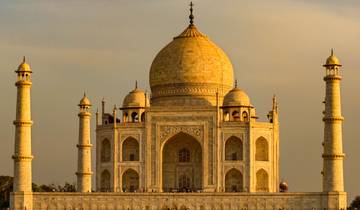
Sunrise tours (5:30 AM hotel pickup for 6:00 AM complex entry) deliver optimal photography lighting, smallest crowds, and comfortable morning temperatures before midday heat intensifies. These early departures suit morning people comfortable with 5:00 AM wake-up calls and provide 3-4 hours of touring before returning to hotels by 9:30-10:00 AM, leaving afternoons free for additional Agra exploration or rest. The pink and gold sunrise light (6:00-7:30 AM depending on season) creates spectacular marble illumination impossible to replicate during other daylight hours, justifying the early wake-up for serious photographers and romantic couples seeking magical first impressions.
Sunset tours (3:30-4:00 PM pickup for 4:30 PM complex entry) offer evening golden hour lighting (5:00-6:30 PM depending on season) when warm amber tones transform white marble through breathtaking color progressions. These afternoon departures suit travelers preferring later wake-ups or needing morning hours for Delhi-to-Agra travel (via train or private vehicle). Evening temperatures moderate from daytime peaks, creating comfortable conditions for leisurely exploration without sunrise’s rushed feeling some visitors experience when balancing photography ambitions against limited optimal lighting duration. Sunset tours extend until complex closing (6:30 PM winter, 7:00 PM summer), providing 2.5-3 hours of touring time concentrated during most favorable lighting periods.
Midday tours (9:00-11:00 AM typical start times) face challenges from harsh overhead lighting, peak crowd densities, and intense heat during warm months (March-October 2026). However, these tours remain economical alternatives to prime sunrise/sunset slots and suit travelers with schedule constraints preventing early or late availability. The bright midday sun illuminates marble inlay details with maximum clarity, benefiting visitors prioritizing close-up architectural observation over photography aesthetics. Midday slots see highest same-day availability allowing spontaneous booking for last-minute travel arrangements, though guide quality varies as experienced professionals concentrate services during preferred time periods.
Full moon night tours (monthly dates varying, check Archaeological Survey of India schedule) provide extraordinary evening experiences under moonlight conditions creating silver-blue marble effects impossible during daylight hours. These special access tours operate 8:30-11:30 PM with maximum 500 visitors permitted per night (versus 50,000+ during typical days), creating intimate atmospheres emphasizing romance and reflection over daytime’s educational intensity. Booking requires 4-8 week advance planning as tickets sell out rapidly, with February-March and October-November full moon nights experiencing highest demand when clear skies and comfortable evening temperatures optimize conditions.
Comprehensive Tour Options for 2026
Sunrise Photography & Heritage Tours (Duration: 3.5-4 Hours)
Sunrise photography tours specialize in capturing the Taj Mahal during golden hour (6:00-8:00 AM) while providing comprehensive historical and architectural education. These premium experiences cost $75-110 per person for group sizes of 6-10 participants, or $140-180 for private photography workshops with 1-4 participants receiving intensive personalized instruction. Tours begin with 5:15-5:30 AM hotel pickups ensuring arrival before complex opening at 6:00 AM, securing first-entry status for uncrowded photography positioning at prime viewpoints.
The tour structure emphasizes photography fundamentals during the first hour (6:00-7:00 AM) when pink sunrise light transforms marble from grey to rose to amber tones. Professional photographer guides (often former commercial photographers with decades of experience) provide technical assistance including exposure recommendations, composition strategies, and post-processing previews demonstrating potential of captured images. Wireless remote triggers allow participating in photos while maintaining tripod stability, while guide-operated backup equipment ensures no crucial moments miss documentation due to technical difficulties.
Key photography positions include the Great Gate archway framing (10-15 minutes), central water channel reflections (20-25 minutes with multiple angle variations), eastern garden diagonal perspectives (15 minutes), and marble platform perimeter compositions (30-40 minutes working systematically around all facades). Photography guides monitor crowd movements directing participants toward temporarily clear viewpoints, and negotiate respectfully with other visitors when position conflicts arise. The technical knowledge shared during positioning includes optimal focal lengths for different compositions, HDR bracketing techniques for high-contrast marble-versus-sky exposures, and filters reducing glare while enhancing reflection clarity.
Following the concentrated photography session (6:00-8:00 AM), tours transition into educational mode with guide-led walks explaining architectural features, construction techniques, historical context, and symbolic meanings represented throughout the complex. This balance between photography action and educational content distinguishes sunrise tours from pure photography workshops or standard historical tours, providing comprehensive experiences appealing to camera enthusiasts who also value cultural learning. Tours conclude with marble platform perimeter walks providing 360-degree architectural views, interior mausoleum visits appreciating pietra dura inlay (no photography inside), and briefer mosque/guesthouse exploration before returning to hotels by 9:30-10:00 AM.
Included services cover professional photographer guide fees, Taj Mahal entrance tickets, pickup/drop-off transportation from Agra hotels, and photography positioning assistance throughout the session. Participants supply their own camera equipment (DSLR or mirrorless cameras recommended, though advanced smartphones produce acceptable results with guide instruction). Post-tour email follow-ups provide additional photography resources including recommended editing software, processing tutorials, and composition critiques if participants share images with guides. Some premium operators include breakfast at heritage hotels following morning tours ($15-20 per person additional, optional upgrade), creating complete morning experiences concluding with Mughlai cuisine in historical settings.
Comprehensive Group Heritage Tours (Duration: 3-4 Hours)
Standard group heritage tours focus on historical education and cultural appreciation, providing thorough coverage of the Taj Mahal complex with professional guide commentary explaining architecture, history, and significance. These economical tours ($40-65 per person) accommodate 8-15 participants in manageable groups allowing individual questions while maintaining efficient pacing through major sections. Tours operate during various time slots (sunrise 6:00 AM start, morning 8:00 AM start, afternoon 2:00 PM start, sunset 4:00 PM start) with pricing consistent across time periods.
The heritage tour structure begins at entrance gates where guides provide orientation overviews explaining complex layout, major sections, visiting sequence, and behavioral expectations (shoe removal at mausoleum, photography restrictions inside, respectful silence in sacred spaces). The 5-10 minute introduction establishes group rapport, allows participant questions about logistics, and sets educational tone for the subsequent experience. Groups proceed together maintaining cohesion while allowing some individual positioning flexibility during photography stops.
The Great Gate receives 15-20 minutes of attention examining red sandstone construction, white marble inlay decorations, Quranic calligraphy passages, and the symbolic gateway concept representing transition from earthly gardens to paradise imagery awaiting beyond. Guides explain architectural terminology, construction techniques, and historical context including the gate’s relationship to broader Mughal architectural traditions. The classic archway framing view receives special emphasis with guides explaining optimal photography angles and providing information about forced perspective effects making the distant Taj Mahal appear larger than actual scale.
Central garden pathway walks (20-25 minutes) cover the charbagh design concept representing Paradise’s four gardens separated by four rivers, water channel engineering maintaining reflecting pools, cypress tree symbolism representing death and eternity, and raised flowerbeds requiring extensive irrigation systems supporting Mughal botanical traditions. Guides pause at strategic viewpoints (100m, 150m, 200m from mausoleum) explaining changing perspectives and proportional relationships between foreground gardens and background monument. This sequential approach helps participants understand landscape architecture’s role in creating dramatic reveals and emotional responses to architectural monuments.
The marble platform and mausoleum receive maximum attention (60-90 minutes) with systematic exploration of all facades, detailed inlay work examination, symbolic design elements explanation, and interior visits appreciating the cenotaph chamber’s acoustic properties and decorative sophistication. Guides employ visual aids including historic photographs, architectural diagrams, and material samples (lapis lazuli, jade, carnelian stones) helping participants understand pietra dura craftsmanship requiring years of training to master. The mathematical precision creating optical illusions (minarets leaning outward to appear vertical, dome seeming larger from distance than close-up, calligraphy appearing uniform size despite varying distance from viewers) receives particular emphasis showcasing 17th-century engineering sophistication.
Flanking structures (mosque and guesthouse) receive 15-20 minutes combined, with guides explaining their symmetrical relationship, construction in red sandstone contrasting white marble, and functional purposes during Shah Jahan’s era. The mosque remains active for prayers requiring respectful visitor behavior and appropriate timing outside prayer schedules. The guesthouse (Mehman Khana) demonstrates identical dimensions to the mosque, illustrating obsessive Mughal symmetry principles fundamental to the overall design philosophy. Tours conclude with museum visits (20-30 minutes optional, some tours skip this section) displaying Mughal artifacts, original architectural plans, and historical documentation providing additional context for visual experiences throughout the complex.
Private Customized Tours (Duration: 2-4 Hours, Flexible)
Private tours offer complete customization based on participant interests, physical capabilities, photography ambitions, and schedule preferences. The $120-200 total cost (1-2 people) or $180-280 (3-4 people) provides exclusive guide attention throughout experiences ranging from efficient 2-hour overviews to comprehensive 4-hour deep-dives including extended photography sessions or specialized architectural analysis. Private tours accommodate varying fitness levels, interests, and pace preferences impossible in group settings where collective needs determine itinerary progression.
Customization begins during booking when operators interview participants about specific interests: history enthusiasts receive emphasis on Mughal dynasty politics and construction chronology; architecture students explore structural engineering and proportional mathematics; photography lovers gain extended time at optimal viewpoints with technical coaching; couples prioritize romantic atmosphere and private moments; families obtain simplified explanations engaging children while maintaining adult intellectual satisfaction. This pre-tour planning ensures guides prepare appropriate content, adjust complexity levels, and anticipate participant needs creating seamless experiences.
The flexible timing structure allows private tours to extend or compress sections based on real-time interest levels. If participants find garden history fascinating, guides expand botanical discussions and water engineering explanations; if inlay craftsmanship captivates attention, guides demonstrate stone-cutting techniques and material identification extending marble platform time; if fatigue develops, guides modify routes incorporating more rest stops or eliminating less essential sections. This responsive adaptability proves particularly valuable for elderly participants requiring frequent breaks, parents managing children’s attention spans, or photography enthusiasts capturing specific lighting conditions requiring patience and positioning precision.
Photography-focused private tours receive enhanced positioning assistance with guides managing crowd interactions, securing temporary clear spaces for tripod setup, and providing ongoing technical advice including exposure recommendations, composition critiques, and post-processing suggestions. The one-on-one or small group ratios enable detailed photography instruction impossible in larger groups where time constraints and varying skill levels prevent individualized teaching. Guides familiar with professional photography workflows accommodate bracketed exposures, multiple composition variations, and extended wait times for optimal cloud formations or crowd clearances.
Language flexibility represents another significant private tour advantage, with operators providing guides fluent in Spanish, French, German, Italian, Japanese, Chinese, Portuguese, and other languages beyond standard English and Hindi options dominating group tours. Native or near-native fluency ensures nuanced explanations, cultural references, and conversational comfort impossible through secondary language communication. Technical architectural and historical terminology benefits particularly from mother-tongue explanation preventing misunderstandings or oversimplifications reducing educational content quality.
Multi-Day Agra Heritage Tours (Duration: 2-3 Days)
Comprehensive multi-day tours ($180-350 per person for 2-3 days) combine Taj Mahal exploration with extensive Agra Fort visits, Fatehpur Sikri excursions, local artisan workshops, traditional cuisine experiences, and optional Mathura-Vrindavan sacred site visits. These packages provide cohesive Mughal heritage education impossible through single-day monument visits, while including accommodations, most meals, all entrance tickets, inter-site transportation, and consistent professional guide services throughout the multi-day experience.
Two-day itineraries ($180-240 per person) typically include: Day 1 afternoon arrival and Agra Fort exploration (2-3 hours), sunset Taj Mahal visit (2.5 hours), traditional Mughlai dinner, overnight heritage hotel accommodation; Day 2 sunrise Taj Mahal photography session (3 hours), breakfast, Fatehpur Sikri half-day excursion (3-4 hours including travel), local marble workshop visit, departure. This structure maximizes Taj Mahal experiences with both sunset and sunrise visits while incorporating broader regional heritage understanding through fort and Fatehpur Sikri exploration.
Three-day programs ($280-350 per person) expand coverage adding: Itmad-ud-Daulah (“Baby Taj”) visits, extended artisan workshop experiences (marble inlay demonstrations, carpet weaving observations, miniature painting classes), Mathura-Vrindavan sacred temple tours, traditional cooking classes preparing Mughlai cuisine, and additional leisure time at heritage hotel properties featuring Mughal gardens and cultural performances. The extended timeline reduces rushed feelings enabling deeper engagement with each location and cultural activity.
Accommodation standards vary across price points with budget packages ($180-220 per person) utilizing clean 3-star hotels near major sites, mid-range packages ($220-280 per person) upgrading to 4-star heritage properties featuring traditional architecture and gardens, and luxury packages ($320-450 per person) securing 5-star palace hotel conversions offering swimming pools, spa services, and rooftop Taj Mahal views. The accommodation quality significantly impacts overall experience comfort though all levels maintain cleanliness and safety standards suitable for international travelers.
Meals included in multi-day packages typically cover daily breakfast at hotels, some lunches at quality restaurants near touring sites, and occasional welcome or farewell dinners featuring traditional Mughlai cuisine. Budget 2-3 additional meals per day ($15-30 per person) not covered by package inclusions, plus tips for guides ($10-15 per person per day) and drivers ($5-8 per day). The all-inclusive nature eliminates constant payment negotiations and decision-making fatigue, allowing focus on cultural experiences rather than logistics management.
Selecting Reputable Tour Operators for 2026
Operator Credentials and Certification Standards
Reputable Taj Mahal tour operators maintain official partnerships with the Archaeological Survey of India (ASI) ensuring accurate historical information, ethical practices, and adherence to monument preservation guidelines. Verification appears through operator websites displaying ASI recognition certificates, official ticketing partnerships, and heritage site endorsements. The Ministry of Tourism’s Incredible India initiative maintains approved operator directories searchable by region and specialization, providing government-vetted options meeting baseline quality and safety standards.
Guide certification requirements implemented in 2024 mandate 200+ hours of training covering Mughal history, architectural terminology, cultural sensitivity, first aid basics, and ethical tourism principles. Certified guides wear official identification badges issued by state tourism departments, displaying photograph, certification number, and valid date ranges. Request viewing guide credentials before committing to tours, as uncertified guides (common among street touts and commission-based hotel referrals) provide inaccurate information perpetuating historical myths and reducing educational value. Premium guides hold additional specialized certifications in architectural history, photography instruction, or foreign language proficiency documented through badge supplements.
Business longevity indicates operator reliability, with companies operating 5+ years demonstrating consistent service quality and financial stability necessary for long-term reputation building. Research operator founding dates through website “About Us” sections, online travel forums discussing Agra tourism, and Better Business Bureau equivalents tracking consumer complaints. Newer operators aren’t necessarily inferior though lack track records making quality assessment challenging – prioritize established companies during first visits when comparing operator reputations proves difficult.
Insurance coverage protects participants from accidents, medical emergencies, or unexpected cancellations, with reputable operators maintaining comprehensive liability policies covering guide negligence, transportation incidents, and participant injuries during tours. Verify insurance details appear in booking confirmations and operator contracts, with specific coverage amounts ($100,000-500,000 typical for international tour operators) and emergency contact procedures clearly stated. Budget operators sometimes skip insurance reducing costs but exposing participants to financial risks if accidents occur.
Review Analysis and Reputation Assessment
TripAdvisor, Viator, and GetYourGuide reviews provide valuable operator comparisons when analyzed systematically rather than relying on overall ratings alone. Read 10-20 recent reviews (past 3-6 months) examining specific details: Do reviewers mention guide names positively? Does operator respond professionally to complaints? Are timing, pickup, and logistics praised or criticized? Do participants describe learning something meaningful or just completing obligatory sightseeing? Detailed positive reviews discussing specific guide expertise, smooth logistics, and exceeding expectations indicate consistent quality, while vague praise (“nice tour,” “good guide”) provides less actionable information.
Negative review patterns reveal systemic problems worth avoiding: Multiple complaints about commission-based detours to carpet shops, jewelry stores, or craft emporiums indicate unethical practices prioritizing sales commissions over tour quality; recurring late pickups or transportation problems suggest poor operational management; guide competency criticisms across multiple reviews reveal training deficiencies or inconsistent guide quality; pricing disputes or surprise additional charges indicate lack of transparency and financial ethics. One or two negative reviews among hundreds of positive experiences prove statistically normal, but patterns across 10+ reviews in short time periods signal serious operator problems warranting elimination from consideration.
Social media presence and engagement indicate modern operators maintaining current marketing and customer communication standards. Active Instagram, Facebook, and YouTube accounts posting regular tour content, participant photos (with permission), and behind-scenes material demonstrate professional operations invested in reputation management. However, engagement quality matters more than follower counts – operators purchasing fake followers or posting generic stock photos rather than actual tour documentation warrant skepticism versus authentic accounts showing real guides, participants, and location-specific content.
Direct communication quality during booking inquiries reveals operator professionalism and customer service standards. Send detailed questions testing knowledge (“Can you explain the difference between pietra dura and marble carving?”), logistics competency (“What happens if monsoon rain disrupts our sunrise tour?”), and flexibility (“Can we add time for extended photography at specific locations?”). Responses should arrive within 24 hours demonstrating active monitoring, contain specific detailed answers versus generic templates, and maintain professional tone without excessive sales pressure. Poor communication during pre-booking interactions predicts similar problems during actual tour operations when questions or issues arise.
Avoiding Tourist Scams and Low-Quality Operators
Street touts approaching tourists near hotels, railway stations, or popular tourist areas offering “special government rates,” “VIP access,” or “local guide discounts” operate scam networks generating income through shop commission kickbacks rather than tour quality delivery. These individuals lack certification, provide historically inaccurate information, employ high-pressure sales tactics, and route tours through predetermined shops where carpet, jewelry, or marble merchandise purchases generate 20-40% commissions. Politely decline all street approaches, and book exclusively through verified operators with established office addresses, published contact information, and verifiable online presence.
Hotel concierge tour arrangements often involve 20-30% commission markups benefiting hotel staff rather than improving tour quality. While convenient, these arrangements sacrifice value-for-money and sometimes route participants to lower-quality operators maintaining hotel partnerships through commission payments. Request operator names and contact details, then research independently comparing direct booking prices versus hotel-arranged rates. Many tourists find identical tours cost $10-20 less per person when booked directly, with savings increasing for group bookings or multi-day packages. Use hotel concierges for recommendations only, then handle actual bookings independently after verifying operator credentials.
Suspiciously low pricing ($20-30 per person for “complete Taj Mahal tours”) indicates cut-rate operations employing uncertified guides, skipping entrance ticket inclusions (you pay separately at gates), or heavily featuring commission-generating shop stops consuming 30-50% of tour duration. Legitimate guide services, entrance tickets, and transportation cost operators $25-35 per person baseline, making sub-$40 complete tour pricing economically impossible without compensation through alternative revenue streams (shop commissions, surprise additional charges, extremely large group sizes reducing per-person guide attention). If pricing seems too good to be true, it invariably involves compromises reducing overall value and satisfaction.
Advance full payment requirements (100% payment demanded weeks before tour date) represent red flags suggesting potential scams or financially unstable operators. Legitimate businesses accept 20-30% deposits confirming bookings, with balance payments due 48-72 hours before tours or payable directly to guides on tour day. This payment structure protects consumers if operators fail delivering promised services or last-minute cancellations become necessary. Insist on deposit-only arrangements, and use credit card payments through established platforms (PayPal, Stripe) providing fraud protection and dispute resolution mechanisms.
Sample Tour Itineraries for 2026
Budget Group Sunrise Tour (5:30 AM – 9:30 AM)
This economical group experience ($40-50 per person) balances cost efficiency with quality guide services and optimal timing for photography and comfortable exploration. The tour accommodates 12-15 participants creating value pricing while maintaining manageable group dynamics allowing individual questions and photography positioning.
5:30 AM: Hotel pickup from central Agra locations via air-conditioned minibus. Groups gather participants from 3-5 hotels creating full groups before proceeding to Taj Mahal eastern gate. Travel time 15-25 minutes depending on hotel locations.
5:55 AM: Arrive at eastern gate security checkpoint. Guide distributes entrance tickets (included in tour cost), assists with baggage storage for prohibited items, and provides orientation overview while queuing for security screening. Morning arrival crowds remain minimal allowing efficient processing.
6:10 AM: Enter complex immediately after opening. Guide leads group directly to Great Gate for classic archway framing photography during pink sunrise light. Spend 10-15 minutes capturing this iconic composition while guide explains gate’s architectural significance and symbolic meaning.
6:25-6:45 AM: Central pathway walk with strategic photography stops at 100m, 150m, and 200m markers. Guide explains charbagh garden design, water channel engineering, and botanical symbolism while allowing time for reflection photography when water remains calm. This 20-minute segment balances movement with photography opportunities.
6:45-8:00 AM: Marble platform and mausoleum comprehensive exploration. Systematic perimeter walk photographing all facades (15-20 minutes), detailed inlay work examination with guide using material samples explaining pietra dura techniques (20 minutes), interior mausoleum visit appreciating cenotaph chamber acoustics and decorative sophistication (15-20 minutes, no interior photography), and flanking mosque/guesthouse overview (10-15 minutes). Guide maintains group cohesion while allowing individual photography time at key locations.
8:00-8:45 AM: Return through western garden pathway providing alternative perspectives and less-photographed viewpoints. Brief museum visit (20-30 minutes) displaying Mughal artifacts and architectural documentation adding historical context. Groups with strong photography interest skip museum extending marble platform time, while history enthusiasts reverse this prioritization.
8:45-9:30 AM: Return transportation to hotels via air-conditioned minibus, with guide answering remaining questions and providing recommendations for additional Agra exploration. Arrive hotels by 9:30 AM leaving full days available for other activities or rest.
Total Costs: Tour package $40-50 per person including guide services, Taj Mahal entrance ticket, hotel pickup/drop-off transportation, and all described activities. No additional entrance fees or mandatory expenses. Optional expenses: breakfast at hotel before departure $8-15 per person, guide tip $3-5 per person (10-15% of tour cost), bottled water $1-2, snacks from vendors outside complex $2-4. Total experience cost: $43-55 per person.
Private Sunset Photography Tour (3:30 PM – 7:00 PM)
This premium private experience ($140-180 per couple or solo traveler, $240-300 for small groups of 3-4 people) focuses on golden hour photography with personalized instruction and flexible timing accommodating serious photography ambitions alongside cultural education.
3:30 PM: Hotel pickup via private air-conditioned vehicle (sedan for 1-2 people, SUV for 3-4 people) with professional photographer guide. Drive to Taj Mahal eastern gate (15-20 minutes) while guide conducts pre-tour interview assessing photography experience level, equipment capabilities, and specific composition interests (classic reflection shots, architectural details, creative angles, human-interest elements).
3:50 PM: Arrive at entrance for mid-afternoon entry avoiding peak crowds. Guide handles all ticketing and security logistics while providing camera equipment check ensuring optimal settings for upcoming lighting conditions. Discuss photography plan prioritizing western facade and garden positions receiving best sunset light.
4:00-4:45 PM: Begin with museum visit and Great Gate exploration during hottest afternoon period. Air-conditioned museum provides comfortable environment while studying historical photographs and architectural drawings informing subsequent photography session. Guide shares professional photography examples demonstrating compositional possibilities and technical approaches.
4:45-6:15 PM: Core photography session as golden hour approaches. Position in western gardens capturing afternoon light progression on marble (4:45-5:15 PM). Move to marble platform western side securing prime sunset viewpoint (5:15-5:45 PM). Guide provides continuous technical assistance including exposure recommendations, composition coaching, and crowd management negotiating clear spaces for tripod setup. Photograph marble color transformations through amber, pink, orange tones as sun descends (5:45-6:15 PM).
6:15-6:45 PM: Extended twilight photography capturing blue hour lighting and monument illumination as artificial lighting activates. Guide demonstrates long-exposure techniques, light painting possibilities, and silhouette compositions. Stay until absolute closing time (6:45 PM) capturing final dramatic light moments often missed by standard tours departing earlier.
6:45-7:00 PM: Depart complex and return to hotel via private vehicle. Guide provides memory card backup service if desired, and discusses post-processing recommendations via WhatsApp or email sharing editing tutorials and composition critiques if participants send images after tour.
Total Costs: Private tour $140-180 for 1-2 people or $240-300 for 3-4 people including photographer guide services, Taj Mahal entrance tickets, private vehicle pickup/drop-off, and all described activities. Optional expenses: late lunch/early dinner at quality restaurant after tour $20-35 per person, guide tip $15-25 (10-15% of tour cost), additional memory card purchases if needed $10-20. Total experience cost: $155-205 per person (couple) or $165-225 per person (group of 3-4).
Comprehensive 3-Day Agra Heritage Experience
This multi-day immersion program ($280-350 per person, check operator for current rates) combines iconic monuments, cultural workshops, traditional cuisine, and heritage accommodations creating comprehensive understanding of Mughal civilization’s architectural and artistic achievements.
Day 1 (Afternoon – Evening):
2:00 PM: Arrival at Agra railway station or hotel with guide greeting and orientation overview during transfer to heritage hotel. Check-in at 4-star heritage property featuring Mughal garden courtyard, traditional architecture, and rooftop Taj Mahal views.
3:30-6:00 PM: Agra Fort comprehensive exploration (2.5 hours). Professional guide leads through this massive red sandstone fortress palace complex covering 94 acres with multiple palaces, mosques, and gardens where Shah Jahan spent final years imprisoned while gazing at Taj Mahal across the river. Afternoon light illuminates western facades beautifully while avoiding harsh midday sun and morning crowd congestion.
6:30-7:00 PM: Sunset viewing from Agra Fort’s Musamman Burj tower where Shah Jahan watched the Taj Mahal during his imprisonment. Guide explains the emotional significance while evening light creates romantic atmosphere.
7:30 PM: Welcome dinner at hotel restaurant featuring traditional Mughlai cuisine including tandoori specialties, rich curry preparations, and Agra’s famous petha sweets. Overnight heritage hotel accommodation.
Day 2 (Full Day):
5:30 AM: Early departure for sunrise Taj Mahal visit. Extended 3-hour exploration prioritizing photography during golden hour (6:00-8:00 AM) followed by comprehensive architectural and historical education covering all sections.
9:00 AM: Return to hotel for breakfast and brief rest period (2 hours) avoiding midday heat and recharging for afternoon activities.
11:00 AM-2:30 PM: Fatehpur Sikri half-day excursion (40km from Agra, 1 hour drive each direction). Explore this abandoned Mughal capital featuring Buland Darwaza (largest gateway in India), Jama Masjid, Panch Mahal, and other 16th-century structures demonstrating architectural evolution preceding Taj Mahal. Lunch at local restaurant near Fatehpur Sikri featuring regional specialties.
3:30-5:00 PM: Marble inlay workshop visit observing traditional pietra dura artisans continuing techniques unchanged since Taj Mahal construction. Hands-on demonstration allowing participants attempting basic stone-cutting and inlay placement. Optional purchases of authentic marble pieces supporting local artisan economy.
5:30 PM: Return to hotel for leisure time including rooftop sunset Taj Mahal viewing from hotel property. Evening at leisure for independent exploration or additional rest.
Day 3 (Morning):
8:00-10:30 AM: Itmad-ud-Daulah (“Baby Taj”) visit across Yamuna River. This elegant marble tomb preceded Taj Mahal by 17 years, introducing pietra dura techniques later perfected in the more famous monument. Smaller crowds and intimate scale allow detailed inlay observation and peaceful photography. Garden setting provides beautiful morning walk environment.
11:00 AM-12:30 PM: Traditional Mughlai cooking class at heritage hotel or local culinary school. Prepare classic dishes including biryani, korma, and naan bread under chef instruction, then enjoy your prepared lunch.
1:00 PM: Hotel checkout and departure transfer to railway station or airport, or continued independent Agra exploration if extended stay desired.
Total Package Costs: 3-day program $280-350 per person including: 2 nights heritage hotel accommodation (double occupancy), daily breakfast, Day 1 welcome dinner, Day 2 lunch, Day 3 cooking class meal, professional guide services throughout, all entrance tickets (Taj Mahal, Agra Fort, Fatehpur Sikri, Itmad-ud-Daulah), all inter-site transportation, marble workshop visit, cooking class. Additional expenses: 4-5 additional meals not included $60-100 per person total, guide tips $25-35 total (consolidated payment final day), personal shopping at workshop $20-200+ depending on purchases, drinks and snacks $15-25 total. Total 3-day experience cost: $365-500 per person.
Frequently Asked Questions About Taj Mahal Tours 2026
Do I need to book tours in advance or can I hire guides on arrival?
Advance booking 3-4 weeks before travel dates secures preferred tour times, experienced guides, and competitive pricing during peak season (November-February 2026), while on-arrival guide hiring remains possible though significantly compromises quality and cost efficiency. Guides congregate outside Taj Mahal entrance gates offering immediate services, but this informal market attracts uncertified individuals providing historically inaccurate information, employing high-pressure shop detour tactics, and charging premium rates ($60-100 for 2-3 hours) due to lack of advance planning allowing price comparisons. The convenience of spontaneous hiring rarely justifies quality compromises and frequent cost increases versus advance-booked certified guides.
Advance booking allows comprehensive operator research including credential verification, review analysis, pricing comparisons, and clear service agreement documentation protecting consumer interests. The booking process clarifies exact inclusions (entrance tickets, transportation, meal provisions), establishes firm pricing preventing surprise additional charges, and provides cancellation policies protecting against weather disruptions or travel plan changes. These protections disappear with on-arrival arrangements where verbal agreements and cash payments create dispute resolution challenges if services don’t match promised descriptions.
However, low season periods (monsoon months July-August 2026) and weekday off-peak hours see reduced guide demand making last-minute bookings viable through hotel concierges or verified walk-in operators maintaining office presence near major sites. Even during these periods, dedicating 24-48 hours for advance booking rather than same-day arrangements improves guide quality prospects and typically reduces costs 15-25% versus urgent last-minute negotiations.
What languages are available for Taj Mahal guided tours?
English and Hindi represent standard language options available through all professional tour operators serving the Taj Mahal in 2026, with English-speaking guides receiving universal certification requirements and maintaining largest numbers within the guide community. Spanish, French, German, Italian, Japanese, and Chinese language guides are available through larger operators serving international markets, though typically require advance booking (7-14 days minimum) allowing operators time to schedule specialized language guides whose services remain in higher demand relative to available guide numbers.
European language guides (Spanish, French, German, Italian) maintain near-native fluency through university training and years of practical experience serving European tourist groups. These guides command slight premium pricing ($5-10 per person additional for group tours, $20-30 additional for private tours) reflecting specialized language training investments and smaller guide populations creating premium demand. Spanish and French represent most readily available European language options due to larger tourist numbers from Spain, Latin America, and Francophone regions, while German and Italian require longer advance booking windows.
Asian language guides (Japanese, Chinese, Korean) serve growing Asian tourist markets with language fluency often developed through university exchange programs or years working in respective countries. Chinese-speaking guides see highest demand reflecting massive Chinese tourism growth, with Mandarin fluency more common than Cantonese specialization. Japanese guides maintain excellent availability serving consistent Japanese group tour operations, while Korean guide availability has increased recently reflecting South Korean tourism growth. These Asian language specialists typically work through advance-booking channels rather than walk-in services due to limited numbers and consistent demand.
Less common languages (Portuguese, Russian, Thai, Arabic, Hebrew) require 2-3 week advance booking connecting with specialized guides maintaining broader regional circuits rather than Agra-exclusive focus. These ultra-specialized guides cost $40-60 per person additional for group tours or $100-150 additional for private services reflecting extreme scarcity and need for long-distance travel from Delhi or other regional bases. During absolutely peak tourist season (December-January 2026), even 3-4 week advance booking may prove insufficient for ultra-rare language specialists, requiring flexible travel date consideration.
Are Taj Mahal tours suitable for families with young children?
Family-friendly Taj Mahal tours accommodate children successfully when selecting appropriate tour types, timing, and operators experienced in family group dynamics. Private family tours ($180-250 total for family of 4) provide optimal flexibility allowing frequent breaks, simplified explanations engaging children’s attention levels, and pace adjustments accommodating shorter attention spans and energy fluctuations. Guides experienced with family groups employ interactive techniques including scavenger hunt games finding specific architectural elements, storytelling emphasizing romantic and dramatic historical narratives, and hands-on material demonstrations (touching stone samples, examining inlay techniques up close) maintaining tactile engagement beyond pure visual observation.
Timing considerations significantly impact family success rates, with morning tours (8:00-10:00 AM start after breakfast, avoiding pre-dawn wake-ups) providing better family dynamics than sunrise tours requiring 5:00 AM wake-up calls challenging for young children. The 2-3 hour duration represents maximum attention span for ages 6-12, while teenagers handle standard 3-4 hour experiences comfortably. Afternoon tours (2:00-4:00 PM start) risk encountering tired, cranky children approaching dinner time, though work for families with natural late schedules or teenagers preferring later wake-ups.
Stroller accessibility exists throughout main pathways though marble surfaces, occasional steps, and crowded sections during peak hours create challenges requiring stroller carrying at multiple points. Baby carriers (front or back pack styles) prove more practical for infants and toddlers, while children ages 3-5 manage walking with frequent break opportunities. The complex provides limited playground or dedicated children’s areas, so entertainment relies on guide engagement skills and parental preparedness with snacks, water, and distraction techniques during attention lapses.
Family-specific private tours modify standard itineraries eliminating or shortening museum visits (often boring for children), emphasizing garden exploration allowing movement freedom, incorporating simplified architectural treasure hunts finding symmetrical elements or counting specific design features, and including age-appropriate historical storytelling focusing on romance, family relationships, and dramatic construction narratives rather than political complexities. These adaptations transform potentially tedious monument sightseeing into engaging educational adventures when guides possess family tour experience and parents maintain realistic expectations about attention spans and behavior challenges inherent in multi-hour cultural site visits.
Can tours accommodate visitors with mobility limitations?
Accessible tours accommodate wheelchair users, elderly visitors with limited walking endurance, and individuals with various mobility challenges through modified itineraries, appropriate vehicle arrangements, and guide assistance. Advance notification (during booking) allows operators arranging wheelchair-accessible vehicles (ramp or lift-equipped), coordinating attendant support if needed, and assigning guides familiar with accessibility routes and pacing requirements. The Taj Mahal complex provides wheelchair accessibility throughout most areas via paved pathways and ramp systems, though interior mausoleum access requires ascending steps without alternatives limiting wheelchair users to exterior platform views only.
Private tours represent optimal solutions for mobility-limited visitors, allowing complete pace control, unlimited rest breaks, route modifications avoiding challenging sections, and personal attention addressing specific physical needs throughout the experience. The $120-200 cost (1-2 people) purchases flexibility impossible in group settings where collective pace requirements and schedule constraints prevent adequate accommodation of individual mobility limitations. Guides experienced with accessibility tours understand timing adjustments, strategic rest area positioning, and energy conservation techniques preventing exhaustion while still covering major complex sections.
The central pathway from Great Gate to marble platform (300 meters) represents the primary accessibility challenge requiring 10-15 minutes of continuous wheelchair navigation without significant rest opportunities between endpoints. However, the smooth marble and stone surfaces accommodate standard wheelchairs adequately with attendant assistance managing occasional slight inclines and crowded sections. The marble platform ramps (eastern and western sides) allow wheelchair access to platform level for mausoleum exterior views, with platform perimeter navigation feasible though the 380-meter circumference requires additional 15-20 minutes proving tiring for some users. Attendants assist with these extended distances, and tours incorporate strategic rest periods at shaded benches distributed throughout the complex.
Elderly visitors without wheelchairs but with limited walking endurance benefit from slow-paced private tours including extended rest periods, strategic route planning minimizing backtracking, and vehicle positioning close to entrance gates reducing parking lot walking distances. Comfortable footwear, walking sticks or canes (permitted throughout complex), and realistic time expectations (adding 30-45 minutes to standard tour durations) ensure positive experiences without exhaustion or health risks. Some premium operators provide portable folding chairs allowing rest breaks at locations lacking permanent seating, particularly useful on the marble platform where shade and seating remain limited.
What should I bring on a Taj Mahal tour?
Essential items for Taj Mahal tours include comfortable walking shoes with cushioned soles (covering 2-3 kilometers over 3-4 hours), sun protection (wide-brimmed hat, sunglasses, SPF 30+ sunscreen), and hydration supplies (sealed water bottle up to 1 liter permitted inside complex). Shoes require removal before entering the mausoleum interior, so wear clean socks or bring slip-on shoes for easy removal and reinstallation. Avoid new shoes that might cause blisters during extended walking, and choose rubber or leather soles providing better heat protection from hot marble surfaces during summer months (April-September 2026).
Camera equipment and smartphones are permitted throughout the complex except inside the mausoleum interior where photography is prohibited. Bring fully charged batteries (plus spares for extended sessions), sufficient memory card storage for hundreds of images, and lens cleaning cloths as dust proves common particularly during dry season (October-May 2026). Tripods are officially restricted though small tabletop models (under 30cm height) receive less scrutiny, while selfie sticks are permitted creating easy group photography solutions. Photography enthusiasts bring multiple lenses including wide-angle (16-35mm) for garden compositions, standard zoom (24-70mm) for versatility, and telephoto (70-200mm) for detail shots, though single smartphone cameras produce acceptable results for casual photography needs.
Small bags or day packs (under 40cm x 30cm x 20cm dimensions) are permitted after security screening, suitable for carrying water, sunscreen, extra layers, camera equipment, and personal items. Large backpacks, suitcases, and oversized bags require storage in lockers near entrance gates (50-100 rupees per locker, verify current rates) or better left at hotels before arrival. The complex prohibits food of all kinds, tobacco products, drones, large tripods, weapons or sharp objects, and excessive amounts of electronic equipment requiring extensive security screening time. Pack minimally focusing on essential comfort and photography items while leaving unnecessary valuables and prohibited items at hotels.
Weather-appropriate clothing including lightweight breathable fabrics for warm months (March-September 2026) or layered clothing for cooler periods (November-February 2026) ensures comfort during multi-hour outdoor experiences. Cover shoulders and knees respecting religious and cultural significance, with longer pants or skirts preferred over shorts. Bring lightweight scarf or shawl for additional coverage if wearing tank tops, and consider bringing small folding umbrella during monsoon season (July-September) when afternoon showers develop unpredictably. Most tours don’t include meal provisions, so eat substantial breakfast or lunch before departures preventing hunger distractions during educational content delivery.
Do tour guides accept tips and what is the appropriate amount?
Tour guides in India expect tips as standard practice reflecting service satisfaction and compensating for relatively modest base salaries, with typical gratuity amounts ranging from 10-15% of total tour cost depending on service quality and tour type. For standard group tours costing $40-65 per person, appropriate tips range from $3-5 per person ($5-8 for exceptional service), paid directly to guides at tour conclusion in cash (rupees preferred though U.S. dollars accepted). Private tour guides receiving $120-200 total payments typically receive $15-30 tips (approximately 10-15%) reflecting the more personalized service and extended individual attention provided throughout the experience.
Multi-day tour programs involve multiple guides and drivers, with recommended tipping structures of $10-15 per person per day for primary guides (consolidated payment on final day) and $5-8 per day for drivers (daily payment or consolidated). For a 3-day tour costing $280-350 per person, total tipping obligations approximate $25-35 per participant distributed among guides and drivers. These amounts reflect service quality expectations, with reductions appropriate for mediocre experiences and increases warranted for truly exceptional guides exceeding normal service standards through extraordinary knowledge, flexibility, or problem-solving during unexpected challenges.
Photography tour guides providing specialized technical instruction and extended positioning assistance merit premium tips ($20-35 for $90-110 tour costs) reflecting the additional expertise and time investment beyond standard historical commentary. These specialized guides often possess professional photography backgrounds, maintain expensive demonstration equipment, and provide post-tour follow-up support including editing tutorials and composition critiques justifying enhanced gratuity recognition. However, tips remain entirely voluntary and should reflect actual service satisfaction rather than obligation, with reduced or withheld tips appropriate when guides prove unprofessional, inaccurate, or employ unethical practices like excessive shop detours or commission-seeking behaviors.
Cash tips prove most practical as electronic payment splits between guides and operators create complications and delays in guides receiving compensation. Carry small denomination rupee notes (100, 200, 500 rupee notes) facilitating exact tip amounts, as guides providing change for large bills (2000 rupee notes) creates awkward situations. U.S. dollars work as alternatives though exchange rate calculations create confusion and guides receive slightly less value than equivalent rupee amounts due to bank exchange fees. The tipping moment typically occurs during final goodbye at hotel drop-off or tour conclusion, accompanied by thank you expressions and any final questions or clarifications ensuring positive relationship conclusions.
How do weather conditions affect tour scheduling in 2026?
Weather patterns significantly influence optimal tour timing and comfort levels, with October-March 2026 providing ideal conditions (moderate temperatures 10-28°C / 50-82°F, minimal rainfall, clear skies) suiting all tour types and durations. Winter months (December-February 2026) bring coolest temperatures (10-20°C / 50-68°F) requiring light jackets for early morning tours but creating pleasant midday conditions, while occasional morning fog (December-January) adds atmospheric photography opportunities though temporarily reducing visibility. These winter months see peak tourist numbers as comfortable weather attracts maximum Indian domestic tourism coinciding with international visitors, creating crowded conditions offset by excellent photography lighting and comfortable walking temperatures.
Summer months (April-June 2026) present heat challenges with temperatures climbing to 35-45°C (95-113°F) making midday tours (10:00 AM-3:00 PM) uncomfortable and potentially dangerous due to heat exhaustion risks. Tour operators adapt scheduling emphasizing early morning departures (6:00-8:00 AM) or late afternoon timing (4:00-6:30 PM) avoiding peak heat hours. The intense sun illuminates marble inlay details with maximum clarity benefiting close-up architectural observation, though harsh overhead lighting challenges photography composition and the hot marble surfaces become uncomfortable for extended platform exploration. Tourists visiting during summer require increased hydration awareness, frequent shade breaks, and realistic physical limitation recognition preventing health issues.
Monsoon season (July-September 2026) brings afternoon rain showers temporarily disrupting outdoor tours, though morning departures (6:00-10:00 AM) typically avoid precipitation as storms develop later in day. The dramatically reduced tourist numbers during monsoon create uncrowded conditions ideal for photography and peaceful exploration, while the cleaner air following overnight rains enhances visibility and sky clarity. Tours require weather flexibility with operators maintaining cancellation and rescheduling policies accommodating rain disruptions, typically offering same-day postponement or next-day alternatives without additional charges. The increased humidity (70-85%) makes hot conditions feel more oppressive than dry season equivalent temperatures, though afternoon cooling following storms provides comfortable evening exploration opportunities.
Shoulder seasons (March-April and September-October 2026) balance weather comfort with moderate tourist densities, creating ideal conditions for most visitors. Spring months (March-April) see warming temperatures (20-35°C / 68-95°F) and blooming gardens appearing particularly attractive, while autumn months (September-October) provide post-monsoon freshness with cleaning air and moderate temperatures (18-32°C / 64-90°F). These periods offer best value-for-money combining reasonable hotel rates (20-30% below peak winter pricing), comfortable touring conditions, and manageable crowd levels without winter’s intense congestion or summer’s challenging heat.
Can I customize a tour to focus on photography or specific interests?
Private tours offer complete customization accommodating specialized interests including photography workshops, architectural deep-dives, historical focus on Mughal dynasty politics, cultural immersion emphasizing contemporary Indian life beyond monuments, or romantic experiences prioritizing ambiance over educational content. During booking consultations (phone or email), operators interview participants about specific interests, expertise levels, physical capabilities, and priority experiences allowing pre-tour planning ensuring guides prepare appropriate content and modify standard itineraries creating personalized experiences matching individual preferences.
Photography customization includes extended time at optimal viewpoints, technical instruction covering exposure, composition, and equipment operation, positioning assistance negotiating crowd-free spaces for tripod setup, lighting condition monitoring advising when to shoot versus wait for improved conditions, and post-processing guidance including editing software recommendations and technique tutorials shared via email after tours conclude. Guides familiar with professional photography workflows accommodate bracketed exposures, multiple composition variations, and extended wait times for cloud formations or crowd clearances impossible in standard group tour time constraints. These photography-focused tours typically extend to 4-5 hours (versus standard 3 hours) and cost $140-220 for 1-2 people reflecting specialized expertise and extended duration.
Architectural customization emphasizes construction techniques, proportional mathematics creating optical illusions, material sourcing (marble from Rajasthan, inlay stones from across Asia), engineering innovations including foundation systems preventing Yamuna River flooding damage, and conservation challenges maintaining 370-year-old structures. Guides with architecture or engineering backgrounds explain technical concepts using diagrams, measurements, and professional terminology appropriate for architecture students, engineers, or serious enthusiasts. These tours include extended time examining structural details, inlay craftsmanship demonstration at on-site workshops, and sometimes supplementary visits to local marble yards or stone-cutting facilities showing traditional techniques continuing unchanged since Mughal era.
Cultural immersion tours extend beyond monument sightseeing incorporating local community interactions, artisan workshop visits (marble inlay, carpet weaving, miniature painting), traditional cuisine experiences including cooking classes or market tours, and residential neighborhood walks observing contemporary Agra life beyond tourist corridors. These programs typically span 5-8 hours or multiple days, costing $180-350 per person including cultural activity fees, artisan workshop visits, meal provisions, and extended guide services creating holistic experiences connecting historical heritage with living cultural traditions. The customization transforms passive monument viewing into active cultural participation providing deeper understanding and memorable interactive experiences impossible through standard sightseeing approaches.
Are there night tours of the Taj Mahal available in 2026?
Full moon night tours operate with limited monthly availability in 2026, providing extraordinary evening access viewing the Taj Mahal under moonlight conditions creating silver-blue marble effects impossible during daylight hours. These special tours occur five nights monthly (two nights before full moon, full moon night, two nights after) with precise dates announced on the Archaeological Survey of India website approximately 90 days in advance. The tours operate 8:30-11:30 PM with maximum 500 visitors permitted per night (versus 50,000+ during typical days), creating intimate atmospheres emphasizing romance and contemplation over daytime’s educational intensity and photography frenzy.
Advance booking 4-8 weeks before desired dates proves essential as tickets sell out rapidly, with February-March and October-November full moon nights experiencing highest demand when clear skies and comfortable evening temperatures optimize conditions. The Archaeological Survey of India’s online booking portal (https://asi.payumoney.com) opens 90 days prior to each full moon series, with tickets priced at $16-20 per person (1500 rupees, verify current rates on official website). Many tour operators incorporate full moon access into premium romantic packages ($120-180 per person) including private transportation, guide services, dinner at heritage restaurants, and commemorative photography sessions creating complete evening experiences beyond the basic monument access.
The night tour experience differs dramatically from daytime visits, with the moonlight creating ethereal silver-blue marble tones contrasting the warm golden-amber colors seen during sunrise/sunset golden hours. The monument’s white marble appears luminescent under direct moonlight, seeming to glow from within rather than reflecting external light. Photography challenges increase due to low light levels requiring tripods (permitted during night tours unlike daytime restrictions), high ISO settings (1600-3200), and long exposures (2-30 seconds depending on moon brightness and camera capabilities). However, the romantic atmosphere, uncrowded spaces, and otherworldly lighting create once-in-a-lifetime experiences justifying the booking challenges and premium costs for couples celebrating special occasions or photography enthusiasts seeking unique conditions impossible to replicate during standard day visits.