Best South Coast Tours from Reykjavik 2026: Complete Guide & Tour Operators
Iceland’s South Coast offers one of the world’s most spectacular day trip opportunities from Reykjavik, combining thundering waterfalls, black sand beaches, massive glaciers, and dramatic volcanic landscapes within a single journey. This guide covers the best tour operators, pricing strategies, and practical planning advice for exploring Iceland’s most celebrated coastal region in 2026.
Key Takeaways: South Coast Tours 2026
- Tour Pricing Range 2026: Standard small-group South Coast day tours cost ISK 16,990-30,000 ($120-210) per person, with private tours starting at ISK 220,000 ($1,550) for groups up to 6 people. Multi-day South Coast and Golden Circle combinations range ISK 103,000-150,000 ($725-1,055) per person including accommodation.
- Classic Route Coverage: Most day tours cover 250-350 kilometers round-trip, visiting Seljalandsfoss and Skógafoss waterfalls, Reynisfjara black sand beach, Sólheimajökull glacier viewpoint, and the village of Vík within 10-11 hours including Reykjavik hotel pickup.
- Top Operators 2026: Reykjavik Excursions, Guide to Iceland partners, BusTravel Iceland, and Southcoast Adventure lead the market with carbon-neutral certified tours, small-group guarantees (maximum 19 passengers), and professional English-speaking guides.
- Extended Jökulsárlón Tours: Full-day tours extending to Jökulsárlón glacier lagoon and Diamond Beach (380 kilometers from Reykjavik) require 14-15 hours and cost ISK 25,000-40,000 ($175-280) per person, departing at 7:00-8:00 AM for optimal daylight.
- Weather Adaptability: South Coast weather changes rapidly with coastal winds, rain, and potential road closures in winter. Tour operators adjust itineraries in real-time for safety, and waterproof/windproof clothing is mandatory year-round regardless of season.
- Booking Strategy 2026: Reserve tours 2-4 weeks ahead for summer peak season (June-August) and 1-2 weeks for shoulder seasons. Free cancellation up to 24 hours before departure is standard across major operators.
People Also Ask About South Coast Tours from Reykjavik 2026
How much do South Coast tours from Reykjavik cost in 2026?
South Coast day tours from Reykjavik cost ISK 16,990-30,000 ($120-210) per person in 2026 for small-group experiences visiting Seljalandsfoss, Skógafoss, Reynisfjara beach, and Vík. Budget-friendly standard coach tours start at ISK 16,990 ($120), while premium small-group minibus tours with luxury Mercedes vehicles range ISK 22,000-30,000 ($155-210). Private South Coast tours cost ISK 220,000 ($1,550) base price for groups of 1-6 people, offering flexible timing and customized stops. Extended tours to Jökulsárlón glacier lagoon cost ISK 25,000-40,000 ($175-280) per person for the 14-15 hour journey covering 380 kilometers from Reykjavik. Multi-day packages combining the South Coast with Golden Circle attractions range ISK 103,000-150,000 ($725-1,055) per person including accommodation at countryside hotels. These prices include hotel pickup from Reykjavik, professional guide, and onboard WiFi, but exclude lunch and optional activity add-ons like glacier hiking or ice cave tours.
What is included in a South Coast tour from Reykjavik in 2026?
Standard South Coast tour packages in 2026 include round-trip transportation from Reykjavik hotels or designated downtown pickup points, professional English-speaking guide services, onboard WiFi connectivity, and admission to natural attractions along the route. Tours operate in modern minibuses (maximum 19 passengers) or larger coaches depending on operator and group size. The tour price covers stops at major waterfalls including Seljalandsfoss (with path behind the falls in summer) and Skógafoss (60-meter drop), Reynisfjara black sand beach with basalt column formations, Sólheimajökull glacier viewpoint, and time in Vík village for photos and restroom breaks. Lunch is not included—tours stop at restaurants or gas stations where passengers purchase meals independently, with 30-45 minutes allocated for dining. Waterproof rain gear and hiking boots are not provided; passengers must bring their own weather-appropriate clothing. Optional add-ons available through some operators include glacier hiking equipment rental, ice cave exploration, and snowmobile tours, which carry separate fees beyond the base tour price.
How long is a South Coast tour from Reykjavik in 2026?
Classic South Coast day tours from Reykjavik run 10-11 hours total in 2026, departing between 8:00-9:00 AM and returning around 6:00-7:00 PM. The route covers approximately 250-350 kilometers round-trip along Iceland’s Ring Road (Route 1), with 4-5 major stops and 2-3 hours total driving time each direction. Pickup from Reykjavik hotels begins 30 minutes before official departure, and drop-off follows the same route in reverse. Extended South Coast tours reaching Jökulsárlón glacier lagoon and Diamond Beach require 14-15 hours with 7:00-8:00 AM departures and 9:00-10:00 PM returns, covering 380 kilometers one-way. Tour operators allocate 20-40 minutes per waterfall stop, 30-45 minutes at Reynisfjara beach (weather permitting), 15-20 minutes at glacier viewpoints, and 30-45 minutes for lunch in Vík. Winter tours (November-March) operate within shortened daylight hours but maintain similar total duration, departing in darkness and returning at dusk. Multi-day South Coast tours typically span 2-4 days with overnight accommodation in South Iceland countryside hotels, allowing more relaxed exploration of the region.
What is the best time to take a South Coast tour from Reykjavik in 2026?
Summer months from June through August offer the best weather conditions for South Coast tours from Reykjavik in 2026, with 18-21 hours of daylight, warmer temperatures averaging 10-15°C (50-59°F), and accessible paths behind Seljalandsfoss waterfall. This peak season also brings larger crowds at major stops and higher tour prices. Shoulder seasons in May and September provide excellent value with fewer tourists, similar tour availability, 14-17 hours of daylight, and moderate pricing, though weather becomes more unpredictable with increased rain and wind. Winter tours from November through March offer opportunities to combine South Coast sightseeing with Northern Lights viewing during evening return drives, but face challenges including 4-7 hours of daylight, potential road closures due to storms, icy conditions at waterfalls, and restricted access behind Seljalandsfoss (path typically closed October-April). Spring (April-May) and autumn (September-October) represent optimal timing for balanced conditions—reasonable weather, manageable crowds, full tour itineraries, and moderate pricing. Tour operators run South Coast departures year-round with daily schedules, though winter departures may be canceled or rerouted due to severe weather conditions and safety concerns.
Extended multi-day tours – 5+ days
Featured Iceland Multi-Day Tour Packages

3 days
Iceland 3-Day Discovery Tour
- ✓ Comprehensive Iceland experience
- ✓ Expert local guides included
- ✓ All accommodation included
- ✓ Transportation provided
5 days
Iceland 5-Day Highlights Experience
- ✓ Comprehensive Iceland experience
- ✓ Expert local guides included
- ✓ All accommodation included
- ✓ Transportation provided
7 days
Iceland 7-Day Cultural Journey
- ✓ Comprehensive Iceland experience
- ✓ Expert local guides included
- ✓ All accommodation included
- ✓ Transportation provided
10 days
Iceland 10-Day Complete Adventure
- ✓ Comprehensive Iceland experience
- ✓ Expert local guides included
- ✓ All accommodation included
- ✓ Transportation provided
Multi-day tour packages powered by TourRadar. Prices and availability subject to change.
Introduction: Exploring Iceland’s Legendary South Coast in 2026
The South Coast of Iceland represents one of the planet’s most concentrated showcases of natural drama, where Europe’s largest glacier Vatnajökull meets the North Atlantic Ocean across 200 kilometers of volcanic black sand beaches, thundering waterfalls cascading from ancient ice caps, and moss-covered lava fields shaped by millennia of fire and ice. From Reykjavik, this extraordinary region sits tantalizingly close—just 120 kilometers to the first major waterfall—making it the most popular day trip destination in Iceland and a must-see for first-time visitors to the country.
South Coast tours from Reykjavik in 2026 offer travelers an efficient way to experience Iceland’s iconic landscapes without the complexity of self-drive navigation, winter road conditions, or rental car logistics. Professional tour operators provide comfortable transportation along Route 1 (the Ring Road), expert geological and cultural commentary from Icelandic guides, and carefully timed itineraries that maximize sightseeing opportunities while managing the region’s notoriously unpredictable weather patterns. The classic South Coast route has remained largely unchanged for decades, visiting the same legendary stops that have defined Icelandic tourism since the 1960s: Seljalandsfoss and Skógafoss waterfalls, Reynisfjara black sand beach, Sólheimajökull glacier, and the southernmost village of Vík.
What sets 2026 South Coast tours apart from previous years is the industry’s evolution toward sustainability and enhanced guest experiences. Major operators now run carbon-neutral certified tours with emission offset programs, small-group guarantees limiting bus capacity to maximize comfort and guide interaction, and modern minibuses equipped with WiFi, USB charging ports, and individual audio guide systems. The tour landscape has also diversified beyond standard sightseeing, with options ranging from budget-friendly coach tours for cost-conscious travelers to luxury private experiences with flexible schedules, adventure-focused packages combining glacier hiking or ice cave exploration, and multi-day itineraries that pair the South Coast with the Golden Circle for comprehensive Iceland exploration.
This comprehensive guide examines every aspect of planning a South Coast tour from Reykjavik in 2026. We analyze tour operators by price, group size, and service quality; break down daily versus extended tour options with detailed itinerary comparisons; explain seasonal considerations affecting accessibility and experience quality; provide strategic booking advice for securing optimal departure times and dates; and offer practical insights on clothing requirements, lunch strategies, photography opportunities, and common tour day challenges. Whether you’re visiting Iceland for the first time and want guaranteed coverage of must-see attractions, or you’re a returning traveler seeking deeper exploration of specific South Coast features, understanding the tour landscape helps you select the experience that matches your budget, timeline, and travel style for this unforgettable Icelandic journey.
Understanding South Coast Tour Routes and Destinations 2026
South Coast tours from Reykjavik follow the Ring Road (Route 1) eastward along Iceland’s southern coastline, a well-maintained two-lane highway that serves as the country’s primary transportation artery. The route traverses diverse geological zones shaped by volcanic activity, glacial retreat, and coastal erosion, creating distinct landscape transitions approximately every 30-50 kilometers. Tour buses depart Reykjavik heading southeast through suburban areas, cross agricultural lowlands dotted with horse farms and greenhouses heated by geothermal energy, and reach the first dramatic landscape change at the base of the Eyjafjallajökull volcano around the 120-kilometer mark where waterfalls begin appearing.
The classic day tour route covers six major stop categories: two iconic waterfalls (Seljalandsfoss and Skógafoss), glacier viewpoints (Sólheimajökull and views of Eyjafjallajökull), Reynisfjara black sand beach with basalt formations, the village of Vík for services and photo opportunities, and various viewpoint pullouts for volcanic landscapes and coastal scenery. Extended tours continuing to Jökulsárlón glacier lagoon add another 200 kilometers eastward, passing through the Skaftafell region and extensive glacial outwash plains before reaching the famous iceberg-filled lagoon and adjacent Diamond Beach where ice chunks wash ashore on black sand.
Seljalandsfoss waterfall marks the first major stop on South Coast tours, located 127 kilometers from Reykjavik at the base of the Eyjafjallajökull glacier-capped volcano. This 60-meter cascade drops from the former coastline cliffs (the sea retreated several kilometers over geological time), and its defining feature is the walking path that circles behind the falling water during summer months when ice and flooding conditions permit access. The behind-the-falls perspective offers dramatic photo opportunities framing the South Iceland landscape through the water curtain, though visitors should expect to get wet from spray even with waterproof jackets. Winter access to the rear path typically closes from October through April due to ice accumulation making the walkway dangerously slippery, but the waterfall remains spectacular when viewed from the front, often with ice formations along the cliff edges.
Skógafoss waterfall sits 30 kilometers east of Seljalandsfoss and delivers one of Iceland’s most powerful water displays, with the Skógá River plunging 60 meters over a sheer cliff face that spans 25 meters wide. The waterfall produces constant spray that creates double rainbows on sunny days, making it a favorite photography location for tour groups. Visitors can approach the waterfall base for dramatic close-up perspectives (prepare for drenching mist), or climb the 527-step staircase along the cliff edge to a viewing platform overlooking the cascade from above and offering panoramic views across the coastal plain toward the Atlantic Ocean. The staircase climb takes 15-20 minutes at moderate pace and rewards those who make the effort with perspectives that capture both the waterfall power and the broader landscape context.
Sólheimajökull glacier viewpoint provides tour participants their first close encounter with Iceland’s ice masses, located a short drive from Skógafoss. This outlet glacier descends from the massive Mýrdalsjökull ice cap, which conceals the Katla volcano beneath its frozen surface. The glacier has retreated significantly over recent decades due to climate change, leaving a growing glacial lagoon at its terminus filled with small icebergs and sediment-laden meltwater. Tours typically stop at a parking area 1-2 kilometers from the glacier face, with a 15-20 minute walk across volcanic gravel leading to close viewpoints of the blue-tinged ice, crevasses, and ash layers from past eruptions. Some tour operators offer optional glacier hiking add-ons departing from this location, where participants receive crampons, ice axes, and professional glacier guide instruction for 2-3 hour ice surface explorations.
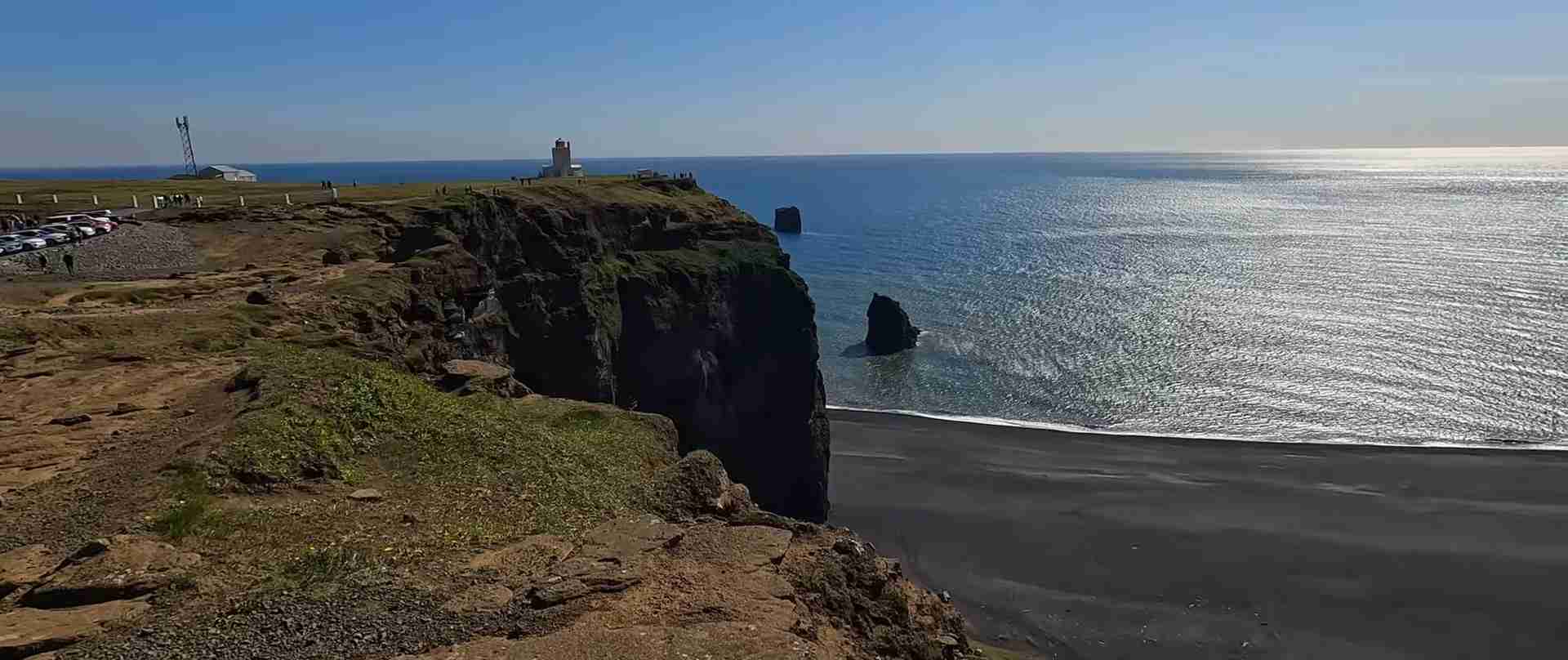
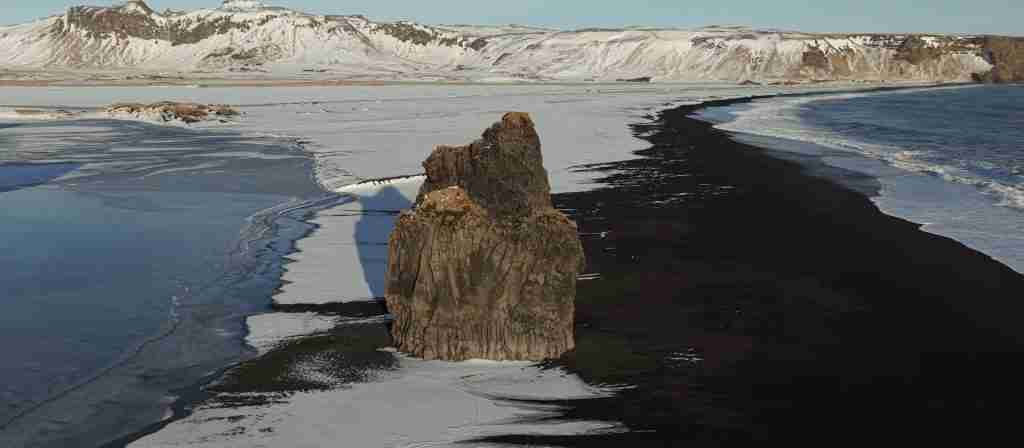
Reynisfjara black sand beach represents the South Coast’s most dramatic coastal feature, located near the village of Vík where the Ring Road approaches closest to the shoreline. The beach stretches along the base of steep cliffs, its volcanic black sand derived from pulverized basalt lava that has eroded over centuries. The main attraction is the Gardar basalt column formation—geometric hexagonal rock pillars formed by cooling lava that resemble ancient architecture and create a cathedral-like cave at the cliff base. Offshore, the Reynisdrangar sea stacks rise from the ocean as jagged peaks, which Icelandic folklore attributes to trolls caught by sunrise and turned to stone. Reynisfjara carries significant danger from “sneaker waves”—unexpectedly large swells that can sweep visitors into the freezing ocean—and tour guides provide strict safety briefings about maintaining distance from the waterline. The beach closes periodically during severe weather when wave conditions become too dangerous for visitors.
Vík í Mýrdal serves as the main service stop on South Coast tours, located 187 kilometers from Reykjavik at Iceland’s southernmost point. This village of approximately 300 permanent residents sits beneath dramatic coastal cliffs topped by the picturesque white Víkurkirkja church, which offers sweeping views across Reynisfjara beach and the surrounding volcanic landscape. Tour buses allocate 30-45 minutes in Vík for lunch purchases at local restaurants (the Halldórskaffi café and N1 gas station are primary options), restroom breaks, and souvenir shopping for Icelandic wool products at the Icewear outlet store. The village also provides the last significant services before the extended drive to Jökulsárlón for tours continuing eastward, making it a critical planning stop for longer itineraries.
Jökulsárlón glacier lagoon, included only on extended South Coast tours, sits 380 kilometers from Reykjavik near the southeastern edge of Vatnajökull National Park. This glacial lake formed as the Breiðamerkurjökull glacier retreated, creating a 25-square-kilometer lagoon filled with icebergs that calve from the glacier terminus and drift toward the ocean outlet. The lagoon depth reaches 250 meters in some areas, making it Iceland’s deepest lake despite forming only in the past 80 years as glacial retreat accelerated. Tour stops at Jökulsárlón typically last 30-45 minutes for walking along the shore, photographing the blue-tinted icebergs and ice formations, and watching for seals that frequent the lagoon. Adjacent Diamond Beach provides contrast where smaller ice chunks wash onto the black volcanic sand, creating striking compositions of translucent ice against dark backgrounds that attract photographers worldwide.
The route between major stops provides continuous visual interest with changing landscapes every few kilometers. Tours pass the Eyjafjallajökull volcano (famous for its 2010 eruption that disrupted European air travel for weeks), vast black sand plains created by glacial outwash, moss-covered lava fields that glow green in summer months, and numerous smaller waterfalls cascading from roadside cliffs. Guides point out geographical features, explain volcanic and glacial formation processes, share Icelandic folklore about trolls and hidden people associated with rock formations, and provide historical context about settlement patterns and farming challenges in this harsh but beautiful environment.
South Coast Day Tour Options 2026: Pricing and Itineraries
Classic South Coast day tours from Reykjavik in 2026 cost ISK 16,990-30,000 ($120-210) per person depending on operator, group size, and vehicle type, with tours departing daily year-round at 8:00-9:00 AM and returning around 6:00-7:00 PM. These 10-11 hour experiences follow the standard route covering Seljalandsfoss, Skógafoss, Sólheimajökull glacier viewpoint, Reynisfjara beach, and Vík village, with 4-5 major stops and total driving time of approximately 4-5 hours split between outbound and return journeys. The tour price includes hotel pickup from designated Reykjavik locations, professional guide services in English, onboard WiFi and USB charging, and admission to natural sites (which are free in Iceland, though some locations charge ISK 750-1,500 for parking).
Budget-friendly standard coach tours represent the most economical option at ISK 16,990-19,990 ($120-140) per person, operating with larger group sizes of 30-50 passengers in full-size coaches. Operators like Reykjavik Excursions and Gray Line Iceland run these tours with experienced drivers who also serve as guides, making regular stops at all major South Coast attractions but with less flexibility for extended photo sessions due to larger group coordination requirements. The larger buses provide comfortable seating with individual screens showing route information and Icelandic facts, though the experience feels more structured with set timing at each location. These tours deliver excellent value for travelers prioritizing affordability and comprehensive site coverage over intimate group dynamics.
Premium small-group minibus tours cost ISK 22,000-30,000 ($155-210) per person and limit capacity to maximum 19 passengers for more personalized experiences. Operators like BusTravel Iceland, Your Day Tours, and GeoIceland run luxury Mercedes-Benz Sprinter minibuses with premium features including leather seating, panoramic windows, advanced climate control, and dedicated guide separate from the driver. The smaller group size allows more flexibility for spontaneous photo stops, extended time at locations when weather cooperates, and better access to guide expertise for questions about Icelandic geology, history, and culture. These tours attract travelers willing to pay 30-40% more for enhanced comfort, better guide interaction, and the ability to reach viewpoints where full-size coaches cannot park.
Tour operators provide detailed pickup schedules listing specific hotels and designated bus stops across Reykjavik, with collection beginning 30 minutes before official departure time. Major hotels in downtown Reykjavik typically serve as official pickup points, while guests at smaller guesthouses or Airbnb rentals must walk to the nearest designated stop. The pickup process adds 20-30 minutes to the total tour duration as buses circuit through the capital collecting passengers before heading to the South Coast. Drop-off follows the same route in reverse, with passengers returned to their original pickup locations between 6:00-7:00 PM depending on traffic and weather conditions that may extend driving time.
Meal arrangements on South Coast day tours follow a standard pattern across operators: lunch is not included in the tour price, with buses stopping in Vík for 30-45 minutes where passengers purchase food independently at local restaurants or the N1 gas station. Lunch costs range ISK 2,000-4,000 ($14-28) for hot meals like fish and chips, burgers, or traditional Icelandic lamb soup at restaurants, or ISK 800-1,500 ($6-11) for sandwiches and snacks at the gas station convenience store. Tour guides recommend bringing packed lunches for budget-conscious travelers, as all tour buses provide adequate storage space and some vehicles have refrigerated compartments for perishables. The lunch stop also serves as the primary restroom break, though most waterfall locations have basic toilet facilities available.
Weather contingency planning is built into all South Coast tour operations, with guides monitoring conditions throughout the day and adjusting itineraries as needed for passenger safety. High winds at Reynisfjara beach may force closure or shortened visit duration, ice conditions can prevent access behind Seljalandsfoss waterfall even in summer if late-season freezing occurs, and severe storms occasionally require tour cancellation or significant route modifications. Reputable operators contact passengers the evening before departure if weather forecasts indicate likely cancellations, and all major companies offer full refunds or free date changes when tours cannot operate safely. This flexibility is essential for Iceland travel planning, as South Coast weather changes rapidly and conditions can deteriorate within hours even during summer months.
Photography opportunities rank as a primary motivation for South Coast tours, and guides allocate sufficient time at each stop for capturing iconic shots. Skógafoss waterfall benefits from morning light for rainbow photography when conditions permit, Reynisfjara’s basalt columns photograph well in overcast conditions that enhance the dramatic dark tones, and Seljalandsfoss offers unique behind-the-falls perspectives unavailable at any other major Icelandic waterfall. Tour guides offer photo tips, point out optimal vantage points, and assist with group photos at scenic locations. Travelers should bring weather-sealed camera equipment or protective covers, as spray from waterfalls can damage unprotected electronics, and Iceland’s frequent rain requires waterproof camera bags for equipment protection during outdoor stops.
Extended South Coast Tours to Jökulsárlón Glacier Lagoon 2026
Extended South Coast tours reaching Jökulsárlón glacier lagoon and Diamond Beach in 2026 cost ISK 25,000-40,000 ($175-280) per person for the 14-15 hour day trip covering 380 kilometers each direction from Reykjavik. These marathon tours depart earlier at 7:00-8:00 AM to maximize daylight for the extended drive and return around 9:00-10:00 PM, making them feasible only during summer months (May-September) when Iceland has 16-21 hours of daylight. Winter versions exist but face severe time constraints, departing in darkness, reaching Jökulsárlón during the brief midday light window, and returning in darkness—an exhausting experience that many travelers find disappointing.
The route to Jökulsárlón follows the standard South Coast stops for the first 200 kilometers (Seljalandsfoss, Skógafoss, Reynisfjara) but reduces time allocation at each location to approximately 15-20 minutes instead of the 30-40 minutes provided on classic tours. After Vík, the tour continues eastward through increasingly remote landscapes, passing extensive black sand plains created by glacial outwash from Mýrdalsjökull and Vatnajökull, crossing numerous single-lane bridges over glacial rivers, and viewing the massive ice cap dominating the northern horizon. This section of Route 1 sees less traffic and offers raw, untouched volcanic scenery that contrasts with the more developed western South Coast region.
Jökulsárlón glacier lagoon provides the tour’s climax, with 30-45 minutes allocated for walking the shoreline, viewing icebergs drifting in the lagoon, photographing the blue-tinged ice formations, and watching for seals that frequent the area year-round. The lagoon connects to the ocean through a narrow channel where icebergs slowly drift toward the sea, and the constant calving from the Breiðamerkurjökull glacier ensures new ice continuously replenishes the lagoon despite melting and ocean transport. Tour guides explain glacial formation processes, discuss climate change impacts on glacier retreat (visible in old photographs showing the glacier extending much farther than current positions), and provide folklore about the lagoon’s relatively recent formation in the mid-20th century.
Diamond Beach sits directly across Route 1 from Jökulsárlón, where smaller ice chunks wash ashore on the black volcanic sand beach after floating through the lagoon outlet to the ocean and returning with wave action. The contrast of translucent ice against jet-black sand creates dramatic photographic compositions, particularly during golden hour lighting when the sun illuminates the ice from low angles. Tours allocate 15-20 minutes at Diamond Beach, which is sufficient for walking the shoreline and photographing the ice formations, though photographers often wish for more time at this location during optimal lighting conditions. The beach is fully accessible with parking immediately adjacent, making it an easy stop despite the tour’s tight timeline.
Lunch stops on Jökulsárlón tours typically occur in Vík (outbound) or at service areas near Kirkjubæjarklaustur, with similar 30-45 minute allocations and ISK 2,000-4,000 ($14-28) meal costs at local restaurants. Some operators provide a second brief snack stop near Jökulsárlón at the Hali Country Hotel or similar locations, allowing passengers to stretch legs during the long driving segments and purchase refreshments or use restroom facilities. The extended driving time (6-7 hours total between Reykjavik and Jökulsárlón round-trip) makes these rest stops essential for passenger comfort on tours that can exceed 15 hours from pickup to drop-off.
Tour operators running Jökulsárlón extensions explicitly warn passengers about the demanding nature of these marathon day trips, recommending them only for travelers comfortable with long bus rides and willing to sacrifice detailed exploration time at individual stops for the benefit of reaching Iceland’s most famous glacier lagoon within a single day. The alternative—breaking the journey into a 2-3 day South Coast itinerary with overnight accommodation—allows more relaxed pacing, better photo opportunities at all locations, and the possibility of Northern Lights viewing during winter months when staying in countryside hotels away from Reykjavik light pollution.
Private South Coast Tours 2026: Customization and Pricing
Private South Coast tours from Reykjavik in 2026 cost ISK 220,000-350,000 ($1,550-2,460) total for groups of 1-6 passengers, providing exclusive use of a vehicle with dedicated driver-guide and complete itinerary flexibility. These premium experiences appeal to travelers wanting customized schedules, extended time at specific locations, stops at lesser-known spots off the standard tour circuit, and the intimacy of exploring without 15-50 other tourists at each attraction. The per-person cost becomes competitive with group tours when splitting among 4-6 travelers, making private options attractive for families, friend groups, or couples seeking a more personalized Iceland experience.
Private tour vehicles range from luxury Mercedes V-Class minivans (1-6 passengers) to modified Land Cruisers for adventure-focused itineraries requiring off-road capability. Operators like Wake Up Reykjavik, Southcoast Adventure, and Arctic Adventures run private tour divisions with experienced guides who tailor the day to group preferences. Departure times are flexible between 8:00 AM-12:00 PM depending on client preference, and return timing can extend into evening if desired (particularly valuable during summer months with long daylight for photography sessions at optimal lighting hours). The private guide provides undivided attention, answering questions throughout the journey and sharing insider knowledge about Icelandic culture, geology, and hidden viewpoints that group tour guides cannot access with large buses.
Itinerary customization represents the primary advantage of private tours, allowing groups to spend 90 minutes photographing Seljalandsfoss from multiple angles if desired, skip locations that don’t interest them, add stops at waterfalls not included on group tours (like Kvernufoss near Skógafoss), or extend the route to include Fjaðrárgljúfur canyon or other South Coast highlights that standard itineraries exclude. Photography-focused private tours can arrange sunrise departures for optimal light at waterfalls, allocate extended time at locations during golden hour, and access viewpoints requiring short hikes that group tours cannot accommodate within their tight schedules.
Private tour pricing follows tiered structures based on itinerary complexity and duration. The base ISK 220,000 ($1,550) rate covers the classic South Coast circuit (Seljalandsfoss, Skógafoss, Reynisfjara, Vík) within 10 hours, while extensions to Jökulsárlón add ISK 50,000-80,000 ($350-560) for the additional driving time and extended day length required for the 760-kilometer round-trip. Activity add-ons like glacier hiking, ice cave tours, or snowmobiling carry separate fees paid directly to activity providers, with private tour guides coordinating bookings and timing to integrate these experiences seamlessly into the day’s schedule.
Pickup arrangements for private tours offer greater flexibility than group tours, with guides collecting passengers directly from any Reykjavik accommodation including hotels, guesthouses, Airbnb rentals, or even Keflavík Airport for travelers arriving on morning flights who want to maximize their Iceland time. This door-to-door service eliminates the 20-30 minute pickup circuit required for group tours and allows immediate departure to the South Coast. Vehicles come equipped with WiFi, USB charging ports, complimentary water, and often Icelandic snacks, creating a comfortable base for the day’s exploration.
Meal flexibility on private tours allows groups to choose lunch locations based on preferences and timing, whether that means extended dining at quality restaurants in Vík, quick stops at gas stations to maximize sightseeing time, or skipping formal lunch entirely in favor of snacking while driving to reach Jökulsárlón during optimal afternoon light. Private guides often share recommendations for best local restaurants, authentic Icelandic food experiences, and budget-friendly options depending on group priorities.
Booking private South Coast tours requires 2-4 weeks advance notice during peak summer season (June-August) when operator calendars fill with reservations, while shoulder seasons (April-May, September-October) and winter months (November-March) typically allow booking with 1-2 weeks notice or sometimes next-day availability. Operators quote final prices based on group size, desired itinerary, departure date, and any special requests, with deposits of 25-50% required to confirm reservation and balance due 24-48 hours before tour date. Cancellation policies for private tours are more restrictive than group tours, often requiring 7-14 days notice for full refund versus the 24-hour standard for group experiences.
Multi-Day South Coast Tours 2026: Comprehensive Itineraries
Multi-day South Coast tours in 2026 range from 2-4 day itineraries priced at ISK 103,000-200,000 ($725-1,405) per person including accommodation, breakfast, guided transportation, and major attractions. These extended experiences divide the South Coast journey into relaxed daily segments, typically combining the region with Golden Circle attractions, allowing overnight stays in countryside hotels for optimal Northern Lights viewing (winter), and providing time for optional activities like glacier hiking, ice cave exploration, or horseback riding that single-day tours cannot accommodate within their tight schedules.
The classic 2-day South Coast tour structure allocates Day 1 to the Golden Circle route (Þingvellir National Park, Geysir geothermal area, Gullfoss waterfall) with overnight accommodation in the Hella or Hvolsvöllur area, then dedicates Day 2 to the South Coast waterfalls, beaches, and return to Reykjavik. This pacing allows 30-45 minutes at each major attraction versus the 15-20 minutes typical of marathon day tours, provides restaurant dining for meals rather than rushed gas station purchases, and splits the driving across two days for more comfortable travel. Accommodation is typically included at 3-star countryside hotels or guesthouses, with private rooms featuring ensuite bathrooms and breakfast buffets included in the tour price.
Three-day South Coast itineraries extend coverage to Jökulsárlón glacier lagoon without the exhausting single-day marathon drive, allocating Day 1 to Golden Circle attractions, Day 2 to the classic South Coast route with overnight near Vík or Kirkjubæjarklaustur, and Day 3 to Jökulsárlón and Diamond Beach before returning to Reykjavik. This structure provides adequate time at the glacier lagoon for optional boat tours among the icebergs (additional ISK 6,000-10,000 / $42-70 per person), ice cave exploration during winter months, or simply extended photography sessions without rushed schedules. Two nights of accommodation are included, typically at countryside hotels positioned for Northern Lights viewing opportunities during winter seasons when aurora activity peaks.
Pricing for multi-day South Coast tours in 2026 follows these approximate ranges: 2-day Golden Circle and South Coast tours cost ISK 75,000-110,000 ($525-775) per person based on double occupancy with one night accommodation included; 3-day South Coast and Jökulsárlón packages range ISK 103,000-150,000 ($725-1,055) per person with two nights accommodation; 4-day South Coast, Golden Circle, and Snæfellsnes Peninsula combinations reach ISK 150,000-200,000 ($1,055-1,405) per person with three nights accommodation. These prices include guided transportation in small-group minibuses (maximum 19 passengers), accommodation in private rooms at countryside hotels, daily breakfast, and admission to standard attractions, but exclude most lunches and dinners which passengers purchase independently at restaurants during tour stops.
Activity add-ons available within multi-day South Coast itineraries include glacier hiking on Sólheimajökull or Vatnajökull (ISK 12,000-20,000 / $85-140 per person for 3-hour experiences with equipment and guide), blue ice cave tours beneath Katla volcano or at Vatnajökull (ISK 18,000-30,000 / $125-210 per person for 2-3 hour explorations), snowmobiling on glacier surfaces (ISK 20,000-35,000 / $140-245 per person for 1-2 hour rides), and boat tours at Jökulsárlón glacier lagoon (ISK 6,000-10,000 / $42-70 per person for 30-45 minute zodiac or amphibious boat experiences among the icebergs). These activities require advance booking and carry additional costs beyond the base tour price, with operators coordinating timing to integrate them seamlessly into the multi-day schedule.
Accommodation quality in multi-day South Coast tours varies by price tier. Budget packages (ISK 75,000-100,000 per person) use simple countryside guesthouses with shared bathroom facilities or basic hotel rooms, while mid-range tours (ISK 100,000-150,000) provide private rooms with ensuite bathrooms at 3-star country hotels, and premium packages (ISK 150,000-200,000+) secure accommodation at superior properties with features like geothermal hot tubs, fine dining restaurants, and rooms with Northern Lights wake-up calls during winter. All multi-day tours include breakfast at accommodation, typically buffet-style with Icelandic breads, cheeses, cold cuts, eggs, cereals, and coffee.
Group sizes on multi-day South Coast tours mirror day tour structures, with standard packages using larger coaches (30-40 passengers) for economical pricing, while premium small-group versions limit capacity to 16-19 passengers in luxury minibuses for more personalized experiences and flexibility. The small-group format particularly benefits multi-day tours where participants spend extended time together, allowing better guide interaction, more flexible meal stops at quality restaurants rather than tourist-focused buffets, and the ability to adjust itinerary pacing based on group preferences and weather conditions.
Booking multi-day South Coast tours requires more advance planning than day tours, with operators recommending 4-8 weeks reservation lead time during peak summer season (June-August) when accommodation capacity in South Iceland becomes constrained. Winter multi-day tours (November-March) offer better availability with 2-4 weeks notice typically sufficient, though Christmas, New Year’s, and Northern Lights peak periods (September-October, February-March) see increased demand requiring earlier booking. Deposits of 25-30% secure reservations, with final payment due 14-30 days before tour departure depending on operator policy.
Top South Coast Tour Operators 2026: Comparison and Reviews
Reykjavik Excursions operates as Iceland’s largest and oldest tour company, founded in 1968 and running comprehensive South Coast tour schedules with daily departures year-round. Their standard South Coast tour (tour code RE15) costs approximately ISK 19,990 ($140) per person and uses modern coaches accommodating 40-60 passengers, with experienced Icelandic guides providing commentary in English. Reykjavik Excursions has achieved carbon-neutral certification through emission offset programs, operates a fleet of 80 vehicles ranging from minibuses to full-size coaches, and maintains the BSÍ Bus Terminal as their central departure point with organized pickup routes throughout Reykjavik. The company receives mixed reviews—praised for reliable operations, professional drivers, and competitive pricing, but criticized for large group sizes that reduce personal attention and create crowded experiences at attractions where 3-4 full buses may arrive simultaneously.
Guide to Iceland operates as a booking platform aggregating Iceland’s best local tour operators rather than running tours directly, offering South Coast day tours from multiple partner companies at ISK 16,990-28,000 ($120-195) per person depending on operator and group size. Their platform provides detailed tour comparisons, verified customer reviews averaging 4.5-4.8 stars across thousands of bookings, best price guarantee (price match if lower rate found elsewhere), and 24/7 English-language customer support for travelers. Guide to Iceland partners with reputable operators like Troll Expeditions, Arctic Adventures, and smaller boutique companies, allowing travelers to select tours based on group size preference, vehicle type, guide language options, and specific itinerary variations. The platform has won “Iceland’s Leading Travel Agency” at the World Travel Awards for eight consecutive years, establishing credibility as a trusted booking source for international visitors.
BusTravel Iceland specializes in small-group experiences with maximum 19 passengers on luxury Mercedes-Benz Sprinter minibuses, pricing their South Coast tour at ISK 16,990 ($120) per person with early booking discounts often available. The company emphasizes qualified, energetic guides who are Icelandic locals with extensive knowledge of the region’s geology, folklore, and history. BusTravel Iceland receives consistently high reviews for guide quality, comfortable vehicles with individual climate control, and well-paced itineraries that allocate adequate time at each stop without feeling rushed. Their departure point is flexible with hotel pickup throughout Reykjavik, and the small group size allows more spontaneous stops for photos when conditions permit. The company targets travelers seeking balance between affordability and enhanced experience quality compared to large coach tours.
Southcoast Adventure operates from the South Iceland region itself (headquartered in Hvolsvöllur) rather than Reykjavik, offering pickup services from the capital with additional fees of ISK 10,000 ($70) per person each direction, or allowing travelers to meet tours at the Hvolsvöllur departure point if they have rental cars and want to combine independent travel with guided experiences. The company runs super jeep tours for adventure-focused itineraries accessing highland areas and ice caves that standard tours cannot reach, alongside classic South Coast minibus tours. Southcoast Adventure receives excellent reviews for local expertise, small group sizes (typically 8-12 passengers maximum), and flexibility in customizing itineraries for private bookings. Their Katla ice cave tours have become particularly popular, offering year-round blue ice cave access beneath the Mýrdalsjökull glacier.
Troll Expeditions focuses on adventure tourism with small groups (maximum 19 passengers), offering South Coast day tours at ISK 22,000-25,000 ($155-175) per person with emphasis on active experiences and outdoor photography. Founded by Icelandic adventure enthusiasts, the company attracts travelers interested in combining sightseeing with optional glacier hiking, ice climbing, and other activities that can be added to base South Coast itineraries. Troll Expeditions guides tend to be younger, outdoors-focused professionals with expertise in glaciology, mountaineering, and photography, making the company popular with adventure travelers and those wanting deeper technical understanding of Iceland’s glacial and volcanic formations. Reviews praise the company for energetic guides, well-maintained equipment for activity add-ons, and attention to safety protocols during winter tours when conditions become challenging.
Arctic Adventures operates one of Iceland’s most comprehensive tour offerings, including multiple South Coast itineraries ranging from budget-friendly day tours (ISK 18,990 / $133 per person) to luxury small-group experiences (ISK 28,000 / $195 per person) and specialized photography tours with professional photographer guides. The company maintains strict environmental standards with carbon offset programs, sustainable tourism practices, and support for Icelandic conservation organizations. Arctic Adventures receives strong reviews for guide knowledge, vehicle comfort, and responsive customer service that handles booking changes and weather-related cancellations efficiently. Their multi-day South Coast packages particularly stand out, combining the region with Golden Circle attractions and offering superior accommodation options compared to budget competitors.
Selection criteria for choosing among South Coast tour operators should prioritize: group size preference (large coach economy versus small-group premium), guide language requirements (most operators provide English, some offer German, French, or Scandinavian languages), departure time flexibility, pickup location convenience, vehicle comfort features, and budget constraints. Reading recent customer reviews on independent platforms like TripAdvisor and Google helps identify operators with consistent service quality, as the Iceland tour market includes some substandard companies with inexperienced guides or poorly maintained vehicles. Booking through established platforms like Guide to Iceland, GetYourGuide, or Viator provides payment protection and customer support that direct booking may not offer, particularly valuable for international travelers unfamiliar with Icelandic consumer protection standards.
Seasonal Considerations for South Coast Tours 2026
Summer South Coast tours from June through August in 2026 operate under optimal conditions with 18-21 hours of daylight, warmest temperatures averaging 10-15°C (50-59°F), and full accessibility to all attractions including the path behind Seljalandsfoss waterfall. These months bring peak tourist season with largest crowds at major stops, higher tour prices reflecting demand, and booking competition requiring 3-4 weeks advance reservation for preferred dates and operators. Summer weather remains highly variable despite being the warmest season, with frequent rain, wind, and occasional fog that can obscure glacier views—waterproof clothing is essential regardless of forecast. The extended daylight allows evening departure options (some operators run late afternoon tours 2:00 PM-midnight during June-July) for travelers wanting to avoid morning crowds or who arrive on midday flights and want to begin exploring immediately.
Shoulder season tours during May and September offer excellent value proposition for South Coast exploration, combining moderate weather (temperatures 5-12°C / 41-54°F), significantly reduced crowds versus peak summer, lower tour prices often 15-25% below June-August rates, and 14-17 hours of daylight providing adequate time for comprehensive itineraries including Jökulsárlón extensions. May sees Iceland transitioning from winter to summer with melting snow creating enhanced waterfall flow, emerging green vegetation across the landscape, and migrating birds including puffins arriving at Reynisfjara cliffs. September offers autumn colors in the highlands visible during drives to Jökulsárlón, possibility of Northern Lights during evening hours as darkness returns, and stable weather windows between summer’s end and winter storm season onset. Path behind Seljalandsfoss typically remains open through September before closing for winter, and ice cave tours begin operating in mid-September as glacier conditions stabilize.
Winter South Coast tours from November through March face significant challenges but offer unique experiences including Northern Lights opportunities during evening return drives, ice formations enhancing waterfall beauty, and snow-covered landscapes creating dramatic black-and-white scenery. Daylight constraints severely limit tour options, with only 4-7 hours of light during December-January requiring tours to depart Reykjavik in darkness (8:00-9:00 AM), reach attractions during the midday light window (11:00 AM-3:00 PM), and return in darkness. This compressed timeline makes Jökulsárlón extensions impractical during deep winter, as the 380-kilometer drive each direction consumes most available daylight with minimal time for actual sightseeing at the lagoon. Winter weather brings road closures from severe storms, ice accumulation making waterfall approaches hazardous, and potential tour cancellations when safety cannot be guaranteed—operators contact passengers the evening before departure when forecasts indicate dangerous conditions.
Winter tour pricing varies significantly from budget options maintaining summer rates (ISK 16,990-19,990 / $120-140) to premium operators charging ISK 25,000-30,000 ($175-210) for winter departures reflecting increased risk, specialized driver expertise for ice conditions, and smaller group sizes due to reduced demand. Blue ice cave tours become available during winter months as glacier conditions stabilize, offering unique underground experiences beneath Katla or at Vatnajökull that summer visitors cannot access due to meltwater flooding cave systems. Winter South Coast tours suit travelers specifically seeking Northern Lights opportunities, dramatic winter landscapes, or off-season pricing on Iceland accommodation and flights, but frustrate those wanting comprehensive site coverage or extended time at attractions due to daylight limitations.
Spring season (April-May) represents Iceland’s most unpredictable period weather-wise, with conditions varying from winter storms with snow and ice to summer-like sunny days with temperatures reaching 15°C (59°F). South Coast tours operate daily during spring but face frequent itinerary adjustments as weather fluctuates—the path behind Seljalandsfoss may open and close multiple times as temperatures oscillate between freezing and thawing. Spring tour pricing sits between winter and summer rates at ISK 18,000-24,000 ($125-170) per person, offering better value than peak season while providing increasing daylight hours (13-17 hours by late May) that allow comprehensive itineraries. Late spring (mid-May through June) delivers optimal conditions for photography with low-angle light lasting throughout the day, melting snow creating maximum waterfall flow, and emerging vegetation adding color to landscapes that remain brown and dormant during winter months.
Autumn season (September-October) mirrors spring in offering transition conditions between summer and winter, with September often providing summer-like weather while October sees increasing storms and reduced daylight presaging winter’s arrival. September tours maintain near-summer pricing and availability, while October sees discounts of 20-30% as tourist numbers decline significantly. Early autumn (September) allows the full South Coast experience including Jökulsárlón access with comfortable weather and fewer crowds, while late autumn (October-November) faces growing challenges from early winter storms, shortened daylight (down to 9-10 hours by late October), and potential road closures affecting eastern South Coast regions. Northern Lights become visible from mid-September onward, making autumn tours attractive for travelers wanting combination sightseeing and aurora viewing without enduring deep winter cold and darkness.
Tour operators adjust seasonal itineraries to match conditions, sometimes adding alternative stops during winter when certain locations become inaccessible or reducing time at exposed coastal areas when wind conditions create safety concerns. This flexibility is essential for responsible tour operation in Iceland’s challenging environment, though it can frustrate travelers who have specific expectations about visiting particular attractions. Understanding seasonal trade-offs helps set realistic expectations—summer delivers comprehensive site access but requires tolerance for crowds and variable weather, while winter offers unique experiences but demands flexibility when weather forces itinerary changes or cancellations.
Booking South Coast Tours 2026: Strategy and Timing
Optimal booking timing for South Coast tours from Reykjavik varies by season, with summer peak period (June-August) requiring 3-4 weeks advance reservation to secure preferred operators, departure dates, and small-group tours that sell out earliest. Waiting until arrival in Reykjavik during summer often means accepting large coach tours with remaining availability rather than small-group experiences, or potentially finding no availability on desired dates if visiting during July when demand peaks. Shoulder seasons (April-May, September-October) allow more flexibility with 1-2 weeks advance booking typically sufficient, though popular tour types like small-group minibus experiences still benefit from earlier reservation to ensure availability.
Winter tours (November-March) generally have good availability due to reduced tourist numbers, allowing booking with 3-7 days notice or sometimes next-day reservation during periods outside Christmas, New Year’s, and Northern Lights peak weeks (February-March) when demand increases temporarily. However, winter booking requires psychological flexibility to accept potential cancellations when weather makes tour operation unsafe—operators typically provide 12-24 hours notice of cancellations, offering full refund or free date change to alternative days during the trip. Travelers should build extra days into Iceland winter itineraries to accommodate weather-related tour postponements without disrupting return flight schedules.
Direct booking versus platform booking presents trade-offs worth considering. Booking directly through tour operator websites sometimes offers 5-10% early bird discounts for reservations made 4-8 weeks in advance, and establishes direct communication with the company for questions or special requests. However, platforms like Guide to Iceland, GetYourGuide, and Viator provide payment protection through international credit card processing, customer service in multiple languages, consolidated booking confirmations for multiple tours, and often match or beat direct prices through volume agreements with operators. Platforms also aggregate reviews across multiple sources, helping travelers compare operators more easily than visiting individual company websites.
Cancellation policies vary significantly between operators and booking channels. Major operators like Reykjavik Excursions and Guide to Iceland partners offer free cancellation up to 24 hours before tour departure for full refund, providing flexibility for travelers whose Iceland plans change or who want to reschedule due to weather forecasts indicating poor conditions. Budget operators may impose stricter policies requiring 48-72 hours cancellation notice, and private tours typically require 7-14 days notice for full refund with shorter-notice cancellations forfeiting deposits. Reading cancellation terms carefully before booking protects against financial loss if plans change, particularly important for multi-day tours with accommodation included where operator costs increase compared to simple day tours.
Group booking considerations apply for families, friend groups, or organized travel parties seeking South Coast tours. Most operators provide group discounts starting at 6-8 passengers (typically 10-15% off per-person rates), and private tours become cost-competitive versus small-group tours when splitting costs among 4-6 travelers. Private options deliver significant value for groups wanting itinerary customization, flexible timing, or specific interests like photography that benefit from extended time at locations where group tours cannot accommodate prolonged stops. Requesting group quotes from multiple operators allows price comparison and negotiation leverage, particularly during shoulder seasons when operators have capacity to fill.
Payment methods accepted by Iceland tour operators include major credit cards (Visa, Mastercard, American Express with some companies), PayPal through booking platforms, and occasionally bank transfers for large group bookings or multi-day tour packages. Icelandic króna (ISK) is the standard transaction currency, though many operators display prices in USD or EUR for international customer convenience with conversion to ISK at checkout using current exchange rates. Credit cards offering travel insurance, trip cancellation coverage, or weather-related protection provide additional safety net for tour bookings, particularly valuable during winter months when cancellation probability increases due to storms and road closures.
Combination tour packages bundling South Coast experiences with Golden Circle day tours, Blue Lagoon visits, or Northern Lights excursions often deliver 10-20% savings versus booking tours separately. Operators and platforms promote these combinations particularly to first-time Iceland visitors whose primary interests align with the classic tourist circuit. Evaluating package value requires comparing combined price against individual tour costs, verifying that package components match desired itinerary preferences, and confirming departure schedules allow adequate recovery time between tours (scheduling South Coast and Golden Circle tours on consecutive days during winter creates very long 10-11 hour tour days that some travelers find exhausting).
Last-minute booking opportunities occasionally arise through platforms offering flash sales, operators with unsold capacity looking to fill tours 24-48 hours before departure, or travelers finding availability during unexpected gaps in their Iceland schedule. However, relying on last-minute availability risks disappointment during peak seasons or when weather conditions create backlog of tourists whose previous tours were cancelled and who receive priority rebooking before new reservations. Building South Coast tours into Iceland itinerary planning from initial trip design stage, rather than treating them as optional add-ons, ensures securing preferred experiences and avoids scrambling for alternatives after arrival.
What to Bring and Wear on South Coast Tours 2026
Waterproof outer layer clothing represents the single most critical item for South Coast tours from Reykjavik, as Iceland’s coastal weather produces frequent rain, mist from waterfalls, and ocean spray at Reynisfjara beach regardless of season or forecast. A quality waterproof jacket with sealed seams and hood provides essential protection during stops at Seljalandsfoss (where walking behind the falls drenches visitors in spray), Skógafoss (where approaching the waterfall base means walking through constant mist), and Reynisfjara beach (where wind-driven ocean spray can soak clothing within minutes). Budget rain jackets with water-resistant treatment rather than full waterproof construction fail quickly in Iceland conditions—invest in proven outdoor brands with waterproof ratings of 10,000mm or higher for reliable protection throughout the tour day.
Layered clothing system allows adaptation to Iceland’s rapidly changing conditions, where temperatures can fluctuate 10°C (18°F) within hours as weather systems move through. Base layer of merino wool or synthetic thermal underwear provides warmth without bulk, mid-layer fleece or down jacket adds insulation that can be removed when bus heating makes interior temperature comfortable, and outer waterproof shell blocks wind and rain while allowing moisture vapor to escape. Avoid cotton clothing that absorbs moisture and loses insulating properties when wet—synthetic or wool materials maintain warmth even after getting damp from waterfall spray or rain. Summer visitors need lighter layers than winter travelers but still require fleece or warm sweater for wind-exposed locations like Reynisfjara beach where temperatures feel significantly colder than inland areas due to ocean breeze.
Waterproof hiking boots with good ankle support and aggressive tread patterns provide essential footwear for navigating wet rocks at waterfall bases, walking across Reynisfjara’s uneven black sand, and maintaining stability on potentially icy surfaces during winter tours. Running shoes or casual sneakers prove inadequate for South Coast conditions, offering insufficient water resistance and traction for the varied terrain encountered at tour stops. Boots should be broken in before the tour—new footwear can cause blisters during the 10-11 hours of intermittent walking throughout the day. Waterproof gaiters add extra protection preventing water from entering boot tops when walking through wet grass or shallow puddles near waterfalls.
Winter-specific clothing additions include warm hat covering ears, waterproof gloves (two pairs recommended—one to wear while the other dries), neck gaiter or scarf, and possibly hand/toe warmers for extremely cold days when temperatures drop below -5°C (23°F). Winter boots require insulation beyond standard hiking boots, with ratings appropriate for sustained periods standing on ice or snow while viewing attractions. Crampons or ice cleats that attach to boot soles provide crucial safety equipment for winter South Coast tours, preventing slips on icy pathways at Skógafoss staircase or frozen ground near Reynisfjara. Some operators provide crampons for winter tours, but travelers should verify availability before departure or purchase simple rubber-strap designs that fold small for packing.
Waterproof camera protection becomes essential for photography enthusiasts wanting to capture Iceland’s waterfalls and coastal scenery. Rain covers for cameras and lenses shield expensive equipment from destructive moisture, lens cloths allow cleaning water droplets between shots, and waterproof camera backpacks provide secure transport during walks from tour bus to attraction viewpoints. Smartphone users should employ waterproof cases or at minimum keep phones in sealed plastic bags when not actively taking photos, as Iceland’s moisture damages unprotected electronics over time. Bring extra batteries or external charging banks, as cold temperatures drain battery life faster than normal conditions and tour buses may have limited charging port availability with 15-19 passengers needing access.
Snacks and water bottles optimize comfort during long tour days where lunch is the only scheduled meal stop. Many travelers find themselves hungry during mid-morning or mid-afternoon segments between breakfast and lunch or lunch and return to Reykjavik, and having trail mix, energy bars, or fruit available prevents energy crashes. Reusable water bottles can be filled at tour stops (Iceland’s tap water is excellent quality everywhere), reducing expense and plastic waste from purchasing drinks at tourist prices. Tour operators appreciate passengers who bring minimal trash and practice leave-no-trace principles by packing out all waste rather than leaving items at natural attraction sites.
Sun protection seems counterintuitive for Iceland’s often-overcast conditions but becomes essential during summer months when long daylight hours expose skin to UV radiation even through cloud cover. Sunglasses protect eyes from bright light reflecting off water, ice, and snow, and reduce eye strain during hours of varied lighting conditions encountered throughout the tour day. Sunscreen with high SPF prevents burns during extended outdoor time, particularly at elevation near glaciers where UV intensity increases and reflected light from ice surfaces doubles exposure. Lip balm with SPF prevents painful chapping from combined sun, wind, and dry air that characterizes Iceland’s climate year-round.
Motion sickness medication benefits passengers prone to car sickness, as Route 1 along the South Coast includes winding sections with curves and elevation changes that can trigger nausea in susceptible individuals. Taking medication 30-60 minutes before tour departure prevents symptoms more effectively than waiting until nausea begins. Sitting in front sections of tour vehicles also reduces motion sickness compared to rear seats where vehicle motion amplifies.
Small daypack or backpack (20-30 liter capacity) provides convenient hands-free storage for layers that get removed as temperature fluctuates, camera equipment, snacks, water, and purchased souvenirs from Vík shops. Avoid large backpacks or rolling luggage as tour buses have limited storage space and attractions require walking where wheeled bags become cumbersome. Most tour vehicles offer overhead storage or under-seat compartments for small bags, making compact packs more practical than larger luggage.
Photography Tips for South Coast Tours 2026
South Coast tours from Reykjavik deliver some of Iceland’s most iconic photography opportunities, with waterfalls, black sand beaches, glaciers, and dramatic coastal scenery appearing in sequence throughout the day. Understanding optimal camera settings, composition techniques, and timing strategies maximizes photographic results during the limited time allocated at each stop (typically 20-40 minutes per location). Tour guides generally accommodate photographers by pointing out best vantage points, allowing slightly extended time when schedules permit, and offering to capture group photos at scenic locations so everyone appears in some images.
Skógafoss waterfall photographically benefits from morning light (approximately 9:00-11:00 AM arrival time on most tours) when sun angle creates rainbow formation in the waterfall spray on clear days. Positioning yourself perpendicular to sun direction (roughly 90 degrees from sun’s position) enhances rainbow visibility, and including foreground elements like rocks or vegetation adds depth to compositions. The staircase leading to the top viewing platform allows elevated perspectives showing the waterfall from above with the coastal plain and ocean visible in background—this vantage point particularly suits wide-angle lenses capturing the dramatic vertical drop and surrounding landscape context. Faster shutter speeds (1/500 second or higher) freeze individual water droplets, while slower speeds (1/4 to 2 seconds) create smooth, silky water flow effects requiring tripod for sharp results.
Seljalandsfoss offers unique behind-the-falls photography when the walking path is open (typically May-September depending on ice conditions), creating opportunities for shots framing the surrounding landscape through the water curtain. Wide-angle lenses (16-24mm range) capture both the falling water and the view beyond, while protecting camera equipment from heavy spray requires careful positioning and quick shooting between wave surges of mist. Waterproof camera housing or simple plastic bag protection prevents water damage to electronics. Alternative perspectives from the front of Seljalandsfoss work well during winter when the rear path closes, with early afternoon light (12:00-2:00 PM) often providing better illumination than morning hours when the falls remain in shadow from surrounding cliffs.
Reynisfjara black sand beach delivers dramatic monochromatic compositions where the contrast of black sand, white wave foam, dark basalt columns, and gray sky creates natural black-and-white imagery even in color photographs. Overcast conditions surprisingly enhance beach photography by providing even lighting without harsh shadows, allowing detail capture in both dark sand and brighter sky areas without exposure compromise. Long exposure photography (30 seconds to several minutes using neutral density filters) smooths wave motion into ethereal mist flowing around the Reynisdrangar sea stacks, creating dreamy seascapes popular in Iceland photography portfolios. However, long exposures require careful tripod placement above the high-water mark to prevent equipment damage from sneaker waves, and photographers should never become so focused on camera settings that they ignore ocean conditions and wave approach.
Glacier viewpoints like Sólheimajökull benefit from telephoto lenses (70-200mm or longer) that compress perspective and emphasize the ice formations, crevasses, and blue color tones visible in the glacier surface. Midday light (11:00 AM-2:00 PM) penetrates crevasses revealing the deep blue ice that forms under pressure, while morning and evening hours create longer shadows that emphasize surface texture and dimension. Polarizing filters reduce glare from ice and water surfaces, enhance sky color, and improve overall contrast in glacier photographs. The glacial lagoon at Sólheimajökull’s terminus offers foreground elements of floating ice chunks that add interest to compositions beyond simple distant glacier views.
Jökulsárlón glacier lagoon presents complex photography challenges due to bright ice reflecting intense light that can fool camera light meters into underexposure, causing the icebergs to appear gray rather than brilliant white or blue. Slight positive exposure compensation (+0.5 to +1.0 stops) prevents this underexposure while avoiding blowing out highlights in the ice. Golden hour lighting (within two hours of sunrise or sunset during summer months) creates warm color casts on ice faces and dramatic skies, though summer South Coast tours typically reach Jökulsárlón during midday when lighting is less optimal. Diamond Beach benefits from low-angle light making the ice chunks glow when backlit by sun, creating the diamond effect that gives the location its name—unfortunately, tour schedules rarely align with optimal light unless booking private tours with custom timing.
Weather-sealed camera equipment proves valuable for South Coast photography given Iceland’s frequent rain and moisture, but many photographers successfully shoot with non-sealed cameras by using protective rain covers, working quickly during breaks in weather, and thoroughly drying equipment each evening. Lens cleaning cloths become essential for removing water droplets between shots, and bringing multiple cloths allows switching to dry options when the first becomes saturated. Memory cards with fast write speeds prevent buffer delays when shooting bursts of wave action or waterfall sequences, and bringing adequate card capacity (64GB minimum, 128GB+ recommended) ensures not running out of storage during extended tour days.
Tripod use on South Coast tours creates practical challenges due to space constraints on tour buses and time limitations at stops, but serious photographers find value in lightweight travel tripods that fold small for transport. Tour guides sometimes allow photographers brief periods separated from the main group to set up tripods for specific shots, particularly at locations like Reynisfjara beach where the group naturally spreads out rather than clustering at a single viewpoint. Carbon fiber tripods offer strength with minimal weight, important when carrying equipment during 10-11 hour tour days with significant walking between parking areas and attraction viewpoints.
Smartphone photography capabilities have improved dramatically in recent years, with modern flagship phones producing excellent results for South Coast scenery in good light conditions. However, phones struggle with the extreme dynamic range encountered in Iceland (bright ice against dark volcanic rock), long exposure photography requiring manual shutter control, and telephoto reach for distant glacier details. Dedicated cameras maintain advantages for serious photography, but casual shooters find phones adequate for vacation documentation and social media sharing, particularly when using HDR mode for high-contrast scenes and portrait mode for separation between subjects and backgrounds.
Backup batteries and charging solutions become crucial for photography-focused South Coast tours where cold temperatures drain battery life faster than normal conditions. Keeping spare batteries in inside jacket pockets maintains warmth and performance, while depleted batteries often recover some capacity after warming up. Bringing 2-3 spare batteries for camera body and 1-2 for each lens (if applicable) prevents missing photo opportunities due to power exhaustion. Tour buses typically provide limited USB charging ports, but relying on vehicle charging during the day proves unreliable given competition from 15-19 passengers potentially needing access simultaneously.
Safety Considerations and Common Challenges 2026
Reynisfjara black sand beach represents the most significant safety hazard on South Coast tours from Reykjavik, with “sneaker waves”—unexpectedly large swells that can reach 50+ meters beyond normal wave lines—causing deaths and near-drownings of tourists who venture too close to the waterline. The Atlantic Ocean off Iceland’s south coast generates powerful wave patterns that appear calm for extended periods before sudden large sets arrive without warning, sweeping people off their feet and into water cold enough to cause hypothermia within minutes. Tour guides provide strict safety briefings before allowing beach access, establish clear safe zones marked by distance from water, and monitor conditions throughout stops to ensure passenger compliance with safety instructions.
The beach’s danger stems from its geography—a steep underwater shelf causes waves to break with tremendous force very close to shore, while the black sand’s fine texture provides no stable footing for people caught by wave surge. Warning signs posted at beach access points show pictograms of waves sweeping people away, but tourists often underestimate the risk when ocean appears calm. Tour guides remain vigilant for passengers wandering too close to water while focused on photography or selfies, and responsible operators enforce distance requirements even if passengers complain about restricted access. Several tourists die at Reynisfjara annually despite warnings, making safety compliance crucial for surviving this beautiful but deadly location.
Winter ice conditions create hazards at waterfall viewing areas where mist freezes overnight on walkways and staircases, creating extremely slippery surfaces that cause falls and injuries. The 527-step staircase at Skógafoss becomes particularly treacherous during winter months, with ice accumulation sometimes forcing closure when conditions exceed safe climbing limits even with crampons. Tour operators should provide ice cleats or crampons for winter departures, but travelers should verify availability before booking and bring personal equipment if uncertain. Walking near waterfall bases requires careful foot placement on wet rocks that remain slippery year-round regardless of ice presence, with sturdy boots providing far better traction than casual footwear.
Weather deterioration during tours occasionally creates situations where itineraries must be modified or truncated for passenger safety, with guides monitoring conditions and making real-time decisions about continuing to planned stops or returning to Reykjavik early. South Coast weather can shift from calm to severe within 30-60 minutes as storm systems move rapidly across the North Atlantic, bringing high winds that make beach access dangerous, rain that reduces visibility on roadways, or snow that creates slippery road conditions requiring slower driving speeds. Professional tour operators prioritize safety over tourist satisfaction when weather crosses danger thresholds, accepting passenger disappointment rather than risking accidents or injuries by continuing into deteriorating conditions.
Road conditions along Route 1 during winter require experienced drivers familiar with ice driving techniques, particularly on sections where glacial wind patterns create sudden ice patches on otherwise clear pavement. The stretch between Vík and Kirkjubæjarklaustur frequently experiences strong crosswinds that can push vehicles sideways, requiring constant steering correction and reduced speeds. Tour operators employ drivers with specialized winter driving certification and equip vehicles with studded tires from November through March, but occasional severe storms make roads impassable requiring tour cancellation despite best equipment and driver expertise.
Hypothermia risk exists year-round on South Coast tours due to combination of wind, moisture, and temperatures that can drop quickly when weather systems arrive. Wet clothing loses insulating properties, wind removes body heat through convection, and cold temperatures prevent effective recovery without dry clothing and warm shelter. Travelers experiencing early hypothermia symptoms (intense shivering, loss of coordination, confusion) should immediately inform tour guides who carry emergency equipment including space blankets and extra warm layers. The danger increases during winter months but summer visitors also face risk when inadequately dressed for Iceland’s conditions—bringing proper layered clothing and waterproof protection prevents hypothermia even during extended exposure to rain and wind.
Medical emergencies during South Coast tours face challenges due to distance from Reykjavik hospitals and limited medical facilities in rural South Iceland areas. Tour guides carry first aid kits and receive training in basic emergency response, but serious medical issues require ambulance transport to Selfoss or Reykjavik hospitals which can take 1-3 hours from eastern South Coast locations. Travelers with known medical conditions should inform tour operators during booking and carry necessary medications plus extras in case tours extend beyond scheduled return time due to weather or traffic delays. Travel insurance with emergency medical coverage provides crucial financial protection for ambulance transport and hospital treatment costs not covered by European Health Insurance Cards or US health insurance policies.
Motion sickness affects some passengers during South Coast tours due to winding road sections, bus motion, and extended driving time accumulating throughout the 10-11 hour day. Sitting in front sections of vehicles reduces motion perception, taking medication before departure prevents symptoms, and having bags available for illness episodes protects against messy situations. Tour operators appreciate passengers who discreetly inform guides about motion sickness needs rather than suffering in silence, allowing guides to make accommodation like extra fresh air breaks or optimal seat placement.
Lost or separated passengers occasionally occur at busy attraction stops when large tour groups mix with multiple other tours arriving simultaneously, creating confusion about which bus belongs to which group. Tour operators use distinctive vehicle markings, provide meeting time reminders before each stop, and conduct headcounts before departing, but passengers should note bus license plate numbers, tour company name, and guide phone number in case separation occurs. Arriving late to bus departure after allocated stop time has ended creates problems for entire group waiting while guide searches for missing passengers, making punctual return from stops respectful courtesy toward other travelers.
Alternative South Coast Exploration Options 2026
Self-drive South Coast exploration offers complete itinerary flexibility and cost savings for groups of 2-4 travelers compared to organized tours, with rental car costs ranging ISK 8,000-15,000 ($55-105) per day for compact vehicles plus fuel expenses of approximately ISK 5,000-7,000 ($35-50) for the round-trip journey to Vík and return. Self-driving allows extended time at preferred locations, departure timing matching personal schedule rather than fixed tour hours, and ability to visit lesser-known stops like Kvernufoss waterfall (hidden cascade near Skógafoss) or Fjaðrárgljúfur canyon that tours typically exclude. However, self-drive requires comfort with Icelandic driving conditions including sudden weather changes, limited roadside assistance in remote areas, navigation without cellular coverage in some regions, and winter challenges of ice driving without professional driver expertise.
Rental car selection for South Coast self-drive should prioritize fuel efficiency over size for budget-conscious travelers, as Route 1 remains paved and well-maintained requiring no special off-road capability. Compact cars like Toyota Yaris or Volkswagen Polo provide adequate comfort for two passengers with luggage, while groups of 3-4 benefit from midsize vehicles like Toyota Corolla or Hyundai Tucson offering more space. Four-wheel-drive vehicles are not necessary for classic South Coast route to Vík during summer months, but become valuable for winter travel providing better traction on ice and snow plus increased ground clearance for unpredictable road conditions. Comprehensive insurance coverage with gravel protection, sand and ash damage coverage, and wind damage protection provides essential financial security given Iceland’s harsh environment that can damage vehicles in ways unexpected to international visitors.
Navigation for self-drive South Coast travel follows straightforward Route 1 eastward from Reykjavik, with clear signage directing to major attractions like Seljalandsfoss and Skógafoss visible from the main highway. Offline GPS maps downloaded before departure prevent navigation failures when cellular coverage disappears in remote sections, and road.is website provides current road condition updates critical for winter travel planning. Fuel station spacing along Route 1 requires strategic planning, with N1 stations at Selfoss (70 kilometers from Reykjavik), Hvolsvöllur (106 kilometers), and Vík (187 kilometers) serving as primary refueling points—winter travelers should refuel at Selfoss and Vík rather than risking fuel depletion if weather forces extended detours or delays.
Parking at South Coast attractions ranges from free roadside pullouts (Seljalandsfoss, some glacier viewpoints) to paid facilities charging ISK 750-1,500 ($5-11) at popular stops like Reynisfjara beach and Skógafoss. Payment machines accept credit cards and Icelandic currency, with some locations requiring exact change. Parking lots fill rapidly during peak summer months (11:00 AM-4:00 PM daily), particularly at Skógafoss where limited capacity creates overflow onto roadside shoulders that receive parking fines from authorities. Arriving at major attractions before 10:00 AM or after 5:00 PM avoids worst crowding and provides easier photography without dozens of other tourists in frame.
Guided private car tours combine self-drive flexibility with professional guide expertise, where travelers hire experienced Icelandic guides who drive client rental cars or their own vehicles along customized South Coast routes. These arrangements cost ISK 80,000-150,000 ($560-1,055) for full-day guidance covering 8-12 hours, providing personalized attention, deep local knowledge, and photography assistance impossible on group tours. Private guides access hidden locations known only to locals, adjust timing to match optimal light conditions for photography, and provide in-depth geological explanations at formations that interest specific clients. This option suits serious photographers, geology enthusiasts, or travelers wanting maximum value from South Coast exploration without driving stress or navigation uncertainty.
Public bus transportation along Route 1 offers extremely budget-friendly South Coast access at ISK 3,000-5,000 ($21-35) for long-distance buses between Reykjavik and destinations like Vík or Höfn, but buses run only 1-2 times daily with limited schedules that don’t align well with attraction visiting. Buses typically don’t stop at waterfalls or viewpoints, requiring passengers to reach attractions via hitchhiking, walking several kilometers from highway, or pre-arranging local transfers that negate the cost savings of bus travel. Public bus makes most sense for travelers planning multi-day stays in South Iceland countryside where accommodation serves as base for local exploration via hired cars or organized day trips from Vík rather than attempting same-day round-trips from Reykjavik.
Hitchhiking culture in Iceland remains relatively strong with locals and tourists frequently offering rides to pedestrians along Route 1, but relying on hitchhiking for structured South Coast sightseeing creates major timing uncertainties and safety considerations. Summer months see more traffic and better hitchhiking prospects, while winter drastically reduces ride availability and increases exposure risk while waiting beside roads in harsh weather. Hitchhiking works better for adventurous travelers with flexible schedules and emergency contingency plans if rides don’t materialize within reasonable timeframes.
Bicycle touring along the South Coast appeals to ultra-budget travelers and cycling enthusiasts, with the 187-kilometer route from Reykjavik to Vík feasible over 2-3 days of riding. However, Iceland’s constant wind, frequent rain, narrow road shoulders with heavy summer traffic, and lack of services between towns creates significant challenges for cyclists. Campgrounds at Hvolsvöllur and Vík provide accommodation, but cycling tour requires careful preparation including weatherproof gear, adequate food supplies for sections without services, and mechanical expertise for bicycle repairs in remote areas. This option suits experienced cycle tourists accustomed to challenging conditions rather than casual bicyclists expecting leisurely scenic riding.
Combining South Coast with Other Iceland Attractions 2026
Golden Circle and South Coast combination packages represent the most popular multi-day Iceland tour format, pairing the South Coast’s waterfalls and beaches with Þingvellir National Park, Geysir geothermal area, and Gullfoss waterfall over 2-3 days. These packages cost ISK 75,000-110,000 ($525-775) per person with one night accommodation included, or ISK 103,000-150,000 ($725-1,055) for 3-day versions adding Jökulsárlón glacier lagoon. The combination makes geographical sense as the Golden Circle route lies directly between Reykjavik and the South Coast, allowing efficient routing without backtracking. Day 1 typically covers Golden Circle attractions with overnight in South Iceland countryside, Day 2 explores the South Coast returning to Reykjavik, creating well-paced itinerary without marathon driving days.
Blue Lagoon pairing with South Coast tours works logistically by scheduling the geothermal spa visit either before departure (early morning 7:00-9:00 AM Blue Lagoon visit, then South Coast tour) or after return (South Coast tour finishing around 6:00-7:00 PM, followed by evening Blue Lagoon session). The Blue Lagoon sits near Keflavík Airport approximately 45 minutes from Reykjavik, making it slightly off-route for South Coast itineraries but manageable with adjusted timing. Combined packages bundling both experiences cost ISK 35,000-45,000 ($245-315) per person including Blue Lagoon admission (typically ISK 10,000-15,000 / $70-105 alone) and South Coast tour, providing modest savings versus separate bookings. This combination suits travelers wanting to maximize Iceland experiences during short visits, though the long combined duration (Blue Lagoon 2-3 hours plus South Coast tour 10-11 hours) creates very full day requiring high energy levels.
Northern Lights tour additions make sense during winter months (September-March) when aurora visibility exists during evening darkness, with some South Coast tour operators offering combined packages that transition from daytime sightseeing to evening Northern Lights hunting after returning to Reykjavik. These extended winter experiences run 12-14 hours total, departing around 8:00 AM for South Coast attractions during limited daylight hours, returning to Reykjavik for brief dinner break (not included), then heading to dark-sky locations for aurora viewing from 9:00 PM until midnight or later. Combined pricing ranges ISK 30,000-40,000 ($210-280) per person, representing moderate savings versus booking South Coast day tour (ISK 18,000-25,000) and separate Northern Lights tour (ISK 15,000-20,000) independently. However, the extremely long day exhausts many participants, particularly during winter cold that compounds fatigue from extended hours outdoors.
Snæfellsnes Peninsula combinations create comprehensive West and South Iceland coverage over 3-4 day itineraries, though these routes involve significant driving distances as the Snæfellsnes Peninsula lies northwest of Reykjavik while the South Coast extends southeast. Multi-day packages typically dedicate Day 1 to Golden Circle, Day 2 to South Coast, Day 3 to Snæfellsnes, with accommodation at countryside hotels along each route. These comprehensive tours cost ISK 150,000-200,000 ($1,055-1,405) per person with 2-3 nights accommodation, meals not included except breakfast. The combination suits first-time Iceland visitors wanting maximum geographical coverage during week-long trips, though the extensive driving (6-8 hours daily) and hotel changes each night create fast-paced itinerary with limited downtime.
Westfjords combinations rarely pair with South Coast due to extreme distance (Westfjords lie in Iceland’s remote northwest corner, opposite direction from South Coast), requiring 10+ day itineraries to cover both regions adequately without excessive rushing. Travelers attempting both regions typically plan Ring Road circuits spanning 7-10 days that include South Coast as first section after departing Reykjavik clockwise, then continue around Iceland’s perimeter eventually reaching Westfjords on the return leg. These comprehensive journeys suit travelers with extended vacation time prioritizing complete Iceland coverage over deep exploration of individual regions.
Reykjavík city tours combining with South Coast visits work for travelers wanting brief capital city orientation before or after countryside exploration. Half-day Reykjavík walking tours (ISK 8,000-12,000 / $55-85 per person) cover downtown highlights including Hallgrímskirkja church, Harpa concert hall, harbor area, and provide Icelandic history and culture context that enriches subsequent South Coast touring. Scheduling city tour on arrival day (or day before South Coast tour if arriving evening prior) creates logical progression from urban to natural attractions, though jet-lagged travelers arriving on morning transatlantic flights often prefer heading directly to South Coast rather than attempting Reykjavík sightseeing while fighting fatigue.
Glacier hiking and ice cave combinations with South Coast tours create adventure-focused itineraries for active travelers, adding glacier surface exploration or ice cave visits to standard sightseeing routes. Glacier hiking add-ons at Sólheimajökull cost ISK 12,000-20,000 ($85-140) per person for 2-3 hour guided experiences including equipment rental (crampons, ice axes, harnesses, helmets), extending total tour duration to 13-14 hours. Ice cave tours beneath Katla volcano operate year-round at ISK 18,000-30,000 ($125-210) per person, while blue ice caves at Vatnajökull require winter timing (November-March) when meltwater freezing creates accessible cave systems. Combined South Coast and adventure activity packages range ISK 35,000-60,000 ($245-420) per person depending on activities selected and season.
Food and Dining Strategies for South Coast Tours 2026
Lunch planning represents the primary meal consideration for South Coast day tours, as the 10-11 hour journey typically includes only one formal meal stop in Vík where restaurants and gas stations provide food options at tourist-inflated prices. Understanding available choices, pricing, and strategies for budget optimization helps travelers avoid expensive disappointments or inadequate food intake during long touring days. Most tour operators allocate 30-45 minutes for Vík lunch stops, sufficient for purchasing and consuming meals but requiring efficient decision-making to avoid rushing.
Restaurant options in Vík include Halldórskaffi (local café serving traditional Icelandic fish and chips, lamb soup, burgers, and sandwiches at ISK 2,200-3,800 / $15-27 per meal), Smidjan Brugghús (brewery restaurant with pizza, burgers, and local dishes at ISK 2,500-4,500 / $18-32 per meal), and Black Beach Restaurant (higher-end dining with ocean views at ISK 3,500-5,500 / $25-39 per meal). These establishments fill quickly during peak lunch hours (12:00-1:30 PM) when multiple tour buses arrive simultaneously, creating waits of 15-20 minutes for table service that can consume most of the allocated stop time. Travelers prioritizing sit-down restaurant dining should request their tour guide call ahead for table reservations when possible, or plan to order takeaway for quicker service.
N1 gas station in Vík provides faster food options including pre-made sandwiches (ISK 800-1,200 / $6-9), hot dogs (ISK 400-600 / $3-4), instant soup cups (ISK 500-700 / $4-5), and basic grocery items like yogurt, fruit, and snacks. The gas station typically has shorter lines than restaurants during tour rush periods, allowing travelers to obtain food within 5-10 minutes and consume it outdoors or on the tour bus (most operators permit eating on board). The food quality is acceptable though uninspiring—sufficient for energy maintenance but not memorable culinary experiences. Budget-conscious travelers find gas station options deliver 50-70% cost savings versus restaurant meals while providing adequate nutrition for afternoon tour segments.
Packed lunch strategy maximizes both budget efficiency and convenience, with travelers preparing sandwiches, snacks, fruit, and beverages at Reykjavik accommodation before departure and consuming them during the Vík stop or at scenic viewpoints along the route. Reykjavik grocery stores (Bónus, Krónan, Hagkaup) sell bread, cheese, cold cuts, fruit, and drinks at normal retail prices versus tourist restaurant markups, allowing lunch assembly for ISK 500-1,000 ($4-7) total. Tour buses provide storage space for lunch bags, and guides accommodate passengers wanting to eat at waterfalls or beach locations instead of in Vík. This approach works particularly well for families with children who may be picky eaters uncomfortable with Icelandic restaurant menus, or travelers with dietary restrictions finding limited suitable options at tour stop restaurants.
Breakfast considerations depend on Reykjavik accommodation type, with hotel packages typically including morning buffets providing opportunity for substantial meal before departure, while guesthouse or Airbnb stays may require purchasing breakfast separately. Eating significant breakfast (protein-rich options like eggs, yogurt, meats preferred over just pastries) provides energy foundation for the active morning tour segments before lunch at Vík. Early tour departures (8:00 AM) sometimes conflict with accommodation breakfast service times, requiring travelers to request early breakfast arrangements or grab portable options like yogurt and fruit to consume during pickup period.
Dietary restriction accommodation on South Coast tours requires advance planning, as rural Iceland restaurants have limited familiarity with vegetarian, vegan, gluten-free, or other specialized diets. Informing tour operators about dietary needs during booking allows guides to provide restaurant recommendations or pre-call Vík establishments to verify suitable menu options. However, travelers with strict dietary requirements should not rely entirely on finding appropriate restaurant food and should bring backup snacks or packed meals ensuring adequate nutrition regardless of tour stop options. Celiac travelers particularly struggle with rural Iceland dining where gluten-free awareness remains limited compared to Reykjavik restaurants.
Water and beverage access throughout tours comes from gas station purchases (bottled water ISK 300-500 / $2-4) or reusable bottles filled from taps at restroom facilities along the route. Iceland’s tap water ranks among world’s purest and most delicious, making purchased bottled water unnecessary from health or quality perspectives though some travelers prefer convenience of pre-bottled options. Coffee and tea are available at all restaurant and gas station stops, with prices ranging ISK 400-700 ($3-5) for standard servings. Tour buses sometimes provide complimentary coffee or hot water for instant beverages, though this varies by operator and should be verified rather than assumed.
Snacking between major stops helps maintain energy levels during long South Coast tour days, with trail mix, energy bars, fruit, and chocolate providing portable options that travel well in backpacks without refrigeration requirements. Bringing snacks from Reykjavik grocery stores costs fraction of purchasing items at tourist-oriented gas stations along Route 1, where prices inflate 30-50% above normal retail. Sugar-free options help avoid energy crashes from high-sugar snacks that provide brief boost followed by fatigue during afternoon tour segments.
Evening meal planning after South Coast tour return (typically 6:00-7:00 PM) should account for likely fatigue from 10-11 hour touring day, with many travelers preferring simple dining near accommodation rather than ambitious restaurant experiences requiring additional travel across Reykjavik. Tour operators do not include dinner in day tour packages, leaving evening meal planning to individual travelers based on energy levels and budget after tour completion.
Frequently Asked Questions: South Coast Tours from Reykjavik 2026
Are South Coast tours from Reykjavik worth the cost in 2026?
South Coast tours from Reykjavik deliver exceptional value for travelers prioritizing efficient sightseeing over self-drive adventure, with ISK 16,990-30,000 ($120-210) per person providing access to Iceland’s most iconic waterfalls, black sand beaches, and glacier viewpoints within a single day. The organized tour format eliminates rental car expense (ISK 8,000-15,000 daily plus fuel), navigation stress, parking challenges at crowded attractions, and winter driving hazards requiring specialized skills. Tours include professional guide commentary explaining geological formations and Icelandic history, comfortable modern vehicles with WiFi and charging, and optimized routing that covers 250-350 kilometers efficiently. For solo travelers, tours cost significantly less than self-drive alternatives where vehicle expenses cannot be split among multiple passengers, making organized experiences nearly mandatory from financial perspective. Groups of 3-4 travelers may find self-drive comparable in cost but miss the educational value of professional guides and stress-free logistics. The cost comparison shifts for multi-day trips where rental car amortizes across several days of use, potentially making self-drive economical for week-long Iceland stays. Overall, South Coast tours represent worthwhile investment for first-time Iceland visitors, winter travelers avoiding ice driving challenges, and anyone wanting maximum site coverage with minimum planning effort.
Can I visit the South Coast from Reykjavik independently without a tour?
Independent South Coast exploration from Reykjavik is completely feasible via rental car, requiring approximately 4-5 hours total driving time covering 250-350 kilometers round-trip to Vík and return along well-maintained Route 1. The route is straightforward with clear signage directing to major attractions, and summer travel poses minimal difficulty for drivers comfortable with international highway driving. Rental cars cost ISK 8,000-15,000 ($55-105) per day depending on vehicle type and season, plus fuel expenses of approximately ISK 5,000-7,000 ($35-50) for the complete journey. Self-drive allows complete schedule flexibility, extended time at preferred locations, and ability to visit lesser-known stops that tours exclude, making it attractive for photography enthusiasts or travelers wanting relaxed pacing without group tour time constraints. However, winter self-drive requires experience with ice and snow driving, as Route 1 can become treacherous during storms with sudden ice patches, high winds, and reduced visibility. First-time winter visitors to Iceland should seriously consider organized tours over self-drive to avoid dangerous situations from inexperience with Nordic winter road conditions. Navigation works via offline GPS maps downloaded before departure, as cellular coverage disappears in some remote sections. Parking at attractions ranges from free roadside pullouts to paid facilities charging ISK 750-1,500 ($5-11), and filling fuel tank at Selfoss before continuing east prevents running low in areas where stations are spaced 70-100 kilometers apart. The independent approach works best for confident drivers with flexible schedules who value autonomy over the convenience and guide expertise provided by organized tours.
What happens if weather causes tour cancellation in 2026?
Weather-related South Coast tour cancellations trigger automatic full refund policies or free date changes to alternative days for affected passengers, with reputable operators providing 12-24 hours advance notice when forecasts indicate unsafe operating conditions. Severe storms, high wind warnings, road closures, or dangerous wave conditions at Reynisfjara beach all constitute valid cancellation reasons where operator prioritizes passenger safety over financial considerations. Tour companies typically contact passengers by email or SMS the evening before scheduled departure when weather forecasts indicate likely cancellation, allowing travelers to adjust plans rather than arriving at pickup locations for tours that won’t operate. Passengers receive choice of full refund (processed to original payment method within 3-7 business days) or free transfer to any available alternative date during their Iceland stay without penalty or price increase. Partial cancellations where tours depart but skip specific stops (like Reynisfjara beach closure due to dangerous waves) generally do not trigger refunds, as operators provide alternative programming or extended time at accessible locations to compensate for missed stops. The weather cancellation risk is highest during winter months (November-March) when storms frequently close roads or create conditions too dangerous for safe tour operation, while summer cancellations are relatively rare occurring mainly during exceptional storm systems. Travelers should build 1-2 buffer days into Iceland winter itineraries to accommodate potential tour postponements without disrupting return flight schedules, as rebooking options become limited if weather forces cancellation of final full day before departure. Trip insurance with weather cancellation coverage provides financial protection if weather prevents rescheduling and full Iceland visit must be abandoned, though standard tour operator refund policies handle most weather situations adequately without insurance claims. Understanding that Iceland weather changes rapidly and tour operators cannot control conditions helps set realistic expectations about cancellation possibilities, particularly important for travelers on tight schedules without flexibility for rebooking.
How do I choose between small-group and large coach South Coast tours?
Small-group South Coast tours limiting capacity to 19 passengers cost ISK 22,000-30,000 ($155-210) per person versus large coach tours accommodating 30-50+ passengers at ISK 16,990-19,990 ($120-140), with the price premium buying more personalized experience, better guide interaction, and increased flexibility at attraction stops. Small-group tours use luxury Mercedes-Benz Sprinter minibuses with premium seating, panoramic windows, and separate driver/guide roles allowing the guide to focus entirely on passenger education and questions rather than driving responsibilities. The intimate group size facilitates better photography opportunities through spontaneous extra stops when conditions permit, easier access to optimal viewpoints where full-size coaches cannot park, and more comfortable social atmosphere where participants can interact with guides and each other. However, small groups appeal primarily to travelers prioritizing experience quality over budget economy, comfortable with paying 30-40% premium for enhanced comfort and service. Large coach tours deliver identical geographic coverage and site access at significantly lower cost, making them optimal for budget-conscious travelers, solo passengers for whom per-person costs matter most, or anyone indifferent to group dynamics and satisfied with basic tour commentary. Coach tours work fine for photography despite larger groups, as major attractions like Skógafoss and Reynisfjara have space for dozens of simultaneous visitors without crowding, and determined photographers can separate from their group during stop periods to access preferred shooting positions. The guide expertise difference between tour types varies by operator rather than vehicle size—some coach tour companies employ excellent guides while some small-group operators have mediocre commentary, making individual operator reviews more important than group size category for assessing guide quality. Small-group tours prove most worthwhile for travelers planning once-in-lifetime Iceland visits wanting premium experience, those uncomfortable in large group settings, or anyone prioritizing flexibility and guide access over cost savings. Budget travelers, repeat Iceland visitors, or those planning multiple paid tours during their stay may find large coach options deliver adequate experience at prices allowing budget allocation to other activities.
Can children participate in South Coast tours from Reykjavik?
South Coast tours welcome children of all ages with family-friendly itineraries, no minimum age restrictions, and child pricing discounts (typically free for ages 0-3, 50% discount for ages 4-11) making these tours accessible for families traveling with kids. The tour format suits children reasonably well with changing scenery maintaining interest, frequent stops breaking up driving segments, and dramatic natural features like waterfalls and black sand beaches appealing to young visitors. However, the 10-11 hour total duration challenges attention spans of younger children (under 8 years), and parents should honestly assess whether kids can handle extended bus time with only 4-5 activity stops totaling approximately 2-3 hours outdoor time. Bringing entertainment for children (tablets with downloaded movies, books, coloring supplies, handheld games) helps occupy bus travel segments, though most modern tour vehicles provide WiFi allowing streaming content during driving portions. Tour operators generally do not provide child car seats or booster seats, requiring families to bring approved equipment from home or rental car agencies for children under Icelandic safety regulations requiring seats for kids under 135 centimeters height. The stops include minimal child-specific activities—no playgrounds or kid entertainment zones—making tours essentially adult sightseeing experiences where children are tolerated rather than specifically accommodated. Walking at attractions can prove challenging for very young children, as distances from parking to waterfall viewpoints range from 100-500 meters often on uneven paths, and carrying tired kids alongside camera equipment and belongings stresses parents. Strollers work at some stops like Skógafoss parking area but become impractical at Reynisfjara beach where black sand prevents wheeled travel, requiring parents to carry infants/toddlers. Bathroom access occurs only at major stops (typically 4-5 times during full tour day), creating potential issues for children with limited bladder control or requiring frequent changes. Family-friendly alternatives include private tours allowing schedule adjustments for nap times and additional bathroom breaks, or multi-day itineraries splitting South Coast into shorter daily segments more suitable for children’s attention spans and energy levels. Overall, South Coast tours work for families with school-age children (8+ years) comfortable with extended sightseeing days, while families with toddlers or preschoolers may find private tours or self-drive options provide better flexibility for managing young children’s needs throughout the day.
What is the best month to visit the South Coast from Reykjavik in 2026?
June represents the optimal single month for South Coast tours from Reykjavik in 2026, balancing near-maximum daylight hours (20-21 hours), warmer temperatures averaging 10-13°C (50-55°F), full accessibility to all attractions including the path behind Seljalandsfoss waterfall, and shoulder-season tourist numbers lower than July-August peak while avoiding spring’s unpredictable weather. June offers excellent photography conditions with low-angle light persisting throughout the day due to high latitude, melting snow creating maximum waterfall flow, and emerging green vegetation coloring landscapes that remain brown during winter months. Tour availability is high with all major operators running daily departures, yet advance booking 2-3 weeks before travel typically secures preferred small-group tours without the 4-6 week planning required for July-August peak season. June pricing sits at or slightly below peak summer rates, offering better value than July when demand peaks. The month avoids both winter darkness limitations (November-March with only 4-7 hours daylight) and spring’s volatile weather (April-May with unpredictable snow, rain, and ice), while providing warmer conditions than autumn (September-October when temperatures drop and daylight decreases). However, June still brings typical Iceland weather variability with frequent rain, wind, and occasional cold snaps requiring full waterproof clothing and layered warmth—travelers expecting Mediterranean summer conditions will be disappointed. For travelers unable to visit in June, September offers strong alternative combining decent weather, autumn colors in highlands, Northern Lights possibilities during evening hours, and 30-40% lower tourist numbers than summer peak creating more peaceful experiences at crowded attractions like Skógafoss and Reynisfjara. May provides budget-focused alternative with lowest prices outside winter while offering increasing daylight hours, though weather remains highly unpredictable with late snow possible at higher elevations. Visitors seeking Northern Lights experiences should target February-March or September-October when darkness coincides with relatively stable weather, accepting trade-offs of limited daylight (8-12 hours) reducing comprehensive sightseeing compared to summer travel. Ultimately, the “best” month depends on individual priorities—photography enthusiasts may prefer June light conditions, budget travelers may target May or September pricing, Northern Lights seekers must visit during darkness periods, and travelers avoiding crowds should consider late September or October despite shorter daylight and cooling temperatures.
Do South Coast tours run during winter from Reykjavik?
South Coast tours operate year-round including winter months (November-March) with daily departures from Reykjavik, though winter operations face significant constraints from limited daylight (4-7 hours during December-January), harsh weather conditions requiring frequent itinerary adjustments, and higher cancellation rates when storms close roads or create unsafe touring conditions. Winter tours follow the same geographic route and visit identical attractions as summer departures, but compressed daylight forces tour timing optimization where buses depart Reykjavik in predawn darkness (8:00-9:00 AM), reach first attractions like Seljalandsfoss around 10:30 AM as daylight begins, complete all major stops during the brief midday window (11:00 AM-3:00 PM), and return to Reykjavik after dark around 6:00-7:00 PM. This tight schedule eliminates extended Jökulsárlón tours during deep winter (December-January) as the 380-kilometer eastward drive would consume nearly all available daylight leaving minimal time for actual lagoon viewing, though operators resume Jökulsárlón winter departures in February-March as daylight hours increase to 9-11 hours. Winter-specific hazards include ice accumulation at waterfalls making approaches dangerously slippery even with crampons, the path behind Seljalandsfoss typically closing October through April due to ice and flooding, Reynisfjara beach closures when wave conditions exceed safe limits, and road sections becoming impassable requiring route detours around planned stops. Tour guides monitor conditions continuously throughout winter tours and make real-time decisions about continuing to scheduled attractions or skipping stops when safety concerns arise, with passengers understanding that weather flexibility is essential for winter Iceland travel. Winter tour advantages include dramatic ice formations enhancing waterfall beauty, snow-covered landscapes creating stunning black-and-white scenery, Northern Lights viewing opportunities during evening return drives to Reykjavik, and significantly reduced crowds at major attractions compared to summer’s throngs of tourists. Pricing for winter South Coast tours ranges from budget operators maintaining summer rates (ISK 16,990-19,990 / $120-140) to premium companies charging ISK 25,000-30,000 ($175-210) reflecting specialized winter driving expertise, increased cancellation risk, and smaller group sizes due to reduced demand. Winter tours particularly suit travelers specifically seeking snowy Icelandic landscapes and Northern Lights opportunities who understand daylight limitations and weather unpredictability, while travelers wanting comprehensive South Coast coverage with extended time at attractions should visit during longer daylight months of April-September when touring conditions optimize sightseeing quality.
How far in advance should I book South Coast tours for 2026?
Summer peak season South Coast tours (June-August 2026) require 3-4 weeks advance booking to secure small-group experiences with preferred operators and departure dates, while standard large coach tours maintain better availability allowing 1-2 week advance reservation during most of summer except absolute peak weeks in mid-July when booking 4 weeks ahead becomes advisable. Small-group tours limiting capacity to 19 passengers sell out earliest due to limited daily inventory—major operators typically run 2-3 small-group departures daily during summer versus 6-10 large coach tours, creating supply constraint for travelers prioritizing intimate group experiences. Waiting until Iceland arrival to book summer tours risks accepting only large coach tours with remaining availability or potentially finding no spots on preferred dates during late July peak period when demand maximizes. Tour operators typically open summer 2026 booking in December 2025-January 2026, allowing early planners to reserve optimal dates 4-6 months ahead, though such extreme advance booking is unnecessary for anyone willing to accept some flexibility in tour type or departure date. Shoulder season months (April-May, September-October) require less advance planning with 1-2 weeks reservation lead time securing preferred tours, and same-week or next-day booking often possible during early spring (April) and late autumn (October) when tourist numbers drop significantly below summer levels. Winter tours (November-March) typically have excellent availability due to reduced demand, allowing 3-7 days advance booking or sometimes next-day reservation except during Christmas/New Year holiday weeks and Northern Lights peak periods (late February-March) when interest increases temporarily. However, winter booking requires mental flexibility to accept potential weather cancellations forcing tour postponement to alternative dates, making advance booking less critical than having schedule buffer days that allow rescheduling without disrupting return flights. Private tour bookings require longer planning horizons regardless of season, with 3-4 weeks notice recommended during any period as private tour operators have limited daily capacity (typically 1-3 private departures maximum per operator) that fills quickly with advance reservations. Booking through platforms like Guide to Iceland versus direct operator websites shows minimal pricing difference for standard tours, though platforms occasionally offer flash sales or promotional discounts during off-peak periods worth monitoring for budget-conscious travelers. The booking strategy balance involves securing tours early enough to guarantee preferred experiences while maintaining some scheduling flexibility for weather-dependent activities—booking tours for middle days of Iceland stay rather than first/last days provides buffer room for weather postponements without flight conflicts. As general guideline, travelers visiting Iceland during summer (June-August) should book South Coast tours 2-4 weeks before travel, shoulder season visitors can book 1-2 weeks ahead, and winter travelers can safely wait until 3-7 days before desired tour date unless visiting during holiday periods requiring earlier reservation.
Are South Coast tours physically demanding or suitable for elderly travelers?
South Coast tours from Reykjavik involve moderate physical activity well within capabilities of most elderly travelers in reasonable health, with limited walking distances (typically 100-500 meters from parking to attraction viewpoints), generally flat or gently sloped paths, and ample time for rest during bus segments between stops. The most physically demanding element is the 527-step staircase at Skógafoss waterfall leading to the top viewing platform, which constitutes an optional activity that can be skipped in favor of viewing the waterfall from ground level without climbing. Elderly participants should be capable of walking 1-2 kilometers total across multiple stops during the tour day, standing for periods of 15-20 minutes while viewing attractions and listening to guide commentary, and getting on/off tour buses 6-8 times as the vehicle loads/unloads at various locations. Reynisfjara black sand beach presents the most challenging terrain with soft volcanic sand making walking more strenuous than solid paths, though visitors can adjust their beach exploration distance based on energy levels without missing the primary basalt column and sea stack views visible from the parking area. Tour operators do not provide wheelchair accessibility, as natural attraction sites feature unpaved paths, uneven terrain, and lack of assistance infrastructure—travelers requiring mobility aids should verify specific accessibility with operators before booking rather than assuming sites accommodate wheelchairs or walkers. However, elderly travelers using walking sticks or canes generally manage South Coast routes successfully with reasonable caution on wet rocks and ice during winter months. The seated bus travel time (approximately 5-6 hours total throughout the day) suits elderly participants better than highly active tours requiring sustained hiking, though some elderly travelers find extended sitting uncomfortable requiring stretching during stops to relieve stiffness. Tour guides accommodate slower walkers by allowing adequate time at each stop and not enforcing rigid schedules when passengers need extra minutes reaching viewpoints, though travelers moving significantly slower than average pace may feel rushed during standard group tours and should consider private tours allowing completely flexible timing. Bathroom facilities at tour stops include stairs or distances from parking areas that may challenge elderly travelers with mobility limitations—discussing specific needs with tour operators before booking allows assessment of whether standard tours provide adequate accommodation or whether private arrangements better suit individual requirements. Medical considerations for elderly travelers include bringing all necessary medications plus extras in case tours extend beyond scheduled return time due to weather delays, informing tour guides about any conditions requiring assistance, and honestly assessing whether 10-11 hours away from accommodation suits personal health status and energy levels. Many elderly travelers successfully complete South Coast tours and enjoy the experience, but those with significant mobility limitations, unstable health conditions, or very low stamina should consider shorter partial-day tours, private tours with complete schedule control, or self-drive options allowing unlimited rest breaks rather than group tour pacing designed for average participants.
Can I see the Northern Lights on South Coast tours from Reykjavik?
Northern Lights viewing possibilities during South Coast tours from Reykjavik exist only during winter months (September-March) when sufficient darkness coincides with tour return drives to the capital, with late-season departures (February-March) offering better aurora opportunities as daylight hours increase allowing tours to reach attractions during light while returning to Reykjavik after dark around 7:00-9:00 PM. Standard South Coast day tours are not specifically designed or optimized for Northern Lights viewing—they focus on daytime sightseeing and return to Reykjavik as priority rather than stopping at dark-sky locations for aurora hunting. However, if Northern Lights appear during winter evening return drives, guides typically make brief unscheduled stops at safe pullouts away from Reykjavik light pollution allowing passengers to view and photograph the aurora for 15-30 minutes before continuing to capital. The aurora viewing during South Coast tours depends entirely on luck and weather conditions aligning—clear skies, strong solar activity, and timing when Northern Lights appear during the specific evening when your tour returns all must coincide, making successful viewing far from guaranteed. Deep winter tours (December-January) face challenges for Northern Lights viewing because compressed daylight forces very early departures (8:00 AM) and late returns (6:00-7:00 PM) that coincide with evening aurora activity windows, but success requires weather cooperation which is unpredictable. Dedicated Northern Lights tours operating 8:00 PM-midnight from Reykjavik deliver higher success probability for aurora viewing compared to hoping for lights during South Coast return drives, as Northern Lights-specific tours depart to dark-sky locations, wait extended periods for aurora appearance, and focus entirely on lights rather than treating them as bonus addition to daytime sightseeing. Some tour operators offer combination packages pairing daytime South Coast sightseeing with evening Northern Lights hunting as separate tour component after returning to Reykjavik, creating 13-15 hour total experiences departing 8:00 AM for South Coast, returning around 6:00 PM for dinner break (not included), then heading out again 9:00 PM-midnight for aurora search. These combinations suit travelers wanting to maximize both daytime sightseeing and Northern Lights opportunities during limited Iceland stays, though the extremely long hours exhaust many participants particularly during winter cold. Multi-day South Coast tours with overnight accommodation in countryside hotels provide better Northern Lights opportunities than day tours, as staying outside Reykjavik places travelers in low-light-pollution areas ideal for aurora viewing, and hotels typically offer Northern Lights wake-up call services alerting guests when aurora appears during night hours. For travelers prioritizing Northern Lights viewing, dedicated evening Northern Lights tours or multi-day countryside itineraries deliver superior success rates compared to hoping for aurora appearances during South Coast day tour return drives where timing and weather must align perfectly for successful viewing.
What makes Reynisfjara black sand beach dangerous on South Coast tours?
Reynisfjara black sand beach presents life-threatening hazards from “sneaker waves”—unexpectedly powerful swells that can surge 50+ meters beyond normal wave lines without warning, sweeping people off their feet and into ocean waters cold enough to cause hypothermia within 3-5 minutes of immersion. The North Atlantic Ocean off Iceland’s south coast generates irregular wave patterns where the sea appears calm for extended periods (sometimes 10-20 minutes) with gentle waves reaching only 5-10 meters up the beach, then suddenly massive wave sets arrive driven by distant storms or undersea topography effects, surging far beyond the apparent safe zone where tourists often stand for photos. The beach’s steep underwater shelf causes waves to break with tremendous force very close to shore rather than dissipating energy across gradual slope, creating violent surge that knocks people down and drags them into the water before they can react. The volcanic black sand’s fine texture provides no stable footing for people trying to resist wave pull—victims swept off their feet cannot gain purchase to stop their seaward drag, and the strong undertow prevents swimming back to shore even for experienced swimmers in wetsuit protection. Several tourists die at Reynisfjara annually despite prominent warning signs posted at beach access points showing pictograms of waves sweeping people away and explicit danger notifications in multiple languages including English. The deaths typically occur when visitors focused on photography, selfies, or admiring the basalt columns venture too close to the waterline during apparent calm periods, fail to watch ocean continuously for wave patterns, and become caught by massive surges they never saw approaching. Tour guides provide safety briefings before allowing beach access, establish clear safe zones marked by distance from water (typically 30-50 meters minimum from highest recent wave marks), and monitor conditions continuously to ensure passenger compliance with safety boundaries. Responsible tour operators enforce safety requirements even when passengers complain about distance restrictions preventing desired photos or beach proximity, understanding that dead tourists represent far worse outcome than disappointed customers denied risky photo opportunities. Wind conditions compound danger at Reynisfjara, as strong onshore breezes common along Iceland’s coast can physically push people toward the water or prevent them from retreating quickly when waves approach. The beach sometimes closes entirely during severe weather when wave conditions exceed manageable safety levels, with tour guides skipping the stop completely and substituting alternative viewpoints or extending time at other South Coast attractions to compensate. Visitors must take Reynisfjara danger seriously despite the beach’s beautiful appearance and seemingly calm conditions—never turn your back to the ocean, never venture closer than guide-established safe zones, watch ocean continuously rather than focusing solely on phones or cameras, and immediately retreat toward high ground when larger waves appear. Parents with children face particular responsibility ensuring kids stay within safe areas and understand the danger, as children’s smaller size makes them even more vulnerable to wave sweep than adults. Reynisfjara deaths include experienced travelers who underestimated the hazard, strong swimmers who thought they could handle cold water, and tourists who saw others standing closer to water and assumed safety from observation rather than following posted warnings and guide instructions. The beach delivers spectacular scenery and worthwhile South Coast tour inclusion, but only when visitors respect the ocean’s power and maintain safe distances from the waterline regardless of current wave patterns or photography desires.