
Atlas Mountains Day Trip from Marrakech 2026: Imlil & Berber Villages
Key Takeaways
- Atlas Mountains day trips cost €50-90 per person for organized tours, or €30-40 for independent travel in 2026
- Imlil valley sits 64 km south of Marrakech at 1,740m elevation, offering authentic Berber village experiences and Mount Toubkal views
- Summer months (June-September) provide clear mountain views but intense heat, while spring and autumn offer optimal hiking conditions
- Full-day trips include transportation, mountain guide, traditional Berber lunch, and village visits lasting 8-10 hours total
- Independent travelers can reach Imlil via grand taxi (€10-15 per person shared) or private taxi (€40-50 round trip)
- Proper footwear and sun protection are essential as mountain terrain includes steep paths and exposed trails
Planning Your Atlas Mountains Day Trip in 2026
The Atlas Mountains rise dramatically just an hour south of Marrakech, offering one of Morocco’s most accessible mountain experiences. The journey to Imlil valley and surrounding Berber villages provides authentic cultural immersion combined with spectacular mountain scenery, all achievable within a single day from Marrakech. The High Atlas range, including North Africa’s highest peak Mount Toubkal at 4,167 meters, creates a stunning backdrop for village exploration and gentle valley walks.
Day trips to the Atlas Mountains in 2026 operate year-round with varying seasonal experiences. Summer brings clear visibility for mountain photography but temperatures reaching 35-40°C in valleys, while winter offers snow-capped peaks but requires proper cold-weather clothing. Spring (March-May) and autumn (September-November) provide the most comfortable hiking conditions with moderate temperatures between 18-25°C and minimal rainfall.
Organized tour options range from budget group departures at €50-65 per person to premium private excursions at €120-150 per person (check tour operator websites for current official rates as pricing may vary). Independent travel costs significantly less at €30-40 per person for transportation and local guide services, though requires more planning and flexibility. The choice depends on your budget, desire for convenience, and preference for structured versus spontaneous experiences.
Most organized tours depart Marrakech between 8:00-9:00 AM, returning by 5:00-6:00 PM. The drive to Imlil takes approximately 90 minutes through changing landscapes from red plains to green valleys, passing through the market town of Asni. Independent travelers can leave earlier or later depending on their schedule, though morning departures maximize daylight hours for exploration and photography.
People Also Ask About Atlas Mountains Day Trips 2026
How much does an Atlas Mountains day trip cost in 2026?
Atlas Mountains day trips from Marrakech cost €50-65 per person for standard group tours, €80-90 for enhanced experiences with additional activities, and €120-150 for private tours in 2026 (check tour operator websites for current official rates). Independent travel costs €10-15 per person for shared grand taxi transportation to Imlil, plus €15-20 for a local mountain guide and €12-18 for traditional lunch. Total independent trip costs €30-40 per person compared to €50-90 for organized tours that include all logistics and meal arrangements.
What is included in Atlas Mountains day trip tours in 2026?
Standard Atlas Mountains day trip packages include round-trip transportation from Marrakech in air-conditioned vehicles, services of a licensed mountain guide throughout the day, traditional Berber lunch in a village home or mountain cafe, visits to 2-3 Berber villages including Imlil, and tea ceremony experiences. Enhanced tours add camel riding experiences (30-45 minutes), waterfall visits depending on season, or cooking demonstrations. Private tours offer flexible itineraries with photographer stops and customized village visits based on your interests.
When is the best time for Atlas Mountains day trips in 2026?
Spring months (March-May) and autumn months (September-November) provide optimal conditions for Atlas Mountains day trips in 2026, with moderate temperatures between 18-25°C perfect for valley walks and village exploration. Summer (June-September) offers guaranteed clear skies for Mount Toubkal views but valley temperatures reach 35-40°C making midday hiking challenging. Winter (December-February) brings snow-capped mountain scenery stunning for photography, though higher villages may be inaccessible and temperatures drop to 5-10°C requiring warm clothing layers.
Can you reach the Atlas Mountains independently without a tour in 2026?
Independent travelers reach Imlil valley via grand taxis departing from Bab Er-Rob station in Marrakech throughout the day, with most frequent departures 7:00 AM-2:00 PM. Shared grand taxis cost €10-15 per person and depart when all six passenger seats fill, typically every 30-60 minutes during morning hours. Private grand taxis charge €40-50 for round-trip transportation accommodating up to 6 passengers. Upon arrival in Imlil, local guides offer services for €15-20 for 3-4 hour village walks, or explore independently following clear valley paths between villages.
Extended multi-day tours – 5+ days
Featured Atlas Mountains Multi-Day Tour Packages
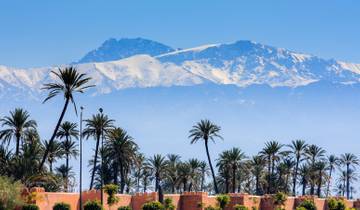
11 days
Totally Morocco Tour from Marrakech
- ✓ Comprehensive Atlas Mountains tour
- ✓ Expert local guides included
- ✓ All accommodation arranged
- ✓ Transportation provided
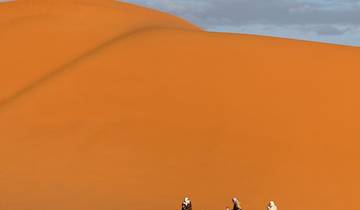
3 days
3 Days High Atlas Mountains and Sahara Adventure
- ✓ Comprehensive Atlas Mountains tour
- ✓ Expert local guides included
- ✓ All accommodation arranged
- ✓ Transportation provided
3 days
3-Day Casablanca to Merzouga Desert Tour with Camel Trek
- ✓ Booking needs min. 2 travelers
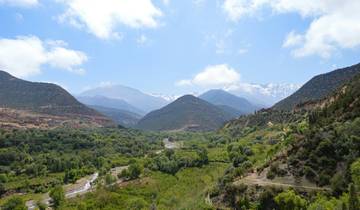
1 days
Day Trip 3 Valleys To Atlas Mountains
- ✓ Booking needs min. 2 travelers
Multi-day tour packages powered by TourRadar. Prices and availability subject to change.
Understanding the Atlas Mountains Region 2026
The High Atlas Mountains stretch 700 kilometers across Morocco from the Atlantic coast to the Algerian border, with the central section near Marrakech offering the most dramatic peaks and accessible Berber villages. This mountain range creates a natural barrier between the Mediterranean climate of northern Morocco and the Sahara Desert to the south, resulting in unique ecosystems and traditional mountain communities that have preserved ancient Berber culture for centuries.
Imlil valley serves as the primary base for Atlas Mountains exploration, positioned at 1,740 meters elevation in a natural amphitheater surrounded by terraced fields and walnut groves. The village functions as the starting point for Mount Toubkal treks and provides authentic Berber hospitality through guesthouses, cafes, and family homes welcoming day visitors. The valley supports approximately 1,500 permanent residents across several interconnected villages including Armed, Ait Souka, and Tamatert.
Berber culture dominates the Atlas Mountains with communities speaking Tachelhit (a Berber language) as their primary language while also using Moroccan Arabic and increasingly French for tourism interactions. Traditional architecture features flat-roofed stone houses built into mountainsides, with living quarters above animal stables for natural heating during cold mountain winters. Agricultural terraces carved into steep slopes produce walnuts, apples, cherries, and vegetables through sophisticated irrigation systems channeling snowmelt from higher elevations.
The region experiences dramatic seasonal transformations affecting day trip experiences throughout 2026. Spring brings wildflower blooms across mountain meadows and full water flow in streams and waterfalls, creating lush green landscapes contrasting with snow-covered peaks. Summer dries vegetation to golden hues but provides crystal-clear visibility for mountain photography. Autumn delivers harvest activities with walnuts dried on rooftops and apple pressing in village centers. Winter transforms the landscape into a snow-covered wonderland though limiting access to higher-elevation villages.
Transportation Options for 2026 Atlas Mountains Day Trips
Organized Tour Transportation
Most organized day trip tours depart from central Marrakech hotels with pickup services included in tour prices, eliminating navigation concerns and parking challenges. Tour operators use modern air-conditioned minibuses or 4×4 vehicles accommodating 8-16 passengers for group tours, or private sedans/SUVs for exclusive experiences. Vehicles are equipped with comfortable seating and large windows for photography during the scenic mountain drive.
The journey from Marrakech to Imlil follows the main S501 highway south through Tahanaout and Asni, a well-maintained paved road suitable for all vehicle types. The route climbs gradually from Marrakech’s 450-meter elevation to Imlil’s 1,740 meters through dramatic landscape changes from red plains to terraced valleys. Tour drivers stop at designated viewpoints for photography opportunities, particularly at the scenic Asni plateau overlooking the valley approach to higher mountains.
Return transportation operates on fixed schedules with departures from Imlil between 3:30-4:30 PM allowing sufficient exploration time while ensuring arrival in Marrakech before evening traffic peaks. Tour companies maintain strict departure times to accommodate evening hotel transfers and next-day tour commitments, so punctuality at meeting points is essential for group coordination.
Independent Transportation
Grand taxis provide the most economical independent transportation option, operating from Bab Er-Rob station in southern Marrakech near the Kasbah district. These shared Mercedes sedans accommodate six passengers (three in front, three in back) and depart throughout the morning once all seats fill. Fares cost €10-15 per person for one-way transportation, with morning departures most frequent between 7:00-11:00 AM.
Booking entire grand taxis privately costs €40-50 for round-trip service accommodating up to six people, providing schedule flexibility for custom departure and return times. Drivers wait in Imlil for agreed-upon durations (typically 3-4 hours) or accept phone calls when you’re ready to return. Negotiate and confirm prices before departure, and agree on exact pickup locations to avoid confusion in the multi-village Imlil area.
Private car rental with driver provides maximum flexibility for €80-120 per day depending on vehicle type and operator. This option suits travelers wanting to explore multiple villages beyond Imlil, visit the weekly Saturday Asni market, or adjust itineraries spontaneously based on weather conditions and personal interests. Rental cars without drivers are not recommended due to narrow mountain roads requiring local driving experience and limited parking availability in compact village centers.
Imlil Valley Exploration 2026
Village Walk Routes
Imlil’s central area features a cluster of hotels, cafes, and the Bureau des Guides where certified mountain guides offer services. From this hub, clear footpaths lead to surrounding villages creating loop walks of varying distances and difficulty levels. The easiest route follows the valley floor to Armed village (20 minutes walk), then continues to Ait Souka (additional 15 minutes), offering gentle terrain suitable for all fitness levels with stunning valley views throughout.
The circuit to Aroumd village climbs 150 meters elevation over 45 minutes, passing through terraced fields and walnut groves with Mount Toubkal dominating the southern skyline. This village sits on the opposite valley side from Imlil providing panoramic perspectives across the entire basin, with traditional Berber architecture clustered on steep hillsides. The return descent takes 30 minutes following the same path or continuing to Armed for a longer loop option.
Waterfall walks extend 60-90 minutes from Imlil following mountain streams through juniper forests to seasonal cascades. Summer months reduce water flow to trickles, while spring snowmelt creates impressive displays with multiple tiers visible from viewing platforms. The trail includes steep sections requiring good footwear, though local guides know alternative easier routes approaching from different directions based on current conditions.
Village Cultural Experiences
Traditional Berber homes open for guest visits arranged through local guides, showcasing authentic mountain life including multi-generation living arrangements around central courtyards. Ground floors house animals (mules, chickens, sometimes sheep) providing warmth to upper living quarters through shared walls, an efficient traditional heating system. Homes feature minimal furniture with cushioned seating along walls, colorful textiles, and cooking areas using both modern gas stoves and traditional wood-burning methods.
Tea ceremonies represent essential Berber hospitality rituals performed throughout day trip visits. Mint tea preparation involves elaborate presentation with high-pouring techniques aerating the tea while demonstrating skill. Hosts serve tea in small glasses with fresh mint leaves and significant sugar content, traditionally consumed in three servings with varying strengths and sweetness levels representing different meanings in Berber culture.
Lunch experiences in Berber homes or mountain cafes feature traditional tajine dishes slow-cooked in conical clay pots over charcoal braziers. Common variations include vegetable tajine with seasonal produce, chicken with preserved lemons and olives, or beef with prunes and almonds. Meals start with Moroccan salad assortments (cooked vegetable salads), followed by tajine served with fresh-baked bread, and conclude with seasonal fruit (oranges in winter/spring, melons in summer, grapes in autumn) and more mint tea.
Budget Planning for 2026 Atlas Mountains Day Trips
Organized Tour Cost Analysis
Standard group day trip tours cost €50-65 per person including all transportation, guide services, and traditional Berber lunch. Major tour operators offering this pricing include Marrakech Wanderlust Tours, Atlas Adventure Experts, and Berber Trails Morocco. These tours accommodate 12-16 participants in minibuses, with English, French, or Spanish-speaking guides depending on group composition.
Small group tours (6-8 participants) cost €75-90 per person providing more personalized experiences with improved guide interaction and flexibility for photography stops. Companies like Atlas Cultural Journeys and Mountain Berber Experiences specialize in these enhanced formats. Additional features include extended village time, visits to local cooperatives (argan oil, carpets), and optional mule rides (€15-20 supplement) for short distances.
Private day trip experiences range €120-150 per person (minimum 2 participants) offering complete itinerary control and dedicated guide attention. Solo travelers pay €200-250 for private arrangements due to fixed transportation and guide costs. Private tours allow early departures for optimal photography light, custom village selections based on interests (artisan visits, agricultural activities), and flexible lunch locations from simple village homes to upscale mountain restaurants.
Independent Travel Cost Breakdown
Transportation via shared grand taxi costs €10-15 per person one-way (€20-30 round trip), departing from Bab Er-Rob station in Marrakech. Taxis depart when full with six passengers, so arrival timing affects wait duration though morning hours see frequent departures every 30-60 minutes. Return taxis from Imlil operate until approximately 5:00 PM with reduced frequency after 3:00 PM during low season.
Local guide services in Imlil cost €15-20 for 3-4 hour village walks arranged through the Bureau des Guides or by approaching guides at the main village square. Guides provide cultural context, facilitate home visits and tea ceremonies, navigate optimal routes through terraced paths, and communicate with Berber-speaking villagers. Independent exploration without guides is possible on main valley paths though cultural interactions remain limited without translation assistance.
Lunch in Imlil’s village cafes costs €8-12 for tajine meals with salad, bread, and tea, while upscale mountain restaurants charge €15-20 for similar menus in more comfortable settings with better views. Traditional Berber homes offer lunch experiences for €12-15 per person arranged through guides, including extended cultural exchange and tea ceremony participation. Self-catering using supplies from Marrakech reduces costs to €5-8 per person though misses authentic culinary and hospitality experiences central to Atlas Mountains visits.
Sample 2026 Budget Scenarios
Budget-conscious travelers combine shared grand taxi transportation €15 per person, independent village exploration €0, simple village cafe lunch €10, afternoon tea €3-5. Total day cost: €28-30 per person provides authentic Atlas Mountains experience with basic logistics. This approach suits confident travelers comfortable with minimal structure and basic amenities, though limits cultural depth without guide interpretation.
Mid-range day trips using shared grand taxi €15, local guide services €20, traditional Berber home lunch €15, and multiple tea stops €5-8 total €55-58 per person. This balance delivers authentic experiences with cultural guidance at costs below organized tours while maintaining schedule flexibility. Adding private grand taxi transportation (€45-50 total for 2-4 people) increases per-person costs to €70-85 depending on group size.
Comfort-focused experiences choosing private taxi with driver €80-100 (divided among passengers), certified mountain guide €25-30 for extended services, upscale mountain restaurant lunch €18-22, and artisan cooperative visits €0 reach €123-152 per person for parties of 2-3. This premium independent approach matches organized tour quality while preserving personal schedule control and custom interests.
Sample 2026 Atlas Mountains Itineraries
Standard Group Tour Itinerary
8:00-8:30 AM: Hotel pickup in Marrakech with collection from multiple properties taking 30-45 minutes depending on hotel locations and traffic conditions. Tour guides use this time for introductions, day overview, and answering initial questions about the Atlas Mountains and Berber culture. Comfortable air-conditioned vehicles depart once all passengers are collected, heading south from Marrakech through the Haouz Plains.
9:30-10:00 AM: Brief photography stop at the Kik Plateau viewpoint offering panoramic vistas across the Haouz Plains toward the High Atlas range. The landscape transitions from red earth to green valleys with the mountains growing progressively larger ahead. This 10-15 minute stop allows stretching, bathroom breaks at basic facilities, and capturing wide-angle landscape photographs in morning light conditions.
10:15-10:30 AM: Drive through Asni town with its Saturday weekly souk (market) visible from the main road. Tours operating on Saturdays may stop for brief market exploration (15-20 minutes) showcasing local produce, livestock, and household goods traded by mountain communities. The road from Asni to Imlil climbs through increasingly dramatic scenery with terraced agriculture and traditional Berber villages clinging to hillsides.
11:00 AM: Arrival in Imlil valley with orientation walk through the main village explaining layout, pointing out Mount Toubkal (visible weather permitting), and discussing Berber architectural features. Guides lead groups through the central area past mule stations, small shops, and cafes frequented by trekkers preparing for multi-day Toubkal climbs. The valley position surrounded by peaks creates a dramatic natural amphitheater setting.
11:30 AM-1:30 PM: Guided village walk through Armed, Ait Souka, and surrounding settlements following terraced paths with valley and mountain views throughout. The route passes through walnut groves, agricultural terraces cultivating vegetables and fruit trees, and clusters of traditional stone houses. Guides stop at viewpoints for photography, explain agricultural techniques adapted to mountain terrain, and describe seasonal activities from planting to harvest.
1:30-2:45 PM: Traditional Berber lunch hosted in a village home or mountain guesthouse featuring tajine (chicken or vegetable), Moroccan salads, fresh bread, seasonal fruit, and mint tea ceremony. Meals are served in traditional style with communal dining around low tables, providing cultural immersion while enjoying home-cooked mountain cuisine. Guides facilitate conversation with hosts about daily life, family structure, and cultural traditions.
3:00-3:45 PM: Post-lunch village exploration with optional activities including artisan cooperative visits (argan oil production, carpet weaving), extended tea ceremony participation, or additional photography time at optimal afternoon light angles. Some tours include short mule rides (20-30 minutes) through terraced fields, while others offer free time for personal exploration or relaxation at valley cafes with mountain views.
4:00 PM: Departure from Imlil beginning the return journey to Marrakech, retracing the morning route through changing afternoon light conditions. Most tours make one brief stop for final photographs or bathroom breaks, then proceed directly to Marrakech avoiding late afternoon traffic whenever possible by departing before 4:30 PM peak local transportation times.
5:30-6:00 PM: Arrival in Marrakech with hotel drop-offs following reverse pickup routes. Groups staying in nearby hotels arrive first, while those in distant locations (northern Hivernage, Palmeraie resorts) may wait additional 20-30 minutes. Guides conclude the experience with final questions, recommendations for evening activities, and distribution of contact information for future trek bookings or longer Atlas Mountains explorations.
Tour cost €65, lunch included, mule ride €0 (included), tea ceremonies €0 (included), tips €5-10 suggested. Total day cost: €70-75 per person (excluding accommodation).
Independent Traveler Itinerary
7:30 AM: Departure from central Marrakech via taxi to Bab Er-Rob grand taxi station (€5-8), arriving by 8:00 AM for optimal shared taxi availability. The station features organized chaos with drivers calling destinations and filling cars efficiently. Negotiate firmly for standard €12-15 per person rates as drivers may initially quote higher prices to tourists.
8:15 AM: Departure from Bab Er-Rob once all six grand taxi seats fill, beginning the 90-minute journey to Imlil through spectacular mountain scenery. The shared taxi experience provides cultural immersion with local passengers traveling between Marrakech and mountain villages, though conversation may be limited without Arabic or Berber language skills. Photography opportunities pass quickly so request brief stops only if traveling by private taxi.
9:45 AM: Arrival in Imlil’s main square with grand taxi drop-off at the village center near hotels and cafes. Immediate orientation using visible landmarks (Bureau des Guides building, prominent Hotel Soleil, mule stations) and maps available at local shops or hotels. Visit Bureau des Guides to arrange certified mountain guide for valley exploration, or begin independent walking following clear paths to Armed village if confident with basic navigation.
10:00 AM-12:30 PM: Valley exploration with hired local guide (€20 for 3-4 hours arranged at Bureau des Guides), visiting Armed, Aroumd, and Ait Souka villages. Routes follow terraced paths with elevation changes around 150-200 meters providing excellent valley perspectives and Mount Toubkal views. Guide facilitates home visits for tea ceremonies, explains agricultural practices, and provides cultural context enriching the experience beyond simple hiking.
12:45-2:00 PM: Lunch at Cafe Soleil or Restaurant Dar Imlil featuring traditional tajine meals €10-12 with valley views from outdoor terraces. Ordering chicken tajine with preserved lemons and olives, served with Moroccan salad, fresh bread, and olives provides authentic mountain cuisine. Meals arrive slowly as preparation takes 30-40 minutes, so plan adequate time rather than rushing. Fresh fruit and mint tea conclude the meal.
2:15-3:30 PM: Post-lunch exploration options include independent walks to waterfall trails (60-90 minutes round trip), visiting local artisan shops for walnut wood carvings and woven textiles, or relaxing at valley cafes with tea and pastries while enjoying mountain views. Some travelers extend village walks to Tamatert (45 minutes from Imlil) for less-visited authentic settings, though this requires solid fitness for elevation gain.
3:45 PM: Return to Imlil center to arrange return transportation via shared grand taxi. Afternoon departures operate until approximately 5:00 PM though frequency decreases after 3:00 PM as morning arrivals return to Marrakech. Waiting times vary from immediate departure if seats are filling to 30-45 minutes during slow periods. Private taxi arrangement costs €45-50 for immediate departure with schedule control.
4:00 PM: Departure from Imlil beginning return journey to Marrakech, arriving approximately 5:30 PM depending on traffic conditions. Late afternoon light enhances mountain scenery visible during descent through valleys and plains approaching the city. Grand taxis drop passengers at Bab Er-Rob station requiring final taxi ride to accommodations (€5-8) or walking distance to nearby medina hotels.
Shared grand taxi €15, local guide €20, lunch €12, tea/snacks €5, return taxi €15, Marrakech taxi €6. Total day cost: €73 per person (excluding accommodation).
Photography-Focused Itinerary
6:30 AM: Extremely early departure via private taxi with driver (€80-100 for full day) leaving Marrakech in pre-dawn darkness to reach Imlil for sunrise photography. This timing captures morning golden hour light on Mount Toubkal and surrounding peaks, with mist often filling valleys creating dramatic atmospheric conditions. The empty roads allow faster transit arriving Imlil approximately 8:00 AM.
8:00-9:30 AM: Sunrise photography session from Imlil viewpoints and surrounding hillsides capturing peak illumination on mountain summits. Optimal locations include the hillside above Hotel Soleil offering valley overviews, and paths toward Armed village providing foreground elements of terraced agriculture. Morning light creates warm tones on red earth terraces contrasting with blue sky and white peaks, the classic Atlas Mountains palette.
9:30-11:00 AM: Village photography walks through Armed and Aroumd focusing on architectural details, daily life activities, and portrait opportunities with local Berber residents (always requesting permission respectfully). Morning hours see active village life with children heading to school, women preparing food, men working terraced fields, and mule trains departing for supplies. The warm light remains excellent for photography until approximately 10:30 AM.
11:00 AM-12:00 PM: Midday break during harsh overhead light using the time for lunch at village cafe or simple picnic with supplies from Marrakech. Review morning photographs, plan afternoon locations based on weather conditions and light angles, and rest in shade preparing for extended afternoon session. Temperatures peak during these hours making physical activity less comfortable though photography continues for dedicated shooters.
12:00-3:00 PM: Extended exploration to more distant locations like Tamatert village or waterfall trails requiring private transportation to trailheads not accessible from Imlil center. These locations offer less-visited perspectives with fewer tourists in frames, different mountain aspects providing varied compositions, and opportunities for landscape and nature photography beyond village subjects. Hiring local guide (€25-30 for extended services) helps identify optimal shooting locations.
3:00-5:00 PM: Golden hour preparation positioning for sunset light on valleys and villages. Key locations include elevated viewpoints overlooking Imlil capturing the settlement in mountain context, or following late afternoon light across terraced agriculture highlighting textures and patterns. This period provides the day’s most dramatic light with long shadows emphasizing three-dimensional landscape forms.
5:00-5:45 PM: Sunset photography session capturing peak warm light on mountain summits and valleys, with blue hour transition offering additional creative opportunities. Mount Toubkal summit catches final rays creating alpenglow effects while valleys fall into shadow, requiring careful exposure management for dynamic range. The temperature drops rapidly after sunset necessitating warmer clothing layers.
6:00 PM: Departure from Imlil during blue hour beginning return to Marrakech, arriving approximately 7:30 PM. The extended day maximizes photography opportunities across all light conditions from sunrise through sunset, though requires significant physical stamina and photography dedication. This itinerary suits serious photographers prioritizing image quality over comfort and willing to endure long active days.
Private taxi €100, lunch/snacks €15, guide €30, tea stops €8. Total day cost: €153 per person (excluding accommodation).
Practical Planning Tips for 2026 Visits
What to Wear and Bring
Footwear selection critically impacts comfort and safety on Atlas Mountains terrain. Hiking boots with ankle support and good tread work best for steeper paths around Aroumd and waterfall trails, while trail running shoes or sturdy walking shoes suffice for gentler Armed valley routes. Sandals, flip-flops, or dress shoes are completely inappropriate for mountain paths featuring loose rocks, uneven surfaces, and occasional stream crossings. Breaking in new footwear before the trip prevents painful blisters during extended walking.
Layered clothing addresses dramatic temperature variations between Marrakech’s valley heat and mountain valley conditions. Summer months (June-September) see Marrakech temperatures 38-42°C but Imlil averages 28-32°C, while winter (December-February) ranges from 15-20°C in Marrakech to 5-10°C in mountain valleys. Lightweight breathable layers for summer, adding light jacket for wind protection, or winter visits requiring fleece/insulated jacket, hat, and gloves for early morning and evening temperatures.
Sun protection requirements intensify at mountain elevations with thinner atmosphere providing less UV filtration. Sunscreen SPF 30+ applied to exposed skin (face, neck, hands, ears), wide-brimmed hat or cap for shade, and sunglasses with UV protection prevent painful sunburn and long-term skin damage. Mountain reflection from light-colored rocks and occasional snow patches amplifies sun exposure beyond typical conditions even on partially cloudy days.
Day pack essentials include 1-2 liters water (refills available at village cafes), snacks for energy between meals, camera equipment if photography-focused, phone for photos and navigation apps, small amount of cash for purchases (€20-30), and any personal medications. Trekking poles help on steeper sections though not essential for standard village walks. Plastic bag protects valuables from unexpected rain during spring and autumn months when brief showers occur occasionally.
Cultural Etiquette and Interaction
Photography etiquette requires respectful approach to Berber villagers who may appear in street and landscape photographs. Always ask permission before close-up portraits, especially of women and children, using hand gestures if language barriers exist. Many villagers consent to photos after brief friendly interaction and small courtesy (purchasing item from shop, accepting offered tea), while others decline preferring privacy. Never photograph without permission inside homes, mosques, or during prayer times.
Dress modestly in conservative rural Muslim communities where revealing clothing causes discomfort to local residents. Both men and women should cover shoulders and knees, with women particularly avoiding low-cut tops or tight-fitting clothes. Lightweight breathable fabrics in modest cuts provide both cultural appropriateness and comfort in mountain conditions. Villages are more relaxed than urban medinas though maintain conservative standards compared to Marrakech’s tourist zones.
Home visits and tea ceremonies follow specific hospitality protocols central to Berber culture. Removing shoes before entering homes respects cleanliness customs, accepting offered tea honors host generosity even if declining additional servings, and sitting on floor cushions comfortably (or requesting chair if needed) facilitates authentic cultural exchange. Small gifts like fruit, pastries, or sugar show appreciation though are not mandatory as hospitality is offered freely.
Tipping practices in mountain villages include €3-5 per person for home lunch hosts beyond the meal price paid, €5-10 for local guides at trip conclusion, €10-15 for full-day tour guides, and €5-8 for drivers on organized tours. Individual tea ceremony hosts don’t expect tips though small cash (€1-2) or gift items are appreciated for extended hospitality. Service quality determines tip amounts with exceptional experiences warranting higher recognition.
Health and Safety Considerations
Altitude affects some visitors despite Imlil’s moderate 1,740-meter elevation, though symptoms are generally mild (slight headache, increased breathing rate during exertion). Travelers with known altitude sensitivity should ascend slowly, stay well hydrated, and avoid overexertion during first hours at elevation. Serious altitude sickness is extremely rare at these elevations but monitoring your body’s response ensures comfort throughout the visit.
Path safety requires attention on uneven terraced walkways, loose rocks on steeper sections, and occasional stream crossings on stepping stones. Walking poles provide extra stability for those uncertain on irregular surfaces, while good footwear with traction prevents slips on smooth rocks or muddy patches after rain. Local guides know safest routes and current trail conditions, earning their fees through knowledge and assistance beyond simple direction.
Sun and heat management prevents exhaustion during summer months when valley temperatures reach 32-35°C combined with physical exertion climbing terraced paths. Carry adequate water (1-2 liters minimum), drink regularly before feeling thirsty, rest in shade during peak heat (12:00-3:00 PM), and recognize early symptoms of heat exhaustion (dizziness, nausea, excessive fatigue). Village cafes provide cool rest stops with shade and additional water/beverages as needed.
Food and water safety in mountain villages follows basic precautions. Bottled water is widely available and recommended over tap water, cooked foods from village homes and cafes are generally safe due to proper preparation and freshness, and washed fruits are acceptable. Most organized tours use established facilities with proven hygiene standards. Independent travelers with sensitive stomachs may carry basic medications though serious gastrointestinal issues are uncommon from single-day village visits.
Best Time to Visit Atlas Mountains in 2026
Seasonal Analysis
Spring months (March-May) deliver optimal conditions for Atlas Mountains day trips combining moderate temperatures, lush green landscapes, and blooming wildflowers across mountain meadows. March sees snow still covering higher peaks providing dramatic backdrops, while valleys warm to 18-22°C perfect for comfortable walking. April brings increased wildflower displays particularly in higher elevation areas accessed via extended walks, though occasional spring rain showers (2-4 days per month) require rain jacket precautions. May offers consistently pleasant weather with temperatures 22-26°C and diminishing rainfall, though tourist numbers increase approaching summer peak season.
Summer months (June-September) guarantee clear skies and mountain visibility excellent for photography but bring intense heat requiring early morning starts and midday shade breaks. June remains relatively comfortable with temperatures 28-32°C in Imlil valley, while July and August peak at 32-35°C making afternoon walking challenging for heat-sensitive visitors. The dry season ensures no rain interference with plans though also means reduced waterfall flows and dusty trails. Tourist volumes peak during July-August as European vacation season coincides with guaranteed weather conditions.
Autumn months (September-November) provide a second optimal window with moderate temperatures returning, harvest activities visible in villages, and golden foliage colors transforming landscapes. September maintains summer warmth (26-30°C) with decreasing tourist crowds post-peak season, offering best balance of weather and peace. October delivers perfect conditions with temperatures 20-25°C, walnut and apple harvests creating village activity, and clear mountain views in stable autumn weather. November brings cooler conditions (15-20°C) requiring warmer clothing layers though crowds diminish further and accommodation prices drop 20-30% from summer rates.
Winter months (December-February) transform the Atlas Mountains with snow-covered peaks creating stunning visual contrasts but limiting access to higher villages and passes. December and January bring cold temperatures (5-10°C) requiring proper winter clothing though valley floors remain accessible and village life continues with indoor activities and warm tajine lunches. February starts transitional warming with occasional sunny days reaching 15°C creating pleasant conditions for winter sun seekers avoiding extreme cold. Winter visitors enjoy near-empty trails and authentic village atmosphere with minimal tourism though must accept weather uncertainty and potential trip adjustments.
Month-by-Month Planning Guide
January 2026 features cold but clear conditions ideal for photographers seeking snow-capped peak backdrops and crisp mountain air. Average temperatures range 5-12°C requiring insulated jacket, hat, and gloves for early morning starts. Snow occasionally reaches valley floors creating temporary winter wonderland scenes though typically melts within days. Tourist numbers remain minimal with local tourism focused on domestic visitors escaping coastal winter rains.
February continues winter conditions with gradual warming trend toward month’s end signaling spring approach. Temperatures 8-15°C remain cool requiring layered clothing but increasingly comfortable for midday walking. Snow persists on higher peaks while valleys clear, creating optimal visual contrast for landscape photography. Almond blossoms begin emerging in lower valleys by late February providing early spring color against snow backgrounds.
March marks spring transition with warming temperatures (12-20°C), emerging green growth on terraced fields, and increasing wildflower displays particularly in meadows. Early March can still be cool and wet with occasional snow showers at elevation, while late March brings settled spring weather patterns. Tourist numbers remain moderate allowing peaceful exploration with improving weather conditions month-by-month.
April delivers classic spring beauty with full green landscapes, abundant wildflowers including poppies and irises, and comfortable temperatures 15-23°C perfect for extended walking. Snow covers only highest peaks while valleys bloom with fruit tree blossoms (cherry, apple, almond) and agricultural activity increases in fields. Occasional spring rain showers (3-5 days monthly) require flexibility though rarely disrupt full days.
May provides optimal conditions with consistent pleasant weather, lush landscapes before summer drying, and moderate tourist numbers before peak season. Temperatures 18-26°C suit all activity levels without heat concerns, while longer daylight hours (sunset around 8:00 PM) extend photography opportunities. Spring runoff maximizes waterfall flows creating impressive displays for nature photography.
June begins summer season with warming temperatures (22-30°C) and guaranteed clear skies excellent for visibility but requiring early starts to avoid midday heat. Green landscapes transition to golden hues as vegetation dries, while agricultural terraces show growth of summer crops. Tourist numbers increase steadily as European schools close for summer vacation, though remain manageable compared to July-August peaks.
July and August represent peak season with maximum heat (28-35°C), highest tourist volumes, and completely dry conditions. Morning walks 7:00-11:00 AM provide comfortable temperatures while afternoons require shade breaks and extended lunch periods. Villages bustle with tourism activity and trekkers preparing Toubkal climbs, creating lively atmosphere though diminishing peaceful isolation. Book organized tours well ahead as popular operators fill quickly during these months.
September begins autumn transition with temperatures moderating (24-28°C) and tourist crowds diminishing post-European vacation season. Harvest activities commence with walnut gathering and fruit preserving visible in villages, adding cultural interest to visits. Weather remains stable and dry with clear mountain views throughout the month, making it one of the best overall periods for Atlas Mountains day trips.
October delivers ideal autumn conditions with moderate temperatures (18-25°C), clear stable weather, harvest celebrations in villages, and beautiful golden foliage colors in deciduous trees. Morning coolness requires light jacket layers while midday remains pleasant for walking without heat stress. Tourist numbers are moderate allowing easier guide arrangements and more personal village interactions, while accommodation prices drop 15-25% from summer peaks.
November brings late autumn with cooler temperatures (12-20°C) and possible early snow on highest peaks signaling winter approach. Harvest activities conclude with preserved foods stocked for winter, while village life becomes more subdued. Tourist numbers diminish significantly offering peaceful exploration though weather becomes less predictable with occasional rain systems moving through the Atlas range. Good value period for budget-conscious travelers willing to accept some weather uncertainty.
December initiates winter season with cold temperatures (5-12°C) and snow accumulation on peaks creating dramatic winter landscapes. Short daylight hours (sunset around 5:30 PM) limit afternoon activities, while morning cold requires proper winter clothing for comfort. Traditional winter activities continue in villages with indoor gatherings and extended tea sessions, offering authentic seasonal cultural experiences for dedicated travelers.
Booking Strategies for 2026 Tours
Tour Operator Selection
Research tour operators thoroughly using multiple review sources (TripAdvisor, Google Reviews, Viator ratings) to identify consistently high-performing companies. Look for specific feedback about guide knowledge, vehicle conditions, lunch quality, and adherence to promised itineraries rather than generic positive comments. Companies operating for 5+ years with hundreds of reviews demonstrate reliability and experience, while newer operators may offer competitive pricing but with uncertain quality.
Compare package inclusions carefully as “complete day trip” descriptions vary significantly between operators. Standard packages should include round-trip Marrakech hotel transfers, certified mountain guide services throughout the day, traditional lunch with multiple courses, and valley village visits. Enhanced packages add camel rides, waterfall visits, or artisan cooperative stops, while budget options may exclude lunch or use trainee guides rather than experienced professionals. Read fine print regarding group sizes as some operators fill large buses affecting personalization despite claiming “small group” tours.
Book directly through operator websites when possible to avoid third-party markup charges of 10-20% added by booking platforms. Direct booking also facilitates communication about special requests (dietary restrictions, photography focus, accessibility needs) and clarification of itinerary details. However, platforms like Viator and GetYourGuide provide consumer protection including cancellation insurance and dispute resolution valuable for advance bookings where operator reliability remains uncertain.
Advance Booking Recommendations
Book organized tours 5-7 days ahead during moderate seasons (March-May, September-November) to secure preferred dates and departure times while maintaining reasonable spontaneity if weather forecasts look unfavorable. This window allows operators to confirm group formations and assign quality guides, while still leaving alternative date options if conditions change. Same-day bookings are possible during these periods though risk less experienced guides or departure time compromises as optimal morning slots fill.
Summer peak season (July-August) requires 2-3 weeks advance booking to guarantee tour spaces as popular operators reach capacity, particularly for small group or private options with limited daily availability. Popular departure times (8:00-8:30 AM for cooler morning temperatures) fill fastest requiring booking flexibility or earlier secured reservations. Budget alternatives remain available closer to travel dates though quality varies significantly during peak periods when reliable operators operate at maximum capacity.
Independent travel requires minimal advance planning as shared grand taxis operate throughout the day without reservations, and local guides are readily available at Imlil’s Bureau des Guides. Booking private taxis one day ahead ensures availability during preferred departure times and confirms agreed pricing preventing disputes. High season may see increased grand taxi demand during morning departure windows, though afternoon options remain consistently available for return journeys.
Cancellation Policies and Flexibility
Standard tour operator cancellation policies offer full refunds for cancellations 48-72 hours before scheduled departure, reduced refunds (50-70%) for 24-48 hour cancellations, and no refunds for same-day cancellations. Premium operators may provide more generous terms (full refund 24 hours ahead) while budget companies enforce stricter policies. Understand specific terms before booking, particularly for advance peak season reservations where policies may be less flexible.
Weather-related cancellations rarely affect Atlas Mountains day trips as tours operate year-round in nearly all conditions, though winter storms occasionally close mountain roads temporarily. Reputable operators postpone or refund trips when roads close, while less reliable companies may pressure travelers to accept substitute itineraries or reschedule rather than refunding. Verify weather cancellation policies specifically, particularly for winter bookings when road conditions can change rapidly.
Private tour arrangements offer maximum flexibility allowing date changes and itinerary adjustments with reasonable notice, though may carry cancellation fees of €20-40 covering administrative costs and lost booking opportunities. Negotiate terms during booking confirmation, particularly for multi-day advance reservations where circumstances may change. Independent travel carries no cancellation concerns as transportation and guide services are arranged on-demand.
Extending Your Atlas Mountains Experience in 2026
Multi-Day Trek Options
Mount Toubkal summit treks represent North Africa’s classic mountain challenge, ascending 4,167 meters over 2-3 days from Imlil base. Standard itineraries include day one hiking to Toubkal Refuge at 3,200m (5-6 hours), overnight in mountain hut dormitory, summit day beginning 4:00-5:00 AM reaching peak by 8:00-9:00 AM (4-5 hours ascent), then descending to Imlil same day (6-7 hours total). Two-day treks suit fit hikers comfortable with basic accommodation and challenging physical exertion, while three-day variations add acclimatization and recovery time.
Costs for organized Toubkal treks range €180-250 per person for standard two-day group departures including guide, mule for baggage transport, refuge accommodation, and all meals. Private treks cost €400-550 for two people with dedicated guide and flexible pacing. Required fitness level is substantial with 1,400 meters elevation gain day one, 970 meters day two, and 2,200 meters descent requiring good cardiovascular conditioning and previous hiking experience. Technical climbing skills aren’t necessary as the standard summer route follows maintained trails, though winter ascents require crampon and ice axe proficiency.
Alternative valley treks explore Berber villages across multiple days without extreme altitude challenges, following ancient mule paths connecting settlements at 1,500-2,500 meters elevation. Popular routes include Imlil to Setti Fatma (3 days), Imlil circular through Tacheddirt (4 days), and extended Toubkal circuit without summit (5-7 days). These treks feature nightly guesthouse accommodation in villages, traditional meals with local families, and moderate daily walking distances (4-6 hours) suitable for travelers seeking cultural immersion without technical mountaineering.
Seasonal Festivals and Events
Asni Saturday weekly souk operates year-round drawing mountain Berber communities for trading livestock, produce, household goods, and social gathering. The market peaks morning hours (8:00 AM-12:00 PM) with livestock trading, vegetable sales from terraced gardens, and artisan stalls selling traditional crafts. Atlas Mountains day trips can incorporate Asni market stops (15-30 minutes) when tours operate Saturdays, providing authentic cultural experiences beyond typical tourist village visits.
Cherry harvest festival in Setti Fatma valley celebrates late June harvest with music, dance, and local produce markets showcasing the region’s cherry production. The multi-day festival features Berber music performances, craft demonstrations, and abundant cherry tastings. Day trips from Marrakech to Setti Fatma during festival period (late June) combine valley exploration with cultural celebration, though expect large crowds and adjust timing for optimal experience avoiding peak afternoon congestion.
Imilchil Marriage Festival in September attracts attention as traditional Berber marriage mart celebration in the remote Atlas Mountains near Tinghir, significantly east of Marrakech. The three-day festival combines marriage arrangements with music, dance, and cultural performances celebrating Berber traditions. Visiting requires 6-7 hour drive from Marrakech making it multi-day commitment rather than day trip, though represents Morocco’s most significant traditional Berber cultural festival for dedicated cultural travelers.
Combining Atlas Mountains with Other Destinations
Essaouira coastal town pairs naturally with Atlas Mountains creating a mountains-to-sea Morocco experience. Following Atlas day trip with 2-3 days in Essaouira (2.5 hours west of Marrakech) provides climate and scenery contrast from mountain villages to Atlantic beaches. The combination suits week-long Morocco visits wanting diverse experiences beyond single-city tourism, with transportation connecting easily via bus (€8-12) or shared taxi (€15-20 per person).
Ait Benhaddou ksar (fortified village) and Ouarzazate film studios create popular 2-day extensions combining Atlas Mountains crossing with desert gateway exploration. Day one crosses Tizi n’Tichka pass (2,260m) reaching Ait Benhaddou and Ouarzazate (5-6 hours including stops), overnight in kasbah hotel, return via alternate route through Telouet kasbah. This extension previews Morocco’s desert regions while experiencing dramatic Atlas scenery unavailable on Imlil day trips limited to northern Atlas slopes.
Sahara Desert excursions extend Morocco mountain experiences to full geographic spectrum, combining Atlas mountains with erg (sand dune) desert landscapes. Popular 3-day routes include Marrakech-Atlas crossing-Dades Valley-Merzouga dunes-return, though require significant travel time (7-8 hours each direction) and rushed itineraries. Better approach dedicates 5-7 days for combined Atlas Mountains and Sahara Desert exploration allowing adequate time experiencing both regions without exhausting travel schedules.
Frequently Asked Questions About Atlas Mountains Day Trips 2026
Do you need a guide for Atlas Mountains day trips?
Guides are not legally required for standard valley walks around Imlil, Armed, and Aroumd villages accessible via clear paths. Independent travelers comfortable with basic navigation and happy to miss detailed cultural explanation can explore safely without guides. However, local guides cost only €15-20 for 3-4 hours and provide substantial value through cultural interpretation, home visit facilitation, route knowledge including shortcuts and viewpoints, and communication with Berber-speaking villagers. Guides earn their fees through enhancing the experience beyond simple trail navigation.
What fitness level is required for Atlas Mountains day trips?
Standard valley day trips require moderate fitness equivalent to walking 10-12 kilometers over 3-4 hours with 200-300 meters elevation change on uneven terrain. Anyone maintaining regular walking habits handles the basic routes comfortably, though sedentary visitors may find prolonged walking tiring. The pace is leisurely with frequent stops for photography, village visits, and tea breaks. Accessibility is limited as paths include steps, rocks, and narrow sections unsuitable for wheelchairs or mobility aids. Travelers with concerns should book private tours allowing customized pacing and shortened walking distances.
Can you do Atlas Mountains day trips with young children?
Family day trips work well for children aged 6+ who can walk several kilometers and handle uneven terrain. The gentle Armed valley route provides suitable introduction requiring minimal elevation gain, while Aroumd climb challenges younger children. Tour operators accept families though standard group tours maintain fixed pace potentially not ideal for very young children. Private family tours allow flexible timing with rest breaks and shortened routes adjusted to children’s abilities. Baby carriers work for infants on easier paths though strollers are completely impractical on mountain village trails.
What happens if it rains during the day trip?
Rain occurs rarely during main tourism season (May-October) with minimal impact on most visits. Light rain requires rain jacket but doesn’t prevent village walking as paths drain well and traditional architecture provides shelter during heavier showers. Tour operators continue scheduled departures in moderate rain, though severe storms triggering flash flood risks result in postponement or alternative itineraries. Winter and spring months (November-April) see increased rain probability (3-7 days per month) requiring weather flexibility and appropriate waterproof clothing.
Are there bathroom facilities during the day trip?
Bathroom facilities exist at multiple points: Marrakech hotel before departure, brief stop at viewpoint with basic toilets (often squat-style), village cafes and guesthouses in Imlil, and lunch venues. Facilities vary from Western-style toilets in tourist-oriented establishments to traditional squat toilets in authentic village homes. Cleanliness is generally acceptable though toilet paper should be carried as it’s not always provided. Remote trail sections lack facilities requiring planning and accepting occasional natural alternatives when urgently necessary.
What food is included in organized day trip tours?
Standard tour packages include traditional Berber lunch featuring tajine (slow-cooked stew in clay pot) as main course, Moroccan salad assortment appetizers, fresh-baked bread, seasonal fruit dessert, and mint tea ceremony. Vegetarian options are available when dietary preferences are specified during booking. Lunch venues vary from village homes providing authentic cultural immersion to mountain guesthouses with more comfortable facilities. Breakfast and dinner are not included requiring early hotel breakfast before departure or restaurant meals after return to Marrakech.
How cold does it get in the Atlas Mountains compared to Marrakech?
Temperature differences between Marrakech and Imlil average 8-12°C due to elevation change from 450m to 1,740m. Summer months see Marrakech reaching 38-42°C while Imlil stays 28-32°C, providing welcome relief from valley heat. Winter creates larger gaps with Marrakech 15-20°C and Imlil 5-10°C requiring substantial layering. Morning temperatures especially feel significantly cooler in mountains making early departures potentially uncomfortable without proper clothing. Wind chill increases effective cold, particularly on exposed hillsides and passes.
Can you stay overnight in Imlil instead of day tripping?
Imlil offers 20+ guesthouses and hotels accommodating overnight visitors wanting extended mountain time or multi-day trek preparation. Budget guesthouses cost €15-25 per person in dormitory-style accommodation, mid-range places €40-60 for private rooms with basic amenities, and upscale mountain hotels €80-120 with enhanced comfort and views. Overnight stays allow sunrise and sunset photography, deeper village cultural immersion, and relaxed exploration pacing unavailable on day trips. The village has adequate restaurants and cafes for evening meals though entertainment is limited to peaceful mountain atmosphere.
Is altitude sickness a concern for day trips to Imlil?
Altitude sickness is extremely rare at Imlil’s 1,740-meter elevation, well below the 2,500-meter threshold where symptoms commonly begin. Sensitive individuals may notice slightly increased breathing rate during physical exertion or mild headache, but serious altitude issues don’t occur at these elevations. Day trippers ascending from sea-level Marrakech to mountain elevations within 90 minutes experience minimal acclimatization stress. Travelers with known altitude sensitivity should stay hydrated and avoid overexertion during initial hours, though complications are negligible compared to higher mountain destinations.
What souvenirs can you buy in Atlas Mountains villages?
Local artisan crafts available include walnut wood carvings (bowls, utensils, decorative items) produced from abundant valley walnut groves, woven textiles using traditional Berber patterns and natural dyes, argan oil products from cooperative presses, and pottery with characteristic Berber geometric designs. Prices are negotiable with vendors expecting polite bargaining, starting at approximately 40-60% of initial asking price for fair transactions. Quality varies significantly with some items representing genuine local craftsmanship while others are mass-produced imports, requiring careful examination and vendor questioning to identify authentic pieces.