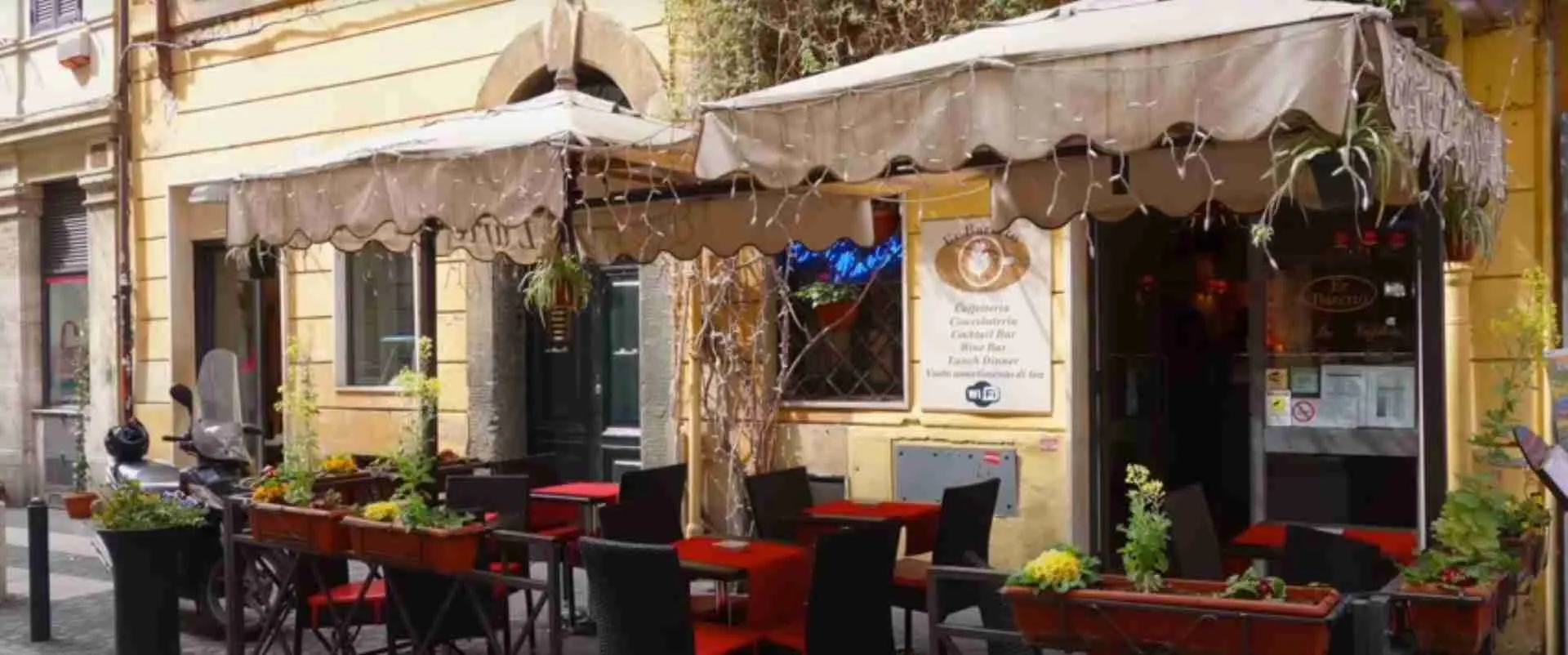
Where to Eat Near the Colosseum: Restaurant Guide & Local Favorites
Dining near the Colosseum offers everything from world-class Roman cuisine in family-run trattorias to quick street food perfect for fueling your ancient adventures. The key to exceptional eating in this area lies in knowing where locals go versus where tour groups are directed—often just a few blocks can mean the difference between overpriced tourist fare and authentic Roman flavors at reasonable prices.
Key Takeaways
- Local secret: Walk 2-3 blocks away from the Colosseum for authentic Roman cuisine at half the tourist prices
- Best value: Lunch menus at traditional trattorias offer 3-course meals for €15-25 with wine included
- Authentic experience: Family-run osterie in Monti and Celio neighborhoods serve recipes unchanged for generations
- Quick options: Pizza al taglio shops and alimentari provide excellent grab-and-go meals for €3-8
- Reservation strategy: Book dinner 1-2 days ahead at popular spots, but many locals-only places accept walk-ins
- Timing matters: Romans eat late (lunch 1-3 PM, dinner after 8 PM) – arrive at Italian times for better service
The neighborhoods surrounding the Colosseum—particularly Monti, Celio, and parts of San Giovanni—preserve traditional Roman food culture while remaining convenient to major sights. These areas offer intimate osterie where recipes haven’t changed in generations, alongside innovative restaurants that respect tradition while embracing contemporary techniques.
This comprehensive dining guide reveals both hidden gems and reliable classics, from budget-friendly options perfect for backpackers to special occasion restaurants worthy of celebrating your Roman holiday. Whether you’re craving authentic cacio e pepe, the perfect supplì, or simply need a good espresso and cornetto to start your sightseeing day, you’ll find detailed recommendations that ensure memorable meals throughout your Colosseum area exploration.
Traditional Roman Trattorias and Osterie
The authentic heart of Roman dining lies in family-run trattorias and osterie that have served traditional recipes to locals for generations. These establishments offer the most genuine taste of Roman cuisine while maintaining reasonable prices and welcoming atmospheres.
Trattoria Monti – Regional Specialties from Le Marche
Located on Via di San Vito, just a 10-minute walk from the Colosseum, Trattoria Monti represents one of Rome’s most authentic family-run dining experiences. The Camerucci family has operated this intimate restaurant since 1957, specializing in cuisine from Le Marche region with recipes passed down through generations.
The daily menu features seasonal ingredients and traditional preparations that showcase the best of central Italian cooking. Handmade pasta dishes like tagliatelle ai porcini and vincisgrassi (a refined lasagna with white sauce) demonstrate the sophisticated simplicity that characterizes authentic Italian cuisine.
Dinner reservations are essential, but lunch service often accommodates walk-in customers, particularly if you arrive when Romans eat (after 1:00 PM). The wine list features excellent selections from small producers in Le Marche, offering opportunities to discover exceptional wines rarely found elsewhere in Rome.
Extended multi-day tours – 5+ days
Featured Rome Multi-Day Tour Packages

5 days
The Ultimate Rome Food & Cultural Small-Group Tour Package – 5 Days
- ✓ Comprehensive Rome tour
- ✓ Expert local guides included
- ✓ All accommodation arranged
- ✓ Transportation provided

3 days
3-Day Pompeii, Capri & Sorrento Mini Tour
- ✓ Comprehensive Rome tour
- ✓ Expert local guides included
- ✓ All accommodation arranged
- ✓ Transportation provided
3 days
Advent in Rome: Markets, Churches & Tiramisu
- ✓ Booking needs min. 2 travelers
5 days
Ciao Italia: 5 Days, 2 Cities, Infinite Wonders
- ✓ Comprehensive Rome tour
- ✓ Expert local guides included
- ✓ All accommodation arranged
- ✓ Transportation provided
Multi-day tour packages powered by TourRadar. Prices and availability subject to change.
Il Bocconcino – Hidden Gem in Monti
Tucked away on Via Ostilia in the heart of Monti neighborhood, Il Bocconcino offers traditional Roman cuisine in an intimate setting that feels like dining in a local family’s home. The restaurant’s deliberately small size (only 30 seats) ensures personal attention and quality control that larger establishments cannot match.
Chef-owner Simone creates daily menus based on market availability, emphasizing seasonal ingredients and classic Roman preparations. The carbonara here represents one of the city’s finest examples of this iconic dish, prepared with properly aged pecorino Romano, fresh eggs, and guanciale rendered to crispy perfection.
The restaurant’s wine program focuses on natural and organic producers from central Italy, offering interesting pairings that complement rather than compete with the food. Prices remain remarkably reasonable for the quality level, with complete dinners averaging €35-45 per person including wine.
Checchino dal 1887 – Historic Roman Institution
Operating since 1887 in the Testaccio neighborhood (a 15-minute walk from the Colosseum), Checchino dal 1887 preserves Roman culinary traditions that trace back to the city’s working-class roots. The restaurant specializes in quinto quarto (offal) cuisine that transformed humble ingredients into delicious dishes through skill and creativity.
While offal preparations remain menu highlights for adventurous diners, the restaurant also offers excellent traditional Roman dishes that appeal to all tastes. The coda alla vaccinara (oxtail stew) and saltimbocca alla romana demonstrate the sophisticated techniques that elevate simple ingredients into memorable dining experiences.
The extensive wine cellar contains over 500 labels, with particular strength in Roman regional wines that pair perfectly with traditional cuisine. The knowledgeable sommelier provides guidance for wine selections that enhance the authentic Roman dining experience.
Budget-Friendly Local Favorites
Eating well on a budget near the Colosseum requires knowing where locals go for quick, satisfying meals that don’t sacrifice quality for affordability. These establishments prove that memorable Roman dining doesn’t require expensive restaurants.
Pizza al Taglio and Street Food
Pizza Zizza on Via dell’Agnello offers exceptional pizza al taglio (pizza by the slice) that attracts long lines of local office workers during lunch hours. The rotating selection includes both classic Roman toppings and creative seasonal combinations, all served on perfectly crispy-chewy crusts that represent the best of this Roman fast food tradition.
The key to great pizza al taglio lies in high turnover that ensures freshness, and Zizza’s popularity among locals guarantees that toppings are constantly replenished. A substantial lunch typically costs €4-6, making this an excellent budget option that doesn’t compromise on quality or authenticity.
Supplì (fried rice balls) from the display case provide another authentic Roman snack experience. These crispy-exterior, molten-interior delights filled with tomato sauce, mozzarella, and sometimes meat represent comfort food perfection at €1.50 each.
Alimentari and Picnic Provisions
Small grocery stores (alimentari) throughout the Colosseum area offer high-quality ingredients for creating memorable picnic meals in nearby parks. These family-run shops stock exceptional local products at prices significantly lower than tourist-oriented establishments.
Salumeria Volpetti on Via Alessandro Volta provides an extraordinary selection of Italian cured meats, artisanal cheeses, and prepared foods that create gourmet picnics for €8-12 per person. The knowledgeable staff provides guidance on product selection and quantities while sharing insights about traditional Roman food culture.
Fresh bread from neighborhood panifici (bakeries), combined with quality ingredients from alimentari, creates satisfying meals that can be enjoyed in Villa Celimontana or other peaceful areas near the ancient sites. This approach offers both budget savings and authentic local shopping experiences.
Osterie Popolari – Working-Class Dining Traditions
Osteria del Sostegno on Via del Colosseo maintains the working-class osteria tradition that once characterized Roman dining. The simple menu focuses on generous portions of traditional dishes at prices that remain accessible to local workers and budget-conscious travelers.
The lunch menu typically features two or three primi (pasta dishes), two or three secondi (meat or fish courses), and simple side dishes, all prepared in quantities that ensure hearty satisfaction. Complete meals with wine rarely exceed €20 per person, representing exceptional value for authentic Roman cuisine.
The unpretentious atmosphere attracts construction workers, local residents, and savvy travelers who prioritize flavor and value over Instagram-worthy presentations. This authenticity provides insights into everyday Roman food culture that more upscale establishments cannot offer.
Upscale Dining and Special Occasions
The Colosseum area includes several excellent restaurants worthy of special occasion dining, offering refined interpretations of Roman cuisine and contemporary Italian cooking in elegant settings.
Glass Hostaria – Contemporary Italian Excellence
Located in nearby Trastevere (20 minutes from the Colosseum), Glass Hostaria represents Rome’s finest contemporary Italian restaurant, combining innovative techniques with respect for traditional flavors. Chef Cristina Bowerman’s menu changes seasonally while maintaining unwavering commitment to ingredient quality and culinary creativity.
The restaurant’s modernist interior provides striking contrast to the medieval neighborhood outside, while the open kitchen allows diners to observe the precise technique that characterizes every dish. Wine pairings feature exceptional Italian producers alongside interesting international selections.
Dinner at Glass Hostaria requires advance reservations and represents a significant investment (€80-120 per person), but the experience provides unforgettable insights into contemporary Italian culinary artistry. The tasting menu format allows exploration of multiple techniques and flavor combinations.
Piperno – Historic Jewish Quarter Institution
Operating since 1860 in the nearby Jewish Quarter, Piperno specializes in Roman-Jewish cuisine that represents one of the city’s most distinctive culinary traditions. The restaurant’s carciofi alla giudia (Jewish-style artichokes) set the standard that other establishments attempt to match.
The historic dining rooms preserve 19th-century atmosphere while the menu maintains traditional preparations that have satisfied Roman families for generations. Dishes like baccalà (salt cod) and seasonal vegetable preparations demonstrate the sophisticated simplicity that characterizes the best Roman cooking.
Reservations are strongly recommended, particularly for Friday and Saturday evenings when Roman families gather for traditional weekend dinners. The wine list emphasizes Roman regional producers while offering interesting selections from throughout Italy.
Coffee Culture and Breakfast Options
Understanding Roman coffee culture enhances your dining experience while providing authentic insights into daily rituals that define local life around the Colosseum area.
Traditional Bar Culture and Espresso Protocol
Bar del Cappuccino on Via dei Santi Quattro exemplifies traditional Roman bar culture, where locals consume quick espressos while standing at the counter during their morning routines. The properly extracted espresso, served in warmed cups with a thin layer of golden crema, represents coffee preparation at its finest.
Morning protocol involves ordering and paying at the counter (never at tables, which carry service charges), consuming your coffee quickly while perhaps enjoying brief conversation with regulars, then continuing with your day. This ritual provides authentic cultural immersion while delivering exceptional coffee at bargain prices (€1-1.50 for espresso).
Cappuccino remains strictly a morning drink in authentic Italian culture, never consumed after meals or late in the day. Tourist bars may serve cappuccino anytime, but locals will identify you immediately as a visitor if you order cappuccino after 11 AM.
Cornetti and Breakfast Pastries
Traditional Roman breakfast combines espresso with cornetti (Italian croissants) or other pastries that provide light, sweet accompaniment to morning coffee. Quality varies dramatically between touristy establishments and authentic neighborhood bars.
Look for bars where cornetti are delivered fresh multiple times during morning hours rather than sitting under display lights for extended periods. The best examples feature flaky, buttery exteriors with soft, airy interiors that perfectly complement espresso’s intensity.
Maritozzo con panna represents another traditional Roman breakfast option—a sweet bread filled with whipped cream that provides more substantial morning fuel. While not widely available, establishments that offer fresh maritozzi demonstrate commitment to traditional Roman baking.
Wine Bars and Aperitivo Culture
The Colosseum area includes several excellent wine bars that showcase Italian wine culture while providing perfect venues for aperitivo—the Italian pre-dinner ritual that combines wine, small plates, and social interaction.
Il Sorpasso – Natural Wine Pioneer
Located near Prati (25 minutes from the Colosseum but worth the journey), Il Sorpasso pioneered Rome’s natural wine movement while maintaining focus on exceptional food that complements rather than competes with wine selections. The extensive wine list features producers committed to organic and biodynamic viticulture.
The aperitivo program includes carefully crafted small plates that highlight seasonal ingredients and traditional Roman flavors. The knowledgeable staff provides guidance on wine selections while sharing insights about producers and viticultural practices.
Evening hours feature a lively atmosphere as locals gather for aperitivo before dinner, creating opportunities to observe authentic Roman social rituals while enjoying exceptional wine and food in a convivial setting.
Litro – Casual Wine and Simple Food
This unpretentious wine bar in Trastevere focuses on good wine at reasonable prices, served alongside simple foods that satisfy without overshadowing the wine program. The casual atmosphere attracts local wine enthusiasts rather than tourists seeking Instagram-worthy experiences.
Wine selections emphasize value and drinkability over prestigious labels, with many options available by the glass that allow exploration of different styles and producers. The food menu includes cheese and salumi plates, simple pasta dishes, and seasonal preparations that complement wine consumption.
Prices remain refreshingly reasonable compared to more pretentious establishments, making Litro ideal for extended wine exploration without budget concerns. The knowledgeable bartenders provide education about Italian wine regions and grape varieties.
Seasonal Specialties and Festival Foods
Roman cuisine celebrates seasonal ingredients and traditional festivals through specific dishes that appear only during certain times of year, offering visitors opportunities to experience foods that connect to centuries-old cultural traditions.
Spring Specialties – Artichokes and Fresh Vegetables
Spring in Rome brings carciofi (artichokes) to market stalls and restaurant menus throughout the city. The local Romanesco variety, with its distinctive shape and tender heart, appears in preparations ranging from simple carciofi alla giudia to complex braised dishes with garlic and mint.
Puntarelle salad represents another spring specialty, featuring a bitter green that’s shaved thin and dressed with anchovies, garlic, and lemon. This distinctly Roman preparation offers flavors that perfectly complement the season’s renewal while providing insights into local vegetable traditions.
Fave con pecorino (fresh fava beans with pecorino cheese) appears on menus during late spring, offering simple preparation that showcases ingredient quality over culinary technique. This traditional combination demonstrates how Roman cuisine celebrates perfect ingredients through minimal intervention.
Summer Abundance and Light Preparations
Summer menus emphasize light preparations that combat Rome’s heat while celebrating the season’s abundant produce. Cold soups, raw preparations, and minimal cooking techniques become prominent as temperatures rise and appetites adjust to hot weather.
Supplì al telefono becomes particularly popular during summer months, as these fried rice balls can be enjoyed at room temperature while providing satisfying substance without heavy sauces or elaborate preparation. The name refers to the stretchy mozzarella that resembles telephone wires when the rice ball is broken open.
Summer also brings excellent tomatoes that transform simple dishes like spaghetti al pomodoro into transcendent experiences when prepared with peak-season ingredients and minimal technique that allows natural flavors to dominate.
Autumn Harvest and Comfort Foods
Autumn brings heartier dishes that celebrate the harvest while providing comfort as temperatures cool. Porcini mushrooms appear in pasta dishes, risottos, and grilled preparations that showcase their earthy intensity and substantial texture.
Game meats become prominent on autumn menus, with wild boar, venison, and other hunted proteins prepared in traditional Roman styles that date back centuries. These dishes often feature robust wine sauces and aromatic herbs that complement cooler weather and changing seasonal moods.
Chestnuts roasted by street vendors provide authentic autumn snacking experiences, offering warmth and satisfying sweetness during cooler weather exploration of ancient sites. The vendors’ calls of “Caldarroste!” become part of Rome’s autumn soundtrack.
Dietary Restrictions and Special Needs
Rome’s dining scene increasingly accommodates various dietary restrictions and special needs, though advance planning and communication help ensure satisfying meals for visitors with specific requirements.
Vegetarian and Vegan Options
Traditional Roman cuisine includes numerous naturally vegetarian dishes, from cacio e pepe and aglio e olio pasta preparations to vegetable-based antipasti and side dishes. Many restaurants can accommodate vegetarian requests even when not specifically advertised.
Vegan dining requires more careful planning, though dedicated vegan restaurants like Il Margutta near Piazza di Spagna offer completely plant-based menus. Traditional establishments can often prepare simple pasta with tomato sauce or garlic and oil, along with vegetable side dishes.
Communication becomes crucial for strict dietary requirements, as traditional Roman cooking often incorporates animal products in unexpected ways. Learning basic Italian phrases about dietary restrictions helps ensure clear communication with restaurant staff.
Gluten-Free Dining
Celiac disease recognition in Italy has led to excellent gluten-free options throughout Rome, including dedicated gluten-free restaurants and traditional establishments that offer gluten-free pasta and pizza options.
Many traditional Roman dishes naturally lack gluten, including meat and fish preparations, vegetable dishes, and cheese-based antipasti. However, cross-contamination concerns require careful communication with restaurant staff about preparation methods.
Specialized shops sell high-quality gluten-free pasta and baked goods that allow self-catering options for visitors with severe gluten sensitivities who prefer controlled preparation environments.
Frequently Asked Questions
How much should I expect to spend on meals near the Colosseum?
Budget €15-25 per person for lunch at a traditional trattoria, €25-40 for dinner. Tourist restaurants directly facing the Colosseum charge 50-100% more. Walk 2-3 blocks away for authentic prices. Pizza al taglio costs €3-6, while upscale dining ranges from €60-120 per person.
Do I need reservations at restaurants near the Colosseum?
Reservations are recommended for dinner at popular trattorias and essential for upscale restaurants. Many authentic osterie accept walk-ins, especially for lunch. Call 1-2 days ahead for weekend dinners, or have your hotel concierge make reservations.
What time do Romans eat lunch and dinner?
Romans eat lunch between 1:00-3:00 PM and dinner after 8:00 PM (often 8:30-9:00 PM). Arriving at Italian times ensures better service and fresher food. Tourist restaurants serve earlier, but authentic establishments follow traditional Italian schedules.
Are there good vegetarian options near the Colosseum?
Yes, traditional Roman cuisine includes many naturally vegetarian dishes like cacio e pepe, aglio e olio, and vegetable antipasti. Most restaurants can accommodate vegetarians even without specific menus. Vegan options require more planning but are increasingly available.
How do I avoid tourist trap restaurants near the Colosseum?
Avoid restaurants with multilingual menus, tourist photos, or aggressive street hawkers. Look for places where locals eat, handwritten Italian menus, and family-run establishments. Walk away from major monuments for better prices and authenticity.
What are the most authentic Roman dishes I should try?
Try the “holy trinity” of Roman pasta: carbonara, cacio e pepe, and amatriciana. Also sample supplì (fried rice balls), carciofi alla giudia (Jewish-style artichokes), and saltimbocca alla romana (veal with prosciutto and sage). End with authentic gelato.
Is it rude to ask for parmesan cheese on seafood pasta?
Yes, Romans never put cheese on seafood pasta. It’s considered a major culinary faux pas. Similarly, don’t ask for cappuccino after meals—it’s strictly a morning drink. When in doubt, follow the lead of Italian diners around you.
Can I find good gluten-free food near the Colosseum?
Italy has excellent gluten-free awareness. Many restaurants offer gluten-free pasta, and specialized shops sell quality gluten-free products. Look for “senza glutine” signs. Always communicate clearly about celiac disease vs. dietary preference to ensure proper kitchen precautions.
How much should I tip at restaurants in Rome?
Tipping isn’t expected as service is included in prices. Round up the bill or leave 5-10% for exceptional service. Never tip at coffee bars where you drink standing up. Some restaurants add a “coperto” (cover charge) of €1-3 per person for bread and table service.
Are there good places for a quick meal between Colosseum sightseeing?
Yes, pizza al taglio shops, alimentari (grocery stores), and local bars offer quick, quality options. Try supplì from display cases, grab paninis from alimentari, or enjoy pizza by the slice. These provide authentic experiences at budget-friendly prices.