
Best New Orleans Tours 2026: Complete Travel Guide
New Orleans offers an extraordinary array of guided experiences that reveal the city’s layered cultural heritage, from swamp ecosystems teeming with alligators to haunted cemeteries holding centuries of stories. Whether you’re seeking culinary adventures through French Quarter kitchens, atmospheric riverboat cruises on the Mississippi, or historical plantation explorations, the city’s tour landscape provides authentic access to experiences that define the Crescent City’s unique character and spirit.
Key Takeaways About New Orleans Tours 2026
- Swamp Tours Require Advance Booking: Peak season airboat and swamp tours sell out weeks ahead, with prices ranging $59-115 per person depending on boat size and hotel pickup inclusion. Small airboats (6-10 passengers) offer intimate wildlife encounters at $95-115, while larger vessels (16-30 passengers) provide budget-friendly options starting at $59.
- Cemetery Access Restrictions Apply: St. Louis Cemetery No. 1, the city’s oldest and most famous burial ground, requires joining the official guided tour at $25 for adults in 2026. Independent entry is prohibited due to vandalism protection measures, making advance reservations essential during high-demand periods.
- Food Tours Deliver Substantial Tastings: French Quarter culinary walking tours cost $70-100 per person for three-hour experiences that include 5-6 restaurant stops with enough food to constitute lunch. Tours focus on authentic Creole and Cajun cuisine rather than tourist-oriented establishments, with small-group options (maximum 13 guests) available at premium pricing.
- Plantation Tours Address Historical Complexity: Modern plantation experiences range from Oak Alley’s architectural focus ($27+ admission) to Whitney Plantation’s dedicated slavery museum perspective. Combination tours visiting two plantations with round-trip transportation from New Orleans cost $80-120 and require full-day commitment with 4-5 hours of total travel time.
- Riverboat Cruises Operate Year-Round: The Steamboat Natchez and sister vessel City of New Orleans offer daytime jazz cruises starting at $44 per person and evening dinner cruises with live music by the Grammy-nominated Dukes of Dixieland. Children under 6 cruise free with paying adult, and boats accommodate up to 500 passengers across four decks.
- Combination Tours Maximize Value: Pairing complementary experiences (swamp tour plus plantation, ghost walk plus cemetery visit, food tour plus cooking class) saves 15-25% versus booking separately and reduces total transportation time by leveraging shared routes along River Road and bayou access points.
People Also Ask About New Orleans Tours 2026
What are the best tours for first-time visitors to New Orleans in 2026?
First-time visitors benefit most from combination experiences that cover multiple aspects of New Orleans culture. Start with a French Quarter food walking tour ($70-100) to orient yourself to the historic core while sampling authentic cuisine from po-boys to pralines. Follow with either a swamp airboat adventure ($75-95 with hotel pickup) to understand Louisiana’s wetland ecosystem, or a St. Louis Cemetery No. 1 official tour ($25) to grasp the city’s unique above-ground burial traditions and voodoo heritage. Cap the trip with an evening Steamboat Natchez dinner jazz cruise ($44-70 depending on meal option) for Mississippi River perspectives and live Dixieland music. This three-tour combination covers culinary, natural, historical, and musical foundations within a 2-3 day visit without requiring rental car logistics.
How much should I budget for tours during a week in New Orleans in 2026?
Budget-conscious travelers can experience quality tours for $150-250 per person weekly by selecting one tour from each major category: food walking tour $75, swamp boat tour $60 (without hotel pickup), cemetery walking tour $25, and free self-guided French Quarter architecture walk. Mid-range budgets of $350-500 per person weekly allow premium small-group food tours $100, small airboat experiences $115, plantation combination tours $100, riverboat dinner cruises $70, and ghost walking tours $30. Luxury tour experiences exceeding $600 per person weekly include private guide services ($200-400 per day), VIP swamp tours with gator wrestling demonstrations, multi-plantation deep-dive explorations, and exclusive after-hours cemetery access. Tour costs exclude gratuities (customary 15-20% of tour price) and optional add-ons like professional photography packages or premium dining upgrades.
Which New Orleans tours are worth booking in advance versus day-of in 2026?
Advance booking (1-2 weeks minimum) proves essential for St. Louis Cemetery No. 1 official tours due to strictly limited daily capacity and prohibition of independent entry, small airboat swamp tours (6-10 passenger boats) that sell out fastest during spring and fall peak seasons, and any tours during major events including Mardi Gras (February-March), Jazz Fest (late April-early May), and French Quarter Fest (April). Plantation combination tours also warrant advance reservations to secure preferred departure times and guarantee transportation availability. Day-of or next-day booking typically remains available for larger airboat tours (16-30 passengers), Steamboat Natchez cruises (500-passenger capacity), most ghost walking tours, and general city bus tours. However, booking 2-3 days ahead provides better time slot selection even for high-capacity experiences. Small-group food tours (maximum 13 guests) generally require 3-5 days advance notice, while private tours demand 7-14 days for customization and guide assignment.
Are New Orleans tours accessible for visitors with mobility limitations in 2026?
Accessibility varies significantly by tour type and operator. Steamboat Natchez riverboat cruises offer wheelchair access to main deck and restrooms via ramps, though upper decks require stairs. Gray Line bus tours accommodate wheelchairs and walkers with hydraulic lifts on most vehicles. St. Louis Cemetery No. 1 provides flat, paved pathways suitable for wheelchairs and walkers, though uneven cobblestone sections exist near older tomb clusters. Food walking tours cover 1-2 miles over 3 hours with multiple standing periods and occasional curb navigation; operators can accommodate slower pacing with advance notice but cannot modify route distance. Swamp airboat tours present challenges as most boats require stepping up from docks without lifts, though some operators offer pontoon boats with easier boarding. Plantation tours generally provide wheelchair access to grounds and first floors of main houses, but second-floor access via steep historic staircases remains limited. Contact tour operators 48-72 hours ahead to discuss specific mobility needs and receive candid assessments of tour feasibility versus modified alternatives.
Extended multi-day tours – 5+ days
Featured New Orleans Multi-Day Tour Packages
3 days
New Orleans 3-Day Discovery Tour
- ✓ Comprehensive New Orleans experience
- ✓ Expert local guides included
- ✓ All accommodation included
- ✓ Transportation provided
5 days
New Orleans 5-Day Highlights Experience
- ✓ Comprehensive New Orleans experience
- ✓ Expert local guides included
- ✓ All accommodation included
- ✓ Transportation provided

7 days
New Orleans 7-Day Cultural Journey
- ✓ Comprehensive New Orleans experience
- ✓ Expert local guides included
- ✓ All accommodation included
- ✓ Transportation provided
10 days
New Orleans 10-Day Complete Adventure
- ✓ Comprehensive New Orleans experience
- ✓ Expert local guides included
- ✓ All accommodation included
- ✓ Transportation provided
Multi-day tour packages powered by TourRadar. Prices and availability subject to change.
Introduction to New Orleans Tours 2026
New Orleans stands apart from other American cities through its fusion of French, Spanish, African, and Caribbean cultural influences manifested in everything from cuisine and music to architecture and burial practices. While self-guided exploration reveals the French Quarter’s surface charm, professionally guided tours unlock deeper understanding of the complex historical narratives, ecological systems, and living traditions that define the Crescent City experience. The city’s tour industry has evolved beyond superficial sightseeing into immersive educational experiences that confront difficult historical truths about slavery and inequality while celebrating authentic cultural contributions from Creole cooks to jazz musicians to voodoo practitioners.
The 2026 tour landscape reflects growing demand for specialized small-group experiences over generic bus tours, with operators emphasizing expert local guides, access to non-public spaces, and meaningful engagement with craftspeople, chefs, and cultural practitioners. Swamp tours now balance thrilling airboat rides with serious ecological education about wetland restoration. Plantation tours distinguish between antebellum mansion romanticism and honest examination of enslaved people’s experiences through dedicated museums like Whitney Plantation. Food tours move beyond beignets and hurricanes to explore neighborhood restaurants serving authentic Creole and Cajun dishes unknown to most tourists.
Tour pricing in 2026 remains accessible compared to major coastal cities, with quality experiences available across budget tiers from $25 cemetery walks to $115 premium airboat adventures. Most tours include round-trip transportation from French Quarter hotels, eliminating rental car logistics for visitors without vehicles. Combination packages bundling complementary experiences (plantation plus swamp, food tour plus cooking class, riverboat cruise plus city tour) deliver 15-25% savings versus separate bookings while reducing total transit time by consolidating routes along River Road and bayou access corridors.
This guide examines New Orleans’ major tour categories with verified 2026 pricing, operational details, and booking strategies to help travelers select experiences aligned with interests, time constraints, and budget parameters. Coverage includes swamp and airboat adventures, culinary walking tours, cemetery and ghost experiences, plantation historical tours, riverboat Mississippi cruises, and specialty offerings from jazz club crawls to voodoo cultural explorations. Each section provides specific operator recommendations, seasonal timing considerations, accessibility information, and money-saving strategies based on tour type and traveler profile.
Swamp and Airboat Tours 2026
Louisiana’s swamp and bayou ecosystems surrounding New Orleans offer encounters with alligators, cypress forests, and wetland wildlife unavailable anywhere else in the United States. Professional swamp tours operate 25-45 minutes from downtown, navigating waterways through Jean Lafitte National Historical Park and Preserve, Barataria Basin, and private access bayous where Cajun guides share knowledge of flora, fauna, and wetland ecology accumulated across generations of living on the water.
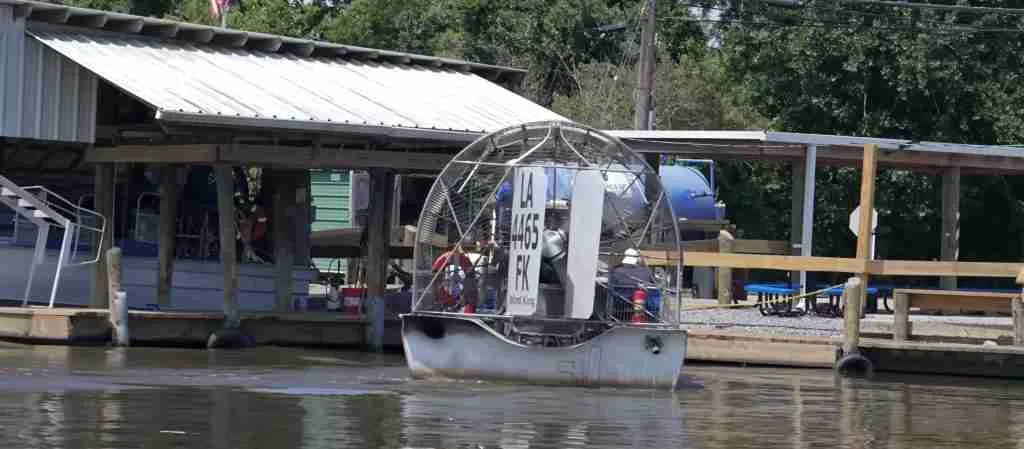
Airboat tours deliver the most thrilling experience, with flat-bottomed vessels powered by aircraft-style propellers reaching speeds up to 35 mph while navigating shallow water channels inaccessible to traditional boats. Small airboats seating 6-10 passengers cost $95-115 per person in 2026 and provide intimate encounters where captains hand-feed alligators, demonstrate wildlife calling techniques, and access narrow bayou channels unavailable to larger vessels. Check official operator websites for current rates as seasonal pricing may vary. Mid-size airboats accommodating 16 passengers represent the optimal balance between intimacy and value at $75-85 per person, while large 30-passenger airboats offer budget-friendly options starting at $59 per person with comparable wildlife viewing despite reduced individual attention from guides.
Covered pontoon boat tours provide quieter alternatives ideal for photography, wildlife observation without engine noise interference, and passengers sensitive to airboat volume (noise-canceling headphones provided but engine decibel levels still substantial). Pontoon tours cost $35-60 per person and move slowly through cypress swamps, allowing extended observation of bird species, turtles sunning on logs, and alligators in natural hunting positions. These tours suit families with young children (airboats typically require age 5+ and 48 inches minimum height), visitors with hearing sensitivity, and photographers seeking stable platforms for telephoto wildlife shots.
Hotel pickup service adds $10-20 per person but eliminates navigation stress and parking fees at swamp tour facilities located in rural areas without rideshare availability. Most operators offer pickup from French Quarter and downtown hotels with departure windows spanning 8:30 AM through 4:00 PM. Drive-yourself options save the pickup fee but require 30-45 minutes each direction on highways and rural roads, with rental car daily rates ($50-80) negating savings unless visiting multiple destinations beyond New Orleans on the same trip.
Seasonal considerations significantly impact wildlife visibility and comfort. Summer months (June-August) deliver guaranteed alligator sightings as warm temperatures bring gators to water surface for thermoregulation, but heat indices exceeding 100°F and intense humidity challenge visitor comfort despite shaded areas on boats. Spring (March-May) and fall (September-November) provide moderate temperatures in the 70s-80s with excellent gator activity and migratory bird presence. Winter (December-February) reduces alligator surface time as cold-blooded reptiles become sluggish in cooler water, though experienced guides know hibernation dens and feeding spots where sightings remain likely. Birding enthusiasts favor winter for waterfowl migrations bringing species absent during breeding months.
Leading swamp tour operators maintain distinct specializations. Airboat Adventures operates year-round seven days weekly from a facility 45 minutes from New Orleans, featuring small private airboats and a visitor center with albino alligator exhibits, gift shop, and full bar. Cajun Pride Swamp Tours combines bayou access with plantation tour packages, operating from a location convenient to Oak Alley and St. Joseph Plantations for efficient full-day combination itineraries. Jean Lafitte Swamp Tours holds exclusive access permits for Jean Lafitte National Historical Park waterways, providing federally protected wetland experiences unavailable through private-land operators.
Tour duration typically spans 90 minutes to 2 hours of actual water time, with total experience including check-in, safety briefing, and photo opportunities reaching 2.5-3 hours. Guides demonstrate wildlife calling techniques, explain wetland ecology including cypress tree adaptations and nutria invasive species impacts, and discuss Louisiana coastal land loss threatening both wildlife habitat and human communities. Many tours include opportunities to hold juvenile alligators for photos and observe demonstrations of traditional Cajun fishing and trapping methods.
Booking strategies for optimal value include combining swamp tours with plantation visits through package pricing that bundles experiences at 15-20% discount versus separate purchases. Gators and Ghosts offers combined airboat plus ghost walking tour packages starting at reduced rates compared to buying each independently. Some operators provide weekday discounts and early-bird specials for first departure times. Private boat charters accommodate groups of 6-30 at per-boat rather than per-person rates, delivering substantial savings for families or friend groups traveling together.
French Quarter Food Tours 2026
New Orleans food walking tours provide curated access to authentic Creole and Cajun restaurants, historic kitchens featured in cookbooks and food shows, and family-owned establishments serving generations-old recipes unknown to tourists navigating the city independently. Three-hour French Quarter culinary experiences cost $70-100 per person in 2026 (check operator websites for current official rates as pricing may vary) and include 5-6 restaurant stops with tastings substantial enough to replace lunch or dinner, eliminating separate meal costs on tour days.
Tours focus on New Orleans culinary staples including seafood gumbo at Creole restaurants, po-boy sandwiches (roast beef, fried shrimp, or oyster variations), muffuletta sandwiches with olive salad, jambalaya, char-grilled oysters, alligator sausage, boudin balls, and pralines. Guides explain differences between Cajun (rustic country cooking from Acadian settlers) and Creole (urban multicultural fusion incorporating French, Spanish, African, and Native American influences) culinary traditions while walking between establishments. Many tours pass Café du Monde for beignet context without stopping (crowds and limited seating make scheduled tastings impractical), encouraging visitors to return independently during off-peak hours.
Standard group sizes accommodate 15-18 participants, balancing social energy with guide audibility and restaurant capacity. Small-group options limiting tours to 13 or fewer guests cost $10-20 additional per person but provide enhanced interaction with guides, easier question-and-answer dialogue, and flexibility to customize tastings based on dietary preferences. Private tours for couples, families, or friend groups deliver completely personalized experiences at premium rates starting around $200-400 for groups up to 8 guests.
Leading food tour operators distinguish themselves through guide expertise, restaurant relationships, and tasting quality. Destination Kitchen Tours employs guides with culinary backgrounds who explain cooking techniques and recipe histories alongside restaurant selections. Sidewalk Food Tours operates both French Quarter and Garden District routes, with the latter showcasing upscale Magazine Street restaurants and James Beard Award winners in residential neighborhoods locals actually frequent. Tastebud Tours partners with the New Orleans School of Cooking to offer combination packages where morning food tours transition into afternoon hands-on cooking classes learning gumbo, jambalaya, and praline preparation from professional chefs.
Tour routes cover 1-2 miles of walking over 3 hours with frequent stops for tastings, making experiences manageable for moderate fitness levels though not suitable for mobility-impaired visitors unable to walk extended distances or navigate curbs and uneven sidewalks. Most operators accommodate vegetarian preferences with advance notice (Louisiana cuisine heavily features pork, seafood, and meat stocks), while vegan and severe allergy accommodations prove more challenging given traditional recipes. Guides cannot modify tastings during tours but provide alternative recommendations for dietary restrictions mentioned during booking.
Timing considerations impact both tour availability and restaurant selection. Morning tours (10:00 AM-1:00 PM) feature breakfast and brunch establishments including iconic destinations like Court of Two Sisters and Brennan’s, while afternoon tours (1:00 PM-4:00 PM) access lunch kitchens and po-boy specialists. Evening tours remain less common as dinner services create capacity constraints at restaurants already managing regular customer volume. Tours operate daily year-round, though some companies reduce schedules during extreme summer heat or major holiday periods when restaurant hours fluctuate.
Alcohol availability varies by operator and guest preference. Some tours include cocktail tastings at historic bars like Lafitte’s Blacksmith Shop (oldest bar in America) or Tujague’s (second oldest restaurant in New Orleans with America’s oldest stand-up bar), while others make craft cocktails available for optional purchase. Popular New Orleans cocktails featured on tours include the Pimm’s Cup (New Orleans invention despite English origin of Pimm’s liqueur), Sazerac (official cocktail of New Orleans), and Hurricanes (tourist favorite from Pat O’Brien’s). Guests must be 21+ for alcohol-inclusive tours, though many operators offer family-friendly options without bar stops.
Gratuity for food tour guides typically runs 15-20% of tour cost (standard restaurant tipping percentage applied to tour experience), though this represents guide compensation rather than restaurant tips already included in tour pricing. Guides work primarily for tips beyond base pay, and exceptional guides meriting premium gratuities become evident through encyclopedic local knowledge, entertaining storytelling, and relationships with chefs and restaurant owners that yield behind-the-scenes kitchen access.
Booking strategies include combining food tours with cooking classes through operators like Tastebud Tours, where morning tastings inform afternoon hands-on preparation of sampled dishes. Some companies offer “second tour” discounts for guests booking multiple experiences (French Quarter plus Garden District, food tour plus cocktail tour). Weekday tours occasionally cost less than weekend experiences, and shoulder season (summer, January-February) sometimes features promotional pricing to maintain demand during slower visitor periods.
Cemetery and Ghost Tours New Orleans 2026
New Orleans’ above-ground “Cities of the Dead” reflect practical adaptations to high water tables preventing traditional underground burial, but their distinctive architecture, historical significance, and association with voodoo traditions make cemetery tours essential cultural experiences. St. Louis Cemetery No. 1, established 1789 as the city’s oldest existing burial ground, houses over 100,000 deceased in approximately 700 tombs across a single city block, with notable residents including Voodoo Queen Marie Laveau, civil rights pioneer Homer Plessy, and numerous yellow fever epidemic victims.
Access to St. Louis Cemetery No. 1 requires joining the official guided tour operated by Cemetery Tours NOLA on behalf of Catholic Cemeteries New Orleans, costing $25 for adults and $18 for children in 2026. Independent entry is prohibited following vandalism incidents including tomb desecration and multiple instances of the entire Marie Laveau tomb being painted pink. Tours depart from Basin St. Station Visitor Center at 501 Basin Street with hourly departures throughout the day requiring advance online booking. Tour duration runs 55 minutes covering cemetery history, notable tomb residents, architectural styles of family vaults versus society tombs, and explanations of above-ground burial practices including tomb reuse when remains settle over time.
The official tour maintains deliberately small group sizes (typically 15-20 guests maximum) to preserve intimate atmosphere and allow every participant to hear guide commentary without amplification. Guides discuss Marie Laveau’s historical voodoo practice versus contemporary myths, Homer Plessy’s landmark Supreme Court case, and the cemetery’s role in New Orleans’ cultural identity. Tours end at Marie Laveau’s tomb, where the traditional practice of marking three X’s while making wishes contributed to vandalism problems now preventing such interactions. Cash or Venmo gratuities for guides (customary 15-20% of ticket price) reward quality storytelling and encyclopedic knowledge of the cemetery’s complex histories.
Alternative cemetery tours explore other historic burial grounds with different access policies. Lafayette Cemetery No. 1 in the Garden District allows independent entry without guided tour requirements, providing budget-free cemetery experiences for visitors comfortable exploring without professional narration. St. Louis Cemetery No. 3 offers official tours at similar pricing to No. 1 but with larger grounds, less crowding, and equally impressive tomb architecture. Save Our Cemeteries, a nonprofit preservation organization, operates specialized tours examining architectural conservation, restoration techniques, and fundraising efforts to maintain these historic spaces against decay, weather damage, and vandalism.
Ghost tours combine cemetery visits with French Quarter haunted history walks, creating theatrical experiences emphasizing supernatural legends, murder stories, and paranormal claims. These tours cost $20-35 per person for 1.5-2 hour walking experiences covering sites like the LaLaurie Mansion (infamous for torture and abuse of enslaved people), Sultan’s Palace (gruesome 1800s murder scene), and Pere Antoine’s Alley (alleged priest apparitions). Ghost City Tours and Haunted History Tours employ costumed guides who blend historical facts with embellished ghost stories, creating entertainment-focused experiences distinct from purely educational cemetery tours.
BYOB cemetery bus tours offer adult-oriented experiences where participants ages 21+ bring their own alcohol for evening tours visiting multiple cemeteries via climate-controlled motorcoach. These tours depart around 5:00 PM, 8:00 PM, and 11:00 PM from French Quarter locations, costing $35-50 per person and including paranormal investigation equipment like EMF meters to detect electromagnetic field fluctuations allegedly indicating ghost presence. Guides share cemetery histories while encouraging party atmosphere with music, drinks, and social interaction that serious history enthusiasts may find distracting.
Night tours of St. Louis Cemetery No. 1 operate on limited Friday-Saturday schedules as exclusive after-hours experiences when standard daytime tours conclude. These special access tours cost premium rates but deliver atmospheric evening ambiance with dramatic lighting and smaller crowds, appealing to photographers and visitors seeking contemplative cemetery experiences without daytime heat and tourist congestion.
Safety and respect protocols apply across all cemetery tours. Touching tombs, sitting on vaults, drinking alcohol, smoking, or marking tombs remains strictly prohibited and may result in tour expulsion and potential legal consequences for vandalism. Many tombs actively house remains of deceased New Orleanians whose families continue using burial spaces, requiring visitor reverence and recognition that cemeteries function as active burial grounds rather than merely historical attractions. Stroller, walker, and wheelchair accessibility varies by cemetery age and ground conditions, with St. Louis No. 1 offering mostly paved pathways suitable for mobility devices despite some uneven cobblestone sections.
Seasonal timing affects comfort significantly. Summer cemetery tours face intense sun exposure with minimal shade from tomb structures, requiring sunscreen, hats, bottled water, and heat tolerance for 90°F+ temperatures and high humidity. Spring and fall provide moderate conditions ideal for extended outdoor walks. Winter tours operate comfortably in 50-60°F temperatures, though occasional cold fronts bring 40s requiring light jackets.
Booking strategies include combination packages pairing cemetery tours with related experiences. Some operators bundle St. Louis Cemetery No. 1 with French Quarter history walks, creating 3-4 hour comprehensive historical tours. Ghost walk companies combine haunted mansion tours with cemetery stops, delivering full supernatural-themed evenings. Photography-focused tours cater to visitors prioritizing tomb architecture documentation and atmospheric cemetery imagery, scheduling optimal lighting conditions and providing extended photography time versus standard tour pacing.
Plantation Tours 2026
Louisiana’s River Road plantations between New Orleans and Baton Rouge preserve antebellum architecture and landscape design while confronting complex slavery histories through interpretive programs ranging from architectural mansion focus to dedicated slavery museums. Modern plantation tourism in 2026 reflects ongoing reckoning with historical narratives, distinguishing between sites emphasizing “Lost Cause” mythology versus those centering enslaved people’s experiences and resistance.
Oak Alley Plantation, the most photographed plantation in Louisiana, features the iconic quarter-mile canopy of 28 evenly spaced live oak trees leading to a Greek Revival mansion built in 1839. Standard admission costs $27 per person in 2026 for grounds access excluding the “Big House” interior tour, or higher rates for complete access including guided mansion tours. The property balances architectural appreciation with historical honesty through exhibits examining slavery at Oak Alley, blacksmithing demonstrations, sugarcane processing history, and extensive grounds including East and West Gardens spanning two centuries of landscape evolution. Located approximately 1 hour from New Orleans, Oak Alley requires minimum 3-4 hour time commitments including travel, mansion tour, grounds exploration, and optional lunch at the on-site restaurant serving Creole-Cajun cuisine.
Whitney Plantation stands alone among Louisiana plantations as a museum specifically dedicated to slavery, with programming focusing entirely on enslaved people’s lives, labor, and resistance rather than plantation owner narratives. Admission prices (check official website for current rates) include access to powerful memorial installations including the Wall of Honor bearing names of 107,000 enslaved people documented in Louisiana, children’s memorial recognizing the youngest victims, and preserved slave quarters providing tangible connection to living conditions. Whitney’s interpretation draws from first-person slave narratives collected by the Federal Writers’ Project during the 1930s, with audio installations throughout the grounds sharing testimonies in enslaved people’s own words. The site confronts visitors with difficult truths about torture, family separation, and dehumanization rather than romanticizing antebellum period, making Whitney essential for understanding slavery’s brutality but emotionally challenging for younger children.
Laura Plantation offers Creole plantation perspective distinct from Anglo-American traditions represented by Oak Alley, with guided tours emphasizing the property’s French-speaking Creole ownership by women across multiple generations. Laura’s interpretation draws from extensive documentation including 5,000 pages of records, personal memoirs, and detailed accounts of daily operations. The site presents complex narratives of free people of color navigating Louisiana’s three-tiered racial system, Creole cultural traditions blending French and African practices, and the enslaved workforce whose labor sustained the estate. Tours last approximately 70 minutes and include access to restored slave quarters and gardens.
Destrehan Plantation, the closest plantation to New Orleans at 25 minutes from downtown, provides different historical focus on the 1811 German Coast Uprising, the largest slave rebellion in U.S. history. The site’s exhibit dedicated to the revolt examines enslaved people’s armed resistance, brutal suppression by slaveholder militias, and public executions designed to terrorize the enslaved population into submission. Destrehan also offers folk-life demonstrations of historic crafts and cooking on the preserved grounds.
Transportation logistics significantly impact plantation visit planning. Driving independently via rental car provides flexibility to combine multiple plantations, stop at River Road points of interest, and control departure times, but requires 2-3 hours round-trip highway driving plus navigation of rural roads. Organized plantation tours with round-trip transportation from New Orleans hotels eliminate driving stress, provide expert guide commentary during transit covering Louisiana history and landscape, and cost $50-80 per person for single plantation experiences or $80-120 for combination tours visiting two plantations.
Combination tour packages pair Oak Alley with Laura Plantation for full-day experiences showcasing contrasting plantation types (grand Greek Revival mansion versus intimate Creole cottage), or combine plantation visits with swamp tours along the same River Road corridor to maximize time efficiency. Cajun Encounters and Gray Line New Orleans operate reliable transportation with climate-controlled coaches, multiple French Quarter hotel pickup locations, and certified tour guides. Total time commitment for two-plantation combinations reaches 7-8 hours including transit, making these full-day investments requiring early morning departures around 9:30 AM and late afternoon returns around 5:30-6:00 PM.
Individual plantation visit timing varies by site. Oak Alley requires 2-2.5 hours minimum for complete experience including mansion tour, grounds exploration, and exhibits. Whitney demands 3-4 hours given extensive memorial installations, preserved quarters, and emotional weight of content requiring processing time. Laura tours run 70 minutes with additional grounds time extending visits to 2 hours. Budget adequate time rather than rushing between sites, as plantation interpretation benefits from contemplative engagement versus superficial surface-level touring.
Plantation selection depends on visitor interests and historical engagement preferences. Oak Alley satisfies photography enthusiasts drawn to iconic oak alley imagery and architecture admirers studying Greek Revival design, though some critics note the site’s emphasis on architectural beauty over slavery realities. Whitney serves visitors prioritizing honest confrontation with slavery history and resistance to Lost Cause mythology, though intense emotional content may overwhelm young children or visitors unprepared for graphic descriptions of torture and violence. Laura appeals to cultural historians interested in Creole traditions, women’s roles in plantation management, and documented primary source evidence versus generalized narratives.
Accessibility varies by plantation age and preservation priorities. Most sites provide wheelchair access to grounds and first floors via ramps, but historic staircases to second floors remain narrow and steep, limiting mobility-impaired access to complete mansion interiors. Some plantations offer video tours of upper floors for visitors unable to climb stairs. Walking distances across grounds can reach a quarter-mile or more, requiring stamina for extended outdoor touring in summer heat or winter cold.
Booking strategies include weekday visits when tour groups crowd less and guides maintain smaller ratios, shoulder season timing (January-February, August-September) when combination tour prices sometimes drop to fill capacity during slower visitor periods, and early morning reservations securing first mansion tour slots before summer heat peaks. Some plantations offer resident discounts for Louisiana visitors, though most tour operators charge uniform rates regardless of residency.
Steamboat Natchez and Mississippi River Cruises 2026
The Steamboat Natchez, the last authentic steam-powered paddlewheel riverboat on the Mississippi River, offers daytime jazz cruises and evening dinner cruises providing unique perspectives on New Orleans’ geography, port operations, and riverfront history. The vessel and her sister ship, Riverboat City of New Orleans, operate interchangeably based on maintenance schedules and private event bookings, delivering identical experiences on grand paddlewheelers accommodating up to 500 passengers across four decks.
Daytime jazz cruises depart at 11:30 AM and 2:30 PM for two-hour Mississippi River journeys featuring live traditional jazz by the Steamboat Stompers, captain’s narration of historical landmarks and port facilities, and access to all four decks including engine room where passengers observe authentic steam calliope and paddlewheel mechanisms. Standard cruise tickets cost approximately $44-50 per person in 2026 (check Steamboat Natchez official website for current rates as pricing may vary), with children under 6 cruising free when accompanied by paying adult. Optional lunch upgrades add casual buffet samplers prepared fresh onboard, while party package experiences include reserved tables, meals, and alcoholic beverages for adults creating all-inclusive celebration options.
Evening dinner jazz cruises provide romantic sunset experiences departing at 7:00 PM and returning at 9:00 PM, with boarding beginning at 6:00 PM to accommodate dinner service before departure. Live jazz by the Grammy-nominated Dukes of Dixieland creates sophisticated musical atmosphere while cruising past illuminated New Orleans skyline. Dinner buffet options feature Creole-inspired cuisine including mixed greens with sugar cane vinaigrette, Louisiana seafood gumbo, jambalaya, Creole-style short ribs or brisket, bread pudding dessert, and seasonal sides. Cruise-only tickets without dinner remain available at base rates, with optional meal upgrades providing flexible pricing for budget-conscious visitors versus all-inclusive packages.
Boat features include four distinct deck levels: main deck with enclosed climate-controlled dining areas, restrooms, and bar; second deck with additional seating and bar service; third deck offering outdoor observation areas; and top deck delivering 360-degree panoramic views ideal for photography and sightseeing. The paddlewheel remains visible from multiple viewing angles, creating iconic photo opportunities of authentic steam-powered propulsion. Engine room access allows observation of actual steam mechanisms powering the vessel, with crew members explaining boiler operations and historic steamboat engineering.
Departure location at Toulouse Street Wharf behind Jax Brewery places embarkation point within easy walking distance of Jackson Square and French Quarter hotels, typically 5-10 minute stroll from most downtown accommodations. Limited parking exists in adjacent lots with hourly rates applying, though walking from French Quarter lodging eliminates parking costs and supports historic district vehicular traffic reduction goals. The wharf provides accessible boarding with ramps to main deck, though upper deck access requires stairs without elevator alternatives.
Captain’s narration during cruises covers historical context of Mississippi River commerce, explanation of contemporary port operations (New Orleans ranks among America’s busiest ports for container shipping and cruise industry), identification of landmarks including the Chalmette Battlefield where Andrew Jackson and Jean Lafitte’s forces defeated British in the Battle of New Orleans, and discussion of levee systems protecting below-sea-level city from river flooding. The narrative balances educational content with entertainment value, providing context enhancing visual experiences without overwhelming cruises with lecture-style presentation.
Music quality varies by departure time. Daytime cruises feature the Steamboat Stompers playing traditional New Orleans jazz standards in Dixieland style characterized by collective improvisation, upbeat tempos, and brass instrument dominance. Evening cruises present the Grammy-nominated Dukes of Dixieland, a professional ensemble with national recording career and refined musical arrangements delivering sophisticated performances attracting serious jazz enthusiasts. Both groups accept requests and interact with passengers between sets, creating participatory musical experiences versus passive concert attendance.
Weather considerations affect cruise comfort but rarely cause cancellations. Boats operate rain or shine with climate-controlled interior spaces providing shelter during precipitation, though severe weather including lightning storms or dangerous wind conditions may force cancellations with rebooking options or full refunds. Summer heat makes air-conditioned interior decks preferable during midday cruises, while spring and fall allow comfortable outdoor deck enjoyment. Winter cruises operate with enclosed heated spaces supplementing outdoor observation areas for cold-tolerant passengers.
Group accommodations handle parties from couples to corporate events up to 500 passengers, with group rates (10+ adults) available through direct operator contact at reduced per-person pricing. Family-friendly policies include free cruising for children under 6, reduced children’s rates for ages 6-12, and casual dress codes (dressy casual suggested but not enforced) welcoming comfortable attire versus formal requirements. Non-smoking policies apply throughout vessels both indoors and on outdoor decks.
Booking strategies include combination packages pairing riverboat cruises with city bus tours, cemetery visits, or plantation experiences at bundled discounts versus separate purchases. Gray Line New Orleans operates joint ticketing providing transportation integration and scheduling coordination. Advance reservations (2-3 days minimum, 1-2 weeks during peak seasons) secure preferred departure times and guarantee availability, though walk-up same-day tickets sometimes remain available for cruises not sold out. Weekday departures generally maintain better availability than weekend cruises attracting local celebration groups and tourists with flexible schedules.
Specialized and Niche Tours New Orleans 2026
Beyond major tour categories, New Orleans offers specialized experiences catering to specific interests from jazz history to cocktail culture, voodoo practice to architecture. These niche tours often deliver deeper expertise and more intimate group sizes than general tours, appealing to enthusiasts seeking expert-level knowledge in focused subject areas.
Jazz history tours explore the birthplace of America’s most influential musical genre through visits to Congo Square (where enslaved Africans gathered Sundays for music and dance, creating early jazz foundations), Preservation Hall (iconic jazz venue operating since 1961), legendary clubs on Frenchmen Street, and former homes of Louis Armstrong, Sidney Bechet, and other jazz pioneers. Some tours include live performances at traditional jazz venues with cover charges included, while others focus on historical sites and musical legacy without performance components. Guides with musicology backgrounds or professional jazz performance experience provide technical analysis of jazz evolution from African rhythms through brass band traditions to bebop and beyond.
Cocktail and bar tours examine New Orleans’ drinking culture through visits to historic establishments like Lafitte’s Blacksmith Shop (oldest bar in America, operating since 1772), Carousel Bar at Hotel Monteleone (rotating carousel-themed bar), and venues where classic cocktails including the Sazerac, Ramos Gin Fizz, and Hurricane originated. Tours typically include 3-4 drinks at different bars with guides explaining cocktail histories, bartending techniques, and New Orleans’ role in American cocktail development. These adult-only experiences (21+ required) cost $45-75 per person and last 2-3 hours covering French Quarter and adjacent neighborhoods.
Voodoo cultural tours move beyond stereotypes and Hollywood misrepresentations to examine authentic Louisiana Voodoo practice as syncretic religion blending West African spiritual traditions with Catholicism. Guides discuss Marie Laveau’s historical practice, differences between Hollywood voodoo and actual religious traditions, and contemporary voodoo practitioners continuing living traditions. Tours often include visits to voodoo shops selling ceremonial items, Marie Laveau’s tomb, and Congo Square where voodoo ceremonies historically occurred. Island of Salvation Botanica and other voodoo shops sometimes host tour groups for demonstrations and question-answer sessions with practicing voodoo priests or priestesses.
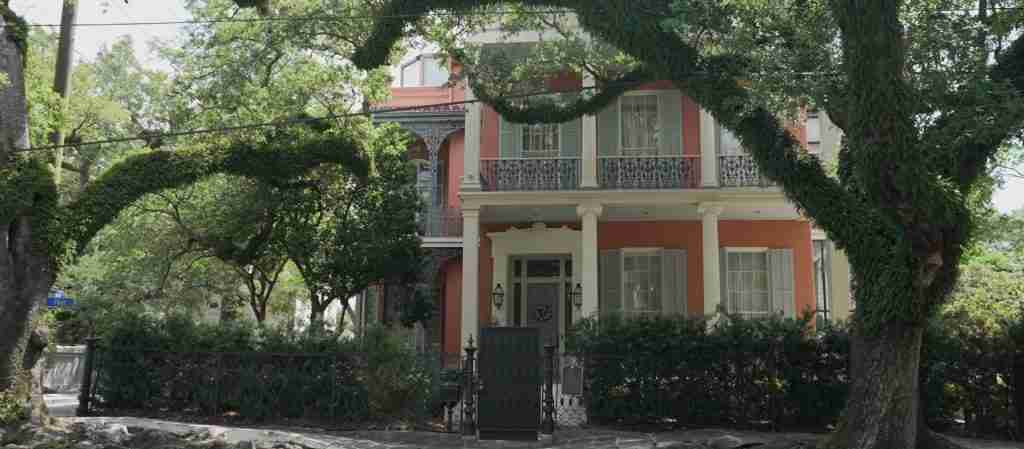
Architecture tours focus on French Quarter building styles, Creole cottage design principles, shotgun house evolution, Garden District mansions, and preservation challenges. Expert guides from architectural conservation organizations explain building techniques including bousillage (mud and moss wall construction), cast iron gallery work, European influences versus local adaptations, and restoration efforts saving historic structures from decay and demolition. Photography-focused architecture tours schedule optimal lighting conditions and provide extended shooting time at aesthetically significant buildings.
LGBTQ+ history tours examine New Orleans’ role in queer culture including historic French Quarter gay bars, Tennessee Williams’ homes and haunts, Southern Decadence festival history, and the city’s long tradition of tolerance predating modern LGBTQ+ rights movements. Guides discuss how French and Spanish colonial attitudes toward sexuality, Mardi Gras masking traditions, and cosmopolitan port culture created environments where LGBTQ+ individuals found relative acceptance compared to other Southern cities.
Bike tours cover greater distances than walking tours, accessing City Park, Bayou St. John, neighborhood po-boy shops, and areas beyond French Quarter tourist zones. Tours typically span 10-15 miles over 3-4 hours with frequent stops eliminating serious athletic requirements, though basic cycling ability and moderate fitness prove necessary. Bike rentals, helmets, and guides cost $45-65 per person, with sunset timing popular for comfortable temperatures and dramatic lighting.
Literary tours follow famous authors including Tennessee Williams, William Faulkner, Anne Rice, and Walker Percy through locations inspiring their works, bars where they drank, homes where they lived, and fictional settings recreated from real New Orleans spaces. Guides quote relevant passages connecting physical locations to literary descriptions, creating immersive experiences for book enthusiasts familiar with referenced works.
Photography tours provide expert guidance on capturing New Orleans’ visual character, from French Quarter architecture and cemetery atmospheres to street performer moments and food plating. Professional photographer guides share technical settings for high humidity conditions, discuss optimal shooting times for different subjects, and help participants improve compositional skills through on-location coaching. Some tours focus on mobile phone photography making experiences accessible without professional camera equipment.
Booking Strategies and Money-Saving Tips 2026
Strategic tour booking maximizes value through combination packages, seasonal timing, group discounts, and operator-specific promotions that reduce total costs while maintaining experience quality. Understanding pricing structures and demand patterns helps travelers allocate tour budgets effectively without sacrificing access to essential New Orleans experiences.
Combination packages bundling complementary tours deliver savings of 15-25% compared to individual bookings while reducing total transportation time by consolidating routes. Swamp tours paired with plantation visits leverage shared River Road corridor, with operators offering day-long combinations visiting both ecosystems efficiently. Food tours combined with cooking classes create culinary immersion spanning tasting and preparation, with package pricing reflecting reduced per-component costs. Ghost tours bundled with cemetery visits provide thematic consistency at discounted rates versus separate supernatural experiences.
Seasonal pricing variations create opportunities for budget-conscious travelers willing to endure weather extremes or avoid peak periods. Summer months (June-August) sometimes feature promotional rates as operators seek to maintain demand despite oppressive heat and humidity discouraging some visitors. Late January through February represents shoulder season when tour prices occasionally drop 10-20% to fill capacity during slower post-Mardi Gras periods. Conversely, major event periods including Mardi Gras (February-March), Jazz Fest (late April-early May), and French Quarter Fest (April) command premium rates with advance booking essential for availability.
Group discounts apply when traveling with 9-10+ adults, reducing per-person costs through volume pricing. Some operators provide graduated discounts where larger groups receive better rates, making New Orleans attractive destination for family reunions, corporate retreats, and friend group celebrations. Private tours for groups of 6-8 sometimes cost less per person than small-group public tours when group size approaches private tour minimum thresholds, with added benefits of customized pacing and content.
Early booking incentives reward advance planners through operators offering 5-10% discounts for reservations made 30+ days ahead, particularly for expensive experiences including multi-plantation combinations and private guide services. Last-minute specials occasionally appear when operators seek to fill remaining capacity 24-48 hours before departure, though this strategy risks missing sold-out popular tours during peak demand periods.
Free and low-cost alternatives exist for budget-constrained visitors. French Quarter self-guided walking routes accessing Jackson Square, St. Louis Cathedral exterior, Royal Street galleries, and riverfront parks cost nothing beyond comfortable walking shoes and navigation apps. Lafayette Cemetery No. 1 in Garden District allows independent entry without guided tour fees, providing cemetery architecture access for photography and contemplation. Free walking tours operated by gratuity-based companies like Free Tours by Foot request voluntary donations rather than mandatory fees, with guests determining payment based on experience quality and financial means.
Midweek booking (Tuesday-Thursday departures) sometimes costs less than weekend equivalents, particularly for experiences without fixed daily schedules. Some operators maintain uniform seven-day pricing, but others adjust rates based on demand patterns favoring weekend tourists willing to pay premiums for Saturday-Sunday availability.
Multi-day visitor passes bundling multiple attractions and tours create value for intensive itineraries. New Orleans Pass and similar products include admission to plantations, swamp tours, museum entries, and riverboat cruises at package rates lower than individual purchases, though travelers must calculate whether planned activities justify pass costs versus à la carte selections.
Direct booking through operator websites rather than third-party aggregators occasionally saves commission fees passed to consumers, though comparison shopping across platforms including Viator, GetYourGuide, and TripAdvisor reveals pricing variations worth investigating. Some operators match lowest published rates when customers identify cheaper listings, creating opportunities for price matching negotiations.
Local resident discounts reward Louisiana visitors through reduced rates at some plantations and museums, though tour operators generally maintain uniform pricing regardless of residency. Louisiana residents should inquire about discounts when booking directly with attraction admission desks rather than tour transportation companies.
Practical Tour Logistics and Planning 2026
Successful tour experiences require attention to practical details including arrival times, dress codes, weather preparation, and accessibility considerations that vary significantly across tour types and seasonal conditions. Understanding logistical requirements prevents missed departures, comfort issues, and accessibility challenges that diminish enjoyment of otherwise excellent experiences.
Arrival timing proves critical for securing preferred positions and avoiding late departures that leave without tardy participants. Most tours request arrival 15-30 minutes before scheduled departure for check-in, liability waiver signatures, and boarding organization. Popular tours including Steamboat Natchez cruises benefit from earlier arrival (45-60 minutes early for evening dinner cruises) allowing first-come selection of optimal seating locations before main passenger influx. Walking tours meeting at outdoor locations require identifying correct meeting points in crowded French Quarter spaces where multiple tour groups congregate simultaneously at busy corners.
Dress codes vary by tour formality and environmental exposure. Swamp tours recommend closed-toe shoes, long pants protecting against insects and sun exposure, and layered clothing accommodating morning cool and afternoon heat. Food tours suggest comfortable walking shoes capable of 1-2 mile distances on pavement and uneven sidewalks. Riverboat cruises maintain dressy casual standards (collared shirts, no shorts or flip-flops) though enforcement remains minimal outside private events. Cemetery tours require sun protection (wide-brim hats, sunglasses, sunscreen) for exposed touring in intense Louisiana sun.
Weather preparation addresses New Orleans’ challenging climate extremes. Summer tours demand multiple water bottles (most operators allow personal hydration), sweat-wicking fabrics instead of cotton retaining moisture, and heat tolerance for 90-100°F temperatures with 70-90% humidity creating feels-like conditions exceeding 110°F. Winter tours require light jackets for 40-60°F temperatures that feel colder than thermometer readings suggest given persistent dampness from proximity to Mississippi River and Gulf moisture. Rain gear (compact umbrellas, light rain jackets) proves useful year-round given frequent afternoon thunderstorms and unpredictable precipitation patterns.
Photography policies differ across venues and tour types. Cemetery tours generally permit photography for personal use but prohibit commercial shooting and drone operations requiring separate permits. Some plantation interiors restrict flash photography protecting fragile historical fabrics and paintings from light damage, while allowing non-flash shooting. Tour operators sometimes offer professional photography packages where dedicated photographers capture group and individual images for purchase, providing quality keepsakes without requiring participants to manage cameras during experiences.
Tipping expectations follow standard service industry guidelines with tour guides receiving 15-20% of tour cost as gratuities, paid in cash at tour conclusion. Exceptional guides delivering superior knowledge, entertaining presentation, and personalized attention merit premium tips at upper end of range or beyond, while adequate but unremarkable experiences deserve standard 15% compensation. Some tour companies include gratuity in pricing (labeled as “gratuity included”), eliminating separate tipping requirements and ensuring guide compensation regardless of individual guest decisions.
Accessibility accommodations require advance communication between visitors and operators to establish realistic expectations about tour feasibility. Steamboat Natchez provides wheelchair access to main deck and restrooms via ramps, though upper decks remain stairs-only without elevator access. Bus tours generally accommodate wheelchairs through hydraulic lifts on most vehicles, though some older coaches lack lift mechanisms. Walking tours present inherent challenges for mobility-impaired visitors given 1-2 mile distances, frequent standing periods, and uneven sidewalk navigation. Cemetery tours manage mixed accessibility with St. Louis No. 1 offering mostly paved pathways suitable for wheelchairs despite some cobblestone sections, while other cemeteries present more challenging terrain.
Food allergy management varies by tour type and operator responsiveness. Food tours can sometimes accommodate vegetarian preferences with advance notice, though vegan and severe allergen restrictions (gluten, shellfish, nut allergies) prove more challenging given New Orleans cuisine’s heavy reliance on seafood, wheat-based roux, and cross-contamination risks in restaurant kitchens. Operators request allergy information during booking but often cannot guarantee complete allergen avoidance, requiring guests with severe allergies to make informed risk assessments about participation safety.
Group coordination for tours handling multiple participants requires designated organizers managing headcounts, collecting fellow travelers lagging behind, and ensuring entire parties board vehicles or meet guides punctually. Tour operators provide specific instructions for group check-in procedures distinct from individual traveler protocols, often requesting single point-person managing entire party’s confirmations and vouchers.
Cancellation policies impact booking flexibility and financial risk. Most operators allow full refunds when cancellations occur 24-48 hours before scheduled departures, with later cancellations forfeiting deposits or full payments. Weather-related cancellations initiated by operators provide rebooking options or refunds, though participant decisions to skip tours due to personal weather discomfort typically forfeit payments. Travel insurance covering tour costs protects against unforeseen cancellation scenarios including illness, family emergencies, and travel disruptions beyond 24-48 hour standard cancellation windows.
Family-Friendly Tour Considerations 2026
Touring New Orleans with children requires careful selection of age-appropriate experiences balancing educational value, engagement potential, and stamina requirements that vary significantly across tour types and duration. Understanding which tours welcome families versus those better suited for adults helps parents create successful itineraries maintaining children’s interest while accessing authentic cultural experiences.
Swamp tours rank among the most popular family experiences, combining wildlife excitement, airboat thrills, and hands-on opportunities to hold juvenile alligators that captivate children across age ranges. Most operators require minimum age 5 and height 48 inches for airboat participation due to noise levels and seating configurations, with younger children accommodated on quieter pontoon boats offering comparable wildlife viewing without engine noise intensity. Tour duration of 90 minutes to 2 hours matches typical children’s attention spans, particularly with frequent activity changes including boat riding, wildlife spotting, guide demonstrations, and photo opportunities.
Riverboat cruises provide family-friendly entertainment through paddlewheel fascination, steam engine observation, and live music creating multi-sensory experiences holding children’s interest. Children under 6 cruise free with paying adults, making steamboat experiences economical for families with young children. Two-hour cruise duration proves manageable for most ages, with outdoor deck spaces allowing movement and exploration beyond seated areas when restlessness emerges. Daytime jazz cruises suit families better than evening dinner options requiring extended seated dining periods challenging for energetic children.
Food tours present mixed suitability depending on children’s culinary adventurousness and walking stamina. Three-hour durations with 1-2 miles walking prove exhausting for young children, while tasting-focused format with frequent stops maintains interest better than continuous walking tours. Many operators welcome families but suggest minimum ages 8-10 for children likely to appreciate culinary focus and maintain tour pace without frequent breaks. Picky eaters struggle with unfamiliar Creole and Cajun flavors including seafood gumbo, oysters, and spicy preparations, potentially limiting tasting participation and reducing tour value for families.
Cemetery tours require age-appropriate content assessments given historical discussions of death, disease, and cultural burial practices that may disturb young children. The official St. Louis Cemetery No. 1 tour welcomes families but recommends considering children’s maturity levels regarding cemetery content and ability to remain quiet and attentive for 55-minute guided experiences. Ghost tours emphasizing supernatural stories and murder histories generally target older children (ages 12+) or adults, with some operators maintaining minimum age requirements or strongly discouraging younger participant registration.
Plantation tours demand careful selection based on interpretive approaches and historical content. Oak Alley’s architectural focus and grounds exploration suit families better than Whitney Plantation’s intense slavery museum content featuring graphic descriptions of torture and dehumanization appropriate for mature teenagers but potentially traumatic for younger children. Tour durations spanning 2-4 hours test children’s patience and stamina, requiring parental assessment of individual children’s history interests and ability to engage with serious subject matter without disrupting other tour participants through boredom-driven behavior.
Child-specific considerations include restroom availability during tours (riverboats and plantations provide facilities, while walking and swamp tours may have limited access requiring pre-tour planning), stroller accommodation (generally impractical for walking tours and impossible on airboats, but manageable for riverboat cruises and some plantation grounds), and heat tolerance (children’s smaller body mass and higher metabolic rates make them more vulnerable to heat exhaustion during summer outdoor touring).
Interactive elements enhance children’s engagement across tour types. Swamp tours allowing children to hold baby alligators create memorable hands-on moments. Riverboat engine room access lets children observe mechanical operations. Some plantations offer children’s activity guides directing attention to specific architectural details or historical elements through scavenger hunt formats.
Attention span management requires realistic expectations about tour duration and format. Two-hour experiences with movement, visual stimulation, and activity changes prove more successful than three-hour walking lectures regardless of content quality. Tours incorporating multiple sensory inputs (music, food, wildlife, hands-on elements) maintain interest better than purely auditory experiences dependent on narration and guide storytelling.
Educational value for families balances entertainment with learning opportunities unavailable through independent exploration. Professional guides provide age-appropriate content scaling when tour groups include children, explaining complex histories through accessible language and relatable examples. Tours expose children to cultural diversity, environmental science, musical traditions, and historical perspectives broadening worldviews beyond classroom learning.
Frequently Asked Questions About New Orleans Tours 2026
How far in advance should I book New Orleans tours for peak season 2026?
Book 2-3 weeks minimum for visits during Mardi Gras (February-March), Jazz Fest (late April-early May), and French Quarter Fest (April), with some high-demand experiences including small airboat tours, St. Louis Cemetery No. 1 official tours, and small-group food tours selling out 4-6 weeks ahead during major event periods. Spring (March-May) and fall (September-November) represent peak tourism seasons requiring 1-2 week advance booking for most tours, while summer (June-August) and winter (January-February) shoulder seasons allow shorter booking windows of 3-5 days for most experiences. Specific tours with limited daily capacity including Whitney Plantation (controlling visitor numbers for meaningful interpretation) and exclusive after-hours cemetery access warrant booking at earliest trip planning stages regardless of season. Large group tours accommodating 10+ participants require even longer lead times (3-4 weeks minimum) for operator logistical coordination and vehicle/guide assignment.
Can I do multiple tours in one day or should I spread them across my New Orleans visit?
Strategic scheduling allows 2-3 shorter tours daily without overwhelming fatigue, though quality engagement often diminishes when cramming experiences without processing time between activities. Morning swamp tour (departing 9:00-9:30 AM, returning 12:30-1:00 PM) pairs reasonably with evening ghost walk (departing 7:00-8:00 PM) allowing midday rest and meal period, while afternoon food tour (1:00-4:00 PM) combines well with evening Steamboat Natchez dinner cruise (boarding 6:00 PM). Full-day plantation combinations (departing 9:30 AM, returning 5:30-6:00 PM) consume entire days without realistic opportunities for additional touring beyond perhaps a late dinner or brief evening French Quarter stroll. Consecutive intensive tour days create exhaustion and reduce retention of historical and cultural information, making strategic rest days or lighter independent exploration days valuable for trip satisfaction and information absorption. Families with children particularly benefit from pacing that intersperses tour-intensive days with pool/hotel downtime or self-guided activities preventing overscheduling burnout.
What happens if weather is bad on my scheduled tour day in New Orleans?
Most New Orleans tours operate rain or shine given the city’s frequent precipitation (average 60+ inches annually) that would otherwise force constant cancellations, with operators providing covered areas, rain ponchos, or advance weather warnings allowing participants to bring appropriate gear. Severe weather including lightning storms, dangerous wind conditions, or tropical systems forces operator-initiated cancellations offering rebooking options or full refunds, while participant decisions to skip tours due to personal discomfort with rain typically forfeit payments under standard cancellation policies. Summer afternoon thunderstorms prove brief and intense, often passing within 30-60 minutes and creating minimal disruption to tour schedules, while winter cold fronts bring day-long drizzle more likely to impact outdoor tour enjoyment despite operational continuation. Covered boat swamp tours and riverboat cruises with climate-controlled interior spaces provide better wet weather experiences than walking tours exposing participants to elements throughout duration, though quality rain gear and positive attitudes make most tours manageable even during precipitation. Contact operators 2-3 hours before scheduled departures during questionable weather for current status updates and cancellation decisions.
Are tour guides in New Orleans typically knowledgeable or just reading scripts?
Guide quality varies significantly across operators and individual guides, with the best combining deep subject expertise, engaging storytelling abilities, and genuine passion for New Orleans culture versus scripted presentations delivering minimal value beyond basic information available through guidebooks. Look for tours emphasizing certified guides, licensed interpreters (required for some cemetery and plantation sites), or guides with relevant professional backgrounds (historians, architects, chefs, musicians) indicating serious subject knowledge. Small local operators often employ guides with decades of New Orleans residency and family histories intertwined with city culture, providing authentic insider perspectives versus recent transplants working seasonal tourism jobs. Reading online reviews helps identify specific guides mentioned by name for exceptional knowledge and presentation, with some visitors requesting particular guides when booking based on previous positive experiences or review recommendations. Tipping practices (15-20% standard) incentivize guides to develop expertise and presentation skills differentiating themselves from mediocre counterparts, with exceptional guides commanding premium gratuities through obvious mastery of content and ability to answer unexpected questions demonstrating deep rather than superficial knowledge.
Do I need to tip tour guides in New Orleans and how much is appropriate in 2026?
Gratuities represent expected compensation for tour guides working primarily for tips beyond minimal base pay, with 15-20% of tour cost serving as standard range applied similarly to restaurant service. Calculate tips on total tour price (a $75 food tour merits $11-15 cash gratuity, a $100 plantation tour deserves $15-20), rounding to convenient denominations and paying cash at tour conclusion after guide thanks group for participation. Exceptional guides delivering superior knowledge, entertaining presentations, and personalized attention warrant premium tips at upper range or beyond (20-25%+ for truly outstanding experiences), while adequate but unremarkable tours deserve standard 15% compensation. Poor guide performance including factual errors, disengagement, or unprofessional behavior justifies reduced or withheld gratuities, though this scenario remains rare among established operators maintaining quality standards. Some tour companies include gratuity in pricing (clearly labeled as “gratuity included” or “all-inclusive”), eliminating separate tipping requirements, though additional tips remain appropriate for exceptional service. Credit card payment systems at tour conclusion occasionally offer gratuity options, though cash tips ensure guides receive full amounts without processing fees or company withholding common in electronic tipping systems.
Which New Orleans tour gives the most authentic local experience versus tourist attractions?
Food tours exploring Magazine Street or Mid-City neighborhoods rather than French Quarter tourist zones deliver most authentic local dining experiences at po-boy shops, snowball stands, and casual restaurants where New Orleanians actually eat rather than establishments catering primarily to visitors. Bicycle tours accessing residential neighborhoods including Marigny, Bywater, and Treme showcase lived-in New Orleans beyond tourist districts, with routes passing neighborhood bars, corner stores, and community gathering spaces illustrating contemporary local culture versus frozen-in-time French Quarter aesthetics. Voodoo cultural tours conducted by actual practitioners rather than theatrical ghost walks provide genuine insight into living spiritual traditions practiced by contemporary New Orleans residents versus Hollywood stereotypes and supernatural entertainment. Jazz club tours visiting Frenchmen Street venues where locals hear music versus Bourbon Street tourist bars distinguish authentic musical culture from commercial entertainment designed for out-of-town visitors. Tours emphasizing contemporary social issues including coastal land loss, Hurricane Katrina recovery inequities, and ongoing gentrification pressures reveal living city struggling with real challenges versus postcard imagery of charming historic architecture. Small local operators owned by multi-generational New Orleanians provide more authentic perspectives than national tour companies employing seasonal workers, with guides sharing personal family histories and neighborhood connections unavailable through corporate tour products.
Can I take New Orleans tours if I have food allergies or dietary restrictions?
Food tour operators can sometimes accommodate vegetarian preferences with advance notice (48-72 hours minimum) substituting vegetable-based dishes for seafood and meat items, though vegan and severe allergen restrictions (gluten, shellfish, tree nuts) prove extremely challenging given New Orleans cuisine’s fundamental reliance on seafood stocks, wheat-based roux, and cross-contamination risks in restaurant kitchens preparing multiple dishes simultaneously. Operators request detailed allergy information during booking but often cannot guarantee complete allergen avoidance, requiring guests with severe allergies (anaphylaxis risk) to make informed decisions about participation safety versus alternative non-food tours. Some food tours visiting 5-6 restaurants allow guests to skip problematic stops, though this reduces overall value when paying full price for partial participation. Celiac disease sufferers find limited accommodation as gluten-free adaptations fundamentally alter traditional gumbo, jambalaya, and po-boy preparations central to New Orleans culinary identity. Kosher and halal dietary observers face similar challenges given pork prevalence and rare kosher/halal restaurant availability in standard food tour rotations. Alternative strategies include booking private food tours where operators customize restaurant selections and menu choices to dietary requirements, though this premium option costs $200-400 for small groups versus $75-100 per person for standard group experiences.
What’s the difference between daytime and evening New Orleans riverboat cruises?
Daytime Steamboat Natchez jazz cruises departing at 11:30 AM and 2:30 PM emphasize sightseeing and Mississippi River education through captain’s narration explaining port operations, historical landmarks, and geographical context, with live traditional jazz by the Steamboat Stompers providing musical atmosphere but secondary to visual experience. Passengers move freely between four decks, observe steam engine operations, and photograph riverfront and city skyline in natural daylight ideal for photography. Optional casual lunch samplers ($15-25 additional) provide light refreshments rather than full dining experiences. Evening dinner cruises departing at 7:00 PM prioritize romantic atmosphere and musical sophistication through Grammy-nominated Dukes of Dixieland performances in refined Dixieland jazz style, with sunset and illuminated city skyline creating dramatic visual backdrop distinct from daytime perspectives. Buffet dinner options ($30-45 additional depending on menu selections) feature Creole-inspired multi-course meals with reserved seating requirements versus daytime casual boarding and flexible seating. Evening cruises attract date nights, anniversary celebrations, and special occasions versus daytime family-friendly and casual sightseeing demographics. Both experiences operate identical vessels and cover similar river routes, with timing, musical performers, and dining formality representing primary distinctions rather than fundamental cruise format differences.
Are combination tour packages worth the savings or better to book tours separately?
Combination packages deliver legitimate value through 15-25% savings versus individual bookings plus reduced total transportation time by consolidating routes, making them worthwhile when bundled experiences align with actual visitor interests and time availability. Swamp tour plus plantation combinations ($95-120) save $20-40 compared to booking separately while eliminating duplicate River Road transit by visiting both bayou and historic sites during single day-long outing. Food tour plus cooking class packages ($125-150) create cohesive culinary experiences where morning tastings inform afternoon hands-on preparation at reduced total cost versus separate purchases. Airboat tour plus ghost walk evening combinations leverage different times of day efficiently while providing contrasting nature/supernatural theme pairing. However, packages prove poor value when bundling experiences outside visitor interests (families with young children gain nothing from ghost walk additions, culinary-indifferent travelers waste money on food tour components), when rushed schedules sacrifice quality engagement for quantity of experiences, or when non-refundable package pricing creates inflexibility if one component faces weather issues or personal preference changes. Calculate package savings against flexibility loss, verify all bundled components genuinely interest your travel party, and confirm schedules allow adequate time for each experience without exhausting rushes between activities. Solo travelers and couples often benefit most from combinations versus families whose varying age-based interest levels make à la carte selections safer investments.
What should I know about New Orleans tour company tipping culture beyond the standard percentage?
New Orleans tour guides depend heavily on gratuities given that base wages often barely cover operational costs, making tipping not merely courteous but essential to guide livelihoods in tourism-dependent economy where operators minimize fixed labor costs through tip-supplemented pay structures. Beyond standard 15-20% calculation, exceptional circumstances merit adjusted tipping: guides demonstrating obvious passion and multi-decade expertise deserve premium 20-25%+ recognition, guides accommodating special requests (slower walking paces, extended photo time, dietary modifications) merit appreciation through enhanced gratuities, and guides who prevented tour disruptions from problematic participants while maintaining quality experience for everyone deserve compensation reflecting their professionalism. Conversely, guides delivering factually incorrect information (stating discredited historical myths, providing outdated data), displaying bias or inappropriate commentary (racist remarks, political diatribes unrelated to tour content), or showing obvious disengagement warrant reduced or withheld tips with feedback to operators explaining gratuity decisions. Small local operators where owners personally conduct tours present tipping ambiguity (some etiquette guides suggest tipping owner-operators less than employee guides), though generous tipping demonstrates appreciation regardless of ownership status. Cash tips ensure guides receive full amounts without credit card processing fees or company withholding, with $20 bills providing convenient denominations for most tour price ranges. Envelope systems where tour groups collectively tip rather than individual payments create logistical simplicity but risk some participants contributing less than fair share while others compensate through excess contributions.