
2 Weeks in Yucatan 2026: Ultimate Road Trip Itinerary Through Ruins, Cenotes & Beaches
Key Takeaways
- A 14-day Yucatan road trip covers Maya archaeological sites (Chichen Itza, Uxmal, Coba), stunning cenotes, Caribbean beaches, and colonial cities with rental car flexibility
- Budget $1,800-2,800 per person for two weeks in 2026 including accommodation ($50-90/night), meals ($35-55/day), site entries ($200-300 total), and rental car ($350-500)
- The optimal route starts in Cancun, loops through Valladolid, Merida, Campeche, and Tulum, covering 1,200-1,500 km with strategic overnight stops
- Book accommodations 2-3 months ahead for high season (December-April 2026), secure rental cars early for best rates, and reserve Chichen Itza tickets online to skip lines
- The May-November 2026 low season offers 30-40% savings on hotels and fewer crowds at ruins, though afternoon rain showers are common
- Combine archaeological exploration with cenote swimming, beach relaxation, and colonial architecture for a balanced cultural and natural experience
Planning Your Ultimate Yucatan Adventure in 2026
The Yucatan Peninsula delivers Mexico’s most spectacular combination of ancient Maya civilization, crystal-clear cenotes, Caribbean coastline, and vibrant colonial cities. A two-week road trip provides the perfect timeframe to explore UNESCO World Heritage archaeological sites, swim in hidden underground pools, relax on pristine beaches, and immerse yourself in Mexican culture without feeling rushed. The region’s compact geography and excellent highway infrastructure make self-drive exploration both practical and rewarding.
This comprehensive itinerary balances world-famous destinations like Chichen Itza and Tulum with lesser-known archaeological sites, remote cenotes, and authentic local experiences. The route design minimizes backtracking while allowing flexibility to adjust based on your interests—whether you prefer spending extra days exploring ruins, additional time swimming in cenotes, or extended beach relaxation. The Yucatan’s year-round warm climate and well-developed tourism infrastructure ensure comfortable travel regardless of when you visit in 2026.
Traveling by rental car provides independence to explore at your own pace, visit remote cenotes inaccessible by tour buses, and discover small towns and local restaurants along the way. The peninsula’s main highways are well-maintained toll roads (cuotas) connecting major destinations, while free roads (libres) offer scenic alternatives through traditional Maya villages. Gas stations appear regularly along main routes, and most rental cars include unlimited mileage, making distance less of a concern than timing and routing efficiency.
People Also Ask About Yucatan Road Trip 2026
How much does a 2-week Yucatan road trip cost in 2026?
A two-week Yucatan road trip costs $1,800-2,800 per person in 2026 for a comfortable mid-range experience. This budget includes accommodation at $50-90 per night in double occupancy hotels and boutique properties, daily meals at $35-55 covering breakfast, lunch, dinner and snacks at local restaurants and markets, archaeological site entries totaling $200-300 for major ruins and smaller sites, rental car at $350-500 for 14 days including insurance and gas, and cenote admissions at $5-15 per site. Check booking platforms and rental car websites for current rates as pricing may vary. Budget travelers spending $1,200-1,600 per person stay in hostels and budget hotels, eat primarily at local markets and street food, limit paid activities, and choose economy rental cars. Luxury travelers spending $3,500-5,000+ per person book boutique hotels and haciendas, dine at upscale restaurants, hire private guides, and select premium vehicles with comprehensive coverage.
What is the best time for a Yucatan road trip in 2026?
The best time for a Yucatan road trip in 2026 depends on your priorities for weather, crowds, and pricing. The December-April high season offers optimal conditions with minimal rain (1-3 days per month), comfortable temperatures of 75-85°F, and perfect beach weather, but brings higher accommodation prices, larger crowds at popular ruins like Chichen Itza and Tulum, and advance booking requirements of 2-3 months for best hotels. The May-November low season provides significant savings of 30-40% on hotels, fewer tourists at archaeological sites allowing better photography and exploration, and authentic local experiences, though afternoon rain showers occur 10-15 days per month and humidity reaches 80-90%. The shoulder months of November and May 2026 balance good weather with moderate pricing and reasonable crowd levels. Hurricane season runs June through November with September-October presenting the highest risk, though the Yucatan’s Caribbean coast rarely experiences direct hits.
Do you need advance bookings for Yucatan attractions in 2026?
Advance bookings benefit your 2026 Yucatan trip significantly for key elements. Chichen Itza requires online ticket reservations during high season to guarantee entry and skip ticket office lines, as daily visitor caps limit access during December-April. Rental cars need booking 2-3 months ahead for December-April travel to secure best rates and vehicle availability, especially for automatic transmission cars. Accommodations in Merida, Valladolid, Tulum, and Isla Holbox require 6-8 weeks advance booking for high season weekends and holidays. Popular cenotes like Gran Cenote and Cenote Ik Kil accept walk-ins but experience afternoon crowds, making morning visits without reservations preferable. Most archaeological sites besides Chichen Itza sell tickets on-site without capacity restrictions. Organized tours and private guides book 2-4 weeks ahead for guaranteed availability and preferred time slots.
Is driving in Yucatan safe and practical in 2026?
Driving in Yucatan ranks among Mexico’s safest and most practical regions for road trips in 2026. Major highways connecting Cancun, Merida, Playa del Carmen, and Tulum are modern toll roads (cuotas) with excellent pavement, clear signage in Spanish and English, and regular gas stations and rest stops every 50-100 km. Free roads (libres) through villages have adequate conditions though slower speeds of 40-60 km/h due to speed bumps (topes) at town entries. Mexican liability insurance is mandatory and costs $15-25 per day through rental companies or third-party providers. Police checkpoints (retenes) appear occasionally on main routes for routine document checks—having passport, driver’s license, rental contract, and insurance papers readily accessible ensures quick passage. Navigation apps like Google Maps and Waze function reliably throughout the peninsula with cellular data. Driving at night deserves caution due to poorly lit roads and potential animals, making daylight travel between destinations preferable. Parking at archaeological sites, cenotes, and hotels is straightforward with secure lots or street parking in most locations.
Extended multi-day tours – 5+ days
Featured Yucatan Multi-Day Tour Packages

14 days
Viva Mexico
- ✓ Comprehensive Yucatan tour
- ✓ Expert local guides included
- ✓ All accommodation arranged
- ✓ Transportation provided
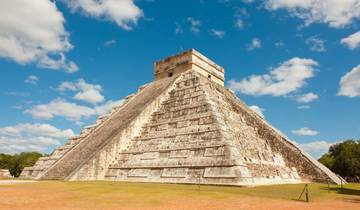
5 days
Mini Wonders of the Maya with the Maya Train
- ✓ Comprehensive Yucatan tour
- ✓ Expert local guides included
- ✓ All accommodation arranged
- ✓ Transportation provided

8 days
Premium Mexico Yucatan Highlights (from Cancun to Tulum)
- ✓ Comprehensive Yucatan tour
- ✓ Expert local guides included
- ✓ All accommodation arranged
- ✓ Transportation provided
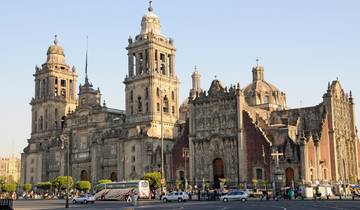
9 days
Mexico City & Merida City (Delight Mexican Cuisine)
- ✓ Comprehensive Yucatan tour
- ✓ Expert local guides included
- ✓ All accommodation arranged
- ✓ Transportation provided
Multi-day tour packages powered by TourRadar. Prices and availability subject to change.
Essential Planning Information for Your 2026 Yucatan Road Trip
2026 Yucatan Costs and Budget Breakdown
Understanding current pricing structures helps create realistic budgets for your 2026 Yucatan adventure. Major archaeological site admissions cost $20-30 per person at Chichen Itza, Uxmal, and Ek Balam, $8-15 at secondary sites like Coba and Mayapan, and $5-10 at smaller ruins including Dzibilchaltun and Xcambo in 2026. Check official INAH (Instituto Nacional de Antropología e Historia) websites for current rates as pricing may vary. Cenote entrance fees range $5-8 for local community-run sites, $10-15 for developed cenotes with facilities like Gran Cenote and Cenote Suytun, and $15-25 for cenote parks with multiple pools. Beach access is free at public beaches in Tulum, Playa del Carmen, and Progreso, while beach clubs charge $20-40 minimum consumption including loungers and shade.
Accommodation costs vary significantly by season and location. Mid-range hotels in Merida, Valladolid, and Campeche cost $50-75 per night for doubles in low season (May-November), rising to $75-110 in high season (December-April). Tulum and Playa del Carmen command premium rates of $90-140 for comparable properties. Budget hotels and hostels offer dorms at $15-25 and private rooms at $35-50 year-round. Boutique properties and haciendas range $150-300+ depending on luxury level and included amenities. Airbnb apartments provide good value at $60-100 per night for two bedrooms accommodating families or small groups.
Daily meal costs depend on dining choices and locations. Street food tacos cost $1-2 each with 4-5 making a filling meal, market comedores serve complete lunches at $5-8, casual local restaurants charge $8-15 for main courses, and upscale dining costs $25-40 per person. Daily food budgets run $35-45 for mixed local and tourist restaurants, $25-35 eating primarily at markets and street vendors, and $55-75 for predominantly tourist-oriented establishments. Supermarkets in cities provide economical breakfast and snack options, while resort areas charge premium prices for all dining.
Rental Car Strategies for 2026
Selecting the right rental car and coverage protects your budget and ensures worry-free exploration. Compact and economy cars cost $25-35 per day for basic models suitable for highway driving and paved roads to major sites. Mid-size sedans at $35-45 per day offer more comfort for long drives and better air conditioning performance in tropical heat. SUVs ranging $50-70 per day provide extra space for luggage and better clearance for unpaved roads to remote cenotes. Automatic transmission costs $5-10 more per day than manual transmission vehicles. Book directly through major international companies (Hertz, Budget, Avis, Europcar) for reliable service and transparent pricing, avoiding airport third-party brokers with hidden fees.
Mexican liability insurance is mandatory by law and not covered by credit card travel insurance or US/Canadian policies. Rental companies offer liability at $15-25 per day, collision damage waiver at $15-30 per day, and theft protection at $8-15 per day. Comprehensive packages including all coverage cost $35-50 per day. Third-party insurance providers like Baja Bound offer competitive rates of $8-12 per day for liability coverage. Credit card collision coverage may work for damage waiver if specifically approved for Mexico—verify with your card issuer before declining rental company coverage. Budget the full insurance cost in advance to avoid surprise charges at pickup that can double your daily rate.
Gas costs approximately $1.10-1.30 per liter ($4.15-4.90 per gallon) at Pemex stations throughout the peninsula. A two-week trip covering 1,200-1,500 km in a compact car consuming 6-7 liters per 100 km requires 70-105 liters total, costing $75-135 for fuel. Highway tolls (cuotas) on main routes cost $3-8 per segment, with Cancun to Merida via cuota totaling approximately $25, Merida to Campeche $15, and Tulum to Playa del Carmen $5. Free roads (libres) save toll fees but add 30-60 minutes to travel times between major cities.
Best Time for Your Yucatan Road Trip 2026
High Season Advantages: December-April 2026
The winter high season delivers Yucatan’s most reliable weather conditions for a road trip combining ruins, cenotes, and beaches. December through April experiences minimal rainfall averaging 1-3 rainy days per month, comfortable daytime temperatures of 75-85°F perfect for exploring archaeological sites without excessive heat, refreshing evening temperatures of 65-75°F ideal for colonial city walks, and lower humidity levels of 60-75% compared to summer’s 85-95%. Beach conditions peak with calm Caribbean waters, consistent sunshine, and pleasant swimming temperatures of 78-82°F. Cenote water remains refreshing at 75-77°F year-round but feels particularly inviting after warm afternoon site visits.
High season popularity brings both benefits and challenges for 2026 planning. Major archaeological sites like Chichen Itza receive 8,000-12,000 daily visitors during peak months versus 3,000-5,000 in low season, creating crowds at iconic structures during 10 AM-2 PM tour bus hours. Popular cenotes like Gran Cenote and Cenote Ik Kil fill with swimmers during midday, though early morning visits (8-9 AM) or late afternoon (4-5 PM) avoid the worst crowds. Hotel rates increase 40-60% above low season pricing, with beachfront Tulum properties commanding $150-250 for rooms costing $80-120 in summer. Rental car rates rise 20-30% and availability decreases, making 2-3 month advance reservations essential for best selection and pricing.
December and January 2026 represent peak-peak season with Christmas and New Year holidays bringing maximum crowds and pricing, while February through April maintain high season conditions with slightly better availability. The February-March period often provides the best balance of excellent weather, moderate crowds after holiday peaks, and occasional last-minute accommodation deals as hotels fill empty rooms.
Low Season Benefits: May-November 2026
The May-November low season rewards flexible travelers with significant savings and authentic experiences despite afternoon rain showers. Accommodation prices drop 30-40% compared to winter, with mid-range hotels in Merida and Valladolid costing $50-75 versus $75-110 in high season, and Tulum properties at $90-130 versus $150-250. Rental cars cost $20-30 per day for compacts versus $30-40 in winter. Archaeological sites host 60-70% fewer visitors, providing uncrowded exploration opportunities and better photography without crowds obscuring Maya structures. Cenotes offer refreshing swimming in afternoon heat with minimal wait times and peaceful atmosphere.
Rain patterns follow predictable afternoon thunderstorm schedules rather than all-day downpours. Most days feature sunny mornings ideal for archaeological site visits (which close at 5 PM regardless of weather), with brief intense storms between 3-6 PM that clear quickly. Plan morning site visits, early afternoon cenote swimming, and late afternoon rest or colonial city exploration to work with rather than against rain patterns. The late-day showers cool temperatures and create dramatic sunset lighting for photography. Coastal areas receive less rain than interior regions, making beach time in Tulum and Playa del Carmen viable throughout the low season.
Hurricane season runs June through November with peak activity September-October. The Yucatan Peninsula’s Caribbean coast experiences fewer direct hits than other Mexican regions or Caribbean islands, with most storms passing north toward Texas or south toward Central America. June-August and November present lower hurricane risk with occasional tropical storms bringing 1-2 days of steady rain. Monitor weather forecasts during your trip and maintain flexible accommodation bookings allowing route adjustments if needed. Many hotels offer free cancellation or rescheduling during tropical storm warnings.
Shoulder Season Sweet Spots: November and May 2026
November and May 2026 offer optimal compromises between weather reliability and value pricing. Late November after Dia de Muertos (November 1-2) through mid-December represents a transition period with improving weather as rain decreases, moderate temperatures and humidity levels, reduced crowds before Christmas holiday arrivals, and accommodation prices 20-30% below peak season. Early May maintains dry season conditions through mid-month before rainy season intensifies, features warm but not oppressive temperatures, and provides excellent value with low season pricing already in effect while weather remains mostly dry.
These shoulder periods suit travelers seeking good weather odds without premium pricing or maximum crowds. Book 4-6 weeks in advance for best accommodation selection, though last-minute deals appear more frequently than during December-March. Rental car availability remains strong with mid-season pricing. Archaeological sites host moderate visitor numbers allowing comfortable exploration without feeling overcrowded or completely empty.
Ultimate 14-Day Yucatan Road Trip Itinerary 2026
Days 1-2: Cancun Airport to Valladolid via Chichen Itza (2026 Arrival and Acclimatization)
Your 2026 Yucatan adventure begins with pickup at Cancun International Airport where all major rental car companies operate from terminals outside baggage claim. Complete rental paperwork, verify insurance coverage, and inspect the vehicle before departing. The toll highway (180D) west toward Valladolid provides smooth driving for your first Mexican road experience, covering 180 km in approximately 2 hours including the Cancun-Valladolid toll of $8. Consider stopping at Puerto Morelos (30 minutes south of airport) for lunch at casual beachfront restaurants serving fresh ceviche at $12-18 before continuing inland.
Arrive at Chichen Itza by early afternoon for your introduction to Maya civilization at Mexico’s most famous archaeological site. Tickets cost $30 per person in 2026 including both INAH site admission and state access fee (verify current rates at chichenitza.inah.gob.mx). The 2-3 hour visit covers El Castillo pyramid, the Great Ball Court, Temple of Warriors, Sacred Cenote, and Group of a Thousand Columns. Hire a licensed guide at the entrance for $50-70 per group for detailed historical explanations, or explore independently with guidebook or audio app. Arrive before 10 AM or after 3 PM to avoid peak tour bus crowds of 9,000-10,000 daily visitors during high season. The site closes at 5 PM year-round.
After Chichen Itza, continue 45 minutes (45 km) east to Valladolid for your first two nights. This colonial city offers authentic atmosphere, excellent restaurants, and proximity to Ek Balam ruins and cenotes. Check into your hotel in the historic center near Parque Principal, with mid-range colonial properties costing $60-85 per night. Spend evening hours exploring the central plaza, visiting San Servacio Church, and dining at local restaurants serving Yucatecan specialties like cochinita pibil (slow-roasted pork) at $10-15 and papadzules (egg-filled tortillas with pumpkin seed sauce) at $8-12. Valladolid’s relaxed pace provides perfect acclimatization after travel. Day 1 costs: rental car pickup $25-35, gas $15-20, Chichen Itza entry $30, guide $15-20 (shared), lunch $12-18, dinner $15-25. Total day cost: $112-148 per person (excluding accommodation $60-85).
Day 3: Ek Balam and Cenote Exploration from Valladolid 2026
Dedicate your second day in Valladolid to Ek Balam archaeological site and cenote swimming. Depart by 8:30 AM for the 30-minute drive (27 km) north to Ek Balam, arriving when the site opens at 9 AM before tour groups. Entry costs $15 per person in 2026. This remarkably preserved site features the Acropolis pyramid (104 feet tall) that visitors still climb for panoramic jungle views, intricate stucco decorations and facades with original paint traces, and the famous Jaguar Throne room with elaborate sculptures. Unlike larger sites, Ek Balam maintains an intimate archaeological park atmosphere with 1,500-2,000 daily visitors even in high season. Budget 2-3 hours for thorough exploration including the climb to the Acropolis summit and examination of detailed carved elements.
After Ek Balam, drive 5 minutes to Cenote X’Canche for refreshing swimming in a spectacular open-air cenote. Entry costs $8 per person including equipment rental. The cenote sits 30 feet below ground level accessed by a wooden staircase, with a rope swing, zip line ($5 extra), and shaded palapas for relaxing. Crystal-clear water maintains 75°F year-round, providing welcome relief after the archaeological site visit. Spend 1-2 hours swimming, relaxing, and enjoying a light lunch from the on-site snack bar serving tortas (Mexican sandwiches) at $6-8 and fresh fruit drinks at $3-5.
Return to Valladolid by early afternoon for exploration of Cenote Zaci in the city center (entry $5). This dramatic open cenote sits 45 feet below street level with suspended tree roots and natural lighting creating magical atmosphere. The on-site restaurant serves traditional Yucatecan lunches at $8-12. Alternatively, visit Cenote Suytun (8 km west of Valladolid, entry $10) famous for its iconic photograph with a single sunbeam illuminating the cenote chamber—arrive early morning or late afternoon for best light. Spend your evening strolling Calzada de los Frailes, a pedestrian street lined with colorful colonial buildings, artisan shops, and restaurants. Day 3 costs: Ek Balam entry $15, Cenote X’Canche $8, lunch at cenote $8-12, Cenote Zaci or Suytun $5-10, dinner $15-25, gas $10-15. Total day cost: $61-85 per person (excluding accommodation).
Days 4-5: Rio Lagartos and Las Coloradas via Tizimin (2026 Nature Exploration)
Day 4 takes you north to the Gulf Coast for flamingo observation and surreal pink lake photography. Depart Valladolid by 8 AM for the 2-hour drive (105 km) northeast through agricultural landscapes to Rio Lagartos, a fishing village and biosphere reserve. Stop in Tizimin (45 minutes from Valladolid) for breakfast at market food stalls serving huevos motuleños (eggs on tortillas with beans and salsa) at $5-7. Continue north through rural Yucatan to Rio Lagartos, arriving by 10-10:30 AM.
Book a morning boat tour departing 10:30-11 AM for flamingo observation in Rio Lagartos Biosphere Reserve. Tours cost $50-70 per person for 2-2.5 hours including transport to flamingo colonies, Las Coloradas pink lakes, mangrove channels, crocodile spotting, and Maya mud bath. Reserve through your Valladolid hotel or directly with Rio Lagartos tour cooperatives at the malecón (waterfront). Thousands of Caribbean flamingos feed in shallow waters during winter months (November-March) with smaller resident populations year-round. The pink lakes at Las Coloradas get their dramatic color from salt-loving microorganisms, creating stunning photography opportunities particularly in morning and late afternoon light. Tours include stops for swimming in mangrove-ringed pools and optional mud baths rich in minerals.
After the boat tour, drive 15 minutes west to San Felipe, a quieter fishing village with excellent seafood restaurants along the waterfront. Lunch on fresh grilled fish at $12-18, fish tacos at $2-3 each, and ceviche at $10-15. Spend afternoon hours relaxing at San Felipe’s Gulf beach, swimming in calm shallow waters, and enjoying the laid-back fishing village atmosphere far from tourism development. Check into basic but comfortable hotels in Rio Lagartos or San Felipe at $45-65 per night, or return to Tizimin (45 minutes south) for more hotel options at $50-75. Day 4 costs: breakfast $5-7, flamingo boat tour $50-70, lunch $15-25, gas $15-20, snacks $5-10. Total day cost: $90-132 per person (excluding accommodation $45-75).
Use Day 5 for flexible exploration based on your interests. Options include returning to Las Coloradas independently (no boat needed) for sunrise or sunset photography, exploring Tizimin’s central market and colonial church, visiting Cenote Sudzal near Valladolid, or driving directly to Merida (2.5 hours west) to begin the colonial cities portion of your route. The Tizimin-Merida drive via Motul offers authentic Maya village scenes and opportunities to stop at small archaeological sites like Dzibilchaltun (45 minutes east of Merida) featuring a cenote within the ruins perfect for swimming after site exploration.
Days 6-7: Merida and Uxmal (2026 Colonial City and Archaeological Majesty)
Arrive in Merida by early afternoon for check-in at your hotel in the historic center. This vibrant colonial capital combines Spanish architecture, Maya cultural preservation, excellent restaurants, and animated street life. Book accommodations near Plaza Grande (main square) for walkable access to major sites, with colonial boutique hotels at $75-110 per night and budget options at $40-60. Merida’s extensive one-way street system challenges navigation but parking garages near the plaza ($2-3 per hour) simplify logistics. Dedicate late afternoon and evening to exploring Plaza Grande, Merida Cathedral, Government Palace murals, and Paseo de Montejo boulevard lined with French-influenced mansions. Dinner at Mercado 60 food hall offers diverse Yucatecan cuisine options at $8-15 per dish.
Day 7 focuses on Uxmal, considered by many archaeologists more impressive than Chichen Itza for its Puuc architectural style and magnificent preservation. Depart Merida by 8 AM for the 1-hour drive (80 km) south via Highway 261. Arrive when the site opens at 9 AM before the heat intensifies and tour groups arrive. Uxmal entry costs $27 per person in 2026 including INAH admission and state fee (check inah.gob.mx for current official rates). This UNESCO World Heritage site features the Pyramid of the Magician with its unique rounded base, Governor’s Palace with intricate stone mosaics across its 320-foot facade, Great Pyramid offering impressive views, and Nunnery Quadrangle showcasing detailed geometric stone carvings. Licensed guides at the entrance charge $50-70 per group for 2-hour tours explaining Puuc architecture, Maya astronomy, and site history. Budget 3-4 hours for comprehensive exploration including climbing permitted structures for panoramic views.
Return to Merida by early afternoon for lunch at La Chaya Maya or other traditional restaurants serving sopa de lima (lime soup) at $6-8, panuchos (fried tortillas topped with beans and meat) at $8-12, and local craft beers at $3-5. Spend afternoon hours visiting museums (Museo Fernando Garcia Ponce for modern art, Museo de la Ciudad for Merida history), shopping for hammocks and guayabera shirts at Mercado Lucas de Galvez, or resting at your hotel before evening activities. Merida hosts free cultural events most evenings including Monday Vaqueria Yucateca dance at Plaza Grande, Thursday Serenata Yucateca with live music and dancing at Parque Santa Lucia, and Sunday bike-walk closures of Paseo de Montejo. Day 7 costs: Uxmal entry $27, guide $15-20 (shared), lunch $15-25, gas $15-20, dinner $18-30, snacks $8-12. Total day cost: $98-134 per person (excluding accommodation).
Day 8: Ruta Puuc Archaeological Sites and Loltun Caves (2026 Maya Heritage Deep Dive)
Dedicate Day 8 to the Ruta Puuc, a collection of smaller but spectacular Maya sites south of Uxmal showcasing Puuc architectural excellence without crowds. Depart Merida by 8 AM and stop at Kabah (23 km past Uxmal), where entry costs $8. Kabah’s highlight is the Palace of the Masks with its facade covered in 250 Chaac (rain god) masks, connected to Uxmal by a sacbe (ancient Maya road). Budget 1-1.5 hours for exploration. Continue south to Sayil (9 km further) with entry at $8, featuring a three-story palace exhibiting 70 rooms and sophisticated water management systems. Xlapak (6 km beyond Sayil, entry $4) offers a small but beautiful palace with excellent decorative friezes in a peaceful jungle setting. Labna (3 km past Xlapak, entry $8) showcases the famous arch and palace complex with detailed stone mosaics.
After the archaeological sites, visit Grutas de Loltun (15 km east of Labna), the largest accessible cave system in Yucatan. Entry costs $12 per person with mandatory 90-minute guided tours departing at 9:30 AM, 11 AM, 12:30 PM, 2 PM, 3 PM, and 4 PM daily. The caves extend 1.5 km through chambers with stalactites, stalagmites, Maya paintings, and archaeological remains spanning 10,000 years of human occupation. The constant 75°F temperature provides welcome cooling after morning site visits. Tours conduct in Spanish with English summaries—bring a flashlight for enhanced visibility of formations. Budget 2 hours total including waiting time between tours.
Options for late afternoon include driving to Campeche (90 minutes west, 170 km) for overnight stay, returning to Merida, or overnighting in Ticul (15 km from Loltun), a traditional town famous for pottery and Yucatecan cuisine with hotels at $45-70. Ticul restaurants serve excellent poc chuc (grilled pork with pickled onions) at $10-14 and carne asada at $12-16. Day 8 costs: Kabah entry $8, Sayil entry $8, Xlapak entry $4, Labna entry $8, Loltun caves $12, lunch $12-18, dinner $15-25, gas $20-25, snacks $5-10. Total day cost: $92-123 per person (excluding accommodation).
Days 9-10: Campeche and Calakmul (2026 Fortified City and Remote Jungle Ruins)
Drive from Merida or Ticul to Campeche, a UNESCO World Heritage colonial city famous for its intact fortification walls and pastel-colored houses. The journey from Merida via Highway 180 covers 160 km in 2 hours, while from Ticul via backroads through Bolonchen takes 2.5 hours but offers more scenic village views. Check into hotels within the walled historic center at $60-90 per night, providing evening access to illuminated colonial architecture, restaurants, and the malecón (waterfront promenade). Spend late afternoon exploring the fortress walls, walking Calle 59 lined with restored colonial mansions, and visiting the Cathedral facing Plaza Principal. Evening hours bring the city’s fortifications to life with light and sound shows projecting historical scenes onto the walls—check schedules at tourism offices or hotels.
Day 10 presents an ambitious but rewarding excursion to Calakmul, one of the Maya world’s most powerful ancient cities hidden deep in jungle 350 km south of Campeche near the Guatemala border. This UNESCO World Heritage site within Calakmul Biosphere Reserve offers authentic archaeological adventure far from tourism development. Depart Campeche by 5:30 AM for the 3.5-4 hour drive south via Highway 186 to Xpujil, then 60 km north on the Calakmul access road. Entry costs $25 per person including biosphere reserve access and ruins admission. The site opens at 8 AM—early arrival provides cooler temperatures for climbing pyramids and better wildlife viewing including howler monkeys, toucans, and occasionally jaguars. Calakmul features two massive pyramids over 150 feet tall that visitors climb for canopy-level jungle views extending to Guatemala, thousands of structures emerging from jungle vegetation, and numerous stelae carved with Maya history.
The Calakmul adventure requires full-day commitment with return to Campeche by 7-8 PM. Pack lunch and snacks as restaurants appear only in Xpujil village. Budget $30-40 for gas, $15-25 for meals, and consider staying overnight in Xpujil ($50-80) to reduce driving if you prefer slower pacing. Alternative Day 10 options for those finding Calakmul too ambitious include visiting nearby Edzna ruins (60 km from Campeche, entry $10), featuring a unique five-story pyramid with temple at top, or relaxing in Campeche with beach time at Playa Bonita, colonial architecture photography, and seafood dining. Day 10 Calakmul excursion costs: Calakmul entry $25, gas $30-40, breakfast $8-12, packed lunch $15-20, dinner $18-30, snacks $8-12. Total day cost: $104-139 per person (excluding accommodation).
Days 11-12: Bacalar Lagoon of Seven Colors (2026 Cenote-Lake Paradise)
Drive from Campeche to Bacalar, a magical town on the Lagoon of Seven Colors near the Belize border. The journey covers 380 km in 4.5-5 hours via Highway 186 east through Xpujil to Chetumal, then north 40 km to Bacalar. Consider breaking the drive with lunch in Xpujil or Chetumal. Bacalar offers unique freshwater lagoon swimming combining cenote-like clarity with lake size—shades of blue and turquoise shift across the shallow lagoon depending on depth, bottom composition, and sunlight angle. Book accommodations along the lagoon shore at $70-120 per night for mid-range hotels with kayak or paddleboard access, or $40-60 for budget options within walking distance of the lagoon.
Day 11 afternoon activities focus on lagoon exploration. Rent kayaks or paddleboards at $10-15 per hour from hotels or waterfront outfitters for independent exploration of Cenote Azul, Cenote Ciego, and Cenote Negro—freshwater springs feeding the lagoon where water drops to 300 feet depth creating darker blue circles contrasting with surrounding turquoise shallows. Boat tours at $40-60 per person for 3-4 hours include visits to multiple cenotes, Pirate Channel, Bird Island, and swimming in the lagoon’s most beautiful sections. Lunch at waterfront restaurants costs $15-25 for fresh fish, coconut shrimp at $18-28, and lake views. Evening entertainment centers on Bacalar town plaza with casual restaurants serving tacos at $2-3 each and craft beer at $3-5.
Day 12 provides additional lagoon time and flexibility. Morning hours suit paddling to Cenote Esmeralda (30-minute paddle from town) where the lagoon bottom transitions from sand to clay creating emerald green water. Alternatively, visit Fort San Felipe (entry $5) housing a piracy museum explaining Bacalar’s history as a target for Caribbean pirates during colonial times. Afternoon options include relaxing at your hotel’s lagoon access, taking a second boat tour to explore different areas, or visiting Cenote Azul (2 km south of town, entry $5), an open cenote 300 feet deep perfect for cliff jumping from 15-foot platforms. Balneario Ejidal, a local-favorite swimming area on the lagoon, charges $3 entry for palapa shade, restrooms, and swimming access. Budget Day 12 for rest after the active preceding days—Bacalar’s peaceful atmosphere encourages slowing down. Day 12 costs: Fort San Felipe entry $5, cenote visit $5, kayak rental $12-18, lunch $15-25, dinner $18-30, snacks $8-12. Total day cost: $63-95 per person (excluding accommodation).
Days 13-14: Tulum, Coba, and Caribbean Coast (2026 Finale at Beach Paradise)
Drive from Bacalar to Tulum (230 km, 3 hours north via Highway 307) for your final two days combining archaeological sites, cenotes, and beach relaxation. The route passes through Felipe Carrillo Puerto, a Maya cultural center worth a quick stop for local market visits. Arrive in Tulum by late morning and choose accommodations based on your priorities—Tulum town center offers better value at $70-110 for mid-range hotels within walking distance of restaurants and shops, while beachfront Zona Hotelera properties at $150-300 provide direct Caribbean access with a bohemian-luxury atmosphere. Many travelers split between both, starting in town then moving to beach hotels.
Dedicate Day 13 afternoon to Tulum archaeological site (entry $15), the only major Maya ruins directly on the Caribbean Sea. This compact site features El Castillo pyramid perched on 40-foot cliffs overlooking turquoise water, Temple of the Frescoes with original murals, and Temple of the Descending God. The 1-1.5 hour visit rewards with stunning coastal views and photograph opportunities combining ancient architecture with Caribbean backdrop. Arrive before 10 AM or after 3 PM to avoid peak crowds of 7,000-9,000 daily visitors during high season. The beach at the base of the ruins allows swimming though rough waves and rocky entry challenge access—better beaches appear along the coast road.
Spend late afternoon at Playa Paraiso or Playa Ruinas, public beaches immediately south of the ruins accessible by short walk from parking areas. Beach clubs charge $20-40 minimum consumption for lounger and shade service including food and drinks, while public access remains free with limited shade. Alternatively, visit Gran Cenote (4 km west of Tulum, entry $15), a popular open-air cenote with turtle sightings, underwater cave swimming, and excellent snorkeling. Evening activities focus on Tulum town’s restaurant scene serving upscale Mexican fusion at $25-40, traditional street tacos at $2-3 each, and numerous vegetarian and vegan options reflecting the health-conscious international crowd. Day 13 costs: Tulum ruins entry $15, beach club $20-40 or Gran Cenote $15, lunch $15-25, dinner $25-40, gas $15-20, snacks $8-12. Total day cost: $98-167 per person (excluding accommodation).
Day 14 tackles Coba archaeological site (45 km northwest of Tulum, 45 minute drive, entry $10), featuring the Yucatan Peninsula’s tallest pyramid at 138 feet. Coba remains one of few sites where visitors still climb to temple summits—the strenuous 120-step climb rewards with jungle canopy views extending for miles. The extensive site spreads across several square kilometers connected by ancient sacbe roads—rent bicycles at the entrance ($5) for easier navigation between temple groups, or walk 30-45 minutes between major structures. Visit Coba early (site opens 8 AM) before heat intensifies and tour buses arrive. Budget 2-3 hours for thorough exploration. After Coba, return to Tulum for beach time, cenote swimming, or shopping at artisan markets.
Spend your final evening enjoying Tulum’s beach zone sunset, dining at upscale restaurants in Zona Hotelera, or maintaining budget consciousness with street food in town. Return your rental car to Cancun Airport (130 km, 1.5-2 hours north via Highway 307) on Day 15, allowing 3 hours before departure flights for return processing, gas fill-up, and unexpected delays. Day 14 costs: Coba entry $10, bicycle rental $5, Gran Cenote or beach club $15-40, lunch $15-25, dinner $25-40, snacks $8-12. Total day cost: $78-132 per person (excluding accommodation).
Budget Planning for Your 2-Week Yucatan Road Trip 2026
Complete 14-Day Budget Breakdown for 2026
A realistic mid-range 2-week Yucatan road trip budget for 2026 totals $1,800-2,800 per person covering all major expenses. Accommodation costs $700-1,260 for 14 nights at $50-90 per night in double occupancy hotels mixing colonial properties, beach hotels, and budget options. Rental car expenses reach $350-500 for a compact vehicle at $25-35 per day including basic insurance, with an additional $490-700 for comprehensive insurance coverage at $35-50 per day. Gas costs $120-180 for 1,200-1,500 km of driving at $1.15 per liter consumption. Archaeological site entries total $200-280 including all major sites and several smaller ruins. Cenote admissions cost $60-100 visiting 8-12 different swimming locations. Daily meals budget $490-770 for 14 days at $35-55 per day mixing local restaurants, markets, and occasional upscale dining. Tours and activities including Rio Lagartos flamingo boat trip, Loltun caves, and optional private guides cost $150-250. Miscellaneous expenses for parking, tolls, and incidentals add $100-150.
Budget travelers can complete the same route for $1,200-1,600 per person by selecting hostels and budget hotels at $25-45 per night ($350-630 total), choosing economy rental cars at $20-28 per day ($280-390 total), adding basic insurance only, eating primarily at local markets and street food stalls ($20-30 per day, $280-420 total), visiting free beaches and reducing paid activities, and camping at some locations with facilities. Budget-conscious strategies include cooking some meals with supermarket groceries, limiting paid cenote visits to the most spectacular, skipping optional guides at archaeological sites, and choosing free activities like beach days over paid tours.
Luxury travelers spending $3,500-5,000+ per person upgrade accommodations to boutique hotels and haciendas at $150-300 per night, rent SUVs or premium vehicles at $50-70 per day with comprehensive coverage, dine primarily at upscale restaurants ($60-90 per day), book private archaeological guides for all major sites, take exclusive boat tours and experiences, and add activities like spa treatments and sunset sailing. Luxury budgets also include pre-booking all accommodations and tours through agencies with concierge service, first-class travel insurance, and flexibility for spontaneous upgrades.
Money-Saving Strategies for 2026 Yucatan Travel
Implementing strategic savings approaches reduces costs without sacrificing experiences. Travel during May-November low season when hotel rates drop 30-40%, rental cars cost 20-30% less, and archaeological sites host fewer crowds. Book directly with hotels and rental companies rather than through third-party aggregators to access best rates and avoid booking fees. Select hotels offering free breakfast, reducing daily food costs by $8-12 per person. Mix accommodation types by staying in budget hotels in less-touristy locations like Valladolid and Campeche, saving premium spending for beach hotels in Tulum and Bacalar.
Eat your largest meal at lunch when many restaurants offer comida corrida (fixed-price lunch menus) at $6-10 including soup, main course, drink, and dessert—a fraction of evening dinner prices. Purchase snacks, breakfast items, and drinks at supermarkets like Chedraui and Walmart rather than tourist shops saving 40-60% on identical products. Street food tacos, tortas, and marquesitas (crispy rolled crepes) provide filling meals at $4-8 versus $15-25 at restaurants. Market food stalls offer authentic cuisine and rock-bottom prices with hygiene standards comparable to basic restaurants.
Visit archaeological sites independently without paying for guides—quality guidebooks and free apps provide comprehensive information for self-guided exploration at major sites. Choose free activities like public beaches, colonial city walking, and sunset viewing over paid tours when variety suffices. Split costs by traveling with companions sharing double hotel rooms, rental cars, and group tour prices. Book rental cars for exactly the days needed rather than full trip duration—rely on buses or shuttles for one-way transfers while using the car only for multi-day exploration loops. Purchase archaeological site tickets at less-visited locations like Ek Balam rather than Chichen Itza where both offer comparable experiences with 50% price differences.
Transportation Strategies for Your 2026 Yucatan Road Trip
Rental Car Selection and Booking for 2026
Choosing the right rental car and booking strategy significantly impacts both cost and convenience. Compact cars like Nissan Versa, Volkswagen Gol, or Chevrolet Aveo suit couples and solo travelers, offering excellent fuel efficiency at 13-15 km/liter and daily rates of $25-35. These vehicles handle paved highways perfectly but struggle with deeply rutted dirt roads to some remote cenotes. Mid-size sedans such as Nissan Sentra or Volkswagen Jetta provide better air conditioning, more trunk space, and slightly improved comfort for long drives at $35-45 per day. SUVs ranging $50-70 per day (Nissan X-Trail, Honda CR-V) offer advantages for families needing extra space, travelers with extensive luggage, and those planning multiple trips to remote cenotes via unpaved access roads.
Automatic transmission costs $5-10 more daily than manual transmission but eliminates stress for drivers unfamiliar with stick shifts, especially navigating Merida’s one-way streets and Tulum’s beach zone traffic. Most rental inventory consists of manual transmission vehicles, making automatic advance booking essential during high season. Unlimited mileage comes standard with most rentals—verify this before booking since limited-mileage contracts charge $0.20-0.30 per excess kilometer, rapidly accumulating costs on 1,200-1,500 km road trips.
Book directly through major international companies (Hertz, Budget, Avis, Europcar, National) for transparent pricing, reliable service, and established customer support. Avoid airport third-party brokers approaching customers at baggage claim offering suspiciously low rates—these typically add mandatory insurance, hidden fees, and upgrade pressure totaling more than legitimate company rentals. Reserve 2-3 months ahead for December-April high season to guarantee vehicle availability and access early booking discounts of 15-25%. Low season travelers (May-November) find good availability with 2-4 week advance booking sufficient.
Insurance Requirements and Options for 2026
Mexican law mandates liability insurance covering third-party damages—US and Canadian policies plus credit card coverage do not satisfy legal requirements. Rental companies offer Mexican liability insurance at $15-25 per day, collision damage waiver (CDW) at $15-30 per day, and theft protection at $8-15 per day. Comprehensive packages bundling all coverage cost $35-50 per day. For a two-week rental, insurance totals $490-700, potentially exceeding the base car rental cost. Understanding your options prevents budget-destroying surprises at pickup.
Third-party Mexican insurance providers like Baja Bound, Mexpro, and Sanborn’s offer competitive liability coverage at $8-12 per day purchased online before your trip. This satisfies legal requirements while allowing you to decline rental company liability coverage. Credit card collision damage waivers might cover rental car damage if your specific card includes Mexico coverage—call your card issuer before the trip to verify coverage details and obtain written confirmation. Many credit cards exclude Mexico from their CDW benefits, making advance verification critical. If your credit card covers collision, you only need to purchase Mexican liability insurance from either the rental company or third-party provider.
Assess your risk tolerance and driving confidence when selecting coverage. Comprehensive packages provide peace of mind with zero out-of-pocket costs for any incidents. Minimum liability coverage plus credit card CDW saves $15-25 per day but exposes you to deductibles of $500-1,500 for damages. Mexican roads and parking situations present unique challenges—narrow colonial streets in Valladolid and Campeche, aggressive drivers in Cancun and Playa del Carmen, and limited lighting on rural highways. Conservative travelers appreciate full coverage eliminating liability concerns, while experienced international drivers comfortable assuming some risk reduce costs with minimum coverage.
Driving Routes and Road Conditions in 2026
The Yucatan Peninsula’s highway network consists of excellent toll roads (cuotas/autopistas) paralleled by slower free roads (libres). Toll highways connecting major destinations feature smooth pavement, 110 km/h speed limits, minimal traffic outside cities, and regular gas stations and rest stops. The Cancun-Merida toll road (Highway 180D) costs approximately $25 for the full journey, saving 30-45 minutes over the free parallel road and providing safer nighttime driving conditions. Merida-Campeche tolls total $15, while shorter segments cost $3-8. Budget $40-60 for tolls across your entire two-week itinerary if consistently choosing cuotas.
Free roads (libres) traverse through towns and villages, offering cultural experiences and authentic views of rural Yucatan life. Speeds average 60-80 km/h due to frequent speed bumps (topes) at town approaches, narrower lanes, occasional livestock, and less consistent pavement quality. The Merida-Uxmal-Ruta Puuc route follows decent free roads through Maya villages. Small side roads to cenotes vary from paved to gravel to dirt—a compact car handles most paved access roads, while deeply rutted paths to remote cenotes benefit from SUV clearance.
Navigation apps including Google Maps and Waze function reliably throughout the peninsula with cellular data. Download offline maps as backup for areas with limited coverage. Watch for aggressive driving behaviors including rapid lane changes without signals, close-following at highway speeds, and minimal turn signal use. Defensive driving serves you well, particularly around Cancun, Playa del Carmen, and Merida. Police checkpoints (retenes) occur periodically on main highways for routine document inspections—have your passport, driver’s license, rental contract, and insurance papers readily accessible. Officers check for proper documentation and occasionally test sobriety. Legitimate checkpoints involve uniformed officers at marked stations, not lone individuals flagging vehicles on open roads.
Gas Stations and Fuel Costs in 2026
Pemex, Mexico’s national oil company, operates virtually all gas stations throughout the Yucatan Peninsula with stations appearing every 50-100 km along major highways and in all towns. Prices remain consistent across stations at approximately $1.10-1.30 per liter ($4.15-4.90 per gallon), making price shopping unnecessary. Gas stations accept cash (pesos preferred) and credit cards, though small stations may experience occasional credit card machine issues making carrying cash prudent.
A compact car averaging 13-15 km per liter covers your 1,200-1,500 km itinerary on 80-115 liters total, costing $90-150 for all gas. Larger vehicles and SUVs consuming 9-11 km per liter require 110-165 liters, costing $120-215. Plan fuel stops strategically—fill up in major cities before heading to remote areas like the Calakmul road where 120 km stretches separate stations. The Calakmul side road has no gas stations, requiring a full tank from Xpujil for the round-trip journey. Always maintain at least a quarter tank in rural areas for flexibility if encountering delays or route changes.
Fuel theft via short-changing occurs occasionally at some stations—monitor the meter at zero before pumping starts and verify the final quantity matches what the attendant claims. Most stations provide honest service, but vigilance prevents occasional issues. Tip gas attendants $1-2 for full service including window washing and tank filling. Decline windshield washing if you don’t want to tip for this service.
Accommodation Strategies for Your 2026 Yucatan Journey
Where to Stay: Location-by-Location Guide for 2026
Strategic accommodation selection balances location convenience, pricing value, and experience quality. In Valladolid, book hotels within 2-3 blocks of Parque Principal for evening walkability to restaurants and the colonial atmosphere. Mid-range colonial properties cost $60-85 per night with features like rooftop pools, traditional tile work, and breakfast. Budget hotels near the center offer private rooms at $35-50 with basic amenities. Boutique options at $100-150 provide design aesthetics and enhanced service. Valladolid’s compact size makes most hotels practical, avoiding need for premium location spending.
Merida accommodations within the historic center (near Plaza Grande, along Paseo de Montejo, or in the Parque Santa Lucia area) provide walking access to restaurants, museums, and evening cultural events. Colonial hotels at $75-110 offer architectural character and central positioning. Budget travelers find hostels and basic hotels at $25-45 sharing bathroom facilities or offering small private rooms. Boutique properties and renovated haciendas within the city cost $120-200 with pools, gardens, and upscale dining. Merida’s size justifies paying for central locations—peripheral hotels save money but require taxis for evening access to the historical center’s restaurants and activities.
Campeche accommodations inside the historic walled city place you within evening walking distance of illuminated colonial streets, restaurants, and waterfront promenade. Mid-range hotels cost $60-90 with colonial architecture and modern amenities. Budget options at $40-60 appear both inside and just outside the walls. Boutique properties converted from colonial mansions range $110-180. The compact walled center makes location less critical than in larger Merida—even budget hotels outside the walls sit 10-15 minutes walk from main attractions.
Bacalar offers two distinct accommodation strategies. Lakefront properties at $70-140 provide direct lagoon access with kayaks, paddleboards, and swimming docks—worthwhile for the unique experience of stepping from your room into Caribbean-blue waters. Town center options at $40-70 save money but require 5-10 minute walks to public lagoon access points. The lakefront premium justifies itself for the convenience of unlimited lagoon time without logistics. Budget travelers alternate between one lakefront night and one town night to balance experiences and costs.
Tulum splits between town center and beachfront Zona Hotelera. Town hotels at $70-110 provide better value, walkability to restaurants and shops, and proximity to the ADO bus terminal for potential day trips. Beach zone properties at $150-300 deliver bohemian-luxury atmosphere, direct Caribbean access, and sunset views from your room. Many travelers compromise by spending 1-2 nights in town for budget and exploration, then moving to beach hotels for final relaxation days. Beach access appears along the Tulum coast road whether staying beachfront or in town—paying premium for beach hotels buys convenience and atmosphere rather than exclusive beach access.
Booking Strategies and Timing for 2026
High season (December-April) advance booking requirements vary by location and travel dates. Book Tulum beach zone properties 6-8 weeks ahead for the best selection and rates, as popular boutique hotels fill quickly for weekends and holidays. Merida and Valladolid hotels need 4-6 weeks advance booking for high season. Bacalar lakefront properties deserve 6-8 weeks advance reservations for premium locations. Christmas, New Year, and Semana Santa (Easter week) demand 8-12 weeks advance booking across all destinations with significantly elevated pricing.
Low season (May-November) provides booking flexibility with 2-4 weeks advance reservations sufficient for most properties. Last-minute deals appear during September-October when hotels offer discounts to fill rooms during the lowest occupancy period. However, popular boutique properties and highly-rated hotels maintain strong bookings even in low season, making some advance planning beneficial. The shoulder periods of May and November benefit from 4-6 weeks advance booking as travelers seek good weather with moderate pricing.
Use booking platforms (Booking.com, Hotels.com, Expedia) for comparison shopping and reviews, but always check hotel direct websites before finalizing reservations—many properties offer 10-15% discounts for direct bookings while providing identical cancellation policies. Boutique hotels and smaller properties often extend better amenities (room upgrades, welcome drinks, late checkout) to direct bookings than to platform reservations. Hostelbookers and Hostelworld specialize in budget accommodations with detailed reviews from backpacker perspectives.
Free cancellation policies provide flexibility for last-minute itinerary changes or weather concerns. Most hotels offer free cancellation 24-72 hours before arrival when booking directly or through major platforms. Read cancellation terms carefully—some properties require 7-14 days notice or charge first night fees. Prepaid non-refundable rates save 15-25% but lock you into specific dates, appropriate only when you’re certain about your travel schedule. During hurricane season (June-November), flexible cancellation policies outweigh small savings from prepaid rates given potential tropical storm disruptions.
Sample 2026 Itinerary Variations and Extensions
10-Day Express Yucatan Route for 2026
Travelers with limited time condense highlights into an intensive 10-day route covering major attractions without sacrificing key experiences. Day 1: Arrive Cancun, drive directly to Valladolid (2 hours), evening exploration. Day 2: Chichen Itza morning visit, Ek Balam and Cenote X’Canche afternoon, overnight Valladolid. Day 3: Drive to Merida (2.5 hours), afternoon colonial center exploration, evening cultural events. Day 4: Uxmal full day with Ruta Puuc sites (Kabah, Sayil), return Merida evening. Day 5: Drive to Campeche (2 hours), afternoon fortress exploration, illuminated walls evening. Day 6: Edzna ruins morning, drive to Bacalar (5 hours with lunch stop), evening lagoon introduction. Day 7: Bacalar lagoon boat tour and swimming, overnight. Day 8: Drive to Tulum (2.5 hours), Tulum ruins afternoon, beach time evening. Day 9: Coba morning visit, Gran Cenote afternoon, Tulum beach evening. Day 10: Final beach morning, return to Cancun airport (2 hours).
This compressed route eliminates Rio Lagartos flamingos, Calakmul remote jungle ruins, and some cenote variety while retaining all major UNESCO sites, colonial cities, and Caribbean beach time. The 10-day version costs approximately $1,200-2,000 per person with fewer accommodation nights ($450-810), reduced meal days ($280-440), similar site entry fees ($180-250), and shorter rental car period ($250-350 plus insurance $350-500). Budget options drop to $900-1,300 per person while luxury travel runs $2,500-3,500+.
3-Week Extended Route Including Chiapas for 2026
Three weeks allows adding southern Mexico’s spectacular Chiapas state with Maya ruins, colonial San Cristobal de las Casas, Sumidero Canyon, and Palenque archaeological site. Follow the 14-day Yucatan itinerary (Days 1-14), then extend: Day 15: Drive from Tulum to Palenque (6 hours, 470 km via Highway 186 and 199), overnight Palenque town. Day 16: Palenque ruins morning visit (arguably Mexico’s most beautiful Maya site in jungle setting), Misol-Ha and Agua Azul waterfalls afternoon, overnight Palenque. Day 17: Drive to San Cristobal de las Casas (5 hours, 220 km through mountain scenery), afternoon colonial center exploration. Day 18-19: San Cristobal area exploration including San Juan Chamula indigenous village, Zinacantan weaving community, and colonial churches. Day 20: Sumidero Canyon boat tour from Chiapa de Corzo, drive to Tuxtla Gutierrez (1 hour), overnight. Day 21: Fly from Tuxtla Gutierrez to Cancun (2 hours), return rental car.
The Chiapas extension adds significant driving (1,200+ km additional), mountain road navigation, cooler highland temperatures requiring layers, and encounters with indigenous Maya communities maintaining traditional customs. Budget an additional $700-1,100 per person for the extra week covering accommodation (7 nights at $50-90), meals (7 days at $35-55), extended rental car ($175-245 plus one-way drop fee $100-150 if returning to Cancun), gas ($80-120), and site entries and tours ($100-150). The full three-week trip totals $2,500-3,900 per person for mid-range travel, $1,900-2,700 for budget, and $4,500-6,500+ for luxury.
Cancun-Tulum Highlights Loop for 2026 (5-7 Days)
Short-visit travelers maximize limited time with a focused loop from Cancun covering Riviera Maya highlights. Day 1: Arrive Cancun, transfer directly to Playa del Carmen (1 hour), beach afternoon. Day 2: Ferry to Cozumel island, snorkeling or diving Palancar Reef, return evening. Day 3: Drive to Tulum (1 hour), ruins visit morning, beach afternoon. Day 4: Coba ruins morning, Gran Cenote swimming, evening Tulum. Day 5: Day trip to Chichen Itza (2 hours each way), overnight Tulum. Day 6: Optional Sian Ka’an Biosphere tour or beach relaxation. Day 7: Return to Cancun airport (2 hours).
This abbreviated version skips colonial cities, Yucatan’s interior archaeology, and Gulf Coast locations while concentrating on Caribbean beaches, most famous ruins, and cenotes. Budget $800-1,400 per person including accommodation (5-6 nights at $70-120 given coastal pricing), meals (6-7 days at $40-60), rental car (6-7 days at $30-40 plus insurance), gas ($50-70), site entries ($70-100), and Cozumel ferry ($20). Budget versions run $600-900 while luxury exceeds $2,000-3,000+ with upscale beachfront hotels and premium activities.
Booking and Reservations for Your 2026 Yucatan Trip
Essential Advance Bookings for 2026
Several elements benefit from advance reservations ensuring availability and optimal pricing. Chichen Itza tickets for high season visits (December-April) purchase online through the official INAH website or authorized vendors, guaranteeing entry during peak periods when daily caps might limit access. Online tickets allow skipping ticket office lines, saving 30-60 minutes during busy mornings. Book 1-2 weeks ahead for weekends and holidays, though walk-up tickets remain available most days outside major holidays.
Rental cars require 2-3 months advance booking for December-April travel to secure preferred vehicle types and avoid rate increases as inventory decreases. Automatic transmission vehicles particularly need early reservations given their limited availability in Mexican rental fleets. Low season travelers find adequate availability with 2-4 weeks notice. Book directly through major company websites after comparing rates across multiple companies.
Accommodations in high-demand locations deserve 6-8 weeks advance reservations for high season. Tulum beach zone boutique hotels, Bacalar lakefront properties, and popular Merida colonial hotels fill quickly for weekends and Mexican holidays. Budget hotels and larger properties maintain better availability but still benefit from 4-6 weeks advance planning. Christmas, New Year, and Semana Santa require 8-12 weeks advance booking. Low season travelers enjoy flexibility with 2-4 weeks sufficient.
Tours and guides need less advance planning than accommodations. Rio Lagartos flamingo boat tours accept reservations through hotels 1-3 days ahead or accommodate walk-ins most days. Private archaeological guides book 1-2 weeks ahead for preferred time slots and guide selection. Large group tours to Chichen Itza, Coba, and Tulum operate daily with morning-of availability during most periods, though online booking 2-7 days ahead guarantees spots and sometimes discounts.
Official Booking Resources for 2026
Use official government and tourism resources for accurate information and legitimate bookings. The INAH (Instituto Nacional de Antropología e Historia) website at inah.gob.mx provides official archaeological site information, entrance fees, and hours. Some major sites including Chichen Itza now offer online ticket purchases through the INAH platform or authorized vendors—verify URL authenticity before entering payment information. The Yucatan State Tourism Board at yucatan.travel offers comprehensive destination guides, maps, and recommendations for accommodations and tours.
Major rental car companies maintain dedicated Mexican websites with peso pricing often beating US dollar rates on US/Canadian sites. Compare Hertz Mexico, Budget Mexico, Avis Mexico, and Europcar Mexico directly. Third-party comparison sites like Rentalcars.com and Kayak aggregate rates but add booking fees—use them for comparison shopping then book directly through the cheapest company’s website. Mexican insurance providers including Baja Bound (bajabound.com), Mexpro (mexpro.com), and Sanborn’s (sanborninsurance.com) offer online liability insurance purchases covering legal requirements.
Booking platforms like Booking.com, Hotels.com, and Airbnb provide comprehensive accommodation options with reviews, photos, and flexible cancellation policies. Filter by location, price range, and amenities to narrow selections. Always check hotel direct websites before confirming platform bookings—many properties offer better rates or benefits for direct reservations. For boutique hotels and small guesthouses, direct email or WhatsApp contact sometimes uncovers availability not listed on platforms and allows negotiating extended stay discounts.
Current Information and Updates for 2026 Yucatan Travel
Entry Requirements and Documentation for 2026
US and Canadian citizens need valid passports for entering Mexico, remaining valid for the entire trip duration. Tourist cards (FMM – Forma Migratoria Multiple) are issued free at airport immigration upon arrival, valid for up to 180 days. Airlines sometimes distribute FMM forms during flights, or complete them at airport immigration kiosks. Keep the FMM form throughout your stay and return it when exiting Mexico—losing it requires paying $30-50 for a replacement at immigration offices. Land border crossings issue identical FMMs at border posts.
Mexican vehicle rental requires a valid driver’s license from your home country—international driving permits are not required but can help with police interactions if your license isn’t in Roman alphabet. Credit cards facilitate rental deposits and insurance coverage verification. Bring passport photocopies and keep originals in hotel safes when not needed for immigration or rental procedures. No vaccines are required for entering Mexico, though routine vaccinations (COVID-19, hepatitis A, typhoid) make sense for international travel.
Mexican authorities don’t require proof of accommodation bookings or return flights, though immigration officers occasionally ask about your plans. Travel insurance with medical coverage, trip interruption protection, and emergency evacuation makes sense given the remote nature of some Yucatan locations and potential tropical storm disruptions during hurricane season. Verify your health insurance covers international medical care—many US policies provide limited or zero coverage in Mexico, making travel insurance essential backup.
Health and Safety Considerations for 2026
Yucatan ranks among Mexico’s safest regions for international travelers with low violent crime rates affecting tourists. Common-sense precautions suffice: avoid displaying expensive jewelry and electronics, use hotel safes for passports and excess cash, remain aware of surroundings in crowded areas, and travel during daylight hours between cities. Petty theft and pickpocketing occur in busy tourist areas like Tulum beach zone and Playa del Carmen—keep valuables secured and bags zipped. Car break-ins happen in isolated parking areas at archaeological sites and cenotes—never leave visible items in vehicles, remove everything from sight in the trunk, or use supervised parking when available.
Water quality varies throughout the peninsula. Never drink tap water—bottled water is widely available, inexpensive, and essential. Brush teeth with bottled water rather than tap water. Ice in restaurants at tourist destinations typically uses purified water, but when uncertain, request drinks sin hielo (without ice). Food safety at established restaurants poses minimal concerns, though avoid street food from vendors without visible cooking processes or proper hygiene practices. “Cook it, peel it, boil it, or forget it” remains sound advice. Most travelers experience no stomach issues, but bring anti-diarrheal medication as precaution.
Sun protection deserves serious attention given tropical latitude and intense UV exposure. Wear high-SPF sunscreen (mineral formulas protect coral at beach and cenote environments), reapply every 2 hours, use hats with wide brims, and seek shade during peak sun hours of 11 AM-3 PM. Heat exhaustion and dehydration threaten travelers unaccustomed to 85-95°F temperatures with high humidity. Drink water constantly—2-3 liters daily in hot months, more during active archaeological site exploration. Early morning site visits avoid worst heat.
Mosquitoes throughout the peninsula potentially carry dengue fever, though serious risk remains low. Use insect repellent containing DEET or picaridin, especially during dawn and dusk hours. Wear long sleeves and pants during evening hours when mosquitoes are most active. Accommodations provide fans or air conditioning reducing mosquito problems indoors. Zika virus circulation in the Yucatan declined significantly since 2016-2017 peaks, though pregnant travelers should consult physicians about current risks.
Money and Currency for 2026 Travel
Mexican pesos (MXN) serve as the local currency throughout the Yucatan Peninsula, though US dollars find wide acceptance at tourist businesses including hotels, tour operators, and many restaurants. Exchange rates at hotels and tourist businesses offer poor value compared to ATMs and banks. Use ATMs for best exchange rates, withdrawing pesos at major banks like HSBC, Santander, and Banamex to minimize foreign transaction fees. Your home bank typically charges 1-3% foreign transaction fees plus $3-5 ATM withdrawal fees, while Mexican banks sometimes add $3-5 surcharges.
Credit cards work at most hotels, large restaurants, tour operators, and gas stations, though small restaurants, street food vendors, market stalls, and some cenotes accept cash only. Visa and Mastercard enjoy universal acceptance, while American Express and Discover work at fewer locations. Inform your credit card company of Mexico travel dates to avoid fraud blocks on international charges. Carry a mix of cash and cards for maximum flexibility—$200-300 in pesos provides buffer for cash-only situations without carrying excessive amounts.
Approximate exchange rates fluctuate around 17-20 pesos per US dollar, 13-15 pesos per Canadian dollar, and 18-22 pesos per euro (verify current rates at xe.com before travel). Most prices in this guide are quoted in US dollars for reader accessibility, though Mexican businesses quote in pesos. When paying in dollars, receive change in pesos at whatever exchange rate the business uses—typically less favorable than ATM rates. Small bills (20, 50, 100 peso notes) facilitate payments at street food stalls, markets, and small businesses where breaking 500 or 1,000 peso notes creates challenges.
Tipping customs include 10-15% at restaurants (some tourist restaurants add automatic 15% service charges—check bills before adding extra), $1-2 per bag for hotel porters, $1-2 for gas station attendants doing full service, $2-5 per day for hotel housekeeping, and $10-15 per person for tour guides. Street food vendors and market stalls don’t expect tips. US dollars work fine for tipping tourist-oriented service providers, while peso tips suit local businesses.
Frequently Asked Questions About 2-Week Yucatan Road Trips in 2026
Is 2 weeks enough time for a Yucatan road trip?
Two weeks provides ideal timing for comprehensive Yucatan exploration covering all major archaeological sites, colonial cities, cenotes, and beach time without feeling rushed. The itinerary allows 2-3 days in Merida and surroundings, 2 days in Valladolid area, 2 days for Campeche and Calakmul, 2 days in Bacalar, and 2-3 days in Tulum with Caribbean coast, while driving approximately 1,200-1,500 km. This timeframe balances active exploration with relaxation and flexibility for spontaneous discoveries. Shorter trips of 10 days condense highlights by eliminating Rio Lagartos and reducing time at each destination, while longer 3-week journeys add southern Chiapas state including Palenque ruins and San Cristobal de las Casas.
What is the best route for a Yucatan road trip?
The optimal 2-week route forms a clockwise loop starting in Cancun: Valladolid for Chichen Itza and Ek Balam (2-3 days), north to Rio Lagartos for flamingo tours (1 day), west to Merida for colonial culture and Uxmal access (2-3 days), south through Ruta Puuc sites (1 day), southwest to Campeche and optionally Calakmul (2 days), southeast to Bacalar for lagoon swimming (2 days), north to Tulum for ruins and beaches (2-3 days), and return to Cancun. This route minimizes backtracking while flowing logically through interior archaeological zones, colonial cities, and Caribbean coast. The counter-clockwise direction works equally well starting with Tulum then ending in Valladolid, appealing to travelers wanting beach relaxation at trip’s start rather than finish.
How much should I budget per day in Yucatan?
Daily Yucatan costs range $130-200 per person for mid-range travel including accommodation at $50-90 split for double occupancy, meals at $35-55 eating mix of local and tourist restaurants, transportation costs for gas and tolls at $10-15, and site entries, cenotes, and activities averaging $15-25. Budget travelers spend $85-115 per day choosing hostels ($25-45 per person) and eating primarily at markets and street food ($25-35 daily), while luxury travelers exceed $250-350 per day with boutique hotels ($150-300), upscale dining ($60-90), and premium activities. These estimates exclude one-time costs like rental car base rate and insurance paid upfront, but include gas and parking. Days without archaeological site visits or paid activities cost less, while days with boat tours, private guides, or multiple site entries run higher.
Do I need a 4WD vehicle for Yucatan?
A 4WD or SUV is not necessary for the standard Yucatan road trip as all major destinations connect via paved highways and most cenotes have paved or well-maintained dirt access roads passable in compact cars. The suggested itinerary covering Chichen Itza, Uxmal, Campeche, Bacalar, and Tulum uses only paved roads where any rental car suffices. However, an SUV benefits travelers planning multiple visits to remote cenotes with deeply rutted dirt access roads, those requiring extra luggage space, or families wanting more comfort for long drives. The higher ground clearance helps navigating large speed bumps (topes) in villages without scraping. Balance the $25-35 extra daily SUV cost against whether you’ll actually encounter unpaved roads requiring extra clearance. For most travelers, a mid-size sedan or compact car performs perfectly well.
Is Yucatan safe for road trips?
Yucatan ranks as one of Mexico’s safest states for independent travel and road trips, with lower crime rates than most US cities and excellent infrastructure. The highways connecting major tourist destinations are well-maintained, clearly marked, and regularly patrolled. Violent crime affecting tourists is exceptionally rare, though petty theft and car break-ins occur in parking areas at popular sites. Driving at night deserves caution due to limited lighting, potential animals on rural roads, and reduced visibility of speed bumps. Police checkpoints (retenes) conduct routine document checks—having proper papers ensures quick passage. The Yucatan’s tourism-dependent economy creates strong incentives for maintaining visitor safety. Normal precautions like securing valuables, parking in lit or supervised areas, and avoiding isolated locations after dark provide adequate protection for safe travel.
Can I visit Chichen Itza from Tulum in one day?
Yes, Chichen Itza makes an ambitious but doable day trip from Tulum covering 200 km (2-2.5 hours) each way via Highway 180D toll road. Depart Tulum by 6:30-7 AM to arrive when Chichen Itza opens at 8 AM, spend 2-3 hours exploring the site, and return to Tulum by early afternoon. This allows visiting Mexico’s most famous archaeological site while based in Tulum for beach access, though the 4-5 hours driving reduces time for other activities that day. Consider breaking the journey with stops at Coba ruins (45 minutes from Tulum) going or returning, or visiting Valladolid (45 minutes from Chichen Itza) for lunch and colonial architecture. Alternatively, many travelers overnight in Valladolid near Chichen Itza rather than doing the full round-trip from Tulum in one day, providing more relaxed timing and opportunities to visit Ek Balam and cenotes around Valladolid.
What’s the best way to avoid crowds at Chichen Itza?
Minimize crowds at Chichen Itza by arriving when the site opens at 8 AM before tour buses from Cancun and Playa del Carmen arrive around 10 AM bringing peak crowds of 8,000-12,000 daily visitors during high season. Early morning also provides cooler temperatures and better lighting for photography. Alternatively, visit after 3 PM when tour groups depart and crowds thin substantially before the 5 PM closing time, though afternoon light creates harsh shadows on structures. Low season months (May-November) host 60-70% fewer visitors with noticeably reduced crowds even during typical peak hours. Sunday mornings attract Mexican families receiving free admission, creating moderate local crowds. Weekday mornings during low season provide the most peaceful exploration opportunities. Consider visiting alternative Maya sites like Ek Balam, Coba, or Uxmal which offer comparable architectural significance with fraction of Chichen Itza’s tourist numbers.
Are cenotes safe for swimming?
Cenotes throughout Yucatan are safe for swimming when following basic safety practices and choosing developed cenotes with proper facilities. Most tourist cenotes provide life jackets, have trained staff, install safety equipment like ropes and ladders, and maintain appropriate lighting in covered or cave cenotes. Open-air cenotes present few risks beyond normal swimming considerations. Semi-open and cave cenotes require more caution—always wear provided life jackets, never swim alone, stay within marked areas, and avoid diving or jumping unless explicitly permitted with proper supervision. Clear visibility in most cenotes allows seeing the bottom and any underwater features. Water quality remains excellent due to constant freshwater flow through the limestone aquifer. Respect cenote ecosystems by avoiding sunscreen (use reef-safe mineral formulas only), not touching formations or plants, and following all posted rules. Children should wear life jackets and remain supervised. Cenotes are not suitable for people with claustrophobia when visiting cave types, and slippery stairs require caution when entering and exiting.
How many cenotes should I visit?
Plan visiting 6-10 cenotes over a 2-week Yucatan trip to experience the variety of cenote types (open-air, semi-open, cave) and locations without cenote fatigue. The suggested itinerary includes Cenote X’Canche near Ek Balam (open-air), Cenote Zaci or Suytun near Valladolid (semi-open), Gran Cenote near Tulum (open-air with cave sections), plus opportunities for 3-4 additional cenotes based on route and interests. Prioritize diversity over quantity—visit at least one example of each major type (open, semi-open, cave) rather than seeing ten similar cenotes. Some travelers love cenotes and happily visit one daily, while others prefer limiting to 4-5 spectacular examples. Free-entry cenotes near smaller archaeological sites like Dzibilchaltun provide refreshing swimming after site visits. Budget 1-2 hours per cenote including changing, swimming, and relaxing. Morning visits typically find fewer crowds than afternoons when tour groups arrive.
What should I pack for a Yucatan road trip?
Essential items for Yucatan road trips include reef-safe sunscreen (mineral-based formulas protecting coral), broad-brimmed hat with chin strap for cenote and beach wind, quick-dry swimsuit and rash guard for multiple daily swims, water shoes for rocky cenote entries and beach areas, insect repellent with DEET or picaridin, reusable water bottle for constant hydration, lightweight rain jacket for afternoon tropical showers, comfortable walking shoes for archaeological sites, sandals for casual wear, small daypack for site visits, and waterproof phone case for cenote photography. Additional useful items include small flashlight for cave cenotes, Spanish phrasebook or translation app, power adapter (Mexico uses same outlets as US/Canada), first aid kit with anti-diarrheal medication, and portable battery bank for phone charging during long drives. Pack light layers for air-conditioned buses and restaurants contrasting with outdoor heat. Leave expensive jewelry at home and bring minimal electronics to reduce theft concerns. Most items are available for purchase in Merida, Playa del Carmen, and Cancun if forgotten.