Best Machu Picchu Tours 2026: Complete Guide to Tour Operators & Experiences
Securing the right Machu Picchu tour in 2026 determines whether your journey to Peru’s iconic citadel becomes a seamlessly orchestrated adventure or a logistically frustrating experience marked by sold-out permits, missed connections, and suboptimal timing. The 2026 season introduces significant regulatory changes including separated entrance tickets from trail permits, continued capacity restrictions across all circuits, and intensified booking competition as global travel demand reaches post-pandemic peaks.
Key Takeaways
- Classic 4-day Inca Trail tours cost $620-$2,500 in 2026 depending on operator quality, with permits selling out 4-6 months in advance for peak season (May-September)
- NEW 2026 requirement: Machu Picchu entrance tickets ($65) must be purchased separately from Inca Trail permits, adding complexity and cost to all trekking packages
- Alternative treks (Salkantay $450-$700, Lares $400-$700) offer flexible booking without permit restrictions while delivering equally spectacular Andean experiences
- Train-based day tours ($180-$400) provide comfortable, accessible Machu Picchu visits suitable for all fitness levels and travelers unable to secure trekking permits
- October 2025 represents the critical booking window when 2026 Inca Trail permits are released—operators with government relationships secure allocations within hours of availability
- Strategic tour selection balances budget constraints, physical fitness levels, cultural immersion preferences, and desired landscapes from glacial peaks to cloud forests
- Contact us by filling out the trip planner form, and our partner’s expert travel advisors will work closely with you to create your tailor-made itinerary (Free Service)
People Also Ask About Machu Picchu Tours 2026
What is the best Machu Picchu tour for first-time visitors in 2026?
The 2-day train tour with overnight in Aguas Calientes represents the optimal first-time Machu Picchu experience in 2026, balancing comfort, comprehensive site access, and manageable logistics. These tours cost $400-$800 per person and include round-trip train tickets from Ollantaytambo, accommodation in Aguas Calientes, guided citadel tours, and entrance tickets. First-time visitors benefit from the tour’s structured approach—arrival in Aguas Calientes the evening before allows early morning citadel access before 9 AM when day-trippers arrive, maximizing photography opportunities and reducing crowd exposure. The package eliminates complex permit systems that restrict Inca Trail access, accommodates varying fitness levels without multi-day trekking demands, and provides professional guides who contextualize Inca history and architectural achievements. Most operators offer both group tours (10-15 people, lower cost) and private experiences (personalized pacing, flexible timing).
How far in advance should I book Machu Picchu tours in 2026?
Inca Trail tours require booking 4-6 months in advance for 2026, with permits for May-August peak season selling out within days of their October 2025 release. The Peruvian government allocates only 500 permits daily (200 for travelers, 300 for support staff), creating intense competition among tour operators who must secure allocations immediately when the booking system opens. Travelers seeking specific dates during Inti Raymi festival (June 24) or summer vacation periods (July-August) should register with reputable operators by December 2025 to guarantee spot availability. Alternative treks like Salkantay and Lares operate without government permit restrictions, allowing bookings 1-3 months in advance even during high season. Train-based tours offer the most flexibility with reliable availability when booked 6-8 weeks ahead, though premium Vistadome and Hiram Bingham services sell out earlier. Shoulder season visitors (April, September-October) find better last-minute availability across all tour categories.
What’s included in Machu Picchu tour packages for 2026?
Comprehensive Machu Picchu tour packages in 2026 include transportation from Cusco, professional bilingual guides, entrance tickets to the citadel, and meals depending on tour duration and category. Classic 4-day Inca Trail packages ($620-$2,500) bundle trail permits, camping equipment (tents, sleeping mats, dining tents), porter services for group gear, all trek meals from day-one lunch through final breakfast, and newly separated Machu Picchu entrance tickets purchased as an additional $65 add-on. Train tour packages ($180-$800) include round-trip railway tickets, Aguas Calientes accommodation for overnight variants, bus transfers between town and citadel entrance ($24 round trip), and 2-3 hour guided tours through the archaeological complex. Alternative trek packages (Salkantay $450-$700, Lares $400-$700) provide similar camping infrastructure, professional guides, and meals, though Machu Picchu entry and final-day train segments from Aguas Calientes to Ollantaytambo require separate purchase. Budget carefully as most packages exclude tips for guides and porters ($50-$150 recommended), personal trekking gear rentals ($50-$100), optional mountain climbs (Huayna Picchu $75), and travel insurance.
Can I visit Machu Picchu without booking a tour in 2026?
Independent Machu Picchu visits remain possible in 2026 for train-based access, though trekking routes legally require booking through licensed tour operators under Peruvian regulations. Solo travelers can independently purchase train tickets from Ollantaytambo to Aguas Calientes ($85-$150 one way), book Aguas Calientes accommodation directly, secure Machu Picchu entrance tickets through the official government portal (152-163 PEN / $48-$52), and hire guides at the citadel entrance (92.50 PEN / ~$25 for group tours). This DIY approach offers maximum flexibility and potential cost savings of 15-25% compared to packaged tours, but requires coordinating multiple booking systems with different availability calendars, navigating Spanish-language interfaces, and managing transfer logistics without operator support. The Inca Trail and all its variants (Classic 4-day, Short 2-day) prohibit independent hiking—all participants must join organized tours through MINCETUR-licensed operators who secure government permits, provide mandatory guides, and ensure porter welfare standards. Alternative treks (Salkantay, Lares, Choquequirao) similarly require tour operator arrangements despite lacking government permit systems, as local regulations mandate professional guide accompaniment for safety and trail preservation.
Extended multi-day tours – 5+ days
Featured Machu Picchu Multi-Day Tour Packages
3 days
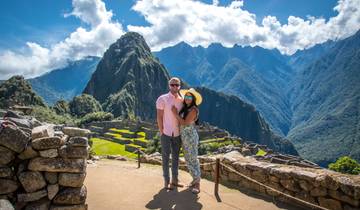
Cusco and Machu Picchu 3-Day Tour
- ✓ Comprehensive Machu Picchu tour
- ✓ Expert local guides included
- ✓ All accommodation arranged
- ✓ Transportation provided

6 days
6 Days Of Adventure: Cusco, Machu Picchu, Humantay Lake, And Rainbow Mountain
- ✓ Comprehensive Machu Picchu tour
- ✓ Expert local guides included
- ✓ All accommodation arranged
- ✓ Transportation provided
2 days
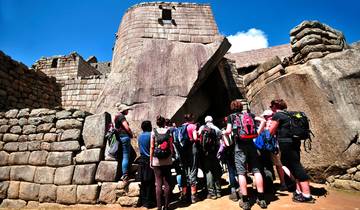
2 Day – "Exploring" the Sacred Valley & Machu Picchu
- ✓ Comprehensive Machu Picchu tour
- ✓ Expert local guides included
- ✓ All accommodation arranged
- ✓ Transportation provided
3 days
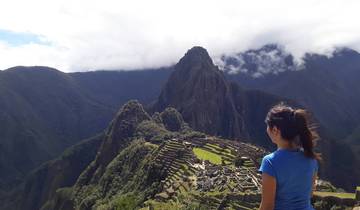
Cusco Express (3D/2N)
- ✓ Comprehensive Machu Picchu tour
- ✓ Expert local guides included
- ✓ All accommodation arranged
- ✓ Transportation provided
Multi-day tour packages powered by TourRadar. Prices and availability subject to change.
Introduction
Machu Picchu tour selection in 2026 represents one of the most consequential travel planning decisions for Peru visitors, directly determining not only the logistics and cost of reaching this UNESCO World Heritage site but also the depth of cultural immersion, physical challenge level, and scenic diversity experienced during the journey. The 15th-century Inca citadel perched at 2,430 meters (7,972 feet) in the Peruvian Andes attracts over four million annual visitors, yet reaching it requires navigating a complex ecosystem of tour operators, government permit systems, railway schedules, and accommodation networks that have evolved significantly following pandemic-era restructuring.
The 2026 touring landscape introduces critical changes that impact every traveler category from budget backpackers to luxury seekers. Most significantly, Machu Picchu entrance tickets now operate as completely separate purchases from Inca Trail permits, eliminating the previous bundled system and adding $65 per person to all trekking packages while doubling booking complexity through independent reservation platforms. This regulatory shift reflects Peru’s intensified preservation efforts as UNESCO monitoring intensifies and visitor management becomes increasingly sophisticated through circuit-based entry systems that control foot traffic patterns and reduce archaeological site stress.
Tour options span an exceptional range from accessible one-day train excursions requiring minimal physical exertion to grueling multi-day high-altitude treks crossing 4,600-meter passes through glacial landscapes. The legendary Inca Trail remains the most coveted route, following ancient stone pathways constructed by Inca engineers and delivering sunrise arrival through the Sun Gate (Inti Punku) after four days of trekking past archaeological sites like Wiñay Wayna and Phuyupatamarca. However, strict permit limitations of 200 traveler spots daily create intense competition, selling out peak-season availability within hours of October release dates and forcing many visitors toward equally rewarding alternatives.
Alternative trekking routes have emerged as legitimate first choices rather than merely backup options for travelers unable to secure Inca Trail permits. The Salkantay Trek traverses the second-highest peak in the Cusco region (6,271 meters), crossing diverse ecosystems from snow-capped mountain passes to steamy cloud forests while avoiding permit restrictions entirely. The Lares Trek prioritizes cultural immersion through Quechua-speaking village encounters, traditional weaving demonstrations, and hot springs relaxation before completing the journey by train from Ollantaytambo. Each route delivers distinct value propositions that appeal to different traveler priorities—from hardcore trekkers seeking physical challenges to cultural enthusiasts valuing human connections over pure landscape photography.
Train-based tours continue serving the largest visitor segment, providing comfortable access regardless of age, fitness level, or trekking experience. Multiple railway operators (PeruRail, Inca Rail) offer service tiers from basic Expedition class to ultra-luxury Hiram Bingham carriages with gourmet dining and live entertainment. Day-trip options departing Cusco or Ollantaytambo at dawn and returning by evening suit time-constrained itineraries, while overnight variants staying in Aguas Calientes allow sunrise citadel entry before tour bus crowds arrive. These tours eliminate camping gear concerns, high-altitude sleeping challenges, and multi-day food planning while delivering comprehensive guided experiences through the archaeological complex.
Choosing wisely among this tour diversity requires understanding practical distinctions beyond marketing materials—from precise permit allocation mechanisms and booking timeline strategies to hidden cost components and operator quality indicators. Budget ranges span from $180 for basic train day trips to $2,500+ for premium Inca Trail experiences, with dozens of operators competing across every price point and service level. This guide provides authoritative 2026 planning information synthesized from official government sources, established operator pricing, and verified booking procedures, enabling informed decisions aligned with individual priorities, physical capabilities, and budget constraints.
Understanding Machu Picchu Tour Categories in 2026
Machu Picchu tours divide into four primary categories in 2026, each offering distinct advantages, logistical requirements, and experience profiles that appeal to different traveler segments. These categories operate under separate regulatory frameworks, booking systems, and pricing structures that directly impact planning timelines and budget allocations.
Inca Trail trekking represents the most regulated and competitive category, governed by strict Peruvian government permit systems that limit daily entries and mandate tour operator arrangements. The classic 4-day route follows 43 kilometers of ancient stone pathways through cloud forests, high-altitude passes reaching 4,215 meters at Dead Woman’s Pass, and archaeological sites accessible only to permit holders. The journey culminates with sunrise arrival through the Sun Gate, providing the iconic first glimpse of Machu Picchu from above before descending into the citadel. This route demands good physical fitness, tolerance for rustic camping conditions, and acceptance of unpredictable Andean weather, but delivers unparalleled immersion in Inca engineering and historical context through sites like Runkurakay, Sayacmarca, and Wiñay Wayna that train passengers never witness.
Alternative trekking routes emerged in response to Inca Trail permit scarcity and now constitute legitimate primary choices offering unique advantages over the classic route. The Salkantay Trek (5 days, 65 kilometers) prioritizes dramatic natural scenery over archaeological density, crossing the flanks of Apu Salkantay at 4,600 meters before descending through ecosystem transitions from alpine tundra to subtropical cloud forest. The Lares Trek (4 days, 33 kilometers) emphasizes cultural exchange through remote Andean village visits, textile demonstrations, and interactions with Quechua-speaking communities maintaining traditional farming practices. The Choquequirao Trek (4-5 days) visits the “sister city” of Machu Picchu, a massive Inca complex receiving only 30 daily visitors compared to Machu Picchu’s thousands, though it requires combining with train access to actually reach Machu Picchu itself. These alternatives avoid government permit restrictions, allowing booking flexibility down to 2-4 weeks before departure even during high season.
Train-based tours serve the majority of Machu Picchu visitors through comfortable railway journeys from Cusco (via Poroy station) or Ollantaytambo directly to Aguas Calientes at the citadel’s base. Day-trip variants depart early morning (typically 5-6 AM), arrive by mid-morning for 3-4 hour guided citadel visits, and return to Cusco by evening. Overnight versions allow Aguas Calientes accommodation with early sunrise access to Machu Picchu, reducing the rushed feeling of day trips while providing time to explore the town’s hot springs, artisan markets, and restaurant scene. Train services range from basic Expedition class with simple seating and snack service to ultra-premium Hiram Bingham with gourmet meals, bar car, live music, and panoramic viewing windows. These tours accommodate travelers of all ages and fitness levels, eliminate multi-day camping logistics, and guarantee Machu Picchu access without permit competition, though they sacrifice the journey immersion that trekking routes provide.
Private and luxury tour packages represent the premium category, offering customized itineraries, exclusive guide services, upgraded accommodations, and flexible pacing tailored to individual preferences. These typically combine Sacred Valley exploration (Pisac, Ollantaytambo, Moray) with Machu Picchu visits using private vehicles, premium train services, and boutique hotels. Costs range from $1,200 to $4,500 per person for multi-day packages but deliver superior service levels including small group sizes (2-8 people), expert guides with specialized knowledge, helicopter transfers (where permitted), and seamless coordination eliminating stress from complex logistics. Luxury trekking variants provide enhanced camping infrastructure with spacious tents, gourmet trail cuisine, and additional porter support while maintaining the authentic trekking experience along classic or alternative routes.
Inca Trail Permits and Booking Requirements 2026
The Inca Trail operates under one of the world’s most restrictive trekking permit systems, allocating exactly 500 total permits per day with 200 designated for travelers and 300 reserved for mandatory support staff including guides, porters, and cooks. This rigid quota system created by Peruvian Ministry of Culture regulations aims to preserve the trail’s fragile ecosystems and archaeological sites from overtourism damage while ensuring adequate rest and maintenance periods.
Permits for the 2026 trekking season typically become available in October 2025, though exact release dates are announced by the Ministry of Culture only 2-3 weeks in advance through official channels and licensed tour operators. The release follows a first-come, first-served allocation system where operators with established government relationships and automated booking systems secure permits within the first hours of availability. Individual travelers cannot purchase permits directly—all allocations flow exclusively through MINCETUR-licensed tour operators who bundle permits with mandatory guide services, camping equipment, and meals into complete package pricing.
Peak season months (May, June, July, August) sell out extraordinarily quickly, often within 24-48 hours of permit release for popular dates. The Inti Raymi festival period (June 20-28) and North American summer vacation weeks (mid-June through August) face the most intense competition. April and September represent optimal booking targets for travelers seeking better availability while maintaining favorable weather conditions—these shoulder months offer 60-70% of peak season’s dry weather reliability while reducing permit competition and allowing bookings 3-4 months in advance rather than the 6+ months required for peak dates.
The trail closes completely during February every year for mandatory maintenance and conservation work, eliminating this month from all 2026 planning considerations. Upon reopening March 1, permit availability improves significantly through mid-April before peak season competition intensifies. October through December receives fewer trekkers due to increased rain probability, creating last-minute booking opportunities (2-4 weeks advance) for travelers willing to accept wet conditions and muddy trail sections.
Each permit links permanently to a specific traveler’s full legal name and passport number exactly as they appear on official documents. The government system prohibits all modifications once permits are secured—name changes, passport updates, and date transfers are impossible under any circumstances, including medical emergencies. Permits cannot be resold, transferred to other individuals, or refunded if travelers cancel. This inflexibility demands absolute certainty about travel dates and participant names before operators submit permit applications, as mistakes result in complete loss of the permit fee with no recourse.
The 2026 season introduces a significant regulatory change separating Machu Picchu entrance tickets from Inca Trail permits. Previously, completing the trail automatically included citadel access on the final morning. Now, trekkers must independently secure Machu Picchu tickets through the official government portal (tuboleto.cultura.pe) as a separate transaction, coordinating entry times with their trek completion schedule. This adds $65 per person to total costs and requires monitoring two different booking systems with independent availability calendars. Most tour operators now include Machu Picchu ticket procurement in their service offerings to reduce client confusion, though this typically appears as a distinct line item in final invoicing.
Classic 4-Day Inca Trail Tour Breakdown 2026
The Classic 4-Day Inca Trail tour costs $620-$2,500 per person in 2026 depending on operator quality, group size, and service inclusions (check official tour operators for current pricing as rates vary seasonally and by booking volume). Budget operators charging $620-$900 typically accommodate larger groups (12-16 people), provide basic camping equipment, and offer standard meal quality with limited menu variety. Mid-range operators at $900-$1,400 reduce group sizes to 8-12 trekkers, upgrade equipment quality with roomier tents and better sleeping pads, and enhance meal sophistication with fresh ingredients and varied cuisine. Premium services commanding $1,500-$2,500+ limit groups to 6-8 participants maximum, provide superior camping infrastructure, assign additional support staff ratios, and deliver gourmet trail cuisine prepared by experienced mountain chefs.
Standard package inclusions across all price tiers encompass the $25 government trail permit fee (non-negotiable regardless of operator), professional bilingual guides with Ministry of Culture certification, comprehensive camping gear including tents, sleeping mats, and dining facilities, all meals from day-one lunch through final morning breakfast, and porter services to transport group equipment and supplies. Guides provide historical context at archaeological sites, manage pacing to prevent altitude sickness, and coordinate logistics with campsite managers. Porters carry group tents, cooking equipment, and food supplies while trekkers carry only personal daypacks with water, rain gear, and essential items—porter unions enforce strict 25-kilogram maximum load limits to prevent exploitation.
The trek begins at kilometer 82 of the Cusco-Aguas Calientes railway with gradual ascending through the Urubamba Valley, passing the Inca site of Llactapata before reaching the first campsite at Wayllabamba (3,000 meters). Day two tackles Dead Woman’s Pass (Warmiwañusqa) at 4,215 meters, the trek’s highest and most challenging section requiring 4-6 hours of steep climbing from the campsite. The descent leads to Pacaymayo Valley for the second night’s camping. Day three crosses two additional passes (Runkurakay at 3,970 meters and Phuyupatamarca at 3,650 meters) while visiting spectacular archaeological complexes accessible only to trail permit holders. The final camping night at Wiñay Wayna (2,650 meters) positions trekkers for pre-dawn departure on day four, reaching the Sun Gate (Inti Punku) at sunrise for the famous first views of Machu Picchu from above before descending into the citadel.
Additional costs beyond base package pricing include the newly separated Machu Picchu entrance ticket ($65 required for final morning access), tips for guides and porter crews ($50-$150 total depending on group size and service satisfaction), personal equipment rentals ($50-$100 for sleeping bags, trekking poles, and duffel bags), and optional Huayna Picchu or Machu Picchu Mountain climbing permits ($75 each). Travel insurance covering high-altitude trekking and medical evacuation adds $50-$150 depending on coverage levels. Pre-trek Cusco accommodation (required 2-3 nights for proper altitude acclimatization) and post-trek lodging if not immediately departing Peru represent additional budget line items frequently overlooked in initial cost calculations.
Quality indicators distinguishing superior operators from budget alternatives include porter treatment policies (higher wages, proper equipment provision, weight limit enforcement), guide credentials (advanced certifications, specialized training, English fluency levels), camping equipment age and maintenance standards, food quality and variety, group size limitations, and environmental practices. Ethical operators participate in porter welfare organizations, maintain transparent pricing without hidden fees, and provide detailed pre-departure information packets covering conditioning requirements, packing lists, and altitude acclimatization strategies.
Short Inca Trail Tour (2-Day Option) 2026
The Short Inca Trail provides condensed access to the classic route’s highlights through a 2-day, 1-night trekking option better suited to travelers with limited time availability or moderate fitness concerns about the demanding 4-day journey. This alternative receives 250 daily permits allocated separately from classic trail quotas, offering somewhat better availability though still requiring 2-4 months advance booking for peak season dates.
Day one begins at kilometer 104 of the railway line, eliminating the first day’s gradual valley approach and instead immediately tackling the 2,650-meter climb to Wiñay Wayna archaeological complex. This compressed itinerary covers approximately 11 kilometers on the first day, reaching the campsite by late afternoon after visiting the terraced ruins and taking in mountain valley views. Day two mirrors the classic trail’s final morning—pre-dawn departure toward the Sun Gate for sunrise Machu Picchu views, followed by descent into the citadel for comprehensive guided tours before afternoon train return to Cusco.
Pricing for 2-day tours ranges $550-$900 per person depending on operator quality and group size, representing approximately 70-75% of 4-day trek costs. This pricing reflects reduced food provisioning (4 meals instead of 10), simplified camping logistics (single camp setup versus three), and shorter guide/porter service duration. However, the per-day cost actually exceeds the 4-day route due to fixed permit fees, transportation, and minimum operator overhead that cannot be compressed proportionally.
The abbreviated timeline suits specific traveler profiles including those with limited Peru vacation duration (completing Machu Picchu access in 3 total days including Cusco arrival and departure), individuals uncertain about multi-day camping tolerance who want to sample the trekking experience, and travelers with moderate fitness able to handle steep climbs but concerned about 4-day endurance demands. The route also appeals to visitors who prioritize seeing the archaeological sites and experiencing Sun Gate arrival but value returning to Cusco hotel comfort rather than extended camping.
Limitations compared to the classic route include missing the Dead Woman’s Pass ascent (the trail’s most challenging but rewarding section), bypassing several archaeological sites accessible only during days 1-3 of the longer trek, and reduced ecosystem diversity as the abbreviated route doesn’t traverse the full valley-to-mountain-to-cloud-forest transitions. The compressed schedule leaves minimal flexibility for rest stops or photography, demanding faster pacing to complete the required distance within daylight hours.
Salkantay Trek Tour Options 2026
The Salkantay Trek costs $450-$700 per person for 5-day packages in 2026, emerging as the most popular Inca Trail alternative through its combination of dramatic mountain scenery, permit-free booking flexibility, and lower costs than classic trail packages. Named for the sacred Salkantay Mountain (6,271 meters), Peru’s second-highest peak in the Cusco region, the route traverses approximately 65 kilometers through extraordinarily diverse landscapes from glacial passes to subtropical cloud forests.
Standard 5-day itineraries depart Cusco in private transport to Mollepata village (2,900 meters), beginning the trek toward Soraypampa campsite (3,900 meters) with spectacular Humantay Lake excursion options. Day two tackles the highest point at Salkantay Pass (4,600 meters), crossing barren high-altitude tundra with sweeping glacier views before descending into the Salkantay Valley. Days three and four continue descending through dramatic ecosystem transitions—alpine meadows give way to cloud forest vegetation, temperatures warm considerably, and coffee plantations begin appearing near Santa Teresa. The final section follows the Urubamba River valley, arriving at Aguas Calientes via either continued hiking or optional train segments. Day five includes sunrise Machu Picchu tours before afternoon return to Cusco by train.
The trek’s lack of government permit requirements allows booking 2-6 weeks before departure even during peak season, providing flexibility impossible with Inca Trail logistics. This advantage particularly benefits last-minute planners, travelers with uncertain schedules, and visitors unable to secure Inca Trail permits for their desired dates. Tour operators offer more frequent departure schedules (often daily during high season) compared to Inca Trail’s strict quota limitations.
Physical demands exceed the Inca Trail’s challenges in specific aspects—the 4,600-meter Salkantay Pass tops Dead Woman’s Pass by 385 meters of elevation, and several hiking days cover 16-22 kilometers requiring 7-9 hours of trekking. However, the overall difficulty rating remains comparable as the route features less archaeological site climbing and gentler gradients during descent sections. Proper physical conditioning through regular hiking, cardiovascular training, and altitude acclimatization remains essential.
Package inclusions mirror Inca Trail standards with professional guides, camping equipment, meals, and porter support. The significant difference lies in Machu Picchu access logistics—Salkantay trekkers enter through the main Aguas Calientes entrance rather than the Sun Gate, staying overnight in Aguas Calientes hotels before morning citadel visits. The $65 Machu Picchu entrance fee and final-day train tickets from Aguas Calientes to Ollantaytambo ($85-$150) appear as separate line items in total cost calculations.
Operator quality varies more widely on Salkantay routes compared to Inca Trail’s stricter licensing requirements. Evaluation criteria should include camping infrastructure quality (especially at higher, colder campsites), meal variety and nutrition to sustain multi-day exertion, guide expertise about mountain ecology and safety, and group size limitations. The best operators limit groups to 8-12 trekkers, provide high-quality cold-weather camping gear, and maintain emergency communication equipment throughout remote mountain sections.
Lares Trek Cultural Immersion Tour 2026
The Lares Trek costs $400-$700 per person for 4-day packages in 2026, distinguished from other routes through its emphasis on Andean cultural immersion via remote village encounters rather than primarily archaeological or natural landscape focus. The trek covers approximately 33 kilometers through the Lares Valley, reaching maximum elevation at Condor Pass (4,750 meters)—technically higher than both Inca Trail and Salkantay routes, though the overall difficulty rates moderate due to gentler gradients and shorter daily hiking distances averaging 4-7 hours.
Cultural highlights form the route’s core value proposition through interactions with Quechua-speaking communities maintaining traditional lifestyles virtually unchanged over centuries. Trekkers visit family compounds where textile weaving continues using techniques and natural dyes passed through generations, observing demonstrations of spinning, dyeing, and complex weaving patterns that produce the colorful textiles sold in Cusco markets. Village encounters include participating in traditional llama and alpaca herding practices, learning about high-altitude agriculture focusing on native potato varieties, and visiting rural schools where many travelers donate supplies or educational materials.
The route typically begins from Lares town (3,250 meters), famous for natural hot springs where trekkers often soak before beginning the ascent. Day one climbs to Huacawasi campsite (4,300 meters), crossing high grasslands where herding families tend livestock. Day two crosses Condor Pass before descending into the Auroruy Valley with pristine glacial lakes reflecting surrounding peaks. Day three continues to Yanahuara or Patacancha villages where cultural interactions intensify through homestay options (available with some operators) or extended village visits. The trek concludes with train departure from Ollantaytambo to Aguas Calientes for Machu Picchu access on day four.
Physical demands remain moderate compared to Salkantay’s intensity or Inca Trail’s relentless climbing. The Lares route suits travelers prioritizing cultural exchange and human connections over extreme physical challenges or maximum landscape drama. Families with teenagers, moderate fitness individuals, and cultural enthusiasts often select this route for its balanced combination of mountain scenery, traditional village life exposure, and achievable hiking demands.
Tour packages include the same camping infrastructure, guide services, and meal provisioning as other treks, with the significant addition of community interaction time that other routes minimize. The best operators maintain long-term relationships with valley communities, ensuring interactions benefit local families through direct economic support, respectful engagement protocols, and sustainable tourism practices that preserve rather than exploit traditional lifestyles.
The Lares Trek requires no government permits, allowing flexible booking timelines similar to Salkantay. However, community-focused operators often limit group sizes more strictly (6-10 people) to prevent overwhelming small villages with tourist presence. Final-day Machu Picchu access follows the same pattern as Salkantay—train from Ollantaytambo, overnight in Aguas Calientes, and morning citadel entry through main gates rather than Sun Gate arrival.
Train-Based Day Tours and Overnight Packages 2026
Train-based Machu Picchu tours cost $180-$800 per person in 2026 depending on train service class, tour duration, and operator inclusions, serving the majority of citadel visitors through comfortable, accessible options eliminating multi-day trekking demands. These tours accommodate all ages, fitness levels, and time constraints while guaranteeing Machu Picchu access without permit competition or booking urgency that plague Inca Trail arrangements.
Day-trip packages ($180-$320 per person) represent the most economical and time-efficient option, departing Cusco at 5-6 AM via private transport to Ollantaytambo railway station, riding Expedition or Vistadome trains to Aguas Calientes (1 hour 45 minutes), taking bus transfers up to the citadel entrance, completing 2-3 hour guided tours, and returning to Cusco by evening. These compressed itineraries suit travelers with limited Peru vacation days, individuals uncomfortable with camping, and visitors prioritizing Machu Picchu as one component of broader Peru explorations rather than the sole focus. The rushed schedule leaves minimal time for independent citadel exploration beyond guided tours, photographs from main viewpoints, and brief wandering through agricultural terraces.
Overnight packages ($400-$800 per person) add Aguas Calientes hotel accommodation, allowing more relaxed pacing and superior Machu Picchu experiences through early morning access before tour bus crowds arrive. These tours typically depart Cusco around noon, arrive in Aguas Calientes by late afternoon, provide free evening time for hot springs visits or town exploration, and facilitate 6-7 AM citadel entry the following morning. Sunrise lighting conditions create optimal photography opportunities, fewer visitors occupy key viewpoints, and the rushed feeling dissipates with 4-5 hours available for comprehensive site exploration. Return trains depart mid-afternoon, arriving Cusco by early evening.
Train service tiers dramatically impact overall experience quality and cost. Basic Expedition class provides functional transport with simple seating, snack service, and standard windows. Mid-tier Vistadome service upgrades to panoramic viewing windows, onboard refreshments, and more spacious seating. The ultra-premium Hiram Bingham service (operating as a distinct train experience rather than just upgraded seating) costs $600+ one way but delivers gourmet multi-course meals, open bar service, live entertainment, observation car with panoramic views, and white-glove hospitality throughout the journey. Hiram Bingham appeals to luxury travelers, special occasions, and visitors valuing journey experience equally with destination access.
Tour package inclusions typically cover round-trip train tickets, bus transfers between Aguas Calientes and citadel entrance ($24 round trip separately if arranging independently), Machu Picchu entrance tickets ($48-$52 depending on circuit and date), and professional guide services for 2-3 hours inside the archaeological complex. Meals may or may not be included depending on operator—budget packages often exclude food, expecting travelers to purchase at Aguas Calientes restaurants (budget $10-$20 per meal), while premium packages bundle breakfast, lunch, and sometimes dinner.
Booking timelines for train tours remain considerably more flexible than trekking options. High season (May-September) benefits from 6-8 weeks advance booking to secure preferred dates and train times, while shoulder seasons (April, October-November) allow 3-4 week planning windows. Even last-minute bookings (1-2 weeks) often succeed during low season (January-March, excluding February when Inca Trail closures redirect more visitors to train options). Private operators frequently offer discounted rates during rainy season to stimulate demand during typically slower periods.
The train approach sacrifices the journey immersion and physical achievement satisfaction that trekking delivers but provides reliable, comfortable access regardless of weather conditions, physical fitness limitations, or time constraints. This category serves families with young children, senior travelers, individuals recovering from injuries, and busy professionals unable to allocate 4-5 days for trekking but determined to experience Machu Picchu during short Peru business trips.
Private and Luxury Machu Picchu Tours 2026
Private and luxury Machu Picchu tour packages range from $1,200 to $4,500+ per person for multi-day experiences in 2026, delivering customized itineraries, exclusive guide services, premium accommodations, and seamless logistics that eliminate travel stress while maximizing comfort and cultural depth. These tours appeal to travelers prioritizing service quality and personalization over budget considerations, honeymooners seeking romantic experiences, multi-generational families requiring flexibility, and busy professionals unable to invest time in complex independent planning.
Luxury package distinguishing features include small group sizes limited to 2-8 participants (or completely private for families/couples), expert guides with advanced certifications and specialized knowledge areas, premium accommodation in boutique hotels or historic properties, upgraded train services (Vistadome or Hiram Bingham), private vehicle transportation with professional drivers, and comprehensive meal planning at high-quality restaurants. The best operators assign dedicated travel coordinators who handle all booking logistics, provide 24/7 support during travel, and customize daily schedules based on participant preferences and energy levels.
Multi-day luxury packages typically combine Sacred Valley exploration (Pisac market and archaeological site, Ollantaytambo fortress, Moray agricultural terraces, Maras salt mines) with Machu Picchu access across 3-5 days. This expanded itinerary provides cultural context about Inca civilization that enhances Machu Picchu appreciation while reducing the rushed feeling of day-trip-only visits. Private tours allow flexible pacing—spending additional time at sites of particular interest, scheduling rest breaks for photography or simple contemplation, and adjusting daily schedules if weather or participant energy levels suggest modifications.
Luxury trekking variants offer the authentic Inca Trail or Salkantay experience while upgrading camping infrastructure and services substantially. Enhanced camping features include spacious tents with cot beds, portable toilets and shower facilities, gourmet multi-course trail meals prepared by experienced mountain chefs, and significantly higher porter-to-trekker ratios ensuring more personalized service. Some premium operators now offer “glamping” alternatives with semi-permanent campsites featuring permanent structures, real beds, and enhanced amenities while maintaining the trekking journey component.
Helicopter transfers represent the ultimate luxury option where regulations permit—though Peruvian authorities restrict helicopter operations near Machu Picchu itself due to noise concerns and archaeological preservation priorities. Some operators arrange helicopter segments for Sacred Valley tours or remote location access, though these remain limited and expensive additions requiring special permissions.
Private guide expertise elevates the entire experience through deeper historical knowledge, engaging storytelling abilities, and capacity to adjust explanations based on participant interests. The best guides hold advanced degrees in archaeology or Andean history, speak multiple languages fluently, and customize tours to emphasize aspects most relevant to specific travelers—agricultural engineering for farmers, architectural innovations for engineers, astronomical alignments for astronomy enthusiasts, or textile techniques for craft aficionados.
Machu Picchu Entry Tickets and Circuit System 2026
Machu Picchu entrance tickets cost 152 PEN (approximately $48 USD) until May 2026, increasing to 163 PEN (approximately $52 USD) from May 2026 onward (check the official Machu Picchu ticketing website at tuboleto.cultura.pe for current rates, as pricing updates periodically). Additional options including Huayna Picchu Mountain or Machu Picchu Mountain climbing cost 200 PEN ($62 USD) until May 2026, rising to 211 PEN from May 2026. All tickets must be purchased in advance through the official government portal or through licensed tour operators who include ticket procurement in service packages.
The 2026 entry system operates through four distinct circuits controlling visitor flow patterns and protecting archaeological site integrity. Circuit 1 (Panoramic/Upper Terrace route) provides access to the classic postcard viewpoint from the agricultural sector and guardhouse, delivering the iconic wide-angle photographs featured in travel media. This circuit offers shorter visit duration (approximately 2-3 hours) but emphasizes photography opportunities and overall site comprehension. Circuit 2 (Classic Circuit) represents the most comprehensive route through both upper and lower terraces, including the Royal Tomb, Temple of the Sun, Sacred Rock, and principal residential areas—this circuit allows 3-4 hours inside the complex and suits first-time visitors seeking thorough exploration.
Circuits 3 and 4 provide abbreviated experiences through specific site sections, typically assigned to visitors with time constraints or those making repeat visits focusing on particular architectural features. The circuit system prevents overcrowding in sensitive areas while distributing foot traffic across different pathways throughout the day. Tour operators select circuits based on their standard itineraries and entry time coordination, though travelers arranging independent tickets must choose circuits themselves when booking.
Entry time slots occur hourly throughout the day from 6 AM opening through final afternoon entries around 2 PM. Morning slots (6-9 AM) deliver optimal conditions for photography through better lighting, reduced crowd density, and frequently clearer weather before afternoon cloud buildup. Afternoon entries (12-2 PM) face more crowded conditions but sometimes offer discounted rates during low season. Tickets specify both entry time and maximum stay duration based on selected circuit—overstaying results in exit enforcement by site personnel.
The significant 2026 change separates Machu Picchu entrance from Inca Trail permits, requiring trekkers to purchase citadel tickets independently rather than receiving automatic inclusion upon trek completion. This separation adds $52-$65 per person to all trekking package costs and requires coordinating two different booking systems with independent availability calendars. Most reputable tour operators now include Machu Picchu ticket procurement as a service component, though travelers should verify this inclusion explicitly when comparing package offerings.
Student discounts (50% reduction) remain available for valid international student card holders under age 25, requiring presentation of both student ID and passport matching the ticket reservation. Peruvian residents, Andean Community members (Colombia, Ecuador, Bolivia), and children receive reduced rates through separate pricing tiers. All discounts require documentation verification at entrance gates—failure to provide qualifying documents results in denied entry or requirement to purchase full-price tickets on-site if available.
Best Time to Visit Machu Picchu and Book Tours 2026
The optimal Machu Picchu visiting period spans May through September in 2026, coinciding with Peru’s dry season when rainfall diminishes dramatically, temperature fluctuations moderate, and trail conditions remain favorable for trekking. These months deliver 70-80% probability of clear skies during morning hours (optimal for photography and viewpoint visibility), minimal trail mud on trekking routes, and comfortable daytime temperatures averaging 18-24°C (64-75°F) with nighttime lows around 8-12°C (46-54°F).
Peak season intensity within this window concentrates during June, July, and August when North American and European summer vacations align with ideal weather conditions. These months face maximum permit competition for Inca Trail slots, highest accommodation prices in Cusco and Aguas Calientes (40-60% premiums over low season rates), and largest crowds at Machu Picchu itself with daily visitor counts approaching capacity limits. The Inti Raymi festival (June 24) creates exceptional demand spikes as thousands travel to Cusco for this significant Andean celebration, requiring bookings 6-8 months in advance for any tours during June 20-28.
Shoulder season months (April and September-October) offer compelling advantages for budget-conscious travelers willing to accept slightly increased rain probability (15-20% chance of afternoon showers). These periods deliver 60-70% of peak season’s weather reliability while reducing costs 20-30% across accommodations, tours, and flights. Inca Trail permit availability improves substantially—April and September dates often remain bookable 2-3 months in advance rather than the 6+ months required for July departures. Machu Picchu visitor density decreases noticeably, creating better photography opportunities and more peaceful site experiences with 30-40% fewer daily visitors than peak months.
Rainy season (November through March) presents budget-friendly options for travelers prioritizing cost savings and crowd avoidance over weather certainty. Accommodation prices drop 40-50% from peak season, Inca Trail permits (excluding February closure) remain available even 4-6 weeks before departure, and tour operators offer promotional discounts to stimulate demand during traditionally slower periods. However, daily rain probability increases to 60-80% with potential for heavy afternoon downpours, trail conditions deteriorate with substantial mud on trekking routes, and Machu Picchu visibility suffers through frequent cloud cover obscuring mountain views. Only the February Inca Trail closure creates absolute restrictions—alternative treks continue operating year-round though group departure frequency decreases.
Booking timeline strategies vary by tour category and season. Inca Trail tours demand the longest advance planning: 6-8 months for June-August peak season, 4-6 months for shoulder seasons (April-May, September-October), and 2-3 months minimum even for rainy season departures excluding February. Alternative treks (Salkantay, Lares) allow more flexibility: 2-3 months for peak season, 1-2 months for shoulder seasons, and sometimes last-minute bookings (2-4 weeks) during rainy season. Train-based tours offer maximum spontaneity: 6-8 weeks for peak season preferred dates and train classes, 3-4 weeks for shoulder seasons, and frequent availability for last-minute bookings during low season.
Strategic booking approaches for 2026 include registering with multiple reputable operators in August-September 2025 for permit release notification when October allocation windows open, maintaining flexible date ranges (5-7 day windows) rather than fixed single dates to improve permit acquisition probability, and preparing complete participant information (exact passport names, numbers, birthdates) in advance for immediate submission when permits become available. Travelers unable to secure first-choice Inca Trail dates should immediately pivot to alternative treks or preferred-date train tours rather than holding hope for cancellations that rarely materialize due to permit non-transferability rules.
Selecting Reputable Tour Operators for 2026
Tour operator selection represents the single most critical decision determining Machu Picchu tour quality, safety standards, ethical practices, and overall value delivery. The Peruvian tourism industry includes hundreds of companies spanning from internationally recognized operators with decades of experience to recently established budget providers offering minimal services at rock-bottom prices. Distinguishing superior operators requires evaluating specific quality indicators beyond marketing claims and lowest-price offerings.
Government licensing verification provides the foundational qualification check. All legitimate Inca Trail operators must hold current MINCETUR (Peruvian Ministry of Foreign Trade and Tourism) registration and demonstrate compliance with porter welfare regulations, guide certification requirements, and environmental protection standards. The Ministry maintains a public database of authorized operators, though verification requires direct contact or consultation with Peru tourism offices. Red flags include operators unable or unwilling to provide license numbers, companies recently established without track records, and suspiciously low pricing that suggests regulatory shortcuts or porter exploitation.
Porter treatment policies distinguish ethical operators committed to sustainable tourism from companies maximizing profits through labor exploitation. Peru enacted comprehensive porter protection laws following years of documented abuses including excessive weight loads, inadequate equipment provision, and below-minimum wages. Quality operators voluntarily exceed minimum standards by limiting porter loads to 20 kilograms (versus legal 25kg maximum), providing proper cold-weather camping gear and footwear, offering competitive wages above legal minimums, and participating in porter welfare organizations. Companies should transparently explain porter policies when asked—evasive responses or claims that “porters prefer carrying more for better tips” indicate problematic practices.
Guide credentials directly impact educational value and safety throughout tours. Entry-level guides hold basic Ministry of Culture certifications requiring language competency and fundamental historical knowledge. Advanced guides demonstrate specialized expertise through university degrees in archaeology, history, or anthropology, multilingual fluency, and years of experience leading groups through complex trail sections. Premium operators assign senior guides with at least 5-10 years Machu Picchu experience, proven emergency response training, and strong interpersonal skills facilitating engaging educational experiences. Reviews consistently mentioning specific guides by name often indicate operator success in developing and retaining quality staff.
Group size limitations affect both experience quality and environmental impact. Budget operators maximize revenue by running groups of 12-16 trekkers, creating crowded camping conditions, slower trail pacing to accommodate varied fitness levels, and reduced individual attention from guides. Mid-range operators cap groups at 8-12 participants, improving camping comfort and guide interaction while maintaining economies of scale. Premium operators limit groups to 6-8 trekkers maximum or offer private tours, delivering personalized pacing, flexible itinerary adjustments, and intimate group dynamics conducive to deeper connections with fellow travelers and guides.
Equipment quality separates comfortable trekking experiences from miserable cold nights and inadequate meal facilities. Superior operators maintain modern, well-maintained camping gear including four-season tents capable of handling high-altitude weather, thick sleeping pads providing insulation from cold ground, and spacious dining tents with proper furniture. Kitchen equipment quality affects meal variety and food safety—established operators invest in proper cooking systems, food storage, and experienced camp chefs preparing diverse menus. Budget operators cutting corners on equipment compromise comfort through old, deteriorating tents, thin sleeping pads, and basic meal options with limited variety.
Environmental practices reflect operator commitment to sustainable tourism and Machu Picchu preservation. Responsible companies implement comprehensive Leave No Trace protocols, pack out all waste including human waste from sensitive high-altitude areas, use biodegradable soaps and cleaning products, and educate clients about minimal-impact camping practices. The best operators participate in trail maintenance programs, contribute to conservation organizations, and actively work to reduce single-use plastics through reusable water systems and sustainable food packaging.
Transparent pricing without hidden fees indicates professional business practices and respect for client budgets. Quality operators provide detailed cost breakdowns showing exactly what package prices include and which items require additional payment. Common exclusions include tips (operators should provide recommended amounts), personal equipment rentals, optional mountain climbing permits, and travel insurance—these should be clearly communicated during booking rather than appearing as surprise charges. Suspicious pricing patterns include advertised rates significantly below market averages (suggesting quality shortcuts), unexpected fees discovered only at payment, or pressure tactics claiming limited availability to force immediate deposits.
Physical Fitness and Altitude Preparation for Machu Picchu Tours 2026
Successful Machu Picchu trekking requires appropriate physical conditioning and altitude acclimatization strategies matching the specific tour demands, with fitness requirements varying substantially between accessible train tours and challenging multi-day treks. Understanding these demands and preparing accordingly prevents altitude sickness complications, ensures enjoyable rather than miserable trekking experiences, and reduces injury risks on steep, uneven Andean trails.
Train-based day tours demand minimal physical preparation beyond basic walking fitness, as the total hiking inside Machu Picchu citadel covers only 2-4 kilometers across terraces and stone stairways. However, the site sits at 2,430 meters (7,972 feet) where reduced oxygen levels affect some visitors unaccustomed to altitude. Bus transfers eliminate the steep 400-meter climb from Aguas Calientes to the citadel entrance, though budget-conscious travelers sometimes hike this section as cost savings—this 45-60 minute ascent on switchback pathways demands moderate cardiovascular fitness and strong legs.
The Classic 4-Day Inca Trail requires good physical condition through its combination of sustained multi-day hiking (average 7-9 hours daily), high-altitude passes reaching 4,215 meters where oxygen levels drop to 60% of sea level concentrations, and 43 total kilometers across uneven stone pathways with significant elevation gain and loss. Preparation should include 8-12 weeks of progressive cardiovascular conditioning (hiking, running, cycling, stair climbing 3-4 times weekly), strength training emphasizing legs and core stability, and practice hikes with loaded daypacks (6-8 kilograms) replicating trail conditions. Weekend training hikes extending to 5-7 hours with 600-800 meters elevation gain build the specific endurance required for Dead Woman’s Pass ascent.
Salkantay Trek demands superior fitness compared to Inca Trail through its longer daily distances (some days covering 16-22 kilometers), higher maximum elevation at 4,600 meters, and steeper sustained climbs. Training programs should extend to 10-14 weeks with emphasis on building hiking endurance for 8-10 hour days carrying daypacks. The dramatic descent sections from Salkantay Pass require strong knees and quadriceps to absorb impact over thousands of downhill steps—training should include downhill hiking with loaded packs to condition joints and develop eccentric muscle strength.
Altitude acclimatization represents the critical success factor overshadowing pure fitness levels—even exceptionally fit athletes from sea-level locations suffer altitude sickness without proper adjustment periods. The standard protocol involves spending 2-3 days in Cusco (3,400 meters) before beginning any trek, allowing gradual physiological adaptations including increased red blood cell production, enhanced breathing efficiency, and cardiovascular adjustments to reduced oxygen availability. Cusco acclimatization days should include light walking around the historic center, short excursions to nearby sites at similar elevations, and deliberate hydration (3-4 liters daily) while avoiding alcohol consumption that exacerbates dehydration.
Altitude medication (acetazolamide/Diamox) helps prevent and treat acute mountain sickness for susceptible individuals, though consultation with physicians familiar with high-altitude medicine remains essential before departure. Proper usage involves beginning medication 1-2 days before ascending to altitude and continuing through the highest elevation exposures. Side effects include increased urination and tingling sensations in fingers and toes, though these typically remain mild compared to altitude sickness symptoms. Natural acclimatization through gradual ascent profiles and adequate rest remains preferable to medication dependency, though Diamox provides valuable insurance for travelers with limited acclimatization time or altitude sickness history.
Warning signs of serious altitude complications include persistent headaches unrelieved by pain medication, nausea and vomiting preventing food/water intake, extreme fatigue and weakness, confusion or coordination problems, and shortness of breath while resting. These symptoms indicate potentially dangerous conditions (high-altitude pulmonary or cerebral edema) requiring immediate descent to lower elevations and medical evaluation. All reputable tour operators train guides in altitude illness recognition and carry emergency oxygen supplies and communication equipment, but individual awareness of personal symptoms and honest reporting to guides prevents medical emergencies.
Packing Essentials and Gear Requirements 2026
Packing appropriately for Machu Picchu tours requires balancing comprehensive preparation for variable Andean weather conditions against weight limitations for trekking daypacks and airline baggage allowances. Requirements vary substantially between comfortable train tours demanding minimal specialized equipment and multi-day treks requiring technical gear for high-altitude camping, though all visitors benefit from proper preparation for altitude, weather variability, and archaeological site exploration.
Train tour packing lists emphasize day-hiking basics including comfortable walking shoes with ankle support and good traction, layered clothing for temperature fluctuations between 15-25°C (59-77°F), sun protection (hat, sunglasses, SPF 50+ sunscreen), rain jacket for afternoon showers, daypack for water bottles and personal items, and camera equipment. Machu Picchu prohibits large backpacks inside the archaeological site—daypacks must remain under 40 liters capacity and avoid excessive bulk. Trekking poles are permitted but must have rubber tips to prevent damage to stone pathways.
Trekking gear requirements expand substantially to address multi-day camping, high-altitude exposure, and extended physical exertion. Essential personal items include quality hiking boots broken in through training hikes (new boots cause blisters), moisture-wicking base layers for temperature regulation, insulated jacket for cold mornings and high-altitude sections, waterproof outer shell rated for extended rain exposure, warm sleeping bag rated to -10°C (14°F) for high-altitude campsites, headlamp with extra batteries for pre-dawn departures and evening camp activities, and trekking poles for stability on steep sections and reducing knee impact during descents.
Rental equipment availability in Cusco provides cost-effective alternatives to purchasing specialized gear for single-use trips. Quality rental operations offer sleeping bags ($10-$15 for 4-5 days), trekking poles ($8-$12), and duffel bags for porter-carried items ($5-$8). However, rental equipment quality varies—inspect items carefully for damage, test sleeping bag zippers and insulation integrity, and verify trekking pole locking mechanisms function properly. Premium tour operators often include high-quality rental equipment in package pricing, eliminating need for independent arrangements and ensuring gear meets altitude and weather demands.
Prohibited items at Machu Picchu include selfie sticks and tripods (professional photography permits required for commercial equipment), drones (strictly forbidden throughout the archaeological zone), large backpacks exceeding 40 liters, outside food beyond small snacks, and alcohol. Security screening at entrance gates enforces these restrictions, requiring visitors to return prohibited items to Aguas Calientes storage facilities or abandon them entirely. Planning accordingly prevents disappointment and wasted time.
Medical and personal care items should include altitude sickness medication if prescribed, general pain relievers for headaches and muscle soreness, anti-diarrheal medication for potential digestive issues, basic first aid supplies (blister treatment particularly important), personal prescriptions in original containers, hand sanitizer and wet wipes for hygiene in camping conditions, biodegradable toilet paper and small trowel for backcountry waste management, and water purification tablets as backup for filtration systems. Women should pack sufficient feminine hygiene products as availability in Aguas Calientes remains limited and expensive.
Budget Planning and Hidden Costs 2026
Comprehensive Machu Picchu budget planning extends beyond base tour package pricing to encompass pre-trip expenses, additional fees, discretionary spending, and post-tour costs that accumulate substantially if unaccounted for during initial financial planning. Total trip costs vary from $800-$1,200 for budget-conscious travelers using basic services to $3,000-$5,000+ for comfortable mid-range experiences and $6,000-$10,000+ for luxury packages including premium accommodations, private guides, and extended Peru exploration.
Pre-tour expenses starting before Peru arrival include international flights to Lima or Cusco (costs vary by origin but typically range $600-$1,500 from North America, $800-$2,000 from Europe), domestic flights between Lima and Cusco if international arrival occurs in Lima ($80-$150 each way, often required for international connection timing), travel insurance covering high-altitude trekking and medical evacuation ($50-$150 depending on coverage levels and trip duration), and visa fees if applicable though most Western nationalities receive 90-day tourist stamps on arrival without charges.
Cusco accommodation costs for pre-trek acclimatization days (2-3 nights essential for altitude adjustment) range from $15-$30 nightly for basic hostels, $40-$80 for comfortable mid-range hotels, and $120-$250+ for boutique luxury properties. Budget travelers minimize these costs through hostel dormitories and basic guesthouses, while comfort-focused visitors invest in quality hotels providing hot showers, comfortable beds, and reliable WiFi for final trip coordination.
Guide tips represent expected expenses across all tour categories, with recommended amounts varying by service quality and group size. Standard tipping guidelines suggest $50-$80 for lead guides on 4-day treks, $30-$50 for assistant guides, and $30-$50 total for porter crews supporting group camping (distributed among all porters by tour operators). Train tour guides typically receive $10-$20 for half-day services, while private guides merit higher amounts ($50-$100) reflecting personalized attention. These amounts represent minimums for satisfactory service—exceptional guides deserve increased recognition, while poor service merits reduced or withheld tips with feedback to operators about substandard performance.
Equipment rental fees for trekkers lacking personal gear include sleeping bags ($10-$15 for 4-5 days), trekking poles ($8-$12), duffel bags for porter-carried items ($5-$8), and rain gear ($8-$10). Budget $40-$60 total for complete rental packages if not bringing personal equipment. Premium tour operators sometimes include quality rental gear in package pricing—verify inclusions when comparing operators to avoid surprise charges.
Additional activity costs beyond base Machu Picchu access include optional mountain climbs (Huayna Picchu or Machu Picchu Mountain permits $75 each, limited daily availability requiring advance booking), Aguas Calientes hot springs ($7-$10 entrance for relaxing soak after trekking), museums in Cusco ($10-$15 each for major sites), and Sacred Valley exploration if not included in tour packages ($25-$40 for Pisac and Ollantaytambo archaeological sites).
Meal costs for days not covered by tour packages vary by dining preferences from $5-$8 for basic Peruvian set menus at local restaurants to $15-$25 for tourist-oriented restaurants featuring diverse cuisines and English menus. Cusco’s restaurant scene accommodates all budgets—budget-conscious travelers easily limit daily meal costs to $15-$20, while comfort-focused diners spend $40-$60 for quality restaurants. Aguas Calientes dining runs 20-30% more expensive than Cusco due to limited competition and captive tourist market.
Discretionary spending on souvenirs, additional tours, and entertainment varies by individual preferences but typically ranges $100-$300 for moderate shoppers purchasing textiles, ceramics, and handicrafts from Cusco markets and Aguas Calientes artisan vendors. Quality alpaca products command premium prices ($80-$200 for sweaters, $40-$80 for scarves) but represent authentic Peruvian crafts worth investment compared to synthetic imitations.
Sustainable and Responsible Tourism Practices 2026
Machu Picchu faces intensifying preservation challenges as annual visitor numbers approach UNESCO-recommended capacity limits, making responsible tourism practices essential for protecting this archaeological treasure for future generations while supporting local Peruvian communities economically benefiting from tourism revenues. Ethical travel choices extend beyond environmental considerations to encompass cultural respect, economic equity, and porter welfare throughout the tourism supply chain.
Environmental stewardship begins with operator selection prioritizing companies demonstrating genuine Leave No Trace commitments through comprehensive waste management, biodegradable product usage, and trail maintenance participation. Quality operators pack out all waste including human waste from high-altitude campsites where decomposition proceeds slowly, use biodegradable soaps and cleaning products that don’t contaminate water sources, provide reusable water systems reducing single-use plastic bottle consumption, and actively educate clients about minimal-impact camping practices. Individual travelers support these efforts by carrying reusable water bottles with filtration or purification capabilities, minimizing packaging waste through bulk food purchasing before departure, and adhering strictly to designated trails and camping areas rather than creating new pathways that accelerate erosion.
Porter welfare advocacy represents the most critical ethical consideration for trekking tours, as the industry’s dark history includes widespread exploitation through excessive weight loads, inadequate compensation, and dangerous working conditions. Peru’s porter protection laws mandate maximum 25-kilogram loads (including porter’s personal gear, reducing group equipment allocation to approximately 20 kilograms), provide minimum wage guarantees, and require proper equipment provision including tents, sleeping bags, and appropriate footwear. However, enforcement remains inconsistent and unethical operators continue violating regulations to maximize profits. Travelers should explicitly ask operators about porter policies including weight limits, equipment provision, and wage levels during booking conversations—reputable companies welcome these questions and provide transparent answers, while problematic operators evade scrutiny or claim “porters prefer carrying more for better tips.” Supporting ethical operators sends market signals that sustainable practices merit consumer loyalty and premium pricing.
Cultural respect practices acknowledge that Machu Picchu and surrounding areas represent sacred spaces for indigenous Quechua communities rather than merely tourist attractions. Appropriate behavior includes respecting photography restrictions at ceremonial sites, dressing modestly rather than treating archaeological zones as fashion backdrops for provocative social media content, and honoring quiet zones where contemplation takes precedence over loud group celebrations. The Inca Trail crosses lands traditionally used by mountain communities—greeting residents respectfully in basic Quechua phrases, asking permission before photographing individuals or homes, and purchasing locally produced goods directly from artisans rather than intermediary vendors demonstrates cultural appreciation beyond superficial tourism engagement.
Economic equity considerations favor locally-owned Peruvian operators over international companies extracting profits from Peru’s cultural heritage while providing minimal local economic benefit. Cusco-based operators owned and staffed by Peruvians ensure tourism revenues remain within communities, fund local employment, and support regional development. The best operators maintain long-term relationships with specific porters and guides, providing consistent year-round or high-season employment rather than exploitative daily hiring systems. Purchasing handicrafts directly from artisan cooperatives and markets rather than airport gift shops maximizes producer compensation while guaranteeing authentic rather than imported products.
Visitor behavior inside Machu Picchu itself contributes to preservation through adherence to all site regulations including staying on designated pathways, avoiding climbing on walls or structures not explicitly permitted, refraining from touching or removing stones or artifacts, and minimizing noise that disrupts other visitors’ experiences. The government enforces strict rules against littering, smoking, consuming food beyond designated areas, and bringing animals into the archaeological zone. Violations result in immediate expulsion and potential bans from returning—respecting these protections ensures Machu Picchu’s survival for future generations rather than contributing to irreversible damage.
Frequently Asked Questions About Machu Picchu Tours 2026
Can I do the Inca Trail independently without a tour operator in 2026?
No, independent Inca Trail hiking remains prohibited under Peruvian law in 2026. All trekkers must book through MINCETUR-licensed tour operators who secure government permits, provide mandatory professional guides, and ensure compliance with porter welfare regulations. This restriction applies to both the Classic 4-Day Inca Trail and Short 2-Day variants. Independent hiking is not permitted under any circumstances—solo travelers, couples, and small groups must join organized tours arranged through authorized operators. Alternative treks like Salkantay and Lares similarly require tour operator arrangements despite lacking government permit systems, as local regulations mandate professional guide accompaniment for safety and trail preservation. The only independent Machu Picchu access option in 2026 involves train-based visits where travelers self-arrange train tickets, accommodation, entrance tickets, and optional guides, though this DIY approach requires navigating multiple booking systems and Spanish-language interfaces.
What happens if weather prevents completing the Inca Trail in 2026?
Severe weather rarely forces complete Inca Trail cancellations as the route remains passable during most conditions, though heavy rain, lightning, or landslides occasionally require route modifications, delayed departures, or emergency evacuations in extreme circumstances. Tour operators monitor weather forecasts closely and maintain communication with trail management authorities who can issue closure orders if conditions become dangerous. If the trail closes after your trek begins, operators arrange emergency evacuation to Ollantaytambo and typically complete the trip via train to Aguas Calientes, ensuring Machu Picchu access occurs even if the full trekking experience cannot be completed. Financial implications vary by operator policies—reputable companies offer partial refunds reflecting services not rendered or credit toward future trips, though force majeure weather events typically release operators from full refund obligations. Travel insurance covering trip interruption provides financial protection, though standard policies may not cover weather-related cancellations unless upgraded coverage is purchased. Rainy season trekkers (November-March) accept higher weather disruption risks, while dry season visitors (May-September) face minimal cancellation probability though afternoon rain showers remain common even during peak months.
Are Machu Picchu tours suitable for families with children in 2026?
Train-based Machu Picchu tours accommodate families with children of all ages in 2026, providing accessible, comfortable experiences without physical demands exceeding typical theme park walking. The citadel’s stone staircases and terraced pathways require supervision for younger children to prevent falls, and altitude at 2,430 meters affects some children though serious complications remain rare. Bus transfers between Aguas Calientes and the entrance eliminate the steep 400-meter climb, making the visit manageable for even young children with normal activity levels. Tour operators offer family-friendly packages with child-appropriate guides who engage younger participants through interactive storytelling rather than dense archaeological lectures. Multi-day trekking routes present different suitability considerations based on child age, fitness, and outdoor experience. The Inca Trail’s official policies set no minimum age restrictions, though the 4-day trek’s physical demands (7-9 hours daily hiking, high-altitude camping, basic facilities) realistically suit teenagers with outdoor camping experience and good fitness. Most operators recommend minimum ages of 12-14 for Classic Inca Trail participation. The Lares Trek’s moderate difficulty and cultural village interactions make it more family-friendly for children aged 10+, while the challenging Salkantay Trek generally suits only teenagers 14-16+ with significant hiking experience. Families should honestly assess children’s capabilities, camping tolerance, and altitude adjustment potential rather than forcing participation in experiences likely to create misery rather than enjoyment.
What should I do if I can’t get Inca Trail permits for my 2026 dates?
Alternative options when Inca Trail permits sell out include booking excellent alternative treks (Salkantay, Lares, Choquequirao) offering spectacular Andean experiences without permit restrictions, selecting premium train-based tours providing comfortable Machu Picchu access with flexible availability, adjusting travel dates to shoulder season periods (April, September-October) when permit competition decreases, or planning 2027 visits when permits become available in October 2026. The Salkantay Trek represents the most popular Inca Trail alternative, delivering dramatic mountain scenery from glacial passes to cloud forests while avoiding permit systems entirely—operators offer daily departures with booking available 2-6 weeks in advance even during high season. The Lares Trek provides cultural immersion through Quechua village encounters and requires no permits, accommodating last-minute bookings for travelers prioritizing human connections over maximum physical challenges. Last-minute permit availability occasionally materializes 2-3 days before trek departures when operators experience cancellations, though this remains unreliable and unsuitable for travelers with fixed flight schedules. Contact multiple operators expressing interest in standby positions for specific date ranges, understanding that success probability remains low and requires extreme schedule flexibility. Most travelers find alternative treks deliver equally rewarding experiences compared to the Inca Trail when approached with open minds rather than viewing them as inferior backup options.
Is altitude sickness a serious concern for Machu Picchu tours in 2026?
Altitude sickness affects approximately 25-30% of Machu Picchu visitors to some degree, ranging from mild headaches and fatigue to serious complications requiring medical intervention if proper acclimatization doesn’t occur. Machu Picchu itself sits at 2,430 meters (7,972 feet) where oxygen levels drop to approximately 80% of sea-level concentrations—many visitors experience no symptoms at this moderate elevation, though some develop mild headaches or fatigue. Cusco’s higher elevation (3,400 meters) presents greater challenges, and Inca Trail or Salkantay Trek high passes exceeding 4,200-4,600 meters substantially increase altitude sickness risk for unacclimatized individuals. Proper prevention strategies include spending 2-3 days in Cusco before trekking to allow physiological adaptations, ascending gradually rather than immediately traveling to highest elevations, maintaining exceptional hydration (3-4 liters daily), avoiding alcohol consumption during acclimatization periods, and considering altitude medication (acetazolamide/Diamox) under physician guidance. Warning signs requiring medical attention include persistent severe headaches unrelieved by standard pain medication, nausea and vomiting preventing food/water intake, extreme weakness preventing normal activity, mental confusion or coordination problems, and shortness of breath while resting. These symptoms indicate potentially dangerous high-altitude pulmonary or cerebral edema requiring immediate descent to lower elevations. Individuals with pre-existing heart or lung conditions should consult physicians specializing in high-altitude medicine before booking Machu Picchu tours, as some conditions substantially increase complication risks at reduced oxygen levels.
How physically demanding is the Inca Trail compared to the Salkantay Trek in 2026?
The Salkantay Trek exceeds the Inca Trail’s physical demands in specific aspects including higher maximum elevation (4,600 meters versus 4,215 meters), longer daily hiking distances (some days covering 16-22 kilometers versus Inca Trail’s typical 10-14 kilometers), and steeper sustained climbs and descents through dramatic elevation changes. However, overall difficulty ratings remain comparable as each trek presents distinct challenges—the Inca Trail demands technical footwork navigating ancient stone staircases and steep archaeological site climbs, while Salkantay emphasizes sustained endurance across long distances with less technical terrain complexity. Dead Woman’s Pass on the Inca Trail creates the classic high-altitude challenge requiring 4-6 hours of steep climbing from valley floor to 4,215-meter summit, testing cardiovascular fitness and altitude tolerance simultaneously. Salkantay Pass reaches 385 meters higher elevation where oxygen availability decreases further, though the approach gradient remains somewhat gentler with more gradual altitude gain over longer distance. The Inca Trail’s four consecutive trekking days demand consistent performance without rest days, accumulating fatigue across the journey despite individual day distances remaining moderate. Salkantay’s five-day itinerary includes longer individual hiking days but allows more flexible pacing within each day as permit systems don’t restrict progress timing. Both treks require good physical condition through 8-12 weeks of progressive cardiovascular and strength training, practice hikes with loaded packs, and proper altitude acclimatization in Cusco before departure. Travelers should select based on landscape preferences (archaeological focus versus pure natural scenery) and booking flexibility needs (permits versus freedom) rather than assuming one trek offers significantly easier physical demands.
What is the best Machu Picchu tour option for solo travelers in 2026?
Group joining tours represent the optimal Machu Picchu experience for solo travelers in 2026, providing structured logistics, built-in social opportunities with fellow travelers, and cost efficiency through shared expenses while eliminating single supplements charged for private arrangements. All major tour operators offer scheduled group departures accommodating individual bookings, assigning solo travelers to existing groups typically ranging 8-16 participants depending on operator and tour type. The Classic 4-Day Inca Trail and alternative treks (Salkantay, Lares) naturally facilitate connections through shared camping experiences, group meals, and collaborative challenges bonding participants quickly. Solo travelers benefit from meeting diverse international visitors, sharing trekking experiences and photography opportunities, and often developing friendships extending beyond the tour itself. Train-based group tours similarly create social dynamics through shared transportation, guided citadel tours, and meal arrangements, though day-trip formats provide fewer bonding opportunities compared to multi-day camping adventures. Tour operators typically pair solo travelers with same-gender tent mates for trekking routes, reducing accommodation costs while providing companionship—travelers preferring solo tent arrangements should communicate this preference during booking and expect single supplement charges ($100-$200 typically). Budget-conscious solo travelers should specifically request “no single supplement” group tours where operators absorb pairing costs, though availability varies by season and operator policies. Premium solo travelers prioritizing privacy and personalized experiences select private tours with dedicated guides and flexible itineraries, accepting higher costs ($1,500-$3,000 for comprehensive packages) in exchange for customized pacing and exclusive attention.
Can I visit Machu Picchu during rainy season (November-March) in 2026?
Machu Picchu remains open and accessible throughout rainy season in 2026 (November through March), offering budget-friendly options and reduced crowds for travelers willing to accept increased precipitation and potentially compromised visibility. Daily rain probability ranges 60-80% during these months with afternoon downpours particularly common, though morning hours often provide several rain-free hours for citadel exploration before clouds and precipitation develop. Advantages include dramatically lower visitor density (40-50% fewer tourists than peak season creating peaceful site experiences), substantially reduced costs across accommodations (40-50% discounts), tours, and flights, and improved last-minute booking availability for all tour categories including occasional Inca Trail permits. Disadvantages encompass frequent rain requiring comprehensive waterproof gear and acceptance of wet conditions, muddy trail sections on trekking routes demanding proper footwear and careful footing, reduced mountain visibility when clouds obscure surrounding peaks (affecting photography and viewpoint experiences), and increased landslide risks in extreme weather though operators monitor conditions and cancel dangerous departures. The Inca Trail closes completely during February for mandatory maintenance, eliminating this month from trekking considerations though train-based tours continue operating. December and January represent the wettest months with highest precipitation levels, while November and March shoulder periods offer better weather probability (40-50% rain chance) while maintaining low-season pricing advantages. Travelers should pack comprehensive rain protection including waterproof jacket and pants, pack covers or dry bags for gear protection, and quick-drying clothing that performs well when damp. Mental preparation for wet conditions prevents disappointment—approaching rainy season visits as atmospheric adventures through misty Andean landscapes rather than expecting perfect blue-sky conditions creates appropriate expectations and appreciation for the dramatic clouds and rain-forest vegetation that wet season delivers.
Are there age restrictions for Machu Picchu tours in 2026?
Machu Picchu entrance itself imposes no age restrictions in 2026, welcoming visitors from young children through senior citizens regardless of age. However, specific tour types present practical age considerations based on physical demands, altitude exposure, and camping conditions. Train-based tours accommodate all ages from toddlers through elderly travelers, requiring only basic walking fitness for citadel exploration and providing accessible experiences without strenuous physical challenges. Many families successfully visit with children as young as 3-5 years, though parents must supervise carefully around stone staircases, unfenced edges, and terraced pathways where falls could occur. The Inca Trail and alternative multi-day treks present different suitability factors—while no official age minimums exist, most operators recommend ages 12-14+ for Classic Inca Trail participation based on the trek’s physical demands including 7-9 hours daily hiking, high-altitude camping, basic facilities, and 4,200+ meter passes. Younger children occasionally complete the trail successfully when they possess exceptional outdoor experience, camping tolerance, and athletic fitness, though parents should honestly assess capabilities rather than forcing participation that creates misery. At the upper age range, active seniors in good health with regular hiking experience successfully complete both Inca Trail and alternative treks well into their 60s and 70s—physical fitness and altitude acclimatization matter far more than chronological age. Medical conditions including heart disease, respiratory problems, or severe arthritis warrant physician consultation before booking high-altitude trekking regardless of age. The Lares Trek’s moderate difficulty and shorter daily distances make it more accessible for both children 10+ and active seniors compared to the more demanding Salkantay or Classic Inca Trail routes. Ultimately, individual fitness levels, outdoor experience, and altitude tolerance determine age appropriateness more reliably than arbitrary age cutoffs.
What vaccinations or health precautions are needed for Machu Picchu tours in 2026?
No mandatory vaccinations exist for Machu Picchu or Cusco visits in 2026, though several recommended immunizations and health precautions reduce illness risks during Peru travel. The CDC recommends routine vaccinations remain current including MMR, diphtheria-tetanus-pertussis, varicella, and annual influenza vaccines. Additionally, Hepatitis A vaccination is strongly recommended for all Peru travelers regardless of itinerary, as food and water contamination risks exist even at quality restaurants. Hepatitis B vaccination suits travelers anticipating medical procedures, extended stays, or intimate contact with residents. Typhoid vaccination provides additional protection against food/waterborne illness, particularly valuable for travelers eating at local markets or basic restaurants. Yellow fever vaccination becomes essential only for travelers extending trips into Peruvian Amazon rainforest regions below 2,300 meters elevation—Machu Picchu, Cusco, and the Inca Trail all exceed yellow fever zones and don’t require this vaccination. Rabies vaccination suits extended stays, adventure activities bringing contact with animals, or medical work, but remains unnecessary for standard tourist itineraries. Malaria prophylaxis is not needed for Cusco, Machu Picchu, or high-altitude regions—only Amazon jungle visits below 2,000 meters warrant anti-malarial medications. Travelers should consult travel medicine specialists 4-8 weeks before departure for personalized recommendations based on specific itineraries, pre-existing conditions, and risk tolerance. Food and water safety practices remain essential regardless of vaccination status—avoid tap water (drink only bottled or purified water), raw vegetables washed in tap water, ice cubes of unknown origin, and street food from vendors lacking proper food safety practices. Hand hygiene through frequent washing or sanitizer use prevents most gastrointestinal illness transmission.