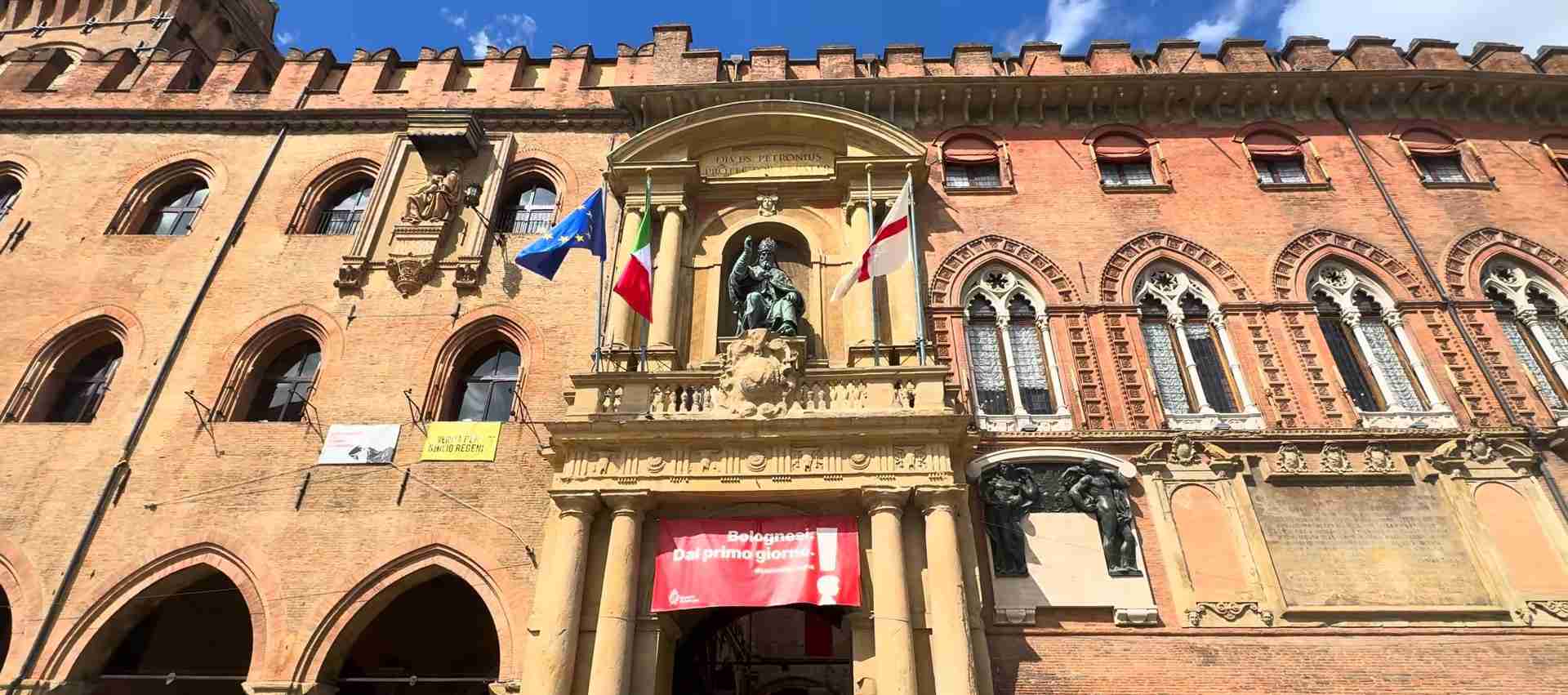
Bologna Travel Tips 2026: Essential Planning & Practical Advice
Navigating Bologna successfully requires understanding its specific systems—ZTL traffic restrictions that catch thousands of tourists annually, TPER bus validation that differs from other Italian cities, museum booking protocols that prevent disappointment at sold-out attractions, and portico-based walking strategies that transform how you experience the historic center. Strategic preparation prevents common frustrations while unlocking authentic local experiences unavailable to unprepared visitors.
Key Takeaways
- ZTL traffic restrictions demand attention in 2026: Bologna’s historic center enforces automated Limited Traffic Zone monitoring 7:00-20:00 daily, with camera-captured violations triggering €80-300 fines arriving months after departure—hotels can register guest license plates for temporary access, but advance notification before arrival prevents penalties.
- Public transport validation is mandatory: TPER buses require ticket validation within 75 minutes, with controllori (inspectors) issuing €60-200 fines for unstamped tickets—purchase at tabacchi or red onboard machines before boarding, as cash payments aren’t accepted from passengers.
- Advance booking essential for major attractions: Asinelli Tower (when reopened post-2025 closure), Pinacoteca Nazionale, and popular food tours require online reservation days to weeks ahead during peak seasons, with timed entry slots limiting spontaneous access particularly April-October.
- Bologna Welcome Card provides significant value: The €25-35 card (pricing varies by tier) grants free entry to municipal museums, walking tours, and public transport discounts, paying for itself after 2-3 museum visits—purchase at Bologna Welcome tourist office in Piazza Maggiore or online before arrival.
- Cash remains necessary despite card acceptance: Many traditional trattorias, market vendors at Mercato delle Erbe, and small shops operate cash-only or impose minimum card charges—carry €50-100 cash daily despite widespread contactless payment availability in modern establishments.
- Portico navigation transforms walking efficiency: Bologna’s 38 kilometers of covered porticoes create continuous shelter enabling year-round comfortable movement, but require understanding one-way flow patterns and noting that Via Zamboni-Via San Vitale provides fastest historic center crossing routes.
People Also Ask About Bologna Travel Tips 2026
What are the most common mistakes tourists make in Bologna in 2026?
Driving into Bologna’s ZTL (Limited Traffic Zone) without hotel license plate registration represents the single costliest error, affecting over 25,000 tourists annually who receive €80-300 fines weeks or months post-visit when cameras capture unauthorized entry. The ZTL operates 7:00-20:00 daily covering the entire historic center, with additional 24/7 pedestrian restrictions on Via Rizzoli, Via Indipendenza, and Via Ugo Bassi forming the “T-zone.” Many GPS systems route drivers directly through these zones without warning, and rental car companies rarely explain the system, leaving tourists liable for fines plus €30-50 administrative fees from rental agencies forwarding violation notices. The second major mistake involves public transport validation—purchasing TPER bus tickets but failing to machine-stamp them immediately upon boarding, as controllori (ticket inspectors) issue €60-200 fines for unstamped tickets regardless of purchase proof. Third, tourists underestimate booking requirements for popular attractions and food experiences, arriving at Pinacoteca Nazionale during peak hours to find timed slots sold out for days, or attempting walk-in participation in cooking classes and food tours that book weeks ahead during April-October. Fourth, relying exclusively on credit cards proves problematic as traditional trattorias, market vendors, and many small businesses remain cash-only or impose €10-15 minimum card charges that frustrate quick purchases. Finally, tourists often misunderstand Bologna’s pedestrian culture, attempting to hail taxis on streets rather than using designated stands or apps, and expecting restaurant service speed matching tourist-focused cities rather than Bologna’s leisurely dining pace that prioritizes quality over efficiency.
Do I need to speak Italian to visit Bologna in 2026?
English sufficiency varies dramatically by venue type and tourist exposure, creating situations where basic Italian phrases prove essential despite Bologna’s international university population and tourism infrastructure. Major attractions (Pinacoteca, Archaeological Museum, Two Towers), hotels, and tourist-oriented restaurants provide English-speaking staff and multilingual signage, enabling comfortable navigation without Italian. However, Bologna’s authentic character emerges in traditional trattorias, neighborhood markets, artisan shops, and residential areas where English proficiency drops significantly—market vendors at Mercato delle Erbe and Mercato di Mezzo often operate entirely in Italian, small family-run trattorias may present Italian-only menus requiring translation apps, and bus drivers rarely speak English necessitating prepared questions or written destination requests. TPER public transport signage appears primarily in Italian, though the Roger app (bus ticketing) offers English interface. Learning essential phrases dramatically improves experiences: “Un biglietto, per favore” (one ticket please) for buses, “Il conto, per favore” (the bill please) for restaurants, “Dov’è…” (where is…) for directions, “Quanto costa?” (how much?) for shopping, and basic numbers for market transactions. Food vocabulary proves particularly valuable—knowing “tortellini in brodo” (tortellini in broth), “tagliatelle al ragù” (pasta with meat sauce), “mortadella” (Bologna’s famous cold cut), and “tigelle” (traditional bread) enables authentic ordering rather than pointing at menus. Italian dining etiquette matters more than language: avoiding cappuccino after 11 AM, understanding coperto (cover charge), expecting slower-paced meals, and recognizing that tipping isn’t obligatory as service charge (servizio) appears on bills. University students and younger residents generally speak English well, making them excellent resources when genuinely lost or confused, though approaching with Italian greeting (“Scusi, parla inglese?” – excuse me, do you speak English?) shows respect that improves assistance quality. Overall, determined non-Italian speakers navigate Bologna successfully using translation apps, gestures, and patience, but investing a few hours learning basic phrases transforms transactions from stressful negotiations into pleasant cultural exchanges that locals genuinely appreciate.
What should I pack specifically for Bologna versus other Italian cities in 2026?
Bologna requires specialized packing beyond generic Italian travel preparation, driven by its cobblestone streets, extensive portico walking, variable weather patterns, and local dining culture. Footwear represents the critical differentiator: Bologna’s medieval cobblestones and 498-step Asinelli Tower climb (when reopened) demand cushioned walking shoes with ankle support and thick rubber soles that absorb stone impact—stylish but thin-soled loafers or ballet flats that work in Rome’s smoother streets cause foot pain after hours walking Bologna’s uneven surfaces. Pack at least two comfortable pairs for rotation, as damp portico conditions require backup when one pair needs drying. Rain gear proves essential year-round despite the porticoes’ shelter, as April-May’s afternoon thunderstorms and November’s persistent precipitation require compact, high-quality umbrellas and waterproof jackets—the 38-kilometer portico network provides continuous covered routes but features gaps at major intersections and requires exposure when entering buildings. Unlike coastal cities where beach attire dominates summer packing, Bologna’s non-resort character and traditional dining culture demand more formal evening wear: restaurants serving authentic Bolognese cuisine maintain subtle dress codes discouraging shorts and athletic wear at dinner, with smart-casual minimum (collared shirts, closed-toe shoes) preventing uncomfortable social situations at better establishments. Church visits require covered shoulders and knees for San Petronio Basilica and other major religious sites, necessitating lightweight scarves or shawls that quickly convert immodest outfits to acceptable attire. Layer-focused packing addresses Bologna’s temperature swings—spring and autumn experience 10-15 degree daily variations demanding removable layers that adjust from cool 8 AM market visits to warm 3 PM piazza exposure, while summer’s heat-humidity combination necessitates breathable fabrics (linen, light cotton) that dry quickly in humid conditions. Power adapters and converters warrant specific mention: Italy uses Type F and Type L plugs with 230V electricity, requiring travelers from US/Canada/Japan to pack both adapters and voltage converters for electronics not rated dual-voltage, with failure risking device damage. Reusable water bottles prove valuable as Bologna provides limited free public fountains compared to Rome, and restaurant water service defaults to expensive bottled options unless specifically requesting “acqua del rubinetto” (tap water). Small day bags require anti-theft features (slash-resistant material, locking zippers) as crowded buses and markets attract pickpockets targeting obvious tourists with exposed valuables, though Bologna experiences lower crime than Rome or Naples. Unlike beach destinations where swimwear dominates luggage, Bologna packing emphasizes walking comfort, weather versatility, and cultural appropriateness reflecting its university-city character where authentic experiences reward prepared visitors who blend into local daily life rather than broadcasting tourist status through inappropriate attire.
How accessible is Bologna for travelers with mobility limitations in 2026?
Bologna presents mixed accessibility combining medieval infrastructure challenges with modern accommodations, requiring careful planning for wheelchair users and mobility-limited travelers. The historic center’s cobblestone streets, high curbs, and medieval building doorways create genuine barriers, though recent improvements have enhanced access to major attractions. The Asinelli Tower offers no elevator access to its 498-step summit, permanently excluding wheelchair users from this signature experience—however, alternative panoramic views exist at the Clock Tower in Palazzo d’Accursio (elevator-equipped) providing 360-degree vistas when Asinelli remains closed for maintenance through 2025-2026. Major museums demonstrate strong accessibility: Pinacoteca Nazionale provides ramp entry, elevators to exhibition floors, and dedicated platforms, though some galleries feature narrow corridors limiting wheelchair maneuverability; Archaeological Museum offers ground-floor access to Egyptian and Etruscan collections with elevators reaching upper Roman galleries; MAMbo contemporary art museum maintains full wheelchair accessibility with wide exhibition spaces designed for modern standards. Public transport accessibility varies: TPER buses purchased since 2020 feature low-floor designs with hydraulic kneeling systems and wheelchair ramps, though older vehicles still operate on some routes without accessibility features—the Roger app (TPER ticketing) doesn’t indicate accessible buses, requiring physical inspection before boarding or calling TPER customer service for route-specific accessibility information. The 2026-projected tram system (Red Line under construction) will provide full accessibility from inception, offering eventual improvement over current bus-only public transport. Marconi Express monorail connecting airport to Centrale station delivers complete wheelchair accessibility with level boarding, elevators at all stations, and dedicated wheelchair spaces. Accommodation varies dramatically: modern hotels and recent renovations offer accessible rooms with roll-in showers and wide doorways per EU regulations, but historic palazzo conversions and traditional properties often feature narrow staircases, small elevators (when present), and bathroom configurations unsuitable for wheelchairs—booking platforms sometimes inaccurately represent accessibility, making direct property contact essential to verify specific requirements like shower chairs, grab bars, and room dimensions. Restaurant accessibility proves challenging: traditional trattorias occupy historic buildings with step entries, narrow aisles between tables, and restrooms up/down stairs from dining areas, though newer establishments and modernized venues increasingly provide level access and accessible facilities. The portico network creates covered walking routes appreciated by mobility-limited travelers avoiding weather exposure, but uneven paving, occasional steps, and medieval width restrictions (some sections barely accommodate wheelchairs) limit universal accessibility—Via Zamboni and Via San Vitale provide the most accessible portico routes with relatively smooth paving and consistent width. Tactile paving for vision-impaired travelers exists at major intersections but doesn’t extend throughout the historic center, and audio crosswalk signals remain limited compared to Northern European cities. Tourist services demonstrate good support: Bologna Welcome tourist office provides accessibility maps, can arrange accessible tour guides, and offers information on barrier-free routes, while some food tour companies (Taste Bologna, Bologna Food Tour) accommodate wheelchairs with advance notice and route modifications avoiding stairs and narrow passages. Overall, mobility-limited travelers navigate Bologna successfully with thorough advance planning, realistic expectations about medieval infrastructure limitations, and willingness to prioritize accessible attractions over universally attempting everything able-bodied visitors pursue, though the experience requires more preparation and compromise than modern, barrier-free destinations.
Extended multi-day tours – 5+ days
Featured Bologna Multi-Day Tour Packages
2 days
2-Day Private Ferrari Experience: Speed & Italian Excellence
- ✓ Comprehensive Bologna tour
- ✓ Expert local guides included
- ✓ All accommodation arranged
- ✓ Transportation provided
5 days
A Quick Trip to Sunny Tuscany
- ✓ Booking needs min. 2 travelers
5 days
Veloce Italia
- ✓ Comprehensive Bologna tour
- ✓ Expert local guides included
- ✓ All accommodation arranged
- ✓ Transportation provided
4 days
Explore Italy – 4 Days
- ✓ Comprehensive Bologna tour
- ✓ Expert local guides included
- ✓ All accommodation arranged
- ✓ Transportation provided
Multi-day tour packages powered by TourRadar. Prices and availability subject to change.
Introduction: Why Bologna Demands Strategic Planning in 2026
Bologna operates fundamentally differently from Italy’s tourist-saturated showcase cities, rewarding visitors who understand its specific systems while frustrating those expecting plug-and-play tourism infrastructure found in Venice, Florence, or Rome. As a living university city with 85,000 students and robust local economy beyond tourism, Bologna maintains authentic Italian daily rhythms that don’t automatically accommodate foreign visitors—restaurants close during afternoon riposo regardless of tourist dining preferences, shops observe Wednesday half-day closures traditional in Italian commerce, and neighborhood trattorias prioritize regular local clientele over transient tourists seeking immediate seating.
This authentic character represents Bologna’s primary appeal but simultaneously demands preparation absent from cities where tourism dominates civic infrastructure. Understanding Bologna’s ZTL traffic restrictions prevents €80-300 fines that plague thousands of unprepared drivers annually. Grasping TPER public transport validation requirements avoids €60-200 penalties for unstamped tickets. Recognizing museum booking protocols prevents disappointment at sold-out attractions during peak seasons. Appreciating traditional dining pace and etiquette transforms potentially frustrating meals into pleasurable cultural experiences. These systems aren’t deliberately tourist-hostile but rather reflect authentic Italian city operations where locals navigate effortlessly through established patterns that mystify first-time visitors lacking contextual knowledge.
Bologna’s 2026 landscape includes evolving infrastructure alongside medieval foundations: the Red Line tram begins phased opening (projected late 2026) providing new public transport options, Asinelli Tower remains closed for Garisenda structural work with reopening timeline uncertain, major museums implement enhanced booking systems responding to post-pandemic crowd management, and digital payment acceptance expands while cash-dependent businesses persist in traditional sectors. This transitional state creates opportunities for travelers who maintain flexibility while preparing for both modern conveniences and traditional systems that may surprise visitors expecting uniform digital infrastructure.
The following practical guidance organizes essential information by topic, assigning each fact to a single authoritative section to enable efficient reference without redundant information. Whether prioritizing cultural immersion, culinary exploration, efficient logistics, or budget optimization, strategic preparation transforms Bologna from a potentially confusing stop into a richly rewarding destination that reveals authentic Italian character increasingly rare in the country’s tourist epicenters.
Getting Around Bologna 2026: Public Transport and Navigation
Bologna’s public transport system operated by TPER (Trasporto Passeggeri Emilia-Romagna) provides efficient bus coverage throughout the city and suburban areas, with the Red Line tram beginning phased opening in late 2026 to supplement the extensive bus network. Understanding ticketing, validation, and route planning proves essential to avoiding fines and navigating effectively across Bologna’s compact but portico-dense historic center where walking often surpasses bus efficiency for short central distances.
TPER Bus System and Ticket Types 2026
TPER operates Bologna’s comprehensive bus network serving urban and suburban routes, with tickets valid 75 minutes from validation across any number of bus lines and transfers. Single-ride tickets must be validated immediately upon boarding by inserting into orange/yellow machines mounted near doors, creating a timestamp that controllori (ticket inspectors) check against current time—failure to validate, even with purchased tickets, triggers €60-200 fines with no exceptions for tourists claiming ignorance. Purchase tickets before boarding at tabacchi (tobacco shops identifiable by white-on-black “T” signs), TPER offices (Autostazione at Via Donato Creti, Via Marconi 4 office), official resellers, red onboard machines (exact change required, no bills accepted), or the Roger smartphone app (English interface available, requires Italian payment methods or PayPal). Ticket options include single-ride (€1.50 onboard, €1.30 pre-purchased), 10-ride carnets offering discounted bulk purchase, 24-hour day passes for unlimited urban travel, and monthly subscriptions requiring MiMuovo personal identification card (€5, valid 5 years) loaded at TPER offices. Visitors staying 2-7 days find day passes convenient for heavy transport users, while those mixing walking with occasional buses benefit from carnets reducing per-ride costs without commitment to daily unlimited travel unlikely to be fully utilized in Bologna’s walkable center.
Marconi Express Airport Connection 2026
Marconi Express monorail connects Bologna Guglielmo Marconi Airport to Centrale train station in 7 minutes, operating 5:40 AM-midnight daily with trains every 7-8 minutes during peak periods. One-way tickets cost €12.80 (including 75-minute TPER bus integration allowing onward urban travel), round-trip €23.30, and family passes (2 adults + maximum 3 children ages 5-16) €25.60 one-way. The alternative Marconi Express 949 bus service (extended operation through March 9, 2026, potentially continuing beyond) runs airport-Piazza Malpighi in 25-30 minutes for €9.80 without urban integration, offering budget option for travelers staying near city center willing to sacrifice monorail’s speed and reliability for modest savings. Purchase Marconi Express tickets at airport machines, online, or via Roger app—validation occurs upon passing entry gates, not requiring secondary stamping. The airport’s proximity to central Bologna (6 kilometers) makes taxi service viable alternative at approximately €15-20 depending on traffic and destination, though ZTL restrictions mean taxis must use authorized routes adding 5-10 minutes when accessing restricted-zone hotels.
Projected Red Line Tram Service Late 2026
Bologna’s first tram line (Linea Rossa) enters phased opening beginning late 2026, connecting Borgo Panigale west through Ospedale Maggiore, Piazza Maggiore, Bologna Centrale, extending to Fiera District covering approximately 16.5 kilometers with 34 stops. The fully electric, low-floor trams provide accessible boarding and consistent service frequency targeting 7-8 minute intervals during peak periods, integrating with existing TPER bus ticketing allowing seamless transfers. Initial operations begin with limited segments, expanding to full-line service through early 2027 as testing progresses—check trambologna.it for current operational status, route maps, and service hours as the system enters active deployment. When fully operational, the Red Line fundamentally improves east-west transit across Bologna, reducing pressure on parallel bus routes and offering faster, more reliable service for visitors staying near tram stops. Future Green Line extensions toward northeast and southeast neighborhoods enter construction 2026 with completion projected 2028-2030, ultimately creating integrated electric tram network supplementing rather than replacing TPER bus system.
Walking Strategies and Portico Navigation
Walking represents the optimal transport mode within Bologna’s historic center, where the 38-kilometer portico network provides continuous covered routes enabling comfortable movement regardless of weather while creating unique architectural experience unavailable in other Italian cities. Key portico corridors include Via Zamboni (university quarter to Piazza Maggiore), Via San Vitale (parallel southern route offering faster through-traffic), Via Rizzoli (main east-west commercial spine), Via dell’Indipendenza (train station to Piazza Maggiore), and the extraordinary 3.8-kilometer Portico di San Luca ascending to Madonna di San Luca sanctuary through 666 arches. Navigate the portico system by understanding that covered walkways connect virtually all major monuments and attractions, though gaps exist at major intersections requiring brief weather exposure—Via Zamboni to Piazza Maggiore requires 12-15 minutes walking, Centrale station to Piazza Maggiore 15 minutes via Via dell’Indipendenza, and complete east-west historic center crossing achievable in 25-30 minutes. The porticoes’ medieval origins create variable width and ceiling height, with some sections barely accommodating two-way pedestrian flow while others open into wide arcades—observe local flow patterns giving pedestrian priority to those walking straight along the portico versus those crossing perpendicular or entering/exiting shops. Bicycle use operates under specific portico rules: generally prohibited in narrowest sections, tolerated in wider corridors during non-peak hours, enforcement varies by location with heaviest restrictions around Piazza Maggiore and commercial zones.
Taxi Service and Ride-Hailing 2026
Taxis operate from designated stands rather than street hailing culture, requiring visitors to walk to official taxi ranks at Piazza Maggiore, Bologna Centrale station, Piazza Malpighi, or call radio taxi services (051-372727, 051-534141, or 051-4590) rather than expecting random street pickup. Ride-hailing apps function in Bologna with Uber, Free Now, and local alternatives providing smartphone-based booking and payment, though availability fluctuates based on driver presence and time of day—late-night and early-morning service proves less reliable than major cities where ride-hailing density remains high 24/7. Taxi rates follow official meters with base fare approximately €3.50, €1.20 per kilometer, and surcharges for evening (10 PM-6 AM), Sundays/holidays, luggage, and additional passengers beyond first. Airport trips run €15-20 to historic center depending on traffic and specific destination, while cross-city rides within urban area typically cost €8-15. Pre-booking taxis for early flights or guaranteed pickup proves advisable through hotel concierge services or calling radio taxi the evening before, as spontaneous taxi availability during 5-6 AM airport departure hours remains limited particularly on weekends.
Driving and ZTL Navigation 2026: Critical Rules to Avoid Fines
Driving in Bologna’s historic center represents the single highest-risk activity for unwitting tourists, with automated camera systems capturing over 25,000 ZTL violations annually that result in €80-300 fines arriving weeks or months after departure. Understanding these restrictions and implementing avoidance strategies prevents costly penalties while enabling legitimate vehicle use for regional day trips and accommodation access where permitted.
Understanding Bologna’s ZTL System
Bologna enforces a comprehensive Zona Traffico Limitato (Limited Traffic Zone) covering the entire historic center, operating 7:00 AM-8:00 PM daily without weekend or holiday exceptions. The ZTL prohibits unauthorized vehicle entry through camera-monitored access points at Porta Santo Stefano, Porta San Vitale, Via Alessandrini, Via Marconi, Via Riva di Reno, Via San Felice, Via Sant’Isaia, Via Saragozza, Viale XII Giugno, Via D’Azeglio, Via Borgo di San Pietro, Via Finelli, Via Mascarella, Via Capo di Lucca, Via Chiudare, Via Bocca di Lupo, and Via degli Angeli. Additional 24/7 pedestrian restrictions affect the “T-zone” comprising Via Rizzoli, Via Indipendenza, and Via Ugo Bassi where no private vehicles enter at any time regardless of authorization. The SIRIO electronic surveillance system photographs every entering license plate, matching against authorized vehicle databases—unregistered plates trigger automatic violation notices processed without human review or appeals based on claimed ignorance. Authorized vehicles include residents, delivery services during designated hours, taxis, buses, hybrid/electric vehicles (requires advance registration), and temporary permits for hotel guests and parking garage users.
Hotel Guest Permits and Registration Process
Hotels, B&Bs, and vacation rentals within the ZTL can register guest license plates for temporary access authorization, but travelers must provide plate information before arrival—ideally at booking confirmation, minimum 24-48 hours before check-in. Email license plate number, arrival date/time, and departure date to accommodation, which submits registration request to municipal police database updating overnight. Registration typically authorizes entry 24 hours before check-in through 24 hours after checkout, covering arrival/departure movements plus potential mid-stay departures for day trips. Critically, driving to accommodations before registration activates still triggers violations—if arriving before hotel confirms registration completion, park outside ZTL in peripheral lots (Tanari, Staveco, Due Madonne offer park-and-ride options) and walk/taxi final distance until confirmation received. Some properties charge €5-15 administrative fees for guest registration, though most include this service as standard accommodation amenity. Failure to register despite property offers generates fines entirely tourist’s responsibility, as cameras capture plates regardless of intentions or accommodation booking proof.
ZTL Fines: Amounts, Timeline, and Payment
ZTL violation fines range €80-300 depending on Bologna municipal schedule and violation circumstances, with each camera crossing counted as separate offense—drivers entering and exiting the same day via different monitored points accumulate multiple fines. Rental car users face additional €30-50 administrative fees as rental companies forward driver information to authorities, then bill customers for processing. The fine notification timeline extends up to 360 days from violation date for international drivers, though typically arrives 2-6 months post-offense when the Italy trip feels like distant memory. Rental companies receive preliminary notifications within 90 days, forward driver data within additional 60 days, then authorities issue formal violation notice to driver’s home address—this sequential process explains why tourists receive Bologna ZTL fines 4-12 months after brief visits, often forgetting the trip circumstances entirely. Immediate payment (within 60 days of notice receipt) qualifies for 30% discount; late payment triggers full fine plus collection fees and potential license complications for EU residents. International payment processes vary by country: US/Canada/Australia residents typically receive notices from Italian collection agencies accepting PayPal or bank transfer, while EU residents face streamlined European enforcement treaties enabling direct payment demands and potential license restrictions for unpaid violations.
Strategies to Avoid ZTL Violations Entirely
Park outside the ZTL boundaries in dedicated peripheral lots offering park-and-ride options: Tanari (Via Tanari, south of center, bus connection to Piazza Maggiore), Staveco (Via Sebastiano Serlio, east of center, 15-minute walk to Two Towers), Due Madonne (Via Giuseppe Dozza, southwest, bus connections), or private garages in non-ZTL zones near the historic center perimeter. Daily parking rates run €12-25 depending on location and garage quality, with overnight rates sometimes offering better value than hourly accumulation. Alternatively, select accommodation outside the historic center entirely in Fiera district, train station area, or university quarter periphery where unrestricted parking exists—walking distances to major monuments increase 10-20 minutes but eliminate ZTL concerns completely. For visitors prioritizing regional day trips over central Bologna sightseeing, staying in suburban locations with free parking and utilizing trains/buses for Bologna center visits proves most economical. Never rely on GPS navigation apps (Google Maps, Waze, Apple Maps) to respect ZTL boundaries, as these systems routinely route drivers through restricted zones particularly when traffic congestion creates pressure to use alternative routes—GPS functions excellently for regional navigation but cannot be trusted for ZTL avoidance without manual verification against official ZTL maps from comune.bologna.it. When driving is unavoidable for legitimate access (authorized hotel entry, parking garage use), confirm exact authorized routes with property before departure, follow their precise instructions, and maintain registration confirmation emails as proof should administrative errors generate false violations.
Museum and Attraction Costs 2026: Tickets, Cards, and Free Options
Bologna’s museums and monuments implement varied pricing structures, booking requirements, and discount programs that reward strategic planning through combination passes while maintaining free access options for budget-conscious travelers willing to time visits around promotional periods.
Major Museum Admission Prices
Pinacoteca Nazionale charges €8-12 general admission (pricing sources vary, confirm current rate at pinacotecabologna.beniculturali.it before visiting) with reduced €3-6 rates for youth 18-25, seniors 65+, and EU students presenting valid identification. The Archaeological Museum (Museo Civico Archeologico) costs €6 full price with similar reductions, while MAMbo contemporary art museum typically ranges €6-8 general admission. Museum of the History of Bologna in Palazzo Pepoli runs €10 full price, often combined with Palazzo Pepoli Campogrande access (separate building, Wednesday-Saturday only). The Medieval Museum charges €5-6, Music Museum €5, and various smaller municipal museums €3-5 depending on collections and temporary exhibitions. Asinelli Tower access (when reopened post-2025 closure) costs €5 full price, €3 reduced for children 4-11, seniors 65+, students, with free admission for children 0-3, Bologna Welcome Card holders, disabled visitors plus companions, and authorized guides. Note that temporary exhibitions sometimes command supplementary fees beyond base admission, particularly at Palazzo Albergati and exhibition spaces hosting traveling international shows.
Bologna Welcome Card Value Analysis 2026
The Bologna Welcome Card exists in two tiers providing various combinations of museum entry, tours, and transport discounts. The Card Easy (approximately €25) typically includes entry to municipal museums (Archaeological, Medieval, Music Museum, Risorgimento), one walking tour, and public transport discounts, while Card Plus (approximately €35-40) adds broader museum access, additional tours, and enhanced transport benefits. The card pays for itself after 2-3 museum visits when compared against individual admission fees—for example, Archaeological Museum (€6) + Medieval Museum (€5) + Music Museum (€5) + walking tour value (€15-20) totals €31-36 individual cost versus €25 card price representing significant savings. However, value diminishes for visitors prioritizing art over comprehensive museum coverage, as Pinacoteca Nazionale (€8-12) operates as national rather than municipal institution, requiring separate admission not covered by Welcome Card. Purchase Bologna Welcome Cards at the tourist office in Piazza Maggiore (Bologna Welcome Point, Piazza Maggiore 1/e, phone +39 051 6583111) or online through bolognawelcome.com with digital delivery enabling immediate use upon arrival. Calculate whether the card matches planned itineraries: visitors spending 2-3 days focusing on art/culture museums benefit significantly, while those prioritizing culinary experiences, shopping, and casual sightseeing without intensive museum schedules may find individual ticket purchases more economical than blanket card coverage.
Free Museum Access Opportunities
Every first Sunday of the month, major municipal museums offer free admission including the Archaeological Museum, Medieval Museum, and others participating in the national “Domenica al Museo” program—arrive early as popular venues experience queuing during free-access days, with limited capacity sometimes necessitating timed entry even for gratis visits. The Pinacoteca Nazionale implemented temporary free admission September 2025-January 2026 due to west wing closure for installation works, though this exceptional access period likely concludes before 2026 spring season. Some smaller museums and galleries maintain permanent free access including the Anatomical Wax Museum (check current status as policies evolve), various university museums open during limited hours, and church treasuries that request donations rather than fixed admission. Bologna’s churches themselves offer free entry to extraordinary art and architecture: San Petronio Basilica, Santo Stefano complex, San Giacomo Maggiore, San Domenico, and numerous smaller churches provide complimentary access to Renaissance and Baroque masterworks that would command museum-level admission in other cities. Strategic scheduling around first Sundays captures major museum collections gratis, supplemented by always-free churches for comprehensive cultural exposure at minimal cost.
Opening Hours and Booking Requirements
Museum opening hours generally follow Tuesday-Sunday 9:00 AM-7:00 PM schedules with Monday closures standard across municipal and national institutions, though specific variations exist—Archaeological Museum opens Monday/Wednesday-Friday 9:00 AM-6:00 PM, Saturday-Sunday 10:00 AM-7:00 PM, closed Tuesdays. Pinacoteca operates Tuesday-Sunday 9:00 AM-7:00 PM, closed Mondays. Last admission typically occurs 30-60 minutes before posted closing times, with guards actively directing visitors toward exits 15-20 minutes before official closing. Advance booking proves essential for Asinelli Tower (when operational post-2025 closure) due to 25-person capacity limits per 15-minute time slot—book through duetorribologna.com or Bologna Welcome office minimum 2-3 days ahead during peak seasons, potentially week+ ahead for popular sunset slots. Other museums generally accommodate walk-in visits outside major events and first-Sunday free access days, though online ticketing through individual museum websites or Bologna Welcome provides guaranteed entry particularly during Easter, April-May, and September-October when tourist volumes strain capacity. Temporary exhibitions require separate timed-entry tickets purchased in advance as space limitations create sellout conditions weeks ahead for popular shows—monitor bolognawelcome.com and museum websites for current exhibition schedules and booking windows opening 30-60 days before show start dates.
Money Matters 2026: Cash, Cards, and Daily Budget Realities
Bologna’s payment landscape combines modern contactless acceptance at hotels, chains, and tourist-focused establishments with persistent cash dependency among traditional businesses, requiring visitors to maintain adequate euro currency despite widespread electronic payment infrastructure.
Cash Necessity in Traditional Establishments
Traditional trattorias, market vendors, small shops, and family-run businesses operate cash-only or impose €10-15 minimum card charges that make small transactions impractical without euros. Morning market visits to Mercato delle Erbe or Mercato di Mezzo for fresh produce, cheese samples, or quick bites require cash as vendors rarely accept cards for €3-8 purchases. Bakeries selling morning cornetti (Italian croissants), small bars offering €1.50 espresso, tabacchi selling bus tickets, and many gelaterias maintain cash preference though some now accept cards above minimum thresholds. Even establishments displaying Visa/Mastercard stickers sometimes claim “machine broken” during low-value transactions, essentially forcing cash payment. Carry €50-100 daily cash distributed across wallet and separate security locations, replenishing from ATMs rather than exchange counters to secure better rates. ATMs cluster around Piazza Maggiore, Bologna Centrale station, and major commercial streets, dispensing €20 and €50 notes—request smaller denominations when possible as €50 notes create change problems at modest establishments. Bank-affiliated ATMs (Intesa Sanpaolo, UniCredit, Banco BPM) generally charge lower fees than independent machines in tourist areas, and withdrawing larger amounts (€100-200) reduces per-transaction fee impact compared to multiple small withdrawals.
Card Acceptance and Contactless Payment
Hotels, modern restaurants, supermarkets (Conad, Coop, Pam), chain stores, and tourist-oriented businesses accept major credit cards (Visa, Mastercard, American Express with slightly less universal acceptance) and contactless/NFC payments including Apple Pay and Google Pay. Contactless limits extend to €50 in Italy (increased from pre-pandemic €25), enabling most meal and shopping transactions without PIN entry. However, some older card terminals request signatures for any amount, and occasional establishments require chip-and-PIN even for contactless-capable cards due to merchant settings. Always carry physical cards as backup to mobile payment apps, which sometimes encounter technical issues or acceptance hesitancy from merchants unfamiliar with smartphone payment technology. Notify card issuers before Italy travel to prevent fraud blocks when Italian charges appear—many issuers now offer app-based travel notifications replacing phone calls, though verifying cards won’t be blocked during European use prevents payment rejections at critical moments. Avoid dynamic currency conversion when card terminals offer “pay in your home currency” options, as this merchant-determined exchange rate invariably disadvantages tourists versus letting card networks process charges in euros with standard network rates.
Tipping Culture and Service Charges
Italian restaurants include coperto (cover charge, €1.50-3 per person) and often servizio (service charge, 10-15%) on bills, rendering additional tipping optional rather than expected as in American dining culture. Review bills carefully—if servizio appears, tipping becomes entirely discretionary based on exceptional service, with rounding up to nearest €5-10 representing generous appreciation rather than obligation. Bills listing only coperto without servizio allow 5-10% tip for good service, though even this remains voluntary and locals often round bills to convenient amounts (€48 bill receives €50, keeping €2 change) rather than calculating percentages. Exceptional service at higher-end restaurants merits 10% additional tip, but casual trattorias expect nothing beyond bill payment when servizio is included. Bars and cafes operate differently: counter service (standing) receives no tip, while table service may include coperto and expects small change or €1 per round when servers demonstrate particular attentiveness. Taxi drivers receive rounding-up treatment (€12.50 fare receives €13-14) rather than percentage calculations. Hotel staff appreciate €1-2 per bag for porters, €2-5 daily for housekeeping (leave in room each morning rather than end-of-stay lump sum), and €5-10 for concierges providing exceptional assistance with reservations or arrangements. The general rule: tips reward extraordinary service rather than subsidizing wages as in American hospitality culture where tips comprise majority of server income.
Daily Budget Reality Checks
Realistic daily food costs for authentic Bolognese dining run €40-70 per person excluding alcohol: morning cornetto and cappuccino €3-5, lunch at casual trattoria €15-25 (pasta course, water, coperto), afternoon gelato €3-5, dinner at quality traditional restaurant €25-40 (antipasto or primo, secondo or contorno, coperto, servizio). Adding wine/drinks increases dinner to €35-60 per person at traditional establishments, while tourist-trap restaurants near major monuments charge €50-80+ for comparable meals of inferior quality. Supermarket self-catering dramatically reduces costs: fresh pasta, sauce, bread, cheese, and wine for dinner costs €15-20 total serving 2-4 people, though vacation rental access required for cooking facilities. Museums and attractions accumulate €15-30 daily per person for comprehensive cultural touring, reducible to €5-10 with strategic first-Sunday free visits and church focus. Public transport runs €3-6 daily per person for occasional bus use, €10-15 for comprehensive all-day access, or €0 for walking-focused itineraries within the compact historic center. Total realistic daily budgets range €70-120 per person for budget travelers mixing free attractions with modest meals, €120-200 for comfortable mid-range experiencing quality food and museums, €200-300+ for upscale dining and premium cultural experiences. These figures exclude accommodation, which adds €60-100 daily for budget guesthouses, €100-180 for mid-range hotels, €180-350+ for boutique or luxury properties.
Food Culture Navigation 2026: Dining Etiquette and Authentic Experiences
Bologna’s reputation as “La Grassa” (the fat one) centers on cuisine that demands understanding local dining culture to access authentic experiences rather than tourist-focused establishments serving inferior approximations of traditional dishes to undiscerning visitors.
Essential Bolognese Dishes and Ordering Strategies
Authentic Bolognese cuisine centers on specific preparations that restaurants claiming “traditional” status must execute properly or reveal themselves as tourist traps. Tagliatelle al ragù represents the signature dish—fresh egg pasta ribbons (8mm width, 1/12,270th the height of Asinelli Tower per traditional recipe) with slow-cooked meat sauce bearing no resemblance to “spaghetti bolognese” unknown in Bologna. Tortellini appear exclusively in capon broth (tortellini in brodo), never cream sauce despite tourist-menu prevalence, with the broth-to-pasta ratio critical to proper execution. Tortelloni (larger than tortellini) come with ricotta-spinach filling and butter-sage sauce or tomato, representing acceptable alternative when tortellini in brodo feels too rich for summer dining. Mortadella must be thinly sliced and presented at room temperature to release its delicate spiced pork flavor, with thick-cut or cold-served versions indicating inferior preparation. Cotoletta alla bolognese differs from Milanese version through prosciutto and Parmigiano-Reggiano topping melted over breaded veal cutlet, creating savory richness distinguishing Bolognese interpretation. Tigelle (small round breads) arrive split and filled with stracchino cheese, cold cuts, or Nutella, representing traditional bread format unfamiliar outside Emilia-Romagna. Ordering strategy: begin with single dish rather than forcing three-course progression when appetite doesn’t justify—primo (pasta) alone suffices for lunch, while dinner might add antipasto (cured meats, mortadella) plus contorno (side vegetable). Locals rarely order both primo and secondo at casual lunches, making tourist insistence on full multi-course meals obvious marker of outsider status.
Restaurant Selection and Reservation Timing
Authentic trattorias cluster in neighborhoods beyond immediate Piazza Maggiore proximity, where real estate costs and tourist volume incentivize mediocre restaurants charging premium prices for substandard food. Explore university quarter (Via Zamboni, Via delle Belle Arti), San Vitale district, Santo Stefano area, and Pratello zone where locals dine regularly and restaurants depend on resident patronage rather than transient tourist traffic. Warning signs indicating tourist traps: menus in 5+ languages with photos, aggressive touting from doorway hosts, prominent Piazza Maggiore or Via Rizzoli locations, “menu turistico” fixed-price offerings, and spaghetti bolognese listings revealing ignorance of authentic Bolognese cuisine. Quality indicators: handwritten daily menus reflecting seasonal market availability, Italian-dominant clientele, minimal English spoken requiring basic Italian or translation apps, specific source attribution for key ingredients (Parmigiano-Reggiano DOP, Traditional Balsamic Vinegar), and resistance to menu modifications demonstrating chef commitment to proper preparations. Reservations prove essential during peak dining hours (1:00-2:30 PM lunch, 8:00-9:30 PM dinner) particularly Friday-Saturday and during April-October tourist seasons—call 2-4 days ahead for popular establishments, day-of for weekday lunches at less prominent spots. Many traditional trattorias close Mondays and observe mid-August closures (Ferragosto), potentially affecting 2026 visits during August 10-25 window when family operations take annual vacations.
Dining Pace and Service Expectations
Italian dining culture prioritizes leisurely meals over efficiency, with 90-120 minute lunch service and 2+ hour dinners representing normal pacing rather than indicators of poor service. Servers present menus, take orders, deliver food, but don’t constantly check satisfaction or rush table turnover as in American restaurant culture—catching server attention for additional requests requires raised hand, eye contact, or “scusi” (excuse me) rather than expecting proactive check-ins. Bills arrive only upon explicit request (“il conto, per favore”), never preemptively delivered as subtle encouragement to vacate tables, and lingering post-meal over espresso or digestivo for 30-60 minutes remains socially acceptable even at casual establishments. This pacing frustrates efficiency-focused tourists attempting to “maximize” sightseeing by treating meals as fuel stops, but represents fundamental Italian cultural value of dining as social experience worthy of time investment. Adjust expectations: allocate 90 minutes minimum for lunch at restaurants rather than 45-minute quick bites, accept that dinner represents evening’s primary activity rather than prelude to subsequent plans, and embrace the slower pace as authentic cultural immersion rather than inefficiency to be overcome through Western hurry. Coffee culture follows specific rules: cappuccino and milk-based drinks only before 11:00 AM, espresso after meals never with food, and café seating commands €2-4 premium versus €1-1.50 standing at the bar—tourists lingering over €1 bar espressos at tables create friction with Italian norms expecting quick consumption or premium table service payment.
Market Shopping for Self-Catering and Snacks
Mercato delle Erbe (Via Ugo Bassi 25, Monday-Wednesday 7:00 AM-2:00 PM and 5:00-7:00 PM, Thursday-Saturday 7:00 AM-midnight, Sunday 8:00 AM-8:00 PM) combines traditional market stalls selling produce, cheese, meat, and fish with prepared food vendors offering quick lunches, aperitivo, and casual dining in covered market hall creating food court atmosphere. Purchase fresh produce, cheese samples for picnics, cured meats, bread, and local wine at individual specialty stalls requiring cash for small purchases and basic Italian for transactions—pointing works but learning numbers (uno, due, tre) and “quanto costa” (how much) facilitates smoother exchanges. Mercato di Mezzo (Via Clavature 12, daily 8:00 AM-midnight) provides more tourist-friendly environment with English-speaking vendors, prepared food booths, and wine bars, though prices reflect prime location versus Mercato delle Erbe’s more local character. Supermarkets including Conad City (various locations), Coop (Via Marconi, Via Rizzoli), and smaller alimentari (neighborhood grocers) supply self-catering ingredients for vacation rental cooking, with normal hours 8:00 AM-8:00 PM Monday-Saturday, limited Sunday openings. Bakeries (panificio, forno) open early (6:00-7:00 AM) for fresh bread and morning pastries, closing early afternoon (1:00-2:00 PM) after lunch rush—visit morning for best selection, understanding that afternoon arrival finds depleted inventory and potential closure until next morning.
Safety and Health Essentials 2026
Bologna maintains very high safety standards for European city standards, with violent crime extremely rare and property crime moderate, though specific awareness prevents the common petty theft targeting obvious tourists in crowded areas.
Petty Crime Prevention Strategies
Pickpocketing concentrates around crowded buses (particularly airport-center routes and peak commuting hours), markets (Mercato delle Erbe, Mercato di Mezzo during weekend crowds), and major tourist gathering points (Piazza Maggiore, Two Towers, busy portico sections). Thieves target tourists exhibiting obvious markers: expensive cameras worn loosely, phones protruding from back pockets, open-top bags hanging behind bodies, wallet bulges in rear pockets, distracted phone navigation while walking. Protective strategies include front-pocket phone/wallet storage, crossbody bags worn in front position in crowds, RFID-blocking wallets preventing contactless card skimming, minimal visible jewelry/watches, and attentive awareness when compressed on crowded buses. The “helpful stranger” scam occasionally operates: someone spills liquid on you while accomplice pickpockets during distraction, or someone points out “bird droppings” on your jacket while partner steals from bags during cleaning assistance—politely decline help, move to safe location, assess situation before accepting intervention. ATM skimming occurs rarely but merits standard precautions: use bank-affiliated machines inside branches during business hours, shield PIN entry, verify no loose card slot attachments or suspicious devices, check account activity post-trip for unauthorized charges. Violent crime against tourists remains exceptionally rare—muggings, assaults, and aggressive confrontations occur at rates far below American cities, though isolated incidents happen particularly late night in deserted areas warranting normal urban caution avoiding poorly lit streets when alone after midnight.
Medical Services and Emergency Numbers
EU citizens with European Health Insurance Cards receive reciprocal public healthcare access, while non-EU travelers rely on travel insurance or pay out-of-pocket for medical services. Emergency number 112 connects to English-speaking operators coordinating police, ambulance, or fire response throughout EU countries including Italy. Pronto Soccorso (emergency room) at Ospedale Maggiore (Via Albertoni 15) provides 24/7 emergency care—waiting times vary dramatically by severity, with true emergencies prioritized while minor issues may wait hours. Pharmacies (farmacia, identified by green cross signs) offer professional medical consultation for minor ailments, sell medications requiring prescriptions in other countries over-counter in Italy, and operate rotating night/weekend duty schedules posted on all pharmacy doors indicating nearest open facility. Tourist medical services in central Bologna include Guardia Medica (urgent care for non-emergencies, evening/weekend hours) and private English-speaking practitioners available through hotel concierges or Bologna Welcome tourist office referrals. Travelers with serious medical conditions should carry translated medical histories, current prescription information, and travel insurance documentation including emergency contact numbers for insurer’s 24/7 assistance lines. Tap water throughout Bologna meets EU drinking water standards and flows safely from public fountains and restaurant taps, though Italians culturally prefer bottled water and restaurants default to selling bottled unless explicitly requesting “acqua del rubinetto” (tap water) which some establishments refuse claiming no-tap-water policy despite safety.
Practical Emergency Contacts
Emergency services: 112 (universal EU emergency number, English-speaking operators, police/ambulance/fire coordination). Specific services: 113 (police), 118 (ambulance), 115 (fire department). Tourist police: Questura di Bologna, Piazza Galileo 7, +39 051 640 1111 (assistance with theft reports, lost documents, tourist-specific issues). Guardia di Finanza (financial police, handles serious fraud): 117. Municipal police (vigili urbani, traffic issues, ZTL violations, local regulations): +39 051 6390311. U.S. Consulate nearest office in Florence: Via Lungarno Vespucci 38, +39 055 266-951 (assists American citizens with passport loss, emergencies, legal issues). Lost/stolen cards: contact issuing bank immediately via emergency numbers on card documentation or bank app. Common non-emergency services: Bologna Welcome tourist office +39 051 6583111, TPER public transport +39 051 290290, taxi radio +39 051 372727 or +39 051 534141.
Communication and Connectivity 2026
Bologna provides comprehensive Wi-Fi coverage through various free and paid networks, with EU data roaming regulations ensuring mobile connectivity for European visitors while non-EU travelers face choices between expensive home-plan roaming and local SIM purchase.
Wi-Fi Access Points and Free Networks
Free public Wi-Fi operates in Piazza Maggiore, major piazzas, and some portico sections through “Bologna WiFi” network requiring initial registration with email address and accepting terms of use. Coverage proves spotty and bandwidth limited during peak tourist seasons, making public Wi-Fi suitable for basic maps/messaging but unreliable for video calls or large file uploads. Hotels universally provide Wi-Fi included in room rates, with password distributed at check-in and performance varying dramatically by property—budget accommodations often feature slow, congested networks while upscale properties maintain high-speed fiber connections. Cafes, restaurants, and bars typically offer customer Wi-Fi requiring purchase and password request from staff, with code validity usually 1-2 hours encouraging continued patronage or departure after reasonable connection time. The Bologna Centrale train station provides Trenitalia’s free Wi-Fi network (limited session duration, requires registration), and major shopping centers offer guest Wi-Fi with registration. Quality variation makes relying exclusively on free networks problematic for travelers needing consistent connectivity for navigation, translation apps, or work communications—securing reliable mobile data or targeted café Wi-Fi sessions proves more dependable than assumption of pervasive free access.
Mobile Data Options for Non-EU Travelers
Non-EU visitors (US, Canada, Australia, Asia, etc.) face expensive home-carrier roaming charges (often $10/day plus data overages) making local SIM purchase economical for stays exceeding 3-4 days. Italian mobile operators TIM, Vodafone, and Wind Tre sell prepaid tourist SIM cards at Marconi Airport, Bologna Centrale station, and mobile phone shops throughout the city center. Typical tourist SIM packages include 20-50GB data, unlimited domestic calls/SMS, and varying EU data allocations for €15-25 depending on plan and promotional offers—verify your phone supports Italian frequency bands and is unlocked from home carrier before purchasing. Installation requires passport presentation per Italian regulations, with shop staff activating service and configuring APN settings for immediate use. Alternatively, eSIM services (Airalo, Holafly, Nomad) allow purchasing international data plans before departure, downloading virtual SIM profiles to compatible iPhones (XS and later) or newer Android devices supporting eSIM technology—plans typically run €5-20 for 1-7 days with 3-10GB data, offering convenience of pre-purchase without physical SIM acquisition but sometimes costing more per gigabyte than local physical SIMs. EU visitors benefit from “Roam Like at Home” regulations allowing domestic data plan use throughout EU countries without surcharges, making Italian SIM unnecessary for European travelers with existing home country mobile service.
Language and Translation Resources
Italian language proficiency proves helpful but not essential for Bologna navigation, with strategic preparation and technology enabling non-Italian speakers to manage effectively while basic phrase knowledge enhances quality of local interactions.
Essential Italian Phrases for Daily Situations
Greetings and politeness: “Buongiorno” (good morning/hello until ~2 PM), “Buonasera” (good evening from ~2 PM onward), “Per favore” (please), “Grazie” (thank you), “Prego” (you’re welcome / go ahead), “Scusi” (excuse me, formal singular), “Mi dispiace” (I’m sorry). Public transport: “Un biglietto, per favore” (one ticket please), “Dov’è la fermata?” (where is the stop?), “Quanto costa?” (how much does it cost?). Restaurant: “Il conto, per favore” (the bill please), “Acqua del rubinetto” (tap water), “Vino della casa” (house wine), “Senza…” (without…), “Sono vegetariano/a” (I’m vegetarian). Directions: “Dov’è…?” (where is…?), “A destra” (to the right), “A sinistra” (to the left), “Dritto” (straight ahead). Shopping: “Quanto costa questo?” (how much is this?), “Posso provare?” (can I try?), “Troppo caro” (too expensive). Emergency: “Aiuto!” (help!), “Chiami la polizia” (call the police), “Ho bisogno di un medico” (I need a doctor). Numbers 1-10: uno, due, tre, quattro, cinque, sei, sette, otto, nove, dieci. Practicing pronunciation via language apps (Duolingo, Babbel) or YouTube videos before departure dramatically improves interaction quality versus reading phonetic guides in the moment.
Translation Apps and Digital Resources
Google Translate app provides text, speech, and camera translation (point phone at Italian signs/menus for real-time visual translation) with downloadable Italian language pack enabling offline use without data connectivity. DeepL offers superior translation quality for complex sentences versus Google Translate’s sometimes awkward phrasing, though requiring internet connection for real-time use. iTranslate Voice specializes in spoken conversation translation, helpful for interactive exchanges at markets or asking directions. Menu translation specifically benefits from apps like Google Lens or specialized food translation tools identifying Italian dish names and ingredients—photograph menus for instant translation overlay rather than laboriously typing unfamiliar words. Restaurant context particularly rewards the Google Translate conversation mode enabling two-way discussion by passing phone back and forth between Italian speaker and English speaker, each speaking their language for real-time translation. However, technology fails merit backup strategies: carrying physical Italian-English phrasebook for emergencies, downloading Bologna-specific PDF guides with key phrases and maps before departure, and accepting that sometimes gestures, pointing, and patience communicate more effectively than imperfect app translations creating confusion.
Frequently Asked Questions About Bologna Practical Travel 2026
Is Bologna expensive compared to other Italian cities in 2026?
Bologna positions mid-range on Italy’s cost spectrum, noticeably cheaper than Venice, Milan, and Florence while approximately equivalent to Rome and more expensive than southern cities like Naples, Palermo, or Bari. Accommodation costs €60-100 for budget properties, €100-180 for mid-range hotels, €180-350+ for upscale stays—these rates run 20-30% below Venice/Milan equivalents and roughly parallel Rome during comparable seasons. Dining proves Bologna’s relative value: authentic traditional meals cost €15-25 lunch, €25-40 dinner at quality trattorias versus €25-40 lunch, €40-70+ dinner in Florence or Venice tourist zones serving comparable food quality. Museum admissions range €5-12, moderately lower than Florence’s €15-25 Uffizi/Accademia pricing but comparable to Rome’s archaeological sites. The major cost advantage emerges in Bologna’s authentic neighborhood options absent from heavily touristed cities—finding €18 excellent pasta dishes and €35 multi-course dinners remains viable in residential trattorias versus €30+ pasta and €60+ dinners representing Florence minimums for tourist-area quality dining. However, Bologna’s prices exceed southern Italy dramatically: €25 Bologna lunch equals €12-15 in Naples, Bologna’s €100 mid-range hotel runs €60-80 in Palermo, reflecting northern Italy’s higher living costs and Bologna’s prosperous economy beyond tourism dependence. Budget travelers stretching euros maximize value by strategic accommodation selection outside historic center (€60-90 versus €100-150), prioritizing lunch as main meal (same dishes cost 30% less than dinner), utilizing free museum days and church access, and shopping supermarkets for breakfast/picnic supplies rather than café prices. Overall, Bologna delivers quality-to-cost value exceeding showcase tourist cities while maintaining northern Italian price levels that challenge budgets comfortable in southern regions.
What items are surprisingly difficult to find in Bologna that I should bring from home?
Over-the-counter medications from home countries often prove unavailable or require pharmacy consultations in Italy: ibuprofen/acetaminophen exist in smaller package sizes and lower dosages than American bottles (10-20 tablets versus 100-500), requiring prescriptions for larger quantities; melatonin and many supplements sold freely elsewhere need pharmacy requests in Italy; antihistamines like Benadryl/Zyrtec use different brand names requiring learning Italian equivalents (cetirizina for Zyrtec); digestive remedies and antacids follow Italian formulations unfamiliar to foreign users. Bring sufficient supplies of prescription medications plus backup weeks in case of trip extensions or lost luggage, as refilling foreign prescriptions in Italy creates bureaucratic challenges requiring local doctor consultations and pharmacy paperwork. Certain toiletries and hygiene products differ: deodorant appears in cream/stick formats more commonly than American spray/gel styles; tampons exist but selection proves limited versus American supermarket variety; specific hair products for textured/curly hair prove scarce in mainstream Italian stores serving predominantly straight-haired European clientele; contact lens solutions follow different brands and formulations though equivalent products exist with pharmacy assistance. Electrical items requiring specific voltages/adapters merit home-country purchase: American small appliances (hair dryers, curling irons, electric shavers) rated 110V exclusively require both adapters AND converters, with Italy’s 230V destroying non-dual-voltage devices—Italian purchase of equivalent products proves more economical than converter systems. Specialty foods catering to dietary restrictions prove limited: gluten-free options exist but selection pales versus American “free-from” aisles; vegan specialty products concentrate in health food stores rather than mainstream supermarkets; kosher products require Jewish community resources unavailable in general commerce. Prescription glasses/contacts should be obtained before departure as Italian optical shops require new exams and prescriptions rather than accepting foreign documentation, consuming time and money for replacements. Over-preparation beats under-preparation: bringing familiar medications, specific toiletries, and comfort items from home costs minimal luggage space while preventing frustrating searches through Italian pharmacies and stores seeking unfamiliar equivalents.
How do Bologna’s seasonal weather patterns affect what I should pack for different 2026 visit times?
Winter visits (December-February) demand full cold-weather wardrobe: heavy coat or insulated jacket for 3-6°C daytime temperatures, warm layers (sweaters, thermal underlayers) for 0-2°C nights, waterproof boots for potential snow and slush, scarf and gloves for damp cold that penetrates despite moderate absolute temperatures. High humidity (79-82%) makes cold feel more intense than dry climates at equivalent temperatures, necessitating windproof outer layers blocking penetrating chill. Pack compact umbrella and waterproof jacket for 6-7 rainy days monthly, though Bologna’s 38-kilometer portico network provides extensive covered walking reducing rain exposure compared to cities lacking this infrastructure. Spring (March-May) requires versatile layering system accommodating 10-15 degree daily temperature swings: medium-weight jacket for 9-14°C mornings, removable layers (cardigan, light sweater) for 18-24°C afternoon warmth, long pants and closed shoes rather than shorts/sandals as Italians view spring warm days as layering weather not summer attire. Rain jacket and sturdy umbrella prove essential as April-May bring the year’s highest precipitation (70mm April, 60mm May) with frequent afternoon thunderstorms—waterproof walking shoes prevent soggy feet from sudden downpours. Sun protection gains importance as daylight extends to 14-15 hours by late May, requiring sunscreen, sunglasses, and hat for extended outdoor exposure. Summer (June-August) necessitates heat management clothing: lightweight breathable fabrics (linen, light cotton) for 28-31°C temperatures, sun hat for unshaded piazza exposure, sunscreen SPF 30+ reapplied frequently, comfortable sandals or breathable walking shoes. However, pack single light layer (cardigan, pashmina) for air-conditioned restaurants and museums creating 8-10 degree temperature drops from outdoor heat. Autumn (September-October) mirrors spring’s layering requirements with medium jacket for 15-25°C variable temperatures, though September’s warmth (25°C) permits lighter layers than October’s cooling (18°C). November transitions toward winter wardrobe as temperatures drop to 13°C daytime with increasing rain (95mm across 10-11 days) requiring waterproof boots and substantial rain gear beyond spring’s compact umbrella sufficiency. Across all seasons, pack church-appropriate clothing (covered shoulders, knee-length bottoms) for visiting San Petronio and other religious sites enforcing dress codes, and multiple comfortable walking shoes for rotation as Bologna’s cobblestones and extensive portico exploration create 5-10 kilometer daily walking totals that benefit from alternating footwear preventing repetitive-stress foot pain.
What should I know about Bologna’s electricity and electronics for 2026?
Italy uses Type F (Schuko, two round pins with grounding clips) and Type L (three round pins in line) electrical outlets providing 230V, 50Hz power, creating two separate challenges for travelers from countries using different systems: physical plug compatibility and voltage conversion. North American travelers (US, Canada) with 110V devices need both plug adapters to physically connect to Italian outlets AND voltage converters/transformers if devices aren’t dual-voltage rated—using 110V-only devices (hair dryers, electric shavers, curling irons) with adapters alone but no converter instantly destroys them as 230V electricity overwhelms components designed for half that voltage. Check device labels: dual-voltage items display “INPUT: 100-240V” enabling safe adapter-only use, while “INPUT: 110V” or “120V” devices require converters or Italian replacement purchase. Most modern electronics (laptops, phone chargers, cameras, tablets) operate dual-voltage eliminating converter needs, though verifying before departure prevents expensive device replacements. Universal travel adapters combining multiple plug configurations prove most versatile, costing €10-25 for quality units handling European, British, American, and Asian outlets—cheaper €3-5 single-purpose Italy-only adapters suffice for minimal-electronics travelers. Italian hotels typically provide limited outlets per room (2-4 versus 8-12 in American properties), making USB charging hubs and multi-plug adapters valuable for simultaneously charging multiple devices—pack single adapter with USB ports enabling phone, tablet, camera simultaneous charging from one outlet. Type L (three-pin Italian) outlets appear alongside Type F (two-pin European) in many properties, with some devices physically fitting Type F but not Type L despite both providing identical 230V power—universal adapters handle both configurations while specific Italy-only adapters sometimes fail with Type L outlets. Bathroom electrical outlets feature reduced amperage unsuitable for high-wattage devices like hair dryers, often including warning labels or physical blocking preventing hair dryer use—plan air-drying or hotel-provided dryers rather than assuming ability to use American styling tools even with converters. Power strips from home won’t physically connect without adapters, and cascading multiple adapters creates fire hazards—instead purchase Italian power strips if needing multiple outlets, available at electronics stores for €8-15 and physically compatible with local electrical systems. For extended stays, investing in dual-voltage travel hair dryers and shavers (€20-50) proves more economical than purchasing Italian equivalents or managing bulky converters, while short visits justify hotel appliance use or Italian purchase of inexpensive basic models donated/discarded upon departure.
How do I handle Bologna’s confusing address system and navigate effectively in 2026?
Bologna’s historic center uses traditional Italian address numbering creating challenges for GPS-dependent travelers: buildings display both black numbers (residences) and red numbers (businesses/restaurants) on separate sequences, meaning Via Zamboni 15 black differs from Via Zamboni 15 red despite identical street numbers—search “Via Zamboni 15 rosso” versus “Via Zamboni 15 nero” when seeking specific businesses to avoid confusion. Google Maps generally handles this distinction adequately when searching business names rather than raw addresses, but manually entering addresses sometimes defaults to residential (black) numbers creating misdirection to wrong buildings. The portico-dense historic center creates additional GPS challenges: satellite signals weaken under covered walkways, causing location drift and inaccurate positioning—combine GPS with visual landmark navigation noting major piazzas (Maggiore, Nettuno, Santo Stefano), prominent churches (San Petronio, San Giacomo Maggiore), and the Two Towers as orientation points. Bologna’s compact size enables effective grid-based mental mapping: Via dell’Indipendenza runs north-south from train station to Piazza Maggiore, Via Rizzoli continues east to Two Towers, Via Zamboni extends northeast to university quarter, Via San Vitale parallels south of Zamboni providing alternative east-west route. Learning these arterial streets plus major perpendicular connectors creates sufficient framework for pedestrian navigation without constant GPS reference. Offline maps prove essential insurance against data connectivity loss: download Bologna maps via Google Maps offline feature, Maps.me, or Citymapper before arrival, enabling navigation without cellular data when connection drops in portico-covered areas or buildings block signals. Paper maps distributed free at Bologna Welcome tourist office (Piazza Maggiore 1/e) provide backup and quick reference superior to fumbling with phone apps during navigation confusion, particularly valuable for older travelers less comfortable with digital-only solutions. Address conventions worth understanding: “presso” means care-of, “scala” indicates stairwell in multi-entrance buildings, “int” (interno) specifies internal courtyard addresses invisible from street, and “s.n.” (senza numero, without number) appears on rural or recently constructed properties lacking formal addresses. When asking directions, show written addresses or phone screens to locals rather than attempting pronunciation of unfamiliar street names—Italians readily provide gestured directions pointing “dritto” (straight), “a destra” (to the right), “a sinistra” (to the left) transcending language barriers. Bologna Welcome tourist office staff speak English and provide detailed navigation assistance, free maps, and can call businesses verifying addresses when confusion persists—leveraging this free resource prevents wasted time wandering incorrect streets based on GPS misdirection.
What’s the best strategy for visiting Bologna with children in 2026?
Bologna’s medieval infrastructure and adult-focused cultural attractions present challenges for young children while offering rich experiences for older kids and teenagers willing to engage with history, architecture, and culinary culture. Stroller navigation proves difficult: cobblestone streets create jarring rides for infants, portico steps periodically interrupt continuous rolling, narrow medieval doorways and museum corridors barely accommodate standard strollers, and bus boarding with strollers during crowded periods generates frustration for parents and fellow passengers. Baby carriers (front packs for infants, back carriers for toddlers) prove more practical than strollers for the historic center’s medieval terrain, enabling continuous movement through porticoes and negotiating restaurant entrances without stroller parking logistics. However, lightweight umbrella strollers work adequately on main portico routes (Via dell’Indipendenza, Via Rizzoli) with relatively smooth paving, while full-size jogging strollers prove impractical across cobblestones. Family-friendly attractions include Museo della Storia di Bologna (interactive exhibits, multimedia presentations engaging older children), Anatomy Museum displays fascinating to scientifically curious kids though potentially disturbing for sensitive youngsters, and climbing Asinelli Tower (when reopened post-2025 closure) appeals to adventurous children 8+ capable of independently managing 498 steps. Food experiences work well with children: pasta-making classes accept kids ages 6-7+ at family-friendly cooking schools, gelato sampling proves universally popular, market visits (Mercato delle Erbe) expose children to Italian food culture with minimal sitting requirements, and pizza (though not traditional Bolognese cuisine) appears widely for familiar comfort food. Porticoes provide practical advantages for families: stroller shelter from rain and summer sun, continuous covered routes enabling weather-independent exploration, shaded walking preventing overheating during hot months. Restaurant dining with children requires strategic selection: trattorias frequented by Italian families tolerate child presence and reasonable noise more gracefully than romantic establishments catering to couples, lunch service proves more child-friendly than dinner when ambient noise and relaxed atmosphere accommodate family dynamics, and requesting early seating (7:00-7:30 PM dinner versus Italian 8:30-9:00 PM standard) reduces wait times and enables child bedtimes. Accommodations outside the historic center near parks (Giardini Margherita) provide play space and running room that portico-confined center lacks, with apartment rentals offering cooking facilities and multiple rooms reducing restaurant-meal frequency and providing afternoon nap privacy. Pack child entertainment: downloadable movies/games for restaurant waiting and train travel, familiar snacks for picky eaters unable to embrace unfamiliar Italian cuisine, portable high-chair clip-on seats (some restaurants lack high chairs), and plenty of patience as Bologna’s slow dining pace and cultural-focused attractions reward adult interests more than child engagement.
How does Bologna’s university population and student culture affect visitors in 2026?
Bologna’s 85,000 university students create distinctive dynamics that enhance city vitality while occasionally affecting accommodation availability, restaurant crowding, and nightlife character. The academic calendar produces seasonal population swings: students arrive September after summer break, maintain full presence October-May with brief December holiday departure and spring exam intensification, then largely disperse mid-June through August creating demographics shifts that alter city atmosphere. September return brings vibrant energy as students reclaim university quarter (Via Zamboni, Via delle Belle Arti, Via Petroni), fill cafes and trattorias, and reinvigorate nightlife that quiets during August’s student-free period—travelers seeking authentic local vitality benefit from September-May visits experiencing Bologna’s characteristic student energy versus relatively subdued June-August when tourism replaces academic population. Student presence offers practical advantages: English proficiency runs higher among university-age residents than older generations, making students excellent resources when lost or seeking recommendations; university-quarter trattorias and bars maintain reasonable prices serving budget-conscious students rather than premium tourist pricing; cultural programming (concerts, exhibitions, lectures) operates continuously during academic year; and evening street life continues past business-district closures as student schedules extend nighttime activity. However, student-concentrated areas experience specific challenges: Via Zamboni bars and clubs generate late-night noise Wednesday-Saturday affecting nearby accommodations (advantage for young travelers seeking nightlife proximity, disadvantage for families and quiet-prioritizing visitors); September housing demand tightens accommodation availability and marginally increases prices as students compete for rentals; exam periods (January-February, June-July) see library overcrowding and stressed student populations less socially engaged; and university holidays create business closures as student-dependent cafes and shops observe breaks during December and Easter weeks. Budget travelers benefit from student-area advantages: aperitivo culture offering €8-12 drinks with substantial buffet food at 6:00-9:00 PM enables budget dinners; student-frequented trattorias serve authentic Bolognese cuisine at €12-18 lunch prices versus €20-30 tourist establishments; and university mensa (cafeterias) sometimes permit visitor access for institutional €5-8 meals of variable quality. Cultural exchange opportunities emerge from student presence: language exchange meetups advertised at university bulletin boards and Facebook groups welcome travelers practicing Italian while meeting locals; student festivals and demonstrations reflect Bologna’s progressive political culture providing windows into contemporary Italian society; and university-organized events (guest lectures, film screenings, cultural performances) often welcome public attendance at minimal/free cost. Overall, student population represents asset enhancing Bologna’s authentic character versus museum-city tourism dominating Florence or Venice, creating living city atmosphere where education, culture, and daily life integrate organically rather than existing purely as tourist spectacle.
What are Bologna’s specific cultural norms and etiquette that differ from other Italian cities or international expectations?
Bologna’s nickname “La Rossa” (the red one) references both terracotta architecture and historical communist political leanings, creating progressive culture distinct from conservative southern Italy or bourgeois Milan/Florence. The university’s 1,000-year history fosters intellectual atmosphere valuing thoughtful discourse over flashy display—locals appreciate substantive conversation and cultural awareness more than superficial enthusiasm, rewarding visitors who engage genuinely versus treating Bologna as checklist stop between better-known destinations. This manifests in dining culture: Bologna’s culinary pride means treating food seriously rather than as mere fuel, understanding traditional dishes and their proper preparation, avoiding menu modifications that insult chef expertise, and demonstrating appreciation for quality ingredients and time-honored techniques. Requesting pasta substitutions (“Can I have spaghetti instead of tagliatelle?”), asking for pineapple pizza, or ordering cappuccino after dinner marks tourists as culturally insensitive regardless of payment willingness. The portico culture creates specific pedestrian etiquette: keep right on crowded porticoes enabling opposite-direction flow, avoid blocking archway passages while consulting phones or maps, respect that bicycles share some portico sections requiring pedestrian awareness, and maintain reasonable walking pace rather than abrupt stops that disrupt traffic behind. Shopping follows Italian norms: greeting shopkeepers upon entry (“Buongiorno” or “Buonasera” depending on time), browsing quietly without extensive touching unless requesting assistance, understanding that touching produce at markets without vendor permission creates offense, and engaging salespeople conversationally rather than treating them as order-takers. Political awareness matters: Bologna maintains leftist identity through city governance, social policies, and cultural institutions—expressing conservative political views or making assumptions about Italian politics based on national government risks awkward exchanges with locals who may strongly disagree with right-wing positions. LGBTQ+ visitors find Bologna among Italy’s most welcoming cities, with visible queer community, inclusive establishments, and progressive social attitudes, though public displays of affection between same-sex couples occasionally attract stares from older conservative residents despite broad acceptance. Environmental consciousness runs high: recycling compliance matters with separate bins for carta (paper), plastica (plastic), vetro (glass), and indifferenziata (general waste); plastic bag charges apply at supermarkets encouraging reusable bag use; and casual littering generates social disapproval. Tipping restraint reflects Italian norms: excessive American-style 20% tips mark tourists as either naive or flashy, with Italians viewing proper bills including servizio as complete compensation rendering additional tips unnecessary except for exceptional service. Dress maintains Northern Italian standards: avoid athletic wear, flip-flops, shorts, and overly casual attire for dining and cultural visits; men rarely wear shorts in cities regardless of heat; women dress stylishly but modestly by American standards; and visible effort toward presentable appearance demonstrates respect for local standards even when traveling. These norms aren’t rigid rules generating offense when violated, but understanding and respecting them signals cultural awareness that enhances local interactions and authentic experiences versus broadcasting tourist status through continuous norm violations.