Best Machu Picchu Tour Packages 2026: Complete Booking Guide
Key Takeaways
- Tour packages range from budget train tours at $250-400 to luxury all-inclusive Inca Trail experiences at $2,500-4,000, with mid-range options offering the best value-to-quality ratio for most travelers at $800-1,500
- Classic 4-day Inca Trail packages cost $600-1,500 depending on group size and service level in 2026 (check operators for current rates), requiring permits booked 4-6 months in advance during peak season May through September
- Alternative trek options including Salkantay (5-day, $350-600), Lares (4-day, $400-700), and Choquequirao (9-day, $1,200-1,800) provide Machu Picchu access without Inca Trail permit limitations and booking pressures
- Train-based day tours from Cusco cost $250-450 for standard service and $600-1,200 for luxury Hiram Bingham experience, offering comfortable access for travelers with limited time or fitness concerns
- Multi-day Sacred Valley combinations adding Pisac, Ollantaytambo, Moray, and Maras salt mines cost $600-1,200 for 3-4 day packages providing comprehensive Andean cultural immersion beyond just Machu Picchu citadel
- Peak season packages (June-August) cost 20-30% more than shoulder season (April-May, September-October), while rainy season (November-March) offers lowest prices but weather reliability challenges and February Inca Trail closure
- Contact us by filling out the trip planner form, and our partner’s expert travel advisors will work closely with you to create your tailor-made itinerary (Free Service)
Introduction: Choosing Your Perfect Machu Picchu Tour Package for 2026
Selecting the ideal Machu Picchu tour package requires balancing budget constraints, time availability, fitness level, and desired experience quality across dozens of competing operators offering packages ranging from basic day trips to comprehensive multi-week Andean adventures. The 2026 tour landscape presents travelers with unprecedented variety including traditional Inca Trail treks, alternative mountain routes, luxury train journeys, cultural immersion experiences, and specialized photography or wellness-focused packages catering to virtually every travel style and preference.
The tour package decision fundamentally divides between independent travel requiring separate booking of trains, guides, entrance tickets, and accommodation versus all-inclusive packages bundling transportation, lodging, meals, guides, and entrance fees into single-price experiences eliminating logistical complexity. Package tours provide value through bulk purchasing power, local expertise, guaranteed permit access for Inca Trail, and hassle-free coordination that independent travelers must manage themselves while potentially paying premium prices for individual components.
Understanding package categories, price drivers, inclusion variations, and operator quality differences enables informed decisions matching personal priorities with available options. This comprehensive guide examines budget, mid-range, and luxury packages across different tour styles including Inca Trail treks, alternative routes, train-based tours, Sacred Valley combinations, and specialized experiences to help you identify the perfect 2026 Machu Picchu package for your unique travel goals and constraints.
People Also Ask About Machu Picchu Tour Packages 2026
What is the best tour package for Machu Picchu in 2026?
The “best” package depends entirely on individual priorities, but mid-range 4-day Inca Trail packages ($900-1,200) provide exceptional value combining cultural significance, physical adventure, comprehensive guiding, and comfortable camping for most travelers seeking authentic experiences. These packages balance cost against quality through moderate group sizes (8-12 people), experienced guides, good equipment, varied nutritious meals, and fair porter compensation creating memorable experiences without luxury premiums or budget compromises.
For travelers with limited time, luxury train packages combining Vistadome service, private guides, and premium accommodation ($800-1,200 for 2-day experiences) deliver maximum comfort and cultural insight within compressed schedules. Adventure seekers preferring less-crowded routes find excellent value in Salkantay Trek packages ($450-650 for 5 days) offering spectacular mountain scenery, hot springs experiences, and cloud forest biodiversity beyond the Inca Trail’s archaeological focus.
How much does a Machu Picchu tour package cost in 2026?
Tour packages range from budget day trips at $250-400 to luxury all-inclusive experiences at $2,500-4,000, with the majority of quality packages falling between $600-1,500 for multi-day experiences including Inca Trail or alternative treks. Basic 4-day Inca Trail packages start around $600-750 for large groups with simple equipment, mid-range options cost $900-1,200 for better service and smaller groups, while premium small-group experiences reach $1,300-1,500. Check tour operators for current pricing as rates vary by season and booking timing.
Alternative trek packages including Salkantay, Lares, or Choquequirao cost $350-1,800 depending on route length and service level, while train-based day tours range $250-450 for standard service and $600-1,200 for luxury Hiram Bingham experiences. Multi-day Sacred Valley combinations adding cultural sites beyond Machu Picchu cost $600-1,200 for comprehensive 3-4 day itineraries with quality guides and accommodation.
Do I need to book Machu Picchu tours in advance for 2026?
Inca Trail packages require booking 4-6 months in advance during peak season (May-September) due to strict daily permit limits of 500 people total including guides and porters. Alternative treks like Salkantay or Lares offer more flexibility with bookings possible 4-8 weeks ahead, while train-based tours can sometimes be arranged 2-4 weeks before departure during shoulder seasons, though advance booking ensures better prices and preferred departure dates.
The booking timeline varies significantly by season with June-July requiring the longest advance planning (5-6 months for Inca Trail), shoulder months (April, May, September, October) needing 2-4 months ahead, and low season (November-December, March) sometimes allowing bookings just 2-4 weeks in advance. Travelers with rigid schedules or peak season dates should book as early as possible to secure permits and preferred tour operators.
What’s included in Machu Picchu tour packages in 2026?
Standard inclusions across most packages include transportation from Cusco to trail or train departure points and return, professional licensed guides, entrance tickets to Machu Picchu and other sites, and basic meals during multi-day experiences. Inca Trail packages add camping equipment (tents, sleeping mats), porters for gear transport, all meals throughout the trek, and required government permits bundled into package pricing.
Common exclusions requiring additional budgeting include sleeping bags ($20-30 rental if needed), trekking poles ($15-20 rental), tips for guides and porters ($60-100 recommended total), alcoholic beverages, personal expenses, travel insurance, and sometimes return train tickets from Aguas Calientes to Cusco depending on package structure. Reading inclusion lists carefully prevents surprise costs and enables accurate total budget calculation.
Extended multi-day tours – 5+ days
Featured Machu Picchu Multi-Day Tour Packages
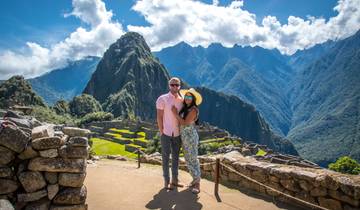
3 days
Cusco and Machu Picchu 3-Day Tour
- ✓ Comprehensive Machu Picchu tour
- ✓ Expert local guides included
- ✓ All accommodation arranged
- ✓ Transportation provided

6 days
6 Days Of Adventure: Cusco, Machu Picchu, Humantay Lake, And Rainbow Mountain
- ✓ Comprehensive Machu Picchu tour
- ✓ Expert local guides included
- ✓ All accommodation arranged
- ✓ Transportation provided
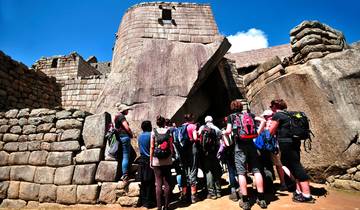
2 days
2 Day – "Exploring" the Sacred Valley & Machu Picchu
- ✓ Comprehensive Machu Picchu tour
- ✓ Expert local guides included
- ✓ All accommodation arranged
- ✓ Transportation provided
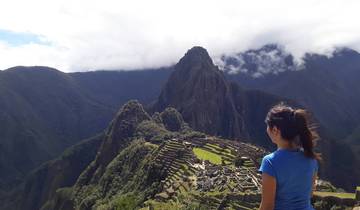
3 days
Cusco Express (3D/2N)
- ✓ Comprehensive Machu Picchu tour
- ✓ Expert local guides included
- ✓ All accommodation arranged
- ✓ Transportation provided
Multi-day tour packages powered by TourRadar. Prices and availability subject to change.
Essential Planning Information 2026
Tour Package Categories and Types
Inca Trail packages represent the most prestigious option following the ancient stone pathway walked by Inca emperors, available in classic 4-day treks (26 miles total), short 2-day options (starting at Km 104), and occasional 5-day variations adding extra acclimatization or exploration time. These packages require government permits, mandatory licensed guides, and booking through authorized operators only, creating higher costs but delivering the authentic historical route experience with continuous archaeological sites from Km 82 to Machu Picchu’s Sun Gate.
Alternative trek packages including Salkantay (5 days via spectacular mountain passes), Lares (4 days through traditional villages), Choquequirao (9 days to Peru’s “other Machu Picchu”), and Jungle Trek (4 days with biking and rafting) provide diverse mountain experiences without Inca Trail permit restrictions. These alternatives cost less than Inca Trail, offer more flexible booking timelines, and feature different landscapes from glacier views to cloud forests, though they lack the continuous archaeological features and historical prestige of the classic Inca route.
Train-based tour packages eliminate hiking requirements through comfortable rail journeys from Ollantaytambo or Poroy to Aguas Calientes, suitable for travelers with limited fitness, mobility concerns, or time constraints. Options range from budget Expedition service ($70-90 each way) to mid-range Vistadome panoramic cars ($90-120) and ultra-luxury Hiram Bingham ($475-500 one-way) featuring gourmet dining, live music, and champagne service in vintage 1920s Pullman-style carriages.
Sacred Valley combination packages integrate Machu Picchu with visits to Pisac markets and ruins, Ollantaytambo fortress, Chinchero weaving demonstrations, Moray agricultural terraces, and Maras salt mines across 3-5 day itineraries. These combinations provide comprehensive Inca cultural understanding beyond isolated Machu Picchu visits, though they require more time investment than single-destination packages focusing exclusively on the citadel.
Seasonal Pricing Patterns 2026
Peak season months (June through August) command premium pricing with packages costing 20-30% more than shoulder season rates due to high demand, guaranteed dry weather, and maximum visibility for mountain photography. Inca Trail permits sell out 5-6 months ahead during these months, and accommodation prices throughout Cusco and Sacred Valley reach annual maximums reflecting intense tourism pressure and limited availability.
Shoulder season periods (April-May and September-October) offer optimal value-to-experience ratios with good weather reliability, moderate crowds, prices 15-20% below peak season, and better permit availability 2-3 months before departure. These months provide excellent conditions for trekking with occasional afternoon rain showers and temperatures slightly cooler than mid-winter June-July, while dramatically reducing the crowding that can diminish trail and Machu Picchu experiences during peak months.
Rainy season (November through March, excluding February Inca Trail closure) delivers lowest package prices with discounts reaching 25-35% below peak season rates, though afternoon rain occurs regularly and cloud cover often obscures mountain views. These months suit budget-conscious travelers accepting weather trade-offs, with January and February experiencing the heaviest rainfall and December and March providing more reliable conditions as rainy season begins and ends.
Early booking discounts from reputable operators provide additional savings of 5-10% for reservations made 6+ months in advance, while last-minute deals occasionally emerge from cancellations though availability remains unpredictable and typically involves less popular departure dates or budget operators struggling to fill groups. Strategic booking timing balancing early-bird discounts against last-minute possibilities depends on schedule flexibility and risk tolerance for potential permit unavailability.
Group Size and Private Tour Options 2026
Large group packages (12-16 people) offer lowest per-person costs through economies of scale but involve less personalized attention, slower hiking pace accommodating the least fit participants, limited guide interaction opportunities, and more structured schedules with less flexibility for individual interests. These packages suit budget-conscious solo travelers comfortable joining mixed groups and meeting new people during shared experiences.
Small group packages (4-8 people) balance personalized service with reasonable pricing through moderate group sizes enabling meaningful guide relationships, flexible pacing, intimate dining experiences, and better wildlife observation opportunities without the isolation of private tours. Mid-range operators typically offer small groups as standard, while budget operators charge premiums for reducing group size from standard 12-16 maximums.
Private tours provide ultimate flexibility for couples, families, or friend groups wanting customized itineraries, preferred departure dates regardless of operator schedules, private guide attention, and personalized pacing matching group fitness levels. Private tour premiums add 30-60% to standard small-group pricing depending on party size, with 2-person private tours costing the most per person and 6-8 person private groups approaching small-group package rates.
Budget Tour Packages 2026 ($600-900)
Budget Inca Trail Packages
Budget Inca Trail operators offer classic 4-day treks starting around $600-750 per person through cost minimization strategies including large groups (14-16 people), basic camping equipment (standard tents, thin sleeping mats), simple meal plans emphasizing carbohydrates and basic proteins, minimum legal porter wages, and less experienced guides meeting licensing requirements but lacking the exceptional customer service and deep knowledge commanding premium salaries.
These packages include all required elements—government permits ($90), licensed guides, porters, camping gear, meals throughout trek, and transportation from Cusco to Km 82 and return from Aguas Calientes—but minimize optional comfort features that mid-range and luxury operators provide. Budget trekkers should bring personal sleeping bags (or rent for $20-30), accept basic toilet facilities, anticipate simple meals, and expect less individual attention from guides managing larger groups with more diverse fitness levels.
Quality varies significantly among budget operators with some providing excellent value through efficient operations and experienced management, while others cut corners dangerously through inadequate safety equipment, poor food quality risking digestive issues, or exploitative porter treatment violating welfare regulations. Reading recent reviews carefully, verifying operator licensing with Ministry of Culture, and asking specific questions about equipment quality and porter wages helps distinguish responsible budget operators from problematic competitors.
Budget package participants should prepare for less comfort than higher-priced alternatives but can still enjoy extraordinary experiences walking the Inca Trail to Machu Picchu if expectations align with service level and personal flexibility accommodates basic conditions. The core experience—hiking the historical route, camping under Andean stars, visiting archaeological sites, and arriving at Machu Picchu through the Sun Gate—remains identical regardless of spending level, with comfort and convenience differences rather than fundamental experience variations.
Budget Alternative Trek Packages
Salkantay Trek budget packages cost $350-500 for 5-day experiences including camping equipment, meals, guides, and Machu Picchu entrance, providing exceptional value through lack of government permit fees (compared to Inca Trail’s $90 per person) and less regulatory infrastructure requiring licensed operators. These packages follow the spectacular Salkantay route passing beneath Peru’s second-highest peak (20,574 feet), crossing high mountain passes at 15,200 feet elevation, descending through cloud forests, and reaching Machu Picchu via Aguas Calientes rather than the Sun Gate.
Lares Trek budget options ($400-550 for 4 days) emphasize cultural immersion through traditional Quechua villages, textile weaving demonstrations, natural hot springs, and agricultural community visits alongside mountain hiking and Machu Picchu access. The Lares route receives less trekker traffic than either Inca Trail or Salkantay, providing quieter mountain experiences and deeper cultural interactions with indigenous communities maintaining traditional lifestyles in remote Sacred Valley highlands.
Jungle Trek combinations ($300-450 for 4 days) incorporate mountain biking downhill from Cusco region, white-water rafting on Urubamba River, zip-lining through cloud forest canopy, and shorter hiking sections suitable for less fit participants or those seeking adventure variety beyond pure trekking. These action-oriented packages attract younger travelers and adventure enthusiasts wanting diverse activities rather than focused hiking experiences, though they sacrifice the contemplative mountain atmosphere characterizing traditional trekking routes.
Budget Train Tour Packages
Basic train tour packages cost $250-400 for day trips from Cusco including Expedition train service to Aguas Calientes, bus transfer to Machu Picchu, guided citadel tour (2-3 hours), and return train to Cusco—all completed within exhausting 14-15 hour days beginning before dawn and returning late evening. These packages provide Machu Picchu access for travelers with limited time, fitness concerns preventing multi-day treks, or budget constraints making overnight accommodation in expensive Aguas Calientes prohibitive.
Overnight train packages ($350-500) add one night accommodation in Aguas Calientes providing more relaxed timing, early morning Machu Picchu visits before day-trip crowds arrive, and possibility of returning to citadel on second day for deeper exploration or Huayna Picchu mountain climb requiring separate permits. The overnight structure eliminates the marathon day-trip timeline while remaining budget-friendly through basic hostels or budget hotels rather than premium lodges.
Budget train packages use standard Expedition service cars with basic seating, small windows, simple snacks, and functional rather than luxurious amenities designed for mass tourism transportation rather than experiential journey. The train ride itself becomes transit between Cusco and Machu Picchu rather than part of the experience, contrasting with luxury train packages where the journey provides significant value through panoramic windows, gourmet meals, and upscale service.
Mid-Range Tour Packages 2026 ($900-1,500)
Mid-Range Inca Trail Packages
Mid-range Inca Trail packages ($900-1,200) represent the sweet spot for most trekkers balancing quality and value through moderate group sizes (8-12 people), good camping equipment (spacious tents, thick sleeping mats, comfortable dining tents), varied nutritious meals prepared by professional trail cooks, experienced guides with strong customer service skills, and fair porter compensation exceeding minimum legal wages. Check tour operators for current rates as pricing varies by departure date and booking timing.
These packages include quality sleeping mats (unlike budget operators requiring personal mat rental), proper dining tents with chairs and tables, professional cooking creating varied menus incorporating Peruvian specialties beyond basic carbohydrates, and guides with 5+ years trail experience able to provide deep cultural context, identify flora and fauna, manage group dynamics effectively, and handle emergency situations professionally.
Mid-range operators maintain strong safety records, transparent business practices, positive porter welfare reputations, and consistently high customer reviews across multiple platforms indicating reliable quality delivery matching marketing promises. The price premium over budget operators ($250-400 more per person) provides meaningful comfort and experience improvements that most participants find worthwhile for once-in-lifetime Inca Trail experiences where saving $300 but enduring four days of discomfort creates false economy.
Additional inclusions at this price level often feature pre-trek briefings at operator offices, equipment check services, travel insurance guidance, emergency evacuation protocols clearly documented, and post-trek celebrations with certificates and group photos. These professional touches distinguish established operators from budget competitors focusing purely on permit access and minimum regulatory compliance rather than comprehensive customer experience.
Mid-Range Alternative Trek Packages
Salkantay Trek mid-range packages ($500-700) upgrade budget experiences through smaller groups (8-10 people), better camping locations, superior food quality, more experienced guides, and occasional lodge night replacing one camping night for improved comfort. The 5-day route maintains its spectacular high-mountain character while delivering more comfortable daily experiences through better equipment, more attentive service, and knowledgeable guides sharing detailed information about Andean ecology, local communities, and regional history.
Lares Trek mid-range options ($550-800) enhance cultural immersion through extended village visits, professional weavers demonstrating ancient textile techniques, traditional Pachamama ceremonies, home-cooked meals with local families, and overnight homestays replacing camping for authentic cultural exchange. These packages balance trekking adventure with meaningful community interaction, supporting local economies through direct payments to villagers for accommodation, meals, and cultural demonstrations.
Choquequirao Trek packages ($1,200-1,600 for 9 days) reach the spectacular “sister city” of Machu Picchu, dramatically less visited but equally impressive with extensive unexcavated areas, similar architectural sophistication, and breathtaking cliff-edge location. The lengthy itinerary requires significant time investment and higher fitness levels for sustained multi-day hiking, but rewards adventurous travelers with near-solitary experiences at magnificent ruins seeing just 50-100 daily visitors compared to Machu Picchu’s 5,000+.
Mid-Range Train and Hotel Packages
Vistadome train packages ($450-650 for day trips, $700-900 for overnight) upgrade transportation experience through panoramic windows allowing 360-degree Andean scenery viewing, comfortable seating with generous legroom, included snacks and beverages, and cultural performances during journey creating memorable travel experiences beyond mere transit. The Vistadome service level provides significant comfort improvements over basic Expedition cars while avoiding the ultra-luxury pricing of Hiram Bingham service.
Sacred Valley multi-day packages ($800-1,200 for 3-4 days) combine Machu Picchu visits with comprehensive regional exploration including Pisac Sunday market and hilltop ruins, Ollantaytambo fortress (often called “living Inca town”), Chinchero colonial church and weaving center, Moray circular agricultural terraces, and Maras geometric salt mines producing artisanal salt since Inca times. These packages include mid-range hotels in Sacred Valley towns, private transportation between sites, knowledgeable guides providing cultural context, and entrance fees to all locations.
Two-day Machu Picchu packages ($600-850) provide overnight Aguas Calientes accommodation, early morning citadel visits before crowds, second afternoon exploring town’s thermal baths and artisan markets, and Vistadome return train journey creating relaxed pacing impossible with marathon day trips. This timing allows proper Machu Picchu appreciation with 4-5 hours exploring the extensive site rather than rushed 2-3 hour visits typical of day tours before catching mandatory return trains.
Luxury Tour Packages 2026 ($1,500-3,000+)
Luxury Inca Trail Packages
Premium Inca Trail packages ($1,300-1,800) deliver exceptional comfort through tiny group sizes (4-6 people maximum), superior camping equipment (large spacious tents, extra-thick sleeping mats, heated dining tents), gourmet trail cuisine prepared by professional chefs, elite guides with decades of experience and perfect English fluency, generous porter support ratios, and white-glove service attention to every detail from wake-up tea delivery to hot water for washing.
These luxury experiences include extras like pre-trek spa treatments, upscale Cusco hotel accommodation before and after trek, private van transportation, personalized gear checks, professional photography services documenting your journey, and celebration dinners at Cusco’s finest restaurants with certificates and commemorative gifts. The significant price premium ($700-1,000+ more than mid-range) purchases comfort, personalized attention, and worry-free logistics where every detail receives professional management.
Luxury operators maintain impeccable safety records, industry-leading porter welfare standards (wages 50-100% above legal minimums), environmental best practices including comprehensive waste removal and carbon offset programs, and consistent 5-star reviews reflecting exceptional service delivery. The small groups enable personalized pacing, flexible schedules accommodating individual photography interests, and intimate guide relationships impossible in larger groups where guide attention spreads across 12-16 diverse participants.
Luxury Train Experiences
Hiram Bingham luxury train ($950-1,200 for day experience, $1,800-2,500 for overnight packages) provides ultimate rail journey combining gourmet multi-course dining, premium open bar, live Peruvian music and dance performances, elegant 1920s Pullman-style carriages with plush seating, white-tablecloth service, and observation car with outdoor platform for photography. The train experience becomes destination itself rather than mere transportation, celebrating rail’s golden age through impeccable service and sophisticated atmosphere.
The Hiram Bingham packages include private bus transfers to Machu Picchu, English-speaking guide for personalized citadel tour, gourmet afternoon tea at Sanctuary Lodge (Machu Picchu’s only on-site hotel), and all entrance fees bundled into single premium price. The service level caters to luxury travelers seeking refined experiences, special occasion celebrations, or once-in-lifetime splurges where cost becomes secondary to creating extraordinary memories through exceptional quality and seamless logistics.
Belmond Andean Explorer luxury train journeys ($2,500-5,000 for 2-3 night experiences) extend beyond Machu Picchu to comprehensive Andean exploration between Cusco and Arequipa through Peru’s highest railway routes, visiting Lake Titicaca, staying overnight aboard elegant sleeper cars, enjoying observatory car stargazing, and experiencing gourmet Andean-inspired cuisine from celebrated chefs. These extended rail journeys appeal to travelers wanting comprehensive Peruvian experiences beyond focused Machu Picchu visits.
Luxury All-Inclusive Packages
Complete luxury Peru packages ($3,000-5,000 for 7-10 days) bundle Machu Picchu with Amazon rainforest lodges, Colca Canyon condor viewing, Lake Titicaca floating islands, Nazca Lines flights, and Lima culinary experiences through comprehensive itineraries managed by upscale tour operators providing five-star hotels, private guides throughout, premium transportation, and all activities and meals included. These packages eliminate every logistical concern through professional management and guaranteed quality across all experience components.
Private luxury trekking packages ($2,500-4,000 for Inca Trail, $3,500-6,000 for extended routes) provide ultimate personalized experiences through dedicated guides, private porters, customized itineraries, flexible scheduling, premium camping equipment, and exclusive service impossible in group settings. Private packages suit honeymooners, families wanting child-focused pacing, photographers requiring time for perfect light conditions, or travelers with specific interests demanding customized approach beyond standardized group itineraries.
Specialized Tour Options 2026
Photography-Focused Packages
Photography workshops ($1,500-2,500 for 5-7 days) combine Machu Picchu access with specialized instruction from professional photographers teaching composition, lighting, landscape techniques, cultural photography ethics, and post-processing workflows through hands-on field sessions at Machu Picchu, Sacred Valley locations, Cusco markets, and remote Andean villages. These packages provide smaller groups (6-8 participants maximum), flexible scheduling for optimal light conditions, sunrise and sunset access to key locations, and expert guidance creating portfolio-quality images.
The photography packages include extended time at locations during golden hours, return visits enabling morning and afternoon lighting variations, model permits for portrait sessions with traditionally dressed locals, and sometimes drone photography opportunities at permitted locations outside restricted archaeological zones. Professional photographer leaders provide technical instruction, artistic critique, and logistical knowledge about best viewpoints, seasonal lighting patterns, and cultural sensitivity around documenting indigenous communities.
Wellness and Spiritual Packages
Yoga and wellness retreats ($1,800-3,000 for 7-10 days) integrate Machu Picchu visits with daily yoga practice, meditation sessions, traditional Andean healing ceremonies, hot springs soaking, organic farm-to-table cuisine, and spiritual site visits creating holistic experiences balancing physical adventure with contemplative practices. These packages attract travelers seeking transformative experiences beyond tourism, emphasizing personal growth, spiritual connection, and wellness practices in sacred Andean settings.
Shamanic journey packages ($2,000-3,500) incorporate traditional Peruvian plant medicine ceremonies, coca leaf readings, Pachamama offerings, energy cleansing rituals, and consultation with traditional healers alongside Machu Picchu and Sacred Valley exploration. These specialized experiences require careful operator selection ensuring authentic traditional practices, safety protocols for ceremonial plant use, and respectful cultural engagement rather than commodified “spiritual tourism” exploiting indigenous traditions.
Family-Friendly Packages
Family-oriented packages ($1,200-2,000 for family of four, 4-5 days) design itineraries accommodating children through shorter daily distances, engaging activities beyond hiking, interactive cultural experiences like chocolate-making workshops or textile dyeing, comfortable accommodation, familiar food options supplementing Peruvian cuisine, and guides skilled in educational interpretation for young audiences. These packages recognize family travel challenges including varied fitness levels, shorter attention spans, and need for flexibility when children become tired or weather turns challenging.
Train-based family packages eliminate multi-day camping challenges through comfortable hotels, restaurant dining, and Vistadome train service providing exciting travel experience without trekking demands. The packages incorporate age-appropriate activities like Aguas Calientes butterfly sanctuary, artisan market exploration, and hot springs swimming creating varied experiences maintaining children’s engagement across multiple days rather than focused solely on archaeological site appreciation.
Senior and Accessible Packages
Senior-focused packages ($1,000-1,800) adapt pacing, accommodation, and activities for older travelers through moderate daily distances, comfortable hotels, private transportation eliminating long bus rides, extended rest periods, smaller groups of similar-aged participants, and guides experienced with senior traveler needs. These packages recognize that many active seniors want Machu Picchu experiences but require gentler pacing and more comfortable conditions than standard trekking packages provide.
Limited-mobility packages ($1,200-2,000) provide Machu Picchu access for wheelchair users or travelers with walking difficulties through careful route planning, accessible transportation, strategically located accommodation, and realistic expectations about archaeological site accessibility limitations. While Machu Picchu citadel itself presents accessibility challenges with steep terrain and stone stairs, lower sections remain partially accessible, and the overall Sacred Valley offers substantial cultural experiences for travelers unable to navigate extensive walking routes.
Booking Strategies for 2026 Packages
When to Book Your 2026 Package
Inca Trail packages require booking 5-6 months before departure for peak season June-July dates when permits sell out fastest, 3-4 months ahead for May, August, or September shoulder season, and 6-10 weeks ahead for April, October, or low-season months. Early booking secures permit access and preferred departure dates while often capturing early-bird discounts of 5-10% from established operators rewarding advance commitment with modest savings.
Alternative trek packages allow more flexibility with bookings possible 6-12 weeks before departure during most seasons, though popular operators fill groups 2-3 months ahead even without permit restrictions. Train-based packages offer maximum booking flexibility with reservations sometimes possible 2-4 weeks before travel during shoulder seasons, though peak season accommodation in Aguas Calientes books solid months ahead requiring advance planning even without trekking permits.
The booking sweet spot balances early-bird discounts against last-minute deal opportunities, with most experienced travelers booking 3-5 months ahead for Inca Trail and 6-10 weeks ahead for alternatives, capturing moderate early booking benefits while avoiding the anxiety of waiting for uncertain last-minute availability. Rigid schedule travelers or peak season visitors should book at maximum advance timing to guarantee access, while flexible travelers can risk shorter booking windows for potential savings.
Comparing Tour Operators in 2026
Operator evaluation requires examining multiple factors beyond price including licensing verification with Peru’s Ministry of Culture and Tourism, customer review patterns across TripAdvisor, Google, and specialty travel forums, porter welfare reputation through porter rights organizations, environmental practices and certifications, guide quality and experience levels, equipment standards, group size policies, and transparency about inclusions and exclusions.
Red flags indicating problematic operators include prices significantly below market averages suggesting corner-cutting on safety or porter welfare, pressure tactics demanding immediate deposits, vague itinerary descriptions, unwillingness to provide detailed inclusion lists, poor email communication responsiveness, absence of physical Cusco office, and recent establishment without track record. Quality operators provide comprehensive information, transparent pricing, detailed pre-trek briefings, professional communications, and established reputations verified through years of customer reviews.
Direct operator booking versus booking agents affects pricing and service, with direct bookings sometimes providing better prices by eliminating middleman commissions but potentially sacrificing convenience of agent support for complex multi-destination itineraries. International booking platforms charge 10-20% commission fees added to operator base prices, though they provide payment protection, easy comparison shopping, and customer service support that direct bookings with small Peruvian operators may lack.
Understanding Package Inclusions and Exclusions
Standard inclusions across most packages cover transportation from Cusco to activity start points and return, professional guides, entrance tickets to Machu Picchu and other sites visited, meals during trekking portions, and camping equipment for multi-day trail experiences. Inca Trail packages always include government permits in quoted prices, as operators cannot purchase permits individually separate from complete service packages.
Common exclusions requiring additional budgeting include sleeping bags ($20-30 rental or bring personal), trekking poles ($15-20 rental), tips for guides and porters ($60-100 total recommended), alcoholic beverages, personal expenses, travel insurance (mandatory $80-150 for comprehensive coverage), and sometimes return train tickets from Aguas Calientes to Cusco depending on package structure. Reading detailed inclusion lists prevents budget surprises and enables accurate total cost calculation including all required elements.
Hidden costs emerge from unclear communications about optional activities, upgrades, or services presented during the package as “available for additional fee” creating pressure to spend beyond quoted prices. Reputable operators clearly document all optional elements versus included components, while less transparent operators obscure exclusions in fine print or verbal presentations creating false impressions about total package value.
Sample 2026 Itineraries
4-Day Inca Trail Package Itinerary
Day 1 – Km 82 to Wayllabamba (6 hours hiking): Early morning Cusco pickup, 2-hour drive to Km 82 trailhead (elevation 8,924 feet), permit verification and equipment distribution, gentle ascent following Urubamba River to Llactapata archaeological site, packed lunch with mountain views, afternoon climb to Wayllabamba campsite (9,843 feet), group dinner in dining tent, guide briefing for next day’s challenging climb. Machu Picchu entrance ticket €45, Inca Trail permit €90, first day meals and camping included in package. Total day cost: €135 per person (excluding accommodation, as camping is included).
Day 2 – Dead Woman’s Pass (7-8 hours hiking): Pre-dawn wake-up call with coca tea, breakfast 6:00 AM, steady 4-hour climb gaining 4,000 vertical feet to Dead Woman’s Pass (13,828 feet highest point), spectacular Andean panoramas, packed lunch near summit, 2-hour steep descent to Pacaymayo Valley campsite (11,811 feet), afternoon rest and recovery, dinner celebrating day’s achievement. Trail-provided meals, guides and camping included. Total day cost covered by package pricing.
Day 3 – Archaeological Sites Day (6-7 hours hiking): Breakfast 6:30 AM, gradual ascent to second pass (12,992 feet) with views, visits to Runkuracay fortress ruins, Sayacmarca cliff-edge citadel, Phuyupatamarca ceremonial terraces, lunch at panoramic viewpoint, afternoon descent through cloud forest on original Inca stone stairs to Wiñaywayna (8,924 feet) with stunning agricultural terraces, final night camping, optional farewell dinner celebration. Meals and archaeological site access included.
Day 4 – Machu Picchu (3-4 hours hiking plus citadel time): 3:30 AM wake-up, quick breakfast, 2-hour pre-dawn hike to Inti Punku (Sun Gate) for sunrise Machu Picchu views, descent to citadel entrance 6:00-7:00 AM before day-trip crowds, 2-3 hour guided tour through urban sector, temples, agricultural zones, bus descent to Aguas Calientes, celebratory lunch, afternoon Vistadome train return to Cusco. Celebration lunch €25-35, train upgrade €30 optional. Total day cost: €25-65 depending on choices (excluding accommodation, as package ends with Cusco return).
2-Day Luxury Train Package Itinerary
Day 1 – Cusco to Aguas Calientes: Hotel pickup 6:00 AM, scenic 1.5-hour drive through Sacred Valley to Ollantaytambo station, 9:00 AM departure on Vistadome panoramic train (included snacks and cultural performance), 10:30 AM arrival Aguas Calientes, lunch at riverside restaurant, afternoon exploration of artisan markets and thermal baths, 4:00 PM hotel check-in at mid-range property, evening free for town exploration and dinner. Lunch €20-30, thermal baths €7, dinner €25-40. Total day cost: €52-77 per person (excluding accommodation €80-120).
Day 2 – Machu Picchu and Return: 5:00 AM wake-up, quick breakfast at hotel, 5:30 AM bus ascent to Machu Picchu (included in package, €12 value each way), 6:00 AM entrance before crowds, 3-hour guided tour of citadel with expert interpretation, free time for personal exploration and photography, 11:00 AM bus descent, celebratory lunch in Aguas Calientes, 2:45 PM Vistadome train return to Ollantaytambo, 6:00 PM arrival Cusco. Celebration lunch €30-45. Total day cost: €30-45 (excluding accommodation from previous night).
5-Day Salkantay Trek Package Itinerary
Day 1 – Soraypampa (5 hours hiking): 5:00 AM Cusco pickup, 3-hour drive to Mollepata village, traditional breakfast, gentle 3-hour hike to Soraypampa camp (12,631 feet) with Salkantay mountain views, afternoon acclimatization walk to Humantay Lake (turquoise glacial lake at 13,779 feet), return to camp for dinner. Breakfast €8-12, camping meals included. Total day cost: €8-12 (camping included).
Day 2 – Salkantay Pass (8-9 hours hiking): Early breakfast, challenging 4-hour climb to Salkantay Pass (15,213 feet highest point), spectacular glacier panoramas, packed lunch at pass, 4-hour descent through changing ecosystems to Colpapampa camp (9,514 feet) in subtropical zone, evening hot shower facilities (some operators), celebration dinner. Camping and meals included in package.
Day 3 – Cloud Forest (6-7 hours hiking): Breakfast, moderate hiking through coffee plantations and fruit orchards, lunch at local farm with fresh tropical fruit, afternoon walk along Santa Teresa River, arrival at hot springs camp, evening soaking in natural thermal pools, riverside camping. Hot springs access €7, camping meals included. Total day cost: €7 (camping included).
Day 4 – Hydroelectric to Aguas Calientes (3 hours hiking plus train): Breakfast, final morning hike to Hydroelectric station, lunch at local restaurant, afternoon option for 2-hour walk along train tracks to Aguas Calientes or train ride (€8), hotel check-in, evening town exploration. Lunch €15-20, optional train €8, dinner €20-30. Total day cost: €35-58 (excluding hotel €40-70).
Day 5 – Machu Picchu and Return: Early bus to Machu Picchu, guided tour, personal exploration time, afternoon return to Aguas Calientes, train to Ollantaytambo, bus to Cusco. Bus transport €24 round-trip, celebration lunch €25-35. Total day cost: €49-59 per person (excluding previous night hotel).
Tour Operator Selection Guide 2026
Licensing and Certification Verification
Verify operator licensing through Peru’s Ministry of Culture website listing authorized Inca Trail operators, cross-checking business names exactly as travel agencies sometimes use slightly different marketing names than legal registrations. Licensed operators receive unique permit allocation codes enabling Inca Trail bookings, while unlicensed companies either operate as booking agents reselling licensed operator services or represent scams collecting deposits without delivery capability.
Professional certifications including memberships in APTAE (Peruvian Association of Adventure Tourism and Ecotourism), AATC (Adventure Travel Trade Association), or international sustainable tourism certifications demonstrate commitment to quality standards, environmental protection, and ethical business practices beyond minimum legal requirements. These voluntary certifications require annual compliance verification and provide additional accountability beyond basic government licensing.
Porter Welfare Assessment
Porter welfare reputation indicates overall operator ethics and service quality, as companies treating porters well typically maintain high standards across all operations while those exploiting workers often cut corners on tourist services too. Research operators through porter rights organizations including Porter Welfare Project and Porters’ Progress, which monitor compliance with weight limits, fair wages, proper equipment provision, and working condition standards.
Direct questions about porter welfare during booking conversations reveal operator attitudes, with quality companies proudly discussing their above-minimum wage rates, equipment provision, insurance coverage, and porter advancement programs while problematic operators deflect or provide vague responses. Specific questions like “What percentage above minimum wage do you pay porters?” and “How do you verify 25kg weight limits?” differentiate transparent ethical operators from those offering scripted reassurances without substance.
Environmental and Social Responsibility
Environmental practices assessment examines waste management systems (complete trash removal, recycling programs, biodegradable toiletries), carbon offset programs for transportation emissions, single-use plastic elimination, and Leave No Trace adherence beyond mere regulatory compliance. Responsible operators view environmental protection as core values rather than marketing tools, implementing comprehensive sustainability practices even when not directly profitable.
Community engagement programs supporting local schools, health clinics, or economic development projects demonstrate commitment to positive tourism impact beyond extracting profits from indigenous communities. Operators partnering with local villages for homestays, purchasing supplies from community vendors, employing local guides and porters preferentially, or contributing percentage of profits to community development create meaningful local benefit distinguishing responsible tourism from exploitative practices.

Frequently Asked Questions
What is the difference between budget and luxury Machu Picchu packages?
Budget packages ($600-900) provide essential services through large groups, basic equipment, simple meals, and less experienced guides meeting minimum standards, while luxury packages ($1,500-3,000+) deliver superior comfort through tiny groups, premium equipment, gourmet cuisine, elite guides, and white-glove service attention. The core experience of reaching Machu Picchu remains similar, but comfort levels, convenience, personalized attention, and worry-free logistics differ dramatically between price tiers.
Can I visit Machu Picchu without booking a tour package?
Yes – independent travel is possible by booking separate entrance tickets online, purchasing train tickets to Aguas Calientes, arranging accommodation, and hiring guides on arrival if desired. However, tour packages often cost less than booking components separately due to bulk purchasing, and packages eliminate logistical complexity while guaranteeing coordination between elements. Inca Trail access requires tour packages as independent hiking is prohibited.
How physically demanding are Machu Picchu tour packages?
Difficulty varies dramatically by package type: train-based tours require minimal fitness beyond walking citadel paths, Inca Trail demands moderate-to-high fitness for 4-6 hour daily hiking at altitude, alternative treks like Salkantay require similar conditioning, while luxury packages can reduce physical demands through shorter distances and better equipment. Honest fitness assessment matching capabilities to appropriate package type ensures enjoyable experiences rather than suffering through overly ambitious itineraries.
What’s the best tour package for first-time Peru visitors in 2026?
Mid-range 4-day Inca Trail packages ($900-1,200) provide comprehensive experiences balancing cultural immersion, physical challenge, quality service, and reasonable pricing for most first-timers wanting authentic Andean adventures. Alternatively, Sacred Valley combination packages ($800-1,200) deliver diverse cultural experiences beyond just Machu Picchu, ideal for travelers wanting comprehensive understanding of Inca civilization across multiple archaeological sites.
Do tour packages include Cusco accommodation?
Most packages include accommodation during trekking or touring days but exclude Cusco hotel nights before package start or after conclusion. Reading inclusion lists carefully clarifies exactly which nights are covered, as some packages include one pre-trek Cusco night while others require booking separate accommodation for all Cusco time. Budget additional $30-80 per night for Cusco hotels depending on desired comfort level.
Can I customize tour packages for 2026?
Private tour options allow complete customization of itineraries, activities, departure dates, and pace for premium prices typically 30-60% above standard small-group packages. Standard group packages follow fixed itineraries with minimal customization beyond choosing service level (budget, mid-range, luxury) and trek route (Inca Trail, Salkantay, etc.). Small operators sometimes accommodate minor adjustments for private bookings while large operators maintain standardized departures.
Are meals included in Machu Picchu tour packages?
Trekking packages include all meals during hiking days (breakfast, packed lunch, dinner at campsites), while train-based tours typically include some meals but not all, varying by specific package. Reading detailed inclusion lists clarifies exact meal coverage, as some packages include only breakfasts while others provide comprehensive meal plans. Budget additional $20-40 daily for excluded meals depending on dining preferences and restaurant choices.
How do I know if a tour operator is reputable?
Verify licensing through Peru’s Ministry of Culture operator list, read extensive recent reviews on TripAdvisor and Google, check porter welfare reputation through Porter Welfare Project, confirm physical Cusco office existence, assess communication quality and responsiveness, and verify transparent pricing with detailed inclusion lists. Established operators with 5+ years operating history, hundreds of positive reviews, professional communications, and clear business practices represent safer choices than new companies without track records.
What happens if I need to cancel my tour package?
Cancellation policies vary by operator but typically provide partial refunds for cancellations 30+ days before departure, minimal refunds for 15-30 day notice, and no refunds within 14 days of departure. Inca Trail permits remain non-refundable regardless of cancellation timing, making travel insurance covering trip cancellation essential for protecting financial investment against unforeseen circumstances. Review specific operator cancellation terms before booking and purchase comprehensive travel insurance covering your package value.
Can families with children join Machu Picchu tour packages?
Most operators accept children on train-based packages at any age, while Inca Trail requires minimum age 12 due to physical demands and regulations. Family-friendly packages ($1,200-2,000 for four people) adapt pacing, activities, and accommodation for children through shorter daily distances, engaging activities, comfortable lodging, and guides experienced with family groups. Alternative routes like Lares Trek or train combinations work better for families with young children than demanding Inca Trail itineraries.