
Best Grand Canyon Tours 2026: Complete Tour Guide & Bookings
The Grand Canyon offers tour experiences ranging from 30-minute helicopter flights to 18-day river expeditions, with options serving every fitness level, time availability, and budget range. Guided tours provide expert interpretation, logistical convenience, and access to experiences difficult or impossible to arrange independently. Understanding tour categories, operators, pricing structures, and booking requirements allows strategic selection matching your interests and circumstances.
Key Takeaways:
- Helicopter tours cost $250-450 for 25-50 minute flights offering aerial canyon perspectives
- Mule trips to Phantom Ranch require 13-month advance booking and cost $800-1,000 overnight
- Colorado River rafting trips range $1,800-4,500 depending on duration and operator style
- Ranger-led programs remain free while providing expert interpretation and education
- Multi-day backpacking tours cost $1,200-2,000 per person including guides and gear
- Sunrise and sunset tours maximize dramatic lighting for photography experiences
Introduction: Choosing Your Grand Canyon Tour Experience
Tours divide into distinct categories based on perspective and intensity. Aerial tours via helicopter or airplane showcase the canyon’s scale and geological patterns visible only from above. Rim-based tours provide expert interpretation of viewpoints, geology, and history without physical demands. Below-rim tours including mule trips and guided hikes immerse you in the canyon’s inner environments with elevation changes and extended duration. River tours float through the canyon’s heart experiencing the Colorado River and accessing side canyons unreachable by trail. Multi-day tours combine multiple perspectives creating comprehensive canyon experiences.
This guide analyzes tour categories, evaluates specific operators, provides realistic pricing with booking strategies, and identifies optimal tours for different visitor profiles. Understanding these elements transforms overwhelming tour options into clear choices aligned with your priorities and budget.
People Also Ask About Grand Canyon Tours 2026
What is the best Grand Canyon tour?
The “best” tour depends entirely on your priorities, physical abilities, time availability, and budget. For maximum canyon coverage in minimum time, helicopter tours from the South Rim provide 25-50 minute aerial perspectives showing geological features and scale impossible to appreciate from ground level. For authentic canyon immersion, multi-day Colorado River rafting trips offer unparalleled access to inner canyon environments, camping on beaches, and hiking side canyons. For historic experience combined with overnight adventure, mule trips to Phantom Ranch provide the classic Grand Canyon journey used by early visitors. For budget-conscious visitors, free ranger-led programs deliver expert interpretation without cost. First-time visitors often find guided rim tours optimal—professional guides explain geological features, identify wildlife, and share canyon history while you focus on experience rather than navigation.
How much do Grand Canyon helicopter tours cost in 2026?
Grand Canyon helicopter tours from Tusayan cost $250-450 per person depending on flight duration and route in 2026. Check tour operator websites for current official rates as pricing may vary. Standard 25-30 minute tours covering the South Rim and eastern canyon portions cost $250-300. Extended 40-50 minute tours including Dragon Corridor (the canyon’s widest and deepest section) and North Rim viewpoints cost $350-450. Tours departing Las Vegas include longer flight times covering additional territory and cost $500-700 including ground transportation from hotels. Children under two typically fly free when sitting on adult laps. Weight restrictions apply—passengers over 300 pounds may require purchasing two seats. Tours operate year-round with best visibility during winter and spring when clearer air conditions prevail.
Do you need to book Grand Canyon tours in advance?
Advance booking requirements vary dramatically by tour type and season. Mule trips to Phantom Ranch require 13-month advance booking through the reservation system, selling out within hours of availability. Colorado River rafting trips book 12-18 months ahead for prime summer dates with competitive application processes. Multi-day guided backpacking trips book 4-6 months ahead during peak seasons. Helicopter tours book 2-4 weeks ahead during summer, though last-minute availability exists during winter and shoulder seasons. Ranger-led programs require no reservations—arrive at scheduled times on first-come, first-served basis. Rim-based bus tours book 1-3 weeks ahead for peak season, with same-day availability common during winter. For optimal selection and confirmed dates, book any guided tour as early as your schedule firms up, recognizing that highly sought experiences require months of advance planning.
Are Grand Canyon tours worth the money?
Tour value depends on what you’re purchasing and your alternatives. Helicopter tours provide perspectives impossible to achieve otherwise—aerial views revealing geological patterns, scale appreciation, and photographic angles worth the premium for many visitors. However, rim viewpoints accessible via free shuttles offer spectacular views without helicopter costs. Mule trips deliver authentic historic experiences and overnight Phantom Ranch stays, but independent hikers reach the same destinations for permit costs only. River rafting provides exclusive access to inner canyon beaches and side canyons unavailable any other way, justifying premium pricing for adventure seekers. Ranger programs deliver expert interpretation completely free, offering exceptional value. Guided rim tours suit visitors wanting professional narration, transportation handling, and structured itineraries, though independent exploration costs only park entry fees. Evaluate whether specific tour benefits—unique access, expert knowledge, logistical convenience, safety support—justify pricing for your circumstances and priorities.
Extended multi-day tours – 5+ days
Featured Park Grand Canyon Multi-Day Tour Packages
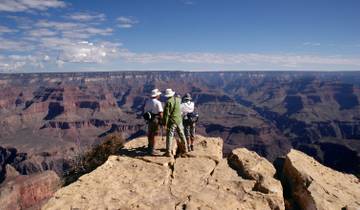
3 days
Grand Canyon and More 3 day tour
- ✓ Comprehensive Park Grand Canyon tour
- ✓ Expert local guides included
- ✓ All accommodation arranged
- ✓ Transportation provided

3 days
National Parks Winter Tour
- ✓ Comprehensive Park Grand Canyon tour
- ✓ Expert local guides included
- ✓ All accommodation arranged
- ✓ Transportation provided

4 days
4-Day Las Vegas+Grand Canyon National Park+ Antelope Canyon+Horseshoe Bend(Bilingual: Chinese+English)
- ✓ Comprehensive Park Grand Canyon tour
- ✓ Expert local guides included
- ✓ All accommodation arranged
- ✓ Transportation provided
4 days
Viva Las Vegas: 4-Day Adventure
- ✓ Booking needs min. 2 travelers
Multi-day tour packages powered by TourRadar. Prices and availability subject to change.
Aerial Tours: Helicopter and Airplane Experiences
Aerial tours showcase the Grand Canyon’s immense scale and geological patterns comprehensible only from above. These tours serve visitors with limited time, mobility challenges, or desires for unique perspectives supplementing ground-based experiences.
Helicopter Tour Options
Helicopter tours operate from Tusayan (just outside the South Rim entrance) and Las Vegas (with longer flight times). South Rim-based tours provide direct canyon access without lengthy positioning flights, maximizing time over the canyon itself. Tours range from 25-50 minutes with pricing reflecting duration and route coverage.
Standard South Rim tours last 25-30 minutes flying over the Kaibab National Forest before entering the canyon at Dragon Corridor—the widest and deepest section spanning 10 miles wide and over one mile deep. The route continues past the North Rim, follows the canyon eastward, and returns via the South Rim. These tours cost approximately $250-300 per person in 2026 (check operator websites for current official rates as pricing may vary). Passengers receive headset narration explaining geological features, identifying landmarks, and sharing canyon history. Tours accommodate 6-7 passengers in climate-controlled cabins with large windows optimizing photography.
Extended 40-50 minute tours expand coverage to include the eastern canyon, Desert View area, and additional North Rim perspectives. These comprehensive flights cost $350-450 per person, providing more thorough aerial exploration. The additional flight time allows pilots to circle specific features, hover for photography, and cover twice the geographic area of standard tours. Extended tours justify premium pricing for serious photographers, first-time visitors wanting comprehensive overviews, or those treating helicopter flights as primary rather than supplementary experiences.
Sunset and sunrise tours operate during optimal lighting periods, commanding 10-20% premiums over standard pricing but delivering dramatically improved photography conditions and fewer aircraft congestion. The low-angle sunlight creates long shadows revealing canyon depth and texture invisible during midday flat lighting. Sunset tours particularly suit photographers willing to pay premium for superior conditions.
Airplane Tour Alternatives
Fixed-wing airplane tours provide longer flight times at lower costs than helicopters, though with less maneuverability and higher flight altitudes reducing intimate canyon views. Tours last 40-50 minutes covering similar routes as helicopter tours but from 1,000-2,000 feet higher elevations. Pricing runs $150-200 per person—substantially less than helicopters while maintaining aerial perspectives unavailable from ground viewpoints. Airplanes accommodate 10-19 passengers in high-wing aircraft providing window views for all seats.
Airplane tours suit budget-conscious visitors wanting aerial perspectives without helicopter premium pricing, those booking last-minute when helicopter availability vanishes, and travelers less interested in intimate low-level views. However, the higher altitudes and faster flight speeds reduce the immersive experience helicopters provide. Photographers generally prefer helicopters for superior angles and slower speeds enabling better imagery.
Booking Strategies for Aerial Tours
Book aerial tours 2-4 weeks ahead during summer peak season when daily flights fill completely. Winter and shoulder seasons offer more last-minute availability, sometimes providing same-day bookings. Morning flights deliver smoother air conditions before afternoon thermal turbulence develops—important for those concerned about motion sickness. Weight restrictions apply with passengers weighing over 300 pounds required to purchase two seats. Total passenger weight determines aircraft balance, so operators weigh all passengers at check-in. Comfortable clothing and secure footwear work best, though no special gear requirements exist.
Weather cancellations occur due to high winds, low visibility, or thunderstorms, particularly during monsoon season (July-September). Operators reschedule cancelled flights or provide refunds. Travel insurance covering tour cancellations provides protection for non-refundable bookings disrupted by weather or personal circumstances. Compare multiple operators noting that all use similar aircraft and routes—pricing and customer service distinguish operators more than flight experiences themselves.
Mule Tours: Historic Grand Canyon Experiences
Mule trips represent the Grand Canyon’s most iconic tour experience, following traditions dating to the park’s earliest tourism era. These trips combine historic transportation methods with modern safety standards, providing overnight or day trip options.
Overnight Mule Trip to Phantom Ranch
The overnight mule trip descends Bright Angel Trail to Phantom Ranch at the canyon bottom—a 10.5-mile, 4,700-foot descent requiring 5-6 hours including breaks. Riders spend the night at Phantom Ranch before ascending South Kaibab Trail the following morning (7.8 miles, 4,700-foot climb, 4-5 hours). This two-day experience costs approximately $800-1,000 per person including mule transportation, Phantom Ranch accommodation, and meals (check grandcanyonlodges.com for current official rates as pricing may vary).
The experience begins with pre-dawn check-in and safety briefing before mounting mules for the descent. Wranglers lead small groups (maximum 10 riders) down the trail, stopping periodically for rest breaks, photographs, and canyon interpretation. The mules navigate switchbacks and narrow trail sections with calm composure built through extensive training and daily repetition. Riders need no experience—wranglers provide instruction and the mules require minimal guidance beyond basic direction.
Phantom Ranch provides rustic accommodation in dormitory-style cabins (gender-separated) or private cabins for groups. The historic lodge offers meals including hearty dinners, bag lunches, and substantial breakfasts fueling the demanding ascent. Evening hours allow Colorado River exploration, short hikes to nearby Ribbon Falls, or relaxation at the canteen enjoying beer and lemonade unavailable during the hike. The Phantom Ranch overnight experience immerses visitors in inner canyon environments, with stars undimmed by light pollution and temperatures 20-30°F warmer than rim conditions.
The return ascent via South Kaibab Trail begins before dawn, climbing through sunrise as temperatures rise. The shorter but steeper South Kaibab route provides different perspectives than the descent trail, with spectacular viewpoints including Ooh Aah Point and Cedar Ridge. Riders typically reach the rim by late morning, completing one of the Grand Canyon’s signature experiences.
Day Mule Trips Along the Rim
Day mule trips operate along the canyon rim on gentle trails avoiding steep descents and extended durations. These 3-hour experiences cost $175-250 per person (check grandcanyonlodges.com for current rates), providing mule riding without overnight commitments or strenuous demands. The routes follow rim trails through ponderosa pine forests with periodic canyon viewpoints, covering 5-8 miles depending on specific itinerary and group pace.
Day trips suit families with children (minimum age 9 years), visitors with moderate fitness levels uncomfortable with below-rim demands, and those wanting mule experiences without overnight rustic accommodation. The rides include wrangler interpretation covering canyon history, mule training methods, and early park tourism. While lacking the immersive overnight experience’s drama, day rides provide accessible introductions to mule travel and pleasant rim exploration.
Mule Trip Booking Requirements
Overnight mule trips require 13-month advance booking through grandcanyonlodges.com or 888-297-2757. Reservations open at 7:00 AM Mountain Time exactly 13 months before travel dates—for July 2026 trips, booking becomes available June 1, 2025. Popular dates sell out within hours of availability, requiring precise timing and immediate booking action when reservations open. Day trips book 3-6 months ahead with greater availability than overnight experiences.
Strict eligibility requirements apply: riders must weigh under 200 pounds fully dressed, stand at least 4 feet 7 inches tall, speak fluent English understanding safety instructions, and possess physical ability to mount and dismount independently. Pregnant women cannot ride. Medical conditions including heart problems, back issues, or recent surgeries may disqualify riders—consult with operators about specific conditions before booking. These requirements ensure rider safety given the demanding nature of inner canyon travel and the limited emergency access below the rim.
Colorado River Rafting Tours
River rafting provides the most comprehensive Grand Canyon immersion, floating through the canyon’s heart with access to side canyons, beaches, and inner gorge environments unreachable by trail. Tours range from 3-day motorized trips to 18-day oar-powered expeditions.
Commercial Rafting Expeditions
Commercial outfitters operate permitted trips ranging 3-18 days covering 88-226 miles of Colorado River through Grand Canyon. The National Park Service licenses 16 commercial operators maintaining safety standards, environmental protocols, and service quality. Trips cost $1,800-4,500 depending on duration, propulsion method, and included amenities (check nps.gov/grca/planyourvisit/river-concessioners.htm for current operator listings and contact information).
Motorized trips use large rafts powered by outboard motors, covering 88-188 miles in 3-8 days. The faster travel allows shorter trip durations while still accessing major rapids, side canyon hikes, and camping beaches. These trips suit visitors with limited vacation time, those less interested in rowing participation, and families with children (minimum ages vary by operator, typically 8-12 years). Motorized trips cost approximately $1,800-2,500 for 3-5 day experiences, providing the most affordable and time-efficient river options.
Oar-powered trips use muscle-powered rowing without motors, creating quieter wilderness experiences and slower paces allowing deeper side canyon exploration. These expeditions last 6-18 days covering 88-226 miles depending on starting and ending points. The extended duration immerses participants in canyon rhythms, develops group camaraderie, and provides extensive hiking opportunities. Oar trips cost $2,800-4,500 reflecting longer durations and smaller group sizes (12-16 passengers versus 20-28 on motorized rafts). These expeditions suit adventure seekers, wilderness enthusiasts, and those treating the river trip as primary vacation rather than component of broader travel.
Paddle rafts and dories offer specialized experiences with hands-on participation. Paddle rafts require all passengers to paddle under guide direction, creating active engagement and teamwork dynamics. Dories—hard-hulled wooden boats seating 4-5 passengers—provide historic river running style combining elegance with white water capabilities. These specialized options command premium pricing and book earliest due to limited availability.
Trip Inclusions and Camping Experience
Commercial trips include all necessary equipment—rafts, life jackets, camping gear, food, and safety equipment. Guides prepare meals ranging from continental breakfasts to multi-course dinners featuring fresh ingredients transported in waterproof containers and coolers. Vegetarian, vegan, and dietary restriction accommodations require advance notification. Camping occurs on sandy beaches along the river, with guides setting up portable toilets, camp kitchens, and communal spaces. Participants set up individual tents or choose to sleep under stars on provided sleeping pads.
Days follow patterns of morning wake-up and breakfast, river running through rapids and calm sections, midday stops for side canyon hikes exploring waterfalls and slot canyons, afternoon river travel, and evening beach camping. Guides provide interpretation covering geology, ecology, history, and river running techniques. Rapids range from gentle riffles to Class III-IV white water creating exciting but manageable challenges under experienced guide control. Participants can swim in calm sections during hot weather, explore beaches, and hike to archaeological sites and waterfalls inaccessible by trail.
Booking River Trips
Book commercial river trips 12-18 months ahead for prime summer dates (May-September). Popular operators maintain waiting lists when trips fill, with cancellations occasionally creating last-minute opportunities. Shoulder season trips (April, October) book 6-12 months ahead with greater availability than summer peaks. Winter trips (November-March) offer excellent availability but require cold-weather tolerance and acceptance of shorter daylight hours.
Research operators thoroughly, comparing trip styles, duration options, and included amenities. Some outfitters specialize in family trips, others focus on adventure seekers, and some emphasize educational content. Read reviews, examine operator safety records, and verify permits and insurance coverage. Deposit requirements typically run 30-50% of total cost with final payment due 60-90 days before departure. Cancellation policies vary but generally provide refunds minus deposits if cancelling more than 60 days ahead, while later cancellations forfeit deposits or full payments.
Guided Hiking Tours
Guided hiking tours range from easy rim walks to strenuous multi-day backpacking expeditions, providing expert interpretation, safety support, and logistical management.
Ranger-Led Programs (Free)
National Park Service rangers offer free guided walks and programs year-round at both South and North Rims. These include rim walks explaining geology and ecology, historic site tours covering early park development, evening programs featuring topics from condors to archaeology, and specialized programs focusing on photography, stargazing, or seasonal phenomena. Programs last 30 minutes to 2 hours with no advance registration required—arrive at scheduled times published in The Guide newspaper distributed at entrance stations and available online.
Ranger programs provide exceptional value—expert interpretation from professionals with extensive canyon knowledge, small to medium group sizes encouraging questions, and no cost beyond park entry fees. These programs suit all fitness levels and ages, with options ranging from paved rim walks to moderate trail hikes. First-time visitors particularly benefit from ranger expertise explaining geological features, identifying plants and animals, and sharing canyon stories enriching subsequent independent exploration.
Commercial Guided Day Hikes
Commercial outfitters offer guided day hikes ranging from easy rim walks to strenuous below-rim treks. Half-day hikes (3-4 hours) cost $125-175 per person and cover 3-5 miles on rim trails or first few miles of inner canyon trails. Full-day hikes (6-8 hours) cost $200-275 per person, descending 3-6 miles below the rim to destinations like Plateau Point, reaching within 1,300 feet of the Colorado River while maintaining day hike feasibility.
These tours include professional guides with wilderness first aid certification, interpretive commentary covering geology and ecology, transportation to trailheads, and provided daypacks, water, and snacks. Guides manage pacing appropriate for group capabilities, identify hazards, provide photography tips, and handle navigation allowing participants to focus on experience rather than logistics. The tours suit visitors wanting expert guidance, safety backup in case of injuries or illness, and structured itineraries eliminating planning requirements.
Booking requirements vary by season—summer dates book 3-6 weeks ahead while winter and shoulder seasons offer more last-minute availability. Fitness requirements match trail difficulty—easy rim walks accommodate most abilities while strenuous below-rim hikes require good fitness, appropriate footwear, and physical capacity for elevation changes and extended duration.
Multi-Day Backpacking Tours
Guided backpacking tours provide 2-5 day inner canyon experiences including rim-to-rim traverses, Phantom Ranch overnights, and side canyon explorations. These expeditions cost $1,200-2,000 per person (check outfitter websites for current rates as pricing may vary) including guides, permits, camping equipment, meals, and group gear. Participants carry personal clothing, water, and minimal gear in provided backpacks while guides manage cooking equipment, tents, and technical gear.
Multi-day trips follow classic routes including Bright Angel Trail to Phantom Ranch with return via South Kaibab Trail, rim-to-rim traverses from South to North Rim (or reverse), and extended circuits incorporating multiple trails and side canyon destinations. Days involve 5-8 hours of hiking covering 6-10 miles with substantial elevation changes. Guides set up camps, prepare meals, manage permits and logistics, and provide interpretation throughout the journey.
These tours suit hikers with good fitness but limited backpacking experience, those uncomfortable navigating independently, visitors wanting expert interpretation enhancing the experience, and anyone preferring guide-handled logistics over self-sufficient backpacking. The all-inclusive approach eliminates gear purchase requirements, permit application stress, and navigation concerns while providing wilderness immersion under expert leadership.
Rim-Based Bus and Van Tours
Guided bus and van tours provide transportation, interpretation, and structured itineraries for visitors preferring organized experiences over independent exploration.
South Rim Comprehensive Tours
Full-day South Rim tours operate 6-8 hours covering major viewpoints, historic buildings, visitor center exhibits, and short walks to scenic overlooks. These tours cost $100-150 per person including transportation, guide services, and entrance fees. Itineraries typically include Grand Canyon Village area viewpoints (Yavapai Point, Mather Point), stops along Desert View Drive (Grandview Point, Lipan Point, Desert View Watchtower), and visits to historic properties including El Tovar, Hopi House, and Kolb Studio.
Tours provide climate-controlled transportation eliminating parking concerns, professional narration explaining geological features and park history, and scheduled stops optimizing time management. Guides handle logistics including entrance fees, parking, and bathroom breaks while participants focus on sightseeing and photography. The structured approach suits first-time visitors wanting comprehensive overview without planning requirements, those uncomfortable driving in unfamiliar areas, and travelers preferring group dynamics over solo exploration.
Half-day tours (3-4 hours) cost $75-100 per person, covering fewer viewpoints but providing overview experiences for time-limited visitors. Sunrise and sunset tours focus on optimal lighting periods, operating 2-3 hours around dawn or dusk and costing $80-120 per person. These shorter tours suit visitors combining guided experiences with independent exploration, those prioritizing specific aspects (sunrise lighting, sunset colors), or travelers on tight schedules.
Multi-Destination Tours
Extended tours combine Grand Canyon visits with surrounding attractions including Sedona, Flagstaff, Monument Valley, or Antelope Canyon. Two-day tours cost $350-500 per person including accommodation, most meals, transportation, and multiple site visits. Three-day tours expand coverage to $600-800 per person. These comprehensive tours maximize regional exploration efficiency for visitors without rental cars or those preferring organized itineraries.
The multi-destination approach particularly suits international visitors unfamiliar with southwestern U.S. geography, solo travelers seeking group companionship, and those with limited vacation time wanting to experience multiple highlights without independent planning. However, the structured schedules reduce flexibility and spontaneous exploration opportunities compared to independent travel.
Photography Tours and Workshops
Specialized photography tours provide expert instruction, optimal timing for lighting conditions, and access to lesser-known viewpoints maximizing image quality.
Sunrise and Sunset Photography Tours
Photography-focused tours operate during optimal lighting periods, positioning participants at carefully selected viewpoints for dramatic illumination and avoiding crowds congregating at popular locations. These 2-3 hour experiences cost $125-175 per person including transportation to viewpoints, photography instruction, and timing optimization for best light.
Instructors provide technical guidance covering exposure settings, composition principles, and post-processing basics while managing logistics and timing. The tours access viewpoints requiring early arrival for parking (sunrise) or strategic positioning before sunset crowds gather. Photographers receive instruction adapted to their skill levels—beginners learn fundamental exposure and composition while advanced participants refine techniques for challenging high-contrast canyon lighting.
Multi-Day Photography Workshops
Comprehensive photography workshops span 2-5 days combining classroom instruction, guided photo shoots at multiple locations, and post-processing sessions. These intensive experiences cost $800-1,500 per person (check workshop websites for current rates as pricing may vary) excluding accommodation. Instructors guide participants through technical mastery, creative composition, and workflow optimization specific to landscape photography.
Workshops include pre-dawn starts for sunrise shoots, midday classroom sessions during harsh lighting, afternoon positioning for sunset photography, and evening critique sessions reviewing day’s captures. Participants visit both popular and obscure viewpoints, learn advanced techniques including HDR imaging and focus stacking, and develop portfolios of publication-quality canyon images. These workshops suit serious photography enthusiasts, professionals seeking portfolio additions, and dedicated amateurs willing to invest substantially in skill development.
Seasonal Tour Considerations 2026
Tour availability, pricing, and experience quality vary substantially across seasons, requiring strategic timing for optimal experiences.
Summer Tour Peak (June-August)
Summer represents peak tour season with maximum availability but also highest pricing and demand. All tour types operate at full capacity with helicopter flights departing hourly, multiple daily guided hikes, and full river trip schedules. However, summer heat creates challenges—helicopter tours experience more turbulence due to thermal activity, below-rim hikes require pre-dawn starts avoiding dangerous midday temperatures, and river trips face 100-115°F heat during midday hours.
Book summer tours 4-8 weeks ahead for helicopter flights, 6-12 months ahead for river trips, and 3-6 weeks ahead for guided hikes. Prices peak across all categories with helicopter tours at annual highs and river trips commanding premium pricing. The extended daylight hours (5:00 AM sunrise, 8:00 PM sunset) benefit photography tours allowing multiple shooting sessions daily.
Shoulder Season Optimal Windows (April-May, September-October)
Shoulder seasons deliver optimal tour conditions—comfortable temperatures, manageable crowds, reasonable pricing, and full operational services. Helicopter tours experience smoother air conditions than summer thermal turbulence. Guided hikes proceed comfortably throughout days without heat limitations. River trips float through pleasant 60-85°F temperatures avoiding extreme heat.
Availability remains strong throughout shoulder seasons with booking windows shortening to 2-4 weeks for helicopter tours and 8-12 months for river trips. Pricing drops 10-20% below summer peaks across most tour categories. The moderate weather and decreased crowds create ideal photography conditions with clear air, dramatic lighting, and fewer people cluttering viewpoints.
Winter Tour Limitations (November-March)
Winter tours operate with reduced frequency and modified experiences. Helicopter tours continue year-round but face occasional weather cancellations due to high winds or low visibility. Guided rim tours bundle participants in cold weather with shortened durations. Below-rim guided hikes require winter gear and experience with snow/ice conditions. River trips operate with cold-weather camping requiring substantial insulation and tolerance for 20-40°F nighttime temperatures.
Winter advantages include dramatic discounts—helicopter tours drop 15-25% below summer rates, guided tours discount 20-30%, and river trips offer 30-40% savings. The solitude and winter scenery appeal to hardy visitors prioritizing value and uniqueness over comfort. Book winter tours 1-2 weeks ahead as demand remains light except Christmas-New Year holidays.
Tour Comparison and Selection Guide
Selecting optimal tours requires evaluating multiple factors including time investment, physical demands, costs, and experience depth.
Quick Overview Tours (2-4 Hours)
For visitors with extremely limited time or those treating tours as supplements to independent exploration, short-duration options provide efficient overviews. Helicopter tours deliver maximum impact in minimum time—30 minutes of flight reveals geological scale and patterns requiring days to comprehend from ground level. Half-day bus tours cover multiple viewpoints efficiently, providing overview orientation. Rim-based mule rides combine novelty with pleasant scenery without major time commitments.
These quick tours suit business travelers with brief canyon stops, road trippers allocating partial days to the canyon, or visitors combining the canyon with other regional destinations. The compressed timeframe sacrifices depth for efficiency—appropriate when time constraints dominate planning.
Full-Day Immersive Experiences (8-12 Hours)
Full-day tours balance comprehensive coverage with single-day timeframes. Guided hikes to Plateau Point or similar destinations provide genuine below-rim experiences while maintaining day trip feasibility. Full-day bus tours cover both eastern and western rim areas thoroughly. Photography workshops maximize lighting opportunities across multiple sessions.
These tours suit visitors allocating one full day specifically to guided experiences, those wanting expert interpretation throughout their canyon visit, and travelers seeking structured itineraries eliminating independent planning. The full-day investment allows deeper engagement than quick overviews while avoiding multi-day commitment requirements.
Multi-Day Expeditions (2-18 Days)
Extended tours provide transformative immersion unavailable through shorter experiences. River rafting expeditions create complete disconnection from modern life, with days following natural rhythms of river flow, weather patterns, and canyon environments. Multi-day backpacking tours develop intimate canyon knowledge through repeated exposure and varied perspectives. Photography workshops build technical skills through practice, instruction, and iterative improvement.
These expeditions suit visitors treating the Grand Canyon as primary destination rather than itinerary component, adventure seekers prioritizing depth over breadth, and those with vacation time and budgets supporting extended experiences. The multi-day commitment transforms casual tourism into profound engagement with one of Earth’s natural wonders.
Booking Strategies and Timing
Strategic booking secures desired tours while optimizing pricing and availability.
Advance Booking Timeline
Different tours require vastly different booking windows. Plan according to this timeline for optimal results:
15 months ahead: Phantom Ranch lottery applications (15 months before travel month)
13 months ahead: Mule trip overnight reservations (13 months before exact travel date)
12-18 months ahead: Colorado River rafting trips for prime summer dates
4-6 months ahead: Multi-day guided backpacking tours during peak seasons
6-8 weeks ahead: Summer helicopter tours, guided day hikes, bus tours
2-4 weeks ahead: Shoulder season helicopter tours, photography workshops
1-2 weeks ahead: Winter tours (except holidays), last-minute opportunities
This timeline assumes peak season travel (June-August). Shoulder seasons and winter allow shorter booking windows with greater last-minute availability. However, booking earlier always provides better selection regardless of season.
Cancellation and Weather Policies
Review cancellation policies carefully as they vary substantially by operator and tour type. Typical policies include:
Helicopter tours: Full refund if cancelled 48-72 hours ahead; weather cancellations receive full refunds or rebooking options
Mule trips: Cancellations more than 60 days ahead receive 80-90% refunds; later cancellations forfeit deposits or full payments
River trips: Deposits (30-50%) required at booking; cancellations more than 90 days ahead forfeit deposits only; later cancellations forfeit full payment
Guided hikes: 24-48 hour cancellation notice required for refunds; weather cancellations receive full refunds
Photography tours: 7-14 day cancellation windows with partial refunds; weather cancellations receive rescheduling or full refunds
Travel insurance covering tour cancellations provides protection when personal circumstances, weather, or health issues disrupt plans. Evaluate insurance costs against tour investments and cancellation risk tolerance.
FAQ: Grand Canyon Tours 2026
Can you tour the Grand Canyon on your own without a guide?
Yes, independent exploration works perfectly well for most Grand Canyon visits. The park provides free shuttle buses to viewpoints, well-marked trails, visitor center exhibits, and ranger programs eliminating guide requirements. Self-guided visits allow flexible pacing, spontaneous decisions, and budget savings compared to guided tours. However, tours provide expert interpretation, logistical convenience, and access to experiences difficult to arrange independently—particularly for river trips, mule rides, and aerial perspectives.
What is the most popular Grand Canyon tour?
Helicopter tours from the South Rim represent the most booked commercial tour experience, with multiple operators flying thousands of passengers monthly during peak season. These tours appeal broadly across age ranges, fitness levels, and time availabilities. The 25-30 minute duration fits easily into most itineraries while providing dramatic aerial perspectives impossible to achieve otherwise. However, “popularity” differs from “best”—river trips, mule rides, and guided hikes may better suit specific visitor interests despite lower overall booking volumes.
Are Grand Canyon tours safe?
Commercial Grand Canyon tours maintain excellent safety records through rigorous training, equipment maintenance, and regulatory oversight. The National Park Service licenses operators and monitors safety compliance. Helicopter tour operators follow FAA regulations and conduct daily aircraft inspections. River rafting companies employ guides with wilderness first aid certification and maintain equipment to strict standards. Mule trip wranglers undergo extensive training and the mules receive careful selection and conditioning. However, all outdoor activities involve inherent risks—tours minimize but cannot eliminate these through proper preparation, following guide instructions, and honest assessment of personal capabilities.
Can you take a helicopter to the bottom of the Grand Canyon?
No, helicopters cannot land at the canyon bottom within Grand Canyon National Park boundaries. Park regulations prohibit aircraft landings protecting wilderness character and preventing noise disruption. However, helicopter tours operating from Las Vegas on tribal lands outside the park can land on plateaus within the canyon (not at the river level) where passengers disembark for brief ground time before returning. These tours cost substantially more ($500-700) than South Rim flights and involve 90+ minute flight times from Las Vegas.
How long is the mule ride to the bottom of the Grand Canyon?
The mule ride to Phantom Ranch at the canyon bottom takes 5-6 hours descending 10.5 miles via Bright Angel Trail with a 4,700-foot elevation loss. The return trip follows South Kaibab Trail ascending 7.8 miles over 4-5 hours. The two-day overnight experience requires moderate physical fitness for long hours in the saddle and ability to mount/dismount independently. Day mule rides along the rim last 3 hours covering 5-8 miles without significant elevation changes.
What should I wear on a Grand Canyon helicopter tour?
Wear comfortable casual clothing appropriate for current weather—layers work well as temperatures vary during flights. Avoid loose items like scarves or hats that could blow off during boarding. Secure footwear with closed toes and backs (no flip-flops) ensures safe aircraft entry/exit. Sunglasses reduce glare through aircraft windows. Dark clothing minimizes window reflections in photographs. Operators weigh passengers at check-in to calculate aircraft weight distribution, so arrive dressed as you’ll fly. No special gear required beyond normal seasonal clothing.
Can children go on Grand Canyon tours?
Age restrictions vary by tour type and operator. Helicopter tours typically allow children of all ages with infants under 2 flying free on adult laps. River rafting trips set minimum ages ranging 8-12 years depending on operator and trip intensity. Mule rides require minimum age 9 for day trips, minimum age 10 and 200-pound weight limit for overnight trips. Guided hikes accept children capable of completing trail distances and elevation changes. Rim-based bus tours welcome all ages. Review specific operator policies when booking with children to ensure age eligibility.
Do you tip Grand Canyon tour guides?
Yes, tipping represents customary practice for guided tours with amounts varying by tour type and quality. Standard ranges include: helicopter pilots 10-15% of tour cost ($25-50 for typical flights), mule trip wranglers $20-50 per day depending on trip length, river rafting guides 10-15% of total trip cost ($200-400 for multi-day expeditions), guided day hike leaders $20-40 per person, bus tour guides $10-20 per person. Exceptional service warrants higher tips while adequate service receives lower range amounts. Tips provide significant income portions for seasonal workers and acknowledge their expertise enhancing your experience.
Are Grand Canyon tours handicap accessible?
Accessibility varies dramatically by tour type. Rim-based bus tours accommodate wheelchairs with lift-equipped vehicles. Paved rim trails and viewpoints accessed by shuttle buses provide wheelchair accessibility. However, helicopter tours require ability to climb into aircraft independently (no wheelchair accommodation). Mule trips exclude riders with mobility limitations due to mounting requirements and trail demands. River trips may accommodate some mobility limitations—discuss specific needs with operators as capabilities vary. Below-rim trails lack accessibility for wheelchairs due to terrain. Contact specific operators about accommodation capabilities for detailed mobility limitations before booking.
What is the best helicopter tour company at the Grand Canyon?
Multiple reputable operators provide helicopter tours from Tusayan including Papillon, Maverick, and Grand Canyon Helicopters. These companies use similar aircraft (primarily Bell and Airbus helicopters), fly comparable routes, and maintain excellent safety records. Service quality, pricing, and availability distinguish operators more than flight experiences themselves. Compare current reviews on travel websites, examine specific departure times matching your schedule, and evaluate pricing carefully noting that lowest costs sometimes correlate with older aircraft or larger group sizes. Book directly through operator websites or by phone for best rates avoiding third-party booking fees.