
Best Dolomites Tours 2026: Complete Tour Guide
Organized tours in the Dolomites range from half-day guided hikes to week-long comprehensive packages, enabling experiences matching any skill level, interest, or time commitment. Professional mountain guides provide safety oversight, local expertise, and enhanced experiences through geological insights, historical context, and access to technical routes. Tours eliminate planning burdens while introducing visitors to optimal locations, hidden trails, and mountain traditions. Understanding tour options, pricing structures, and quality indicators enables strategic selection maximizing value and experience quality.
Key Takeaways
- Via ferrata introduction tours cost €90-110 per person for half-day experiences including equipment rental, certified guide, and safety instruction suitable for beginners
- Multi-day Alta Via trekking packages range €480-580 per person for three days including certified guide, mountain refuge accommodation, and luggage transfer between refuges
- Group hiking tours cost €45-65 per person for half-day excursions with certified mountain guides providing geological insights, safety oversight, and local knowledge
- Private guide services run €250-350 daily for groups of 2-6 people enabling customized itineraries, flexible pacing, and personalized attention at all skill levels
- Ski school group lessons cost €45-55 for two-hour sessions, while week-long packages (5 days, 10 hours total) run €190-220 providing progression from beginner to intermediate
- Photography tours with specialized guides cost €300-400 daily for private groups accessing optimal locations at sunrise/sunset with composition and technical guidance
Introduction: Understanding Dolomites Tours
Tour categories divide into activity-focused experiences: hiking tours from gentle valley walks to challenging alpine traverses, via ferrata experiences introducing protected climbing routes with fixed cables and ladders, technical climbing instruction for aspiring alpinists, ski school programs developing winter sports skills, and specialty tours including photography workshops, cultural experiences, and wildlife observation. Each category delivers distinct experiences requiring different fitness levels, technical skills, and time commitments. Clear understanding of personal capabilities and interests ensures optimal tour selection avoiding mismatched expectations.
Tour operators range from internationally-recognized companies offering comprehensive packages with accommodation, transportation, and meals, to local guide bureaus providing day-long experiences with expert leadership, to independent certified guides offering customized private adventures. Pricing reflects services included, group sizes, guide expertise, and season. This comprehensive guide analyzes tour options across all categories enabling informed decisions balancing cost, quality, convenience, and personal preferences for optimal Dolomites guided experiences.
People Also Ask About Dolomites Tours
Do I need a guide for hiking in the Dolomites?
Guides remain optional for well-marked standard hiking trails including popular routes like Tre Cime di Lavaredo loop, Alpe di Siusi trails, and valley paths. These trails feature clear signage, good maintenance, and established paths requiring only basic map reading and mountain awareness. Thousands of hikers complete these routes independently daily without guide services. Trail maps available at bookstores (€8-12) and mobile apps provide adequate navigation for standard routes. However, guides enhance experiences through geological explanations, historical insights, optimal route selection, and safety oversight worth considering even on standard trails.
Technical routes including via ferratas, glacier crossings, and challenging alpine traverses require guides for safety and legal reasons. Via ferrata routes feature exposed sections with significant fall consequences demanding proper equipment use and technique. Certified guides ensure safe progression through challenging sections while teaching essential skills. Glacier routes require rope work, crevasse rescue skills, and hazard assessment best provided by professional guides. Some technical routes legally require guide accompaniment per regional regulations. Insurance policies sometimes exclude coverage for technical mountain activities without certified guide supervision, making guides essential for both safety and liability protection.
What is a via ferrata and do I need experience?
Via ferrata (Italian for “iron road”) designates mountain routes equipped with fixed protection including steel cables, iron rungs, ladders, and bridges enabling non-climbers to access dramatic terrain. World War I military installations inspired modern via ferratas as soldiers built protected routes moving troops and supplies across vertical mountain faces. Contemporary via ferratas convert these historical routes and create new installations for recreational mountain experiences. The fixed protection enables safe passage on terrain otherwise requiring technical climbing skills, opening spectacular routes to adventurous hikers with moderate fitness.
No prior experience proves necessary for via ferrata routes with introduction tours teaching essential techniques during easy initial sections before progressing to challenges. Certified guides provide equipment (harness, helmet, via ferrata lanyards with energy absorbers), demonstrate proper attachment to cables, explain clipping techniques, and supervise progression ensuring safety. Basic fitness enabling 3-4 hours of hiking with 500-800 meter elevation gain suffices for entry-level via ferratas. Comfort with heights and exposure remains essential—participants must handle open-air situations with vertical drops beneath positions. Fear of heights or vertigo precludes via ferrata participation regardless of fitness or technical skills.
How much do Dolomites guided tours cost?
Half-day guided hiking tours cost €45-65 per person in group settings (6-12 participants) covering 3-4 hours including trail selection, geological insights, and safety oversight. Full-day group hikes run €75-95 per person for 6-8 hours with longer distances and higher elevation gains. Via ferrata introduction experiences cost €90-110 per person half-day including equipment rental, guide service, and instruction on beginner-friendly routes. Full-day via ferrata adventures covering more challenging routes run €130-160 per person.
Private guide services cost €250-350 daily for certified mountain guides leading groups of 2-6 people. This daily rate divides among participants: €250 split among four people equals €63 per person—competitive with group tours while delivering personalized attention and flexible itineraries. Multi-day trekking packages including guide, accommodation, and meals cost €480-580 per person for three-day supported treks along Alta Via routes. Week-long comprehensive packages with international operators including flights, accommodation, all meals, guides, and activities range €1,800-3,200 per person depending on accommodation quality and included services.
Are Dolomites tours worth it?
Tours deliver substantial value through multiple benefits justifying costs for many visitors. Certified guides ensure safety on technical routes, provide geological and historical insights enriching experiences, select optimal routes matching group abilities, handle logistics eliminating planning burdens, and enable access to routes requiring technical skills or local knowledge. First-time visitors particularly benefit from guided experiences establishing mountain confidence, learning proper techniques, and discovering locations they might otherwise miss. Solo travelers appreciate the social aspects of group tours meeting fellow adventurers while avoiding isolation.
However, independent hiking suffices for experienced mountain travelers comfortable with navigation, fit enough for demanding routes, and interested in flexible self-directed exploration. Self-guided hiking costs only map purchases (€8-12) and trail parking (€0-5), delivering €40-60 daily savings per person compared to guided alternatives. The savings enable longer trips, better accommodations, or activity variety. Assess personal needs: beginners, those seeking social experiences, and visitors prioritizing safety and learning benefit from tours, while experienced independent hikers often prefer self-guided exploration maintaining flexibility and reducing costs.
Extended multi-day tours – 5+ days
Featured The Dolomites Multi-Day Tour Packages

3 days
The Dolomites 3-Day Discovery Tour
- ✓ Comprehensive The Dolomites experience
- ✓ Expert local guides included
- ✓ All accommodation included
- ✓ Transportation provided
5 days
The Dolomites 5-Day Highlights Experience
- ✓ Comprehensive The Dolomites experience
- ✓ Expert local guides included
- ✓ All accommodation included
- ✓ Transportation provided

7 days
The Dolomites 7-Day Cultural Journey
- ✓ Comprehensive The Dolomites experience
- ✓ Expert local guides included
- ✓ All accommodation included
- ✓ Transportation provided
10 days
The Dolomites 10-Day Complete Adventure
- ✓ Comprehensive The Dolomites experience
- ✓ Expert local guides included
- ✓ All accommodation included
- ✓ Transportation provided
Multi-day tour packages powered by TourRadar. Prices and availability subject to change.
Hiking and Trekking Tours
Day Hiking Tours
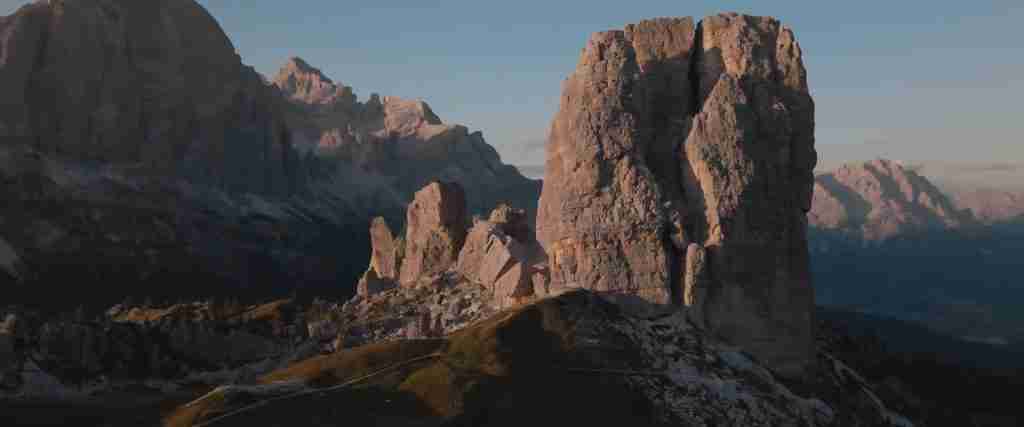
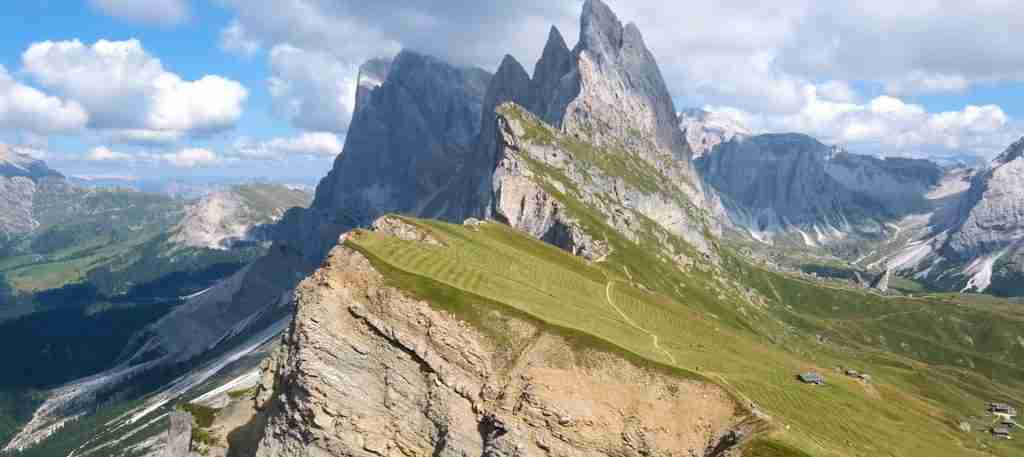
Half-day guided hikes cover 5-8 kilometers with 300-500 meter elevation gains requiring 3-4 hours at moderate pace. Groups meet at designated locations (typically valley towns or trailheads) with guides providing trail selection, geological interpretation, flora/fauna identification, and safety oversight. The Seceda sunrise tour departs Ortisei at 6:00 AM, ascending via cable car to 2,500 meters for sunrise viewing followed by 2-hour ridge walking returning by 10:00 AM. Cost runs €45-55 per person including cable car and guide. The Cinque Torri WWI history hike explores wartime trenches and fortifications during 3-hour moderate walking at €50-60 per person.
Full-day hikes cover 10-15 kilometers with 600-1,000 meter elevation gains requiring 6-8 hours including lunch breaks at mountain refuges. The Tre Cime di Lavaredo full-day tour meets in Cortina at 8:00 AM, transfers to Rifugio Auronzo, completes the iconic loop with extended photography stops, lunches at Rifugio Locatelli, and returns by 5:00 PM. Cost runs €80-95 per person including transport and guide (refuge meals paid separately). The Lago di Sorapis adventure hikes to the stunning turquoise lake with geological explanations of glacial flour creating the distinctive color at €75-90 per person for 7-hour experiences.
Specialized theme hikes focus on specific interests. Wildflower identification tours during June showcase alpine blooms with botanical expert guides at €60-75 per person for half-day experiences. Geology tours explain dolomitization processes, fossil beds, and mountain formation through hands-on rock examination at €65-80 per person. Photography-focused hikes target optimal viewpoints with timing for best light at €70-90 per person. These specialty tours deliver deeper engagement with specific topics beyond standard sightseeing hikes, appealing to enthusiasts seeking expert-led learning experiences.
Multi-Day Trekking Packages
Alta Via 1 represents the Dolomites’ most famous multi-day trek, traversing 120 kilometers from Lago di Braies to Belluno across 10-12 days. Supported packages provide certified guides, mountain refuge accommodation, daily luggage transfer, and some meals at €120-150 per person daily. Three-day sections covering highlights cost €480-580 per person enabling Alta Via experiences without full-route commitment. Guides handle refuge bookings, navigate complex trail junctions, adjust pacing to group abilities, and provide insights into geology, history, and culture enhancing beyond mere hiking.
The Sella Ronda trek circles the Sella massif across 3-4 days covering 50 kilometers with overnight refuge stays. Supported tours cost €420-520 per person for three days including guide, accommodation, breakfasts, and dinners. The circuit traverses four valleys (Val Gardena, Alta Badia, Arabba, Val di Fassa) with spectacular scenery and manageable difficulty suitable for fit hikers without technical climbing skills. Luggage transfer enables comfortable hiking with just day packs while full bags move between refuges. This classic route delivers comprehensive Dolomites exposure in manageable timeframes appealing to working professionals with limited vacation days.
Self-guided trekking packages provide pre-booked accommodation, detailed route notes, GPS tracks, and luggage transfer without daily guide accompaniment. These options cost €380-480 per person for three-day Alta Via sections delivering independence at lower costs than fully-guided alternatives. Detailed route descriptions include daily distances, elevation profiles, key junctions, and refuge contact information. Emergency support numbers provide assistance if needed. Self-guided packages suit experienced hikers comfortable with navigation seeking structured logistics without constant guide oversight, balancing independence and convenience.
Private Hiking Guides
Private mountain guides provide customized experiences for small groups (2-6 people) at €250-350 daily depending on guide expertise and route technical difficulty. The daily rate divides among participants making private guiding economical for groups: four people splitting €300 pay €75 each—marginally above group tour rates while gaining personalized attention. Private guides customize itineraries matching group abilities and interests, adjust pacing accommodating varying fitness levels, and provide flexible scheduling responding to weather or preference changes impossible with fixed group tours.
Private guide benefits include accessing lesser-known routes avoiding crowds, receiving personalized instruction improving mountain skills, adjusting difficulty during tours if initial plans prove too easy or challenging, starting early or late for optimal photography light, and maintaining conversational English throughout experiences rather than guiding mixed international groups requiring multilingual attention. These advantages justify private guide premiums for serious hikers, photographers, families with varied abilities, and those valuing customized experiences over standardized group tours.
Book private guides through official guide bureaus in major towns including Cortina Guide Alpine (guidecortina.com) and Sass Guides in Val Gardena (sass-guides.com). These bureaus employ certified mountain guides with professional liability insurance, comprehensive safety training, and deep local knowledge. Communicate clearly about fitness levels, experience, and interests enabling guides to design optimal itineraries. Book 4-6 weeks ahead for summer peak season, 2-3 weeks for shoulder periods. Private guides represent excellent value for groups seeking maximum flexibility and personalized mountain experiences within reasonable budgets.
Via Ferrata Experiences
Introduction Via Ferrata Tours
Via ferrata introduction tours teach essential techniques on easy routes perfect for first-time participants. Half-day experiences cost €90-110 per person including equipment rental (harness, helmet, via ferrata lanyards), certified guide instruction, and 3-4 hours on beginner-friendly routes. The Via Ferrata Ra Gusela near Cortina provides ideal introduction with short cable sections alternating with hiking segments enabling skill development without overwhelming exposure. Guides demonstrate proper clipping techniques, explain energy absorber functions, teach safe cable progression, and supervise throughout ensuring safety while building confidence.
Beginner via ferratas feature moderate exposure, short vertical sections (10-30 meters), and escape routes enabling safe exits if participants feel uncomfortable continuing. The Via Ferrata Ivano Dibona connecting Cristallo peaks offers longer introduction experiences at moderate difficulty with spectacular views. This 4-5 hour route costs €100-120 per person including guide and equipment. The combination of manageable technical challenges and dramatic scenery creates memorable first via ferrata experiences. Maximum group sizes of 6-8 participants ensure adequate guide attention for safe learning and personalized instruction.
Advanced Via Ferrata Adventures
Challenging via ferratas demand fitness, comfort with exposure, and some prior experience. The Via Ferrata Giovanni Lipella on Tofana di Mezzo ranks among the Dolomites’ most demanding routes with 600-meter vertical ascent over 4-5 hours. Extended vertical sections, exposed traverses, and sustained physical effort require excellent fitness and mental commitment. Guided ascents cost €130-160 per person for full-day experiences. The dramatic location and exceptional views reward physical and mental efforts with unforgettable accomplishments.
The Via Ferrata delle Bocchette in the Brenta Dolomites features the Sentiero Benini and Sentiero Bocchette routes creating multi-day via ferrata traverses. Supported packages covering 2-3 days with guide, equipment, and refuge accommodation cost €380-480 per person. These extended via ferrata adventures deliver immersive experiences progressing through varied terrain while developing skills and confidence. The multi-day format enables accessing remote areas and completing routes impossible as day trips from valleys.
Via Ferrata Equipment and Safety
Via ferrata equipment includes climbing harness, helmet, and specialized lanyards with energy absorbers. The lanyards feature two arms with carabiners connecting to steel cables, allowing continuous protection by keeping one arm attached while moving the other past cable anchors. Energy absorbers reduce forces during falls preventing injury. Tour operators provide all equipment included in tour prices with guides ensuring proper fitting and demonstrating correct usage. Purchase personal equipment (€100-150 for complete sets) only after multiple guided experiences confirming ongoing participation interest.
Safety depends on proper technique, equipment maintenance, and weather awareness. Attach both lanyards correctly at all times maintaining continuous connection to cables. Clip beyond obstacles rather than immediately after passing obstacles preventing dangerous backsliding. Spread group spacing maintaining 5-10 meter distances avoiding cable overload. Monitor weather continuously as thunderstorms create extreme danger on exposed metal routes—descend immediately if storms approach. Guides manage all safety aspects during tours though understanding principles enhances personal confidence and enables informed decision-making regarding risk acceptance.
Winter Sports and Ski Tours
Ski School Programs
Group ski lessons provide cost-effective instruction with 6-10 participants grouped by ability level. Two-hour morning sessions (10:00 AM-12:00 PM) cost €45-55 per person with afternoon options (2:00-4:00 PM) at identical rates. Five consecutive days (10 hours total instruction) cost €190-220 delivering comprehensive beginner-to-intermediate progression. The Cortina Ski School and Val Gardena Ski School employ over 200 instructors each offering lessons in Italian, English, German, and other languages. Book lessons 2-4 weeks ahead for peak holiday periods securing preferred times and instructor language preferences.
Private ski lessons cost €65-75 per hour for one person, €75-85 for two people sharing instruction. Multi-hour packages reduce hourly rates: four hours private cost €240-280 (€60-70 per hour) versus €260-300 for separate hourly bookings. Private lessons benefit families seeking instruction for children and parents simultaneously, individuals requiring personalized attention for rapid progression, or those with specific goals including off-piste techniques or racing skills. The focused attention accelerates learning beyond group lesson pace justifying higher costs for serious skiers and time-limited visitors.
Specialized ski programs include women-only clinics creating comfortable learning environments, teen programs for ages 13-18 emphasizing fun and social aspects, adaptive skiing for individuals with disabilities using specialized equipment and trained instructors, and off-piste/freeride courses teaching avalanche safety and backcountry techniques. These specialty programs cost €180-250 for full-day private instruction targeting specific populations or advanced skills beyond standard recreational skiing. The tailored approaches deliver results impossible through generic group lessons.
Ski Touring and Backcountry
Ski touring uses specialized equipment enabling uphill travel on climbing skins followed by downhill skiing on untracked snow. Introduction courses teach essential techniques including kick turns, skin attachment, and basic avalanche safety over 1-2 days at €180-220 per person for group instruction (4-6 participants). The courses include equipment rental (touring skis, skins, poles), avalanche safety gear (beacon, shovel, probe), guide instruction, and easy terrain practice. Prior skiing ability at intermediate level minimum proves essential as touring requires solid downhill skills plus new uphill techniques.
Guided ski tours explore backcountry areas beyond resort boundaries accessing untracked powder and remote mountain locations. Full-day tours cost €300-400 for private guide services leading groups of 2-6 people. The rate includes guide expertise, avalanche assessment, route selection, and safety oversight—participants provide own equipment or rent separately at €30-50 daily. Multi-day hut-to-hut ski tours staying at mountain refuges cost €480-650 per person for three days including guide, accommodation, and meals. These adventures deliver exceptional backcountry access and mountain immersion for experienced skiers seeking alternatives to crowded resort skiing.
Specialty and Cultural Tours
Photography Tours and Workshops
Photography tours provide expert guidance on location selection, composition, and technical settings maximizing image quality. Half-day sunrise tours departing 5:00-6:00 AM target enrosadira (alpenglow) on peaks with expert photographers guiding composition and exposure at €70-90 per person for groups. Private photography guides cost €300-400 daily for personalized instruction leading groups of 2-4 people. The guides possess both photographic expertise and mountain knowledge accessing optimal viewpoints at ideal times while teaching landscape photography techniques.
Multi-day photography workshops spanning 3-5 days include instruction, location access, image review, and sometimes post-processing lessons at €800-1,400 per person. These comprehensive workshops target serious photographers seeking skill development beyond casual shooting. Workshop leaders include professional landscape photographers with international reputations delivering world-class instruction in iconic locations. The intensive format accelerates learning through daily shooting, evening critiques, and technical discussions creating transformative skill improvements justifying premium pricing for dedicated photography enthusiasts.
Cultural and Culinary Experiences
Ladin culture tours explore local villages, traditional architecture, woodcarving workshops, and museums preserving indigenous heritage. Half-day tours cost €40-60 per person visiting locations including the Ladin Museum in San Martino, traditional farmhouses in Val di Funes, and woodcarving studios in Ortisei. Guides explain Ladin language preservation, agricultural traditions, and cultural evolution maintaining identity despite Germanic and Italian influences. These tours appeal to culturally-curious travelers seeking understanding beyond physical landscapes.
Food and wine tours visit mountain refuges, local producers, and traditional restaurants sampling speck, mountain cheeses, regional wines, and traditional dishes. Full-day culinary tours cost €120-180 per person including transportation, tastings, refuge meals, and guide services. The tours visit farms producing mountain cheeses through traditional methods, speck producers explaining smoking techniques, and refuges preparing authentic mountain cuisine. Wine tastings at Alto Adige vineyards in valleys supplement mountain experiences. These immersive food experiences deliver cultural insights through gastronomy appealing to food-focused travelers seeking authentic local flavors.
Booking Tours: Strategies and Considerations
Choosing Tour Operators
Verify guide certifications ensuring safety and expertise. Certified mountain guides (Guida Alpina) complete rigorous training covering technical skills, safety procedures, first aid, and rescue techniques. UIAGM/IFMGA international certification indicates highest qualification levels recognized globally. Local guide bureaus employ certified professionals maintaining professional standards and liability insurance. Independent guides should provide certification numbers verifiable through regional guide associations. Avoid uncertified “guides” lacking proper training, insurance, and legal authorization to operate commercially in mountain environments.
Research operator reputation through online reviews, tourism office recommendations, and previous client feedback. Established guide services maintain multi-decade track records with thousands of satisfied clients. TripAdvisor, Google Reviews, and specialized mountain forums provide client perspectives on guide quality, safety practices, and overall experiences. However, assess reviews critically as expectations vary widely—some negative reviews reflect unrealistic expectations rather than actual service failures. Contact guide services directly with questions evaluating responsiveness, professionalism, and willingness to customize experiences matching specific needs.
Booking Timeline and Procedures
Book popular tours 4-8 weeks ahead during peak season (July-August, Christmas-New Year) securing preferred dates and activities before capacity fills. Via ferrata tours and multi-day treks particularly require early booking as guide capacity and mountain refuge beds limit availability. Shoulder season (June, September, January, March) allows 2-4 week booking timelines with good availability. Last-minute bookings (within one week) work during quiet periods though sacrifice choice flexibility and sometimes incur surcharges for rushed arrangements.
Communicate clearly about fitness levels, experience, and expectations enabling guides to design appropriate itineraries and set realistic expectations. Overestimating abilities creates dangerous situations or disappointing experiences when tours prove too challenging. Underestimating fitness leads to boring experiences on routes insufficiently challenging. Honest assessment enables optimal matching between tours and participants. Confirm exactly what tour prices include: equipment rental, lift tickets, refuge meals, transportation, and insurance. Understanding inclusions avoids surprise additional costs at tour conclusions.
FAQ Section: Tour Questions
What fitness level do I need for Dolomites tours?
Fitness requirements vary dramatically by tour type and difficulty. Easy valley walks suitable for families with children require ability to walk 3-5 hours covering 5-8 kilometers with minimal elevation gain. Moderate mountain hikes demand comfortable walking 4-6 hours covering 8-12 kilometers with 400-800 meter elevation gains. Challenging alpine routes require sustained hiking 6-8 hours with 800-1,200 meter climbs carrying 8-12 kilogram packs. Via ferratas need good general fitness plus upper body strength for occasional climbing moves. Tour operators specify fitness requirements in descriptions—read carefully and assess honestly. Most operators offer multiple difficulty levels enabling selection matching personal capabilities.
Can I join a tour as a solo traveler?
Group tours welcome solo travelers without single supplements or minimum group size requirements. The communal nature of group tours facilitates meeting fellow adventurers often leading to friendships extending beyond single-day experiences. However, tour social dynamics vary: some groups naturally integrate newcomers while others contain pre-existing friend groups less open to solo participants. Accept social variability as part of group tour experiences. Private guides accommodate solo travelers at full private rates (€250-350 daily) delivering personalized experiences though at higher costs than group tours. Some operators offer “guaranteed departure” tours proceeding with minimum 2-3 participants rather than requiring larger groups, benefiting solo travelers seeking small-group experiences.
What happens if weather is bad on tour day?
Guide services monitor forecasts continuously proposing alternative dates or route modifications if weather threatens safety or experience quality. Thunderstorms during summer or heavy snowfall in winter may force tour cancellations or rescheduling. Reputable operators offer full refunds or free rescheduling for weather cancellations initiated by guides. However, client-initiated cancellations due to personal weather preferences (not wanting to hike in rain) typically forfeit deposits or incur cancellation fees per booking terms. Travel insurance covering weather-related cancellations provides financial protection if poor weather ruins planned tours. Most tours proceed despite marginal conditions (light rain, clouds) as complete cancellations occur only for genuinely unsafe weather.
Are children allowed on guided tours?
Family-focused tours welcome children with age-appropriate routes and pacing. Easy valley hikes accommodate children from age 6-7 capable of 2-3 hour walking. Moderate mountain hikes suit ages 10-12 with hiking experience and good fitness. Via ferratas require minimum ages 12-14 depending on route difficulty, with some providers setting 16-year minimums for challenging routes. Technical climbing, ski touring, and demanding alpine routes typically set 16-18 year minimums. Children’s fitness and maturity matter more than chronological age—active outdoor-experienced 10-year-olds often outperform sedentary teenagers. Communicate clearly with guides about children’s abilities enabling appropriate route selection. Private family guides provide optimal experiences adjusting pacing and difficulty to children’s needs impossible in mixed adult-child groups.
Do I need insurance for guided tours?
Travel insurance covering mountain sports including hiking, via ferrata, and skiing proves essential for Dolomites tours. Standard health insurance often excludes mountain activities or limits coverage to specific activities. Mountain rescue via helicopter costs €3,000-8,000 without insurance coverage. Comprehensive sports insurance costs €40-80 weekly covering medical treatment, rescue evacuation, and liability. European Health Insurance Cards (EHIC) provide EU residents with Italian public healthcare but exclude rescue costs. Verify tour operator insurance covers guide liability but doesn’t extend to participant medical costs or rescue—personal coverage remains necessary. Guide services sometimes require insurance proof before accepting bookings for technical activities.
Can tours accommodate dietary restrictions?
Most tour operators accommodate vegetarian requirements and common allergies (nuts, shellfish) with advance notice during booking. Mountain refuge meals include vegetarian pasta, polenta, and vegetable options though selections remain limited compared to valley restaurants. Vegan requirements prove more challenging as mountain cuisine relies heavily on dairy and meat with limited plant-based alternatives. Gluten-free needs face difficulties as pasta and bread dominate refuge menus. Communicate dietary requirements clearly when booking enabling guides to select refuges with appropriate options or plan alternative arrangements. Carry supplementary snacks (energy bars, trail mix, fruit) ensuring adequate nutrition if refuge options prove limited. Private tours offer maximum dietary flexibility through restaurant selection and packed lunch customization impossible with fixed group itineraries.
What should I bring on guided day tours?
Pack daypack (25-30 liters) carrying 2-3 liters water, lunch or substantial snacks (guides specify if refuge meals included), extra warm layer (fleece or insulated jacket), waterproof jacket and pants, sun hat, warm hat, sunglasses with UV protection, high-SPF sunscreen, basic first aid kit (band-aids, pain reliever, blister treatment), headlamp for early starts or late finishes, and personal medications. Via ferrata tours require harness, helmet, and lanyards provided by operators—bring only personal items. Wear hiking boots with ankle support and Vibram-type soles. Bring camera, extra battery, and memory cards for photography opportunities. Trekking poles help on steep descents reducing knee stress. Guides carry group first aid, emergency equipment, and communication devices—personal items supplement rather than duplicate safety gear.
Can I tip my guide?
Tipping guides remains optional though appreciated for exceptional service. Italian culture maintains less ingrained tipping practices than North America, making tips unexpected rather than required. However, mountain guides appreciate recognition of excellent service through discretionary tips. Appropriate amounts range €10-20 per person for half-day tours, €20-40 for full-day experiences, and €30-60 per person for multi-day adventures. Assess service quality, effort level, and personal financial situation when deciding tipping amounts. Cash tips given directly to guides at tour conclusions prove most practical. Groups should coordinate tipping avoiding duplicate tips from individual members. Exceptional service justifies generous tips while adequate but unremarkable service needs no tipping beyond thanking guides verbally for their work.
What qualifies someone as a certified mountain guide?
Certified mountain guides (Guida Alpina in Italian) complete rigorous multi-year training programs covering technical climbing, winter mountaineering, glacier travel, rescue techniques, first aid, meteorology, geology, and client management. Italian certification requires passing practical and theoretical exams administered by regional guide associations. UIAGM/IFMGA (International Federation of Mountain Guides Associations) certification represents the highest international standard requiring additional examinations and ongoing professional development. Certified guides maintain professional liability insurance, follow strict safety protocols, and operate legally authorized businesses. Verify guide credentials through regional guide associations or official guide bureau memberships. Uncertified individuals offering “guiding” services violate Italian law and lack insurance, training, and accountability making them unsafe choices regardless of claimed experience.
How do I know if a via ferrata tour is appropriate for me?
Via ferrata suitability depends on physical fitness, comfort with heights, and tolerance for exposure. Assess fitness through current hiking ability: if comfortable hiking 4-5 hours with 500-meter elevation gain, basic via ferrata fitness suffices. Height comfort proves critical—via ferratas involve exposed positions with vertical drops visible beneath feet. If anxiety on tall building observation decks or cliff edges creates discomfort, avoid via ferratas regardless of fitness. Introduction tours on easy routes test comfort levels before committing to challenging routes. Communicate honestly with guides about concerns enabling appropriate route selection. Start conservatively with easy via ferratas building confidence before attempting challenging routes. Don’t feel pressured to continue if discomfort becomes overwhelming—escape routes on many via ferratas enable safe exits without completing full routes.