Best Day Trips from Sedona 2026: Complete Excursion Guide
Sedona’s central location in Northern Arizona positions travelers within striking distance of some of the Southwest’s most spectacular destinations, from the Grand Canyon’s vast rim to the wine country of Verde Valley and the historic mining town of Jerome perched dramatically on Mingus Mountain. These day trip options transform a Sedona base into a launching point for exploring diverse landscapes, cultures, and experiences across Arizona’s high desert and mountain regions.
Key Takeaways: Sedona Day Trips 2026
- Grand Canyon South Rim 2026: Located 112 miles (2 hours 15 minutes) from Sedona, entrance costs $35 per vehicle for seven-day access. The scenic Highway 89A route through Oak Creek Canyon offers the most dramatic approach with roadside attractions and sweeping canyon views.
- Antelope Canyon Tours 2026: Guided tours from Sedona to this slot canyon marvel cost $260-280 and include transportation, Navajo guide, and often Horseshoe Bend visits. The 160-mile journey takes 2.5-3 hours each way through the Painted Desert and Navajo Nation.
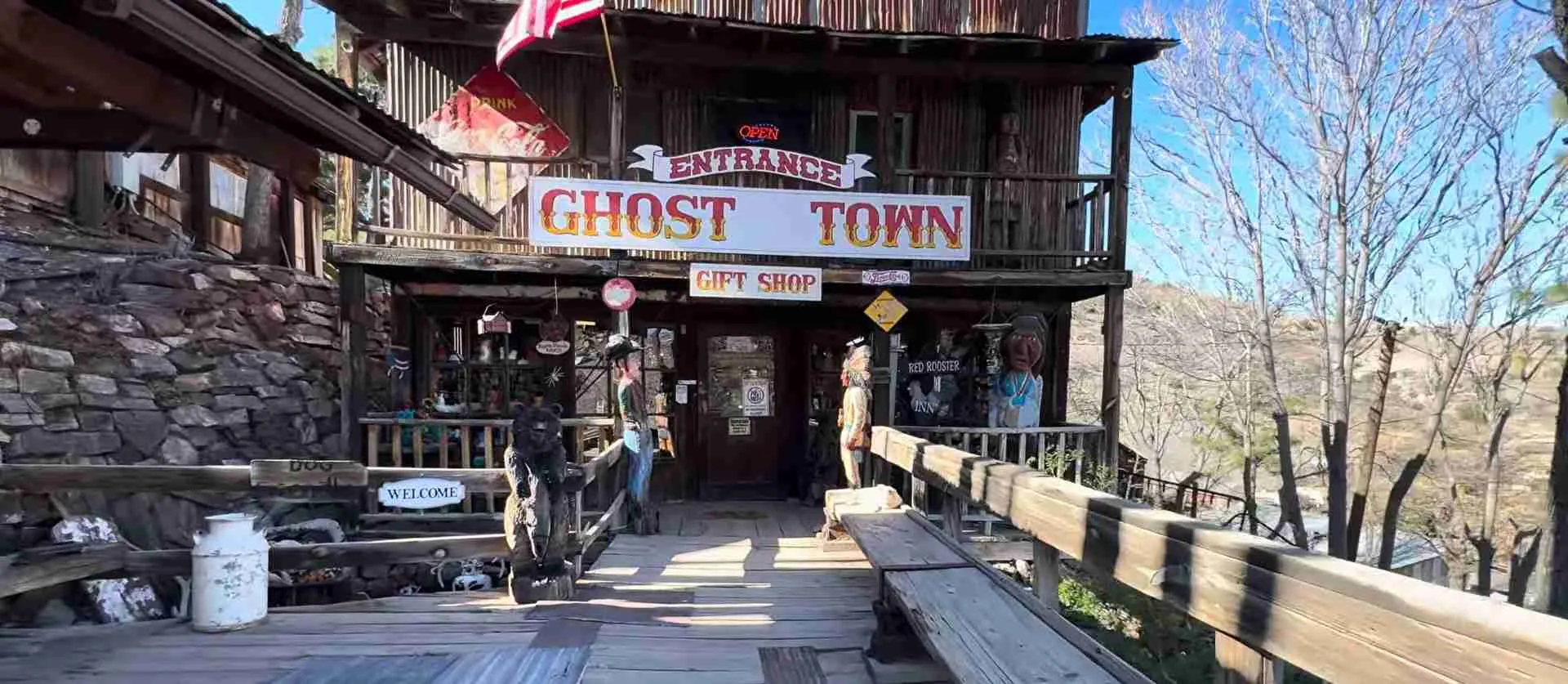
- Jerome Ghost Town 2026: Just 28 miles (40 minutes) southwest of Sedona, this historic copper mining town perched at 5,200 feet elevation offers art galleries, wine tasting rooms, museums, and dramatic Verde Valley views with minimal travel time.
- Verde Valley Wine Country 2026: More than 25 tasting rooms across Cottonwood, Cornville, Clarkdale, and Jerome create Arizona’s premier wine trail 15-30 miles from Sedona. Guided wine tours cost $90-150 per person and typically visit four wineries with lunch included.
- Flagstaff Mountain Town 2026: Located 28 miles (45 minutes) north via scenic Oak Creek Canyon, Flagstaff sits at 7,000 feet elevation offering cool summer temperatures, Lowell Observatory, historic downtown, craft breweries, and access to Sunset Crater and Wupatki ruins.
- Multiple Destinations 2026: Ambitious travelers can combine shorter trips like Jerome and Verde Valley wineries (full day), or Montezuma Castle and Tuzigoot (half day), but attempting Grand Canyon plus other destinations creates rushed experiences that diminish both.
People Also Ask About Sedona Day Trips 2026
What is the best day trip from Sedona in 2026?
The Grand Canyon South Rim represents the premier day trip from Sedona in 2026, combining world-class natural wonder with manageable 2-hour 15-minute drive time via the scenic Highway 89A route through Oak Creek Canyon. Entrance costs $35 per vehicle for seven-day access, or $20 per person for those entering by bicycle, foot, or shuttle. The South Rim operates year-round with full visitor services, multiple viewpoints along Desert View Drive and Hermit Road, ranger programs, hiking trails ranging from easy rim walks to challenging canyon descents, and dining options from casual cafeterias to El Tovar’s historic dining room. Travelers departing Sedona by 7:00 AM arrive at the park by 9:15 AM, allowing five to six hours of exploration before beginning the return drive. Most visitors concentrate time at Mather Point, Yavapai Geology Museum, Grand Canyon Village historic district, and either walking portions of the Rim Trail or riding the free shuttle buses to Hermits Rest viewpoints. The combination of accessibility, world-renowned scenery, and comprehensive facilities makes the Grand Canyon the default choice for travelers seeking maximum impact from a single day trip.
How far is Antelope Canyon from Sedona and what do tours cost in 2026?
Antelope Canyon sits approximately 160 miles from Sedona requiring 2.5-3 hours driving time each way through the Painted Desert and Navajo Nation. Full-day guided tours from Sedona to Antelope Canyon cost $260-280 per adult and $245-260 per child in 2026, departing around 6:00-6:30 AM and returning approximately 5:30-6:00 PM for total duration of 11-12 hours. Tour prices include round-trip transportation from Sedona hotels, Navajo-guided tour through either Upper or Lower Antelope Canyon, visits to Horseshoe Bend, lunch stop at Glen Canyon Dam or Page, and often a stop at Cameron Trading Post for Native American art and souvenirs. Tours operate Tuesday, Wednesday, Thursday, and Saturday with most operators requiring 48-72 hour advance booking. Tour capacity typically ranges from 12-14 passengers in comfortable vans with air conditioning. Visitors cannot access Antelope Canyon independently as the site lies on Navajo Nation land requiring authorized Navajo guides for all canyon entry. The substantial tour cost reflects the full-day commitment, specialized access to protected tribal land, professional guidance, and convenience of eliminating navigation and logistics concerns.
Can you visit both Grand Canyon and Sedona in one day from Phoenix in 2026?
Visiting both Grand Canyon and Sedona in a single day from Phoenix remains theoretically possible but practically inadvisable in 2026. The logistics require departing Phoenix by 6:00 AM, driving 2 hours to Sedona, allowing 1-2 hours for quick Sedona overview including Chapel of the Holy Cross and Bell Rock viewpoints, then driving 2 hours 15 minutes to Grand Canyon South Rim, spending 2-3 hours at the canyon, and returning 3 hours 45 minutes directly to Phoenix via Flagstaff and I-17 for arrival around 8:00-9:00 PM. This compressed itinerary totals approximately 8 hours driving and 3-5 hours actual destination time, creating exhausting rush that prevents meaningful engagement with either location. Grand Canyon deserves minimum 4-5 hours to walk rim trails, visit multiple viewpoints, tour Grand Canyon Village historic district, and absorb the scale and geology. Sedona warrants at least 3-4 hours to experience red rock formations, hiking trails, art galleries, and distinctive spiritual atmosphere. Travelers attempting both in one day from Phoenix sacrifice quality experiences at both destinations, arrive home exhausted after 14-15 hour marathon, and miss the nuanced exploration that makes each location memorable. Superior strategy dedicates separate full days to Grand Canyon and Sedona, or bases in Sedona for 2-3 nights allowing leisurely day trip to Grand Canyon while properly experiencing Sedona’s trails, vortex sites, and local culture.
What are the best wine tasting day trips from Sedona in 2026?
Verde Valley wine country offers Arizona’s premier wine tasting experiences 15-30 miles from Sedona across Cottonwood, Cornville, Clarkdale, and Jerome. The region features 25+ tasting rooms representing 19 commercial wineries cultivating 136+ acres of wine grapes in Arizona’s newest American Viticultural Area. Guided wine tours from Sedona cost $90-150 per person in 2026, typically visiting four wineries over 4-6 hours with personal charcuterie boards, luxury van transportation, and all tasting fees included. Popular tour stops include Alcantara Vineyards with 20,000 vines across 17 varietals and creekside tasting patios, Page Springs Cellars offering vineyard tours and French-inspired bistro dining, Oak Creek Vineyards featuring family-friendly atmosphere with views of House Mountain, and Javelina Leap Winery with Northern Arizona’s largest wine tasting bar in historic saloon-style setting. Self-drive visitors following the Verde Valley Wine Trail can download the passport app earning stamps at ten wineries for special offers and quarterly prize drawings. Old Town Cottonwood concentrates seven tasting rooms along Main Street within walking distance, while Cornville and Page Springs area wineries like D.A. Ranch and Arizona Stronghold offer more expansive vineyard settings. The combination of award-winning wines, stunning red rock and mountain backdrops, educational winery tours, and food pairings creates sophisticated day trip alternatives to outdoor adventure activities.
Extended multi-day tours – 5+ days
Featured Sedona Multi-Day Tour Packages

3 days
Sedona 3-Day Discovery Tour
- ✓ Comprehensive Sedona experience
- ✓ Expert local guides included
- ✓ All accommodation included
- ✓ Transportation provided
5 days
Sedona 5-Day Highlights Experience
- ✓ Comprehensive Sedona experience
- ✓ Expert local guides included
- ✓ All accommodation included
- ✓ Transportation provided
7 days
Sedona 7-Day Cultural Journey
- ✓ Comprehensive Sedona experience
- ✓ Expert local guides included
- ✓ All accommodation included
- ✓ Transportation provided
10 days
Sedona 10-Day Complete Adventure
- ✓ Comprehensive Sedona experience
- ✓ Expert local guides included
- ✓ All accommodation included
- ✓ Transportation provided
Multi-day tour packages powered by TourRadar. Prices and availability subject to change.
Introduction: Strategic Day Trip Planning from Sedona 2026
Sedona’s geographic position in the heart of Northern Arizona places visitors within a two-hour radius of extraordinary diversity—from North America’s grandest canyon to intimate slot canyons carved by flash floods, from high-altitude pine forests to desert grasslands supporting pioneering vineyards, from ancient Sinagua cliff dwellings to Victorian mining towns clinging to mountainsides. The red rock formations that define Sedona’s immediate landscape represent just one expression of the Colorado Plateau’s geologic drama, and day trips reveal how dramatically terrain, climate, vegetation, and human settlement patterns shift across relatively compact distances in Arizona’s vertical landscapes.
Effective day trip planning from Sedona in 2026 requires understanding drive times, seasonal considerations, entrance fees, tour requirements, and realistic time allocations for meaningful experiences versus rushed checklist visits. The Grand Canyon commands full commitment as a standalone day trip, while shorter destinations like Jerome, Verde Valley wineries, or Montezuma Castle allow combination itineraries or half-day excursions leaving mornings or afternoons for Sedona-based activities. Tour-dependent destinations like Antelope Canyon involve fixed departure times and 11-12 hour commitments, while self-drive options to Flagstaff, Prescott, or wine country offer flexible scheduling accommodating individual preferences for early starts, leisurely afternoons, or sunset returns.
Temperature and elevation variations significantly impact seasonal day trip appeal. Flagstaff sits 2,200 feet higher than Sedona providing 10-15°F cooler temperatures perfect for summer escape from valley heat, while Grand Canyon South Rim elevation of 7,000 feet means winter snow occasionally closes roads or limits access. Verde Valley wine country occupies lower elevations creating year-round appeal, though summer afternoon tastings in 95-100°F heat drive preference toward spring and fall visits. Antelope Canyon’s famous light beams occur April through September when sun angle allows direct shaft penetration into the narrow slot canyon, making summer the premium season despite intense heat and maximum crowds.
This comprehensive guide details the premier day trip destinations from Sedona in 2026, providing accurate drive times, current entrance fees and tour costs, practical logistics including parking and reservations, highlight attractions and activities at each destination, optimal visit timing by season and time of day, combination itinerary possibilities, and strategic recommendations matching trip selections to traveler interests whether prioritizing natural wonders, cultural experiences, outdoor activities, culinary exploration, or historical appreciation. Each destination section addresses the essential planning questions—how far, how much, how long, what to see, when to go—enabling informed decisions that maximize day trip value while managing time and budget constraints.
Grand Canyon South Rim Day Trips 2026
Grand Canyon National Park’s South Rim sits 112 miles north of Sedona requiring 2 hours 15 minutes driving time via the most direct and scenic route through Oak Creek Canyon and Flagstaff. This proximity makes the South Rim Arizona’s most accessible Grand Canyon section from Sedona, operating year-round with comprehensive visitor services, lodging, dining, shuttle buses, ranger programs, and multiple viewpoints accessible by paved paths. The North Rim sits 236 miles requiring 4+ hours driving time and closes mid-October through mid-May due to snow, while Grand Canyon West on Hualapai tribal land lies 242 miles distant requiring 4-5 hours via unpaved portions.
Two primary driving routes connect Sedona to Grand Canyon South Rim. The recommended scenic route follows Highway 89A north through Oak Creek Canyon’s spectacular 16-mile gorge with 2,200-foot elevation gain via hairpin switchbacks, continuing through Flagstaff then west on I-40 to Highway 64 north entering the park. This 112-mile route provides the most dramatic scenery with roadside attractions including Slide Rock State Park’s natural water slides, Oak Creek Canyon Vista overlook, and Flagstaff’s historic downtown. The alternative route backtracks south from Sedona via Highway 179 to Interstate 17 north to Flagstaff then follows the same I-40 and Highway 64 approach, adding 15-20 miles but offering easier driving for RVs, nervous drivers, or those preferring interstate highways over mountain switchbacks.
Grand Canyon National Park entrance fees in 2026 provide seven-day access covering both South and North Rims. Private vehicle passes cost $35, motorcycle passes cost $30, and individual entrance for pedestrians, bicyclists, or shuttle passengers costs $20 per person. The park transitioned to cashless operations accepting credit cards, debit cards, and mobile payments like Apple Pay and Google Pay at all entrance stations. The America the Beautiful Annual Pass costs $80 and covers entrance to all U.S. national parks and federal recreation areas for 12 months, paying for itself if visiting three or more national parks within a year. Active military personnel and veterans receive free annual passes, while fourth-grade students qualify for free Every Kid Outdoors passes admitting the student and accompanying vehicle passengers.
International visitors aged 16 and older face a new $100 per person surcharge in addition to standard entrance fees starting January 1, 2026. This surcharge applies at eleven major U.S. national parks including Grand Canyon, creating substantially higher costs for foreign travelers. A family of four foreign visitors entering by car pays $35 vehicle entrance plus $400 in surcharges totaling $435. The Non-Resident America the Beautiful Annual Pass costs $250 and covers the foreign visitor surcharge for the pass holder plus three additional adults at all eleven affected parks for 12 months, representing significant savings for multi-park itineraries or repeat Grand Canyon visits.
Optimal day trip timing from Sedona departs 7:00-7:30 AM allowing arrival at Grand Canyon by 9:15-9:45 AM when parking remains available and morning light illuminates canyon walls. Summer sunrise occurs around 5:30 AM making early departure feasible, while winter sunrise around 7:30 AM aligns naturally with early morning departures. Five to six hours at the canyon allows meaningful exploration visiting 4-6 major viewpoints, walking portions of the Rim Trail, touring Grand Canyon Village historic district, and experiencing either a ranger program or short trail descent below the rim. Departing the canyon by 3:00-4:00 PM enables return to Sedona by 5:15-6:15 PM before dark in winter months when sunset occurs around 5:30 PM.
Essential Grand Canyon South Rim highlights for day trippers concentrate along the 25-mile corridor from South Entrance to Desert View. Mather Point offers the first spectacular vista immediately accessible from Grand Canyon Visitor Center providing orientation exhibits, bookstore, ranger information desk, and restroom facilities. The historic Grand Canyon Village district preserves 1900s-era railroad hotels including El Tovar, Bright Angel Lodge, and Hopi House showcasing Mary Colter’s pioneering National Park Service Rustic architecture. Yavapai Geology Museum explains canyon formation through exhibits and floor-to-ceiling windows overlooking Yavapai Point. The Rim Trail follows the canyon edge for 13 miles between viewpoints with paved sections wheelchair-accessible and unpaved portions offering quieter walking away from shuttle stops.
Free shuttle buses operate March through November along three routes serving all major South Rim viewpoints and facilities, eliminating parking hassles and enabling easy exploration. The Hermit Road shuttle (Red Route) accesses eight viewpoints west of Grand Canyon Village including Mohave Point, Hopi Point for sunset viewing, and The Abyss where canyon drops 3,000 feet. The Village Route (Blue Route) connects hotels, restaurants, visitor center, and trailheads. The Kaibab Rim Route (Orange Route) serves Yavapai Geology Museum and South Kaibab Trailhead. Private vehicles access Hermit Road only December through February when shuttles don’t operate, creating quieter winter viewing conditions.
Hiking options for day visitors range from easy rim walks to strenuous trail descents. The Rim Trail’s paved sections between Mather Point and Maricopa Point cover 3.5 miles with minimal elevation change, wheelchair accessibility, and continuous canyon views. The Bright Angel Trail descends from Grand Canyon Village with popular turnaround points at 1.5 Mile Resthouse (3 miles round trip, 1,131 feet elevation change) or 3 Mile Resthouse (6 miles round trip, 2,112 feet elevation change) requiring 3-5 hours. The South Kaibab Trail offers steeper descent with less shade but superior 360-degree views, with Ooh Aah Point as realistic day hiker destination (1.8 miles round trip, 760 feet elevation change). Critical reminder: hiking down is optional, hiking up is mandatory, and the return climb takes twice as long consuming twice the energy in thin air at 7,000 feet elevation.
Dining at the South Rim ranges from casual to historic fine dining. El Tovar Dining Room serves upscale Southwestern cuisine in the park’s premier 1905 hotel with dinner reservations essential and lunch requiring 30-60 minute waits during peak season. Bright Angel Lodge features Arizona Room for Southwest-inspired dining and Bright Angel Fountain for quick service burgers and ice cream. Maswik Food Court in Maswik Lodge provides cafeteria-style meals, pizza, and sandwiches. Yavapai Lodge’s Marketplace offers sandwiches, salads, and packaged foods. Desert View Marketplace near the east entrance serves prepared foods with Navajo tacos among popular menu items. Packing lunch from Sedona eliminates meal expense and wait times while enabling flexible picnicking at scenic viewpoints.
Optimal seasons for Grand Canyon day trips balance weather, crowds, and road conditions. Spring (March-May) and fall (September-November) offer ideal temperatures ranging 50-70°F on the rim with moderate crowds and open facilities. Summer (June-August) brings intense crowds, full parking lots by 10:00 AM, and afternoon temperatures exceeding 85°F on the rim creating challenging conditions for trail hiking but extended daylight hours allowing early morning departures and late afternoon returns. Winter (December-February) provides dramatic snow-covered vistas, minimal crowds, lower lodging costs in gateway towns, but potential road closures during active storms and limited restaurant hours with some facilities closed entirely.
Guided Grand Canyon day tours from Sedona cost $90-140 per person in 2026, typically departing 7:00-8:00 AM and returning 5:00-6:00 PM for 10-11 hour total duration. Tour prices include round-trip transportation in comfortable vans, park entrance fees, guided interpretation, and sometimes lunch though many operate bring-your-own-food policies. Tours eliminate navigation concerns, provide historical and geological context through knowledgeable guides, and allow all passengers to enjoy scenery rather than one person focusing on driving challenging mountain roads. However, tours follow fixed schedules limiting flexibility for travelers wanting extended time at favorite viewpoints or spontaneous trail hikes, and group dynamics sometimes mean accommodating passengers with mobility limitations or different interest levels.
Combination itineraries attempting Grand Canyon plus other destinations create rushed experiences diminishing both. Some travelers consider stopping in Flagstaff for lunch en route to or from the canyon, but this adds 30-60 minutes each direction reducing canyon exploration time. The Sunset Crater and Wupatki National Monuments loop northeast of Flagstaff adds 1.5-2 hours each way making same-day Grand Canyon visits impractical. Successful Grand Canyon day trips from Sedona focus exclusively on the South Rim, allocating 5-6 hours at the park plus 4.5 hours total driving for realistic 10-11 hour day including meal stops.
Antelope Canyon and Horseshoe Bend Tours 2026
Antelope Canyon ranks among the world’s most photographed slot canyons, drawing visitors to witness sunlight beams illuminating curved sandstone walls in shades of orange, red, and purple carved by flash floods through Navajo sandstone over millennia. The canyon sits approximately 160 miles northeast of Sedona near Page, Arizona on Navajo Nation land requiring 2.5-3 hours driving time each way through the Painted Desert and Navajo Reservation. Antelope Canyon comprises three sections—Upper Antelope Canyon with ground-level entry and famous light beams, Lower Antelope Canyon requiring ladder descents through narrower passages, and Canyon X offering less-crowded alternative with similar formations—all requiring authorized Navajo guides for access as the site occupies protected tribal land.
Full-day guided tours from Sedona to Antelope Canyon cost $260-280 per adult and $245-260 per child in 2026, operating Tuesday, Wednesday, Thursday, and Saturday with departures around 6:00-6:30 AM from Sedona area hotels and returns approximately 5:30-6:00 PM for total duration 11-12 hours. Tour prices include round-trip transportation in comfortable air-conditioned vans, authorized Navajo guide for 60-90 minute Antelope Canyon exploration, visit to Horseshoe Bend with 1.5-mile round-trip hike to Colorado River overlook, lunch stop at Glen Canyon Dam or Page restaurants, stop at Cameron Trading Post for Native American art and crafts, and all admission and guide fees. Tours typically limit capacity to 12-14 passengers enabling personalized attention and easier movement through narrow canyon passages.
Most tours from Sedona visit Lower Antelope Canyon rather than Upper due to pricing and crowd management considerations. Lower Antelope Canyon requires descending several ladder-like staircases into the deeper canyon creating more adventurous experience and slightly fewer crowds than Upper’s at-grade walking entry. The canyon’s narrow passages, carved rock formations, and light-and-shadow play create extraordinary photo opportunities regardless of Upper or Lower selection. Navajo guides assist with photography offering tips for best angles and camera settings while explaining canyon formation, cultural significance, and flash flood safety protocols that protect both visitors and the fragile sandstone environment.
Antelope Canyon’s famous light beams visible in countless photographs occur April through September when midday sun angles allow direct light penetration through the narrow canyon openings. Peak light beam season runs mid-March through early October with strongest beams appearing between 11:00 AM and 1:00 PM. Tours from Sedona time canyon visits to coincide with optimal light conditions, though weather variability means light beams never guaranteed. Winter visits November through February lack the dramatic light beams but offer equally beautiful though different photographic opportunities with softer indirect lighting emphasizing the canyon’s curves, colors, and textures without the intense summer crowds.
Horseshoe Bend provides dramatic overlook of the Colorado River’s 270-degree curve around a massive sandstone escarpment 1,000 feet below the viewing platform. The 1.5-mile round-trip trail from parking area to overlook involves easy walking across desert terrain with final approach to cliff edge requiring caution especially with children. The viewpoint lacks railings or barriers, demanding careful positioning for photography while maintaining safe distance from drop-offs. Sunrise and sunset provide best lighting conditions though midday visits during Antelope Canyon tours still deliver impressive views. The $10 parking fee applies to independent visitors but tour packages typically include this cost within overall pricing.
The drive from Sedona to Page crosses diverse landscapes providing educational and scenic value beyond the destination attractions. Highway 89A north through Oak Creek Canyon climbs 2,200 feet via switchbacks through ponderosa pine forest transitioning to Flagstaff’s 7,000-foot elevation mountain environment. North of Flagstaff, U.S. Highway 89 traverses the Painted Desert’s layered badlands in shades of red, orange, pink, and gray, passes through Cameron on the Navajo Nation, and continues across high desert grasslands to Page. The Cameron Trading Post, a popular tour stop, offers authentic Native American jewelry, pottery, rugs, and artwork in historic 1916 trading post setting with restaurant serving Navajo tacos and regional specialties.
Glen Canyon Dam, completed in 1963, created Lake Powell by impounding the Colorado River, generating hydroelectric power and creating Arizona’s second-largest reservoir. Tours often stop at the dam for viewpoint photography and bathroom breaks, with visitor center offering exhibits on dam construction, power generation, and Colorado River management. The contrast between engineered concrete infrastructure and natural sandstone canyon walls provides striking visual juxtaposition worth 15-20 minute stops during the long travel day.
Independent visits to Antelope Canyon from Sedona require advance online reservations with authorized Navajo tour companies operating from Page. Tours depart regularly throughout the day with Lower Antelope Canyon tours costing $60-80 per person and Upper Antelope Canyon tours ranging $80-110 per person depending on time slot, with premium midday light beam tours commanding highest prices. Self-drive visitors must add the 5-6 hours round-trip driving to the tour duration, consider the fatigue of returning from Page to Sedona after full day touring, and navigate the increasingly complex reservation systems requiring 2-4 weeks advance booking during peak season. Guided tours from Sedona eliminate these logistics while providing expert interpretation throughout the journey, though at premium pricing reflecting convenience and comprehensive service.
Weather considerations significantly impact Antelope Canyon access. Flash flood warnings close the canyon immediately even when skies appear clear in Page, as thunderstorms 20-30 miles away can send torrents through the narrow slot within minutes. Monsoon season July through September creates highest flash flood risk with afternoon thunderstorms common. Tour operators monitor weather forecasts closely and maintain contingency plans, with some offering alternate destinations like Wupatki National Monument or Sunset Crater if canyon access closes. No refunds apply if Antelope Canyon closes due to weather, though partial refunds sometimes cover the value of the missed canyon tour when alternate activities substitute.
Physical requirements for Antelope Canyon tours include ability to walk one mile through sand, climb down and up ladder-like staircases (Lower Canyon), navigate narrow passages requiring sideways movement in places, and hike 1.5 miles round trip to Horseshoe Bend across unshaded desert terrain. Most operators require children aged 5-7 and older (varies by company) and prohibit bringing large backpacks or camera bags that won’t fit through narrow canyon sections. Closed-toe shoes are mandatory, and bringing minimal gear simplifies movement through confined spaces where passengers sometimes must queue single-file waiting for photo opportunities at most photogenic spots.
Antelope Canyon tours from Sedona represent significant time and financial investments but deliver access to one of the Southwest’s most extraordinary natural formations that cannot be experienced any other way. The combination of geological wonder, photographic excellence, cultural immersion on Navajo Nation land, and dramatic landscapes encountered throughout the journey creates memorable experiences justifying the 11-12 hour commitment and $260-280 per person cost for travelers seeking iconic Southwest destinations beyond the immediate Sedona area.
Jerome Historic Mining Town Day Trip 2026
Jerome perches dramatically on Cleopatra Hill at 5,200 feet elevation on the eastern slope of Mingus Mountain, just 28 miles southwest of Sedona via scenic Highway 89A through Cottonwood and Clarkdale requiring approximately 40-45 minutes driving time. This proximity makes Jerome the most accessible day trip from Sedona, easily combined with Verde Valley wine tasting or completed as a half-day excursion allowing morning Sedona hikes before afternoon Jerome exploration. The compact mile-long town clings to mountainside slopes at angles approaching 30 degrees in places, with historic buildings cascading down the hillside connected by steep switchback streets offering sweeping views across Verde Valley to the Mogollon Rim and distant red rocks near Sedona.
Jerome earned designation as America’s largest ghost town during mid-20th century decline before artists, galleries, and wine tasting rooms revitalized the community beginning in the 1960s. The town’s copper mining heritage dates to 1876 with industrial-scale operations beginning in the 1880s under United Verde Copper Company producing over $1 billion in copper, gold, and silver before the last mines closed in 1953. At peak production in the 1920s, Jerome’s population exceeded 15,000 with the mines employing thousands of workers in underground operations extracting ore from claims extending 5,000 feet below the town. The subsequent population collapse to fewer than 100 residents by the 1950s preserved the historic architecture that now houses contemporary businesses creating the distinctive character attracting modern visitors.
Jerome attractions concentrate along Main Street and the parallel hillside tiers accessed by steep connecting streets. Jerome State Historic Park occupies the Douglas Mansion built in 1916 by mine owner James Douglas, now housing museum exhibits on mining operations, equipment displays, mineral samples, historical photographs, and artifacts documenting Jerome’s boom-and-bust cycles. The park admission costs $7 for adults, $4 for children 7-13, and includes access to mansion tours, mining equipment exhibits on the grounds, and panoramic viewing deck overlooking Verde Valley. The park opens 9:00 AM to 5:00 PM Thursday through Monday, closed Tuesday and Wednesday.
The Mine Museum on Main Street displays historical mining equipment, mineral specimens, working scale models of mine operations, and exhibits explaining copper extraction processes and the geology that created Jerome’s massive ore deposits. Admission costs $3 for adults, $1 for children, with displays spread across multiple buildings including the restored Bartlett Hotel lobby. The Jerome Historical Society maintains the museum providing knowledgeable volunteers who often share personal or family connections to Jerome’s mining era adding authentic perspective beyond exhibit labels.
Art galleries throughout Jerome showcase regional artists working in diverse media from traditional paintings and sculptures to contemporary jewelry, ceramics, and mixed-media installations. The Jerome Artists Cooperative features rotating exhibits from 25+ member artists with monthly openings typically scheduled for First Saturday 5:00-8:00 PM attracting crowds that spill onto Main Street creating festive atmosphere. Raku Gallery specializes in pottery and ceramics including namesake raku firing technique producing distinctive crackled glazes and metallic effects. Pura Vida Gallery offers eclectic mix of paintings, photography, handmade furniture, and decorative arts spanning traditional to avant-garde styles. Most galleries welcome browsing without pressure to purchase, and artists often work in studios behind display areas engaging visitors in conversations about techniques and inspiration.
Jerome wine tasting rooms bring Verde Valley wine culture into the historic mining setting. Caduceus Cellars, owned by Maynard James Keenan of rock band Tool, occupies a restored storefront offering Arizona wines in sophisticated atmosphere with knowledgeable staff explaining varietals, terroir, and winemaking philosophy. Tasting flights cost $15-20 featuring 4-5 wines from estate vineyards. Jerome Winery tasting room presents wines from Page Springs area vineyards in casual setting emphasizing approachability over pretension. The combination of quality wines, historic ambiance, and stunning views from tasting room windows or outdoor patios creates distinctive experience compared to rural vineyard settings in Cottonwood and Cornville.
Dining options in Jerome emphasize casual quality over fine dining formality. The Asylum Restaurant in the historic Jerome Grand Hotel serves lunch and dinner with menu highlighting Southwest-influenced American cuisine, burgers, salads, and local wine selections. The outdoor patio suspended on the mountainside offers spectacular sunset dining with Valle views stretching 30 miles on clear days. The Haunted Hamburger, despite kitschy name, delivers solid burgers, sandwiches, and salads in historic building with ghost story ambiance playing to Jerome’s haunted reputation. Mile High Grill & Inn provides breakfast and lunch with patio seating overlooking the valley. Reservations recommended for Asylum dinner service, while other venues operate walk-in basis though weekend waits can reach 30-45 minutes during peak seasons.
Shopping in Jerome spans art galleries, antique stores, jewelry boutiques, and quirky specialty shops. Nellie Bly Kaleidoscopes features handcrafted kaleidoscopes ranging from pocket-sized to elaborate floor-standing models, plus stained glass, crystals, and metaphysical items. Made in Jerome showcases locally produced goods including honey, jams, soaps, candles, and handmade crafts. Sky Fire specializes in contemporary Southwestern jewelry featuring turquoise, silver, and semi-precious stones. Antique shops like Jerome Antique Mall offer eclectic treasures from mining-era artifacts to mid-century collectibles attracting serious collectors and casual browsers alike.
Jerome’s steep hillside location creates unique accessibility challenges and photographic opportunities. Main Street parking spaces fill quickly on weekends requiring patience or willingness to park on steep side streets and walk uphill to central attractions. Comfortable walking shoes essential as sidewalks follow 15-20 degree slopes in places, and exploring side streets to discover hidden viewpoints, galleries, and historic buildings involves continuous climbing and descending. The dramatic elevation changes and industrial ruins clinging to hillsides create extraordinary photo compositions especially during golden hour when low-angle light illuminates weathered wood, rusted metal, and stone building facades against dark mountain backgrounds.
Jerome’s 5,200-foot elevation creates temperatures 5-10°F cooler than Sedona’s 4,350-foot base, offering pleasant summer refuge when Sedona approaches 100°F. Winter brings occasional snow transforming Jerome into picturesque mining-town-meets-alpine-village scene though steep streets become treacherous when icy. Spring and fall provide optimal visiting conditions with comfortable temperatures, manageable crowds except during special events, and clear visibility for long-distance valley views often obscured by summer haze or winter storms.
Special events draw substantial crowds requiring advance planning. Jerome Historic Home and Building Tour in May opens private residences and normally closed historic structures for ticketed tours. The annual Wine, Jazz & Chocolate Festival typically in February combines wine tasting, live music, and artisan chocolate sampling at venues throughout town. First Saturday Art Walks year-round feature gallery openings, artist receptions, and extended hours creating lively evening atmosphere. These events can double or triple normal visitor numbers straining parking and dining capacity but delivering enhanced experiences for travelers timing visits to coincide with scheduled festivities.
Jerome easily combines with Verde Valley wine country visits, Tuzigoot National Monument (15 minutes from Jerome), or Prescott exploration (35 miles, 45 minutes from Jerome) for full-day itineraries. A typical combination allocates 2-3 hours for Jerome wandering galleries and museums, lunch or wine tasting, then continuing to 2-3 wineries in Cottonwood or Page Springs area for afternoon tastings before returning to Sedona. This pacing allows meaningful engagement with multiple destinations without rushing, though attempting to add Grand Canyon or other distant locations creates impossible logistics.
Verde Valley Wine Country Tours 2026
Verde Valley wine country encompasses Arizona’s premier wine-producing region across Cottonwood, Cornville, Clarkdale, Jerome, and parts of Sedona, collectively designated as the Verde Valley American Viticultural Area (AVA) in 2021. The region features 19 commercial wineries cultivating 136+ acres of wine grapes across 25+ tasting rooms serving estate-grown wines from local vineyards plus selections from other Arizona wine regions including Sonoita-Elgin and Willcox. The Verde Valley sits 15-30 miles from Sedona depending on specific winery locations, requiring 20-45 minutes driving time via Highway 89A through Cottonwood or backroads through Cornville to Page Springs area.
The Verde Valley’s 3,300-foot elevation, abundant sunshine, dramatic day-to-night temperature swings, rich volcanic soil, and reliable water from Oak Creek and the Verde River create ideal conditions for wine grape cultivation. The region specializes in Spanish and Italian varietals particularly well-suited to Arizona’s climate including Syrah, Sangiovese, Tempranillo, Malvasia Bianca, and Viognier, though many wineries also produce Cabernet Sauvignon, Zinfandel, Chardonnay, and experimental varietals. The combination of distinctive terroir, small-production artisan approach, and winemakers willing to innovate with less-common grape varieties creates wine experiences distinctly different from California’s mass-production regions or Oregon’s Pinot Noir monoculture.
Guided wine tours from Sedona cost $90-150 per person in 2026, typically operating 4-6 hour itineraries visiting four wineries with luxury van transportation, personal charcuterie boards for each guest, and all tasting fees included. Tours depart Sedona area hotels mid-morning around 10:00-11:00 AM, visiting three tasting rooms and one full vineyard with production facility tour, serving picnic lunch at scenic vineyard location, and returning to Sedona by 3:00-5:00 PM depending on tour length. Small-group tours typically limit capacity to 10-14 passengers creating intimate experiences with opportunity for questions and personalized attention from winery staff and guides.
Alcantara Vineyards & Winery plants 20,000 vines across 87 acres in Page Springs producing 17 different varietals from estate grapes. The property features extensive outdoor spaces including riverside tasting areas overlooking the Verde River, lawn areas with picnic tables, vineyard rows accessible for walking, and wedding chapel for private events. Tastings cost $15-20 for regular flights featuring 5-6 wines, with reserve tastings $25-30 showcasing limited-production wines. Free tours operate Fridays and Saturdays at 11:30 AM explaining viticulture practices, winemaking processes, and Arizona wine industry challenges and opportunities. The combination of comprehensive facilities, scenic riverside setting, and educational programs makes Alcantara popular anchor stop for wine tours and independent visits alike.
Page Springs Cellars operates estate vineyard and tasting room in Page Springs alongside Oak Creek featuring French-inspired bistro serving lunch Wednesday through Sunday. Wine flights cost $15-20 with reserve tastings $25-30, or wines available by the glass or bottle to accompany bistro meals on the creekside patio. The winery emphasizes food-wine pairing philosophy reflected in sophisticated bistro menu offering charcuterie boards, seasonal salads, wood-fired flatbreads, and entrées utilizing local ingredients. Private vineyard tours available by reservation explain estate viticulture practices, barrel aging processes, and winemaking philosophy focusing on balanced wines expressing Arizona terroir.
Oak Creek Vineyards & Winery in Cornville emphasizes family-friendly atmosphere welcoming children and dogs to the expansive property featuring vineyard views of House Mountain, outdoor seating areas, and lawn spaces for picnicking. Tastings cost $12-18 featuring 4-6 wines from estate grapes plus selections from affiliated vineyards. The casual approach, reasonable pricing, and welcoming attitude toward families creates accessible introduction to Arizona wine culture for visitors uncertain about wine tasting etiquette or traveling with children who would disrupt more formal environments.
Javelina Leap Vineyard & Winery in Page Springs operates Northern Arizona’s largest wine tasting bar in historic saloon-style setting serving wines by the glass, bottle, or tasting flight. The property features private Arizona room and garden patio for events, live music weekends during peak season, and chef-prepared charcuterie boards, desserts, and chocolate pairings. Wine tasting flights cost $15-20 with food pairings available as add-ons. The bar atmosphere, live entertainment, and substantial food menu create lively social environment attracting locals and visitors seeking convivial wine experience over contemplative tasting.
D.A. Ranch operates boutique estate vineyard in Cornville featuring intimate tasting experiences by appointment in historic ranch setting overlooking Oak Creek. The property specializes in events including weddings, corporate gatherings, and private celebrations utilizing the expansive grounds, reflective ponds, and vineyard rows as natural backdrops. Tastings focus on estate wines with winemaker often present to discuss philosophy, techniques, and specific vintage characteristics. The reservation-required, appointment-only approach creates exclusive atmosphere appealing to serious wine enthusiasts seeking personalized attention and in-depth wine education.
Arizona Stronghold tasting room in Cottonwood’s historic district presents wines from Willcox-area vineyards in sophisticated urban setting with knowledgeable staff explaining Arizona wine industry evolution, varietal selection strategies, and tasting notes for diverse portfolio. Some wines available only in the tasting room create incentive for visits and purchases. The downtown Cottonwood location enables walking among multiple tasting rooms concentrated on Main Street rather than driving between rural vineyard properties.
Cottonwood’s Old Town Main Street concentrates seven tasting rooms within three blocks enabling wine walk itineraries without driving between stops. This walkable wine district includes Burning Tree Cellars, Carlson Creek Vineyard, Merkin Vineyards (also owned by Maynard James Keenan), and others in restored historic buildings creating charming small-town wine tasting experience. The First Saturday Wine Walk event 5:00-8:00 PM features extended hours, special tastings, live music, and food vendors transforming the street into outdoor wine festival atmosphere.
Self-drive wine touring following the Verde Valley Wine Trail allows flexible scheduling and unlimited time at favorite wineries. Download the Verde Valley Wine Trail Passport app earning stamps at ten participating wineries for special offers, prizes, and quarterly prize drawings. The passport incentivizes visiting multiple properties and rewards repeat visits to favorites. Plan approximately 60-90 minutes per winery including tasting, conversation with staff, property exploration, and potential purchases. Most tasting rooms open 11:00 AM or noon continuing until 5:00-6:00 PM with some properties closing Tuesdays or Wednesdays during slower seasons.
Wine tasting etiquette and practical considerations shape the experience. Tasting fees typically range $12-30 depending on regular versus reserve selections, with fees often waived with bottle purchases. Spitting is accepted and encouraged to maintain palate clarity and avoid intoxication across multiple tasting rooms, with spit buckets provided at each station. Asking questions about grape varieties, vintage characteristics, winemaking techniques, and food pairing suggestions demonstrates engagement and interest welcomed by staff. Reservations not required at most tasting rooms except D.A. Ranch and some weekend periods at popular properties, though calling ahead for groups of six or more ensures adequate space and staff attention.
Seasonal considerations affect wine tasting experiences. Spring (March-May) brings vineyard bloom and new growth creating scenic backdrops, comfortable temperatures for outdoor tastings, and release of previous year’s white wines and rosés. Summer (June-August) features intense heat during midday hours driving preference toward morning or evening tastings, though shaded patios, creekside locations, and air-conditioned tasting rooms provide relief. Fall (September-November) offers harvest season opportunities to observe grape picking and crush operations, release of new vintages, and ideal temperatures for all-day touring. Winter (December-February) provides uncrowded tasting rooms, opportunity for conversation with winemakers and owners not overwhelmed with summer tourists, and cozy indoor tastings paired with fireplaces and comfort food menus.
Combination itineraries pair wine tasting with Jerome historic district exploration (2-3 hours), Tuzigoot National Monument ruins (30-45 minutes), or Sedona sunset return timing. A typical full day allocates morning Sedona hiking Devil’s Bridge or Cathedral Rock (3-4 hours), lunch in Cottonwood wine district, afternoon visiting 2-3 wineries in Cornville or Page Springs, and evening return to Sedona via scenic Highway 89A. Half-day wine tours 1:00-5:00 PM visit 2-3 tasting rooms allowing morning Sedona activities and casual pacing without rushing between stops.
Flagstaff Mountain Town Exploration 2026
Flagstaff sits 28 miles north of Sedona at 7,000 feet elevation on the Colorado Plateau beneath the San Francisco Peaks, Arizona’s highest mountains reaching 12,633 feet at Humphreys Peak. The drive via Highway 89A through Oak Creek Canyon requires approximately 45 minutes, ascending 2,200 feet through dramatic switchbacks transitioning from Sedona’s red rock desert through riparian cottonwood corridor into ponderosa pine forest characteristic of Flagstaff’s montane climate. This elevation gain creates temperatures 10-15°F cooler than Sedona making Flagstaff popular summer escape destination, though winter brings substantial snowfall averaging 100+ inches annually transforming the mountain town into winter recreation hub.
Flagstaff’s historic downtown district centers on Heritage Square with tree-lined sidewalks, locally owned shops, restaurants, breweries, and cafes in restored buildings dating to railroad era when Flagstaff served as critical junction connecting East Coast to California. Route 66 follows Santa Fe Avenue through downtown preserving iconic motor court hotels, diners, and vintage neon signs evoking mid-20th-century automobile travel golden age. The Flagstaff Visitor Center at the historic train depot provides maps, brochures, event schedules, and ranger information for surrounding national monuments and forests.
Lowell Observatory, founded in 1894, operates active research programs while welcoming public visitors to historic telescopes and modern facilities where Pluto was discovered in 1930. Daytime admission costs $20 for adults, $12 for children 5-17, including access to exhibits explaining astronomical research, telescope viewing, and often guided tours of historic Clark Telescope dome. Evening programs Thursday through Saturday during summer add $30 per person for stargazing through research-grade telescopes with expert guides explaining celestial objects, constellations, and astronomical phenomena visible from Flagstaff’s International Dark Sky City designation limiting light pollution. The combination of scientific significance, hands-on experiences, and opportunity to view celestial objects through professional equipment creates educational day or evening activity appealing to astronomy enthusiasts and casual visitors alike.
Museum of Northern Arizona presents comprehensive exhibits on Colorado Plateau geology, paleontology, archaeology, and Native American cultures spanning 12,000 years of human occupation through contemporary arts. Admission costs $15 for adults, $10 for students and seniors, $8 for children 7-17. The geology exhibits explain Grand Canyon formation, volcanic activity creating the San Francisco Peaks, and fossil discoveries from Permian through Triassic periods. Archaeology galleries display Ancestral Puebloan artifacts, explain Sinagua culture that built cliff dwellings throughout the region, and honor contemporary Hopi, Navajo, Zuni, and other tribes maintaining cultural traditions. The museum store features authentic Native American pottery, jewelry, textiles, and artwork directly supporting indigenous artists and families.
Riordan Mansion State Historic Park preserves the 1904 Arts and Crafts style mansion built for two brothers who operated Arizona Lumber Company. The 13,000-square-foot duplex mansion features original furnishings, handcrafted woodwork, stained glass, and period decorative arts exemplifying turn-of-century craftsmanship and early Arizona territorial wealth. Guided tours cost $12 for adults, $8 for children 7-13, operating hourly with 45-minute duration exploring public rooms, bedrooms, and architectural details. The mansion sits in pine forest on the Northern Arizona University campus providing peaceful grounds for post-tour walks.
Flagstaff’s craft brewery scene rivals larger cities with 15+ local breweries producing diverse beer styles from traditional ales and lagers to experimental barrel-aged sours and hazy IPAs. Historic Brewing Barrel + Bottle House occupies restored 1930s gas station featuring 20+ taps of house-brewed beers in vintage automobile-themed setting with outdoor beer garden. Mother Road Brewing Company, named for Route 66’s nickname, operates taproom pouring flagship Lager and Tower Station IPA plus seasonal releases in industrial-modern space. Dark Sky Brewing combines beer production with coffee roasting offering breakfast through dinner with food menus emphasizing local ingredients. Wanderlust Brewing features outdoor patio with mountain views, live music weekends, and experimental beers alongside core lineup. Brewery hopping via walking or cycling downtown enables sampling multiple breweries without driving between locations.
Outdoor recreation opportunities near Flagstaff extend from easy walks to challenging mountain summits. Buffalo Park offers 2.5-mile paved loop trail across open meadow with San Francisco Peaks views ideal for casual walking, jogging, or dog exercise. The Arizona Snowbowl operates summer scenic chairlift rides ascending to 11,500 feet for panoramic views across northern Arizona with tickets costing $20-25. Hiking trails ranging from moderate to strenuous access Humphreys Peak summit (10 miles round trip, 3,300 feet elevation gain), Kachina Peaks Wilderness streams and meadows, and volcanic formations around Sunset Crater Volcano National Monument.
Sunset Crater Volcano National Monument preserves Arizona’s youngest volcano that erupted around 1085 CE creating the distinctive black cinder cone visible for miles. The monument sits 15 miles northeast of Flagstaff requiring 20 minutes driving via U.S. Highway 89, with entrance fee $25 per vehicle valid for seven days at both Sunset Crater and adjacent Wupatki National Monument. The one-mile Lava Flow Trail crosses hardened lava fields with interpretive signs explaining volcanic processes, while Lenox Crater Trail climbs a smaller cinder cone for 360-degree views of the San Francisco Peaks, Painted Desert, and surrounding volcanic field. Ranger programs explain the eruption’s impact on Ancestral Puebloan communities forcing evacuation and changing settlement patterns across the region.
Wupatki National Monument protects extensive Ancestral Puebloan ruins constructed using red sandstone in the 1100s-1200s CE following Sunset Crater’s eruption when volcanic ash improved soil fertility drawing farmers to the area. The monument features five major pueblo complexes with Wupatki Pueblo encompassing 100+ rooms making it the largest structure for 50 miles, plus distinctive ball court suggesting connections to Mesoamerican cultures 800 miles south. Self-guided walks explore pueblo rooms, kivas, and plaza areas with interpretive signs explaining architecture, daily life, and eventual abandonment by 1250 CE. The combined Sunset Crater-Wupatki loop drive covers 36 miles requiring 2-3 hours for complete circuit including hiking and ranger program participation.
Walnut Canyon National Monument lies 10 miles east of Flagstaff preserving 25 cliff dwelling rooms constructed by Sinagua people in natural limestone alcoves beneath the canyon rim during 1100s-1200s CE. The Island Trail descends 185 feet via stairs accessing cliff dwelling interiors with docent-guided interpretation explaining construction techniques, food storage methods, water collection from canyon springs, and defensive advantages of alcove locations. The trail creates moderate workout via elevation changes though paved surfaces enable relatively easy navigation. Entrance costs $15 per vehicle for seven-day access, with most visitors completing Island Trail and Rim Trail loops in 1.5-2 hours.
Dining in Flagstaff emphasizes locally sourced ingredients and diverse cuisines. Coppa Cafe serves breakfast and lunch featuring farm-to-table ingredients in artistic presentations with creative vegetarian options. Brix Restaurant & Wine Bar offers upscale dinner in romantic downtown setting highlighting seasonal menus, extensive wine list, and craft cocktails. Pizzicletta operates tiny Naples-style pizzeria using imported ingredients and wood-fired oven creating authentic Neapolitan pizzas with limited seating and inevitable waits worth enduring. The Toasted Owl offers coffee, pastries, sandwiches, and salads in comfortable cafe atmosphere popular with students and remote workers. Late-night dining options serve Northern Arizona University students creating lively evening downtown energy unusual in smaller Arizona communities.
Seasonal timing dramatically affects Flagstaff experiences. Summer (June-August) brings comfortable 70-80°F daytime temperatures perfect for hiking and outdoor activities, monsoon afternoon thunderstorms creating spectacular lightning displays, and peak tourist crowds at attractions and restaurants. Fall (September-November) offers ideal weather with crisp mornings, warm afternoons, aspen groves turning golden in surrounding mountains, and lighter crowds. Winter (December-March) transforms Flagstaff into ski destination with Arizona Snowbowl operating downhill skiing and snowboarding, cross-country skiing at Nordic Center and backcountry areas, and occasional downtown snowfalls creating picturesque scenes though challenging driving conditions especially for visitors unaccustomed to snow. Spring (April-May) delivers variable weather ranging from late-season snow to warm sunny days with wildflowers blooming across meadows and forests.
Flagstaff combines naturally with Sedona visits for travelers basing in either location, with some itineraries allocating mornings in Sedona then afternoons in Flagstaff or vice versa. The scenic Oak Creek Canyon drive alone justifies the trip with Slide Rock State Park, overlook pullouts, and the transition from desert to montane environments creating geography lesson compressed into 30-minute drive. Full-day Flagstaff itineraries might include morning Lowell Observatory or Museum of Northern Arizona visit, lunch downtown, afternoon Sunset Crater-Wupatki loop, and evening brewery dinner before sunset return to Sedona.
Additional Day Trip Destinations from Sedona 2026
Prescott sits 60 miles southwest of Sedona requiring 90 minutes driving via Highway 89A through Jerome and over Mingus Mountain, or 75 minutes via Interstate 17 south then Highway 69 west through more direct but less scenic route. Prescott’s mile-high elevation (5,300 feet) creates climate similar to Sedona with Victorian-era downtown centered on Courthouse Plaza featuring art galleries, antique shops, breweries, and restaurants in restored territorial buildings. Whiskey Row along Montezuma Street preserves frontier saloon heritage with modern craft cocktail bars occupying spaces once hosting Wild West drinking establishments. Prescott National Forest surrounds the town offering hiking, mountain biking, and access to Granite Dells boulder formations creating dramatic rock landscape different from Sedona’s red sandstone. The combination with Jerome creates loop itinerary exploring mining heritage, Victorian frontier culture, and mountain scenery though adding both Prescott and wine country to single day trip creates excessive driving.
Montezuma Castle National Monument protects spectacular five-story cliff dwelling constructed by Sinagua people in natural limestone alcove in the 1100s-1200s CE. The monument sits 50 miles south of Sedona requiring 50 minutes via Interstate 17, with entrance fee $15 per vehicle for seven-day access. The well-preserved 20-room structure represents finest example of Sinagua cliff architecture accessible via easy paved trail beneath the alcove. Rangers provide interpretive programs explaining construction without metal tools, agricultural practices in fertile Verde Valley, and connections to broader Ancestral Puebloan cultures across the Southwest. The monument offers compact 1-1.5 hour visit ideal for morning or afternoon excursion combined with wine tasting, Jerome visit, or Tuzigoot ruins.
Tuzigoot National Monument preserves hilltop pueblo village with 110 rooms constructed from limestone blocks in 1100s-1400s CE by Sinagua people. The monument sits adjacent to Clarkdale just 30 miles from Sedona requiring 35 minutes driving via Highway 89A. The pueblo sits dramatically atop natural limestone ridge with commanding views across Verde Valley, reconstructed rooms enabling visitors to understand interior spaces and daily life, and small museum displaying artifacts excavated from the site. Entrance costs $10 per vehicle for seven-day access. The monument requires 45-60 minutes for complete visit making it easy addition to Jerome or wine country itineraries.
Verde Canyon Railroad operates vintage diesel locomotives pulling restored passenger cars through remote canyon scenery inaccessible by road. The depot sits in Clarkdale 30 miles from Sedona requiring 35 minutes driving time. The four-hour round-trip excursion departs daily at 1:00 PM year-round, traveling 20 miles into Verde Canyon along the Verde River with cliff walls rising 800 feet, wildlife viewing including eagles and great blue herons, passage through hand-carved tunnel, and historical narrative explaining railroad construction for copper ore transport. First-class seating costs $90-100, coach class $65-75, with premium climate-controlled living room cars featuring indoor lounge seating and outdoor viewing platforms. The train provides relaxed sightseeing alternative to hiking or driving, though fixed departure time and four-hour duration limit flexibility for combination itineraries.
Petrified Forest National Park lies 120 miles northeast of Sedona requiring 2 hours driving via Interstate 40, preserving fossil logs transformed to crystalline quartz over 225 million years creating rainbow-colored stone forests plus Painted Desert badlands, ancient petroglyphs, and Ancestral Puebloan ruins. Park entrance costs $25 per vehicle for seven-day access. The 28-mile park road connects viewpoints, fossil log concentrations, and trail access with most visitors completing the drive in 2-3 hours including short walks to major features. The distance and time requirements make Petrified Forest challenging day trip from Sedona, better suited to travelers continuing east toward Albuquerque or returning west from extended Arizona road trips.
Canyon de Chelly National Monument on Navajo Nation land 180 miles northeast of Sedona requires 3+ hours driving each way making day trips impractical for most travelers. The spectacular canyon contains 700+ Ancestral Puebloan ruins including White House visible from overlook, with canyon floor access requiring Navajo guides except for White House Trail. Visitors committed to Canyon de Chelly should plan overnight stays in Chinle enabling early morning or late afternoon canyon tours avoiding midday heat while experiencing the dramatic morning and evening light on sandstone walls.
Day Trip Logistics and Planning Strategies 2026
Successful day trip planning from Sedona balances drive time, destination time, seasonal considerations, physical requirements, and realistic expectations about what can be accomplished in 12-14 hour days. The fundamental rule: driving time counts twice (out and back) plus stops for fuel, food, and bathrooms, while destination time competes with fatigue accumulated from early departures and long drives. A 2-hour drive each way consumes 4-5 hours minimum accounting for stops, leaving 7-8 hours maximum at the destination when operating within sunrise to sunset constraints.
Vehicle preparation for day trips includes full fuel tank before departure as gas stations become sparse or expensive near major tourist destinations. Flagstaff, Williams, and Page offer standard fuel pricing, while Grand Canyon gas stations charge premium rates and Antelope Canyon area options remain limited. Sedona’s elevation gains and losses plus mountain driving in Oak Creek Canyon or over Mingus Mountain reduce fuel efficiency 10-15% compared to flat highway driving. Water, snacks, sunscreen, hats, and layered clothing belong in every vehicle as Arizona’s elevation and weather create rapid temperature changes and intense sun exposure even on cloudy days.
Navigation in 2026 relies primarily on smartphone GPS, but cellular coverage fails in remote areas between Sedona and destinations like Antelope Canyon or certain portions of routes to Grand Canyon. Download offline maps before departure or carry paper maps as backup. Many National Park Service sites lack cellular coverage requiring pre-downloaded park maps and information. The Grand Canyon South Rim, Flagstaff, and Jerome maintain good cellular service, while Verde Valley wine country includes dead zones in rural vineyard areas.
Parking challenges vary dramatically by destination and season. Grand Canyon South Rim parking lots fill completely by 10:00 AM May through September requiring early arrival or utilization of shuttle buses from gateway towns. Jerome’s steep hillside streets create limited parking with spaces filling by mid-morning weekends year-round and most afternoons during summer. Wine tasting rooms generally provide adequate parking except First Saturday events in Cottonwood. Flagstaff’s downtown parking includes metered street spaces, paid lots, and NAU campus areas with 2-3 hour limits enforced 8:00 AM to 5:00 PM weekdays.
Restroom availability requires planning especially for families or travelers with medical needs. Major destinations like Grand Canyon, Flagstaff museums, Jerome State Historic Park, and wine tasting rooms provide reliable facilities. Highway stops between destinations occur at Flagstaff, Cameron Trading Post en route to Antelope Canyon, and occasional gas stations with varying cleanliness standards. National monuments like Montezuma Castle and Tuzigoot offer visitor center restrooms. Carry toilet paper and hand sanitizer for emergency roadside stops in remote areas where facilities don’t exist for 50+ mile stretches.
Food strategies split between packing from Sedona versus destination dining. Packing lunch for Grand Canyon eliminates 45-60 minute restaurant waits and expensive park dining while enabling flexible picnic timing at scenic viewpoints. Flagstaff’s restaurant scene justifies destination dining as experience component rather than mere refueling. Jerome offers limited dining options with potential waits suggesting early lunch (11:30 AM) or late lunch (2:00 PM) strategies. Wine tours typically include charcuterie boards or picnic lunch making additional meal planning unnecessary.
Weather monitoring becomes critical as Arizona’s dramatic elevation changes create simultaneous weather conditions from desert heat to mountain snow. Sedona temperatures at 4,350 feet might reach 85°F while Grand Canyon at 7,000 feet experiences 65°F with afternoon thunderstorms, and Flagstaff at 7,000 feet drops to 45°F with snow flurries in spring or fall. Check forecasts for destination elevations specifically rather than assuming Sedona weather matches conditions 2,000-3,000 feet higher. Afternoon monsoon thunderstorms July through September arrive suddenly creating flash flood risks in slot canyons and dangerous lightning on exposed rim trails or mountaintops.
Physical preparation matters more than many travelers anticipate. Grand Canyon rim walking at 7,000 feet with thin air affects cardiovascular performance and stamina. Trail hiking below the rim demands excellent conditioning plus understanding that descending is optional but ascending is mandatory, with return climbs taking twice the time and triple the effort. Jerome’s 30-degree hillside streets create continuous uphill and downhill walking on sidewalks and staircases. Antelope Canyon’s ladder descents (Lower Canyon) or sandy walking (Upper Canyon) plus 1.5-mile Horseshoe Bend hike in full sun require moderate fitness. Wine tasting involves minimal physical exertion beyond walking from parking to tasting rooms, though alcohol consumption across multiple wineries creates impairment requiring designated drivers.
Cost management strategies help control day trip budgets that can escalate quickly from entrance fees, fuel, meals, tours, and miscellaneous expenses. The America the Beautiful Annual Pass ($80) pays for itself when visiting Grand Canyon plus one other national park or monument within a year. Packing lunch from Sedona saves $15-25 per person compared to destination dining. Self-drive wine touring costs only tasting fees ($12-20 per winery) plus fuel versus $90-150 for guided tours, though guided tours eliminate drunk driving risks and provide expert interpretation. Antelope Canyon guided tours from Sedona ($260-280) represent substantial investment versus self-drive independent tour booking from Page ($60-110) though the latter requires 5-6 hours additional driving creating different cost-benefit analysis.
Combination itinerary planning requires realistic time estimates and understanding that attempting too many destinations creates rushed experiences lacking the immersion and memories that justify travel. Jerome and Verde Valley wine country combine naturally in half-day or full-day loops. Montezuma Castle and Tuzigoot pair well for morning visiting both then afternoon wine tasting. Flagstaff allows adding Sunset Crater-Wupatki loop as morning or afternoon component. Grand Canyon, Antelope Canyon, Petrified Forest, and Canyon de Chelly each demand full-day exclusive focus attempting nothing else beyond the round-trip drive and destination exploration.
Seasonal Considerations for Sedona Day Trips 2026
Spring (March through May) offers ideal day trip conditions across most destinations with comfortable temperatures, blooming wildflowers, lower accommodation and tour costs, and moderate crowds. Grand Canyon’s rim temperatures range 40-65°F with occasional snow early March transitioning to clear sunny days by April and May. Antelope Canyon light beams begin appearing mid-March intensifying through May. Wine country experiences pleasant 65-80°F temperatures perfect for outdoor tastings on winery patios. Flagstaff maintains cool conditions suitable for hiking without summer heat stress. The primary spring challenge involves variable weather with sudden storms possible especially April through May when Pacific frontal systems occasionally penetrate Arizona creating multi-day rain or late-season snow events.
Summer (June through August) brings intense heat in lower elevations but comfortable temperatures at higher destinations, creating different strategic considerations. Sedona’s 95-100°F midday temperatures drive early morning departures for day trips, with many tours leaving 6:00-7:00 AM to maximize cooler morning hours. Grand Canyon’s rim stays relatively comfortable at 75-85°F though inner canyon temperatures exceed 105°F making below-rim hiking dangerous. Antelope Canyon delivers peak light beam season with strongest illumination mid-May through late August, though 100°F+ temperatures and maximum crowds create challenging conditions. Flagstaff’s 70-80°F temperatures and 7,000-foot elevation provide relief from valley heat making it particularly attractive summer destination. Verde Valley wine country experiences 95-105°F afternoon temperatures driving preference toward morning tastings or late afternoon visits when heat begins subsiding, though shaded patios and air-conditioned tasting rooms mitigate discomfort. Monsoon thunderstorms July through September arrive most afternoons between 2:00-5:00 PM, creating flash flood risks in canyons and dramatic lightning displays that can close outdoor attractions temporarily.
Fall (September through November) rivals spring as optimal day trip season with brilliant autumn colors in Oak Creek Canyon’s bigtooth maples and cottonwoods peaking mid-October through early November. Grand Canyon crowds diminish significantly after Labor Day while weather remains excellent with 50-70°F rim temperatures and clear visibility for long-distance views. Antelope Canyon light beams continue through September diminishing by October, though the reduced crowds and comfortable temperatures create superior overall experience for travelers prioritizing comfort over peak photographic conditions. Wine country experiences harvest season September through October with opportunities to observe grape picking and crush operations, release of new vintages, and ideal 70-85°F temperatures. Flagstaff’s aspen groves in San Francisco Peaks area turn golden creating spectacular mountain scenery. Fall represents premium season for most day trips balancing weather, crowds, and seasonal highlights.
Winter (December through February) creates the most variable day trip conditions requiring careful weather monitoring and flexible planning. Grand Canyon receives 60+ inches snow annually at South Rim with winter storms occasionally closing roads or limiting access, though clear days deliver dramatic snow-covered vistas with minimal crowds. Antelope Canyon lacks light beams in winter but offers uncrowded tours and different photographic opportunities emphasizing curves and colors over dramatic light shafts. Flagstaff transforms into winter recreation destination with downhill skiing at Arizona Snowbowl, cross-country skiing in forest areas, and snow-covered downtown creating alpine village atmosphere though challenging driving conditions especially for visitors from snow-free climates. Wine country remains accessible year-round with cozy indoor tastings, though vineyard views lack summer’s green lushness. Jerome’s steep streets become treacherous when icy requiring extreme caution or postponement during active winter storms. Winter advantages include 30-50% lower accommodation costs in gateway towns, restaurant availability without reservations or waits, and opportunity for solitude at normally crowded attractions, while disadvantages involve shorter daylight hours (sunset 5:30 PM), potential road closures, and cold temperatures limiting outdoor activities especially at higher elevations.
Day Trip Safety and Accessibility Considerations 2026
Altitude sickness affects some visitors at Grand Canyon’s 7,000-foot South Rim or Flagstaff’s similar elevation, particularly travelers arriving from sea level. Symptoms include headache, nausea, fatigue, and shortness of breath during physical activity. Prevention strategies include gradual acclimatization by spending 1-2 days in Sedona at 4,350 feet before ascending to higher elevations, maintaining hydration drinking 3-4 liters water daily, avoiding alcohol and caffeine which accelerate dehydration, and limiting strenuous activity first days at elevation. Most visitors experience no symptoms or mild effects that resolve within 24 hours, but travelers with pre-existing cardiovascular or respiratory conditions should consult physicians before visiting high-elevation destinations.
Dehydration poses serious risks in Arizona’s dry climate where humidity frequently drops below 15% causing water loss through respiration and perspiration often unnoticed until symptoms appear. Carry 1-2 liters water per person for day trips, drink before feeling thirsty, and increase intake during physical activity or hot weather. Early dehydration symptoms include dark urine, dry mouth, headache, and fatigue. Severe dehydration causes dizziness, confusion, rapid heartbeat, and requires immediate medical attention. Children and elderly adults dehydrate faster requiring vigilant monitoring and encouraged water consumption beyond stated thirst levels.
Sun exposure at elevation creates faster sunburn than expected as thinner atmosphere provides less ultraviolet filtration. Apply SPF 30+ sunscreen to all exposed skin before departure, reapply every 2 hours, and wear wide-brim hats plus UV-protective sunglasses. Many Grand Canyon and Flagstaff trails lack shade for extended distances creating continuous exposure during hiking. Summer sun intensity peaks 10:00 AM to 4:00 PM when UV radiation reaches maximum levels, suggesting schedule adjustments for early morning or late afternoon outdoor activities.
Wildlife encounters generally pose minimal risks when travelers maintain appropriate distances and behaviors. Grand Canyon mule deer, elk, and ravens become habituated to humans but remain wild animals capable of aggressive behavior if approached or fed. Mountain lions, black bears, and rattlesnakes inhabit surrounding forests and canyons but avoid humans, with encounters exceedingly rare especially on popular trails and viewpoints. The primary wildlife danger involves rodents and ravens stealing unattended food creating nuisance rather than safety threat, resolved by securing all food and trash in vehicles or provided containers.
Lightning during monsoon season creates genuine danger on exposed ridges, canyon rims, and open meadows. Afternoon thunderstorms build rapidly July through September with little warning. Move away from cliff edges, lone trees, and ridge tops at first sign of dark clouds, thunder, or lightning. Seek shelter in buildings or enclosed vehicles, never under isolated trees or shallow overhangs. Lightning kills several visitors annually at Grand Canyon and surrounding areas, making storm awareness and appropriate response critical safety measures.
Accessibility varies significantly by destination and specific sites. Grand Canyon’s rim viewpoints, visitor centers, and shuttle buses accommodate wheelchairs and mobility devices with paved paths connecting major features. Some viewpoints include raised viewing platforms ensuring wheelchair users enjoy unobstructed vistas. Hermit Road viewpoints accessed by shuttle provide excellent accessibility, while Desert View Drive viewpoints vary in parking and path conditions. Jerome’s steep hillside streets and historic buildings with stairs create accessibility challenges with limited ADA-compliant locations. Wine tasting rooms range from fully accessible modern facilities to historic buildings with steps and narrow passages. Flagstaff museums generally provide good accessibility while surrounding trails and forest areas offer limited accessible options. Travelers with mobility limitations should research specific sites in advance, contact venues directly about accessibility features, and plan itineraries prioritizing the most accessible destinations.
Medical services availability decreases with distance from Sedona and Flagstaff. Grand Canyon has basic clinic providing urgent care during limited hours plus 24-hour emergency medical services via rangers, but serious injuries or illnesses require evacuation to Flagstaff Medical Center (85 miles, 90 minutes). Flagstaff maintains comprehensive hospital emergency room with trauma center capabilities serving northern Arizona. Prescott and Cottonwood operate smaller regional hospitals. Remote areas between destinations may lie 60+ minutes from emergency services requiring self-sufficiency for basic first aid, carrying personal medications, and understanding that helicopter evacuation ($20,000-50,000+ costs) might be necessary for serious medical emergencies in backcountry areas.
Cultural Sensitivity and Responsible Tourism 2026
Antelope Canyon sits on Navajo Nation land requiring respectful behavior honoring tribal sovereignty and cultural significance. The canyon represents sacred space where Navajo guides share selective elements of cultural knowledge while maintaining boundaries around private religious meanings. Visitors should listen attentively to guide explanations, ask questions when guides indicate willingness to discuss topics, avoid interrupting or correcting guides’ interpretations, and respect photography restrictions in certain areas. The Navajo Nation operates under its own laws and regulations distinct from federal and state jurisdictions, with visitors expected to follow tribal rules regarding permitted activities, access restrictions, and cultural protocols.
Archaeological sites throughout the region including Montezuma Castle, Wupatki, Tuzigoot, and Walnut Canyon preserve ancestral heritage sites of contemporary Hopi, Zuni, and other Puebloan peoples who maintain cultural and spiritual connections to these locations. Federal law prohibits removing or disturbing any artifacts, pottery fragments, tools, or other cultural materials, with violations carrying substantial fines and potential imprisonment. Stay on designated trails, avoid touching ancient walls or surfaces where skin oils damage fragile materials, and never climb on ruins or enter closed structures. These sites represent living heritage for descendant communities rather than abandoned relics, warranting the same respect visitors would afford contemporary religious or sacred spaces.
Wildlife viewing etiquette protects both animals and visitors. Maintain minimum 25-yard distance from elk and mule deer, 100 yards from predators if encountered. Never feed wildlife as human food creates dependency, health problems, and aggressive behavior requiring animal removal or euthanasia. Secure all food and trash preventing wildlife access that creates conflicts requiring management intervention. Bird watching at wine country creeks or Grand Canyon habitats should occur from designated viewpoints avoiding sensitive nesting areas especially March through June breeding season.
Leave No Trace principles apply across all destinations. Pack out all trash including organic waste like apple cores and banana peels that attract wildlife and create litter in desert environments where decomposition occurs slowly. Stay on established trails preventing erosion and vegetation damage. Avoid creating cairns or other rock structures that confuse trail markers and disturb natural landscapes. Leave natural objects including rocks, plants, pinecones, and feathers for others to enjoy and for ecological processes to continue. These practices preserve destinations for future visitors while minimizing human impact on fragile desert and canyon ecosystems.
Photography ethics balance personal expression with respect for sacred sites, private property, and other visitors’ experiences. Antelope Canyon permits photography for personal use but commercial photography requires additional fees and permits. Some areas prohibit drones entirely including all national parks and monuments, while other locations require permits and insurance. Avoid blocking other visitors’ access to viewpoints or creating dangerous situations pursuing dramatic photographs near cliff edges. Respect “no photography” signs in certain museum exhibits, Native American ceremonies if encountered, and private tasting room areas where winemakers indicate restrictions. The goal balances capturing memories with consideration for others sharing the experience.
Economic impact of tourism creates both opportunities and challenges for local communities. Supporting locally owned restaurants, shops, galleries, and tour operators rather than national chains keeps tourism revenue circulating in communities. Purchasing authentic Native American art directly from artists or reputable galleries rather than mass-produced imitations supports indigenous economies and cultural preservation. Tipping guides, servers, and service providers fairly recognizes labor making experiences possible. Wine tasting fee waivers with bottle purchases should prompt purchases when discovering wines worth supporting, though no obligation exists to buy after tastings. Responsible tourism means travelers contribute economically to places they visit while receiving authentic experiences and supporting sustainable community development.
Frequently Asked Questions About Sedona Day Trips 2026
What is the best day of the week for day trips from Sedona in 2026?
Midweek visits Tuesday through Thursday typically encounter lighter crowds, shorter wait times, and easier parking at major destinations including Grand Canyon, Antelope Canyon tours, wine tasting rooms, and Flagstaff museums. Grand Canyon South Rim parking lots fill by 10:00 AM on summer weekends but remain accessible until late morning weekdays. Jerome galleries and tasting rooms operate relaxed pace midweek allowing extended conversations with artists and winery staff overwhelmed by weekend crowds. Antelope Canyon tours operate limited days (Tuesday, Wednesday, Thursday, Saturday) making Wednesday the optimal balance of availability and reduced crowds. Wine tasting rooms maintain full schedules weekdays while Old Town Cottonwood’s First Saturday events justify weekend wine touring. Exceptions include some museums and attractions closing Mondays or Tuesdays during slower seasons, requiring verification of operating schedules before finalizing weekday itineraries. Overall, Wednesday and Thursday provide the best combination of full operating hours, minimal crowds, and weekday pricing for accommodations if extending visits overnight.
Can you visit Sedona and Grand Canyon in a single day without feeling rushed in 2026?
No, visiting both Sedona and Grand Canyon in a single day creates severely rushed experience preventing meaningful engagement with either destination. The logistics require choosing either Sedona-based day trip to Grand Canyon (departing Sedona 7:00 AM, 2 hours 15 minutes driving to canyon, 5-6 hours exploring, 2 hours 15 minutes return, arriving Sedona 5:30-6:30 PM) or Grand Canyon-based day trip to Sedona (similar reversed schedule). Attempting to explore both from third location like Phoenix or Flagstaff compounds the problem by adding 2-4 additional hours driving. Sedona deserves minimum 4-6 hours experiencing red rock hiking trails like Devil’s Bridge or Cathedral Rock, visiting Chapel of the Holy Cross, exploring Tlaquepaque art galleries, and understanding the unique spiritual culture that distinguishes Sedona from generic Southwest destinations. Grand Canyon warrants 5-6 hours minimum walking Rim Trail between viewpoints, visiting Grand Canyon Village historic district, attending ranger programs, and absorbing the scale and geological significance impossible to grasp in 1-2 hours. Travelers attempting both in single day sacrifice depth for breadth, arrive home exhausted having truly experienced neither, and miss the nuanced exploration that creates lasting memories and understanding. Superior strategy dedicates 2-3 days basing in Sedona allowing full-day Grand Canyon excursion while properly experiencing Sedona’s trails, vortex sites, galleries, and dining, or splits time between both locations with overnight accommodations enabling unhurried exploration of each destination’s highlights at sustainable pace.
Do I need 4-wheel drive for day trips from Sedona in 2026?
No, standard passenger vehicles with front-wheel drive or all-wheel drive handle all major day trip routes from Sedona in normal conditions. The scenic Highway 89A route to Flagstaff and Grand Canyon features paved switchbacks manageable for any vehicle though drivers uncomfortable with mountain driving might prefer the Interstate 17 alternative. Jerome access via Highway 89A remains fully paved despite steep grades. Wine country roads throughout Cottonwood, Cornville, and Page Springs areas maintain pavement or well-maintained gravel easily handled by standard cars. The route to Antelope Canyon via Interstate 40 and Highway 89 uses major highways requiring no off-road capability. Prescott access via either Highway 89A or Interstate 17/Highway 69 routes uses paved roads exclusively. Four-wheel drive becomes relevant only for Sedona’s internal dirt forest roads accessing trailheads like Soldiers Pass or Boynton Canyon, or deliberately seeking remote scenic drives, but day trip destinations described in this guide operate entirely on paved infrastructure. Winter snow creates the only scenario where four-wheel drive or all-wheel drive provides advantage, as Flagstaff and Grand Canyon receive substantial snowfall occasionally creating slick conditions on I-40, Highway 89A, and park roads December through March. Rental car companies in Sedona, Phoenix, and Flagstaff offer all-wheel drive SUVs and sedans for travelers concerned about winter driving or desiring extra security on mountain passes, though most visitors complete day trips successfully in standard two-wheel-drive vehicles when exercising appropriate caution on curves, grades, and potentially icy surfaces during winter months.
What are the cheapest day trips from Sedona in 2026?
Jerome and Verde Valley wine country represent the most economical day trip options from Sedona with minimal driving distances reducing fuel costs and maximum control over expenses. Jerome requires only 28 miles driving ($5-7 fuel) with free street parking though finding spaces demands patience, then select from museum visits ($3-7), Jerome State Historic Park ($7 adults), free gallery browsing, and lunch at casual restaurants ($12-20 per person). Total Jerome day trip costs $25-50 per person depending on museum visits, meal choices, and wine tasting participation. Self-drive Verde Valley wine touring costs tasting fees ($12-20 per winery) plus fuel ($8-12 round trip) enabling $50-80 per person full day visiting 3-4 wineries, packing lunch from Sedona to eliminate restaurant expense, and buying wine only at genuinely impressive discoveries rather than feeling obligated to purchase. Montezuma Castle National Monument provides another budget option at $15 vehicle entrance, 50 miles driving ($10-12 fuel), 1-2 hours visit time, easily combined with Tuzigoot National Monument ($10 vehicle entrance) for comprehensive Sinagua ruins experience totaling $35-40 per vehicle regardless of passenger count. Flagstaff offers free activities including downtown walking, Buffalo Park trails, and university campus exploration, with modest museum admission ($12-20) and lunch ($15-25) creating $50-80 per person day trip when selecting mid-range dining and 1-2 paid attractions. The most expensive day trips involve Antelope Canyon guided tours from Sedona ($260-280 per person all-inclusive) or Grand Canyon with guided tour costs ($90-140) versus self-drive ($35 park entrance plus $30-40 fuel), meals, and potential activity fees. Budget-conscious travelers prioritize self-drive options to nearby destinations, pack meals from Sedona, select free or low-cost activities like gallery browsing and scenic viewpoints, and reserve premium-priced experiences for highest-priority destinations genuinely worth the investment.
Are day trips from Sedona suitable for young children and families in 2026?
Day trip suitability for families depends heavily on children’s ages, attention spans, car tolerance, and physical capabilities. Grand Canyon presents excellent family destination with short paved Rim Trail walks accessible for strollers, free shuttle buses eliminating tedious driving between viewpoints, Junior Ranger program engaging 4-12 year olds in educational activities earning official badges, and wildlife viewing often fascinating for children. However, the 4.5 hours round-trip driving creates challenges for toddlers and young children prone to car sickness or unable to occupy themselves for extended periods. Antelope Canyon guided tours from Sedona prohibit children under 5-7 years (varies by operator) due to 11-12 hour commitment, narrow canyon spaces where children can damage formations, and ladder descents in Lower Canyon creating safety concerns. Jerome’s steep streets and art galleries hold limited appeal for most children under 10, though the ghost town mystique and mining museum engage some youngsters interested in history and adventure stories. Verde Valley wine country explicitly welcomes families at properties like Oak Creek Vineyards featuring lawn areas for children to play while parents taste wines, and family-friendly restaurants like Page Springs Cellars bistro serving children’s menus. Flagstaff excels for families with Museum of Northern Arizona’s hands-on exhibits engaging children, Lowell Observatory’s interactive astronomy programs fascinating school-age kids, downtown ice cream shops and playgrounds, and Buffalo Park offering open meadow for running and playing. Montezuma Castle and Tuzigoot deliver compact 45-60 minute visits perfect for children’s attention spans, ancient ruins sparking imagination, and opportunities for Junior Ranger badge programs. Successful family day trips limit driving to 90 minutes maximum each way, incorporate child-appropriate activities balancing education with entertainment, build in playground or open space running time, carry snacks and entertainment for car time, and maintain realistic expectations that family day trips prioritize children’s needs and capabilities rather than adult maximization of destination coverage. Parents of very young children (under 4) achieve greatest success with nearby Jerome, wine country combining family-friendly wineries with playground stops, Flagstaff’s museums and parks, and Montezuma Castle/Tuzigoot ruins, while postponing Grand Canyon and Antelope Canyon for future trips when children can appreciate and physically handle the experiences these destinations demand.
How should I dress for day trips from Sedona in different seasons in 2026?
Layered clothing proves essential for Arizona day trips where elevation gains of 2,000-3,000 feet create temperature variations of 15-25°F between departure and destination, with additional fluctuations between morning and afternoon, sun and shade, and indoor/outdoor environments. Spring day trips require base layer of moisture-wicking shirt, mid-layer fleece or light jacket removable as temperatures rise, and outer windbreaker protecting against occasional cold winds especially at Grand Canyon or Flagstaff where morning temperatures might start 40-45°F. Long pants protect from sun, brush, and cool temperatures early in the day, with option to change to shorts for afternoon winery visits or Jerome exploration when temperatures reach 70-75°F. Summer dressing emphasizes sun protection via wide-brim hats, long-sleeve lightweight shirts in light colors reflecting heat, and loose pants or hiking skirts creating airflow while protecting legs. Cotton shirts trap sweat and dry slowly creating discomfort, while synthetic or merino wool fabrics wick moisture and dry quickly maintaining comfort. Grand Canyon and Flagstaff remain relatively comfortable 75-85°F requiring standard summer hiking attire, while Antelope Canyon and wine country experience 95-105°F demanding maximum sun protection and minimal exertion during peak heat 1:00-4:00 PM. Fall dressing mirrors spring with layers accommodating morning cool and afternoon warmth, plus consideration that Flagstaff and Grand Canyon might experience first snow flurries by late October requiring heavier jackets kept in vehicle. Winter day trips demand serious cold-weather preparation especially for Grand Canyon and Flagstaff where temperatures range 20-45°F, snow and ice create slick conditions, and wind chill factors drop effective temperatures 10-20 degrees below ambient readings. Insulated winter jacket, warm hat covering ears, gloves, and insulated boots become essential rather than optional, with layering still relevant as heated vehicles and indoor museum environments create 70°F temperatures requiring jacket removal. Footwear deserves careful consideration with closed-toe shoes mandatory for all destinations, athletic shoes or light hiking boots appropriate for paved walks and moderate trails, and serious hiking boots necessary only for extended below-rim Grand Canyon descents or off-trail exploration. Sandals or flip-flops prove inadequate for day trips given walking distances, uneven surfaces, and sun exposure to feet causing rapid sunburn. The universal requirement across all seasons involves sun protection via wide-brim hat, sunglasses with UV protection, and SPF 30+ sunscreen applied before departure and reapplied every two hours during outdoor activities.
What photography equipment should I bring for Sedona day trips in 2026?
Smartphone cameras suffice for most day trip photography especially at Grand Canyon, Jerome, Flagstaff, and wine country where viewpoints, street scenes, and tasting room settings don’t demand specialized equipment. Modern smartphones with multiple lenses, night mode, and portrait capabilities capture excellent images for social media sharing and personal memories. Dedicated cameras enhance creative control and image quality particularly for serious photographers targeting Antelope Canyon’s light beams, Grand Canyon’s vast landscapes, or wine country’s vineyard rows and sunset vistas. A versatile zoom lens (24-70mm or 24-105mm full-frame equivalent) handles wide landscape compositions, moderate telephoto for distant details, and portrait focal lengths for wine tasting documentation. Wide-angle lens (16-35mm full-frame equivalent) benefits Grand Canyon’s expansive vistas and Antelope Canyon’s narrow slot passages requiring ultra-wide perspectives to capture curved walls and light beams. Tripods create stability challenges given crowds at popular viewpoints and tour group pacing in Antelope Canyon where guides maintain schedules, though mini tripods or beanbags stabilize cameras on walls and railings enabling longer exposures for interior museum shots or low-light cathedral photography at Jerome’s chapels. Extra batteries prove essential as Arizona’s cold mornings drain battery life rapidly, and remote locations lack charging opportunities during full-day excursions. Memory cards with 64GB+ capacity prevent running out of space during 8-12 hour trips generating hundreds of images. Lens cleaning kit removes dust accumulating quickly in Arizona’s dry windy conditions affecting image quality. Polarizing filter reduces glare on Grand Canyon distant views, enhances sky contrast, and manages reflections on wine glasses during tasting room photography. Neutral density filters enable long-exposure water motion on Oak Creek during wine country visits or cloud movement at Grand Canyon during midday when bright sunlight otherwise prevents slow shutter speeds. Camera bags require padded protection for hiking trails, dust resistance for Arizona’s persistent fine particles, and weatherproofing for occasional rain though not waterproof submersion capability. The key balance involves bringing sufficient equipment for creative flexibility without creating excessive weight burden during miles of walking at Grand Canyon, Jerome’s hillside streets, or Flagstaff museum tours. Most travelers achieve excellent results with smartphone supplemented by lightweight mirrorless camera and single versatile lens, leaving heavy professional equipment home unless specifically motivated by serious photographic goals justifying the additional carrying burden throughout long day trip itineraries.
Can I bring my dog on day trips from Sedona in 2026?
Pet policies vary significantly by destination creating limitations for dog owners planning day trips from Sedona. Grand Canyon National Park permits leashed dogs on paved rim trails including portions of the Rim Trail, paved paths around Grand Canyon Village, and Mather Campground, but prohibits dogs on unpaved trails below the rim, shuttle buses, and most park buildings except service animals. This effectively limits dog-friendly Grand Canyon visits to short rim walks on pavement, eliminating the most rewarding hiking and wilderness experiences making it questionable whether to bring dogs given the long drive for limited pet-accessible areas. Antelope Canyon tours prohibit all dogs including service animals due to narrow passages where animals cannot safely navigate and Navajo Nation regulations restricting animals from sacred sites. Jerome welcomes leashed dogs on streets and outdoor areas with many galleries displaying water bowls and “dogs welcome” signs, making it one of the most dog-friendly day trip destinations. Most Jerome restaurants with outdoor patios permit dogs at tables, and the open-air hillside town creates pleasant environment for dogs and owners to explore together. Verde Valley wine tasting rooms split between dog-friendly and no-dogs policies, with Oak Creek Vineyards, Alcantara Vineyards, and several others explicitly welcoming dogs to outdoor tasting areas, vineyards, and lawn spaces while maintaining no-dogs policies inside tasting rooms for health code compliance. Calling ahead confirms current policies before assuming wine country welcomes pets. Flagstaff permits leashed dogs on most trails including Buffalo Park loop, downtown sidewalks and outdoor mall areas, and many restaurant patios, but museums including Lowell Observatory and Museum of Northern Arizona prohibit dogs except service animals. National monuments including Montezuma Castle, Tuzigoot, Sunset Crater, and Wupatki allow leashed dogs on parking areas and roads but not on trails accessing ruins or archaeological features. Arizona’s heat creates serious risks for dogs during summer day trips when pavement temperatures reach 140-160°F burning paw pads within seconds, and vehicle interiors become deadly ovens within 10-15 minutes even with windows cracked. Never leave dogs in vehicles during summer regardless of shade or perceived brief duration, as temperatures rise far faster than most people realize creating fatal conditions before owners complete “quick” errands. Many destinations lack shade during midday hours creating dangerous overheating risks for dogs unable to regulate body temperatures as efficiently as humans. Successful dog-inclusive day trips focus on shoulder season or winter visits when temperatures remain comfortable, target dog-friendly destinations like Jerome and select wine country properties, build in frequent water breaks and shade rest periods, test pavement temperature with bare hand before allowing walking, and maintain realistic expectations that dog presence eliminates or significantly restricts access to major attractions at most destinations. Travelers prioritizing comprehensive day trip experiences often board dogs or leave them home rather than limiting itineraries to accommodate pet restrictions across most premier destinations described in this guide.